

Enjoy nature in Sussex
There’s a rich diversity of outdoor spaces and habitats to explore in Sussex. Across our chalk-white hills, boggy wetlands, city parks and pebbly beaches, and beneath the waves and waters of ponds and streams, there are thousands of different plant and wildlife species to discover and cherish.
Things to do
Wild things to do in Sussex
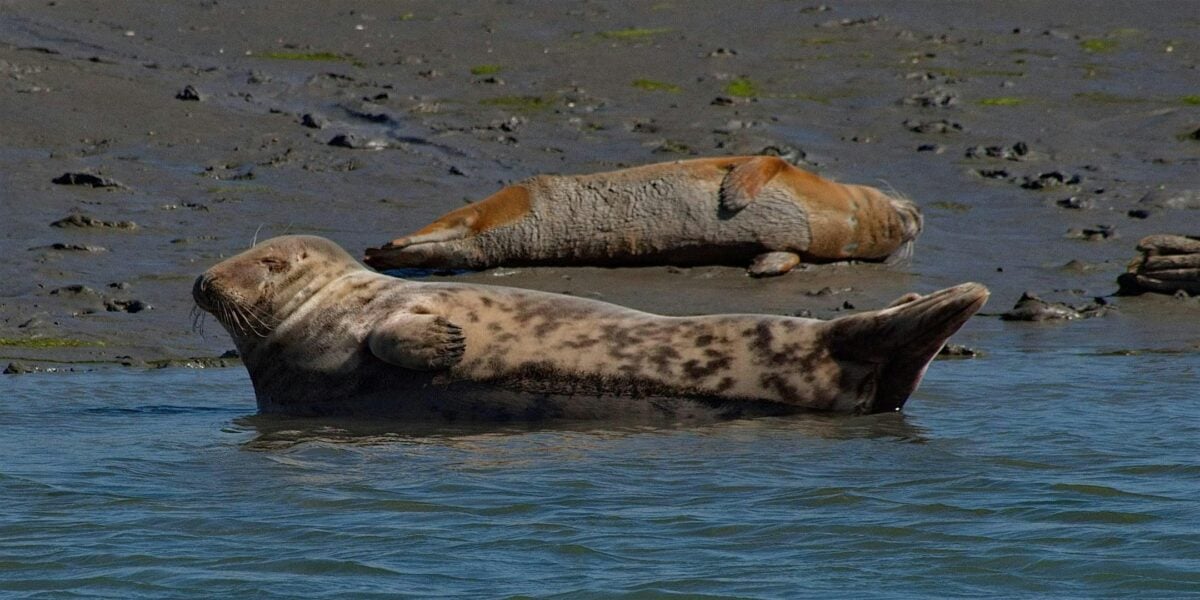
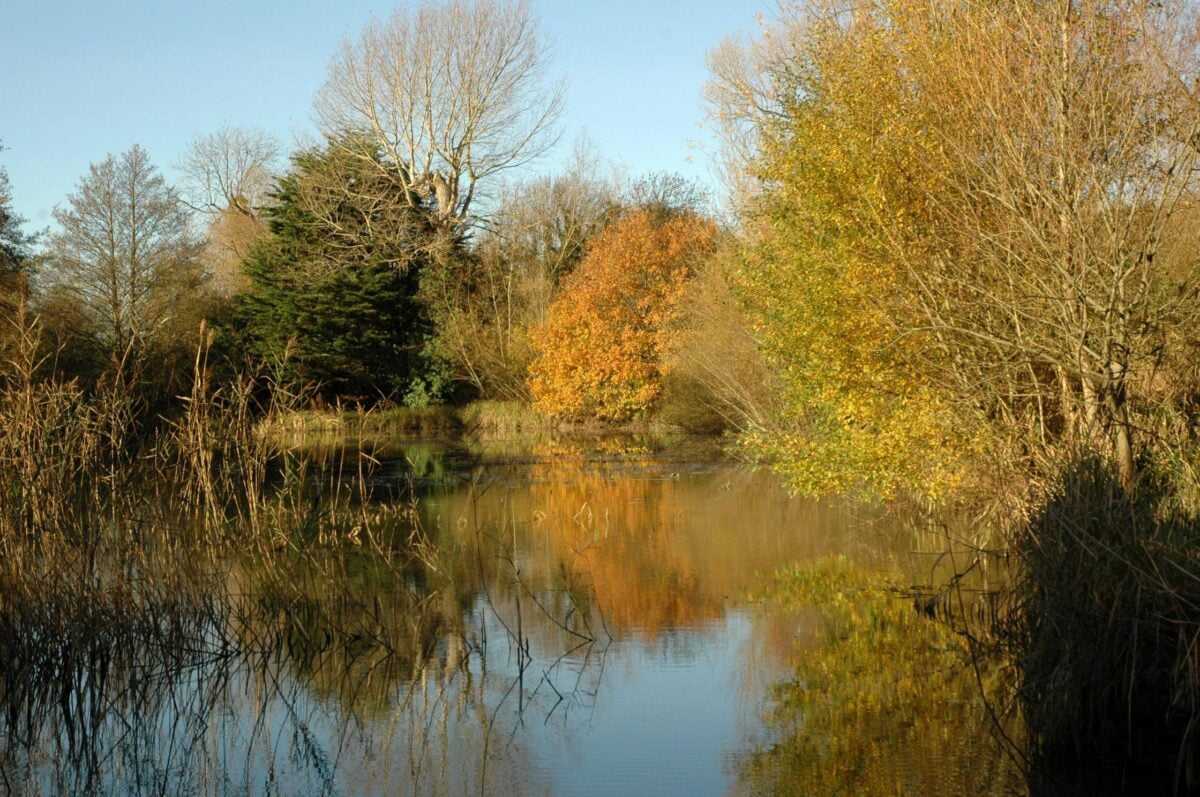
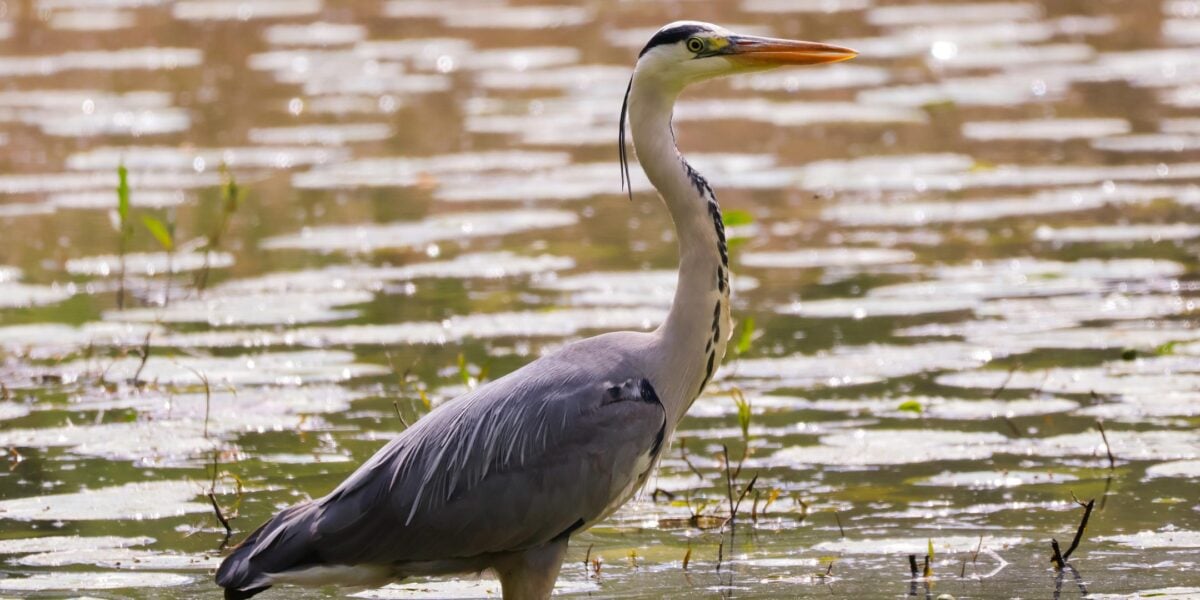
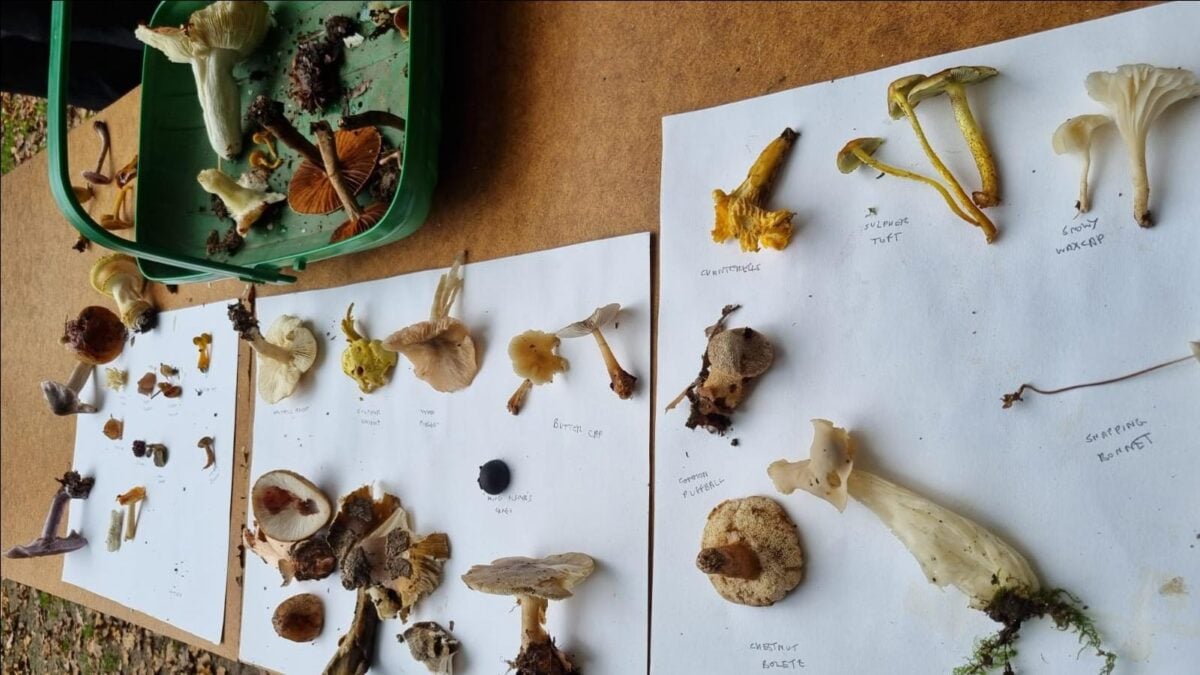
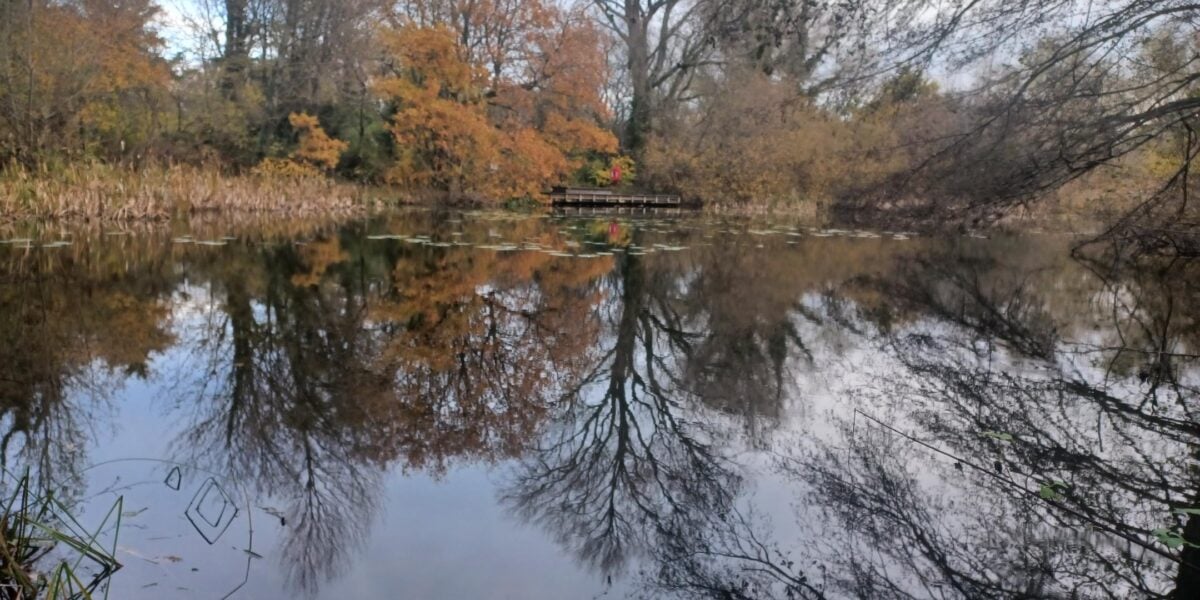

Explore our reserves
Find your next spot to explore and enjoy nature in Sussex
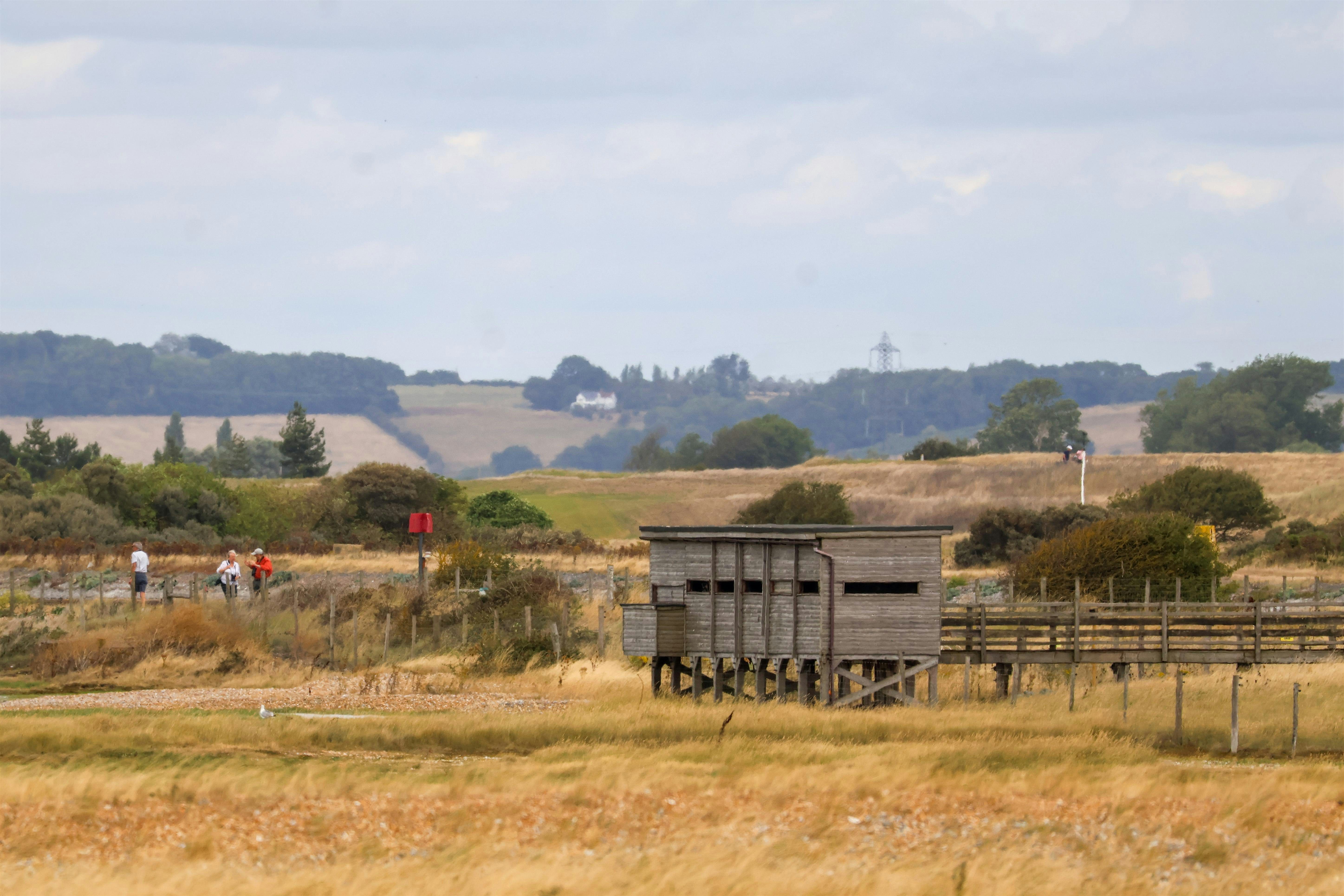
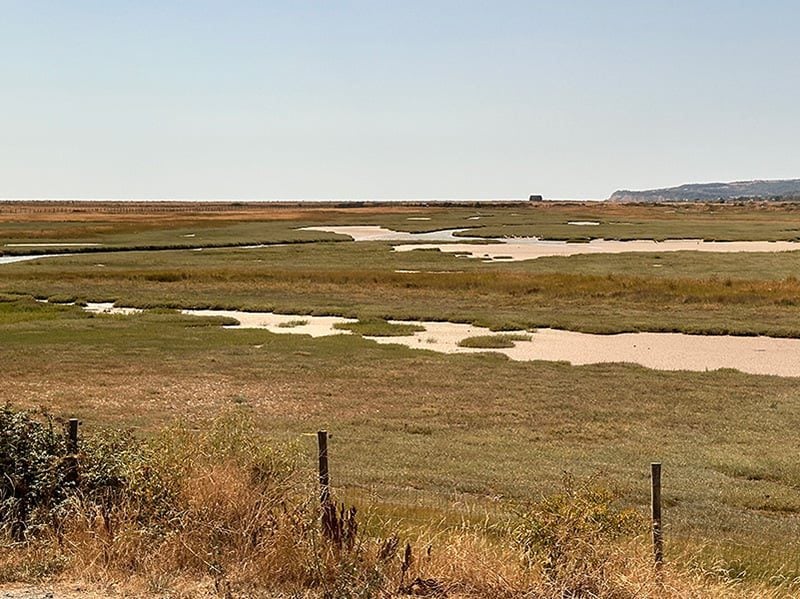
From Rye Harbour and Seaford Head on the coast, to Eridge Rocks or Levin Down amidst the hills, there are over 25 Trust nature reserves waiting for your visit.
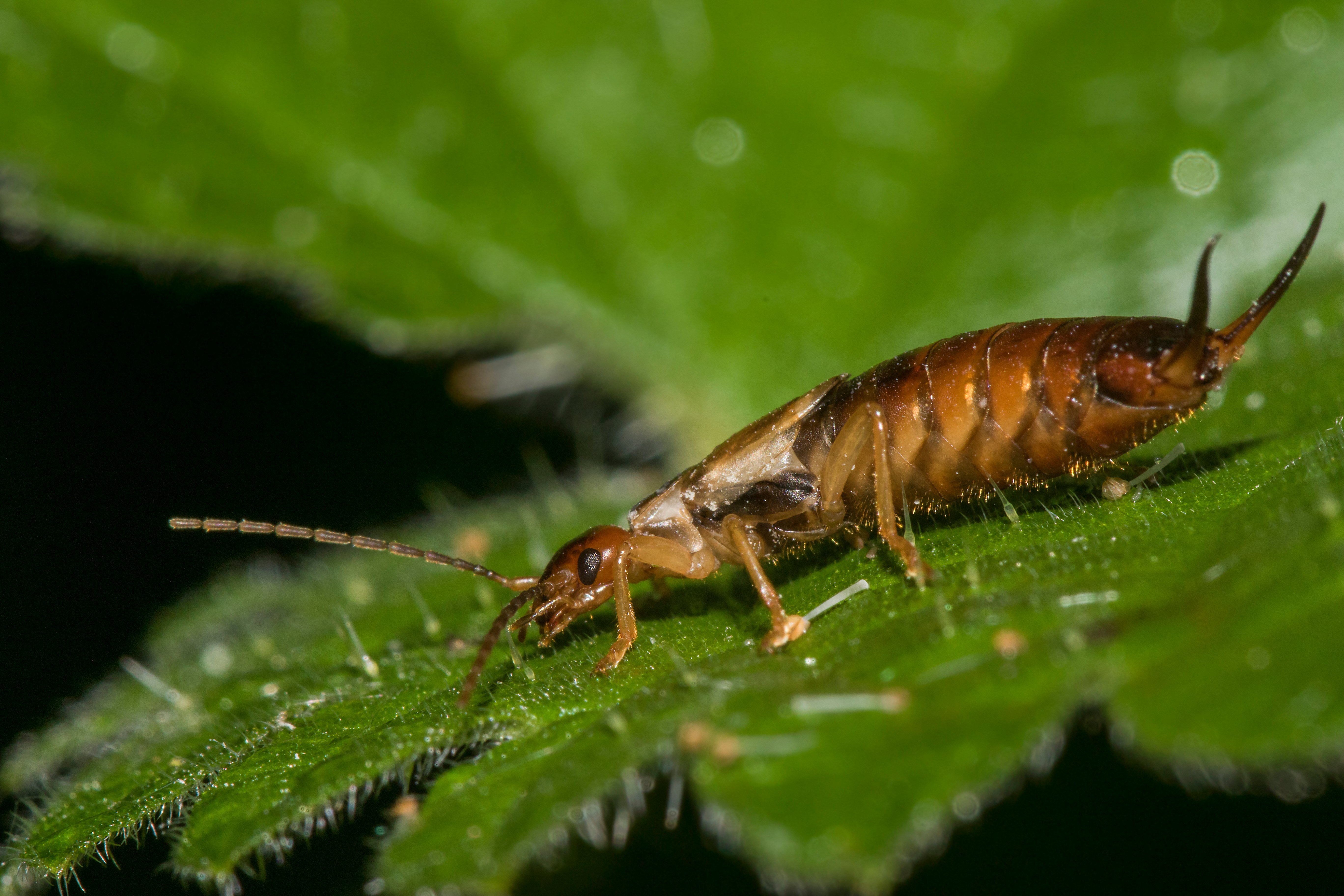
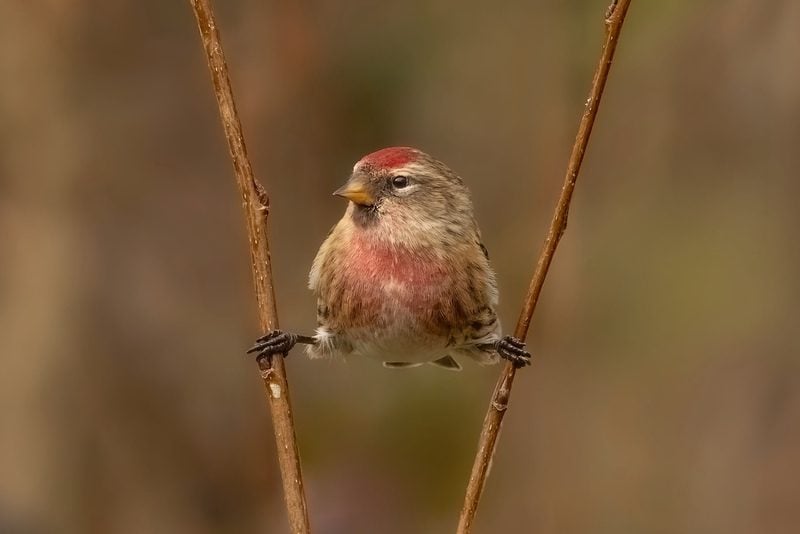
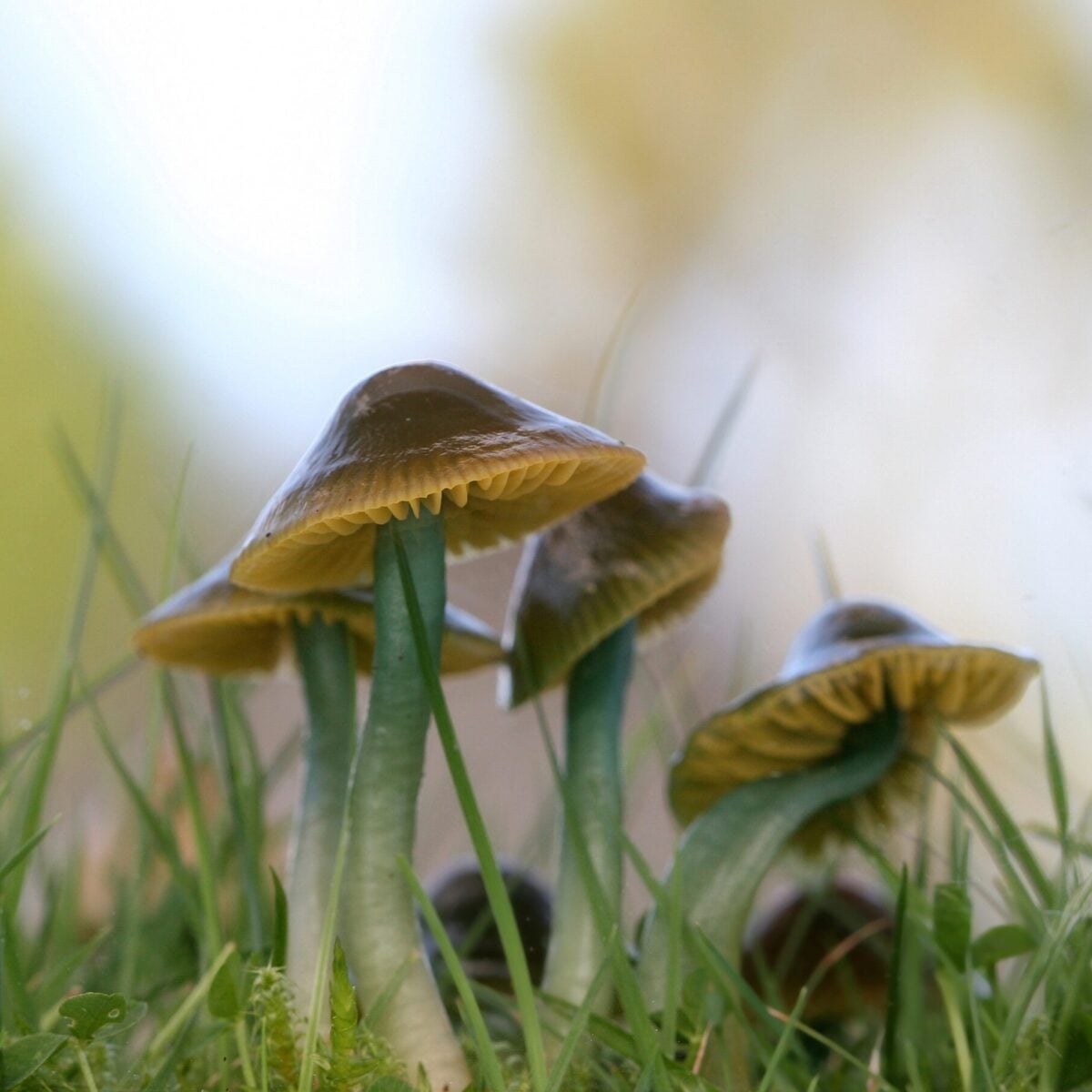
Discover some of our key species
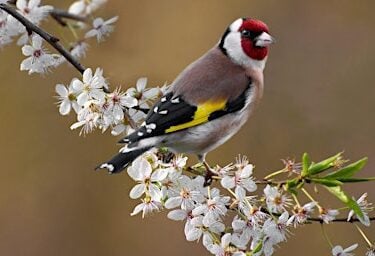
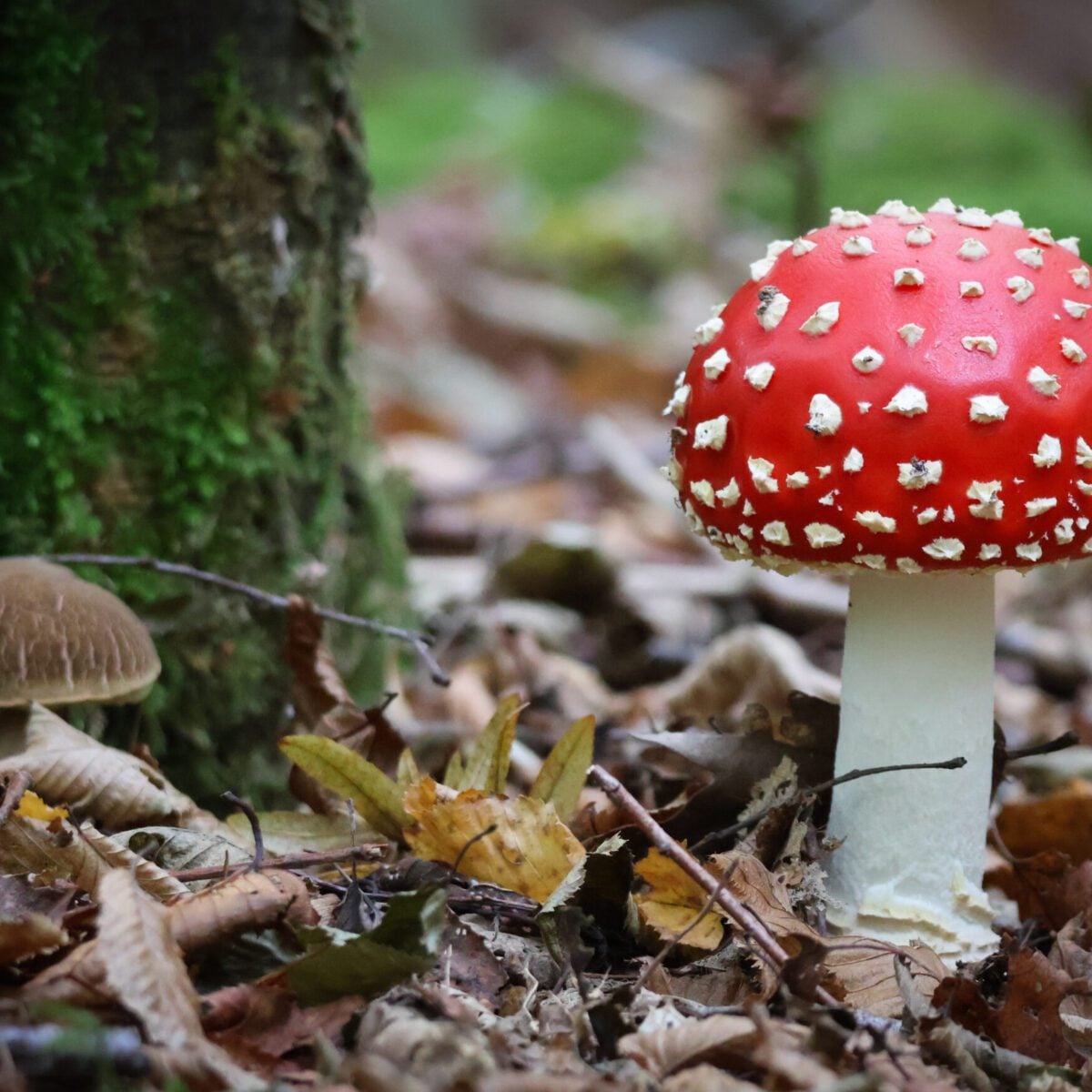
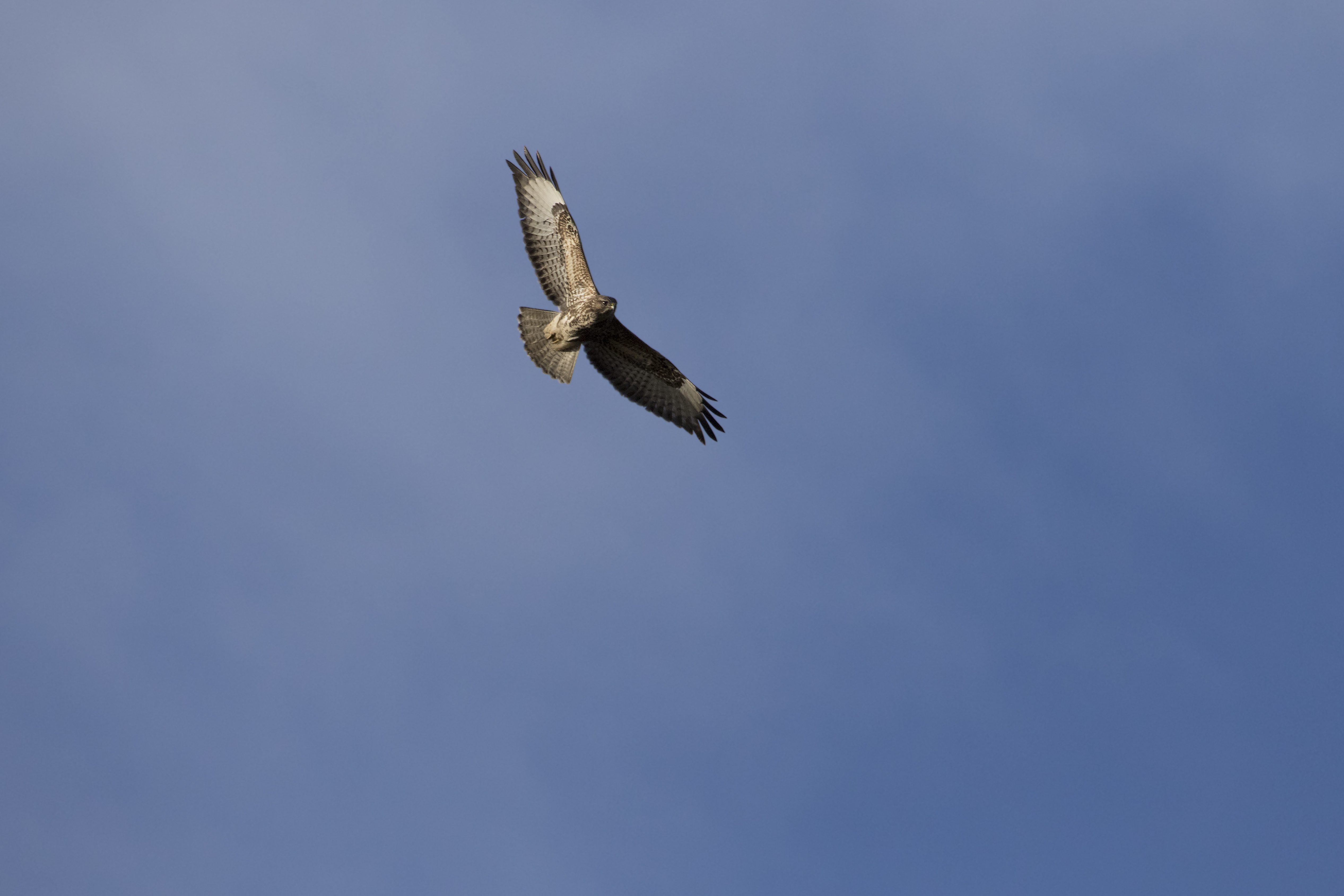
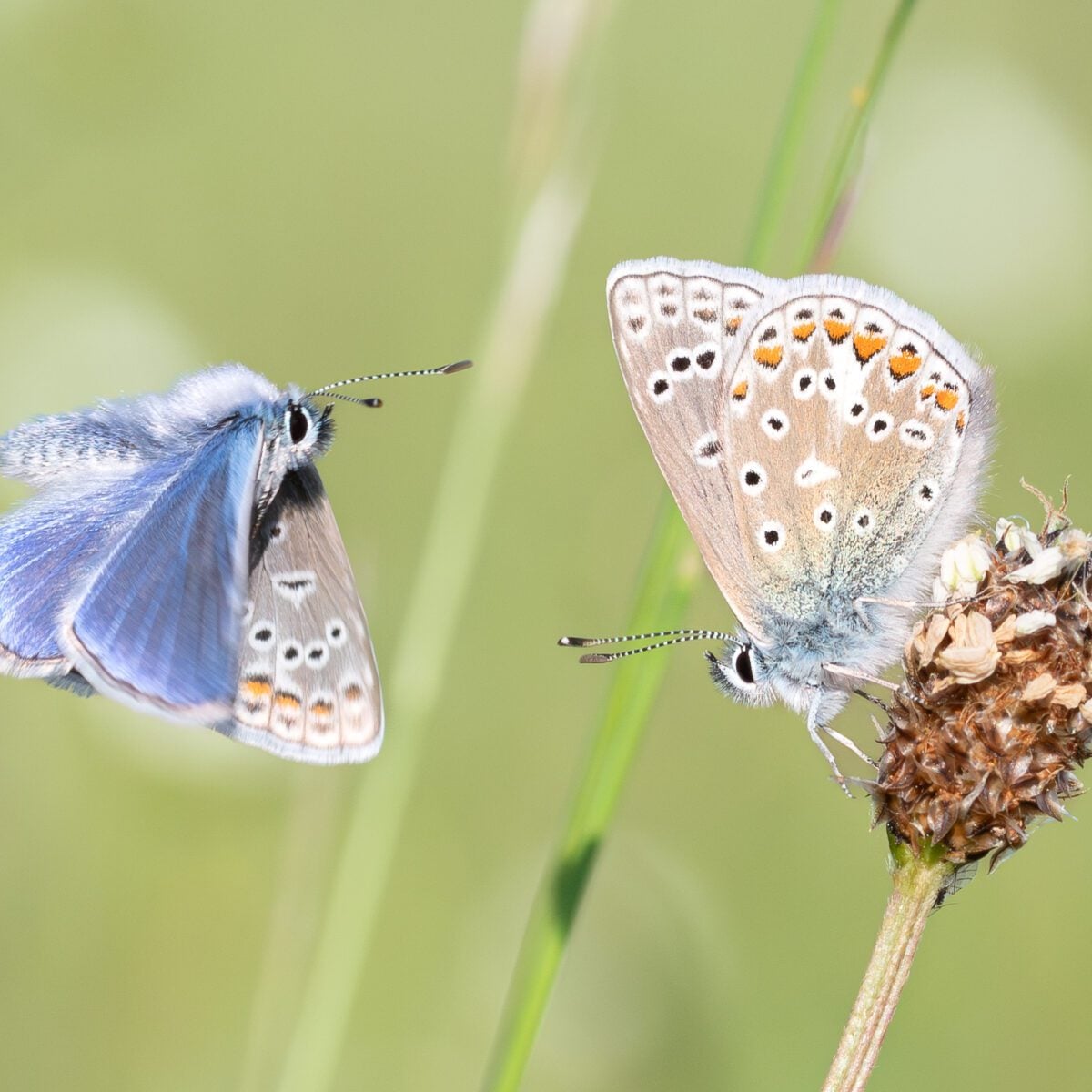
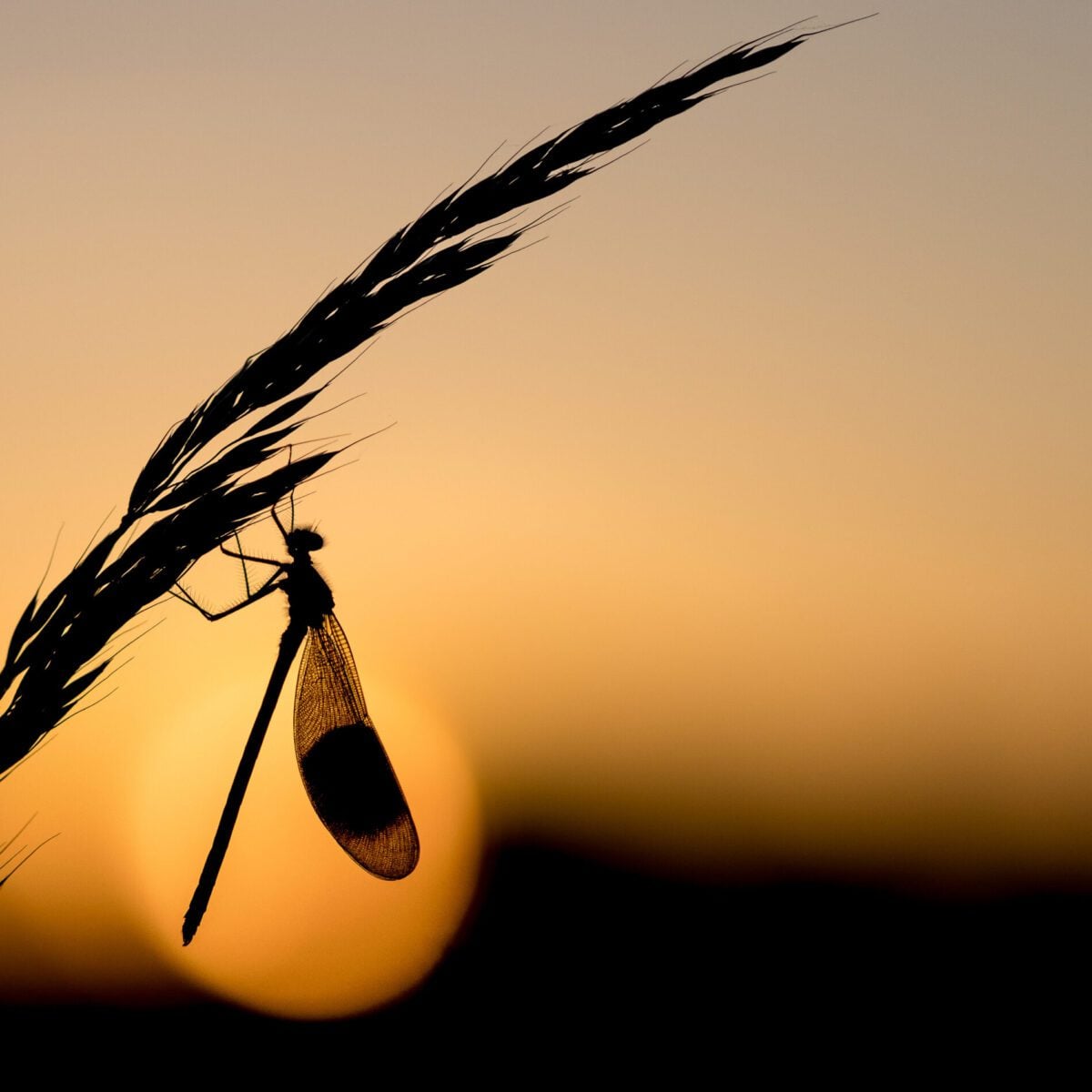
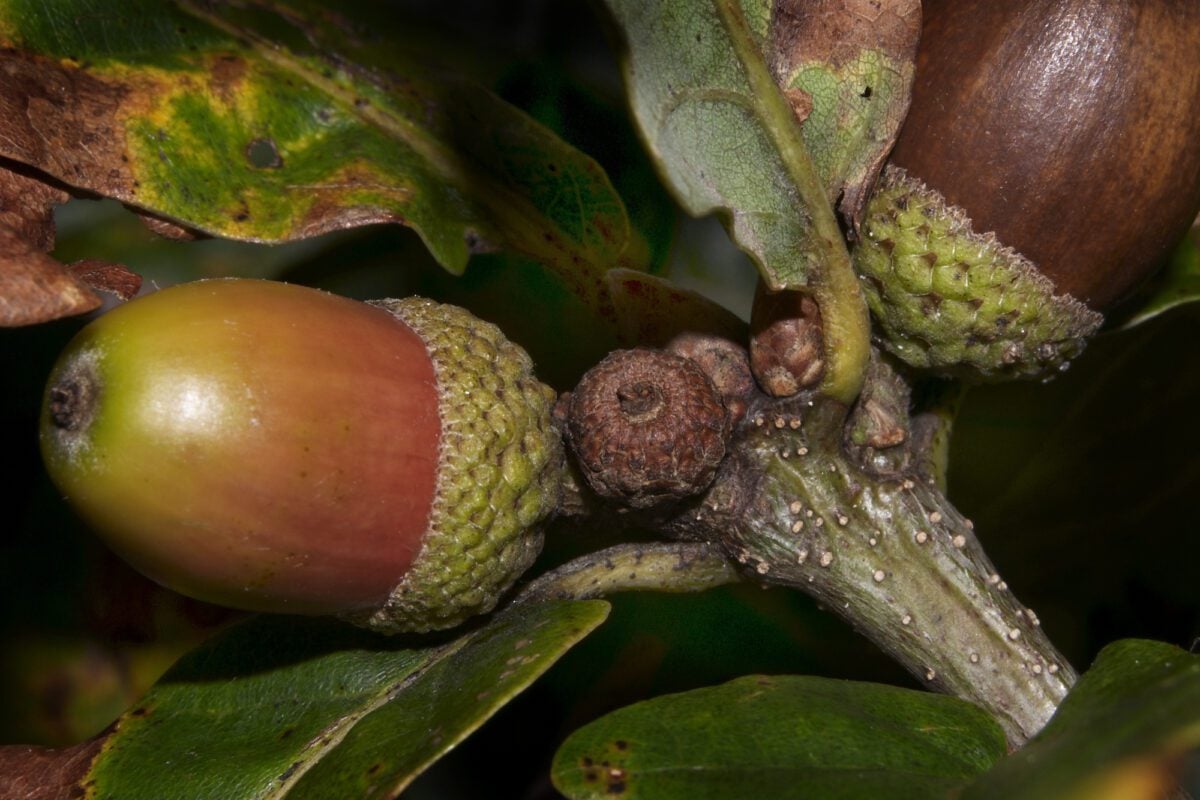
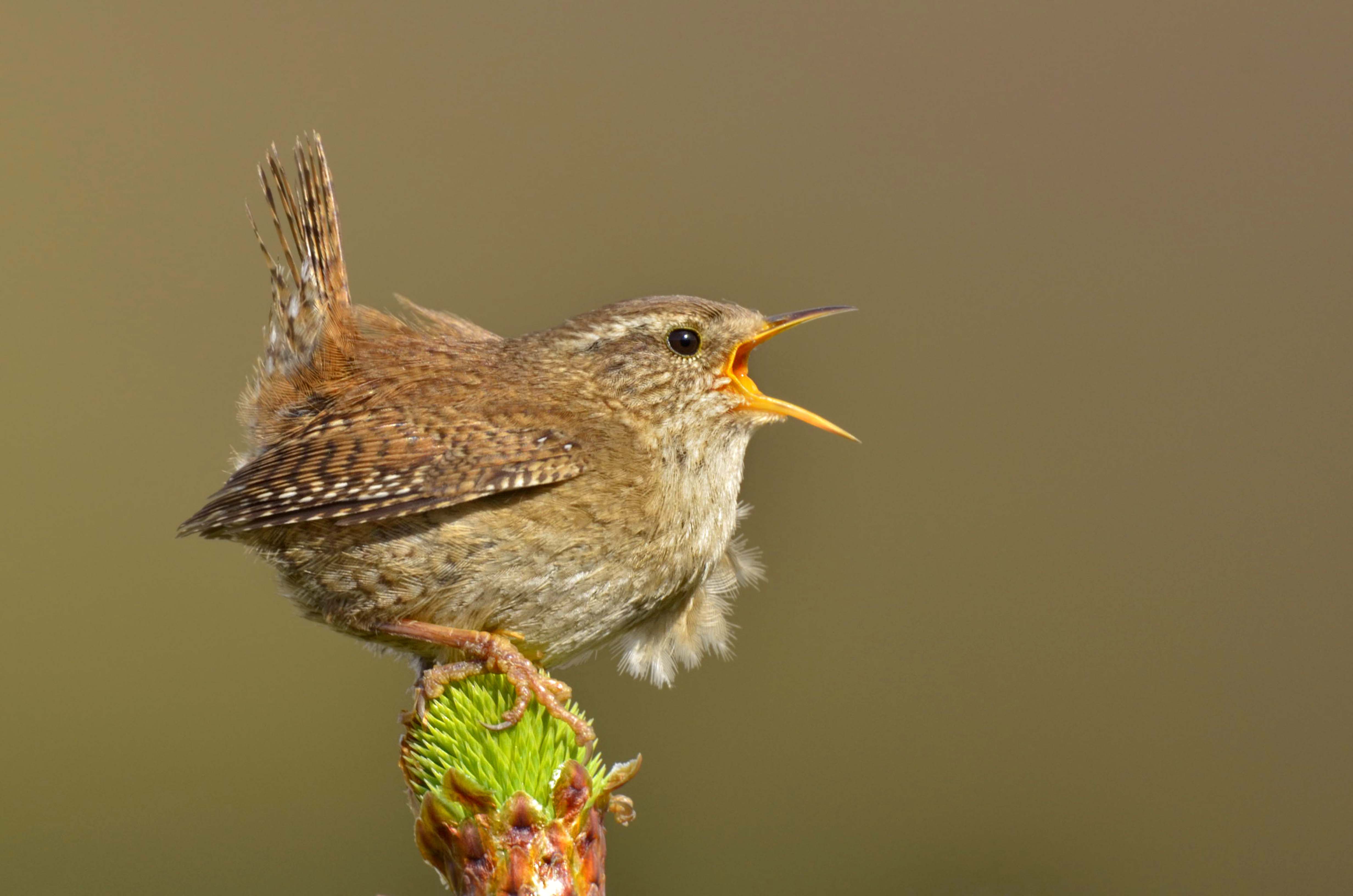
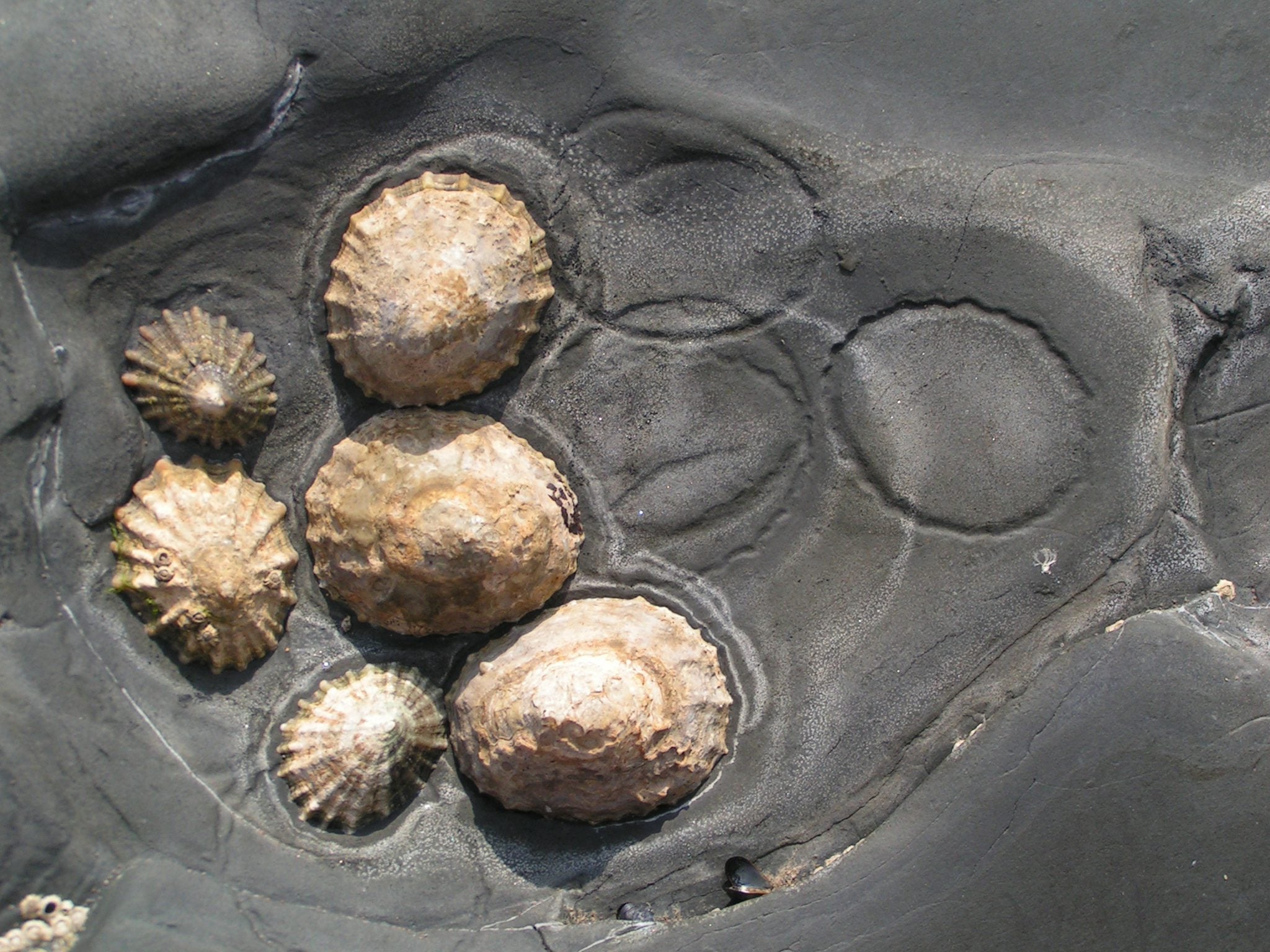
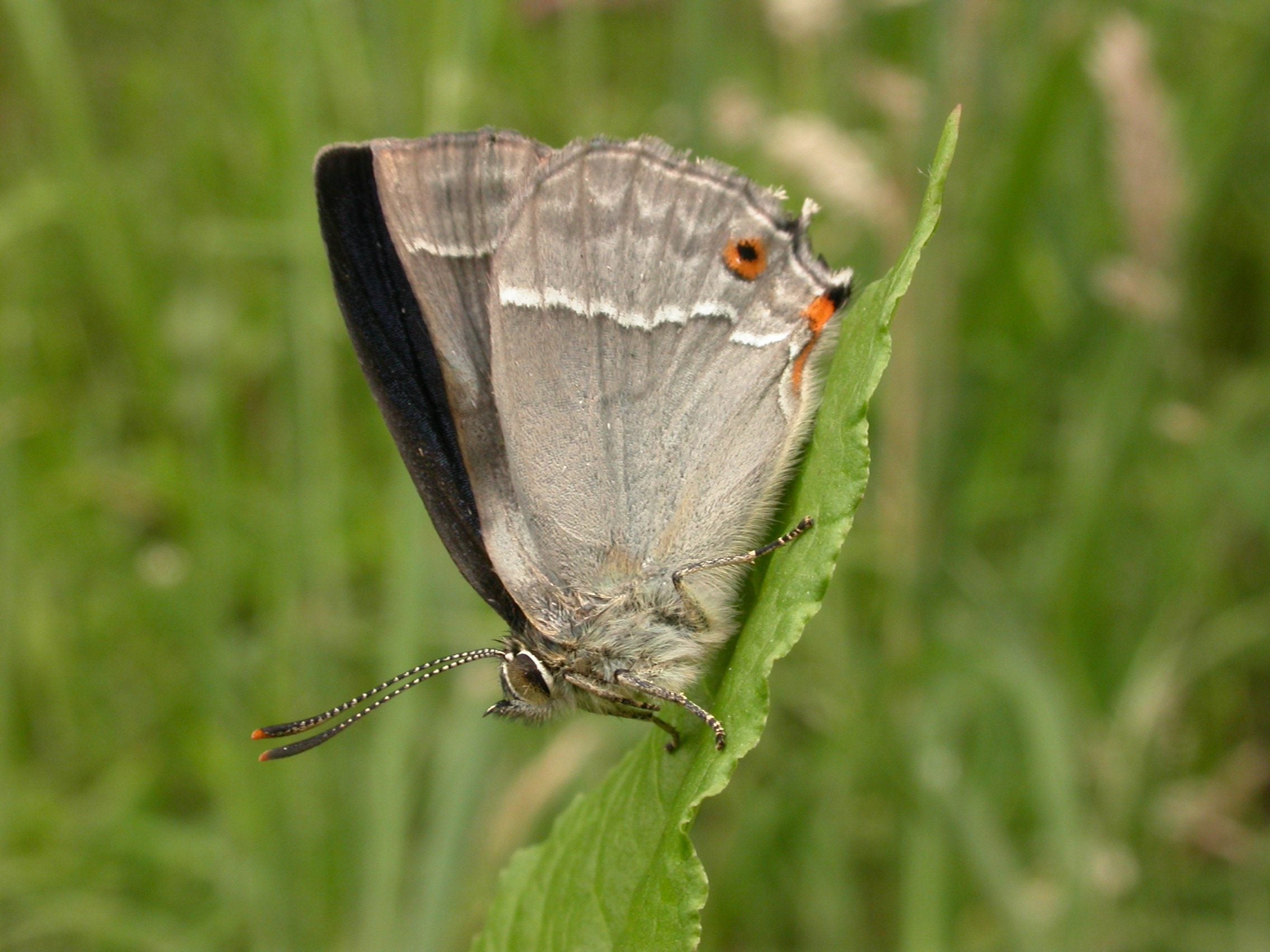
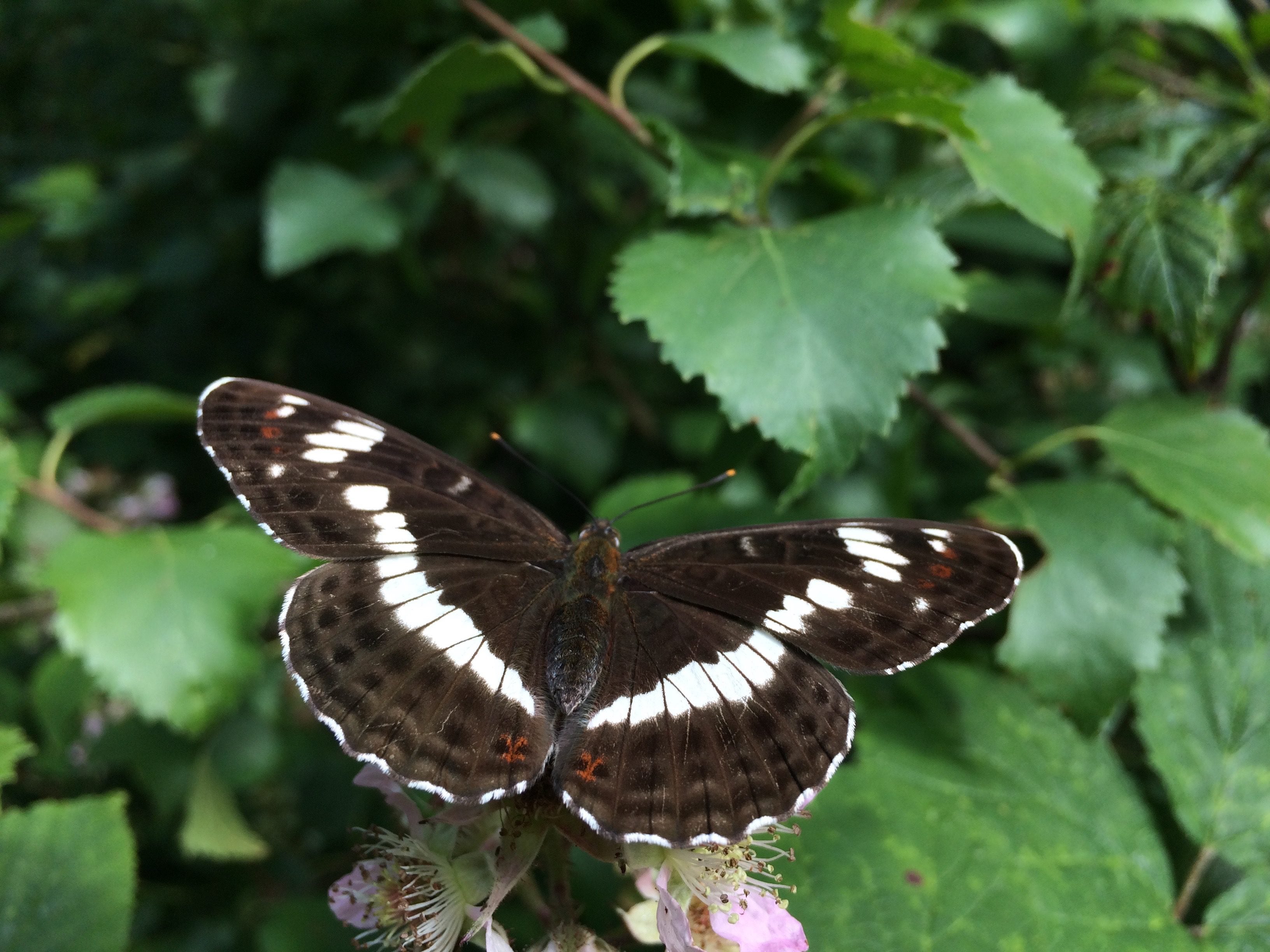
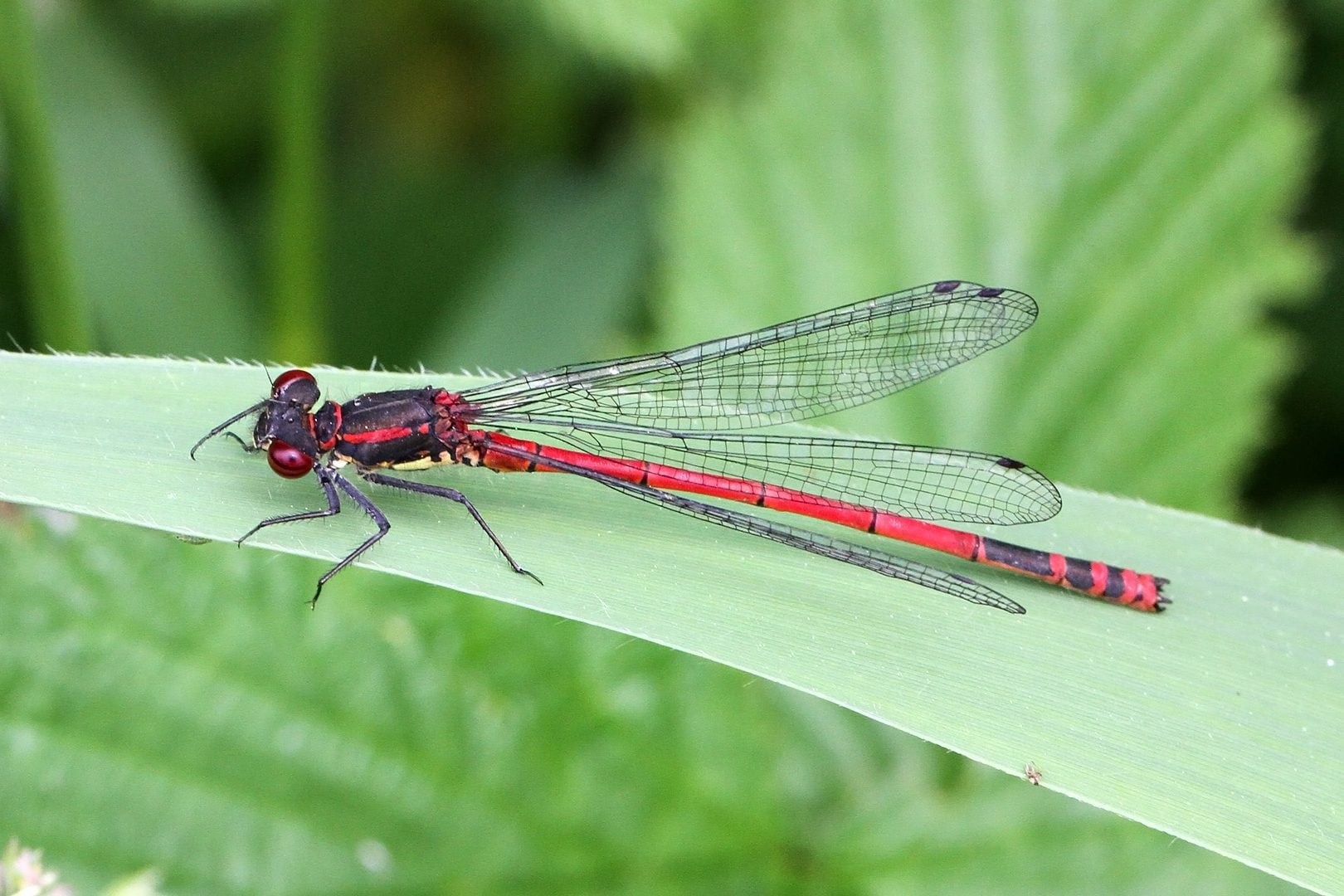
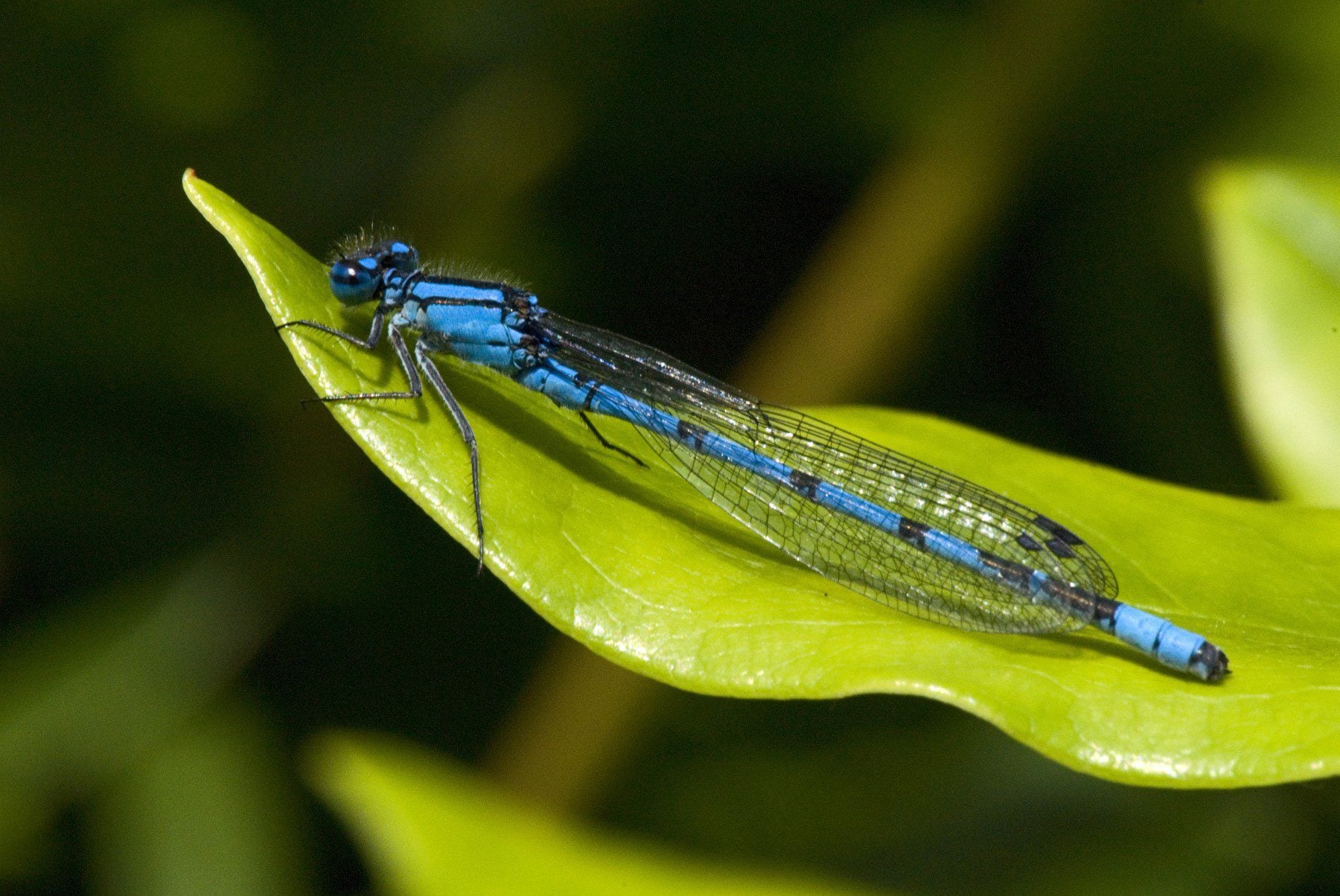
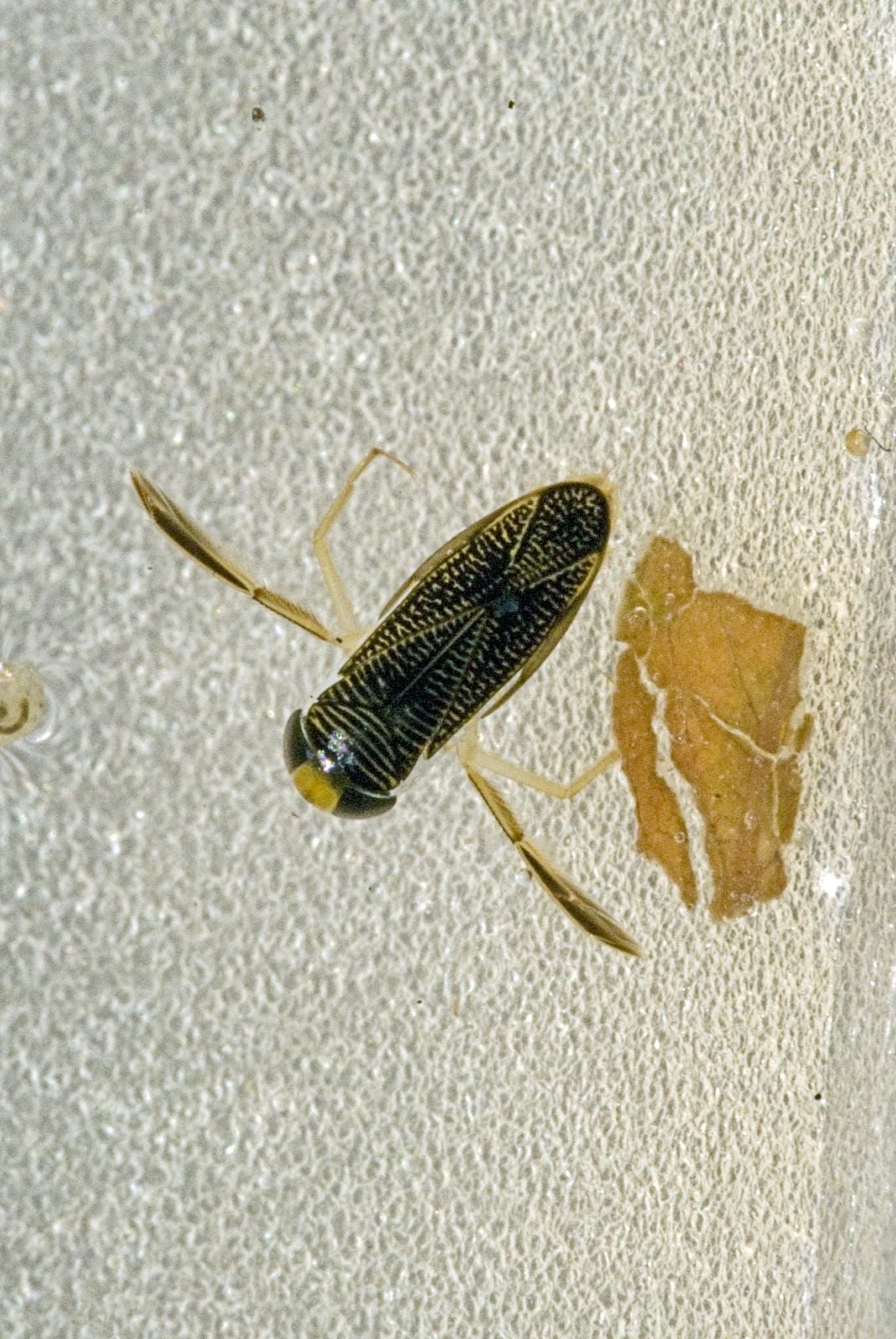
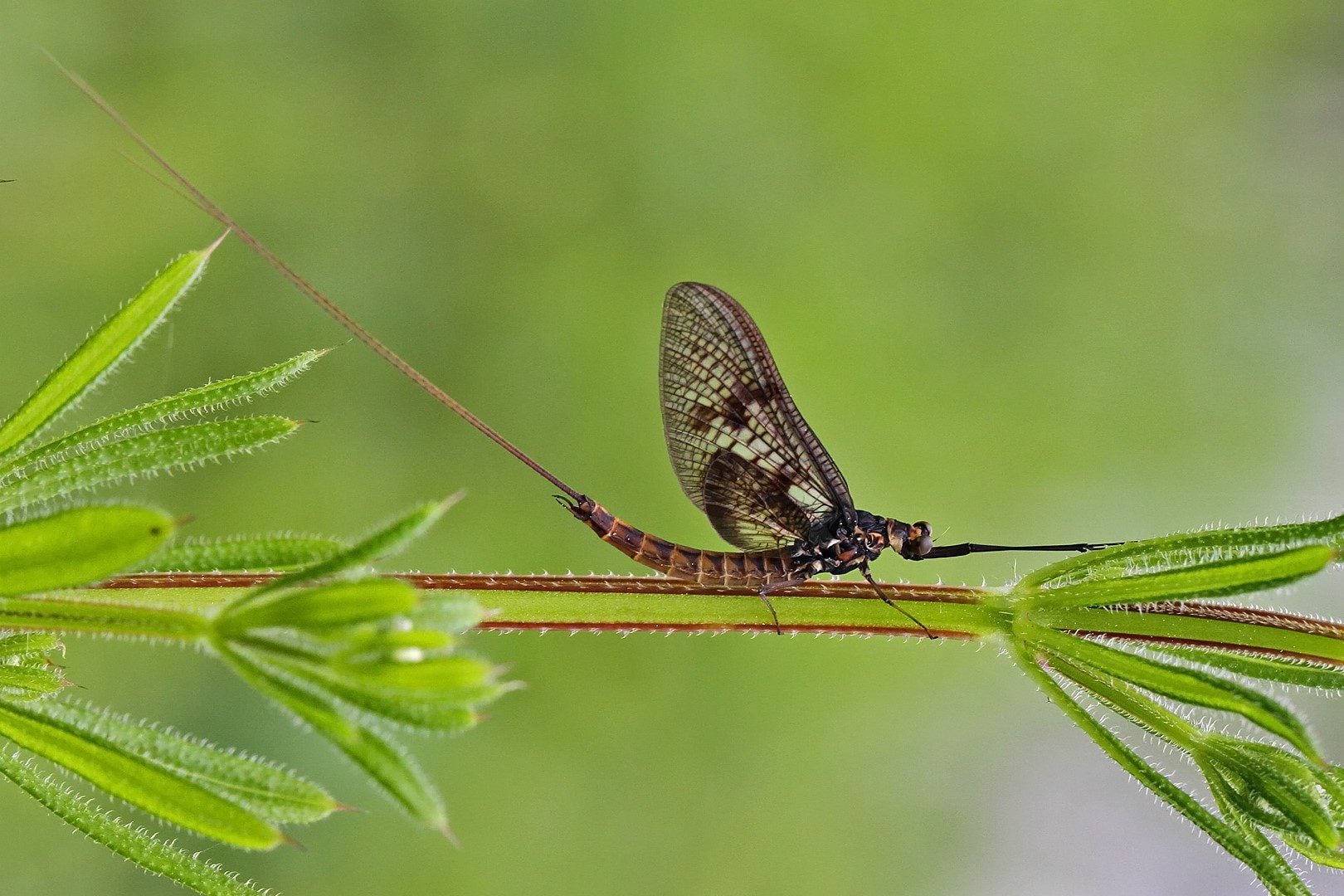
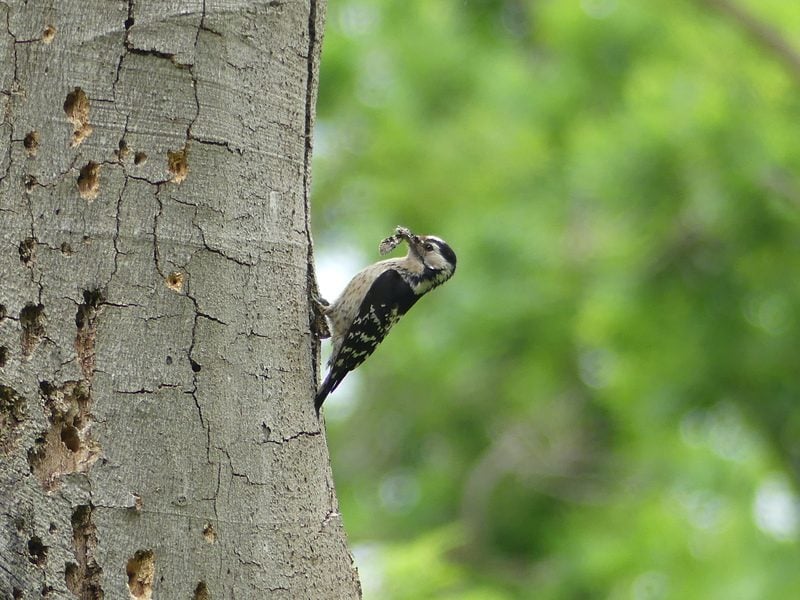
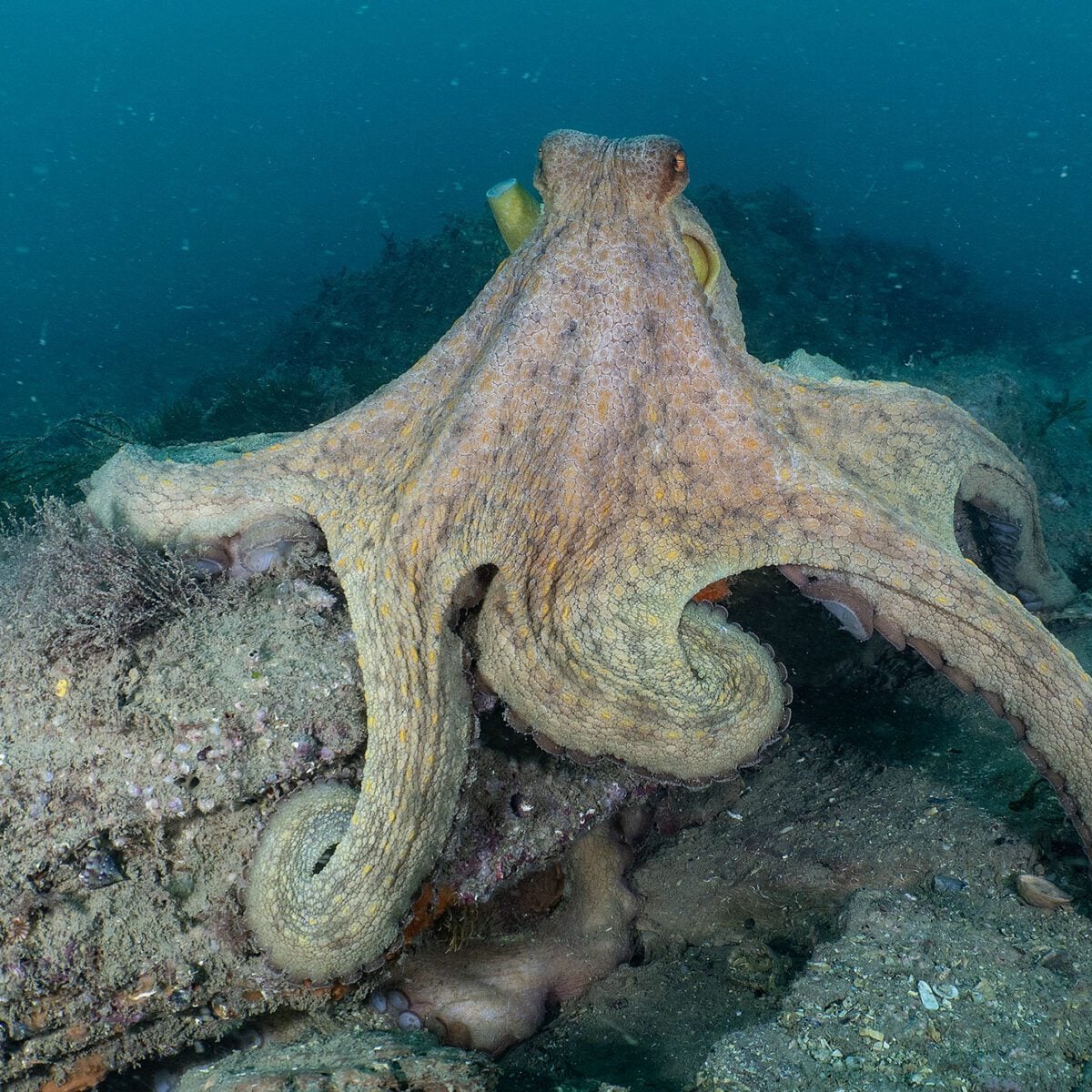
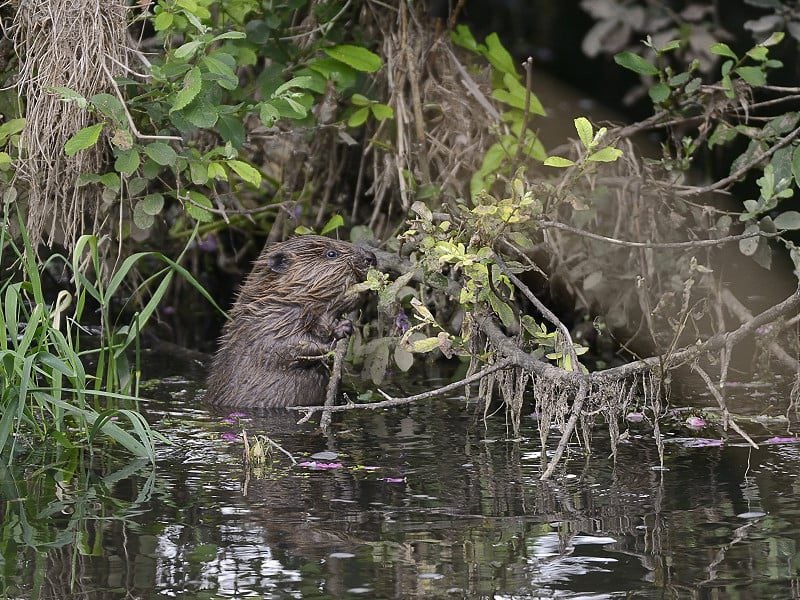
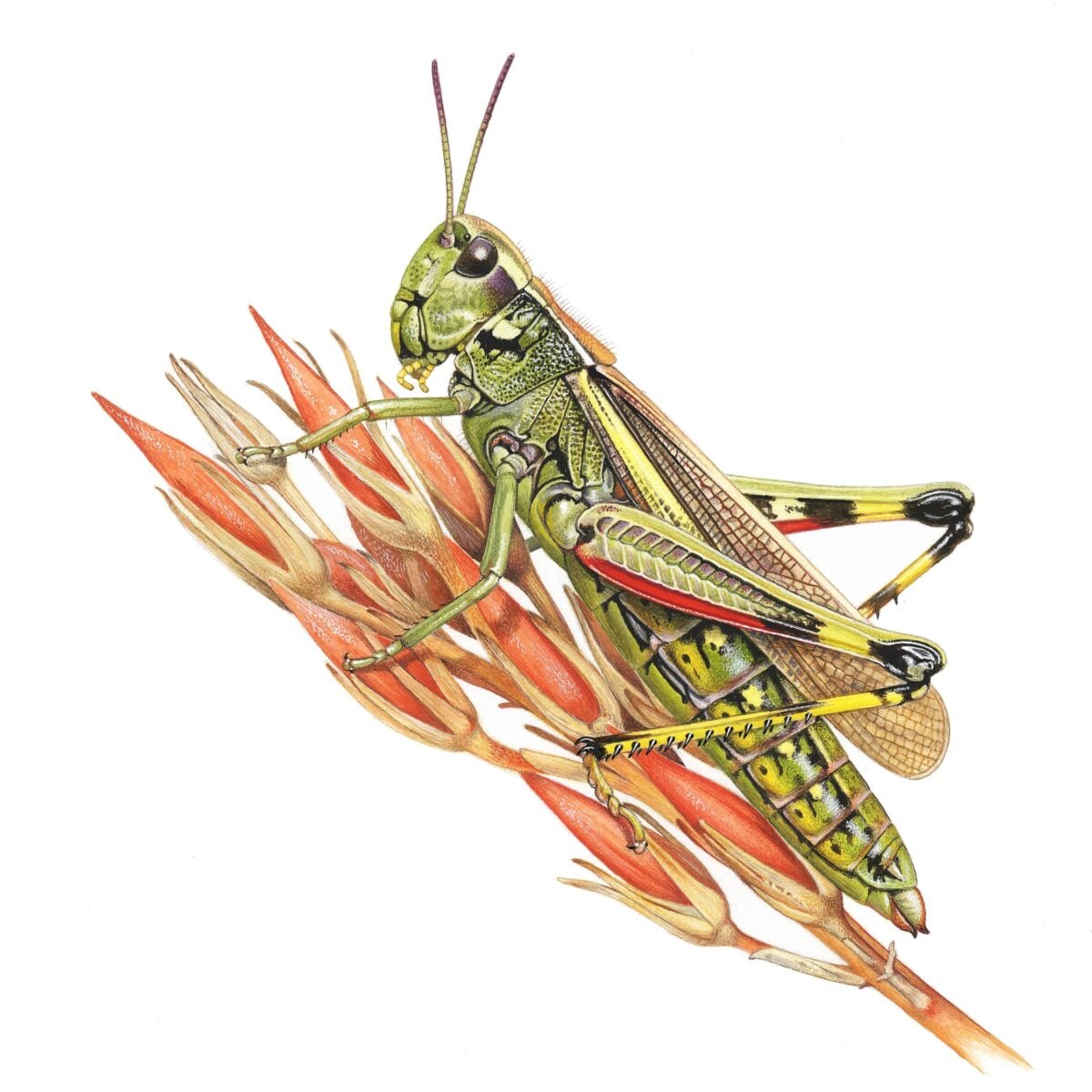
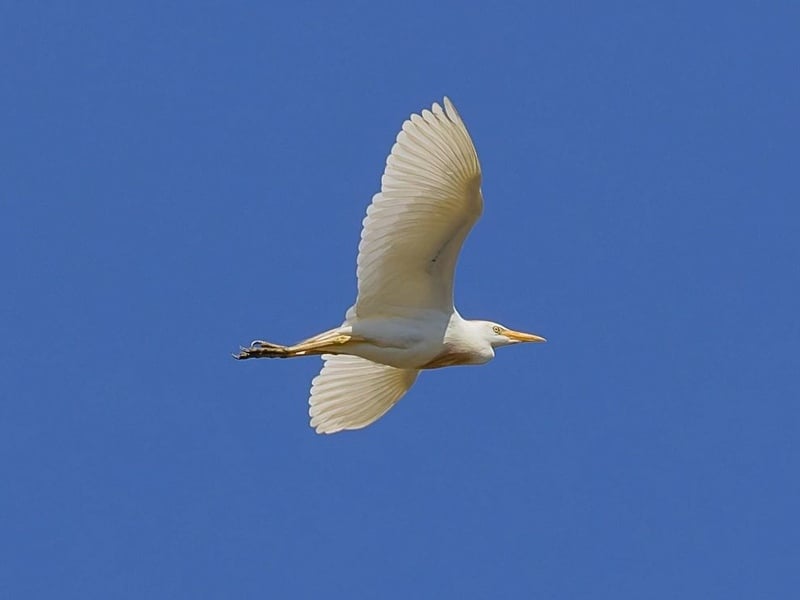
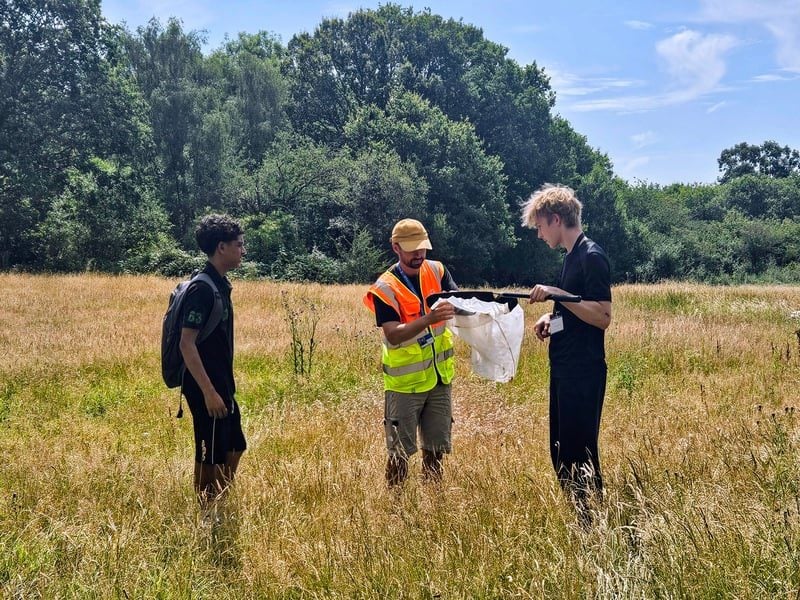
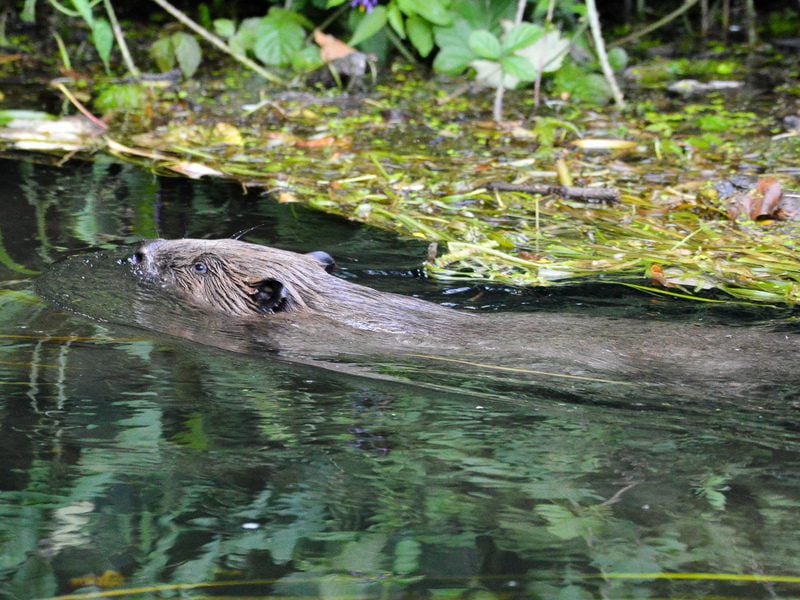
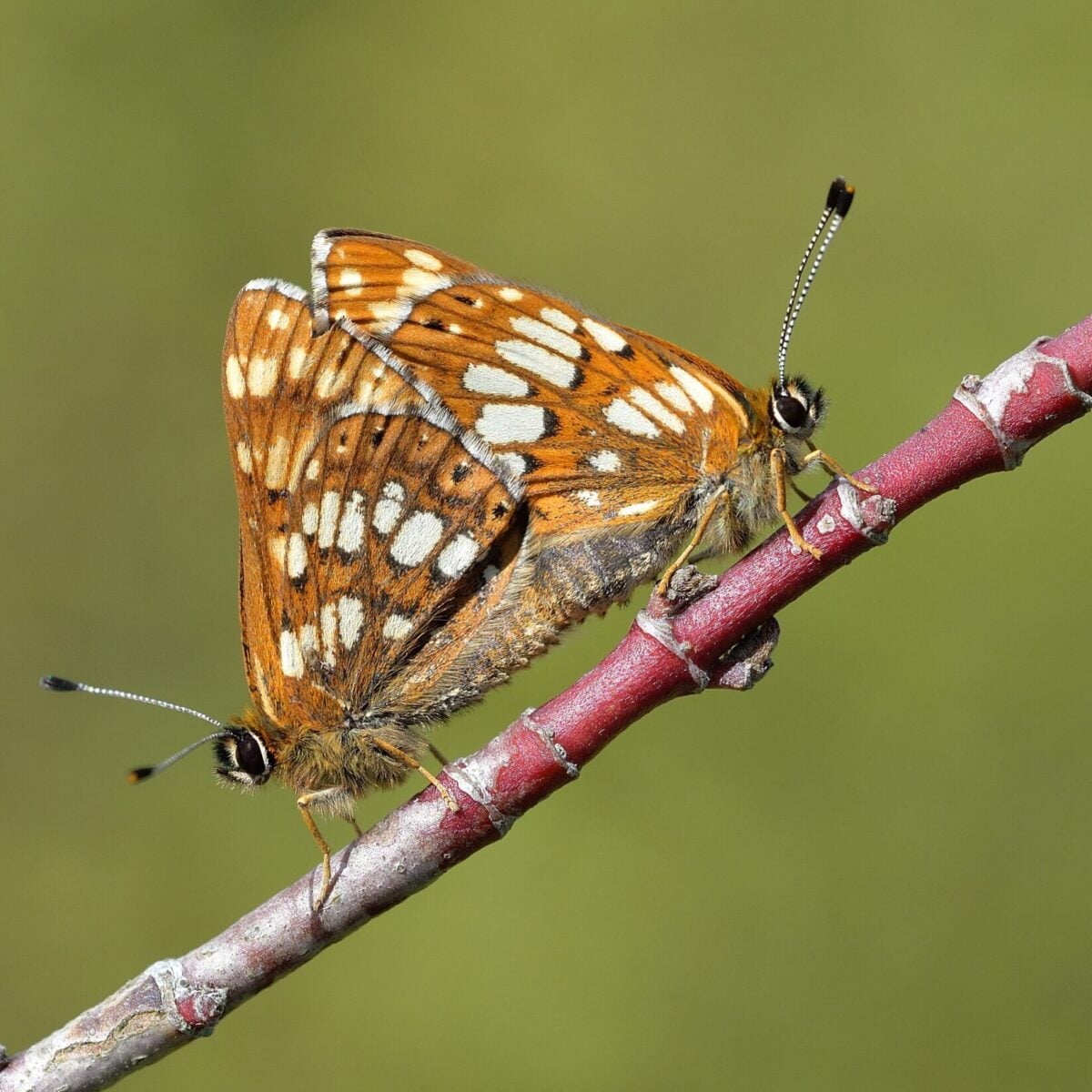
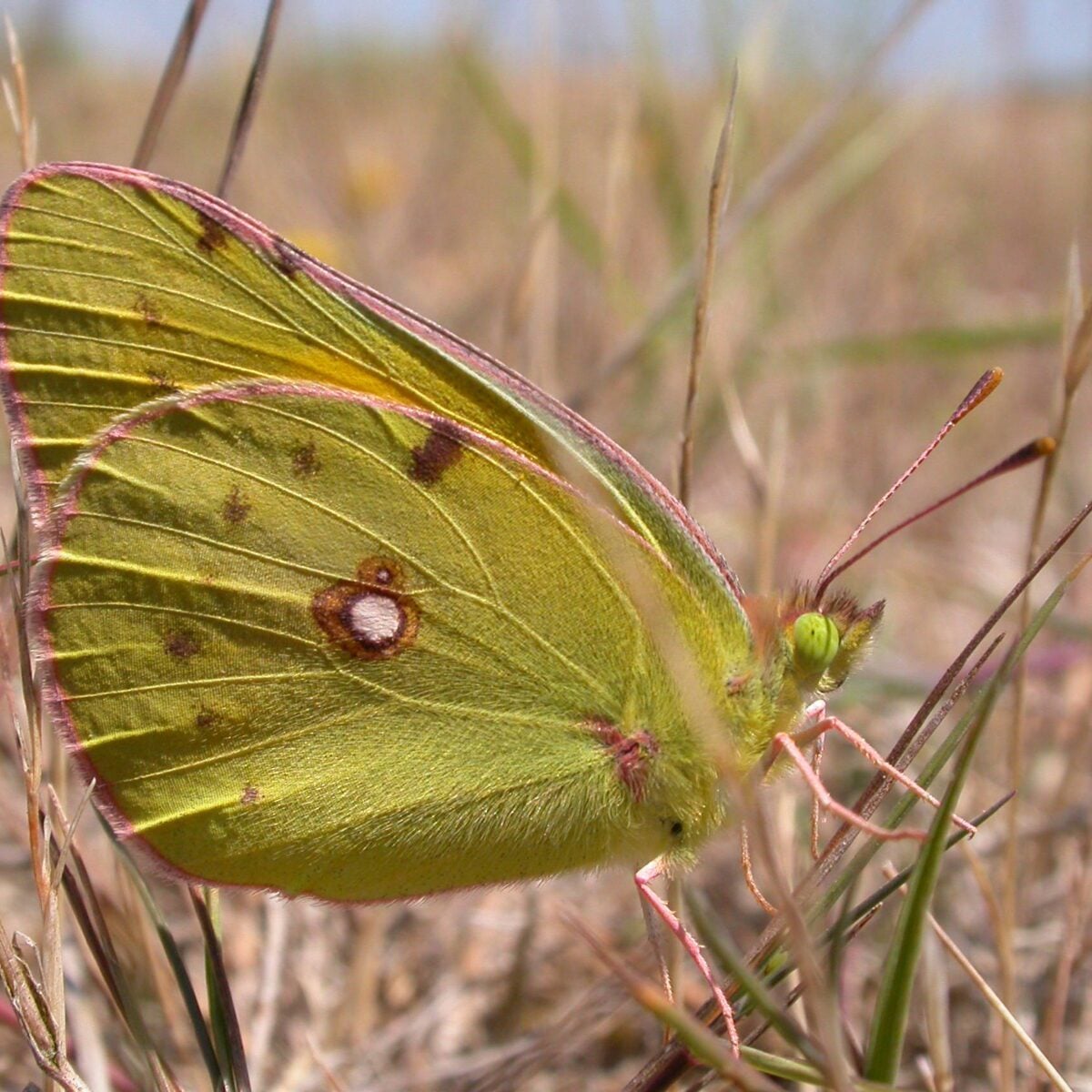
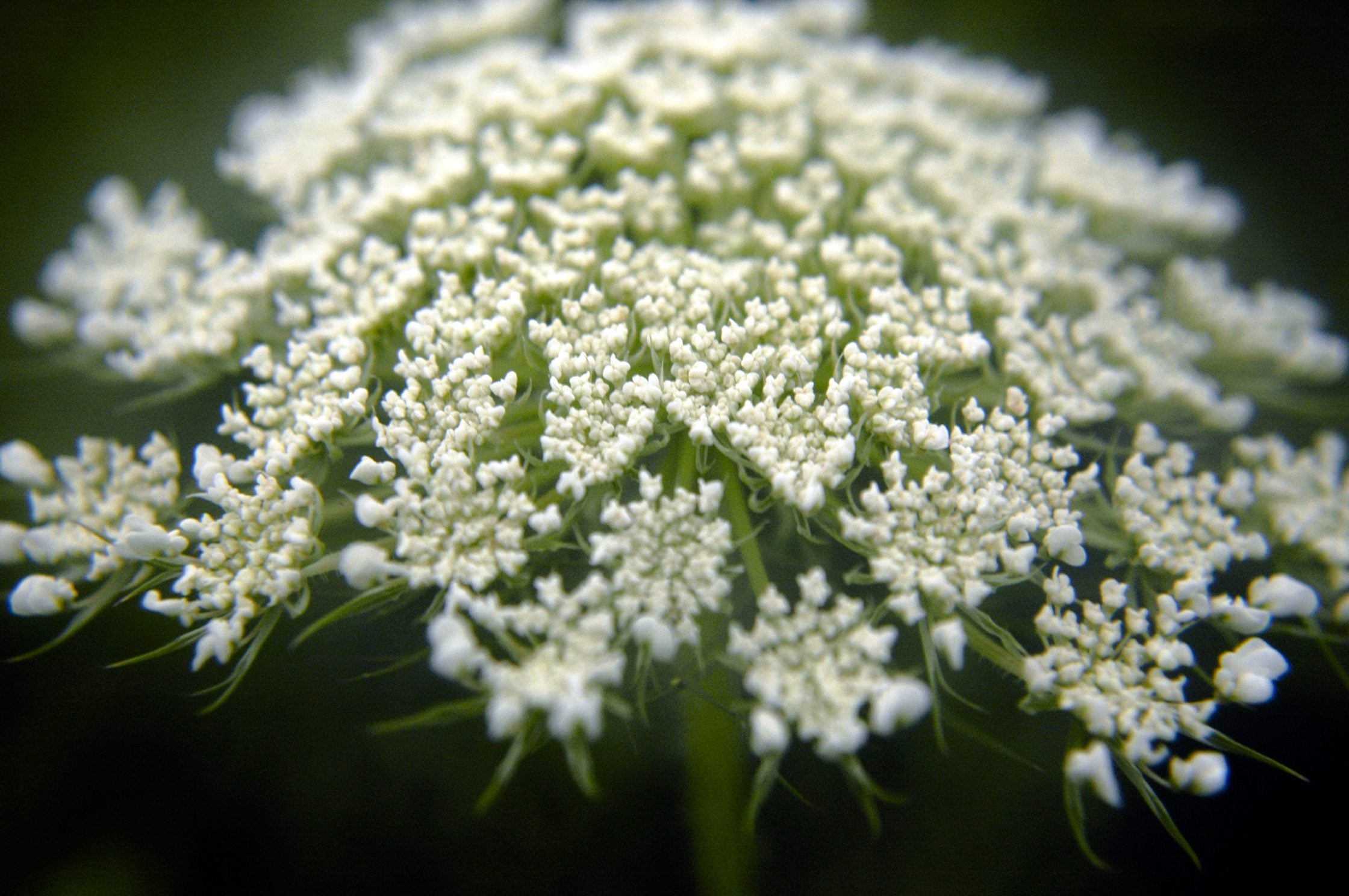
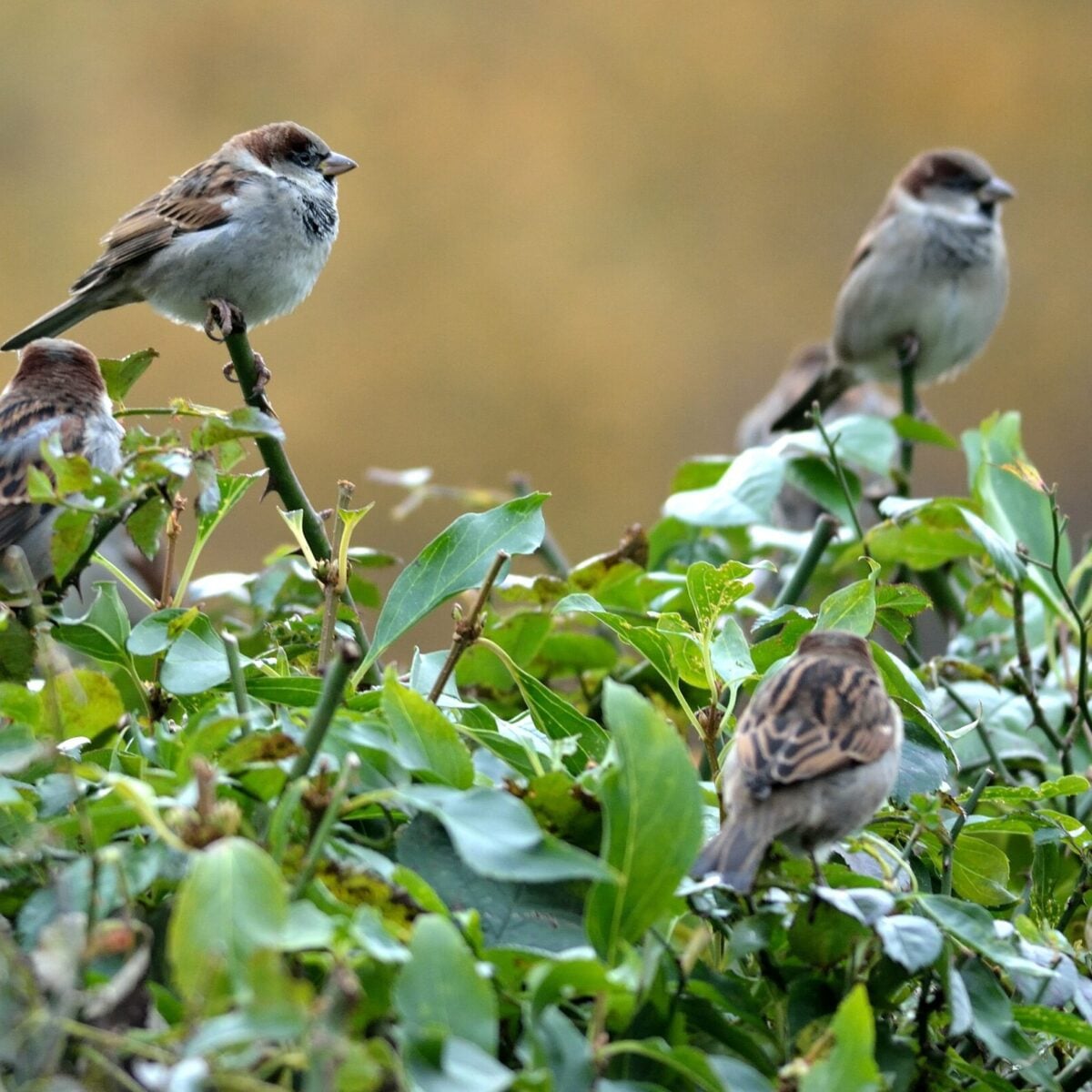
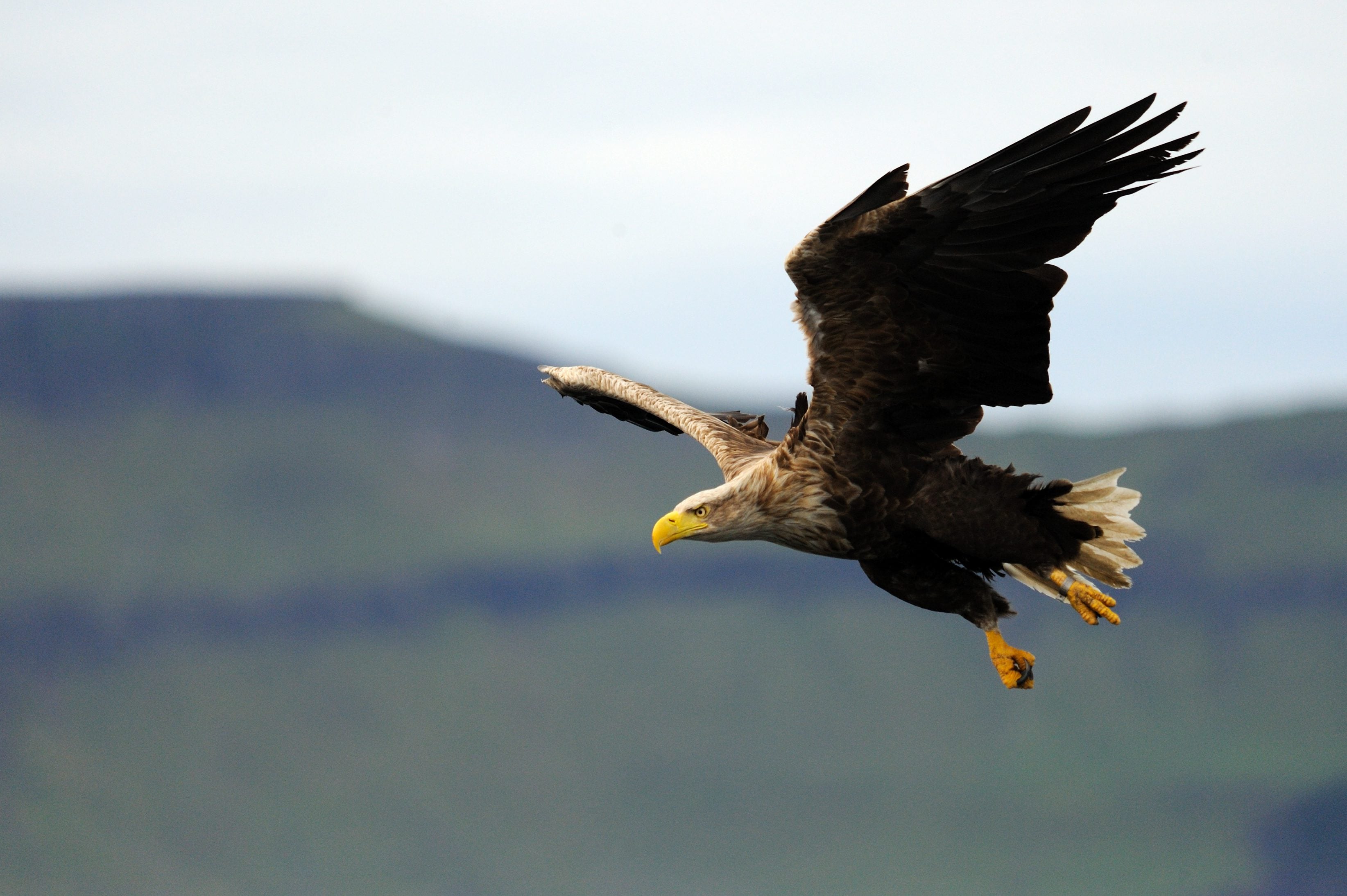
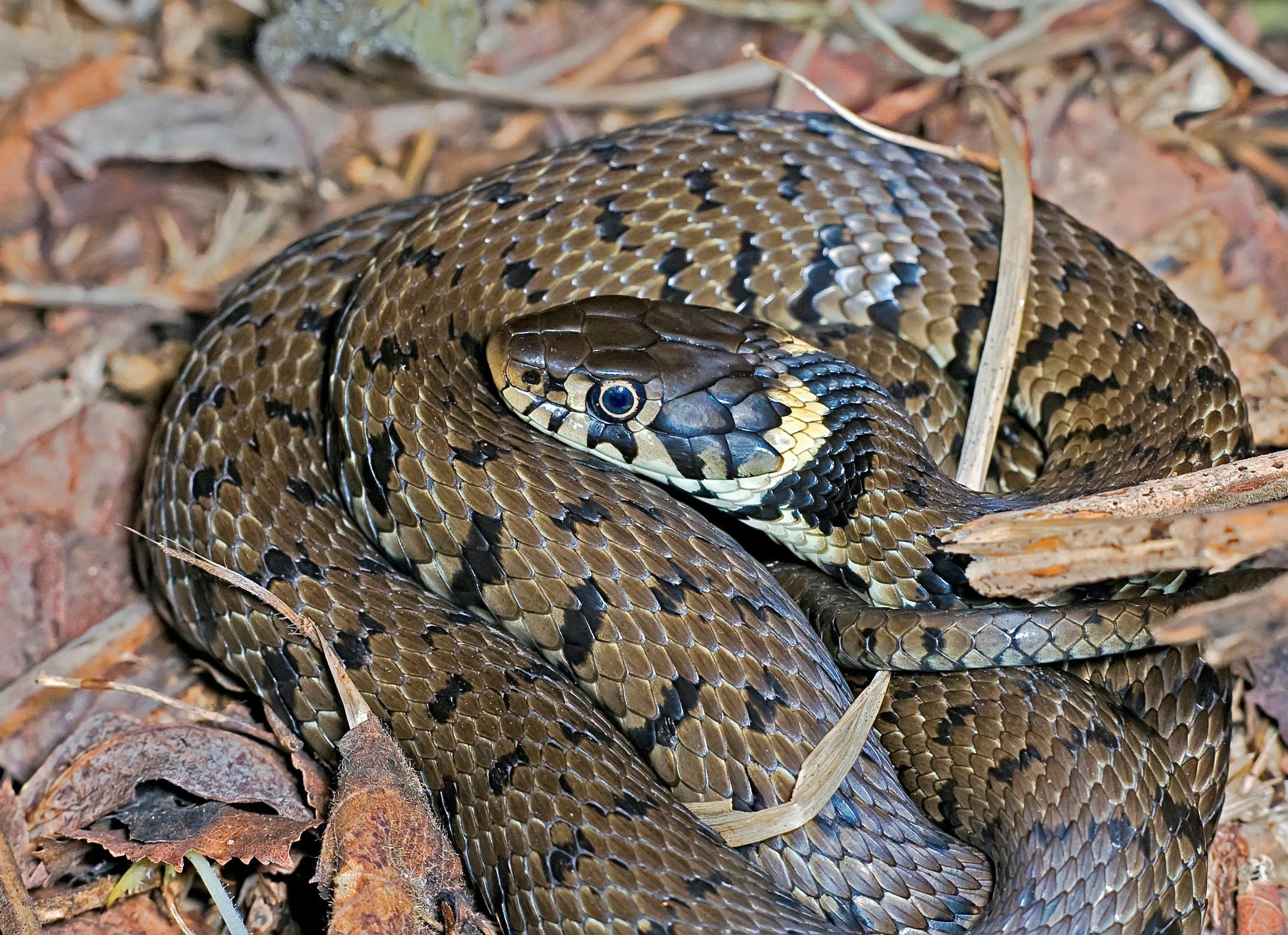
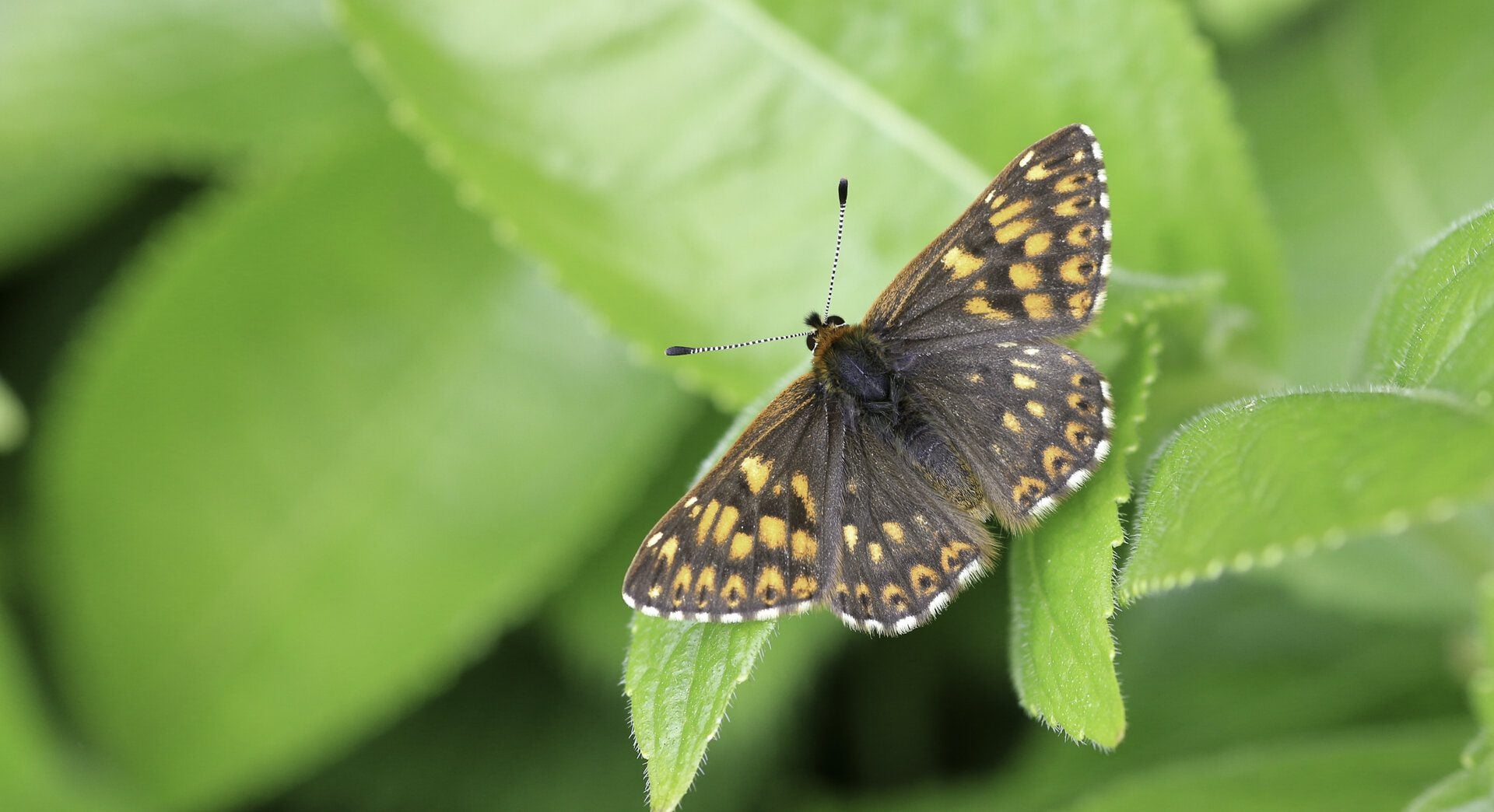
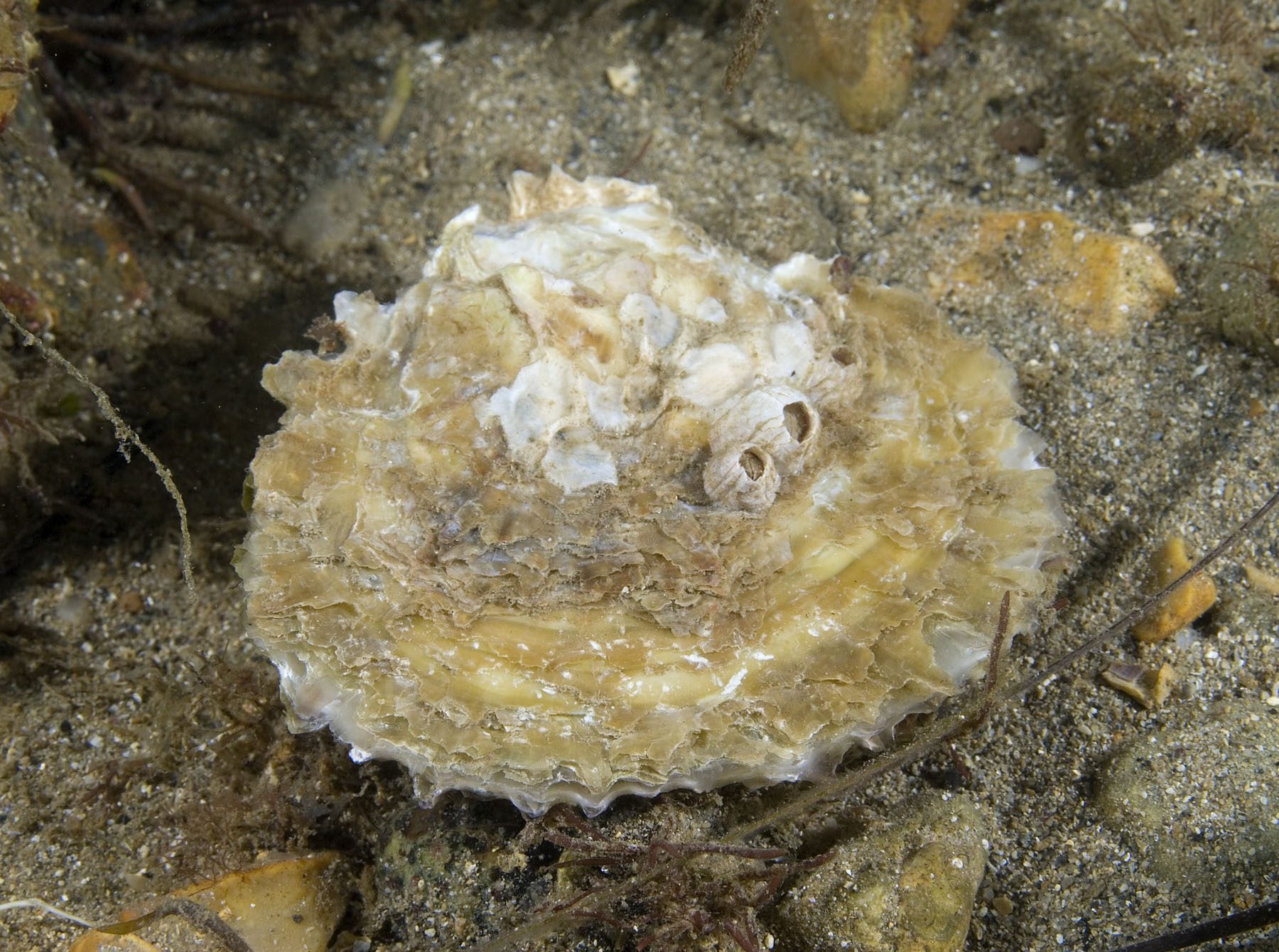
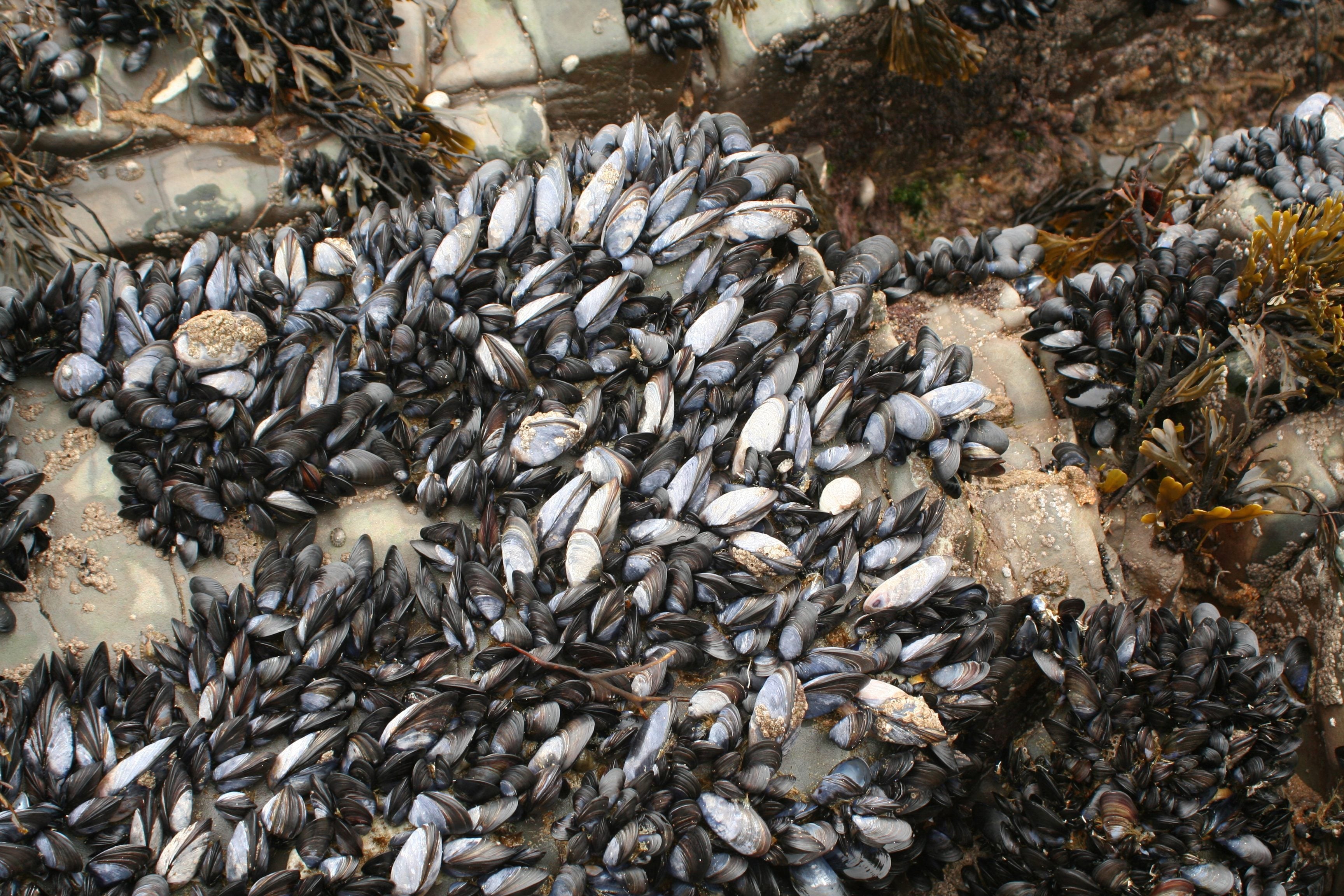
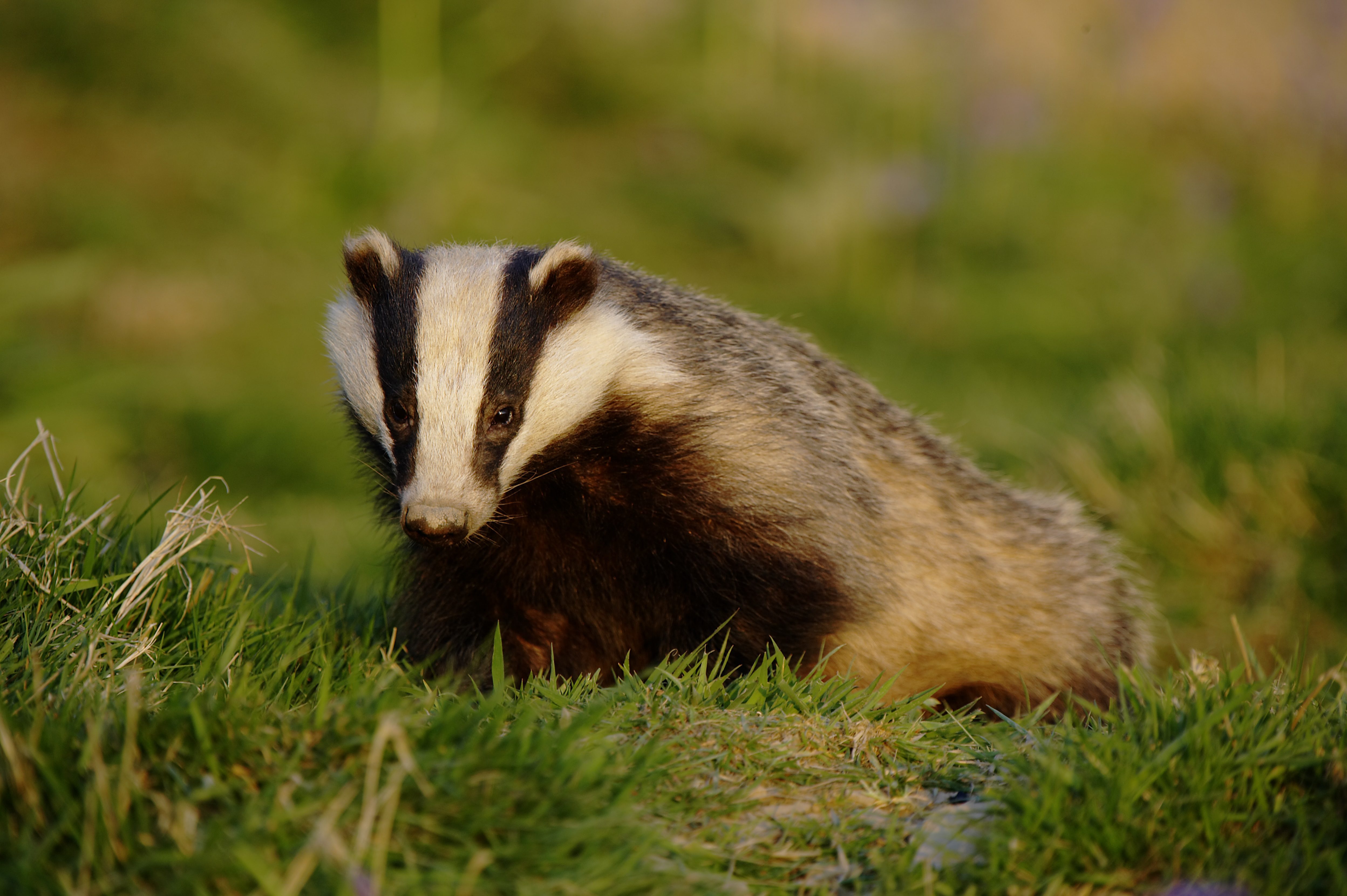
More than 10,000 species of plants, animals, birds, insects and invertebrates call our nature reserves home. From bats to beetles, orchids to oaks, and butterflies to birds of prey, there’s an impressive diversity of life to discover and experience across the habitats of Sussex.
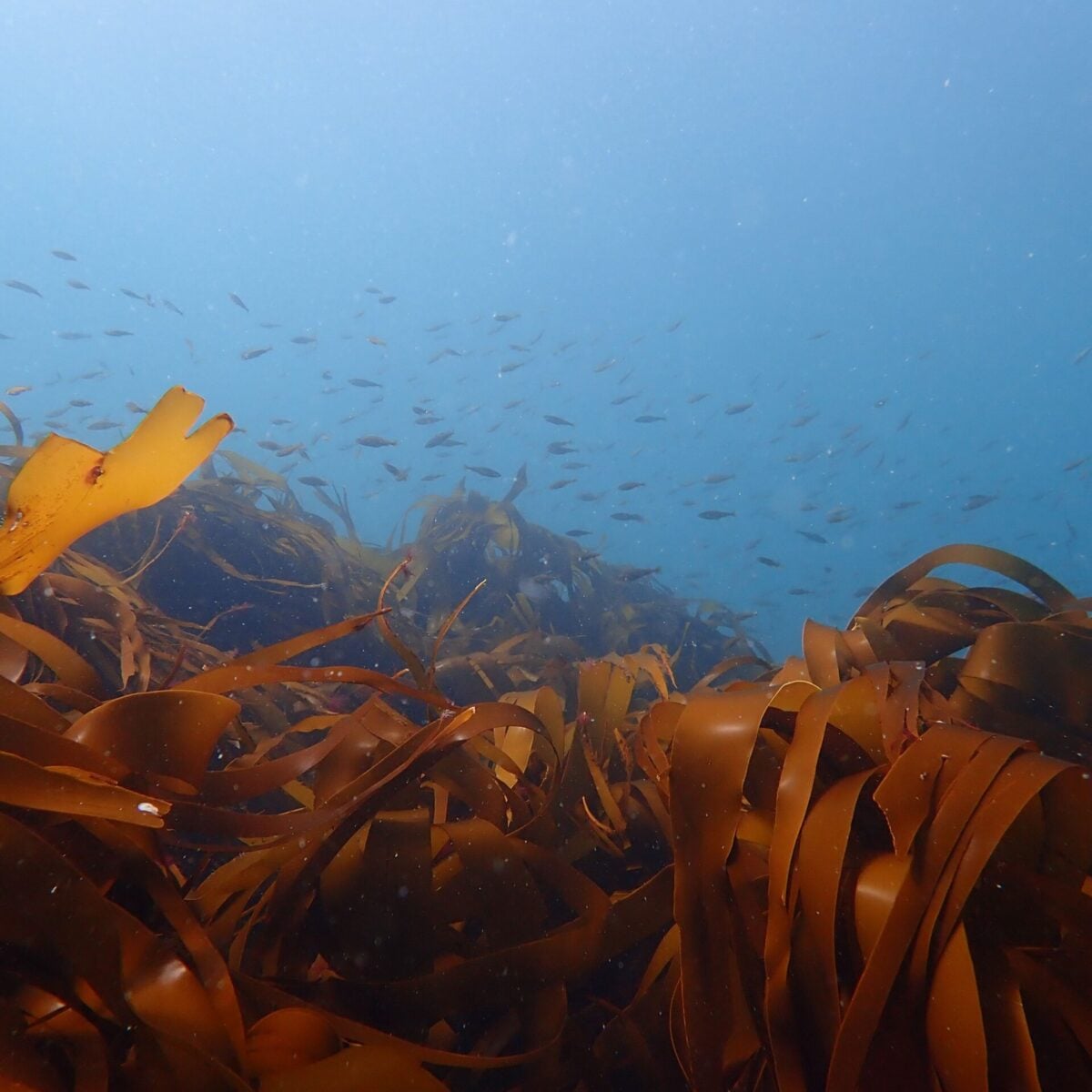
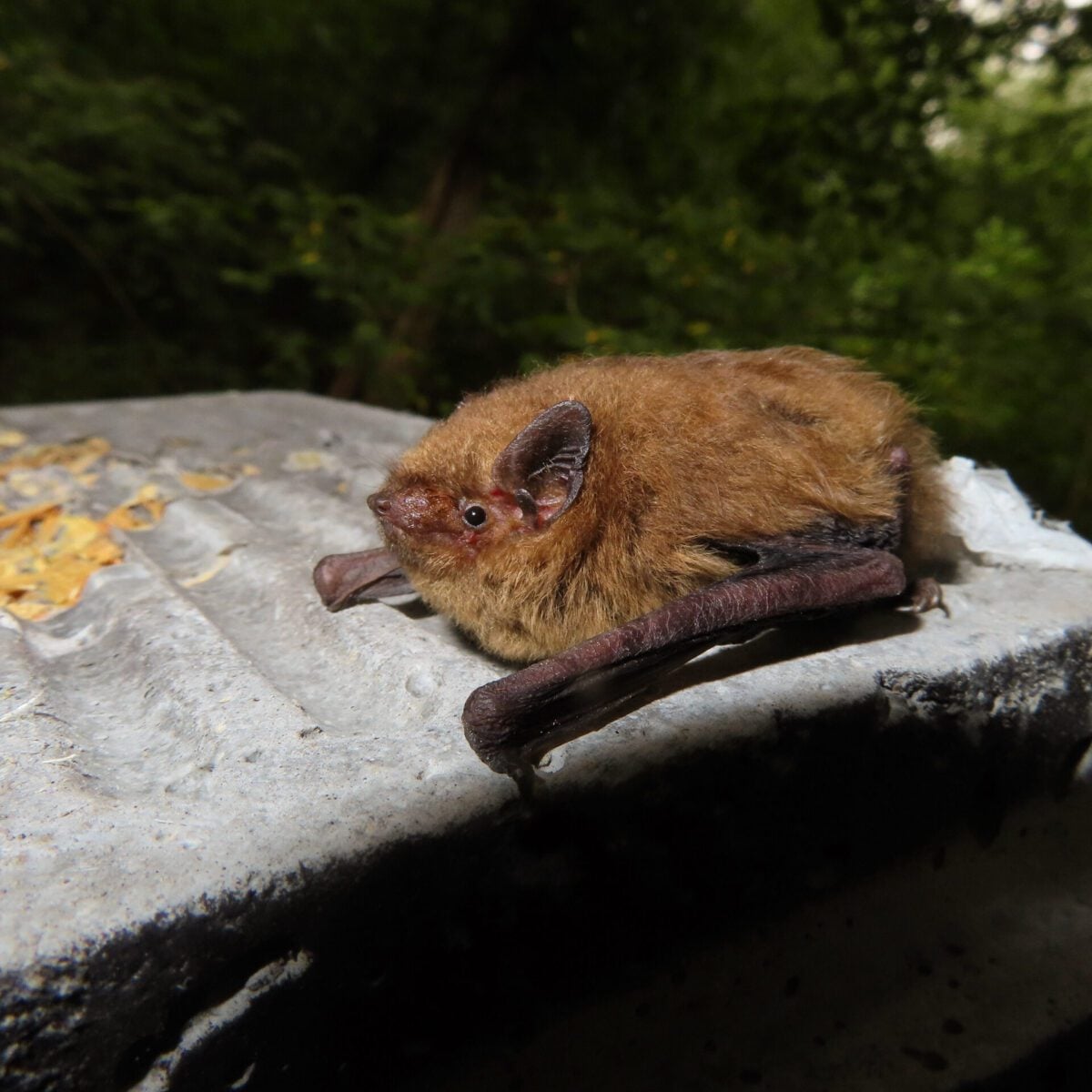
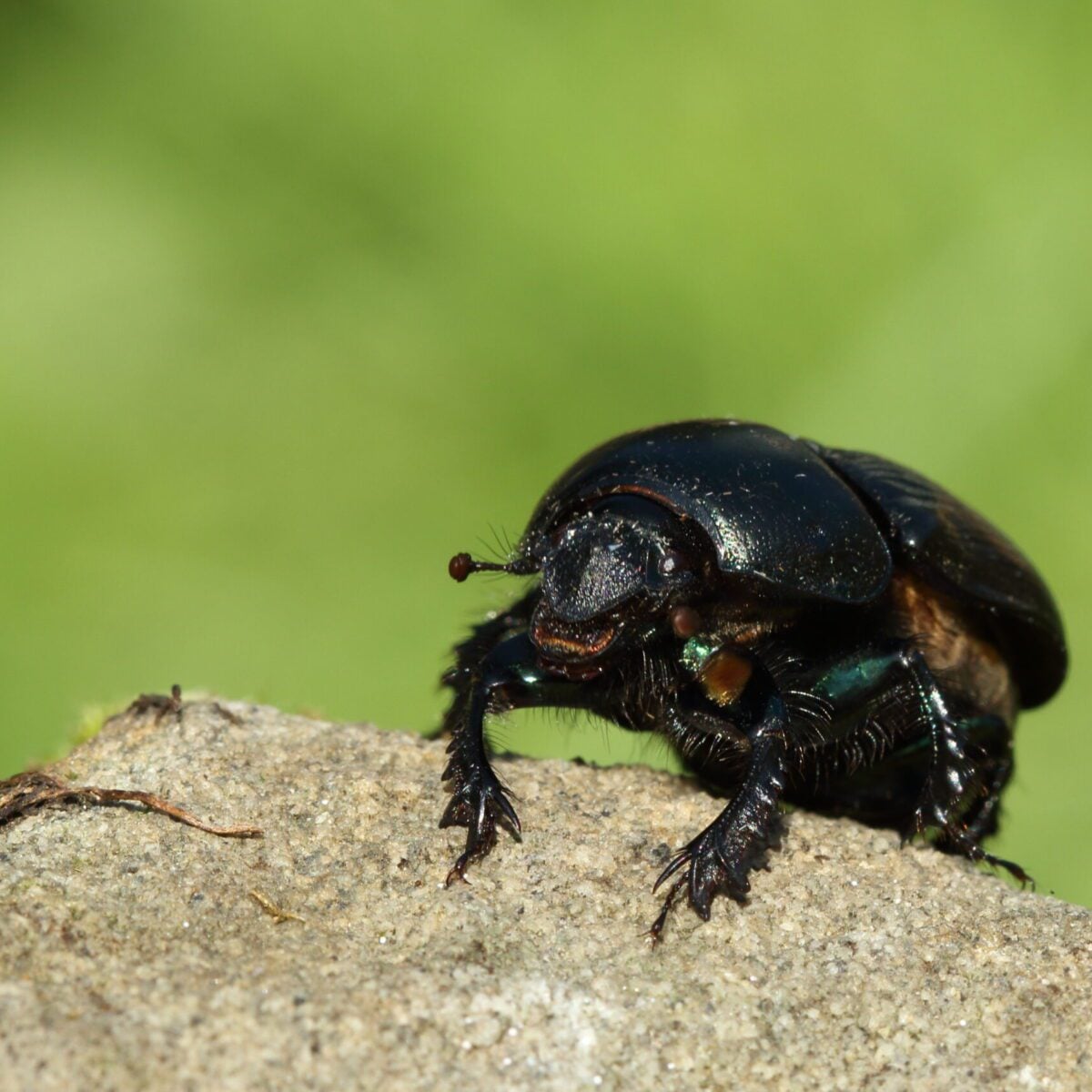
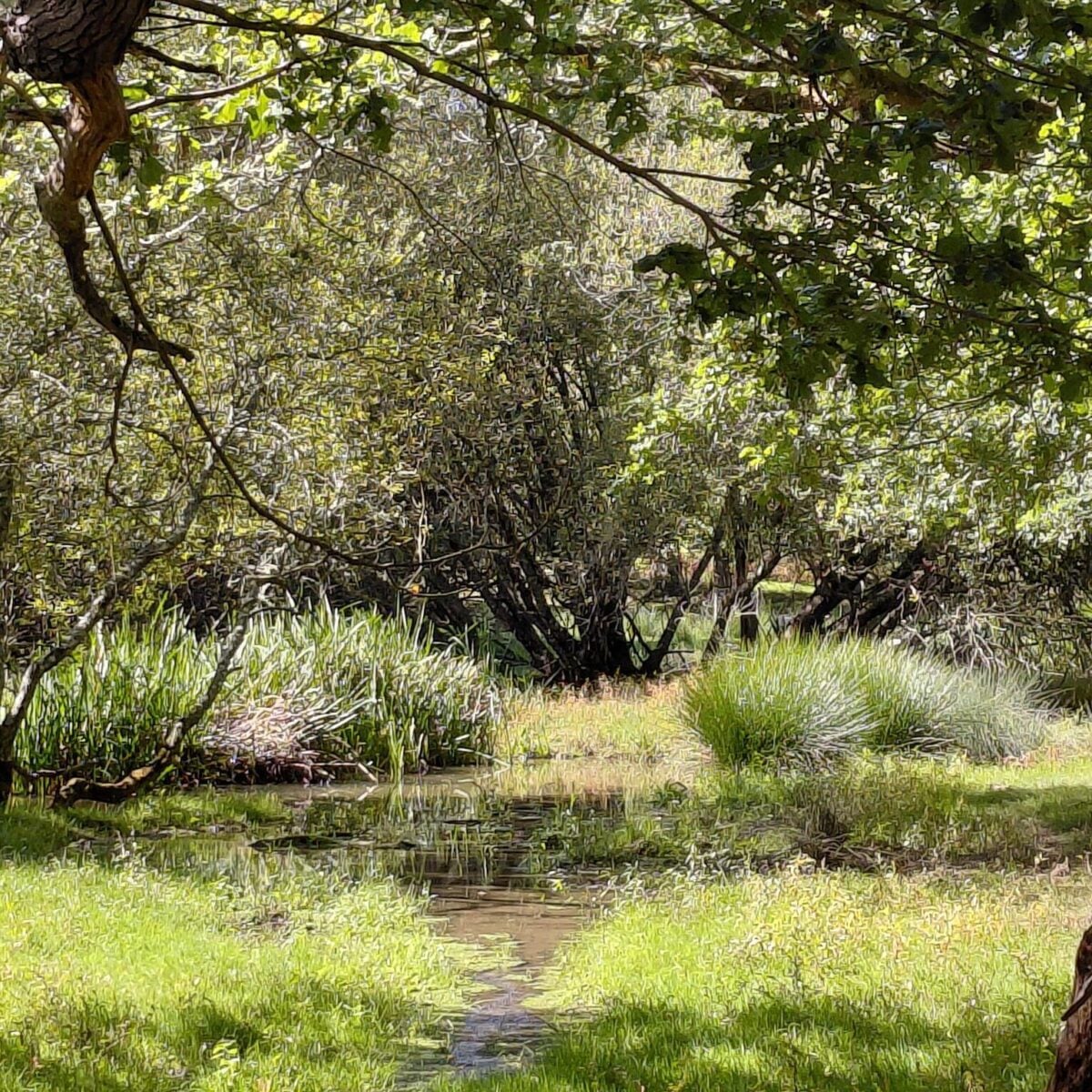
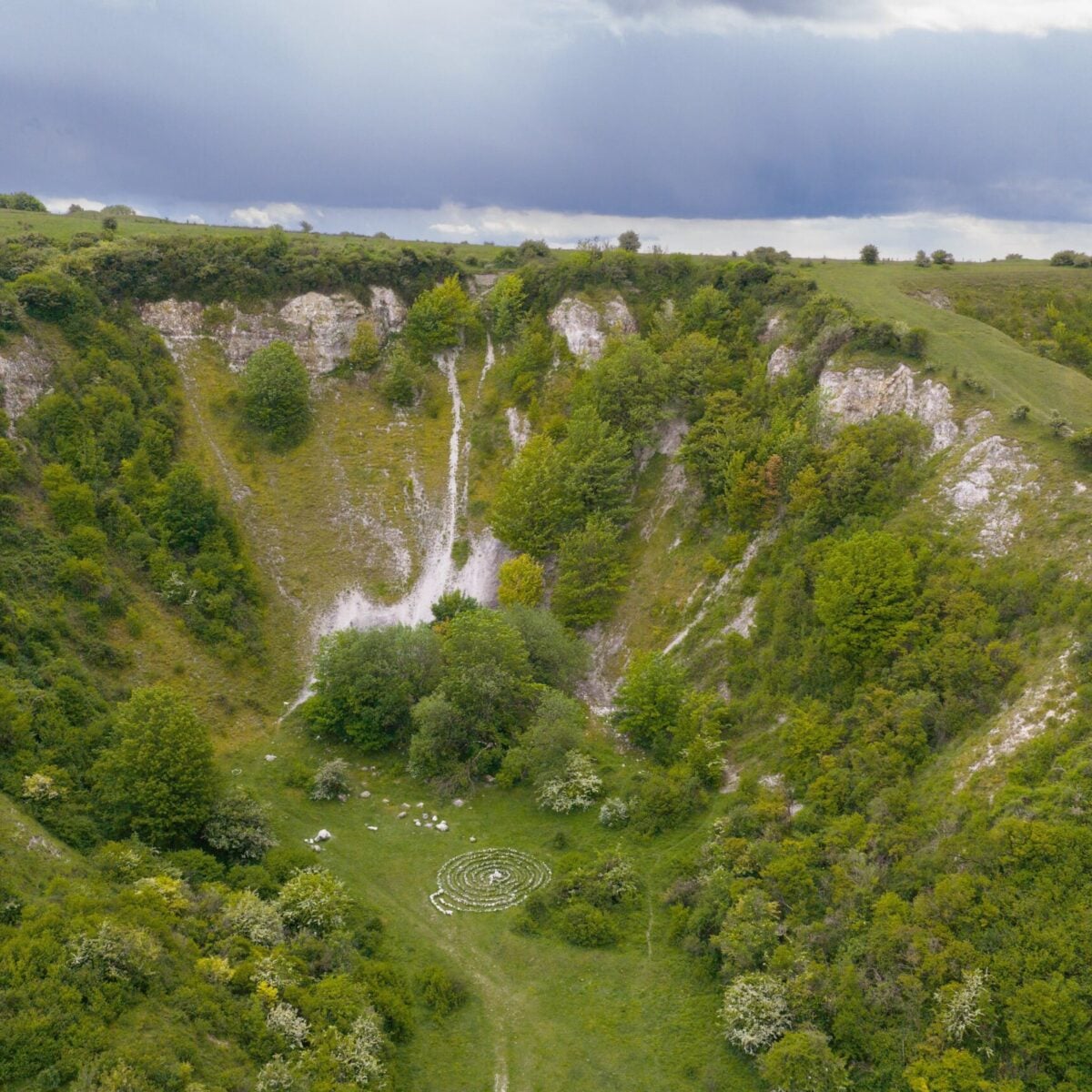
Learn more about the habitats you can explore
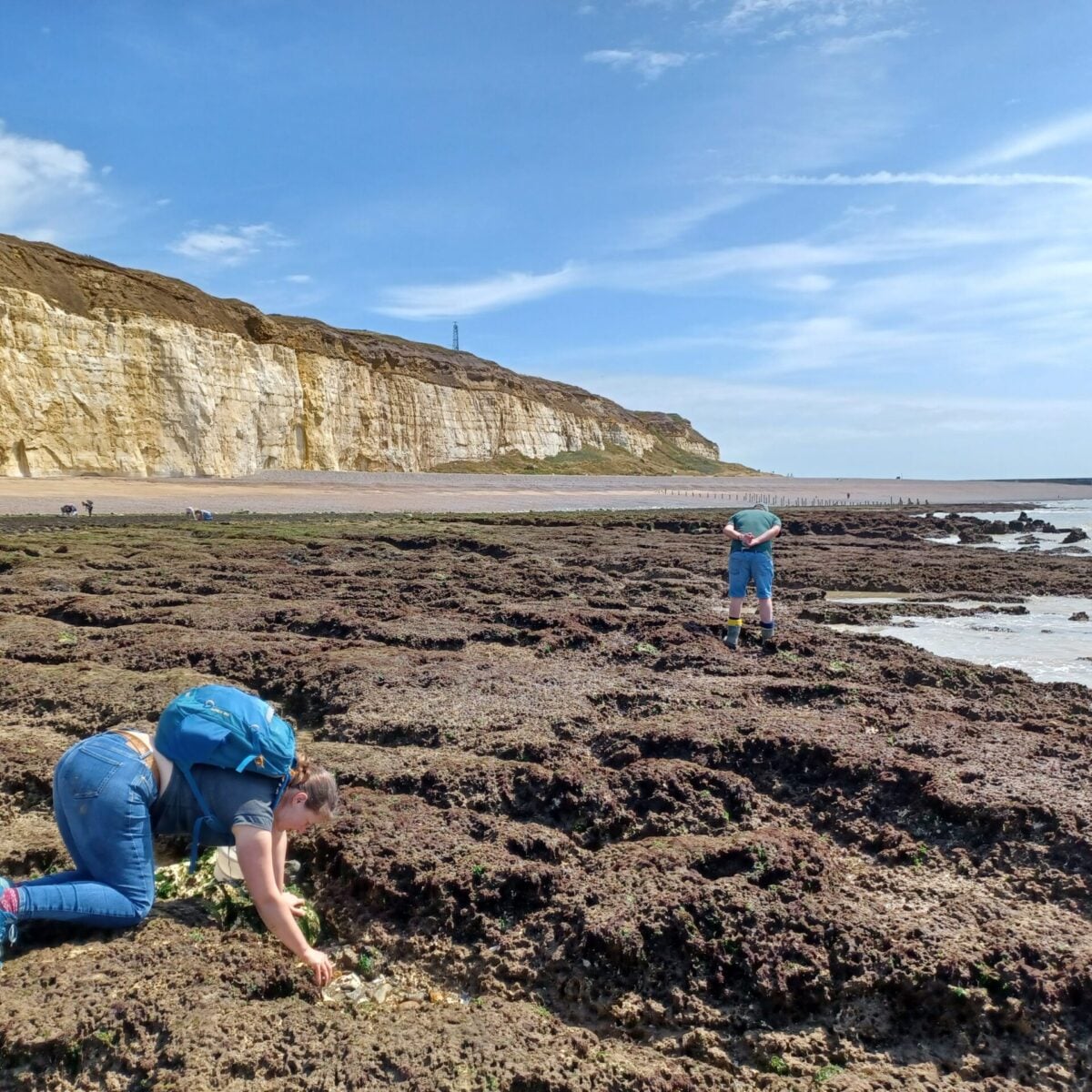
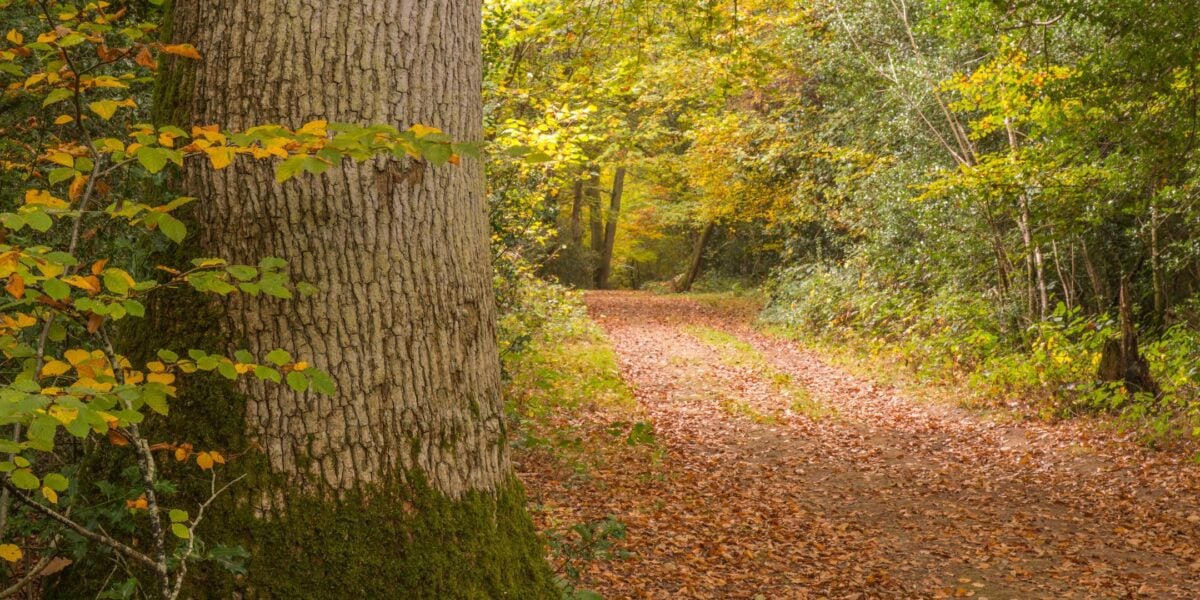
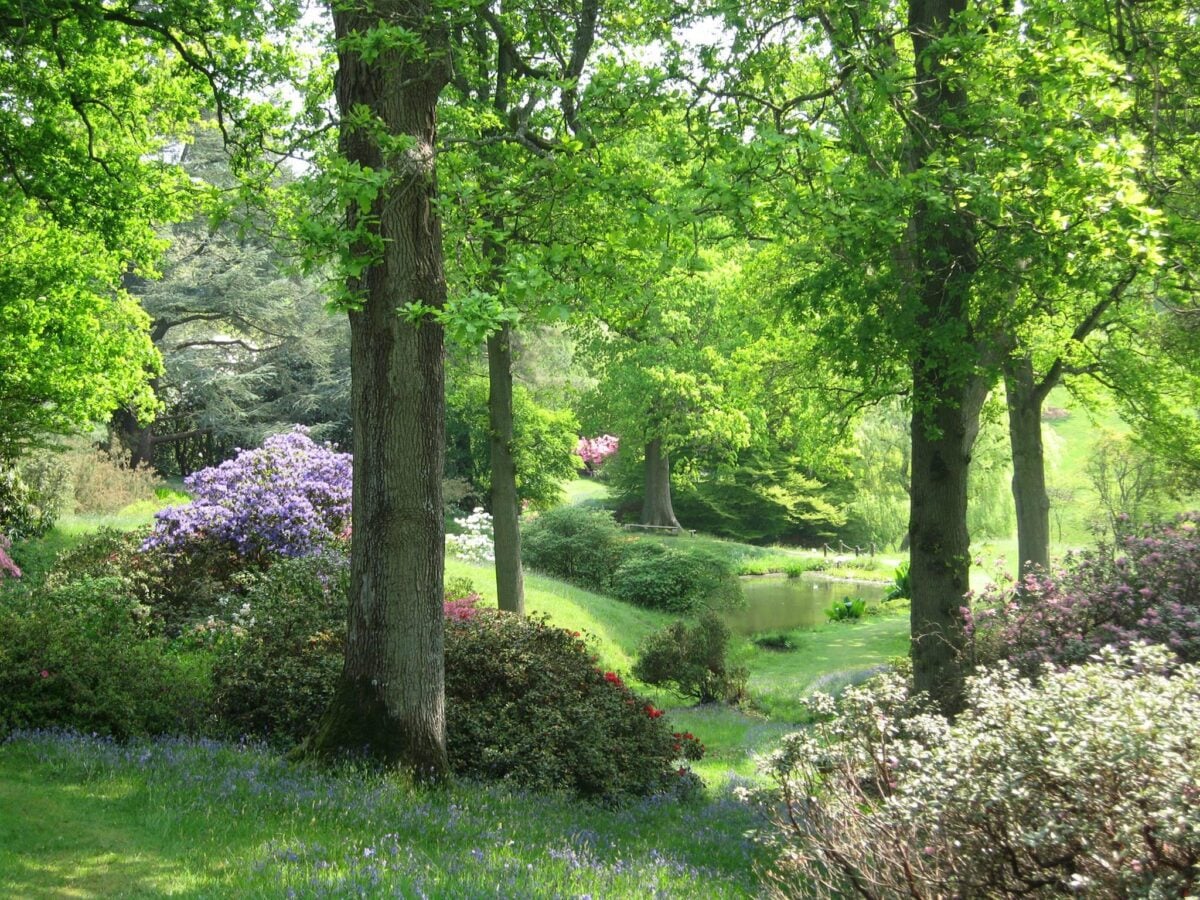
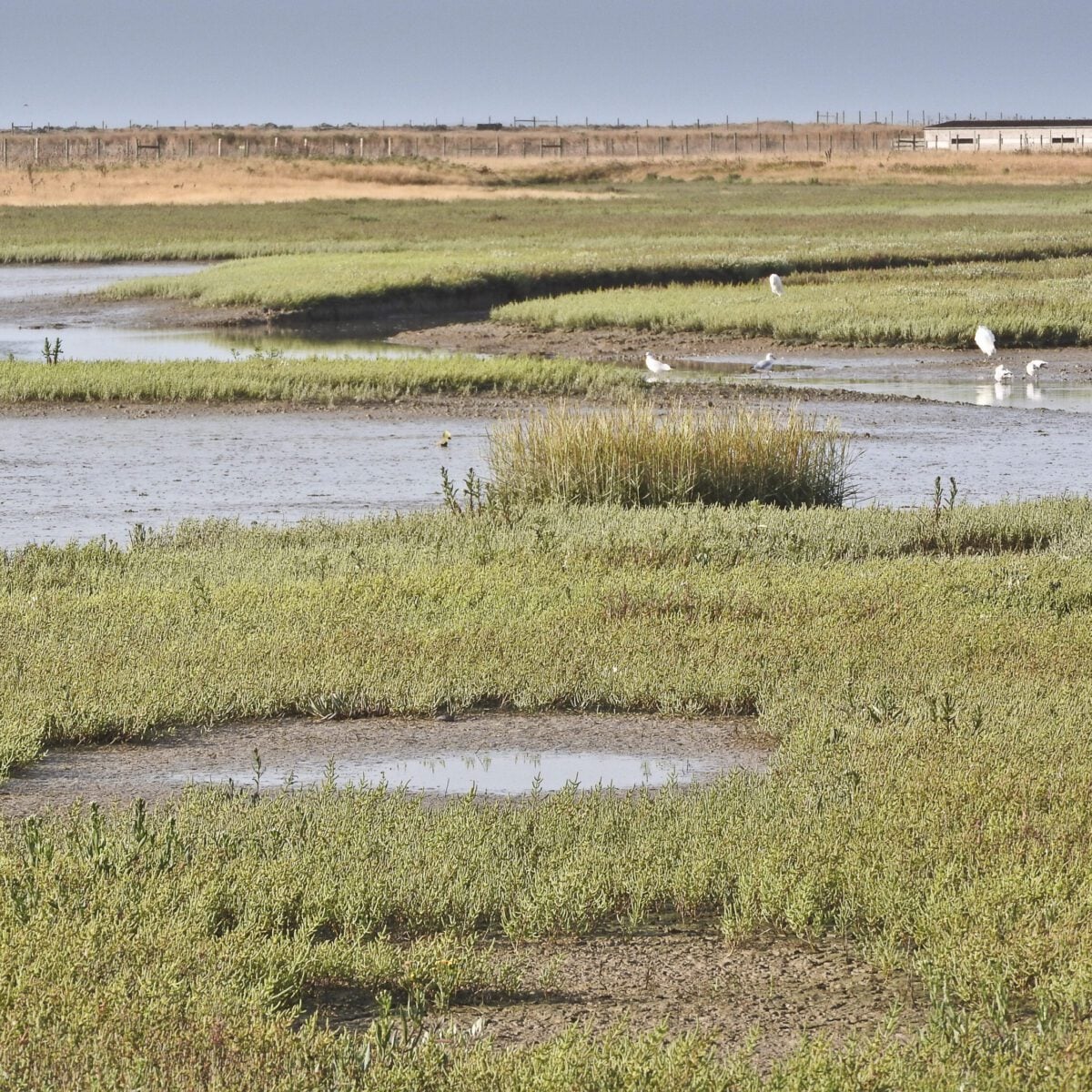
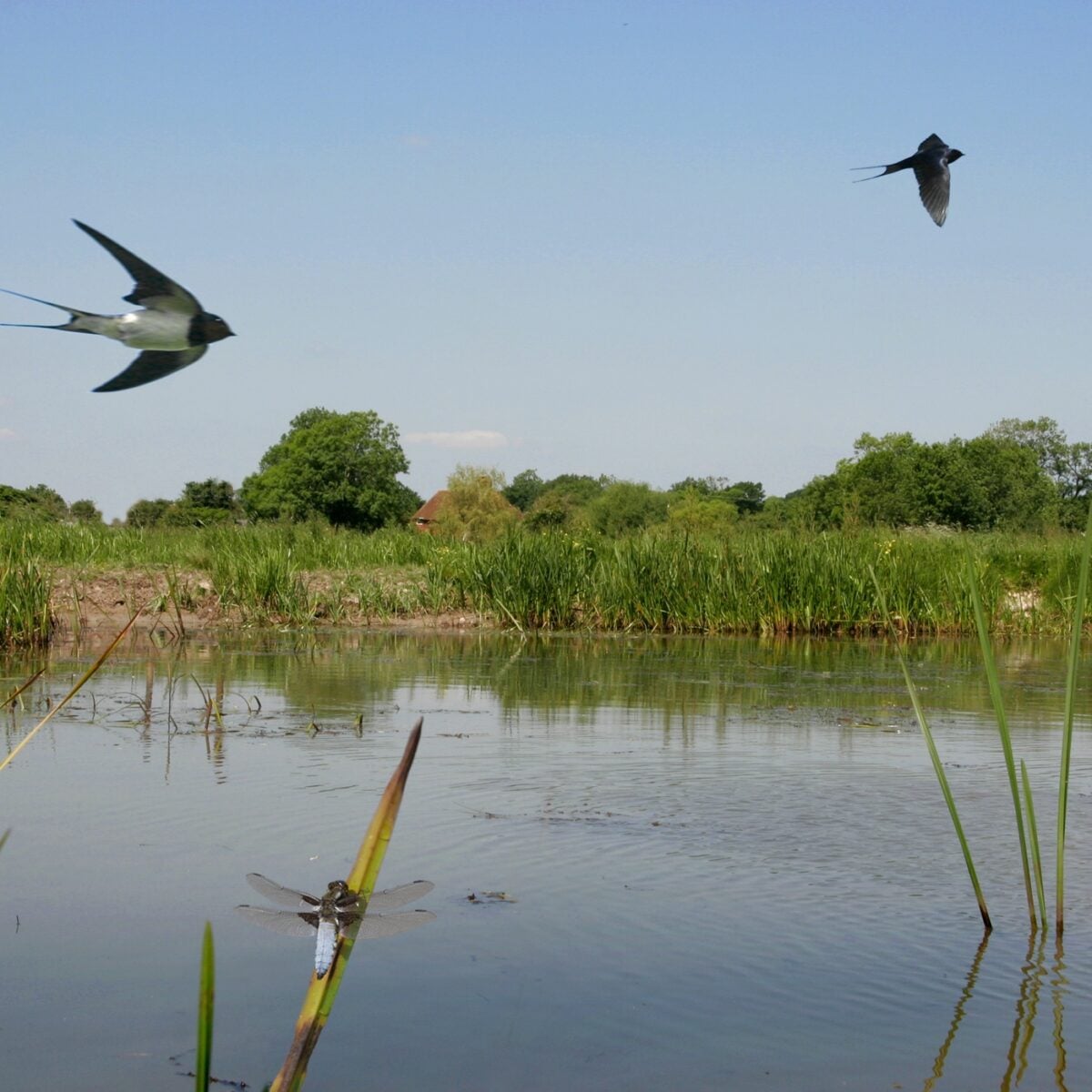
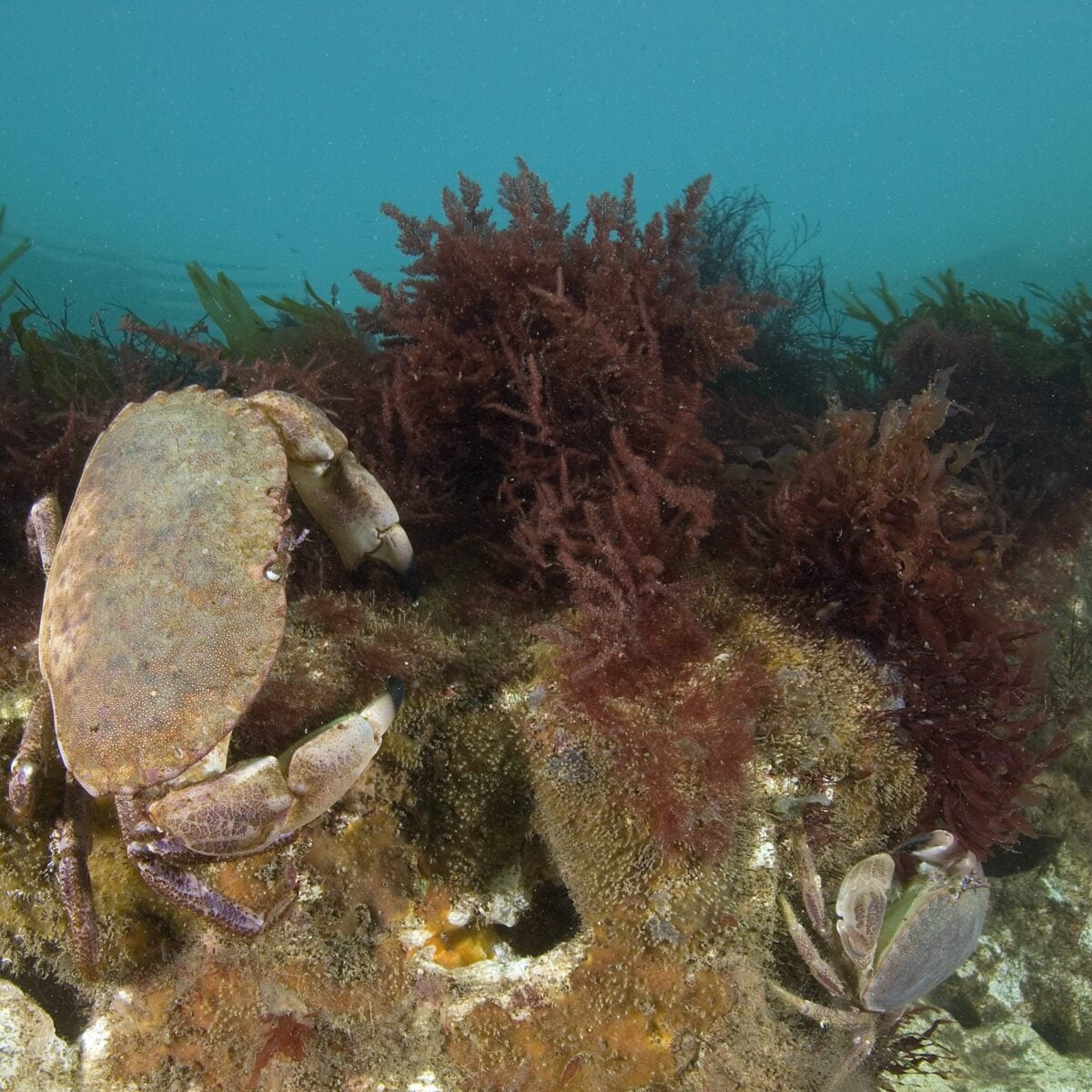
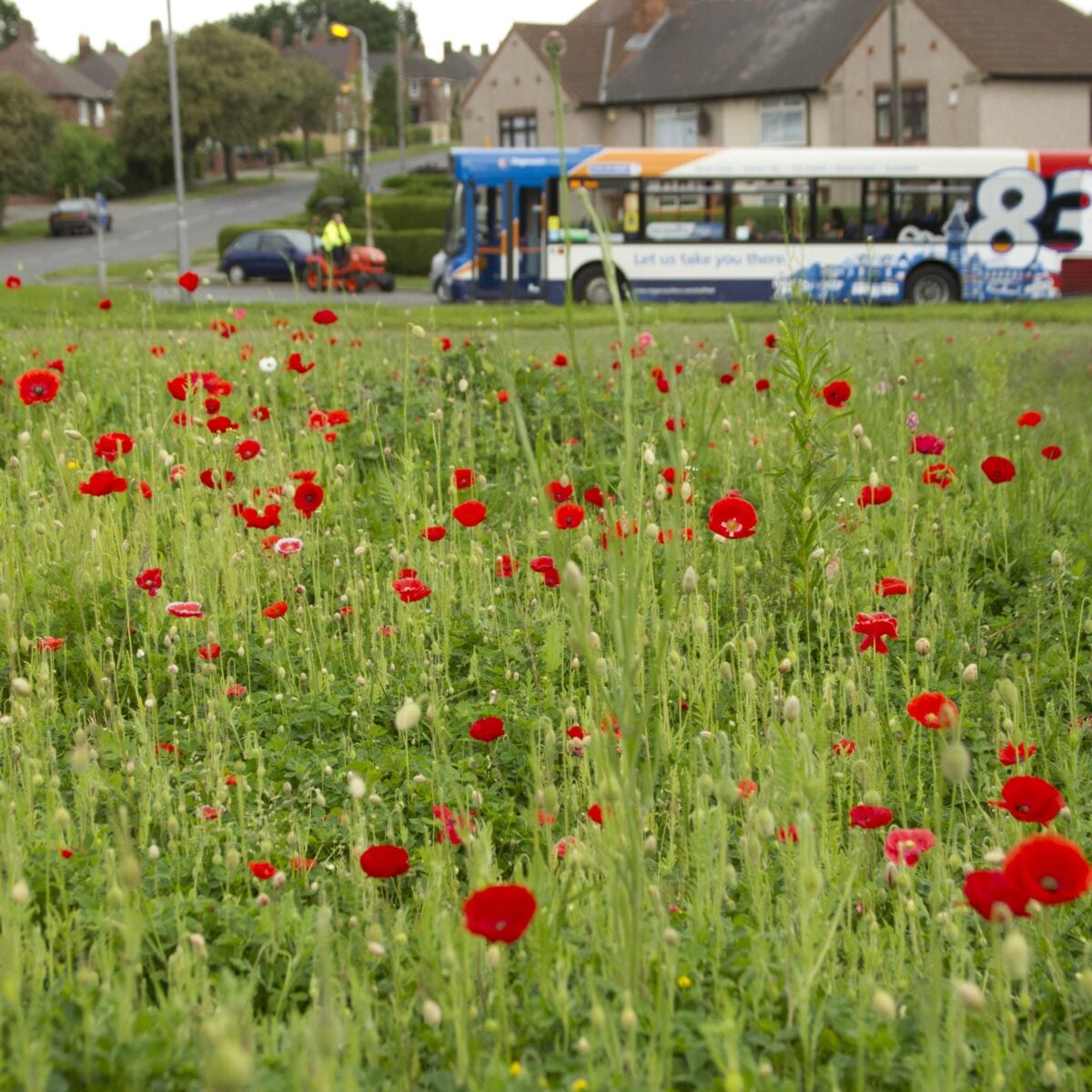
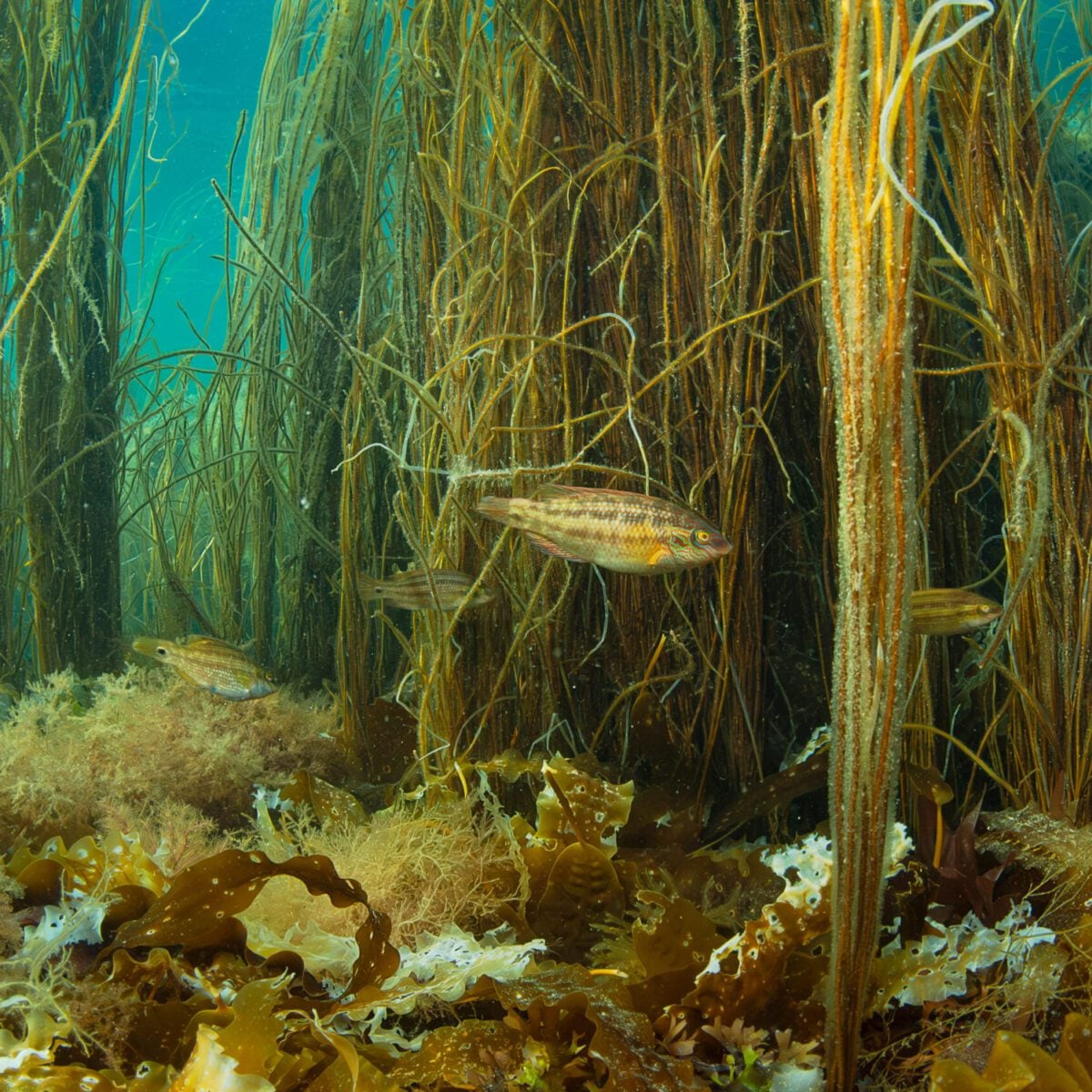
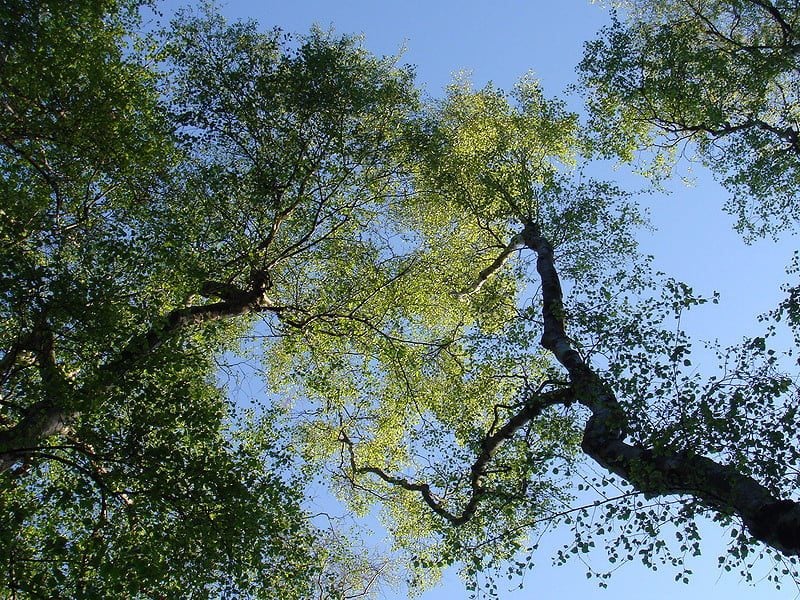
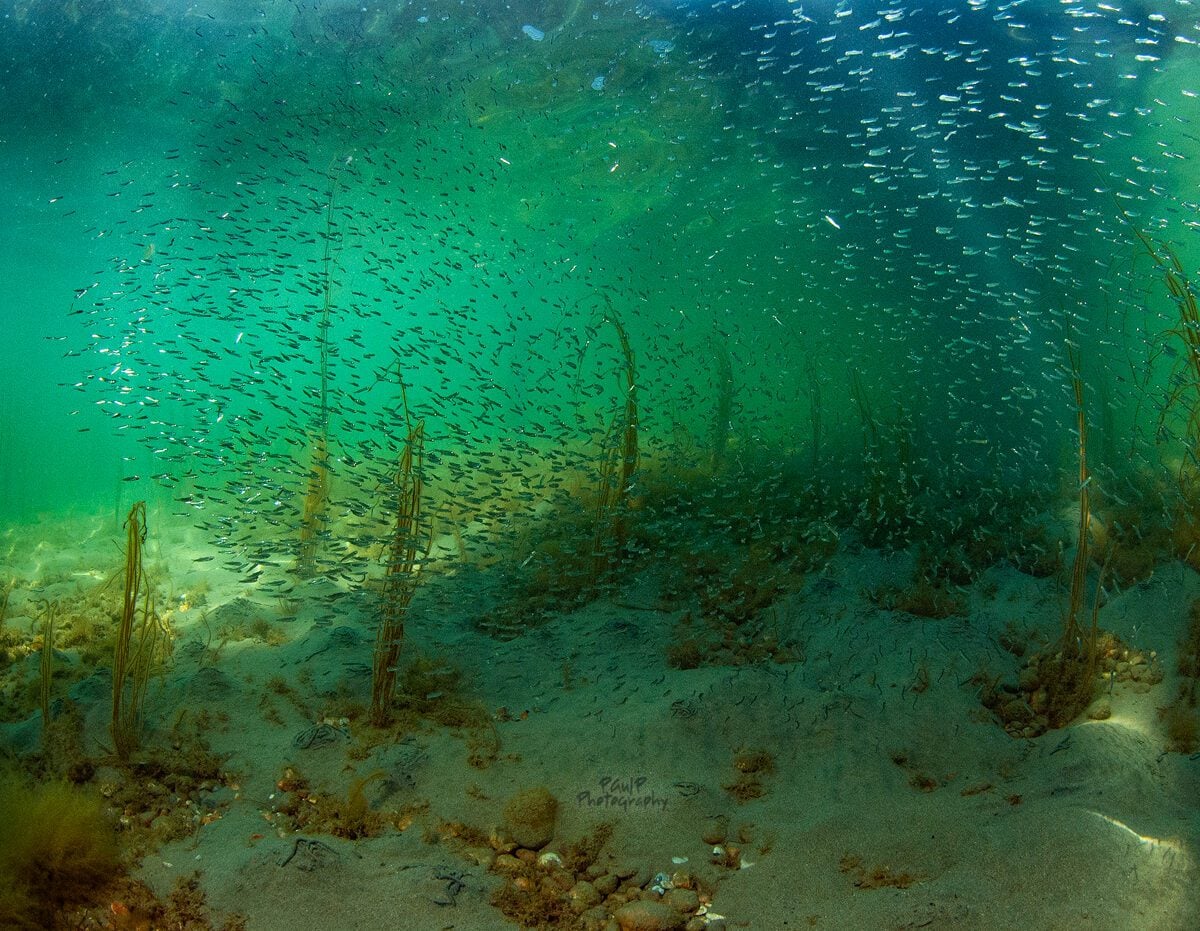
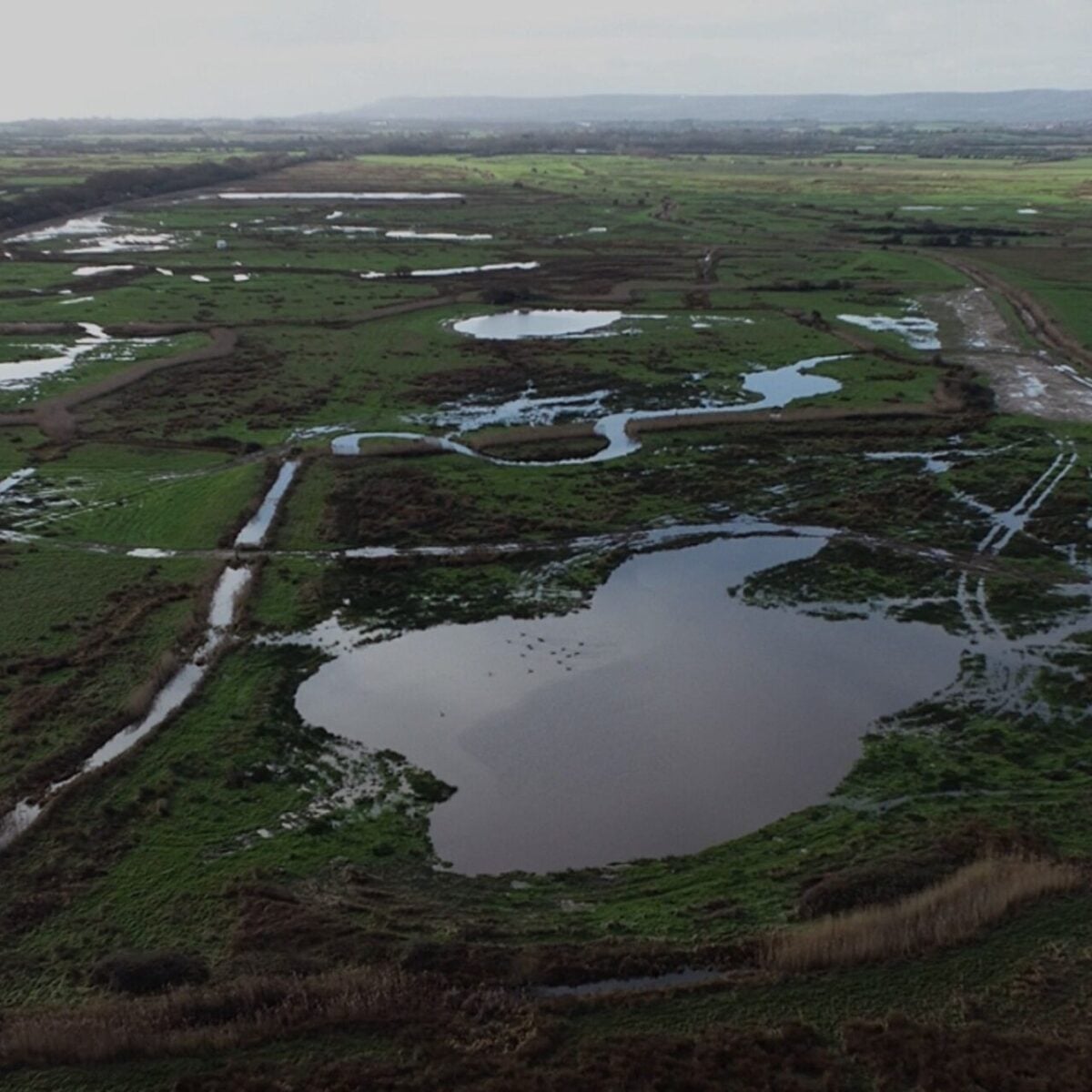
Grass-topped hilled, peaceful woodlands, coastal cliffs and stony shores: these are just a few of the landscapes to explore in Sussex. Add to that wetlands, marshes, estuaries and chalk reefs and you have enough variety to provide wonder 365 days of the year.
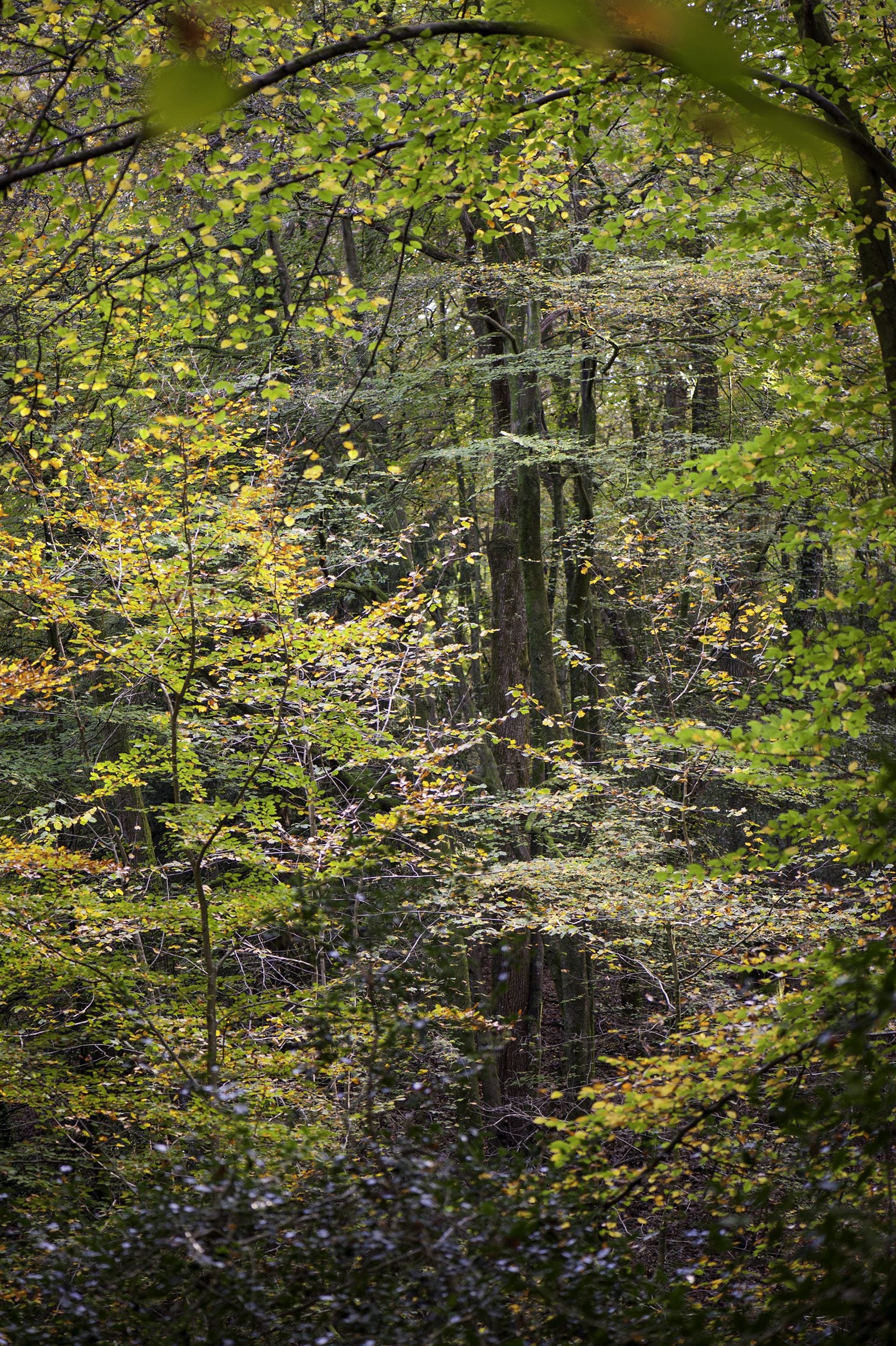
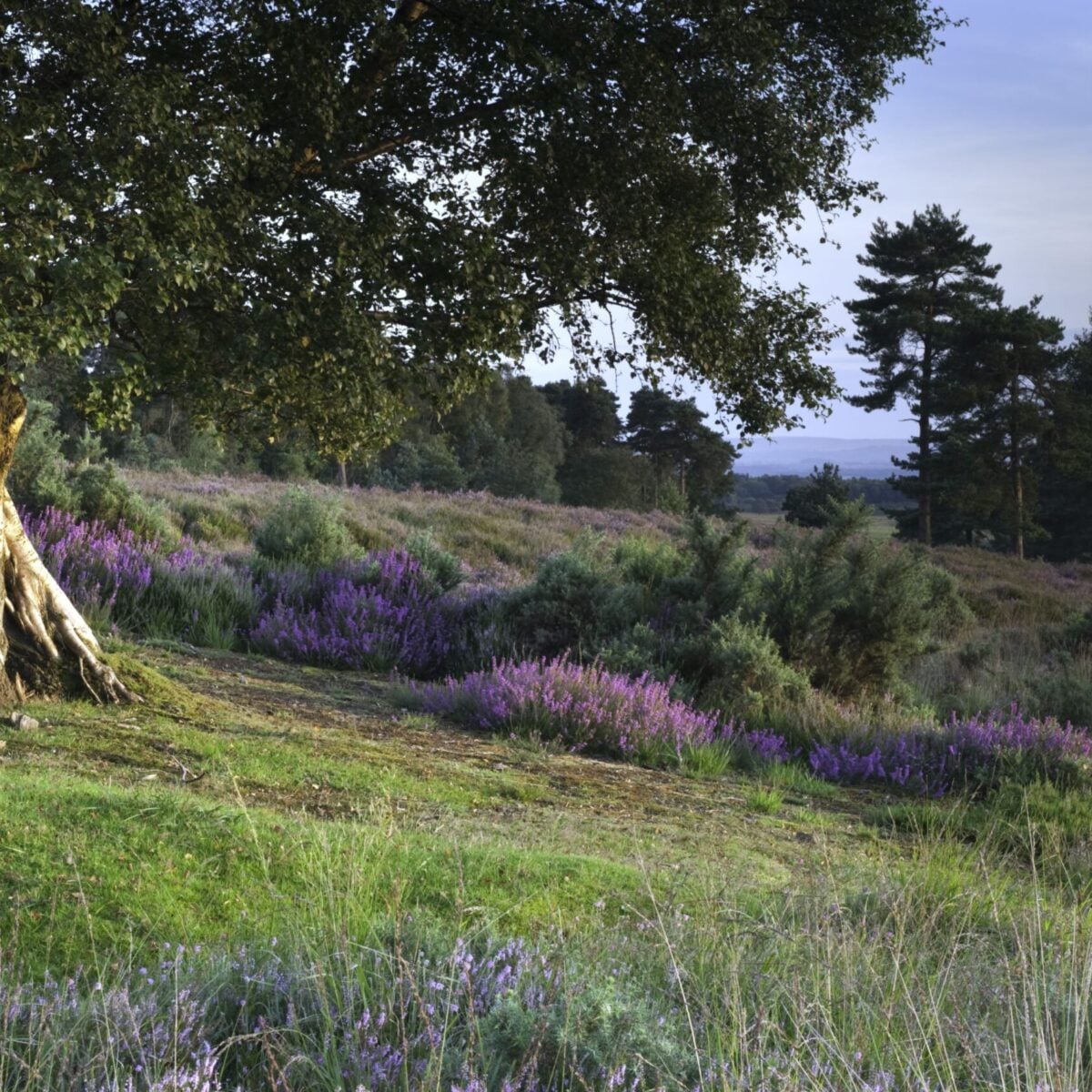
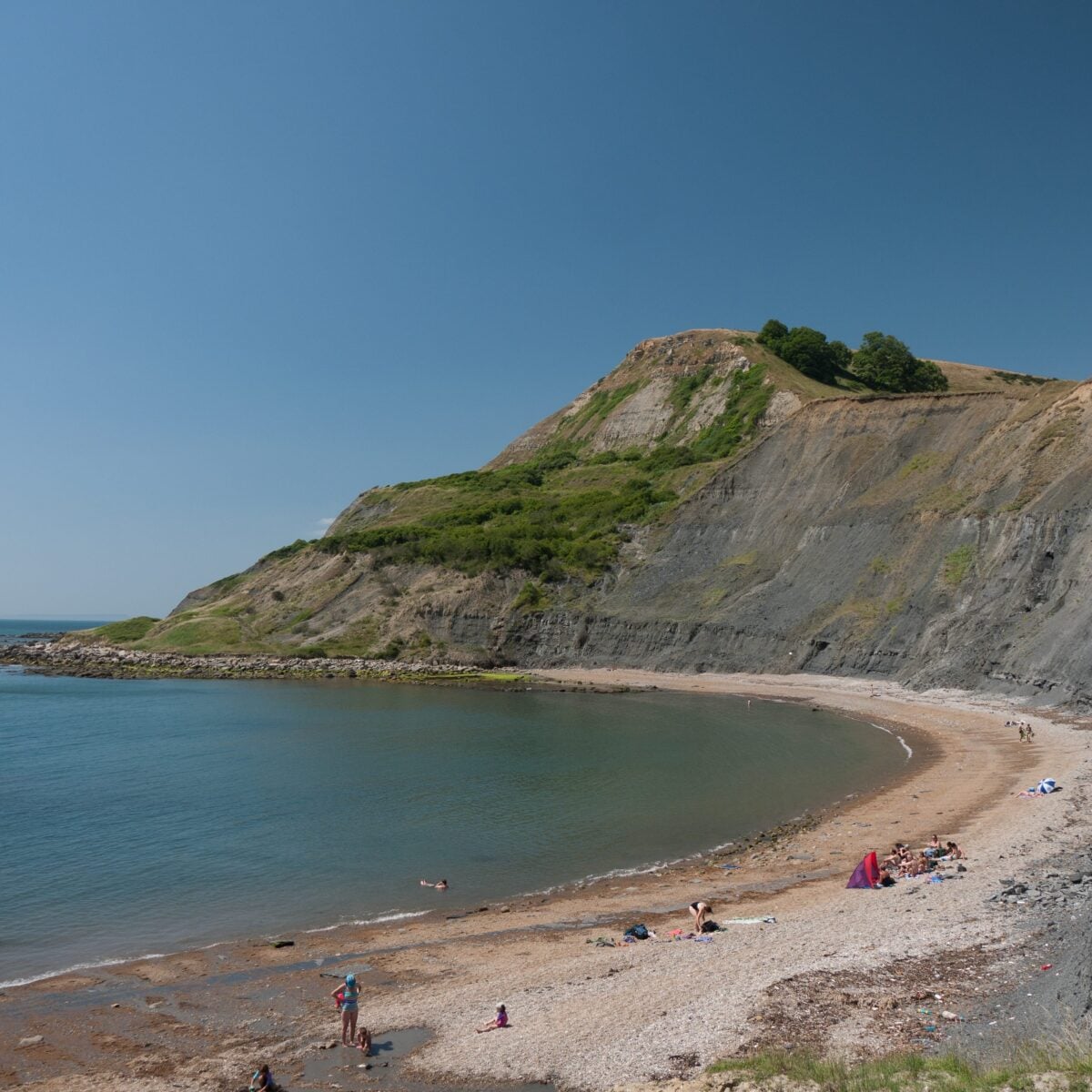
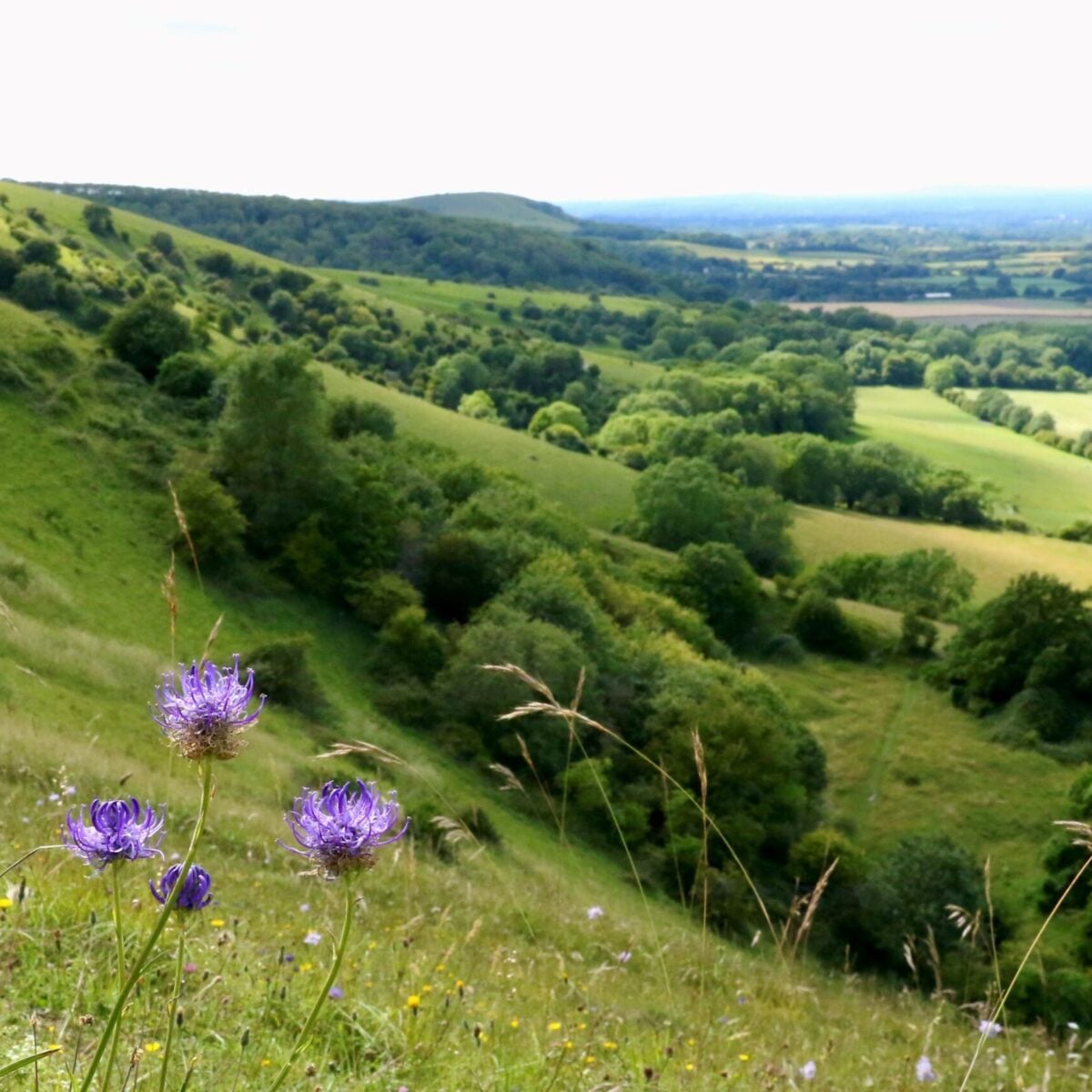
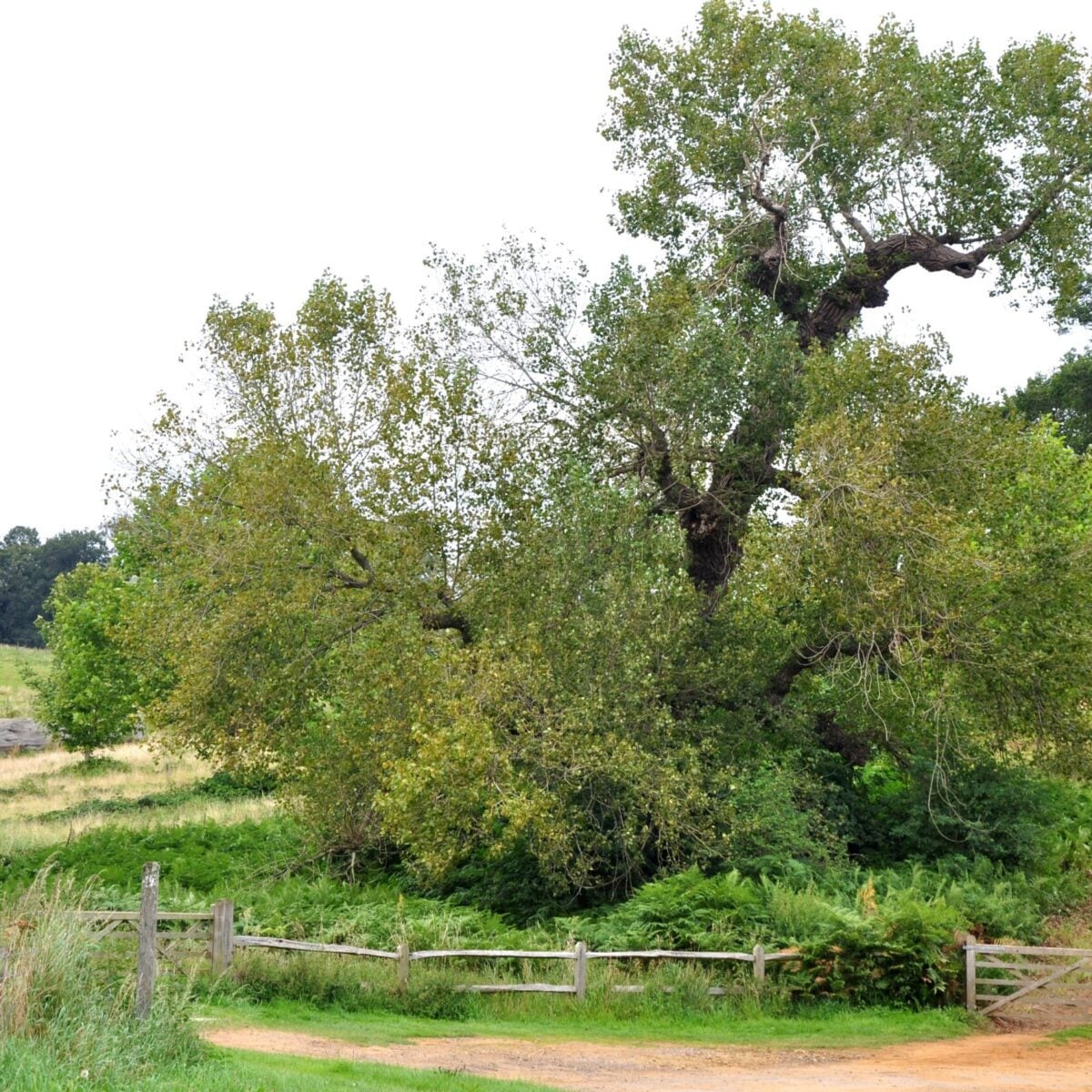
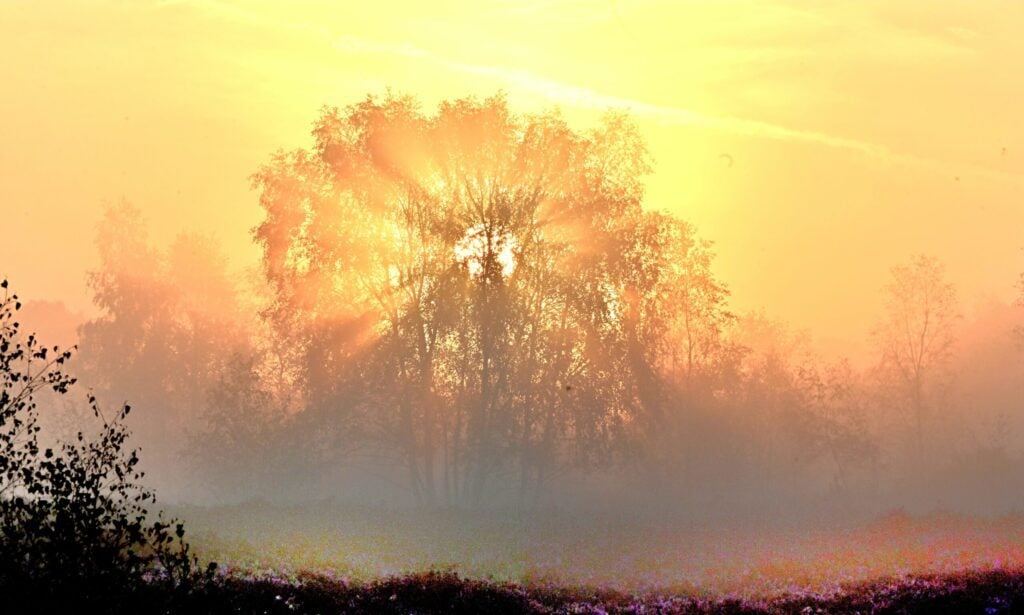 Stedham Common © Paul Pinnington
Accessibility
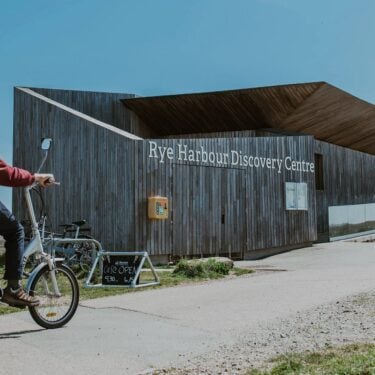
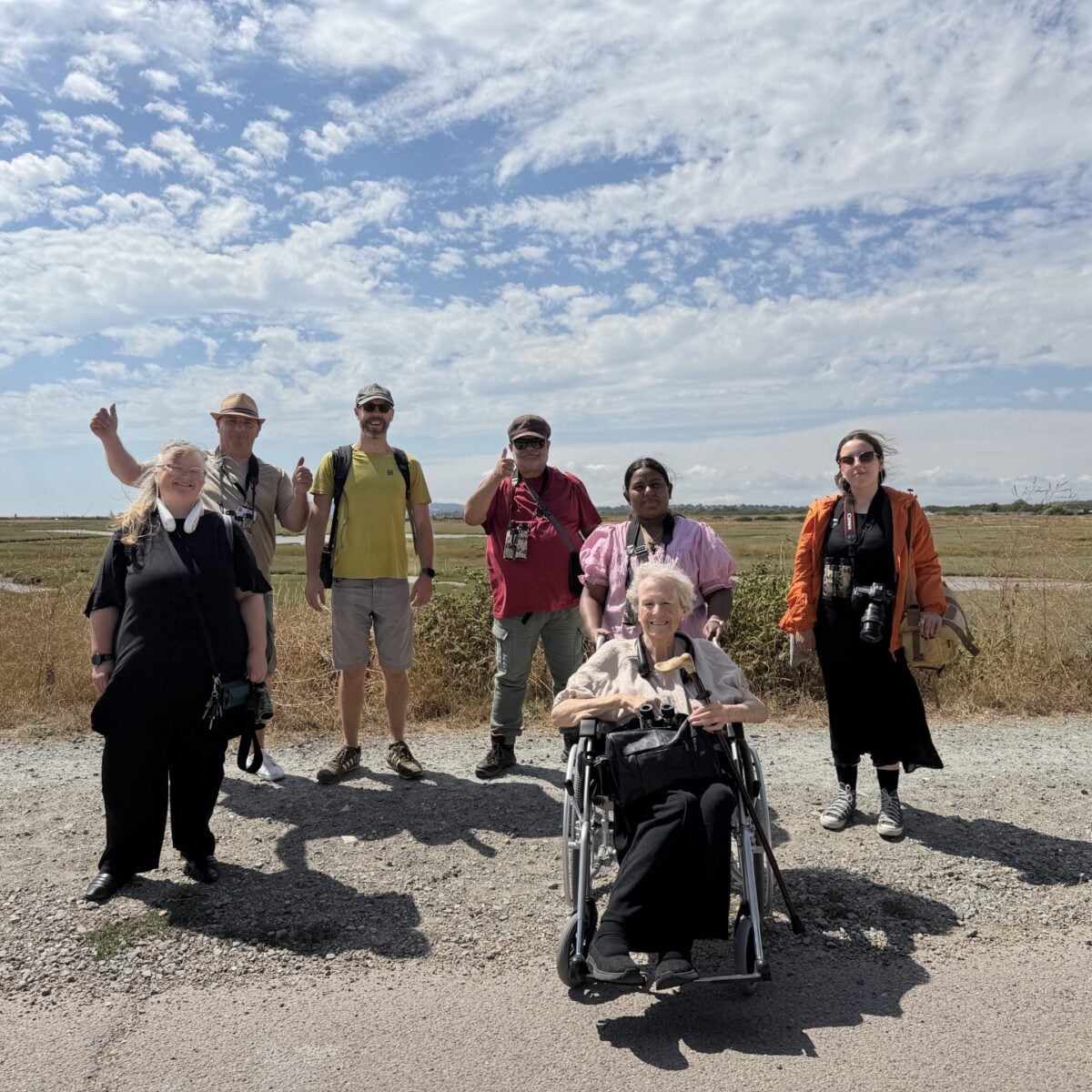
Everyone should have access to nature, and we want our reserves to be as inclusive as possible. However not all of them are easy to navigate and we’ve tried to provide the information you need to choose the best reserves for your needs. We’re working hard to make our Rye Harbour Reserve accessible to those with a wide range of needs. Any feedback you have to improve accessibility is always welcomed.
News & resources
Latest updates












Dog walking in our reserves
Dogs and their responsible owners are welcome to visit all our public reserves except Woods Mill (assistance dogs only). On some reserves, dogs must be kept on a lead to protect ground-nesting birds and rare habitats. The usual rules of good dog-walking manners apply:
- Keep dogs on a short lead in areas signposted as sensitive
- Clean up after your dog
- Don’t let your dog disturb wildlife or other people
- Keep dogs on a short lead if there are animals grazing
 © Tom Marshall
Join the Sussex Wildlife Trust community
Become a member today to protect nature for tomorrow
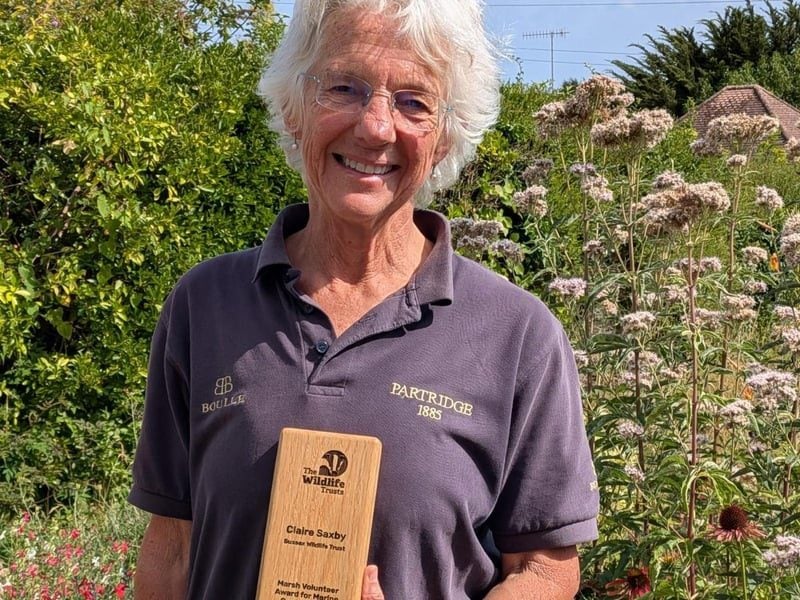
As a member, you get access to free guided nature walks, magazines about local wildlife, discounts on courses and events, and a guide to our reserves.
Not quite ready to join but want to help?
Donate to help create a wilder future for nature in Sussex
Choose to give money to a specific cause, or to our work to manage local reserves, defend nature, and create wonderfully wild spaces on land and beneath the waves.