Take action
Become a member
Memberships build our community and give us a predictable income, which lets us plan and sustain longer projects that can have a greater impact. The more members we have, the more we can do to protect the Sussex countryside and coast.
Make a donation
Membership builds our community and gives us a predictable income, which lets us plan and sustain longer projects that can have a greater impact. The more members we have, the more we can do to protect the Sussex countryside and coast.
Overview
With a variety of habitats bursting with biodiversity, exploring the Sussex coast is more than just a trip to the seaside.
Sussex by the sea
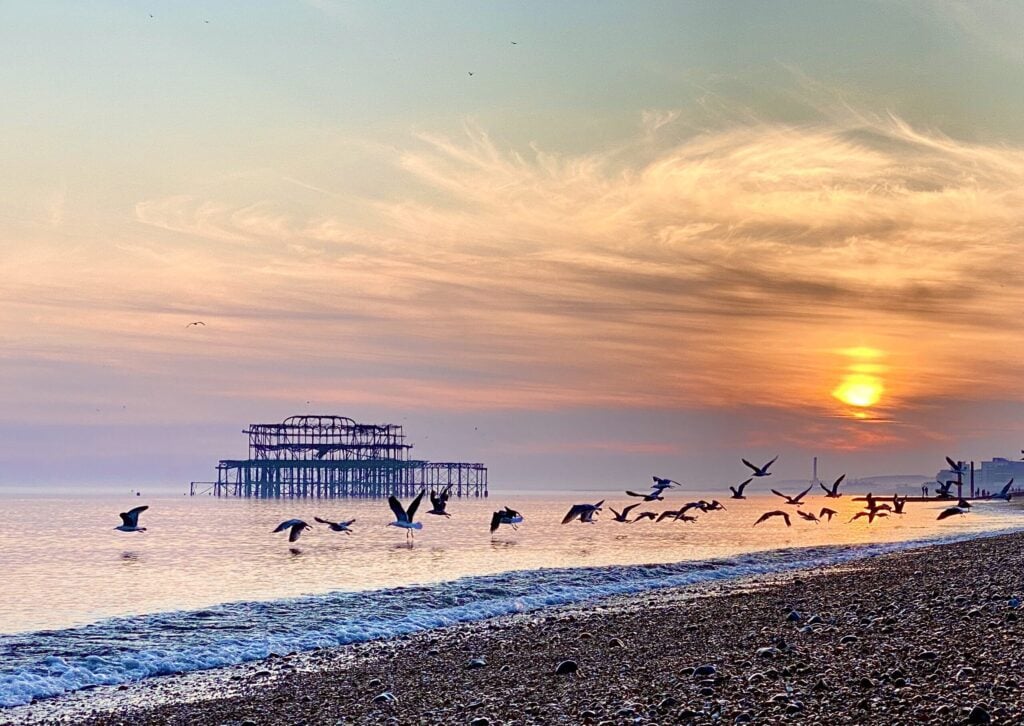
Stretching 225km from Camber Sands in the East to Chichester Harbour in the West, the Sussex coast is both a vital home to a diverse range of resident wildlife and a welcome haven to those reaching our shores after long migrations.
Situated in the South East of the country, Sussex is heavily populated by people, thousands of whom enjoy and explore our coastlines every year. We work closely with Sussex communities on the ground – from schools to fishers to local authorities – to ensure the protection of our precious Sussex coast.
Coastal habitats found in Sussex
- Shingle is made up of countless flint pebbles that came from the chalk that once connected Britain with Europe. With little nutrient and freshwater it’s only specialised flowers that do well such as Sea Kale, Sea Pea and Sea Campion.
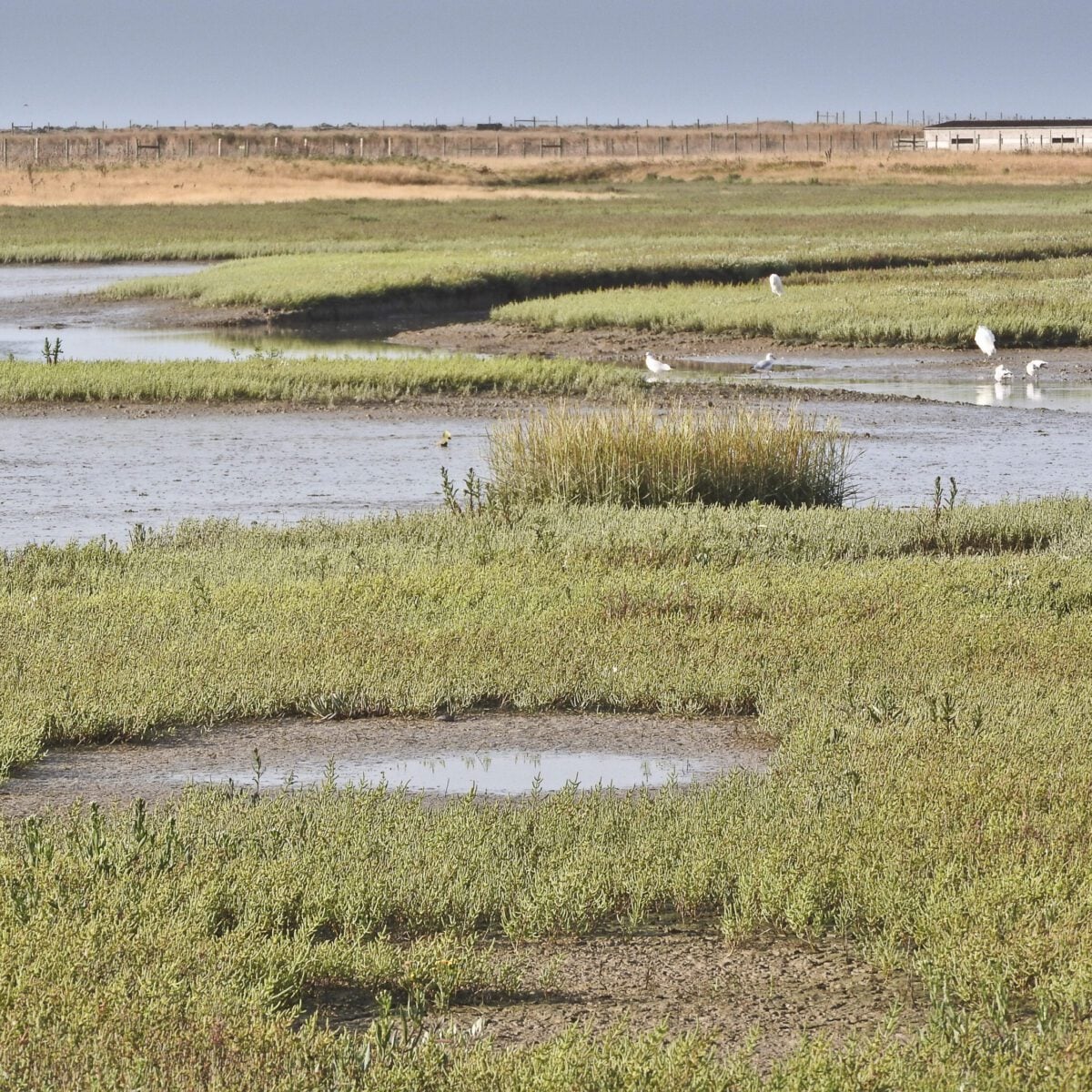
- Saltmarsh is home to flowers that are regularly covered by the sea – Sea Wormwood, Sea Heath and Glasswort – and they produce masses of seed that is winter food for ducks and Skylarks. In summer, Shelducks, Avocets and Redshanks take their chicks to feed in the saltmarsh. In autumn, these plants change colours from green to red to purple to brown.
- Saline lagoons are home to a range of invertebrates that are tolerant to salt, and where there are islands, there are often nesting seabirds. The water is full of shrimps and small fish that attract fishing birds such as Little Egrets, Little Grebes and Kingfishers.
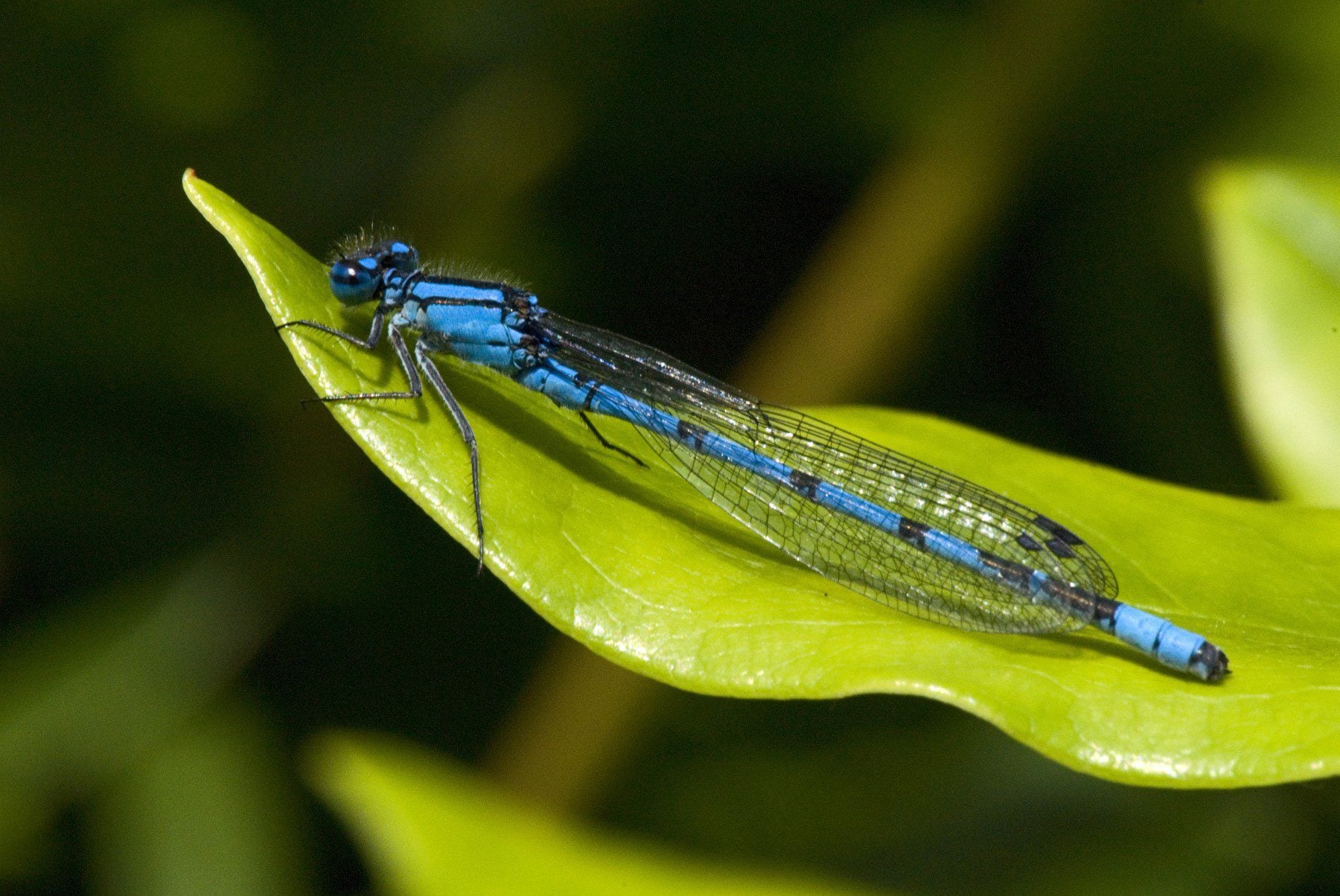
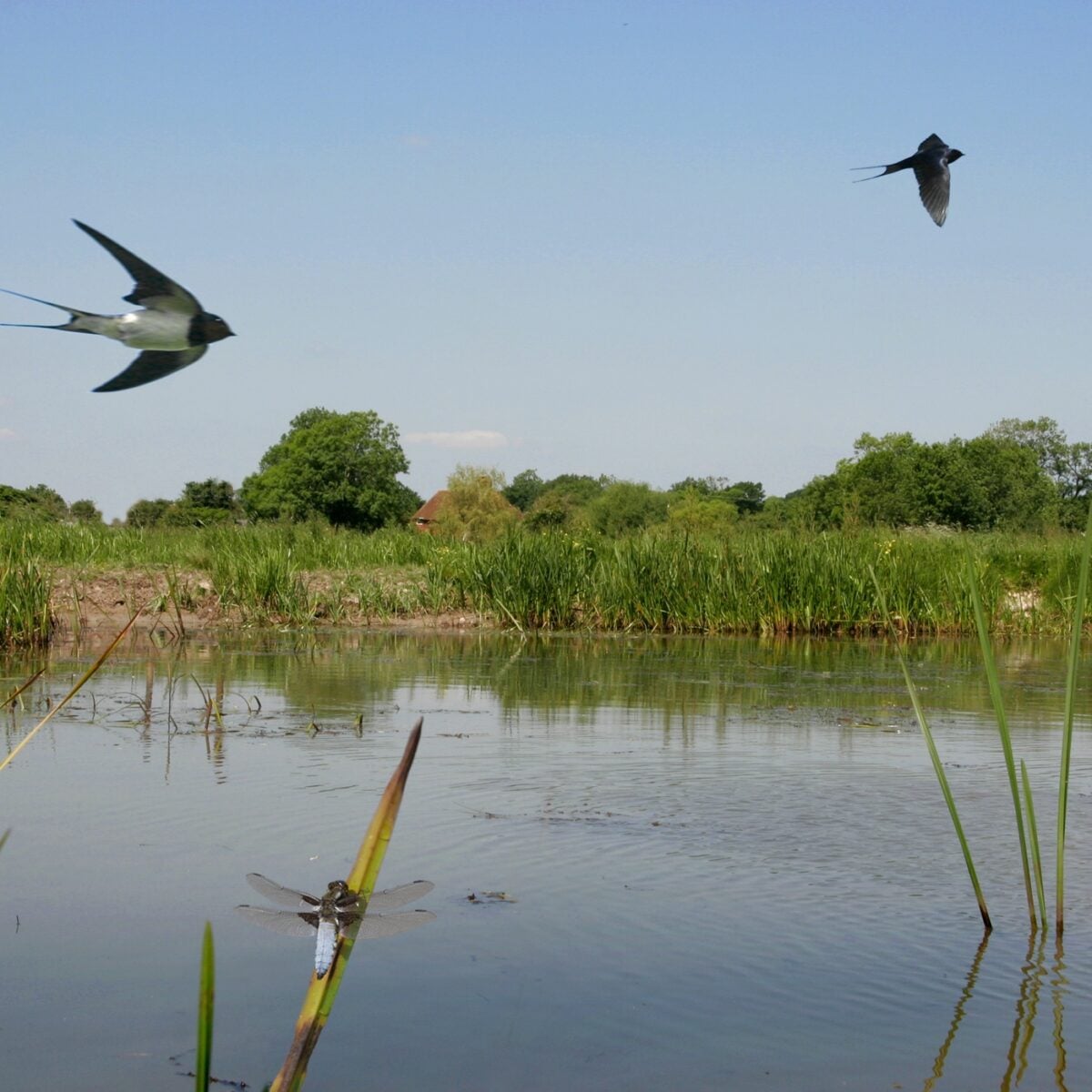
- Grazing marsh has ditches, ponds and scrapes that attract many wetland birds year round, and it’s the regular hunting ground of Barn Owls and Marsh Harriers. During spring, nesting Lapwing, Redshank and Skylark display over the marsh. The fringe of Sea Clubrush is home to hoverflies, soldierflies and damselflies.
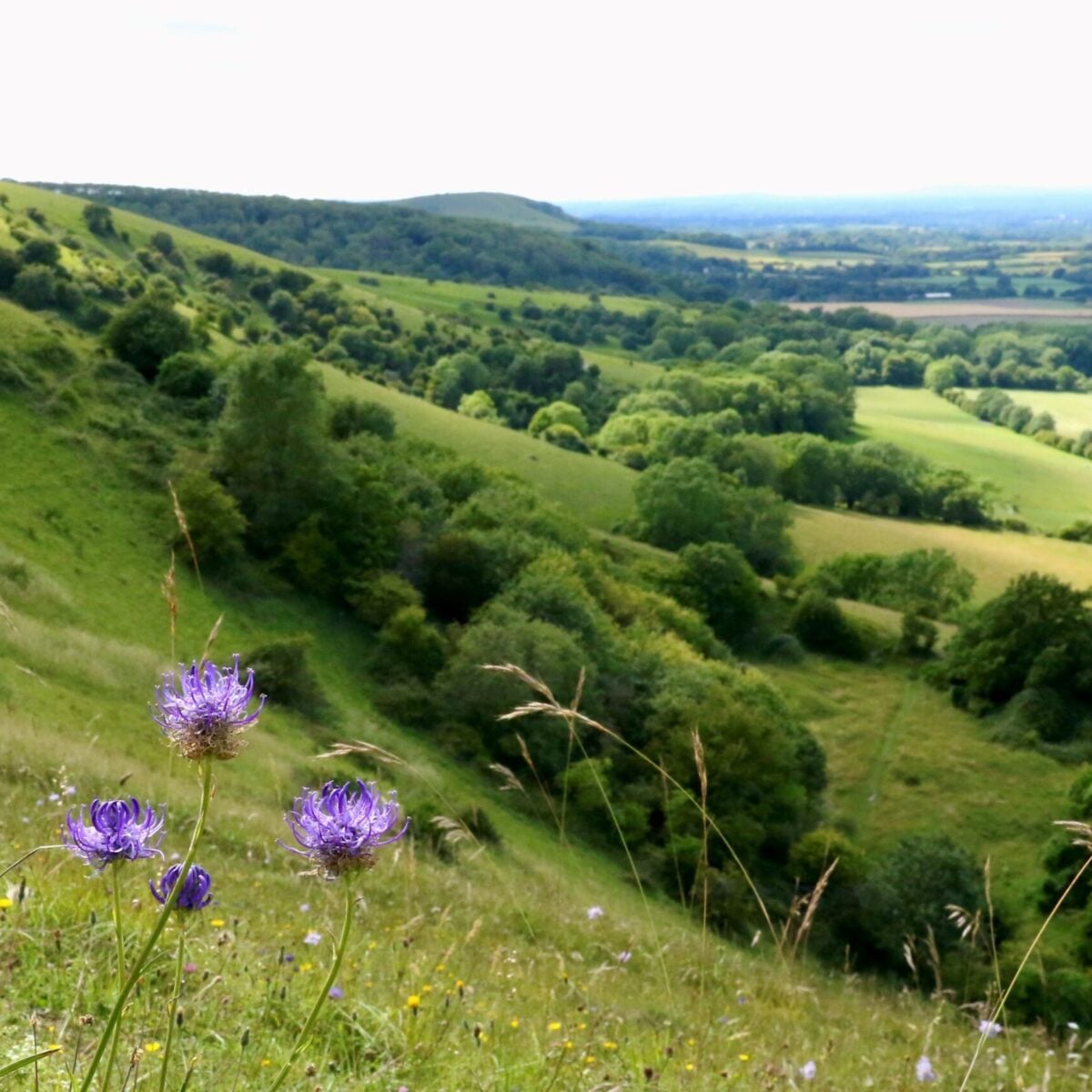
- Chalk grassland with more than thirty types of flower in a square metre, including Moon Carrot and Green-winged Orchid, this habitat is important to insects such as the Chalkhill and Adonis Blue butterflies and Dingy and Silver-spotted Skippers.
The wider story
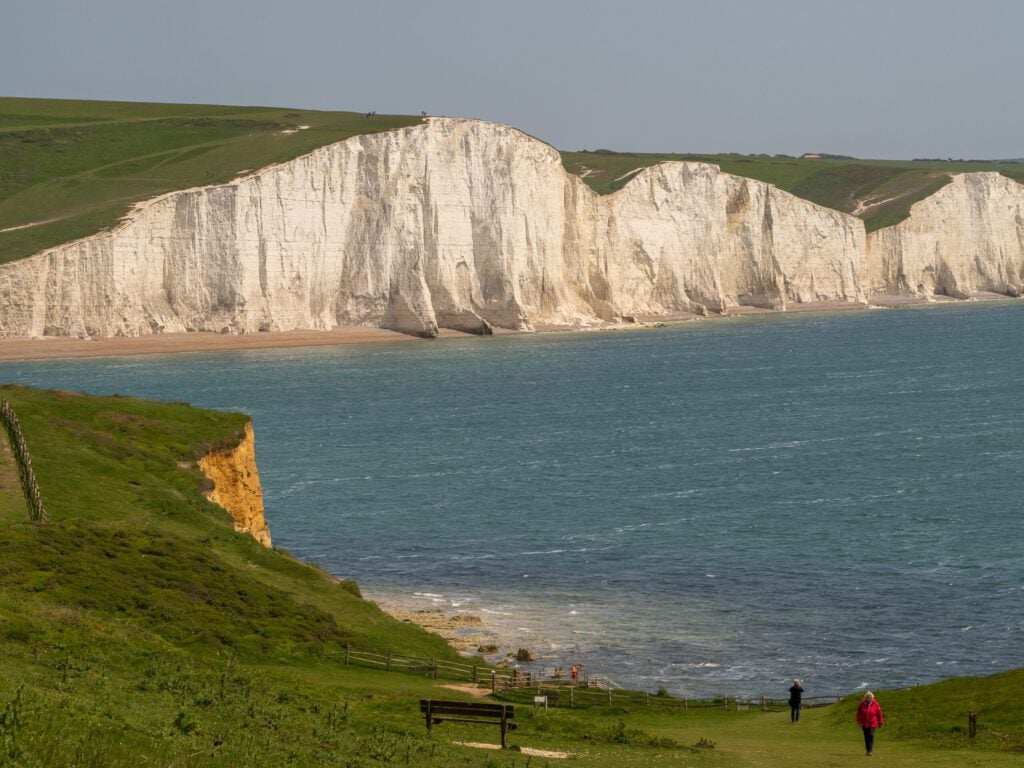
The UK coast has been historically impacted by many factors – the movement of glaciers in the Ice Age, changes in sea level and the actions of currents, waves, wind and people have all played a role. The ways that rock resists erosion has helped shape shorelines, creating headlands and bays. Different types of sediment and ocean currents determine where sand or shingle beaches form. The coast’s exposure to the elements is also important. Mud and silt washed down by rivers can build up in sheltered areas, forming sweeping mudflats and saltmarshes, home to thousands of birds, fish and other wildlife.
The coastline is forever changing; it is a dynamic environment shaped by changes in sea levels or by sudden storms.
An island nation
In the UK, no-one lives more than 80 miles from the sea. This closeness to the coast has held great cultural significance across the centuries, and the sea is still important for peoples’ livelihoods. Many seaside towns now thrive on tourism and recreation.
The coast is accessible for huge numbers of people, but recreational pressure can take its toll. Large numbers of walkers can damage sand dunes, saltmarshes and shingle beaches. Disturbance is also an issue for breeding birds and seals. This is particularly the case where habitats have been broken up or constrained, hemmed in by development, agriculture or sea defences.
Turning back the tides
Although the coastline is a naturally shifting boundary between the land and the sea, in many places humans have tried to limit or stop such change. Sea defences stretch around much of the coast (45% in England) in order to prevent the flooding of farmland, towns and villages. This is something of particular concern with the rapid rise in sea-levels due to climate change.
But these barriers do have a negative impact on our wildlife-rich coast. Soft coastal habitats are “squeezed” as the sea erodes them, but sea defences stop them from moving further inland as they naturally would. With less sediment being moved around, many soft shorelines are being eaten away rather than building up naturally.
However, habitats like saltmarsh can act as natural sea defences, protecting homes and businesses near the shore by absorbing the energy of the waves. In some places, managed realignment is being used; sea defences are deliberately breached to allow coastal habitats to form further inland.
How can you help to protect our Sussex coast?
- Give wildlife some space – take care not to distub wildlife and habitats when visiting the coastline, especially during the breeding season for animals like birds and seals
- Take your beach litter home with you – plastic is a huge problem for our seas and coastal habitats, with much of this pollution coming from litter left on beaches
- Connect to your blue space – not only does spending time in nature relieve stress and boost wellbeing, but also makes us more likely to care about these spaces, and strive to protect them!