
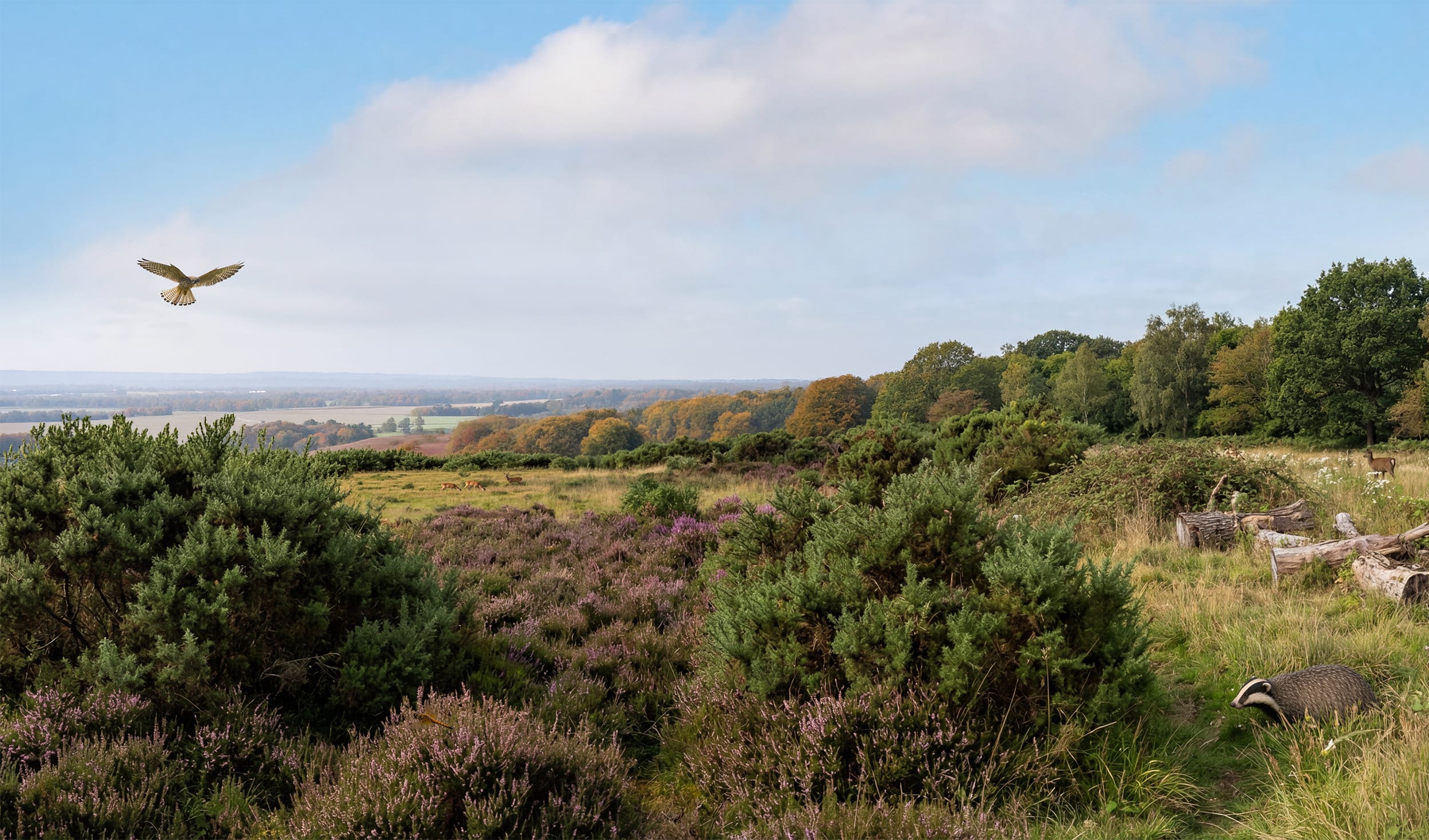
Join a community to protect and restore nature
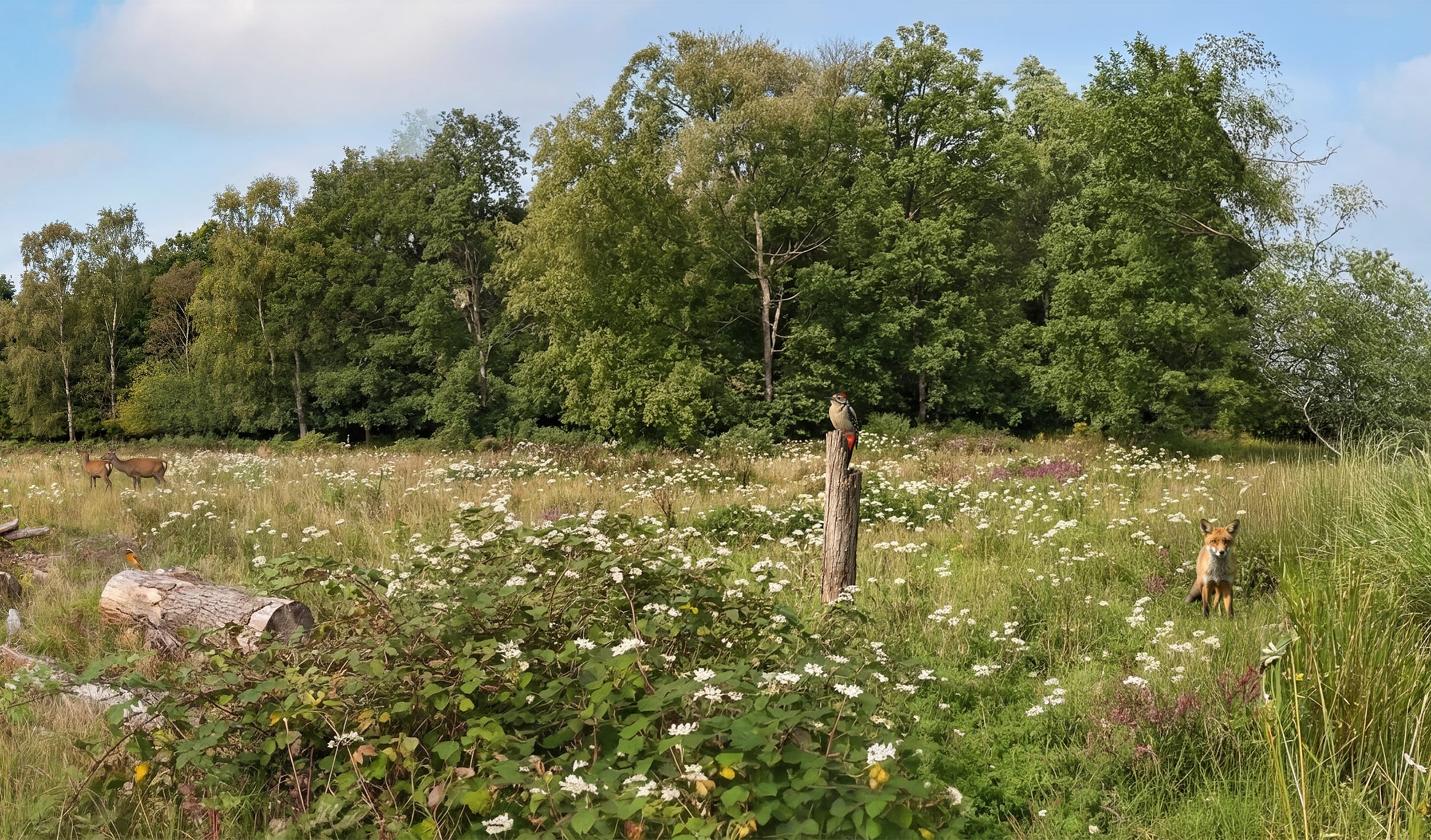
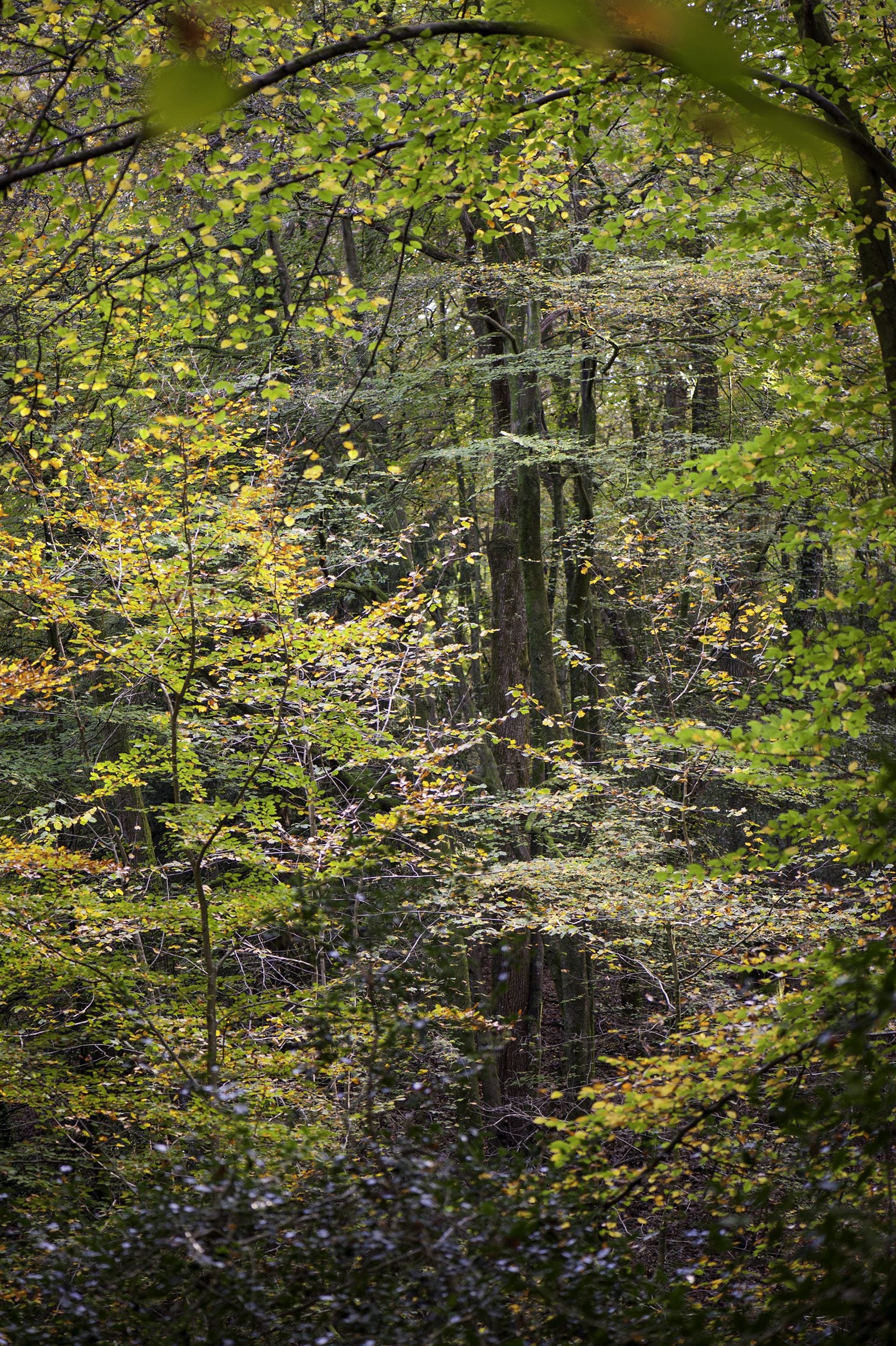
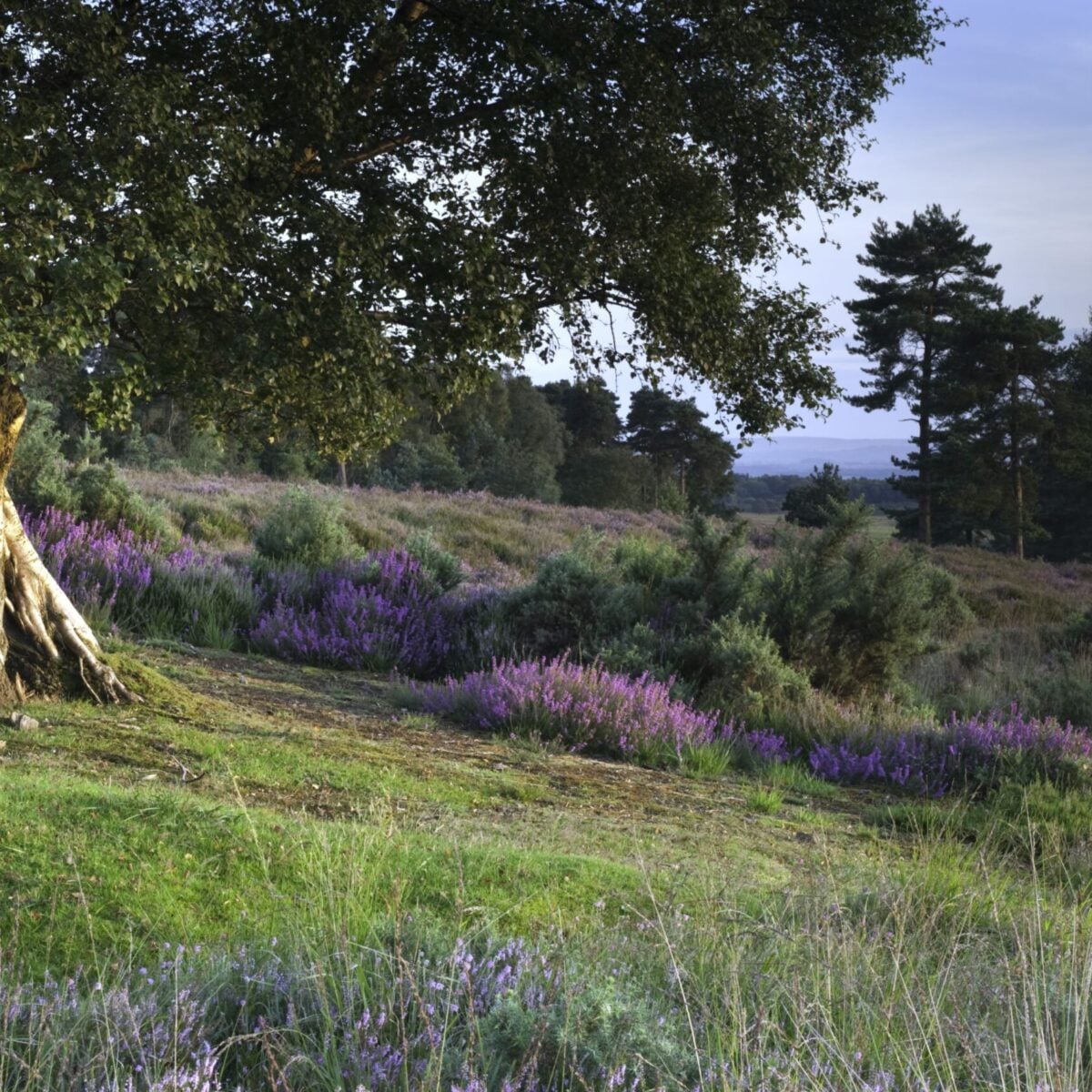
Woodland
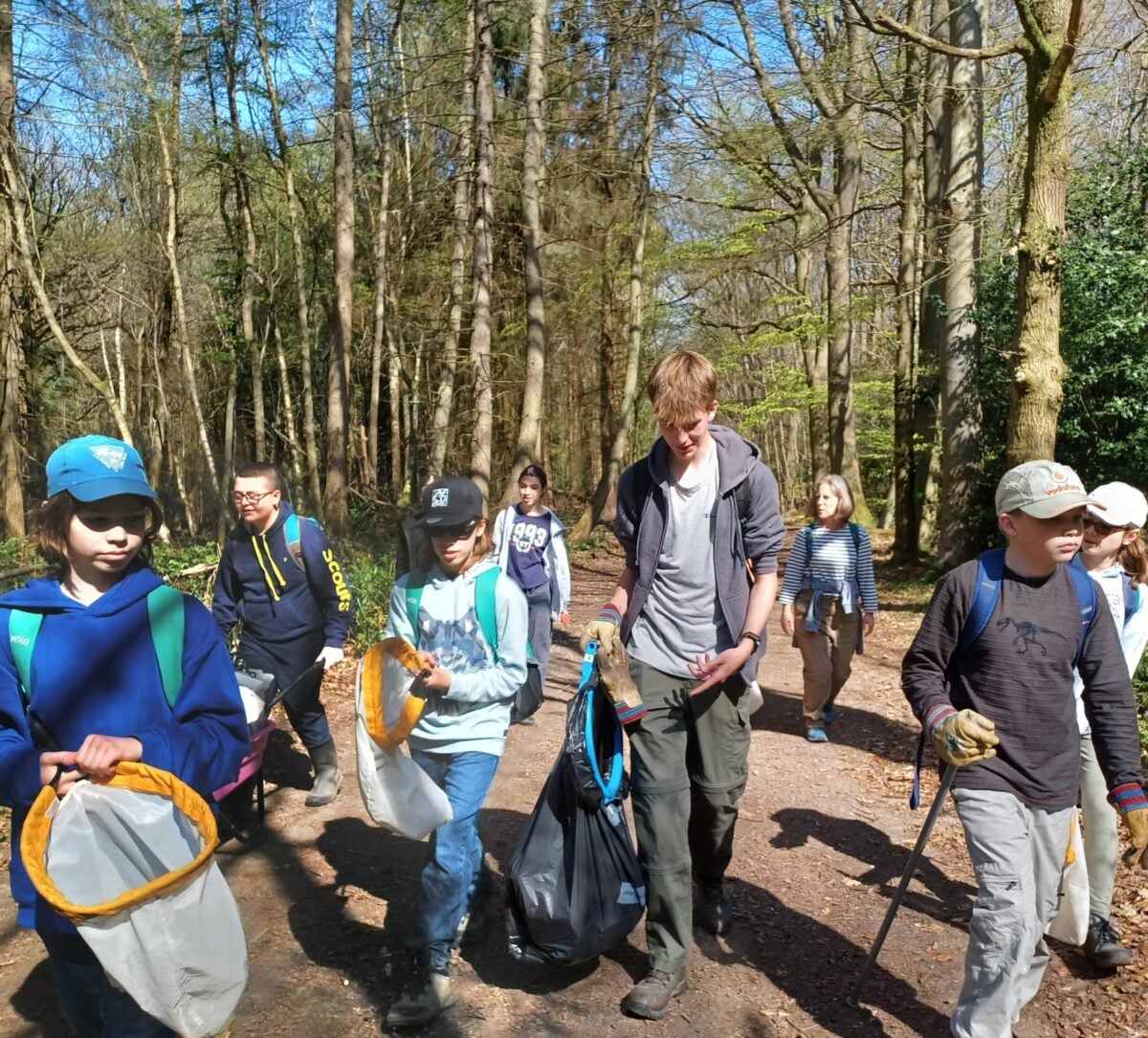
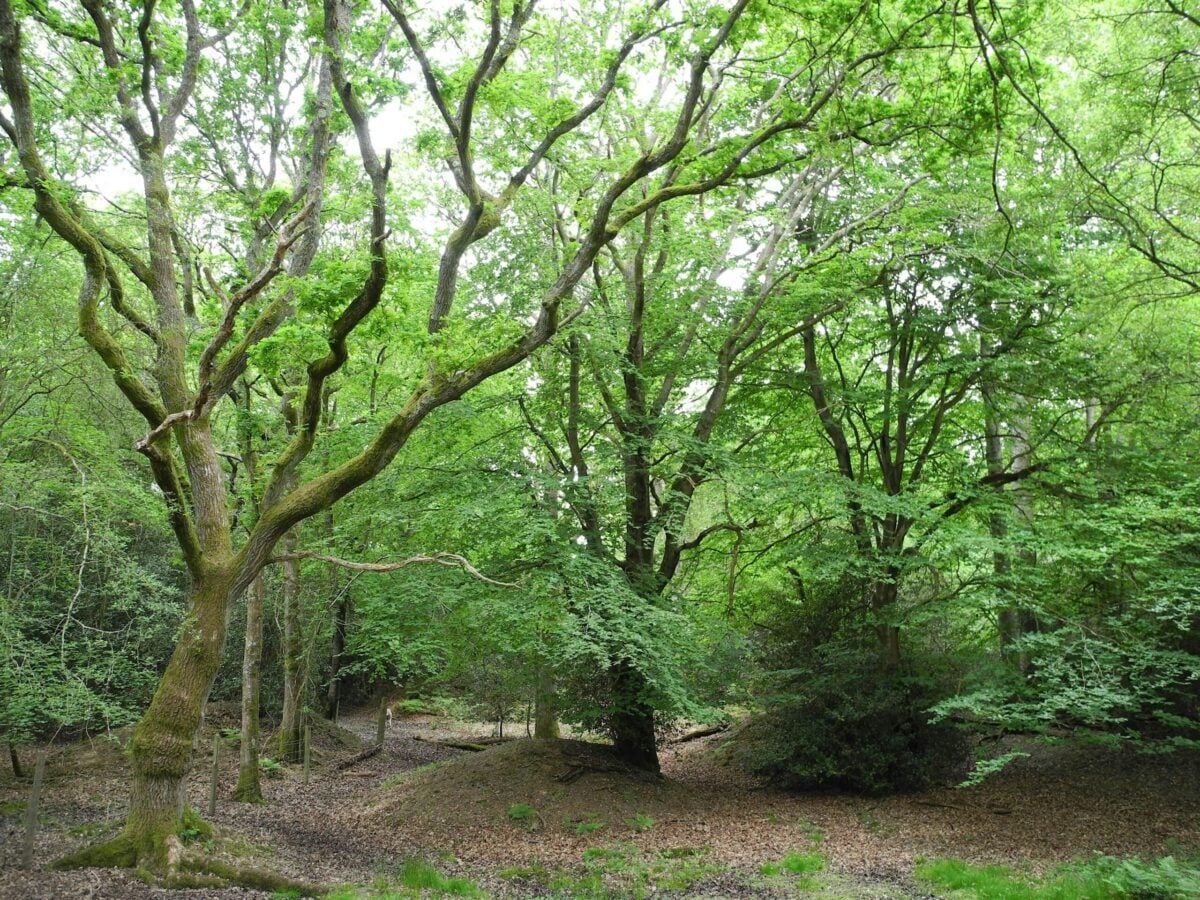
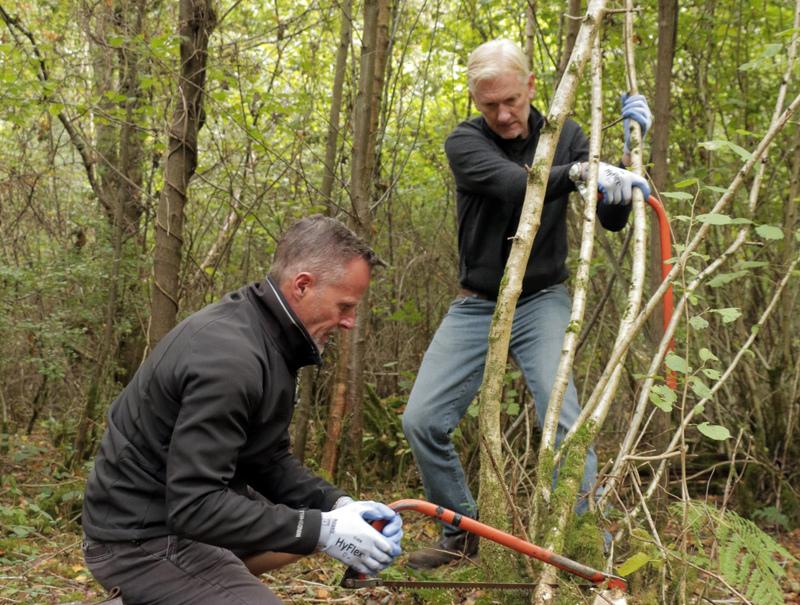
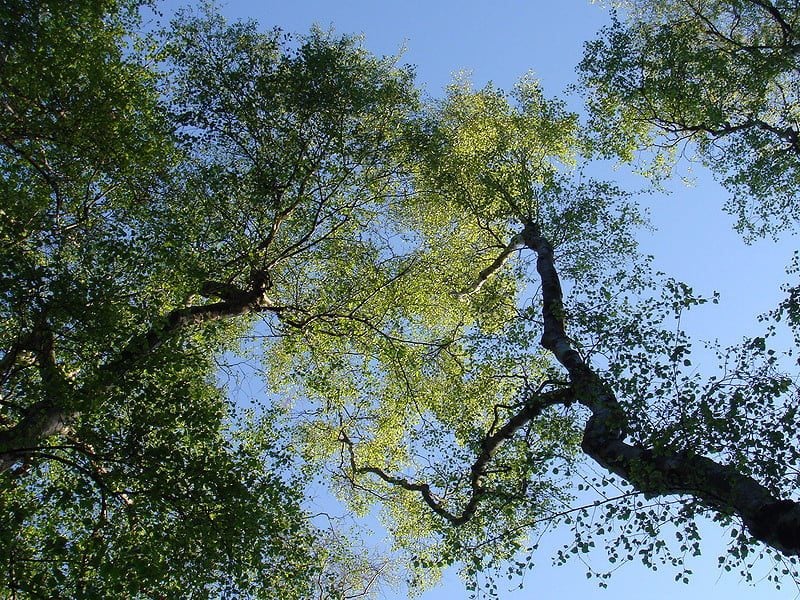
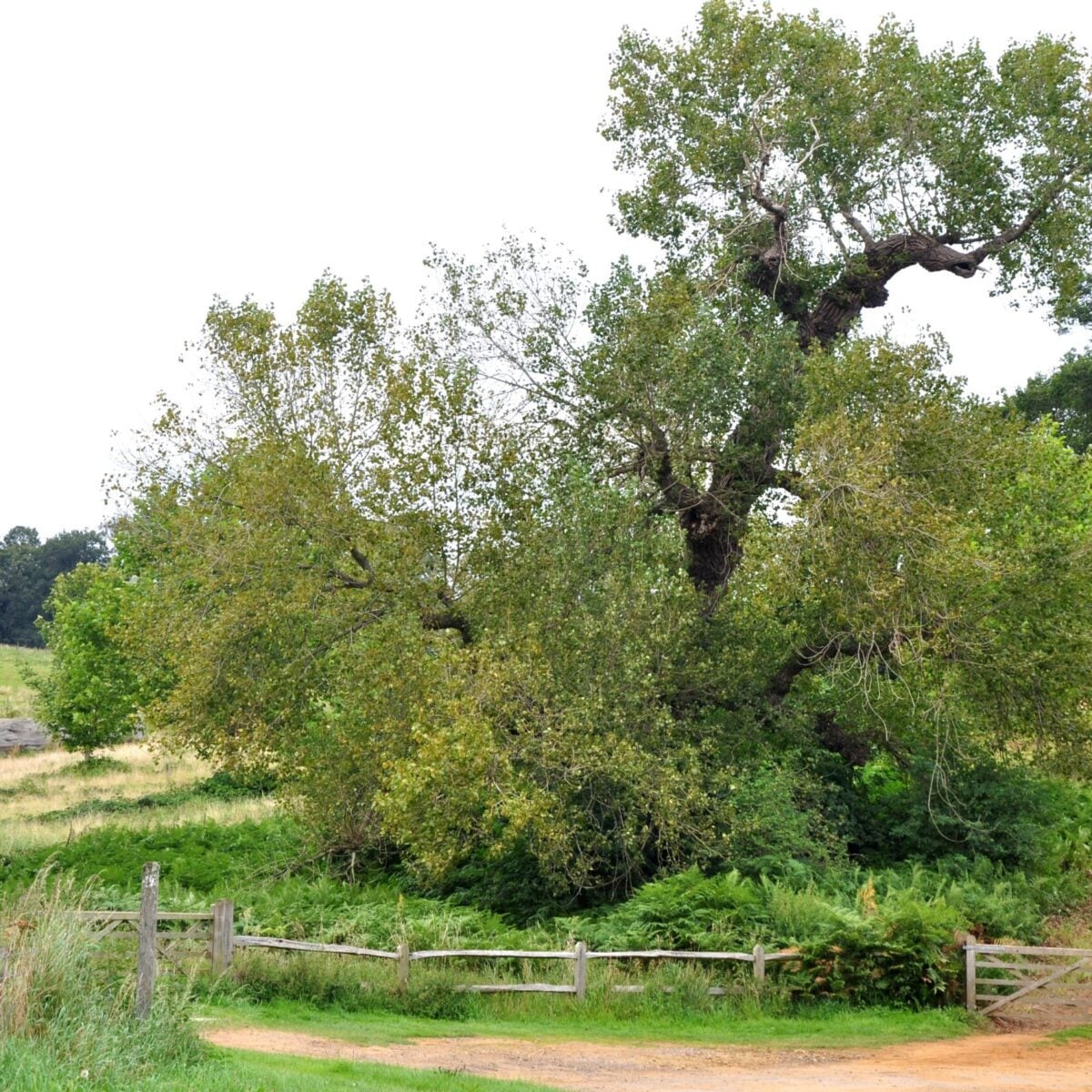
The words ‘wood’, ‘wild’ and ‘weald’ all stem from the same source. Sussex is a relatively wooded county, with about 20% cover, including some outstanding ancient woodland areas as well as new natural woodland and plantations.
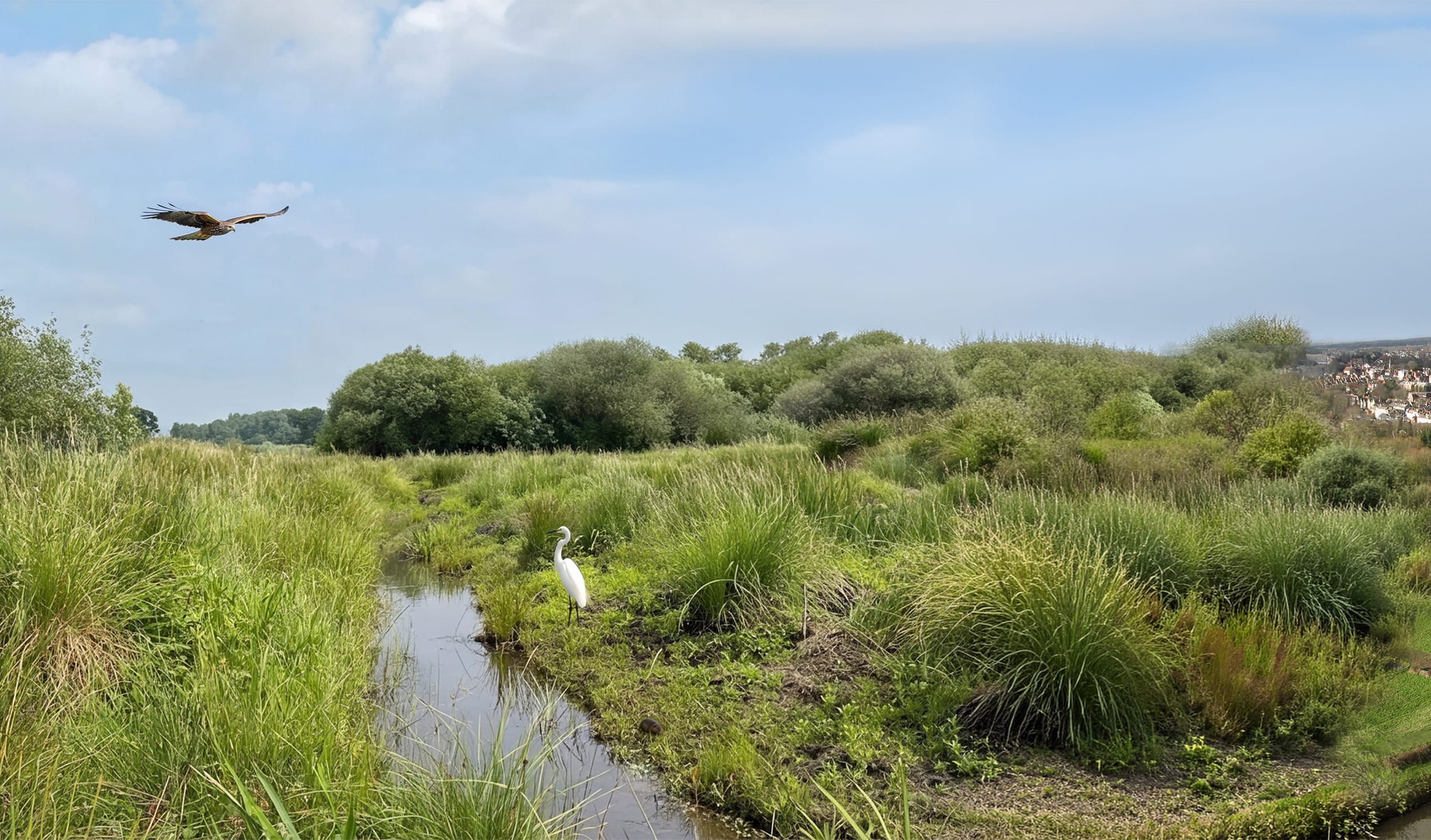
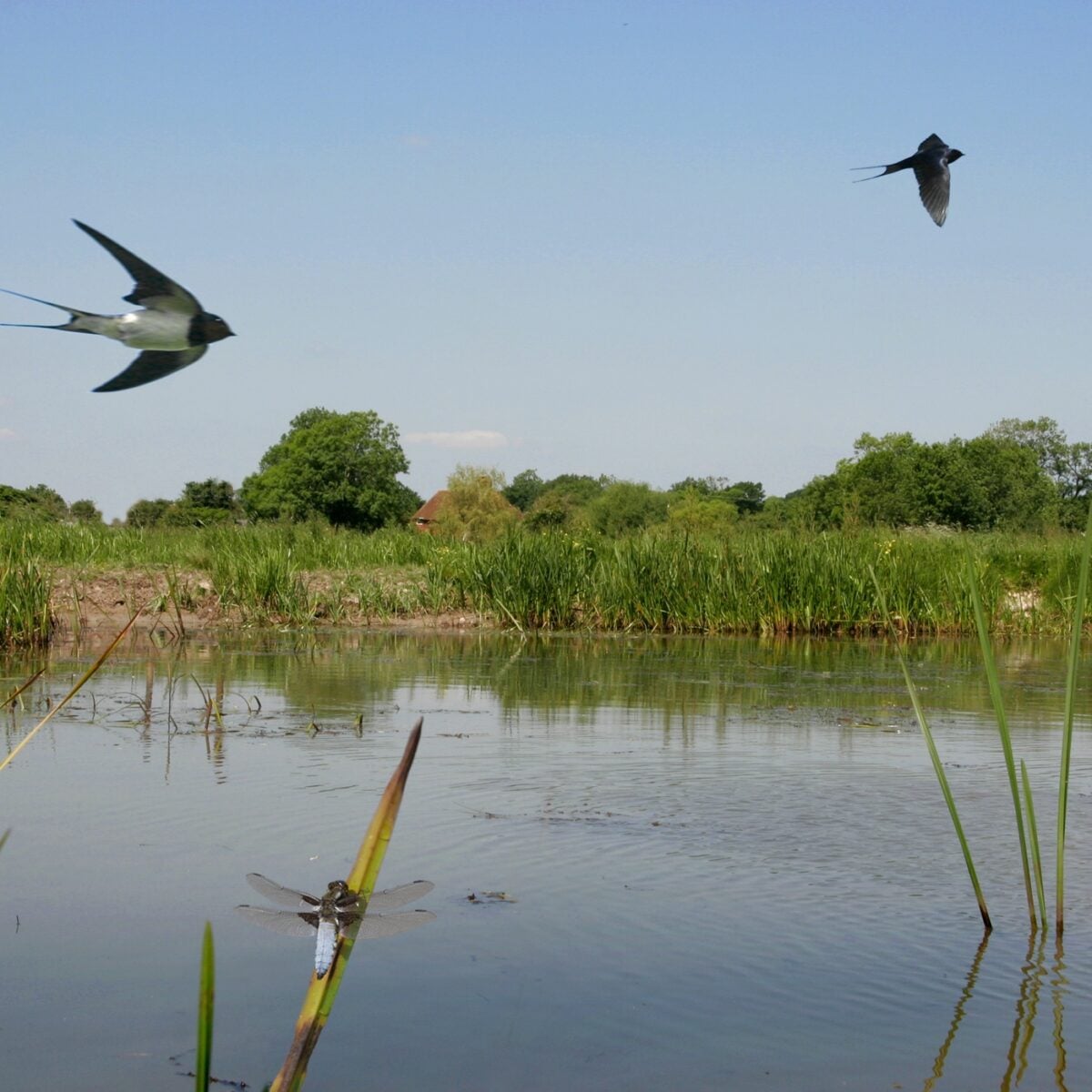
The wetlands
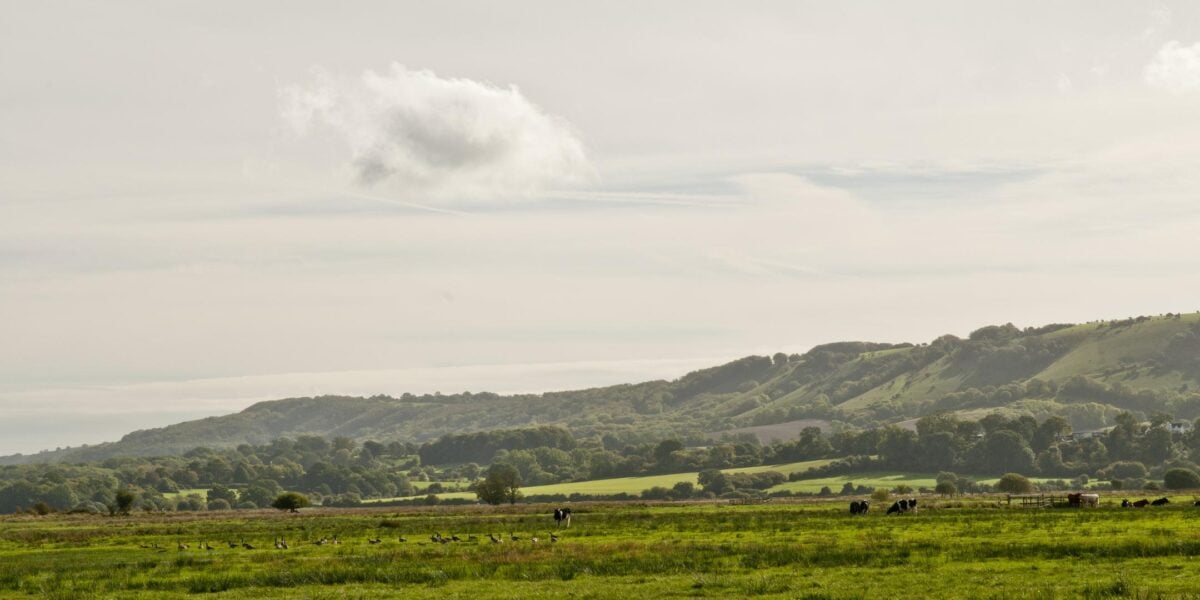
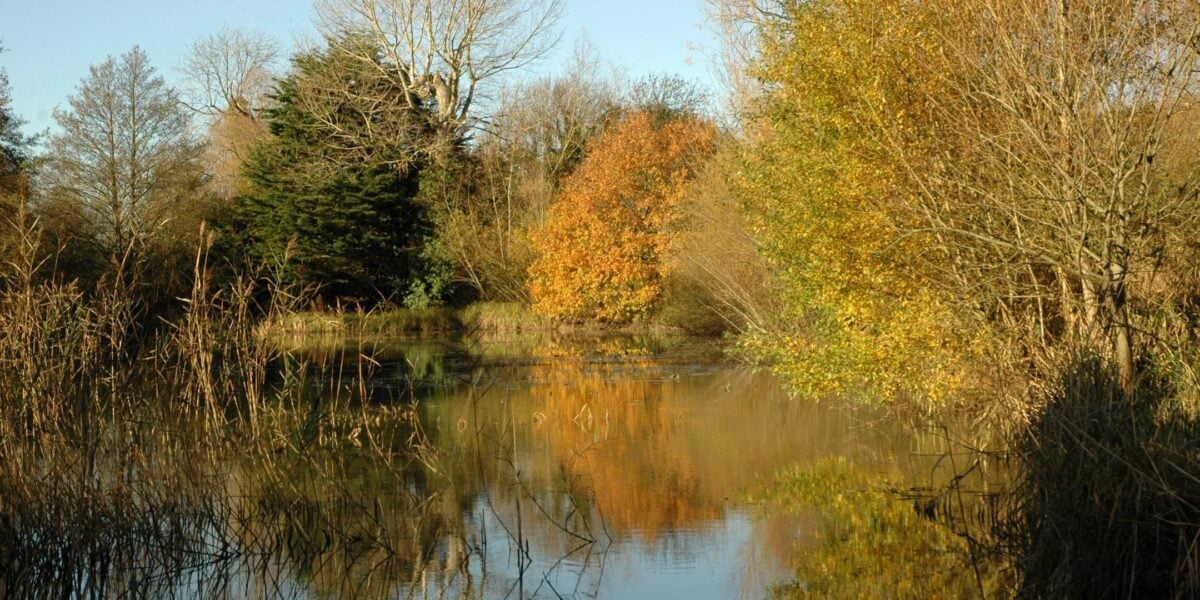
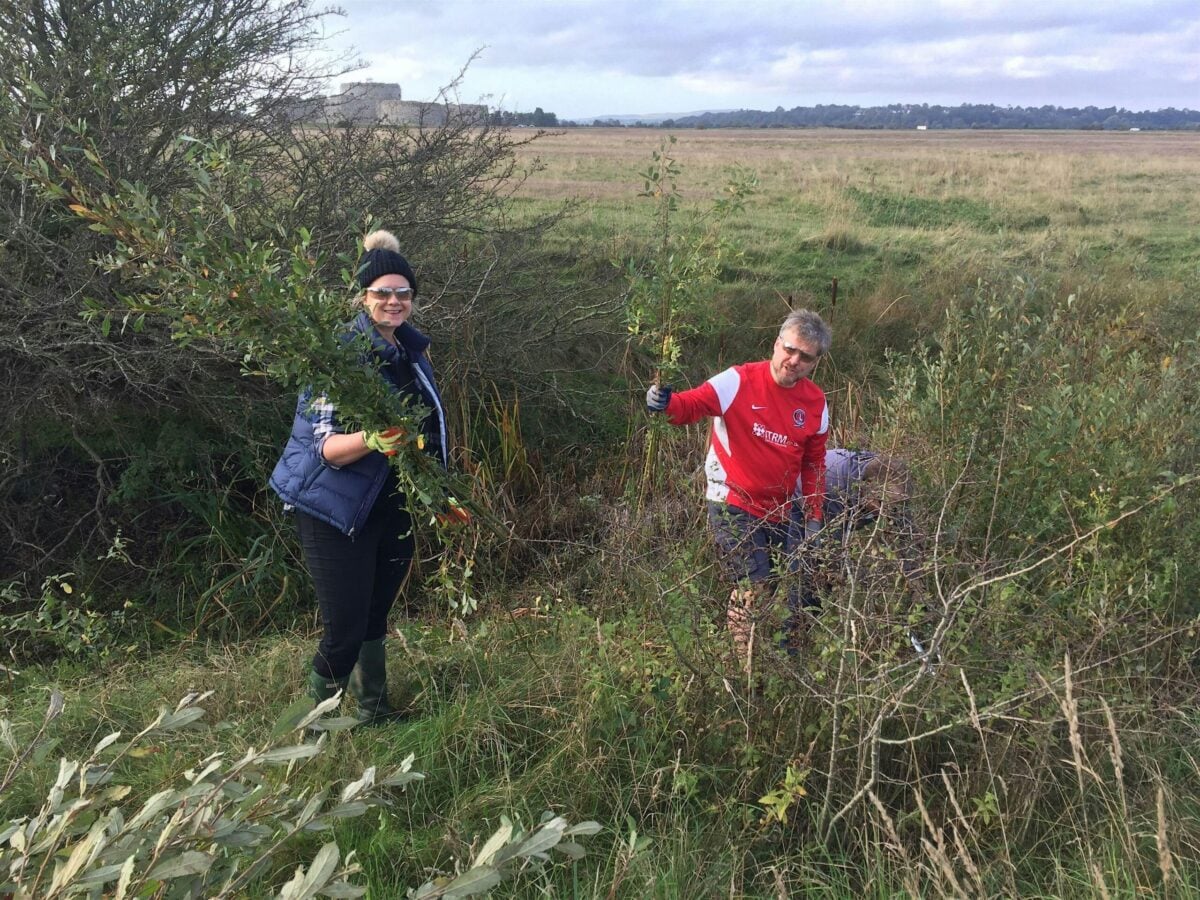
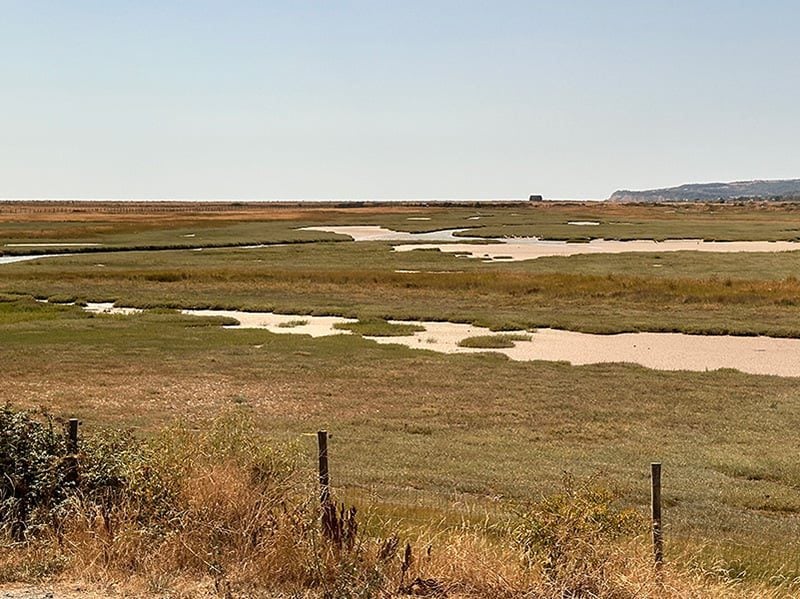
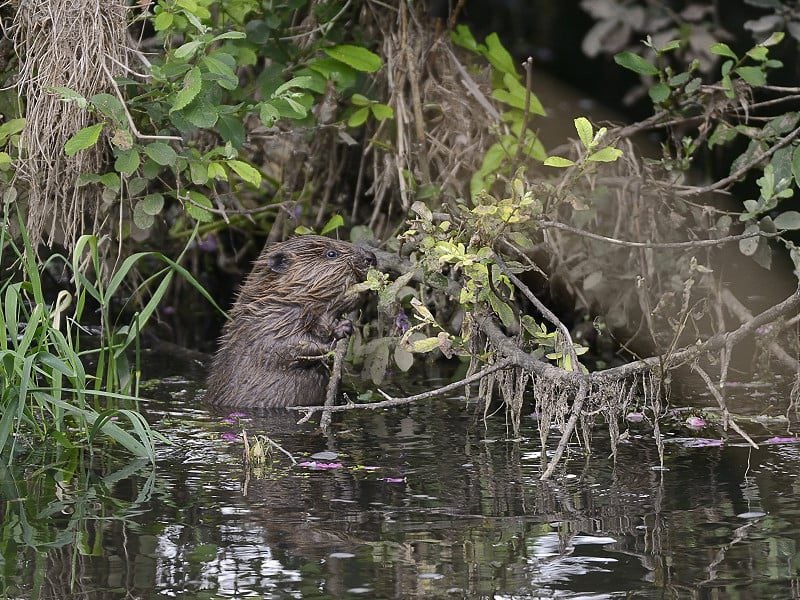
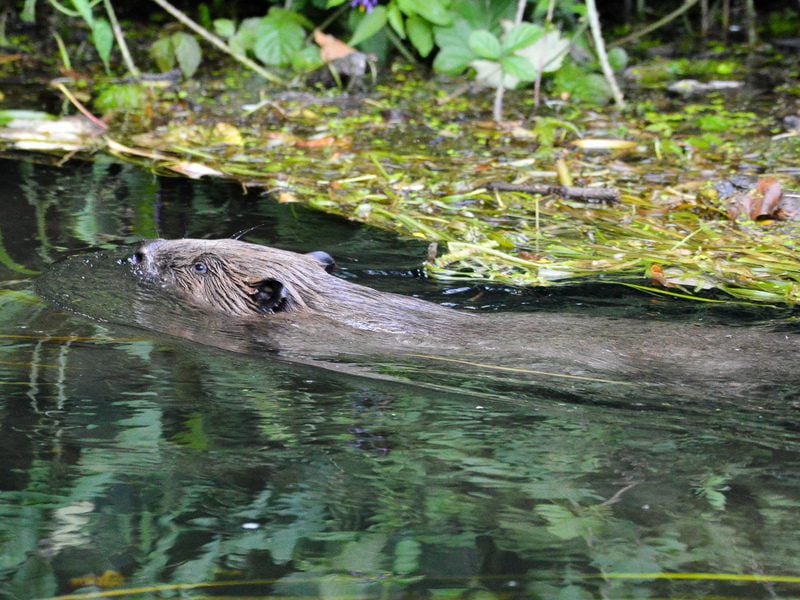
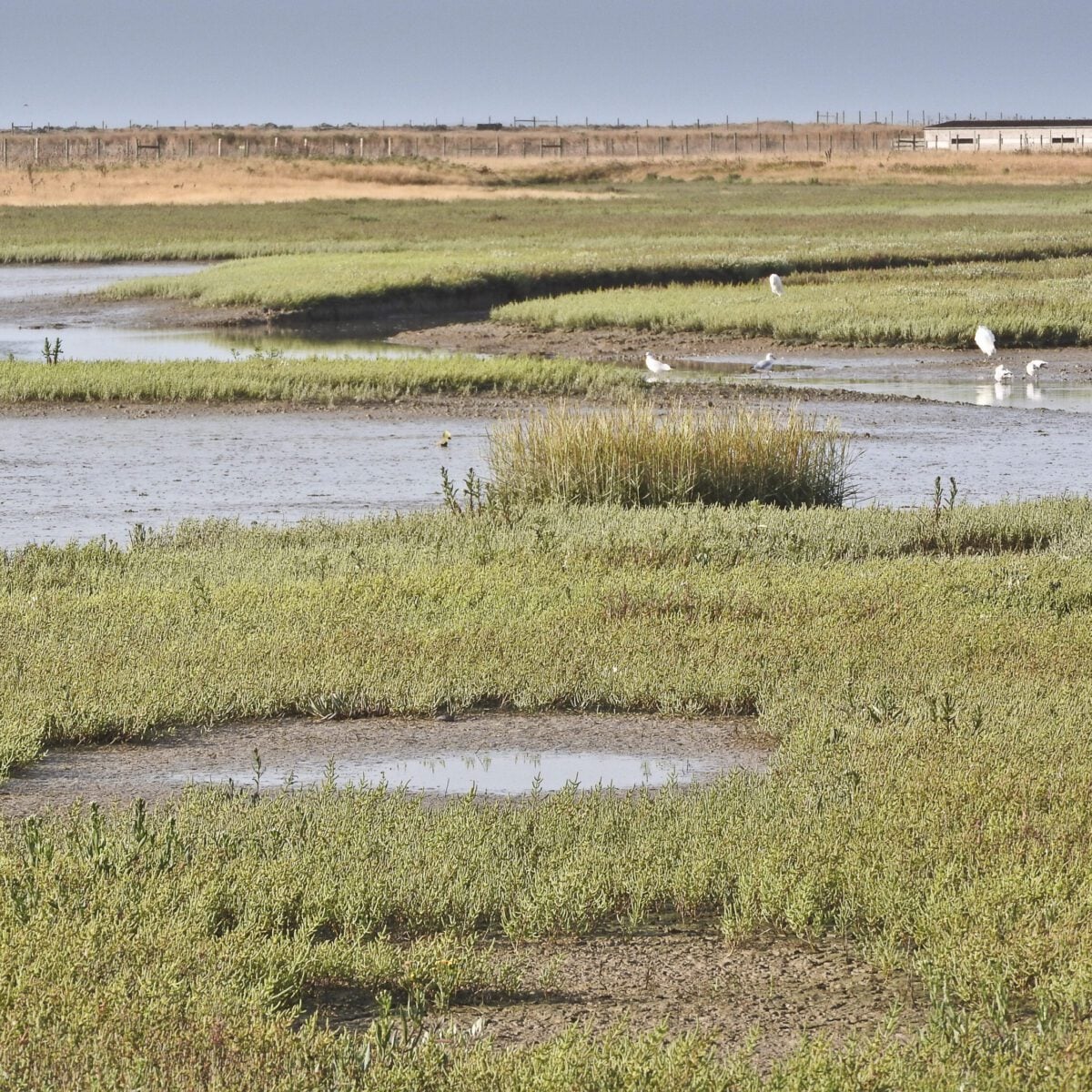
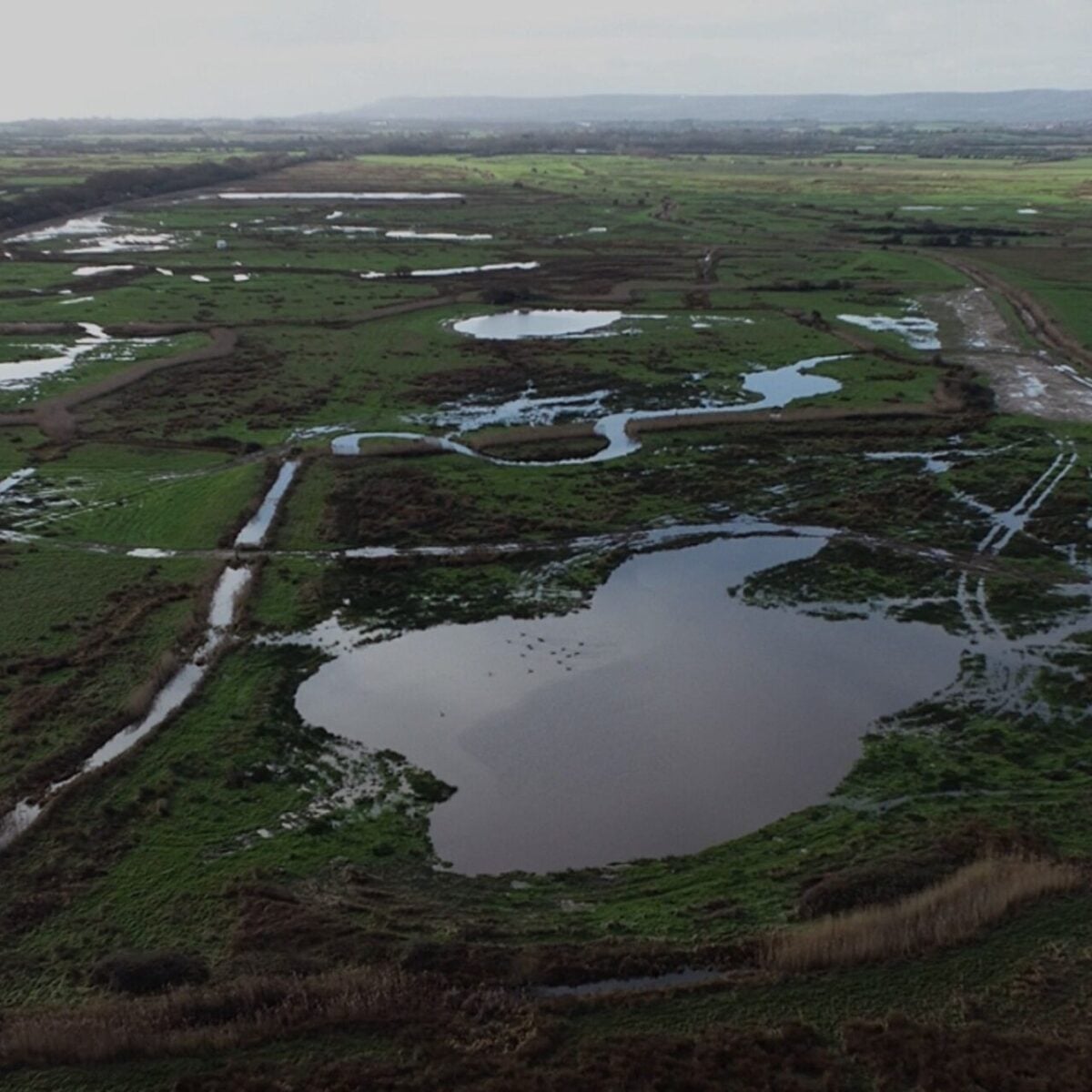
Fresh water is life. There’s a growing movement to save and restore our precious waterways and wet places, from demanding better management from our water industry to rewetting wetlands and helping Beavers to return to Sussex.
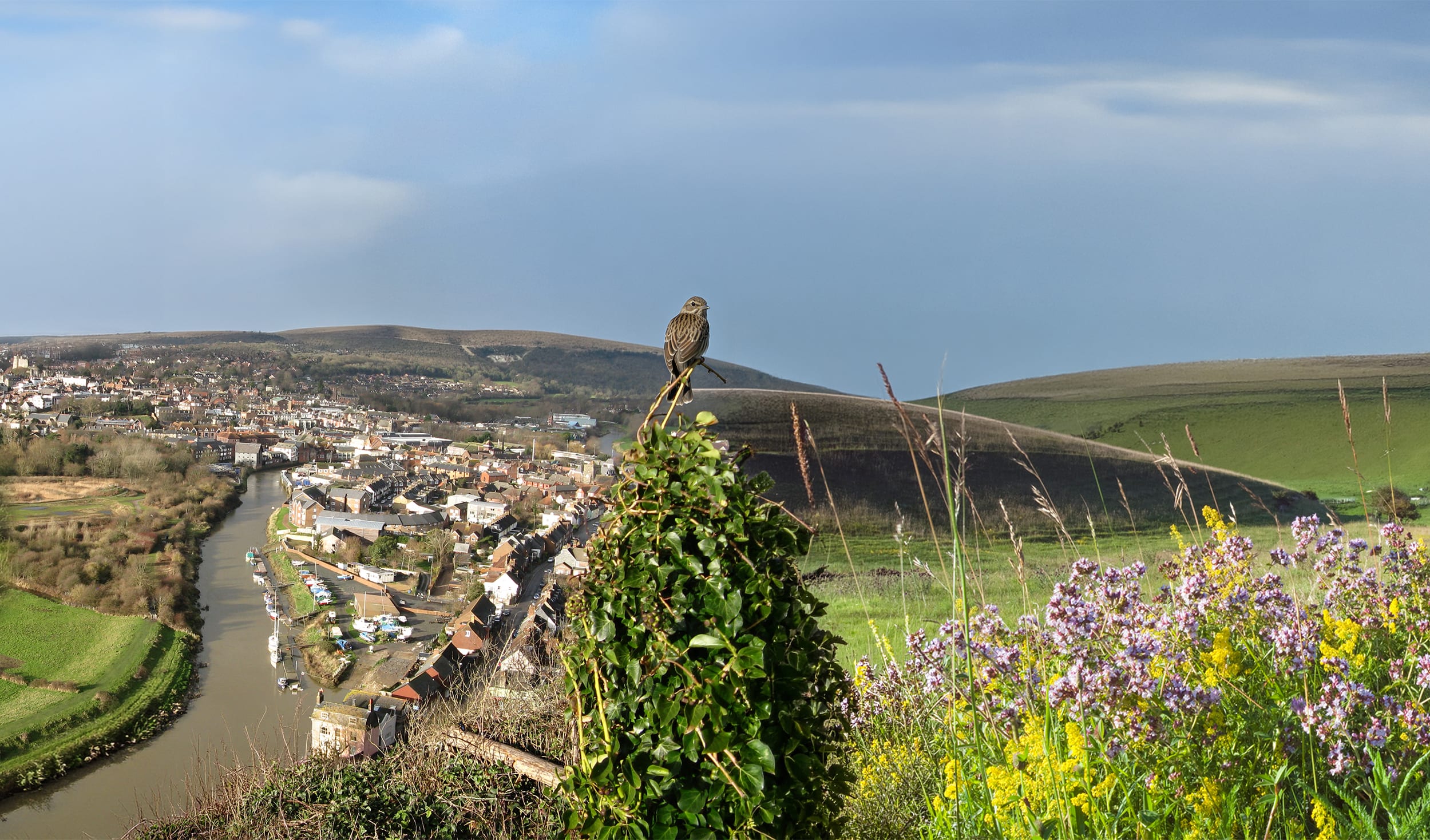
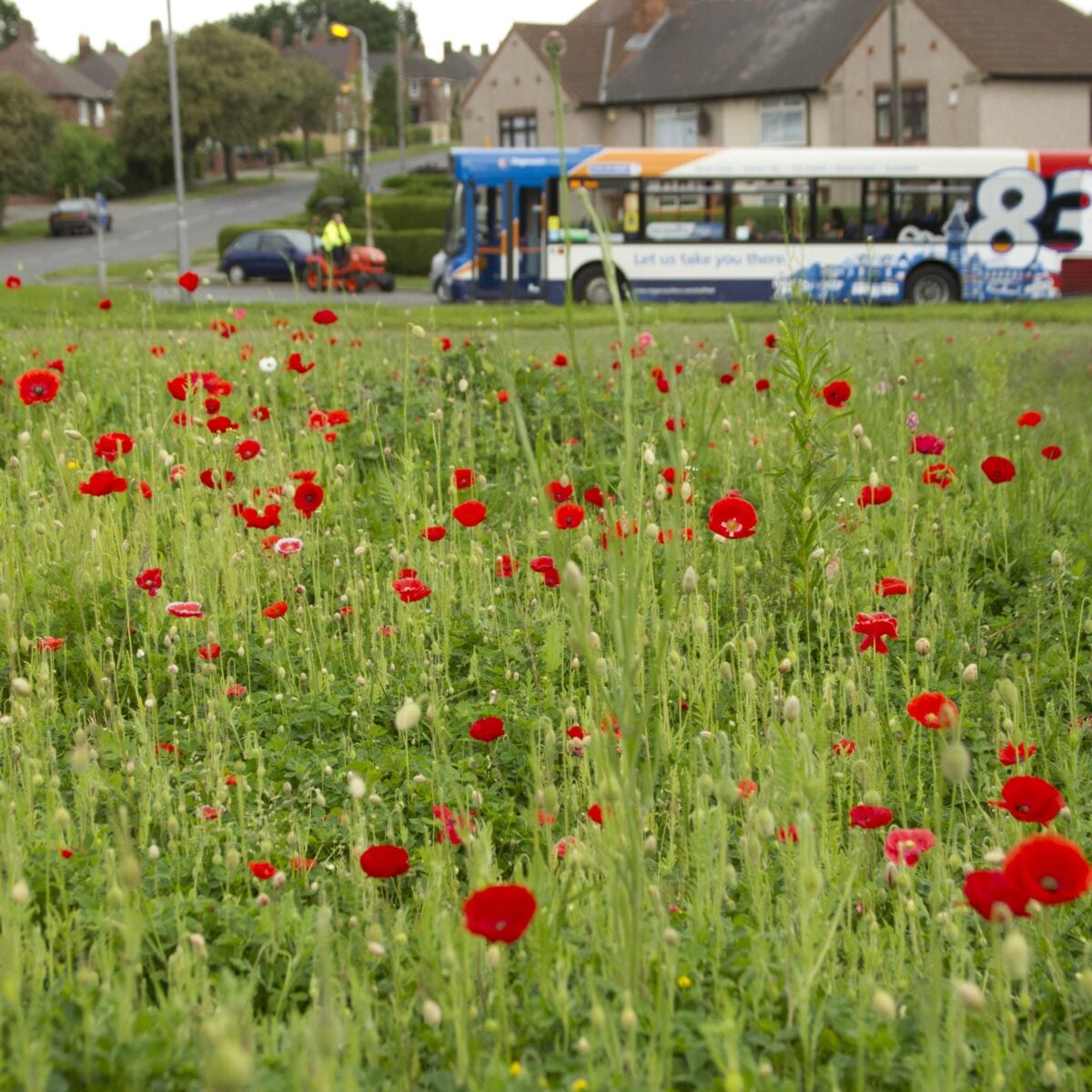
Towns & Gardens
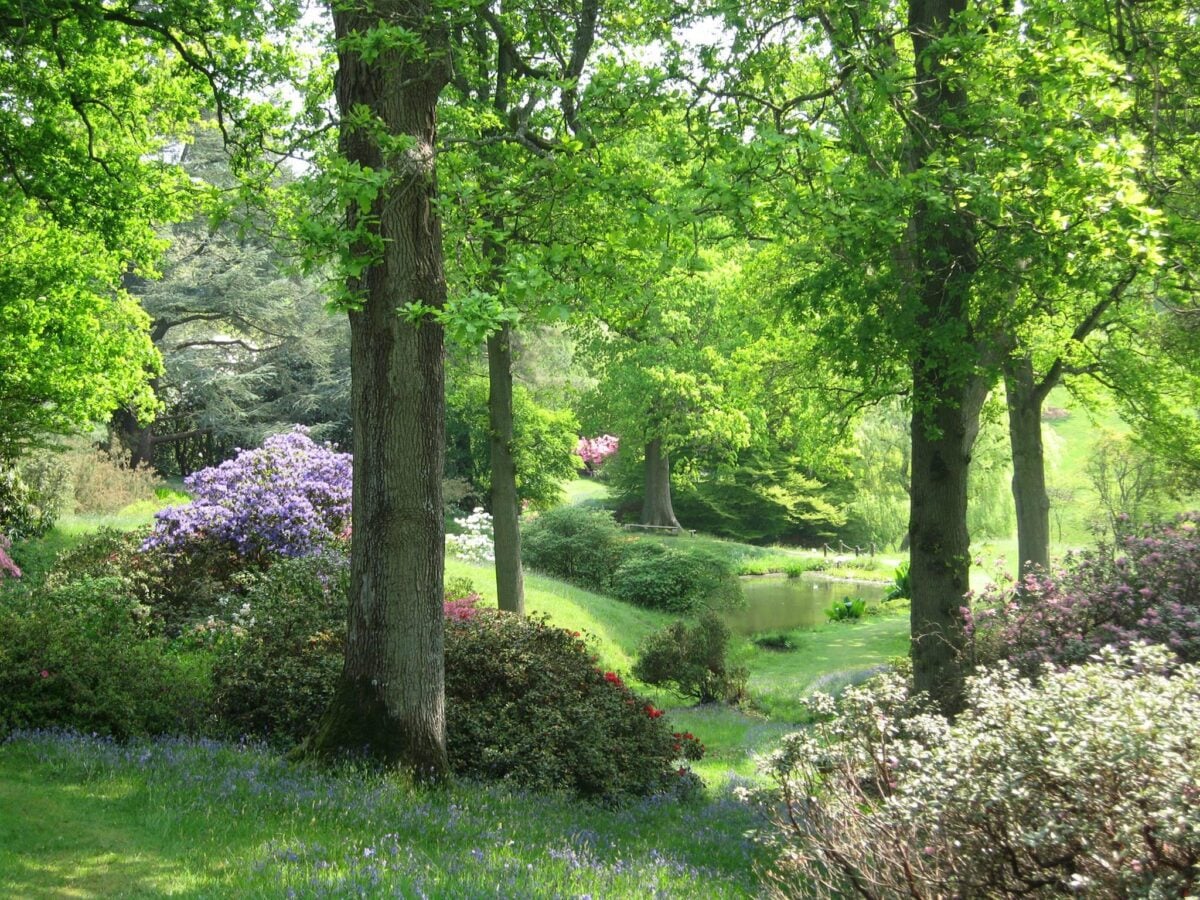
With habitat loss and rural overdevelopment causing huge threats to many species, our gardens and urban green spaces have become a lifeline for wildlife. Connectivity and collaboration at neighbourhood level are vital to making these places the best they can be for wildlife.
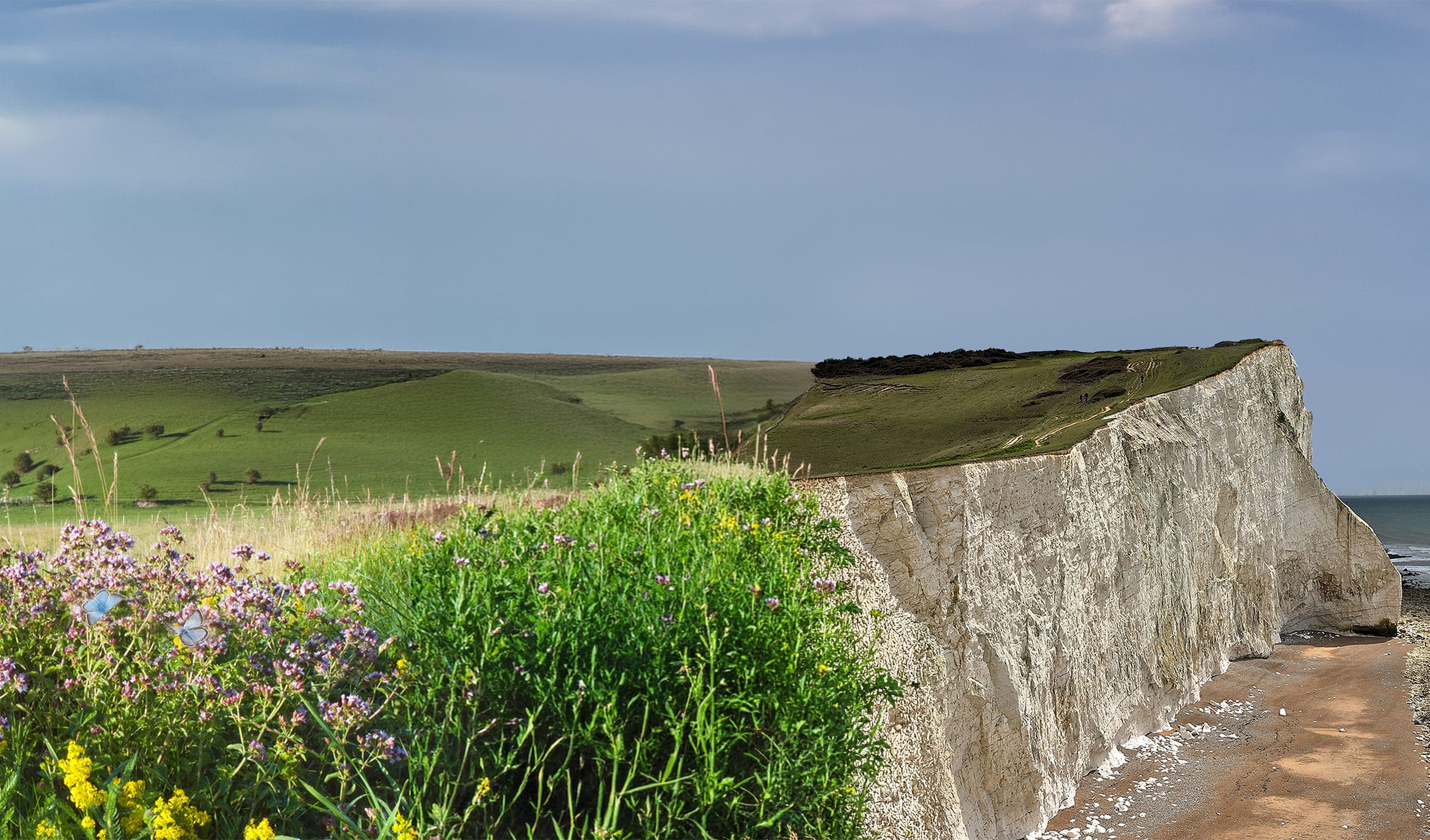
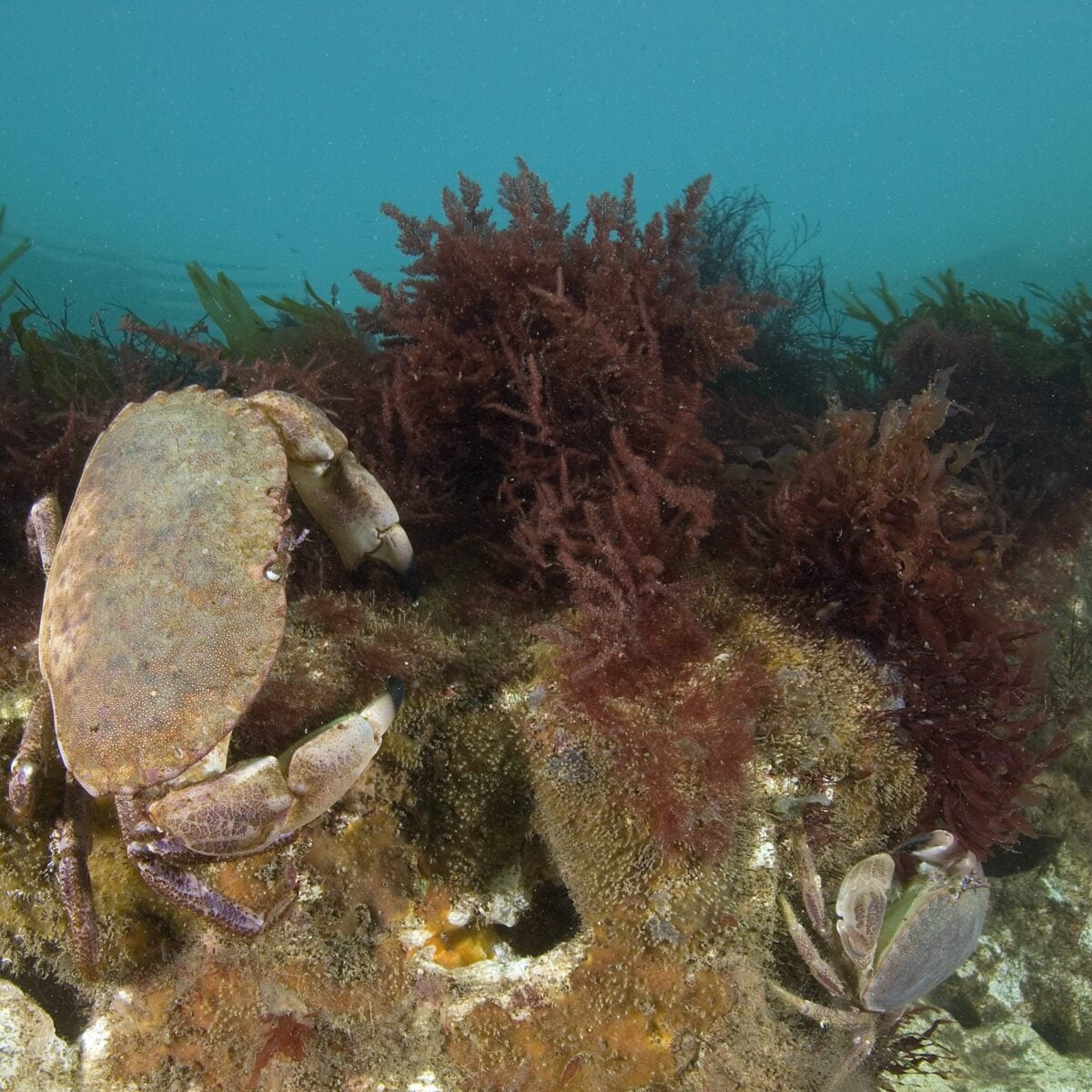
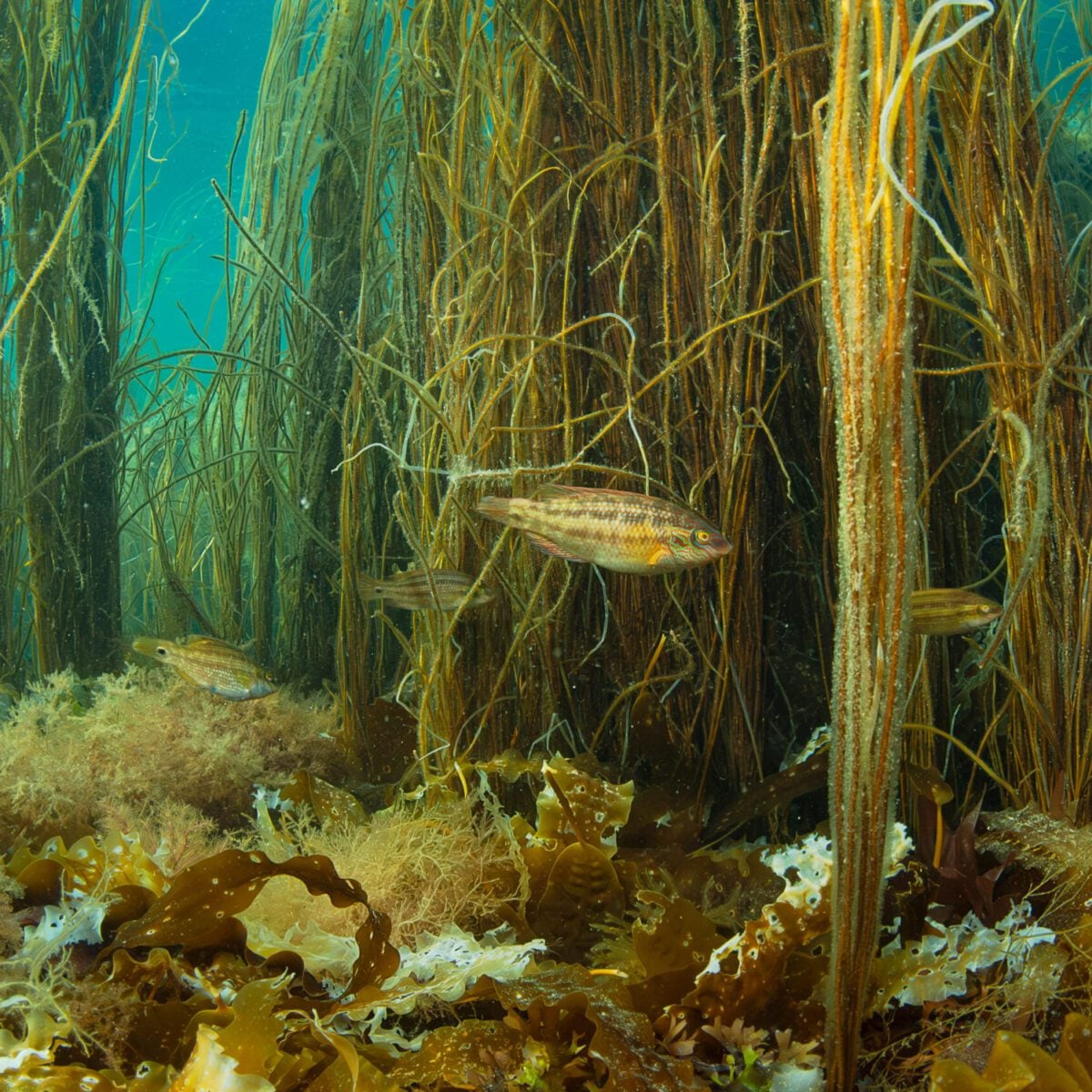
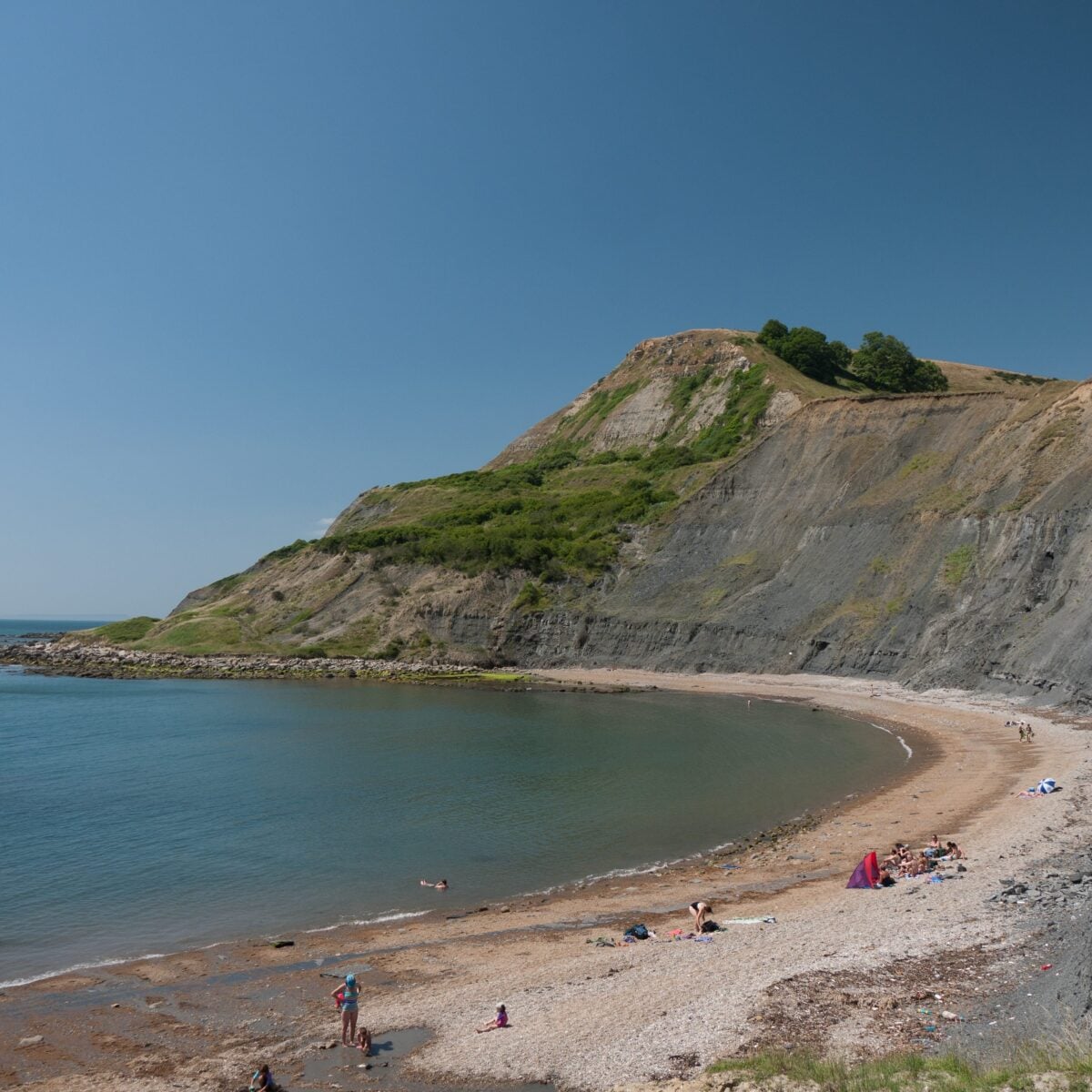
The Coast & Sea
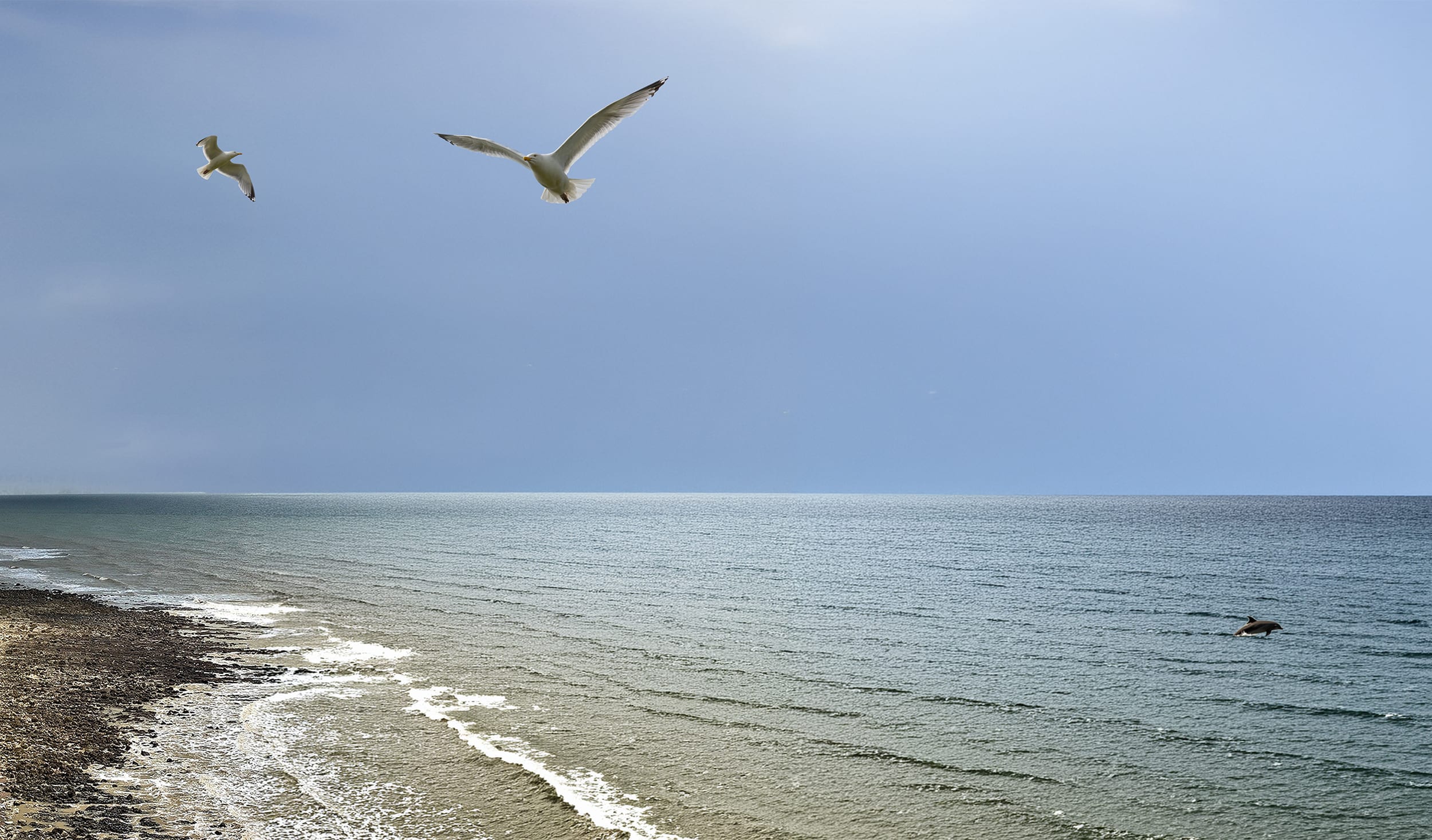
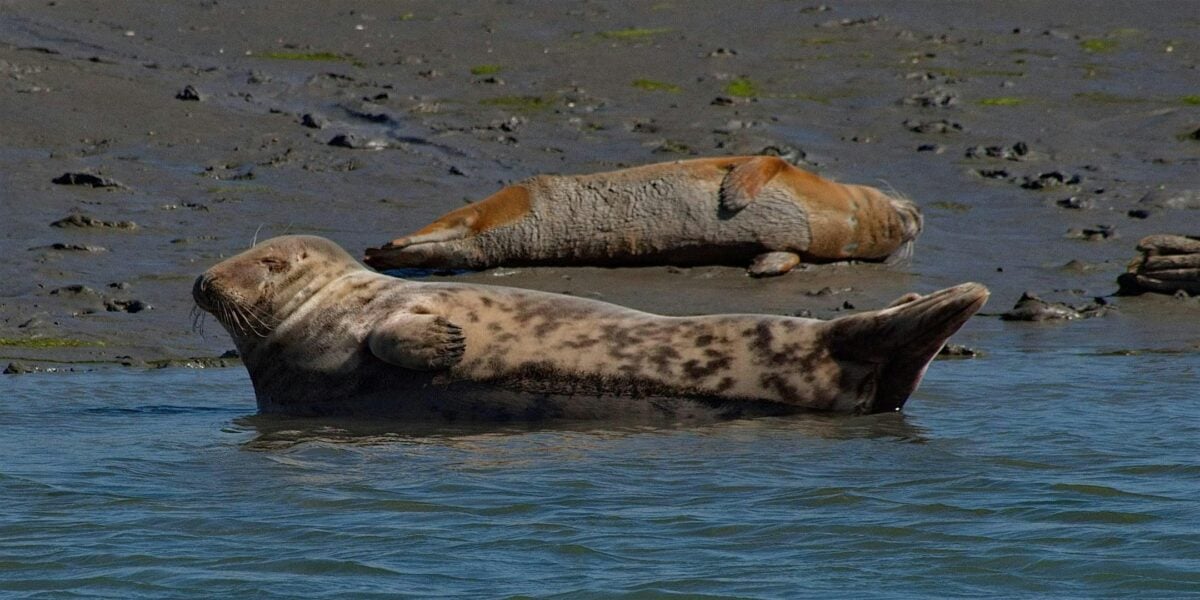
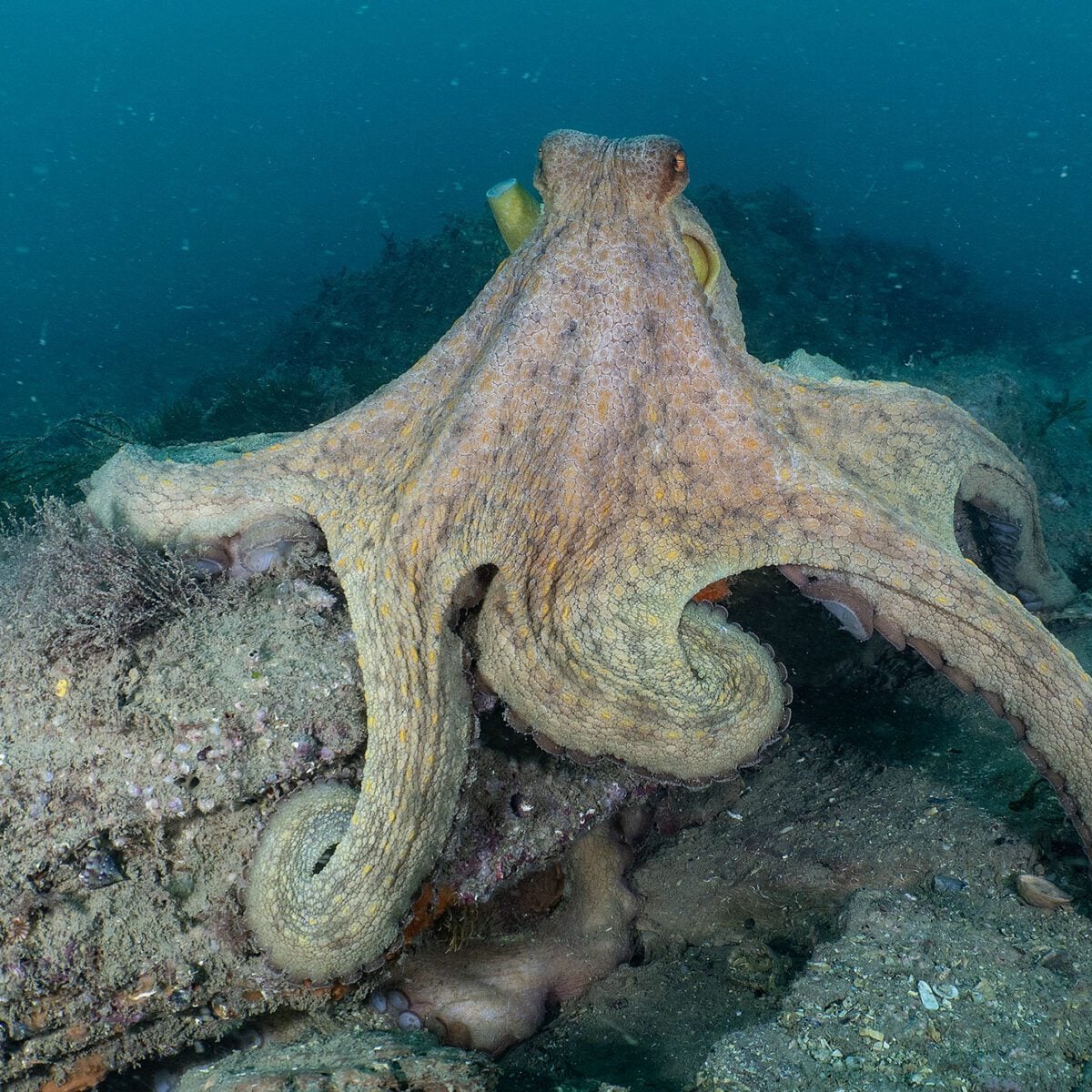
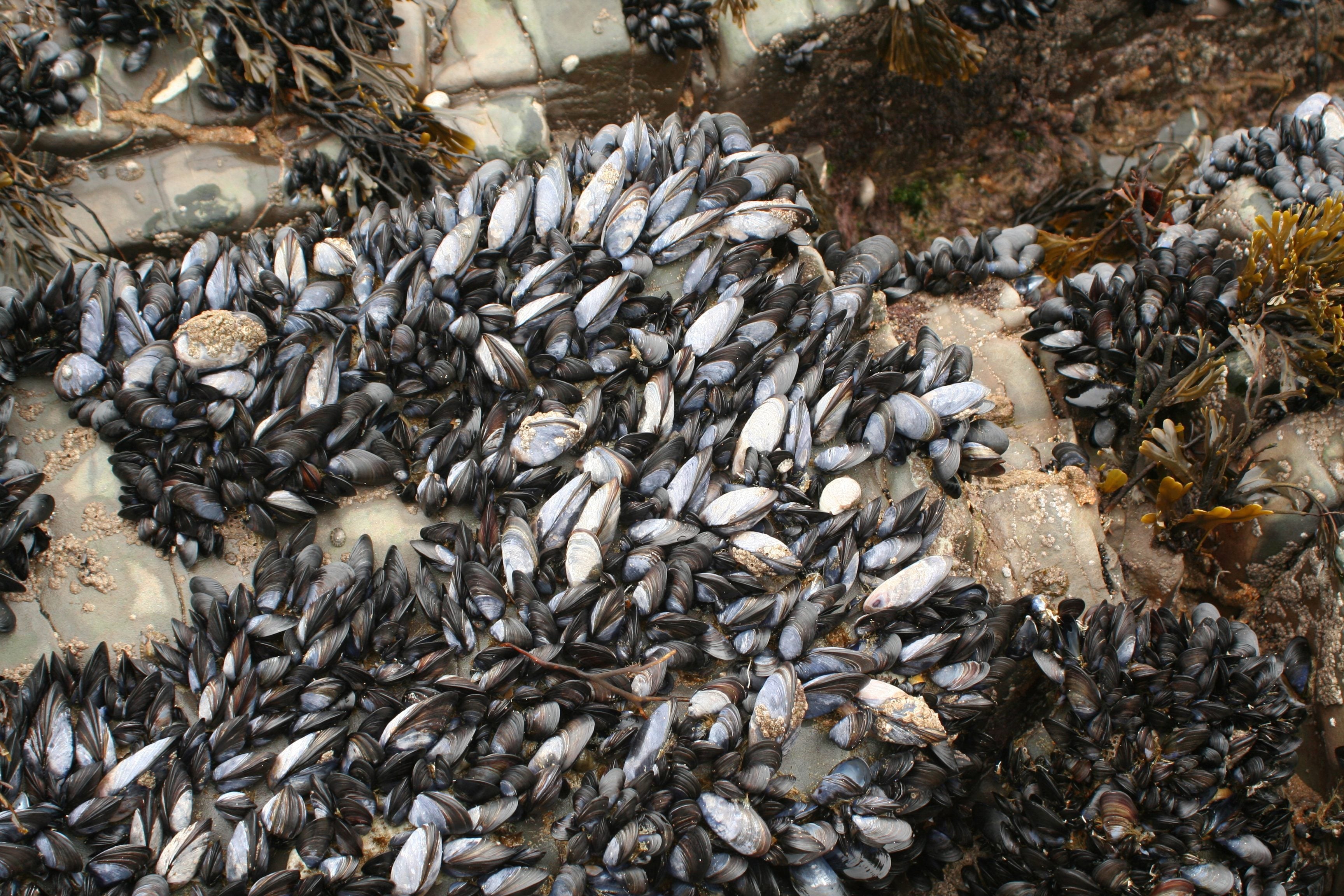
With mussels, sponges, lobsters, jellyfish, dolphins and so much more, our local seas are home to a huge range of wildlife, largely unseen and often at risk from destructive fishing practices, pollution and warming waters. We demand real protection for our marine conservation areas.
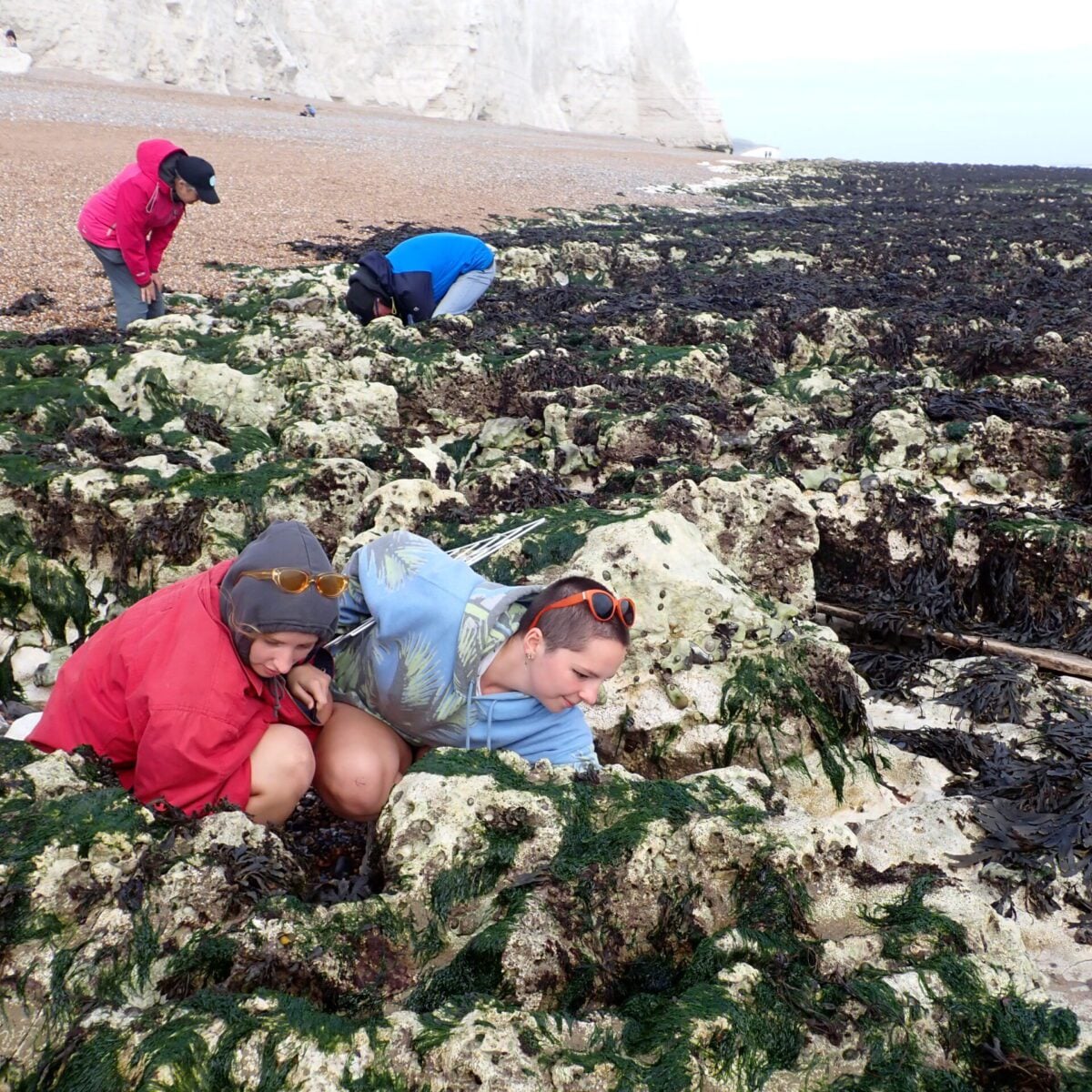
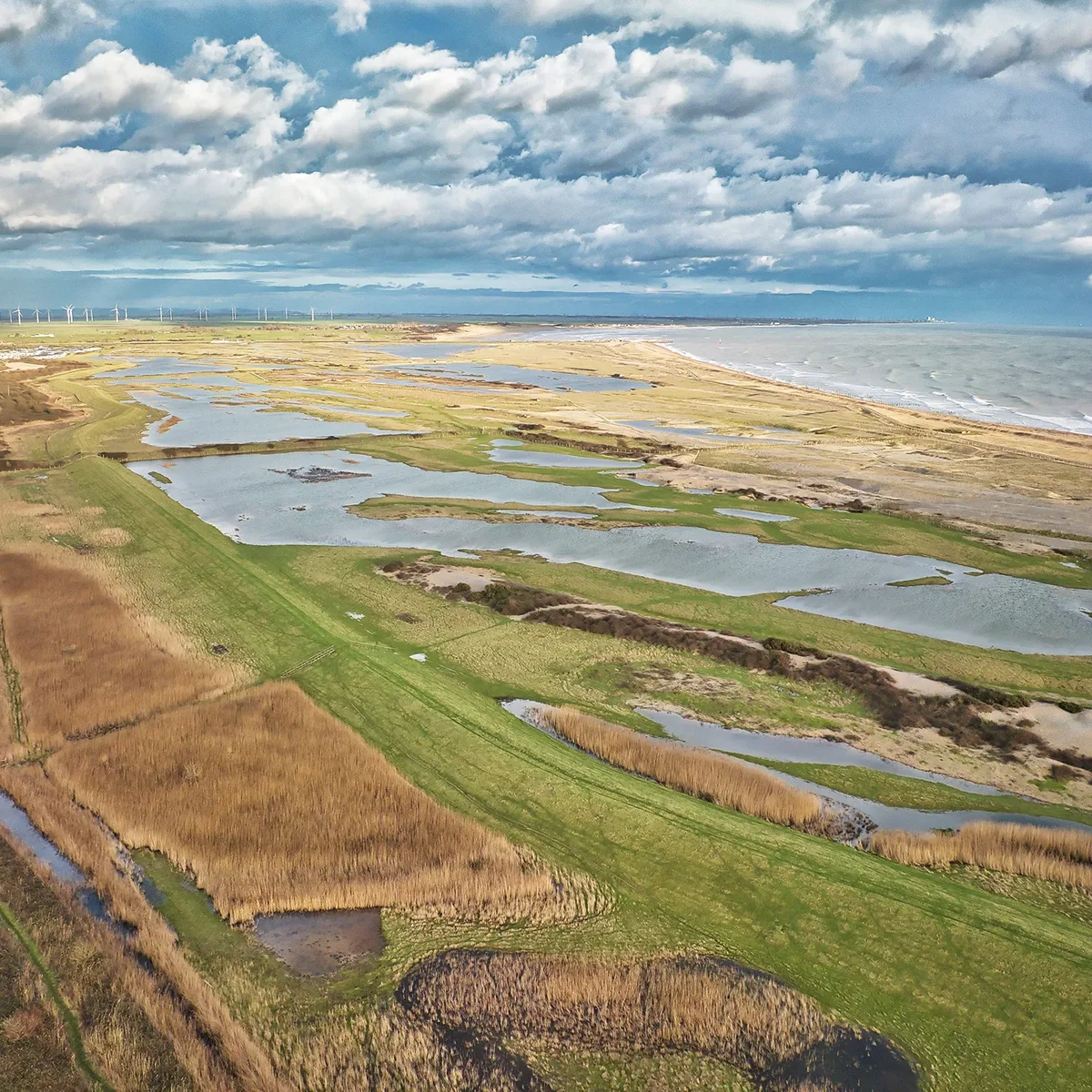
Explore the ways we defend and restore nature in Sussex
Our work to protect and restore habitats, create climate-resilient landscapes, and inspire people to take action for nature, has many strands.
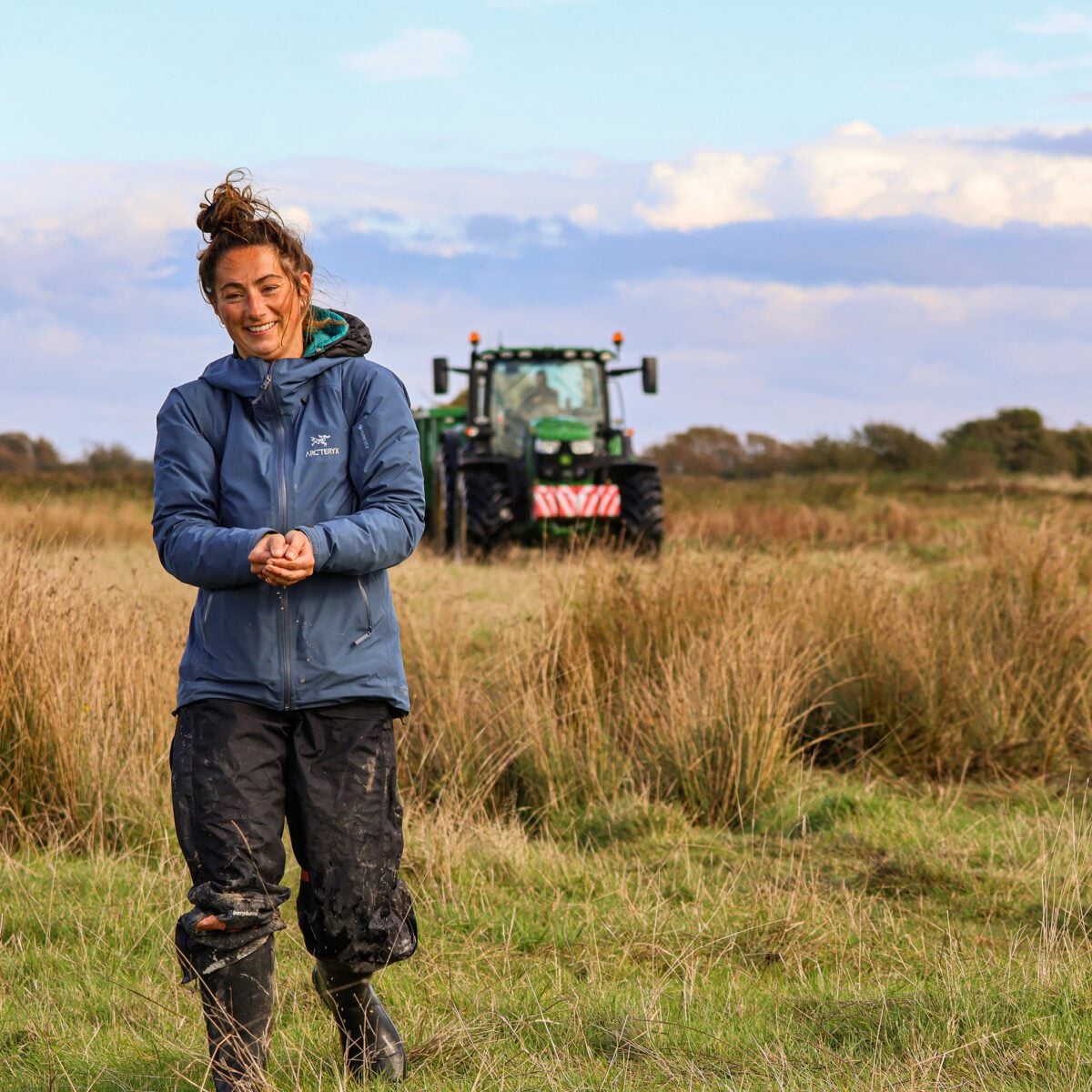
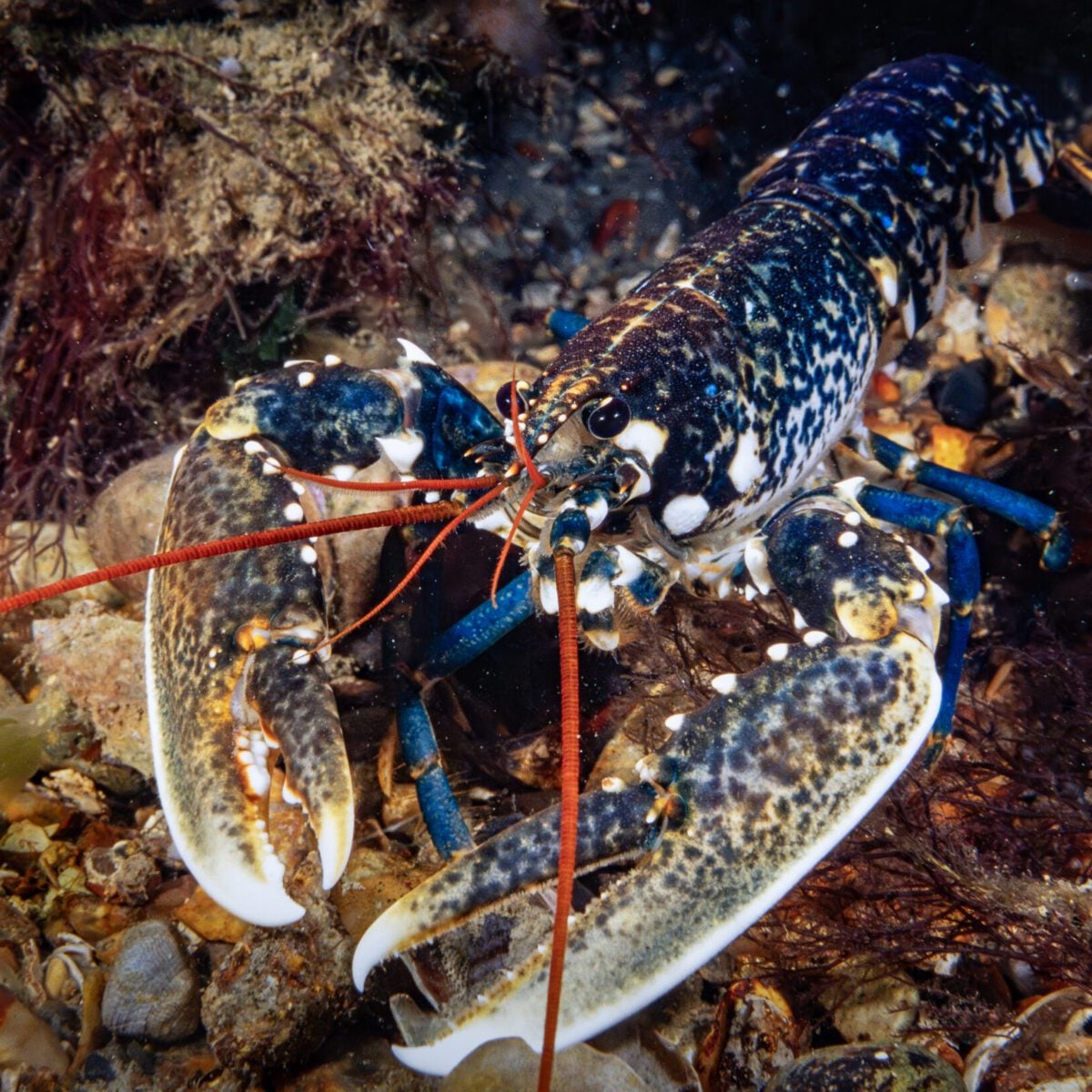
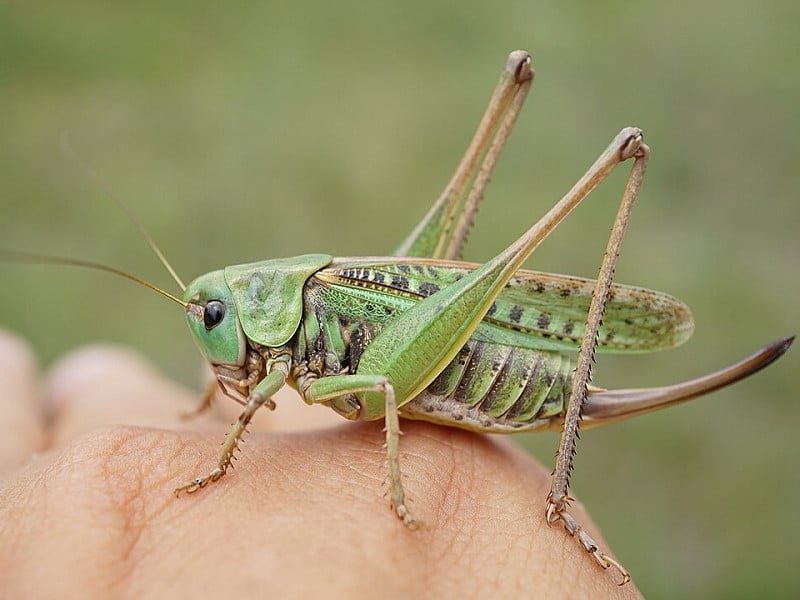

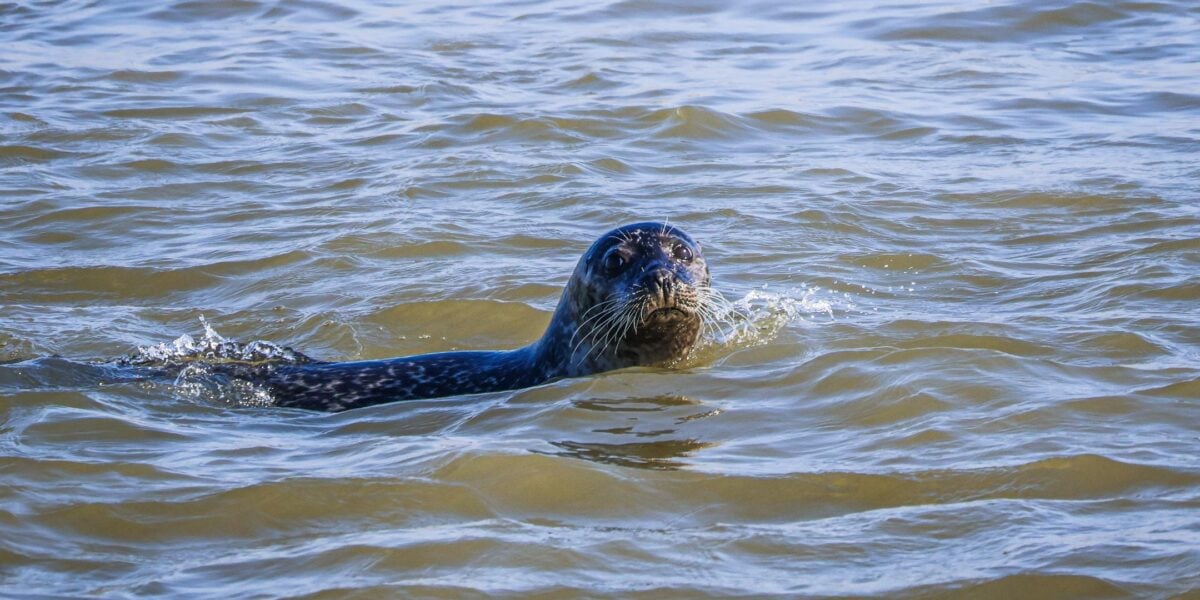
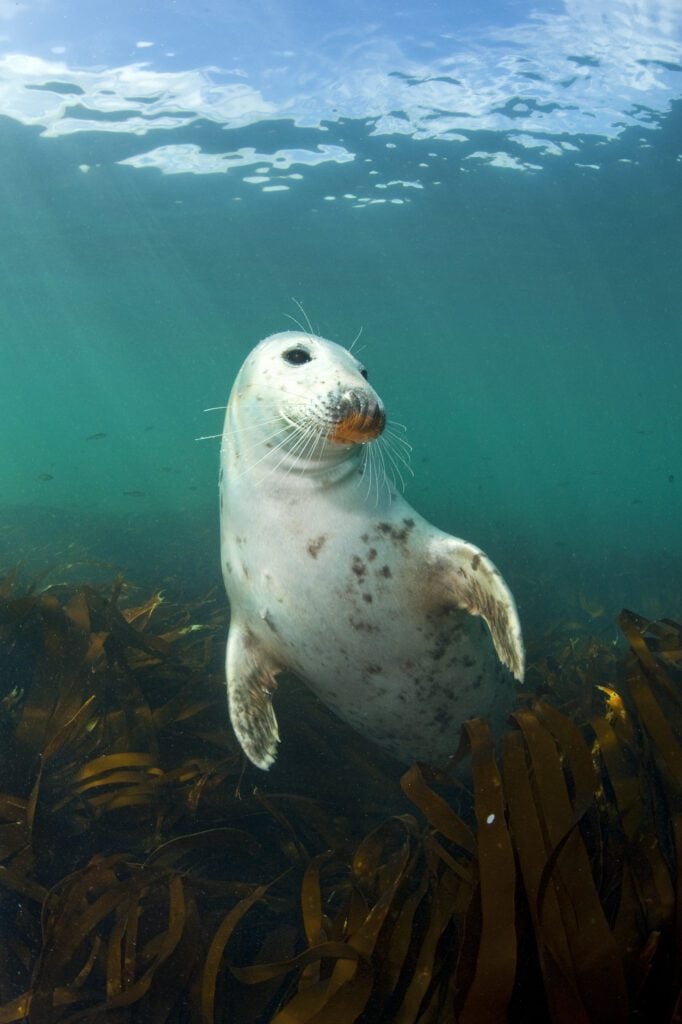 Grey Seal © Alexander Mustard/2020VISION
Appeals
Sussex’s marine wildlife needs your help
Sussex’s coast and sea are home to an incredible variety of wildlife and valuable marine and coastal habitats, but they are under threat from pollution, overfishing and habitat loss.
The decline of our marine wildlife is one of the greatest environmental challenges of our time, but it is not inevitable. With your support, we can monitor the waters off our coast, gather vital evidence to protect the species that live there, and restore important habitats. Together, we can help Sussex’s coast and sea recover.
We urgently need to raise £100,000 to defend our marine and coastal wildlife with evidence that decision-makers can’t ignore.

of plants, animals, birds, insects and invertebrates are found across our nature reserves in Sussex.
are members of Sussex Wildlife Trust. That’s a powerful community for change.
of land are being restored and protected in our nature reserves across Sussex.
give their time and energy to nature in their community through projects and initiatives that we run.
What’s on
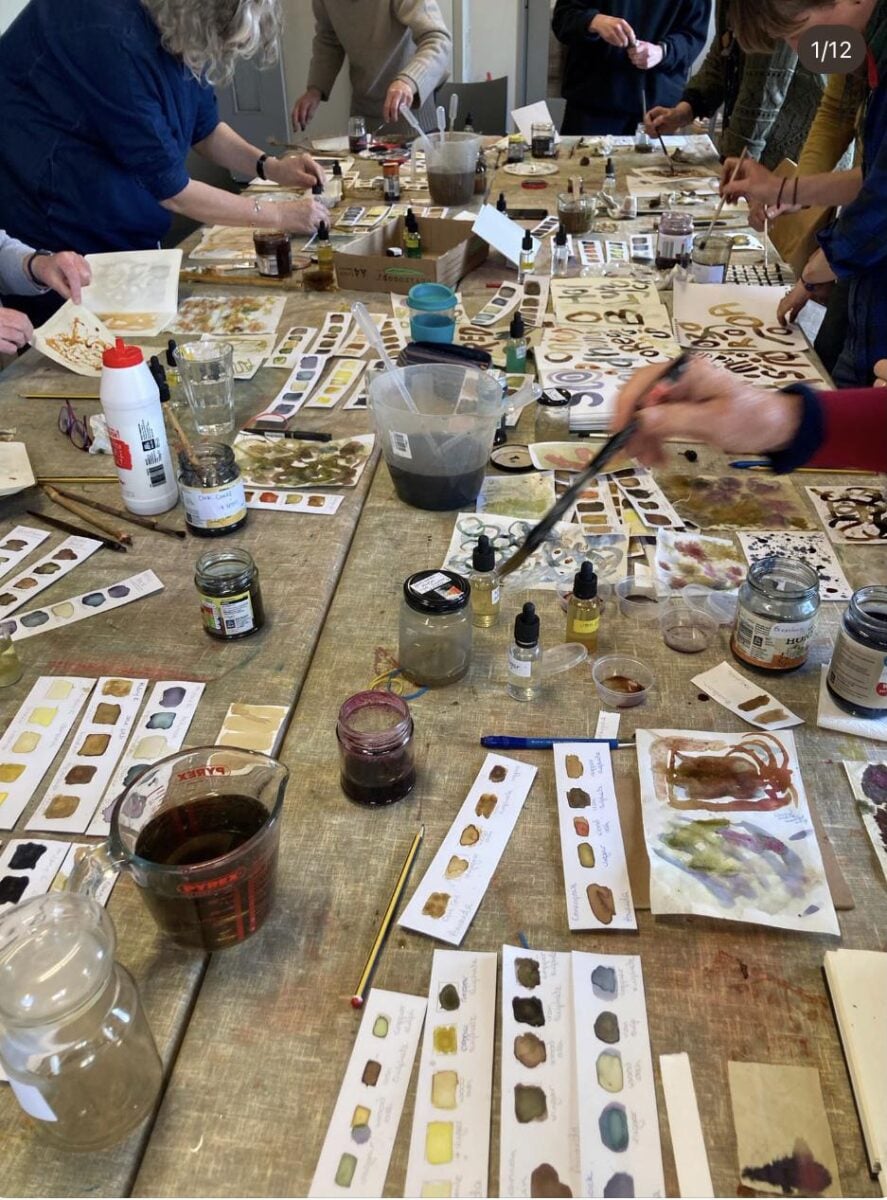
Events and courses
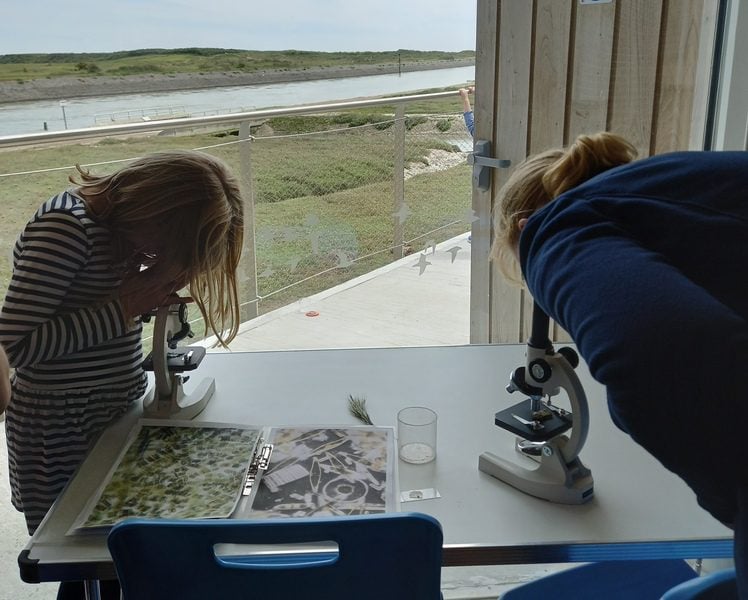
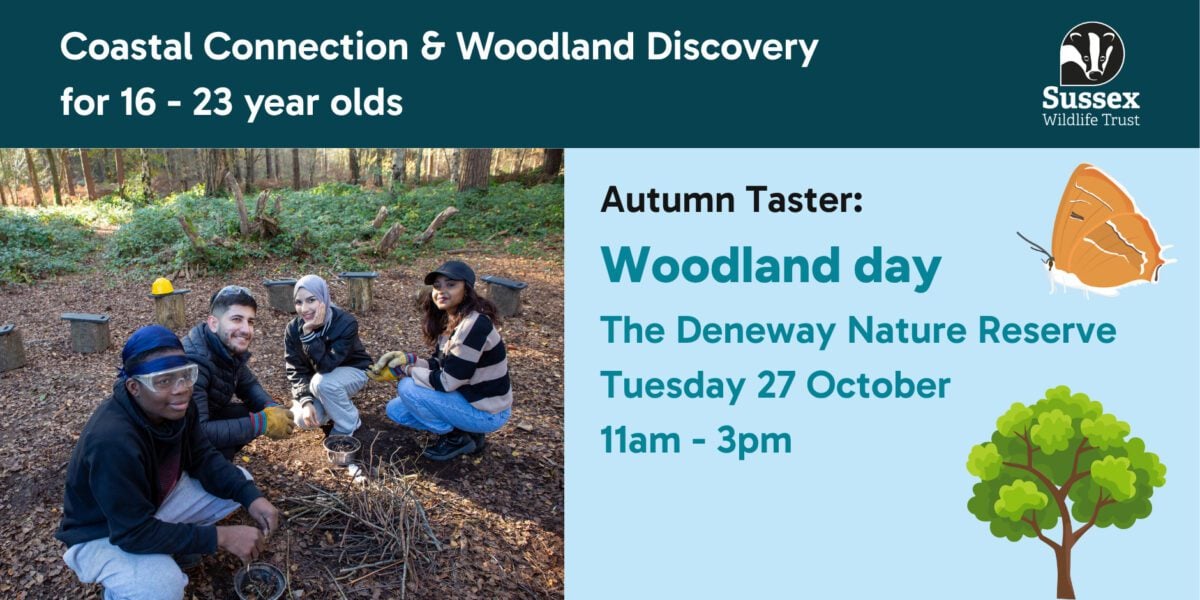
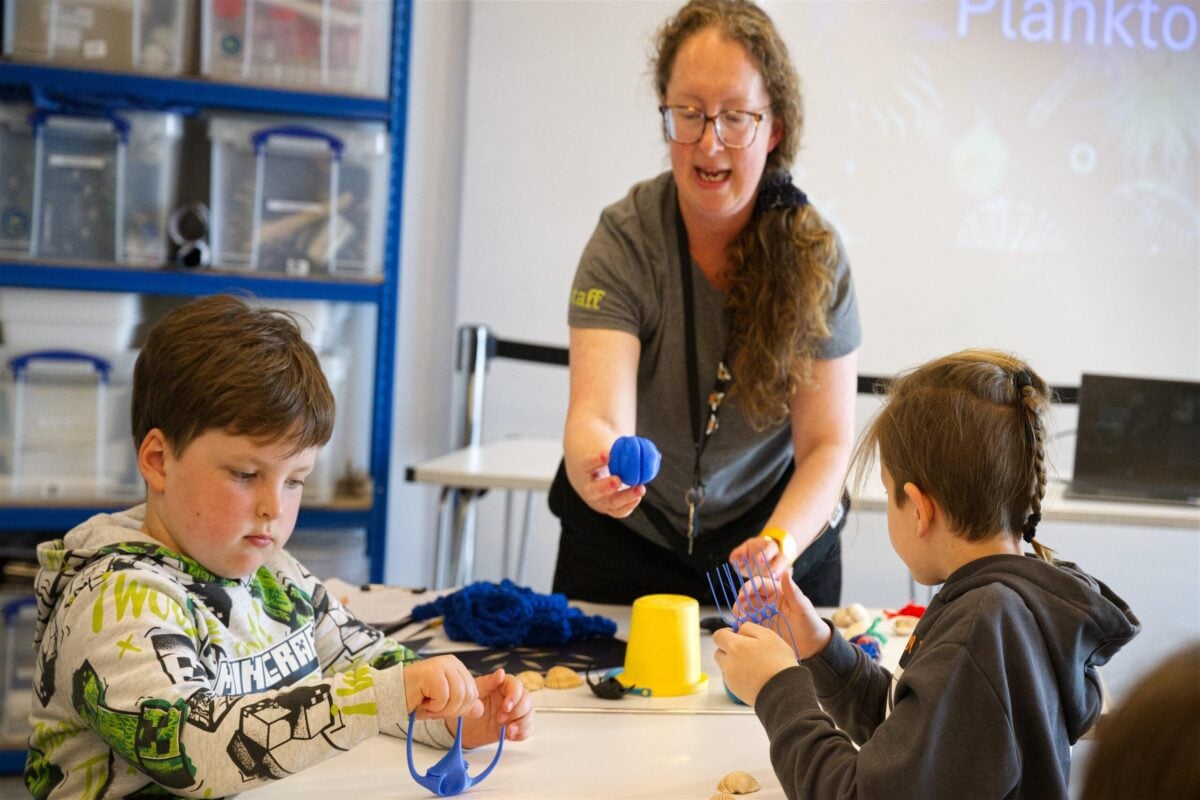
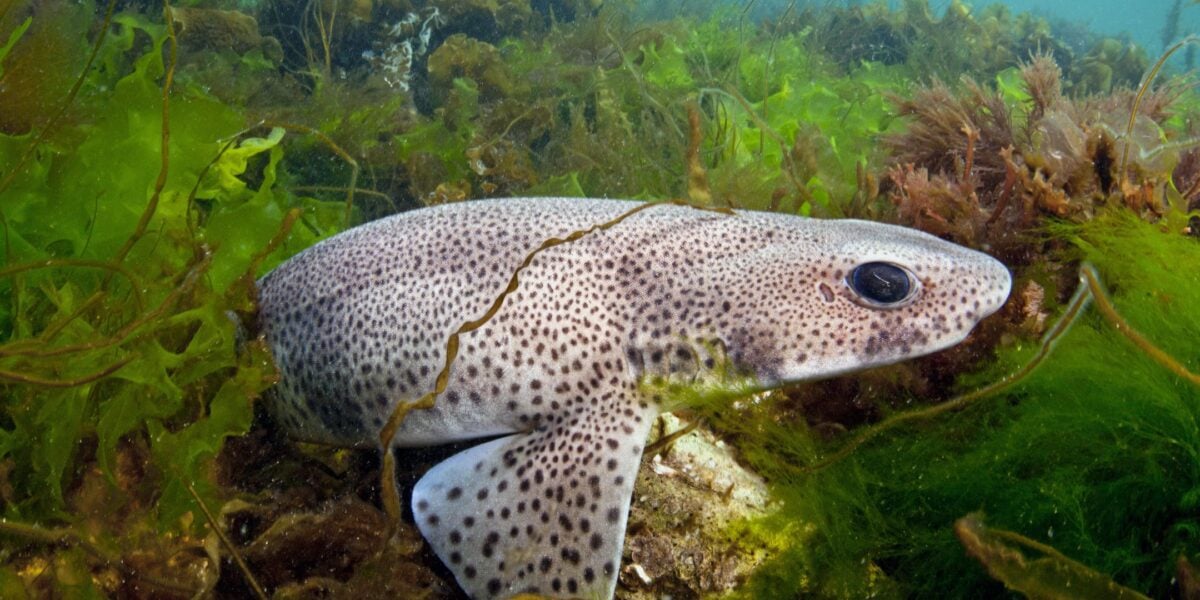
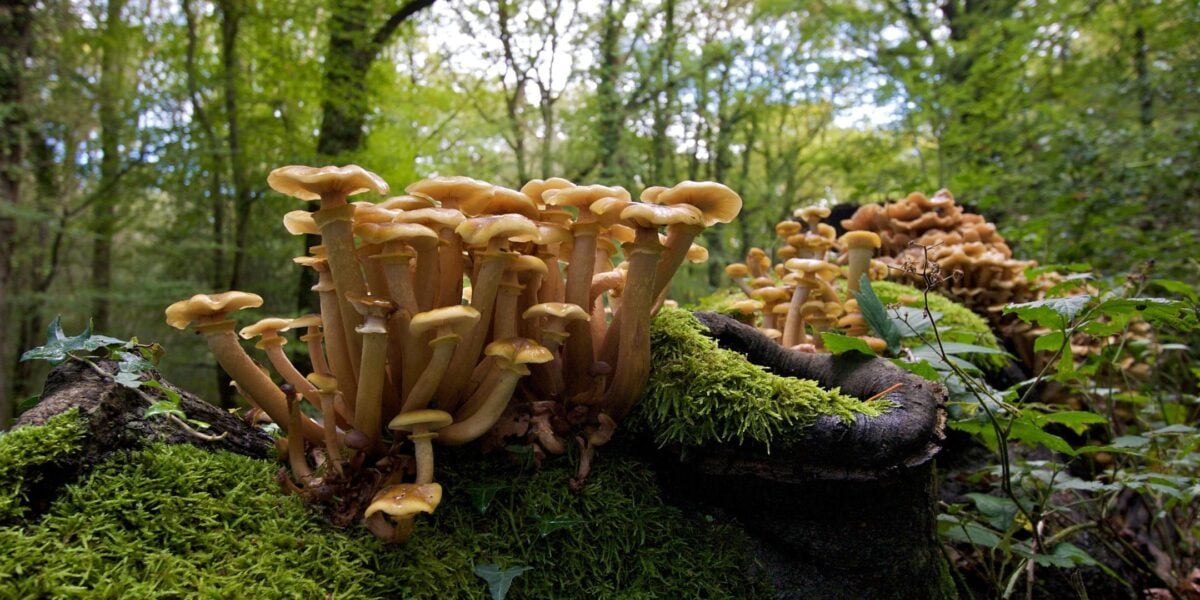
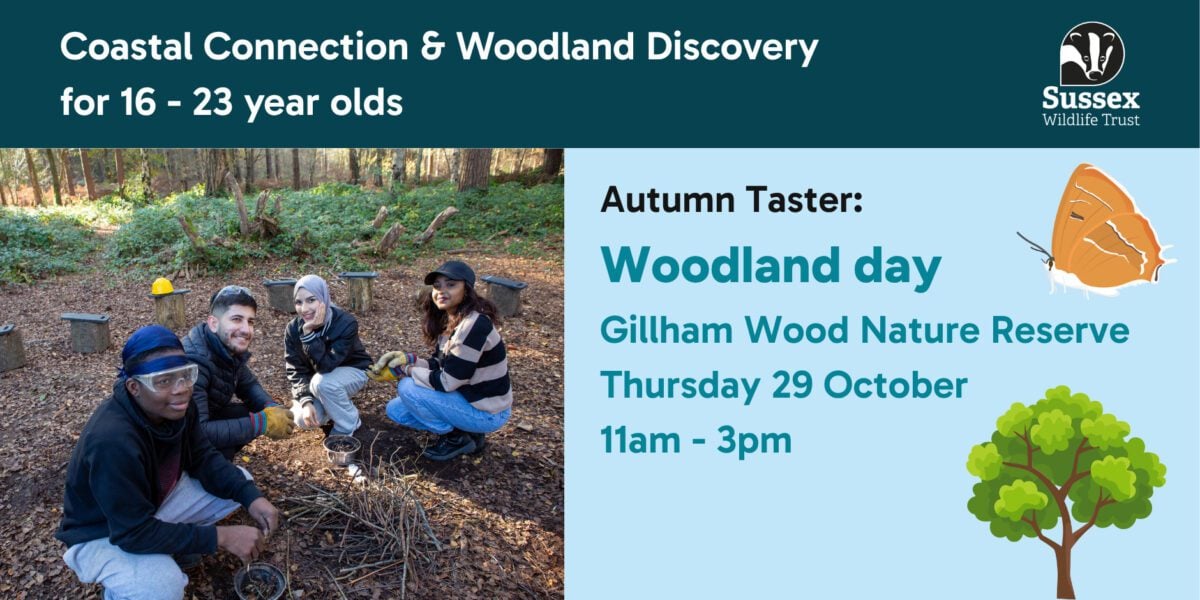
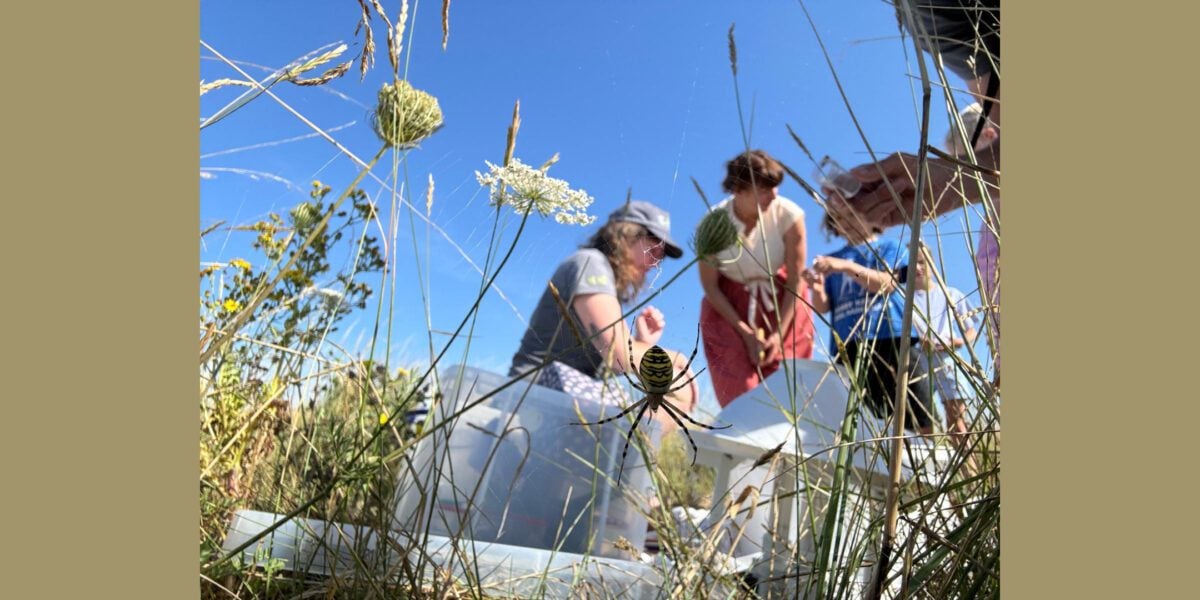

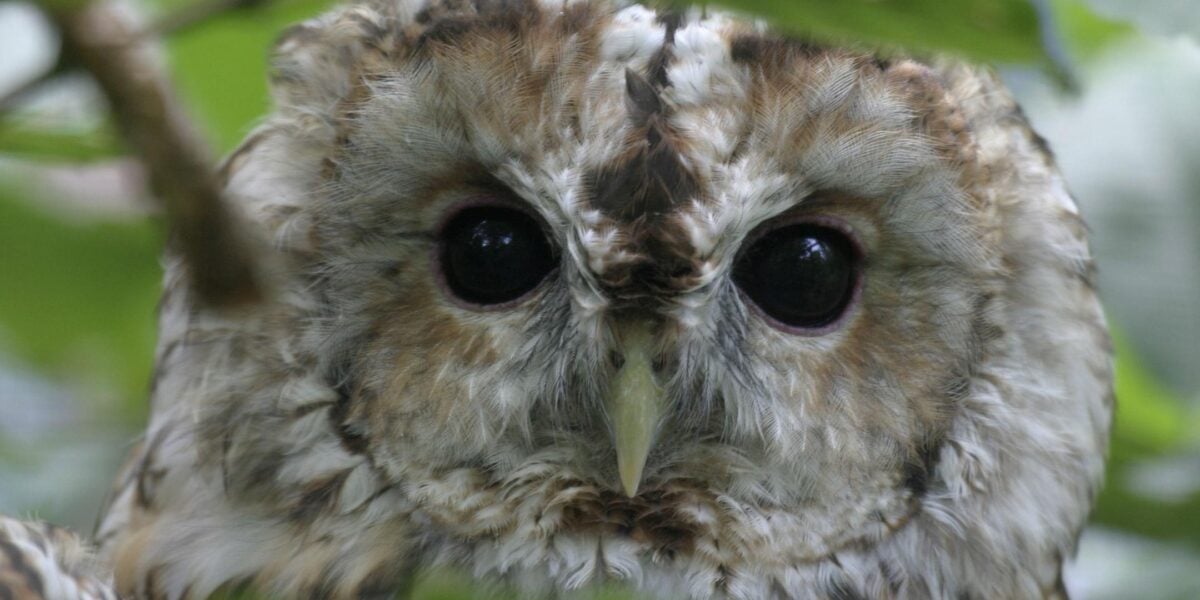
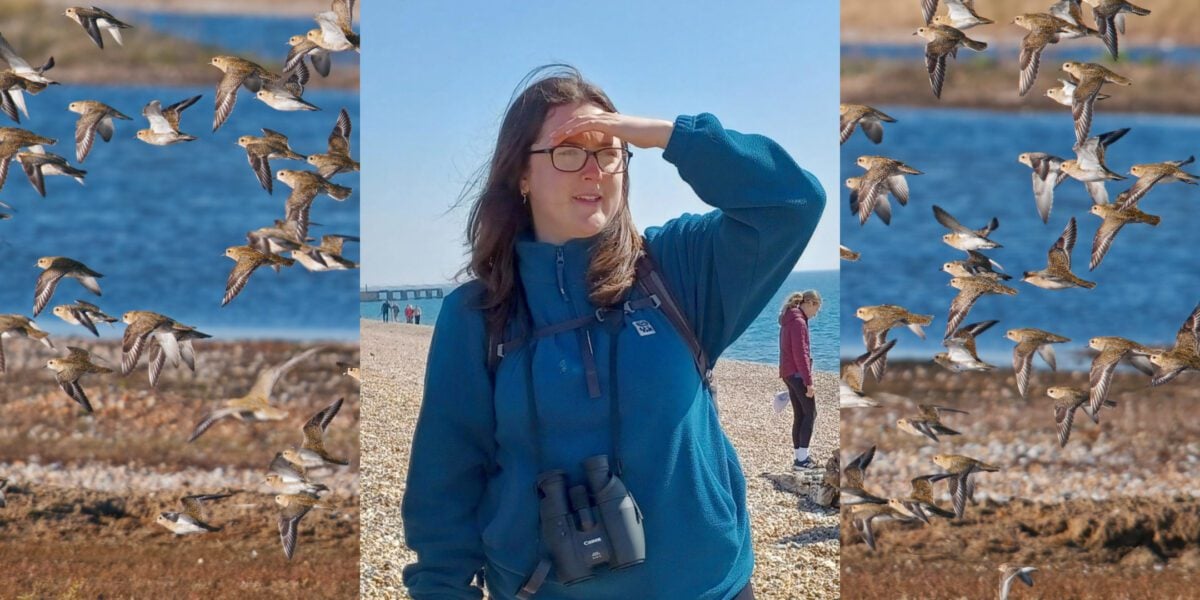
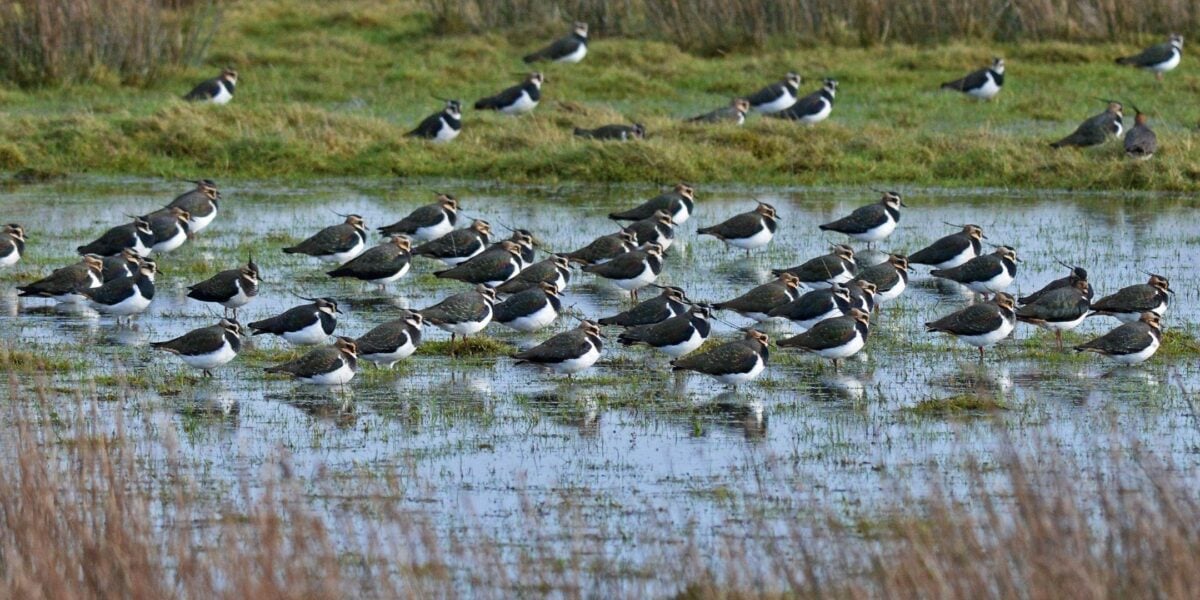
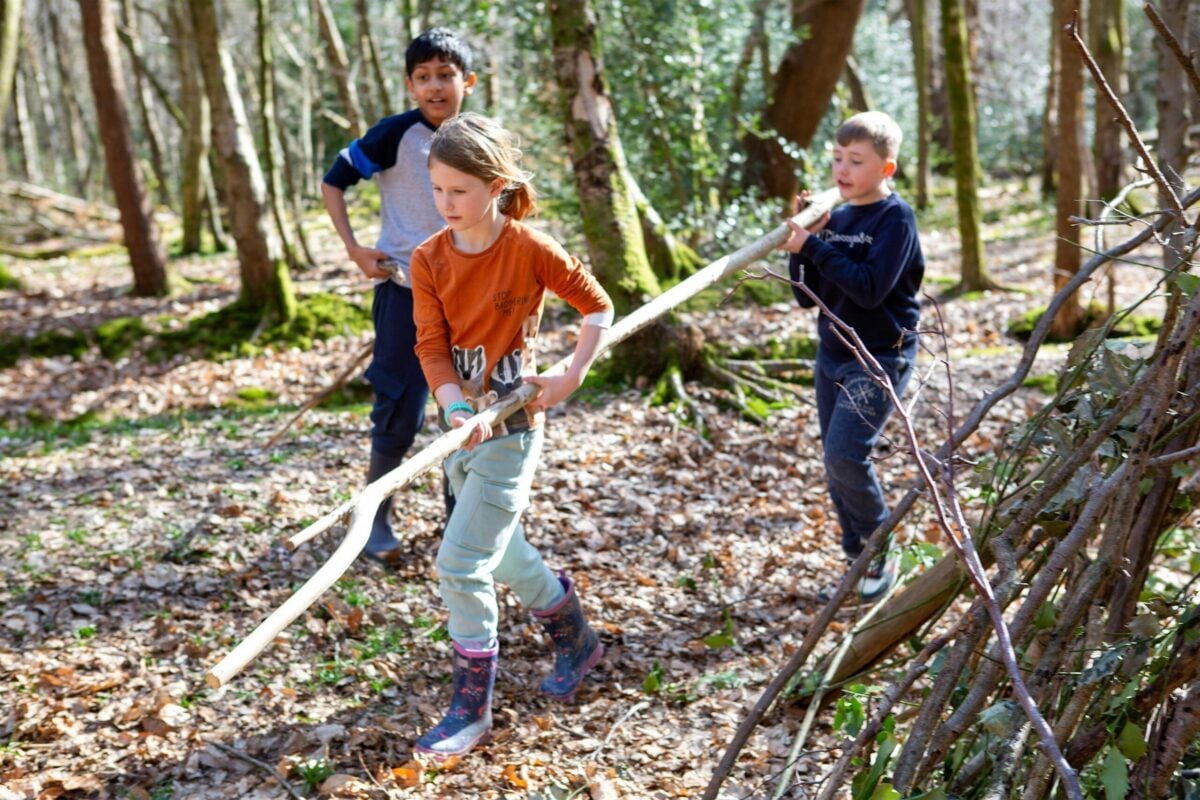
Explore our reserves
Find your next spot to explore and enjoy nature in Sussex
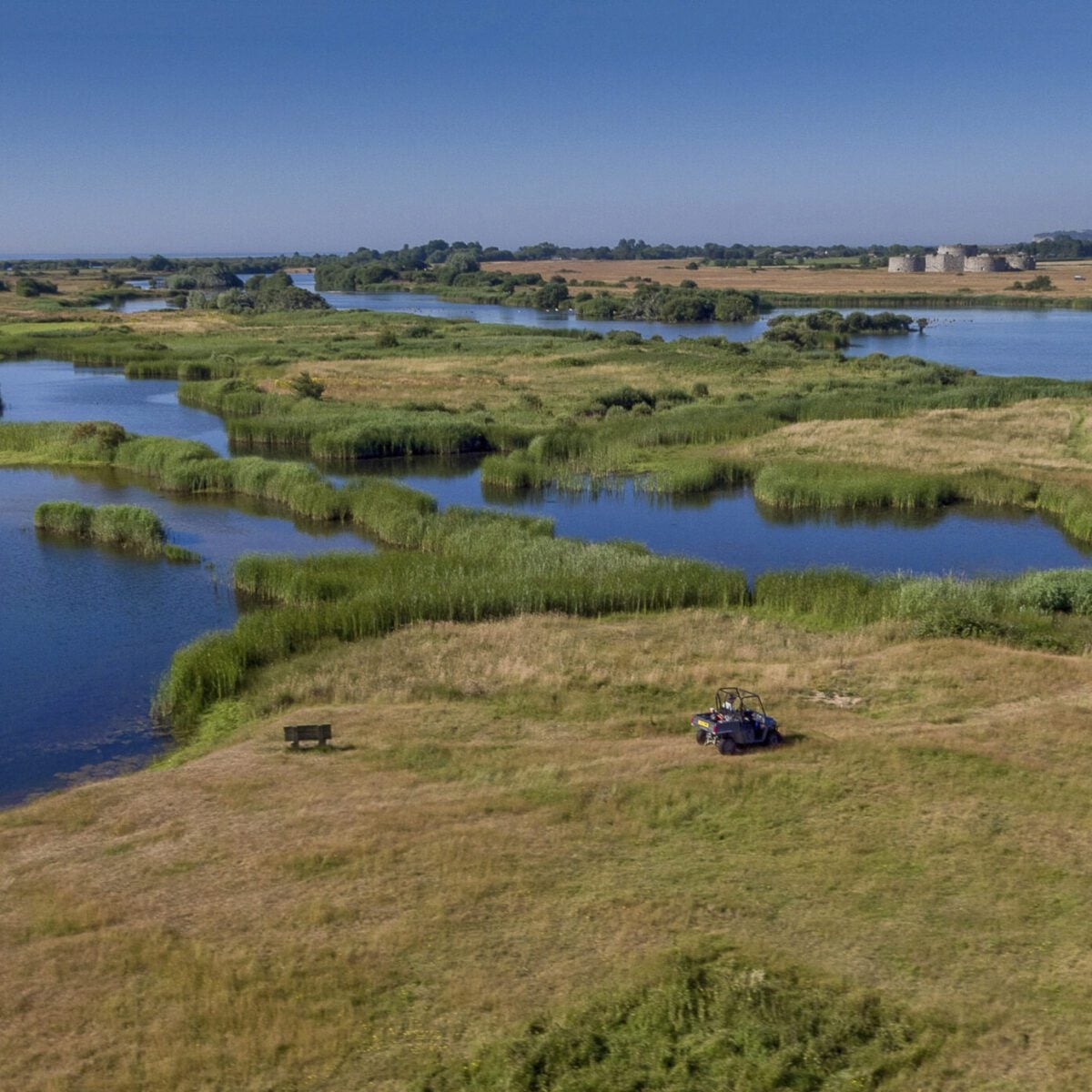
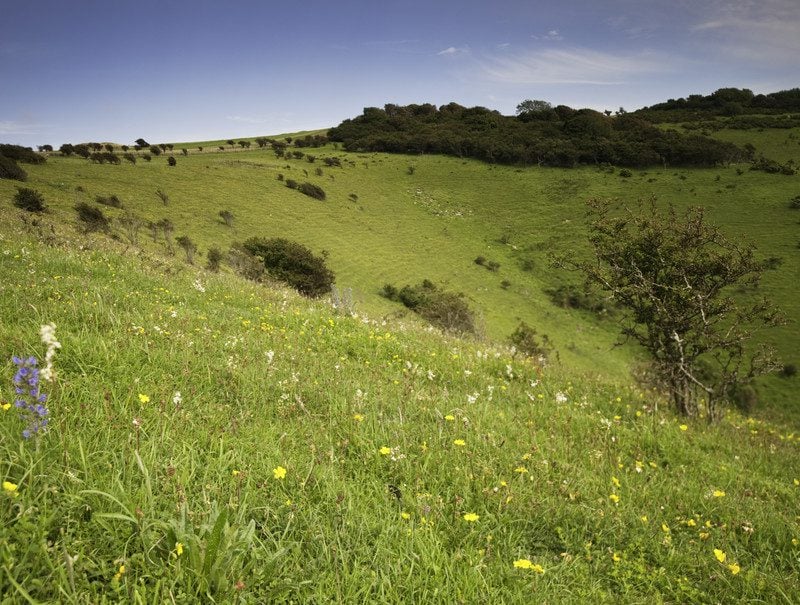
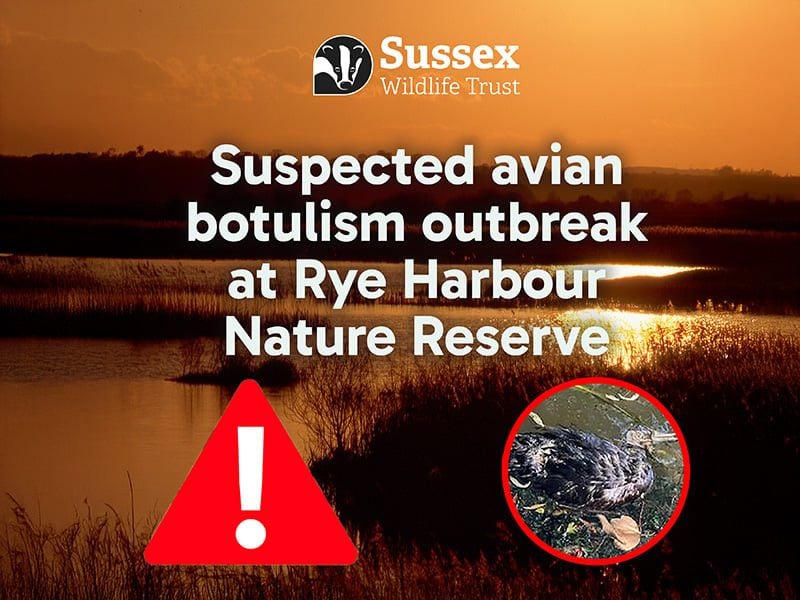
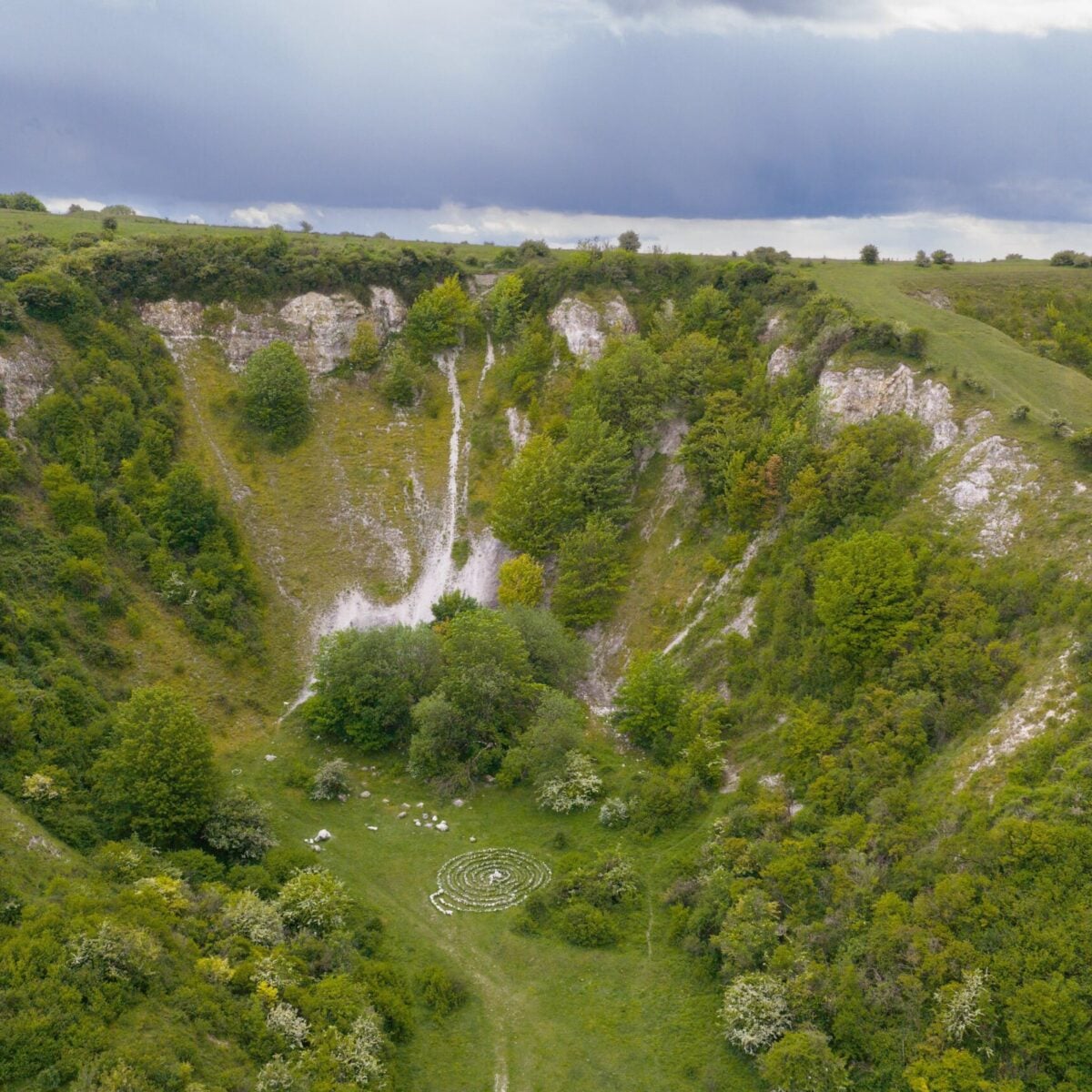
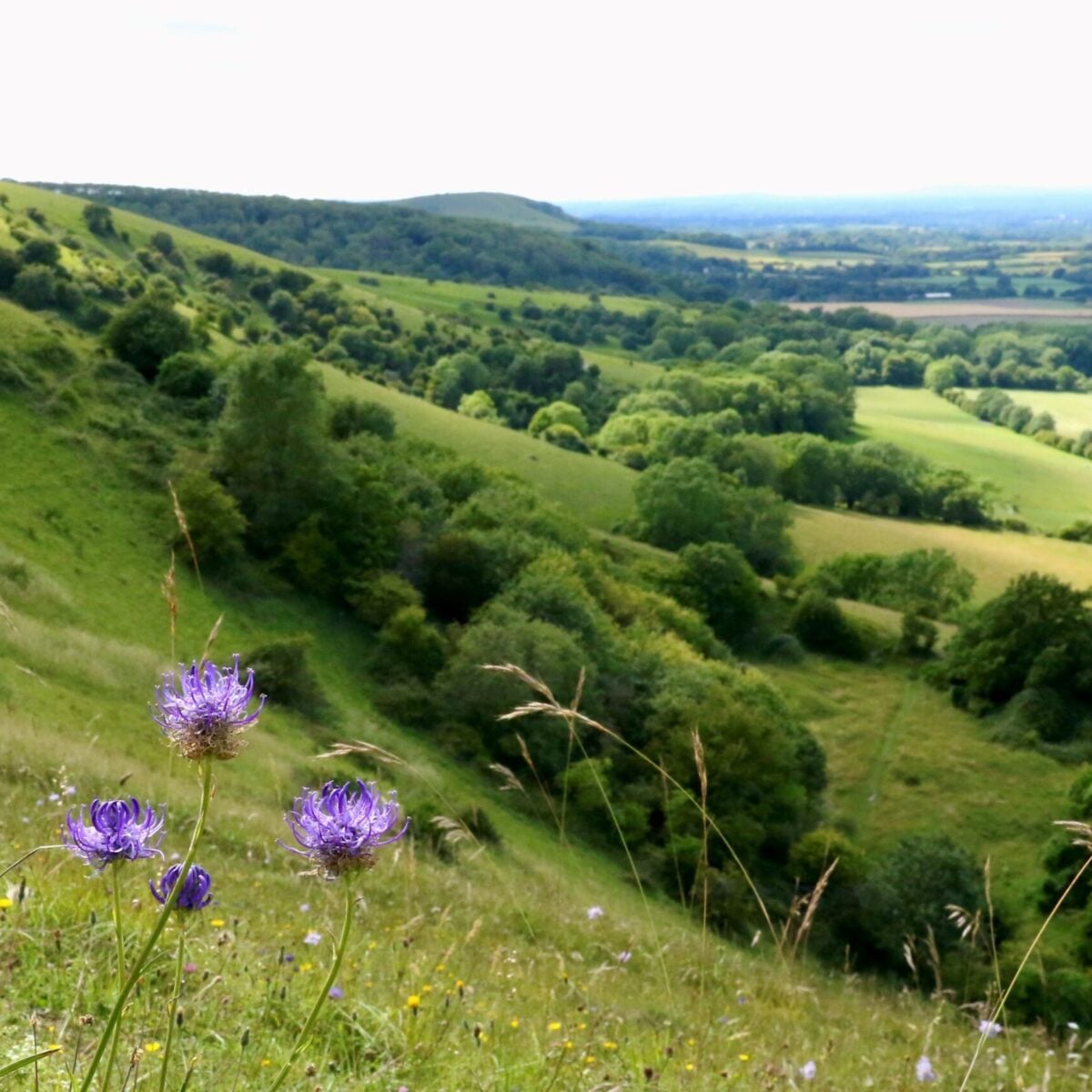
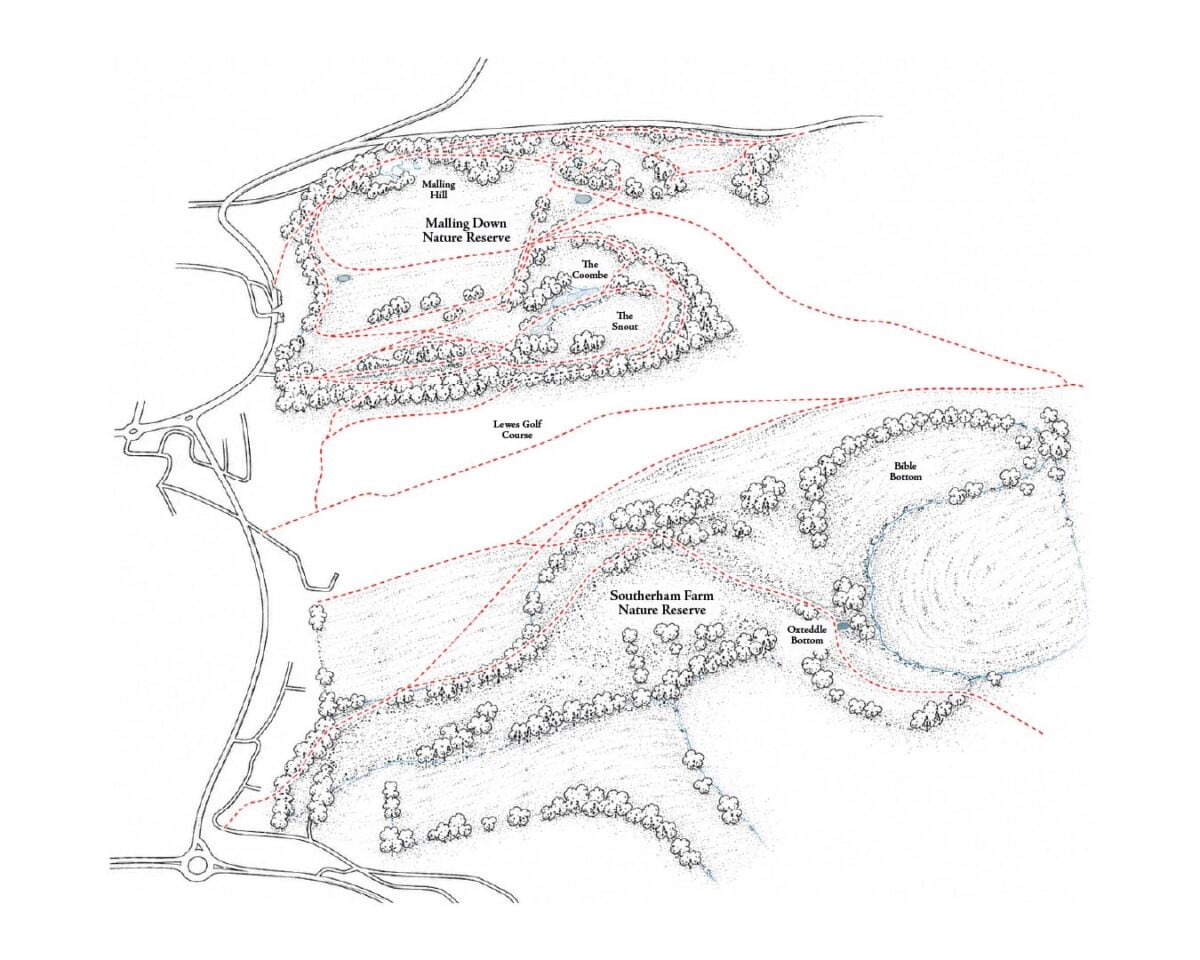
From Rye Harbour and Seaford Head on the coast, to Eridge Rocks or Levin Down amidst the hills, there are over 25 Trust nature reserves waiting for your visit.
News & resources
Latest updates
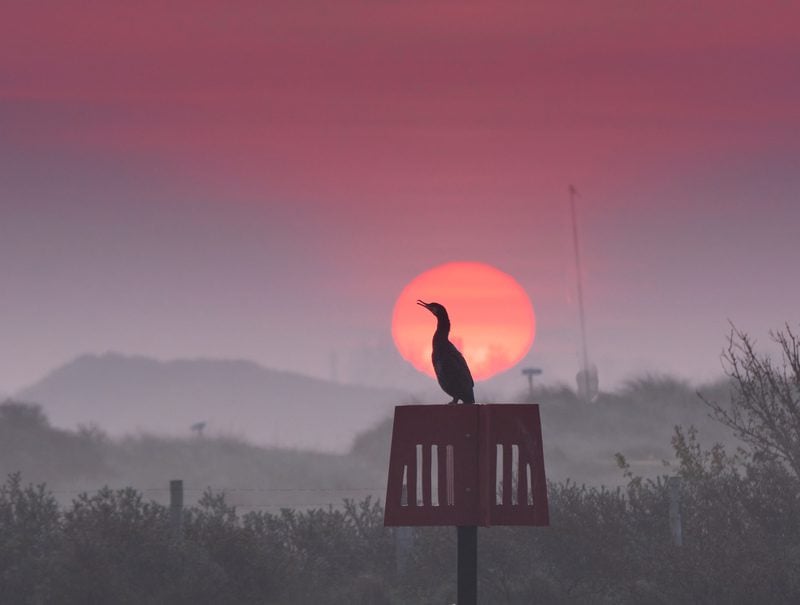
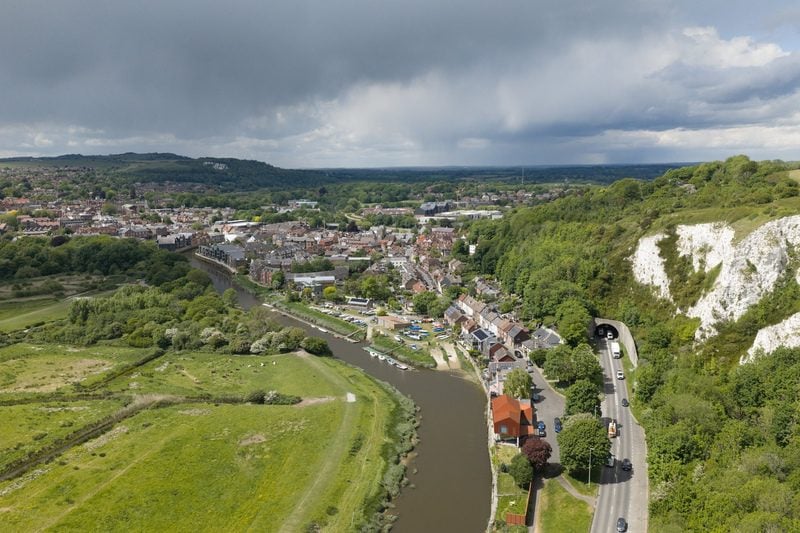
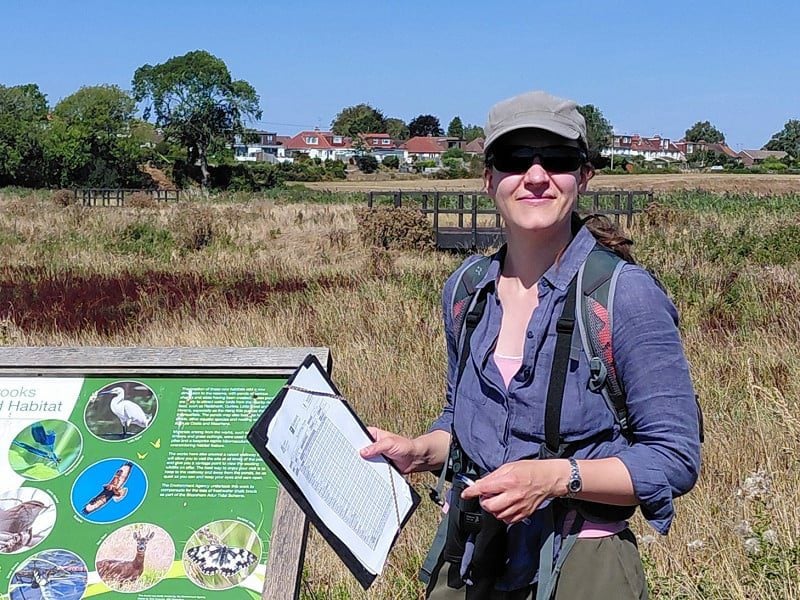
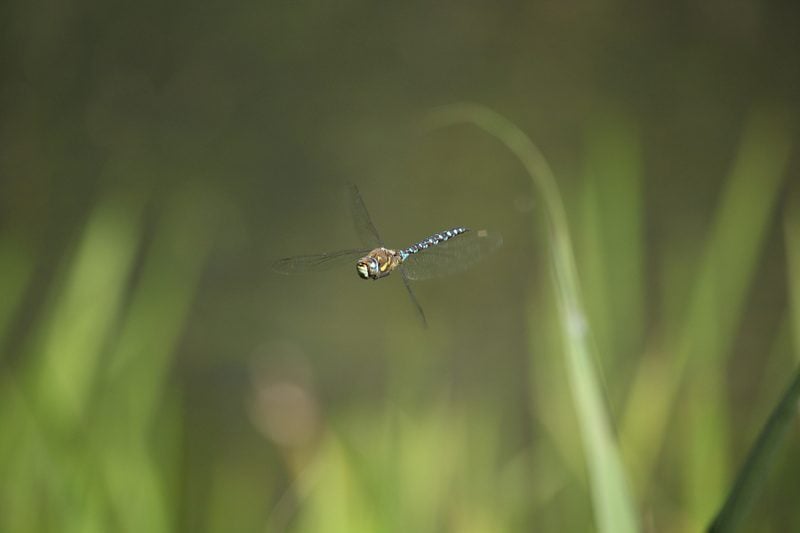


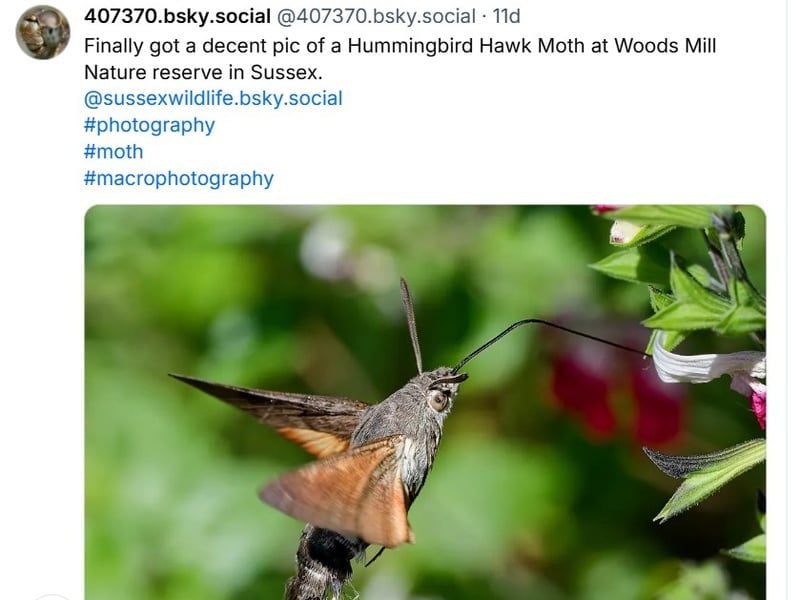
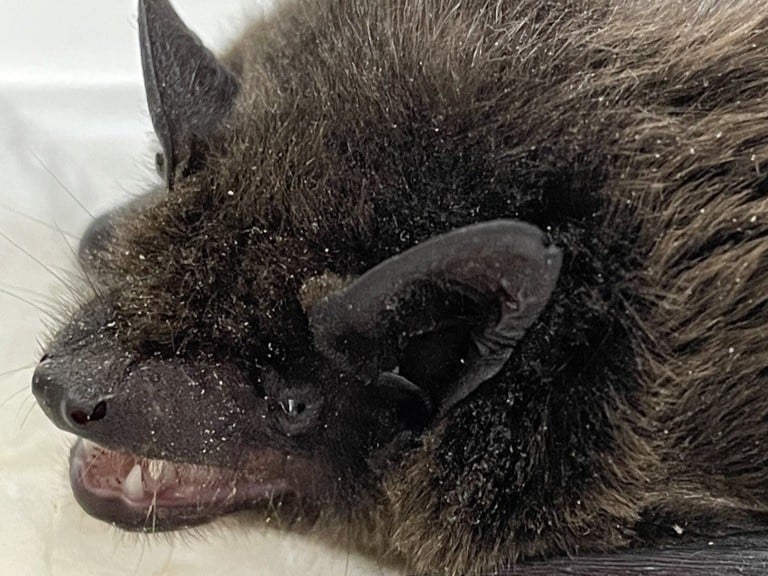
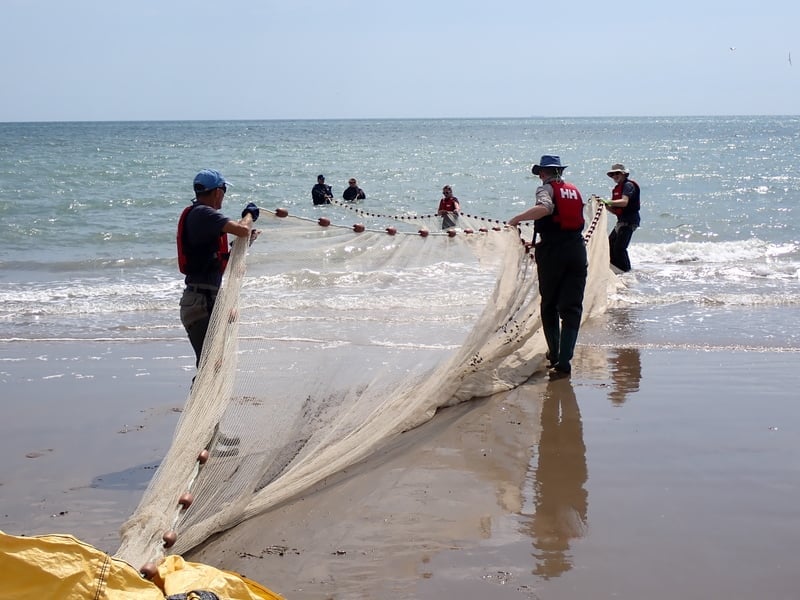
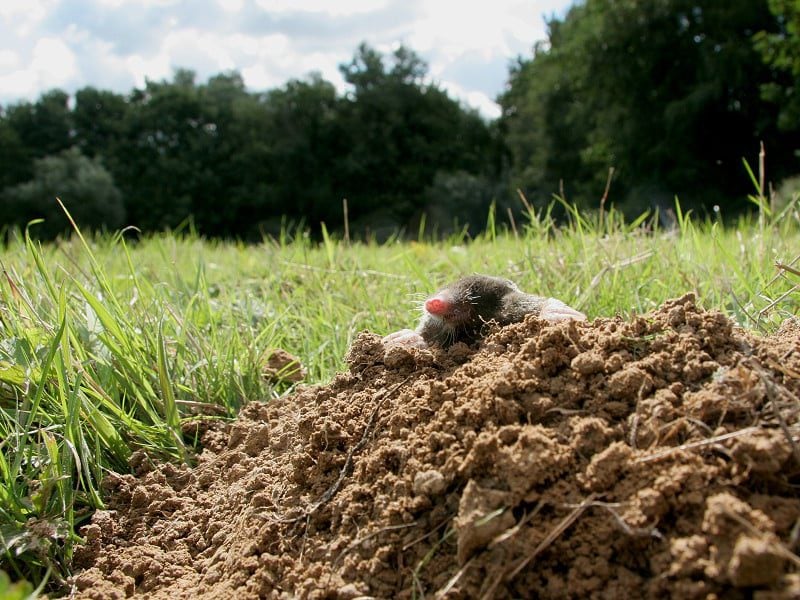


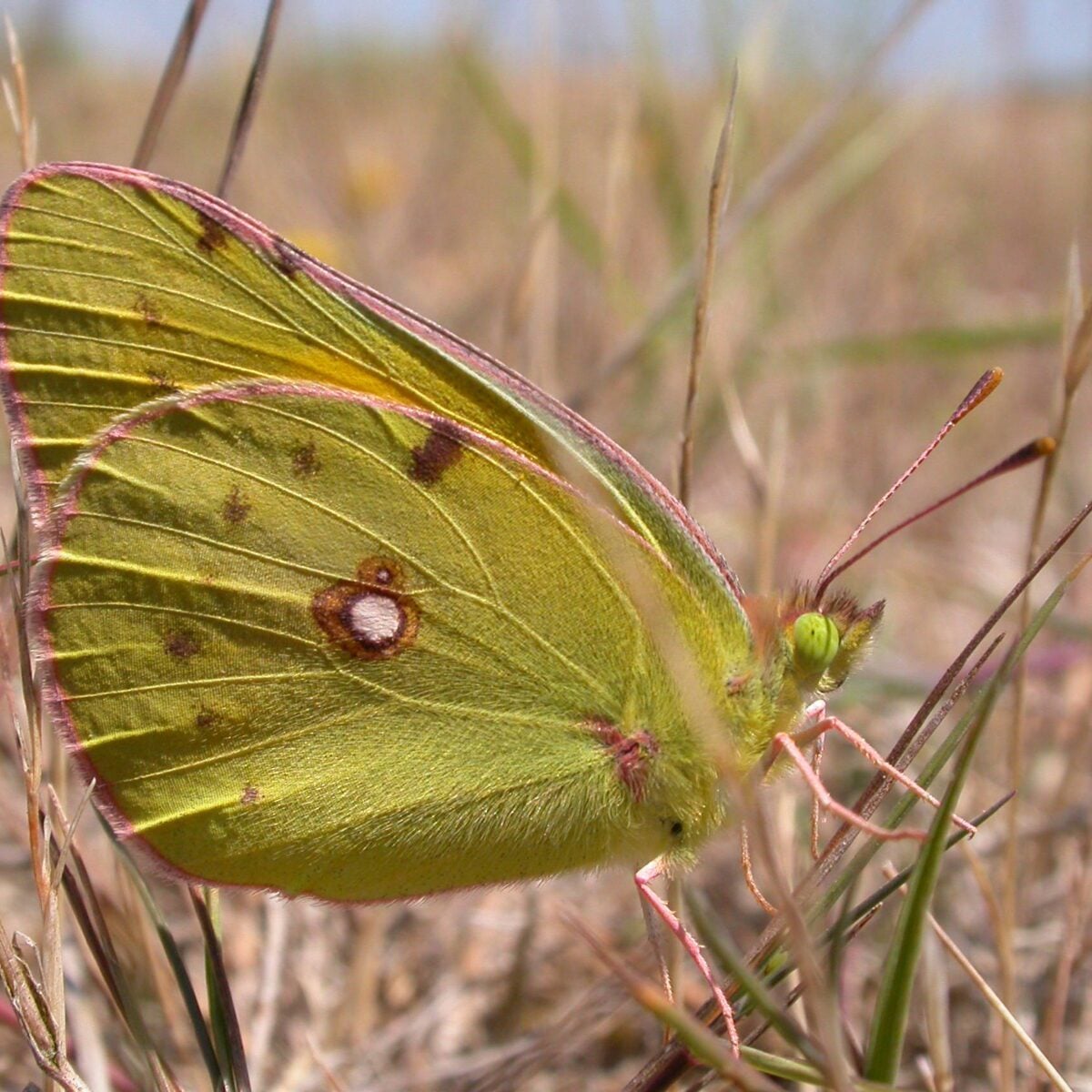
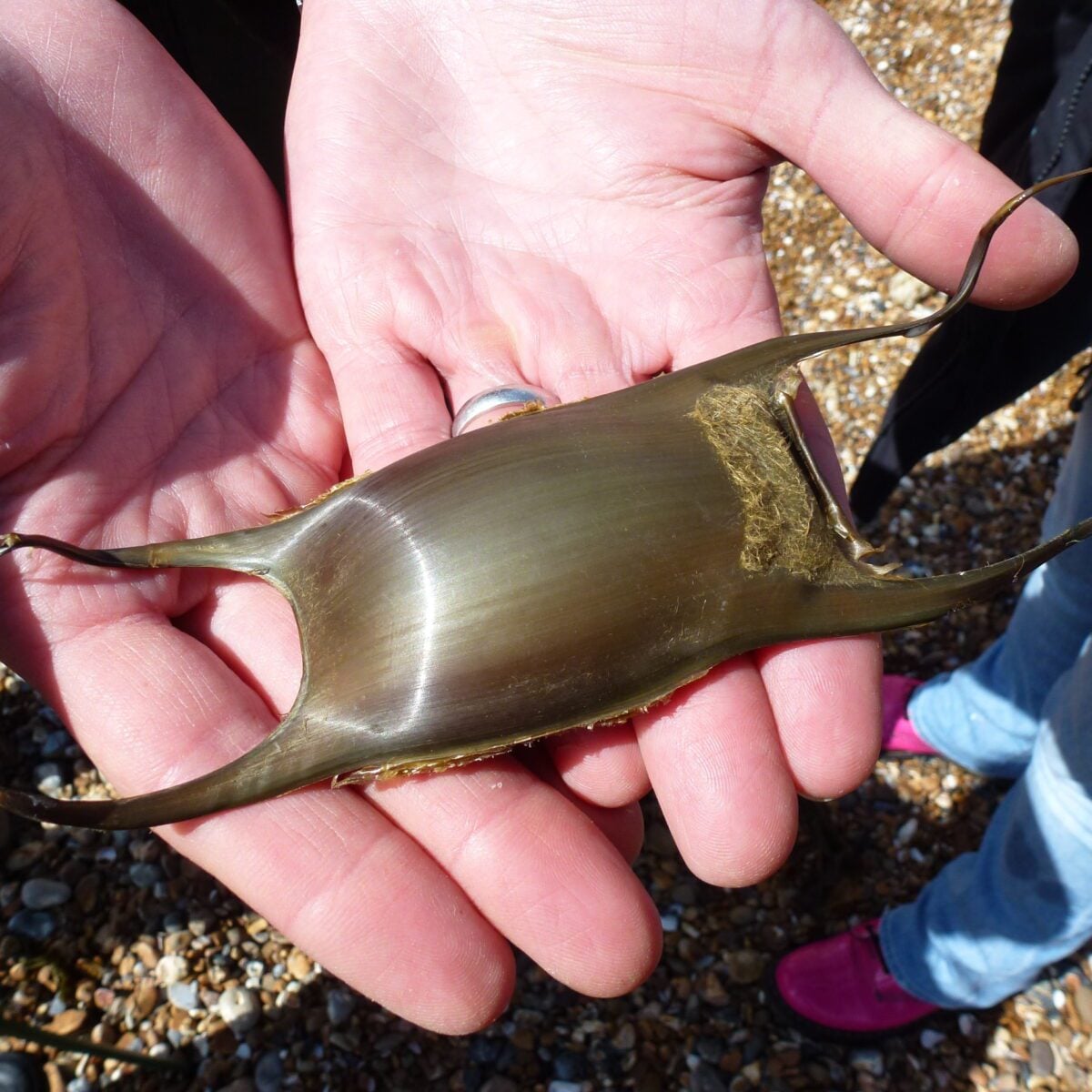
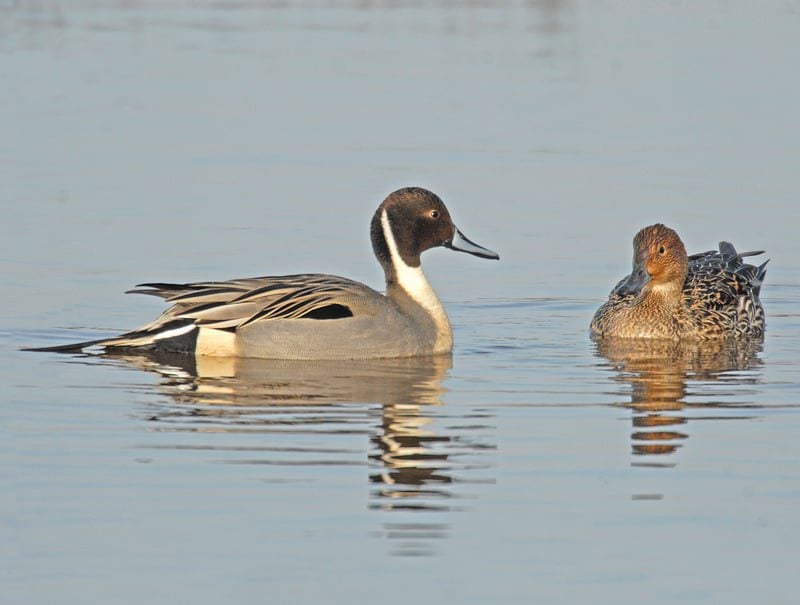
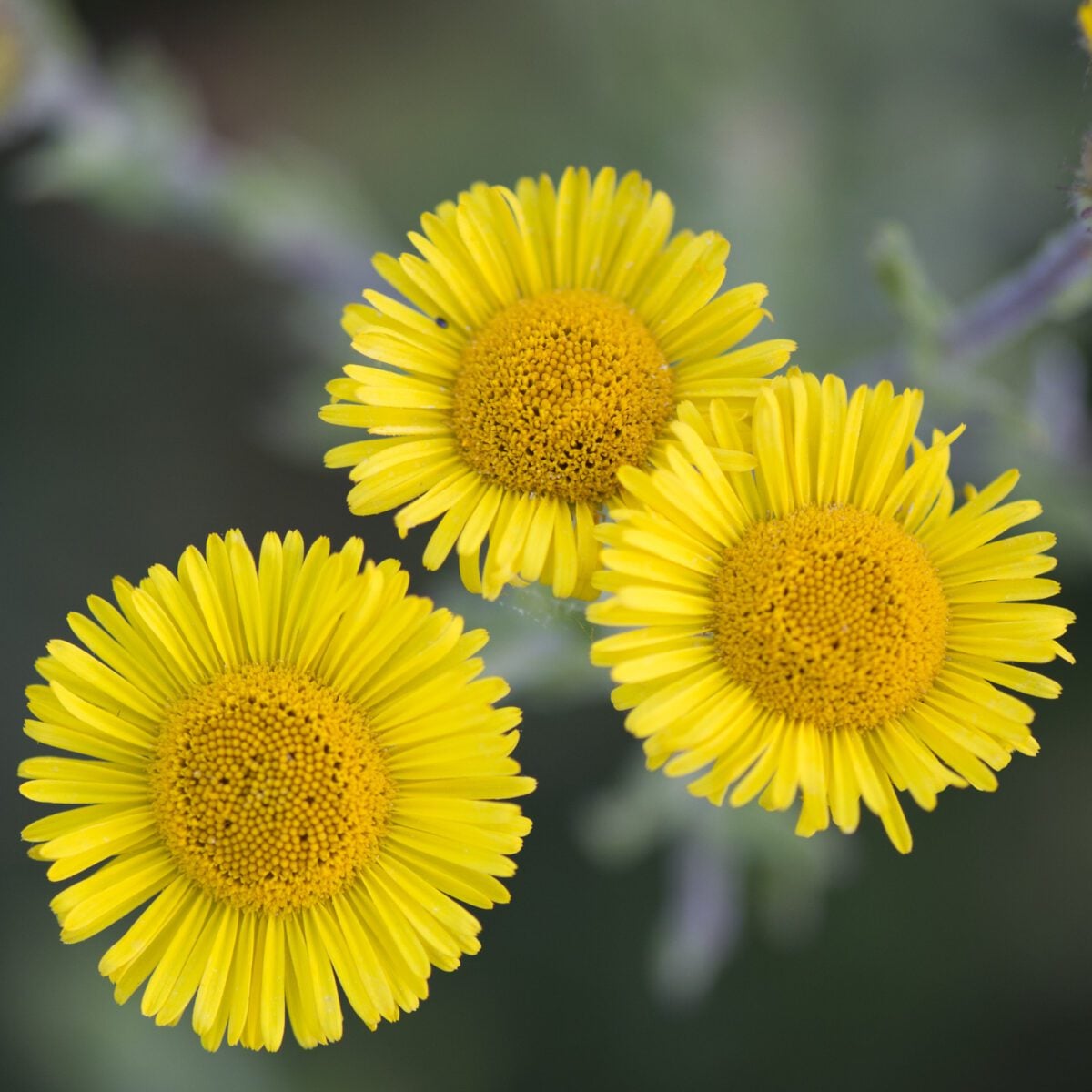

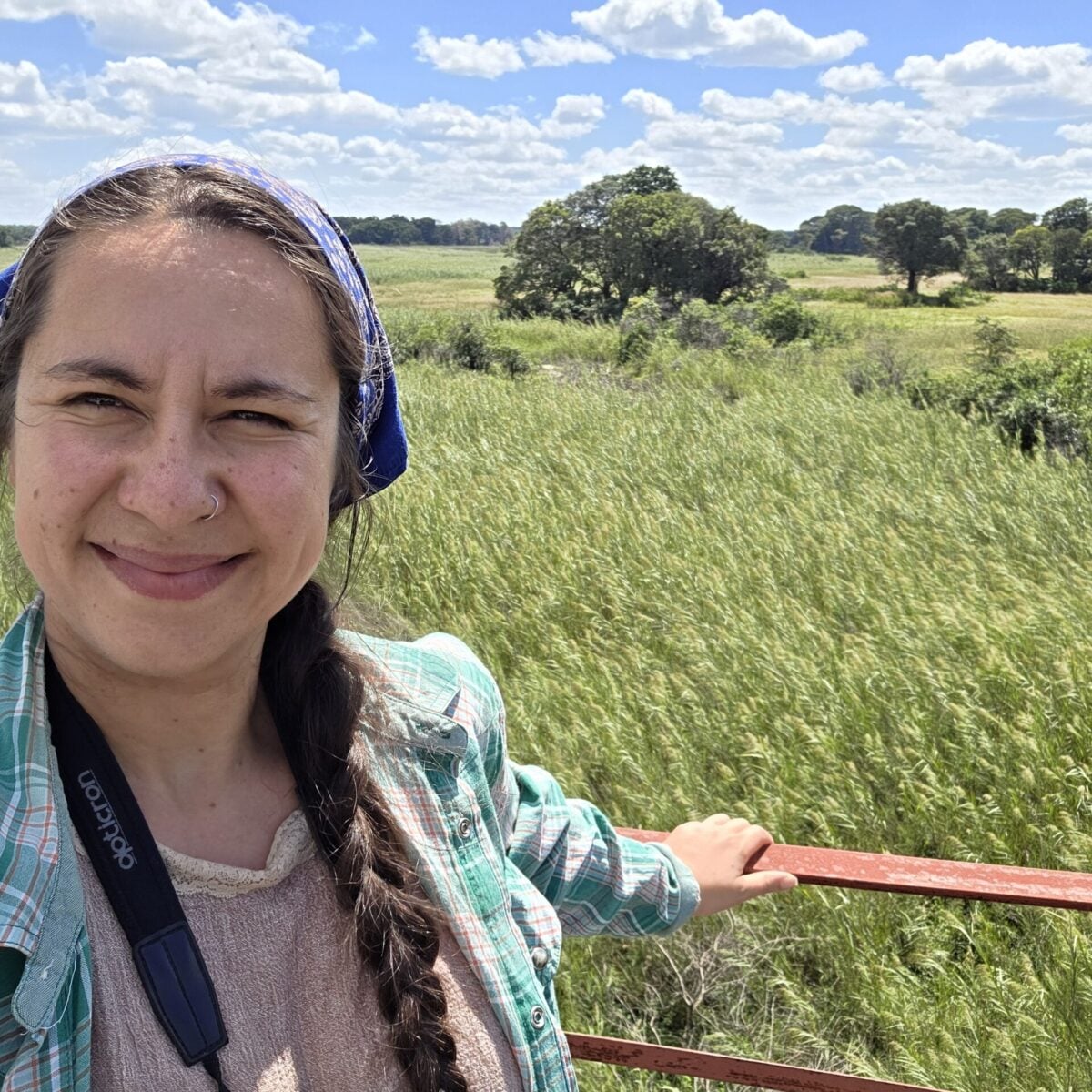
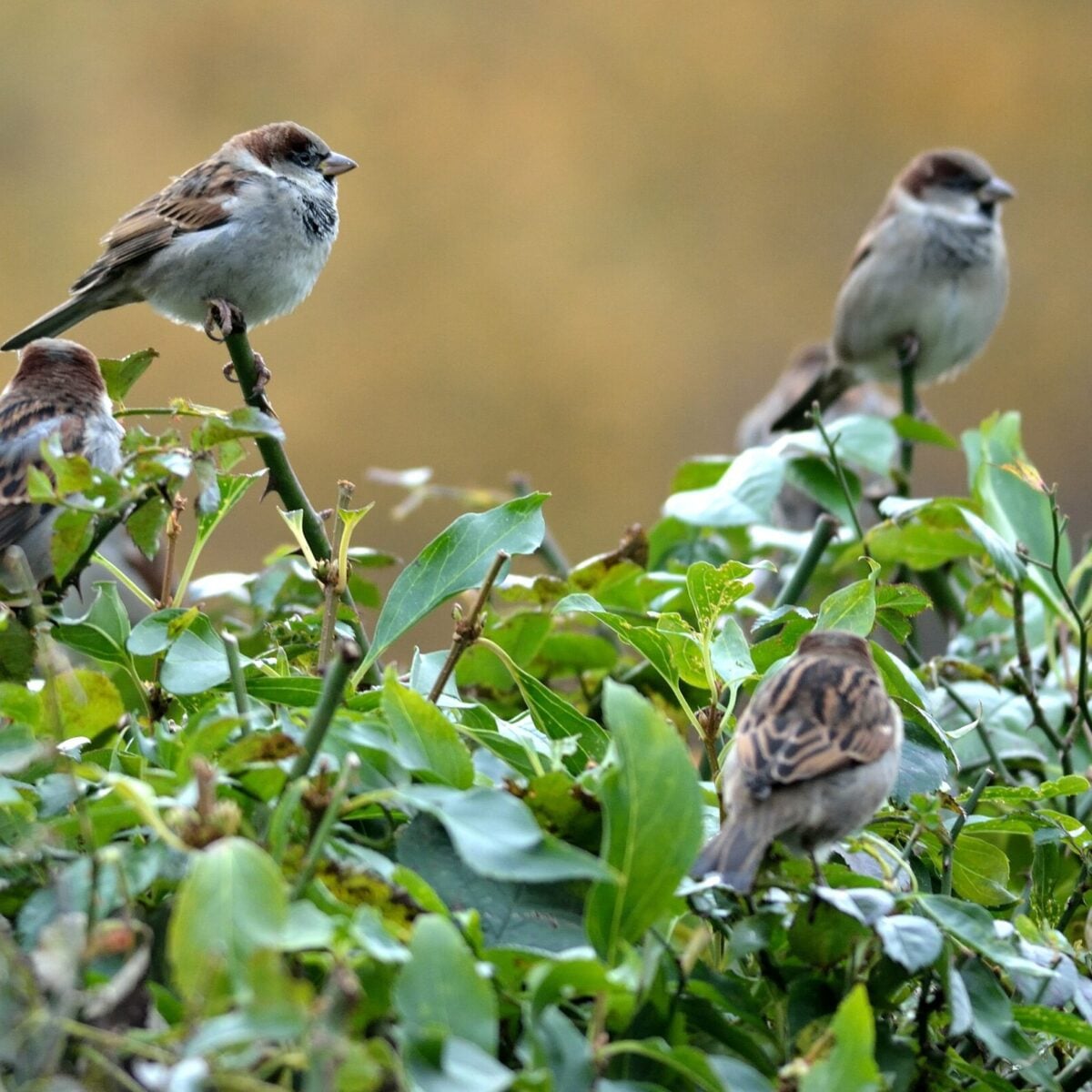
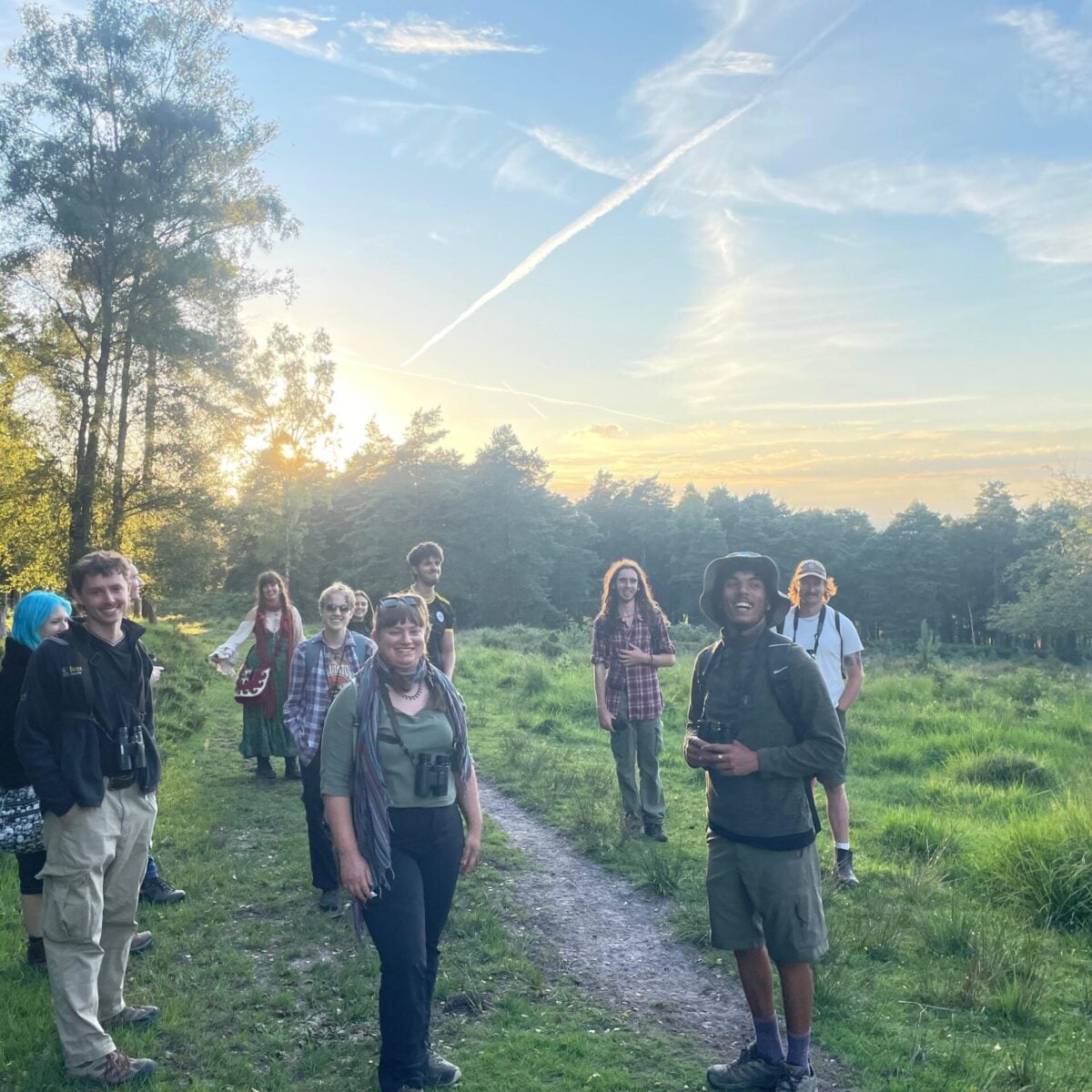


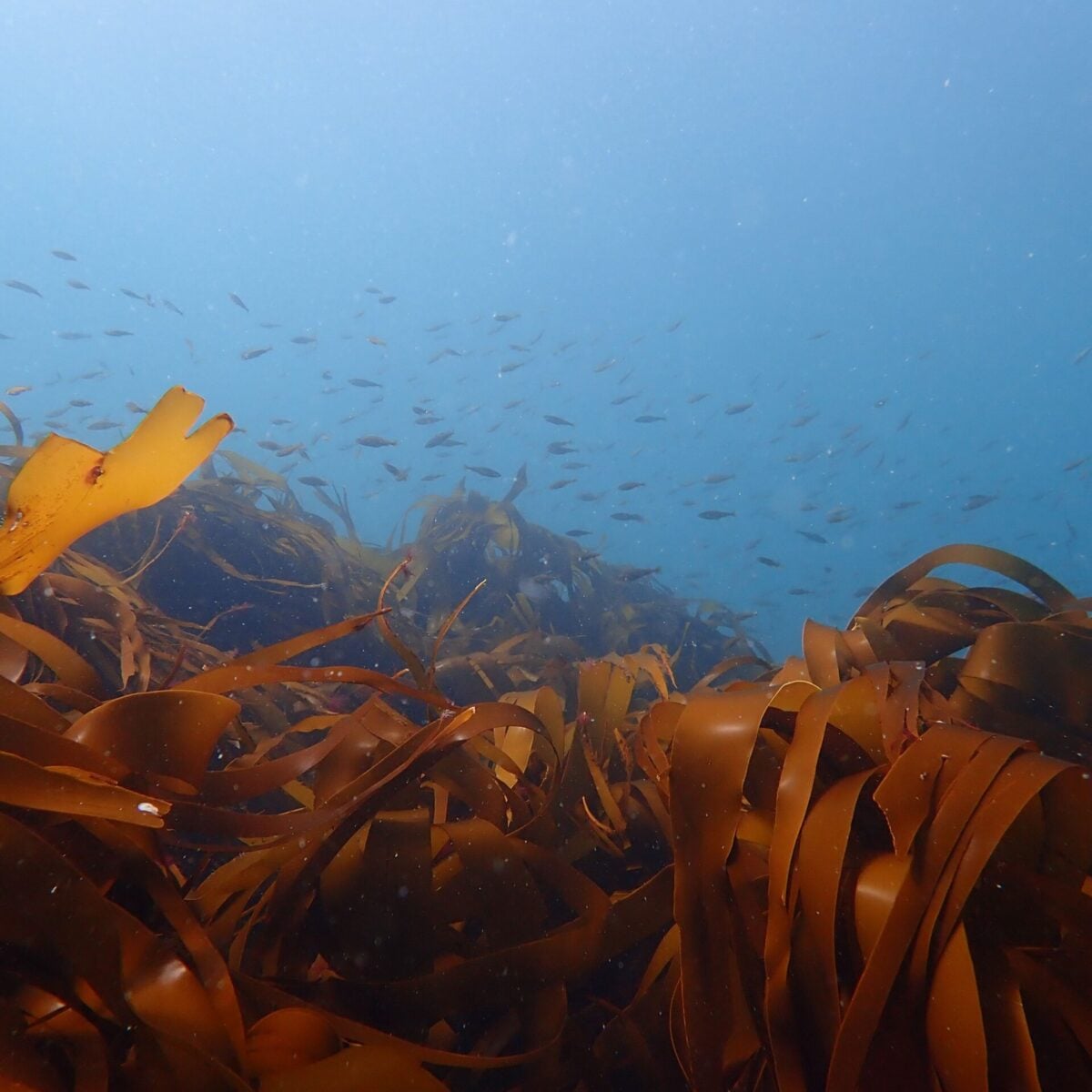



Join the conversation
Connect with wildlife


Thousands of people share their love of wildlife in Sussex via social media. From garden visitors and community campaigns to the latest rare finds on our reserves, we bring it all together. Join us on your preferred platform (and get our weekly news by email).
Oct 25

It`s half term! So, of course, you want to know about bizarre bottoms in nature. Some creatures, like sea anemones, don`t have a mouth and a butt – they use the same opening for both. That`s right, they eat with their bum! Or poo from their mouth, depending on how you want to look at it. #SpookyWildlife
Snakelocks Anemone at night © Olle Akesson
Oct 24
`Falco subbuteo` or Hobby. Peter Adolph, the creator of the tabletop flicking footie game, Subbuteo, wanted to call his game "Hobby", but couldn`t get the trademark, so he called it Subbuteo instead! 📸Ken Copsey.
Oct 23
POV: James Acaster watching Maya and Kenny sneak around in the shield building task
📸 © @peakadventures_wildlife
#CelebrityTraitors #TraitorsUK #TheCelebrityTraitorsUK
Oct 21
Another lovely photo by Maria McGrath – Two Kingfishers, Warnham Nature Reserve. "I`ve been lucky enough to see Kingfishers at this reserve for over 20 years. Last year was the first time I saw two perched together: a juvenile and an adult."
@bizz2018
Oct 20
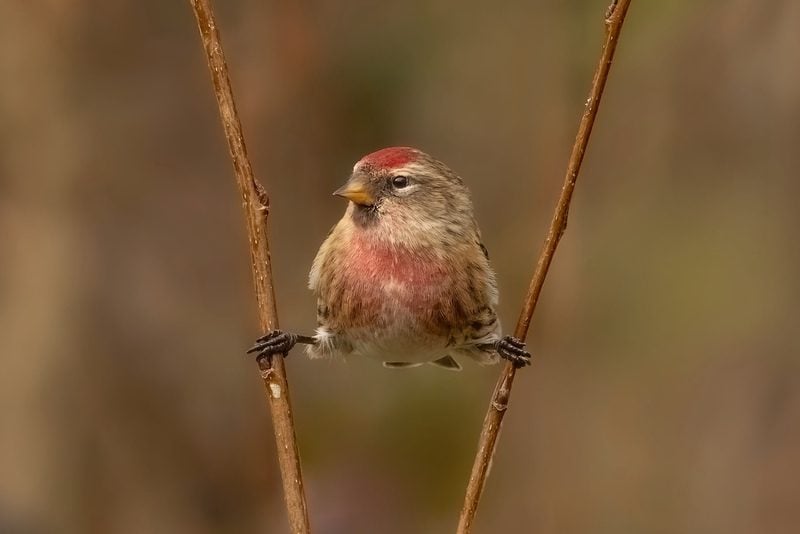
Great photo of a Redpoll doing the splits by Maria McGrath, taken at Warnham Nature Reserve, Horsham. "I visit this reserve regularly and see some amazing birds here, and this Redpoll was one of them. My friend nudged me when they saw this one do the splits and I snapped into action."
For more of her photos, see @bizz2018
Oct 20
📅 A little peek inside the Sussex Wildlife Trust calendar! 💚
Every calendar is a chance to enjoy a little wildlife throughout the year! 🌿📸
Get your copy here or find the link in our bio: https://sussexwildlifetrust.org.uk/product-category/calendar
Oct 19
Maria McGrath was kind enough to respond for a request for a photo of wildlife drinking for a pond feature in Wild Sussex magazine, written by Kate Bradbury. We loved the image Maria sent & so interviewed her about her wildlife photography. We will share a few of her favourites images this week. This is the Siskin drinking from a pond photo she sent! Follow here here @bizz2018
Oct 18
It`s a busy time for bats! 🦇
The autumn checklist:
☑️Find a mate
☑️Find a hibernation site
☑️Feed up – get chonky for the long winter
#Bats #Autumn
📷Brandt`s Bat © Hugh Clark FRPS
Oct 14
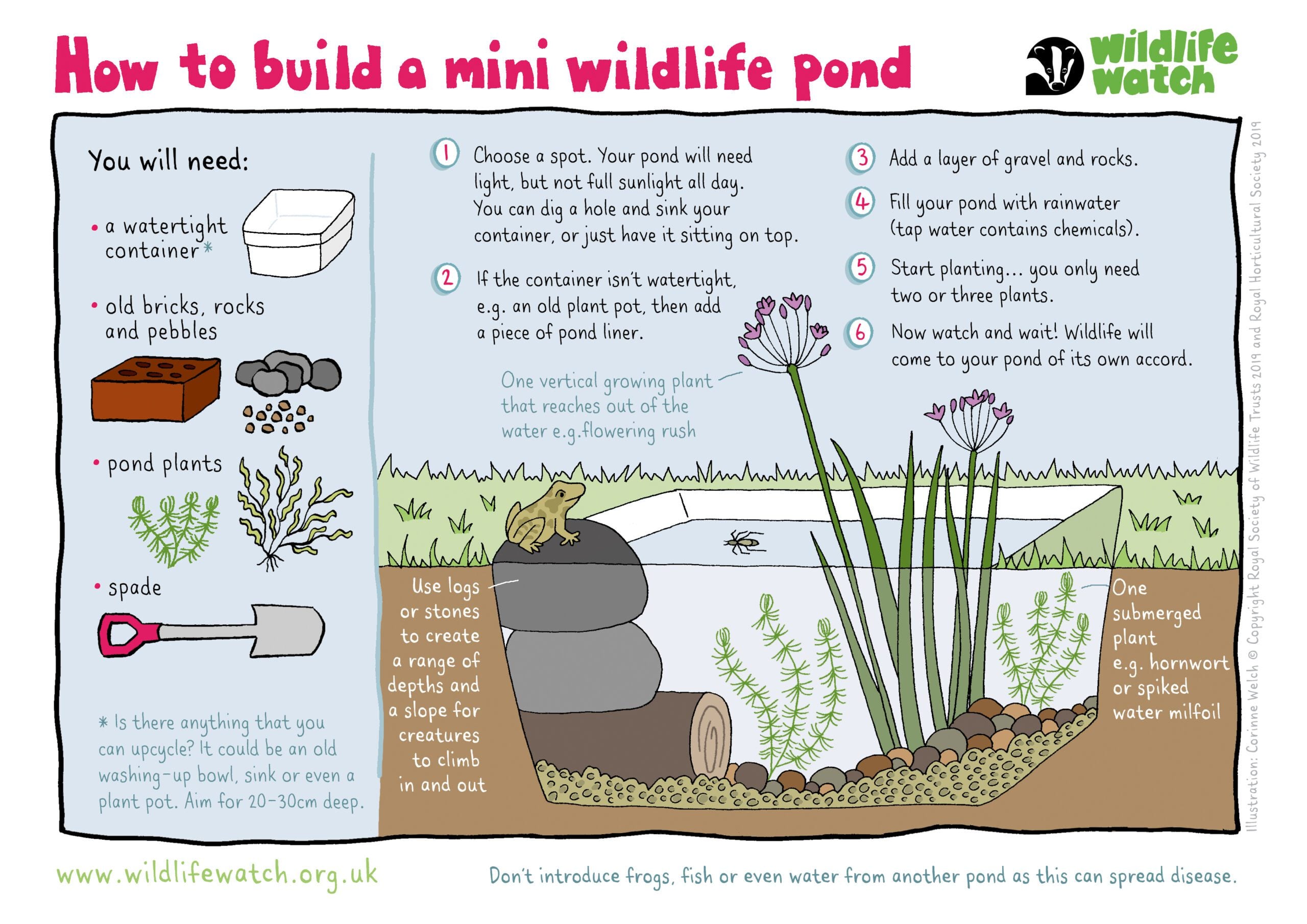
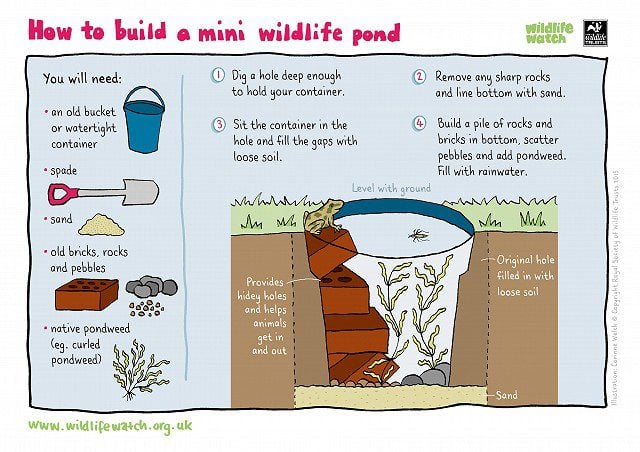
Pond renovations, courtesy of our Wilder Learning Officer, Katie, and glamorous froggy assistant 🐸
Katie has made a new ramp for easy access, and despite only being 2.5×3.5 feet, this spring the pond was visited by 30+ frogs!
📷© Katie Parker
Oct 13
A recent arrival to the UK, Southern Green Sheildbugs seem to be found more often in London than in Sussex – with this record from Rob & Sue Carter being only our 7th record of this species in the county!
Seen something interesting? 👀 You can log species records like this with us on the iRecord app📱
#Insects #CitizenScience
📷 Southern Green Sheildbug nymph © Rob Carter
Join the Sussex Wildlife Trust community
Become a member today to protect nature for tomorrow
As a member, you get access to free guided nature walks, magazines about local wildlife, discounts on courses and events, and a guide to our reserves.
Not quite ready to join but want to help?
Donate to help create a wilder future for nature in Sussex
Choose to give money to a specific cause, or to our work to manage local reserves, defend nature, and create wonderfully wild spaces on land and beneath the waves.