Take action
Become a member
Memberships builds our community and gives us a predictable income, which lets us plan and sustain longer projects that can have a greater impact. The more members we have, the more we can do to protect the Sussex countryside and coast.
Make a donation
Membership builds our community and gives us a predictable income, which lets us plan and sustain longer projects that can have a greater impact. The more members we have, the more we can do to protect the Sussex countryside and coast.
Overview
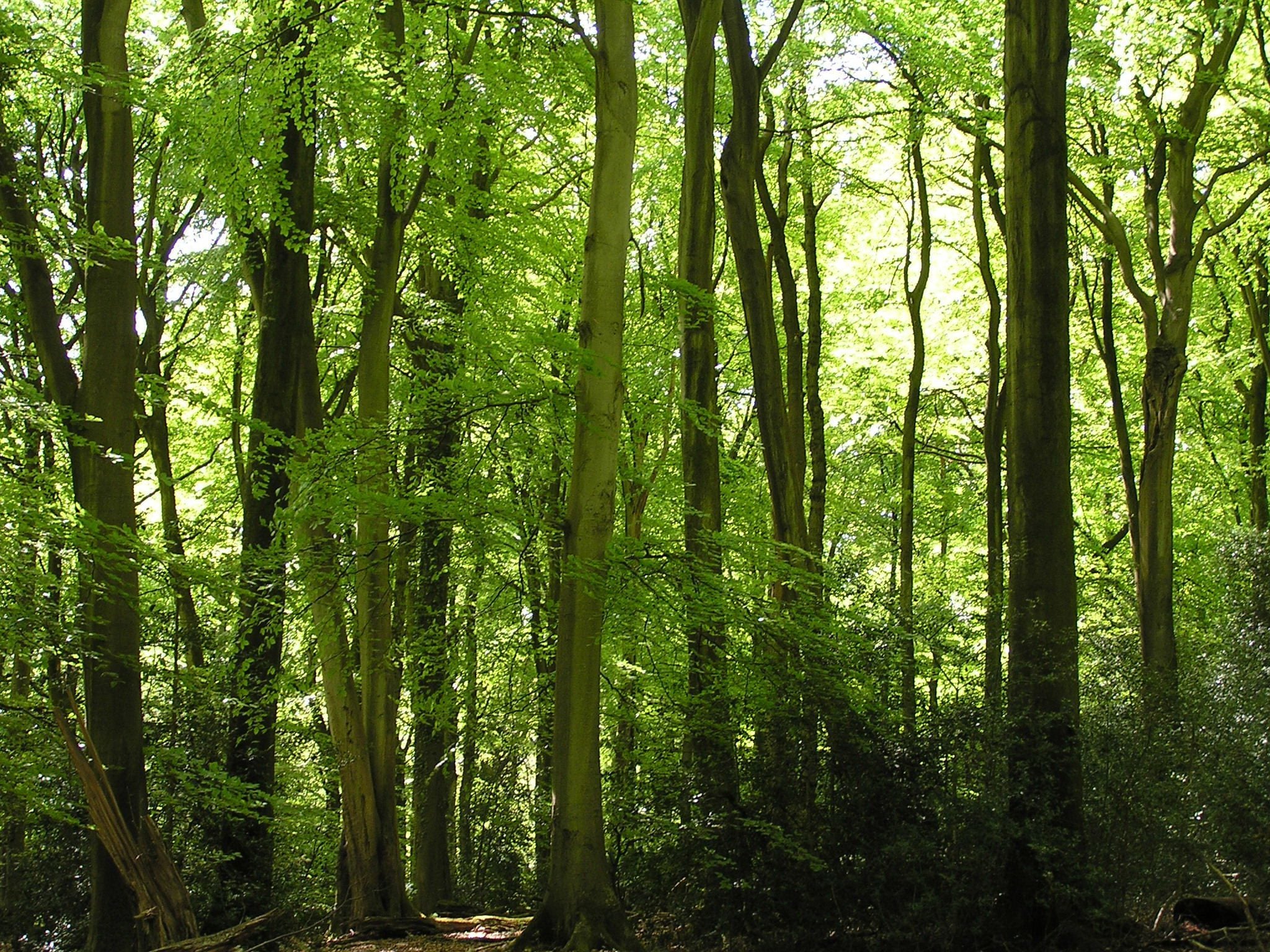
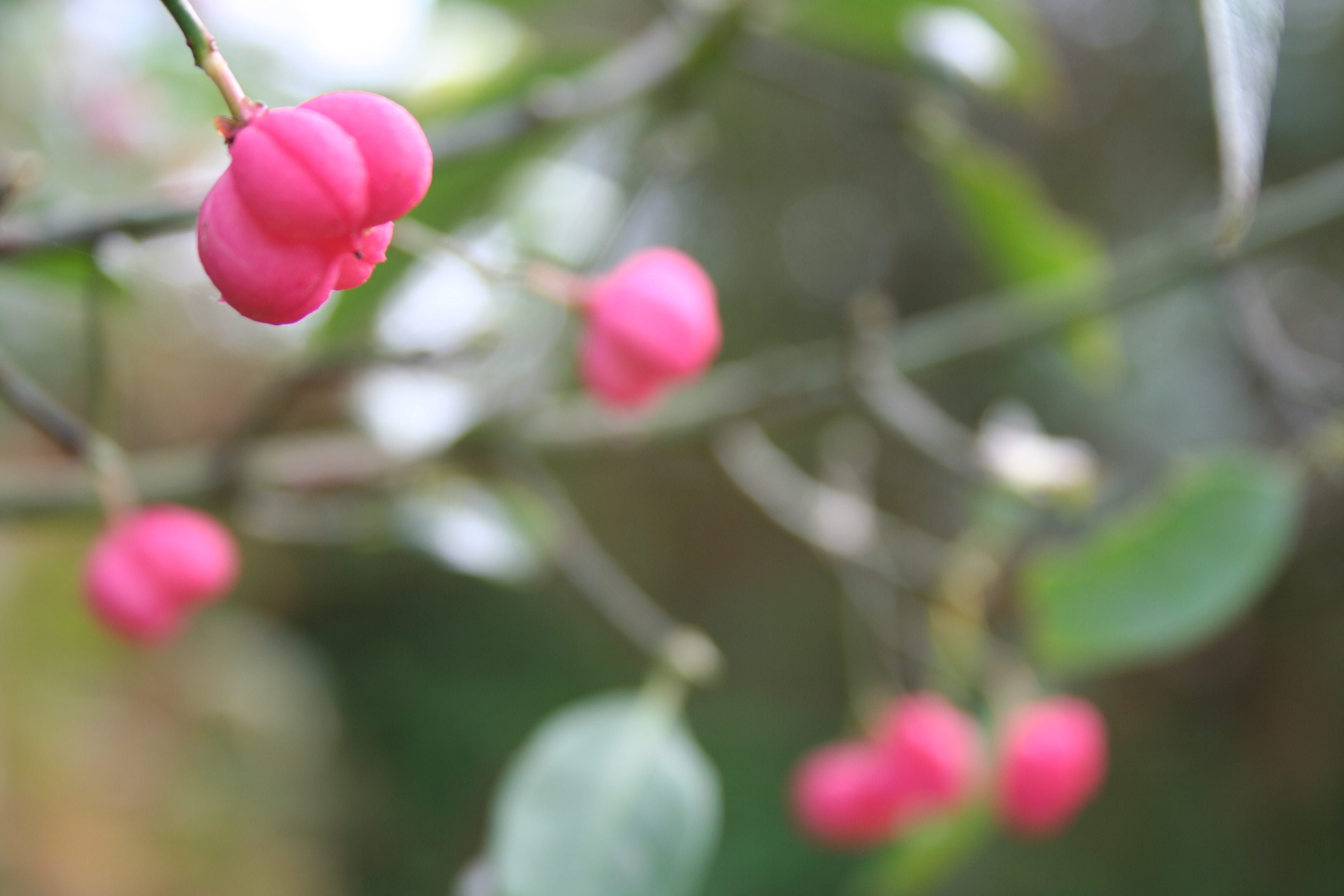
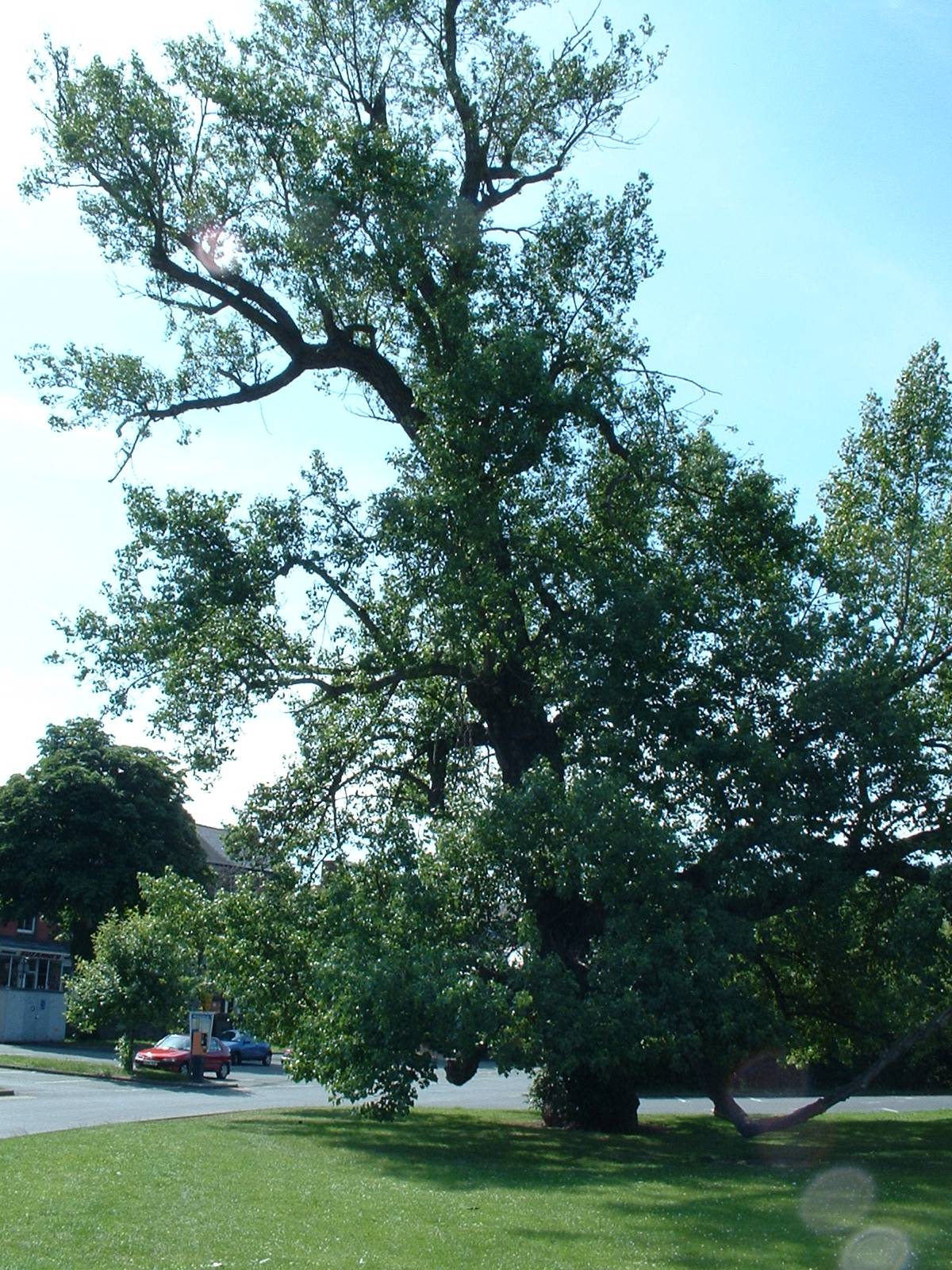
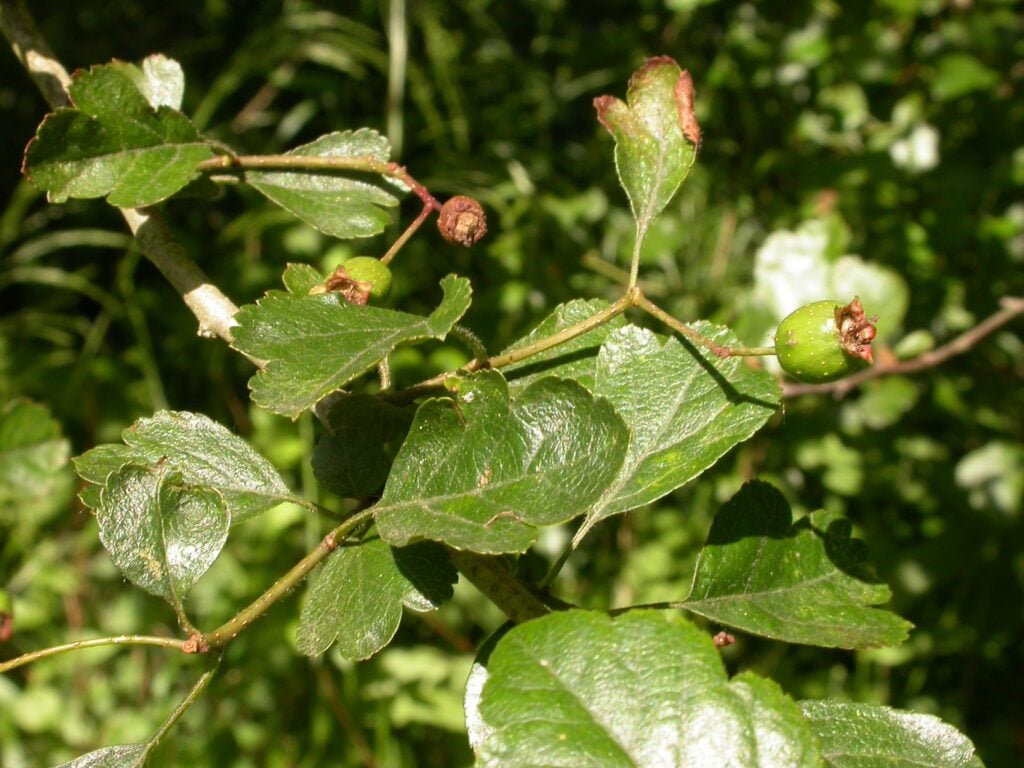
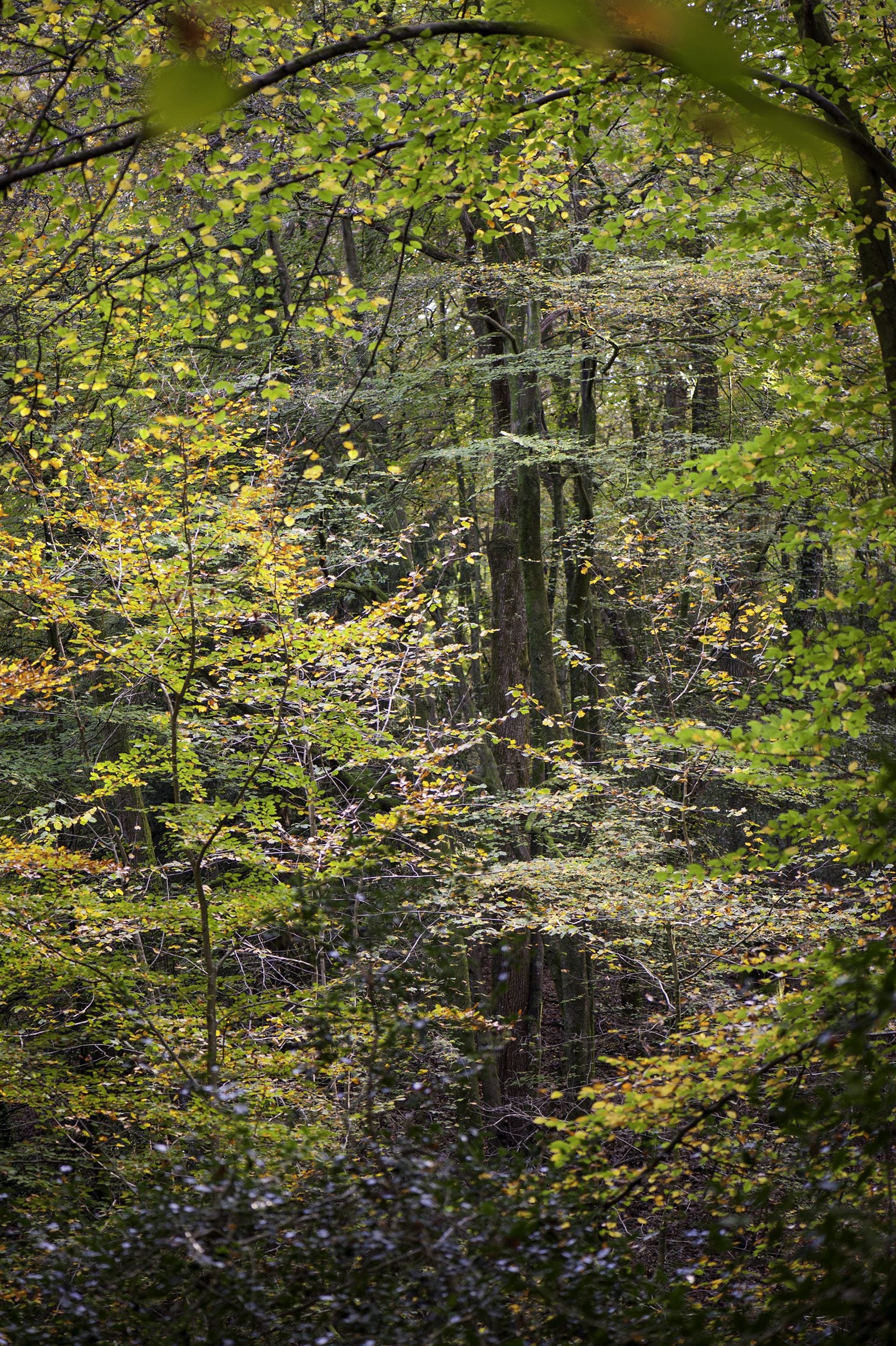
Midland Hawthorn is a shrub of ancient hedgerows and woodland edges, and is also known as ‘Woodland Hawthorn’. In May, midland hawthorn erupts with masses of pinky-white blossom. During the autumn and winter, red fruits known as ‘haws’ appear.
Key Facts
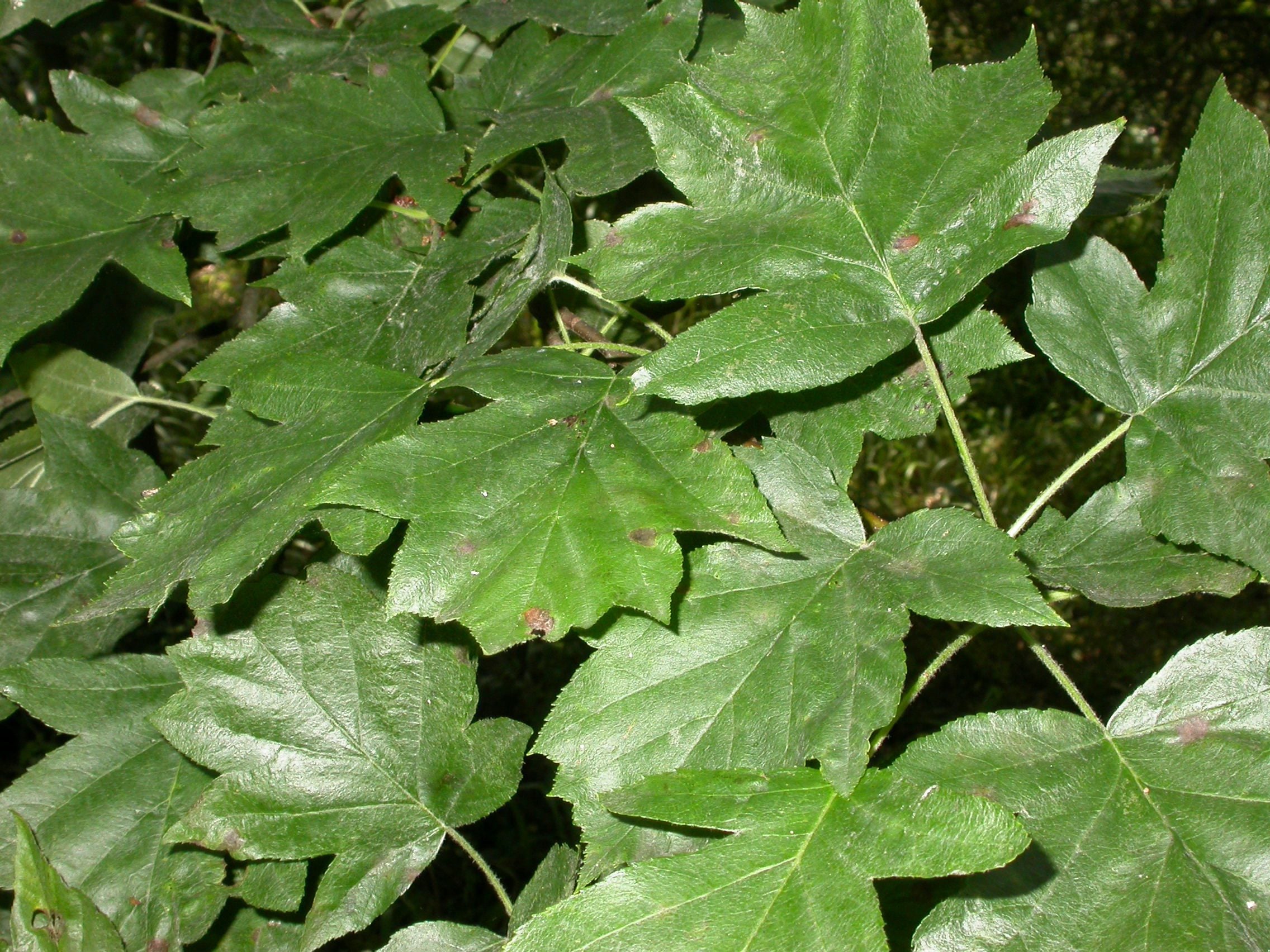
- Midland Hawthorn has shallow-lobed leaves, and pinky flowers that do not smell as sweet as those of Common Hawthorn. Unlike Common Hawthorn, it has two seeds in each fruit and is more frequently found in woodland.
- Midland Hawthorn is a rich habitat for all kinds of wildlife, from Hawthorn Shield Bugs and Yellowhammers that feed on the haws, to Wood Mice and Slow Worms that shelter in the thorny thickets.
- Much folklore and myth surrounds hawthorn trees: it is considered bad luck to cut them, except when they are in flower, but even then, it is said that sprigs should not be brought into the house.
- Height: 8-12m
Status
Common.
Seasonality
All year round