
Frequently asked questions
Jump to
Join
What types of membership do you have?
You can choose between the following membership types:
- Individual: From £3.25 a month or £39 a year
- Joint (2 adults): From £3.75 a month or £45 a year
- Family (1 or 2 adults + up to 4 children u15): From £4.75 a month or £57 a year
- Benefactor: From £15 a month or £180 a year
- Lifetime: From £1,500
Why do you have membership?
Because we’re not just a charity, we’re a community of people who share a love of nature and a common purpose: defending and restoring it in Sussex. Membership provides a more consistent income to fund this work, while also enabling us as a community to share information and learning about what we all care about.
How much does membership cost?
Membership is based on a voluntary donation that you pay monthly or annually. However, there are minimum donations for each membership type to cover the cost of our magazines, free member events and maps. These are:
- Individual: From £3.25 a month or £39 a year
- Joint (2 adults): From £3.75 a month or £45 a year
- Family (1 or 2 adults + up to 4 children u15): From £4.75 a month or £57 a year
How do I cancel my membership?
To cancel your membership, log into your Sussex Wildlife Trust account page, or contact the membership team on membership@sussexwt.org.uk or by calling 01273 497532.
What is Benefactor membership?
Any member donating more than £15 a month automatically becomes a Benefactor. If you’re Benefactor, you get a metal Sussex Wildlife Trust pin and are invited to our exclusive Benefactor event each year.
Legacy
How will my gift be used?
Legacies are usually unrestricted gifts, allowing us to use the funds wherever the need is greatest at that particular time. If you have a particular area of interest that you’d like to benefit please contact us to discuss your intentions.
I would like to include a gift to Sussex Wildlife Trust in my will. What information do I need?
When including a legacy to charity it’s important to specify the charity’s registered name, address and charity number. For Sussex Wildlife Trust these are:
- Registered name: Sussex Wildlife Trust
- Registered address: First Floor, The Keep, Woollards Way, Brighton, BN1 9BP
- Registered charity number: 207005
Example wording
For a residuary gift to the Trust: “I give to Sussex Wildlife Trust, First Floor, The Keep, Woollards Way, Brighton, BN1 9BP (Registered Charity Number 207005) ……………………… (1% – 100%, or stated portion) of the residue of my estate for its general charitable purposes and I further declare that the receipt of the Honorary Treasurer or other proper officer of Sussex Wildlife Trust for the time being shall be a full and sufficient discharge for the said legacy.
For a pecuniary gift to the Trust: “I give the sum of £X to Sussex Wildlife Trust, First Floor, The Keep, Woollards Way, Brighton, BN1 9BP (Registered Charity Number 207005) for its general charitable purposes and I further declare that the receipt of the Honorary Treasurer or other proper officer of Sussex Wildlife Trust for the time being shall be a full and sufficient discharge for the said legacy.
How do I ensure my will is valid and accurate?
It is always best to have your will drawn up by a solicitor or qualified will-writer. A will is a legal document and trying to write your own can be difficult. One error could cause the whole document to be invalid.
I’ve already made my will. How can I change it to include a gift to the Trust?
You won’t need to rewrite your will unless you want to. A qualified solicitor can draft an amendment (called a codicil). It is a simple and inexpensive way to make a change to benefit wildlife. Do ask your solicitor about this.
Can Sussex Wildlife Trust act as executors of my will?
Unfortunately, we are unable to act as executors.
Net Zero
How will the Trust offset residual emissions?
We will be exploring options for the possible deployment of solar or wind power generation on selected nature reserves, where it would not conflict with our conservation aims.
What kinds of vehicles does the Trust operate?
We operate a variety of vehicles according to our requirements:
- Fully electric and mild-hybrid cars and vans, for visiting sites and premises
- An electric minibus, for transporting volunteer work parties to sites
- Diesel trucks, tractors and all terrain vehicles and petrol quad bikes, for work on out nature reserves
Why does the Trust still use diesel or petrol vehicles?
There are some vehicles, such as our 4×4 trucks and tractors used for managing our nature reserves, for which there are currently no viable electric alternatives. We aim to put these in place as they become available, but in the meantime, we have begun improving the situation by using hydrotreated vegetable oil (HVO), a greener alternative to diesel fuel, that can lead to a reduction greenhouse gas emissions of up to 90% and gives a significant reduction in particulate emissions.
Why can’t the Trust use deer instead of cattle or sheep for conservation grazing?
Deer don’t eat in the same way as sheep and cattle, and we need the diversity of different herbivores to give the varied vegetation structure we are looking for. Deer also require significantly more infrastructure to keep them on reserves and this would not be practicable.
Reserves
Can I take photos and videos on nature reserves?
For commercial photoshoots and filming please complete this form to request permission.
Unauthorised drone use is not permitted on our reserves
Can I fly a drone on your nature reserves?
For the safety and enjoyment of other visitors, and to protect wildlife from disturbance, please do not fly drones or other remote-control flying devices in our nature reserves without permission.
Are dogs welcome?
Dogs on leads are welcome at all of Sussex Wildlife Trust’s public nature reserves, with the exception of Woods Mill. Dogs are not permitted at Woods Mill (except assistance dogs).
Please stick to paths and pick up and take home any dog waste. Please also follow on-site signage, which will inform you if grazing animals or ground-nesting birds are present.
Schools
Do you facilitate school visits to your other reserves, such as Woods Mill?
Rye Harbour is our only nature reserve with bookable school visits. Our other reserves are invite-only school events.
Do you run Forest School or Wild Beach sessions for class groups or homeschooled individuals?
No. The Wilder Learning Team run training for educators to be able to deliver their own sessions for their setting. We do not run Forest School or Wild Beach sessions for children or young people.
Can Sussex Wildlife Trust do an assembly for our school or attend a school fayre?
Unfortunately we do not deliver one-off events such as assemblies or school fayres outside of schools that are within our Wilder Schools programme.
Can Sussex Wildlife Trust attend a careers fair/market/talk?
We are able to attend a small, limited amount of these events a year, dependent on staff capacity and our priority areas. Please get in touch here
Our school would like to fundraise for you! Where can I get more information?
Volunteer
How often do I have to volunteer?
This depends on the role and when you’re available. Some of our volunteer groups meet weekly, some monthly. Some are seasonal and may not have a set pattern.
Our aim is to make volunteering as flexible and inclusive as possible. That said, we don’t provide one-off volunteering opportunities, because the best way to provide meaningful opportunities, training and support is if volunteers make a regular and ongoing commitment.
How old must I be to volunteer?
There are opportunities from age 12 all the way up to 85. Most of our work parties are open to over 18s, but if you’re 16 to 25, please take a look at our Youth Volunteering programmes for extra volunteering opportunities.
Do I have to know a lot about nature to be a volunteer?
No, not at all! Our volunteers range from complete beginners to experts. While you need specific knowledge and skills for some roles, for most you just need enthusiasm and a desire to make a difference. There are lots of opportunities to learn more as you go.
Who can I contact about other volunteering questions?
If you can’t find the answers to your question please email swtvolunteering@sussexwt.org
For questions about volunteering at Rye Harbour Nature Reserve contact: ryeswtvolunteering@sussexwt.org.uk.
For corporate Wild Work Days, email: swtcorporatevolunteering@sussexwt.org.uk
Do you offer work placements?
No, unfortunately we don’t offer work placements.
If I work on my own (for example, surveying insects), where can I find guidance on how to do this safely?
You can find extra guidance in files on your MyImpact account. If you can’t find this information, please contact the volunteering team.
What about health and safety for volunteers?
We take the health and safety of everyone involved with the Trust very seriously and we’ll ensure that you are safe whilst volunteering. All our events follow health and safety procedures. We conduct risk assessments and make sure there’s first aid available. The member of staff running your group will go through health and safety before you start on any task.
When you register as a volunteer please take the time to read the Occupational Health and Safety Policy in your MyImpact portal.
How do I sign-up for opportunities once I’m a registered volunteer?
Once you’ve registered as a volunteer, you will be added to the group(s) or initiative(s) that you’re interested in on your MyImpact account.
- Log into your MyImpact account
- Click on Opportunities
- Sign up to the volunteering dates that suit you.
Please remember to remove yourself from any dates if you can’t make it. This means someone from the waiting list can attend instead. To cancel:
- Log into your MyImpact account
- Click on Schedule
- Select the event you can’t make
- Click on the Remove button.
What’s a MyImpact account and how do I get one?
When you apply to volunteer at Sussex Wildlife Trust you’ll need to set up a MyImpact account. You can then use it to:
- find guidance you might need
- track how many hours you’ve volunteered
- sign-up for new volunteering opportunities
MyImpact is software designed by Better Impact. If you are having issues with your account, please speak to your volunteer manager or email swtvolunteering@sussexwt.org
Can I claim expenses?
Yes, as a volunteer you can get your travel expenses reimbursed. Speak to your volunteer manager about how to do this. Just remember that expense claims should be agreed with us in advance and you’ll need to keep and submit any receipts.
Will I receive training?
Yes, all of our volunteers get training for the tasks they’re involved in. For some roles we offer extra training courses for volunteers who make a regular commitment.
What should I bring and wear?
Most of our volunteering is outside, so best to be prepared for any weather. Occasionally tasks are cancelled due to adverse weather conditions.
For land-based conservation tasks throughout the year we suggest you wear:
- Long trousers to protect against scratches and insect bites
- Long-sleeved tops to protect against scratches, bites and the sun
- Waterproof coat and warm layers for winter
- Sun hat or warm hat
- Gardening gloves if you have them
And remember to bring:
- Plenty of water
- Lunch
Most of our reserves don’t have shops or toilets.
What happens when I start volunteering?
You can expect a warm welcome at the Sussex Wildlife Trust when you start! You’ll be assigned a volunteer manager, who will:
- introduce you to the other volunteers and staff
- explain the role and let you know where everything is
- arrange training and support until you’re confident in doing your role
If you have any specific training requests please discuss them with the volunteer team.
Wildlife enquiries
I have found or seen an injured animal – what can I do?
Sussex Wildlife Trust does not run a wildlife rescue service, neither are we veterinary trained, so we do not answer queries on or offer practical help with injured wildlife or rescue situations. If you have found an injured animal in need of rescue in Sussex, please contact a local rescue organisation.
I have an interesting wildlife sighting and would like to record this with you – how do I do this?
The best way to record wildlife sightings with us is via iRecord. Information uploaded here is shared with the Sussex Biodiversity Record Centre, who hold species data for the county, and who we work closely with.
I would like a wildlife survey for my land – can you help with this?
Sussex Wildlife Trust do not offer a surveying service. If you would like to hire an ecologist to conduct a survey, you can find one at CIEEM. If you are looking for habitat advice, and your land sits within one of our Wilder Horsham District or Wilder Ouse project areas, please get in touch with one of the teams for more information.
I have unwanted wildlife in my garden or where I live – what can I do about this?
As a wildlife conservation charity, Sussex Wildlife Trust celebrate wildlife in our gardens, green spaces, and urban areas. We do not offer a service to remove or relocate wildlife from one area to another.
I am concerned about a local planning development – what can I do?
You can comment upon open planning applications via your local authority online planning portal. You may need a planning reference number – this should be on any paperwork regarding the proposed development, like planning notices put up on site.
Recording wildlife sightings is a great way to ensure the wildlife you want protected on site is officially logged. You can record any species seen on site by downloading the iRecord app or going to the website. This information is shared with the Sussex Biodiversity Record Centre who hold species data for the county.
I have witnessed a wildlife crime – what can I do?
If you witness a wildlife crime follow the steps outlined here. Sussex Wildlife Trust can only report wildlife crimes that we have witnessed ourselves and/or which have taken place on our reserves. If you witness a wildlife crime on one of our reserves, please follow the steps above before contacting us to inform us.
I think I’ve seen an Asian Hornet – what should I do?
Firstly, look at our identification pages to confirm if it was an Asian Hornet. Most sightings we are alerted to turn out to be our native European Hornets, which are a valuable part of the ecosystem and not a concern.
If you confirm that you have seen an Asian Hornet, sightings should be reported by downloading the Asian Hornet Watch app, or online here: Non-native Alert – Asian Hornet and by iRecord.
How to keep your bird feeders clean
Diseases that affect garden birds are spread when feeding sites are contaminated with the droppings or saliva of infected birds. The risk increases when many birds feed at the same places day after day for long periods. To minimise the risks of disease:
- Use several feeding sites around the garden to reduce bird numbers at any one place
- Rotate between feeding sites, so not all are in constant use
- Only fill up feeders with as much food as the birds take. Don’t leave food hanging around in feeders for days to go mouldy
- Clear up any food that is left under feeders at the end of the day
- Clean feeders/feeding sites regularly using warm soapy water or 5% disinfectant, especially in the months between January and May. Make sure to rinse any disinfectant off thoroughly and always allow feeders to air-dry completely before adding food
- Maintain careful personal hygiene. Brushes and equipment used to clean feeders, tables and baths shouldn’t be used for other purposes. Rubber gloves should be worn and hands washed afterwards
Get in touch
Get in touch
You can contact the Sussex Wildlife Trust via our central administration office at First Floor, The Keep, Woollards Way, Brighton BN1 9BP during office opening hours Monday to Friday between 10am and 4pm.
Telephone: 01273 492630
Your enquiry
Make an enquiry
If you have an enquiry, we love to hear from you, please use this form to get in touch. Unfortunately, we are unable to help with enquiries related to injured wildlife. Local wildlife rescue centres can be found here.



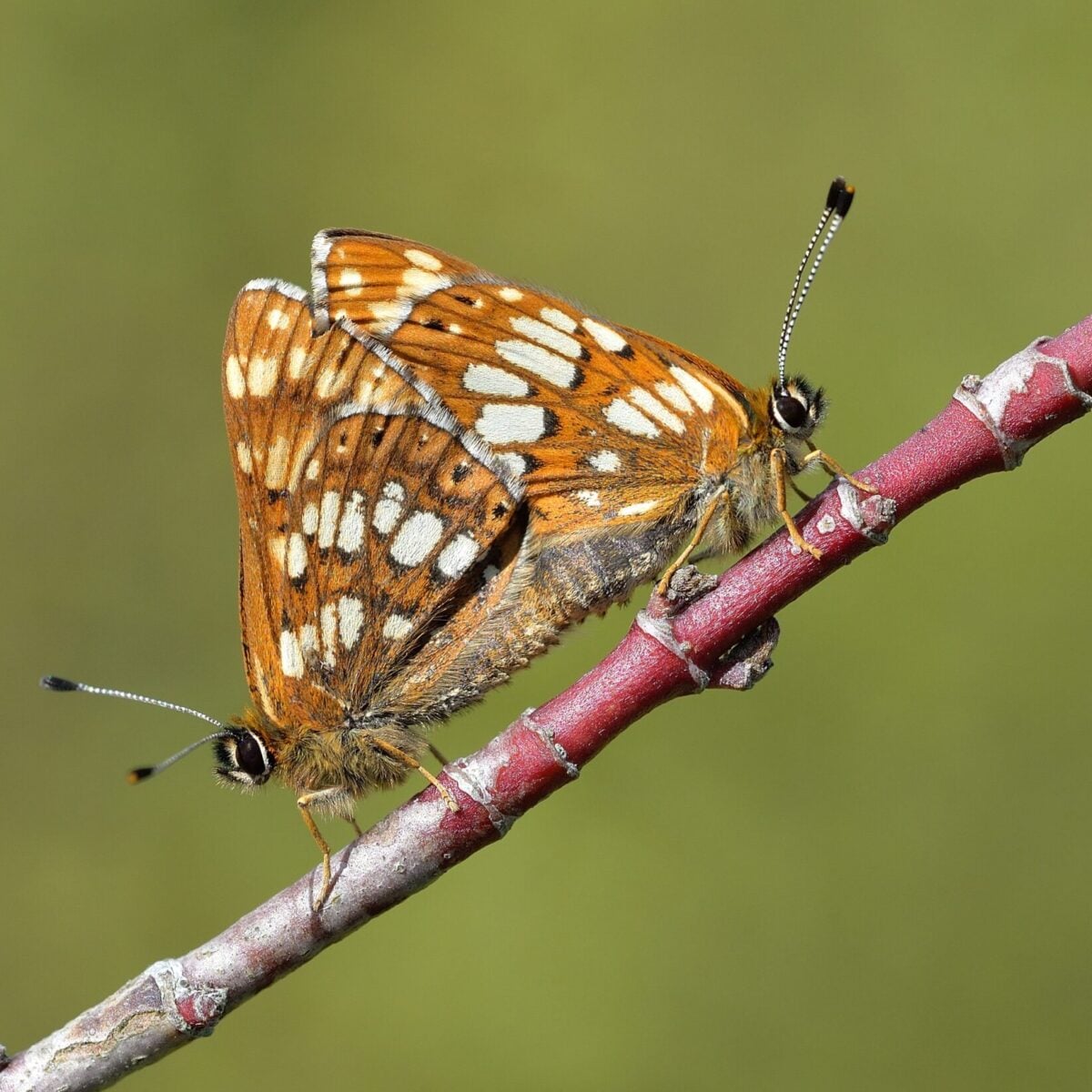
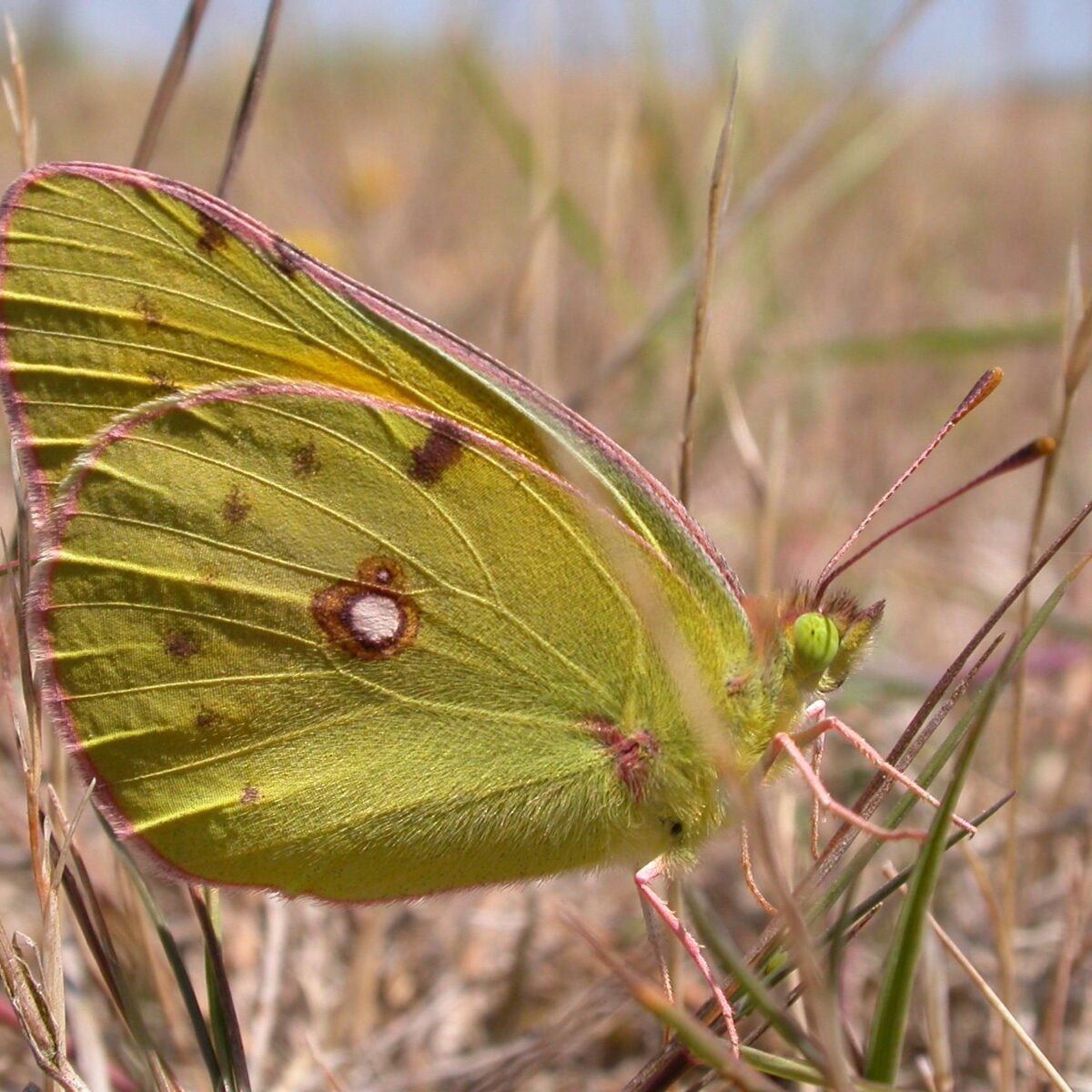
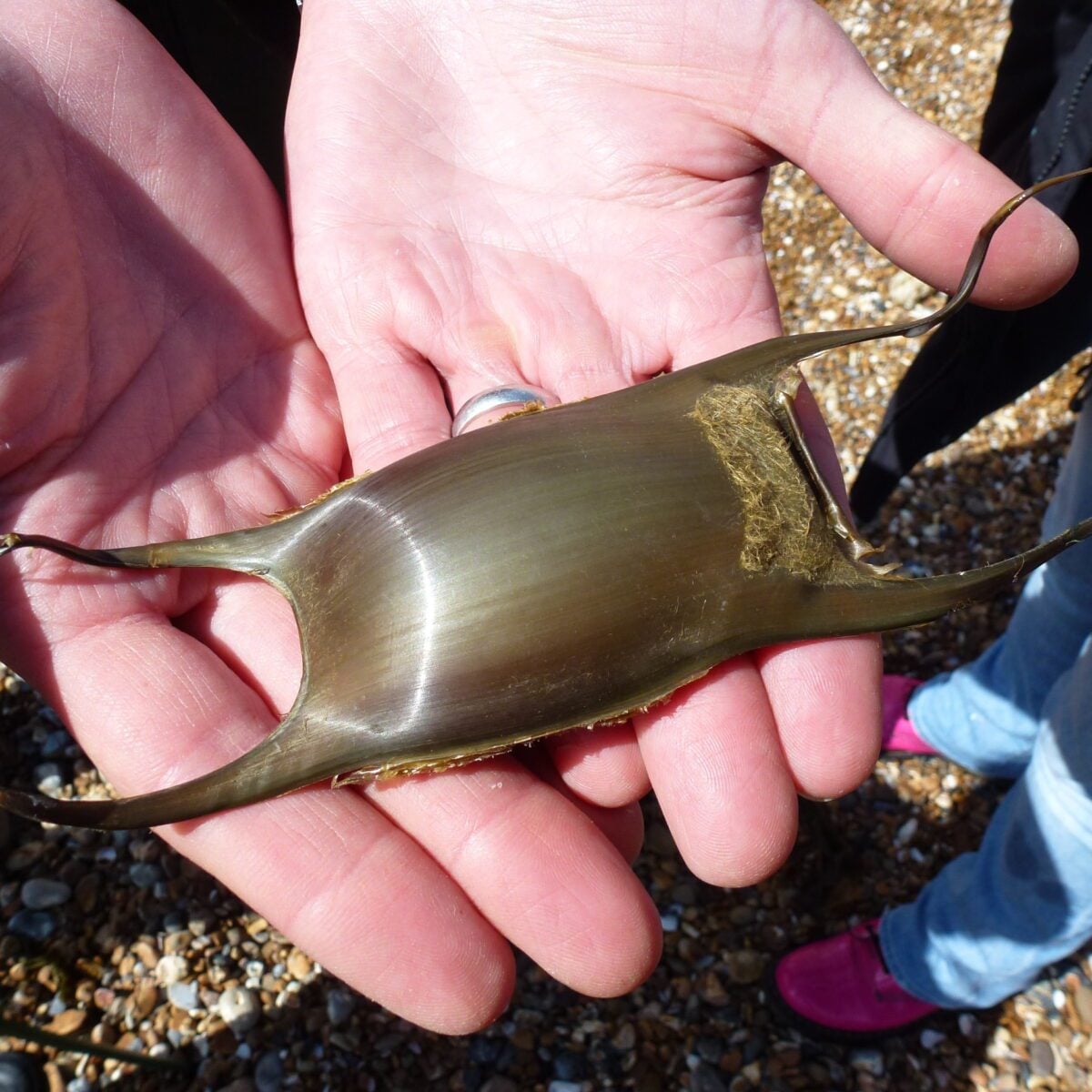
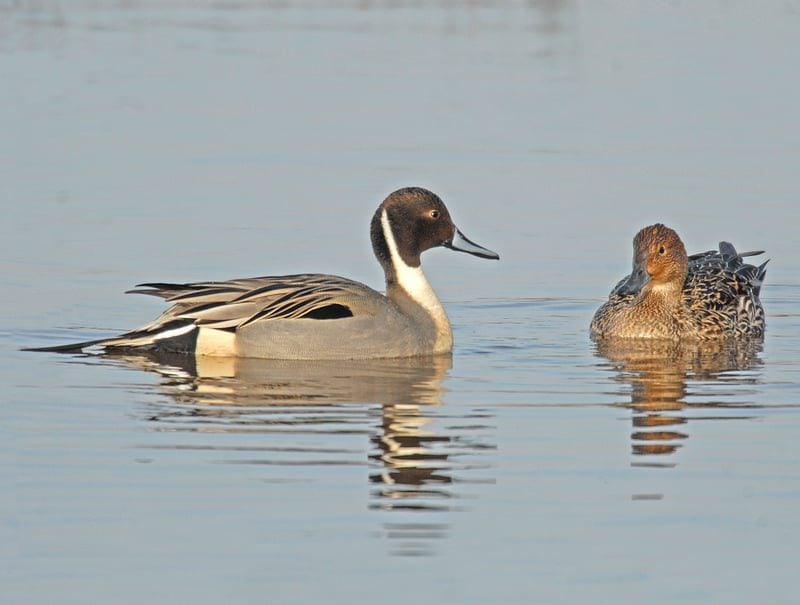












Join the Sussex Wildlife Trust community
Become a member today to protect nature for tomorrow
As a member, you get access to free guided nature walks, magazines about local wildlife, discounts on courses and events, and a guide to our reserves.
Not quite ready to join but want to help?
Donate to help create a wilder future for nature in Sussex
Choose to give money to a specific cause, or to our work to manage local reserves, defend nature, and create wonderfully wild spaces on land and beneath the waves.