Take action
Become a member
Memberships builds our community and gives us a predictable income, which lets us plan and sustain longer projects that can have a greater impact. The more members we have, the more we can do to protect the Sussex countryside and coast.
Make a donation
Membership builds our community and gives us a predictable income, which lets us plan and sustain longer projects that can have a greater impact. The more members we have, the more we can do to protect the Sussex countryside and coast.
Overview
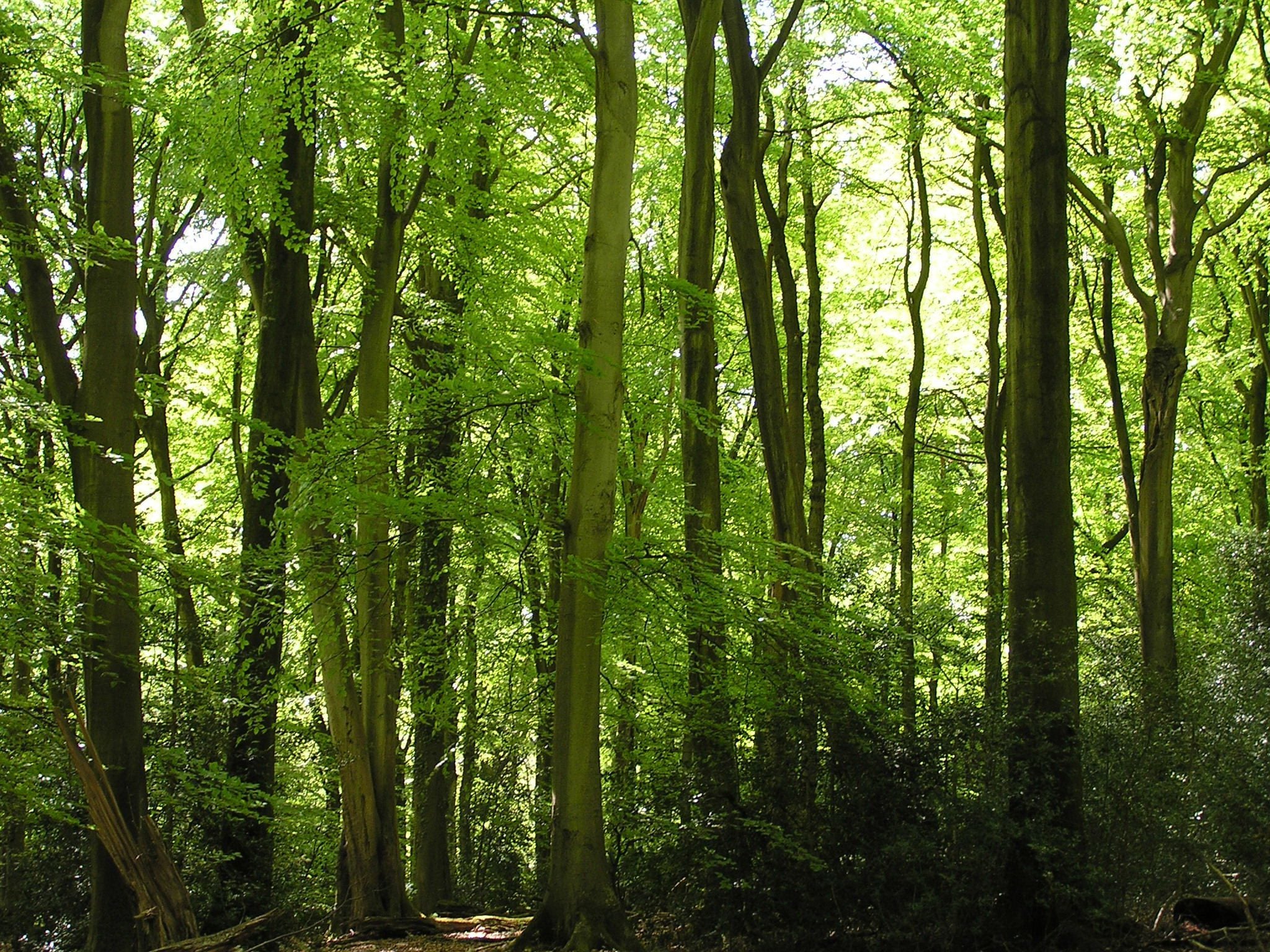
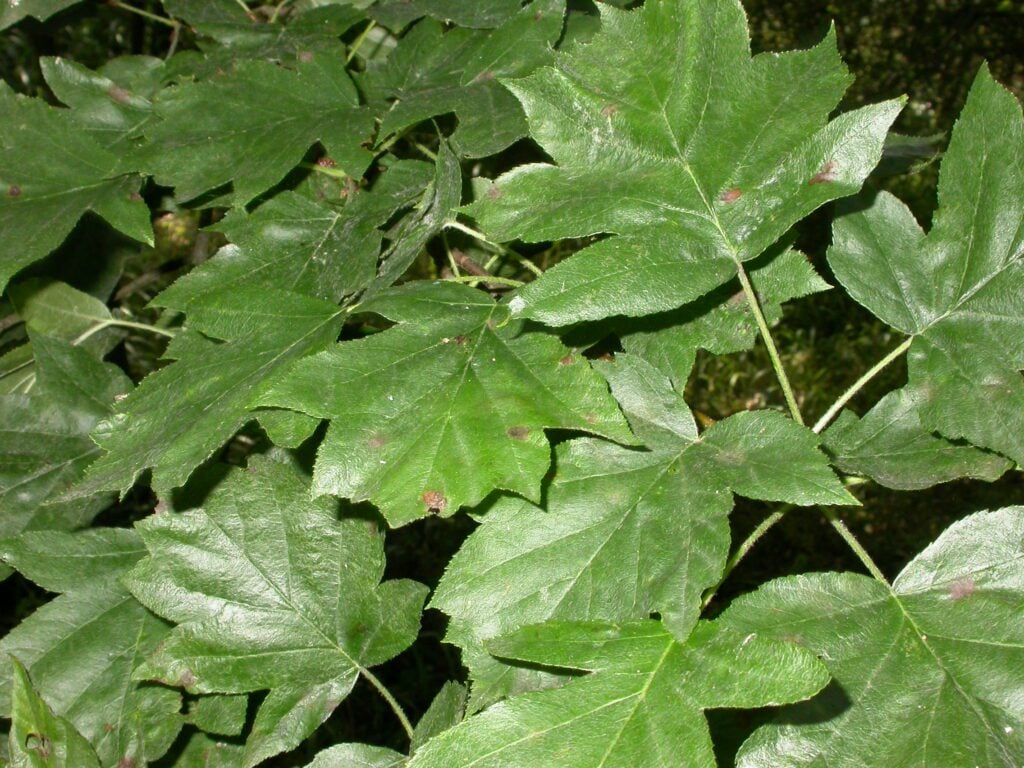
The Wild Service Tree was once widespread, if seldom abundant, in the forests of England and Wales. But, as these were cleared, it became rarer and is now confined to ancient woodlands and hedges, such as those of Royal Hunting Forests, particularly on heavy clay soils. An inconspicuous tree for much of the year, its white blossom in spring and crimson leaves in autumn give it away.
Key Facts
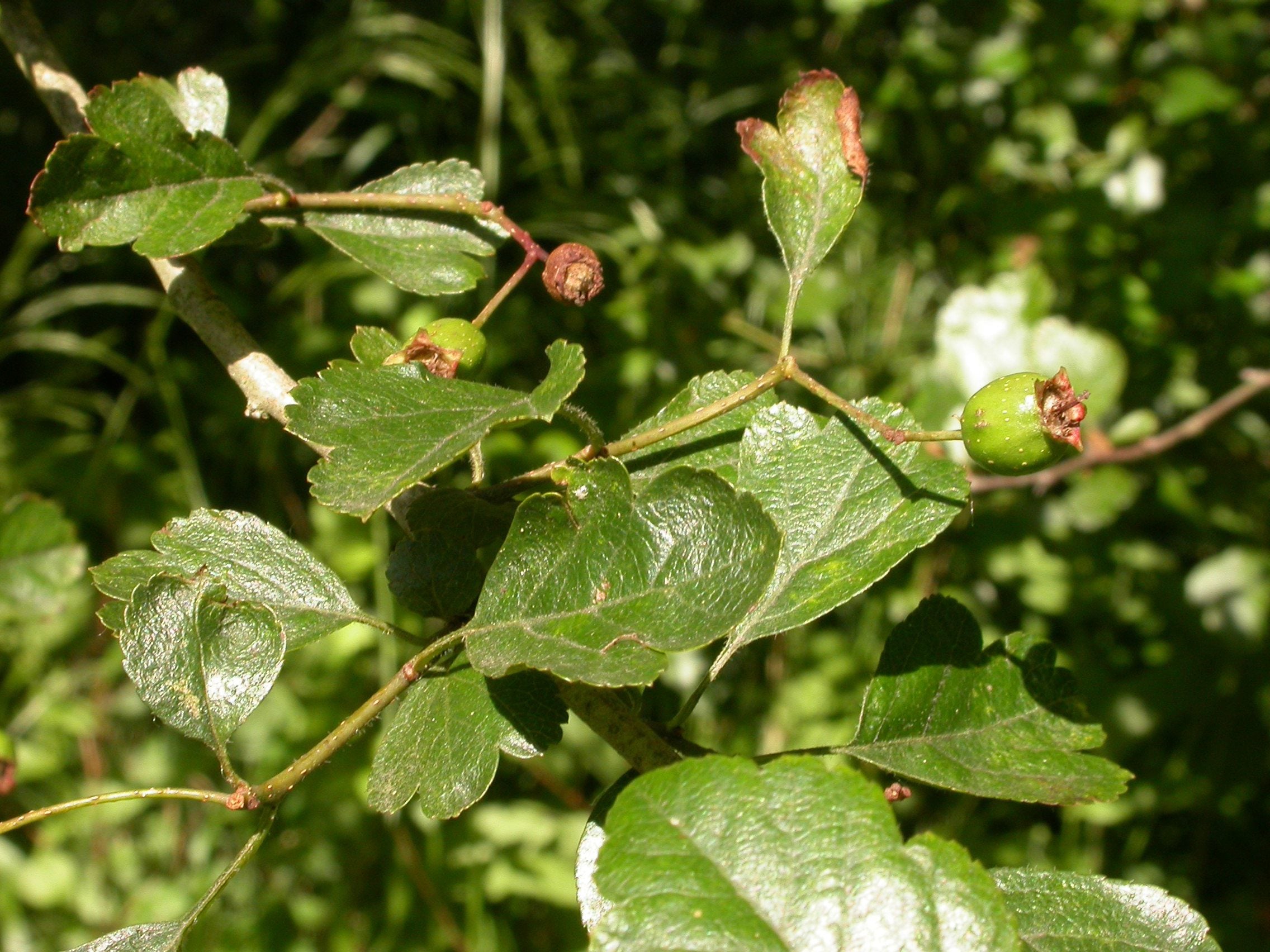
- Wild Service has jagged, palmate leaves (a little like Maple leaves), white flowers and small, apple-like fruit.
- The Wild Service Tree is also known as the ‘Chequers tree’ and its fruits were once regularly used to make alcohol. Many pubs and inns are also called Chequers (as well as the Prime Minister’s country residence); however, it’s unclear whether the inns gave their name to the fruits or the fruits to the inns!
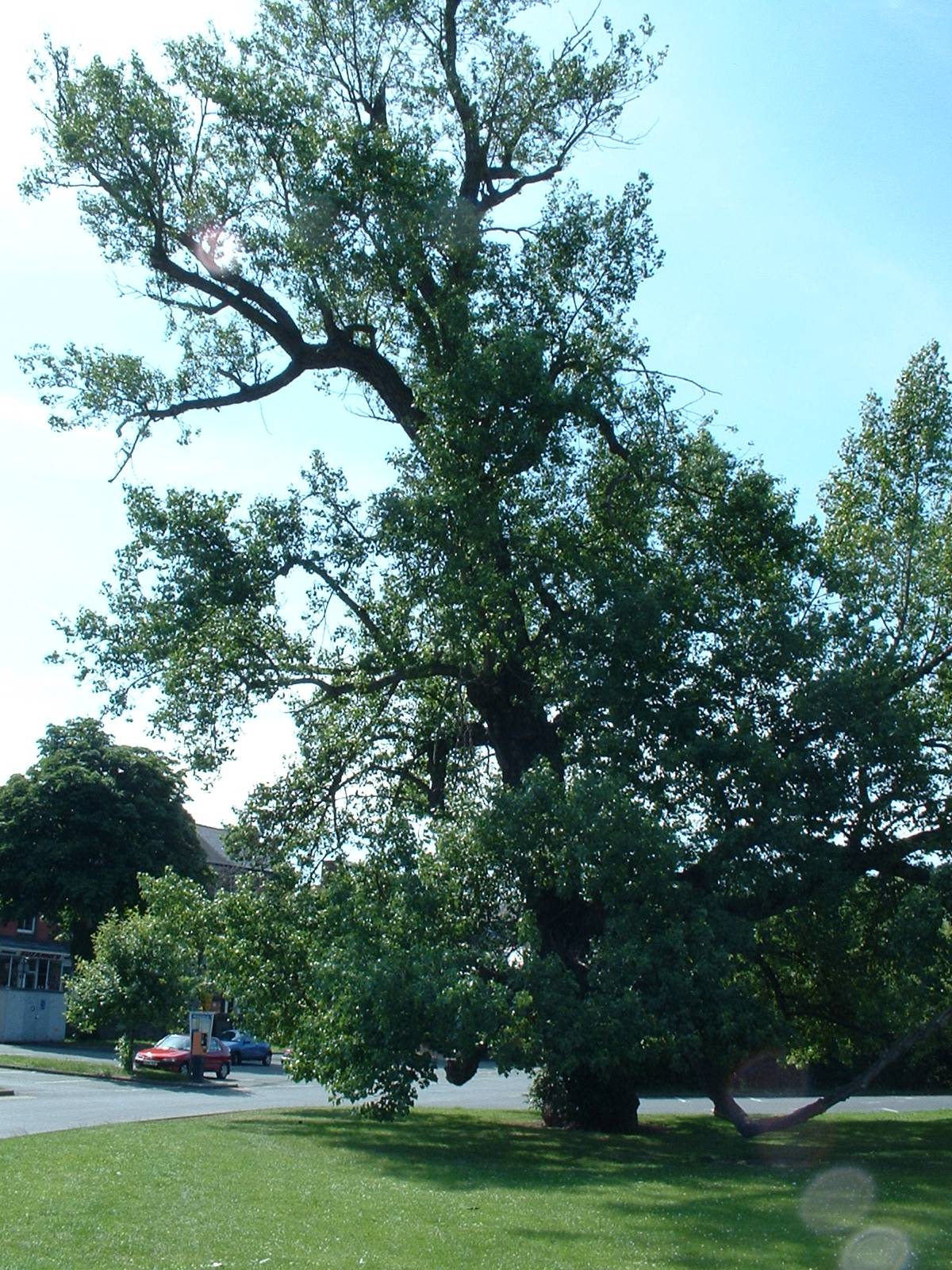
- Height: 10-25m
Status
Common.
Seasonality
All year round