Overview
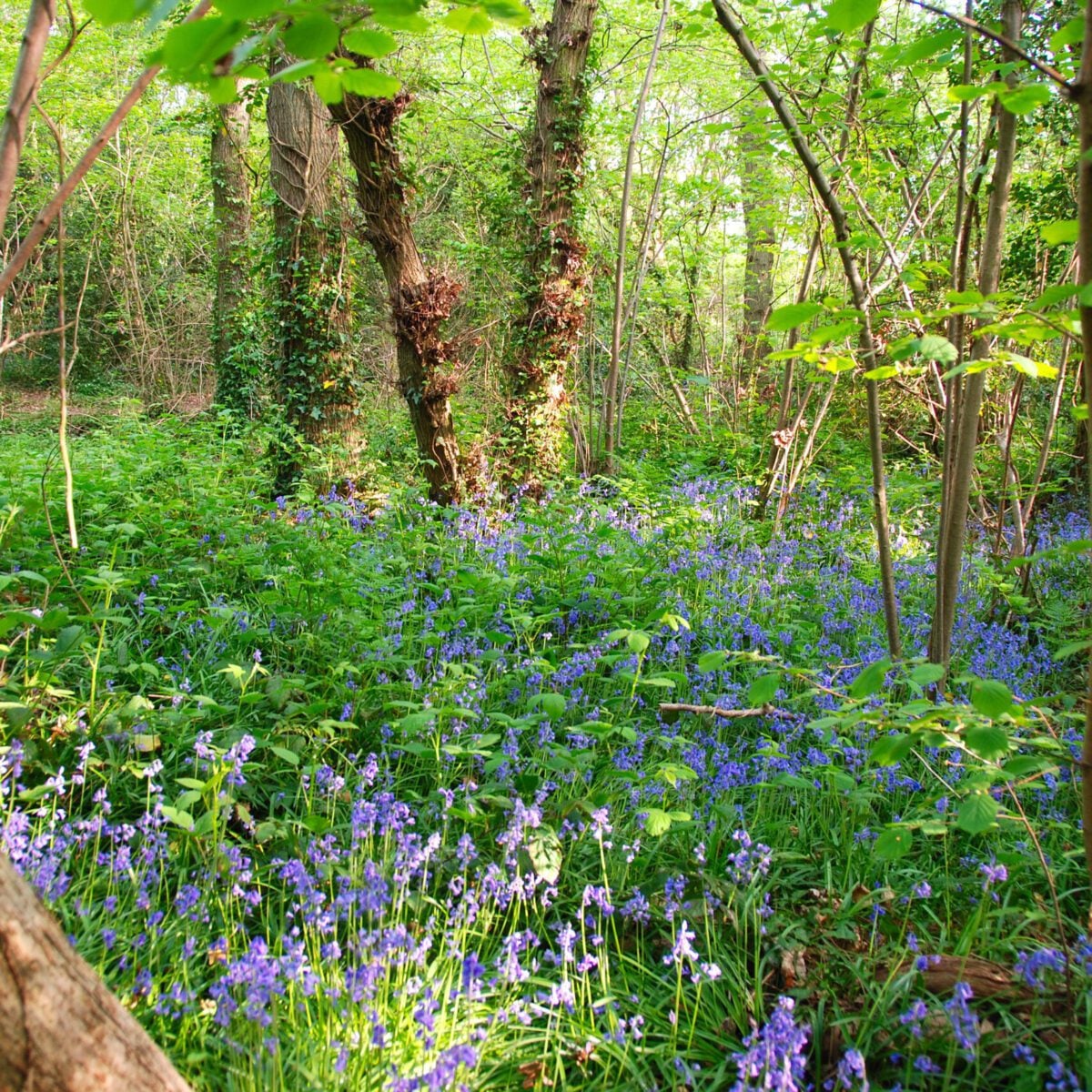
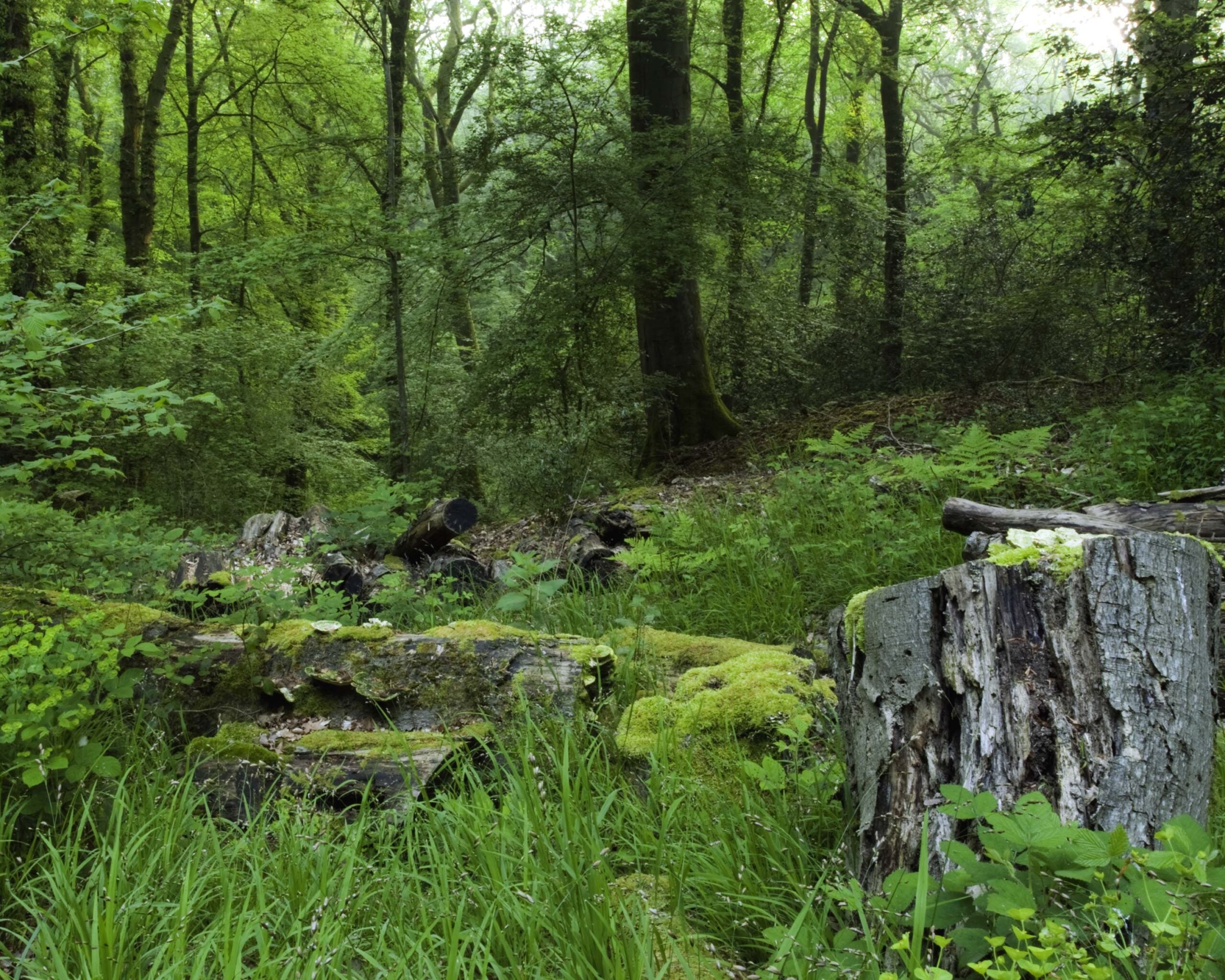
This large area of ancient woodland near Petworth has an untamed, unexplored and mysterious quality. Many people simply describe it as ‘wild’.
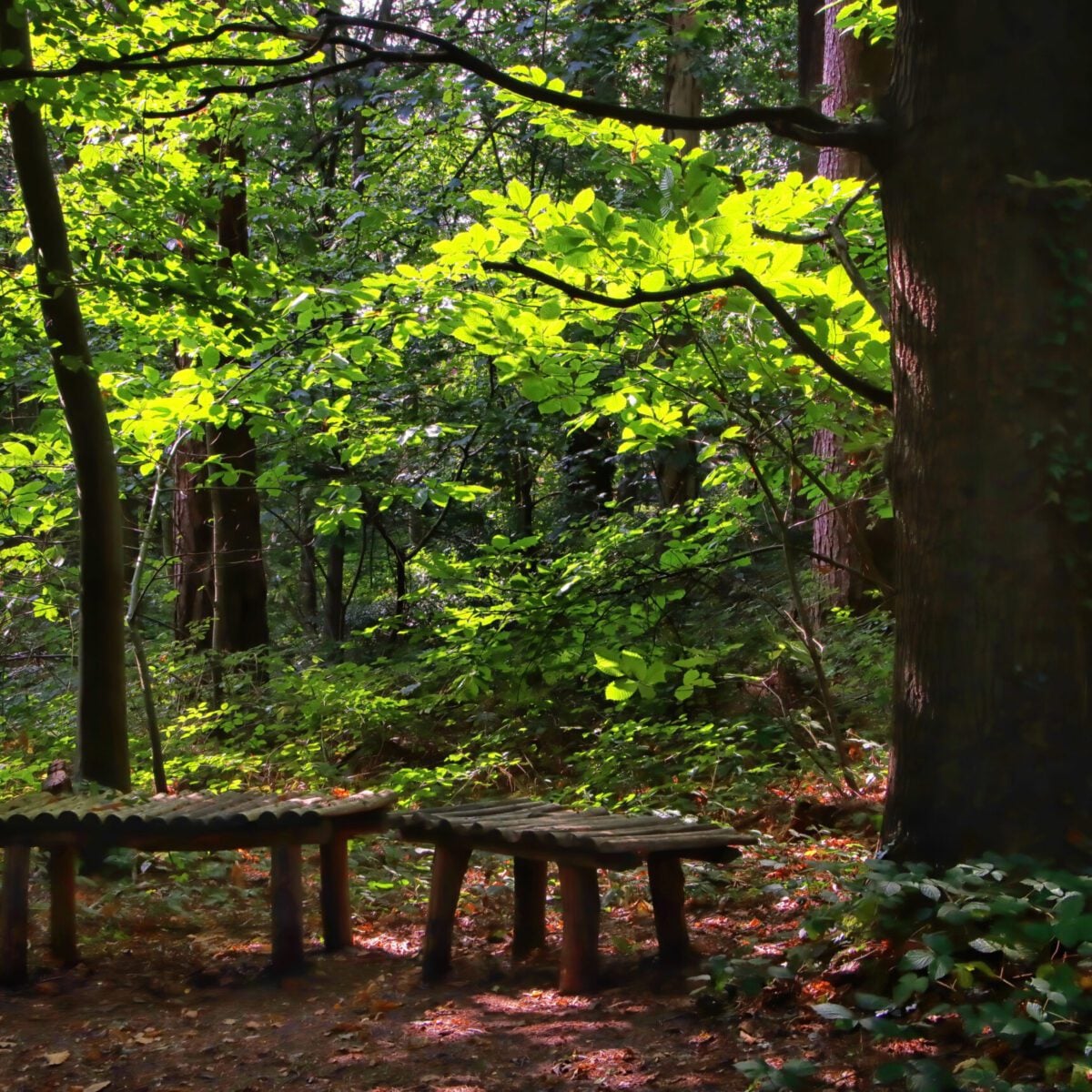
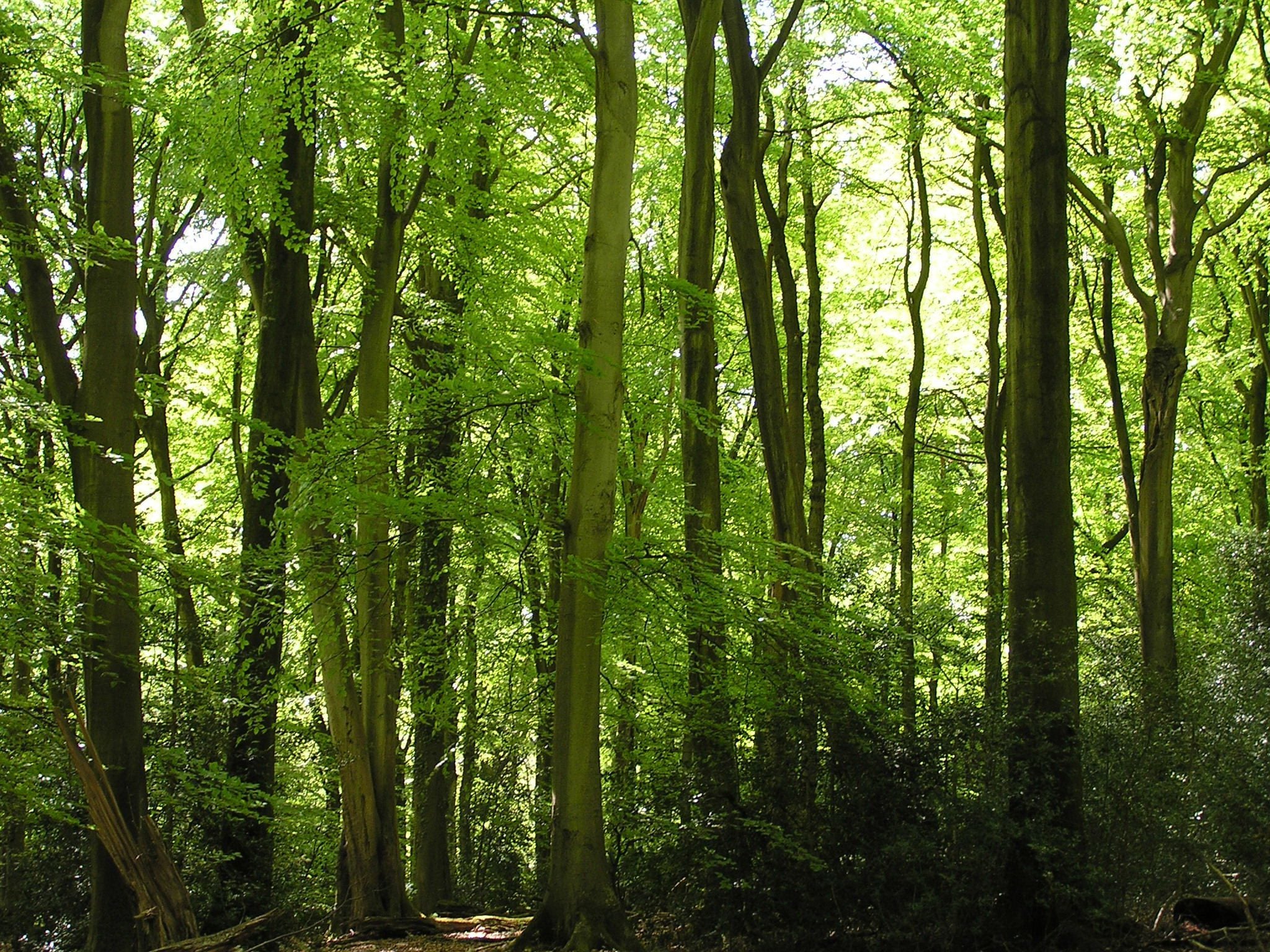
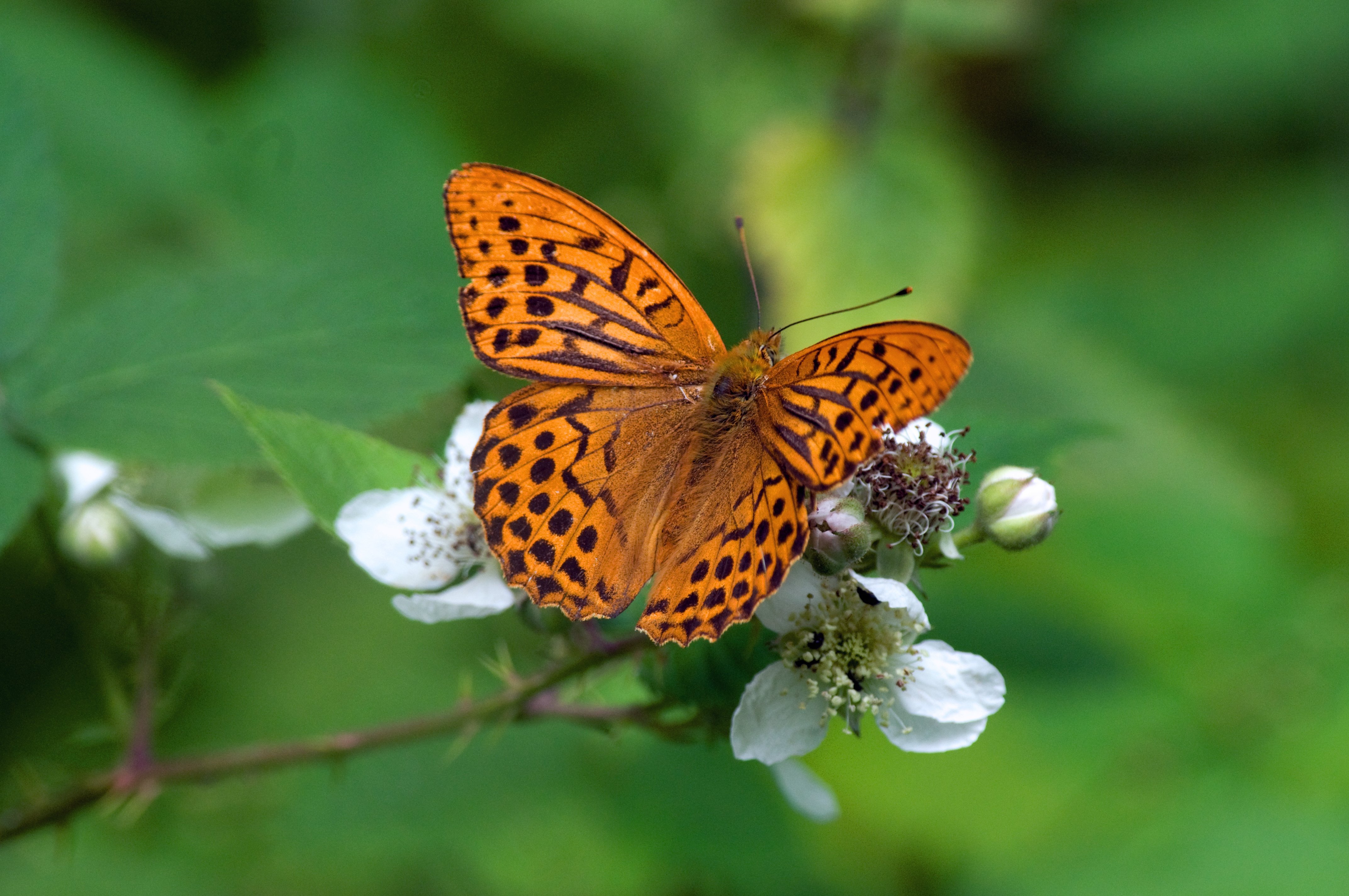
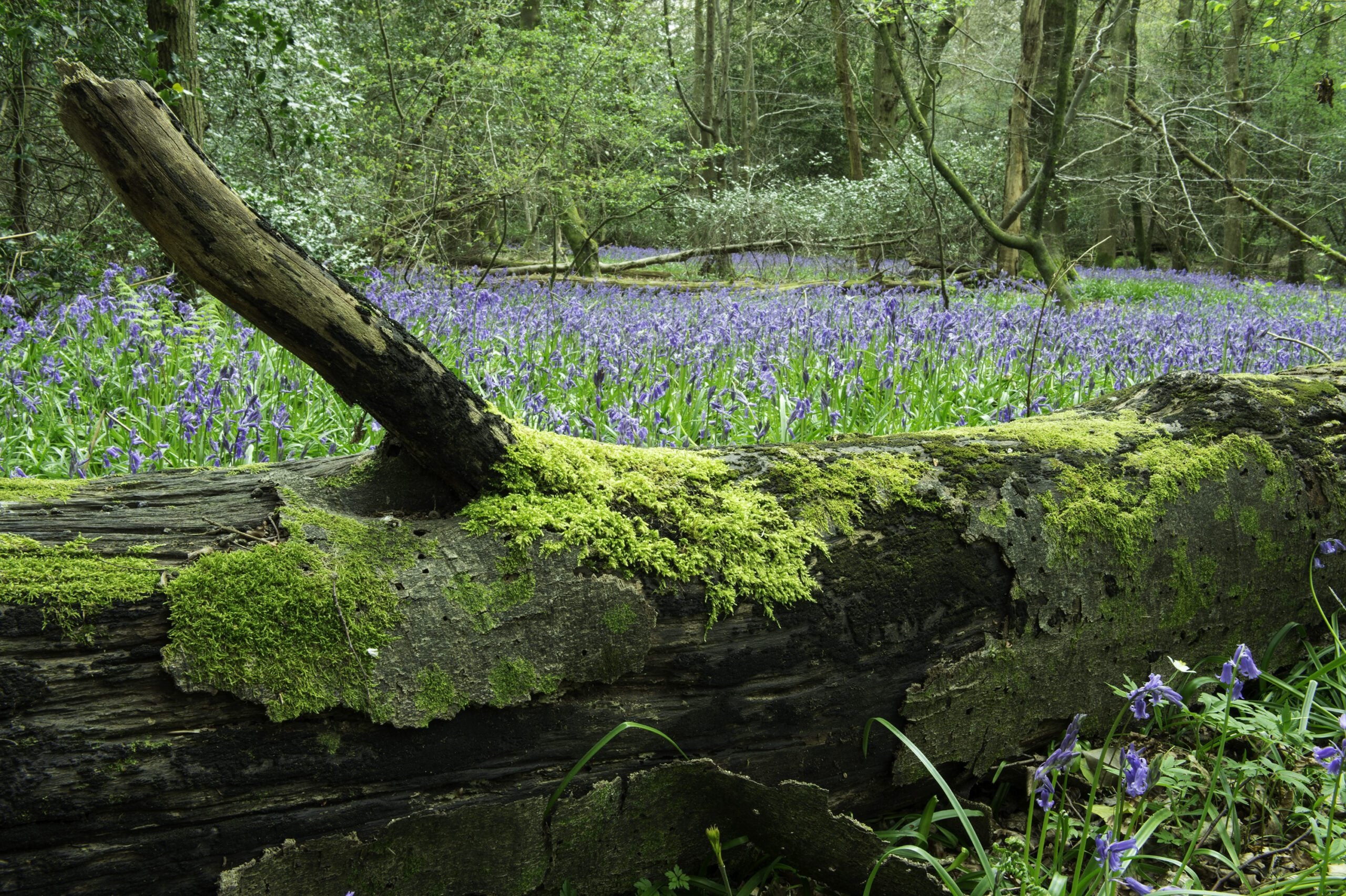
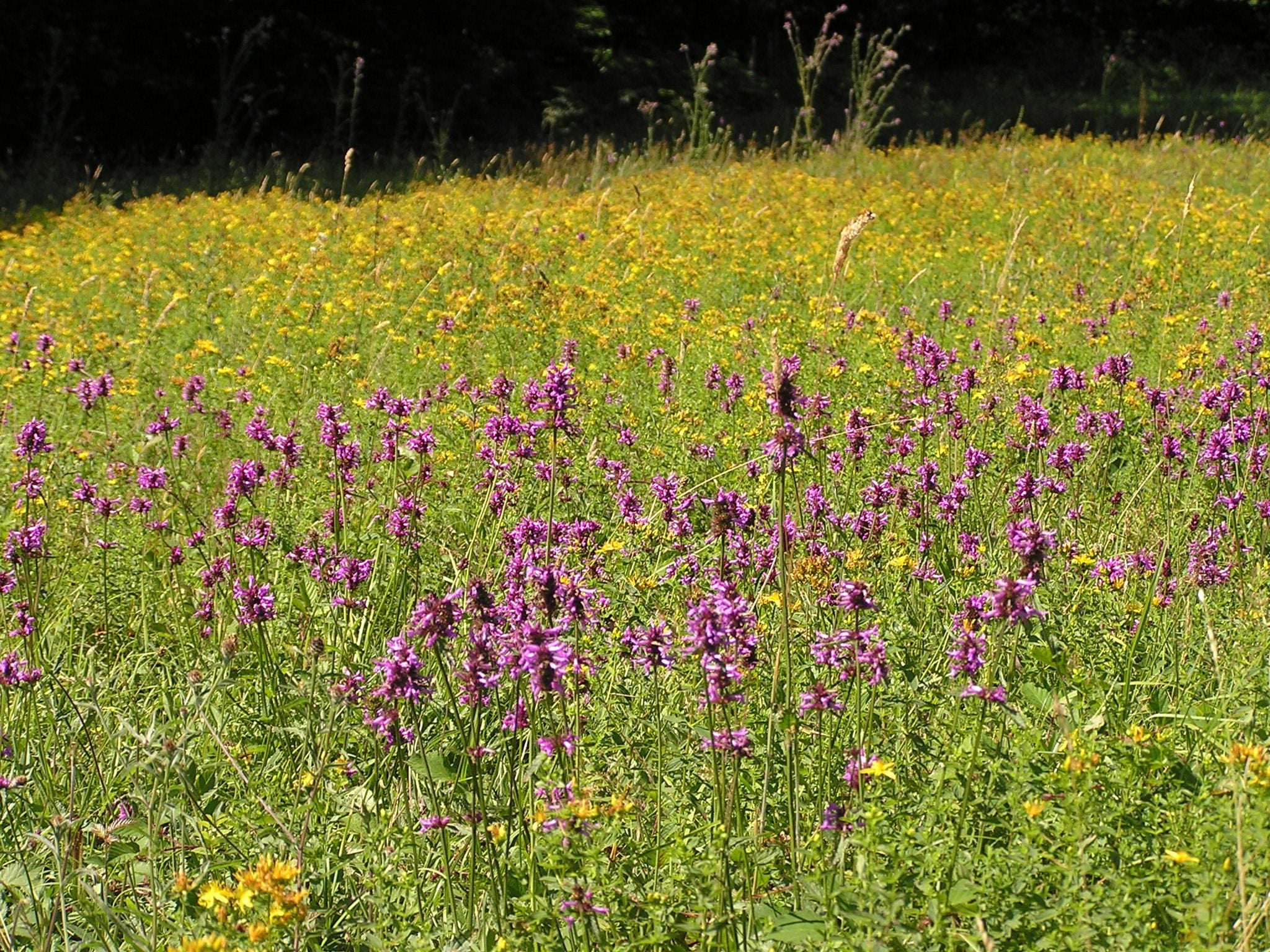
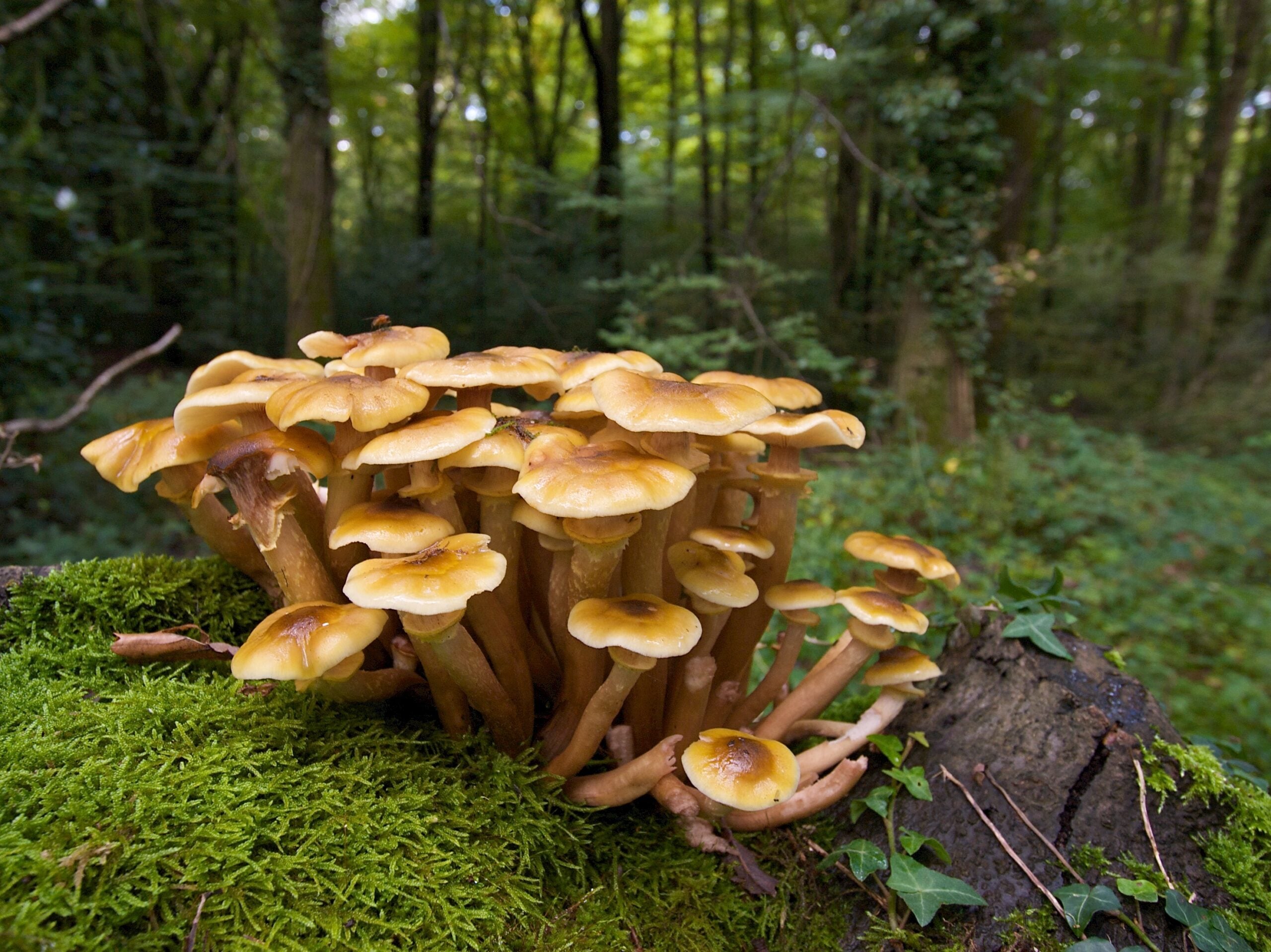
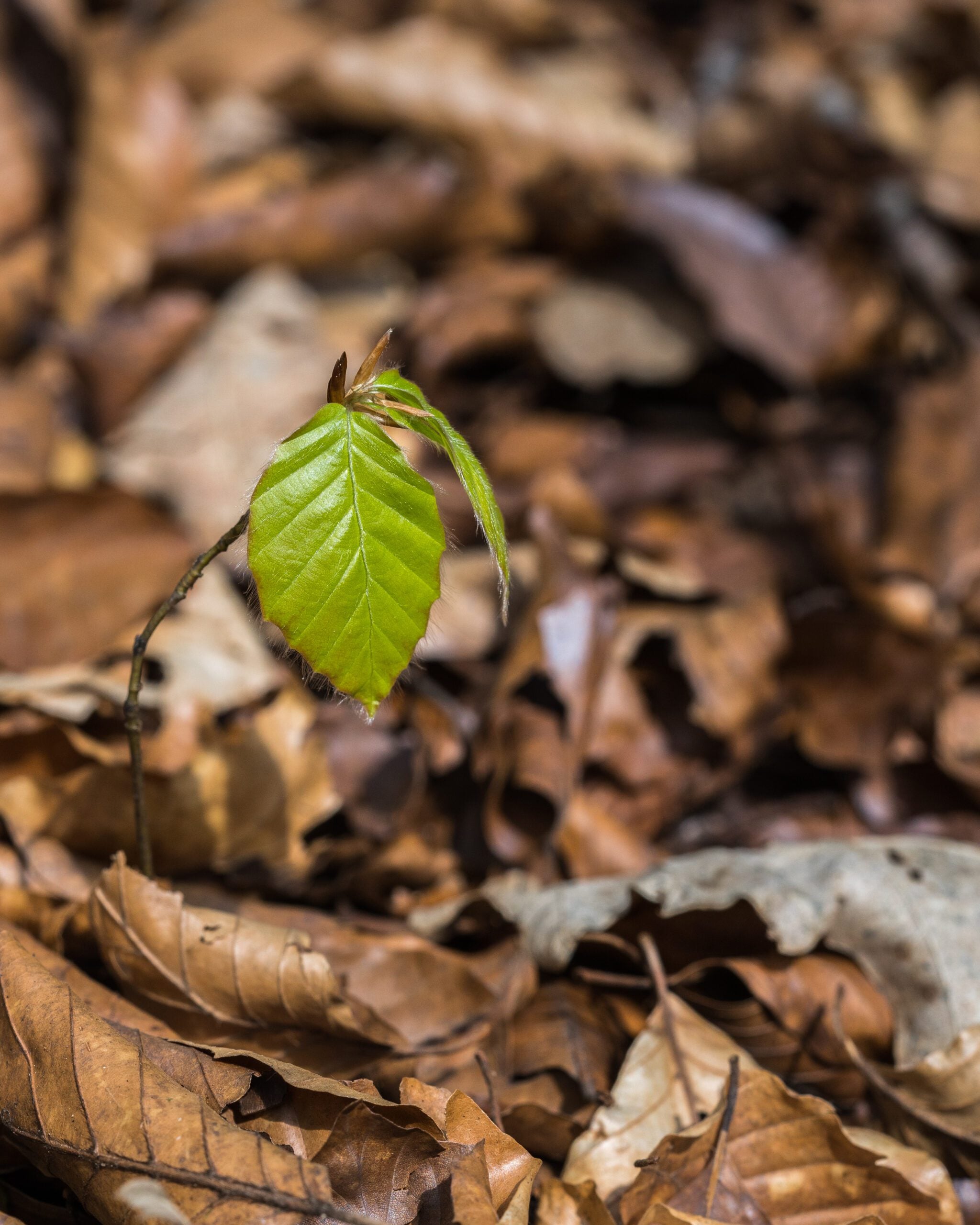
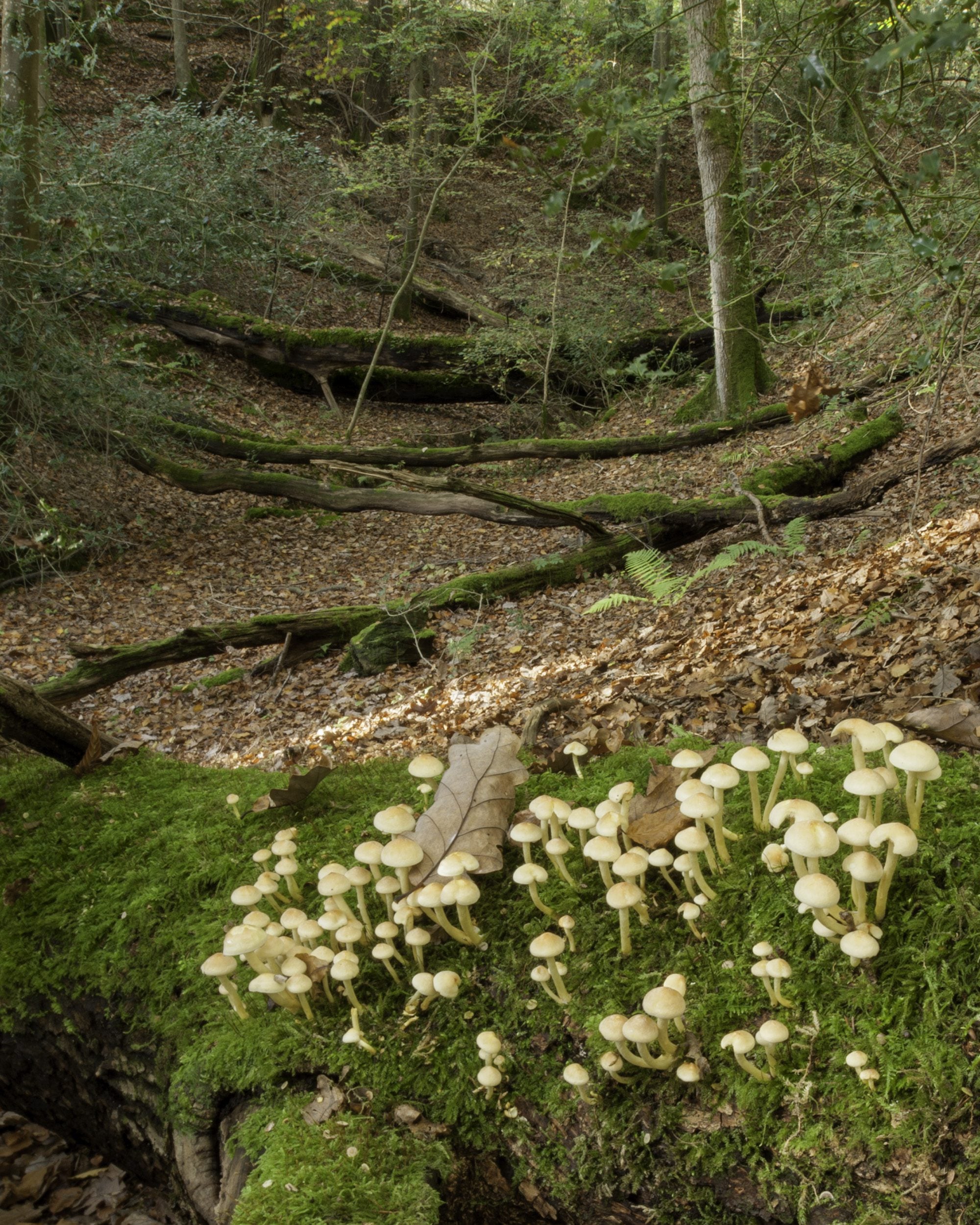
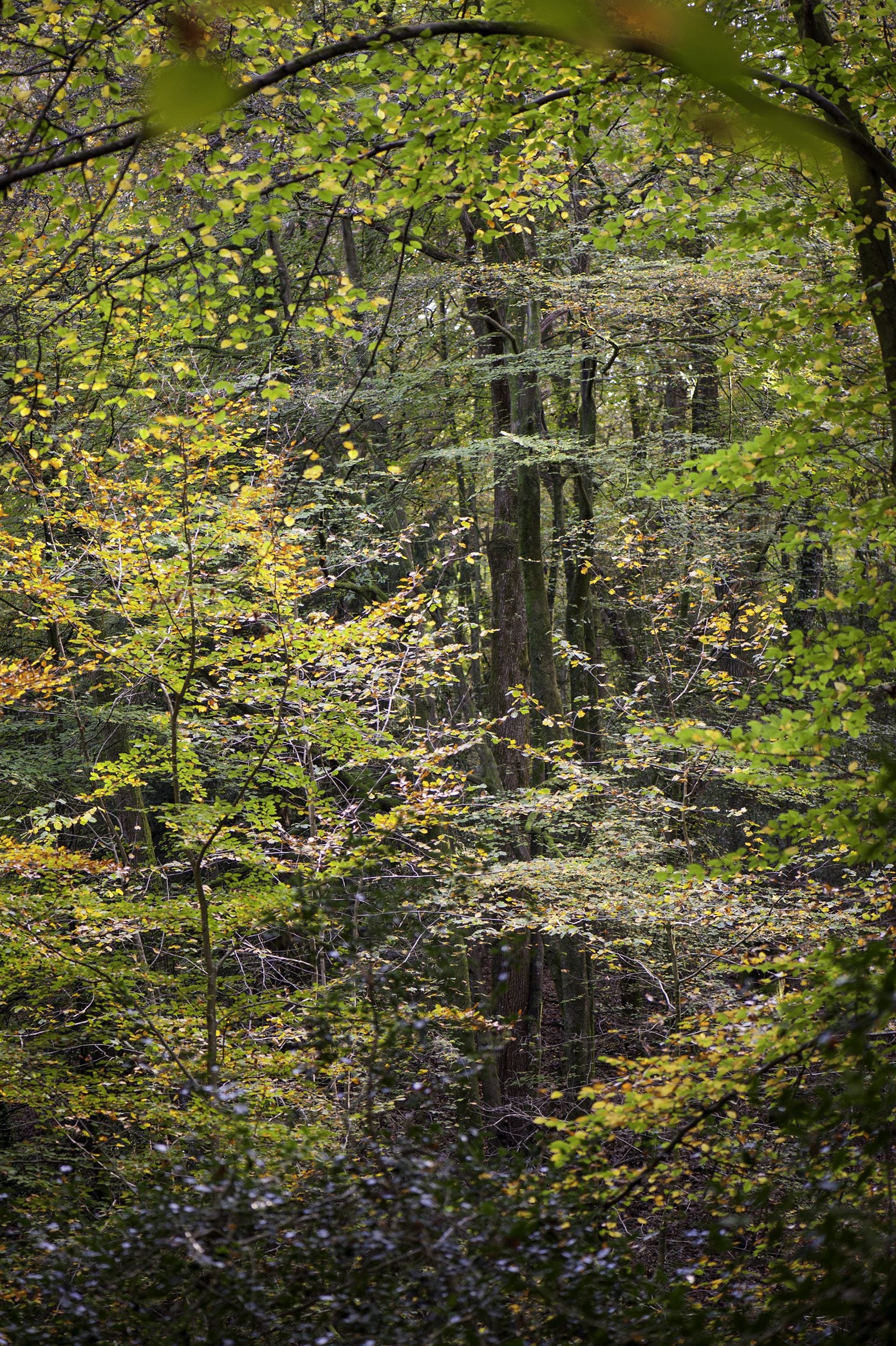
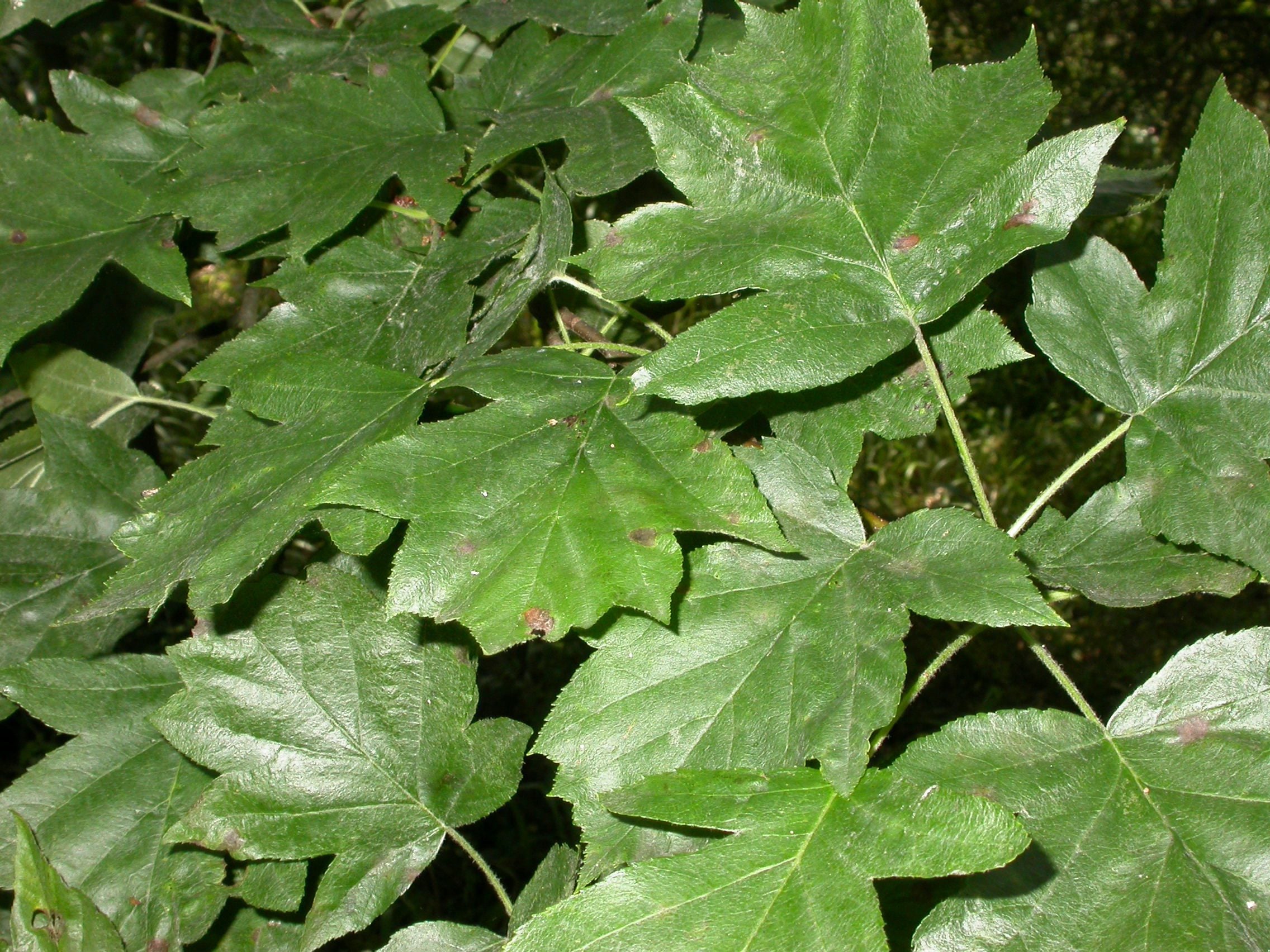
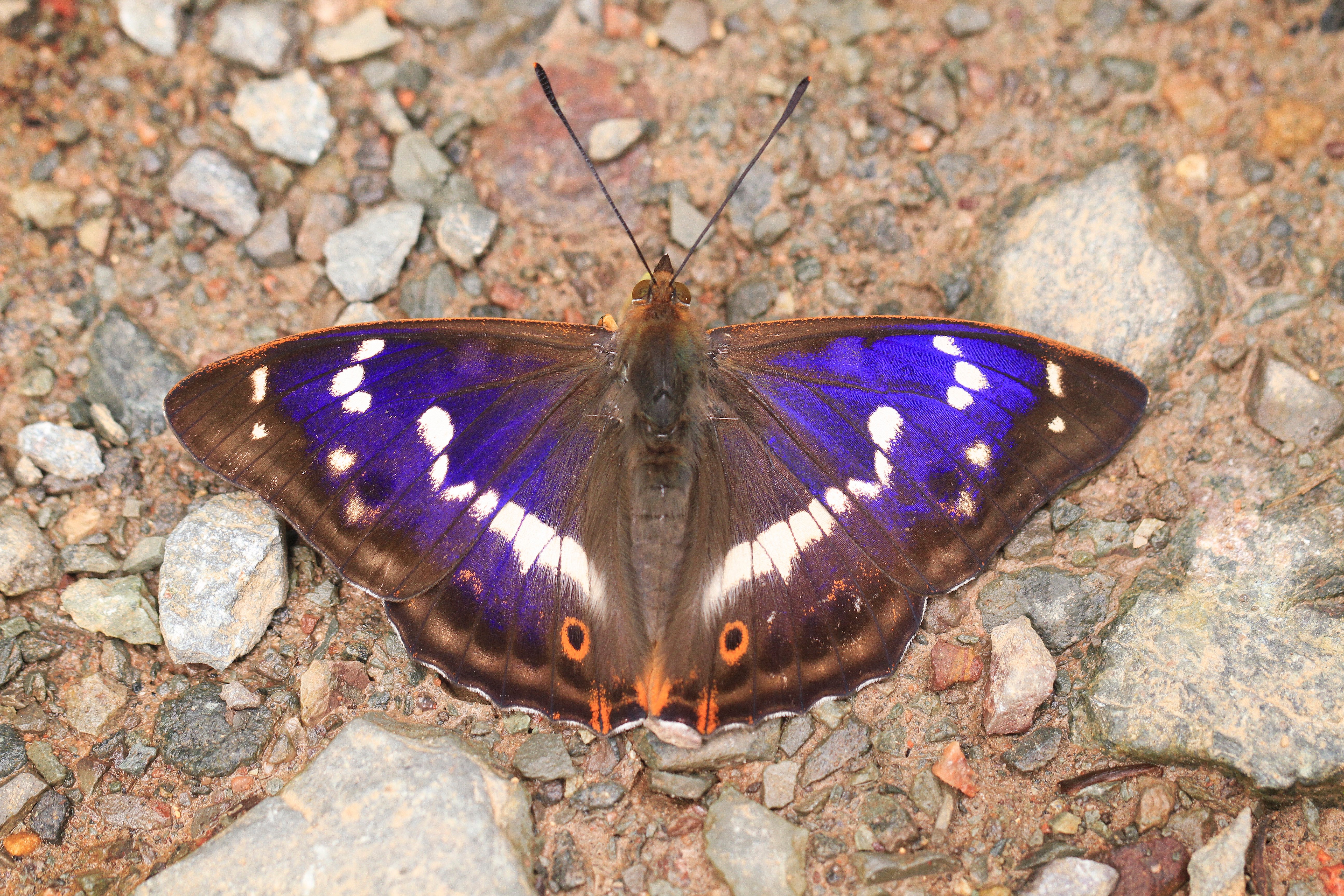
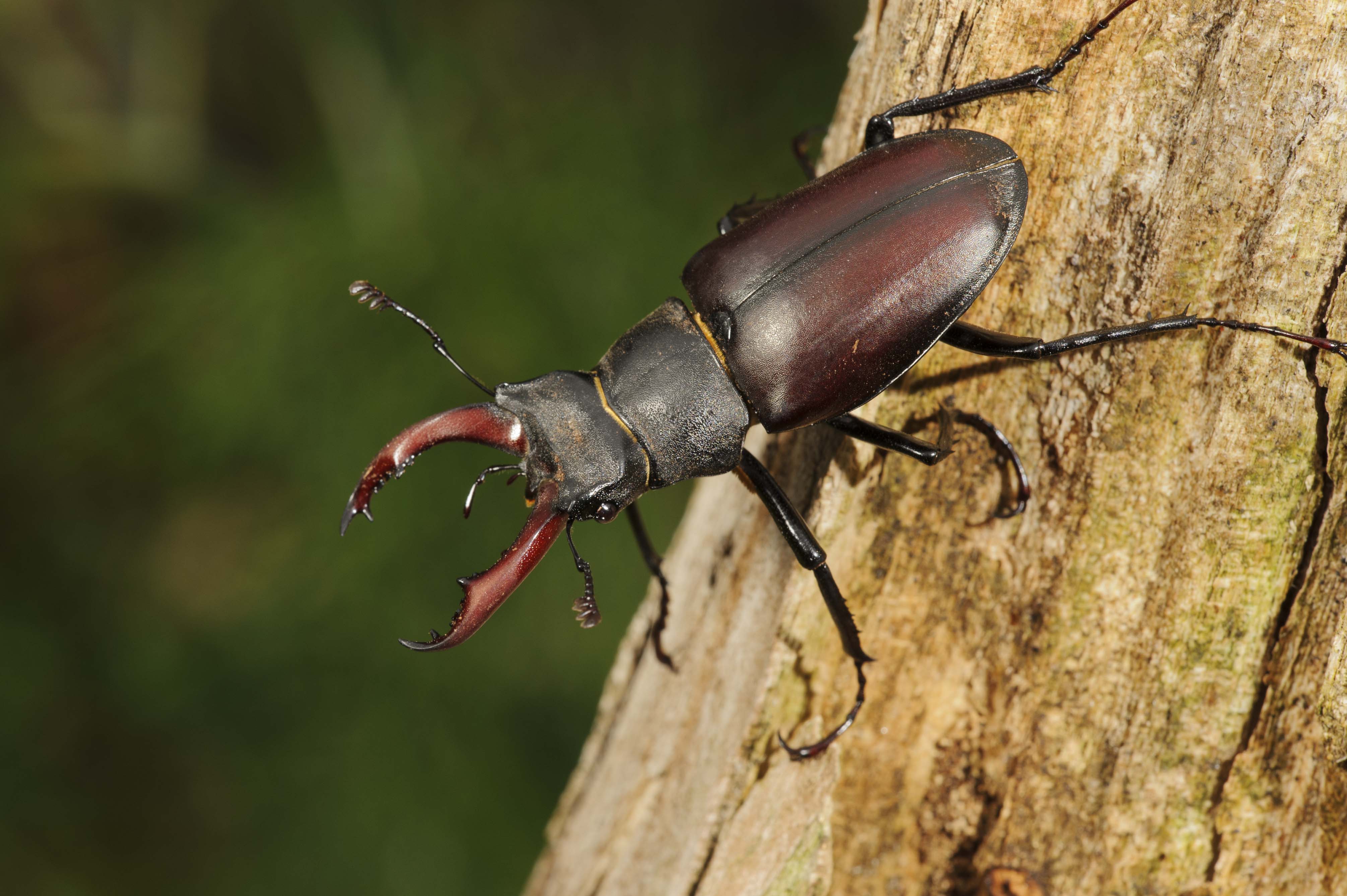
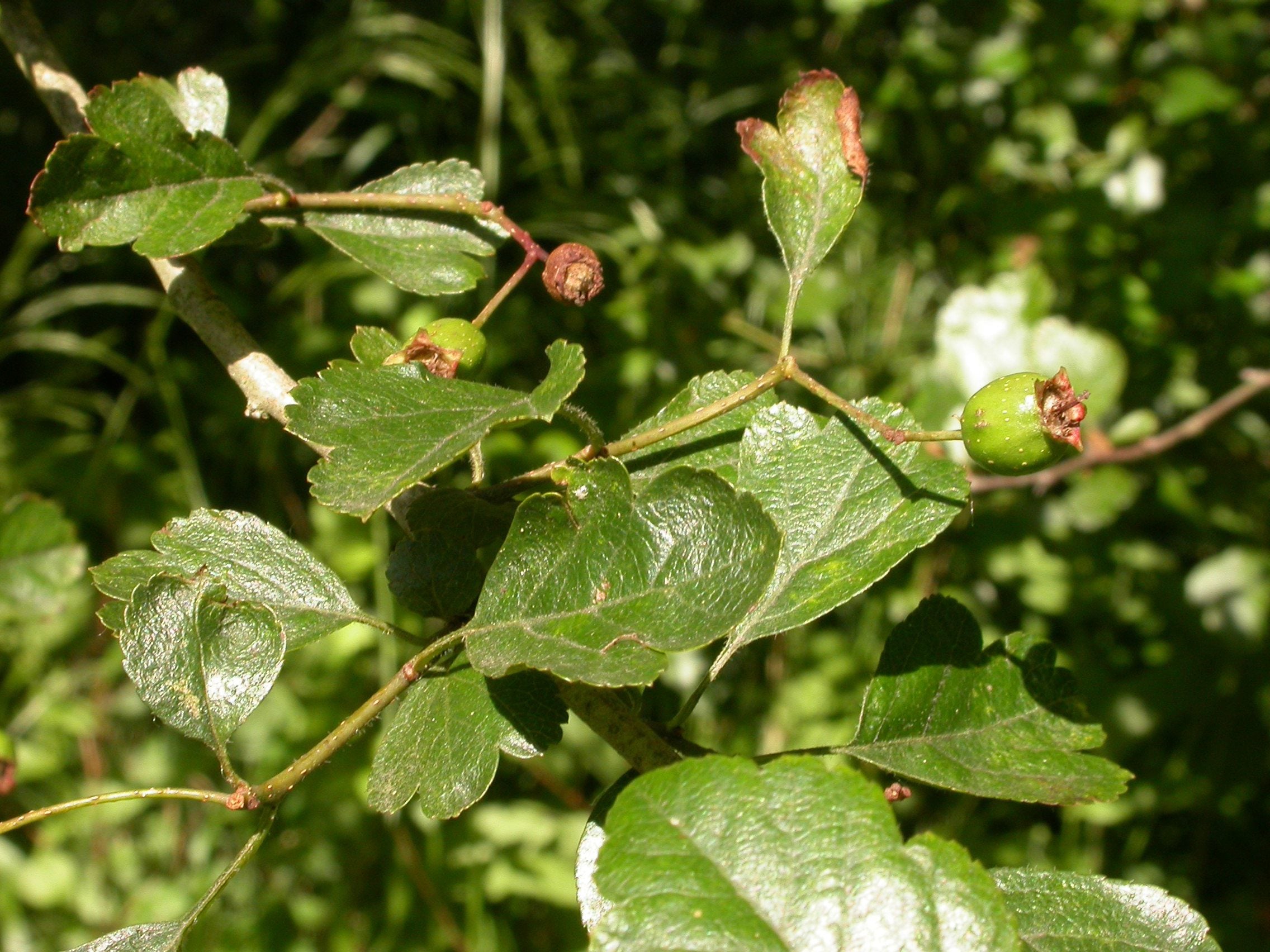
There are great towering cathedrals of Beech, filtering bright green light to the forest floor in spring sunshine. Fallen giants lie where they came down, slowly becoming home to hundreds of species of fungi, and rare invertebrates. Cavities in ancient trees offer safe spaces for birds and bats. Elsewhere Oak, Holly and Hawthorn create a more intimate atmosphere, alongside ancient woodland indicator species such as Yellow Archangel and Violet Helleborine. Nearly 600 species of fungi have been recorded here, along with some of Sussex’s most spectacular woodland butterflies. Please be aware that the fungi forms part of the reserve’s SSSI status, which means foraging or picking fungi here is illegal.


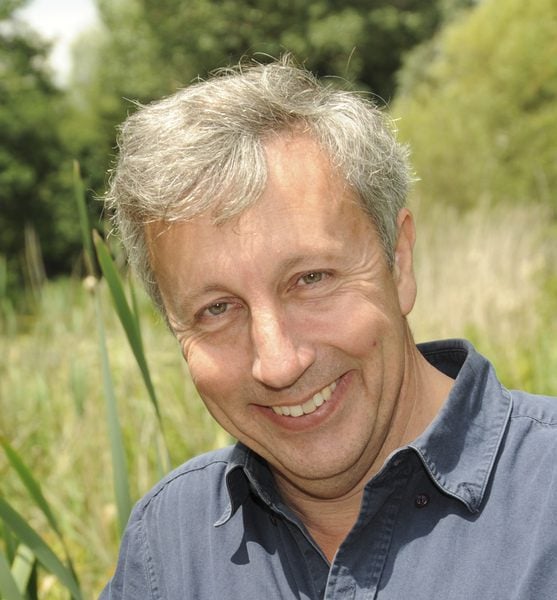
Dr Tony Whitbread Sussex Wildlife Trust PresidentPerhaps my favourite Sussex Wildlife Trust nature reserve, The Mens is a rare example of ‘old growth forest’. A wonderful tangle of old trees, shrubs, ancient woodland plants, rare fungi and insects.
Know before you go
Opening times
The reserve is open at all times
Free to visit
All our open reserves our free to visit, but if you enjoy your visit please consider donating to Sussex Wildlife Trust to help us manage these special places
Reserve size – 166 hectares
How to get here
Postcode: RH14 0HR
Three miles east of Petworth on the A272. Car park on Crimbourne Lane (the minor road to Hawkhurst Court).
Getting around
Flat throughout.
Paths can be very muddy – boots recommended.
Some tracks are bridleways. Easy to get lost in this large reserve, a map is helpful.
Dogs welcome on leads
Dogs are welcome but please keep them under close control and clean up after your dog.
Toilets
Toilets are available nearby in Wisborough Green and Billingshurst.
Check Toilet Map for a range of options.
Dos and don’ts
- Foraging is forbidden on all our reserves
- Enjoy the fungi in situ and without picking or collecting
- Take your litter home
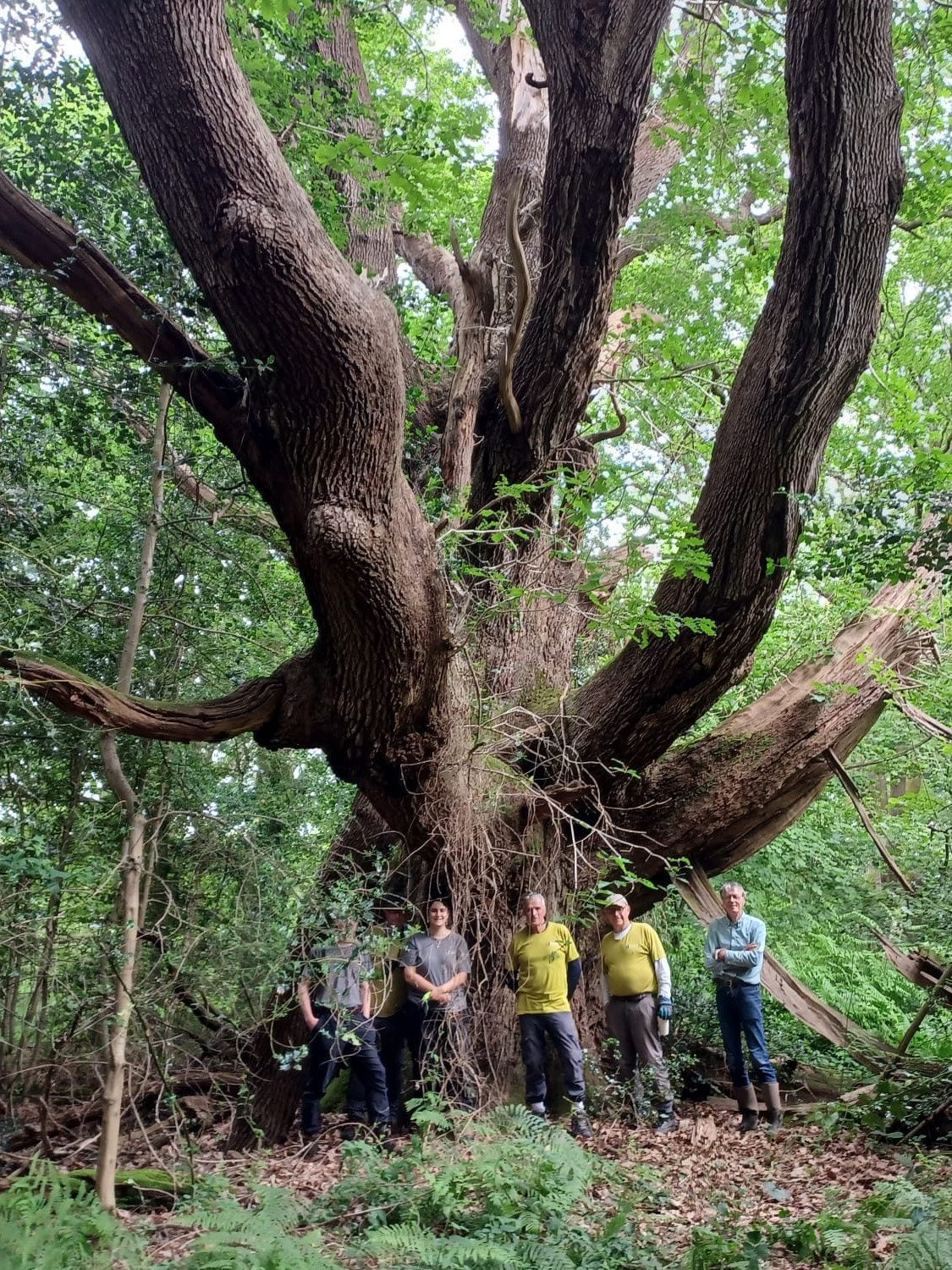 Idehurst Oak © Sarah Quantrill
The story of the reserve
The name comes from the Anglo-Saxon ‘ge-maennes’, meaning common land and people have had a relationship with this woodland for a very long time. Over the centuries it shifted from open wood pasture, grazed beneath spreading parkland trees, to the dense high forest you find today. Since coming into our care, the policy has been to let nature take the lead. Fallen trees are left where they lie, and the deadwood they become is some of the most valuable habitat on the reserve. Research planned over the coming years will compare what happens here with managed woodland sites nearby.
The Mens is connected to the wider West Weald wooded landscape, including Ebernoe Wildlands, and is designated as a Special Area of Conservation, partly for its outstanding bryophytes and lichens.
Did you know?
The Idehurst Oak
This ancient Oak has a girth of over six metres and is likely to be over 500 years old!
Fungi-tastic
Nearly 600 species of fungi have been recorded at The Mens.
Marvellous mushrooms
Many of the fungi found here have incredible names such as Jellybabies, Sulphur Knights and Powdery Piggybacks.
Glorious decay
Lots of the largest fallen trees came down in the Great Storm of 1987 and have been quietly decomposing and sheltering wildlife ever since.