
 Ghost Birds © Gesine Garz
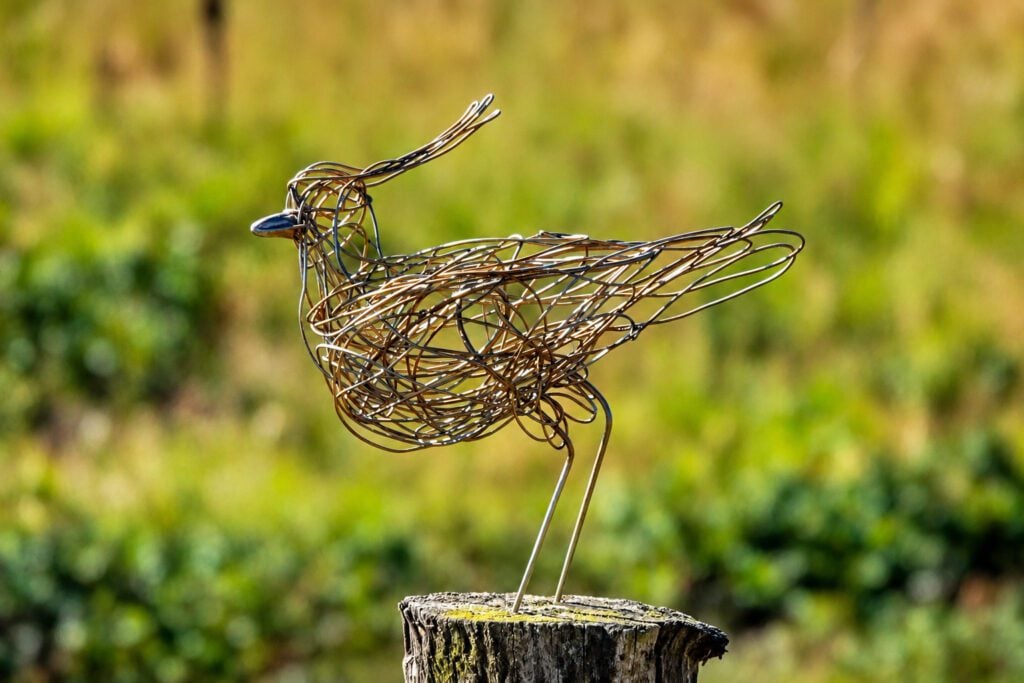 Ghost Birds © Gesine Garz
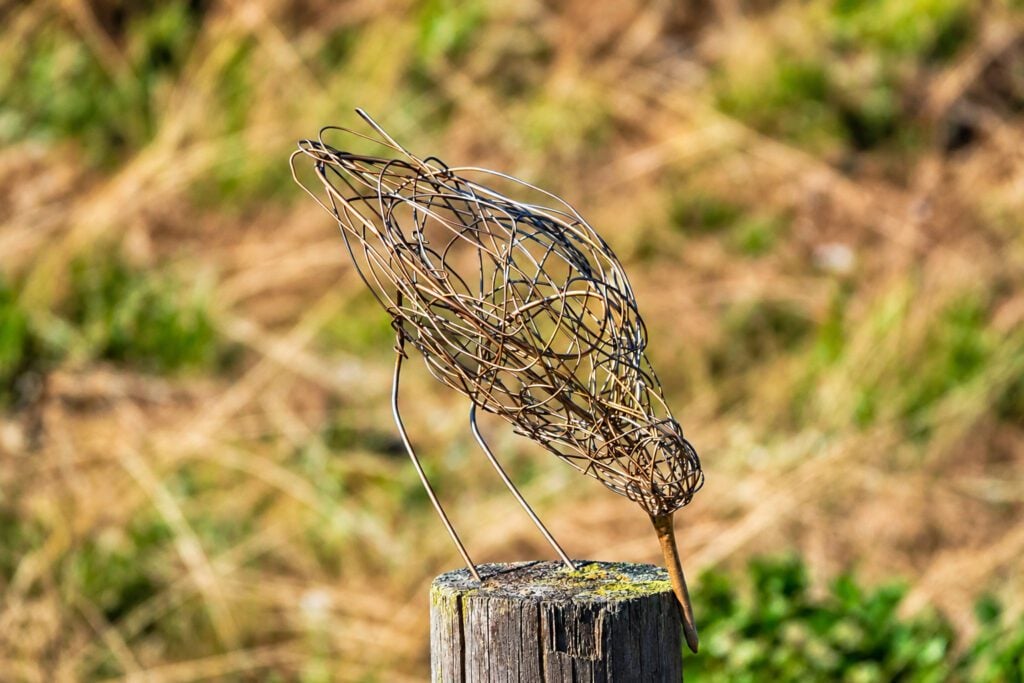 Ghost Birds © Gesine Garz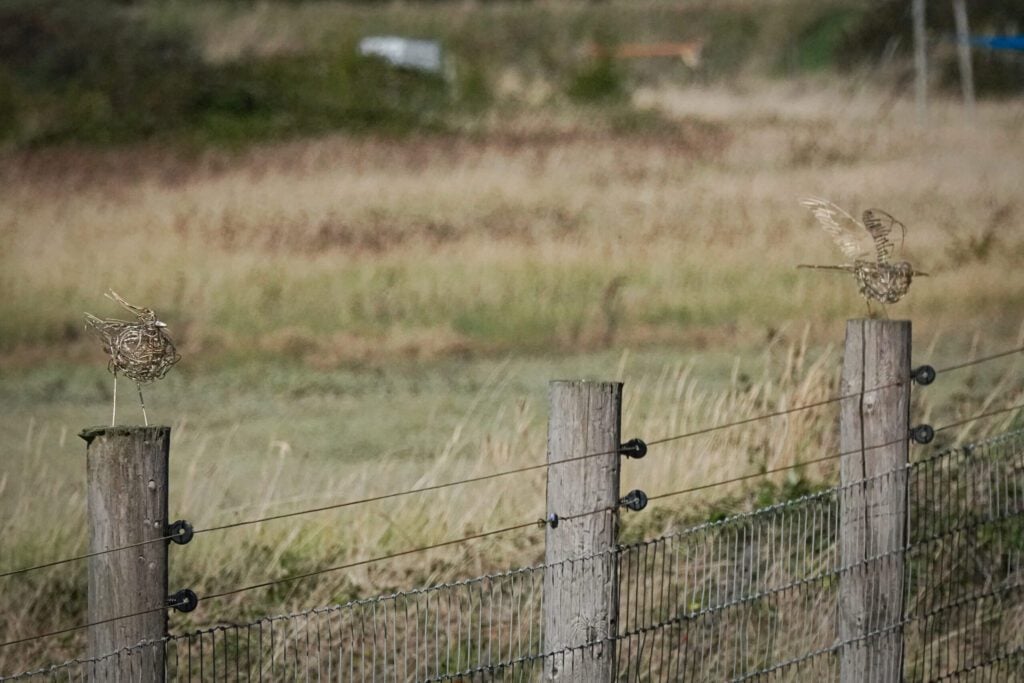
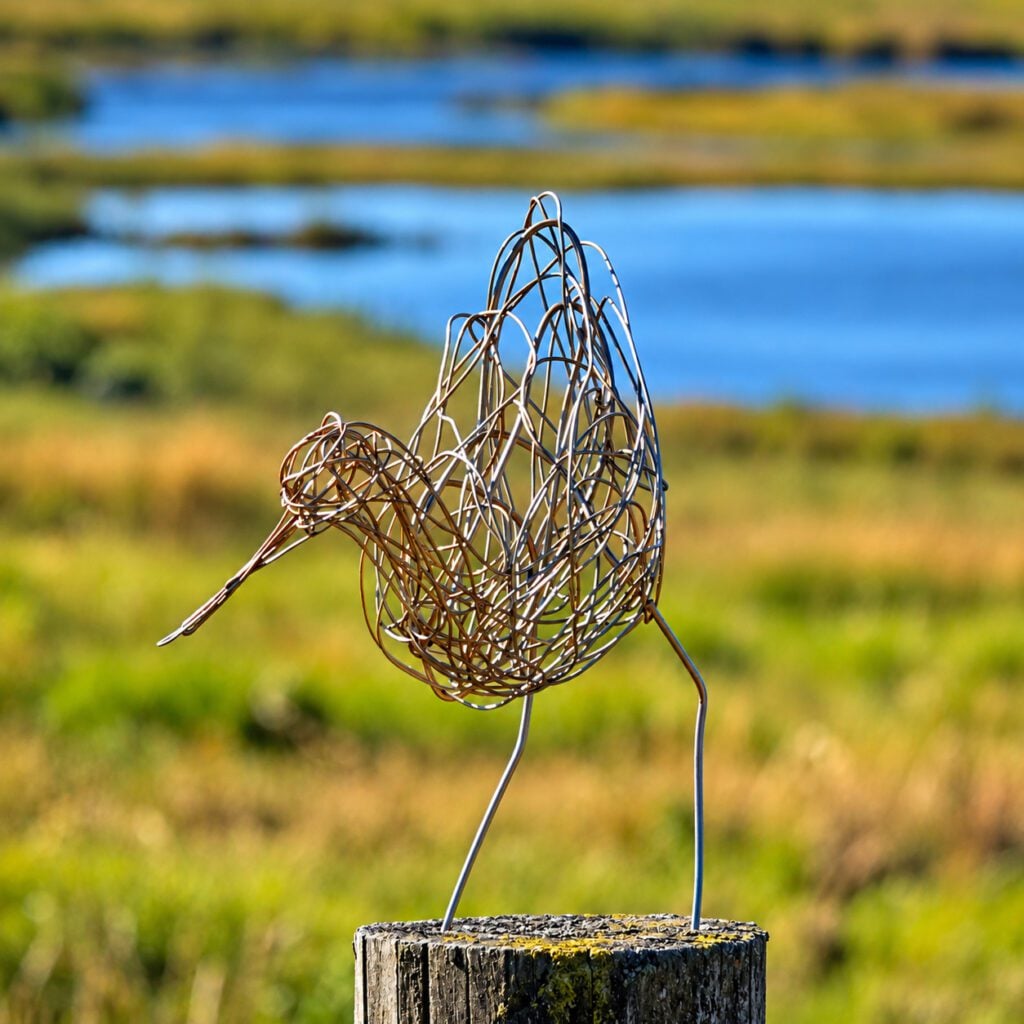 Ghost Birds © Gesine Garz
How long have you been making bird sculptures?
I switched from two dimensions to three dimensional art work about 14 years ago, so this autumn I’ve challenged myself to complete a series of wildlife studies in oil paint. I was inspired to do this by joining Cy Baker’s workshop at the Reserve this year.
How did you choose the birds to create for RHNR?
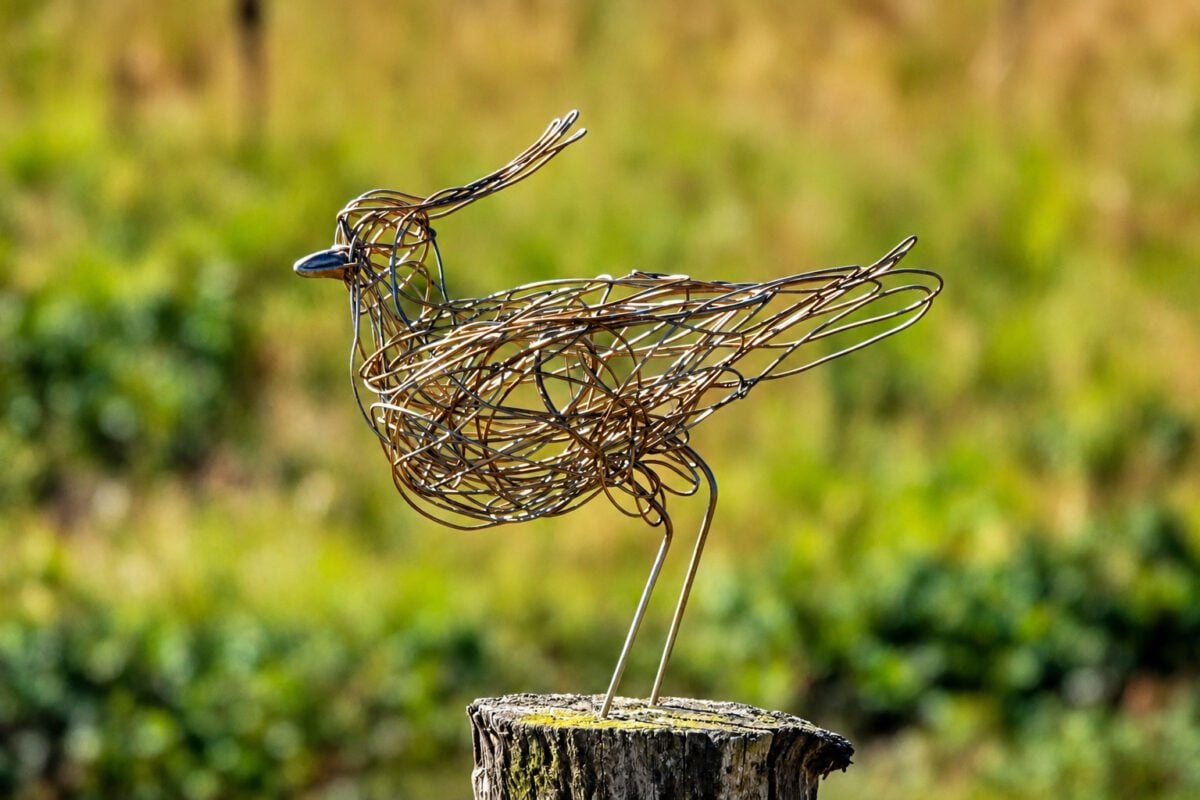
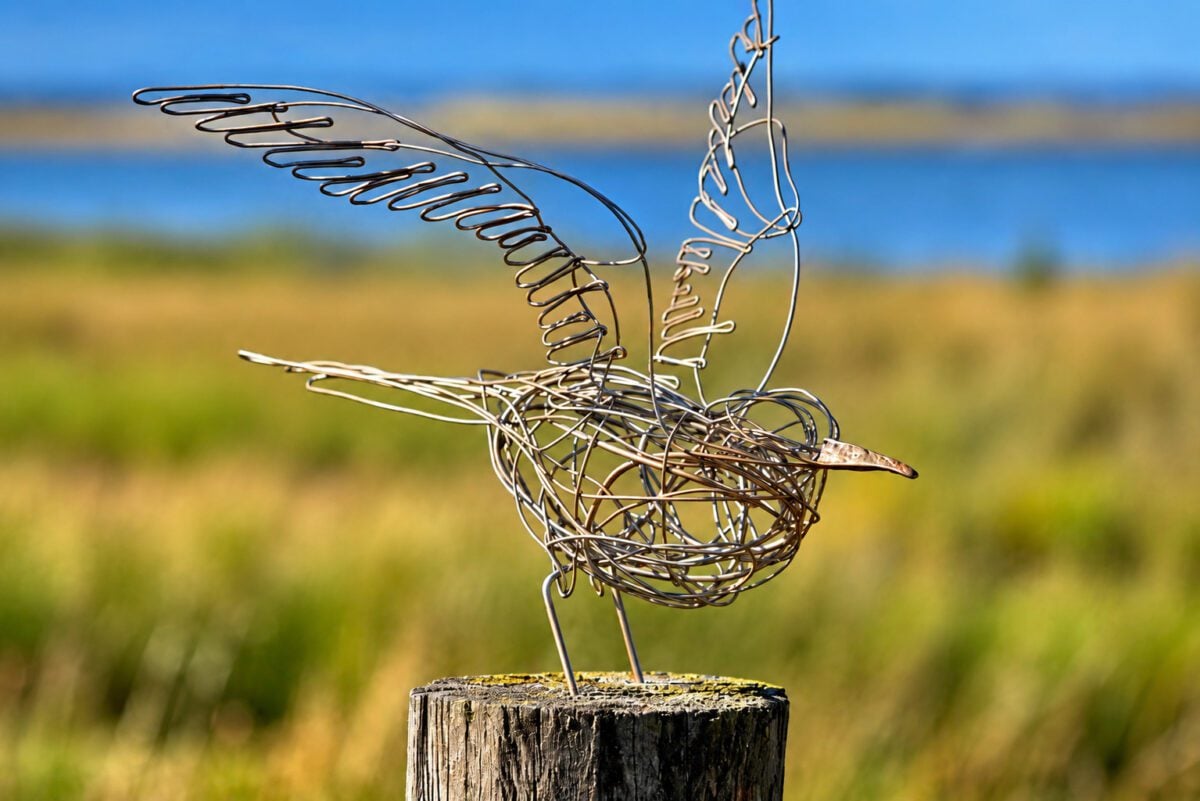
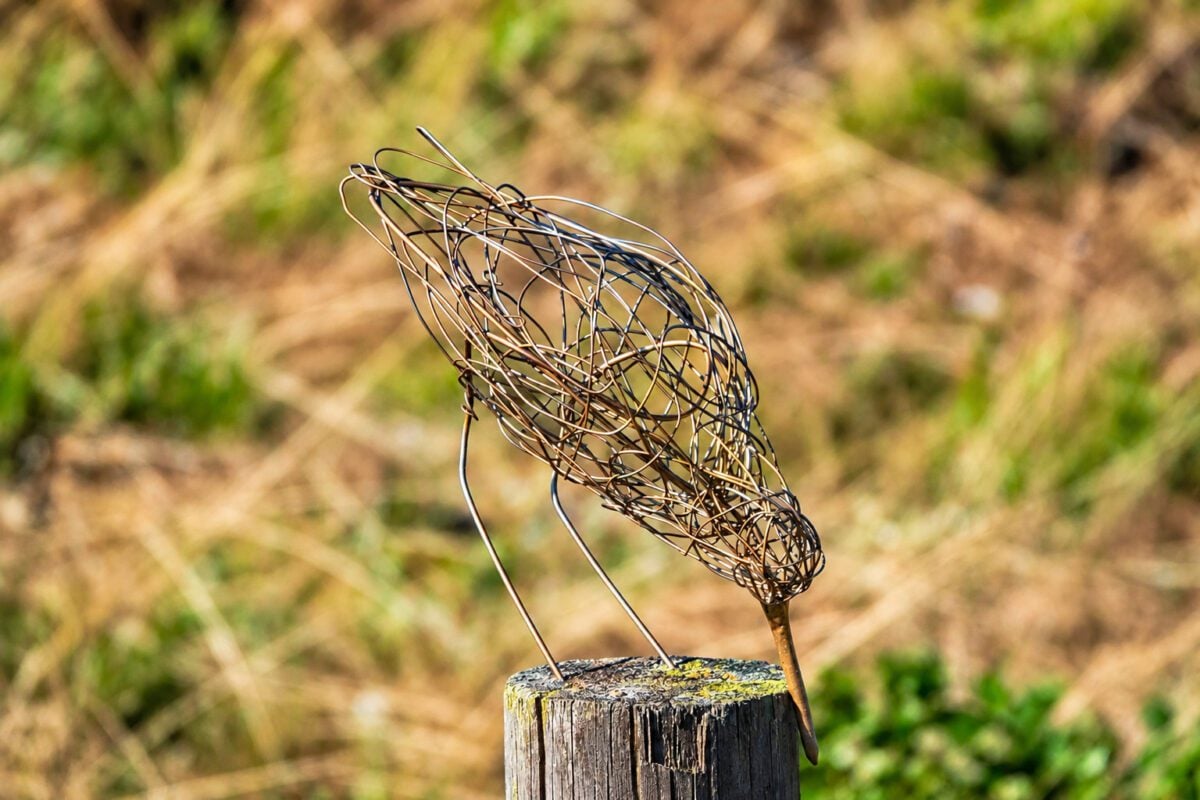
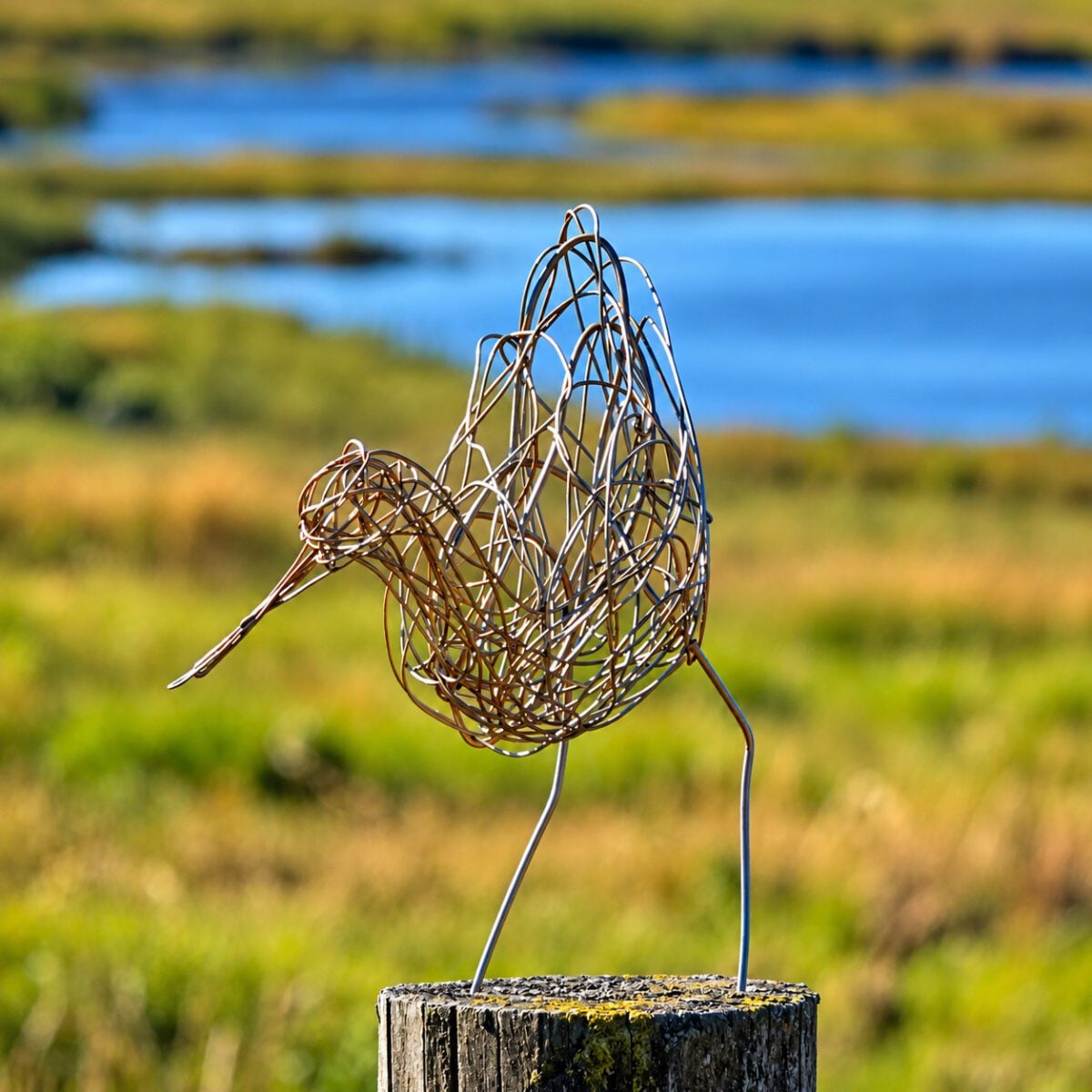
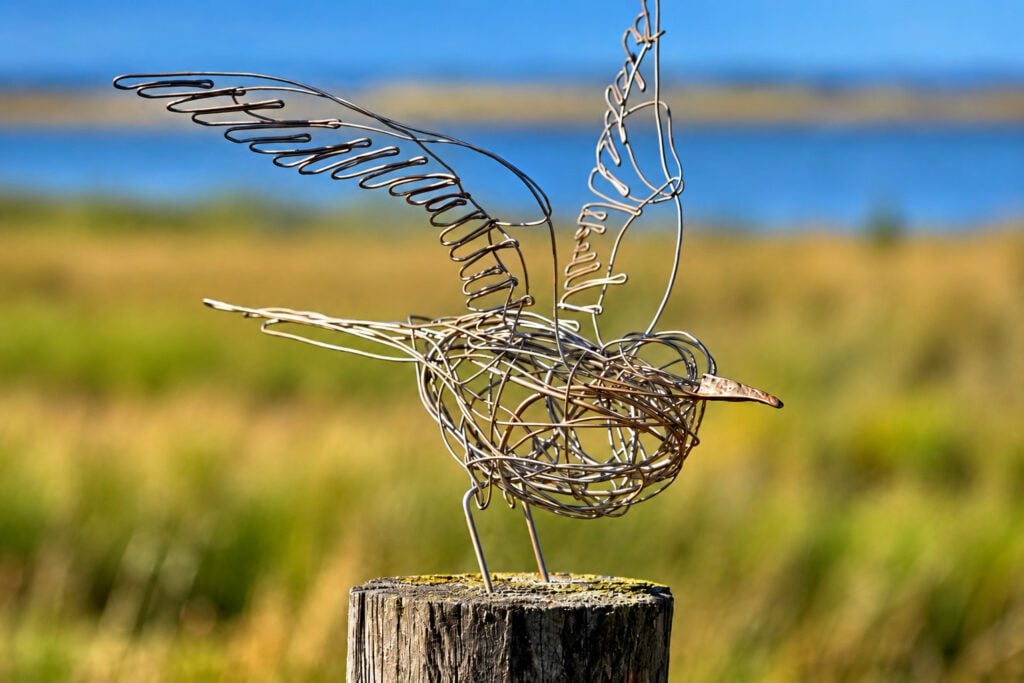
Each of the five ghost birds species that I chose to make for the Reserve can be seen there in the
flesh, either seasonally or year around. It’s particularly important to me to have seen the creatures
that I make, although I do use multiple images of my subject, from all angles, when I am sculpting.
I need to capture both the anatomy and character of each bird.
However with a site-specific piece it’s not possible to be sure that they would look natural until
the birds are in position.
What are they made of and where do you get the reclaimed materials?
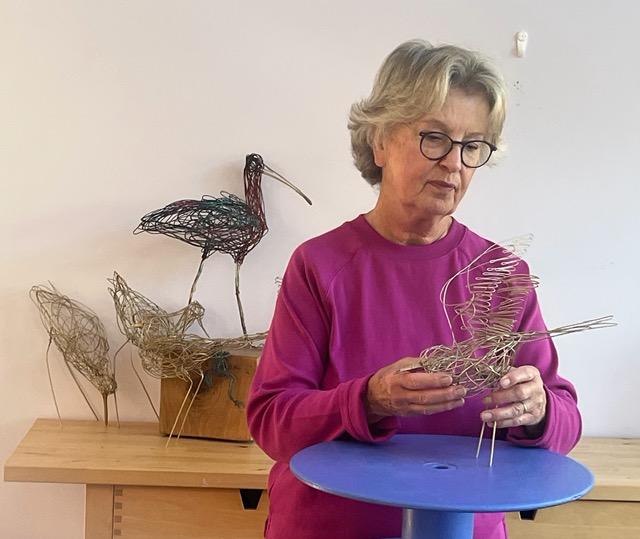
I started experimenting with twisting discarded wire into bird shapes when our builders left behind
armoured cable and I had several muselets (the wire that holds the cork in sparkling wine) after
celebrations.
When the builders’ waste ran out I went to scrap yards. I now take examples of my sculpture to
the scrap yard so that they understand why I want to sort through their greasy piles of cable and
why I’m prepared to unplait many metres of cable when I get it home.
How long does it take to make a bird?
I made the five ghost birds over a period of about two weeks. But before that I’d made a curlew
and mounted it on an offcut oak structural timber (left by, of course, by builders) in the garden and
checked how it overwintered in the garden. The wind passes straight through it I was relieved to
note.
What’s your favourite bird and why?
I particularly enjoy making colourful birds from warmer temperatures such as bee eaters and
rollers, but for durability and subtlety I sealed the ghost birds at the Reserve in a single colour. I
don’t mind if it takes experienced birders a little while to identify them, or even for passers-by to
notice that the birds are there at all.
I sculpt both birds and small animals – mostly life size or two thirds life sized for larger sculptures.
I’m particularly fond of mustelids, such as badgers, weasels and martens, so it’s ironic that the
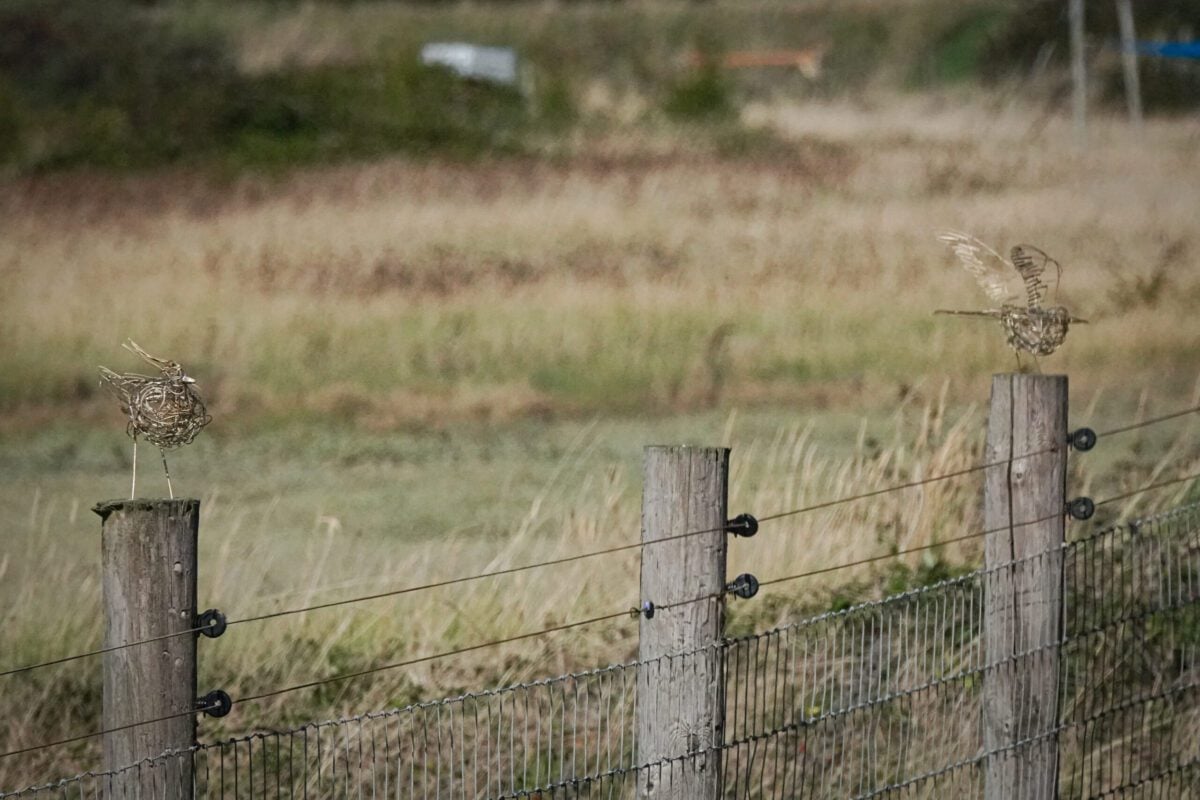
Ghost Birds are lording it over the electrified fence that’s keeping those predators from their nests.
Is your work always displayed outside or is this new?
Since moving to a house with space around it and having off cuts of oak left by builders I’ve been making outdoor animals in wire and mounting them on oak plinths. They’ve weathered surprisingly well, and they gave me the confidence to make the Ghost Birds especially for the predator fence at the Reserve, knowing that they will face all sorts of weather there this autumn.
You took your granddaughters to the reserve to see a ‘surprise’, we’d love to know if they found your sculptures?
Yes, the granddaughters were surprisingly quick to spot grandma’s work.
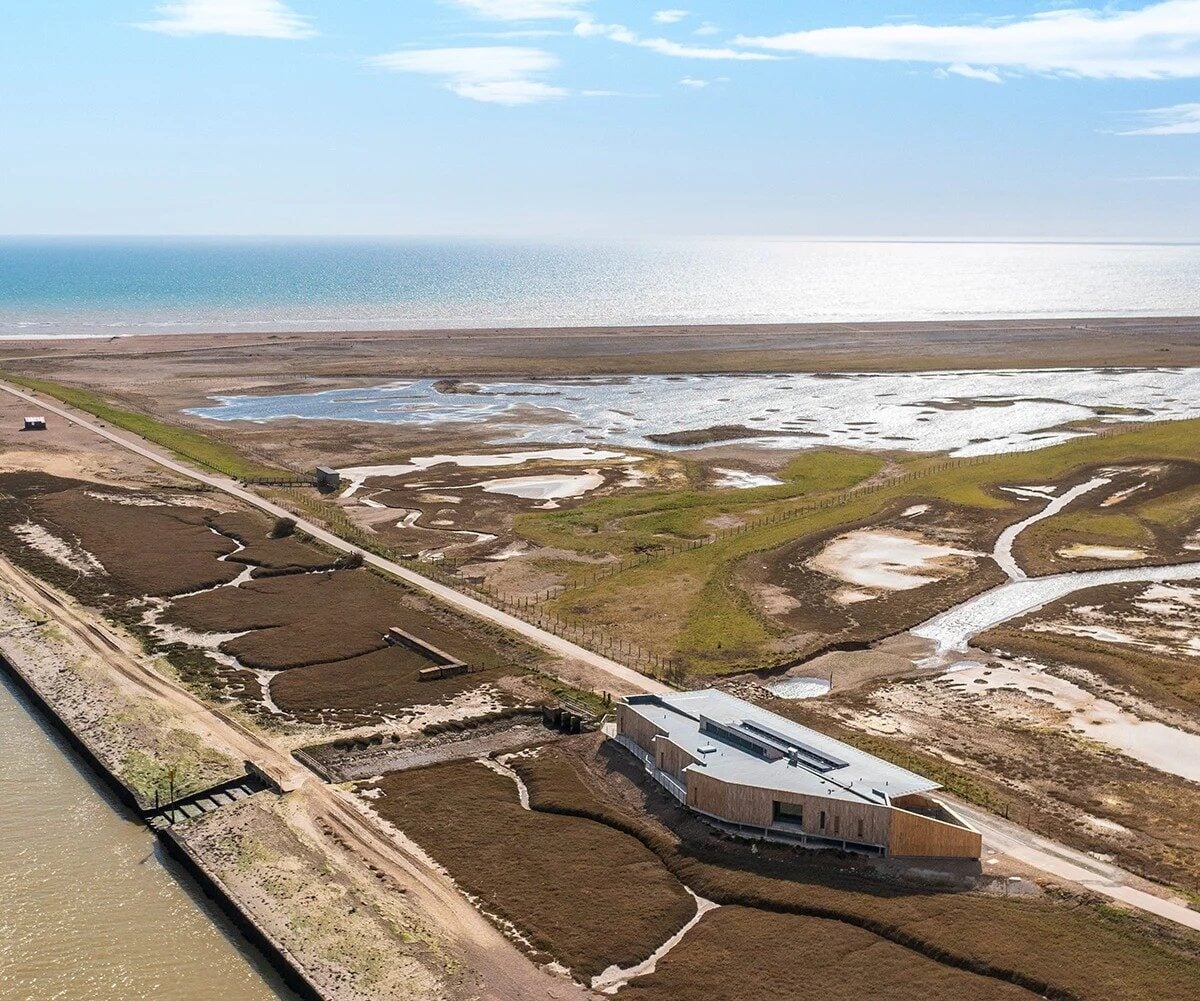
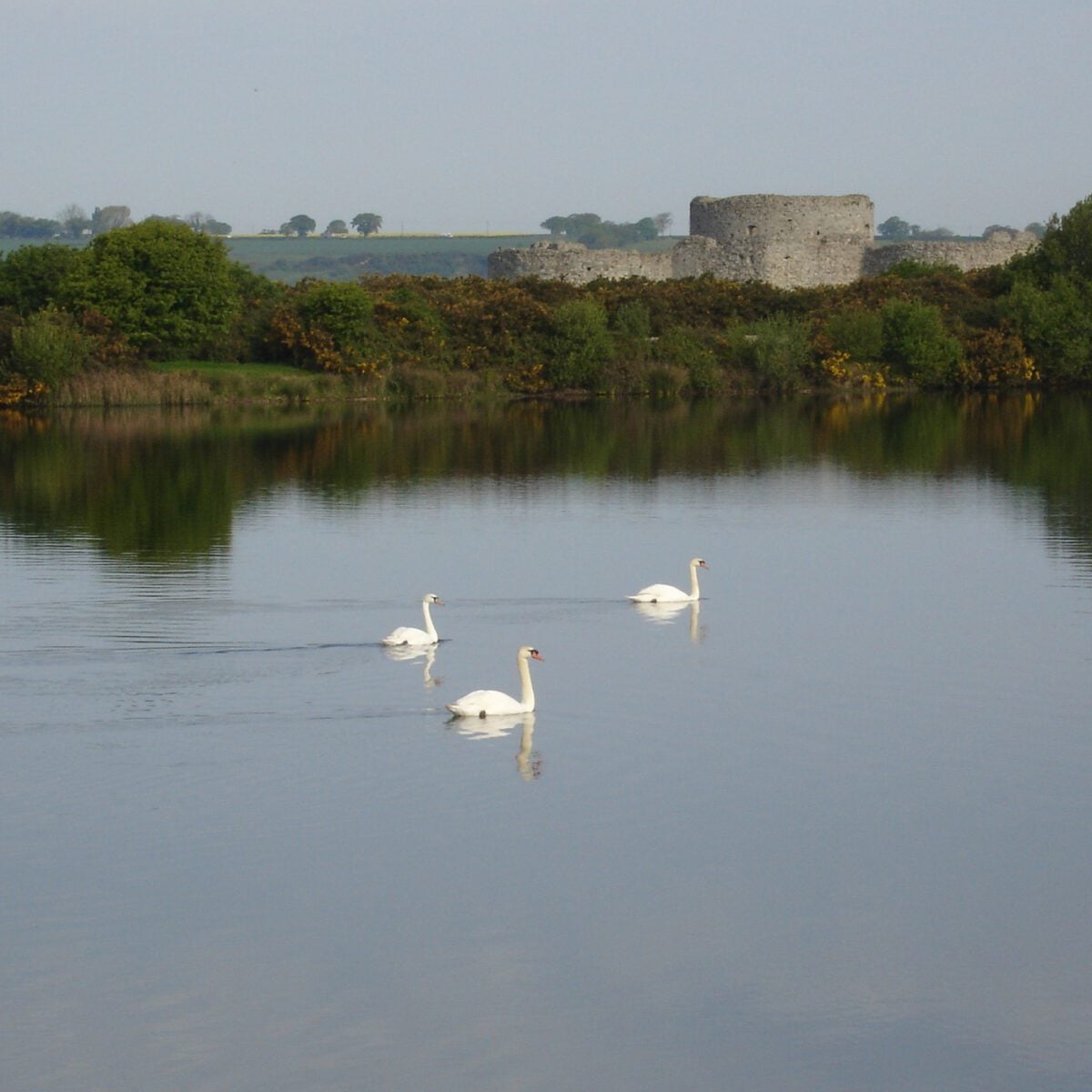
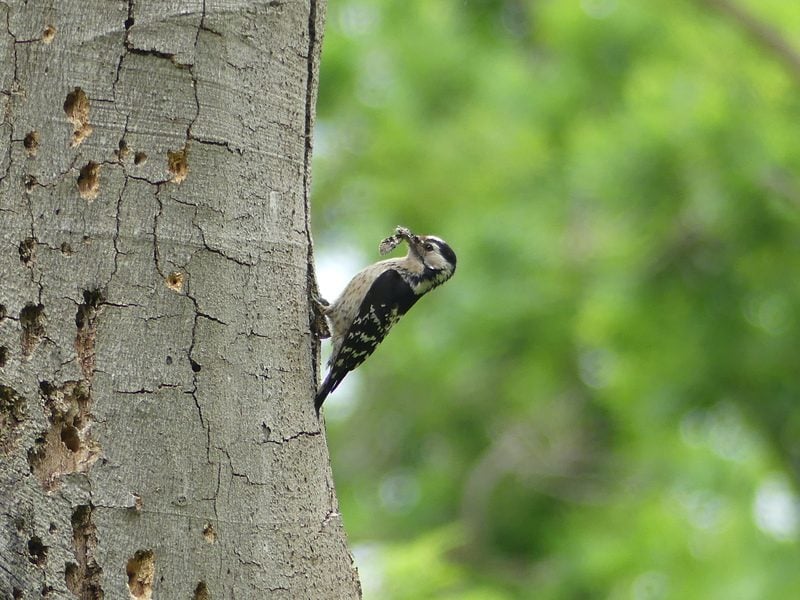
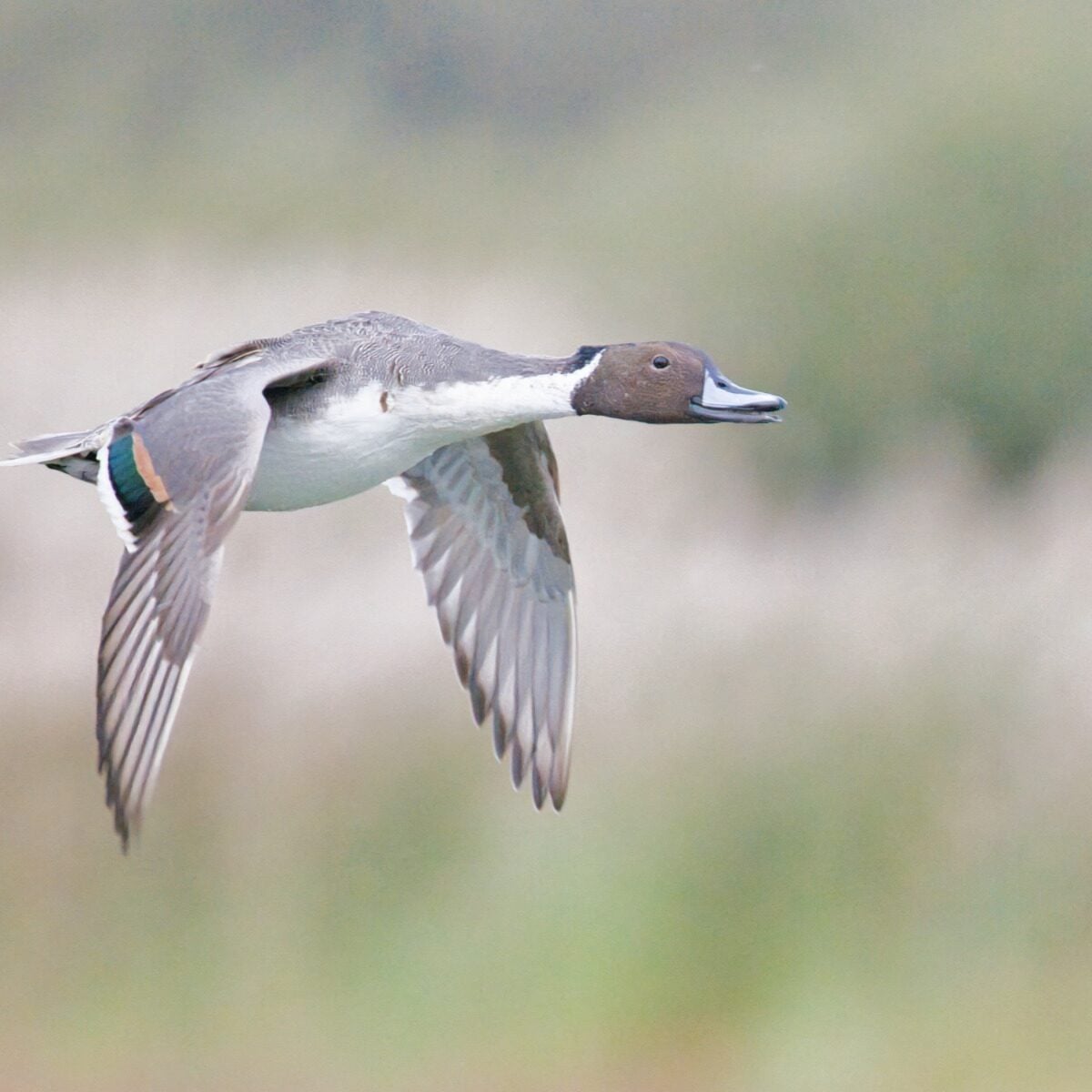
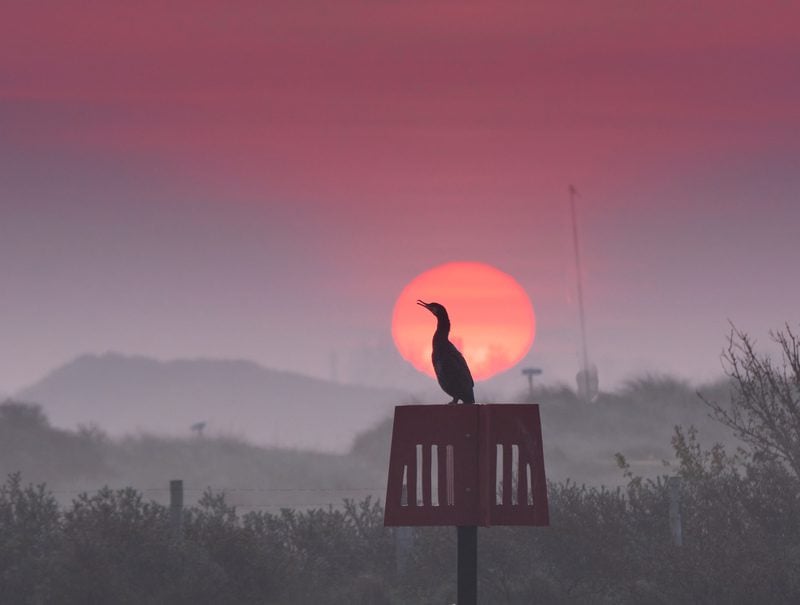
Thanks to Beverley for creating the wonderful sculptures. If you’d like to see them for yourself, the sculptures will perch on the fence opposite the Discovery Centre through the Autumn of 2026. Can you work out which bird species Beverley has made?
You can find out more about Beverley’s work here: Champagne Birds

Leave a Reply