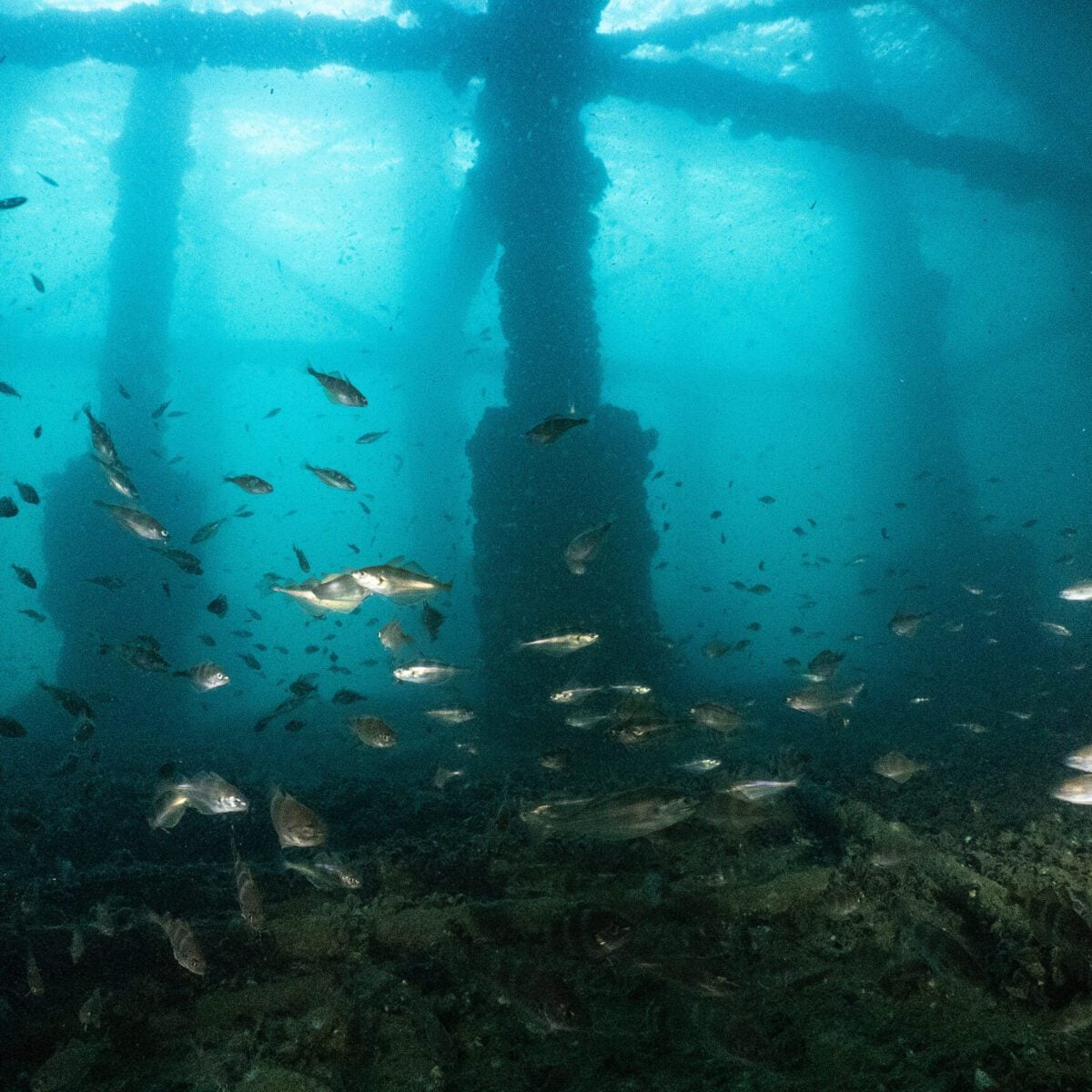
 © Miles Davies
What makes our coast special
Many marine habitats
The Sussex coastline is around 140 miles long, stretching from Chichester Harbour in the west to Camber Sands in the east, and facing out into the English Channel.
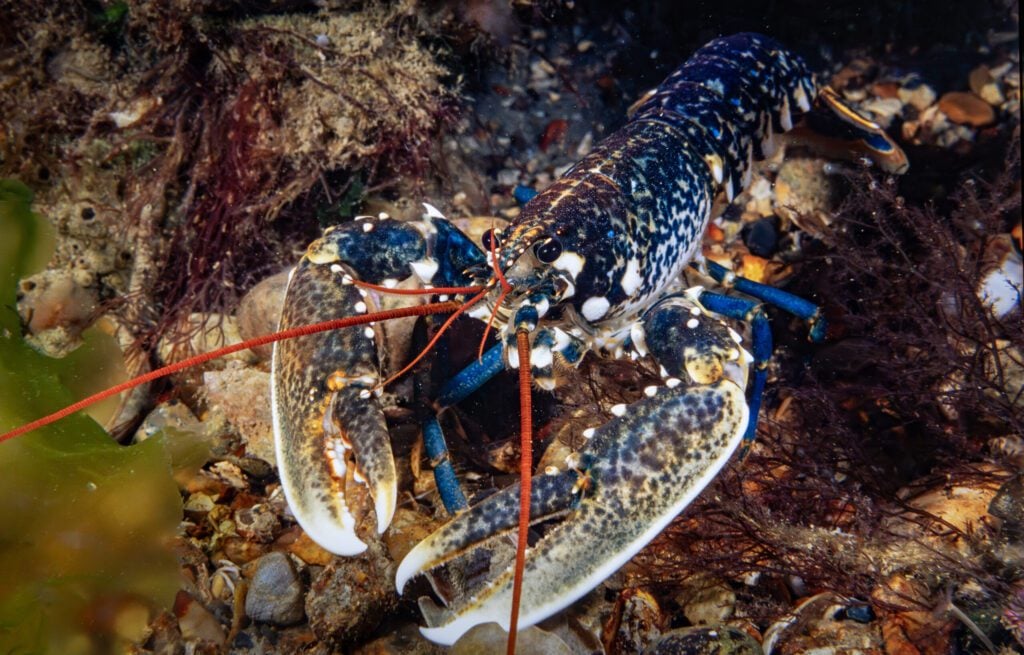
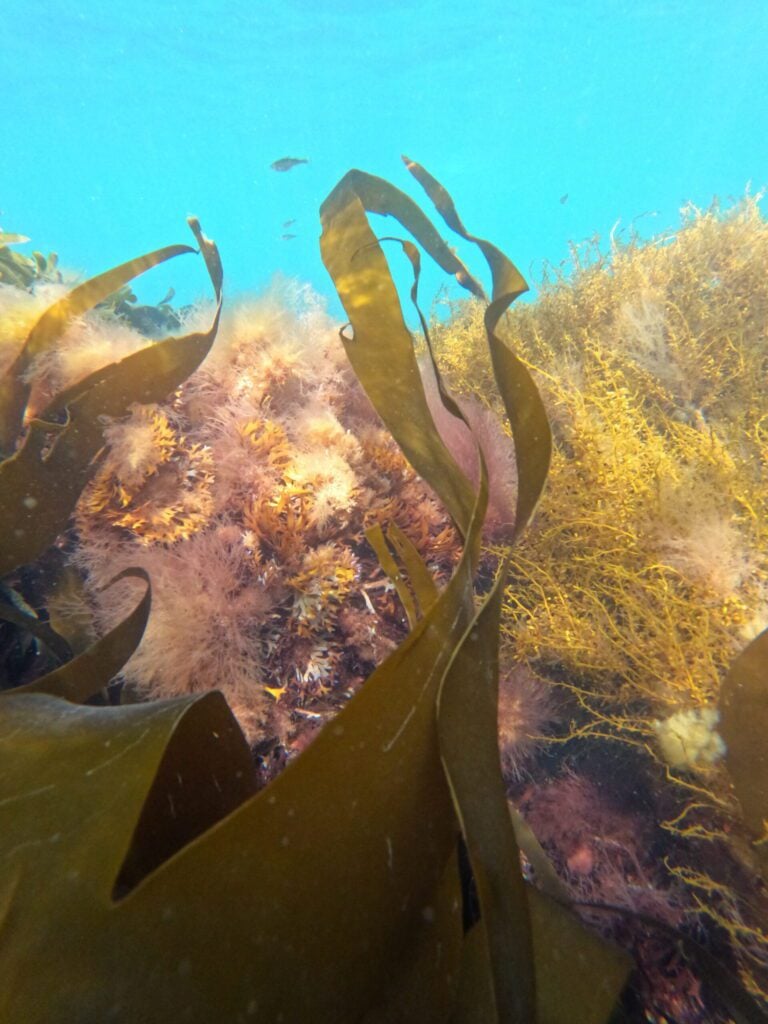
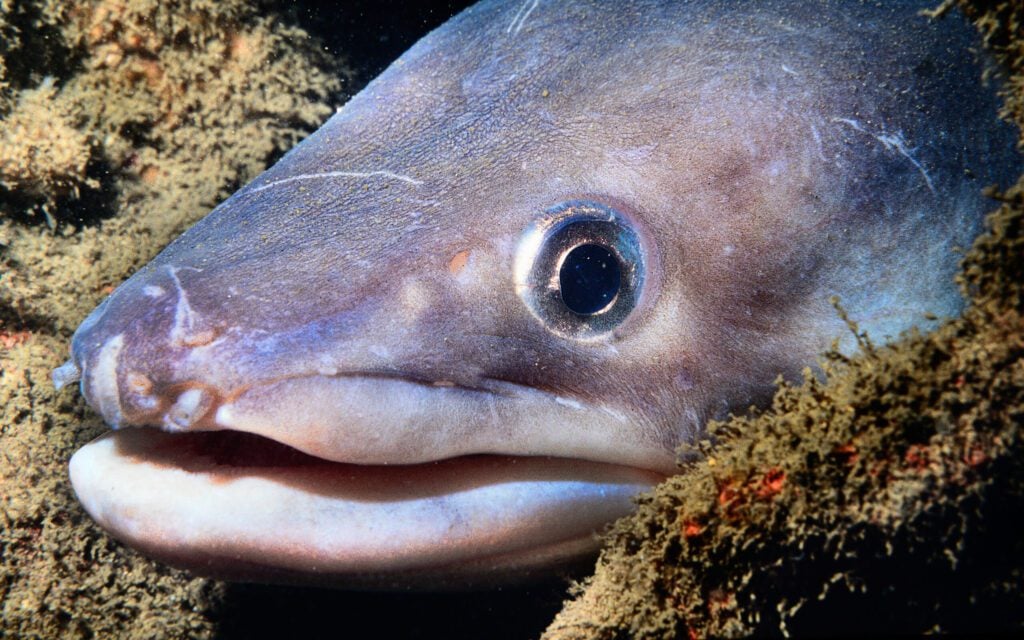
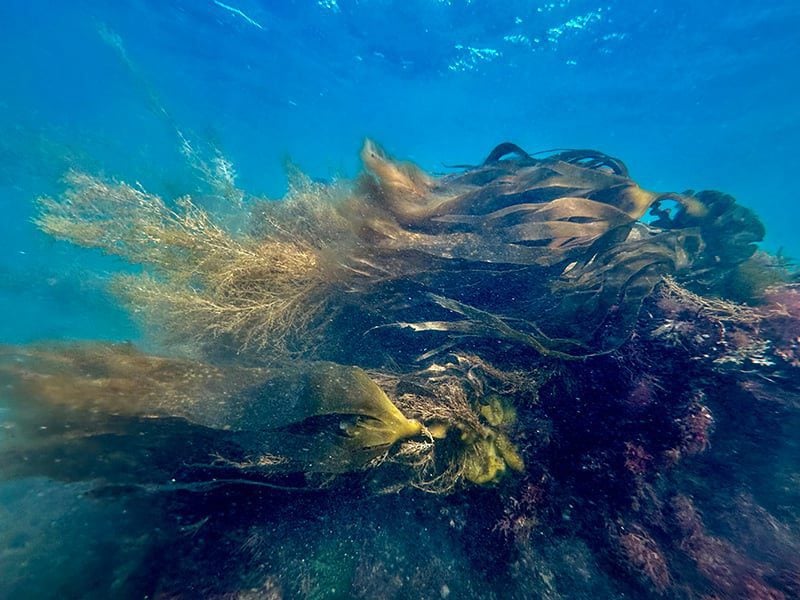
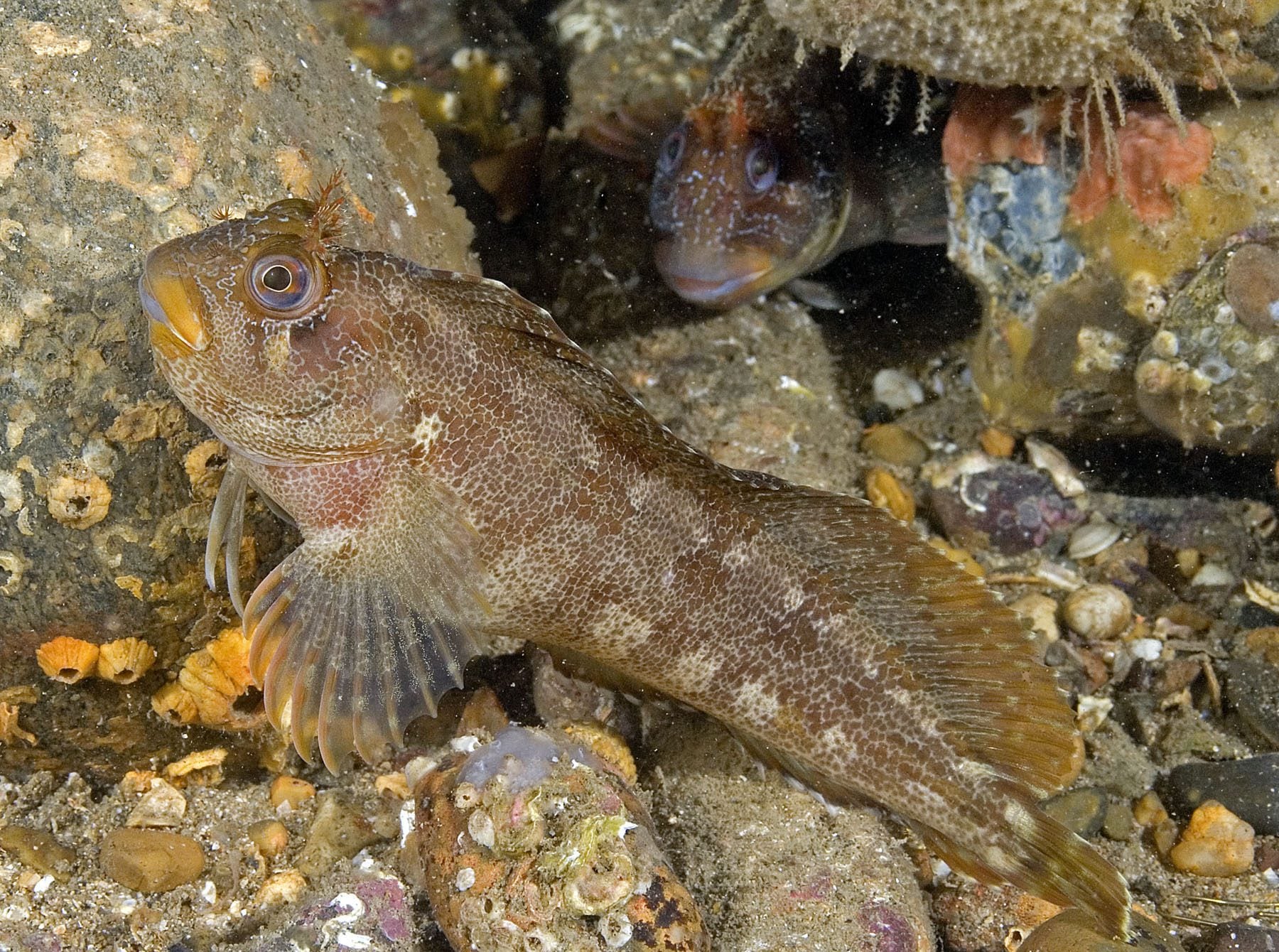
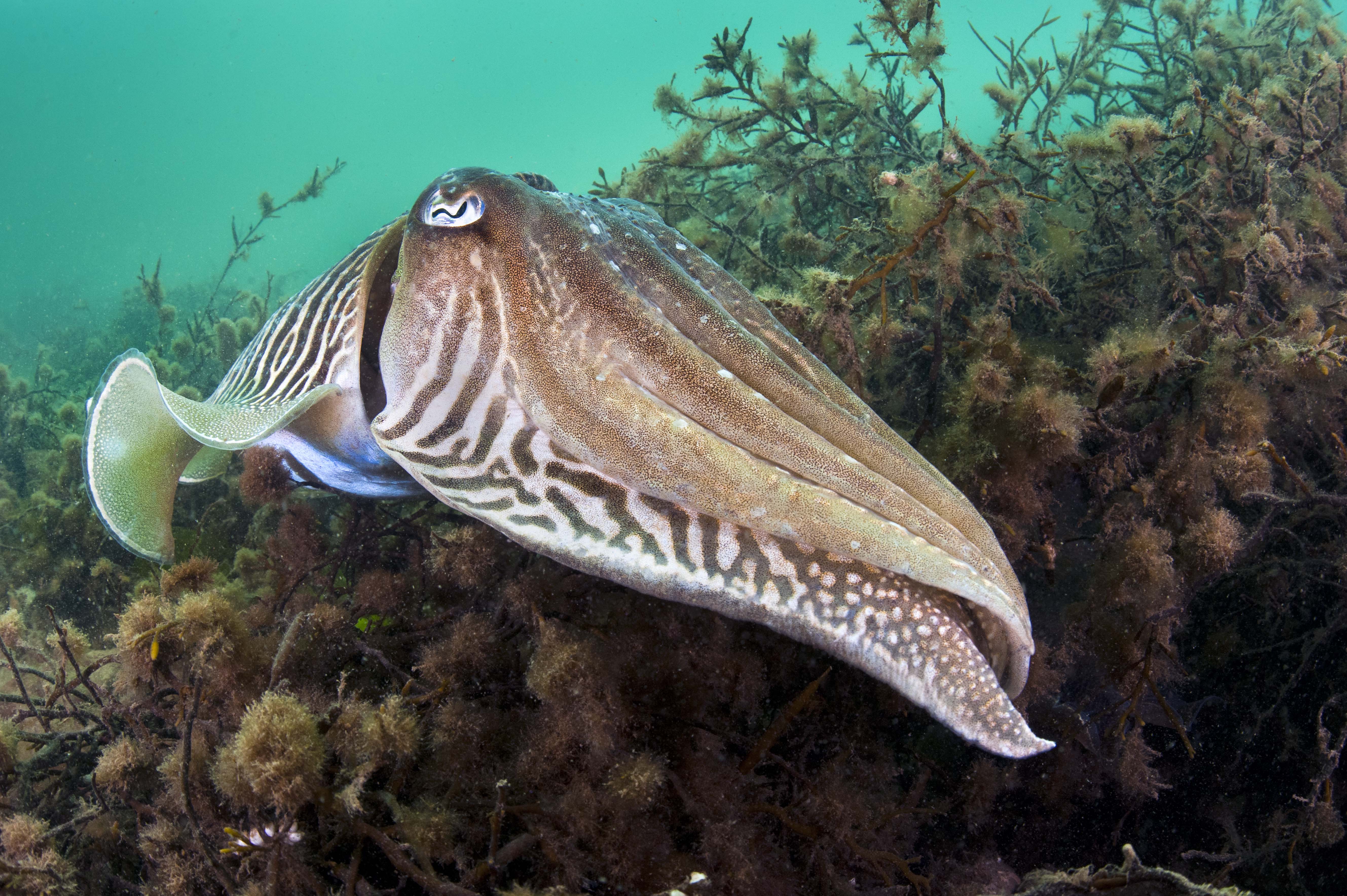
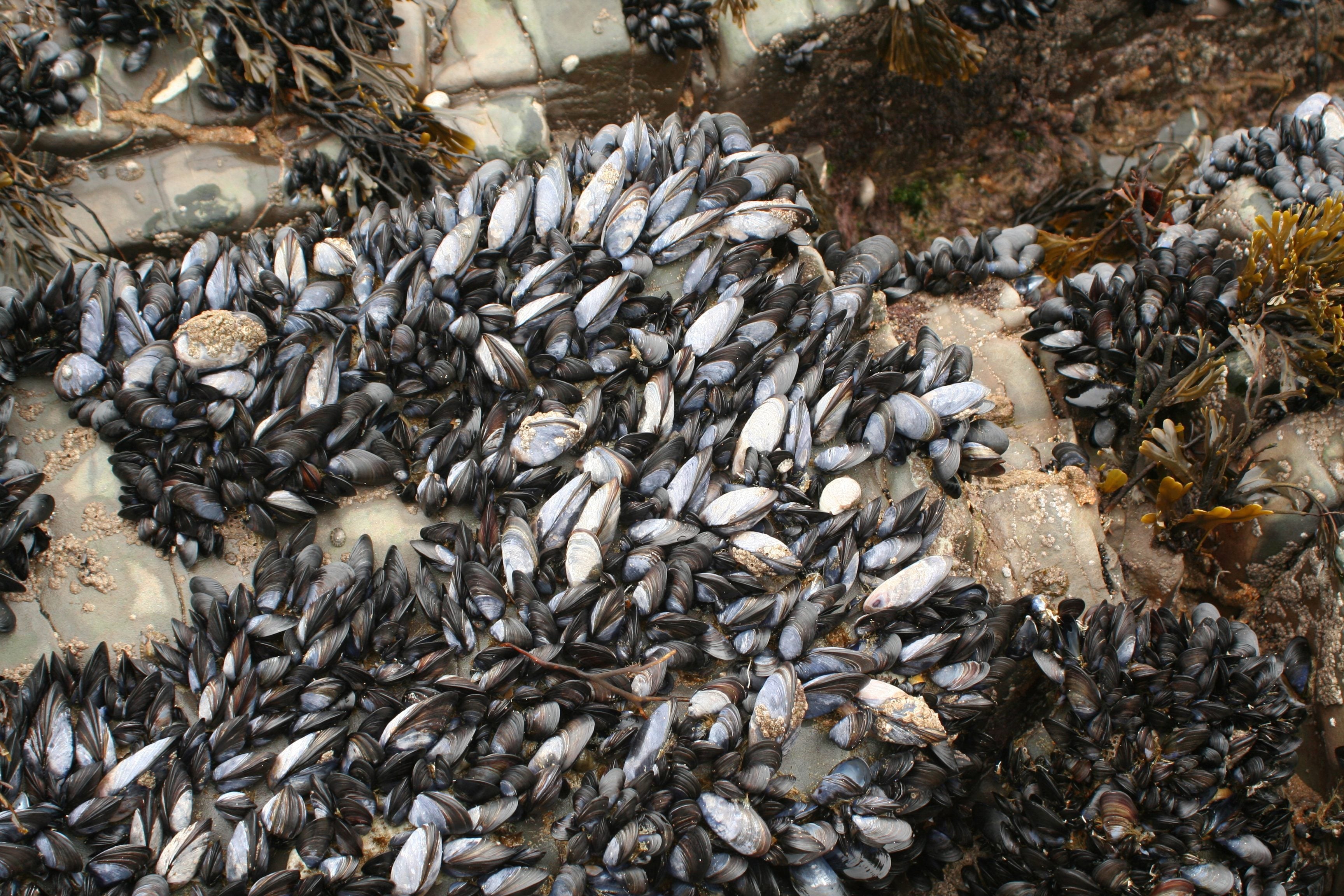
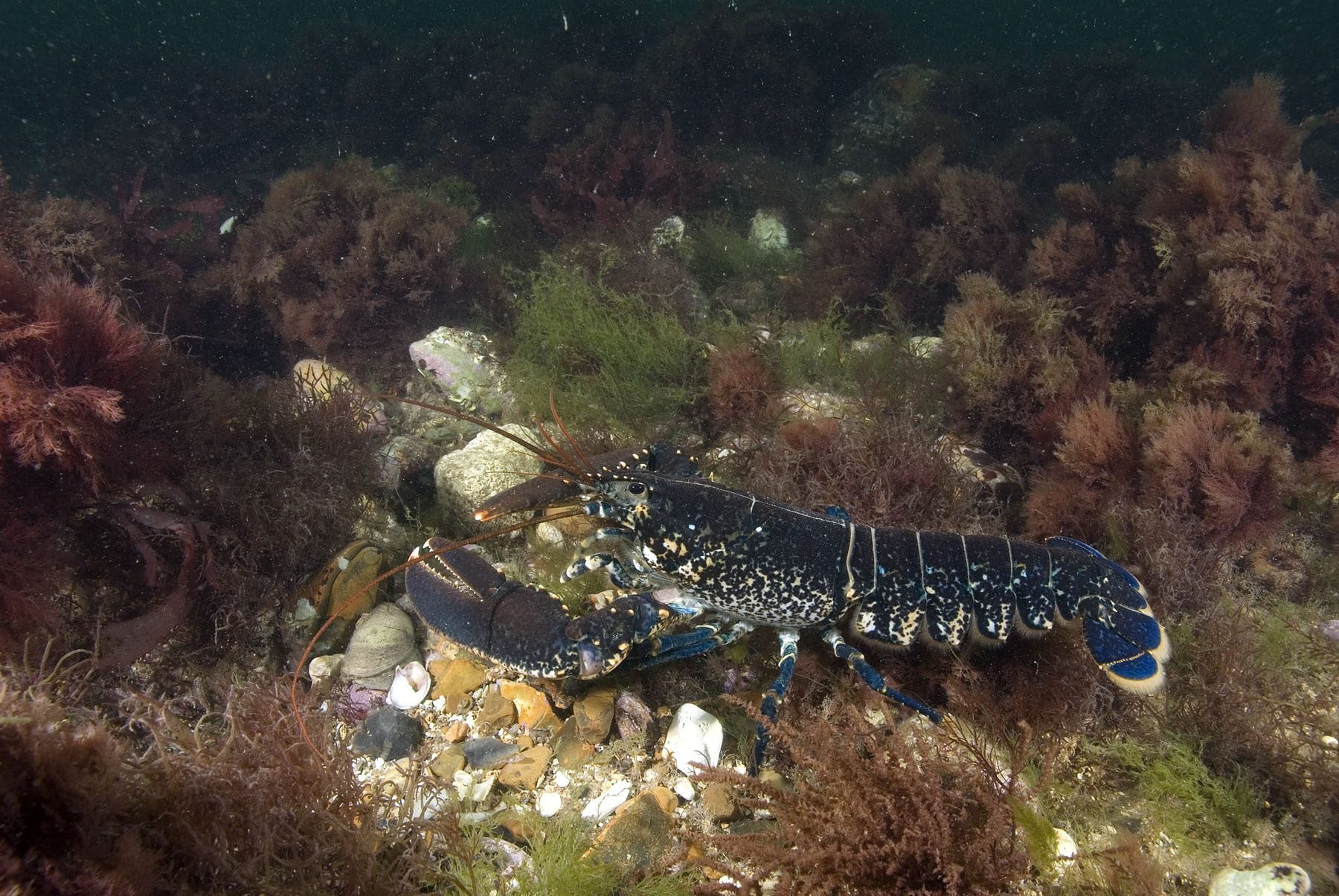
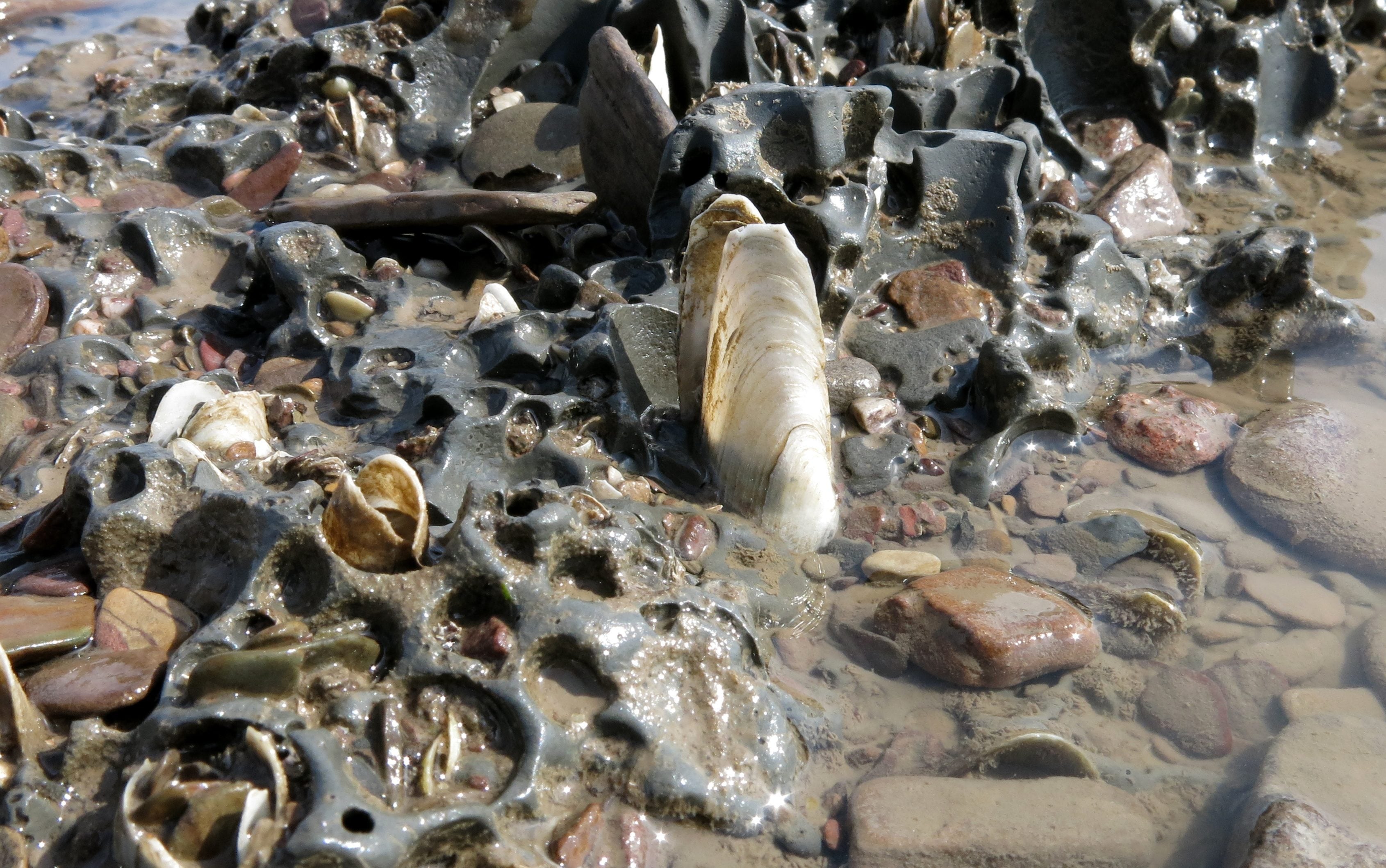
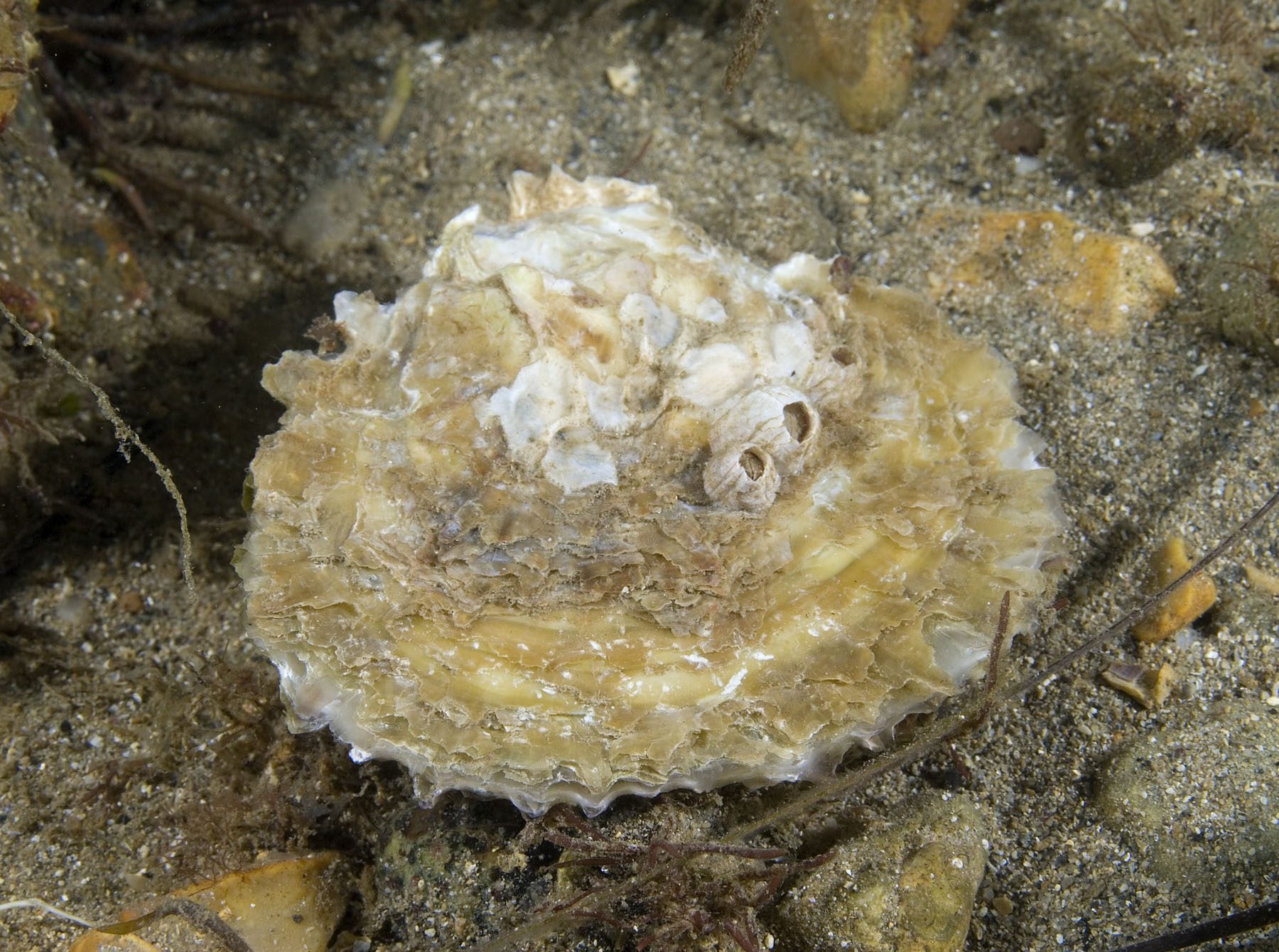
The marine environment is hugely varied across Sussex, meaning we have a great diversity of coastal and underwater habitats and associated sea life.
Challenges for marine nature
Pressures on our coast and sea
The English Channel is one of the busiest waterways in the world, bringing an abundance of pressures on our marine environment. The marine environment is under threat from pollution, overfishing, direct damage, habitat loss, and of course the impacts of climate change.
Space for nature is not often prioritised, and we no longer truly understand what our environment should naturally look like – the phenomenon known as ‘shifting baselines’. In a busy and changing world, we need our marine environment to be a healthy, functioning ecosystem that is resilient to the pressures and changes around it.
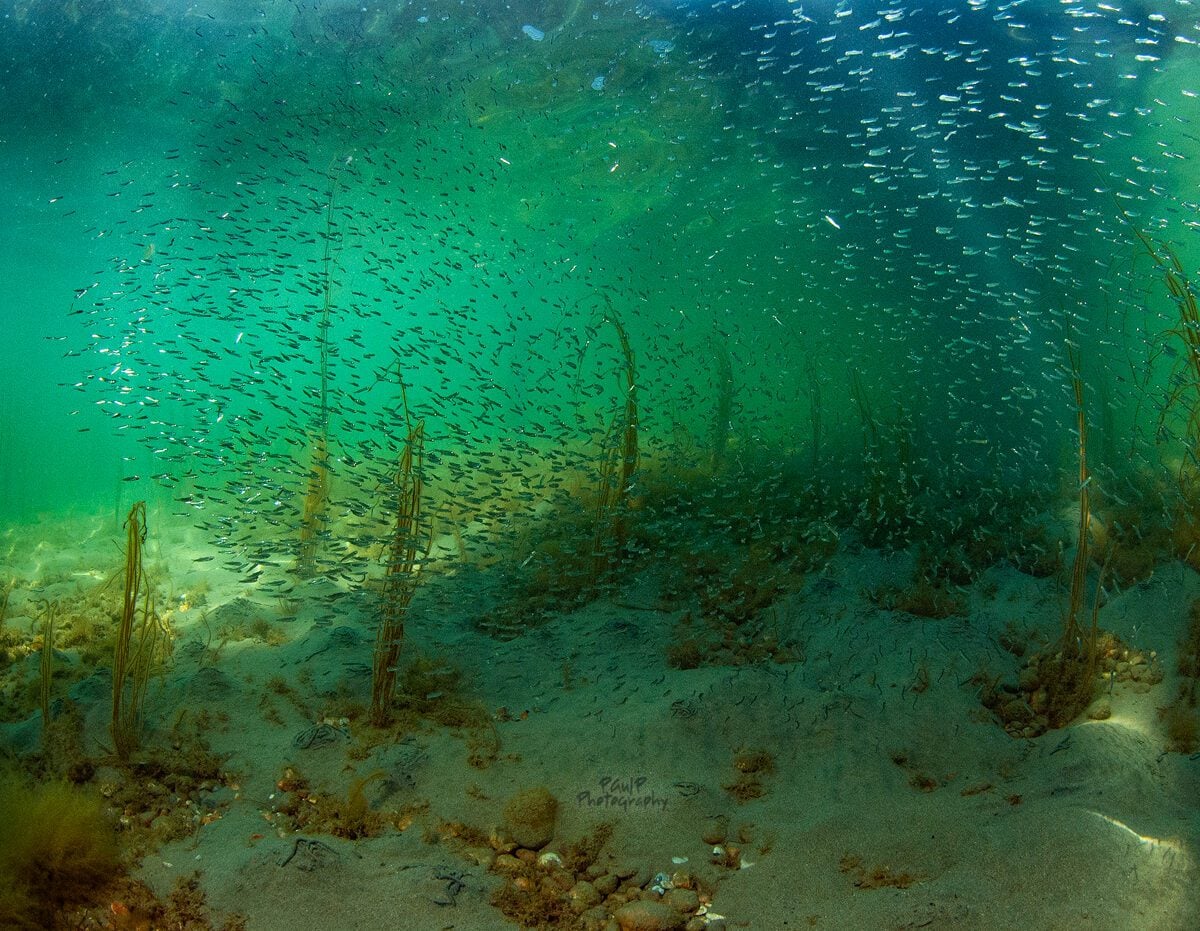
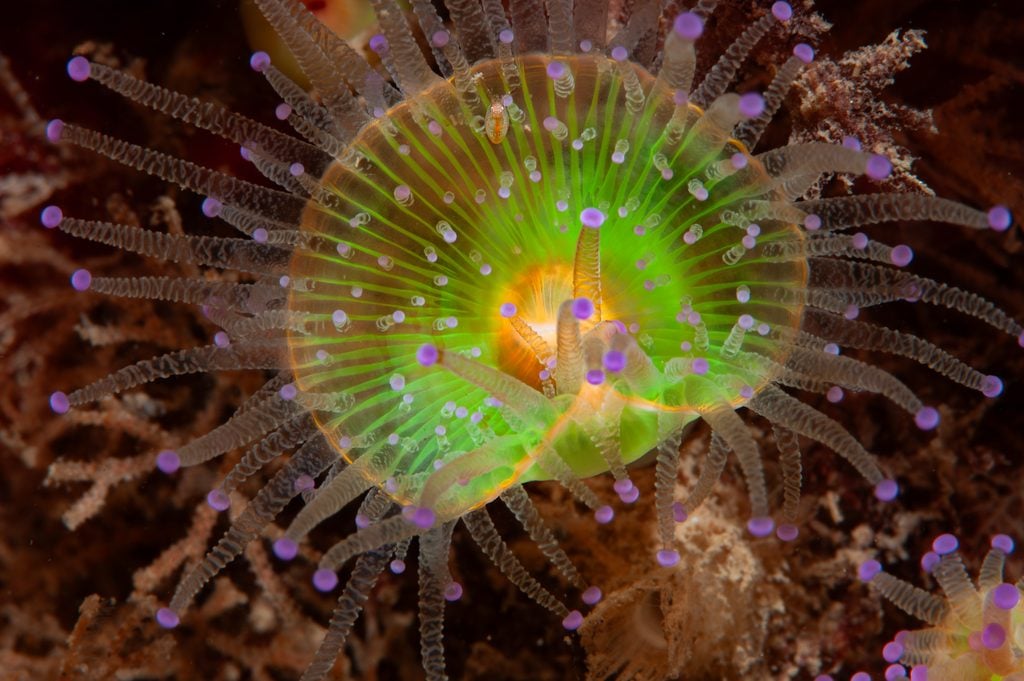 © Paul Parsons
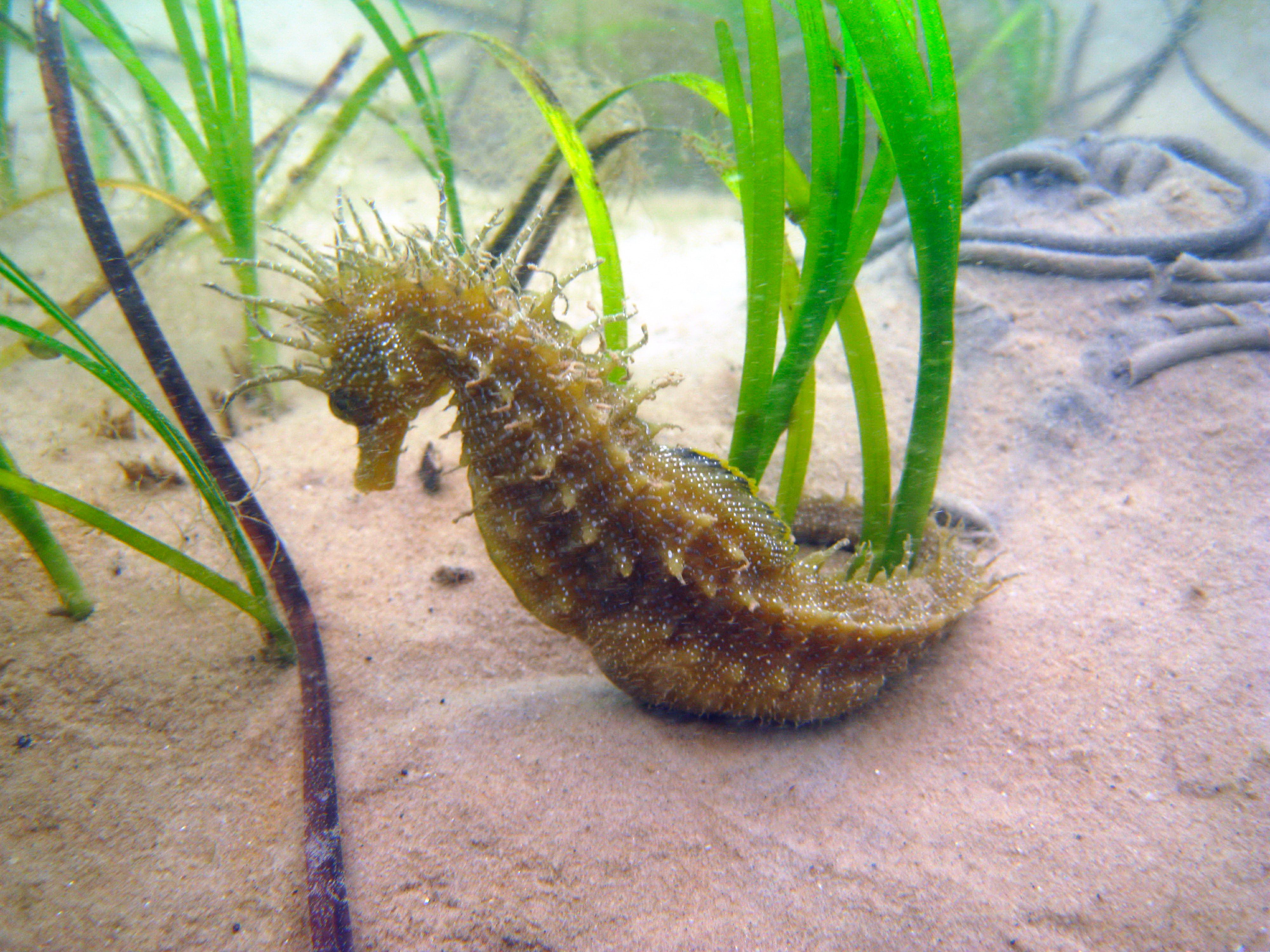
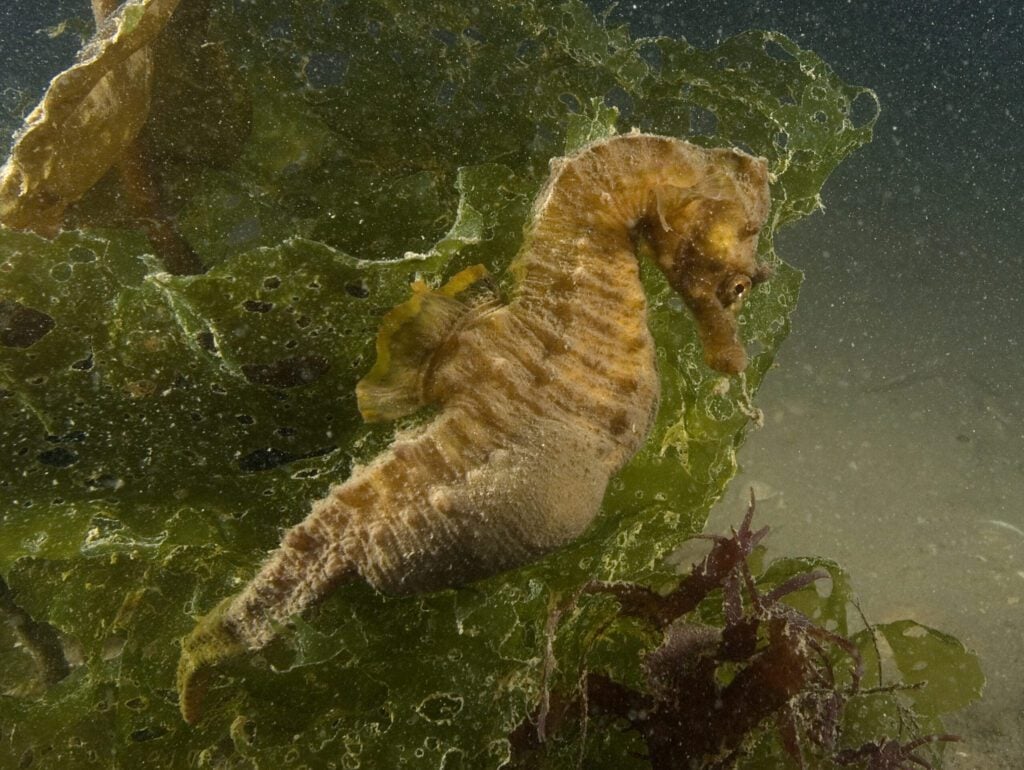 Short-snouted Seahorse © Paul Naylor
Hope for recovery
Marine Protected Areas
Marine Protected Areas (MPAs) are designated parts of the sea where human activities such as fishing are restricted to safeguard habitats, species and ecosystems. They are not simply no-go zones – MPAs are actively managed to allow sustainable use of the sea alongside nature recovery.
Off the Sussex coast, the sea is heavily used by shipping, industry and recreational users, making protection all the more important. MPAs are a practical, proven tool to help our seas recover.
Initiatives
The work we’re doing at coast and sea

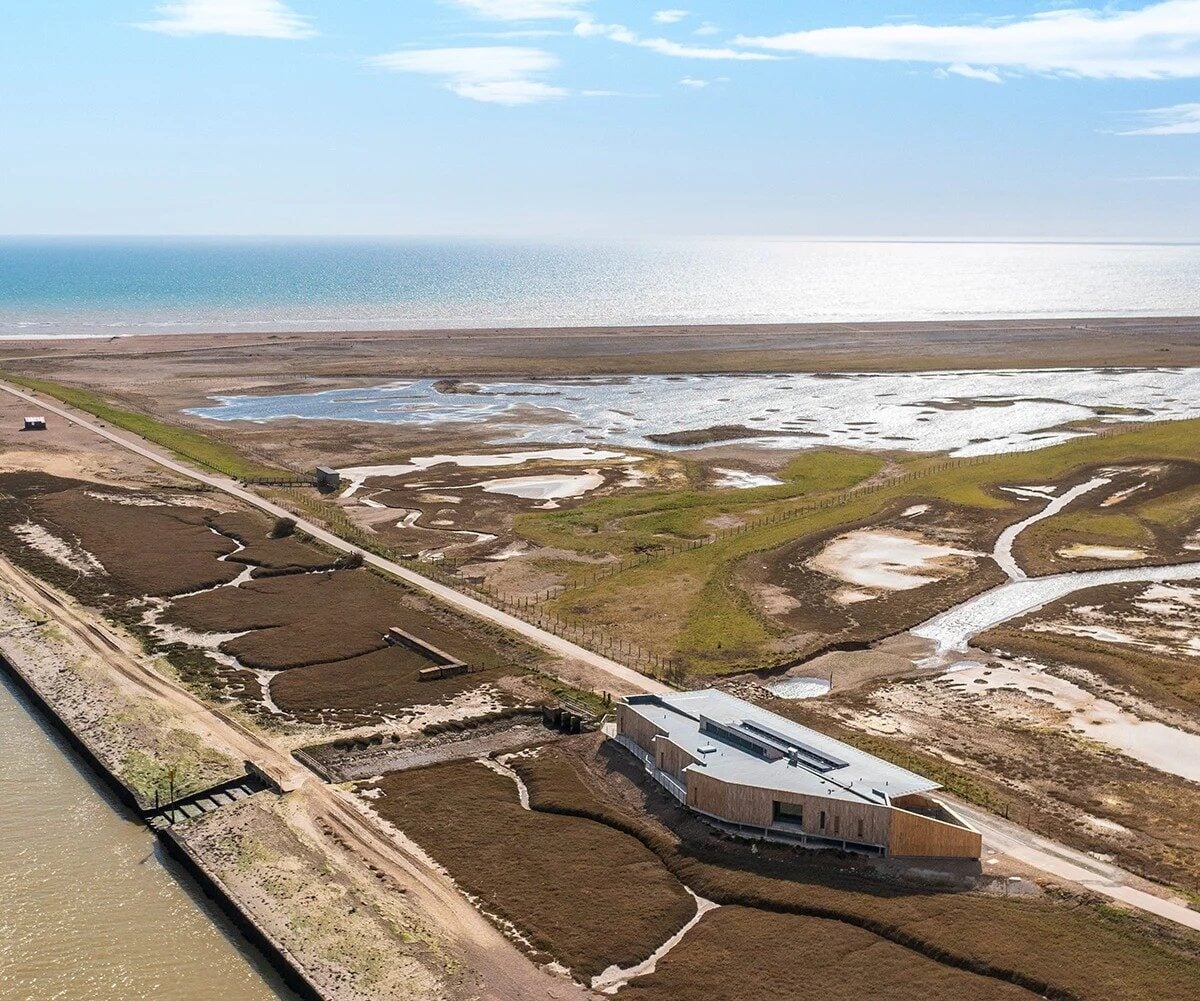
Our coastal nature reserves
How you can get involved
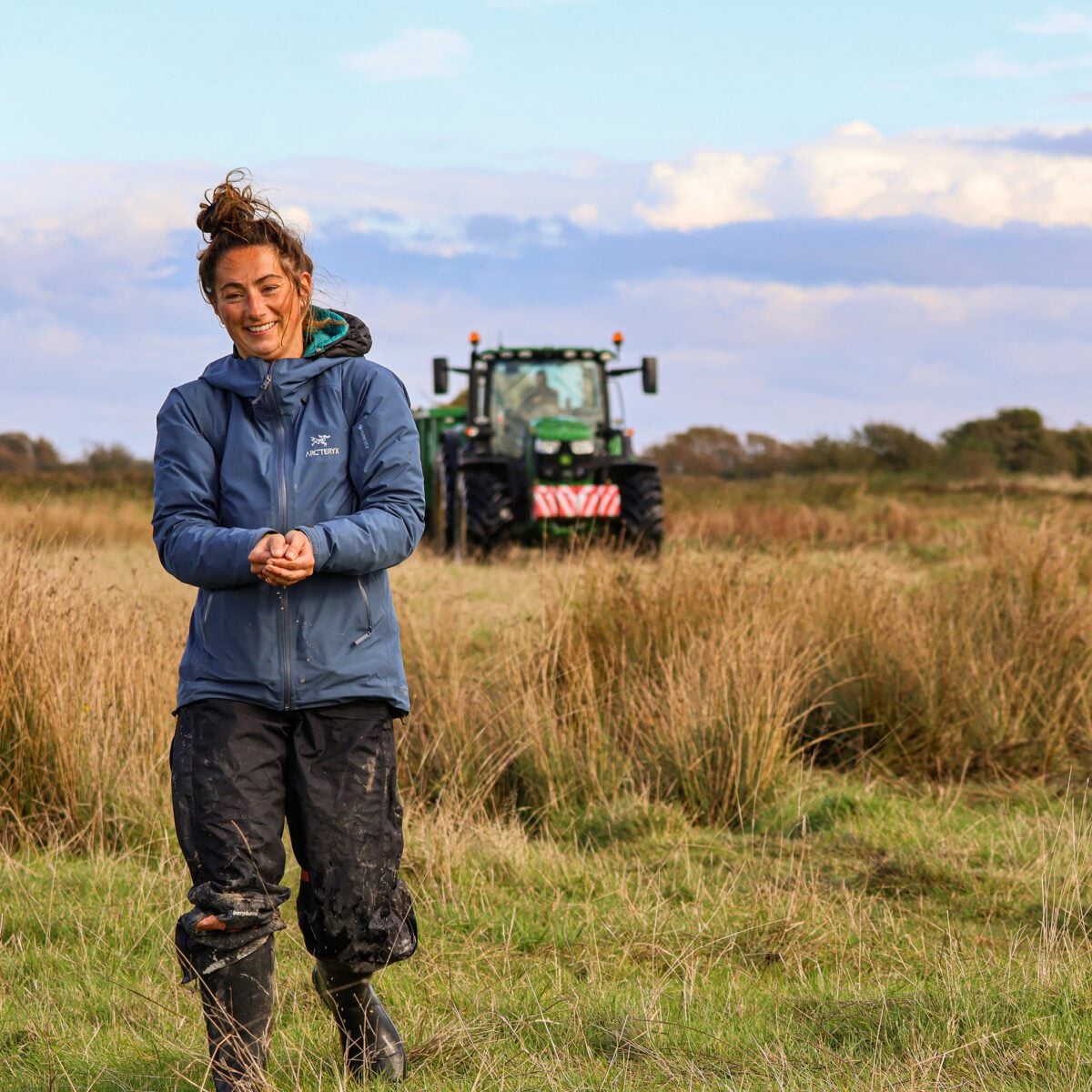
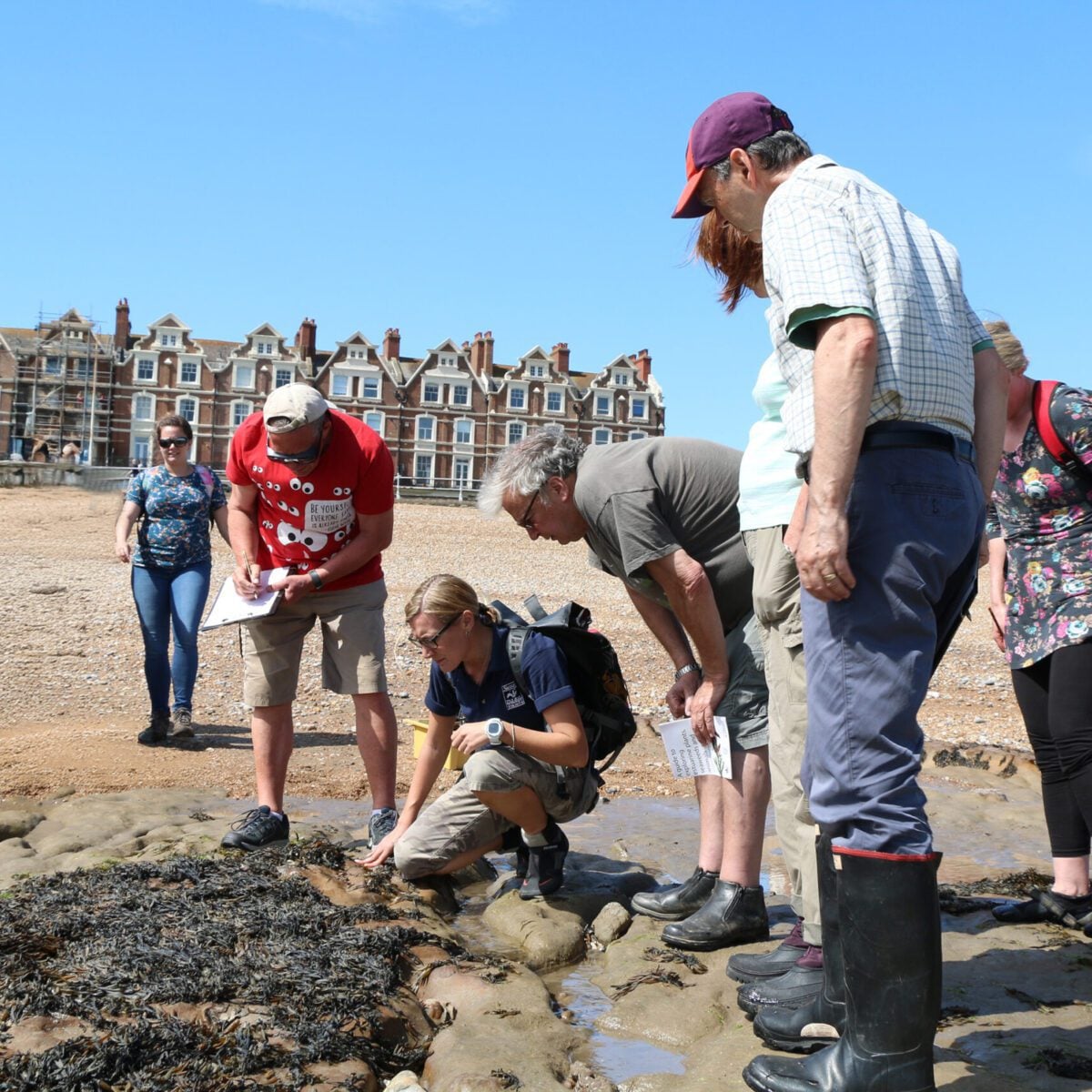
Volunteer – Beach Champion
Become a Beach Champion and join with your local community to celebrate and take care of your local beach.