

 Undulate Ray © Paul Parsons
Marine Protected Areas (MPAs) are areas of the sea where human activities such as fishing are restricted so as to afford protection for habitats, particular species and ecosystem processes. MPAs do far more than protect the wildlife found within them and are not simply closed off, no-take areas; they can have influence beyond their boundaries and are managed in a way which allow sea-users to co-exist and for activities to be conducted in a sustainable manner.
MPAs include a number of different types of designations:
Why do we need MPAs?
The seas around Sussex and the surrounding Channel are heavily used by shipping, recreational users and maritime industry; they are also home to a huge variety of marine life and feature important habitats and natural features.
For a long time our seas and the resources within have been taken for granted and subject to over-exploitation, pollution and direct damage. This has lead to destruction of habitats and the decline of species. For these reasons it is important that we afford protection to our marine environment, in order to avoid further damage, recover from past declines, and allow sustainable use of the marine environment.
 Fulmar © Peter Brooks
 common-bottlenose-dolphin-caroline-weir-1
Marine Conservation Zones
In Sussex there are nine Marine Conservation Zones, covering 22% of the Sussex seas. We also now have a Highly Protected Marine Area (HPMA) in Sussex waters, which falls under the same legislative framework as MCZs – this site is called Dolphin Head, and falls partially within the Offshore Brighton MCZ.
Since 2011, 91 MCZs have been designated nationally, as well as three HPMAs.
European Marine Sites
European Marine Sites are areas at sea, partly or completely covered by tidal water, which are protected by European law for their special wildlife and natural habitats.
These include Special Areas of Conservation (SACs) and Special Protection Areas (SPAs), both of which play a key role in conservation by providing refuges for nationally threatened habitats and species. These sites form an integral part of the UK’s network of Marine Protected Areas.
SACs are designated under the European Union’s Habitats Directive. They protect specific species and habitats and each site will have conservation objectives to describe what is important for achieving a healthy state for each of the features protected.
SPAs are designated under the European Union’s Birds Directive. These sites have been identified as areas of importance for the breeding, feeding, wintering or migration of birds found within EU countries which are classified as rare or vulnerable.
European Marine Sites in Sussex
This area includes areas of sea grass and also encompasses important estuarine and salt marsh habitats.
This area has been designated for a number of breeding, wintering and migratory birds, including the Little Tern, Sandwich Tern, Redshank, Ringed Plover and Dark-bellied Brent Goose. The area incorporates extensive mud-flats and sea grass beds, as well as a wide range of other coastal habitats which support important animals and plants.
Pagham Harbour SPA
The harbour includes a number of coastal habitats, including salt marsh, mud flats, lagoons and shingle which support breeding and wintering birds. The designation covers the Little Tern, Ruff and Pintail.
Dungeness, Romney Marsh and Rye Bay SPA
This large area encompasses a range of coastal habitats and sits on the boarder of East Sussex and Kent.
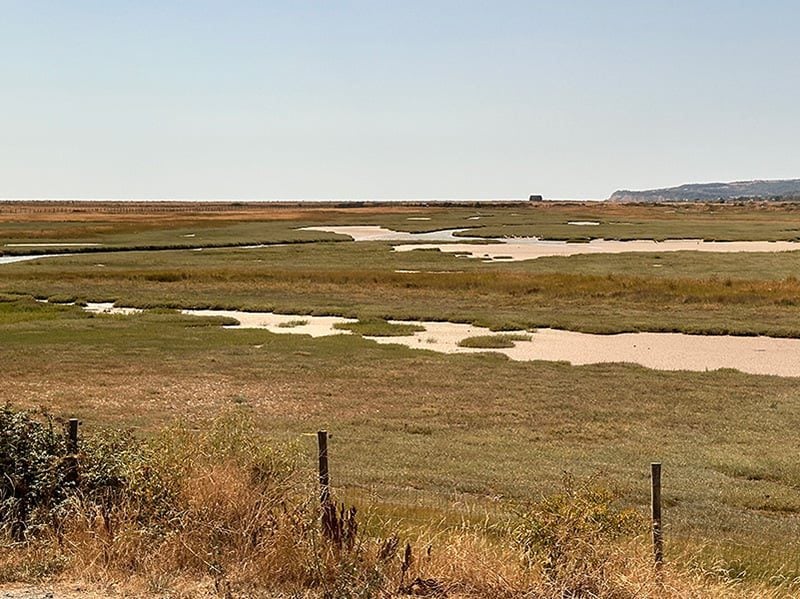
The shingle beach at Rye Harbour supports breeding gulls and terns; the SPA also includes areas of salt marsh, sand flats and mud flats.
Dungeness to Pett Levels SAC
Annual vegetation of drift lines and perrenial vegetation of stony banks are the habitats giving the primary reason for selection of this site as an SAC.
Defra’s Revised Approach to Fisheries in European Marine Sites
In 2012 Defra issued a revision to its approach to fisheries in European Marine Sites in the inshore waters of England in order to afford protection to the habitats and species – this is in line with our obligations under the EU Habitats and Birds Directives. The revision stated that any fishery operating within a European Marine Site would only be allowed to continue if it did not negatively impact the features of the site.
This revised approach is being phased in on a risk-prioritised basis. Sussex Inshore Fisheries and Conservation Authority (IFCA) are working to ensure that this transition is carried out.


Leave a Reply