
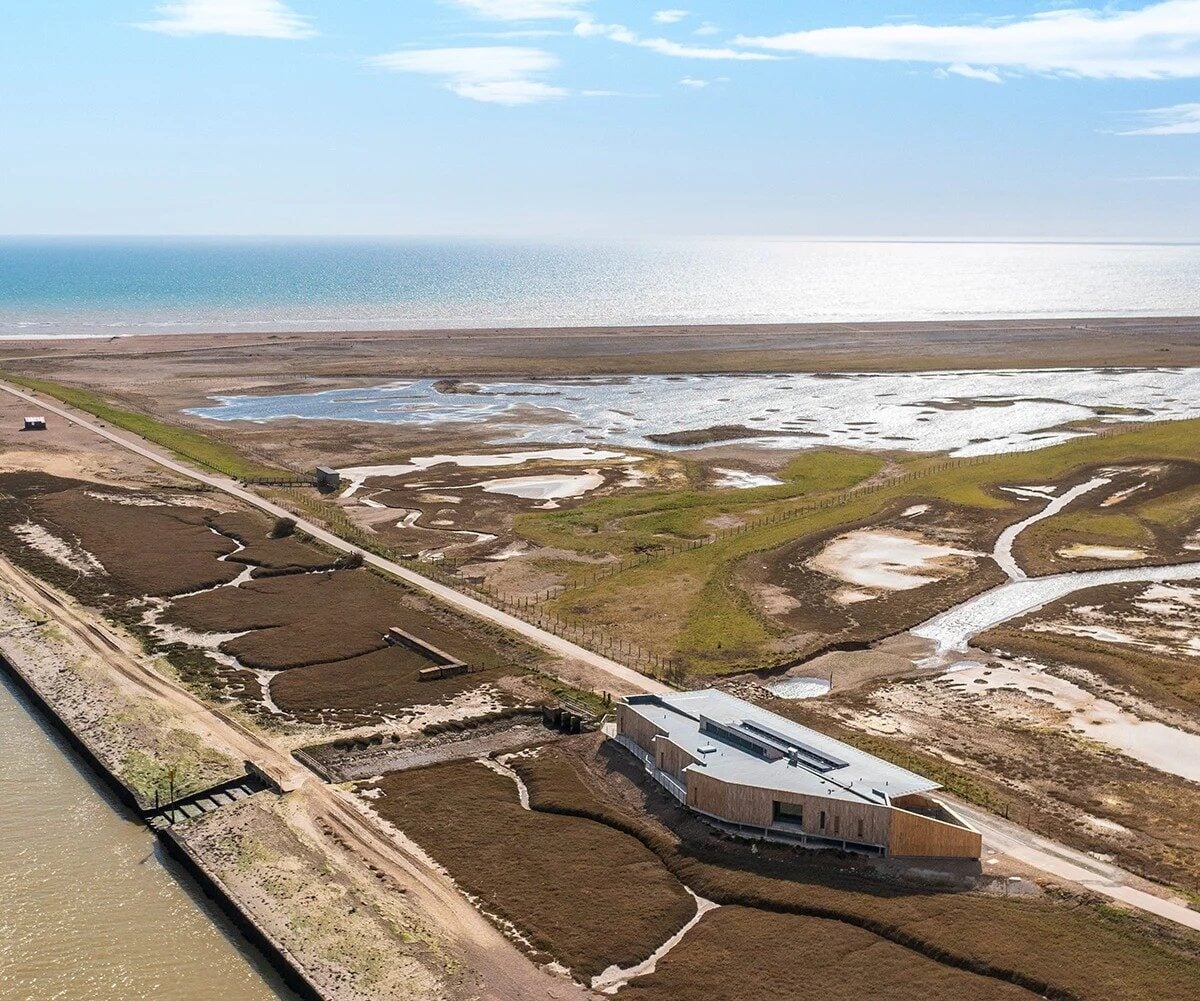
Even with that in mind, it was a fairly quiet month for bird sightings. Although the reduced numbers of some common migrants does feel worrying, we can’t make assumptions from one month’s sightings. It takes years of data to draw meaningful conclusions, which is why we should all record our bird sightings on BirdTrack, eBird or iRecord.
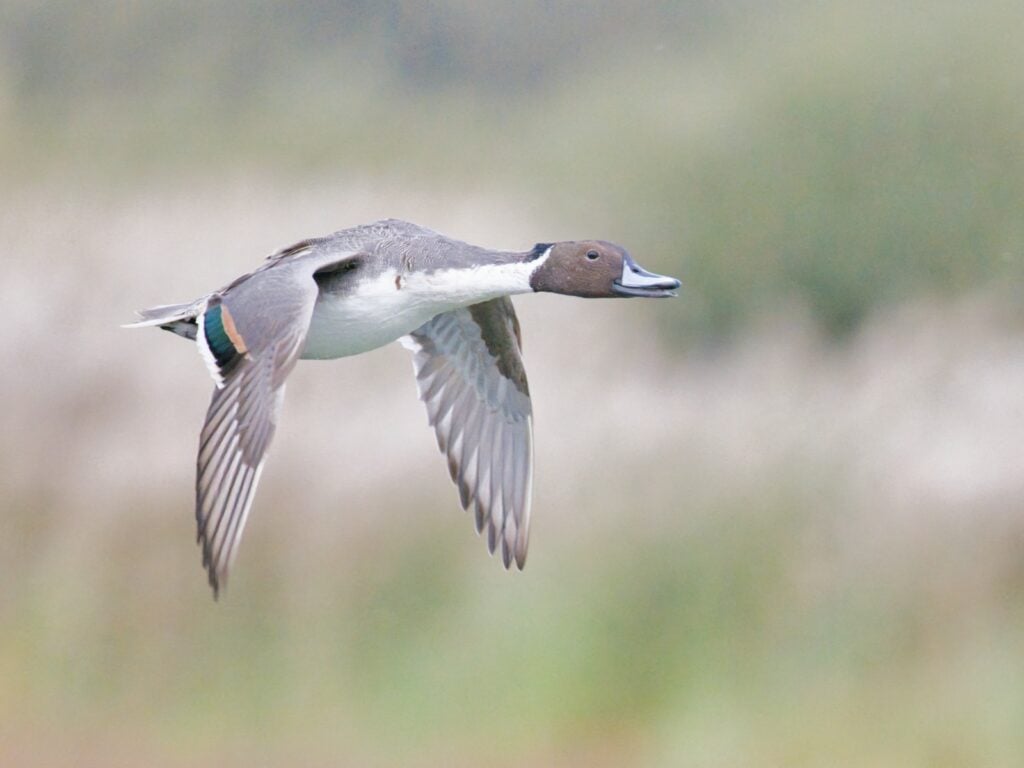
With mostly warm, dry weather and almost no hint of ‘mists and mellow fruitfulness’ it felt slightly odd to see the first Wigeon and Pintail of the ‘winter’ at Ternery Pool on 4th. The number of Wigeon had grown to 75 by 23rd, when 45 Teal were also counted.
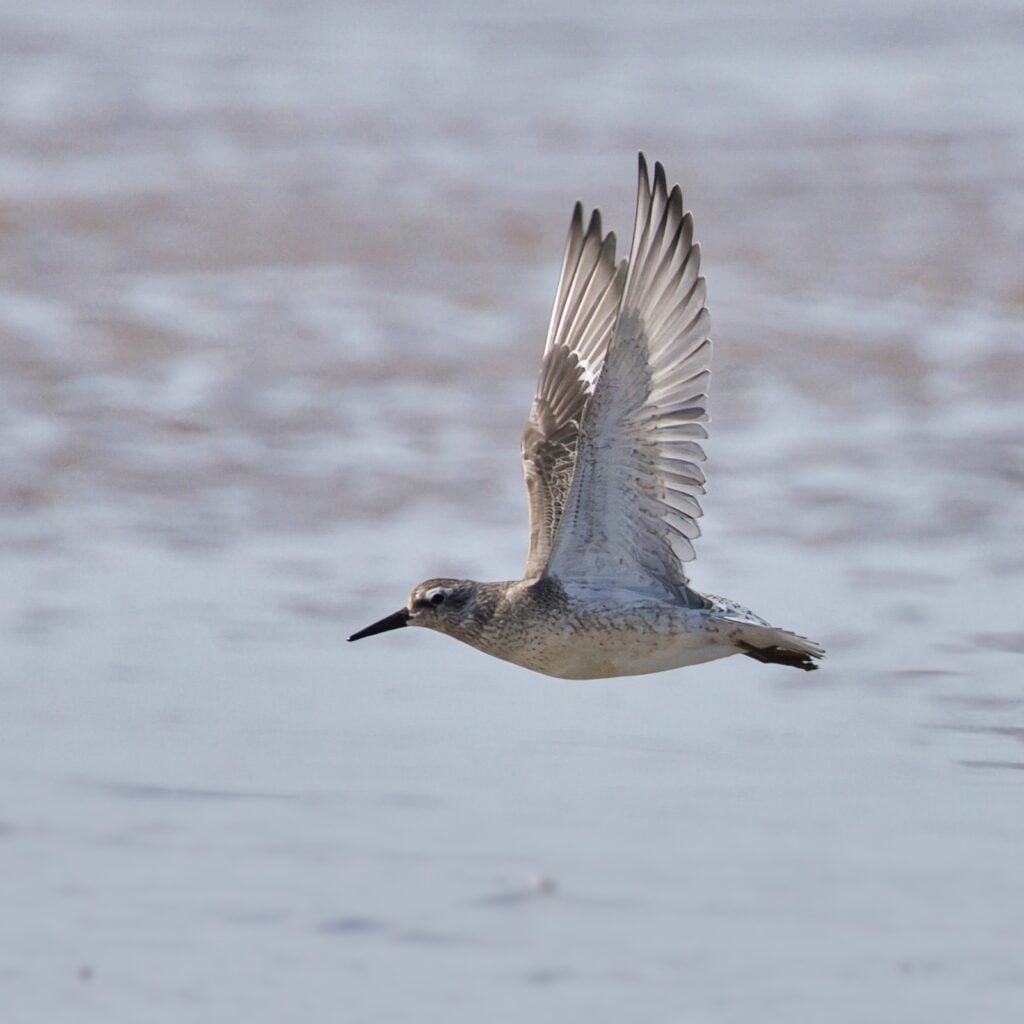
20 Knot were along the shoreline on 6th and around a dozen were at Flat Beach on 29th. A Ruff was at Salt Pool on 5th. There have been reasonable numbers of the expected autumn waders, but nothing to really set the pulse racing. A Spotted Redshank, three Greenshank and up to a dozen Grey Plover were some of the best. There were small numbers of both species of Godwit and up to four Avocets. Two Curlew Sandpiper were reported at Flat Beach on 6th.
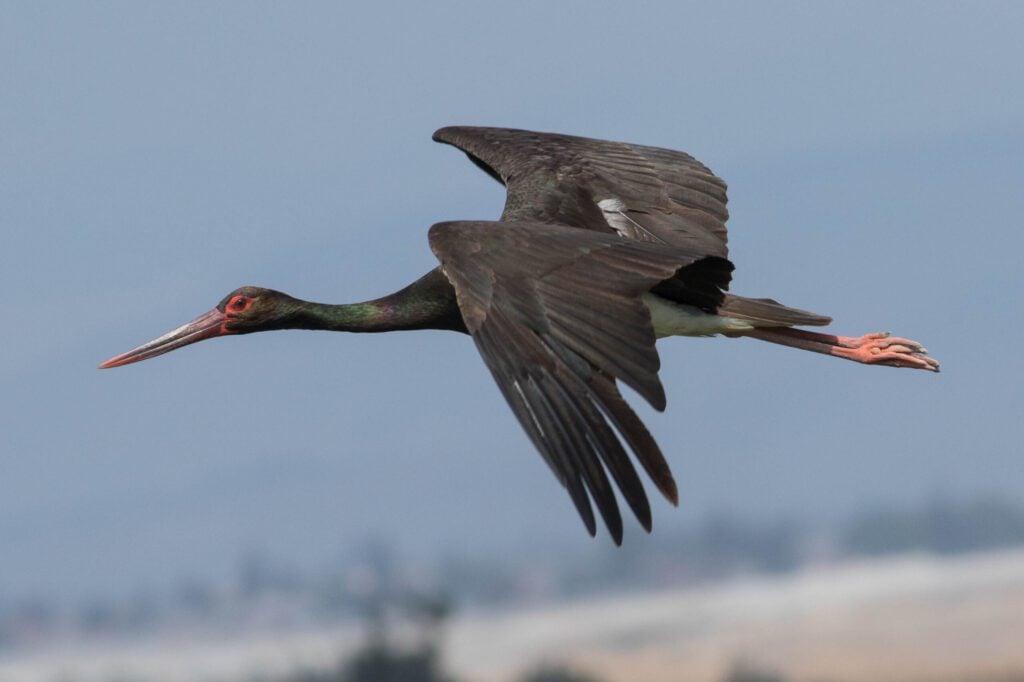 Example of a Black Stork © מינוזיג – MinoZig – Own work, CC BY-SA 4.0
A wonderful surprise for one local birder was a Black Stork seen on the evening of 24th, heading south-west. While this is a very rare bird in the UK this is the best time of year to see one, as they occasionally come off course, away from their usual continental migration routes.
Four Spoonbills – three adults and one juvenile – were seen from time to time throughout the month and there were as many as six at Flat Beach on 28th.
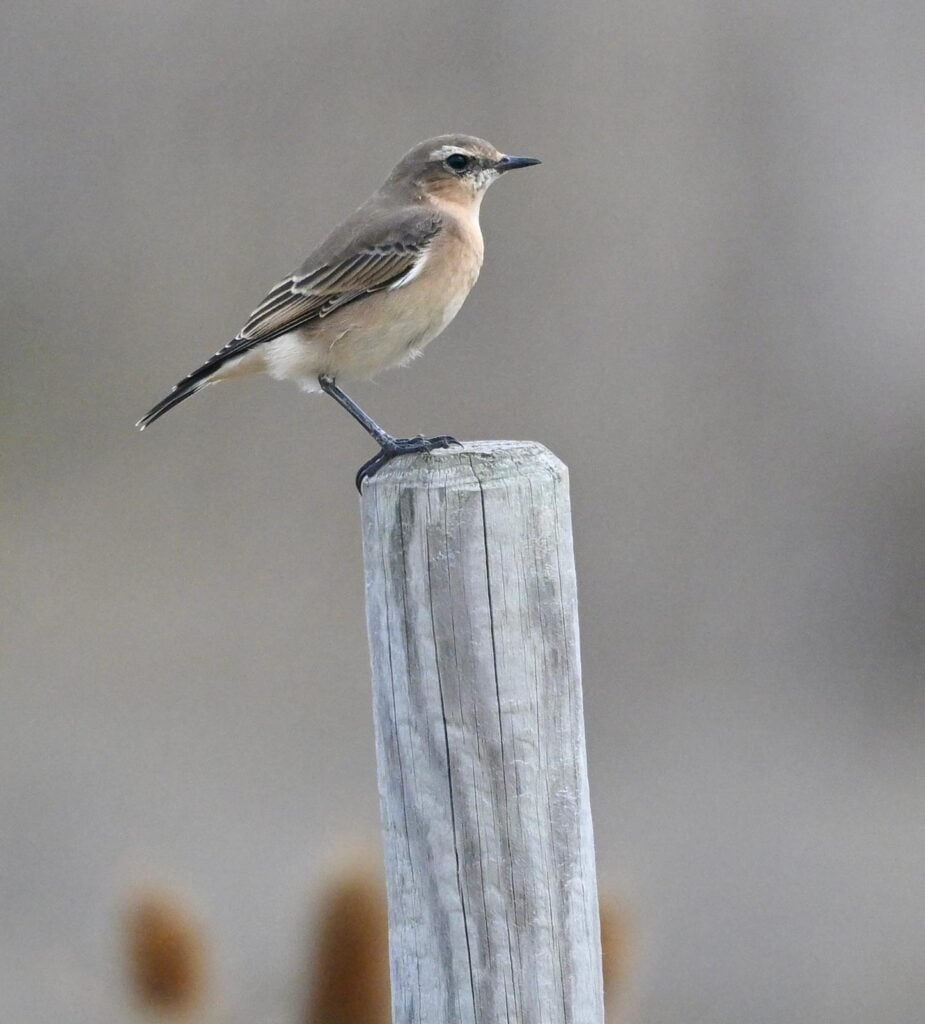 Wheatear © Paul Cherry
Wheatears were passing through all month along with smaller numbers of Whinchat. Stonechat numbers increased, with double-figure counts by the end of the month. Yellow Wagtail numbers were very low, but the odd Grey Wagtail was seen at the end of the month. Hirundine movement continued throughout with some Meadow Pipits appearing in the last few days.
A Convolvulus Hawk-moth caterpillar was seen at the Winchelsea end of the beach on 21st. A Paper Wasp, with its distinctive ‘dangling back legs’ flight is a scarce sighting. One was seen by the Martello Tower close to the reserve entrance on 24th. Bee-wolf solitary wasps were still around at the end of the month. Lots of Clouded Yellows and Small Coppers dominated the butterfly records.
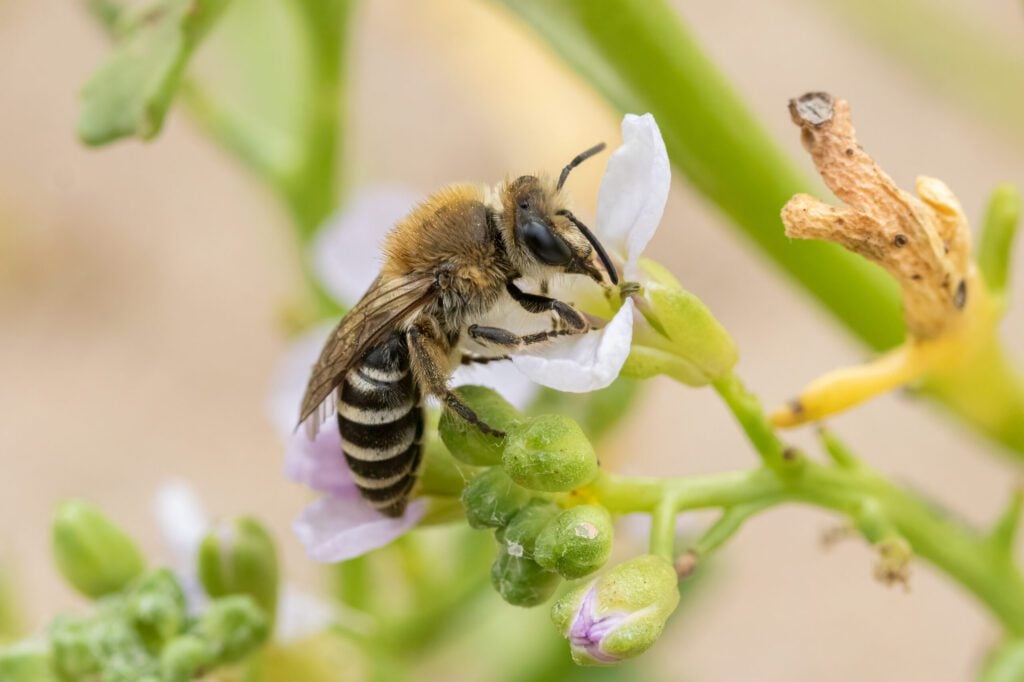
Sea Aster, Sea Purslane and Sea Wormwood were flowering in the saltmarsh, the former providing food for the Nationally Scarce Sea Aster Bees.



Leave a Reply