
News, articles and resources about wildlife in Sussex
Find the latest updates about our work and about nature in Sussex. Use the filters to explore news, articles, species profiles and more.
Filter by type
Filter by tag
What’s on
Events and courses


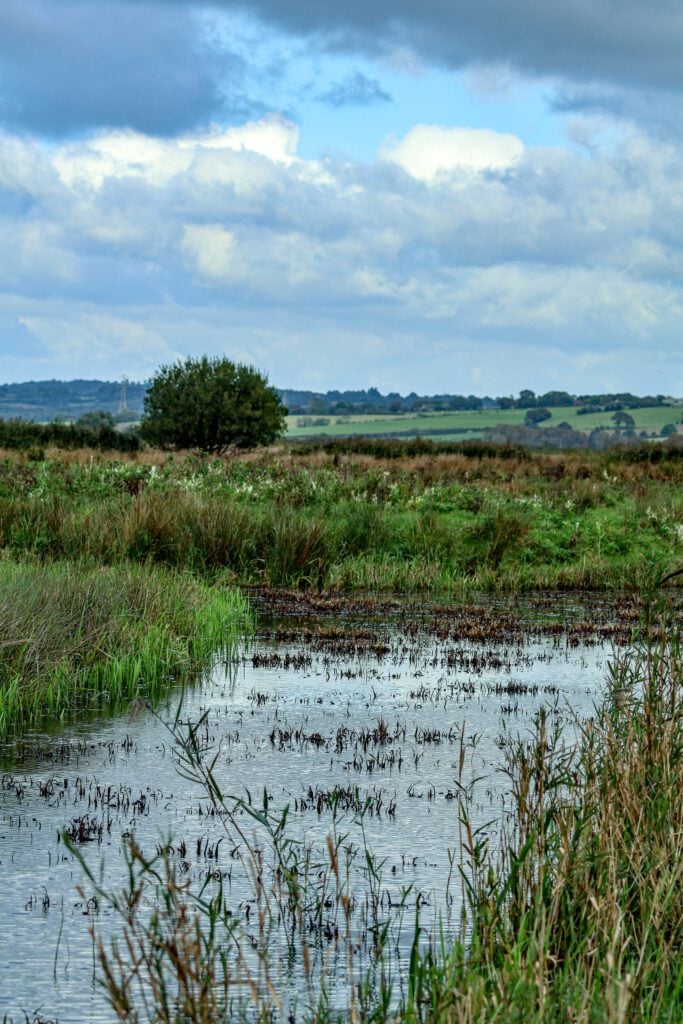 Pevensey Levels
Defending and restoring nature and wild spaces in Sussex
For over 65 years, our members, volunteers and supporters have been working to protect this county’s intriguing environments and wonderful wildlife. Together, we’re creating space for nature to recover and thrive across land, waterways and sea, in cities, villages and towns.
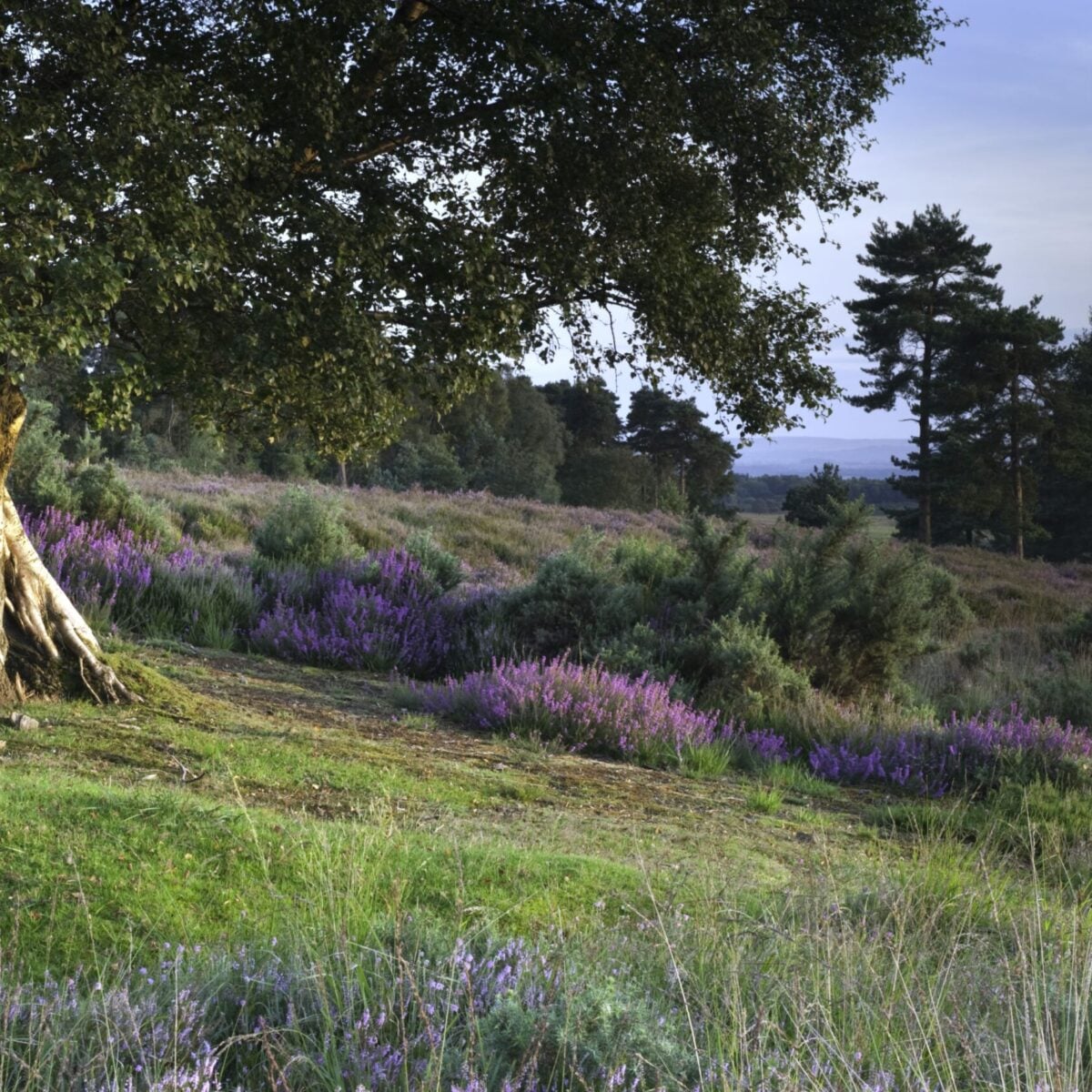
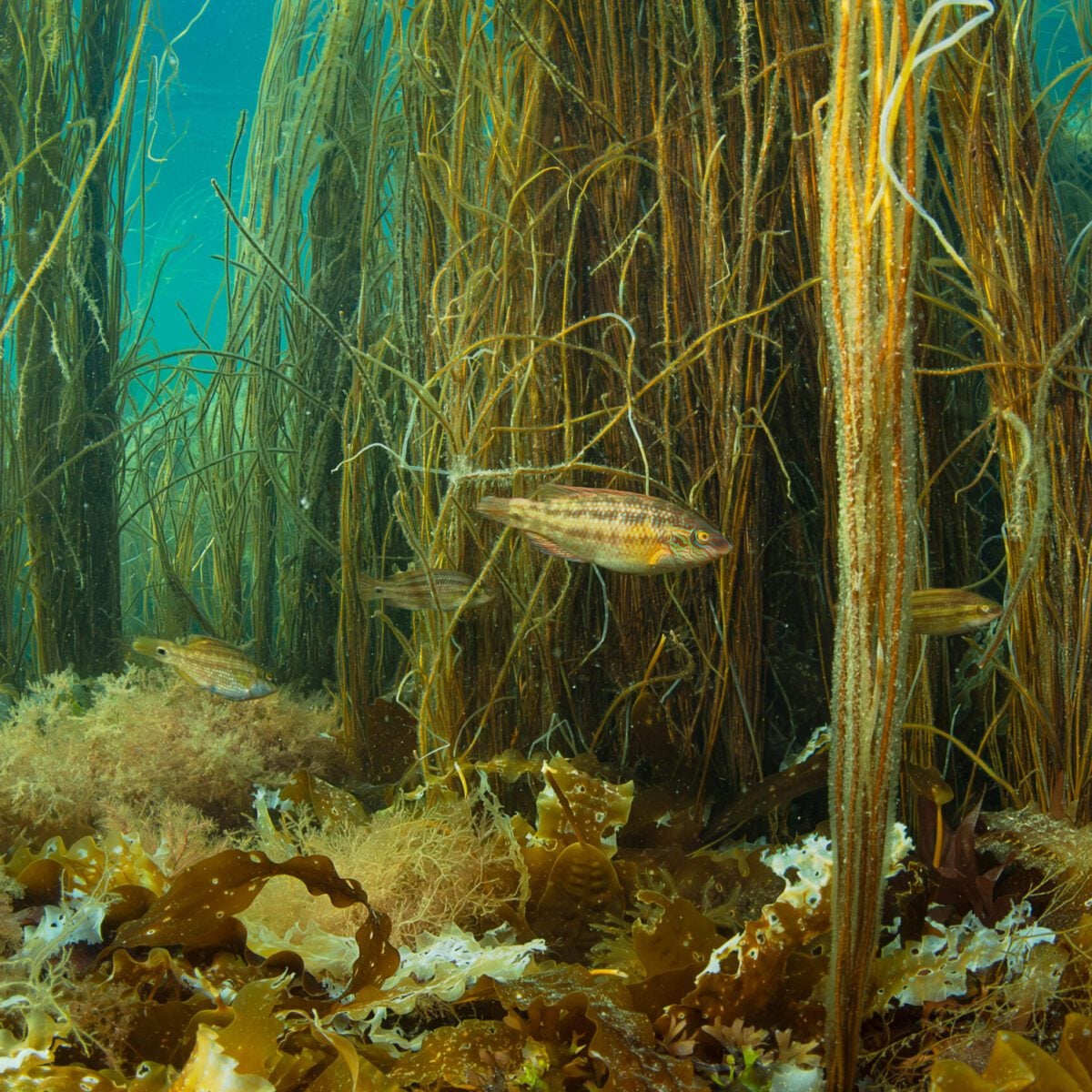
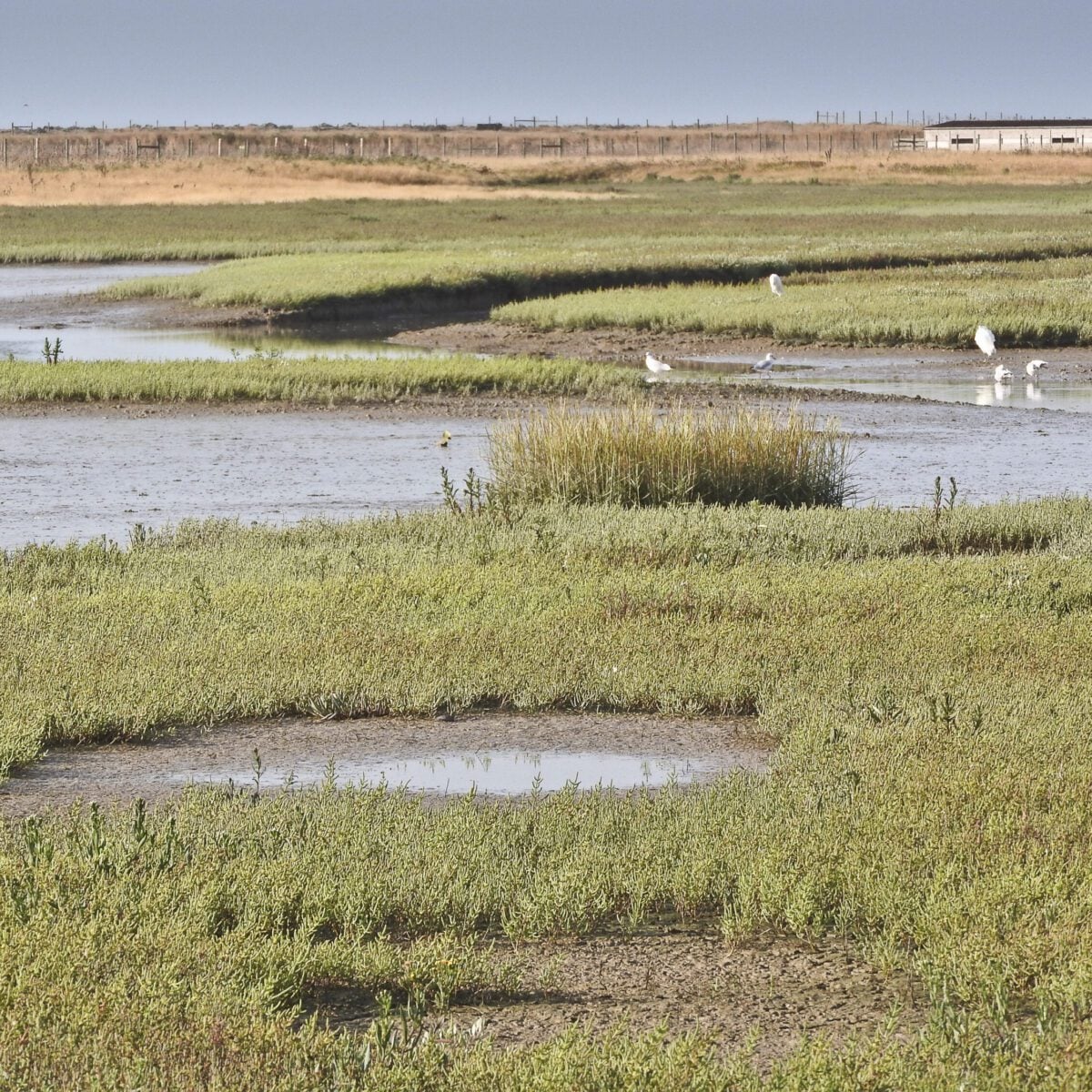
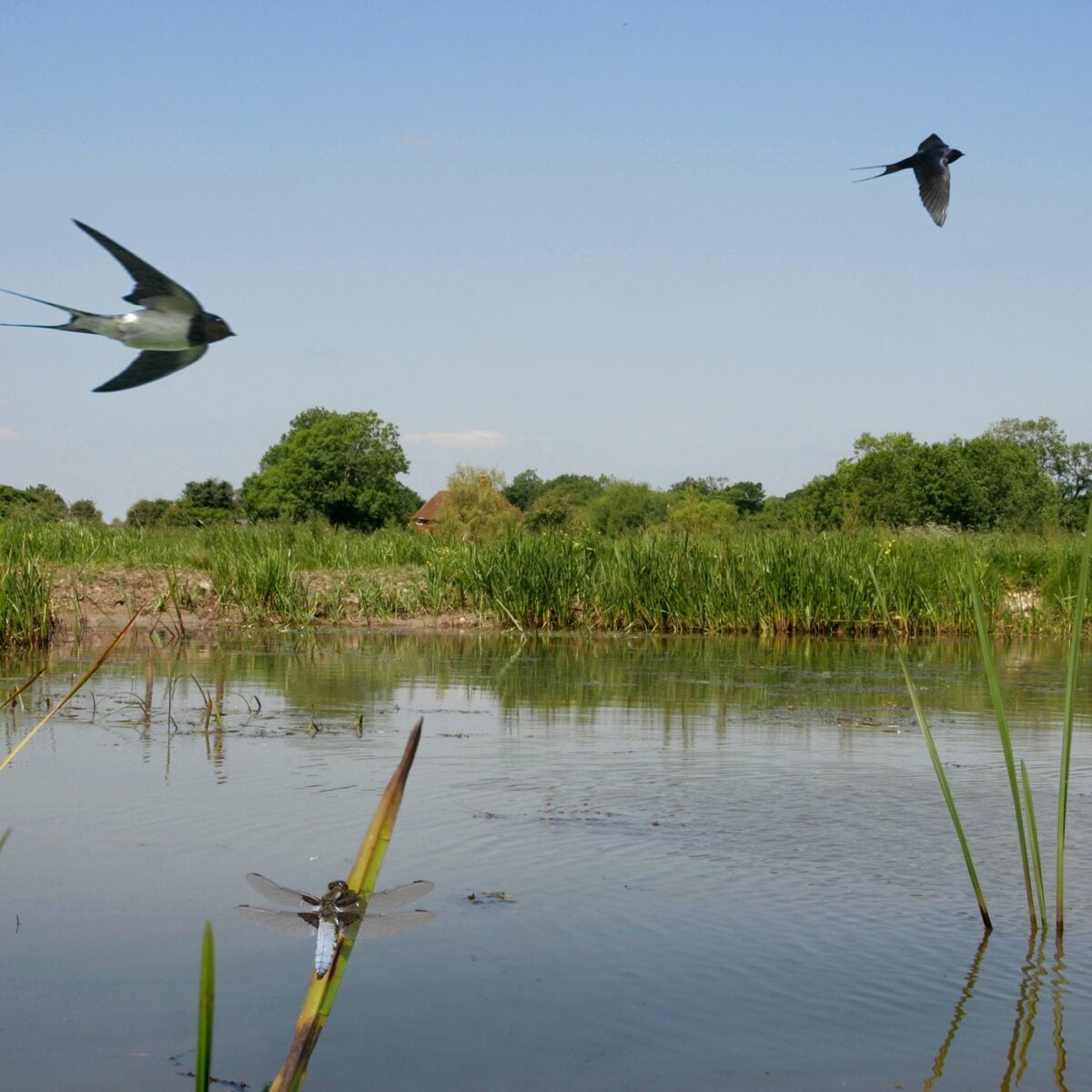
Sussex species and habitats



Join the community
Connect with wildlife
Thousands of people share their love of wildlife in Sussex via social media. From garden visitors and community campaigns to the latest rare finds on our reserves, we bring it all together. Join us on your preferred platform (and get our weekly news by email).
Nov 11

David Thirlwell is a member of the Trust, and a prop-maker, but he loves #macro photography! Here are a few of his images. All of his photos were taken in Seaford or Bishopstone, East Sussex.
1. Ant harvesting honeydew from aphids on an apple tree.
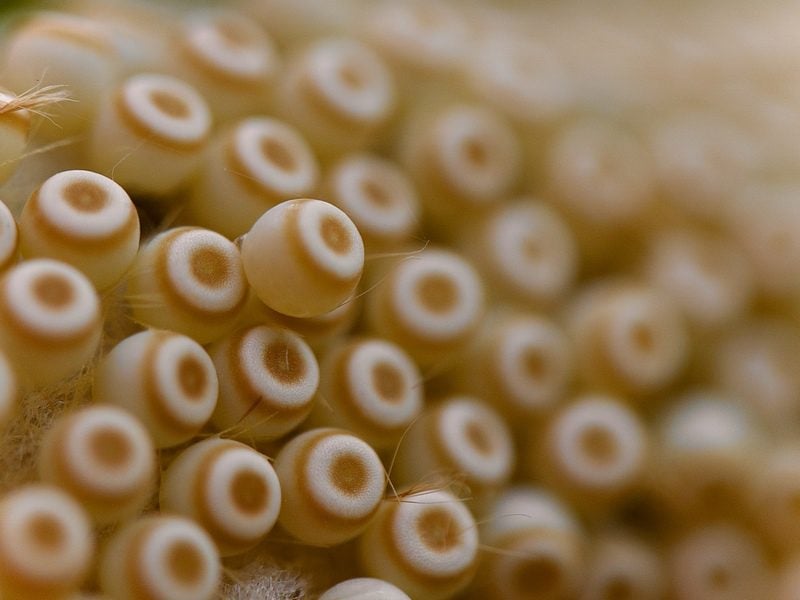
2. Vapourer moth eggs. The eggs are always laid next to the cocoon which then acts as food for the caterpillars when they hatch.
3. Meadow Grasshopper
@thirlwelldave
Nov 10
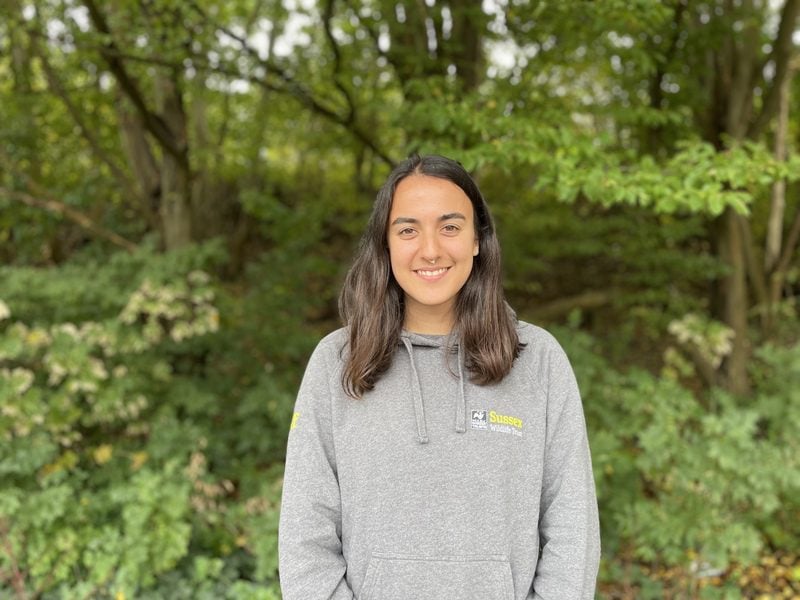
Introducing our new Trainee Community Engagement Officer Taanu Donne! 👋
Focusing on our Deneway Nature Reserve, Taanu leads community sessions, supports Forest School sessions, and gets stuck in with practical conservation.
Welcome Taanu in the comments!
📸© Carlamarita Hazelgrove, Archie Taplin
Nov 10
Chris Corrigan commented on there being lots of storm-driven Little Gulls feeding in the shoreline surf, along the Sussex coast towards the end of October. This one is at Shoreham Harbour. Amazing photo by Jane Puttock
Nov 9
Top quality recycler. Named for its three bull-like horns, the Minotaur Beetle is a large dung beetle found on grassland & heathland. One of a number of dung beetles that buries balls of dung for their larvae to feed on.
This black beauty was recently spotted on our Brickfield Meadow Reserve by Evidence & Monitoring Manager Lou Mamalis
Nov 8
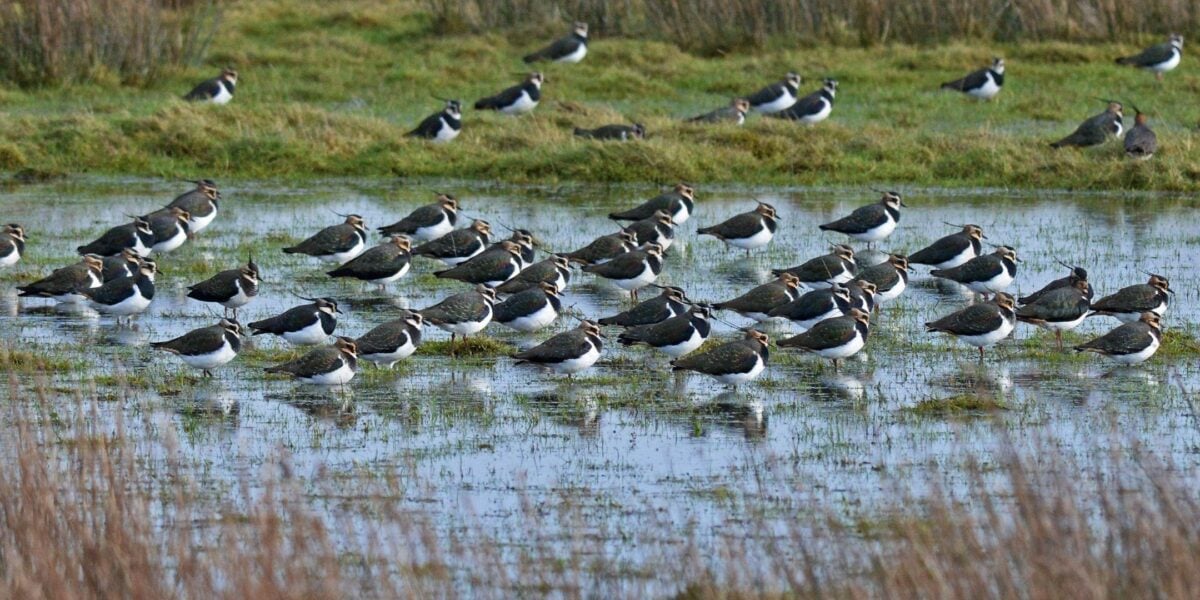
Fabulous recent photo of Lapwing at dawn, by Barry Yates
Nov 7
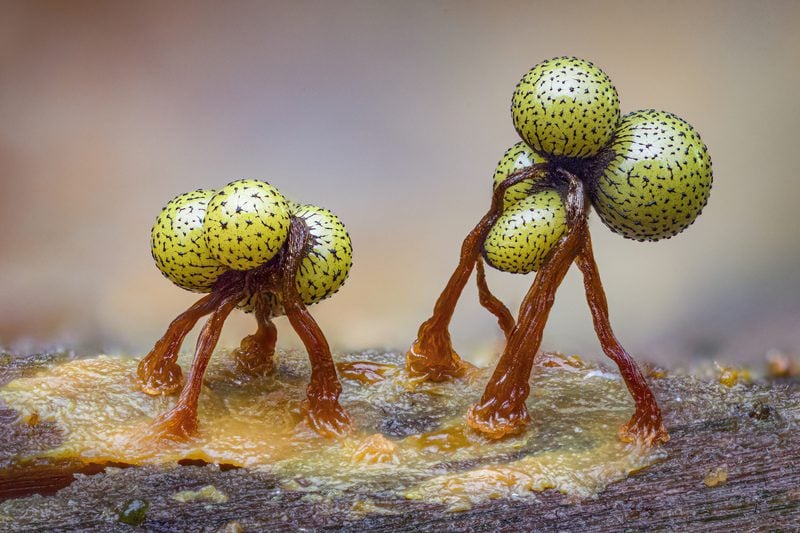
Final fantastic image from Trust member Kutub Uddin, who just won the Portfolio category of the Natural History Museum`s Wildlife Photographer of the Year Awards.
Tickets now on sale – well worth a trip to London to see the exhibition.
Featured image: Fruits of the Forest
These fruiting bodies, or sporangia, of the common slime mould Cribraria argillacea grow in closely packed groups. Kutub was drawn to their delicate structures and unusual clustering.
@kutub_uddin_macro @natural_history_museum @nhm_wpy
Nov 6
An extra helper turned up to our volunteer task at Old Lodge nature reserve last week!
A stunning Green Huntsman spider 🕷️💚
📷© Ellie Stradling
Nov 5
🔥⚠️STEP AWAY FROM THE BONFIRE ⚠️🔥
Have you checked for Hedgehogs, or any other wildlife that may have made a home in piles of leaves and logs?
🦔Move the pile before lighting – the longer it has been sat, the higher the risk of wildlife being inside
🦔Do not build bonfires on leaves – always on open ground
🦔Be especially diligent of fires being extinguished – wildfires are still a risk
📷© Tom Marshall
Nov 4
A third superb image from Kutub Uddin, winner of the Portfolio category of the Natural History Museum`s Wildlife Photographer of the Year Awards
Featured image: The Gathering
Kutub had to search for several weeks across different woodland areas in Sussex before finally spotting these fruiting bodies. It was windy and tiny insects kept moving through the frame, but the natural light worked perfectly to highlight their delicate structure.
@kutub_uddin_macro @natural_history_museum @nhm_wpy
Nov 3
Another incredible image from Kutub Uddin, winner of the Portfolio category of the Natural History Museum`s Wildlife Photographer of the Year Awards
Featured image: A World in Miniature
Kutub likens this fruiting body of a Didymium clavus slime mould – which is about the size of a mustard seed – to a miniature bonsai tree. Kutub used focus stacking to reveal the fine details of these tiny structures.
@kutub_uddin_macro @natural_history_museum @nhm_wpy
Join the Sussex Wildlife Trust community
Become a member today to protect nature for tomorrow
As a member, you get access to free guided nature walks, magazines about local wildlife, discounts on courses and events, and a guide to our reserves.
Not quite ready to join but want to help?
Donate to help create a wilder future for nature in Sussex
Choose to give money to a specific cause, or to our work to manage local reserves, defend nature, and create wonderfully wild spaces on land and beneath the waves.