Take action
Become a member
Memberships build our community and give us a predictable income, which lets us plan and sustain longer projects that can have a greater impact. The more members we have, the more we can do to protect the Sussex countryside and coast.
Make a donation
Membership builds our community and gives us a predictable income, which lets us plan and sustain longer projects that can have a greater impact. The more members we have, the more we can do to protect the Sussex countryside and coast.
Overview
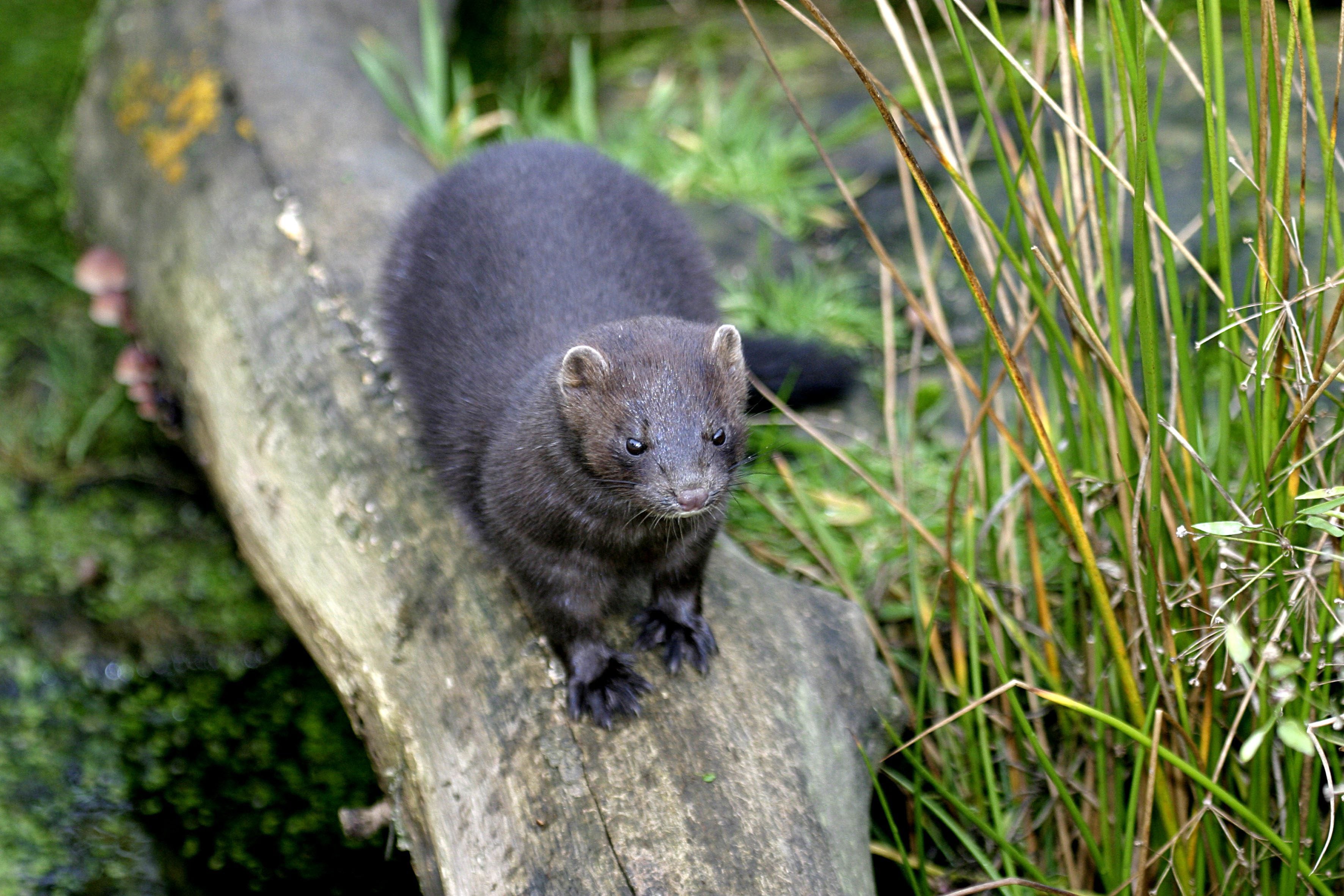
Alongside many threats, predation from invasive non-native American Mink has caused significant decline to the Water Vole population. Water Voles are a flagship species, meaning if we can successfully protect them and their habitat, the surrounding ecosystem has a greater chance to flourish.
Key facts
- Despite gaining riverbank fame as ‘Ratty’ in The Wind in the Willows and sometimes being referred to as ‘water-rats’, Water Voles are not rats.
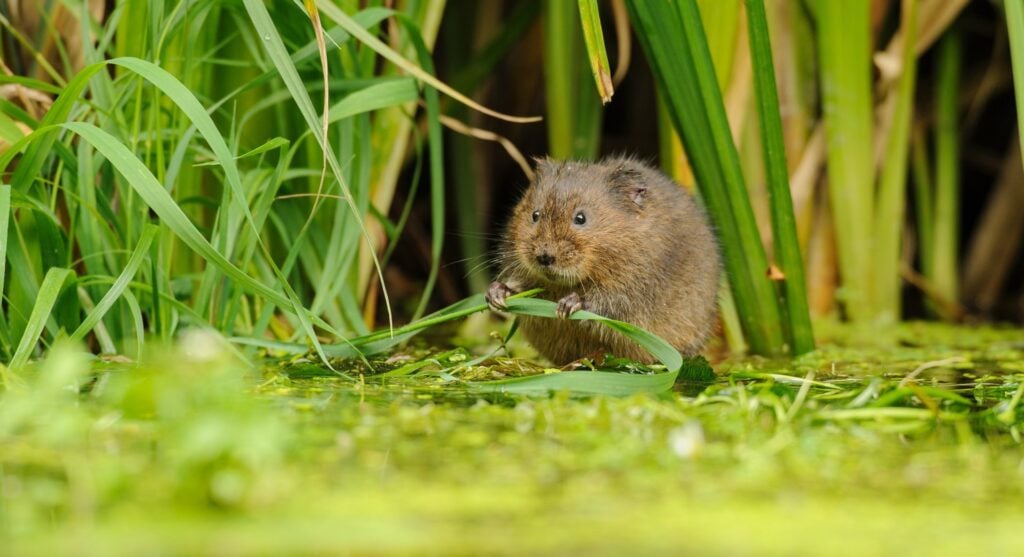
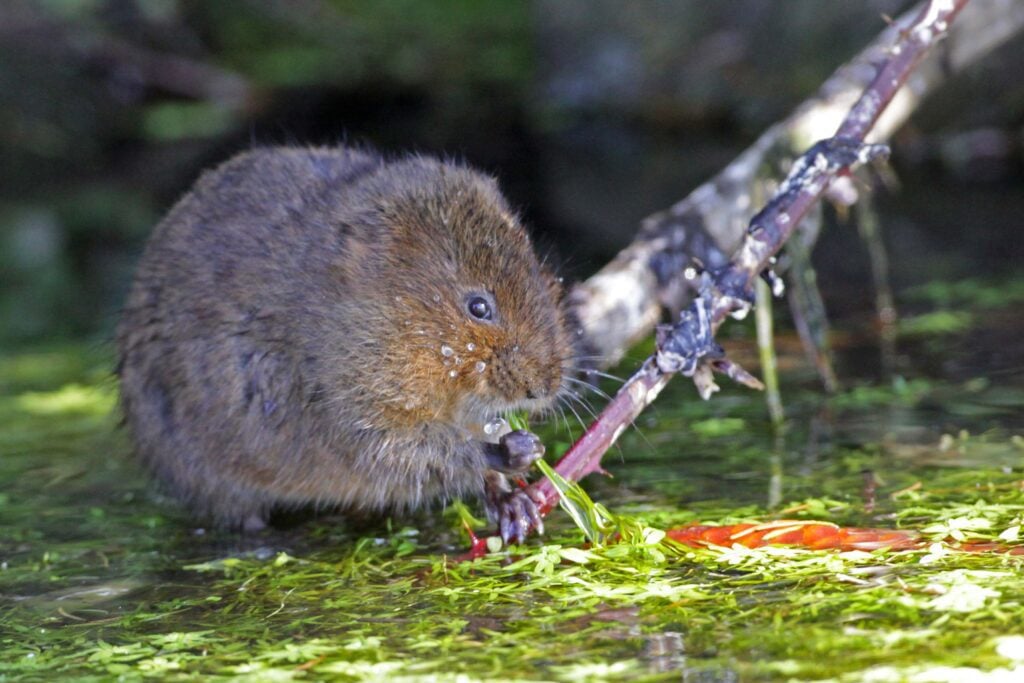
- At around 22cm, Water Voles are the largest of our vole species, with chestnut fur, a blunt, rounded nose, small ears and a furry tail. Brown Rats are larger, with grey-brown fur, a pointy nose, large ears, and long scaly tail.
- Water Voles like to sit and eat in the same place, so piles of nibbled grass and stems may be found by the water’s edge, showing a distinctive 45-degree angled cut at the ends.
- Another giveaway sighting is a Water Vole ‘latrine’, a pile of tic-tac shaped droppings. Although these are scentless, Water Voles rub their hind legs on their scent glands and stamp on the latrines to mark their territory.
Status
Our Water Voles face many challenges; pollution, climate change, habitat loss due to intensification of agriculture and development, and predation by invasive non-native American Mink.
Having once been found in nearly every waterway in England, this native species has declined by a staggering 90% since the 1970s. A protected species in the UK, Water Voles are now listed as Endangered on the Great Britain and England Red List for mammals.
Seasonality
Water Voles can be found all year round in the UK. Although they do not fully hibernate, like some of their rodent relatives, Water Voles are less active in the winter months, and during very cold temperatures will enter a period of ‘torpor’, where they lower their body temperature to match their surroundings, saving precious energy. Therefore, Water Voles must feed up as much as possible in autumn, and ensure their burrows are high enough above the waterline to avoid flooding from winter storms.
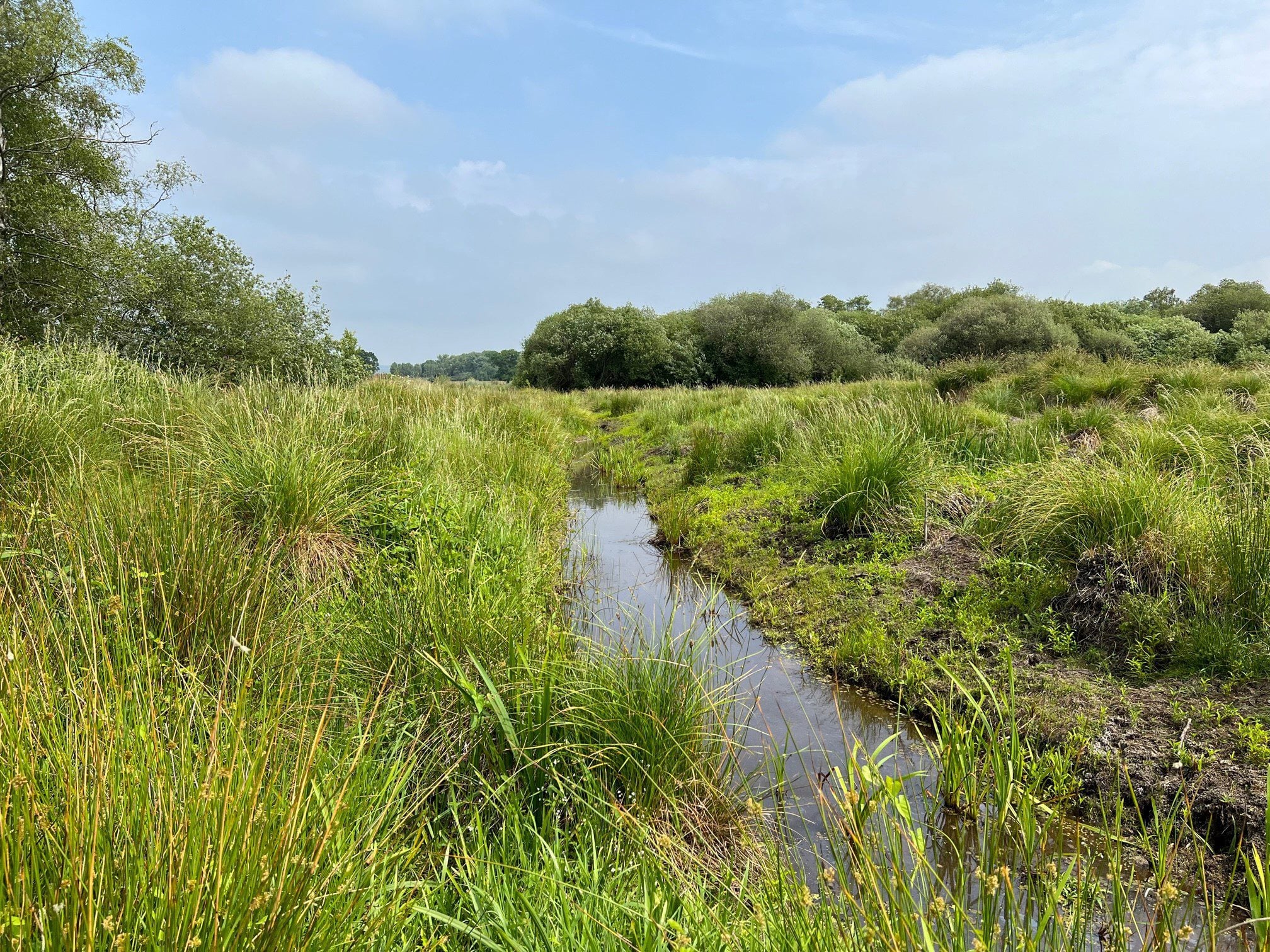
How we can help Water Voles
- Keep your dog out of waterways – free-roaming dogs can inadvertently disturb Water Voles, and flea treatment pesticides can leach off canine coats, polluting Water Vole highways
- Take your litter home – even litter dutifully placed in bins can overflow and blow into waterways, causing havoc for Water Voles and other river dwelling wildlife
- Log sightings of American Mink – you can do this through iRecord and by contacting the Waterlife Recovery Trust, who run projects in the UK to control American Mink, and protect and recover our native Water Voles.