Take action
Become a member
Memberships build our community and give us a predictable income, which lets us plan and sustain longer projects that can have a greater impact. The more members we have, the more we can do to protect the Sussex countryside and coast.
Make a donation
Membership builds our community and gives us a predictable income, which lets us plan and sustain longer projects that can have a greater impact. The more members we have, the more we can do to protect the Sussex countryside and coast.
Overview
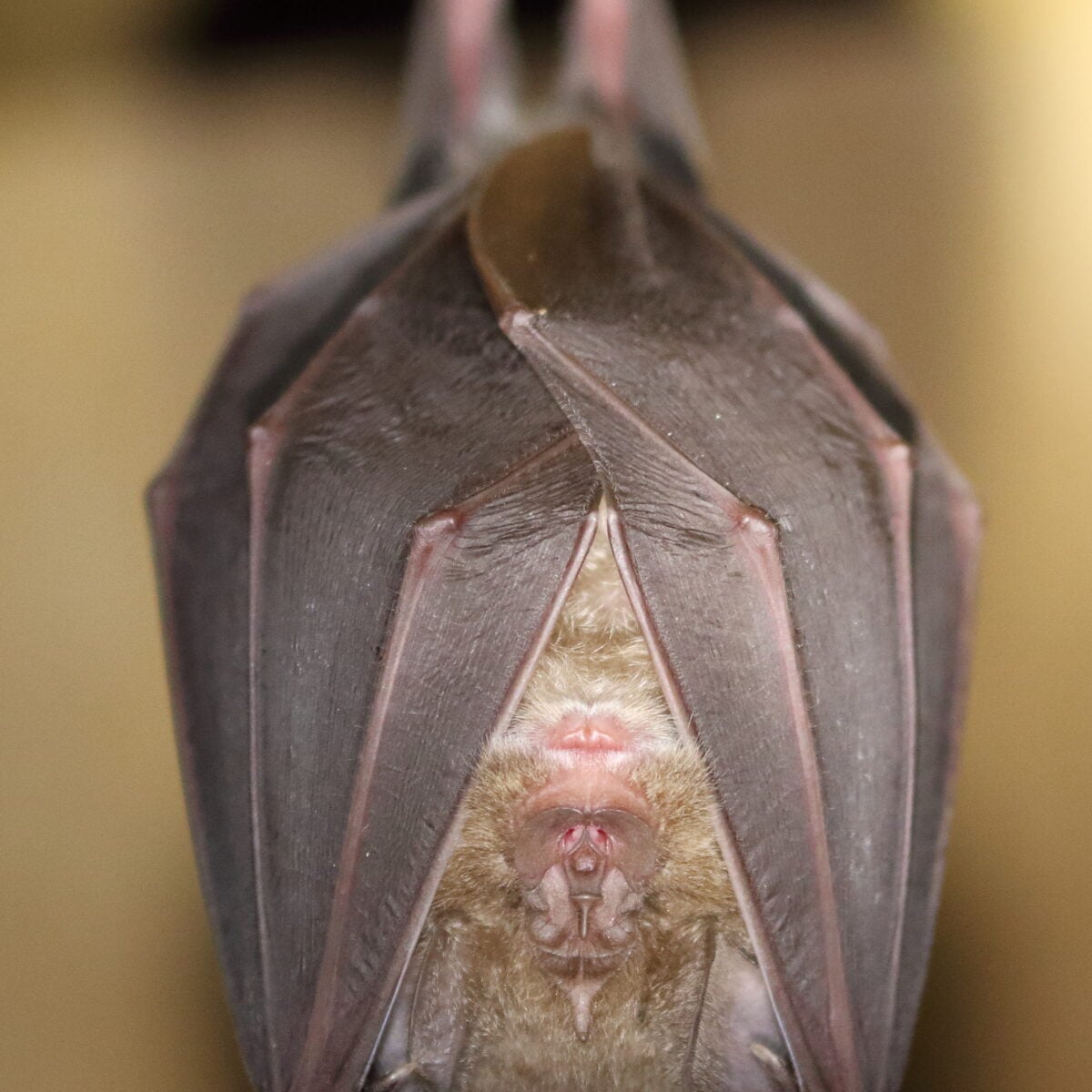
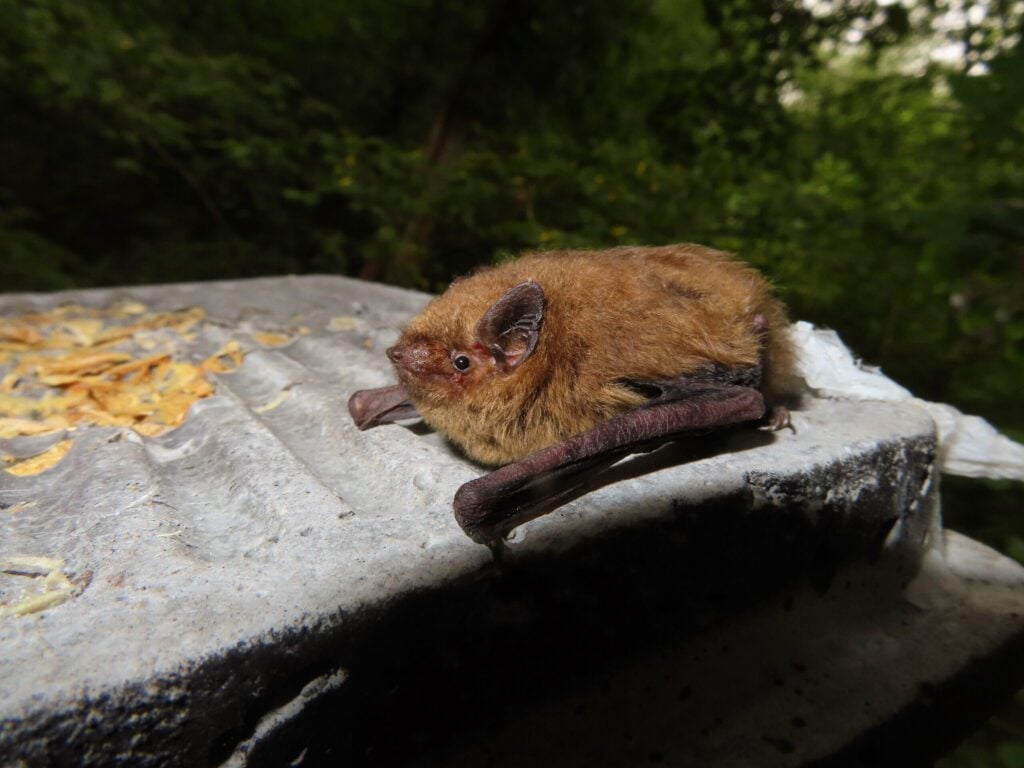
One of our most common and widespread UK bat species, the Soprano Pipistrelle is a likely species to see on a Sussex evening stomp. By day, these bats don’t hang upside down, but ‘crevice dwell’ – squeezing into little gaps to roost.
Key Facts
- Similar in appearance and size to the Common Pipistrelle, but with a paler face – the two have only been considered separate species since the 1990s.
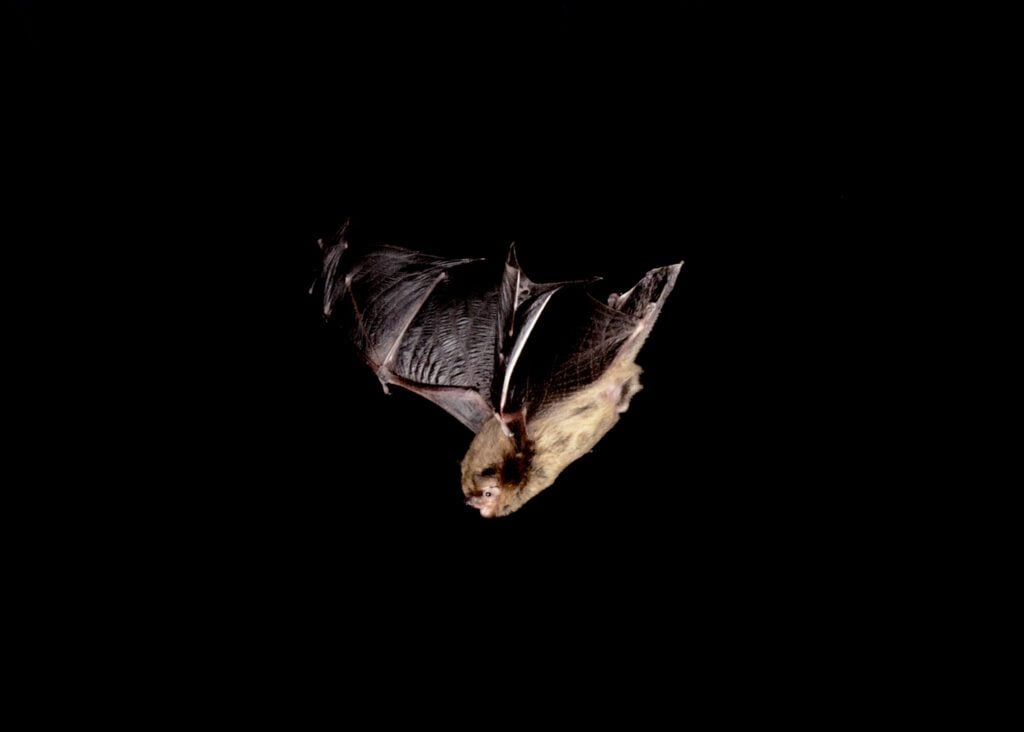
- Bats use echolocation to find food and manoeuvre in the dark – they make sounds which bounce back to them off nearby objects such as insect prey or trees, allowing them to safely judge distance.
- These echolocation frequencies can help to identify which bat species is which, and Soprano Pipistrelles echolocate at a higher frequency (55kHz) than their Common Pipistrelle cousins (45kHz), earning them their operatic name.
- All bats are legally protected in the UK, as are their roosts, whether bats are currently in residence or not. Bats don’t make nests but utilise existing spaces to roost during the day and to hibernate during winter.
Status
Although one of our commonest bat species, Soprano Pipistrelles have historically suffered a decline. Since the late 1990s, the Soprano Pipistrelle UK population has remained somewhat stable, at around 4.5 million individuals. However, this is around half of the population that whizzed around the air in the 1960s.
Like all 18 UK bat species, the Sopranos face threats of overdevelopment and intensification of agriculture, and a loss of their insect prey due to over-use of pesticides. Crevice dwellers, like Sopranos, are particularly vulnerable to disturbance and harm during building works, as removing a section of roofing, for instance, can effectively destroy a vital roost space.
Seasonality
Like all UK bats, Soprano Pipistrelles hibernate for the winter months, entering a sleep-like ‘torpor’ where they reduce their body temperature to that of their surroundings to save energy.
Bats hibernate from around October/November to April, temperature dependent. When they reappear in the spring, it’s a frenzy of feeding up for females ahead of giving birth to a single pup in around May or June. These young bats start to fend for themselves from around six weeks old.
How we can help Soprano Pipistrelle Bats
- Reduce or remove outdoor lighting – all UK bat species are nocturnal and sensitive to artificial light, with light pollution not only affecting their own behaviour, but that of their flying insect prey, particularly moths.
- Bats need insects, and insects need plants – include native plants in your garden or outdoor space which attract flying insect prey and reduce or stop the use of garden pesticides. As Sopranos are attracted to water, you can also introduce a pond or water source – even a small dish of water is helpful for wildlife. Just remember to create an exit route of a small pile of stones or a stick, so no bats get stuck.
- Make space for bats – with a lack of suitable natural habitat, more bat species are becoming urban dwellers. You can help by leaving them undisturbed if they choose to roost in your home or outdoor buildings.
- Keep your pet cat in at night – domestic cats are a predator of many bat species, and once they have learnt where a roost is, they may return repeatedly to pick off bats as they leave the roost. Keeping your cat in at dusk and dawn can increase bats chances of survival.
- Leave your garden or outdoor space as wild as possible – dead wood is ideal habitat for Soprano Pipistrelles, so if you can, leave broken branches or piles of dead wood for them to squeeze into.

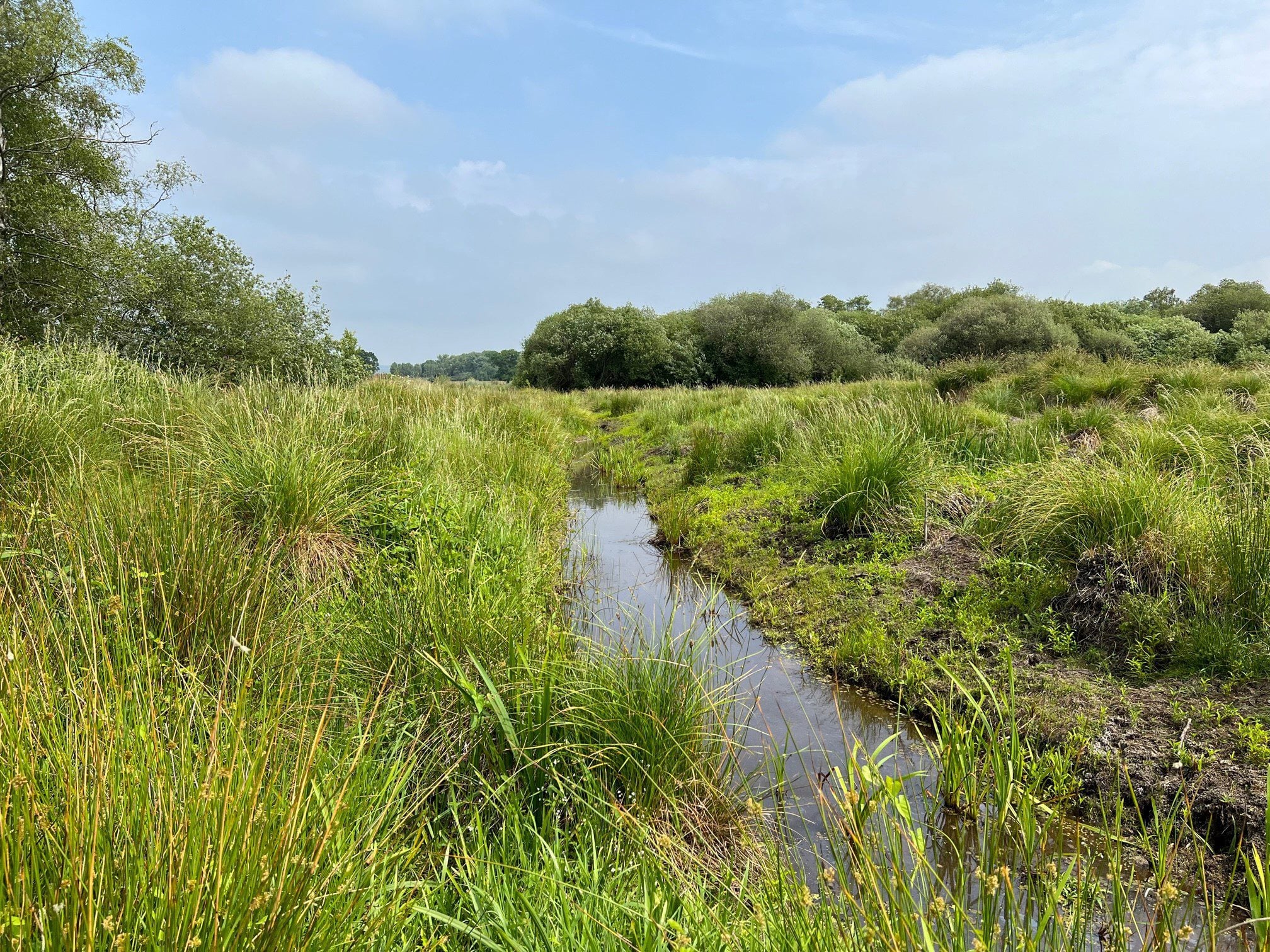
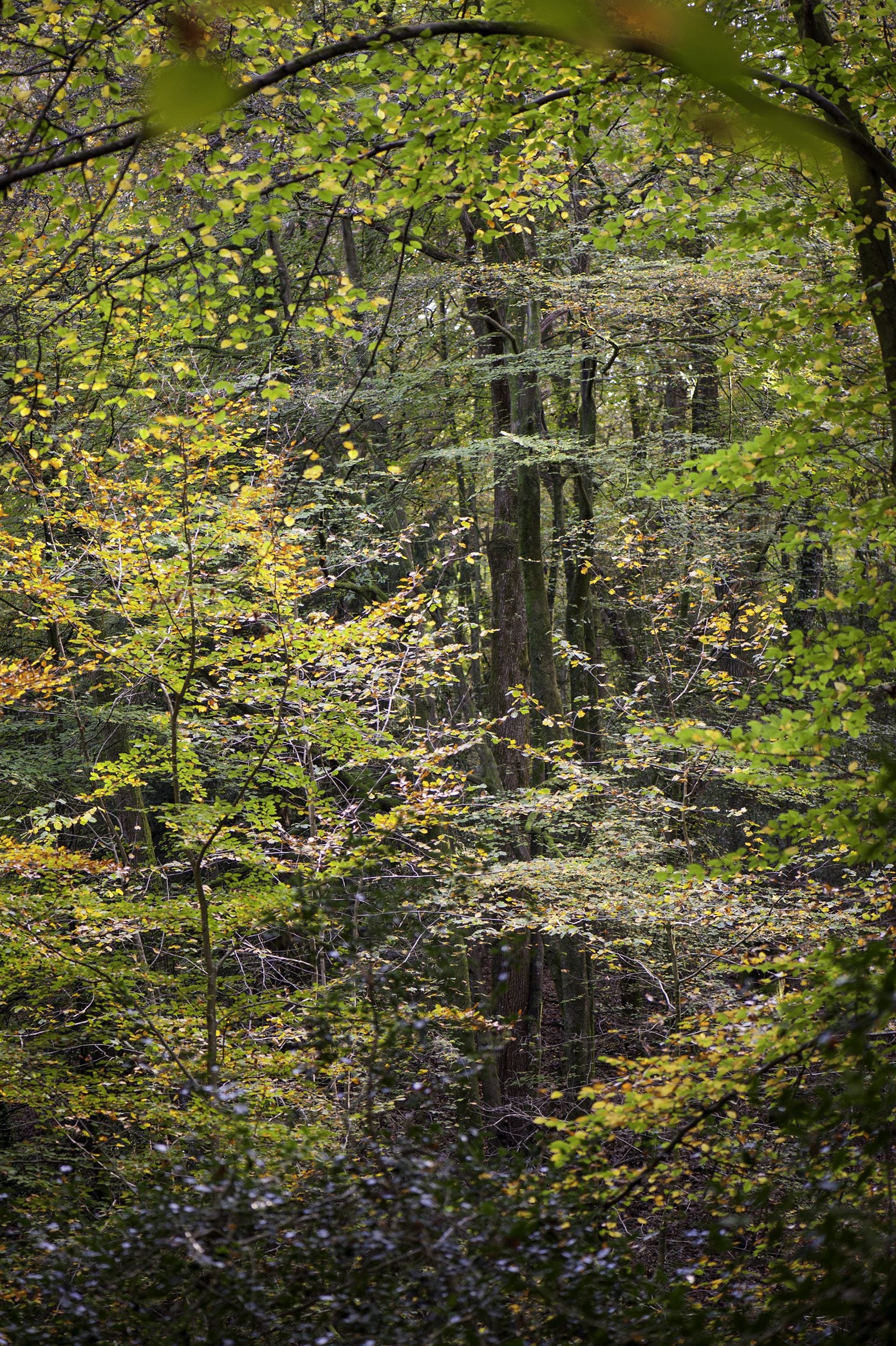
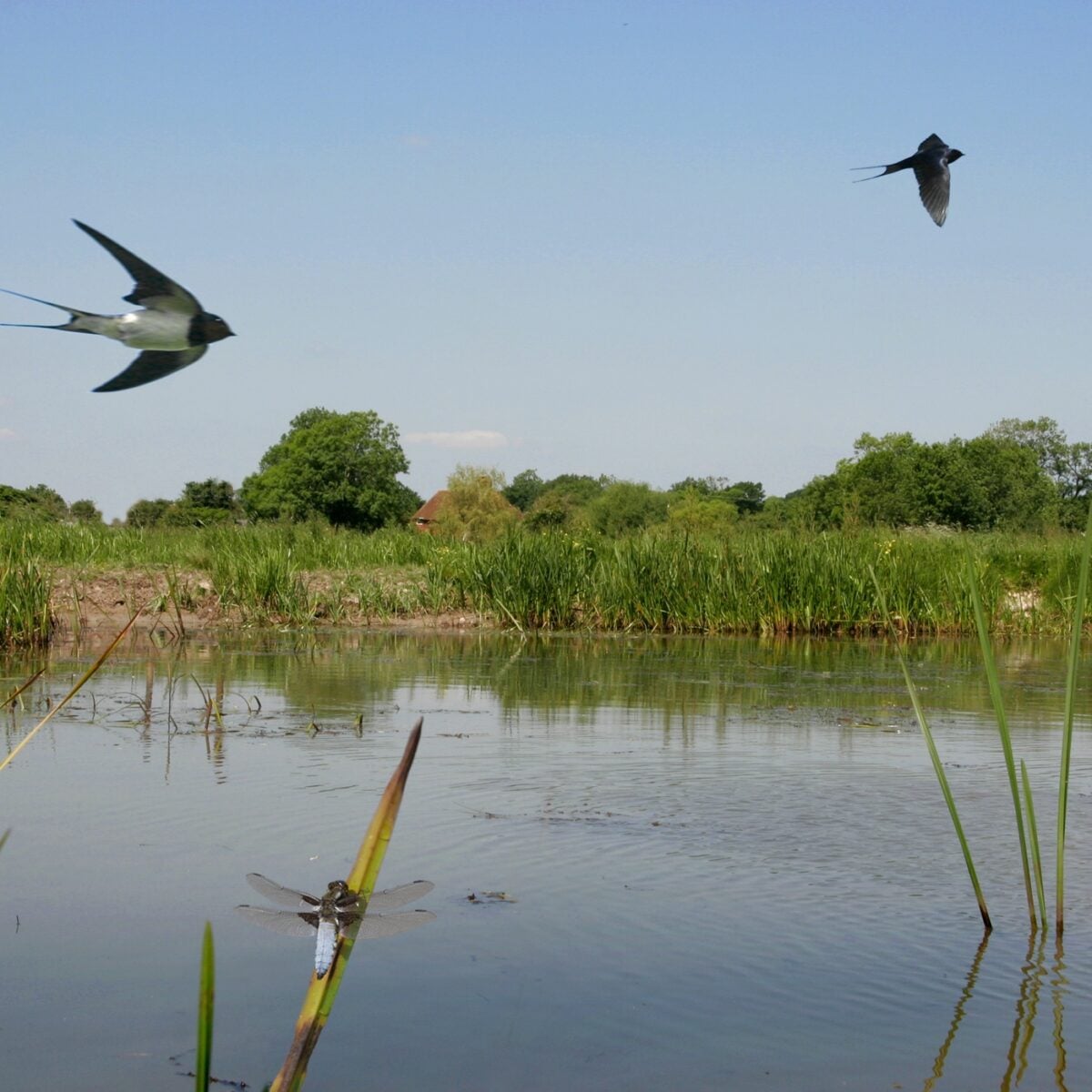
Soprano Pipistrelle Bats are a common species in Sussex, so it’s likely you could see them at many of our nature reserves on spring and summer evenings, especially those with waterways. Although Sopranos prefer wetland habitat for foraging of an evening, they can also be found whirling around our woodland and gardens. Head out just before sunset, wrap up warm, and look up!