Overview
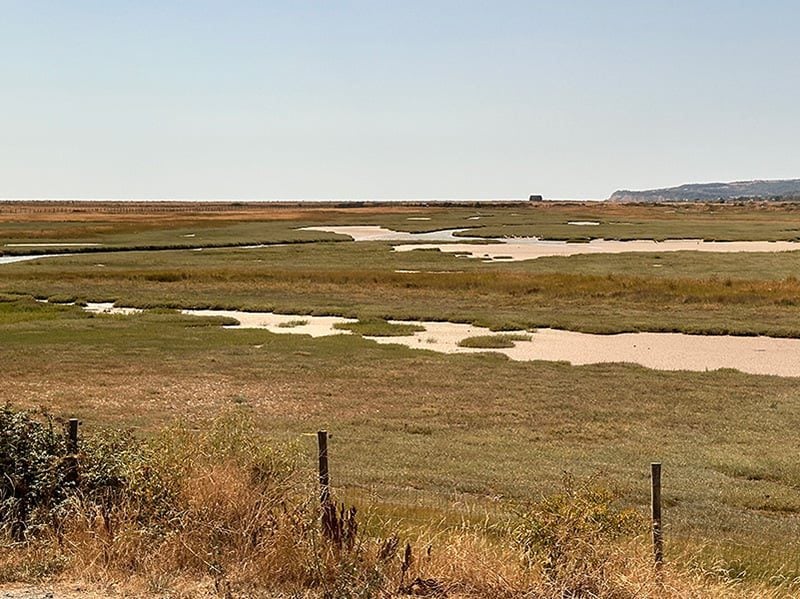
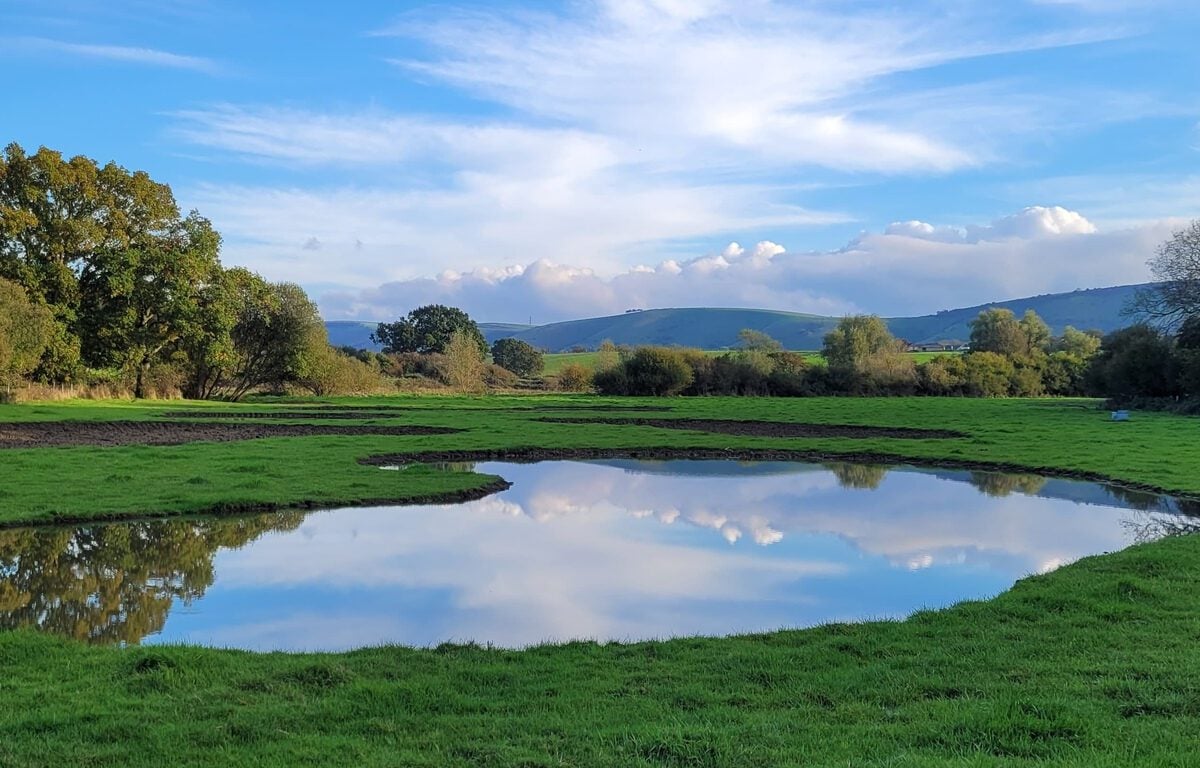
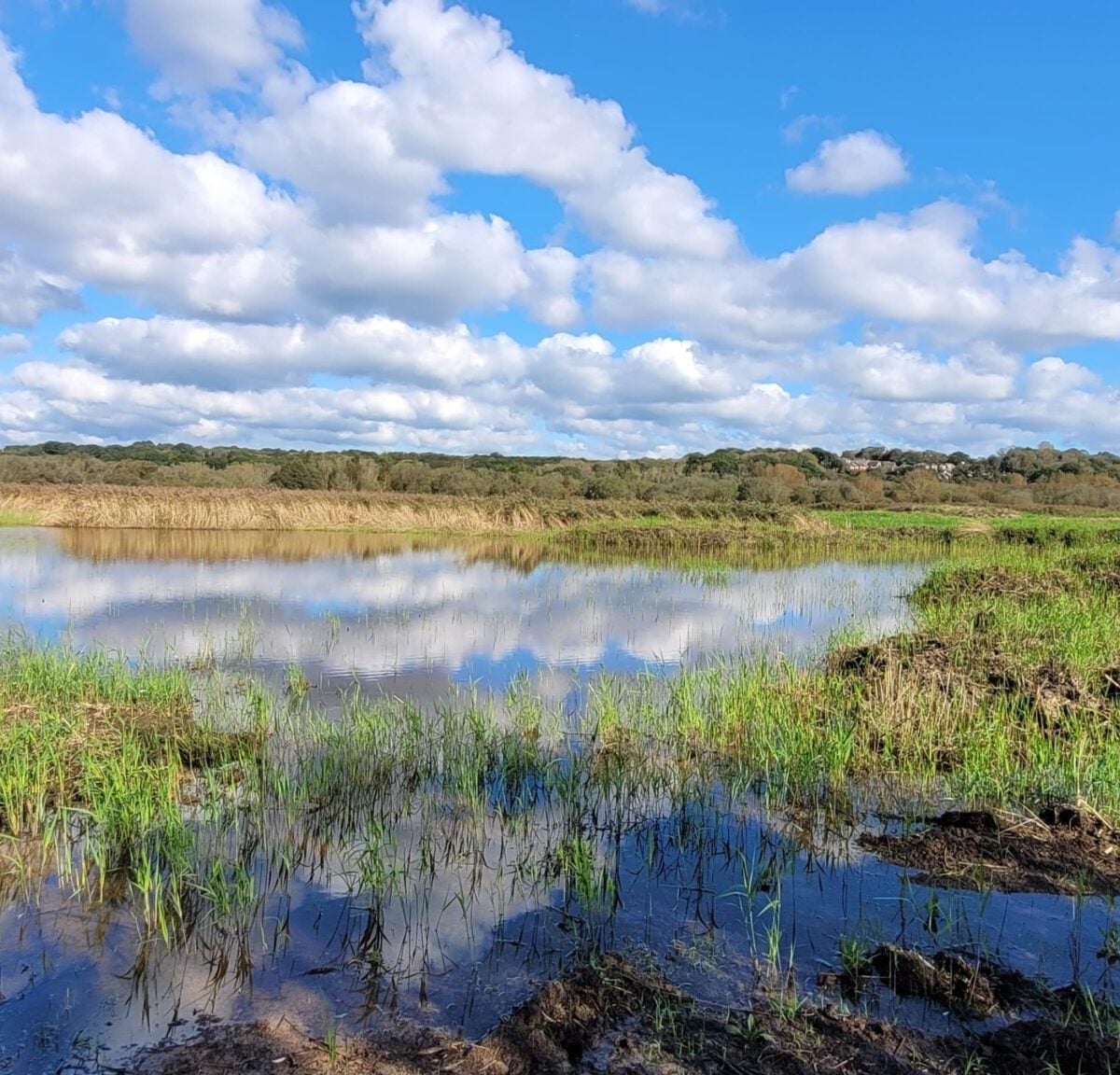
An extensive, rich, wetland situated next to the River Arun between the rolling hills of West Sussex’s South Downs.
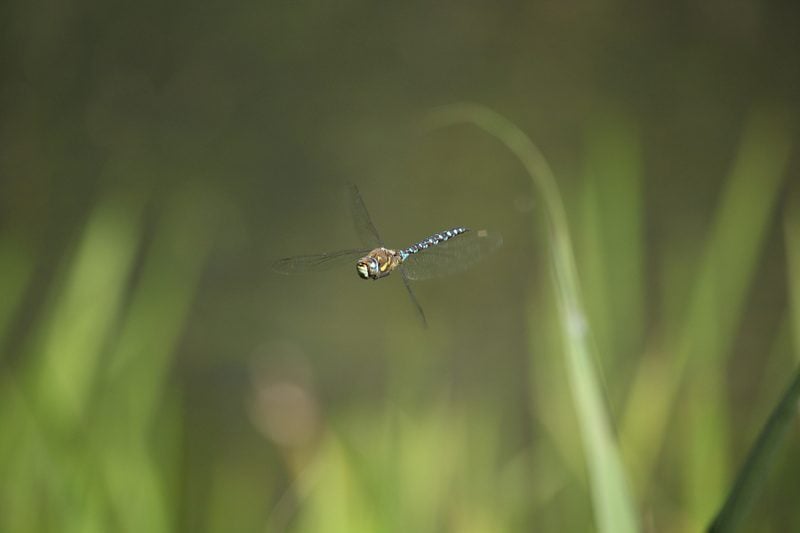
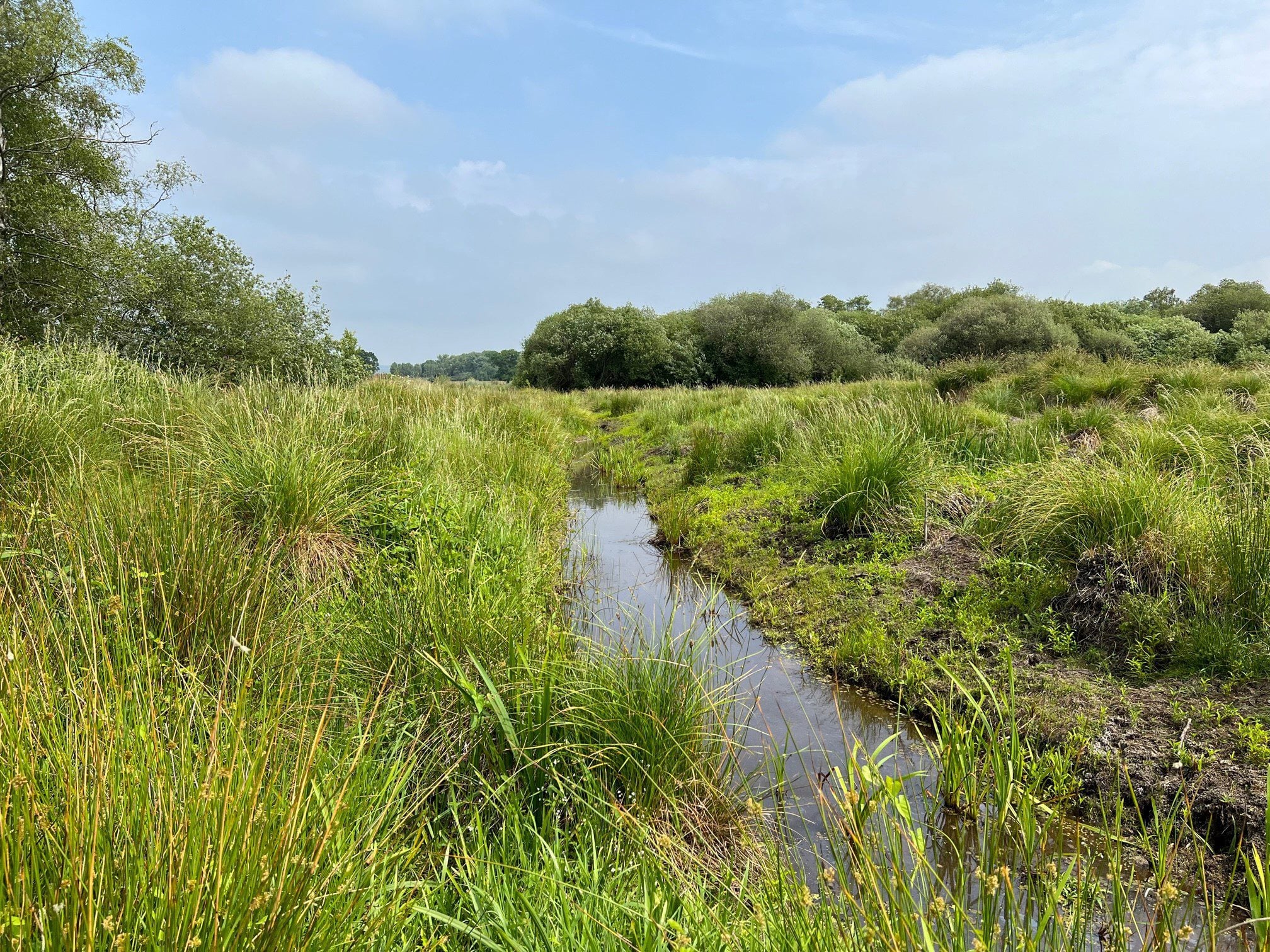
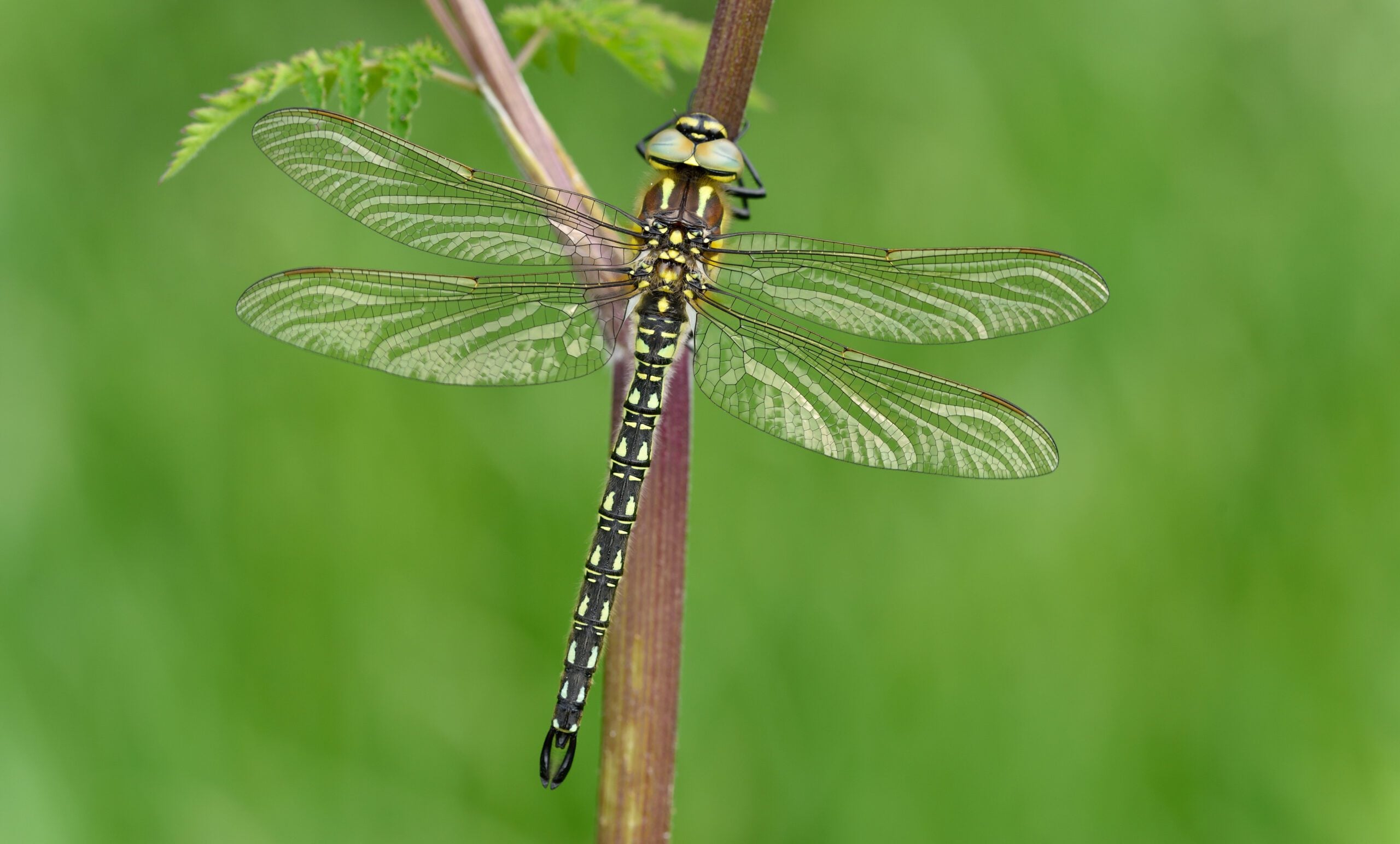
This was Sussex Wildlife Trust’s first ever nature reserve – we purchased it in 1963. Take the path beside the ditches that criss-cross the reserve and you’ll be passing a huge diversity of aquatic plants, such as Water-parsnip and beautiful pink Flowering Rush. Many rare invertebrates thrive here and it’s a great place to watch dragonflies and damselflies in summer.
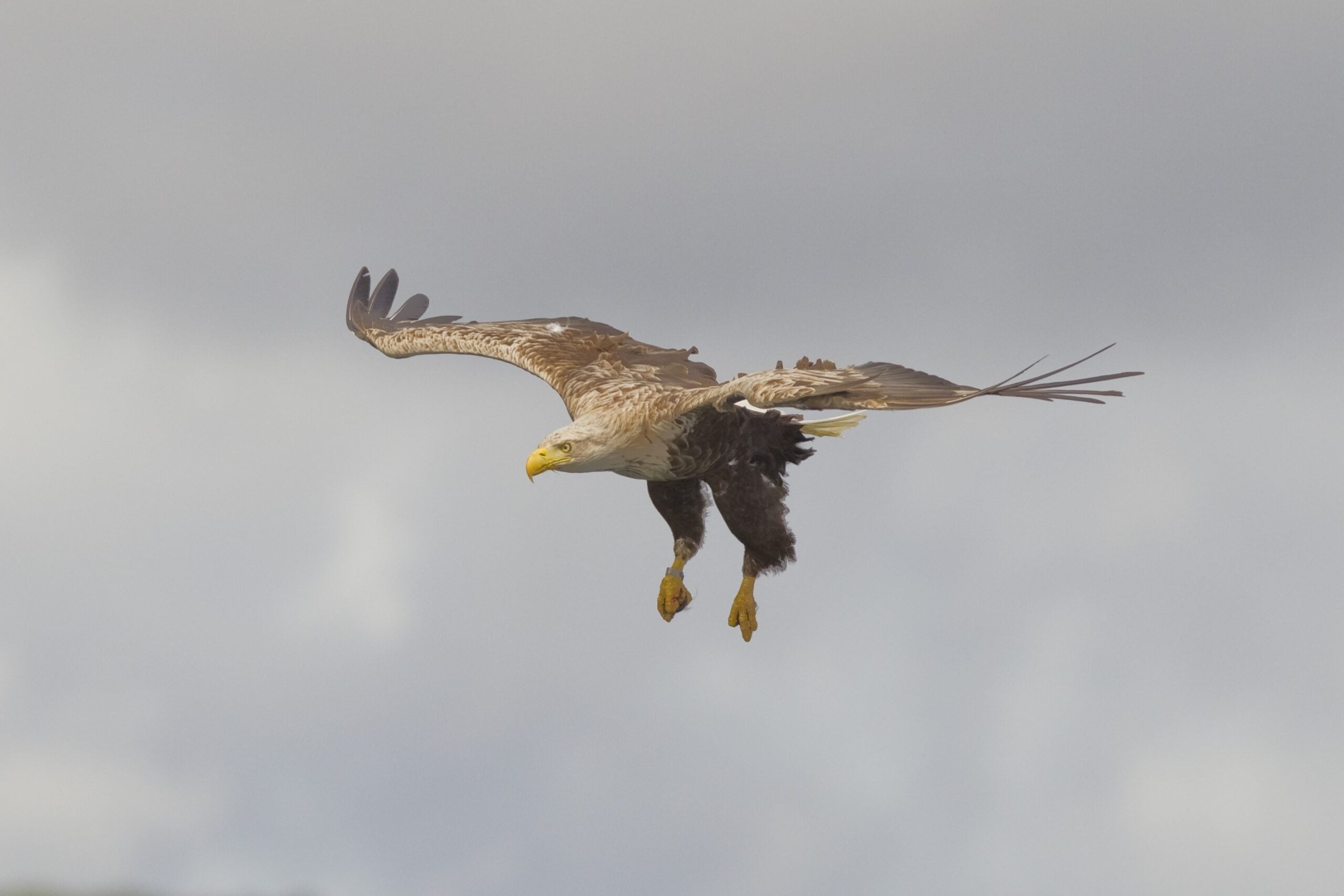
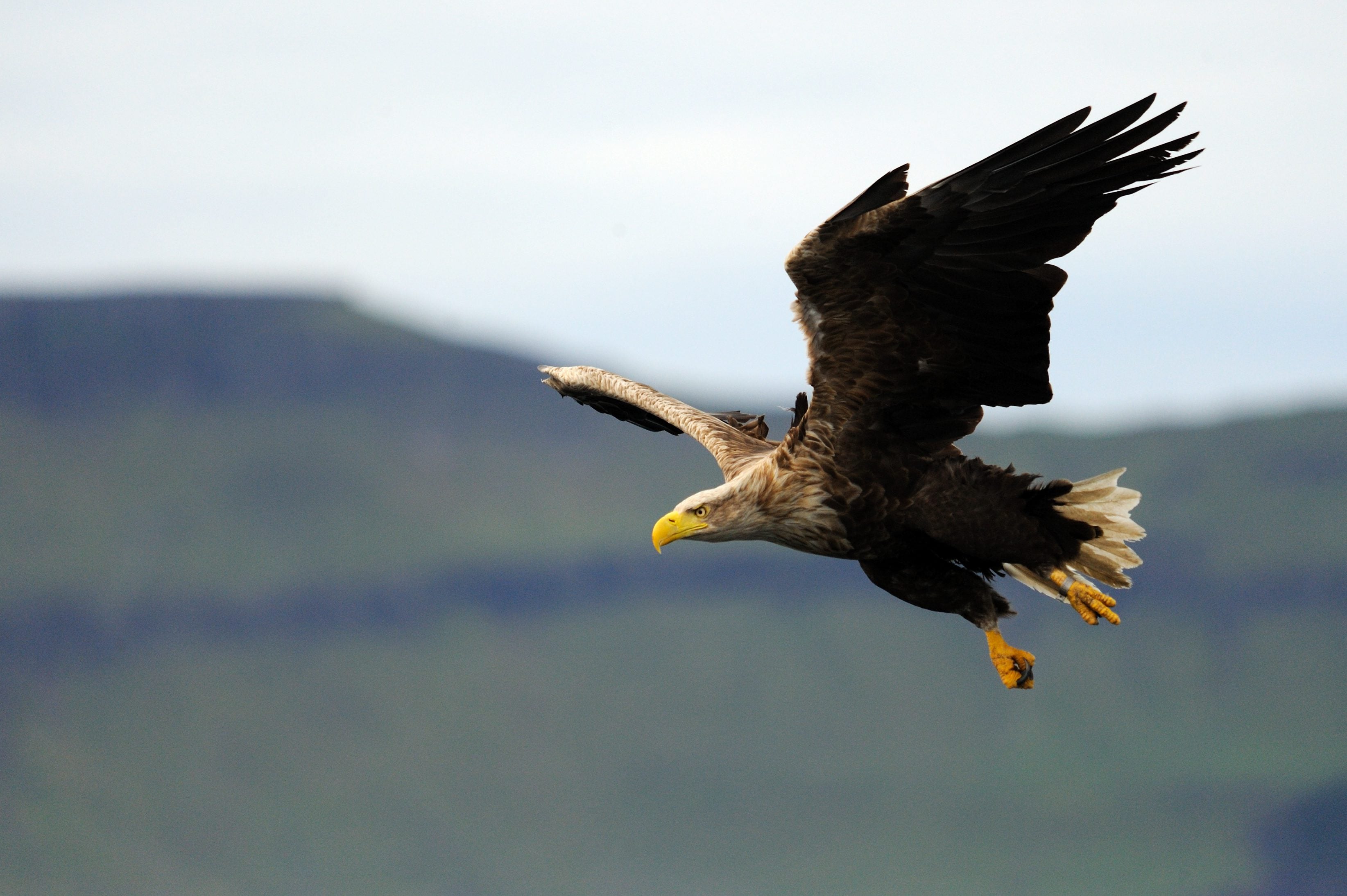
Throughout the year this is an exceptional place to find birds of prey. In winter look for Hen Harrier, Short-eared Owl and Merlin, in summer Hobby, and at any time expect to see Marsh Harriers, Red Kites and – with a little luck – White-tailed Eagles.



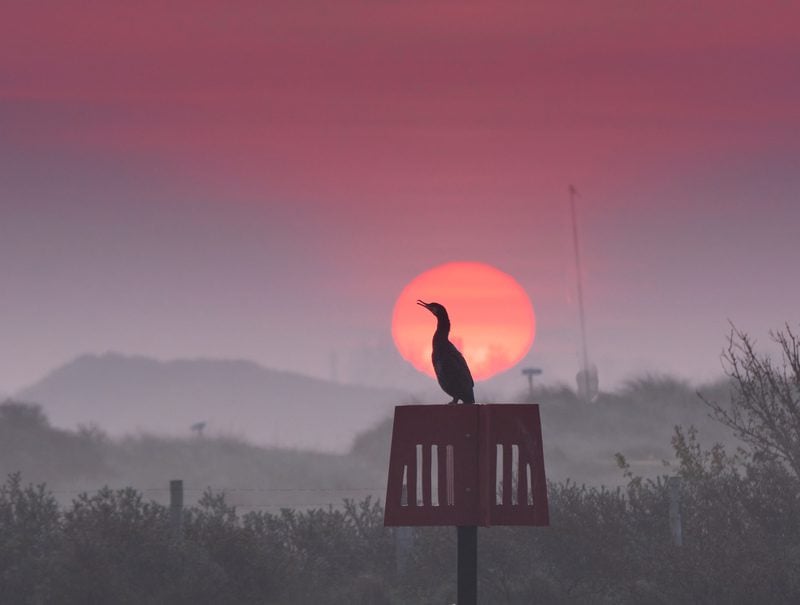
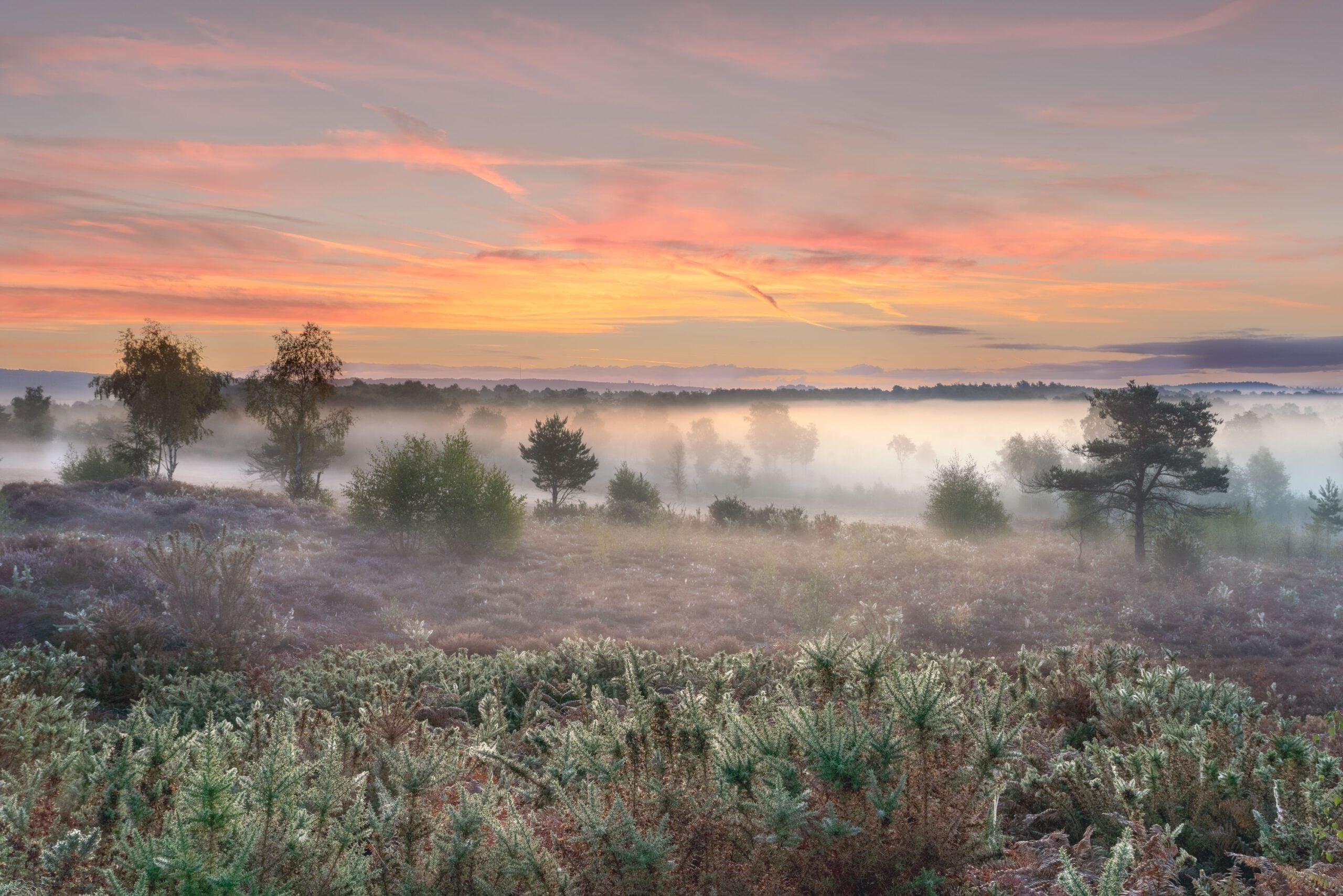
Caroline Pearce Director of Fundraising & CommunicationsI love an early morning walk, when a light mist hangs low over the Brooks, the quiet only interrupted by birdsong. And summer evenings, sitting by the river, watching the sun go down. If I’m very lucky, seeing a glimpse of a Barn Owl silently hunting.
Know before you go
Opening times
The reserve is open at all times
Free to visit
All our open reserves our free to visit, but if you enjoy your visit please consider donating to Sussex Wildlife Trust to help us manage these special places.
Reserve size – 80 hectares
How to get here
Postcode: BN18 9NT
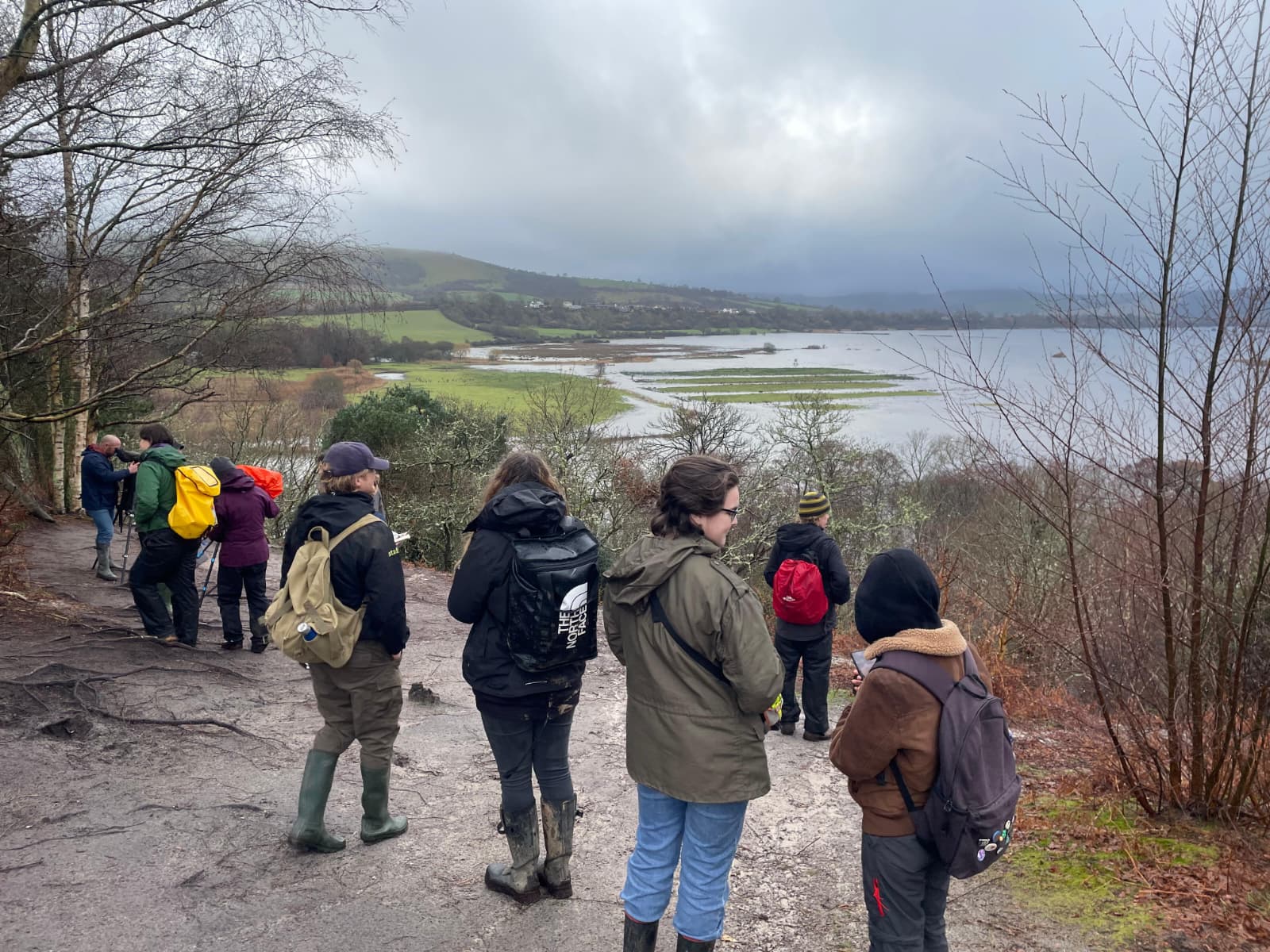
Access is restricted to the Wey South Path, which runs through the centre of the brooks. It can be accessed on foot from Hog Lane in Amberley village. Park thoughtfully in Amberley village and walk north.
Getting around
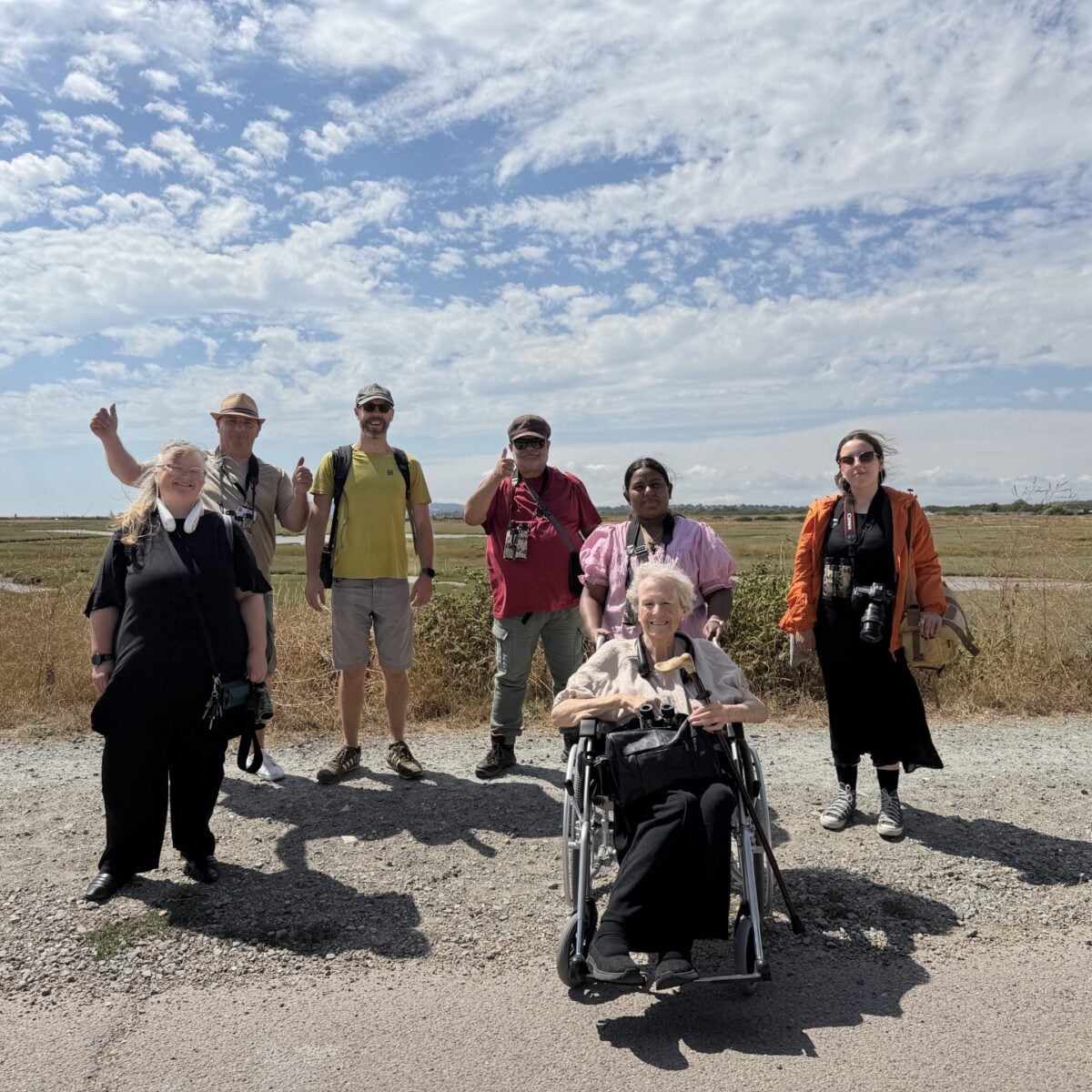
Access is tricky for people with mobility challenges&n bsp;because there are stiles and it gets muddy in places.
Dogs welcome on leads
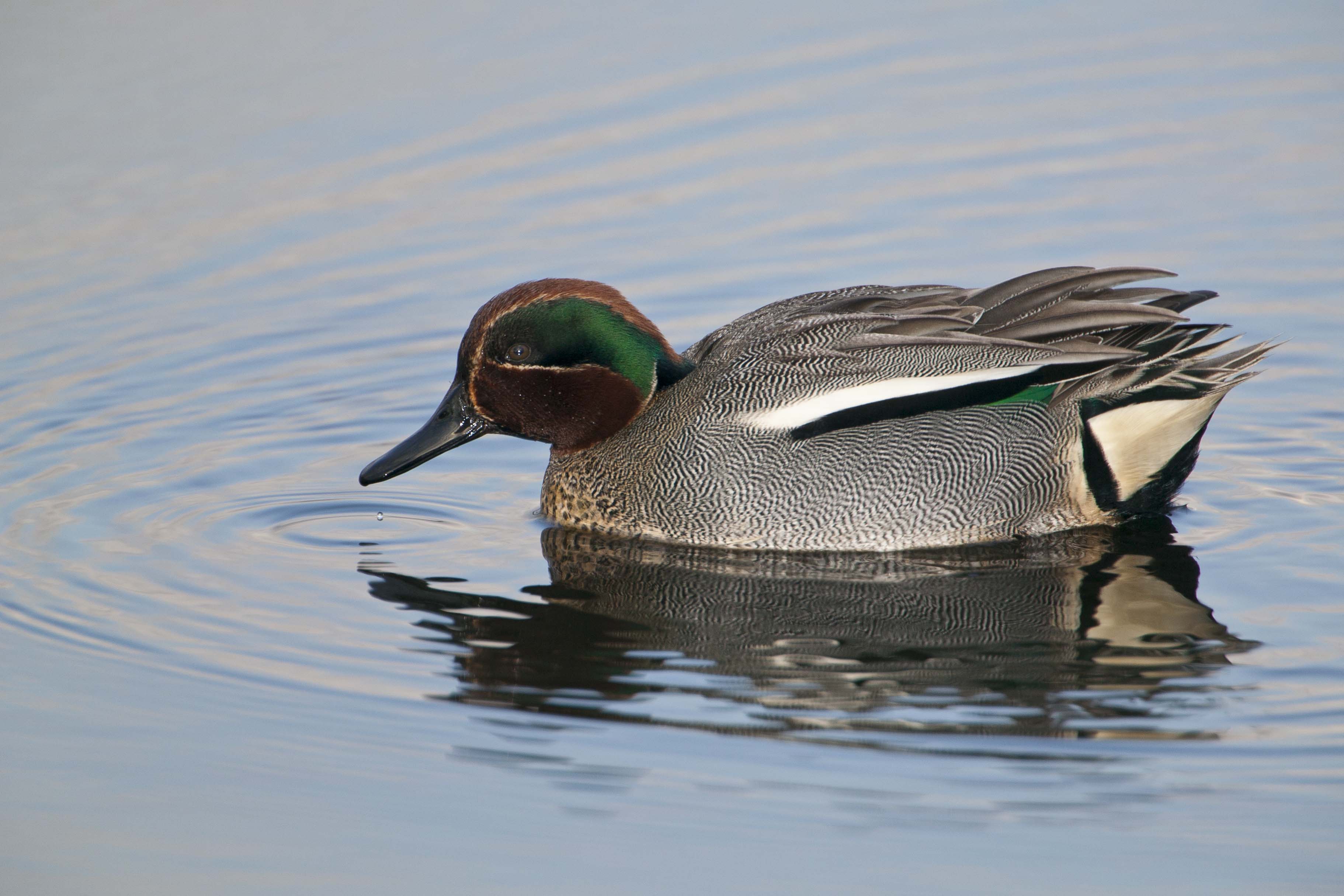
Dogs need to be kept on a lead at all times so as not to disturb the internationally important wetland birds present all year round.
Toilets
There are pubs and cafes nearby with toilets, but the nearest public toilets are in Arundel, Crown Yard Car Park, River Road (this has Changing Places facilities).
Check Toilet Map for a range of options
Dos and don’ts
- Keep to the path to avoid disturbing the birds
- Keep your dog on a lead at all times
- No fires or barbecues
- No picking flowers or foraging
- Take litter home
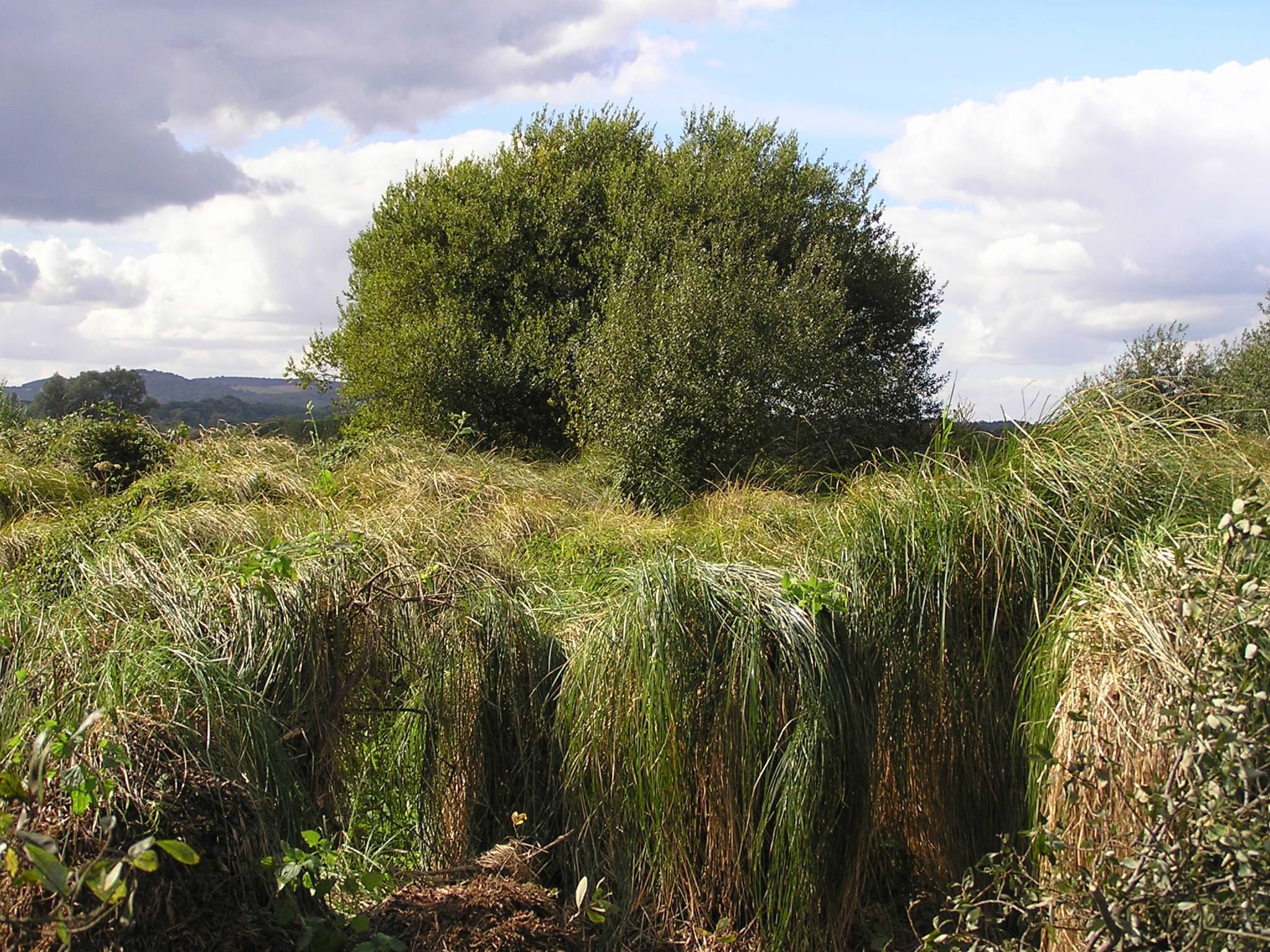
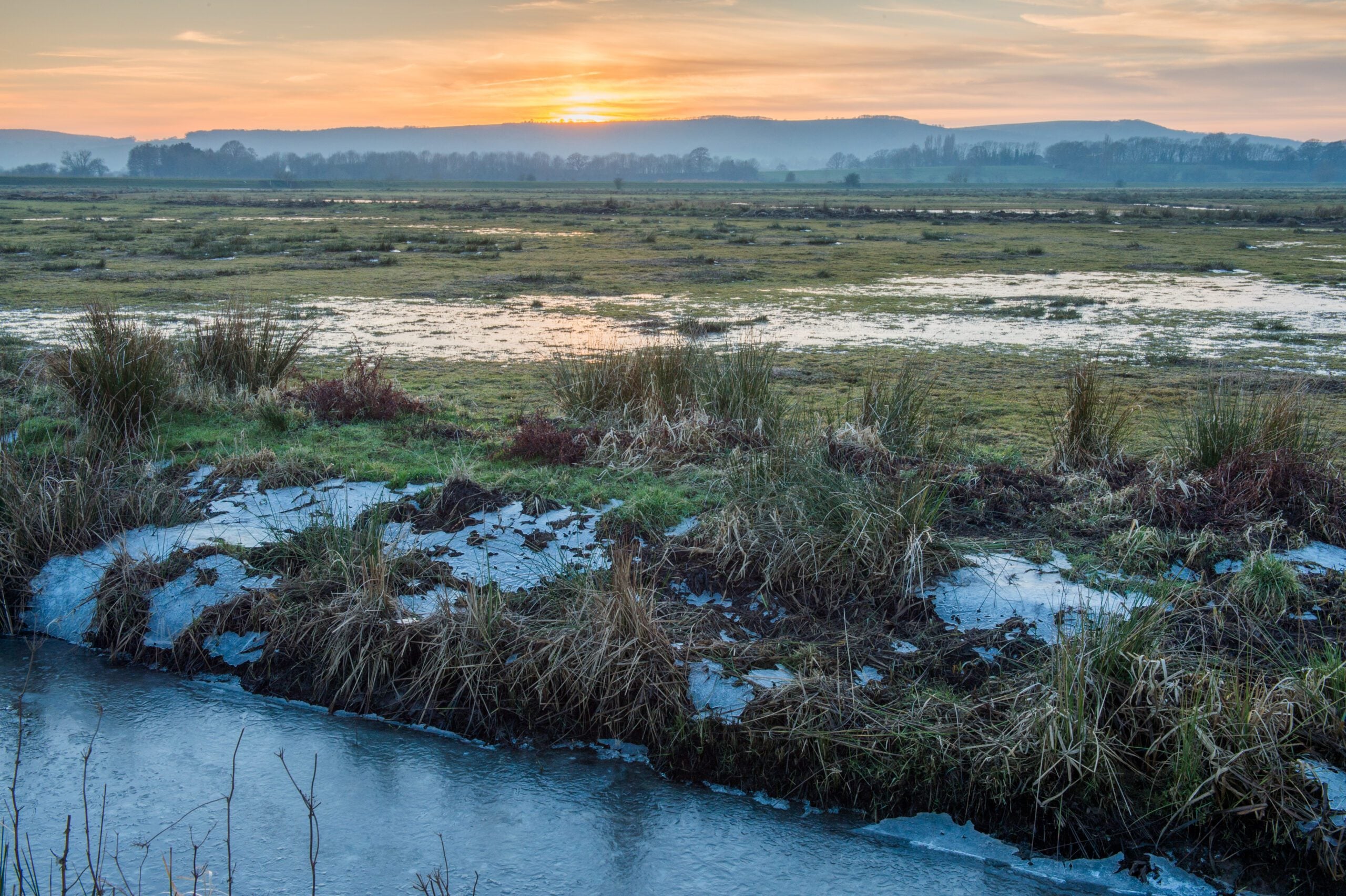
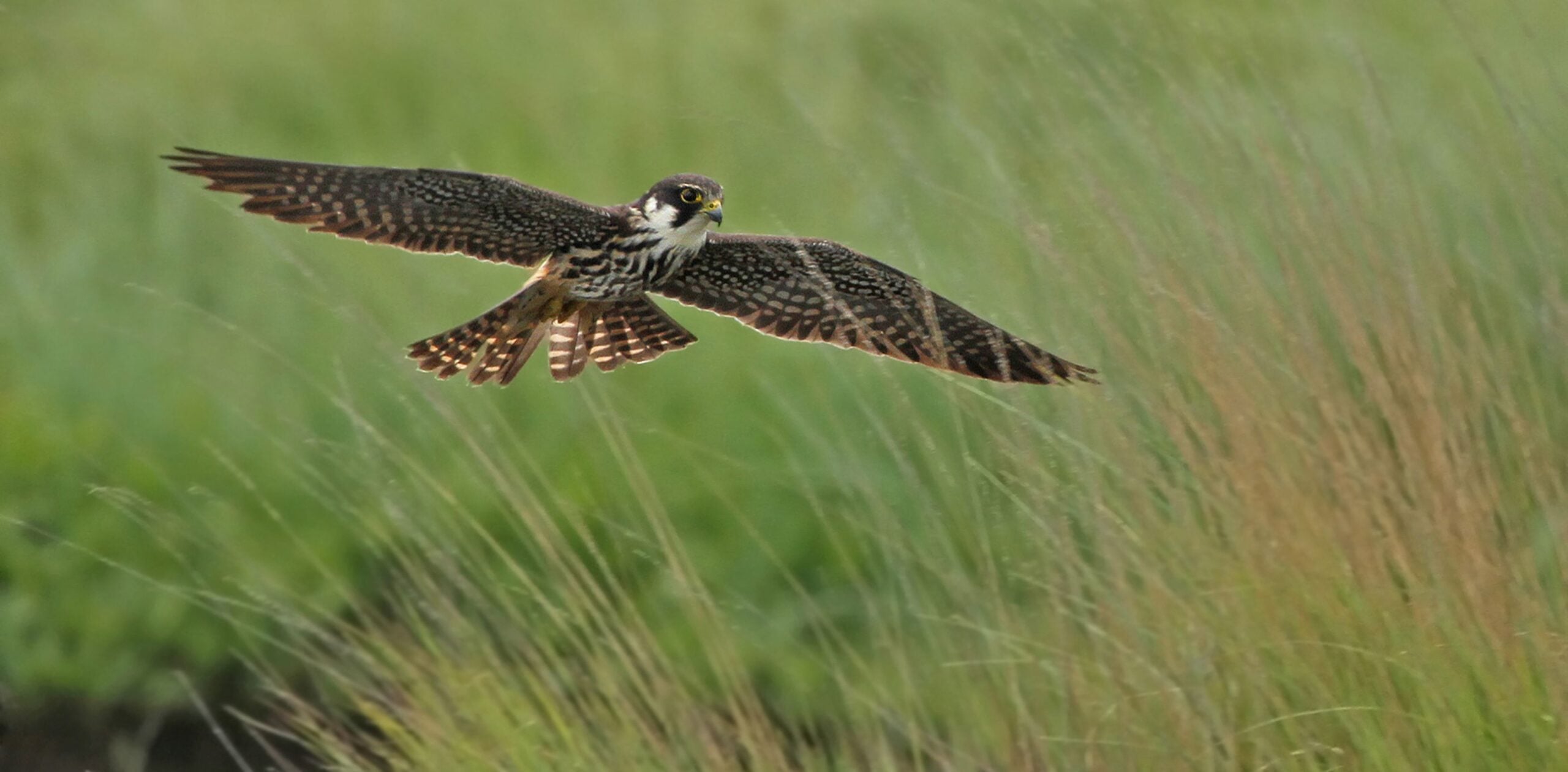

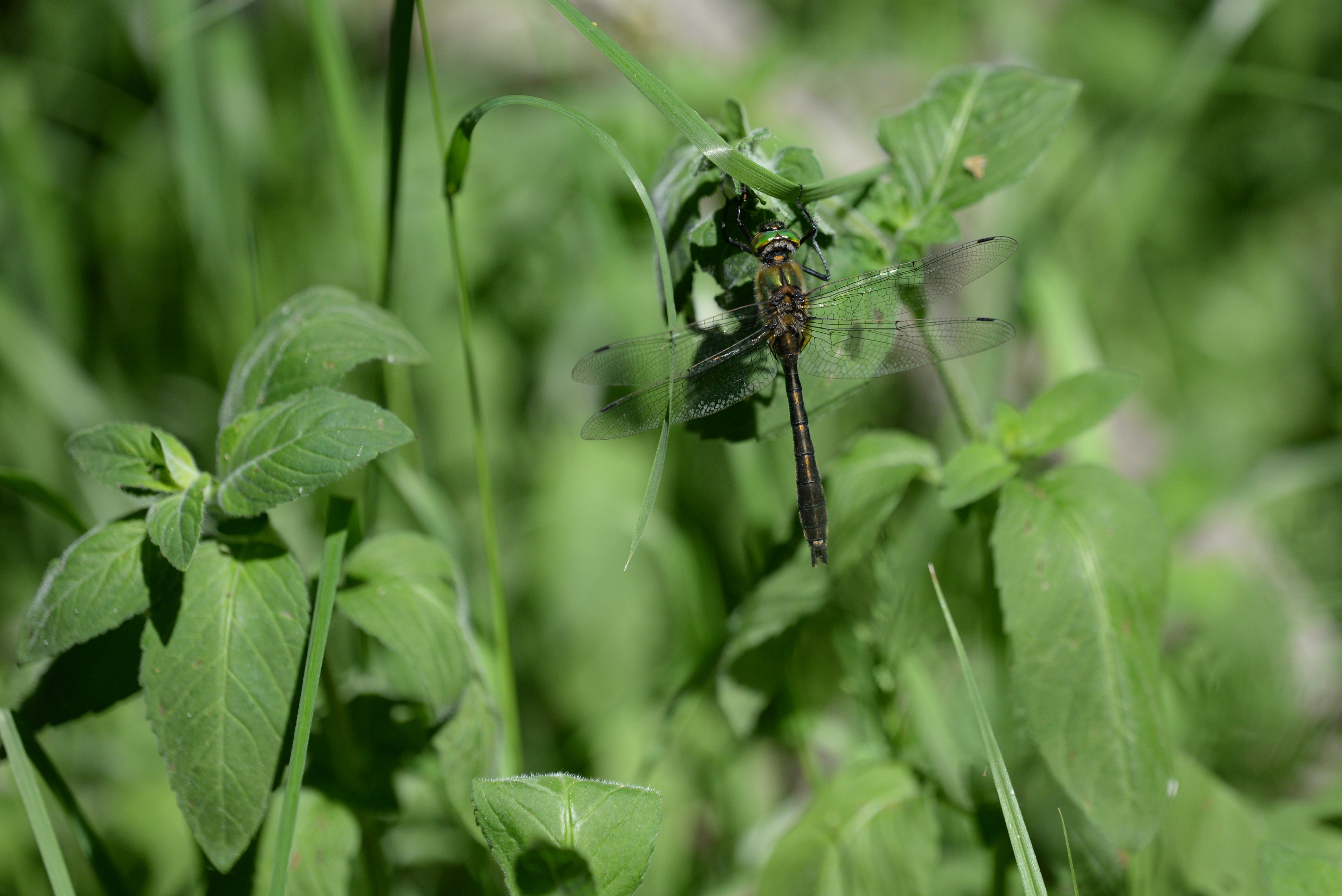
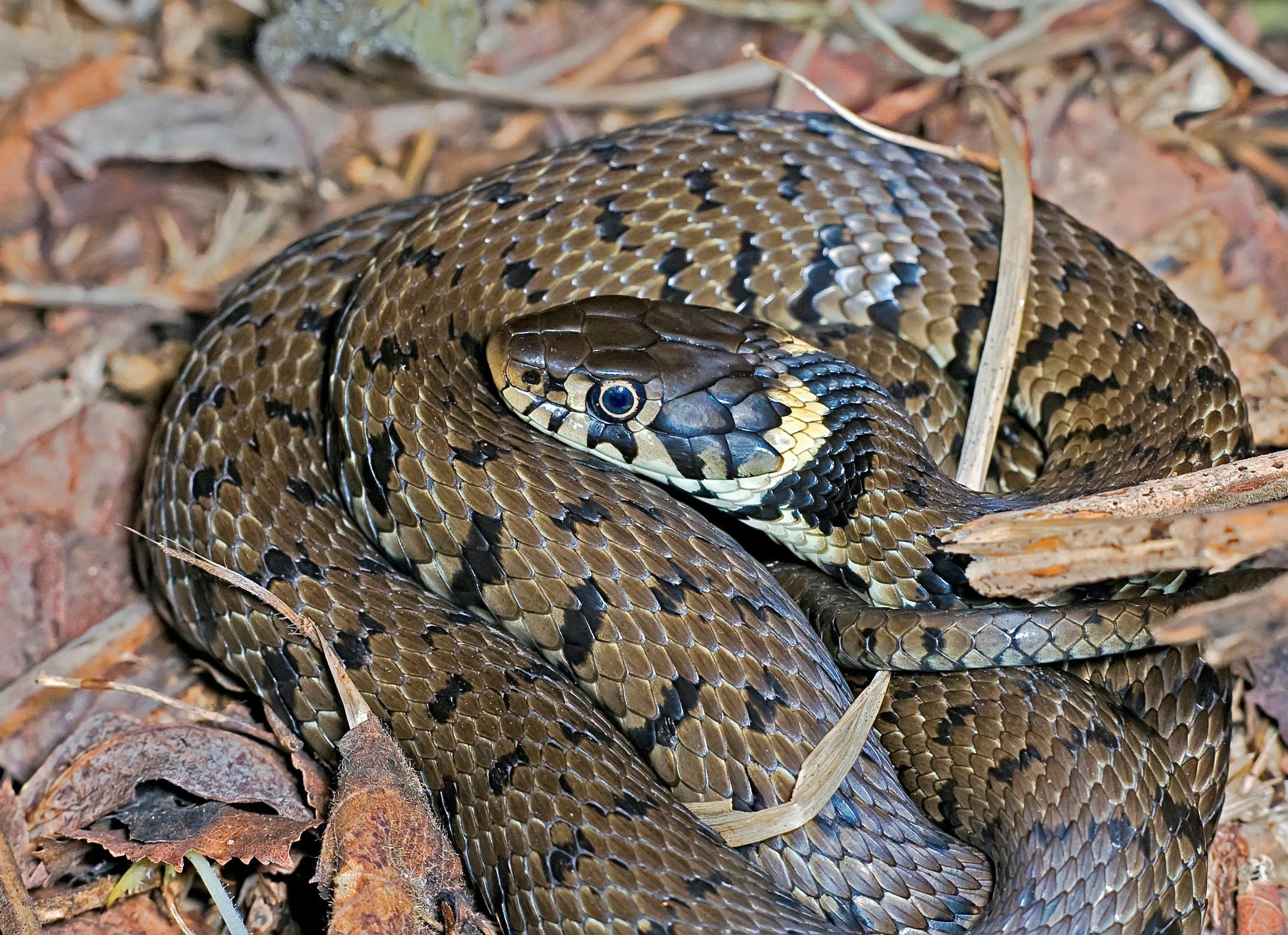
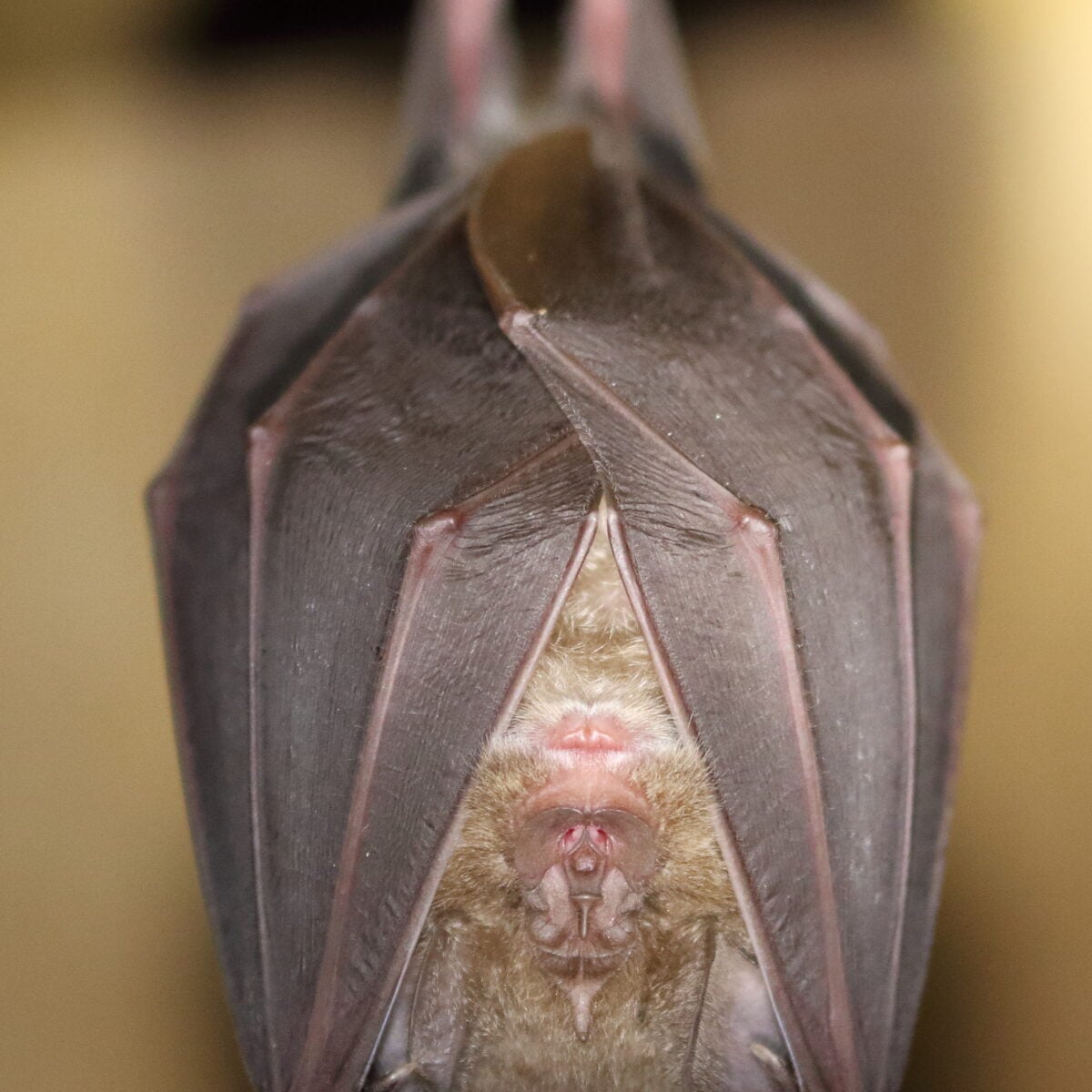
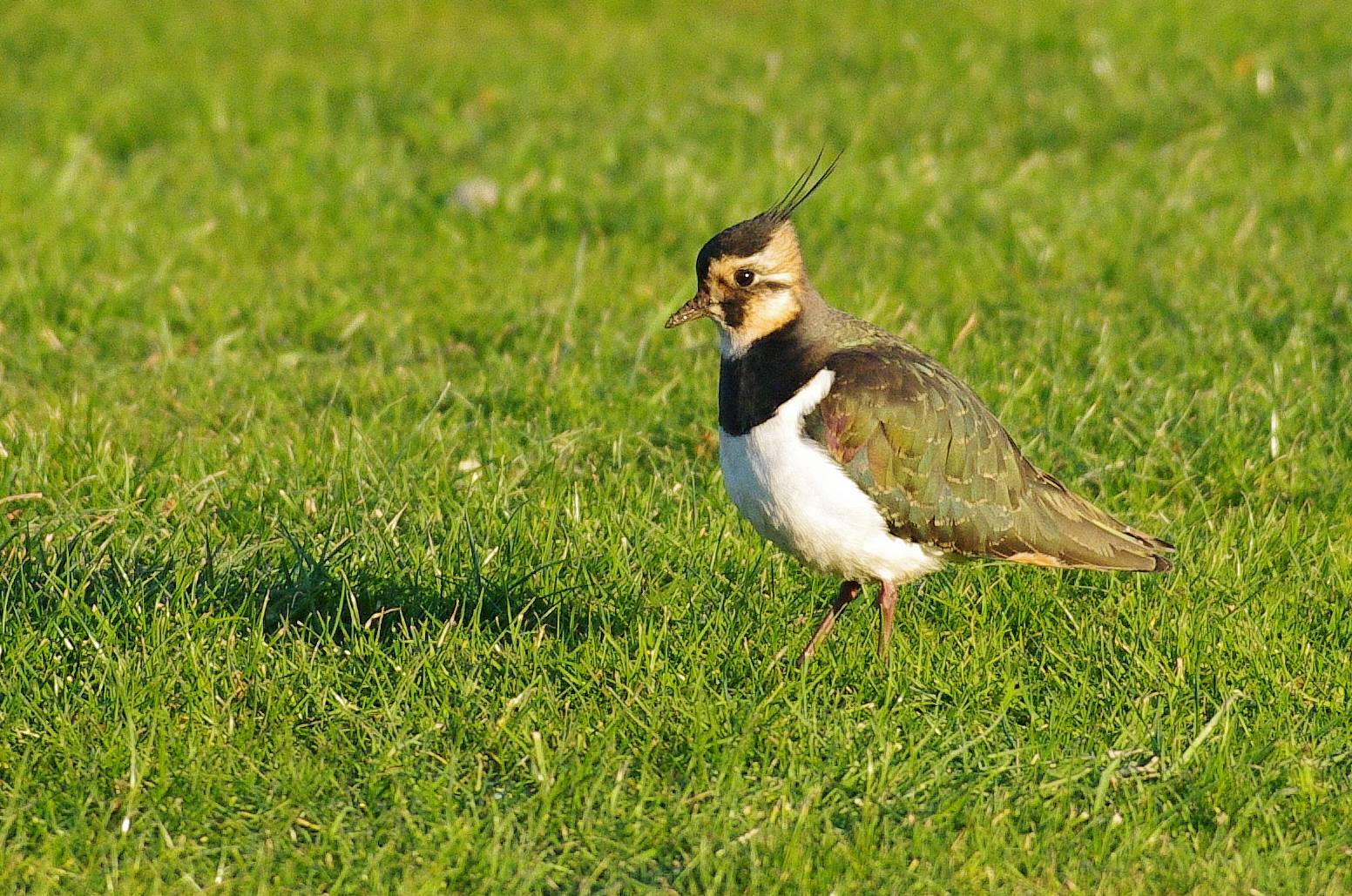
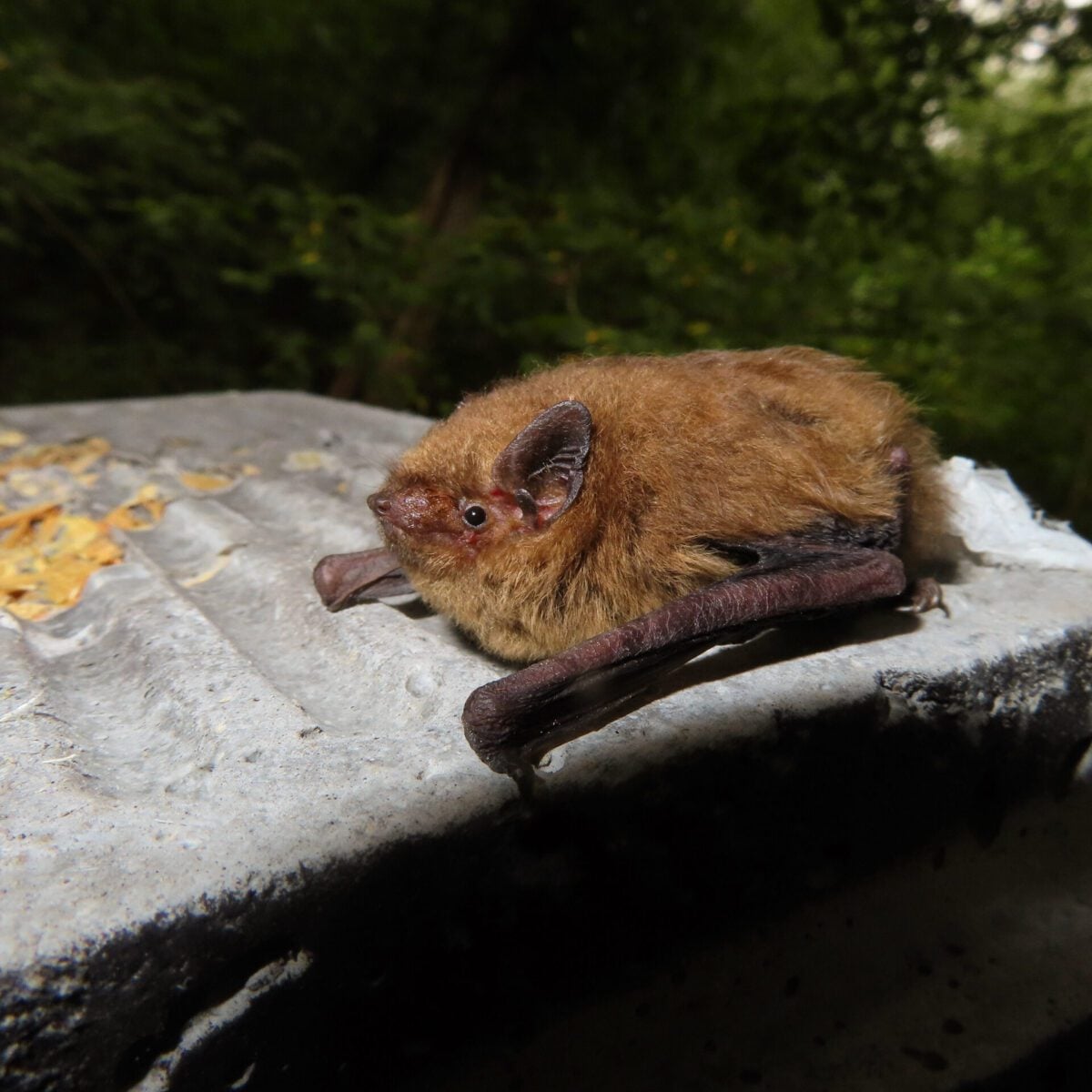
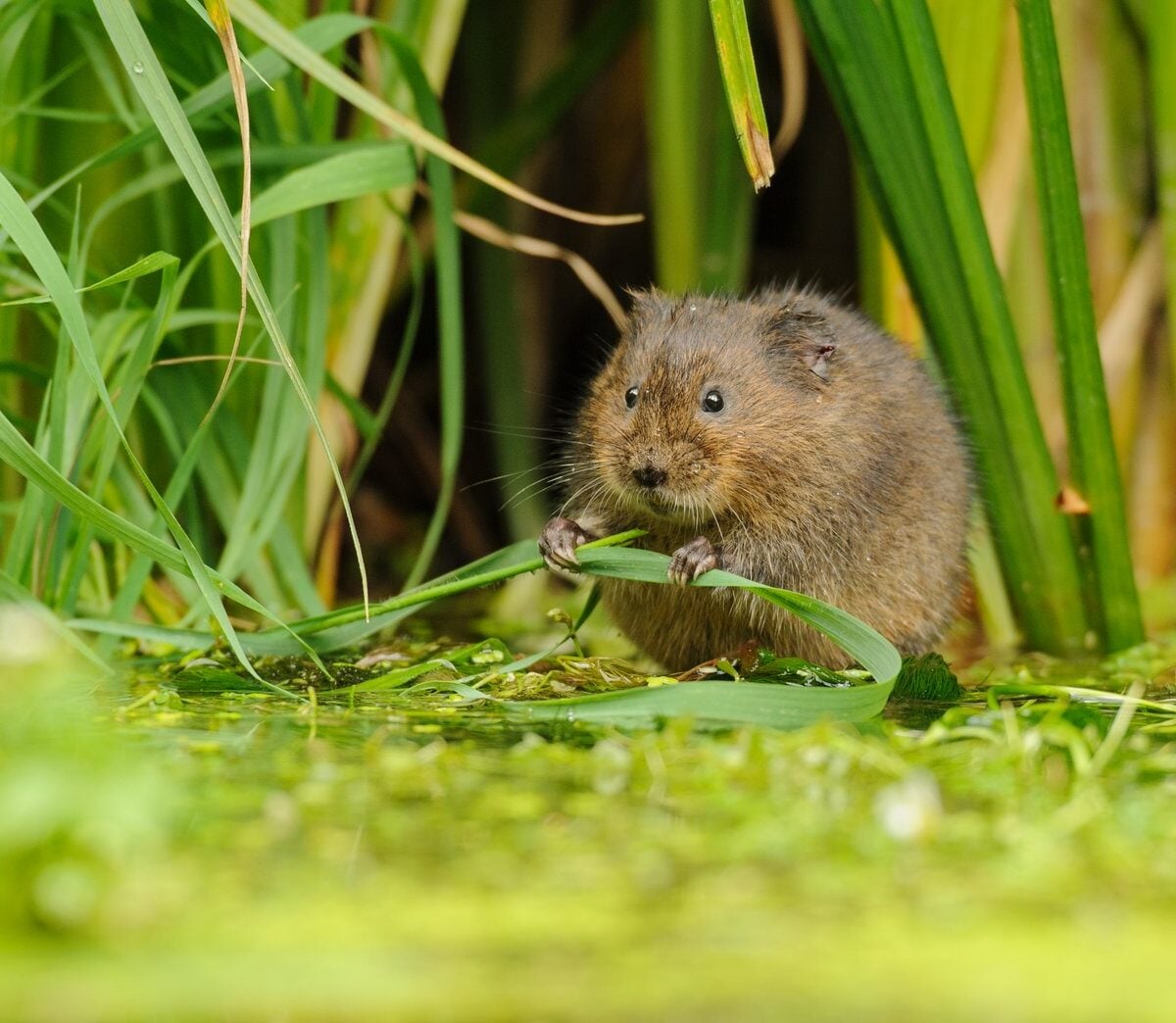
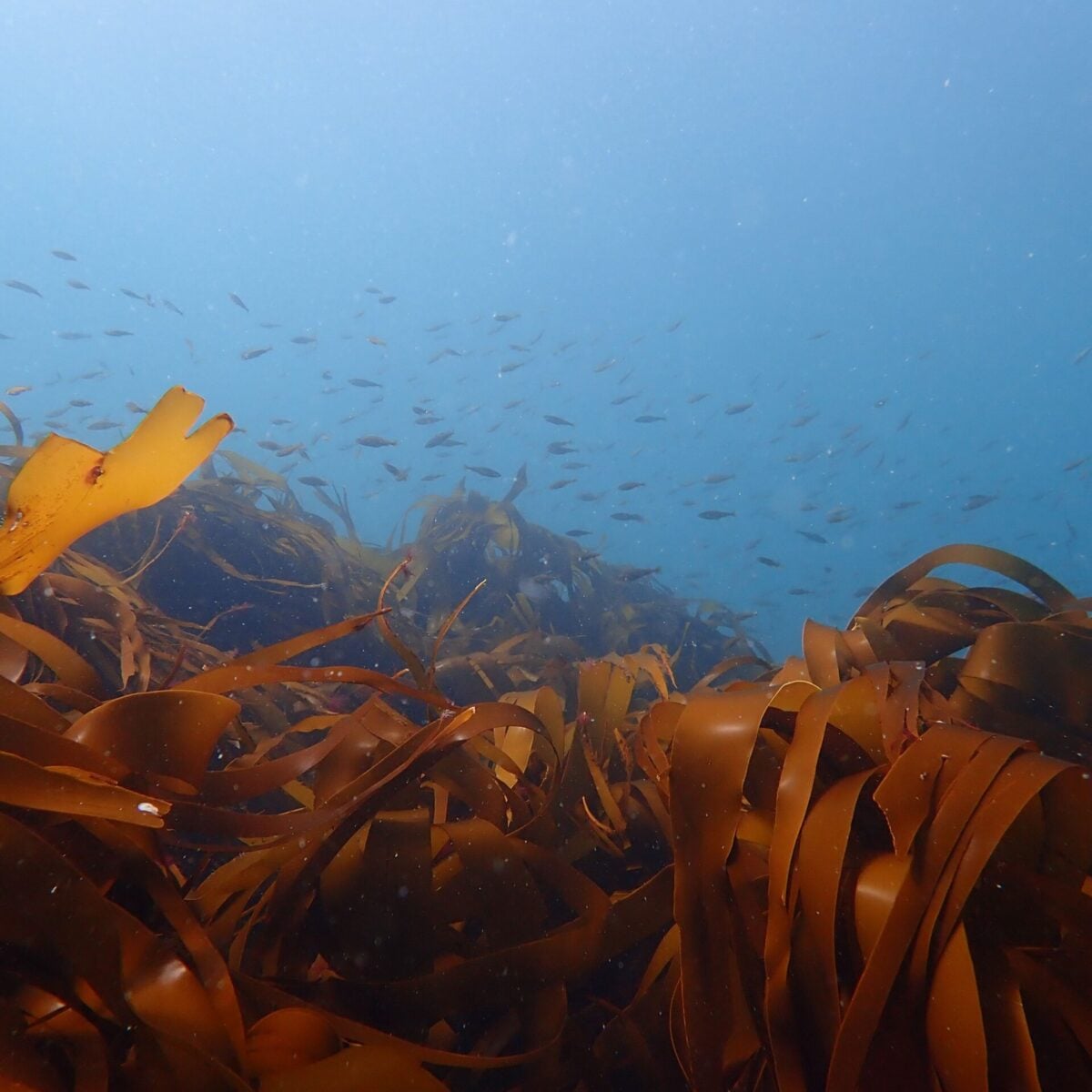
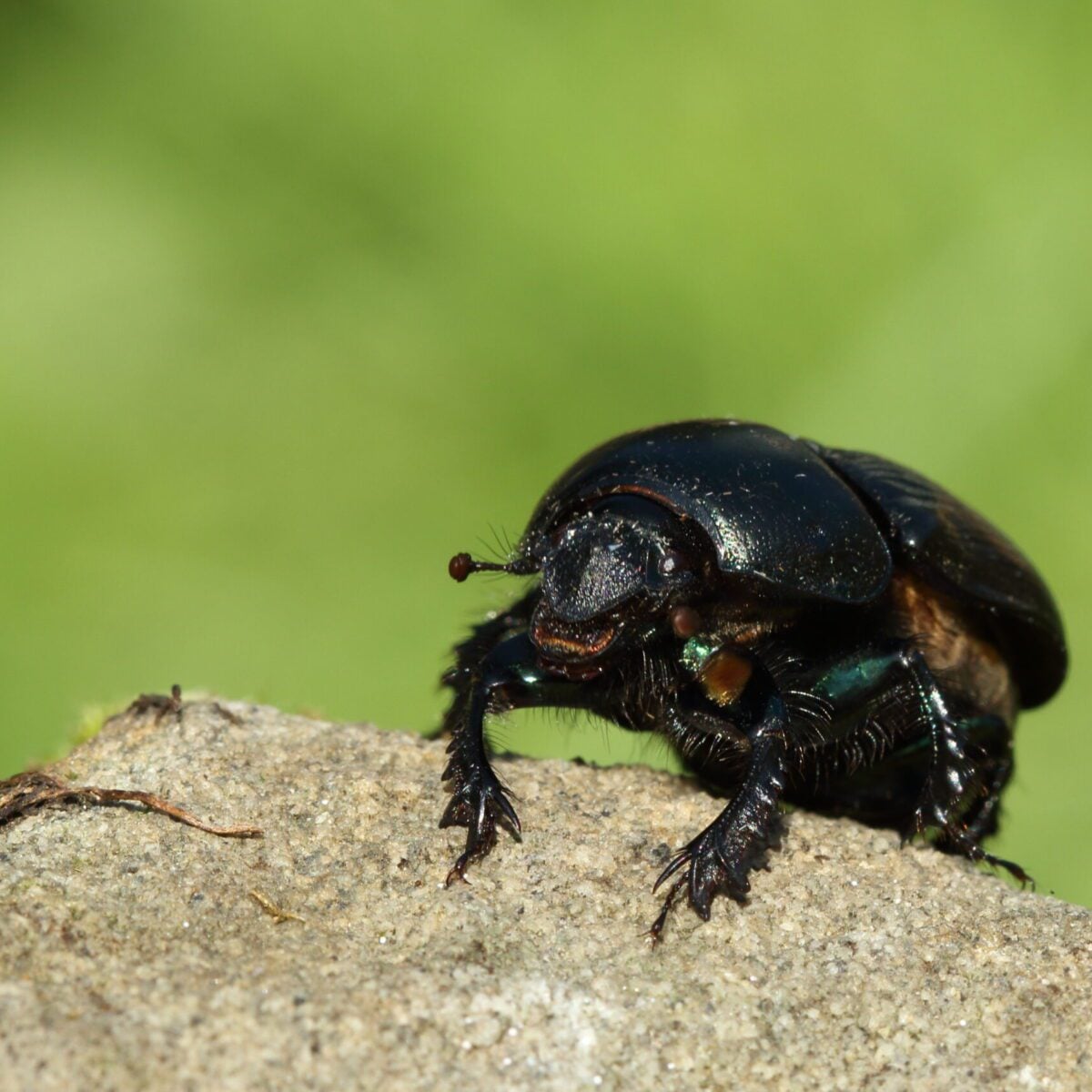
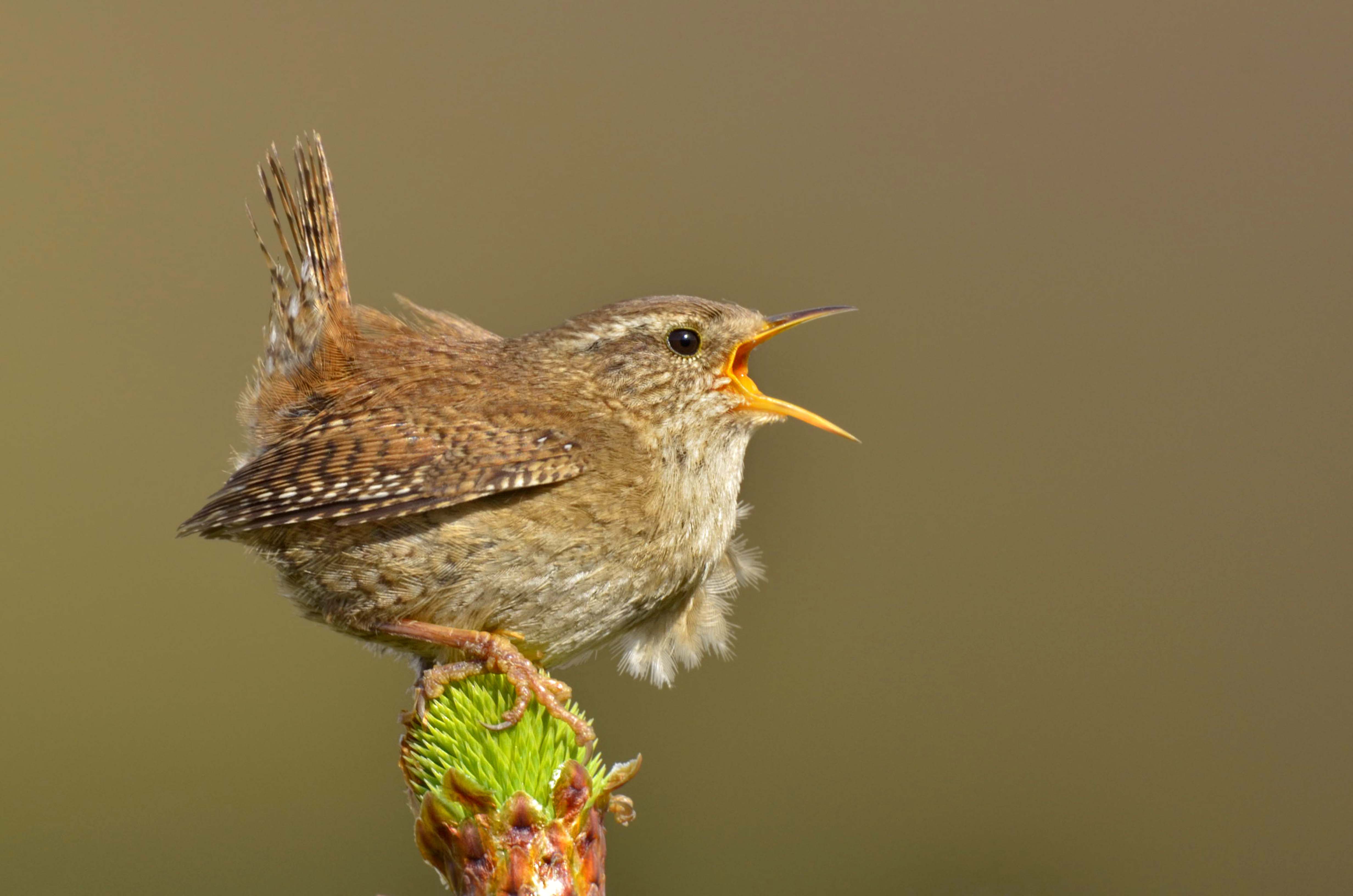
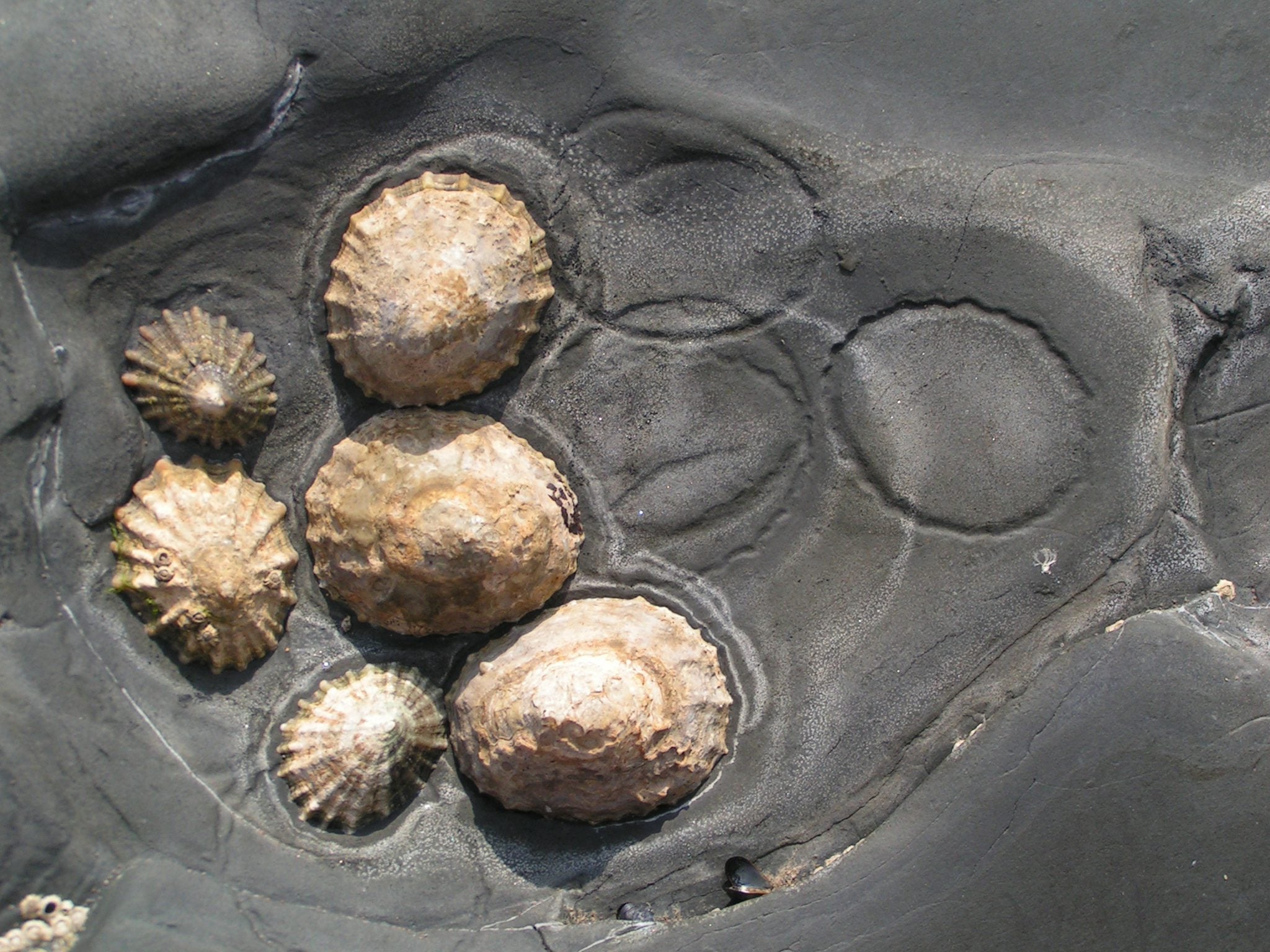
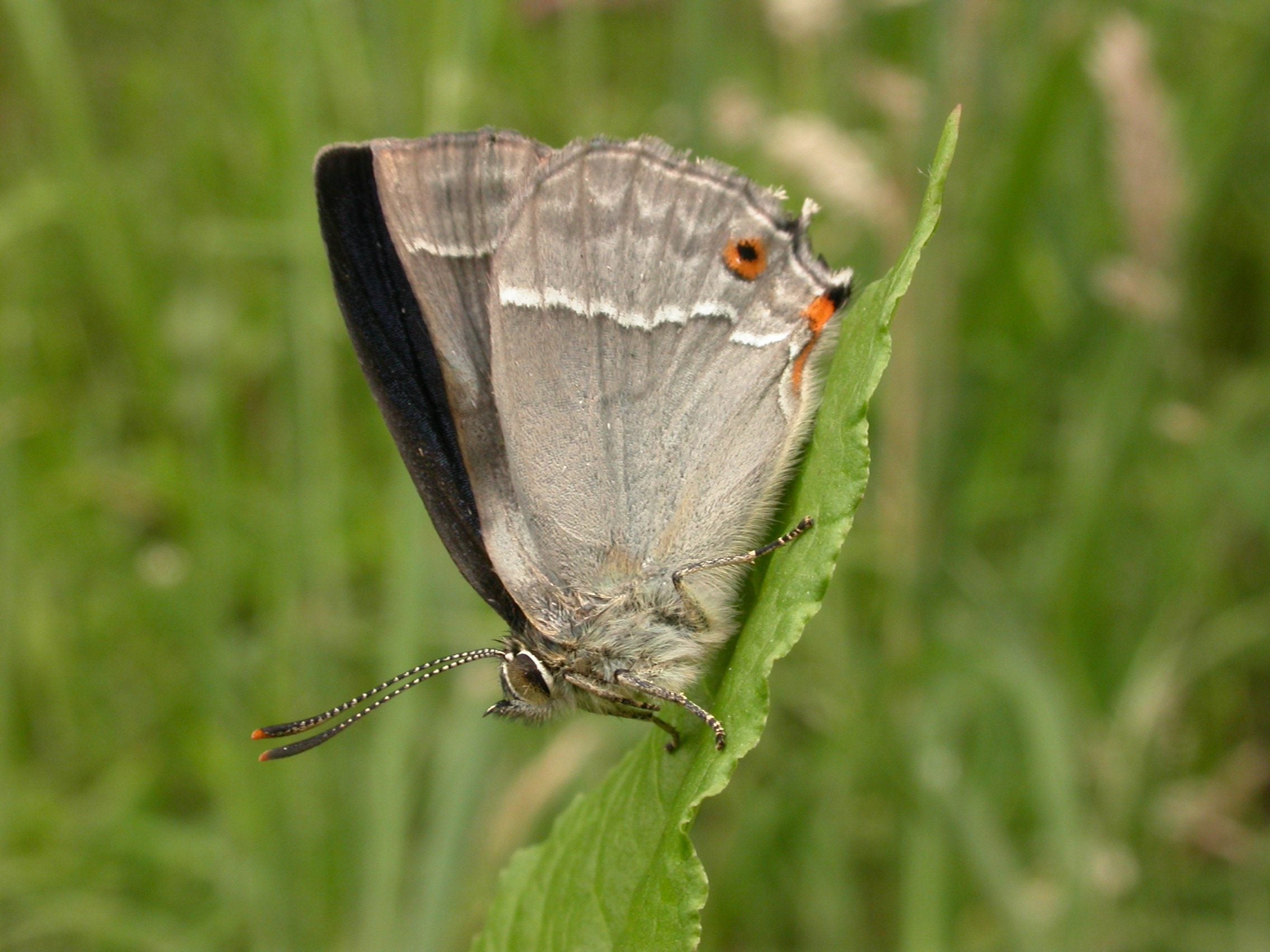
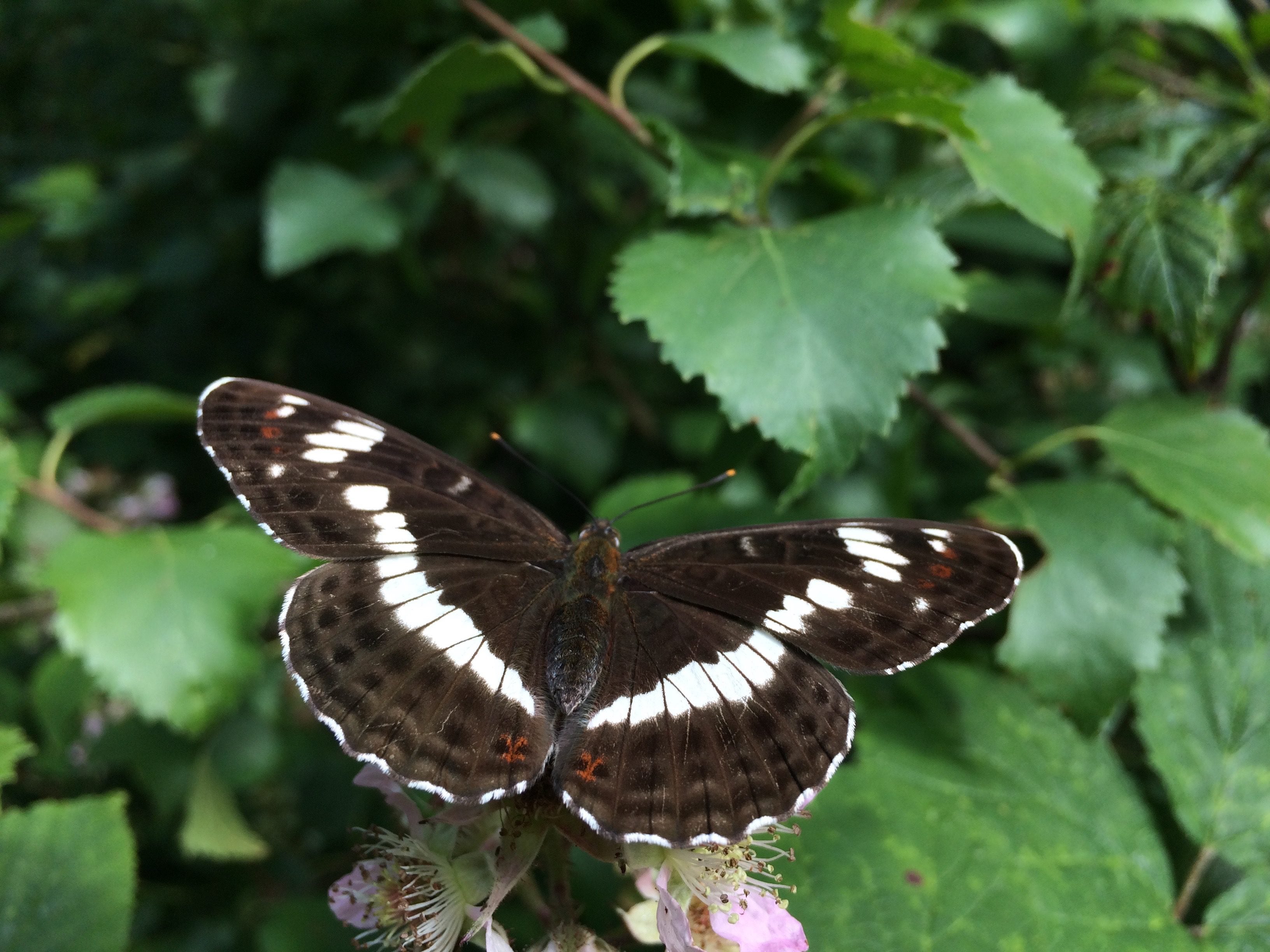
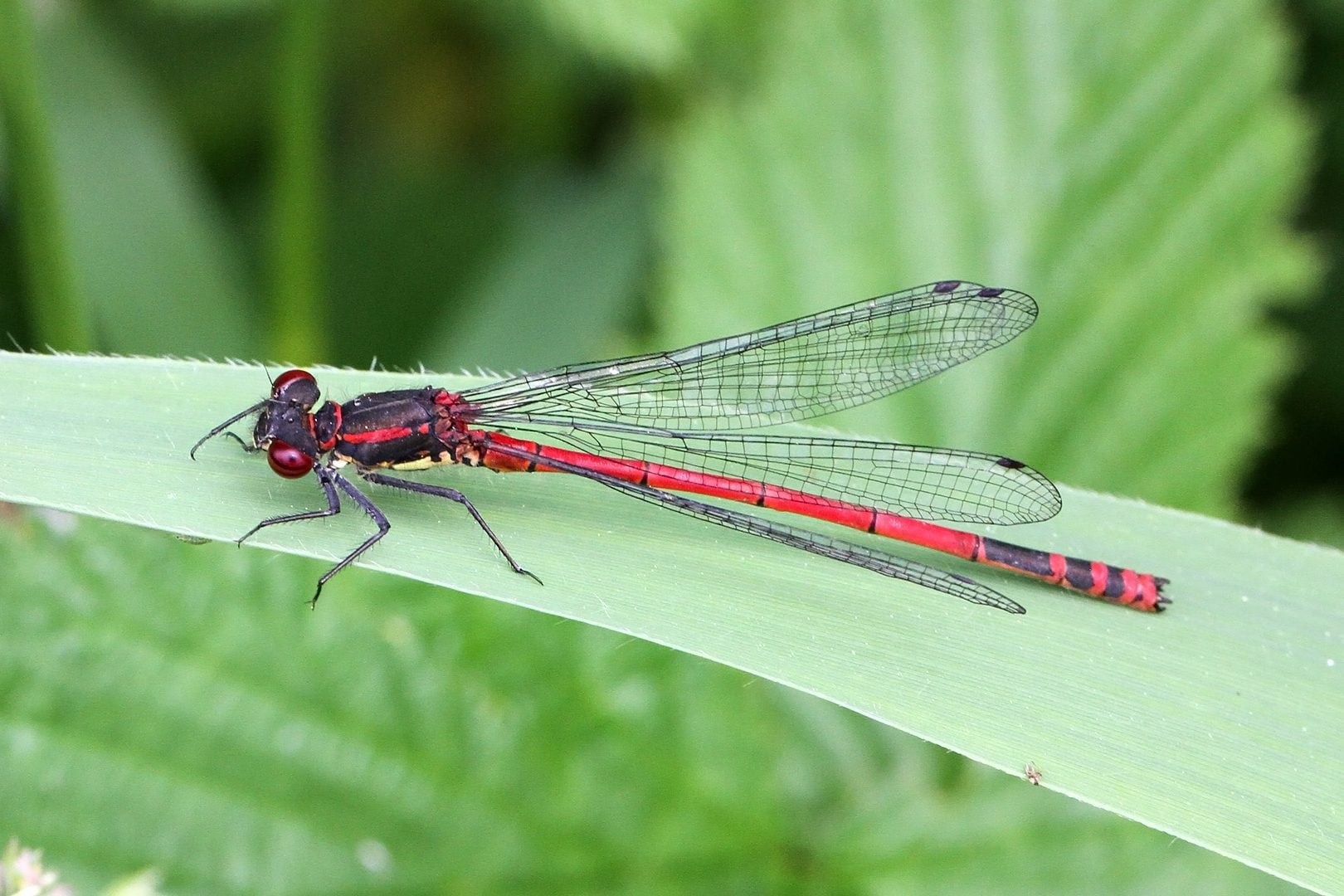
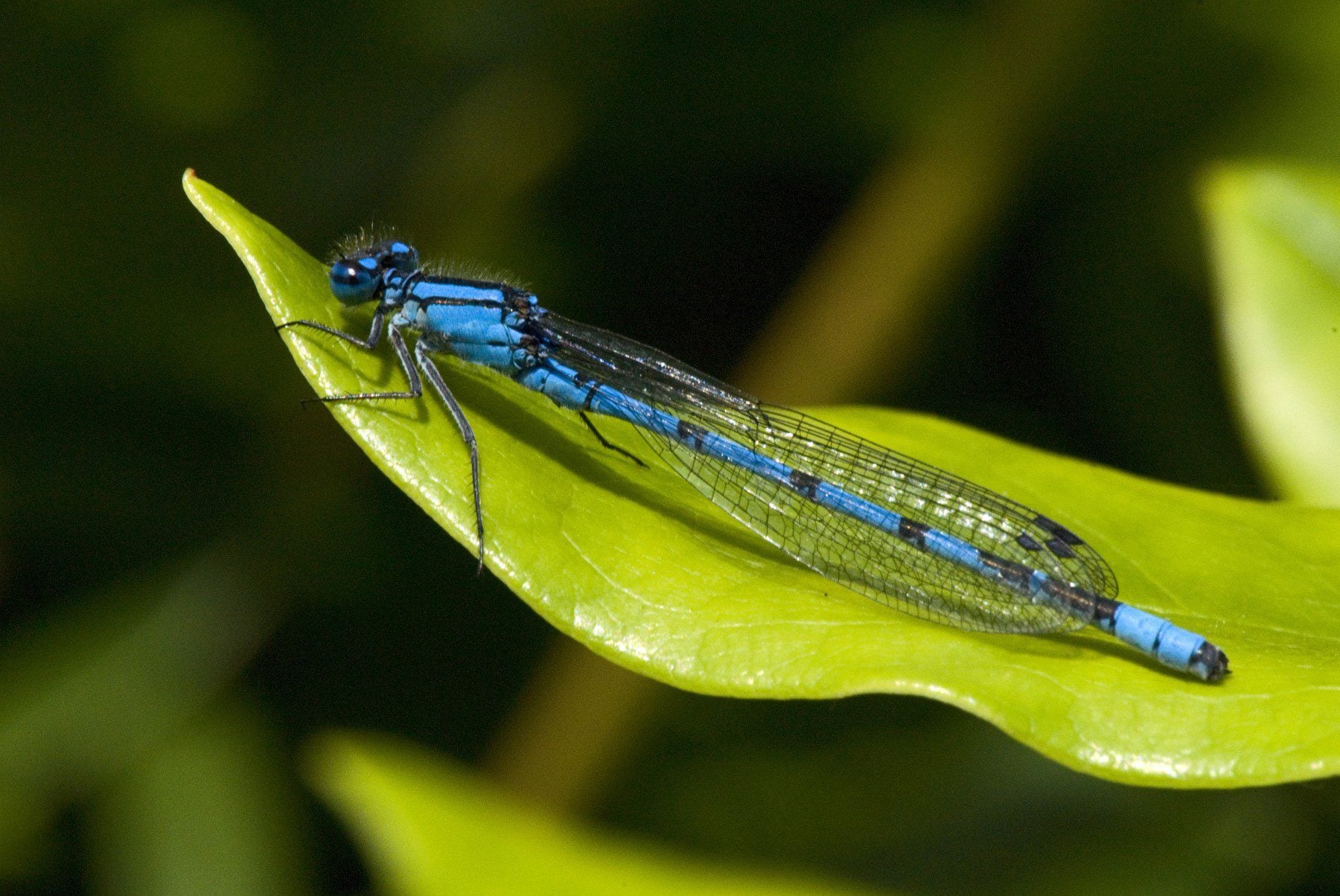
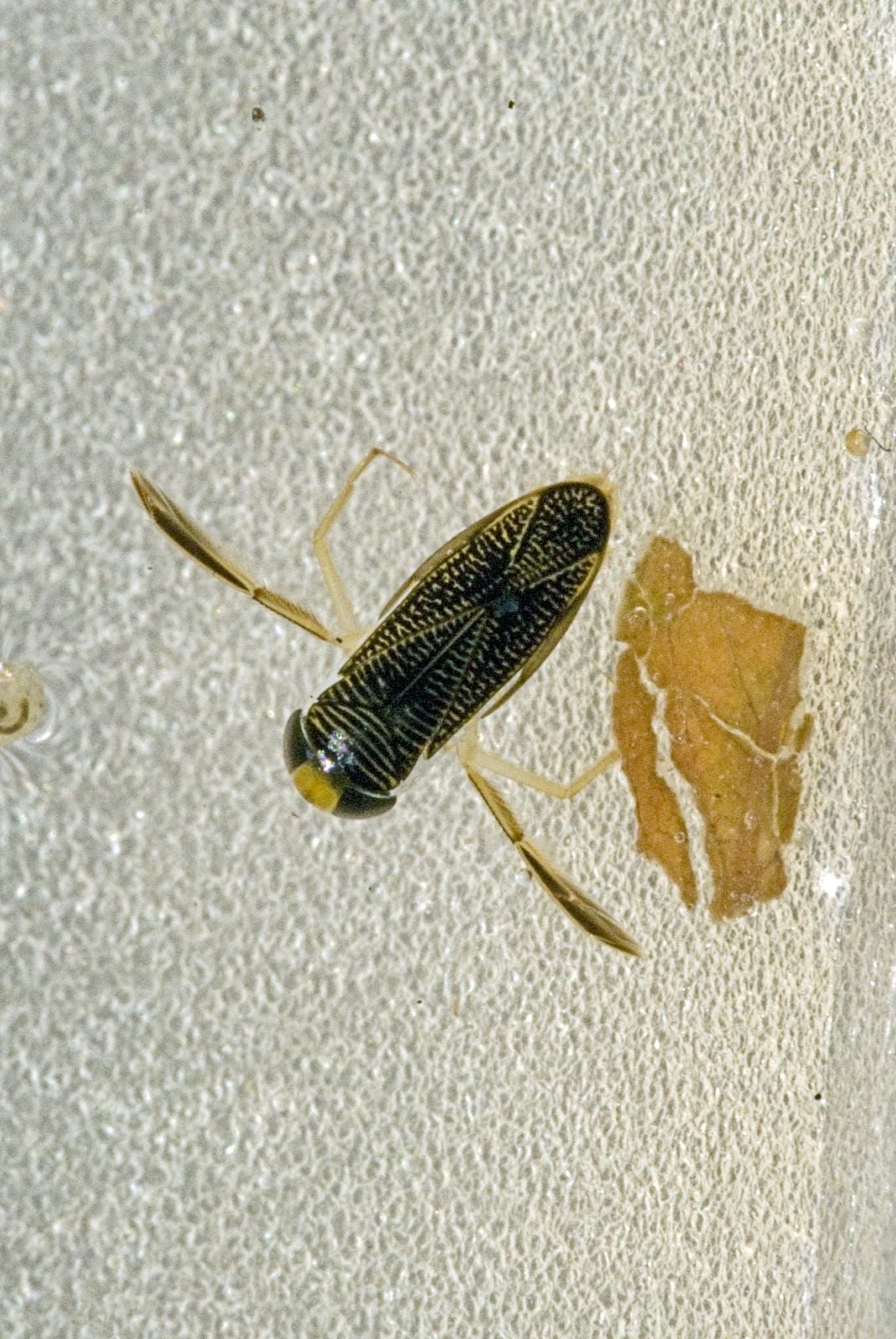
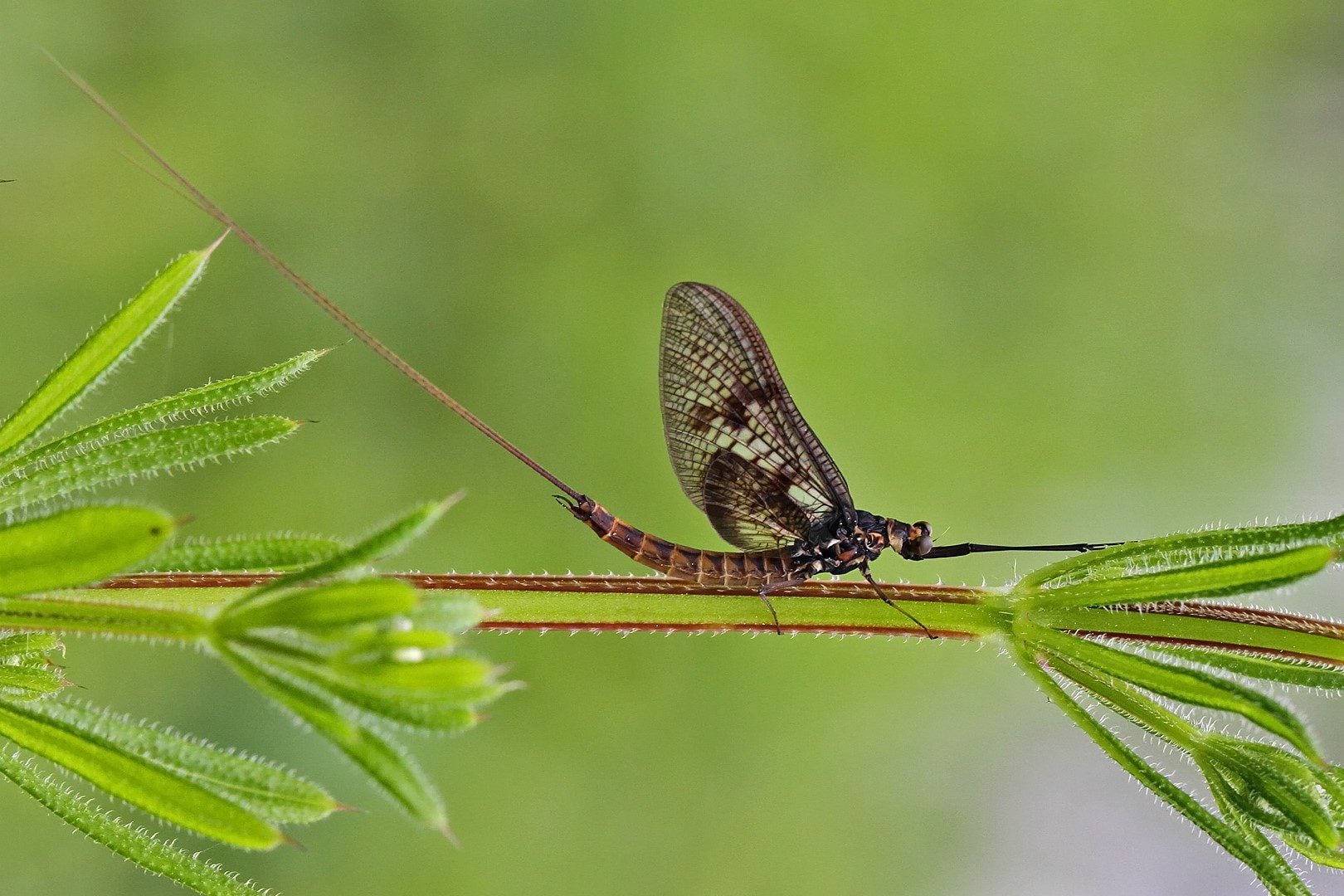
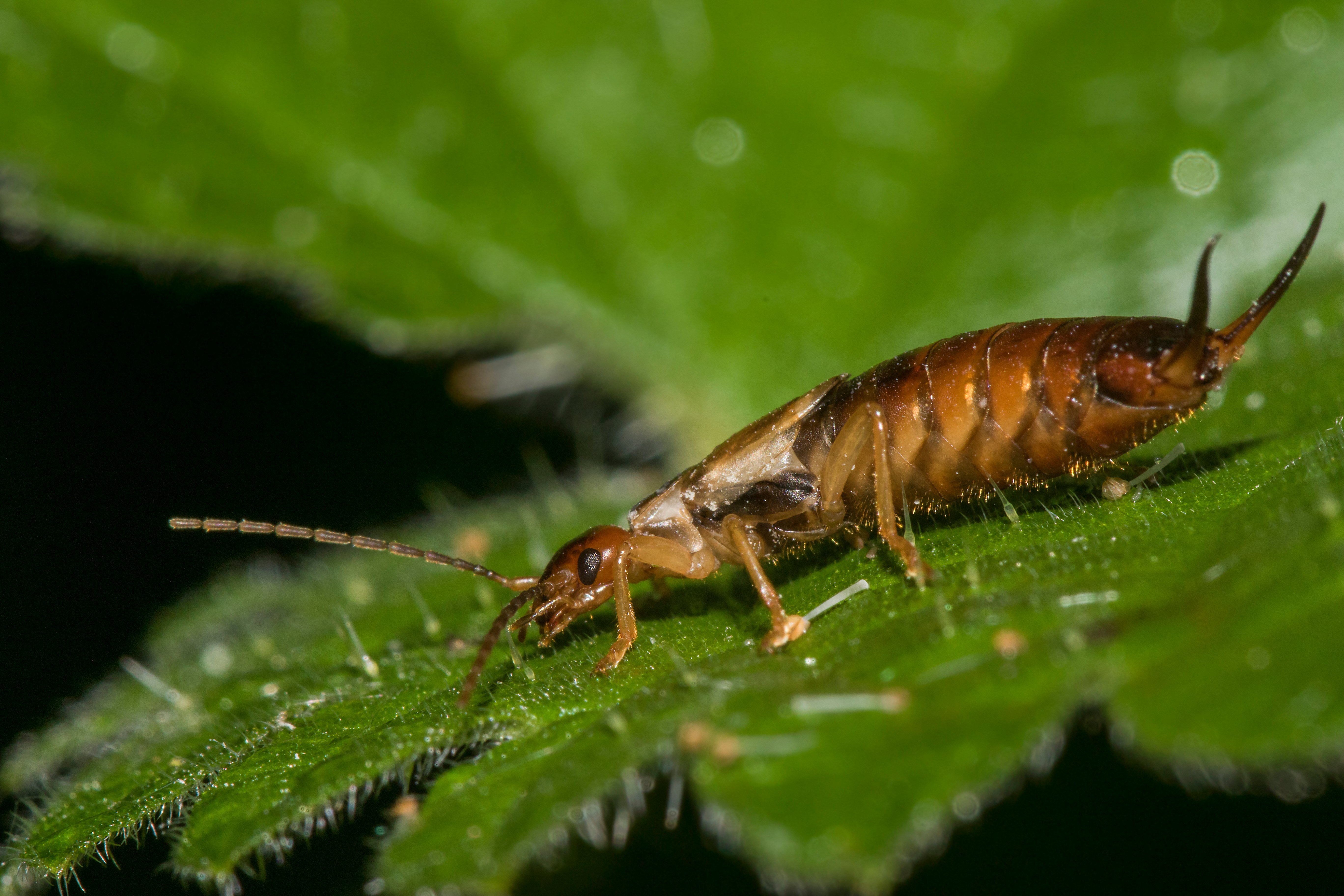
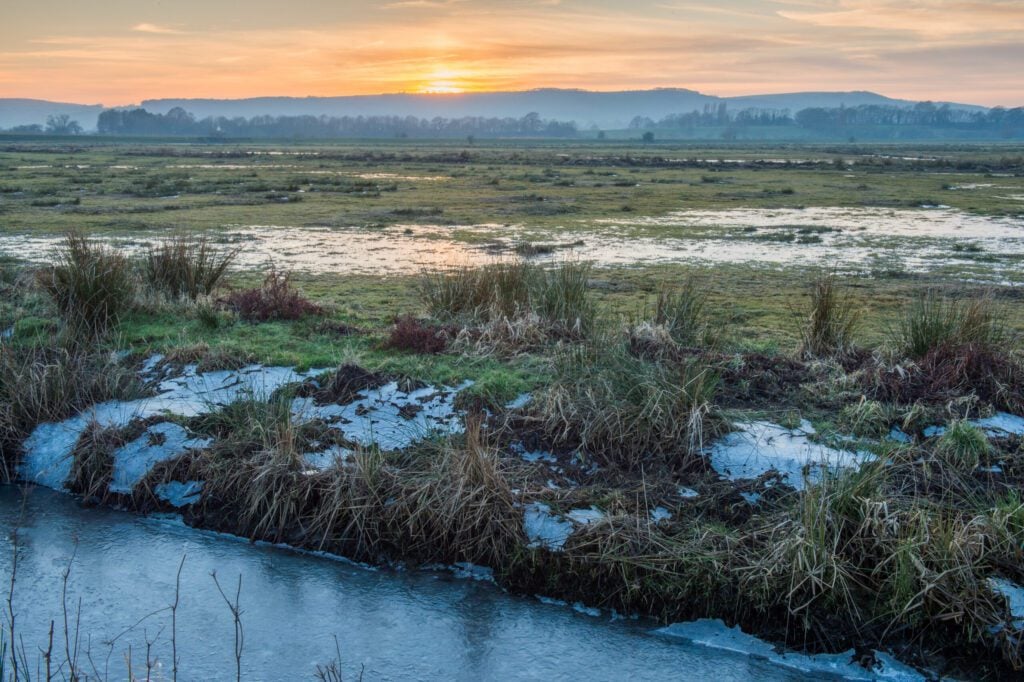 Amberley Wild Brooks © Nigel Symington
The story of the reserve
Amberley Wild Brooks is part of the Arun Valley floodplain along with Waltham Brooks Nature Reserve and Pulborough Brooks RSPB Reserve.
Amberley has a complex hydrology of human-made ditches that were built in the 1800s, so it has a fascinating history of farming and drainage. Chalk streams feed in from the south, and water percolates through the acid greensand soils to the north.
The reserve is managed in partnership with the RSPB. Seasonal grazing and careful maintenance of water levels are both essential for ensuring the survival of the diverse and rare species of wildlife found here.
Did you know?
After the flood
Before the drainage ditches were dug, the valley here would regularly be flooded in winter. A ferry used to run between Bury and Amberley.
Little Whirlpools
Along with the RSPB (who ran the Back From the Brink project), we’re trying to make this habitat suitable for a species that has become incredibly rare, the tiny, vulnerable, Whirlpool Ramshorn Snail.
Eagles return
White-tailed Eagles have spread from the recent reintroduction scheme on the Isle of Wight, and are now resident in the Arun Valley. The pair that bred in 2023 was the first to do so in Southern England for over 240 years.