Take action
Become a member
Memberships build our community and give us a predictable income, which lets us plan and sustain longer projects that can have a greater impact. The more members we have, the more we can do to protect the Sussex countryside and coast.
Make a donation
Membership builds our community and gives us a predictable income, which lets us plan and sustain longer projects that can have a greater impact. The more members we have, the more we can do to protect the Sussex countryside and coast.
Overview
A timid, fast-moving species, the Grass Snake has a distinct preference for wetland habitats. A highly accomplished swimmer and consummate predator of amphibians, the most regular sighting is usually the tail of a fleeing snake as it slinks off into cover.
Key Facts
- Grass Snakes are not truly cold blooded. Like all reptiles, they are ‘ectothermic’, meaning their blood is the same temperature as the surrounding environment which they rely on to regulate their own body temperature.
- British Grass Snakes were once thought to be a subspecies of the widely distributed European Grass Snake (Natrix natrix) but it was only after DNA testing in 2017 that our native population was declared to belong to a distinct species in its own right – the Barred Grass Snake.
- Snakes will be particularly sluggish after hibernation and spend a lot of time basking to raise their body temperature and ‘fire-up’ their metabolism.
- When swimming, they use lateral undulations of the body to create forward momentum whilst holding the head above the surface like a periscope. They’re able to dive and may stay submerged for up to half an hour while hunting.
- Prey is typically swallowed head-first. Recurved teeth help the jaw to work sideways along the prey, gradually engulfing it until it succumbs through either suffocation or the digestion process itself.
- They do have a few defence tactics up their reptilian sleeve and may hiss, thrash and strike. They’ll also feign death using a strategy known as thanatosis; turning the body flaccid and holding the mouth open with the tongue out, occasionally secreting blood. If provoked further, the defence will involve the release of a rather pungent and foul-smelling discharge from their anal glands.
Status
Grass Snakes are widely distributed across England and Wales, though absent from Scotland, Northern Ireland, the Isles of Scilly and most of the Channel Islands (though found on Jersey).
They’re protected under the Wildlife and Countryside Act 1981 and whilst not categorised as endangered, are certainly on the decline owing to changes in land use, reduction of habitat and reduced prey availability. They’re listed as a priority species under the post 2010 Biodiversity Action Framework.
Seasonality
The Grass Snake is both diurnal and nocturnal, hence can be found at any time of the day. Typically most active between March and October, winter hibernation may be shorter within warmer southern climes. They reach an activity peak during spring when mating commences and competition may become fierce between males. Look out for them on either early sunny mornings or warm afternoons basking in strong sunlight.
Sussex snakes
Our three native snakes can be told apart using a combination of markings and habitat preference.
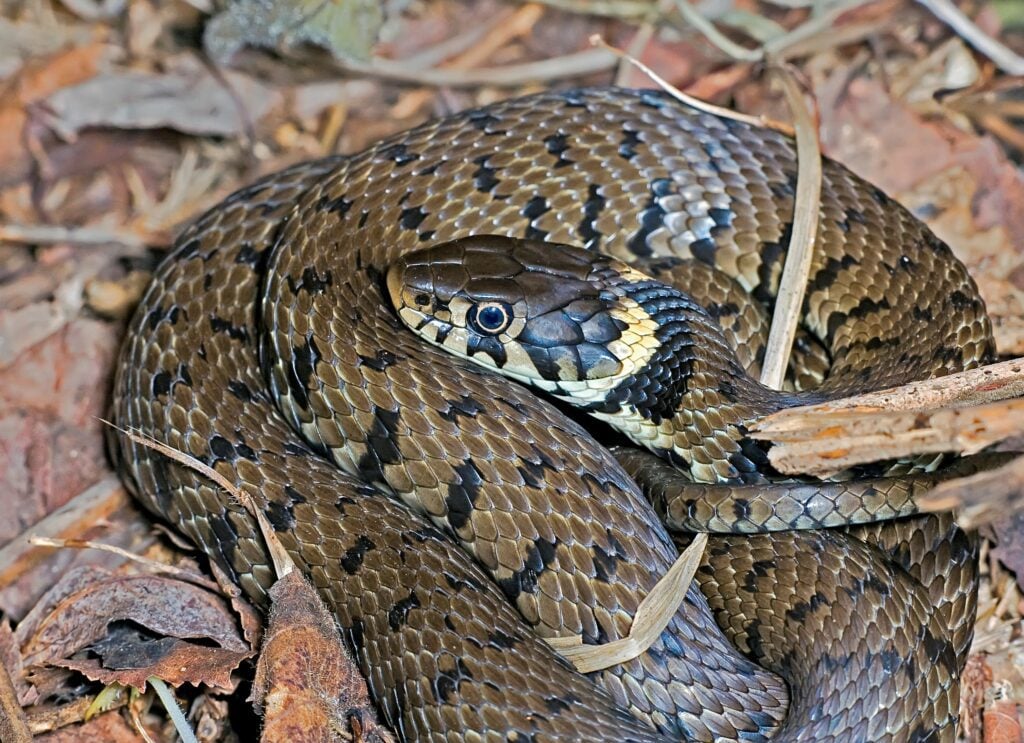
- Grass Snakes are typically olive-green to brown with rows of black spots and a diagnostic black bordered yellow collar behind the head. They have a round pupil. They may on occasion be melanistic (darkly coloured).
- Adders are bulkier with distinctive dark zigzags along their back and a dark stripe along the face, continuing as dots along their side. They can also be melanistic. Unlike the Grass Snake, they have a reddish eye and pupil with a vertical slit and show a strong preference for humid but dry habitats – heathland, forest clearings and hedgerows.
- Smooth Snakes are also grey-brown, but more slender, with a round pupil and less defined pattern along their back. A rare snake, they can only be found in the south on sandy heathland habitats.
How we can help Grass Snakes
- Build a pond in your garden, one with shallow sloping edges. This will provide habitat for some of the snakes’ favourite prey.
- Make a compost heap or habitat pile. Females may lay their eggs in rotting vegetation so the warmth will be ideal. Avoid disturbance during the egg-laying period of June-September and through winter hibernation.
- Provide some shelter. Piles of logs and stones make a great hideout and longer grasses and vegetation make for a useful ‘commuting corridor’ and hunting area.
- Avoid the use of any pesticides in your garden. These will ultimately kill both the insects and amphibians that form the base of the snakes’ food chain.
- Be careful when cutting grass. Walk through areas of long grass beforehand to give them time to escape. Try to cut on a warm day when they’re more active.
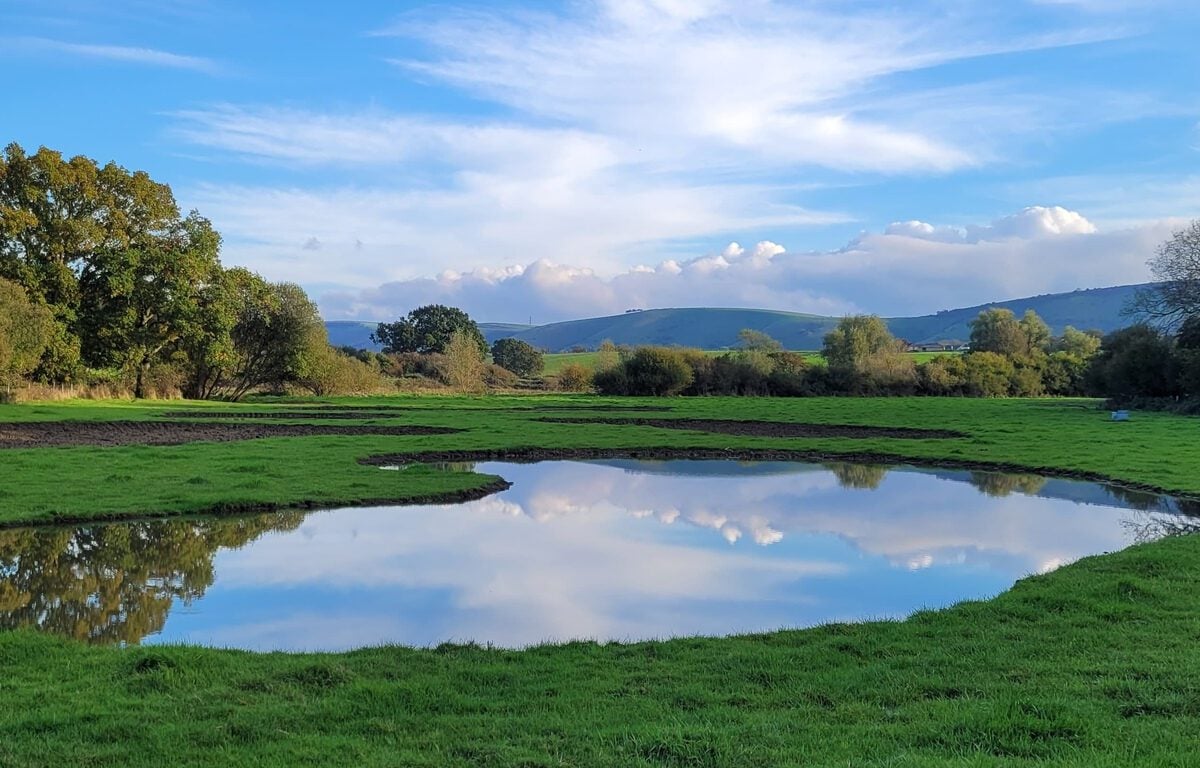
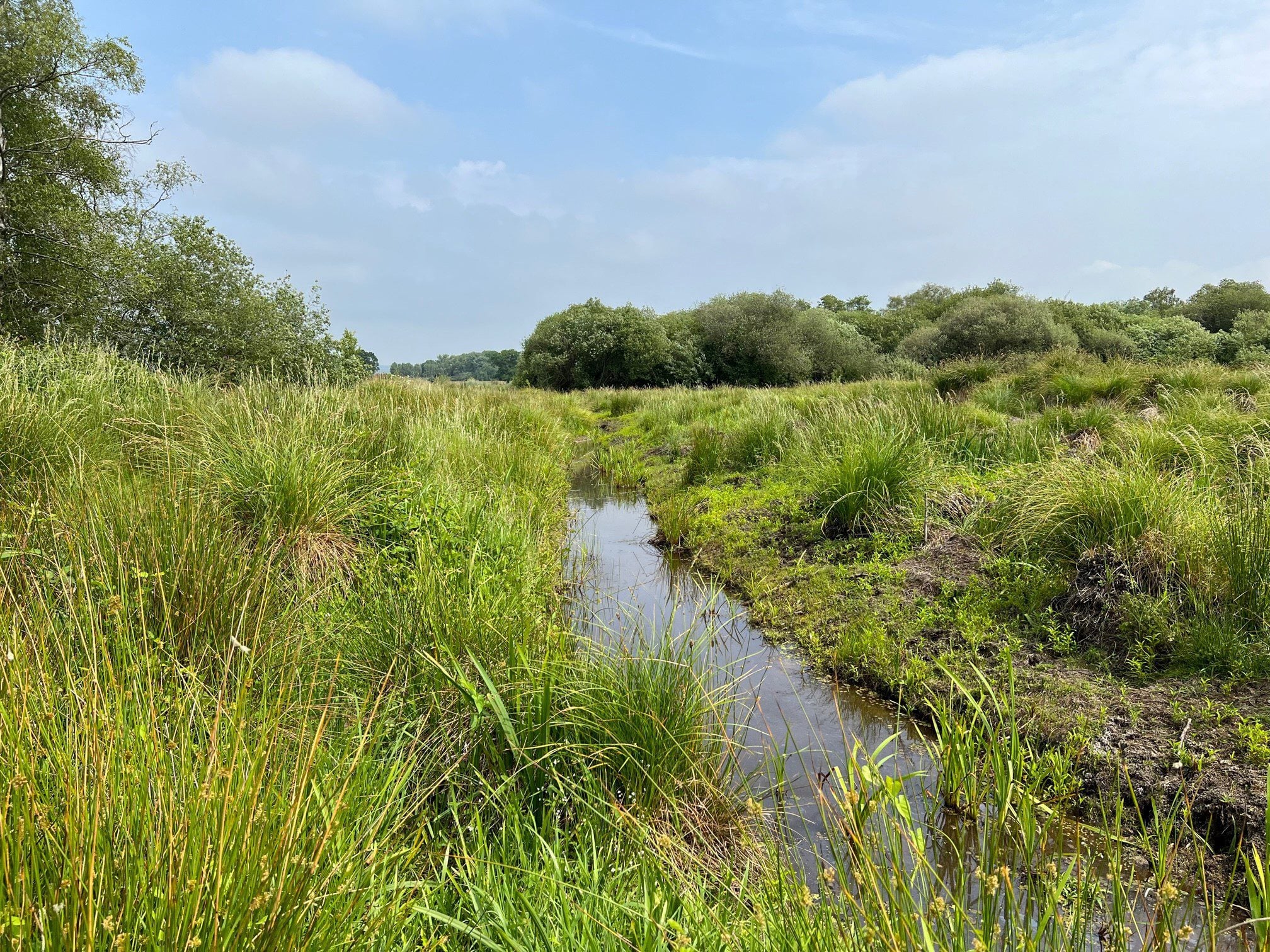
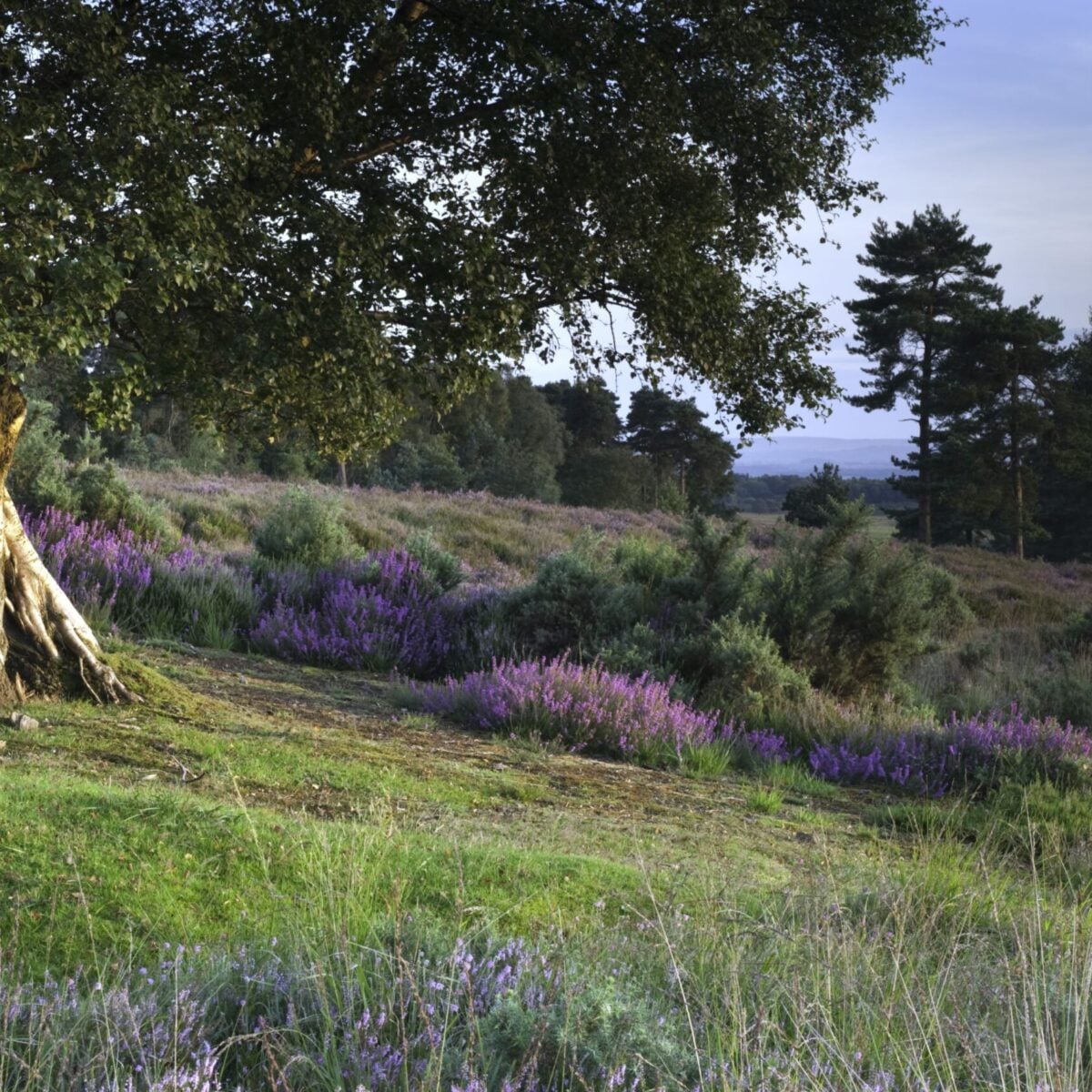
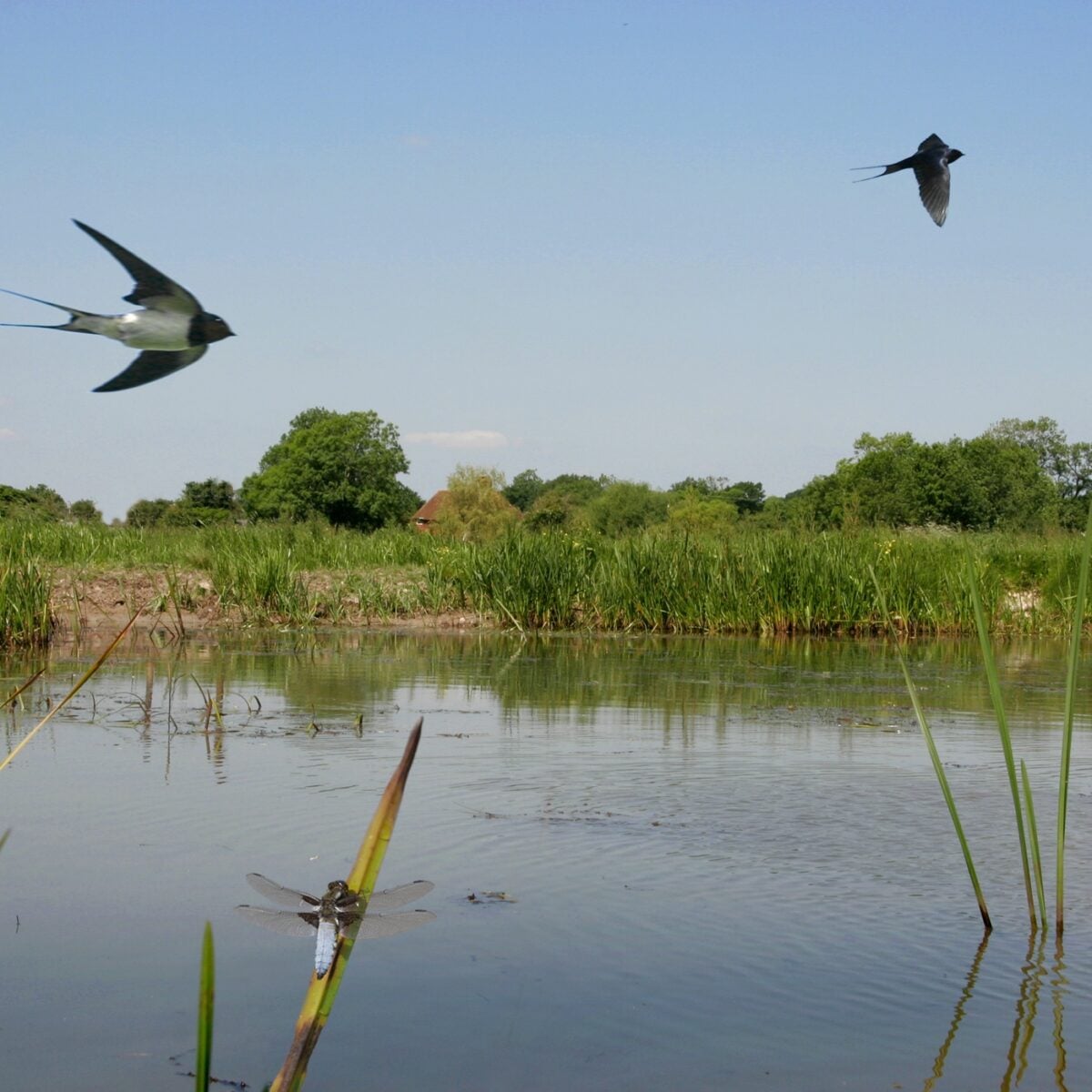
Found in an eclectic range of habitats, but typically near water, Grass Snakes may be found on a variety of our reserves. Grass Snakes do visit gardens, so you may not have to travel far to see one. Careful and patient observation on warmer days may pay off, when a snake may be basking on a sunny bank or perhaps swimming with head held high.