Take action
Become a member
Memberships builds our community and gives us a predictable income, which lets us plan and sustain longer projects that can have a greater impact. The more members we have, the more we can do to protect the Sussex countryside and coast.
Make a donation
Membership builds our community and gives us a predictable income, which lets us plan and sustain longer projects that can have a greater impact. The more members we have, the more we can do to protect the Sussex countryside and coast.
Overview
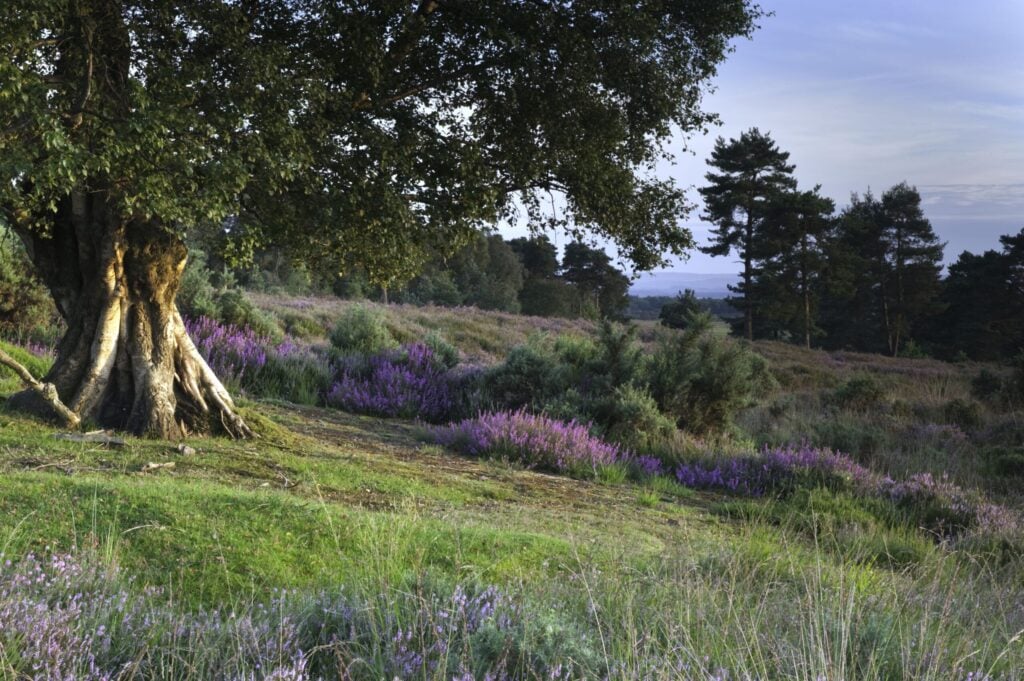
When thinking of heathland, the south eastern and coastal county of Sussex might not spring to mind. But this habitat does exist here, in precious pockets, and is home to a variety of rare wildlife.
The heathland in Sussex is lowland heathland, which is defined by the poor fertility of its soils. Nutrients gradually accumulate allowing larger, more vigorous plants to become established at the expense of smaller, less competitive species. This results in heathland eventually developing into birch or pine woodland if left to its own devices. Traditional heathland activities such as livestock grazing and burning have played a vital role in allowing heathland to persist over the centuries.
What the Heather holds
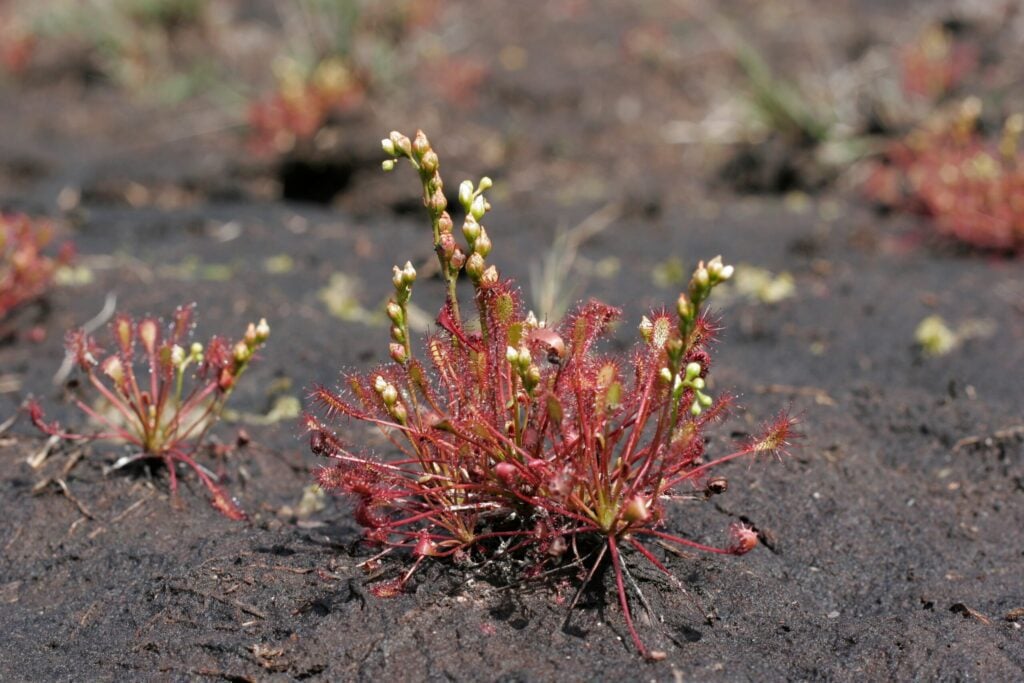
Within this rather hostile landscape, highly adapted wildlife thrives. Plants preferring the poor, acidic heathland soils flourish. Some resort to unusual means to gain nutrients. Carnivorous Sundew plants have glandular tentacles with sticky droplets on their leaves, which catch unwary insects and curl inwards to gradually absorb the nutrients released.
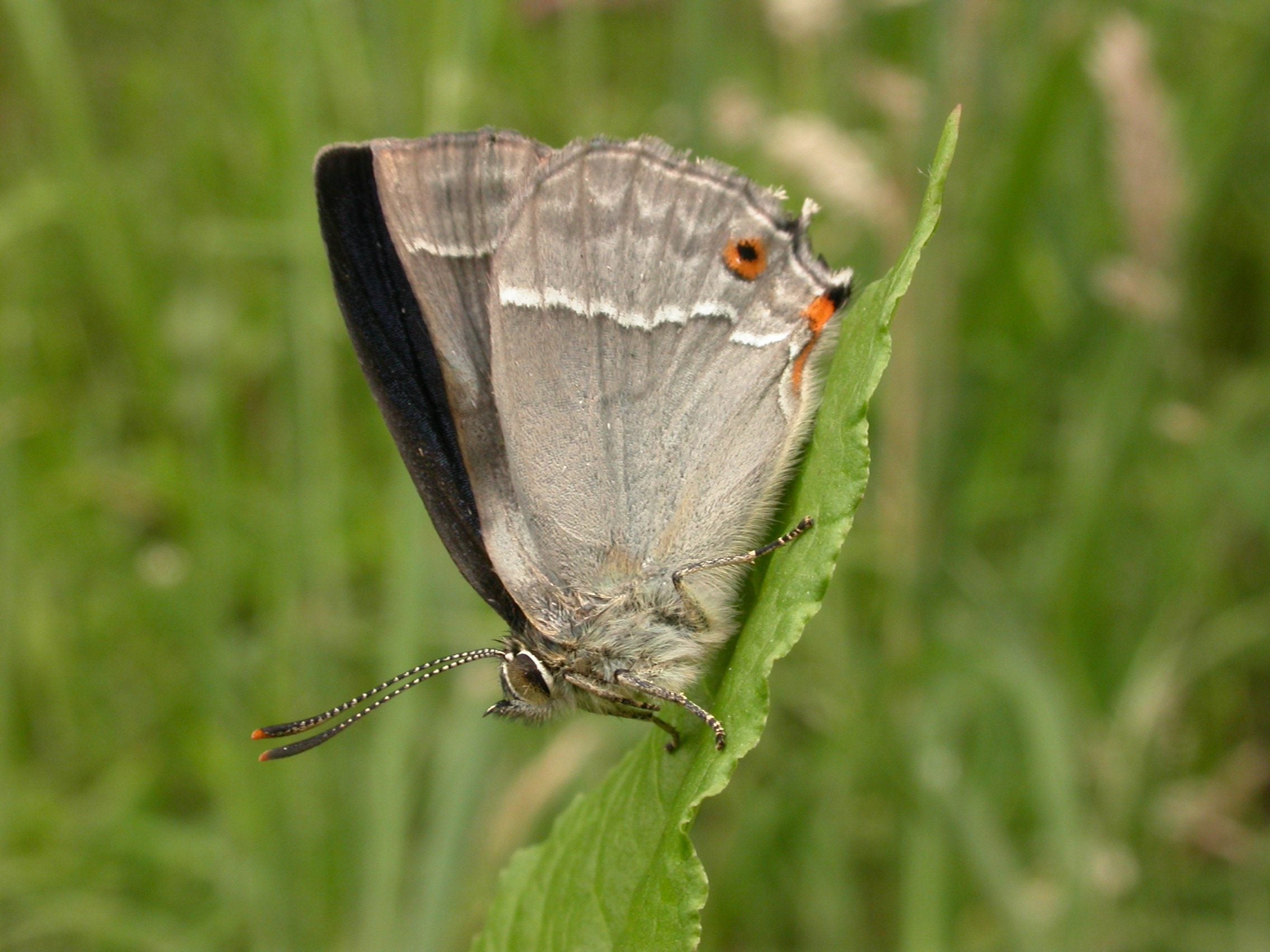
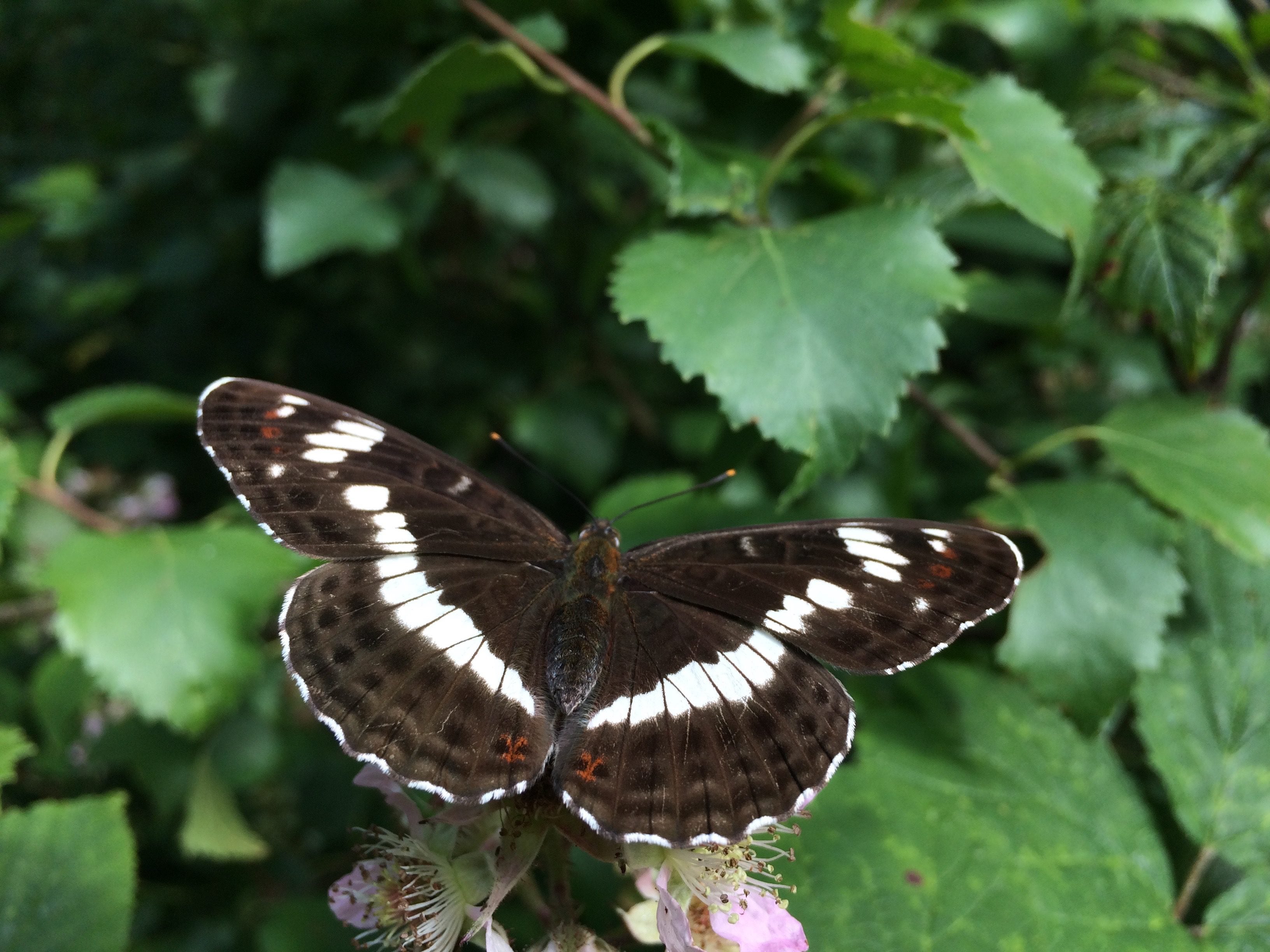
Bees, wasps and butterflies are plentiful. A couple of rare species to look out for are the Potter Wasp and the Silver-studded Blue Butterfly. The heath also makes an ideal hunting ground for many of the UK’s spiders, with over 30% of British spider species found at Iping and Stedham Common nature reserve alone.
Heathland supports all six of the native British species of reptile, which bask in the open. Certain bird species depend on this landscape for their survival. Woodlarks nest in the bare, sandy patches and the Dartford Warbler, now almost lost in Britain, can’t survive here without this particular landscape. On an early summer’s evening you may be lucky enough to hear a Nightjar’s churring call. Other birds that make the heathland their home include Redstarts, Stonechats and Hobbys.
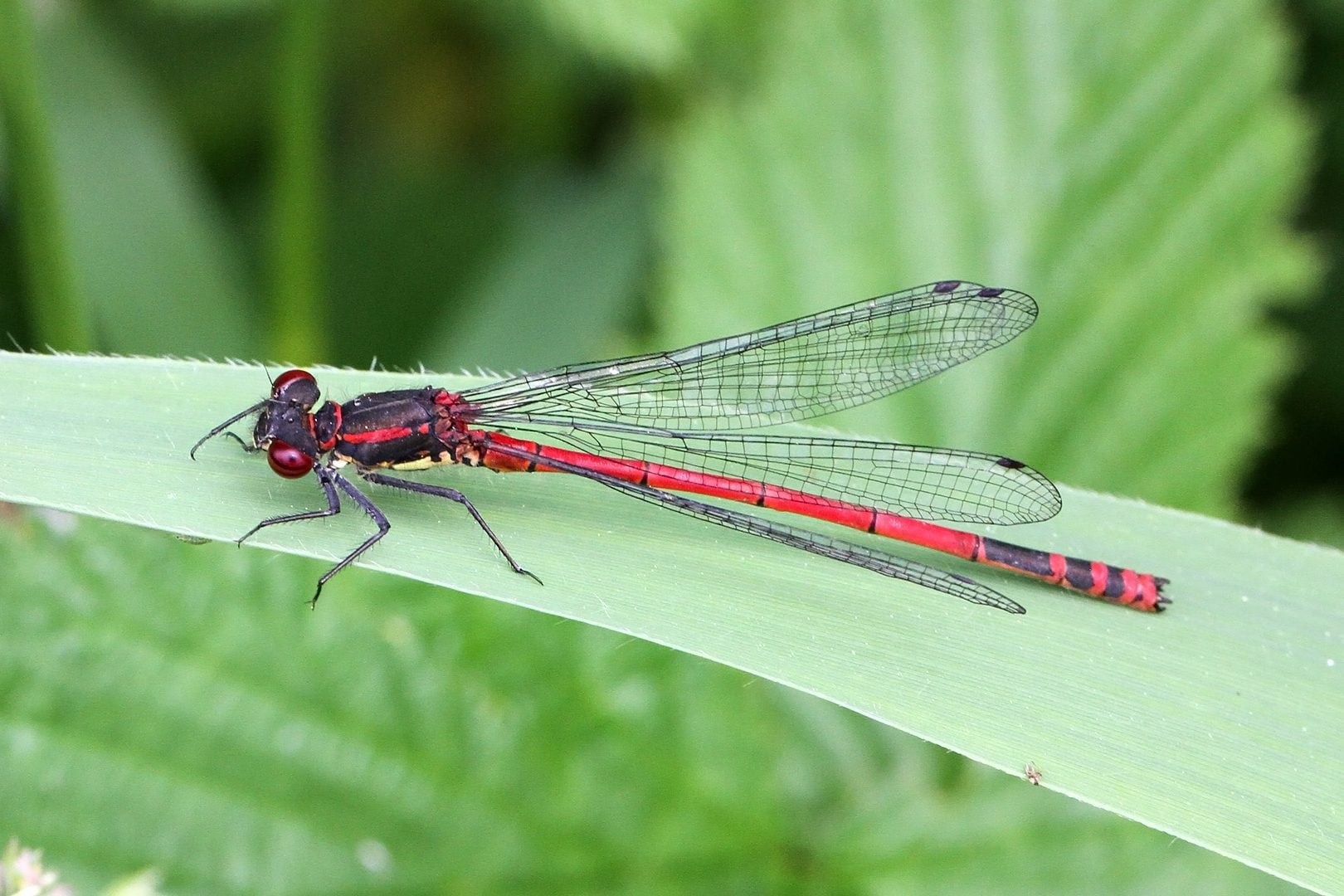
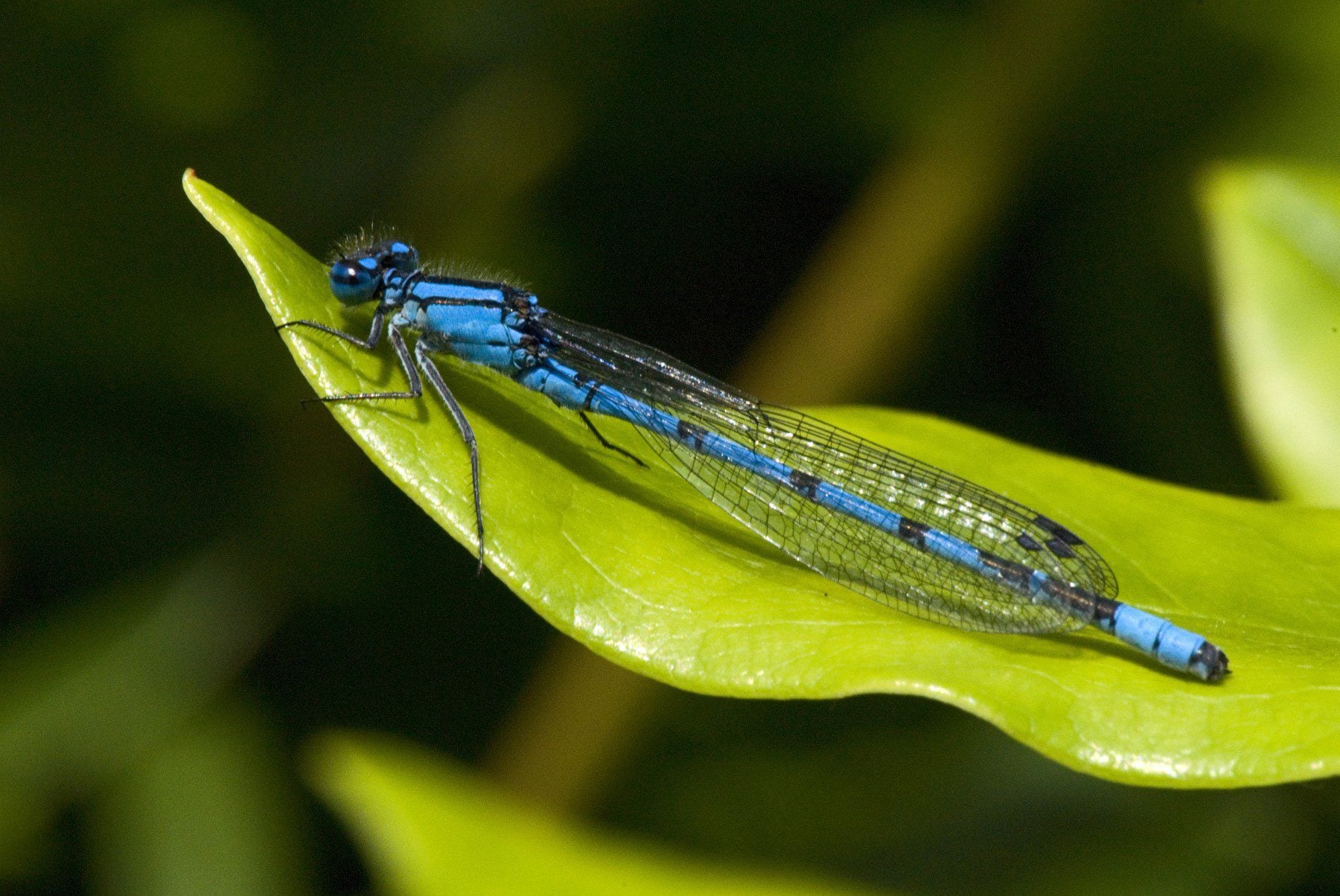
If there are wetter areas or an acid pond present, you might see dragonflies and damselflies skimming the surface in the warmer months. Keep your eyes peeled for some interesting plants underfoot, including the very rare Marsh Clubmoss.
Sussex heathland
As UK heathland is lost it becomes more and more difficult for these species to exist in Britain. Lowland Heathland is classed as a priority habitat under the UK Biodiversity Action Plan, with approximately 20% of the lowland heath in Europe being found in the UK. In Sussex, heathland makes up around 3000 hectares, or around 1% of the county, with the Ashdown Forest containing the largest surviving heathland area in South East England.
As well as lowland heath, there are also examples in Sussex of rare chalk heath, where chalk and acidic deposits overlap; playing host to a range of chalk grassland and heathland plants. In areas where the free drainage of the soil is impeded, you can also find areas of wet heath.
We are working to restore our heathland reserves using a combination of conservation methods such as grazing and invasive species management, prioritising species that would not be able to survive were it not for the careful maintenance of these habitats.
How can you help to protect our heathland habitat?
- Leave the BBQ at home – erratic weather and extreme heatwaves caused by climate change are a great risk to heathland landscapes. You can protect these precious places by not starting any fire risks, such as BBQs, fires, or cigarettes.
- Keep to the paths, watch your step, and keep dogs on leads – some of the rare wildlife found in heathland habitat may prefer open ground or bare soil, so be mindful of who you may be sharing your walk with.
- Peat-free gardening – peat is found in upland heathlands, and although not present in Sussex, is a vital carbon sponge, protecting us all from the effects of climate change. You can protect UK heathlands by choosing peat-free compost for gardening.