Take action
Become a member
Memberships build our community and give us a predictable income, which lets us plan and sustain longer projects that can have a greater impact. The more members we have, the more we can do to protect the Sussex countryside and coast.
Make a donation
Membership builds our community and gives us a predictable income, which lets us plan and sustain longer projects that can have a greater impact. The more members we have, the more we can do to protect the Sussex countryside and coast.
Overview
Together, the UK’s gardens are larger than all of our National Nature Reserves combined, making them as important for wildlife as they are for our own wellbeing.
Why are our urban spaces so important for wildlife?
With habitat loss and rural overdevelopment causing huge threats to many species, our gardens and urban green spaces have become a lifeline for our wildlife. When managed with nature in mind, these spaces provide a refuge for wildlife to take shelter, stop for water, hunt and raise their young. But habitat connectivity is key – even the most wonderful wildlife gardens can be isolated, so accessibility for animals to move through these pockets is vital.
Vital habitat, no matter how small
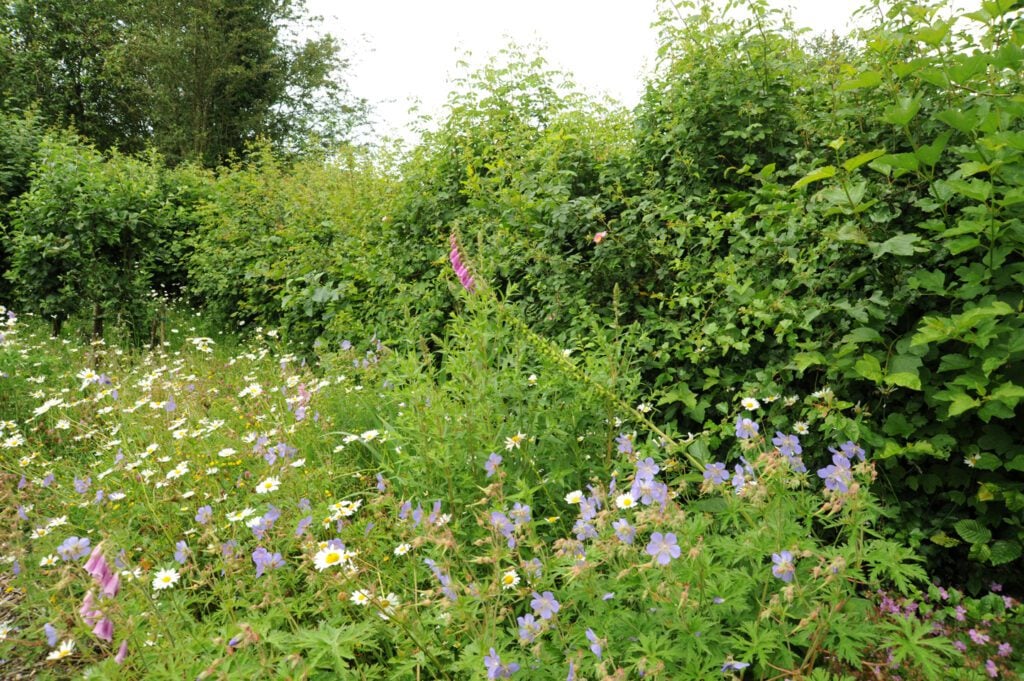
Trees and shrubs shelter small mammals and nesting birds, whilst native plants and water offer a reliable food source and welcome drink. Even a single window-ledge plant pot can make a difference, providing pollen and nectar for passing bees and other insects.
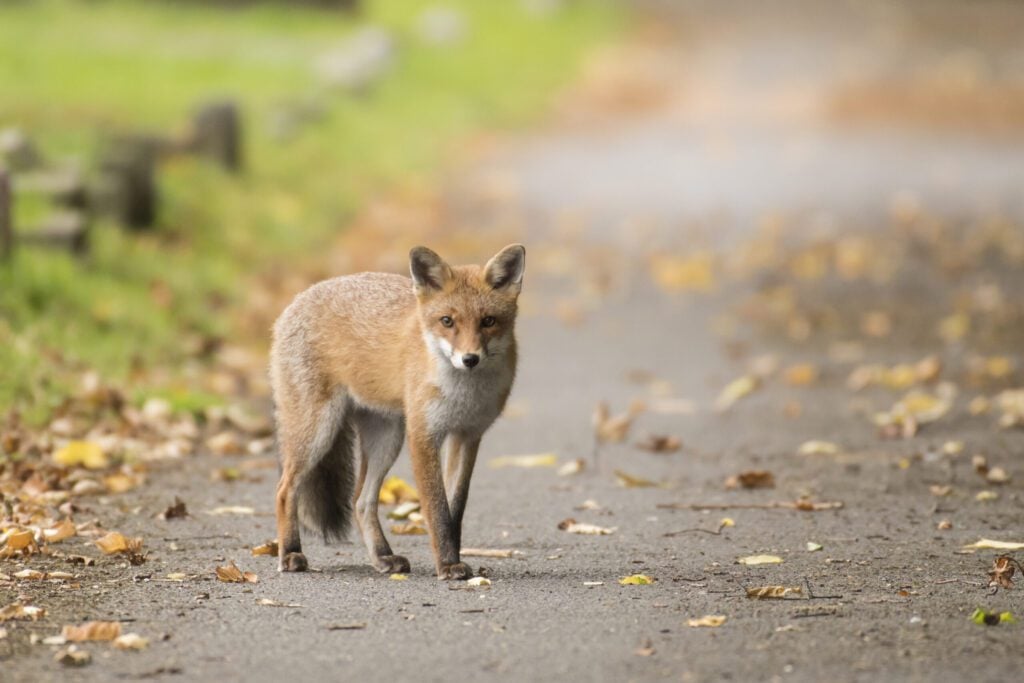
Larger parks and gardens can become a wild paradise, home to creatures you might not expect to find so close to home: Grass Snakes slithering through the undergrowth, Foxes frolicking on lawns, and even Tawny Owls peering out from the gnarled trunks of old trees.
As good for us as they are for wildlife
Parks and gardens provide a place where we can relax, breathe in the fresh air and remind ourselves of the beauty of the environment we share with nature. Spending time connecting with nature is proven to reduce stress and improve both our mental and physical health, and our parks and gardens offer the perfect opportunity to do this.
And it stretches beyond the limits of these green oases – mindful nature moments can happen amongst the concrete too, from the bright pop of a pavement flower, to the perch of a precinct Peregrine.
How can you protect and restore nature in our urban spaces?
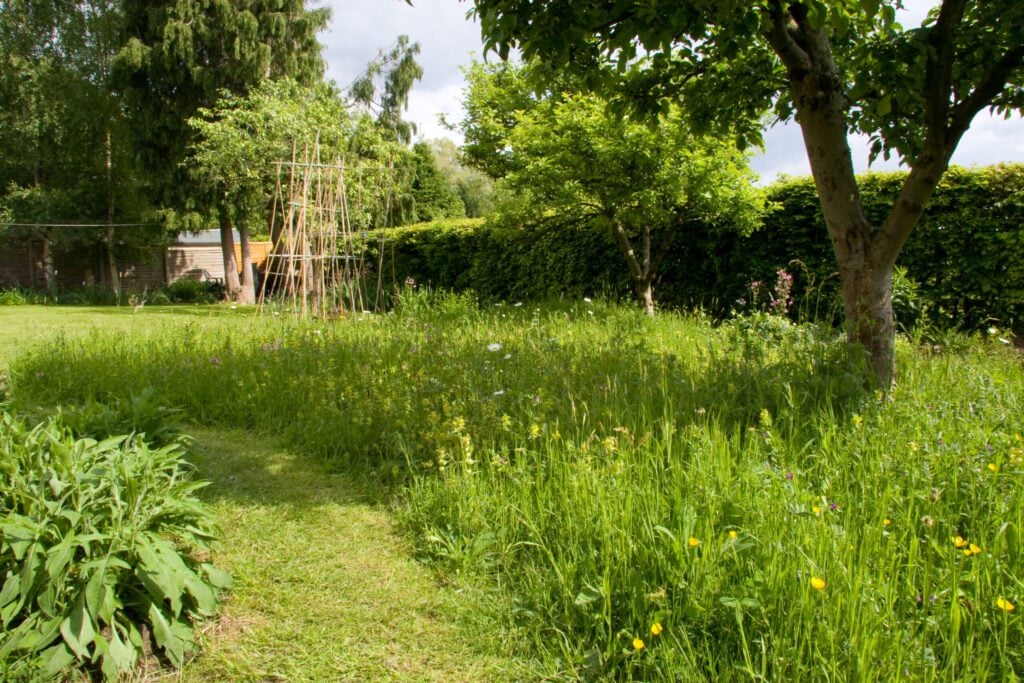
- Keep it wild – in nature, there’s no such thing as ‘messy’, and unmown grass, fallen leaves, and undisturbed areas can all provide vital food and shelter for wildlife
- Provide water – in any weather, water is a valuable free resource you can provide for passing wildlife (just remember to include an exit ramp of a stick or stones, to assist any creatures that become stuck)
- Resist using pesticides – a healthy ecosystem will encourage insectivores, like Hedgehogs, who will make light work of those plant-munching slugs
- Think accessibility – cutting a hole in a fence, planting or saving trees and hedges, and chatting to your neighbours about their wildlife access, can all help to connect up isolated havens