Take action
Become a member
Memberships builds our community and gives us a predictable income, which lets us plan and sustain longer projects that can have a greater impact. The more members we have, the more we can do to protect the Sussex countryside and coast.
Make a donation
Membership builds our community and gives us a predictable income, which lets us plan and sustain longer projects that can have a greater impact. The more members we have, the more we can do to protect the Sussex countryside and coast.
Overview
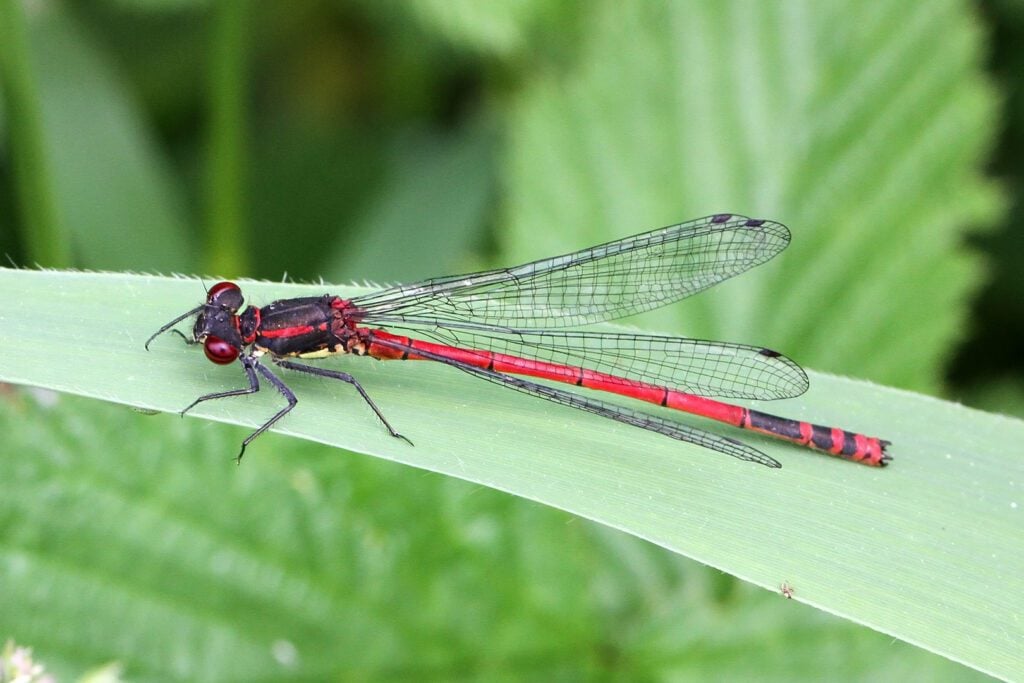
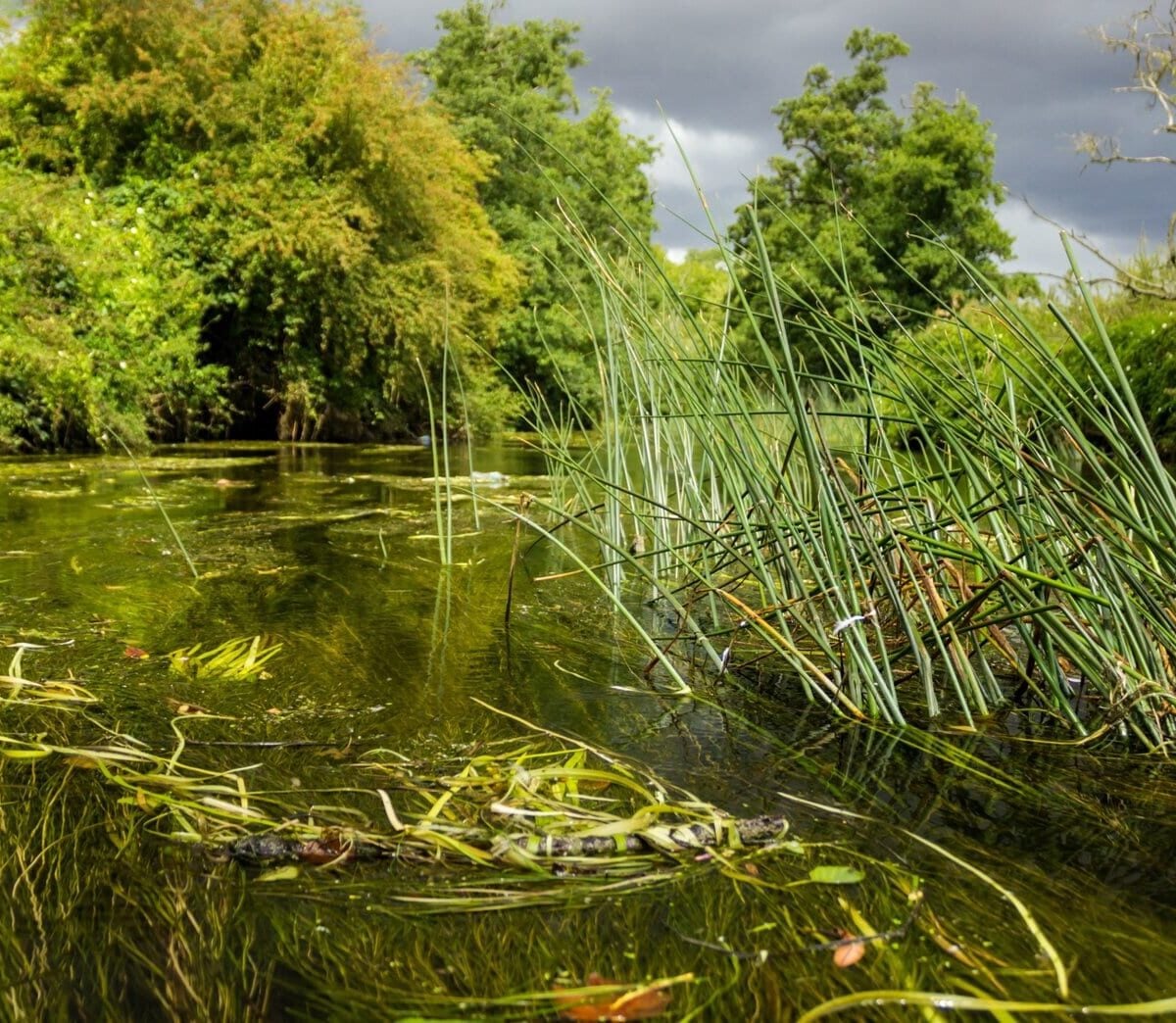
The Large Red Damselfly is a medium-sized damselfly that lives around the edges of ponds, lakes, ditches and canals, and can also be found away from breeding sites in grassland and woodland.
The earliest damselfly to emerge in the UK, it is on the wing from the end of April through to August. It is a regular visitor to gardens.
Key Facts
- Male Large Red Damselflies are bright red with a black thorax and black bands towards the end of the body. The amount of red and black on the females’ abdomens varies, with some forms appearing almost entirely black. The similar Small Red Damselfly is a much rarer species that is only found on heathlands in the south of England and West Wales. It is smaller, more delicate and has less red than its larger relative.
- Most adult Large Red Damselflies emerge from the pond at the same time: over a short period of just three weeks in the spring.
- Length: 3.6cm
Status
Common
Seasonality
April to August