Take action
Become a member
Memberships builds our community and gives us a predictable income, which lets us plan and sustain longer projects that can have a greater impact. The more members we have, the more we can do to protect the Sussex countryside and coast.
Make a donation
Membership builds our community and gives us a predictable income, which lets us plan and sustain longer projects that can have a greater impact. The more members we have, the more we can do to protect the Sussex countryside and coast.
Overview
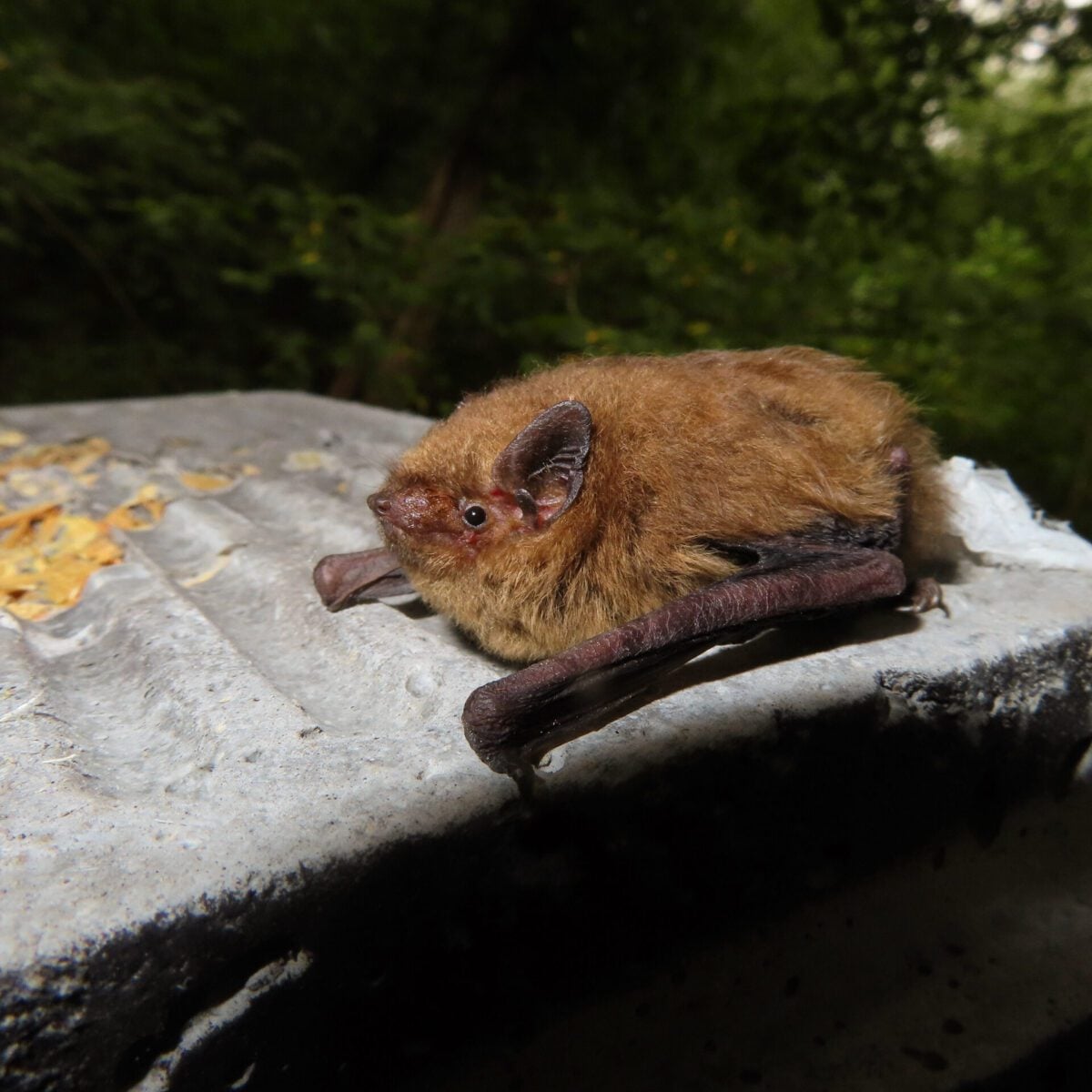
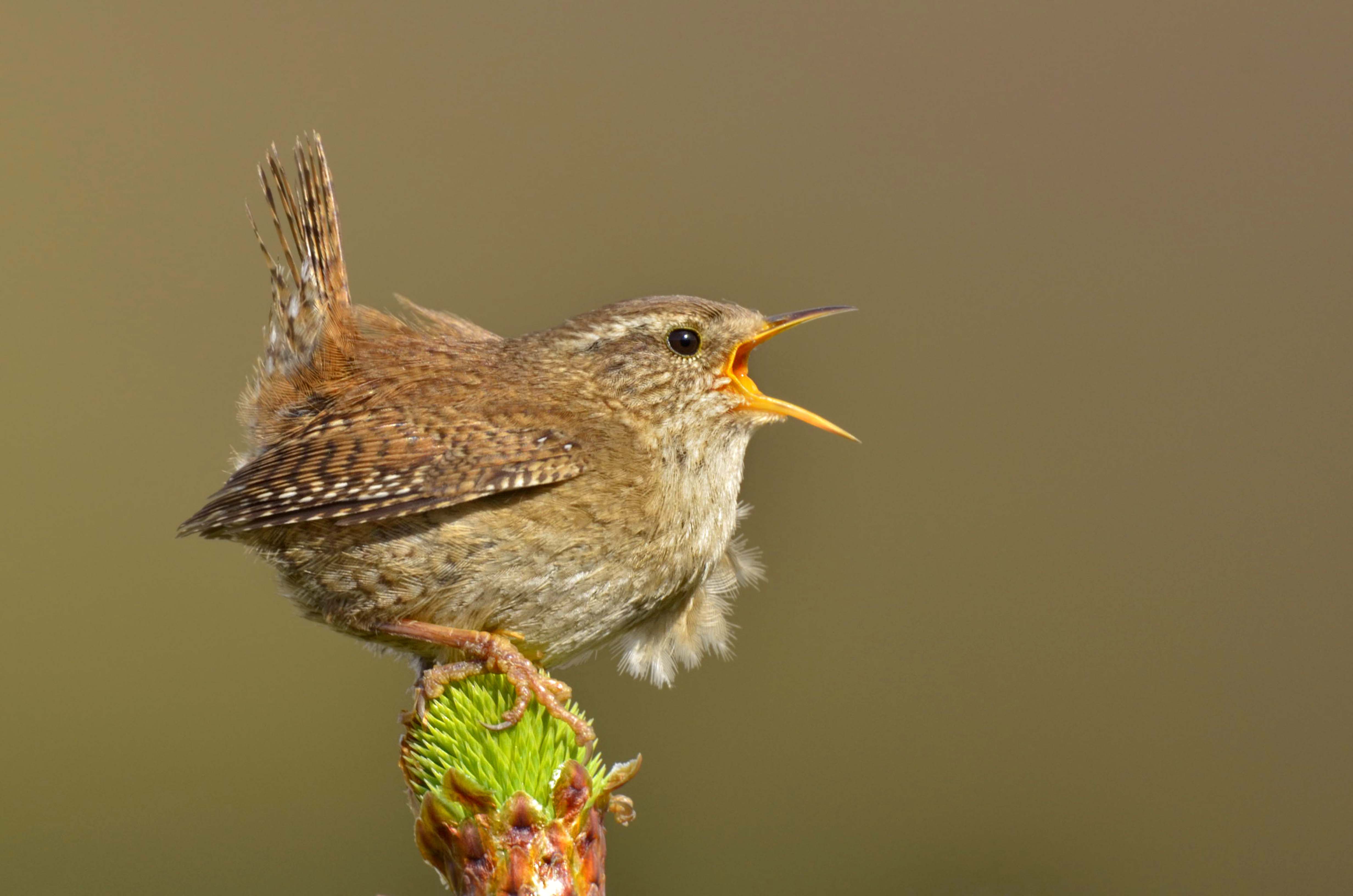
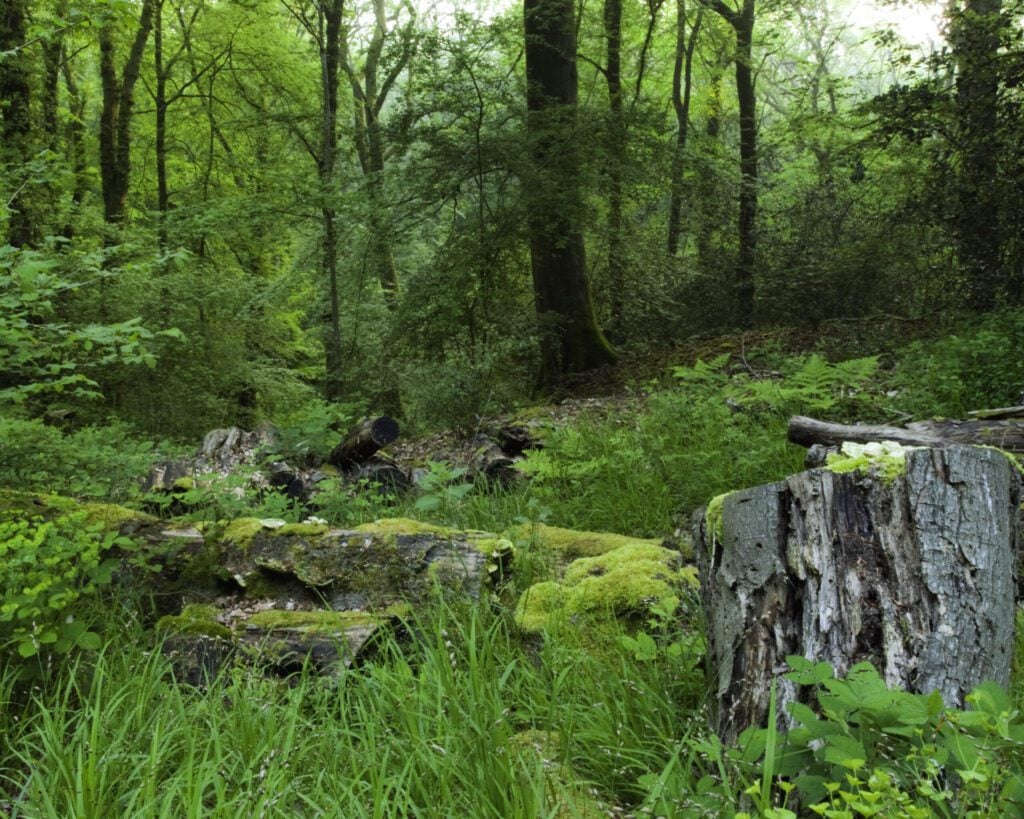
Our woodlands provide habitat for a great diversity of plants, animals, and fungi. Birds flit and butterflies dance. Badgers forage through the undergrowth and bats roost in towering veteran trees.
A natural solution to the climate crisis
UK woodlands are estimated to soak up around 21 million tonnes of carbon dioxide a year. That’s around a third of the carbon dioxide emitted by cars every year in the UK! Even more impressive are woodland soils, which store nearly tree times as much as this.
Woodlands can also limit flooding events, with wet woodlands slowing the flow of water downstream after extreme rain.
Types of woodland found in Sussex
- Ancient woodland – this is woodland that is known to have been present since at least 1600! Some plants are slow to colonise. If they are spotted in a woodland then it is a good clue that the woodland is very old! These plants include Wood Anemone and Enchanter’s Nightshade.
- Broad-leaved woodland – this is woodland that has trees in that do not have needles. Instead the trees have leaves that are broad and different shapes. Most of these trees will be deciduous which means that they lose their leaves in the autumn.
- Wet woodland – this is woodland that often has trees such as willows, birches and alder that thrive in poorly drained or seasonally flooded soils.
- Secondary woodland – this is woodland that has developed through natural processes on land previously cleared of trees. It is usually species-poor compared to ancient woodland.
Conservation and recovery
Despite our love of woodlands, Britain remains one of the least-wooded countries in Europe and the tiny area of surviving ancient woodland is still under threat – along with its inhabitants.
Protecting existing woodland and expanding tree cover is vital, so that we continue to lock up more carbon naturally. But it also has other benefits: more woodland for people to enjoy, cleaner air and a natural air conditioning system in cities where urban trees are planted, reduced flood risk and – of course – more homes for wildlife!
How can we protect and restore woodland?
- Do not pick or forage for fungi – leave it to fulfil its natural processes, which support a healthy woodland ecosystem
- Leaving dead wood – there’s a whole world in dead and decaying wood, which many species depend upon
- Expanding tree cover, so that we continue to lock up more carbon naturally – however, it’s important that new woodland creation is planned carefully to make sure it’s in the right place and not planted over the top of other valuable habitats like peatland or grassland, as this can lead to the release of carbon