Take action
Become a member
Memberships builds our community and gives us a predictable income, which lets us plan and sustain longer projects that can have a greater impact. The more members we have, the more we can do to protect the Sussex countryside and coast.
Make a donation
Membership builds our community and gives us a predictable income, which lets us plan and sustain longer projects that can have a greater impact. The more members we have, the more we can do to protect the Sussex countryside and coast.
Overview
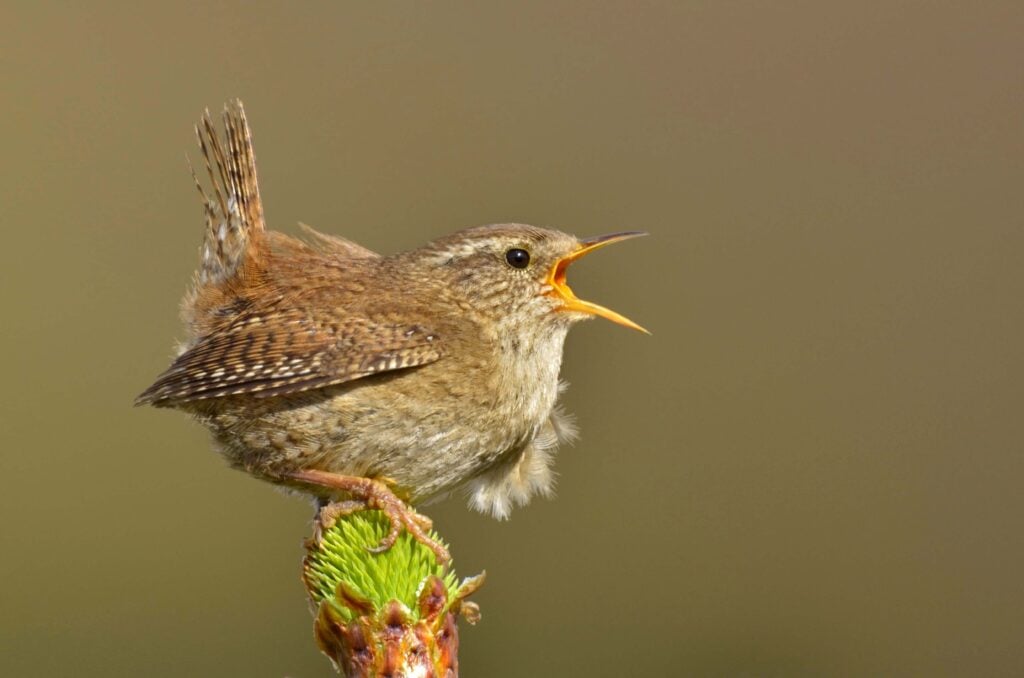
The diminutive Wren can be found in almost any habitat where there are insects to eat and bushes or rock crevices in which to build their domed nest out of moss and twigs.
Key Facts
- A tiny, brown bird with a short, cocked tail and a loud voice, the wren is unmistakable.
- The Wren is the most common breeding bird in the UK; there are currently 8.6 million breeding wren territories.
- There are a number of subspecies of Wren, including the Fair Isle Wren (Troglodytes troglodytes Fridariensis) and the St Kilda Wren (Troglodytes troglodytes hirtensis). Both are endemic breeding birds of their respective isles in Scotland.
- Length: 10cm Wingspan: 15cm Weight: 10g Average lifespan: 2 years
Status
Common. Classified in the UK as Amber under the Birds of Conservation Concern 5: the Red List for Birds (2021). Priority Species under the UK Post-2010 Biodiversity Framework.


Seasonality
All year round