Take action
Become a member
Memberships build our community and give us a predictable income, which lets us plan and sustain longer projects that can have a greater impact. The more members we have, the more we can do to protect the Sussex countryside and coast.
Make a donation
Membership builds our community and gives us a predictable income, which lets us plan and sustain longer projects that can have a greater impact. The more members we have, the more we can do to protect the Sussex countryside and coast.
Overview
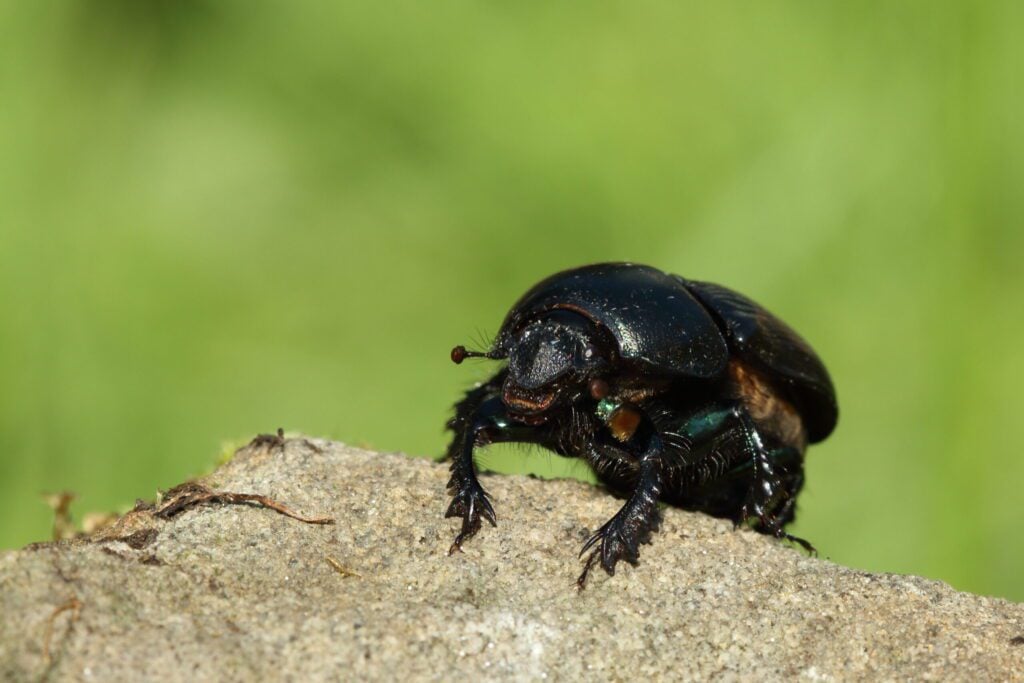
Like many species, dung beetles are at risk due to the intensification of agriculture, habitat loss and climate change. Found in pesticide-free pats of cattle and other large herbivores, dung beetles play a vital role in keeping our soil healthy and our grasslands spick and span!
The UK is home to around 60 species of dung beetles, which are split into three groups
- Aphodiines, sized 3-13mm, ‘dwellers’ or ‘stealers’, who live directly in the dung
- Onthophagus, sized 4-11mm, ‘tunnellers’, who tunnel up to a metre below the dung, pulling down small amounts to lay their eggs in
- Geotrupes, the largest tunnellers, at 8-26mm
Key Facts
- By removing dung left behind from large herbivores, dung beetles save the UK agricultural industry millions of pounds per year – they give us back our pastureland, which would otherwise become over-populated with poo!
- Our tunneller species in particular are great for soil health – by digging into the earth, they aerate the soil, which can mitigate against flooding, and the dung they bring back into the soil provides vital nutrients
- Dung beetles also help with secondary seed dispersal – seeds processed by herbivores are then moved around by the beetles, giving them opportunities to germinate
- Dung beetles are a keen part of the food chain – their dung processing keeps down the population of flies, and they also remove parasites living in the dung. The beetles are, in turn, prey to others, such as birds, bats and Hedgehogs
Status
At least 50% of our dung beetles are classed as nationally scarce or threatened in conservation terms
Seasonality
All year round – different species are active at different times of the year
How we can help dung beetles
- Habitat connectivity – increase wildlife corridors between green and natural spaces to allow for populations of dung beetles, and other wildlife, to move around
- Chemicals that are used to worm livestock can impact dung beetles at larval stage, so if you are a landowner or own large herbivores, reduce your chemical pesticide use – rather than blanket worming your animals, you could instead spot check
- Leave your animals out at all times of the year, rather than overwintering – many species of dung beetles are around all through the year and rely on these animals during winter months!
- Advocate for dung beetles – a true underdog species, not everyone is aware that we have these species in UK, even less that we rely on them so much!
Video
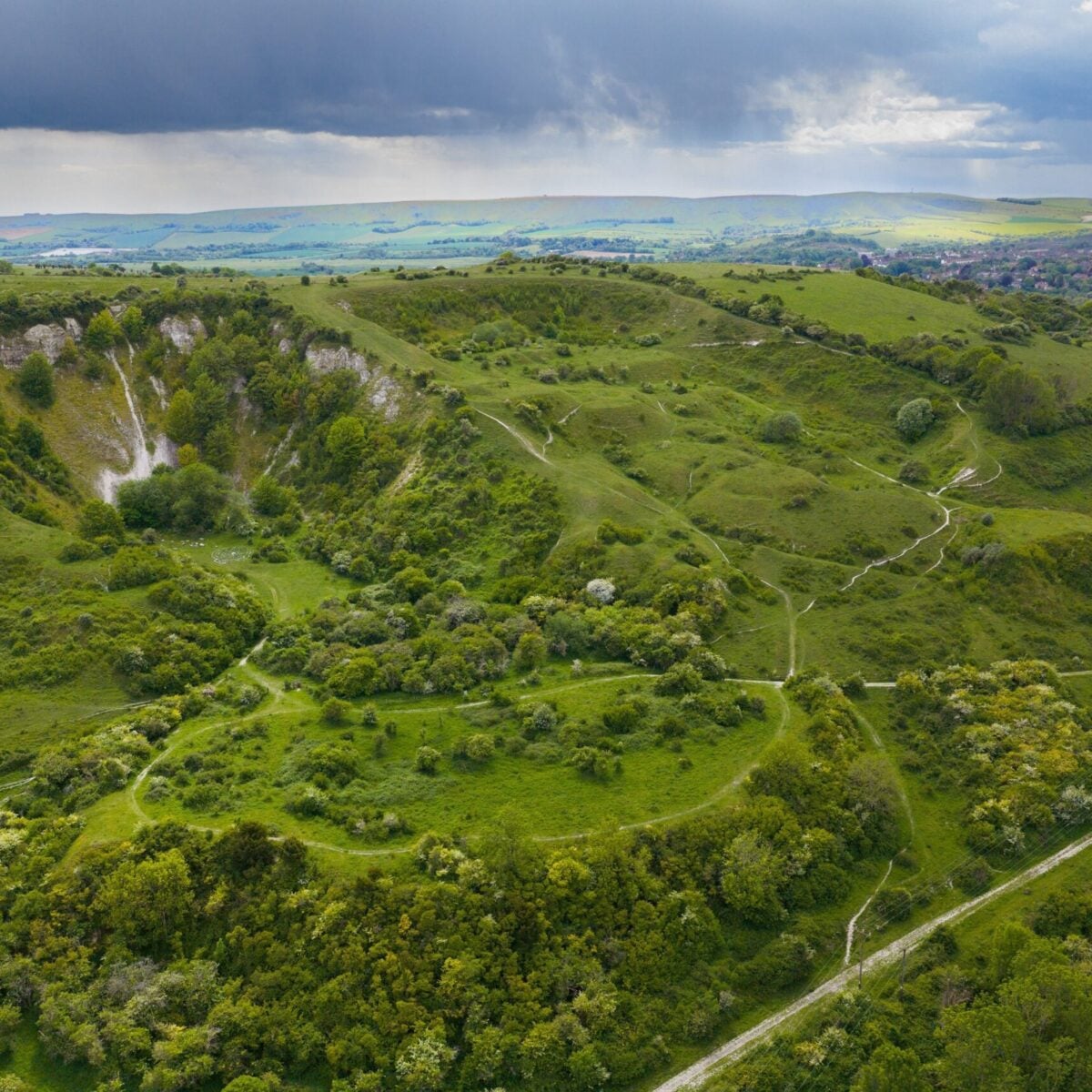
Dung beetles on Malling Down
Watch our Wilder Ouse Project Officer, Harriet Trueman, telling us about these incredible insects – and getting stuck into a fresh cow pat.