Overview
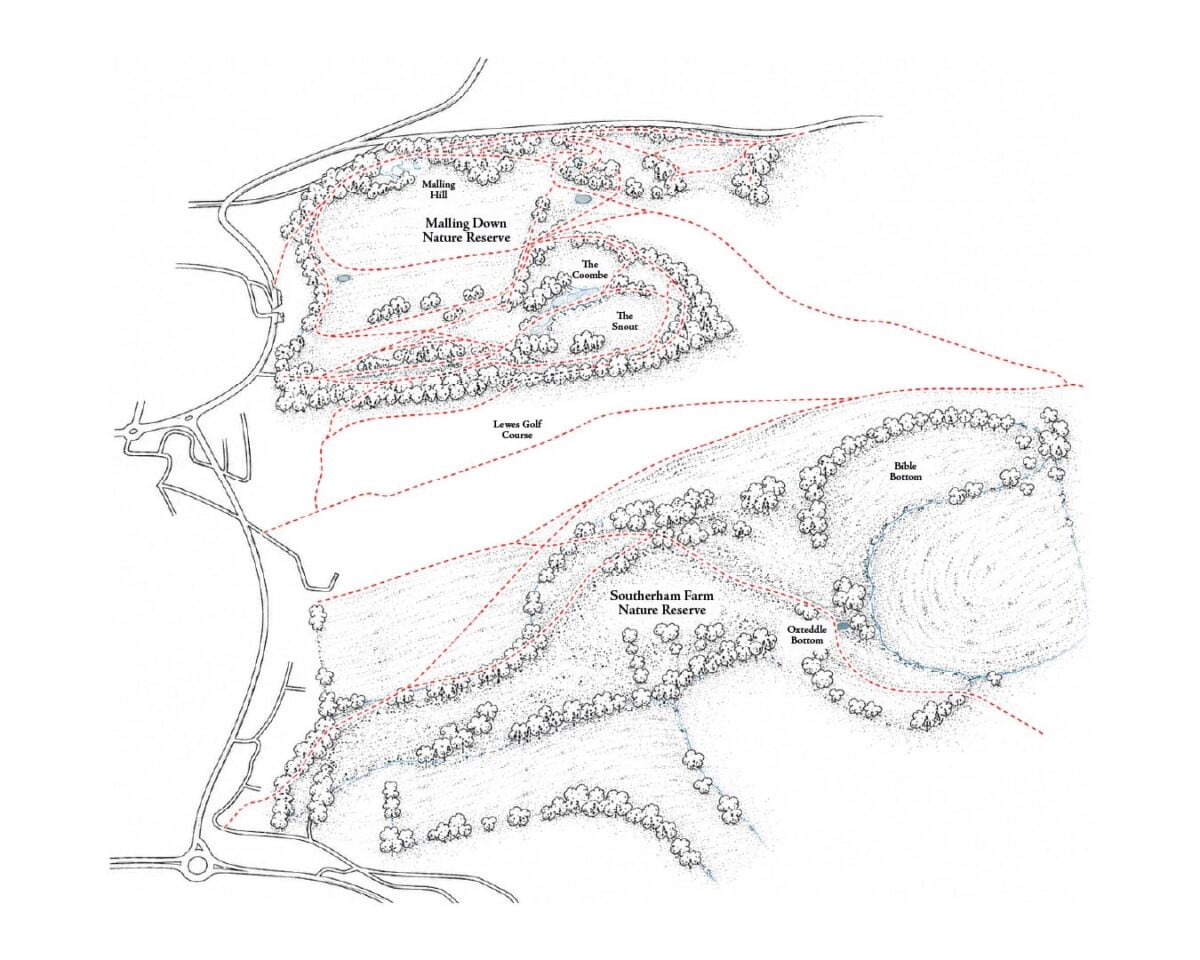
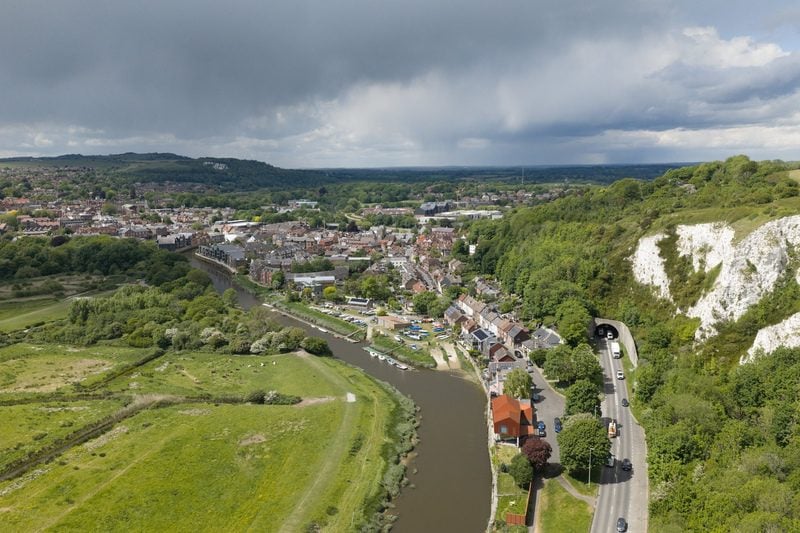
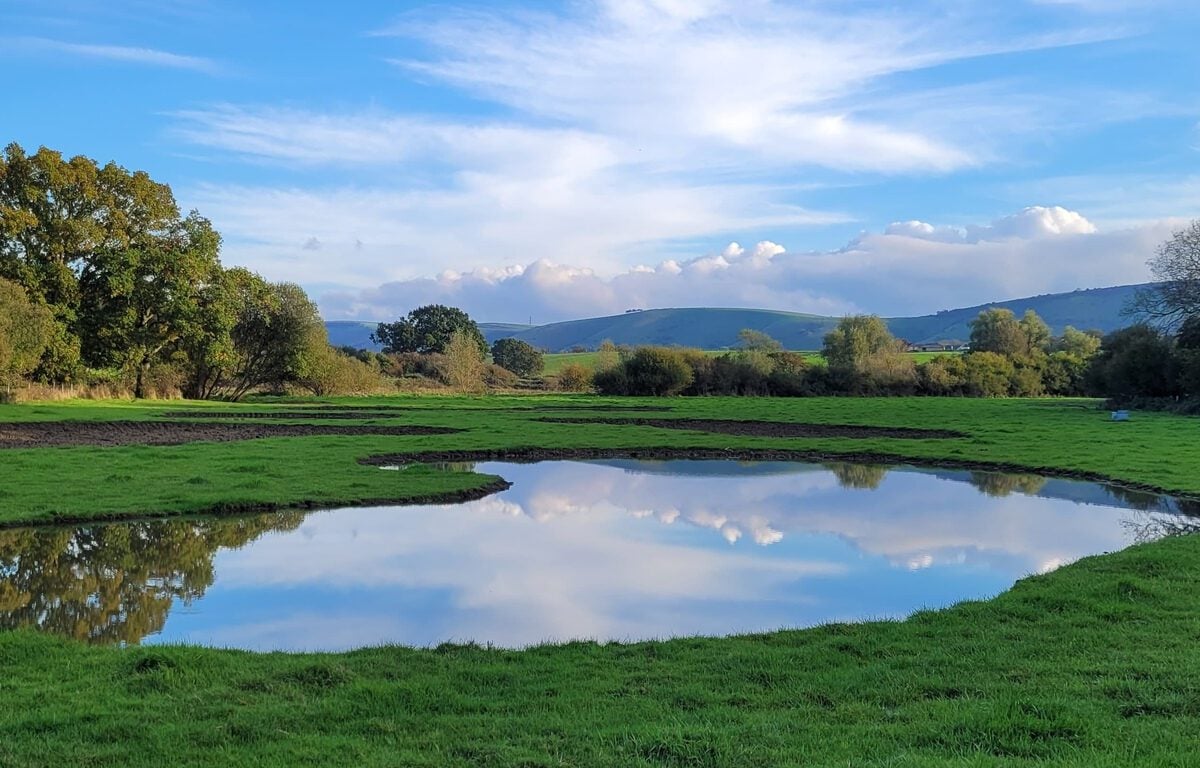
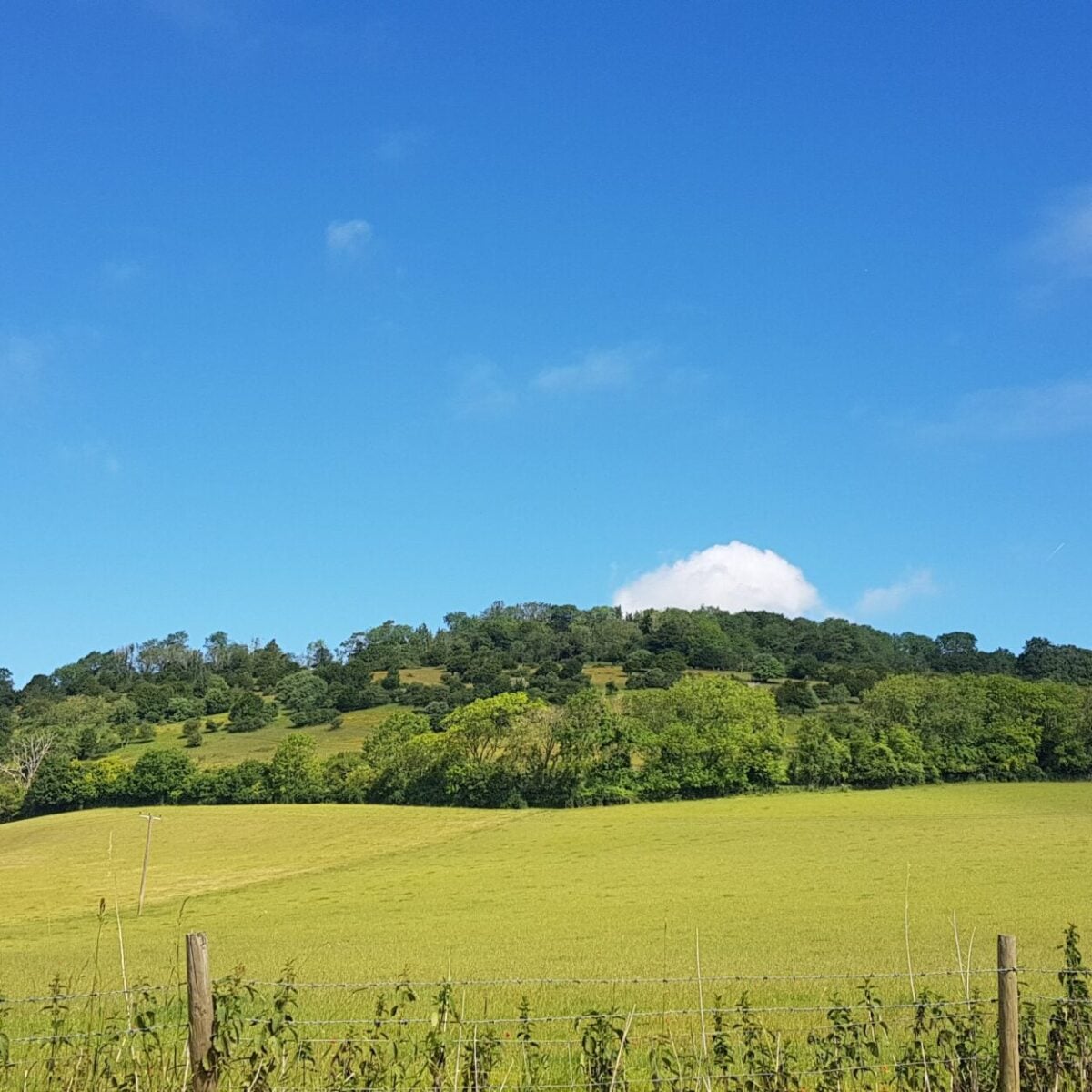
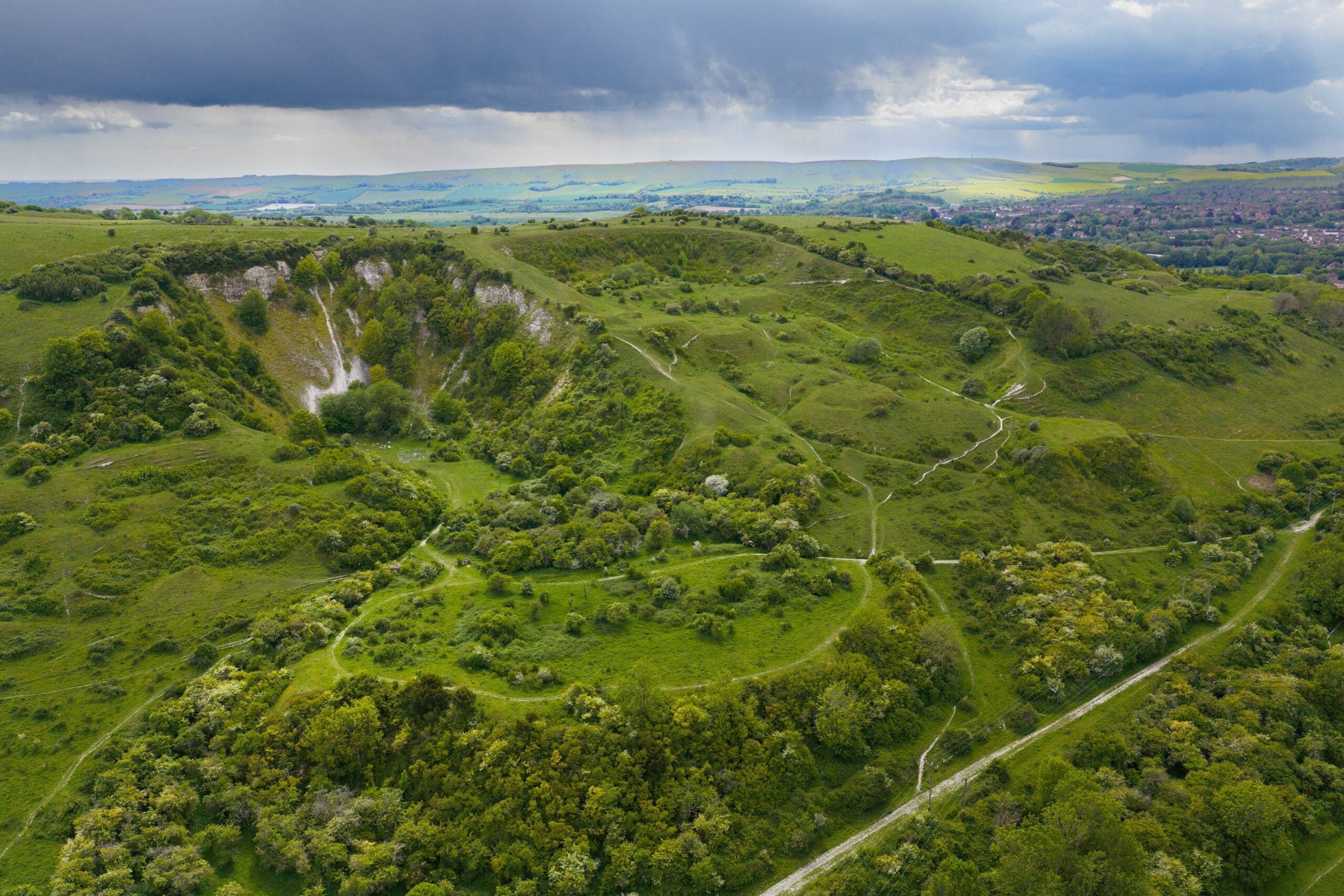
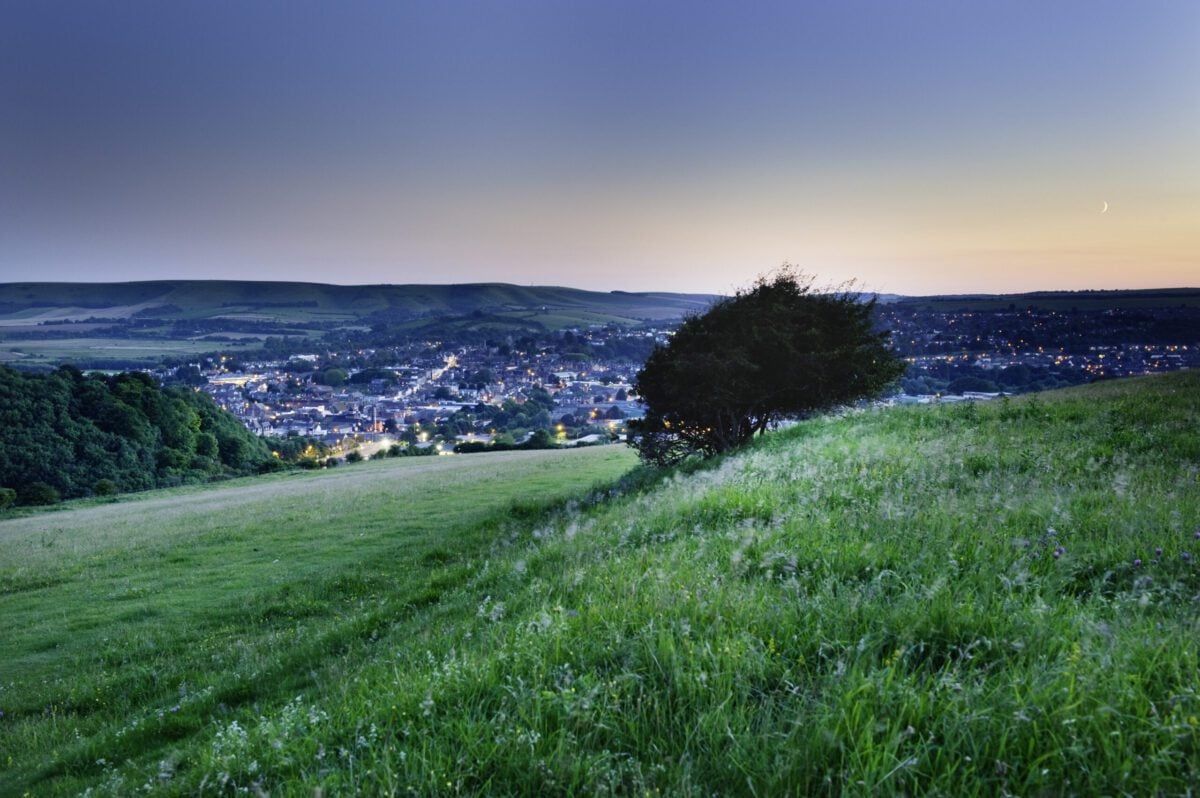
The steep, chalky downland slopes of Malling Down Nature Reserve border the eastern side of Lewes, the pretty county town of East Sussex. You can access the reserve from the town. This reserve is part of the South Downs National Park. When you make it to the top, expect incredible views across the River Ouse and over to coastal town of Newhaven.
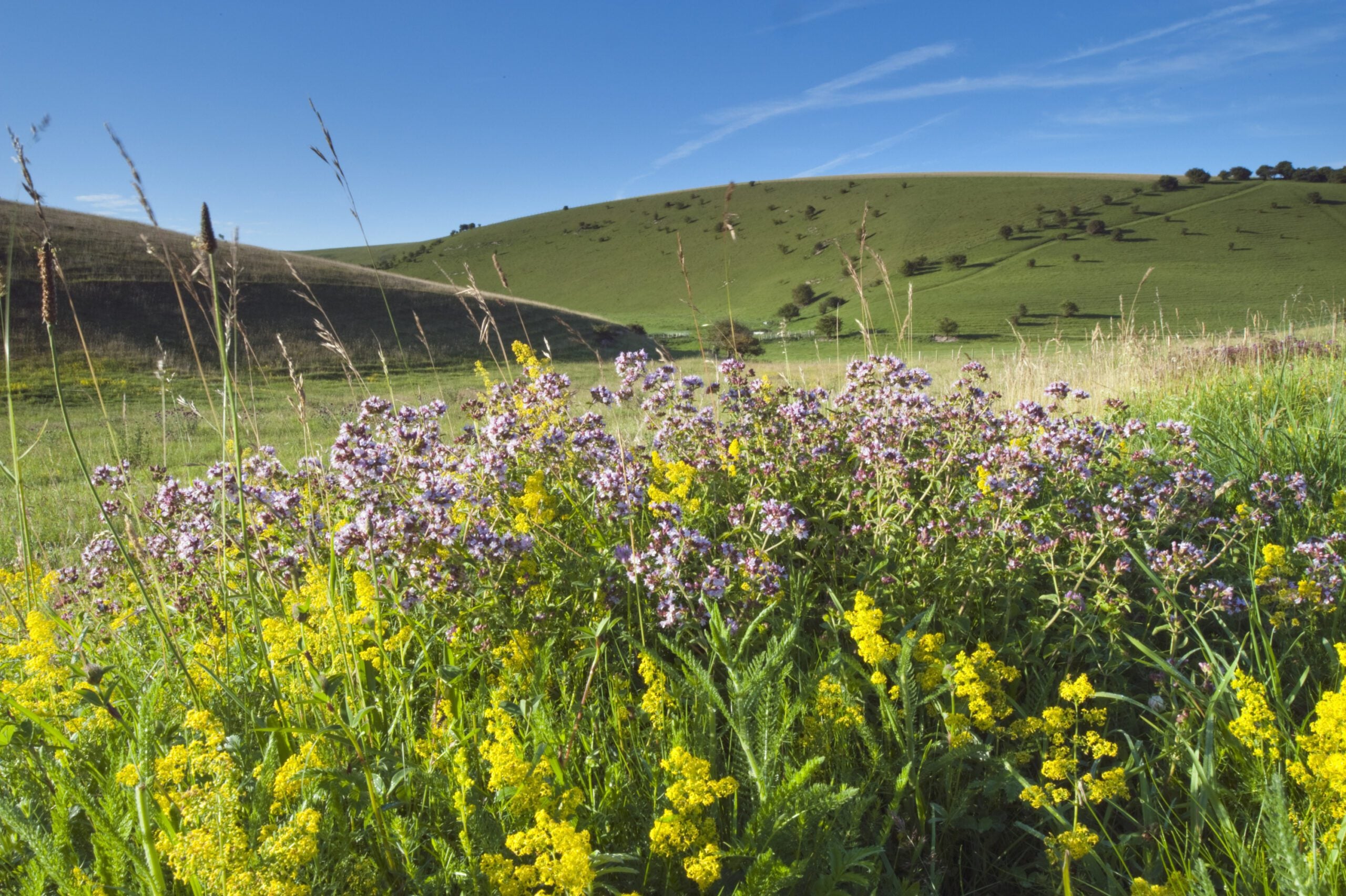
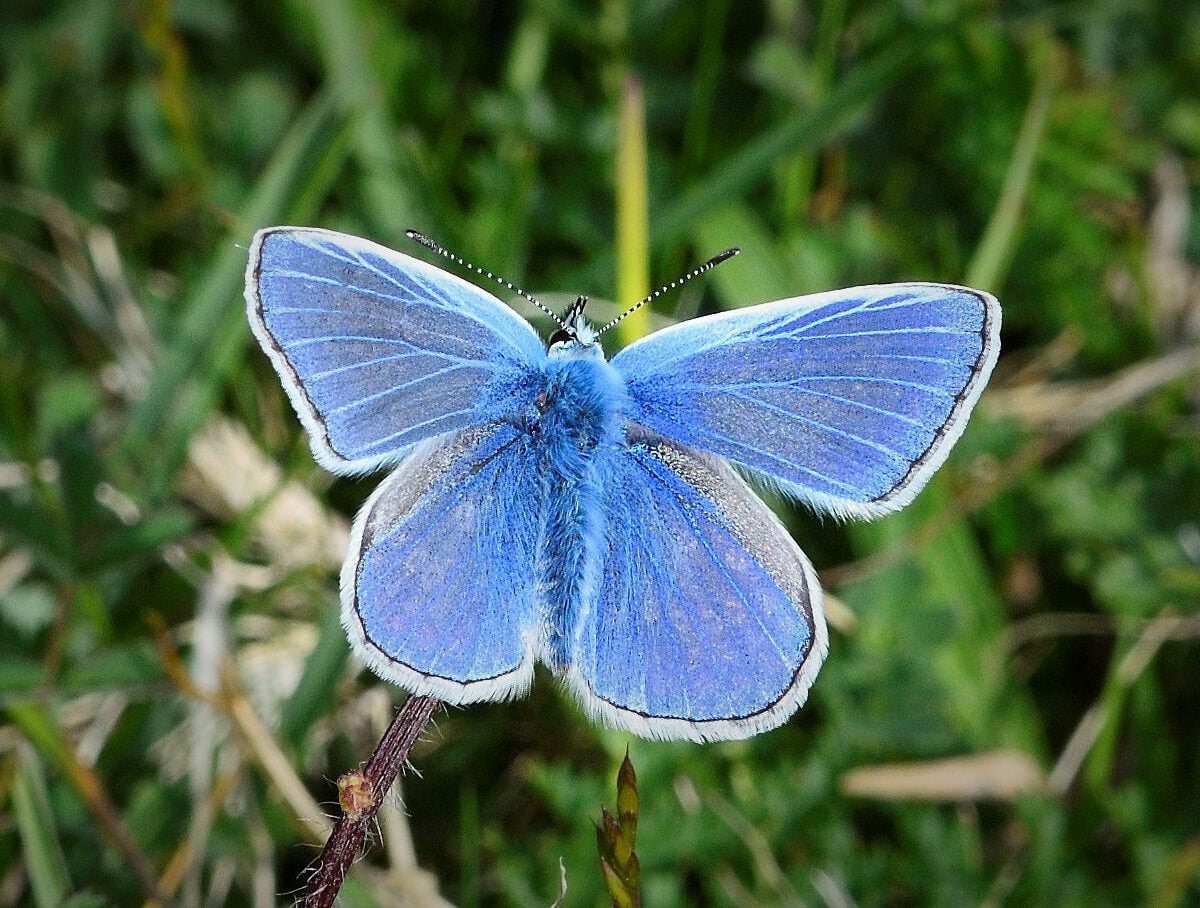
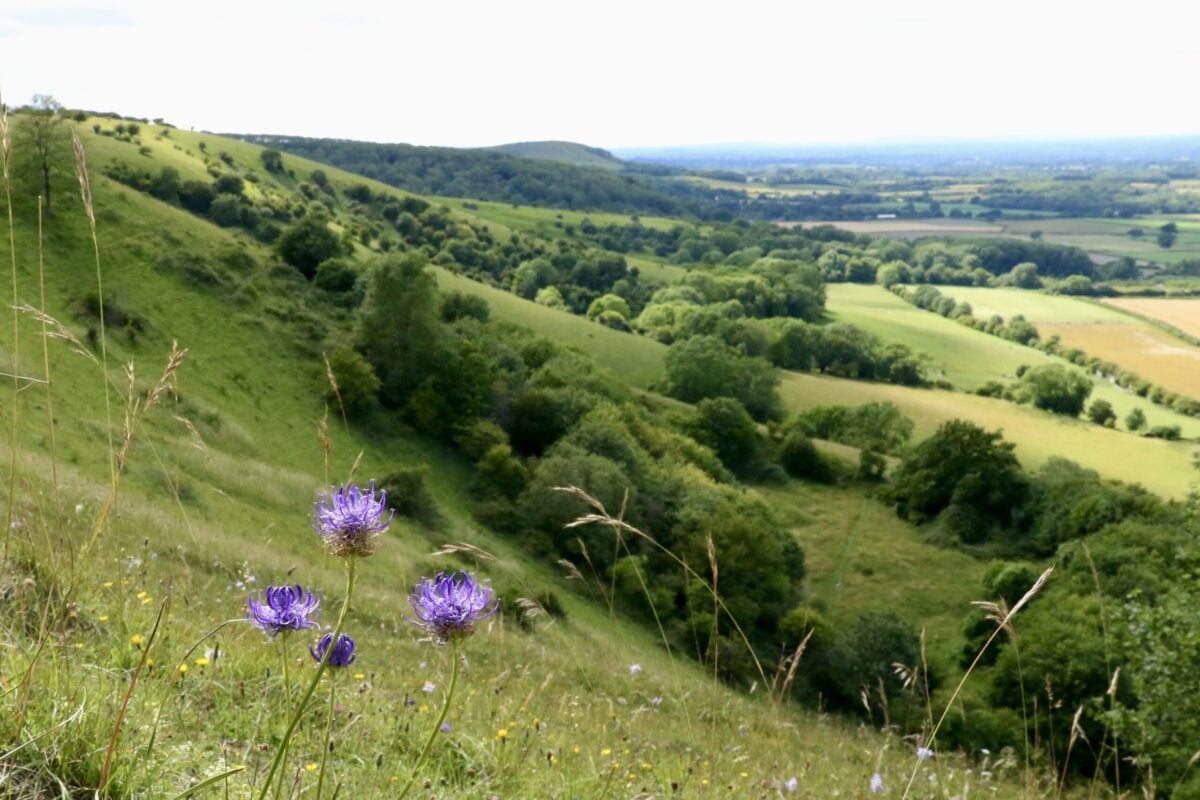
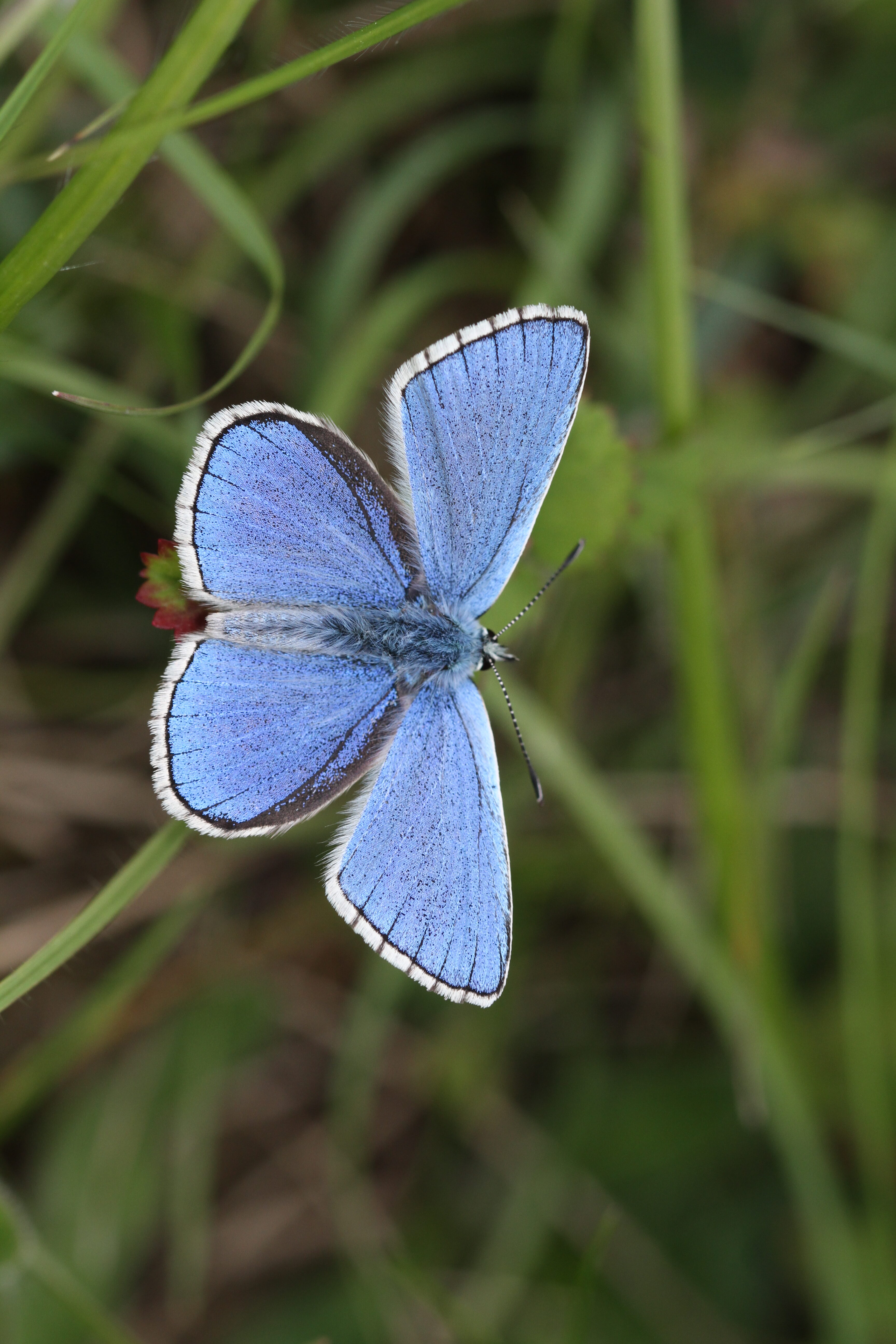
In summer, look out for a stunning variety of butterflies, including the rare and astonishingly vivid Adonis Blue; or peer down to spot some orchids, such as Common Spotted, Fragrant and Musk, and chalk-loving wildflowers, such as the Round-headed Rampion. Keep an eye out for sheep and cattle, and occasionally goats, grazing as part of our conservation strategy.


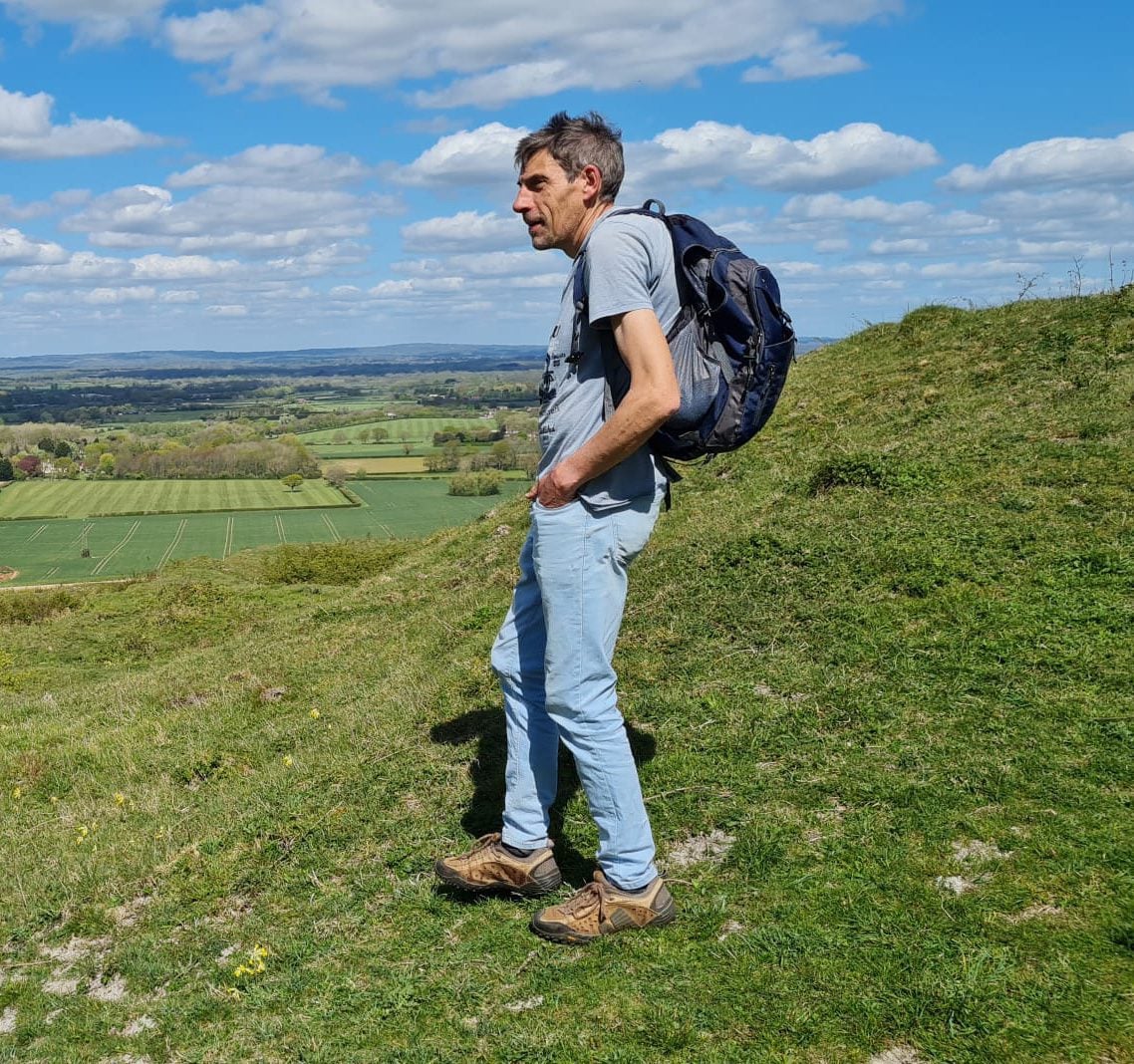
Crispin Holloway Butterfly RecorderMalling Down is one of those landscapes that is quietly exceptional. From the ridges and slopes, you can read the landscape – rolling down into the Weald, stretching out toward Ashdown Forest, then the distant North Downs.
Know before you go
Opening times
The reserve is open at all times
Free to visit
All our open reserves our free to visit, but if you enjoy your visit please consider donating to Sussex Wildlife Trust to help us manage these special places
Reserve size – 85 hectares
How to get here
Postcode: BN7 2RU
There is a small entrance in Wheatsheaf Gardens opposite the Malling petrol station in Lewes, but no parking. Other access points: Mill Road or the lay-by on the B2192 Ringmer Road (some parking). The footpath between Lewes and Glynde crosses part of the reserve. It can be picked up from Lewes Golf Club car park (BN7 2BB, club parking only), or 350m north of Glynde railway station.
Getting around
There are fences and gates, and some paths are very steep. The gentlest route to the top is to approach from Mill Road. The Lewes to Ringmer Cycle Path also crosses part of this nature reserve.
Dogs welcome on leads
Dogs must be kept on short leads at all times of the year, especially around sheep grazing areas.
Dos and don’ts
- Enjoy the view
- Keep your dog on a lead
- No fires or barbecues
- Take your litter home
- Don’t pick flowers or forage
- No camping
- Tell us what nature you’ve seen via iRecord




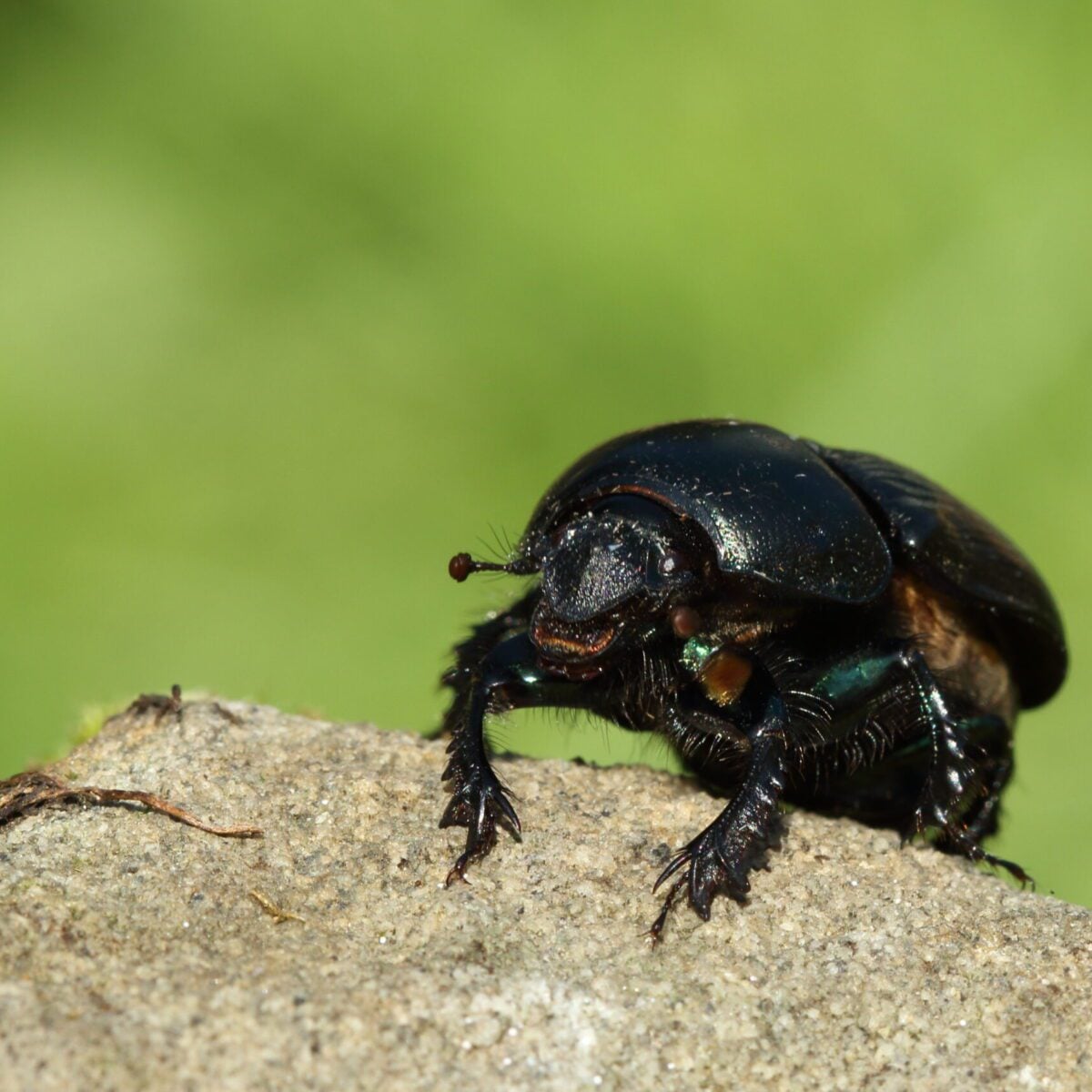
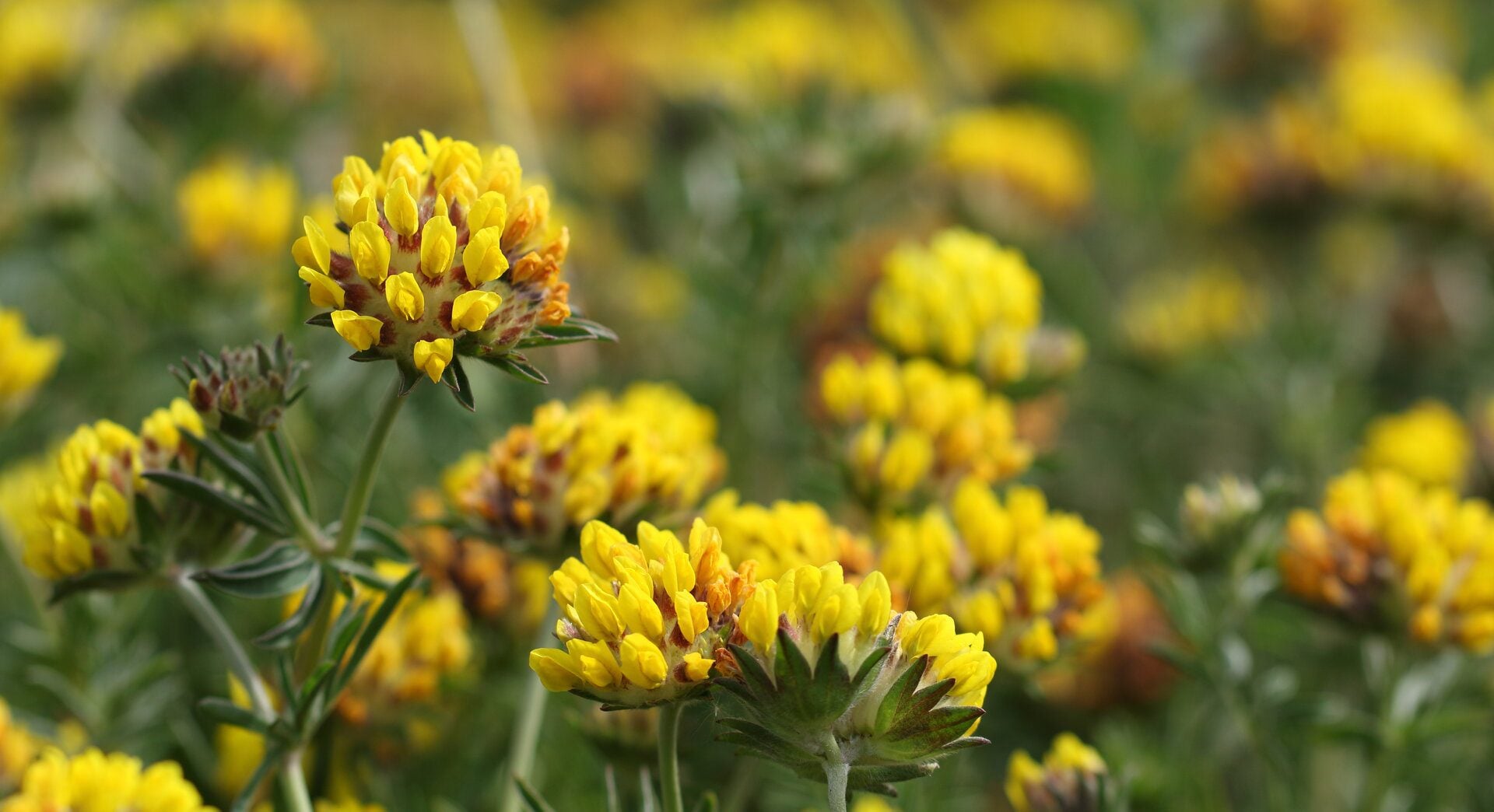

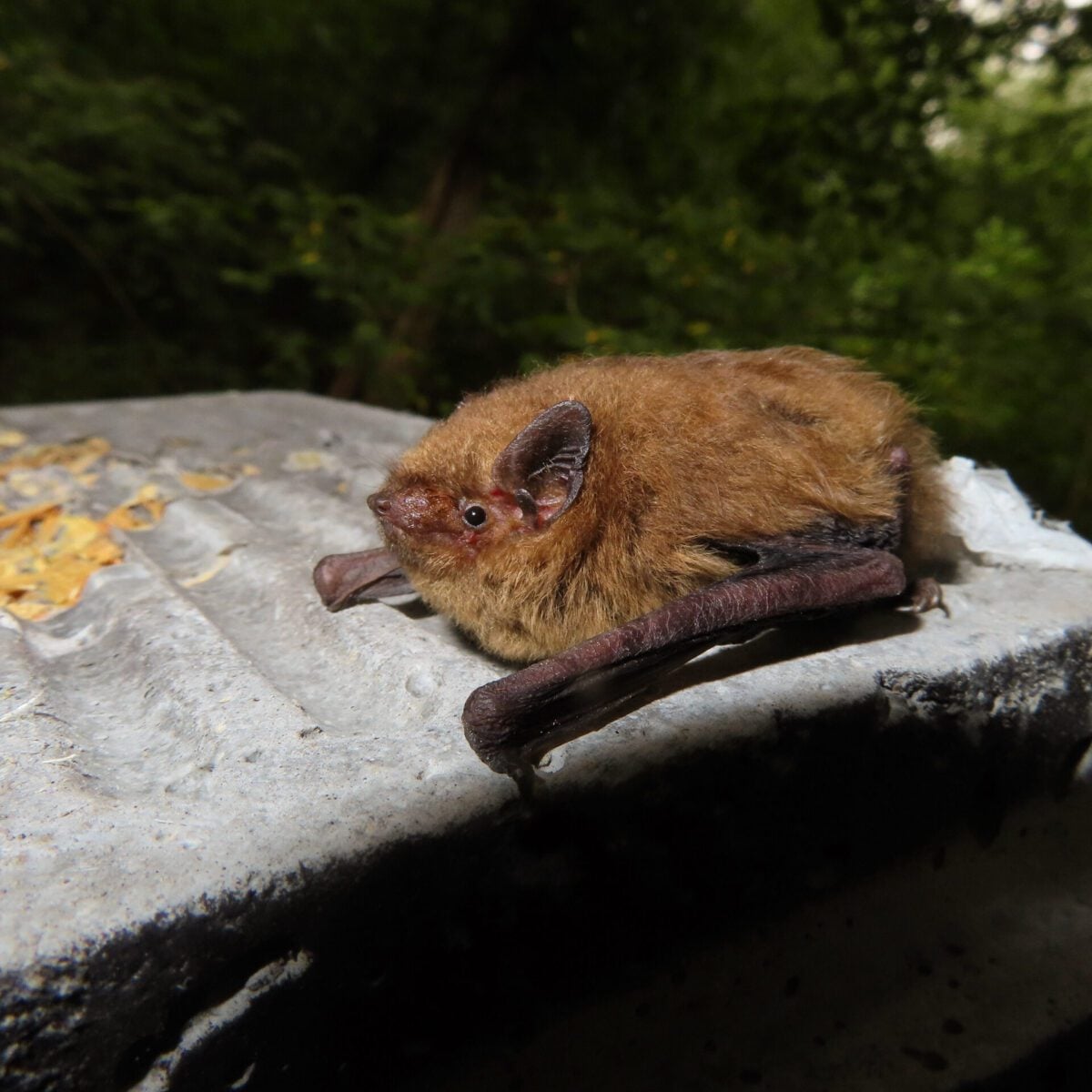
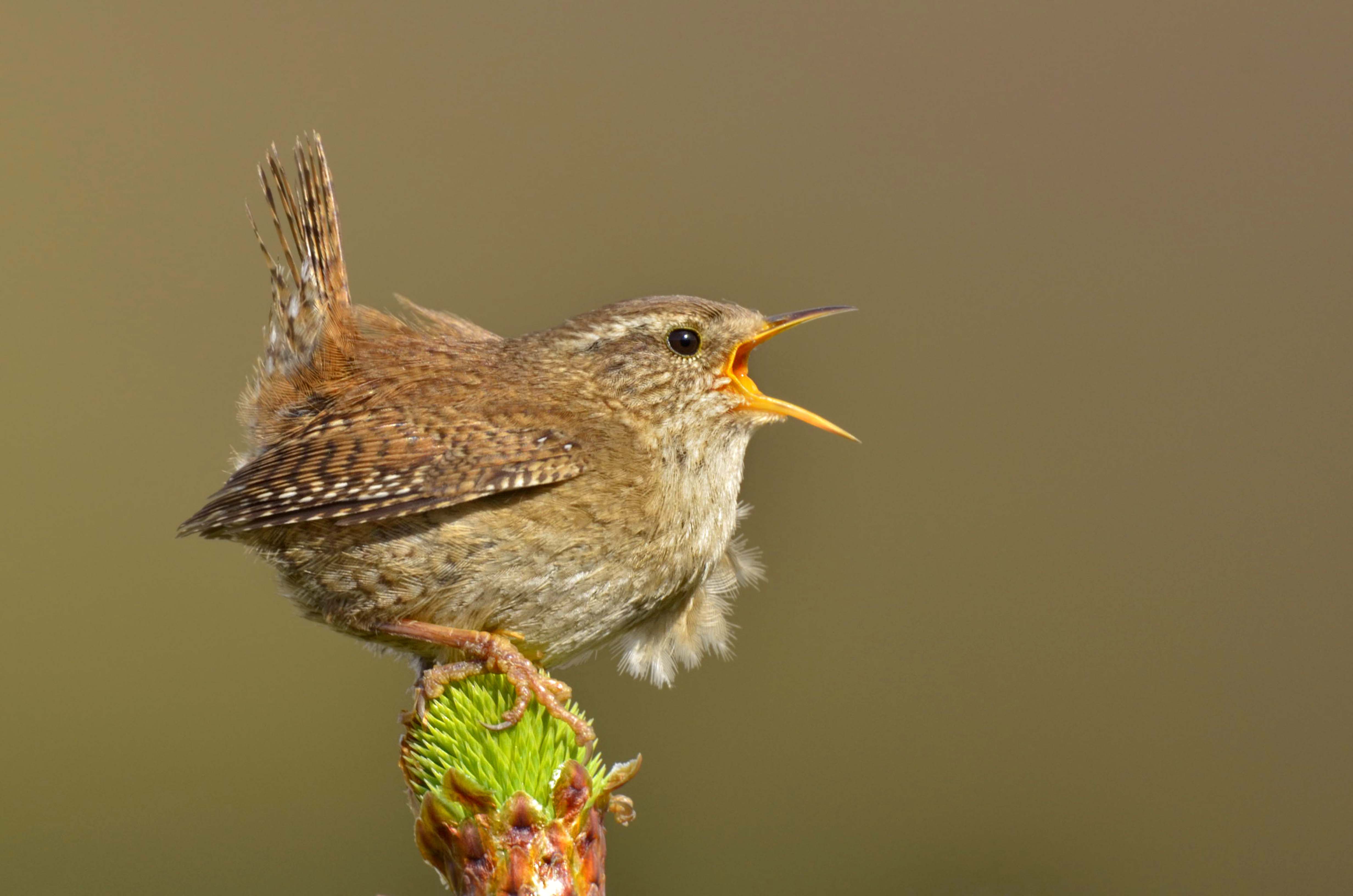
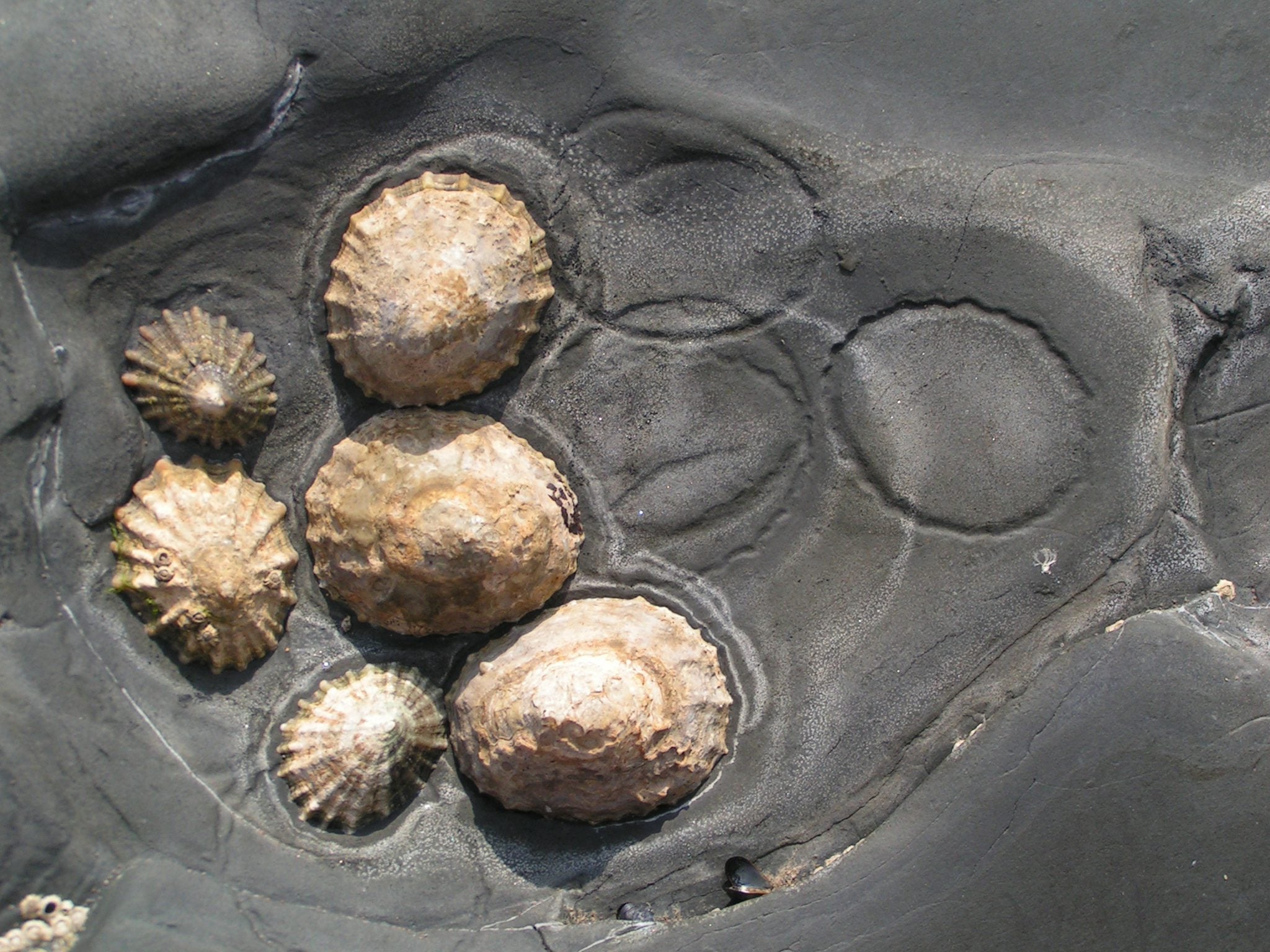
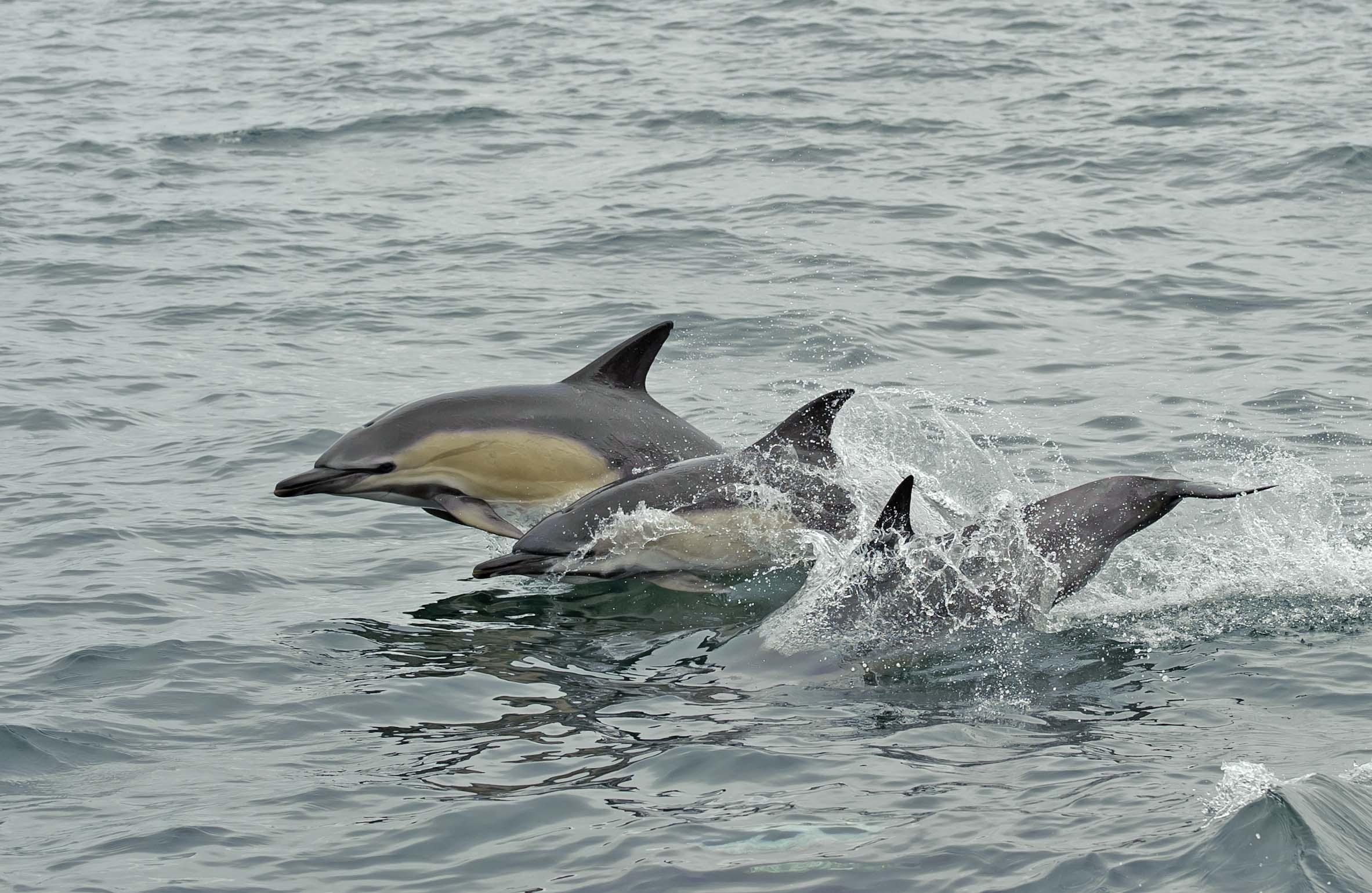
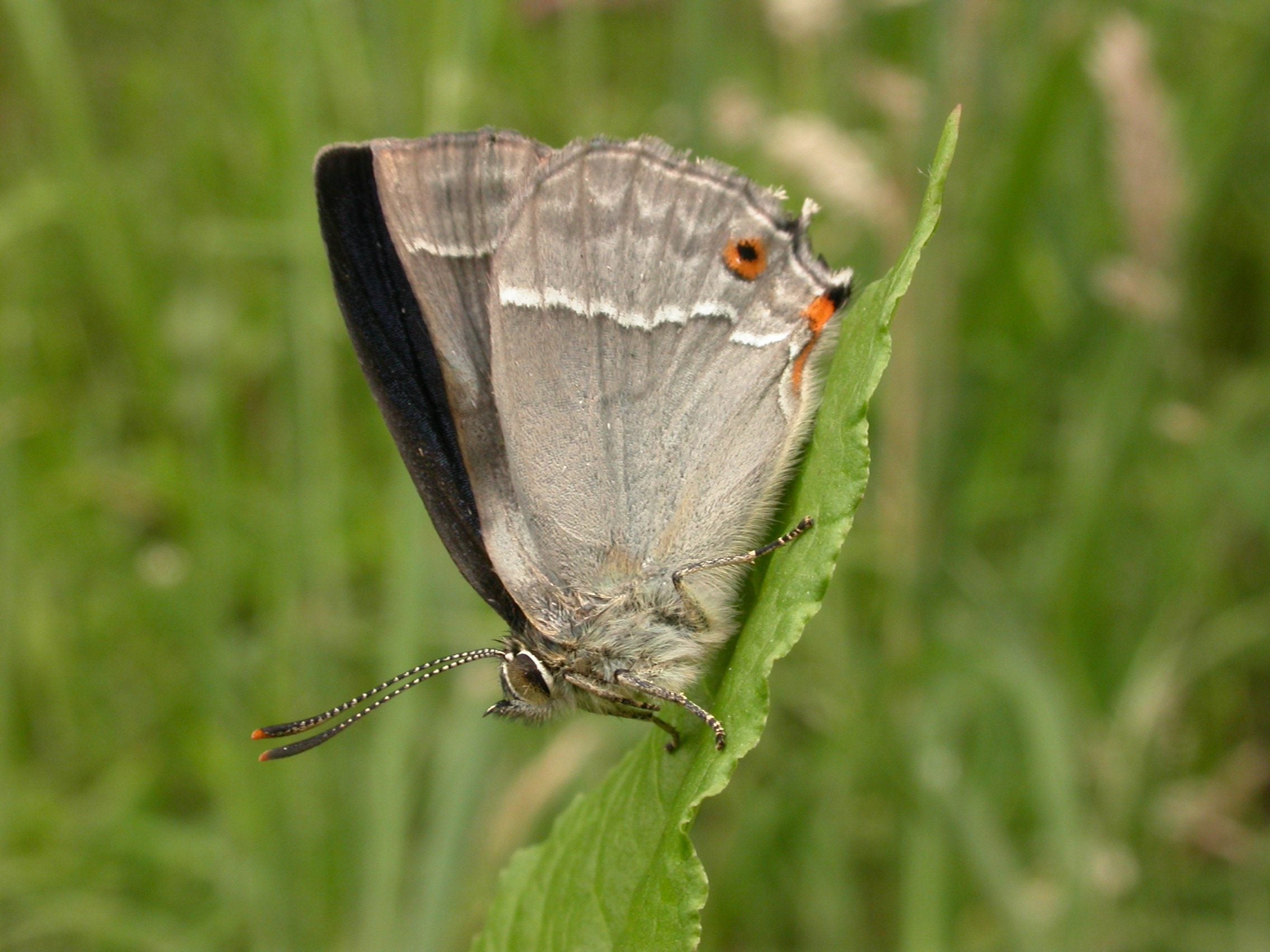
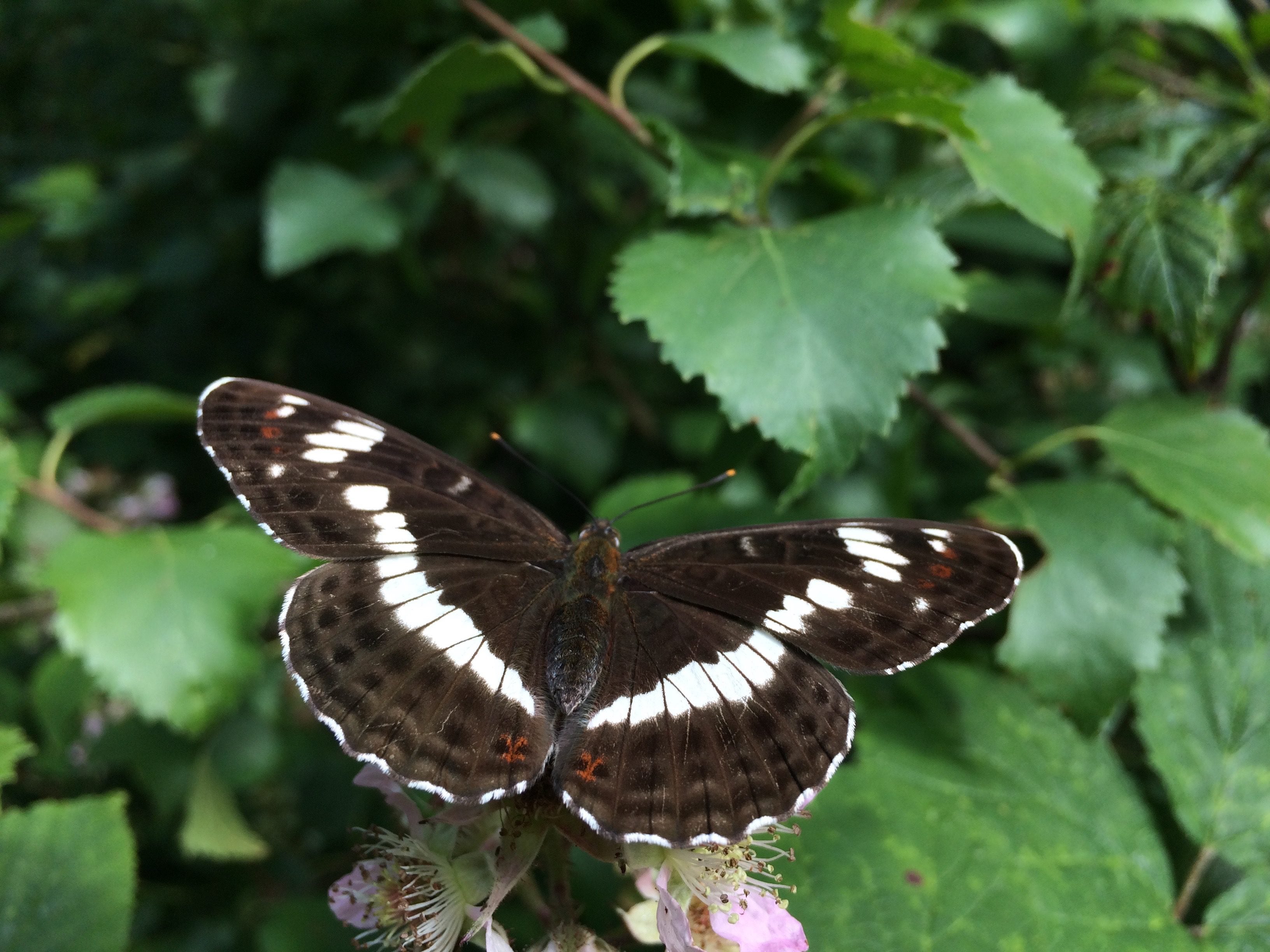
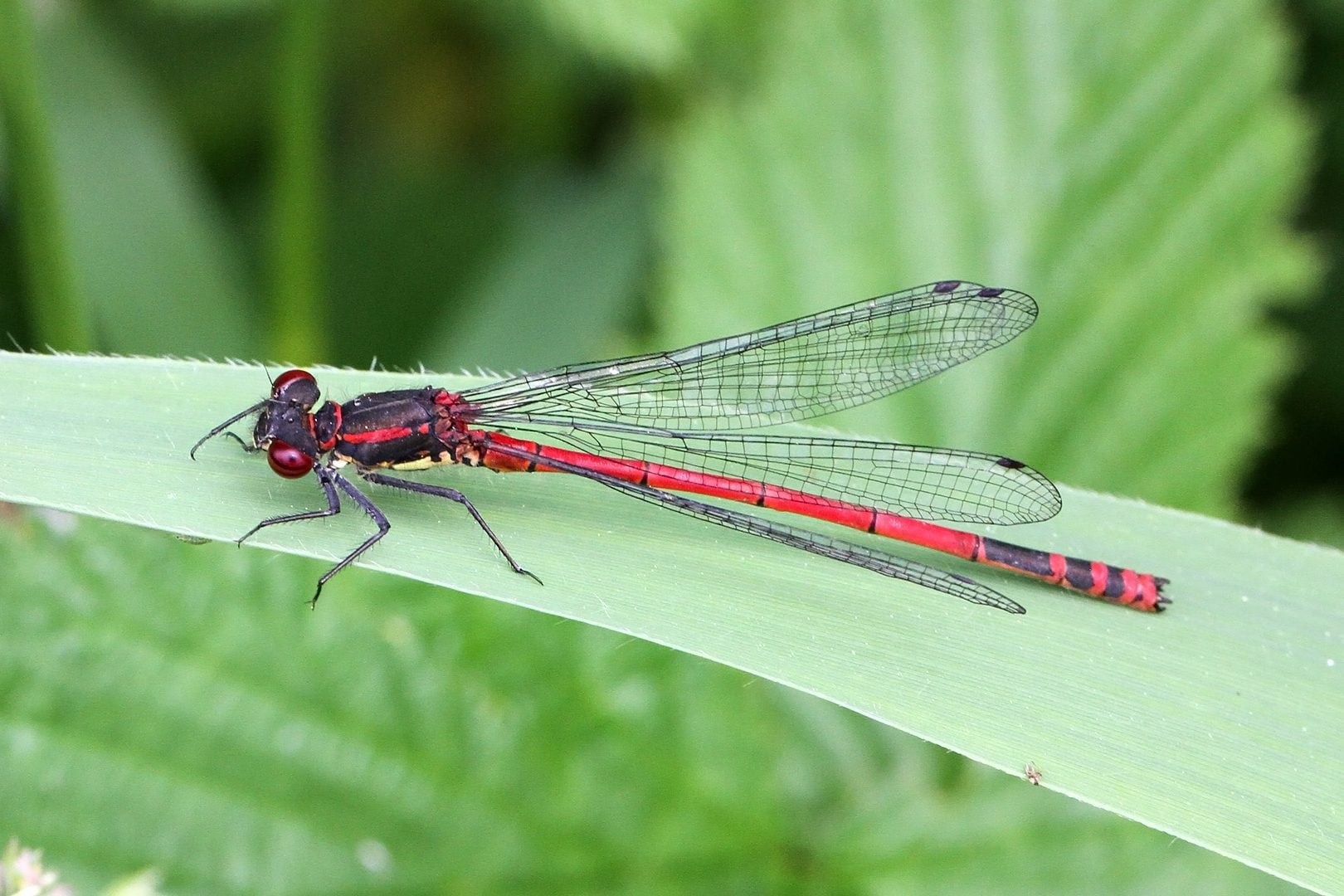
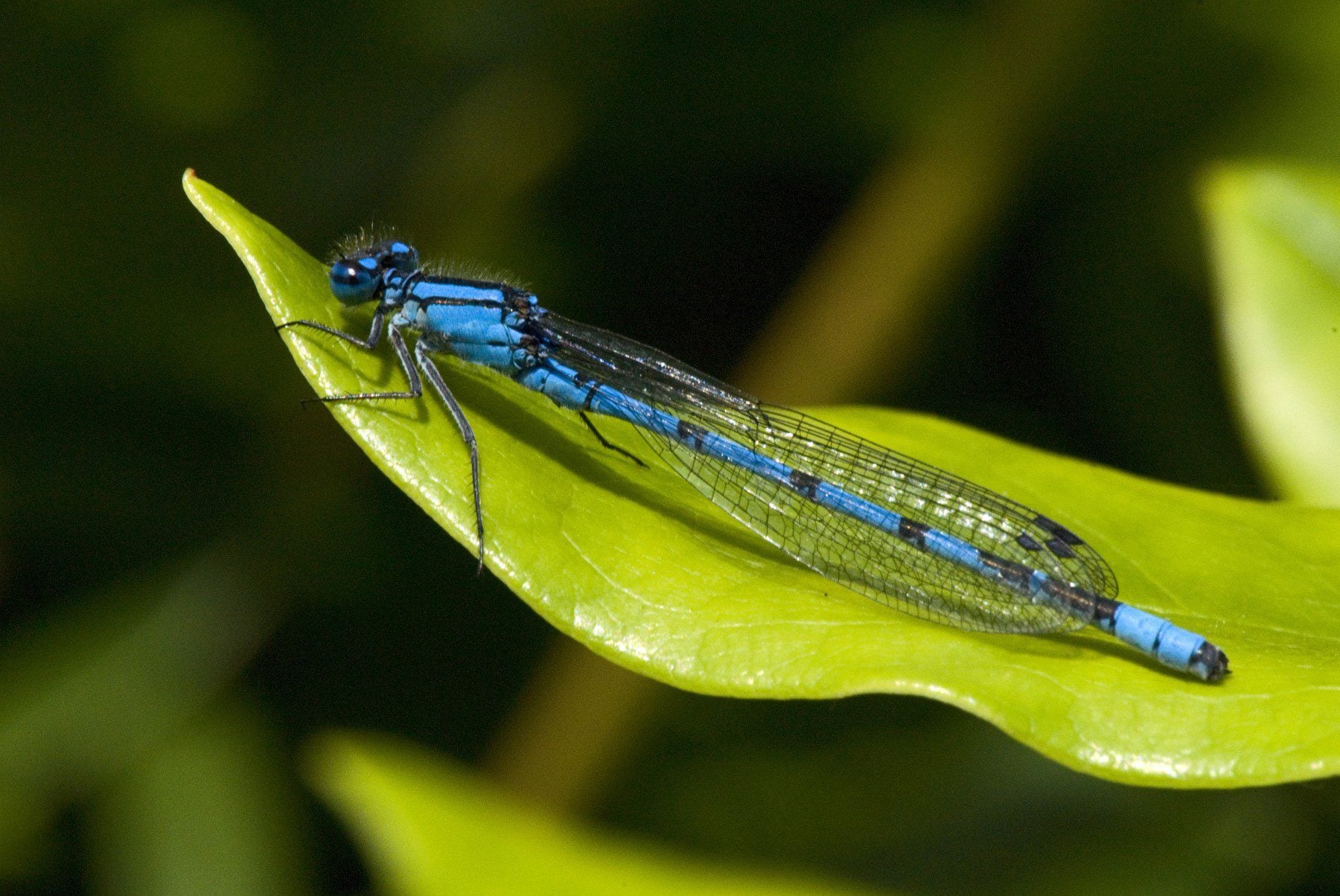
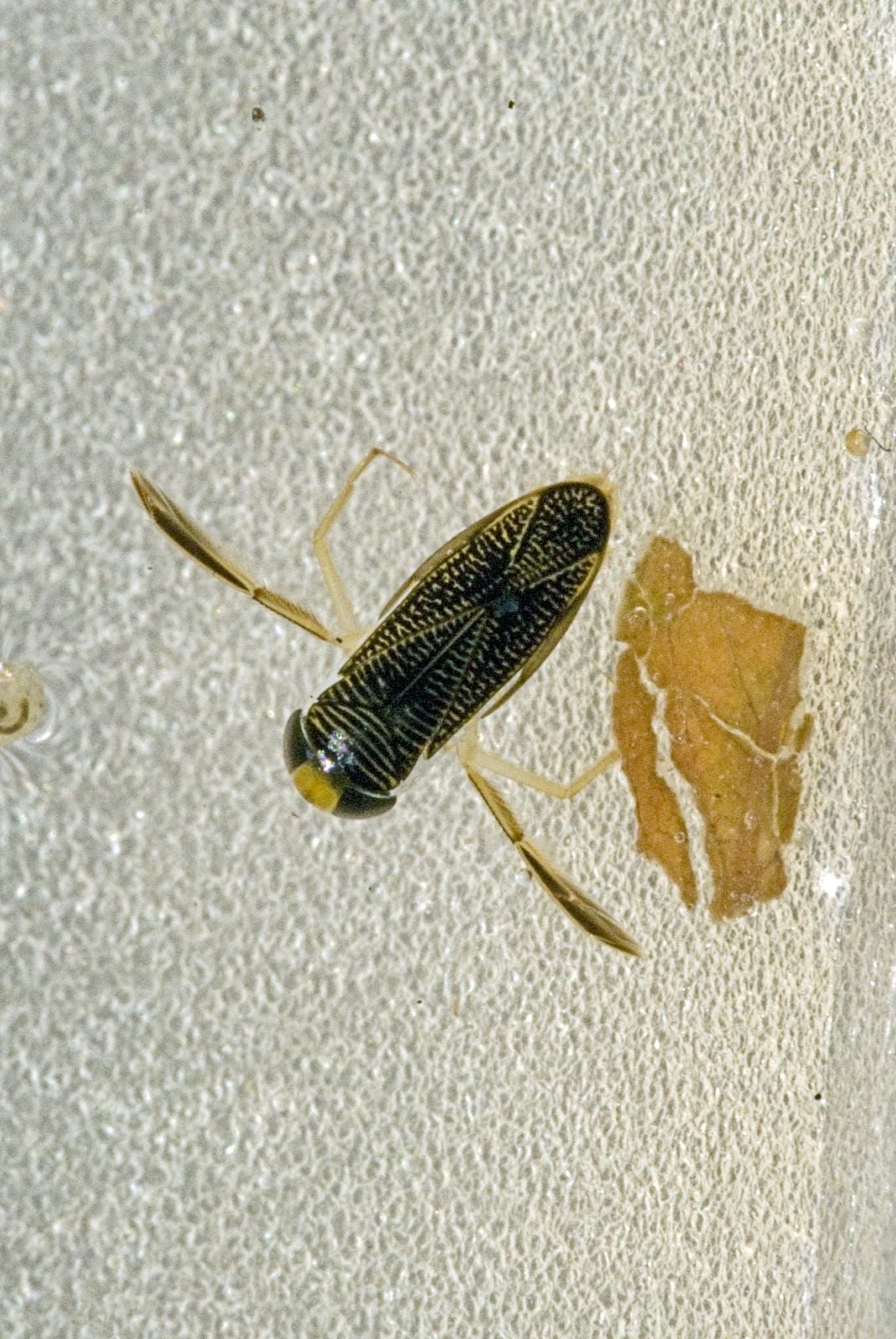
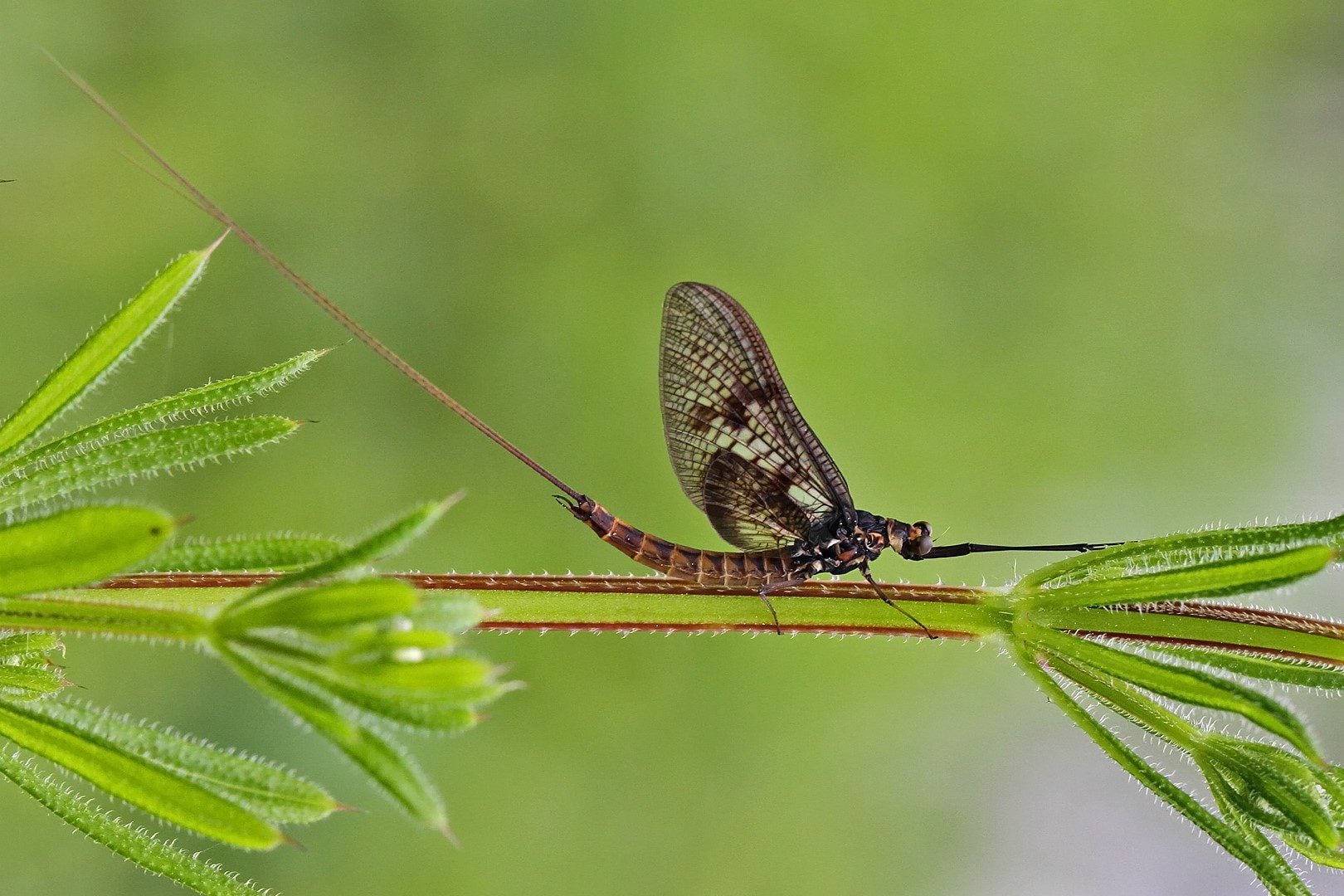
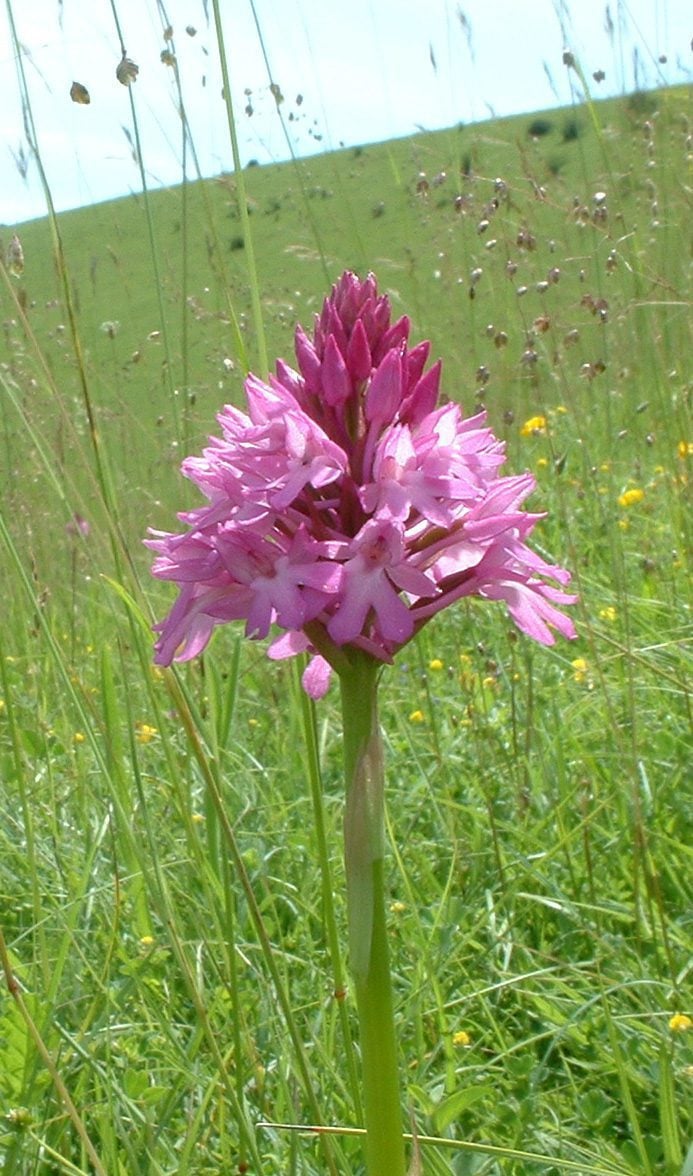 © Neil Fletcher
The story of the reserve
The underlying porous chalk of the downs is incredibly important. It’s this chalk which holds much of the drinking water of Sussex. Chalk shapes the downland habitats, and, in turn, its chemistry determines the plant and animal species living on the reserve.
Malling Down and Southerham Farm are exceptional examples of the rare chalk grassland habitat found across the South Downs. In serious decline, these endangered meadows are one of the country’s richest habitats floristically. Thin, infertile soils sitting over chalk produce amazing flower-rich grassland.
This landscape is the result of human influence over millennia. Grazing animals, mainly sheep, have been the prevalent farming practice across the South Downs since humans first began farming in the south. This pastoral landscape evolved because of its thin soils, too shallow to successfully grow crops, scrub and tree cover were easily and quickly cleared and the grassland dominated. Reliance on humans to maintain this grassland has never gone away.
Without intervention, this rare habitat would be lost. With the decline in grazing in the mid twentieth century, the South Downs lost 95% of its chalk grassland. Trees and scrub quickly began to recolonise, reducing this habitat to steep, inaccessible rabbit-grazed slopes and lone farms which continued to graze with sheep. We continue this historical management using our own livestock to maintain the grassland and hundreds of volunteer hours are spent restoring lost grassland by clearing scrub and trees.
Did you know?
Sweet symbiosis
The caterpillars of the Adonis Blue butterfly are always found with ants! The ants protect the caterpillars in return for a sugary substance that they produce.
Seabed surprise
Chalk is made up of dead marine animals laid down over millions of years.
Celebrate diversity
The wildflower-rich chalk grassland is one of the most diverse habitats in the world, supporting up to 50 plant species per square metre.
Bird's-eye view
If the wind conditions are right, you can watch paragliders suspended in mid-air above the ancient hillfort of Mount Caburn.