
Overview
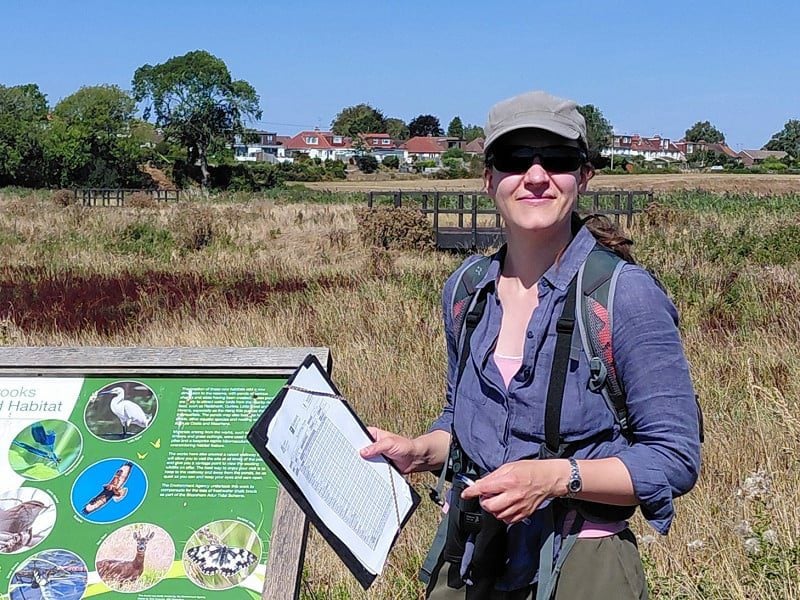
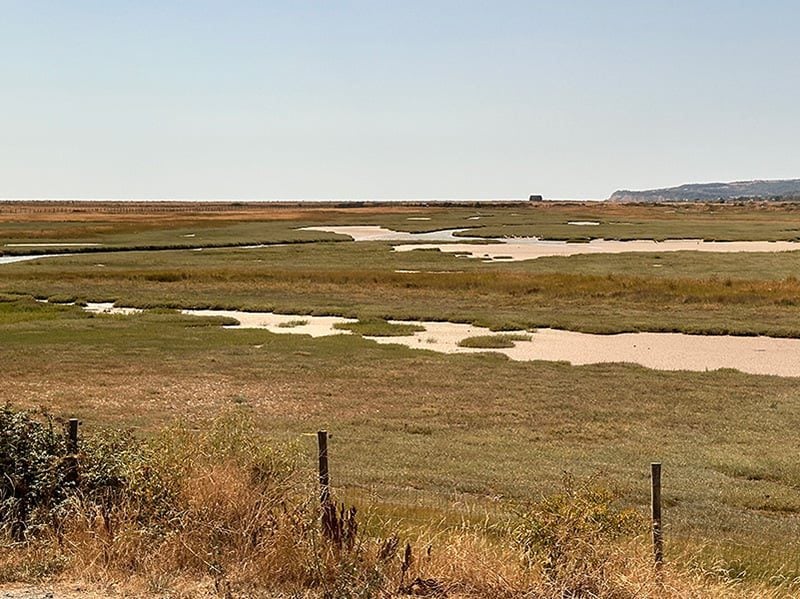
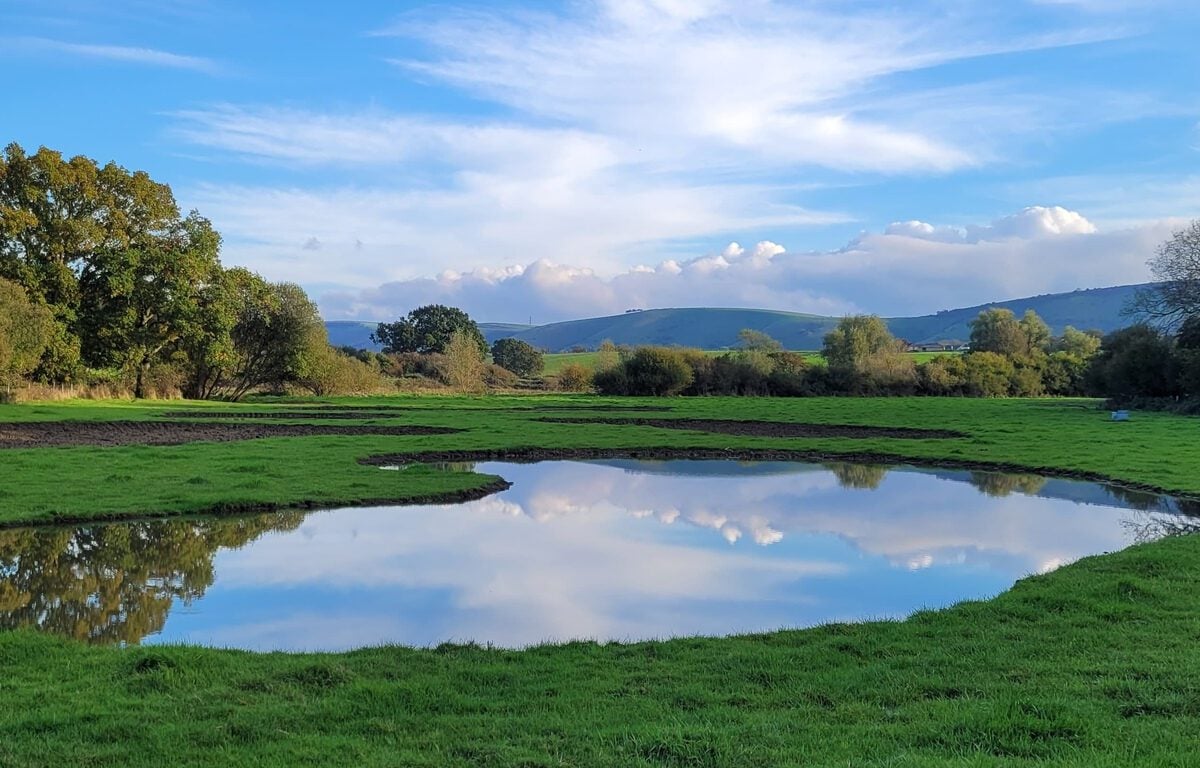
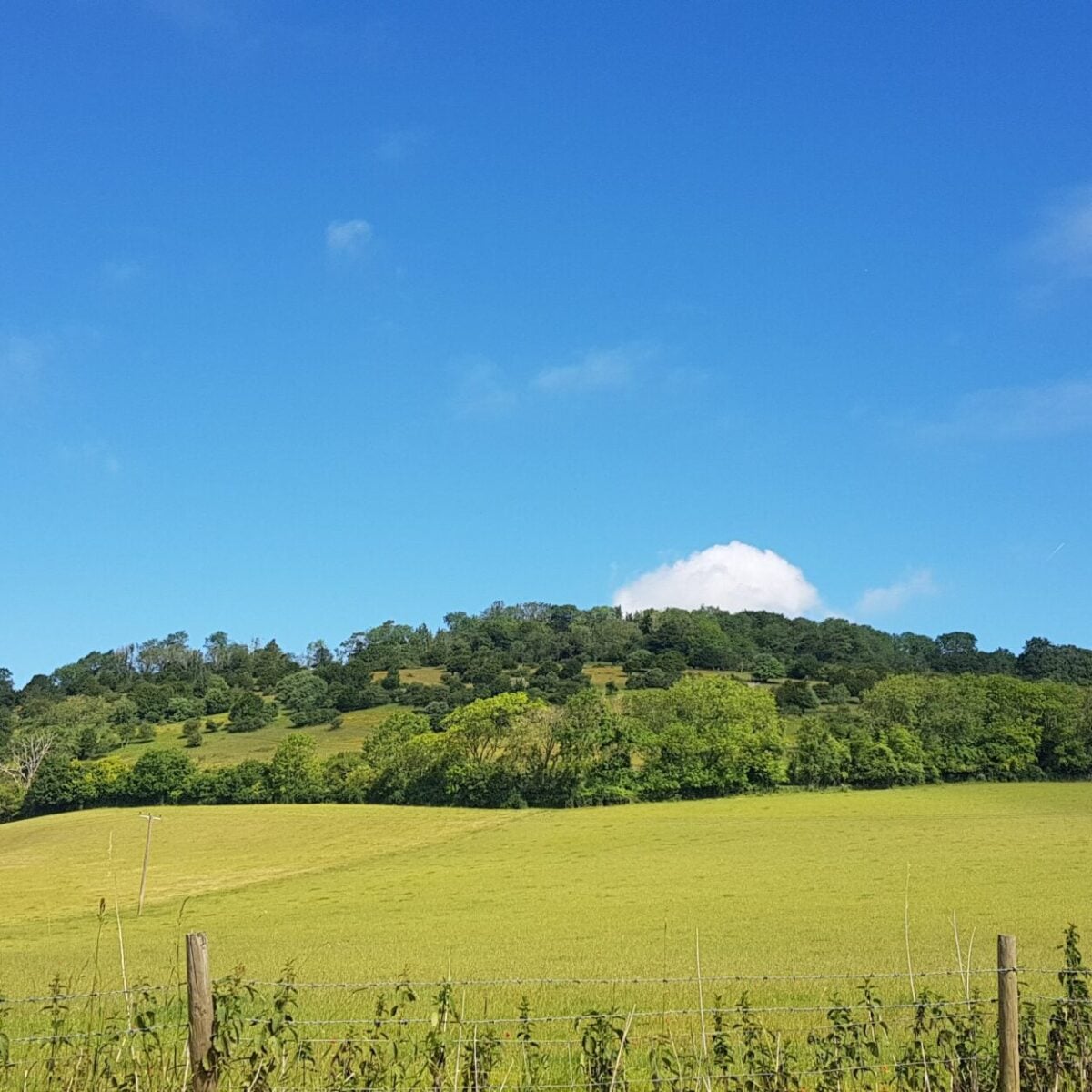
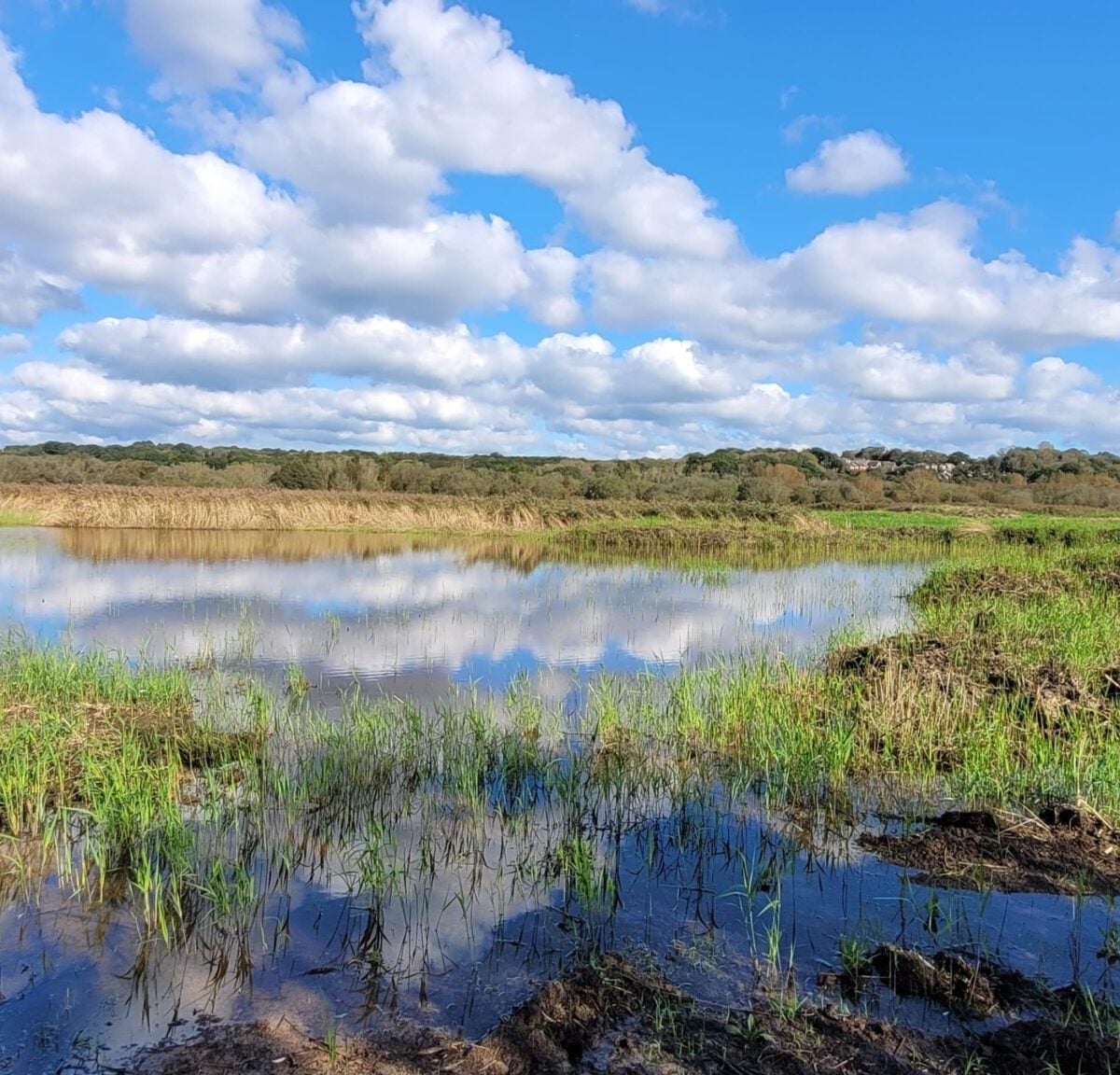
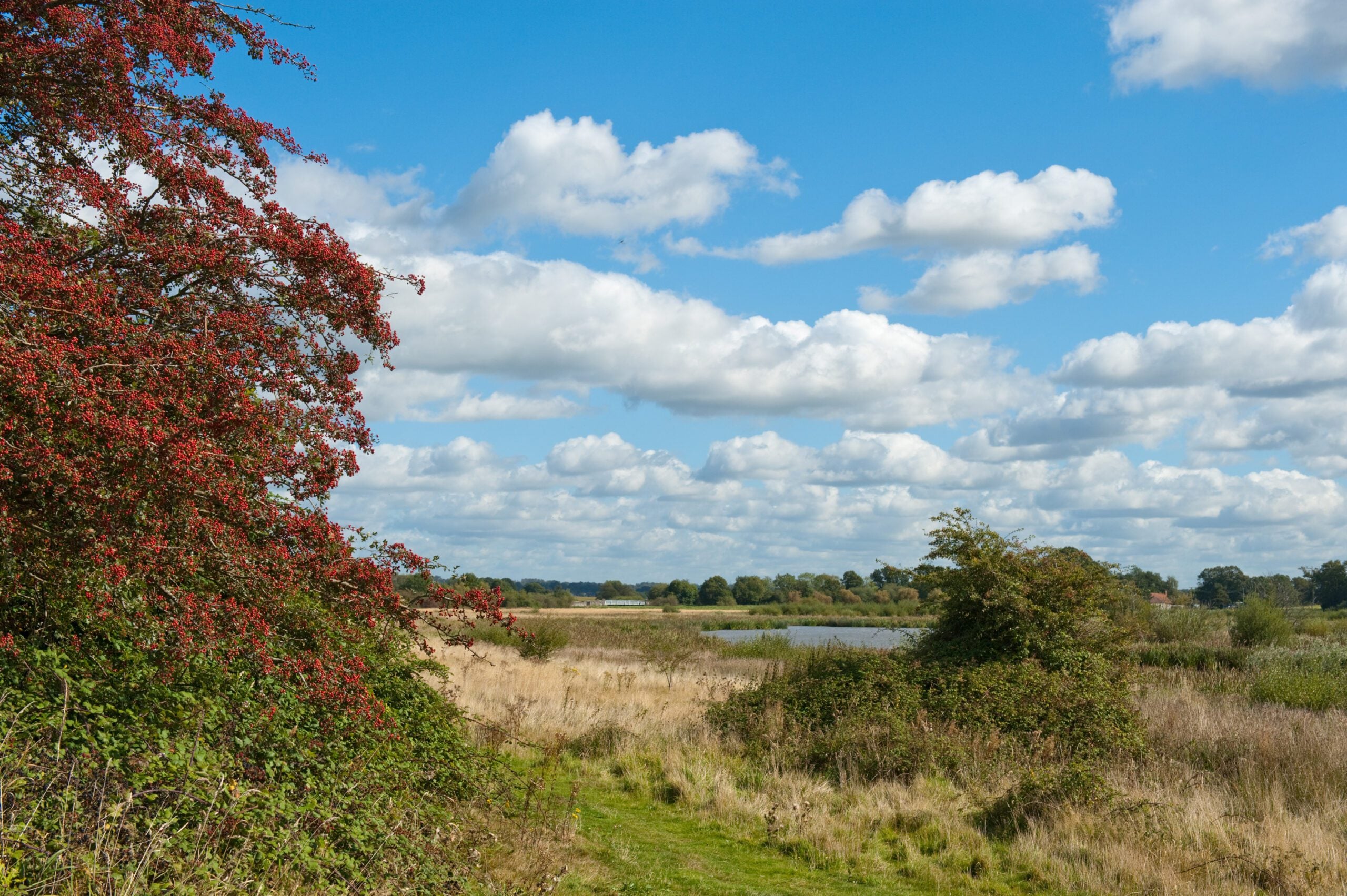
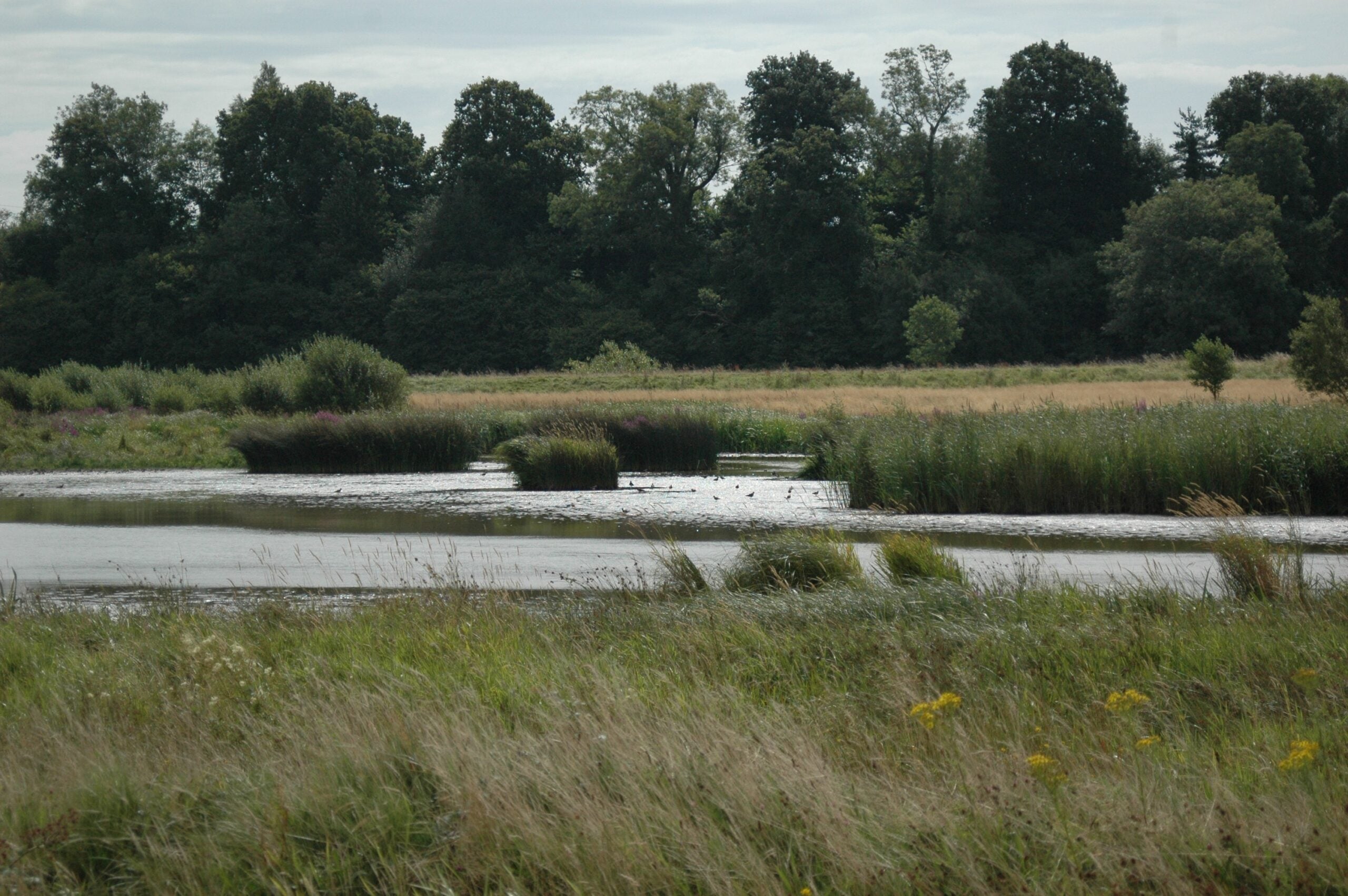
This is the place to go if you like a big open sky! Waltham Brooks is a grazing marsh which becomes a huge lake after periods of heavy winter rainfall.
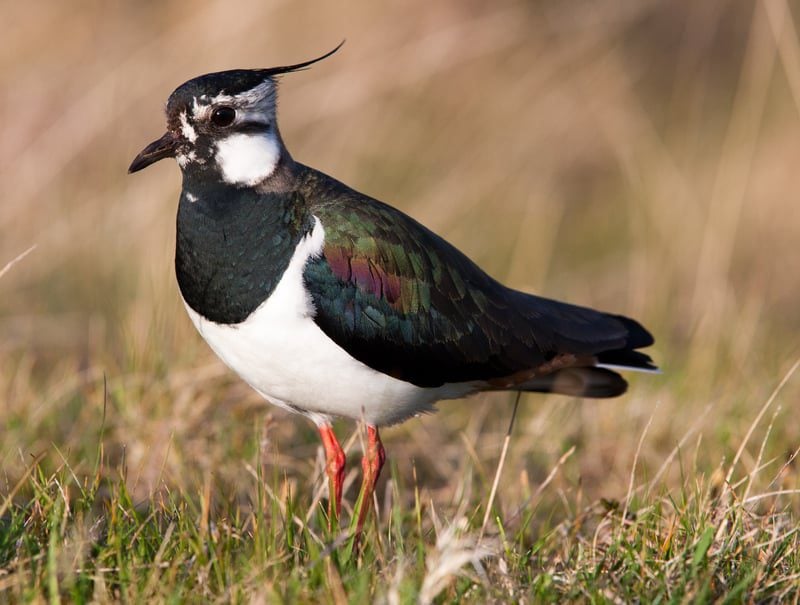
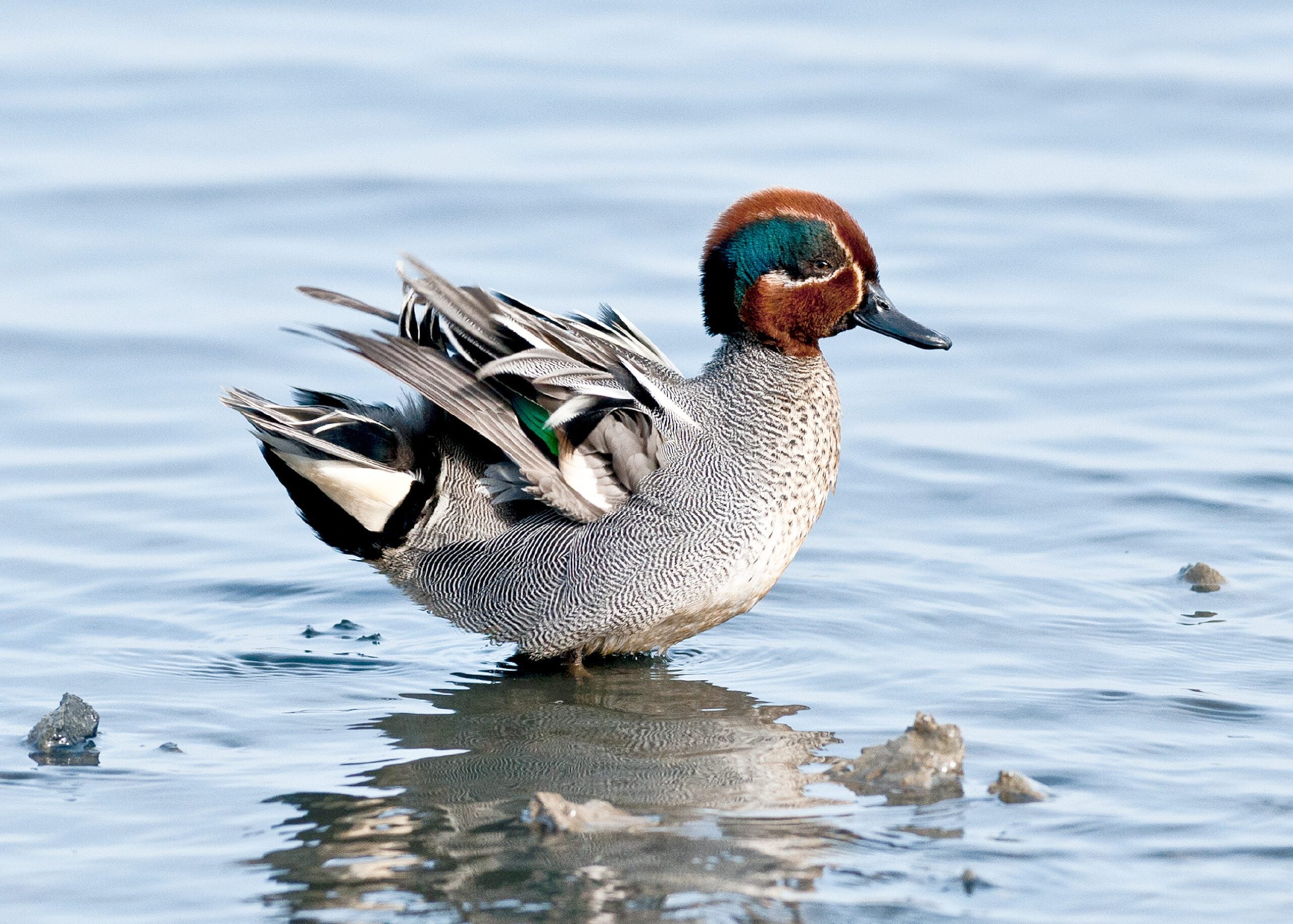
The riverbanks of the nearby River Arun have been built up to form a flood defence, creating an elevated walkway from which to view the reserve. Wildfowl, such as Teal, Shoveler, Wigeon and Pintail, take advantage of the sanctuary and feeding opportunities offered by the flood waters. In summer, the lake can almost dry out, leaving muddy margins important for breeding waders, such as Lapwing and Redshank.
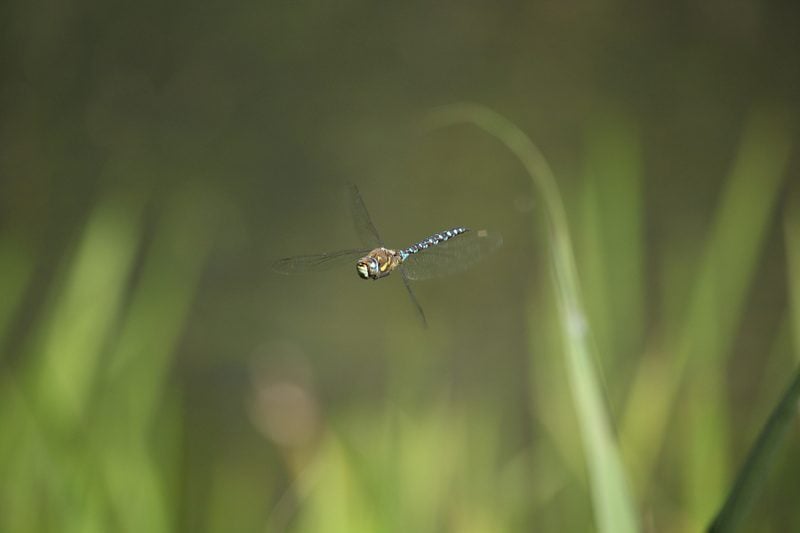
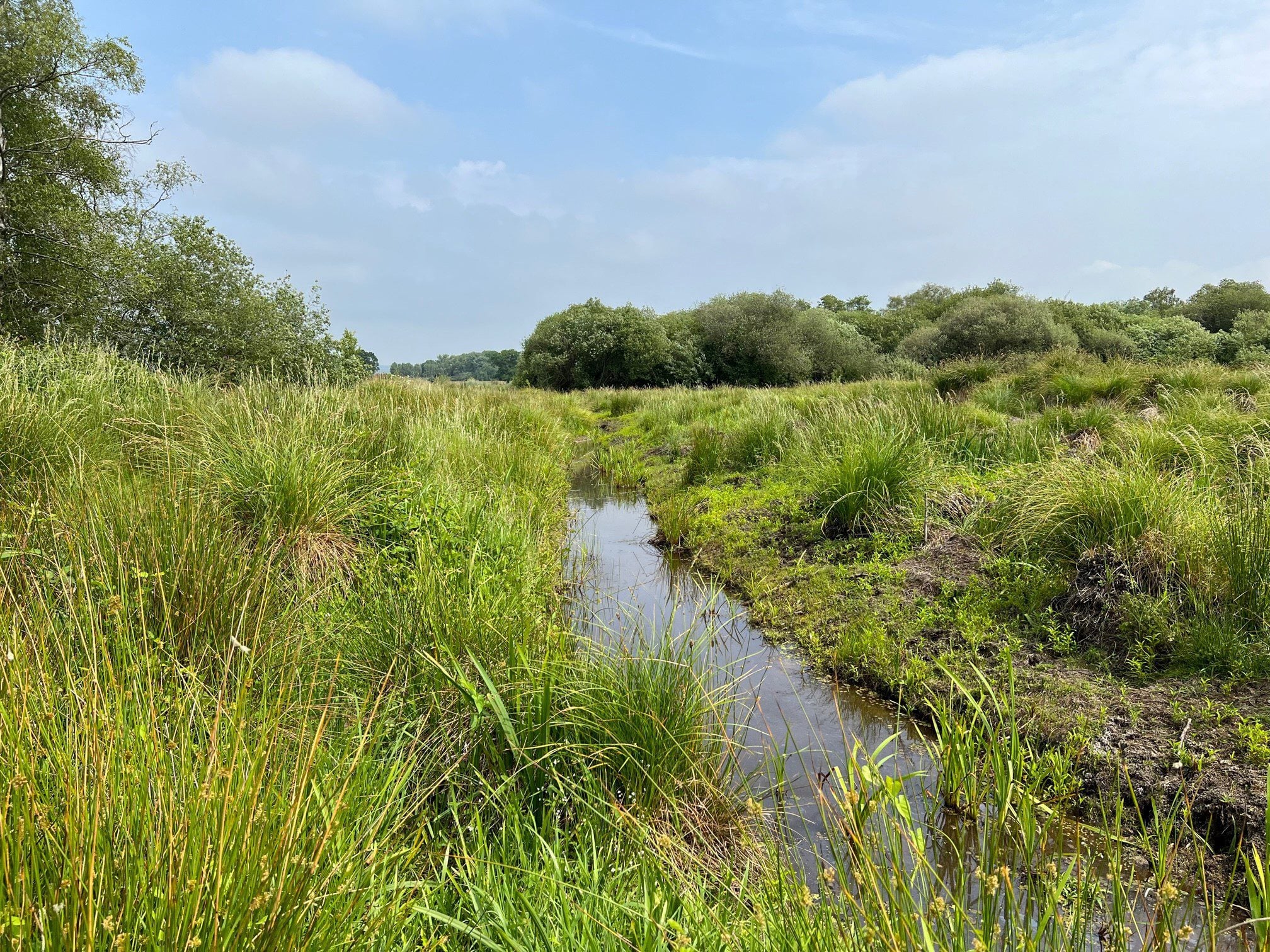
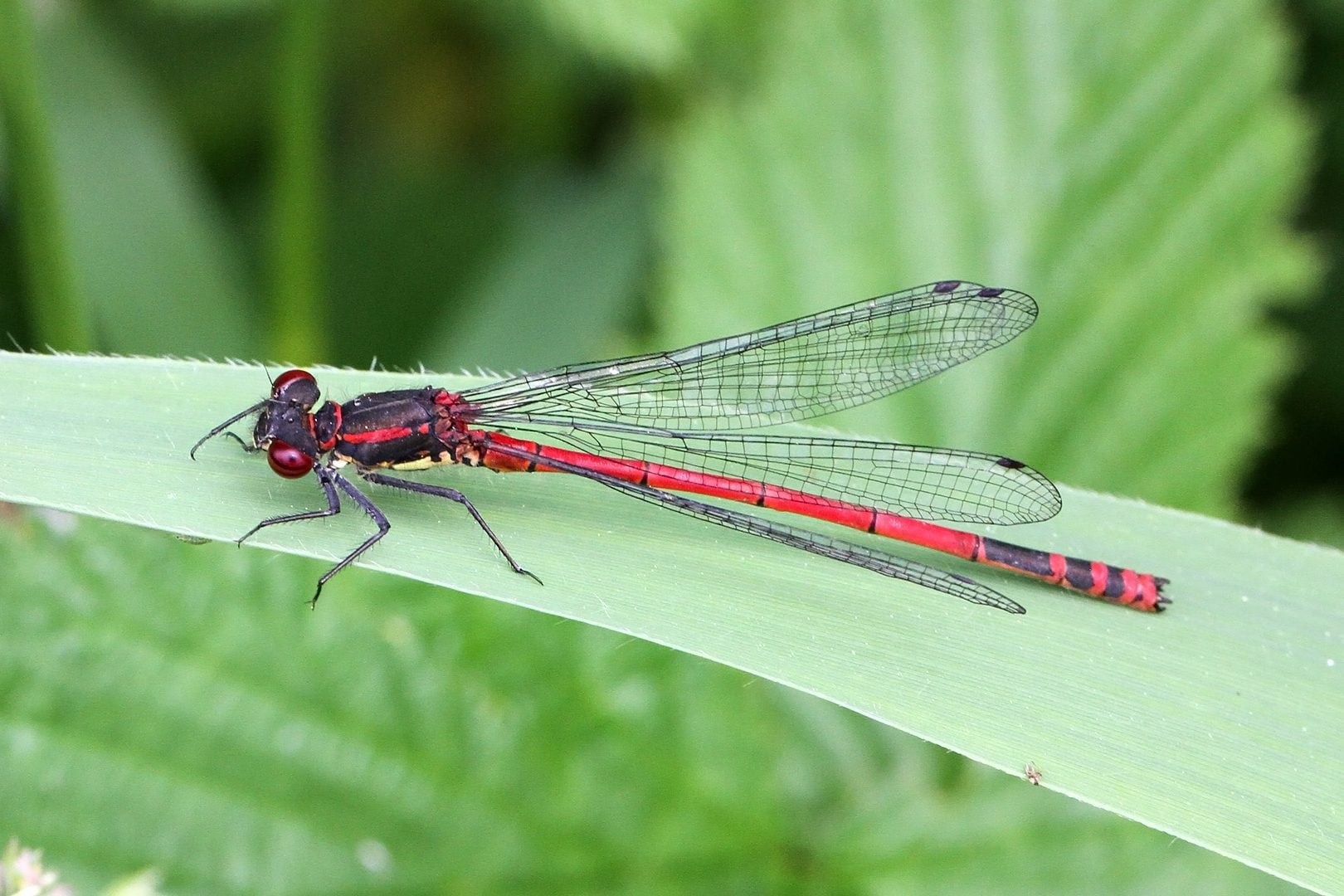
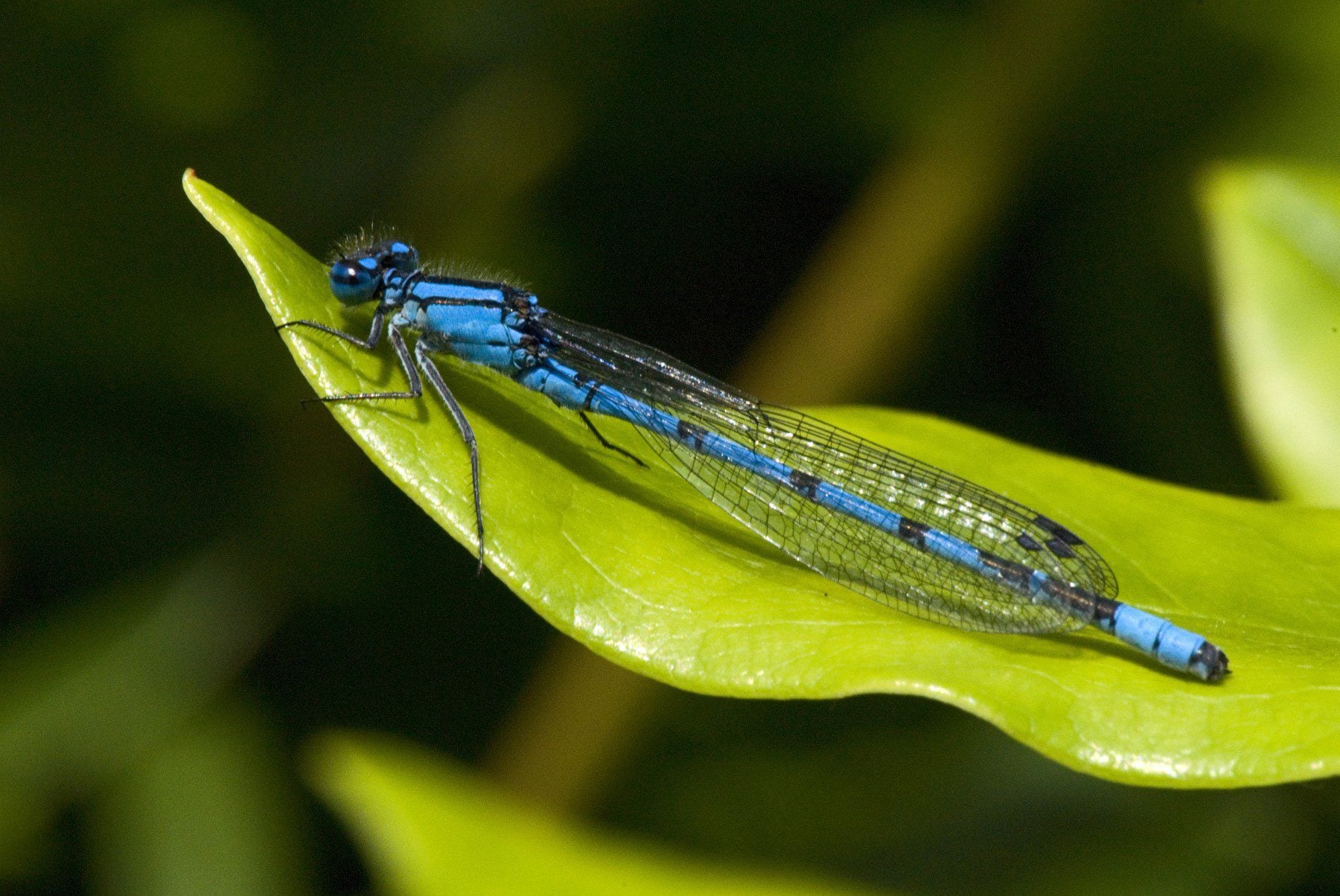
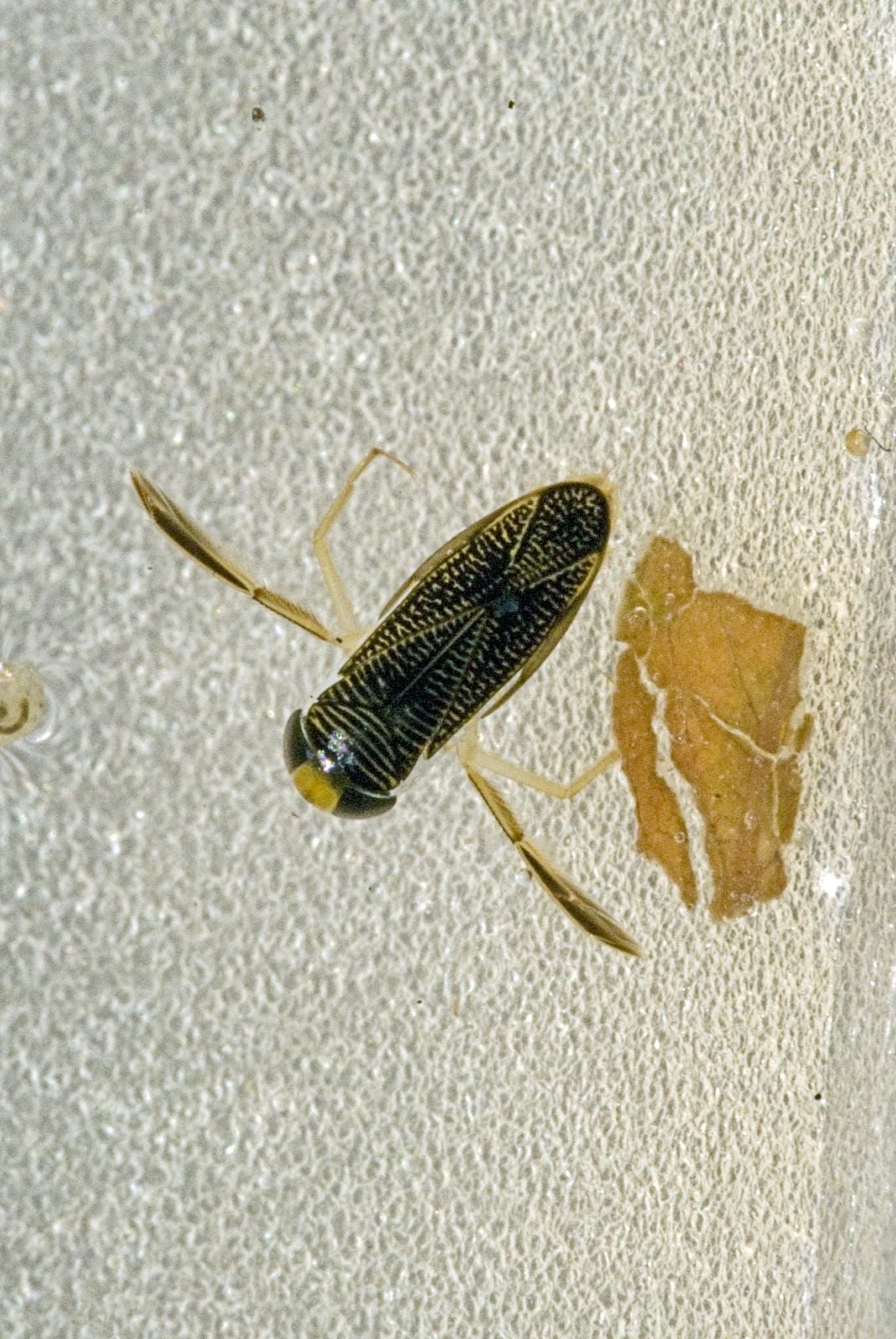
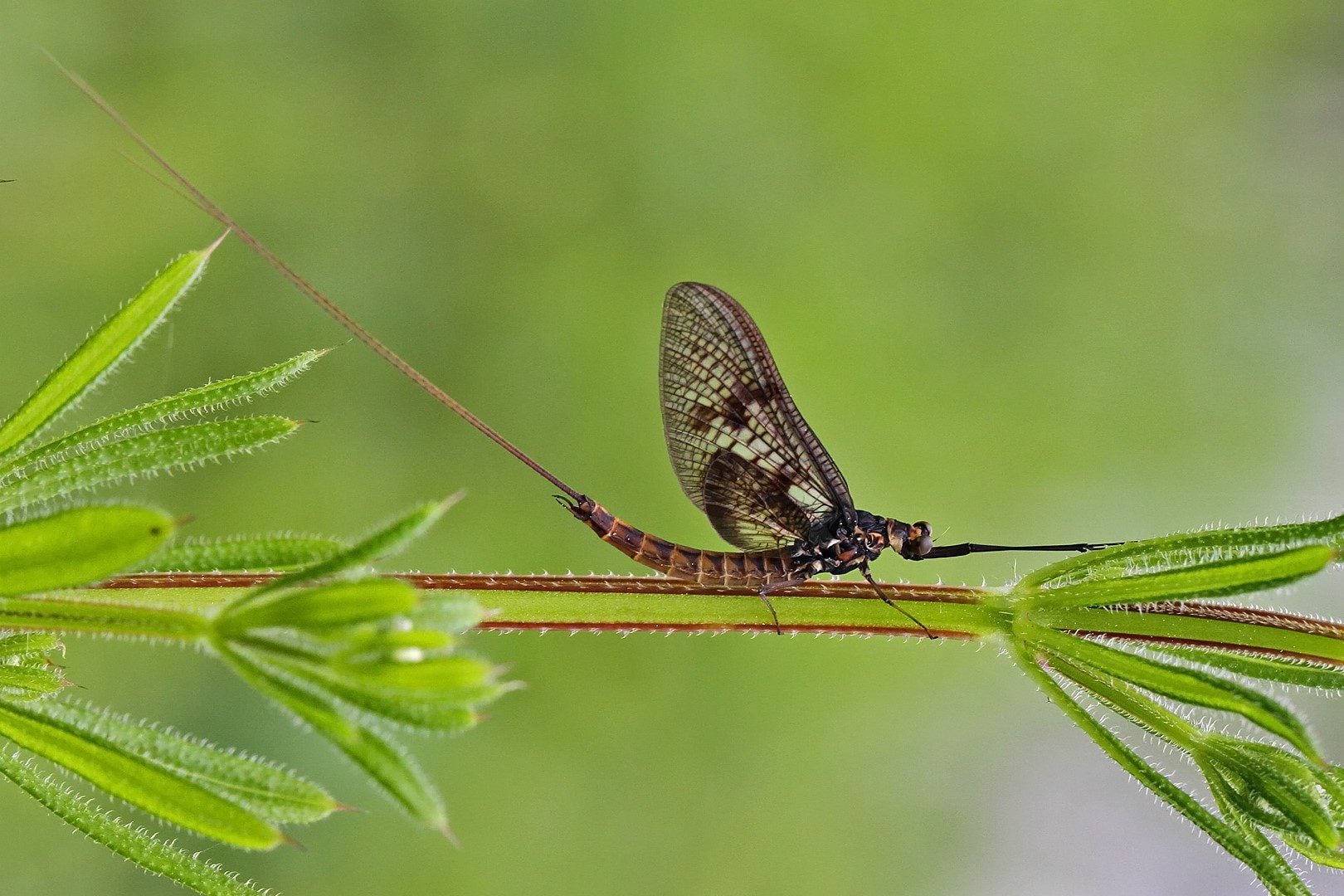
There’s a network of ditches throughout, which support a variety of water plants and insects. The variety of flora varies depending on season and the density of grazing, so the landscape is constantly changing colour, and in some years the reserve turns purple with Purple Loosestrife or yellow with Yellow Iris.


XXX XXXXXX
Know before you go
Opening times
The reserve is open at all times
Free to visit
All our open reserves our free to visit, but if you enjoy your visit please consider donating to Sussex Wildlife Trust to help us manage these special places
Reserve size – 42 hectares
How to get here
Postcode: RH20 1LS
Situated two miles south of Pulborough, south of Brook Lane, Coldwaltham. The car park (not owned by Sussex Wildlife Trust) at Greatham Bridge is closed. Alternative parking along the road verge of Brook Lane (please park considerately without blocking gateways).
Getting around
We have created a circular route around the reserve to improve visitor access. The reserve is also a Common with open access, please keep to the paths so as not to disturb the wildlife.
Dogs welcome on leads
Dogs are welcome but please keep them under close control and clean up after your dog.
Dos and don’ts
- Keep your dog under close control
- Keep to the paths
- No picking of flowers or foraging
- Take your litter home
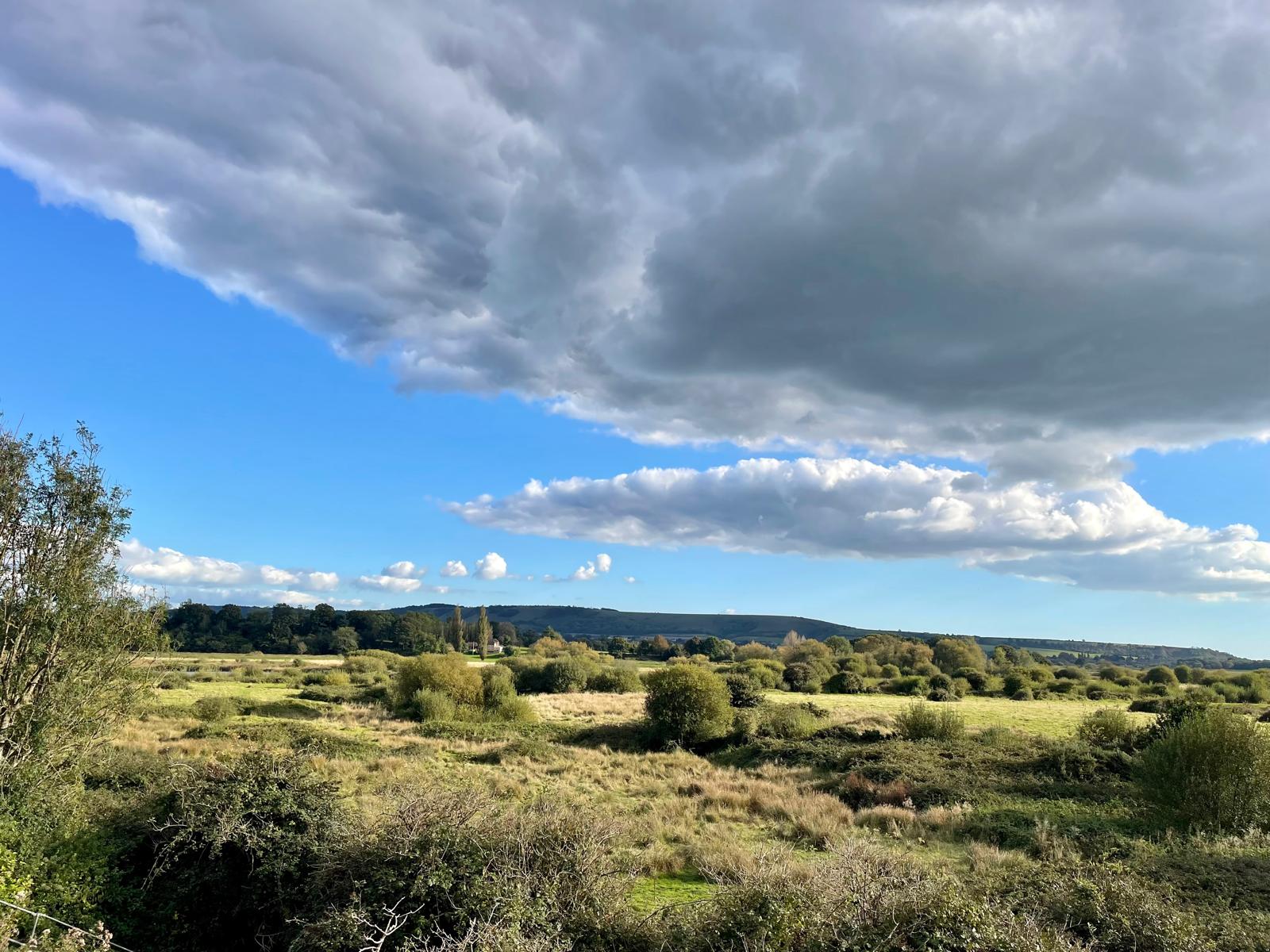
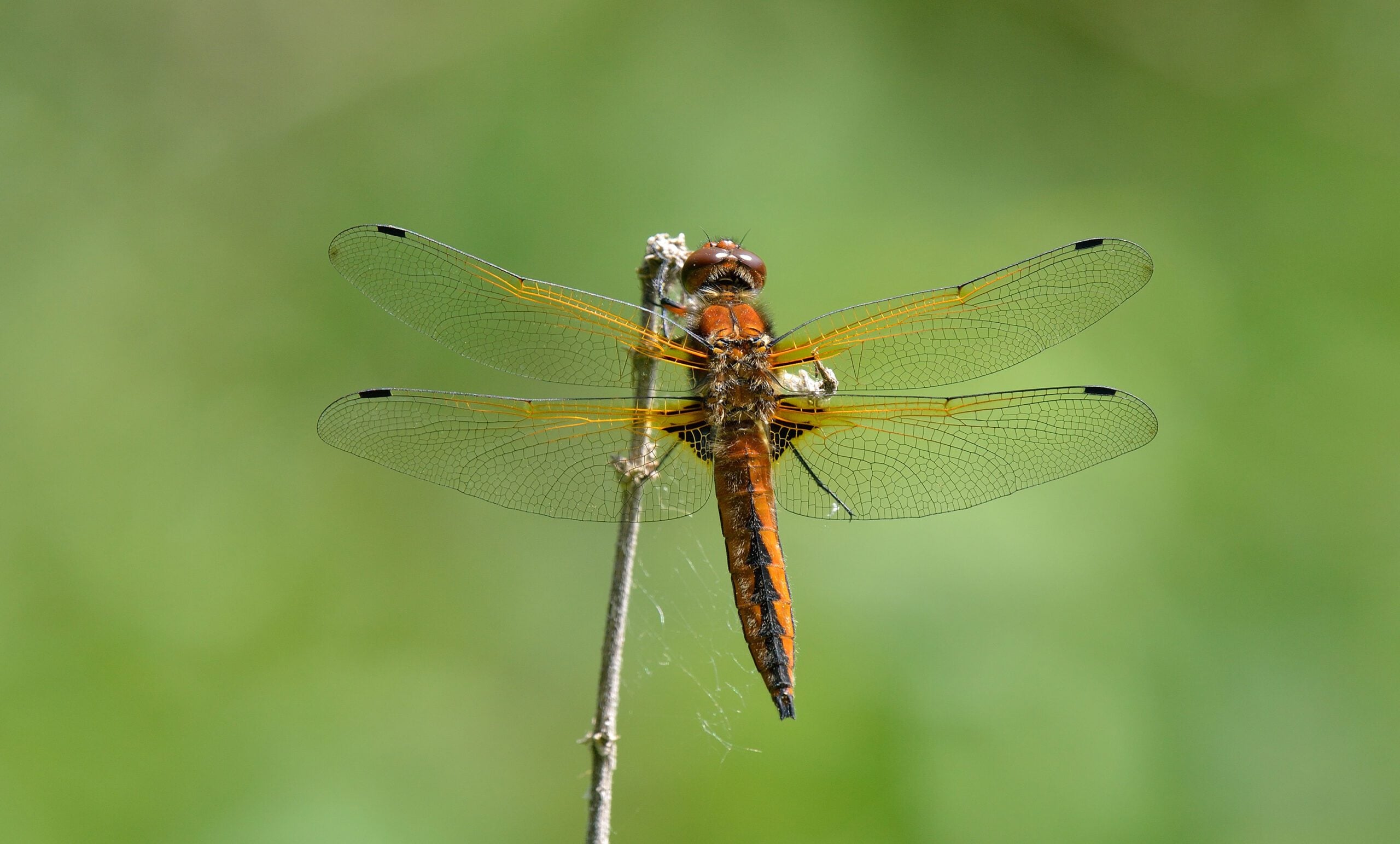
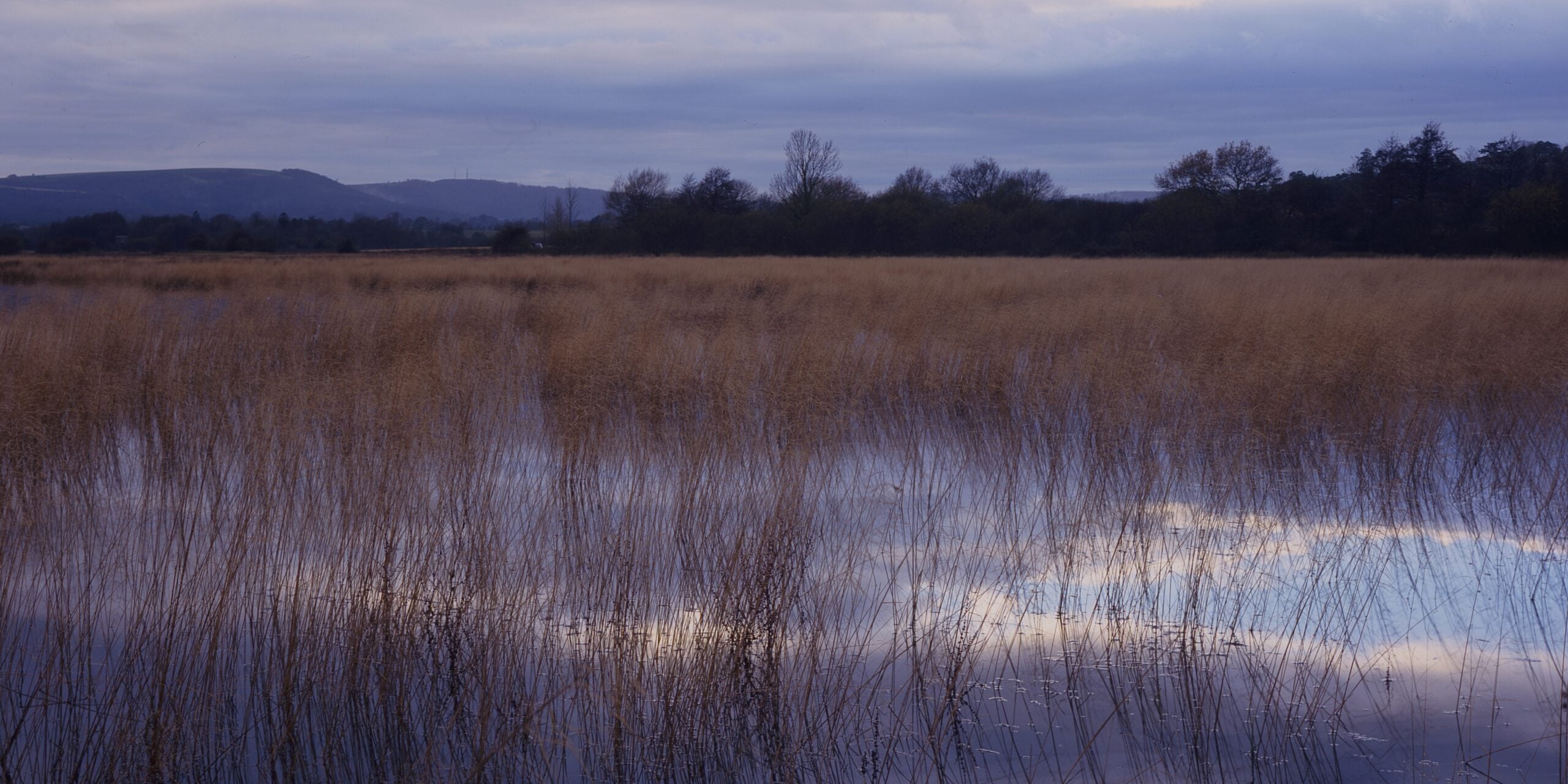
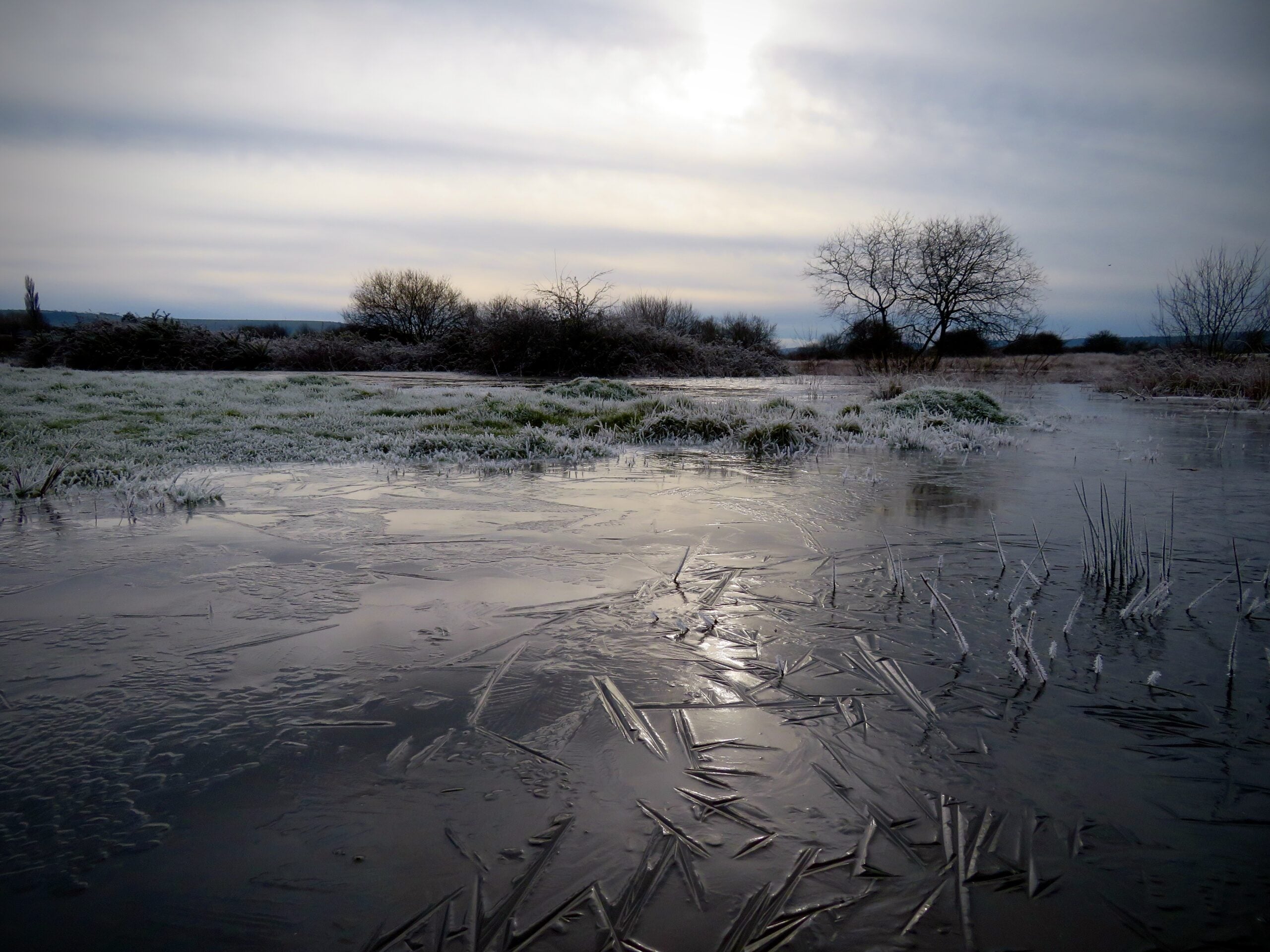
 © Dave Kilbey
The story of the reserve
Waltham Brooks Nature Reserve is part of the Arun Valley floodplain along with Amberley Wildbrooks and Pulborough Brooks. The Reserve consists mainly of low-lying wet grassland with ditch systems which maintain water levels and create areas of brackish or fresh water and is a Site of Special Scientific Interest (SSSI). These wetlands are rich in plant, bird and invertebrate species.
To prevent the ditches and wet areas from being dominated by scrub and Willow and to manage the areas of wet woodland, the Trust carry out rotational clearance in the autumn. The whole site is seasonally grazed by cattle.
Did you know?
Spot the 'Shorties'
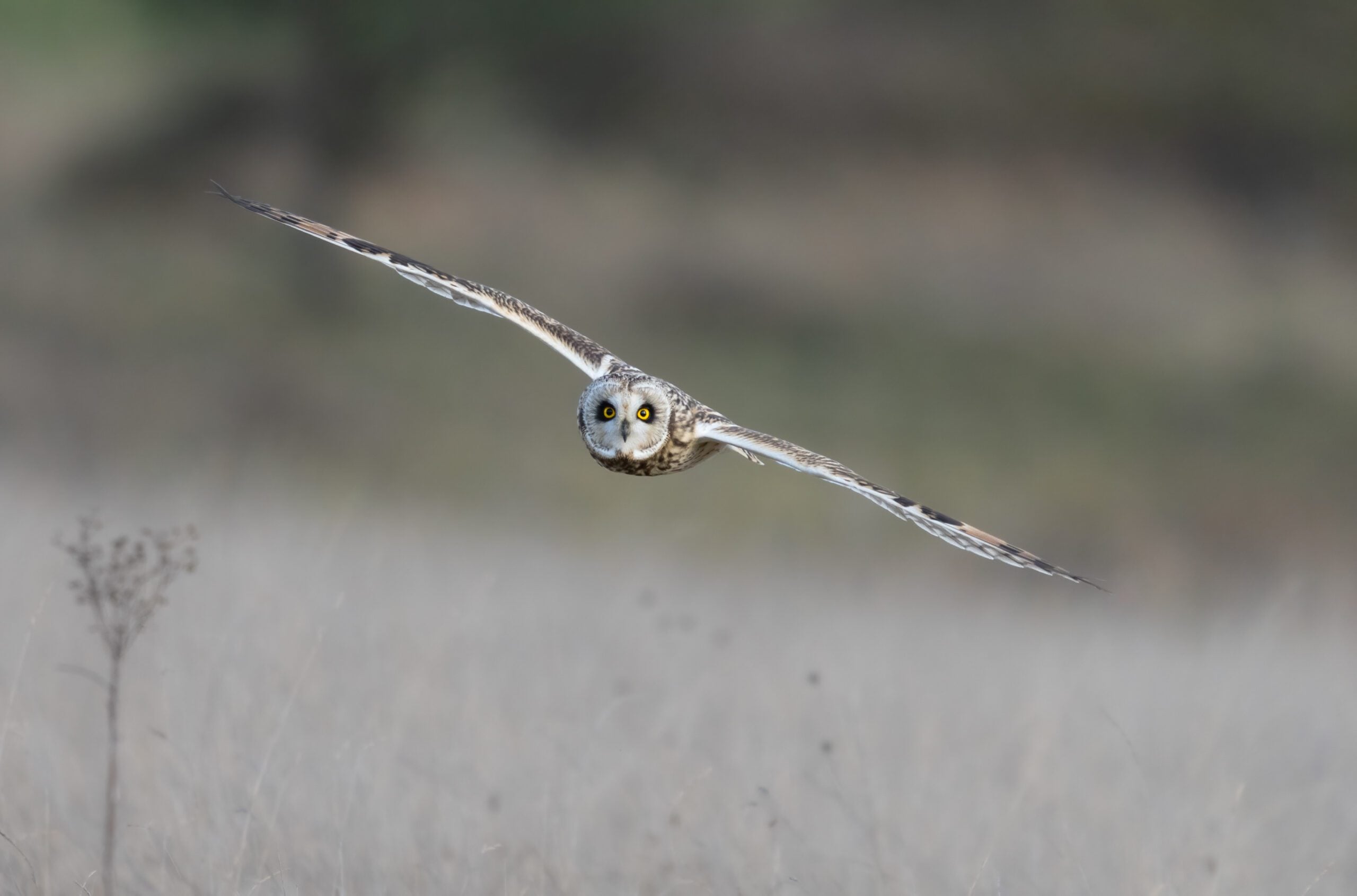
Short-eared Owls can be seen hunting here in the winter. Unusually for owls, they like to fly during daylight hours.
Wey and Arun Canal
The line of the old Wey and Arun Navigation canal can be made out, still retaining water in the southern part where it used to connect to the river itself.
Lock keeper's legacy
The remains of the old lock and lock keeper’s cottage can be seen.