Overview
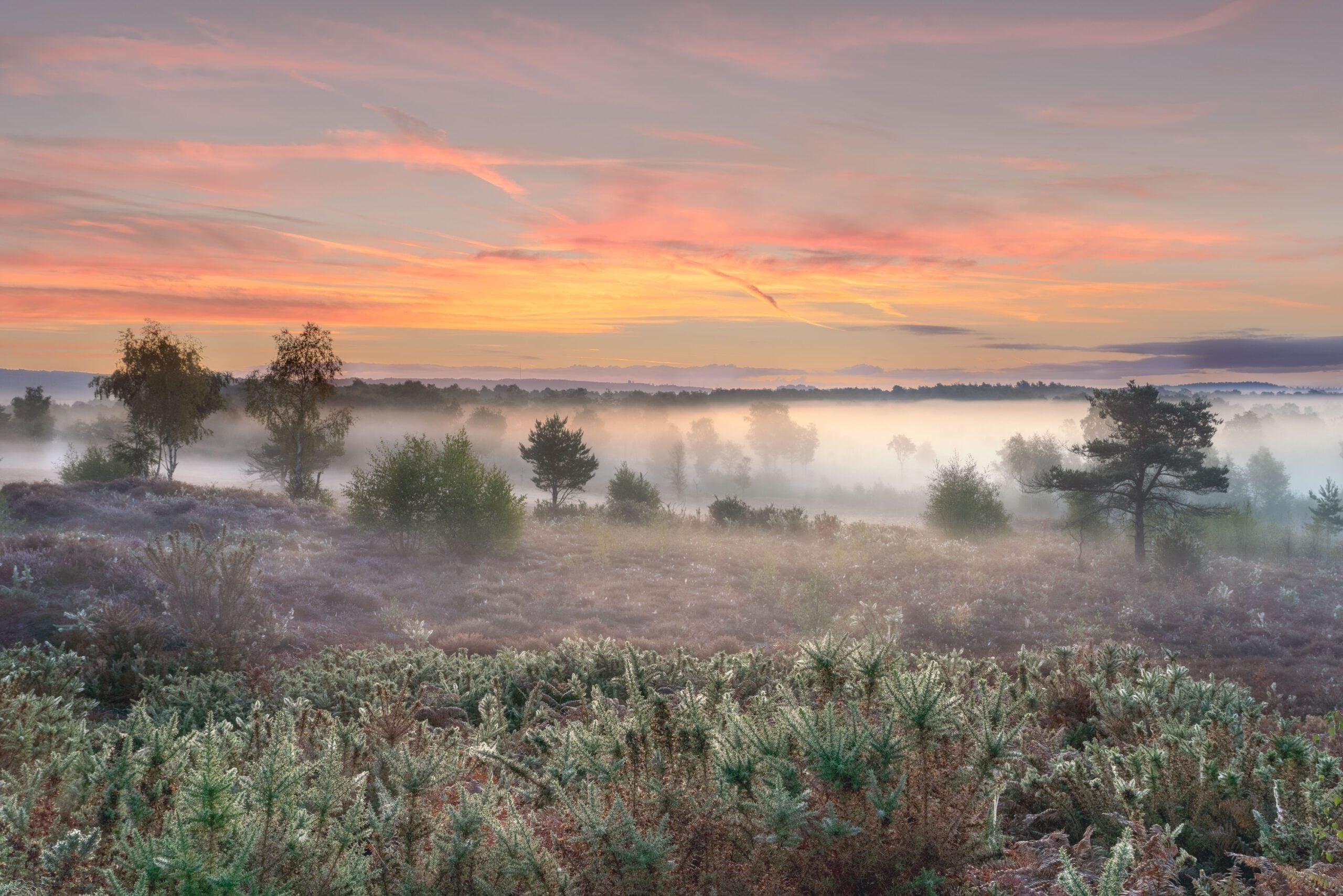
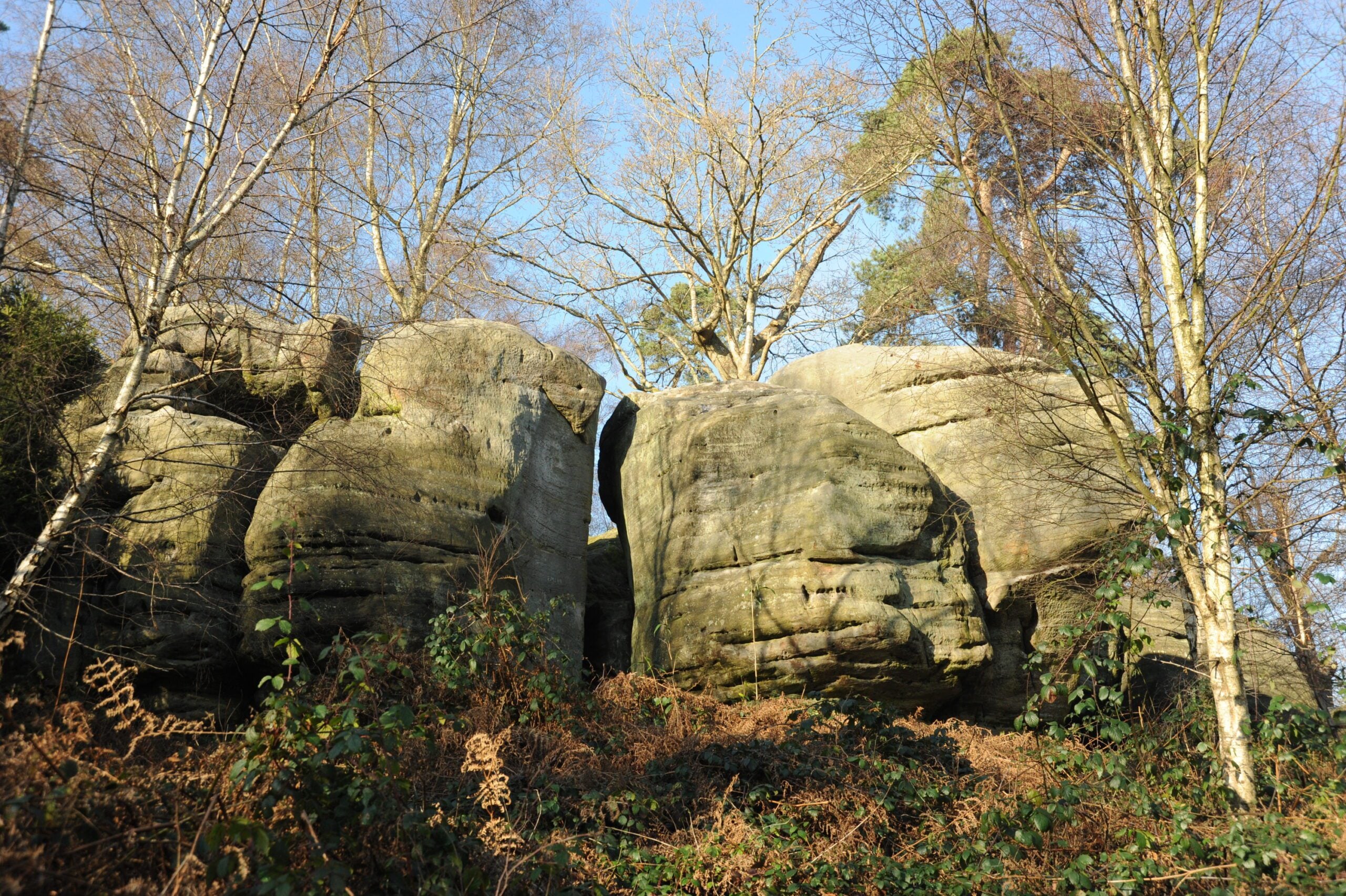
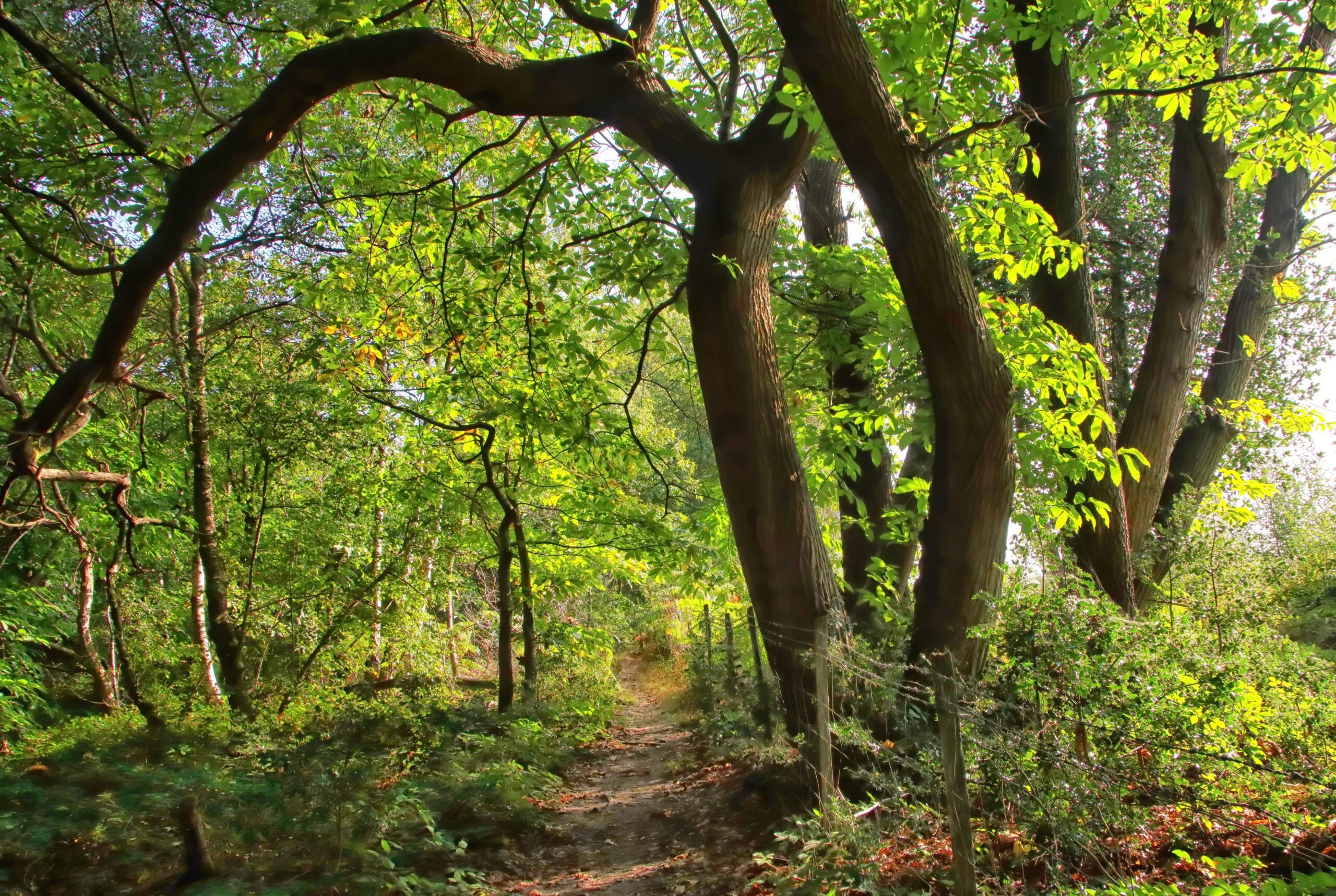
Nestled in a south-facing valley near the town of Heathfield, Selwyns Wood is a small but fascinating woodland with some open heath.
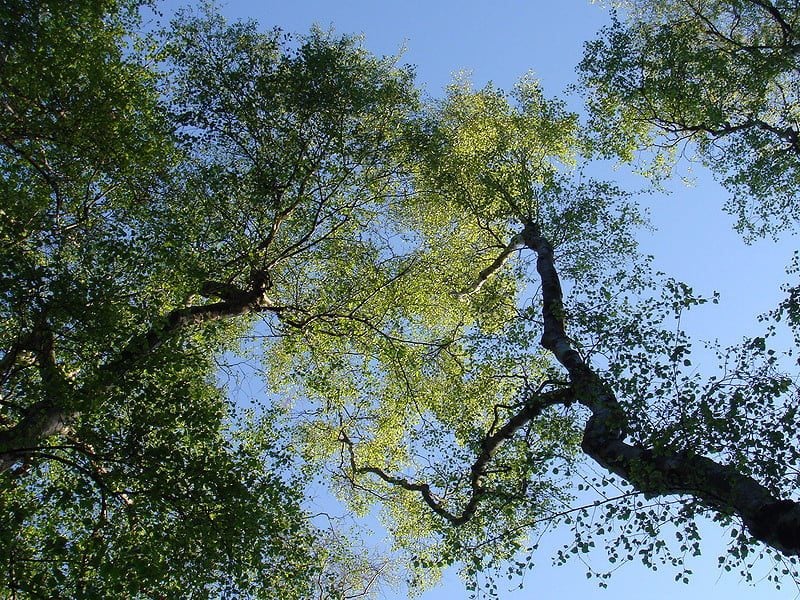
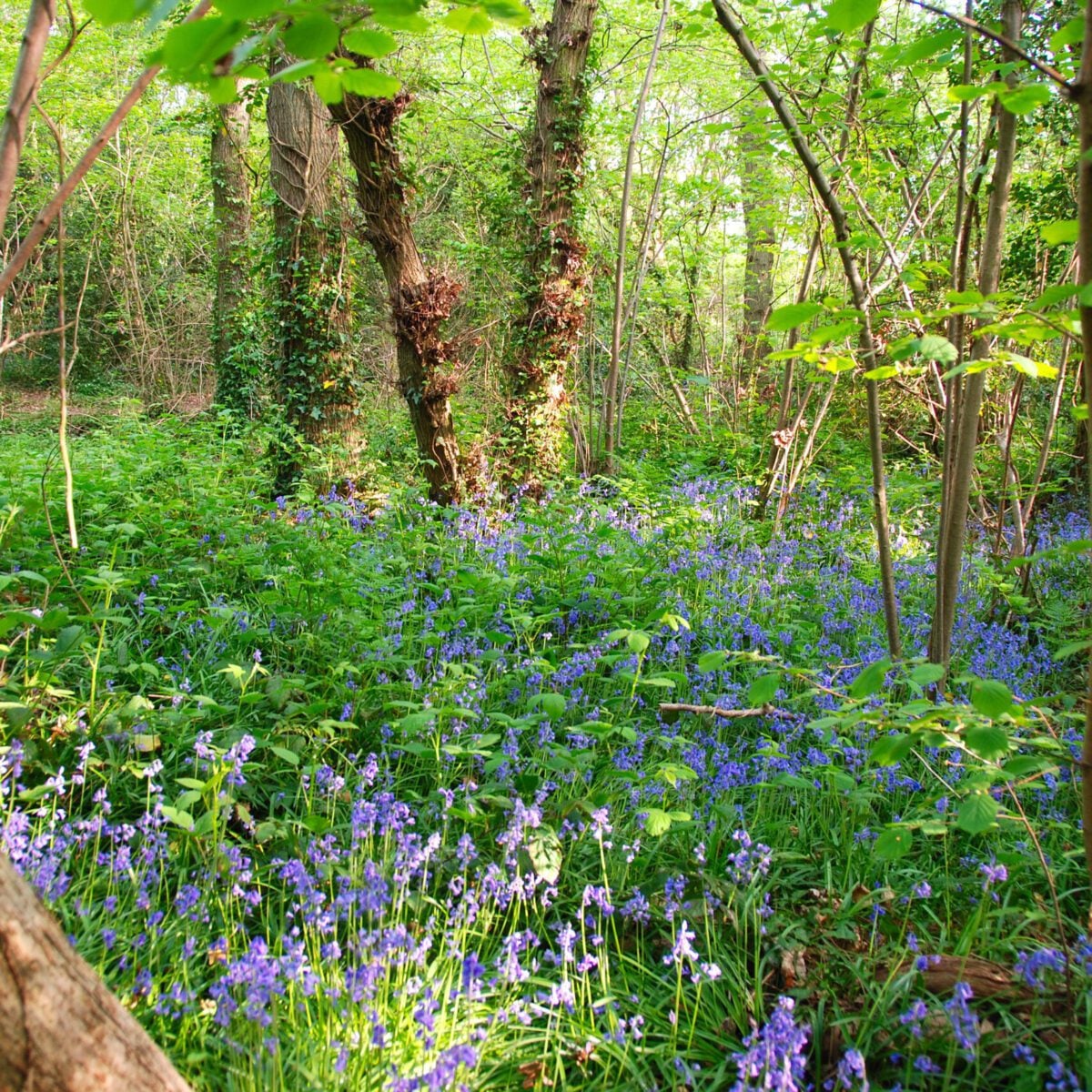
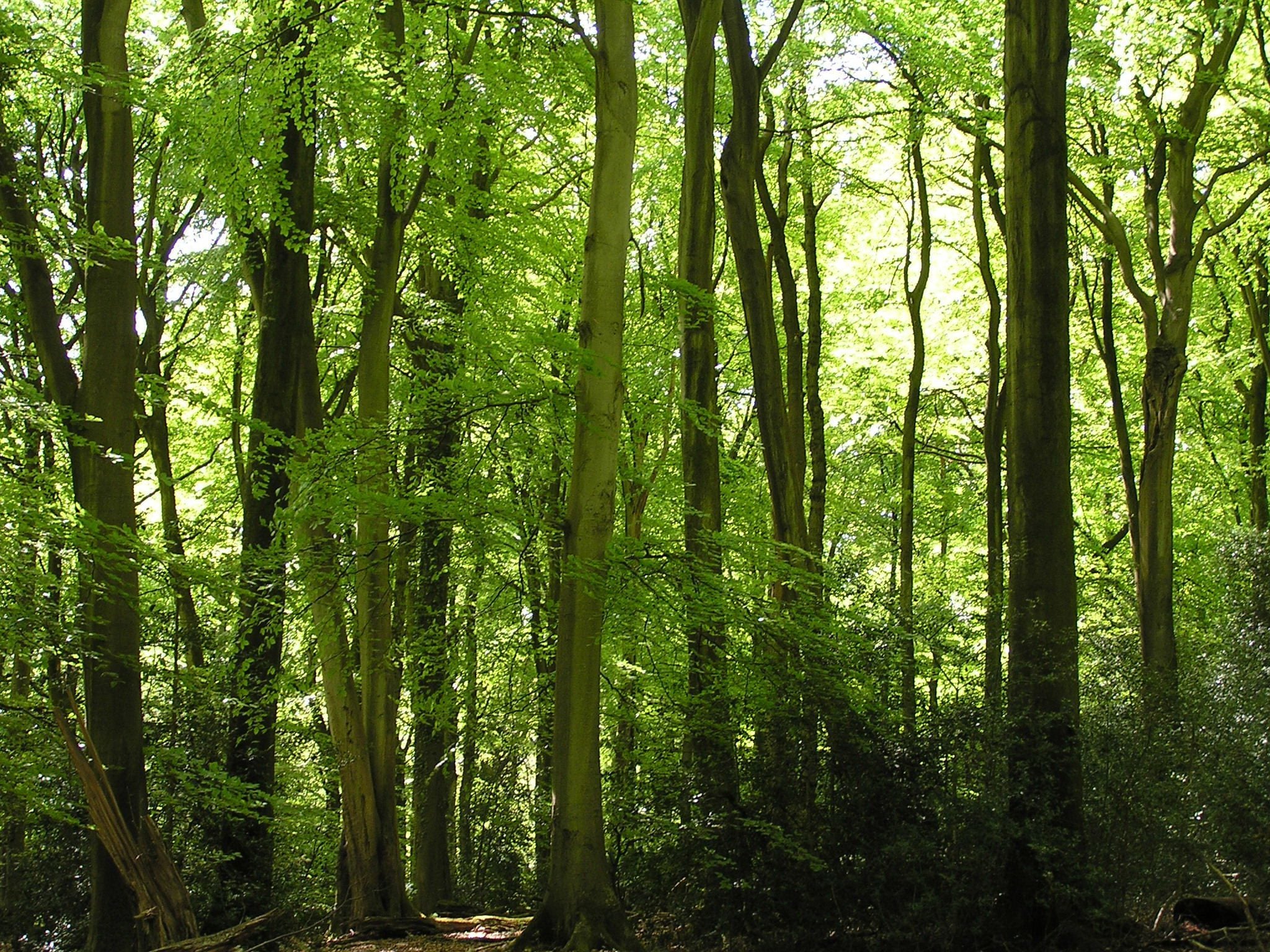
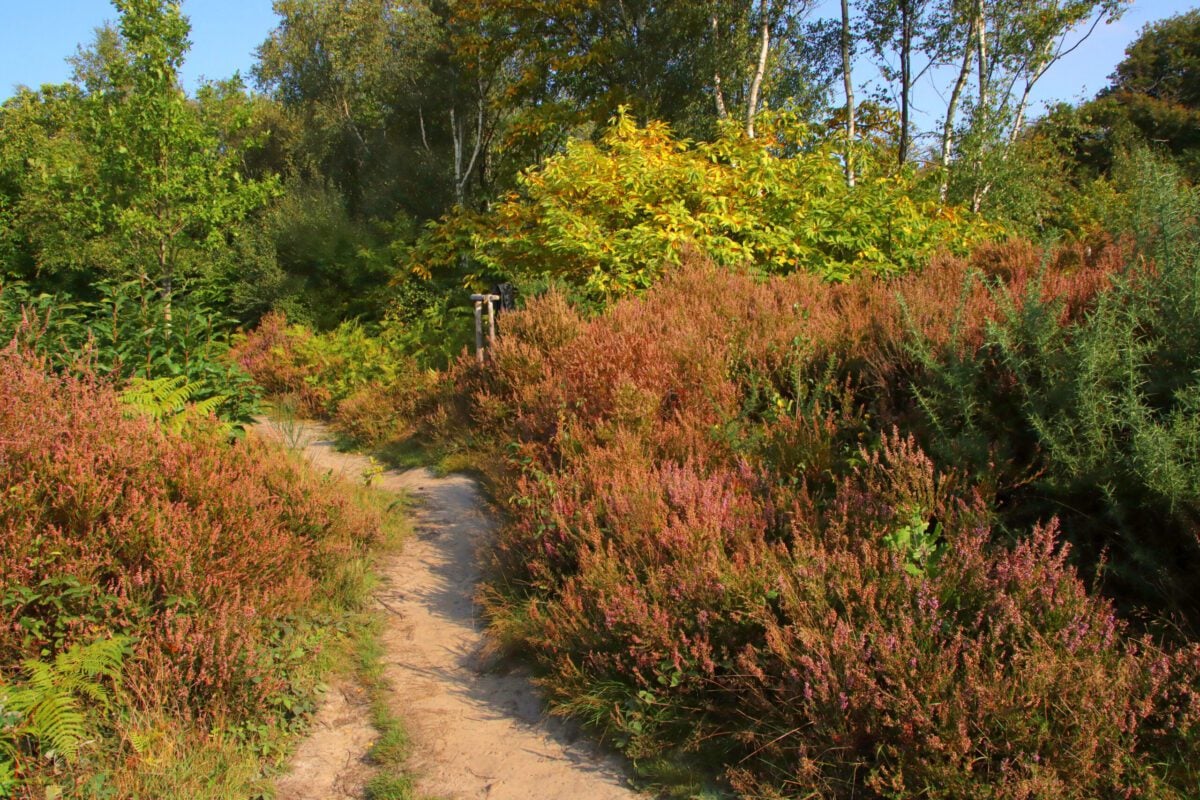
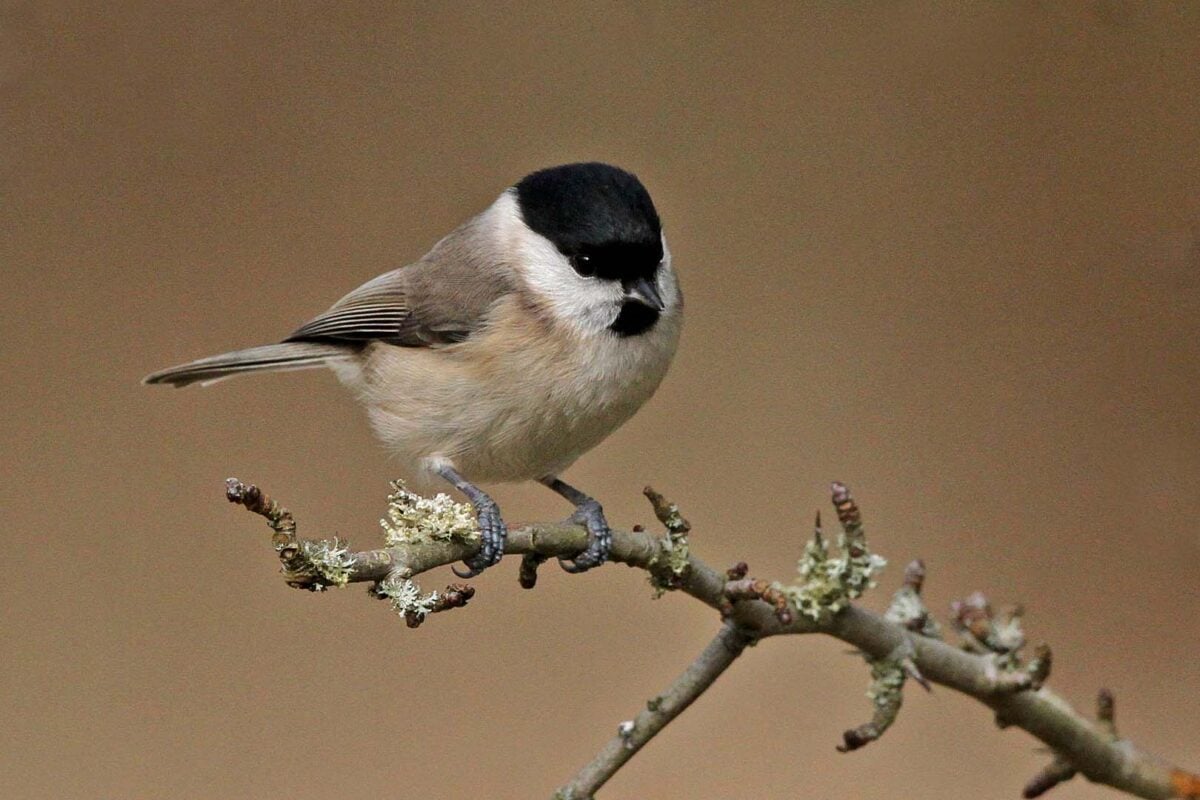
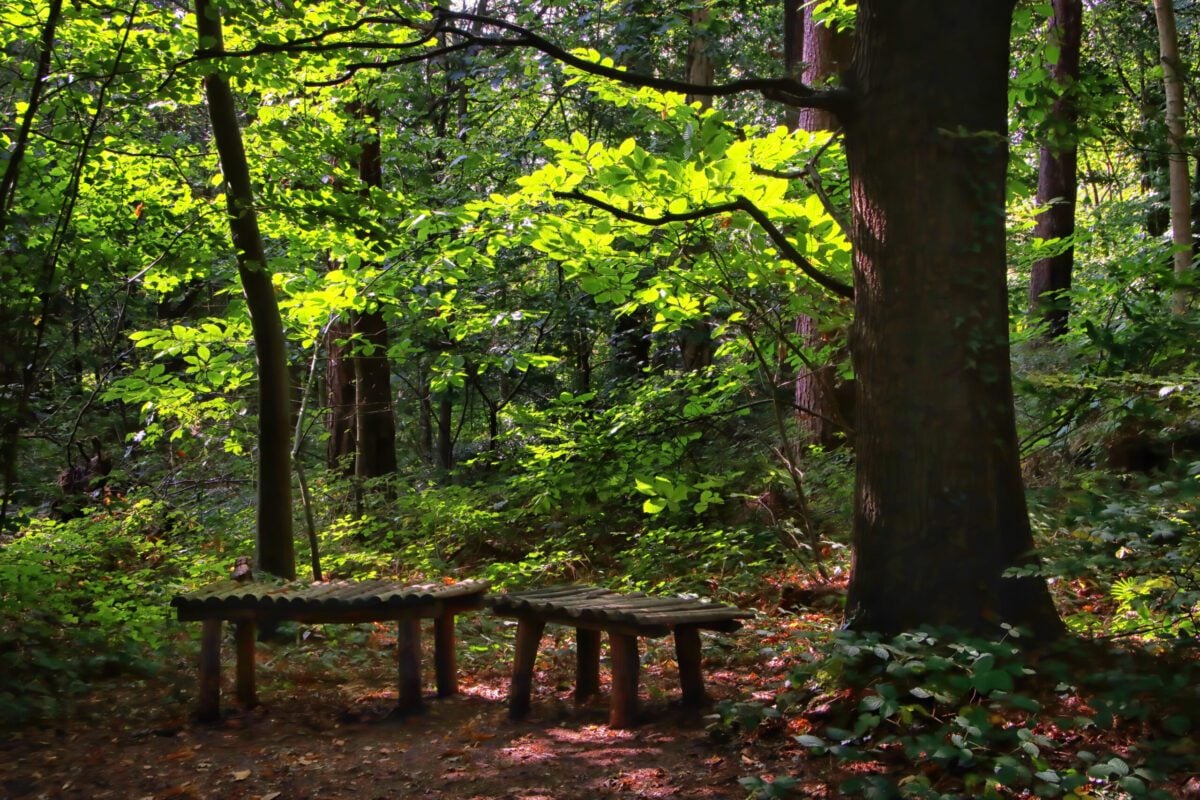
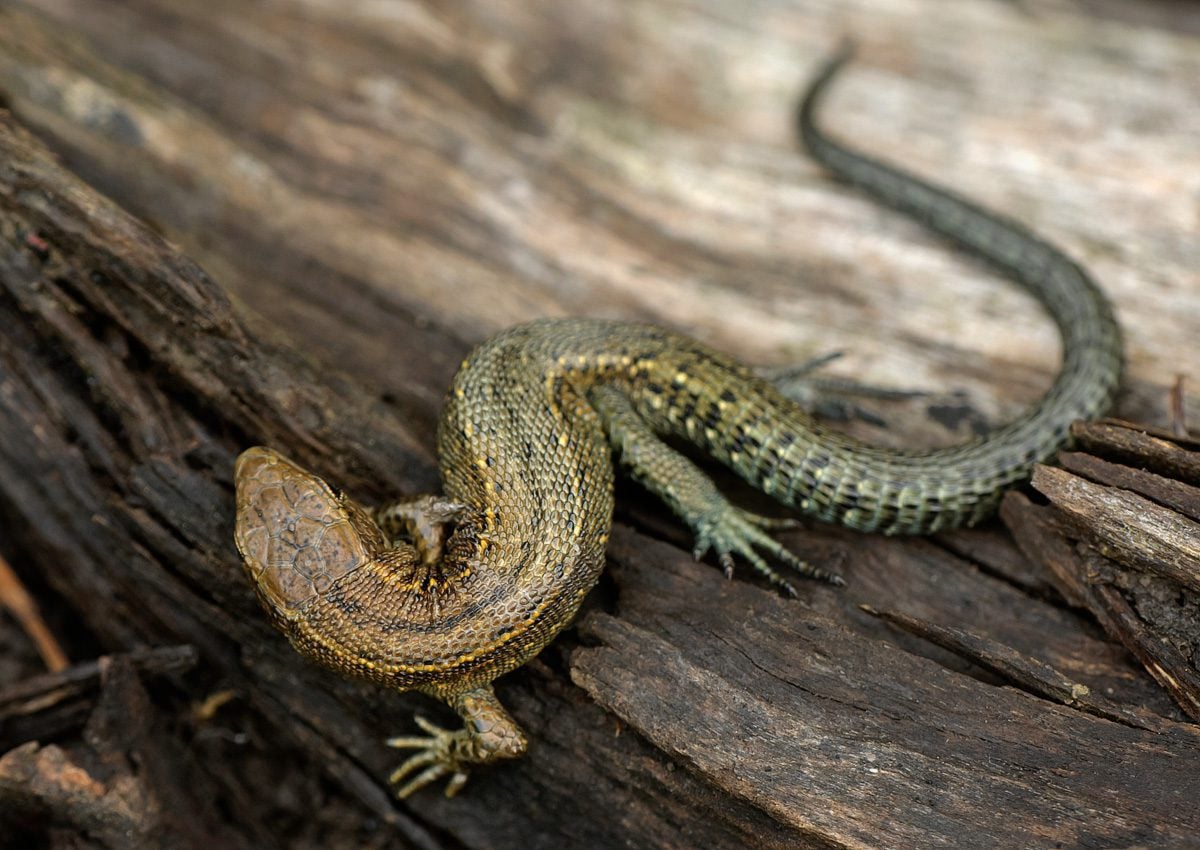
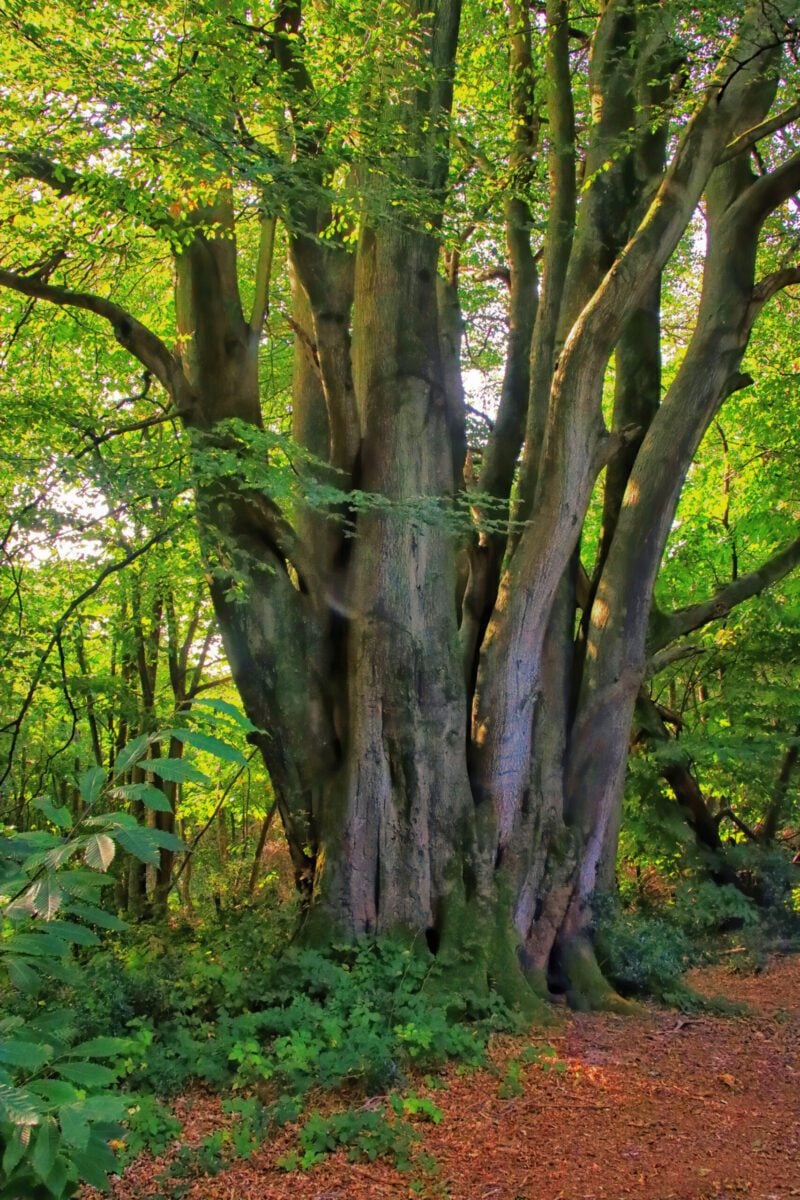
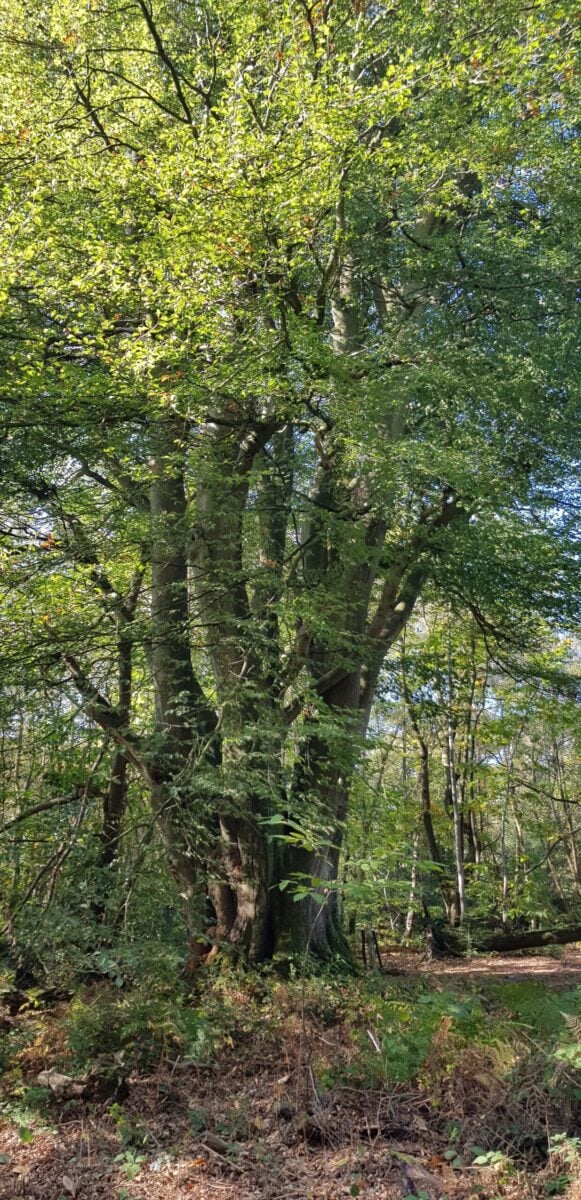
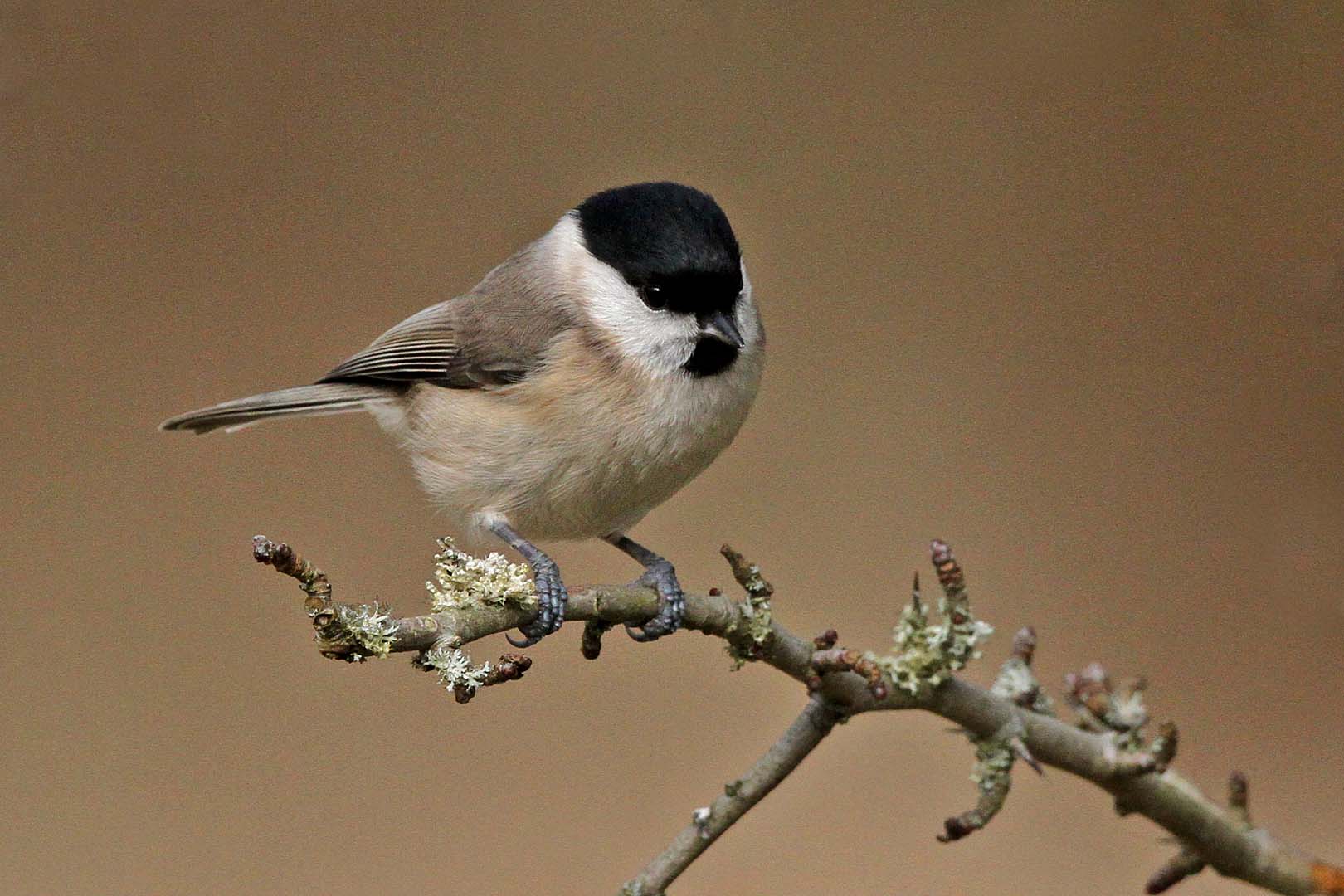
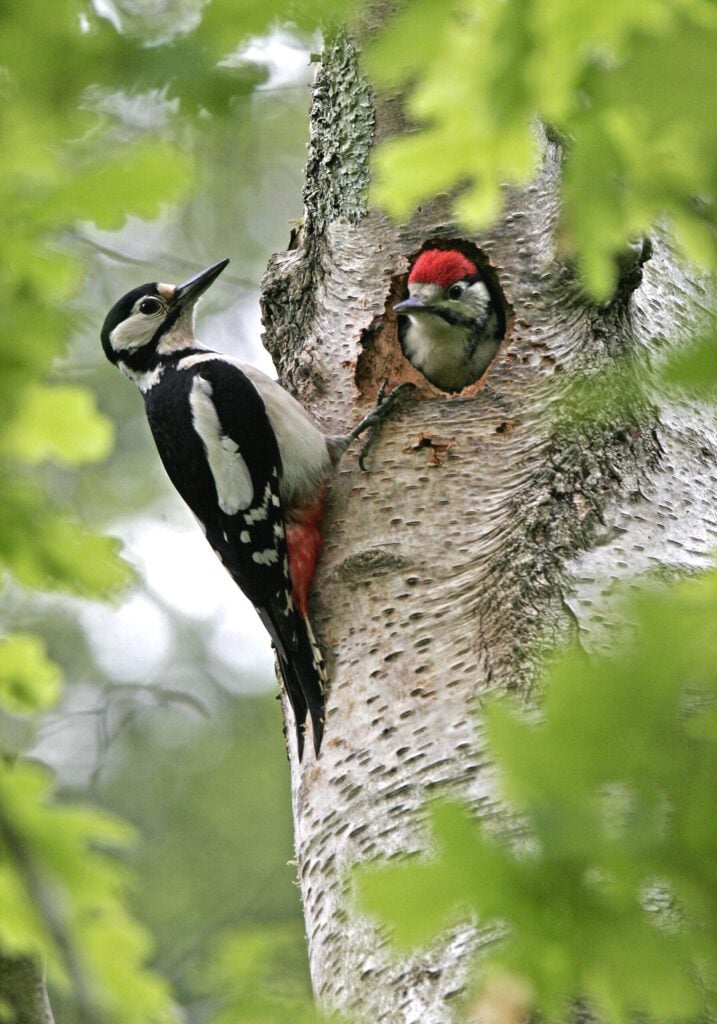
Walk a criss-cross of up-and-down paths among Oak, Birch and Sweet Chestnut, and find some huge old Beech trees. In spring, Bluebells and Wood Anemones carpet the woodland floor. As you wander, you might hear birds such as Marsh Tit, Nuthatch and Great Spotted Woodpecker among the leaves, or see butterflies, beetles and Slow Worms low to the ground.


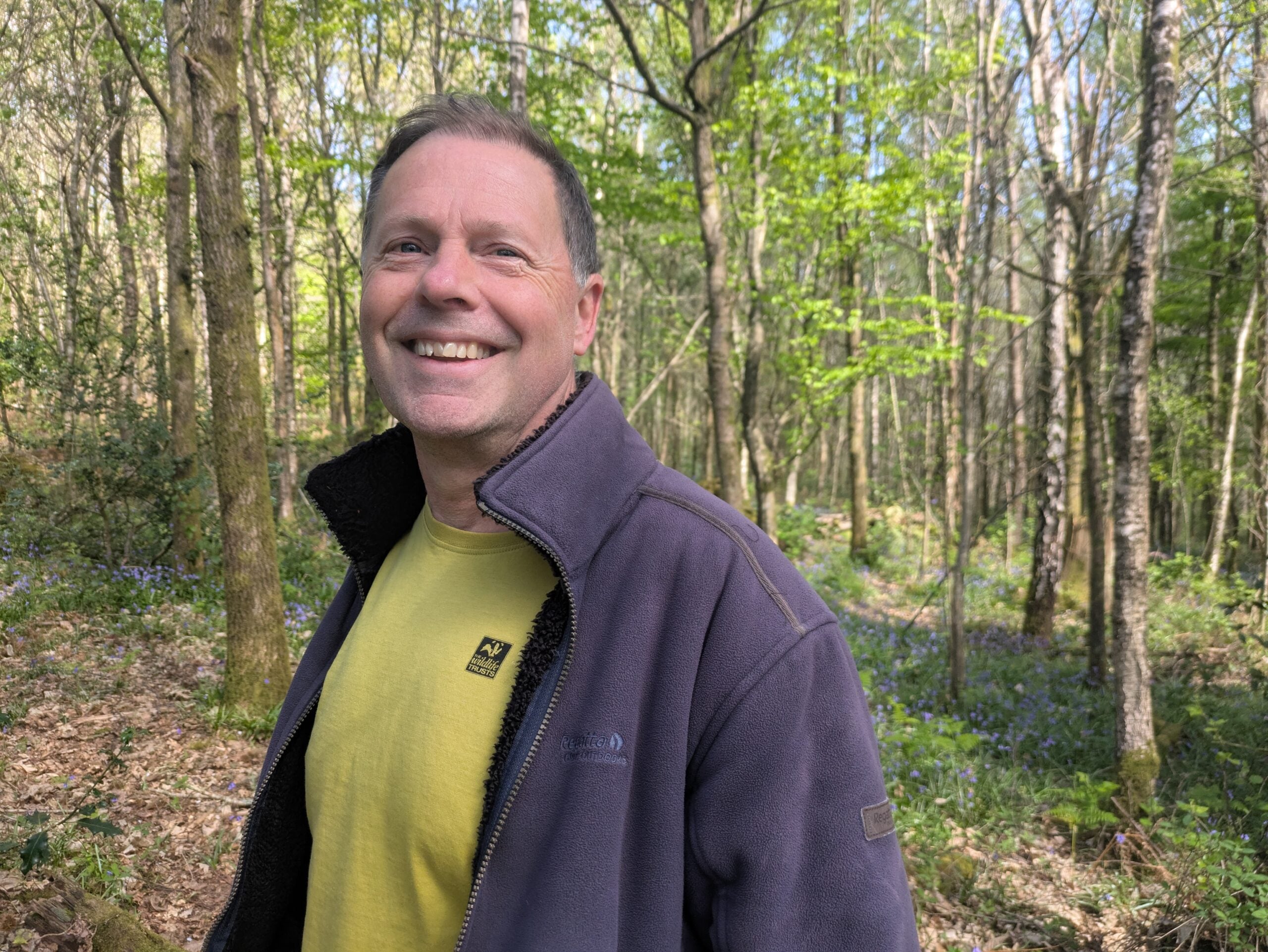
Dennis Harding Volunteer Reserves ManagerA wonderful place, with a mixture of habitats – woodland, a quiet area of heather and steep ghylls. Important species found on the reserve include the Marsh Tit and Hazel Dormouse, plus an impressive list of fungi and moths
Know before you go
Open at all times
The reserve is open at all times
Free to visit
All our open reserves our free to visit, but if you enjoy your visit please consider donating to Sussex Wildlife Trust to help us manage these special places
Size – 11 hectares
How to get here
Postcode: TN21 0QN
Selwyns Wood is one mile south of Cross-in-Hand, two miles west of Heathfield.
The single access point to this reserve is marked by a Trust sign at the entrance to a track off Fir Grove Road, next to a house called White Lodge.
There is a small car park.
Getting around the reserve
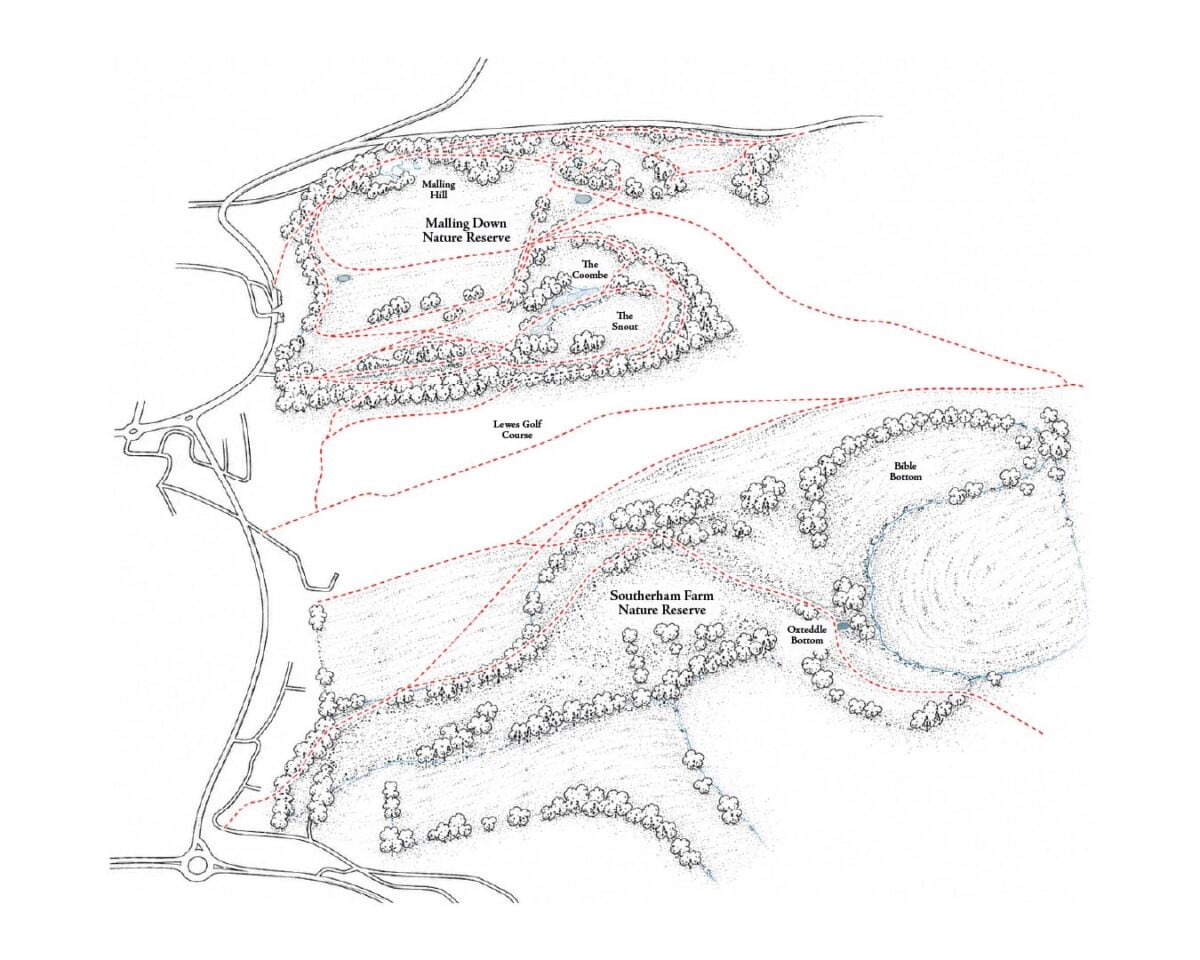
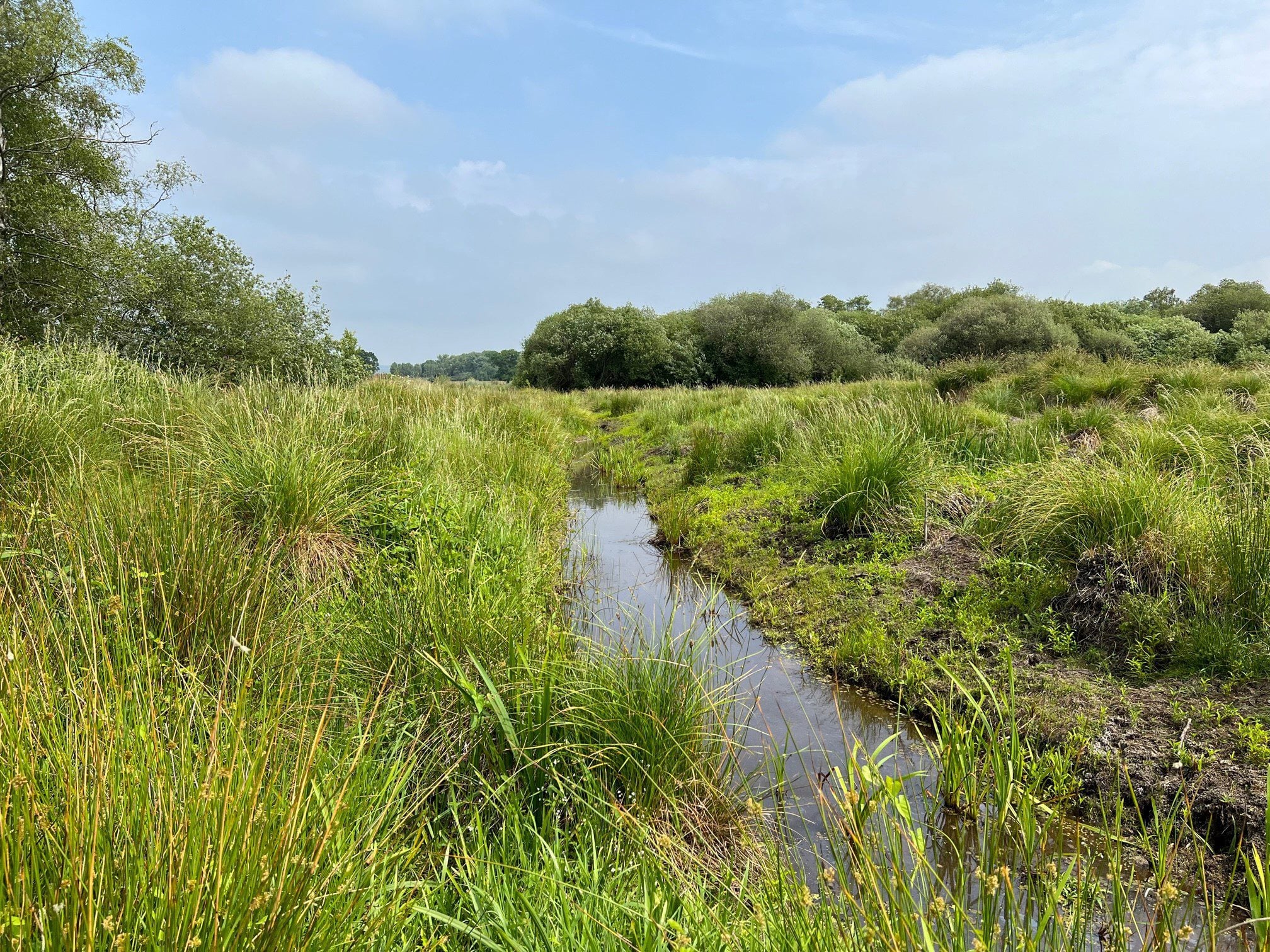
Several paths mark out circular routes around the reserve. Some tracks can be muddy, but they are mainly flat, except for the steep-sided stream. There are some steps.
The reserve is not easily wheelchair accessible, due to the slopes and muddy paths.
Dogs welcome on leads
This reserve is a refuge for Dormice, flowers, birds and butterflies, many of which live on the ground and are easily disturbed or damaged by dogs.
We ask that dogs are kept on short leads at all times of the year.
Nearest toilet
The nearest available toilet is at the Co-op supermarket in Heathfield
Check Toilet Map for a range of other nearby options.
Dos and don’ts
- Keep your dog on a lead
- Don’t pick flowers or forage
- No camping
- Take your litter home
- Tell us what nature you’ve seen via iRecord
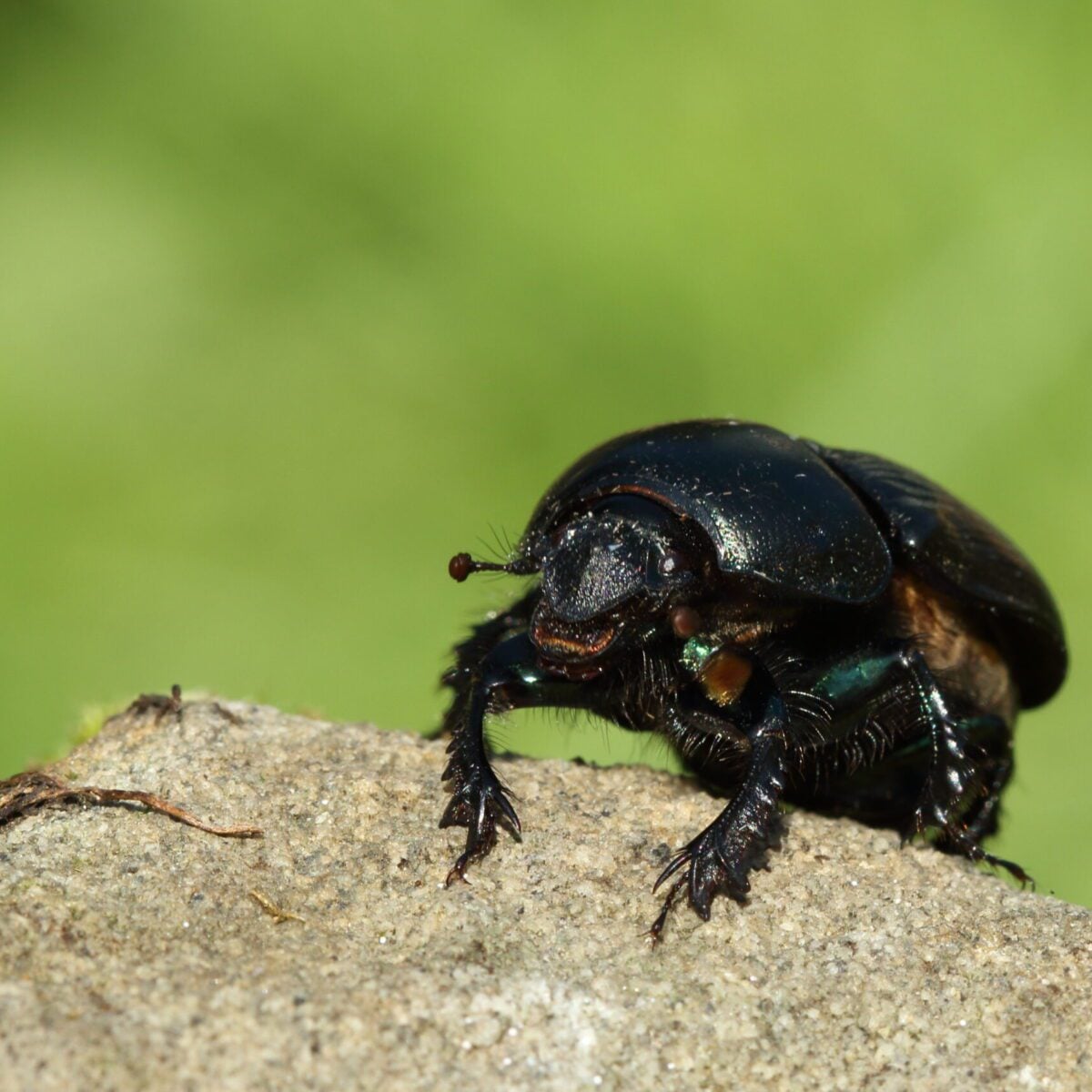
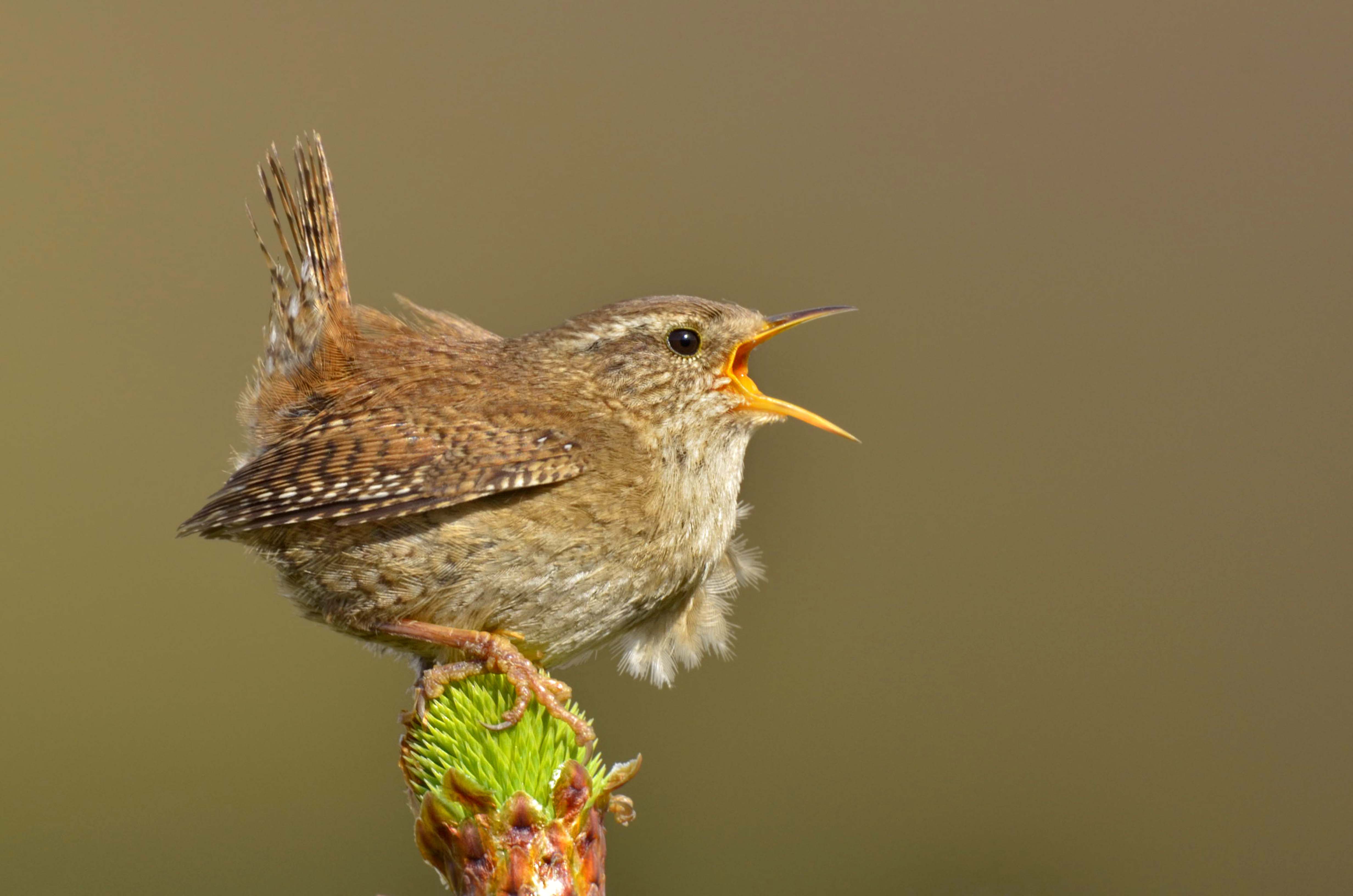
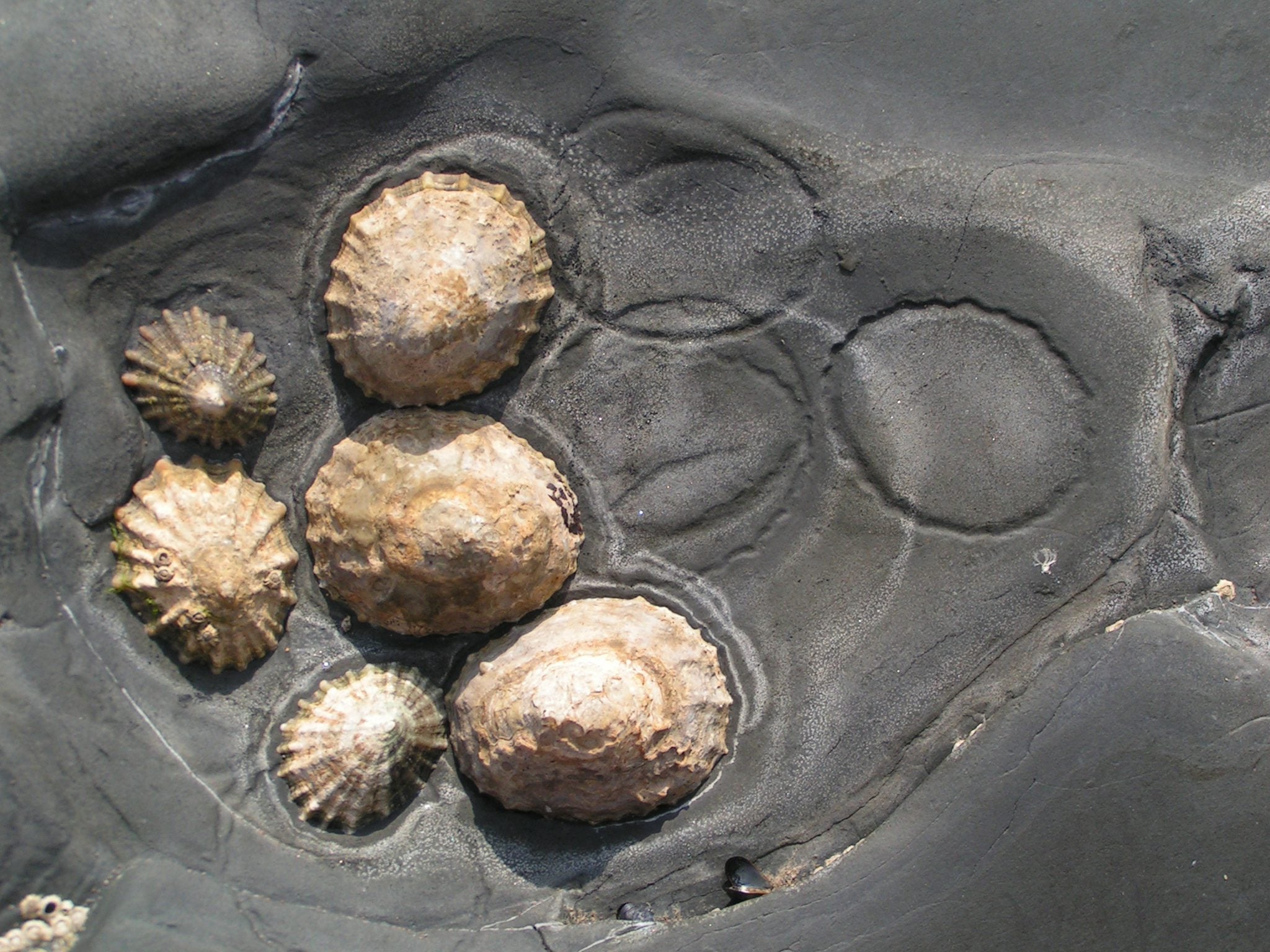
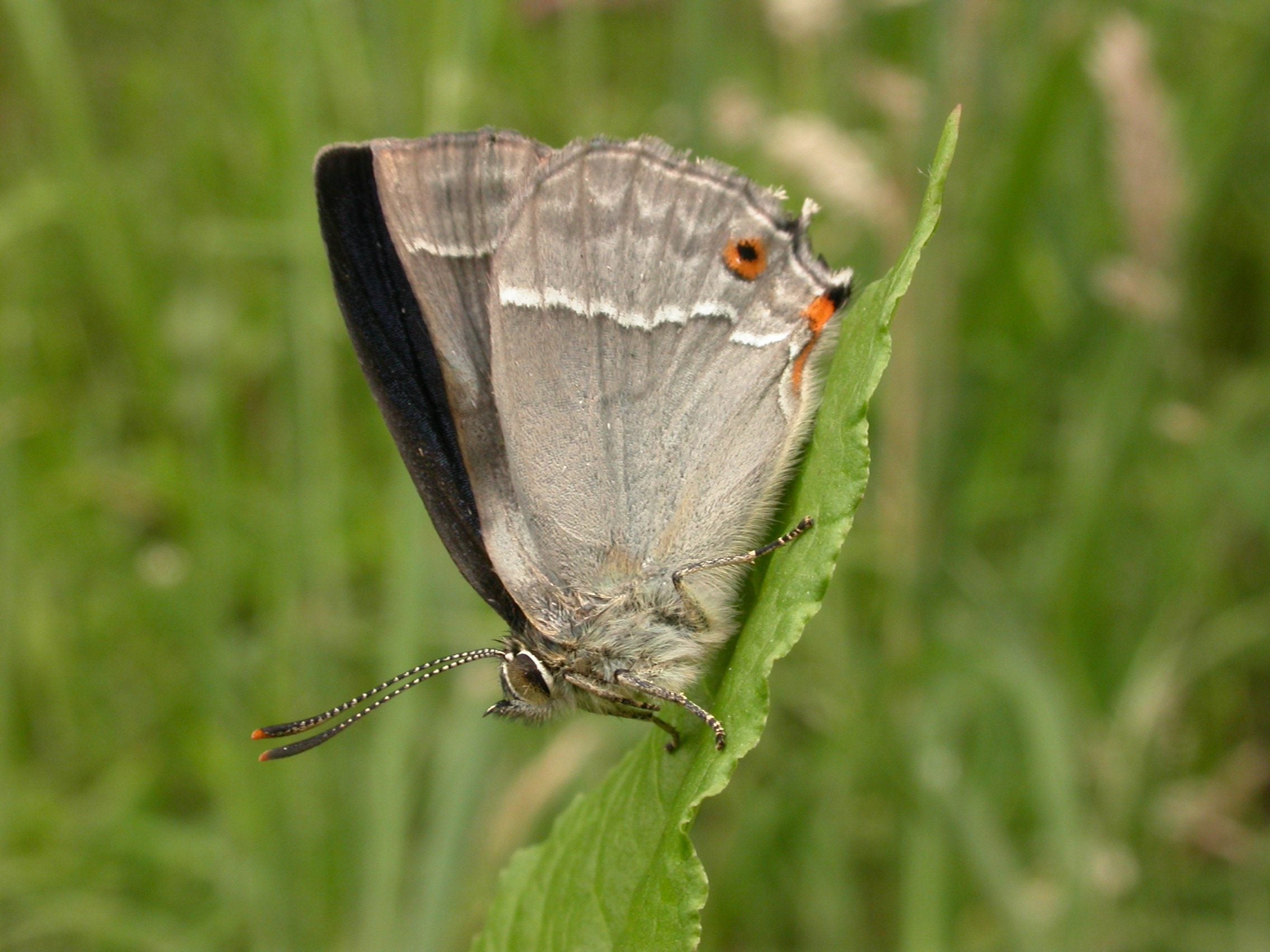
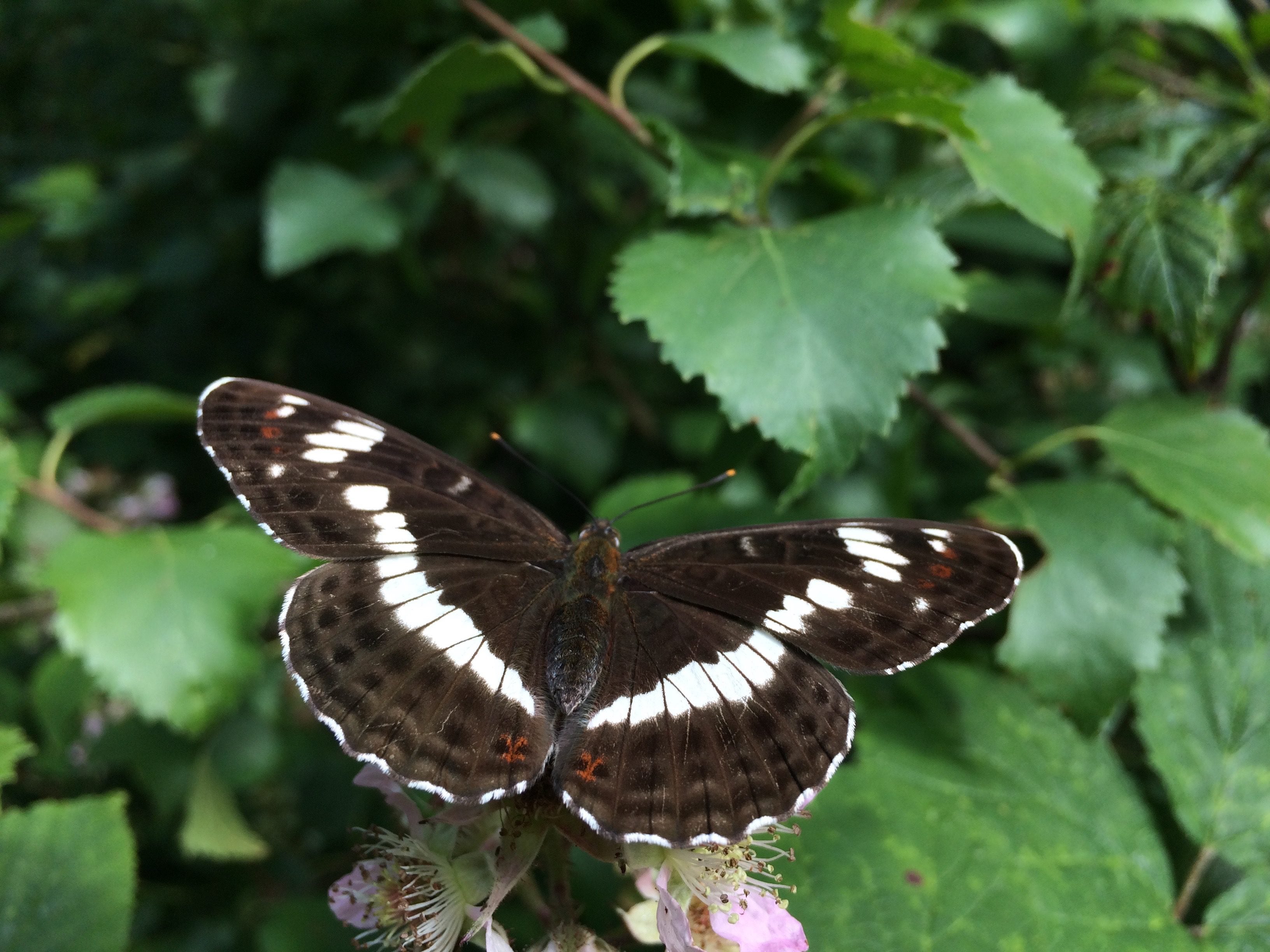
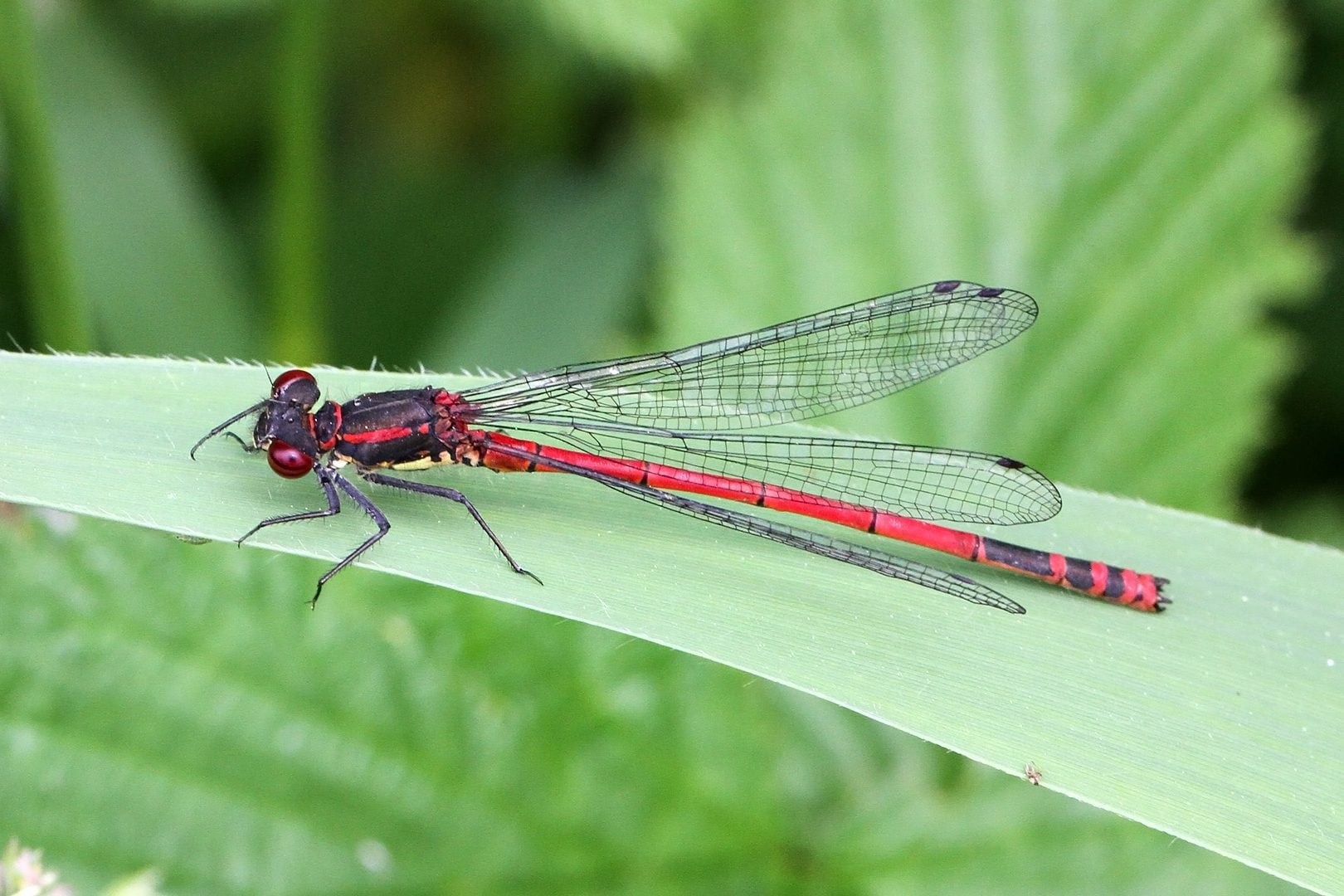
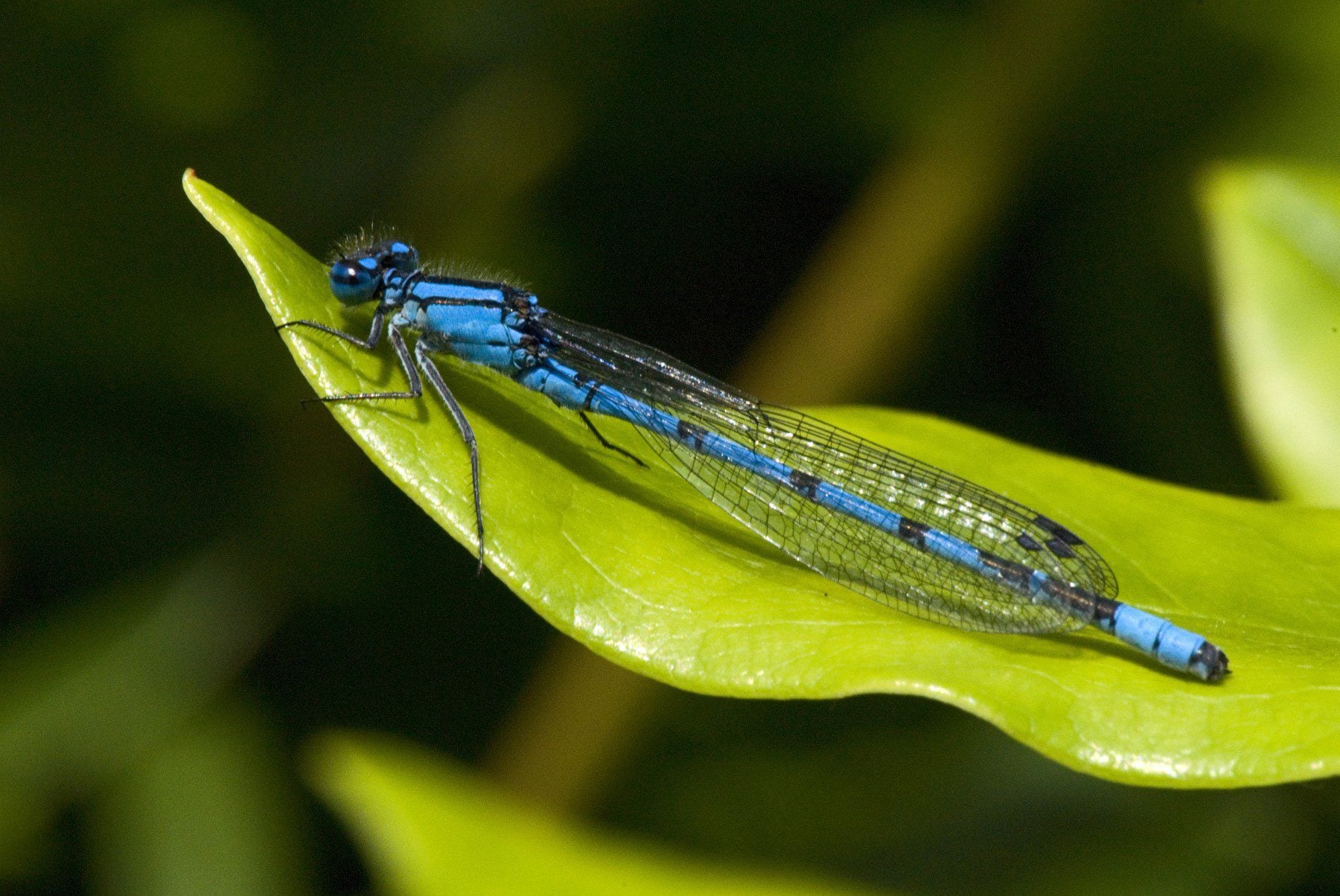
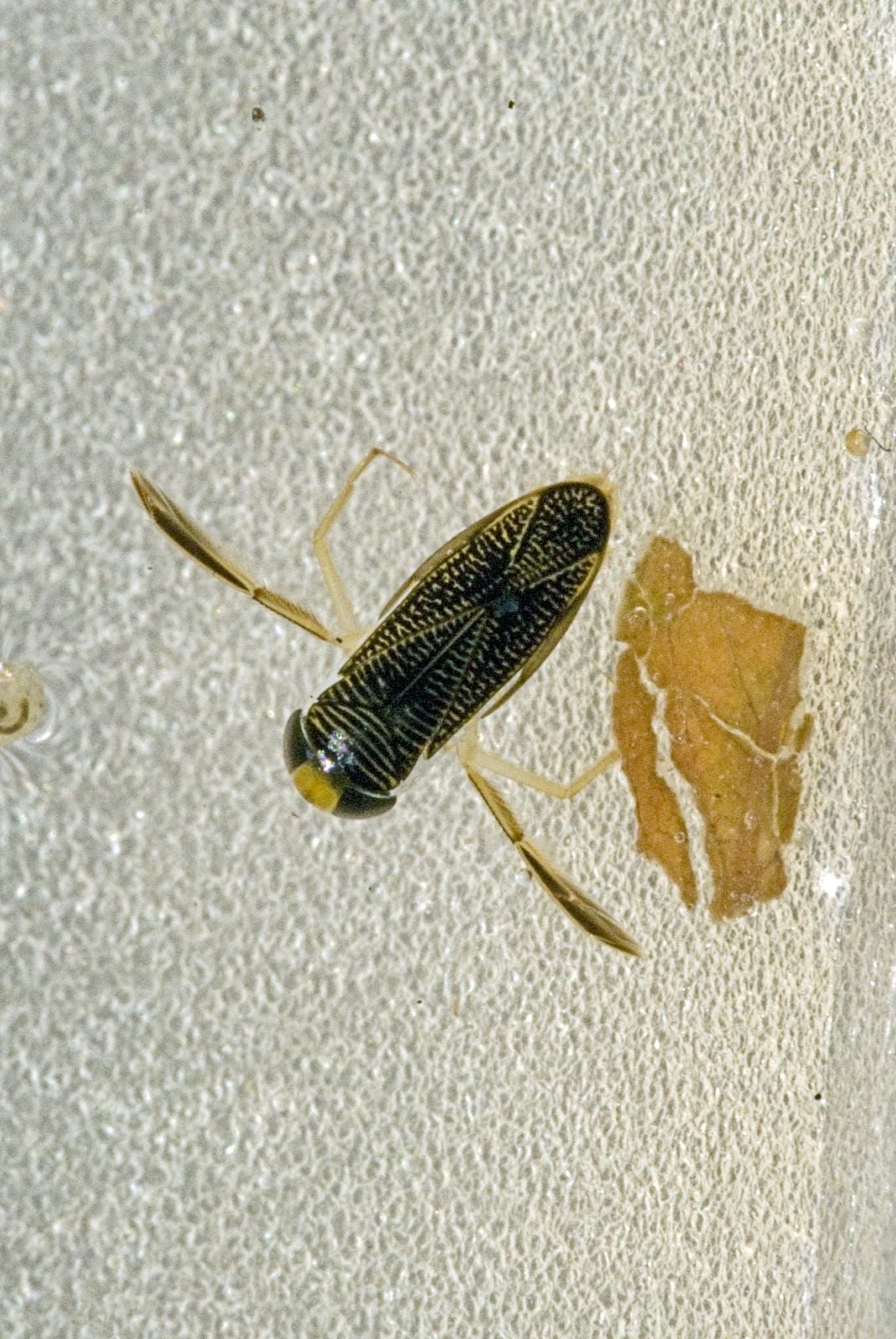
 © Roger Wilmshurst
The story of the reserve
Selwyns Wood is an ancient woodland site that would have formed part of the vast Wealden forest that covered much of Kent and Sussex centuries ago.
Areas of old Sweet Chestnut coppice show how the woods were used for industry – coppicing creates masses of new shoots that can be harvested and used as poles.
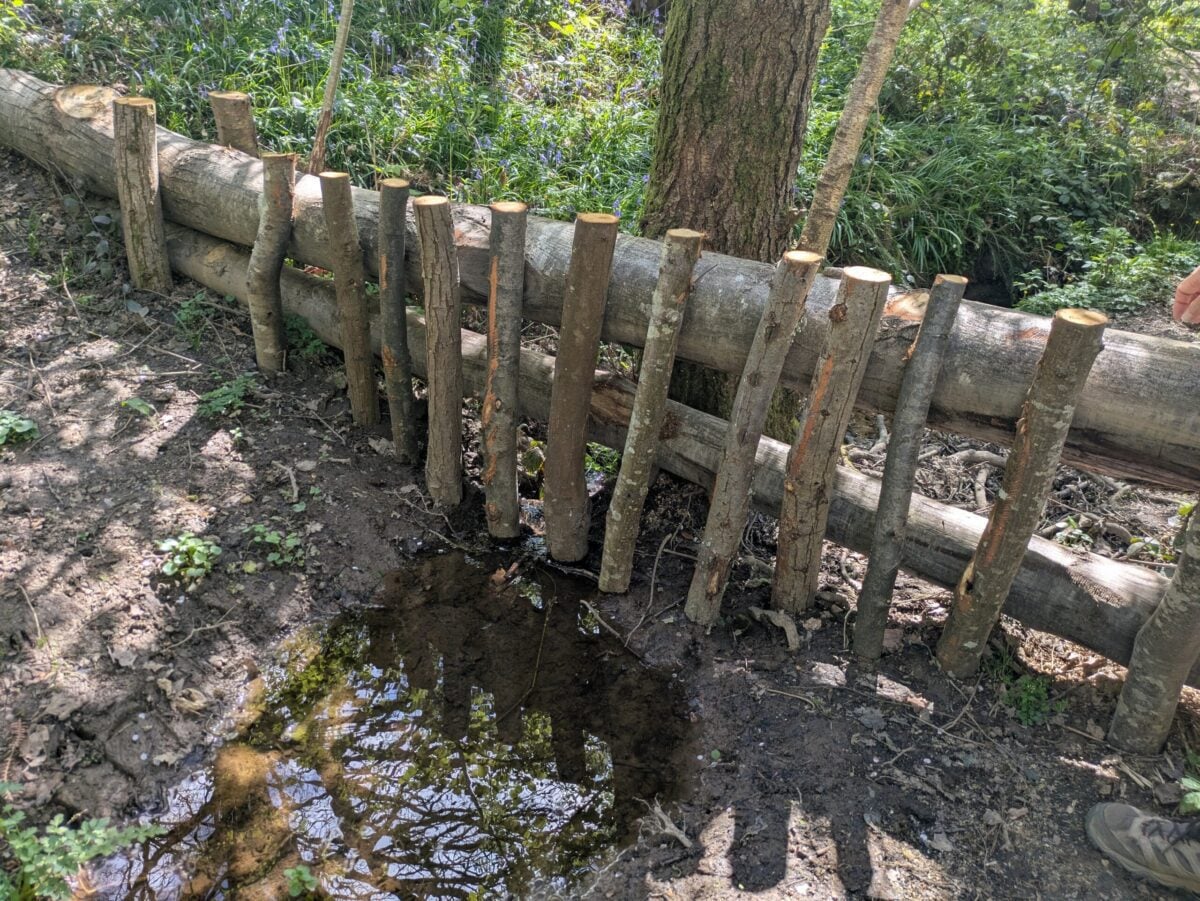
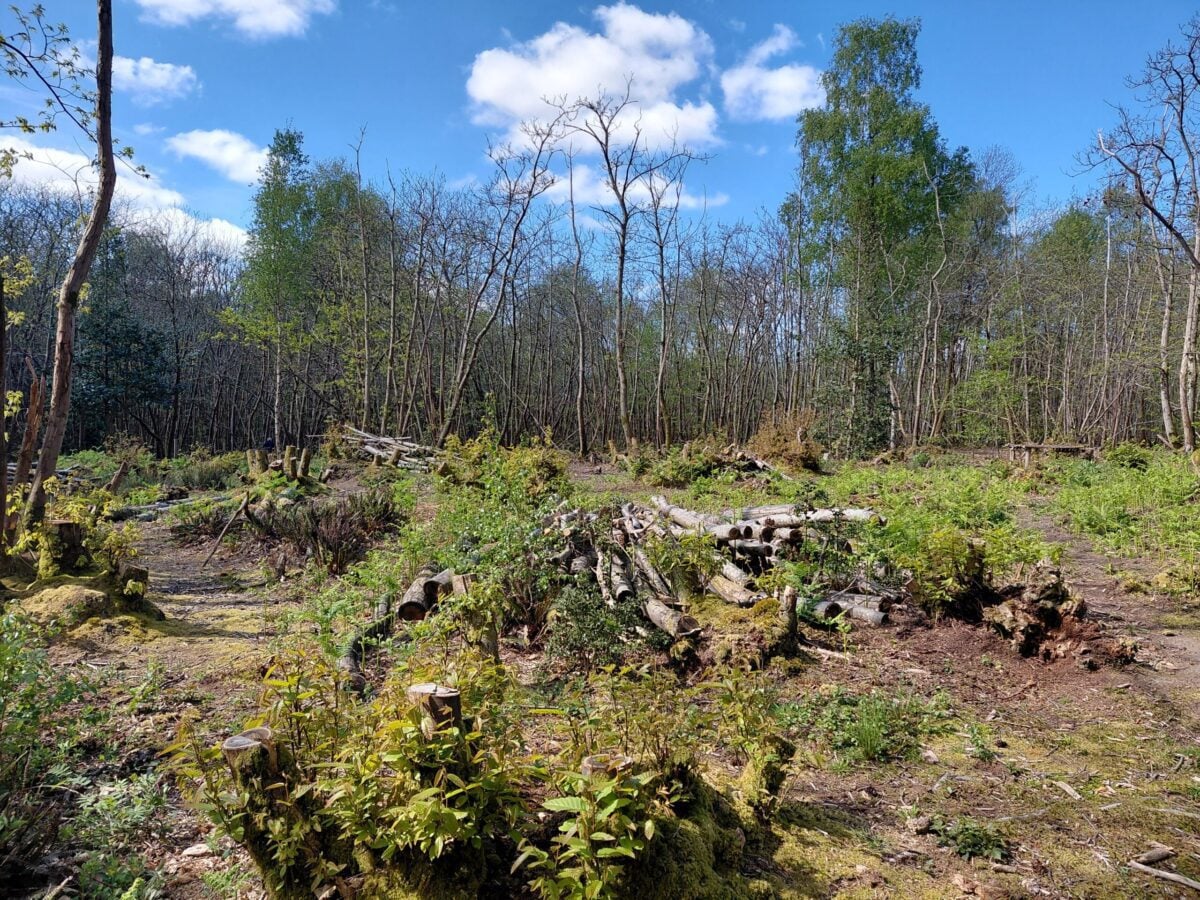
Over the last fifty years, Sussex Wildlife Trust has sought to create a diverse mix of mature trees, fresh growth and open areas. Clearing invasive scrub and Bracken is a crucial part of this work, much of it carried out by dedicated volunteers.
Curious facts
Great Storm damage
The Great Storm of 1987 flattened big areas of Selwyns Wood, and over three thousand trees were planted in the aftermath
Roman roots?
Sweet Chestnut is not native to the UK but has been grown here for centuries. Until recently, it was widely thought that the tree was introduced from southern Europe by the Romans. Research now suggests the species may have arrived much later.
Heffle
The nearby town of Heathfield is sometimes known as ‘Heffle’, and features in Rudyard Kipling’s poem Cuckoo Song in the lines: ‘Old Woman’s let the Cuckoo out / At Heffle Cuckoo Fair—a!’