Take action
Become a member
Memberships builds our community and gives us a predictable income, which lets us plan and sustain longer projects that can have a greater impact. The more members we have, the more we can do to protect the Sussex countryside and coast.
Make a donation
Membership builds our community and gives us a predictable income, which lets us plan and sustain longer projects that can have a greater impact. The more members we have, the more we can do to protect the Sussex countryside and coast.
Overview
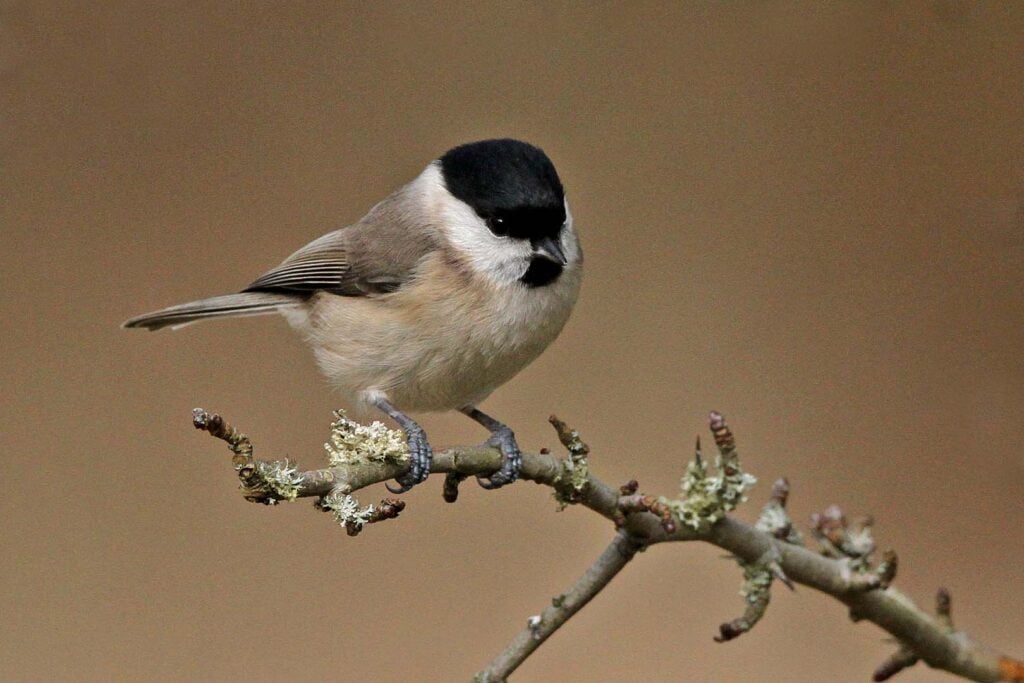
The Marsh Tit is a small, mainly brown bird, with a shiny black cap, neat black bib and pale belly. It is so similar to the Willow Tit that ornithologists didn’t realise they were two separate species until 1897! However, in Sussex there’s unlikely to be confusion now, as the Willow Tit no longer appears to be present in the county.
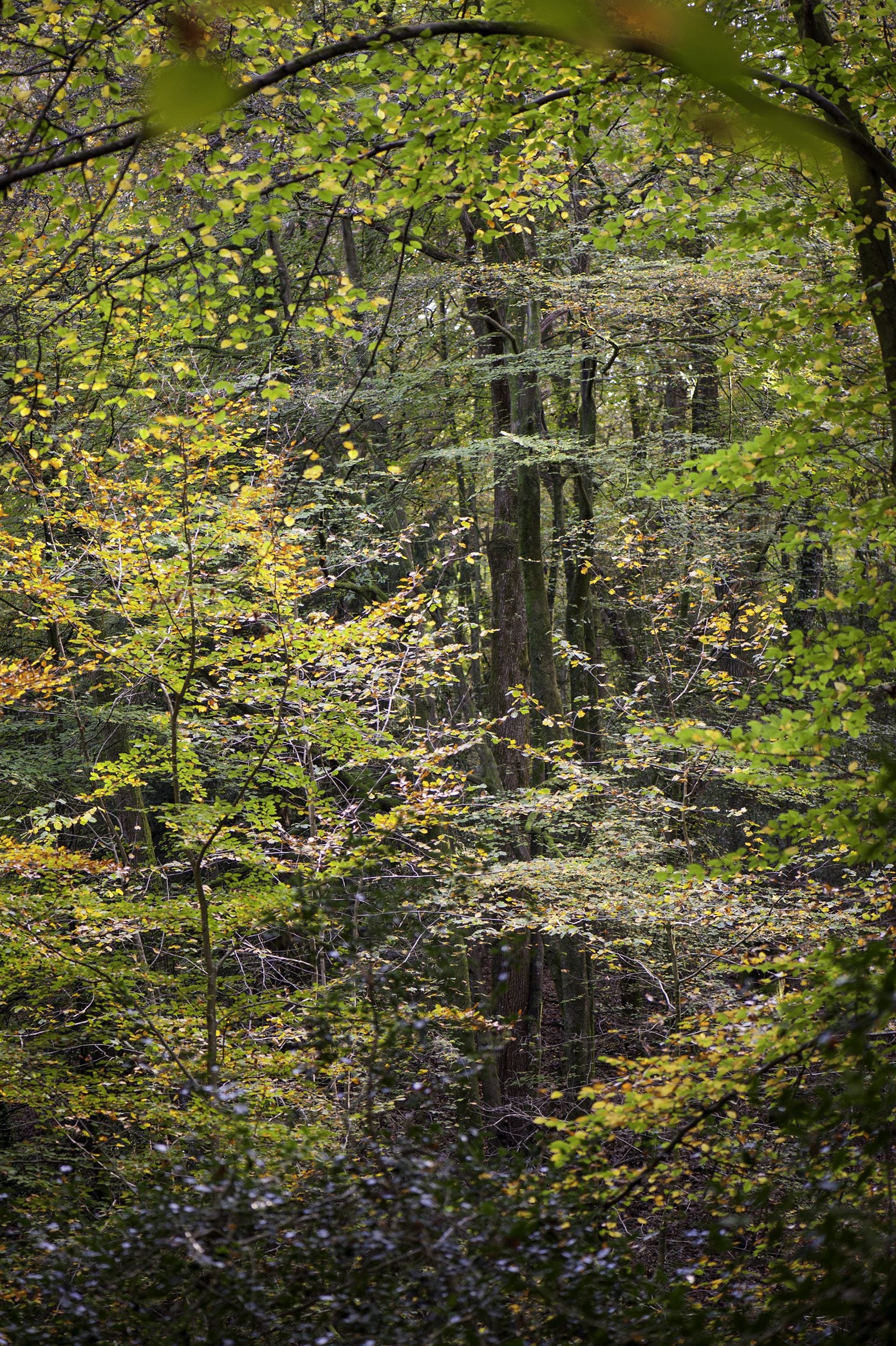
Despite their name, Marsh Tits are most often found in broadleaf woodland, copses, parks and gardens, especially in the High Weald. They feed mostly on insects, seeds and berries, and often cache food over winter if they find a good supply. They nest in existing tree holes, rather than excavating their own, and produce seven to nine eggs.
Facts
- How to identify
There are a few features which help distinguish marsh and willow tit: marsh tit have a glossier black cap and a neater bib under the chin; they have a pale ‘cutting’ edge to their beaks which can be seen up close; and they produce a ‘pitchoo’ call, which sounds a bit like a sneeze. - Did you know
Marsh tits can be attracted to large gardens near to woodland by putting out peanuts, sunflower seeds and fat balls. - Key stats
Length: 13cm
Wingspan: 22cm
Weight: 13g
Average lifespan: 2 years
Status
Classified in the UK as Red under the Birds of Conservation Concern 5: the Red List for Birds (2021). Priority Species under the UK Post-2010 Biodiversity Framework.
Seasonality
January to December