Take action
Become a member
Memberships build our community and give us a predictable income, which lets us plan and sustain longer projects that can have a greater impact. The more members we have, the more we can do to protect the Sussex countryside and coast.
Make a donation
Membership builds our community and gives us a predictable income, which lets us plan and sustain longer projects that can have a greater impact. The more members we have, the more we can do to protect the Sussex countryside and coast.
Overview
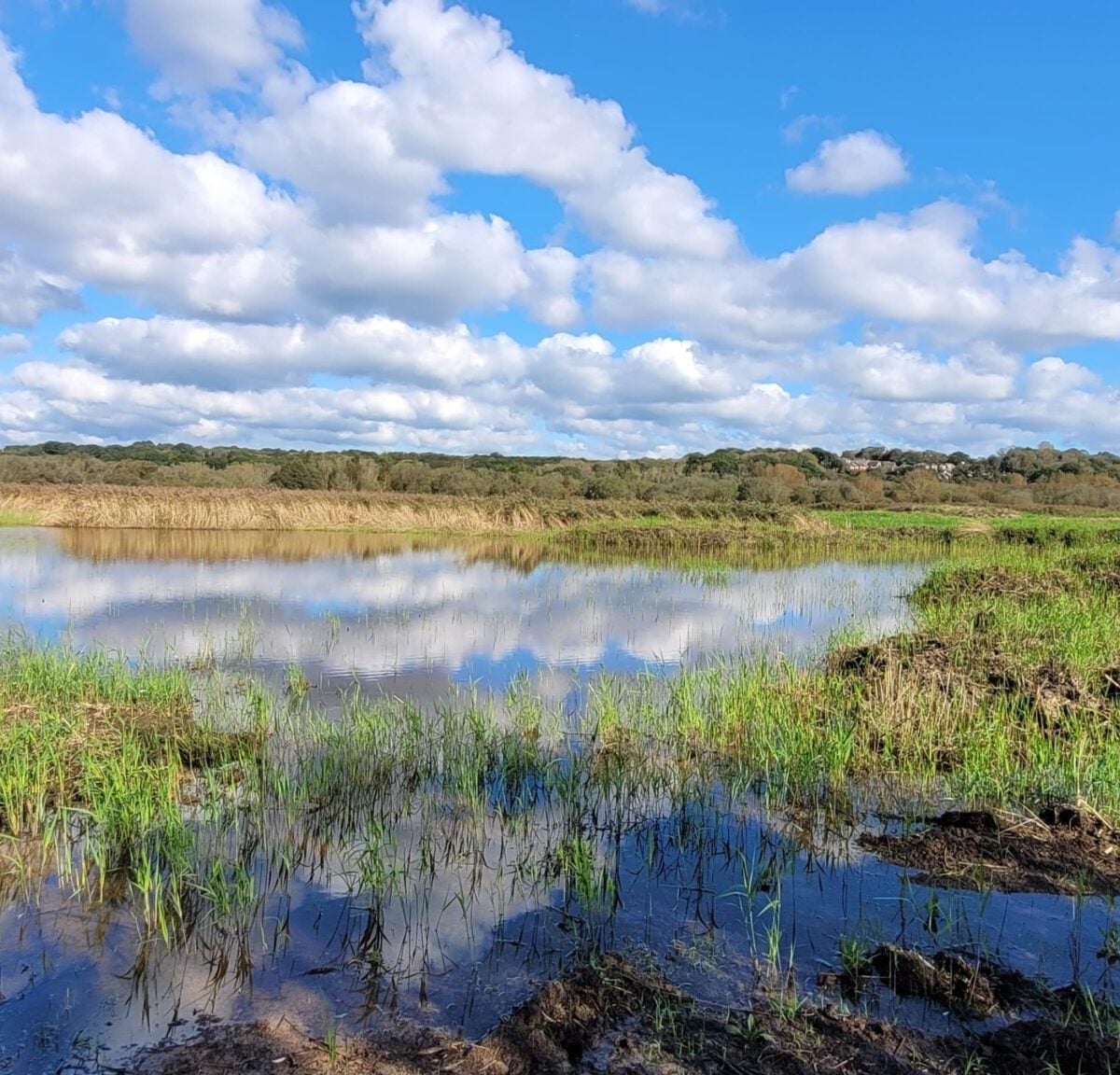
The Bearded Tit is a small bird with a long tail that is mainly found in large reedbeds where they feed on insects and reed seeds.
They build their nest low down among the reeds, often on piles of dead reed stems. Bearded Tits can be heard calling with a nasal ‘ting’ or ‘ping’ sound as they fly about the reeds.
Key Facts
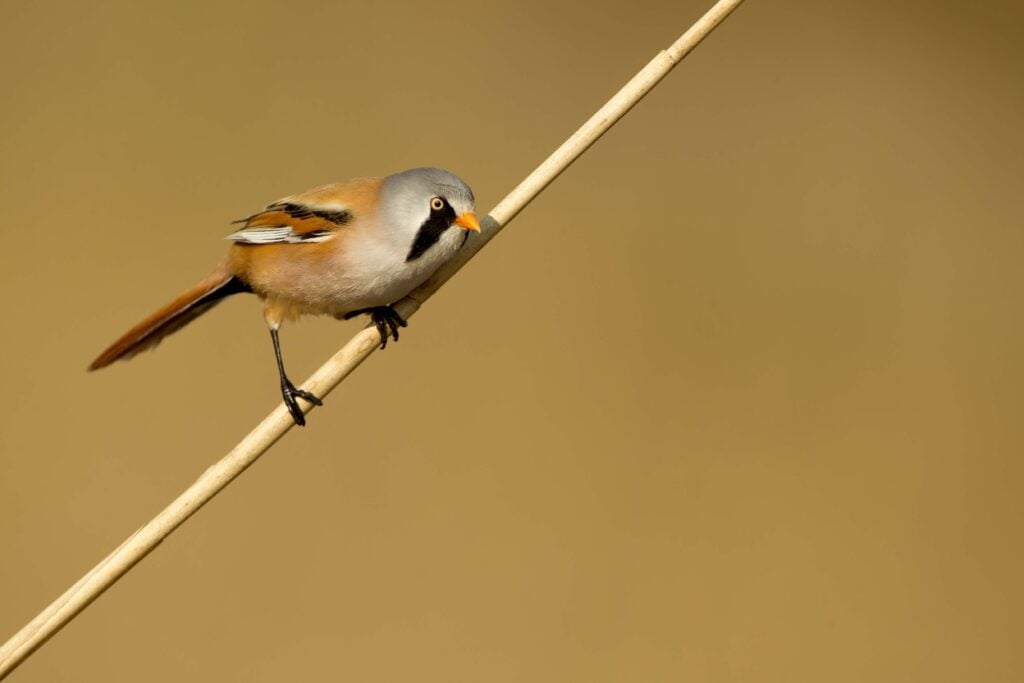
- The Bearded Tit is cinnamon-brown with a long, brown tail. It has a grey head with a black ‘moustache’ (rather than a beard) and a yellow bill and eyes. Females are less colourful than males, and do not have the moustache.
- The Bearded Tit is also known as ‘bearded reedling’ or ‘bearded parrotbill’. In fact, it is not actually a tit or parrotbill, but has now been assigned to its own family.
- Length: 12cm Wingspan: 17cm Weight: 15g Average lifespan: 3 years
Status
Classified in the UK as Green under the Birds of Conservation Concern 5: the Red List for Birds (2021). Protected in the UK under the Wildlife and Countryside Act, 1981.
Seasonality
All year round