Overview
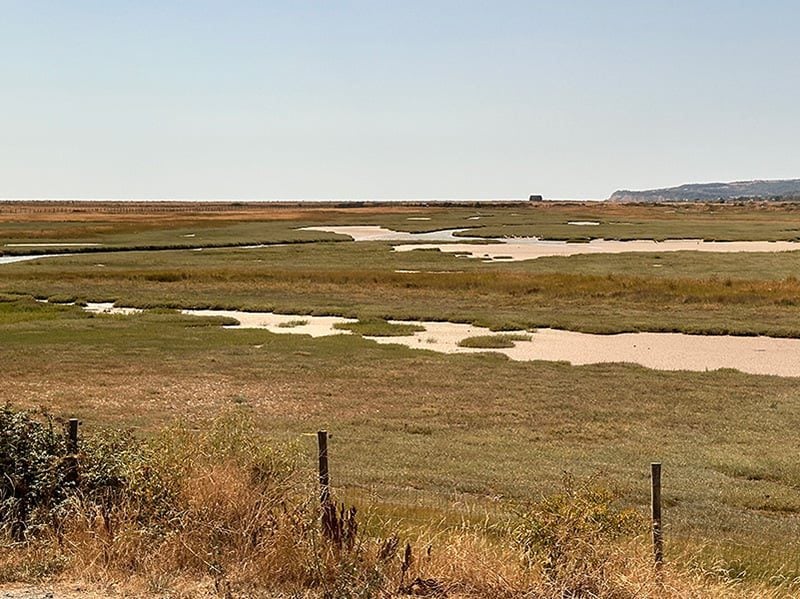
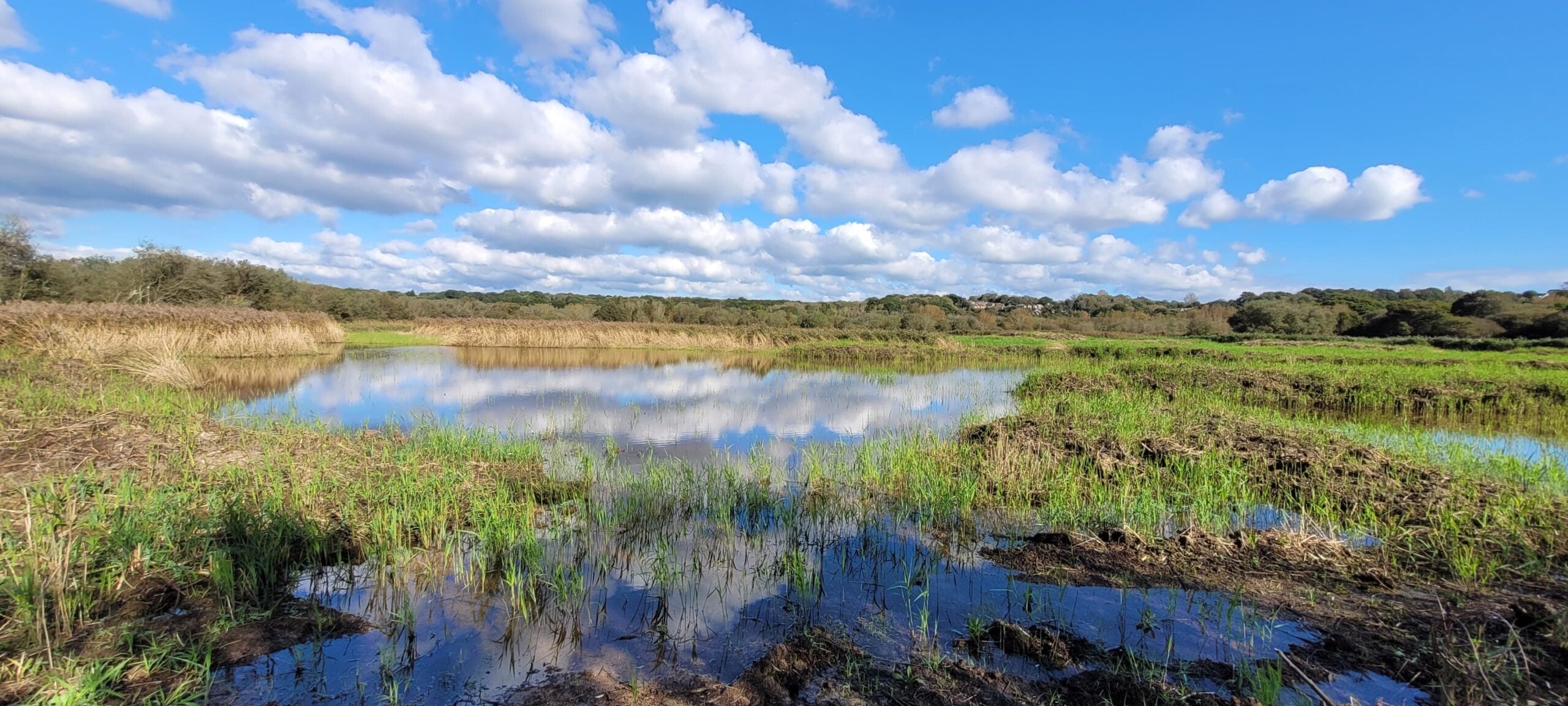
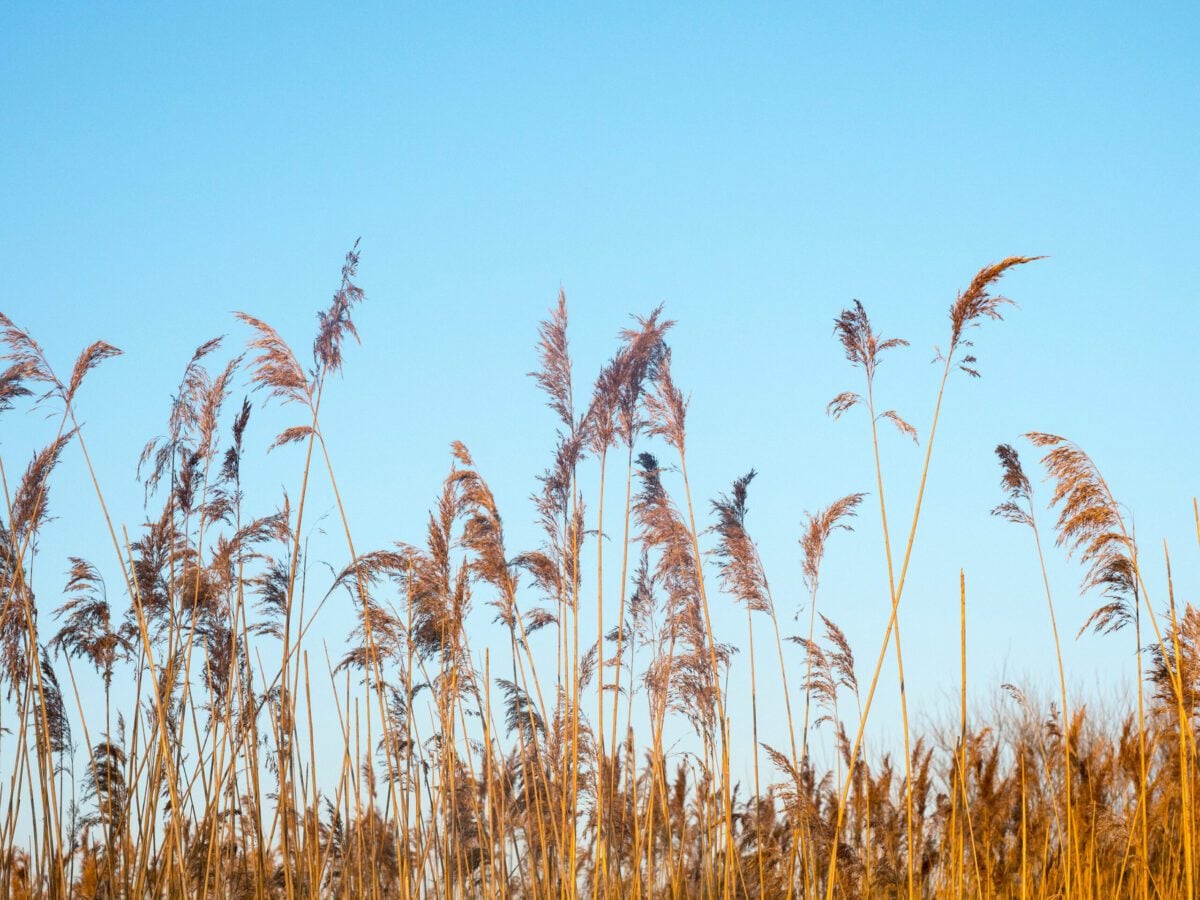
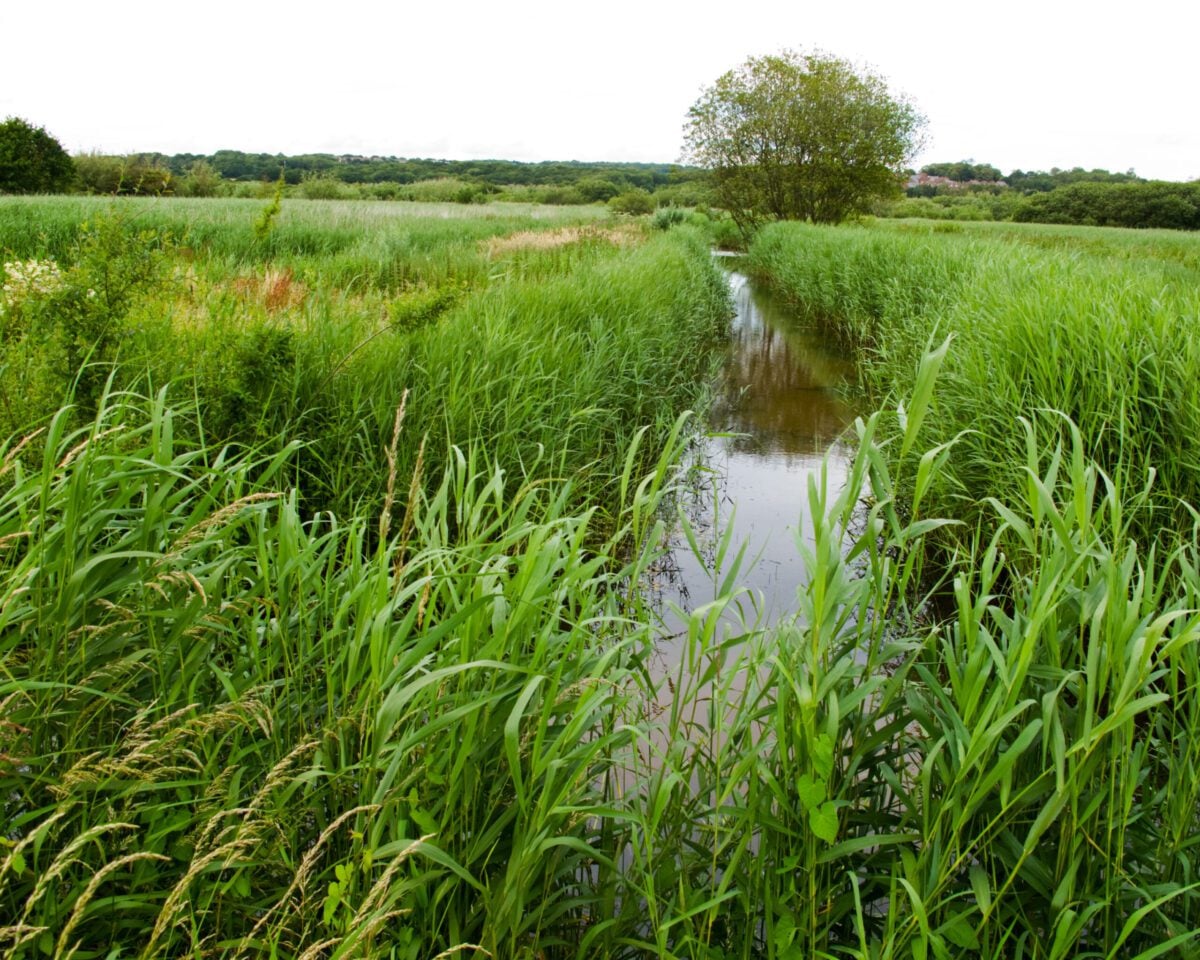
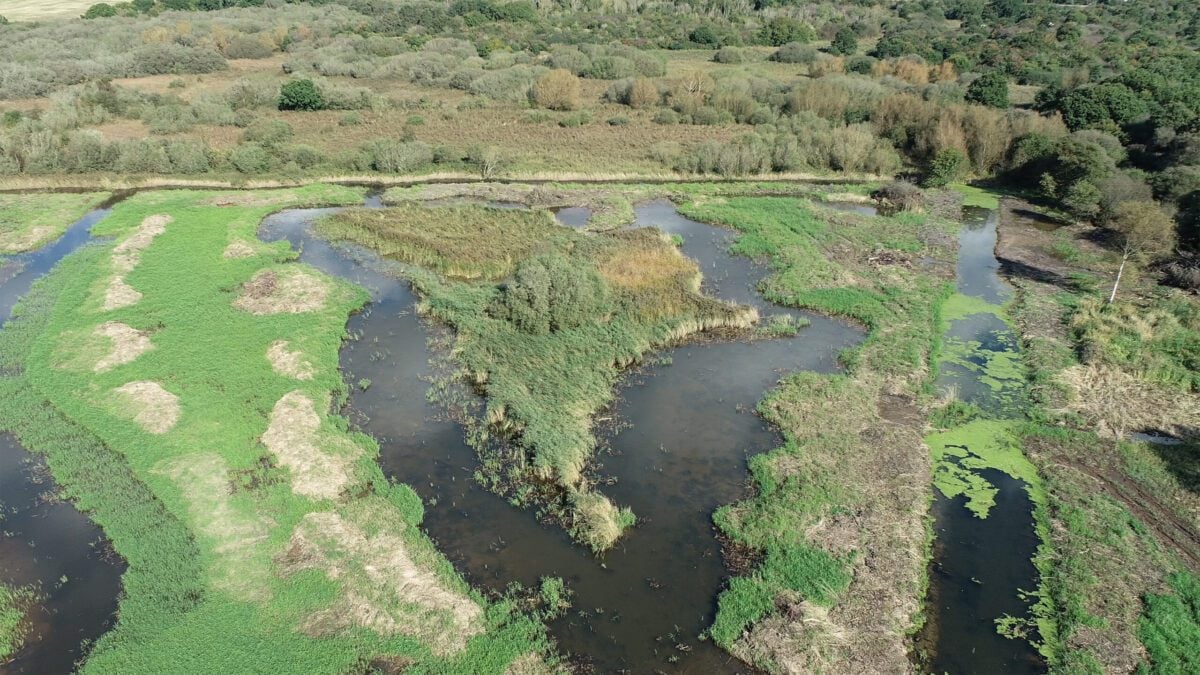
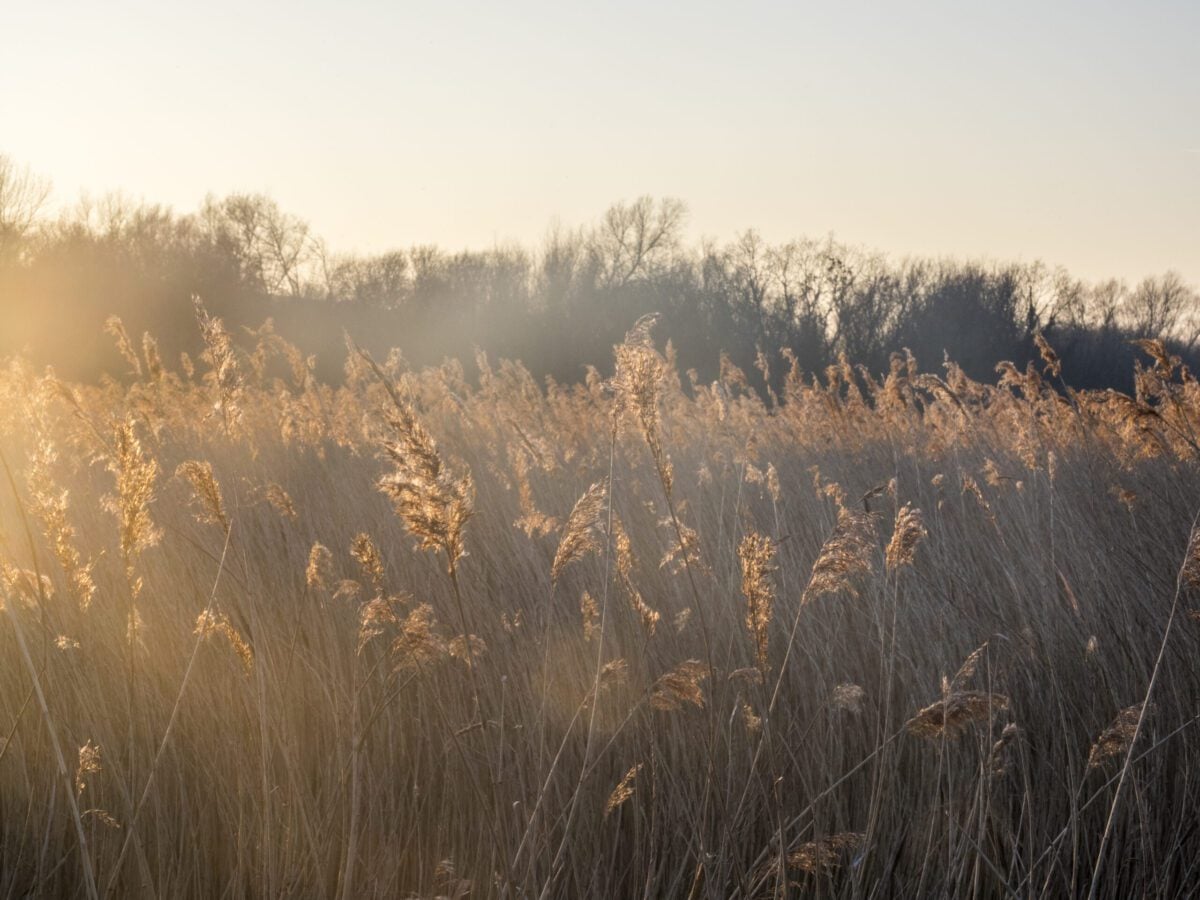
Filsham Reedbed sits at the southern end of the Combe Haven Valley, the green corridor threading between Bexhill and Hastings, and it’s one of the largest reedbeds in Sussex.
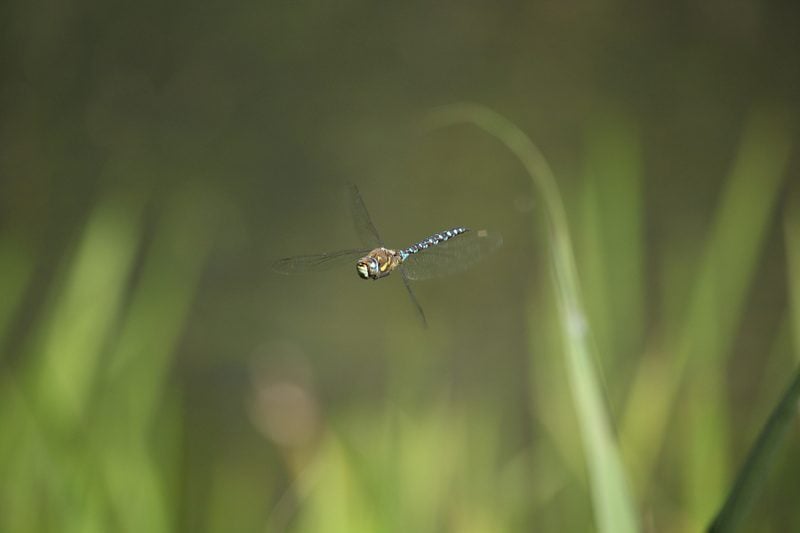
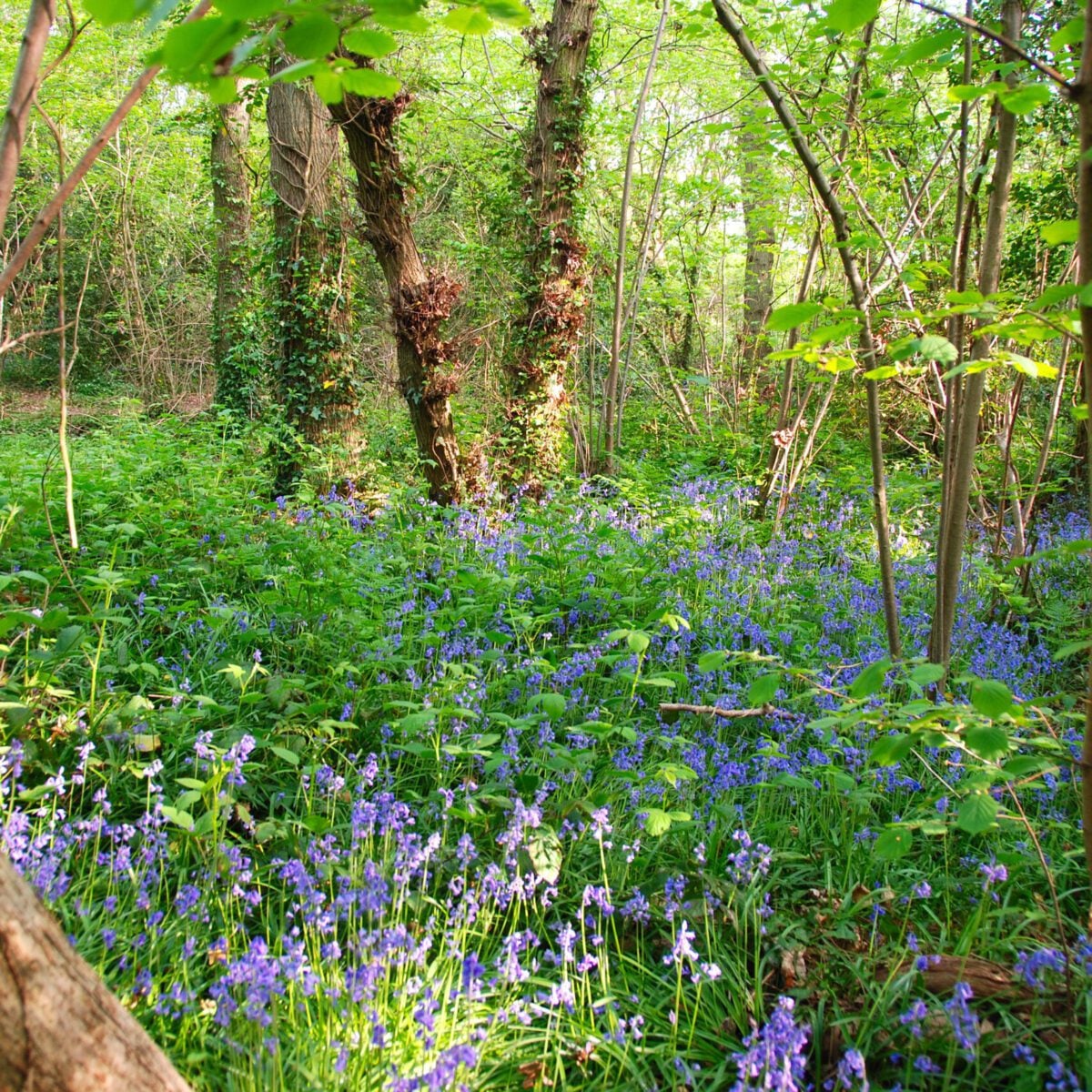
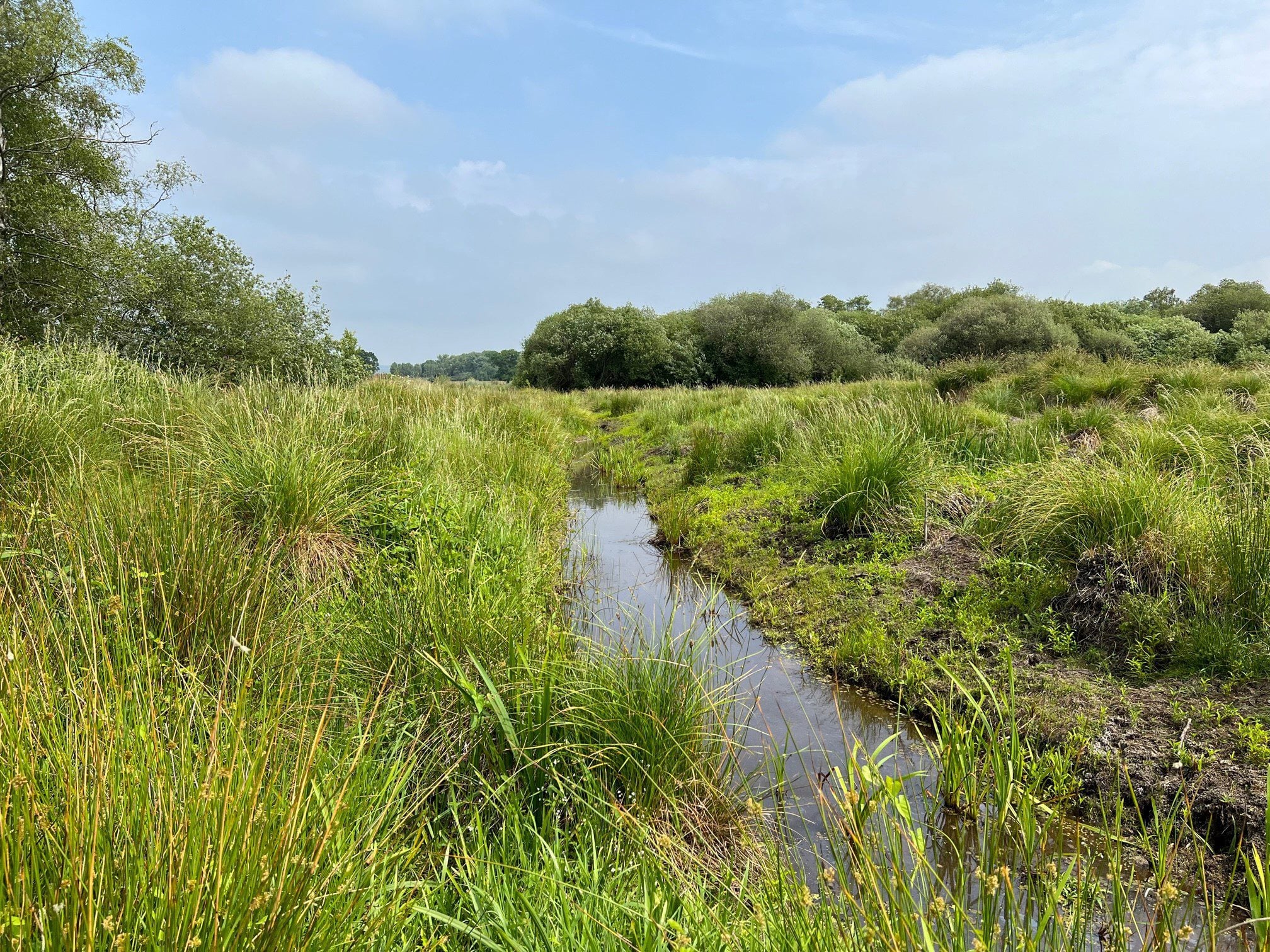
The valley is an important site for flood storage and water management. As well as the reedbed itself, the reserve holds a rich mix of wetland habitats, ditches and areas of ancient woodland, supporting over 1,000 invertebrate species, including 20 kinds of dragonfly and damselfly, and a great spot for reedbed birdwatching.
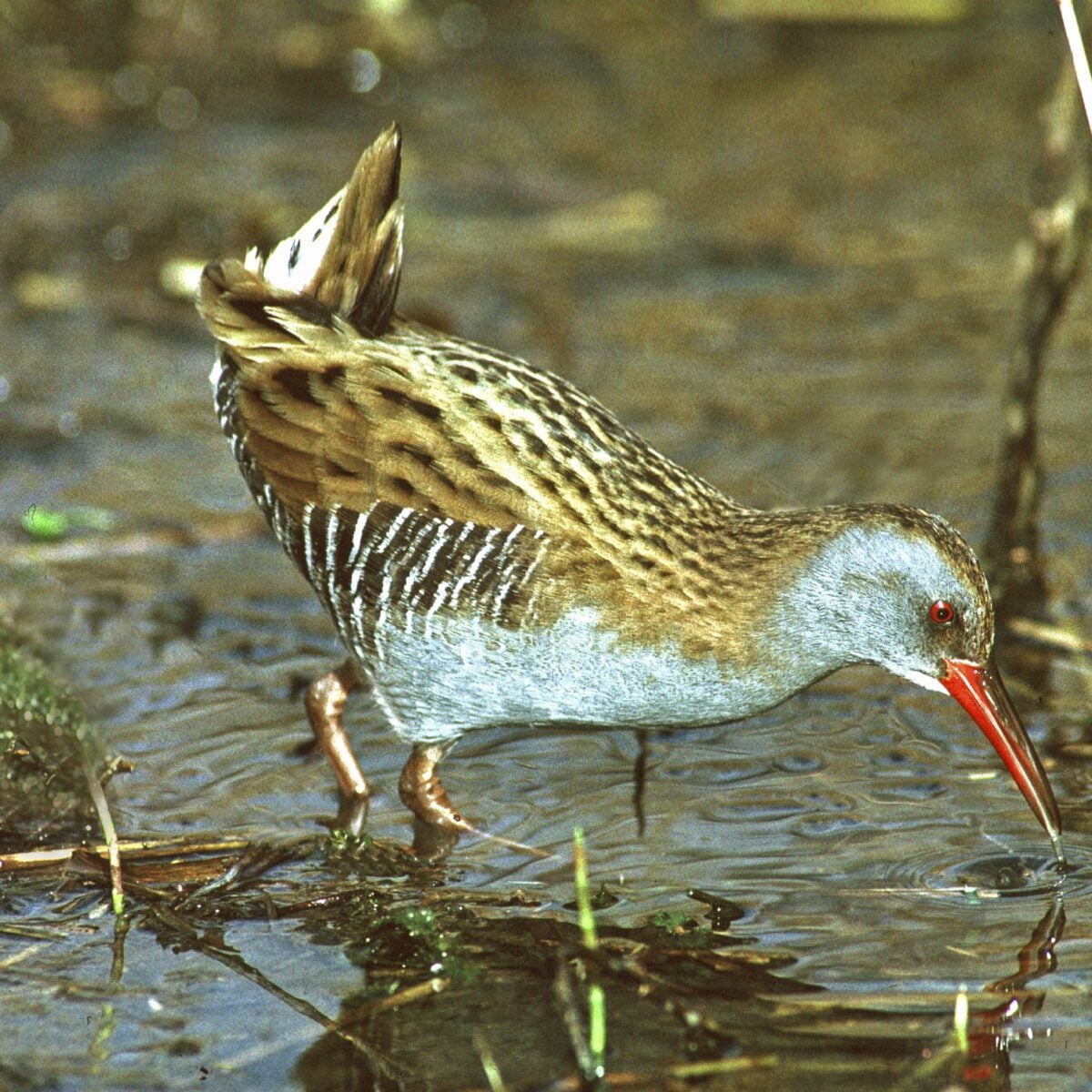
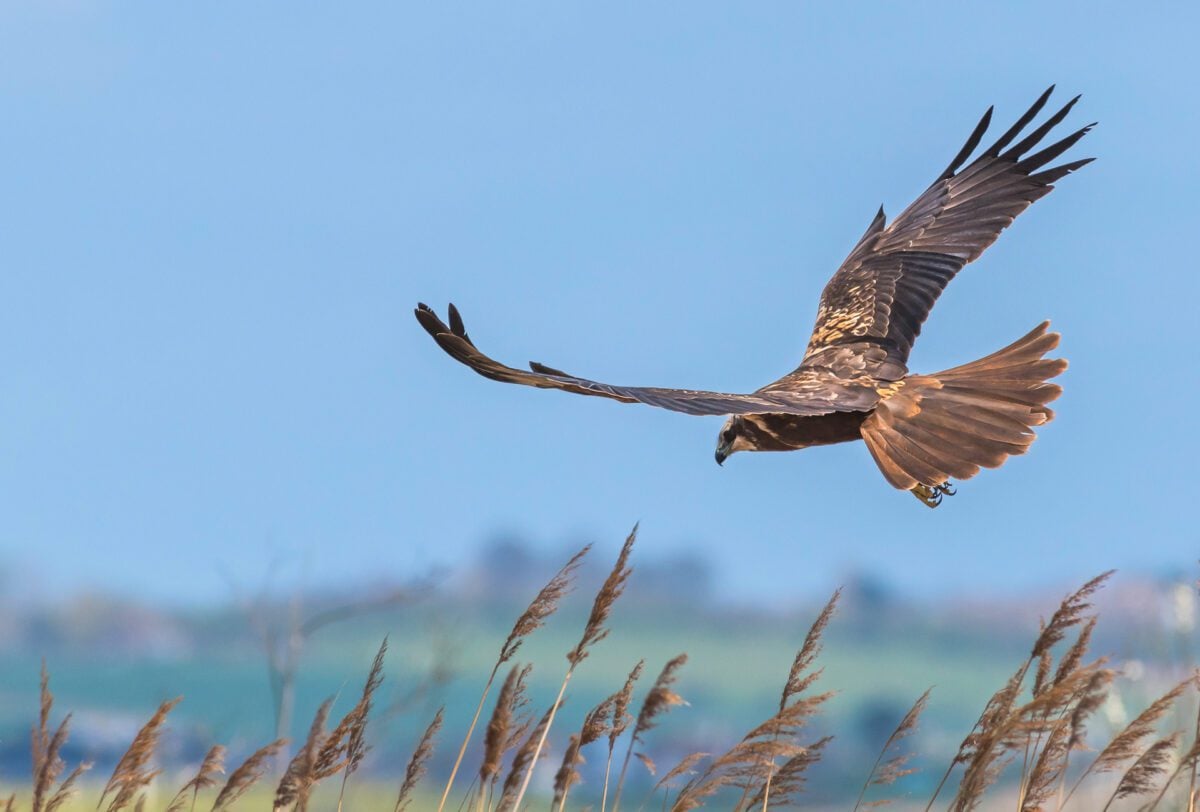
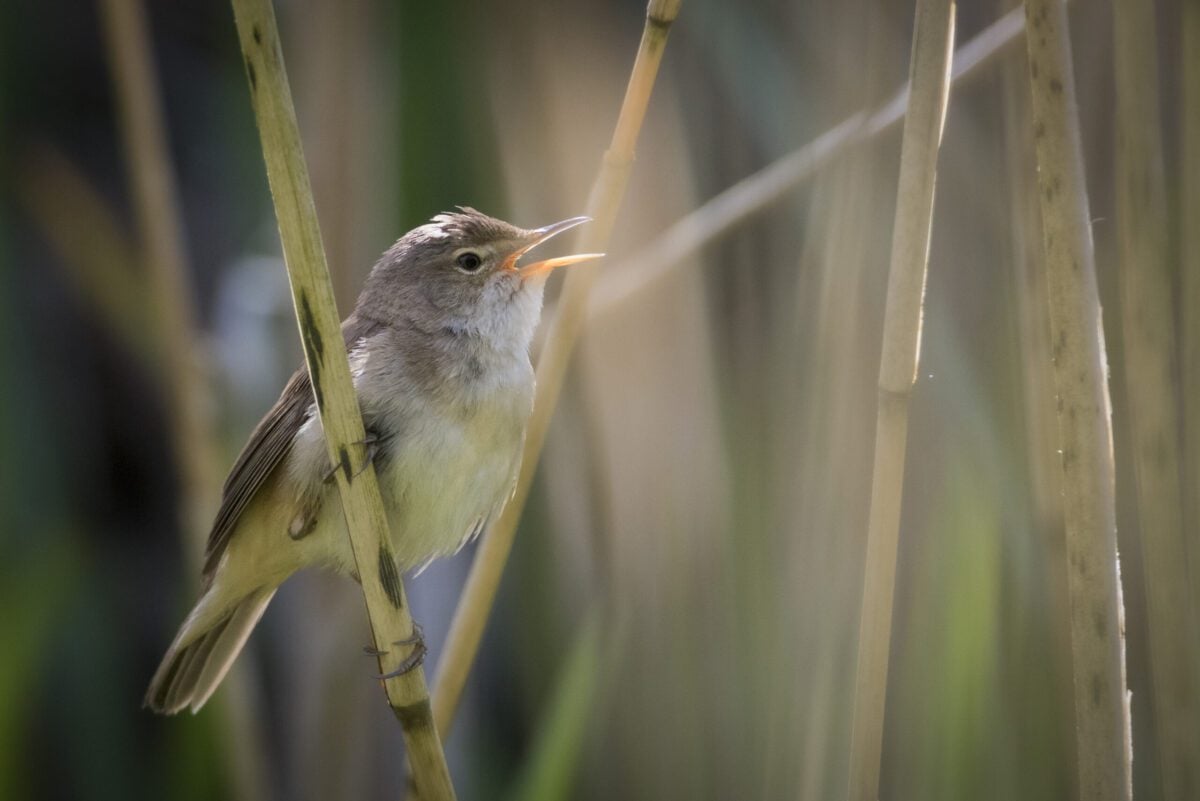
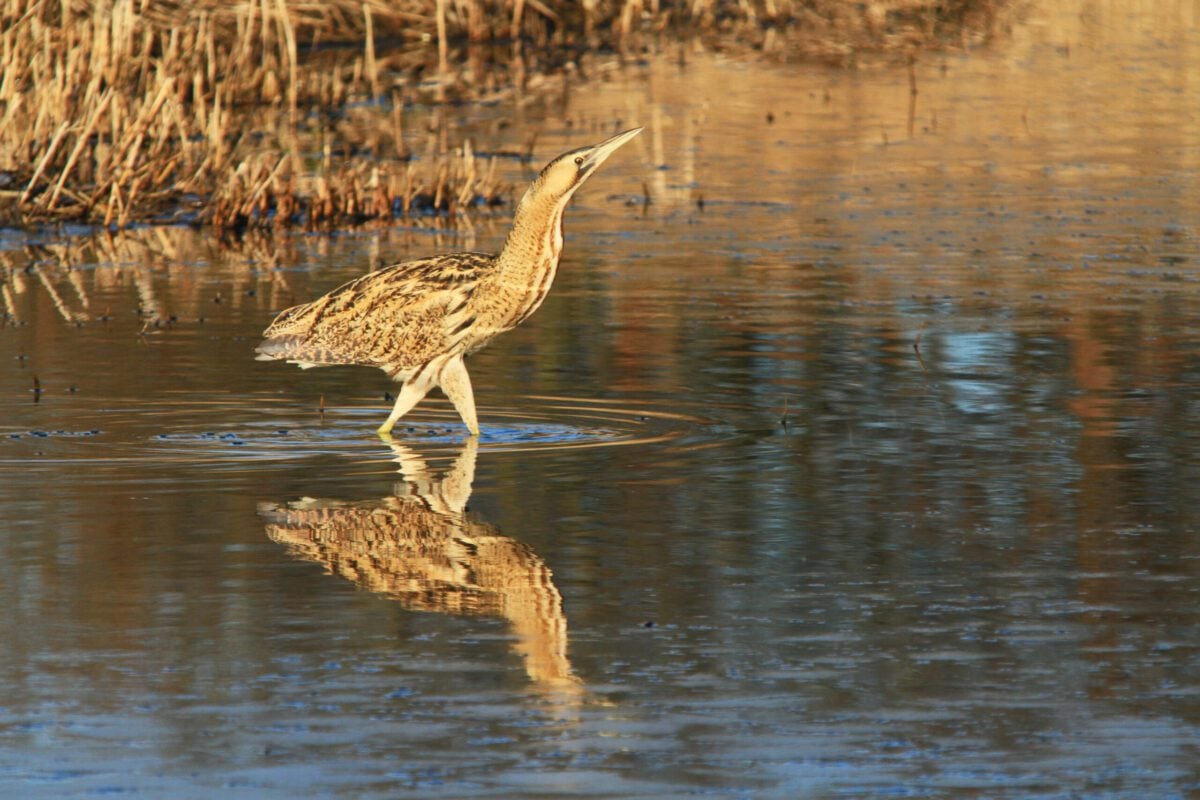
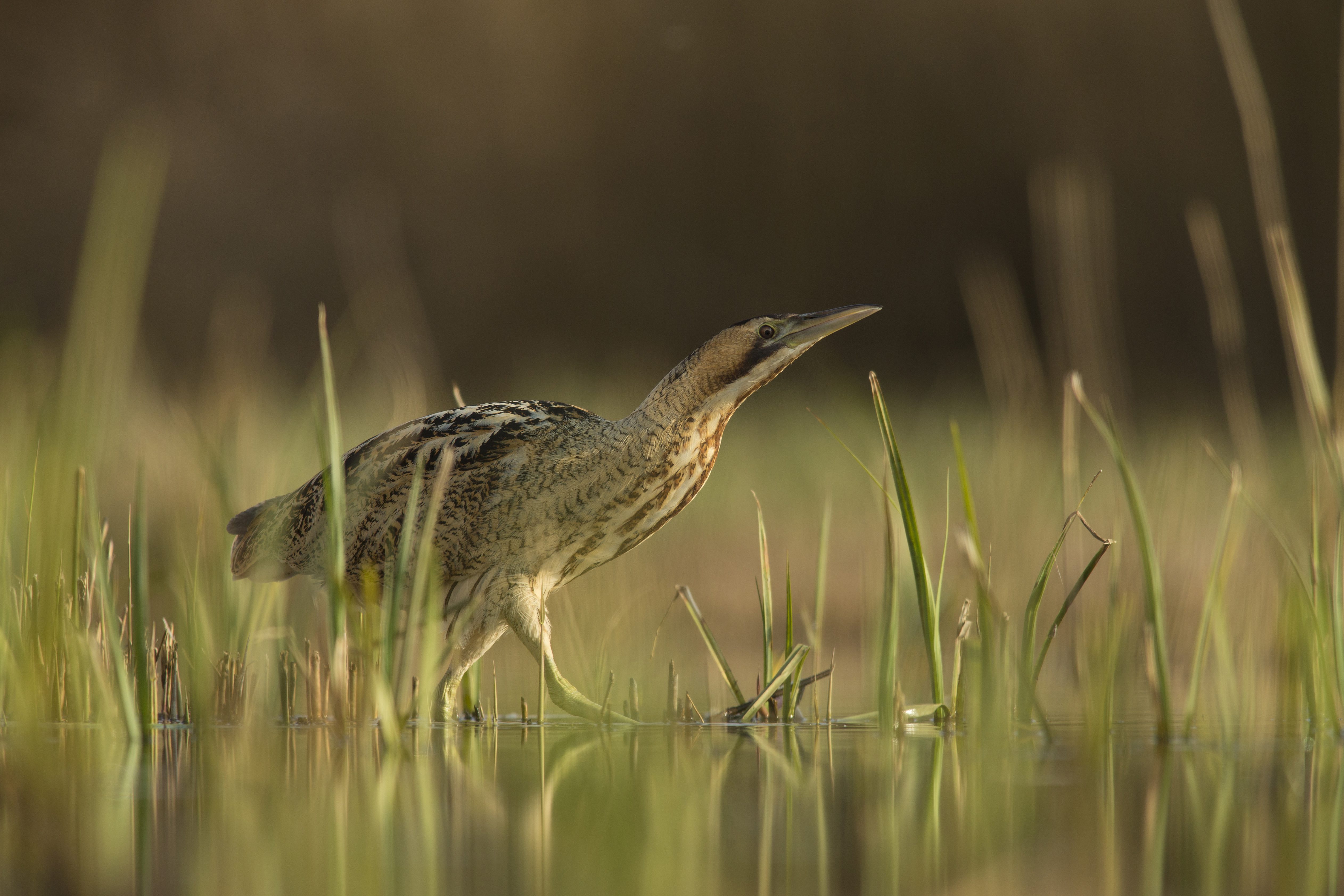
A raised boardwalk leads you into the heart of the reserve to a central viewing area. In summer, the sounds of Reed and Sedge Warblers fill the air. In winter, keep an eye out for Bittern, Marsh Harrier or Short-eared Owl hunting over the reeds.


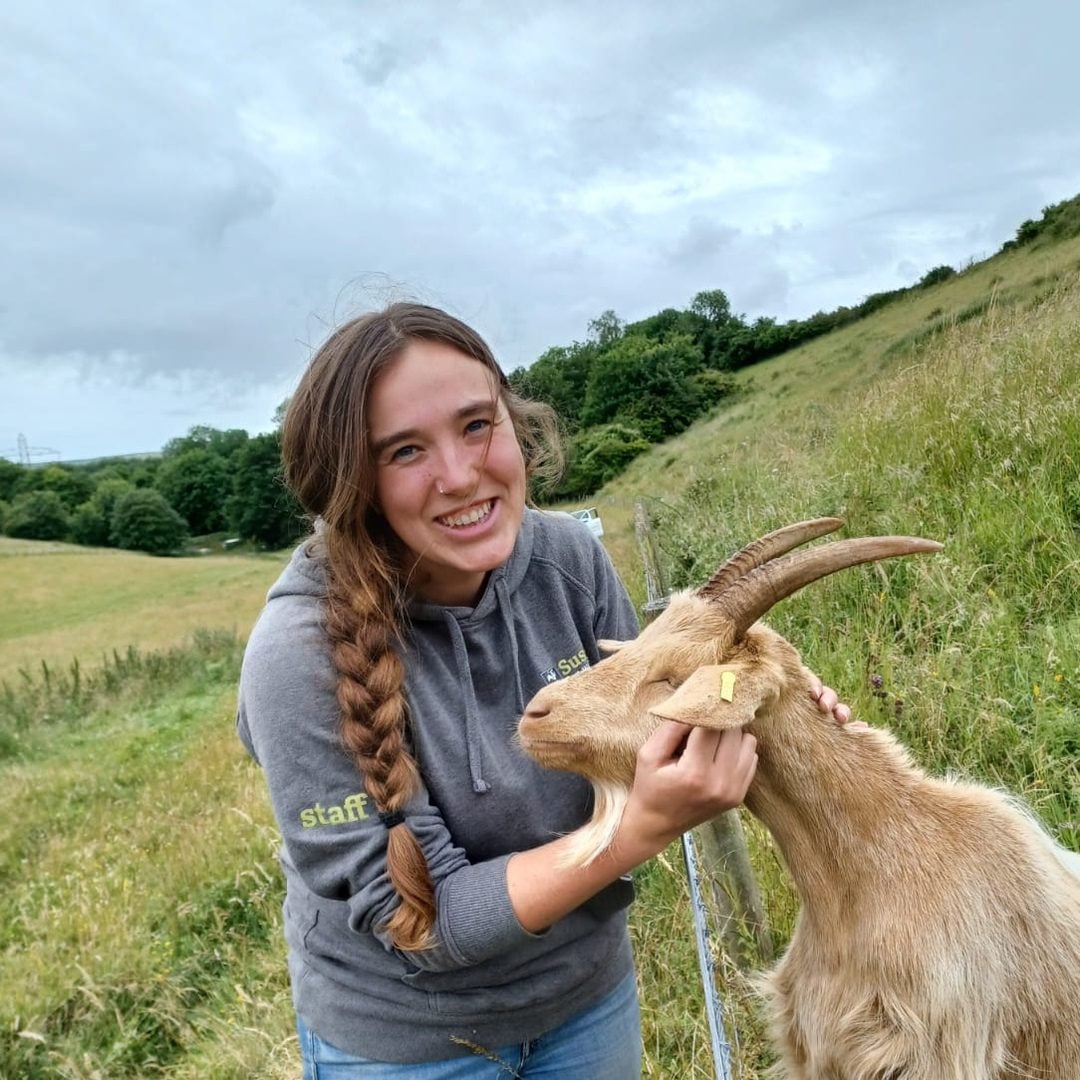
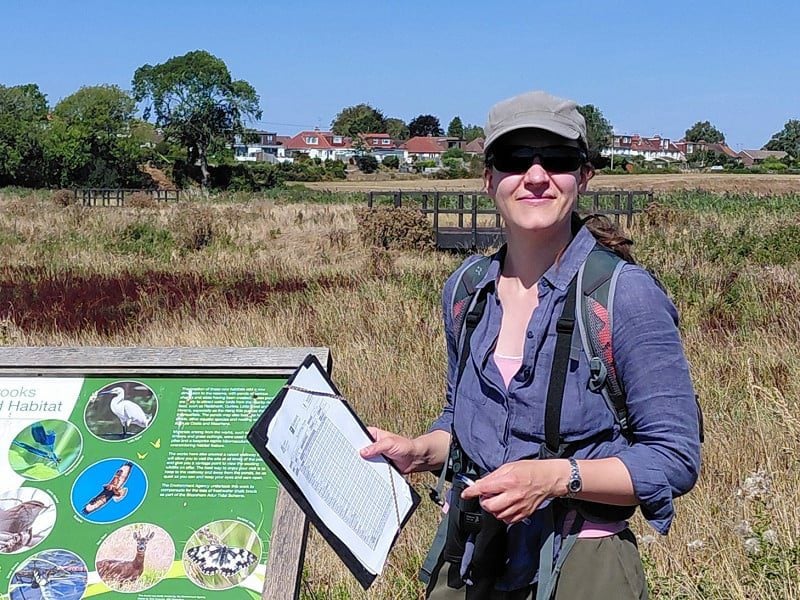
Rosie Hutchings RangerSomething about Filsham Reedbed that I really love is, the moment you arrive, you’re completely immersed in wildlife. Walking through the reeds or along the boardwalk, accompanied by a soundtrack of Cetti’s, Reed and Sedge warblers, it makes the reserve feel alive and yet very peaceful at the same time
Know before you go
Opening times
The reserve is open at all times
Reserve size – 19 hectares
Free to visit
All our open reserves our free to visit, but if you enjoy your visit please consider donating to Sussex Wildlife Trust to help us manage these special places
How to get here
Postcode: TN38 8DY
Access via footpath alongside the Combe Haven river from Bulverhythe recreation ground, just off the A259 in St Leonards-on-Sea. After 1km, cross the stepped footbridge over the river. Also accessible from Reedswood Road.
Getting around
A raised boardwalk leads to a central viewing area. Paths are uneven and can be muddy or flooded in winter. Take care on the narrow riverside path.
Dogs welcome on leads
Dogs are welcome, but please keep them under close control.
Dos and don’ts
- Keep your dog on a lead and out of the water
- No fires or barbecues
- Take your litter home
- Tell us what nature you’ve seen via iRecord
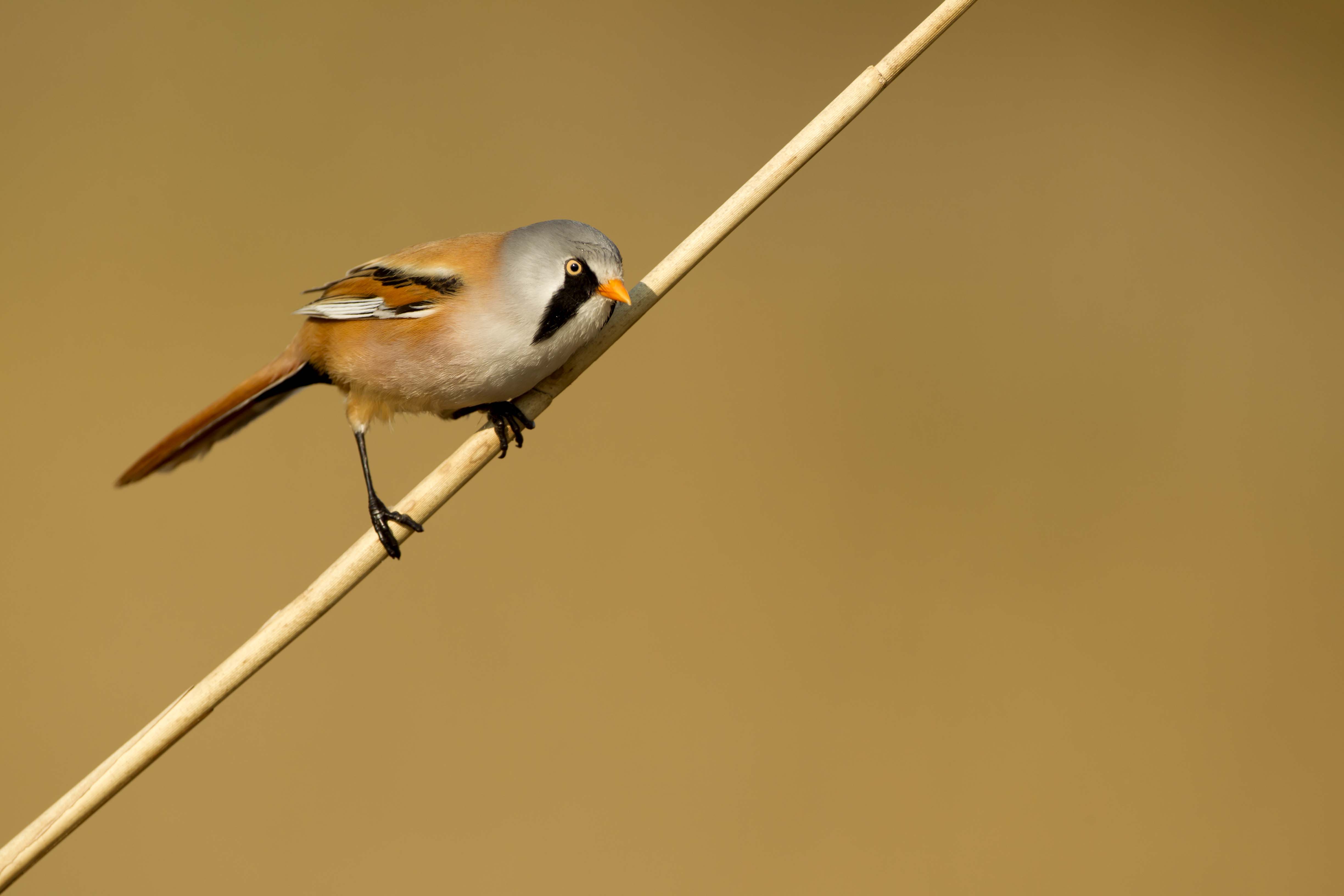
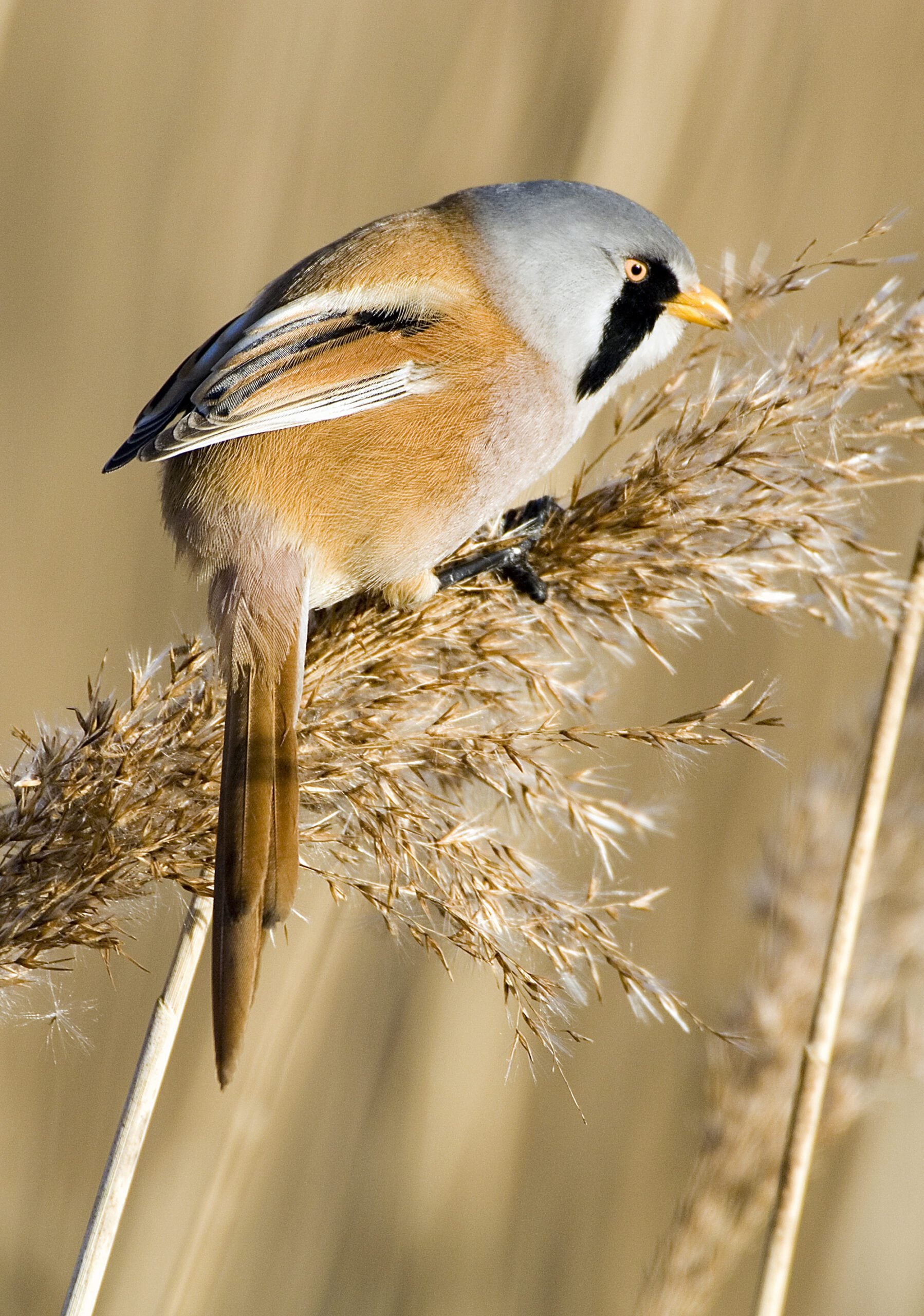 Bearded Tit © Derek Middleton
The story of the reserve
Filsham Reedbed wasn’t always a reedbed. This land was once grazed meadow, just like the fields further up the Combe Haven Valley today. When grazing stopped, reeds already growing in the ditches were free to spread, and within just a few decades one of Sussex’s finest wetlands emerged almost entirely on its own terms.
Sussex Wildlife Trust has managed the site since the mid-1970s. Today it’s both a Local Nature Reserve and a Site of Special Scientific Interest, recognised for its rare habitats, dragonfly fauna, and remarkable birdlife.
Did you know?
Laughing all the way to the (river) bank
Listen out for the laughing call of the naturalised Marsh Frog, which can be heard all around the reserve in the summer.
Golden hunter
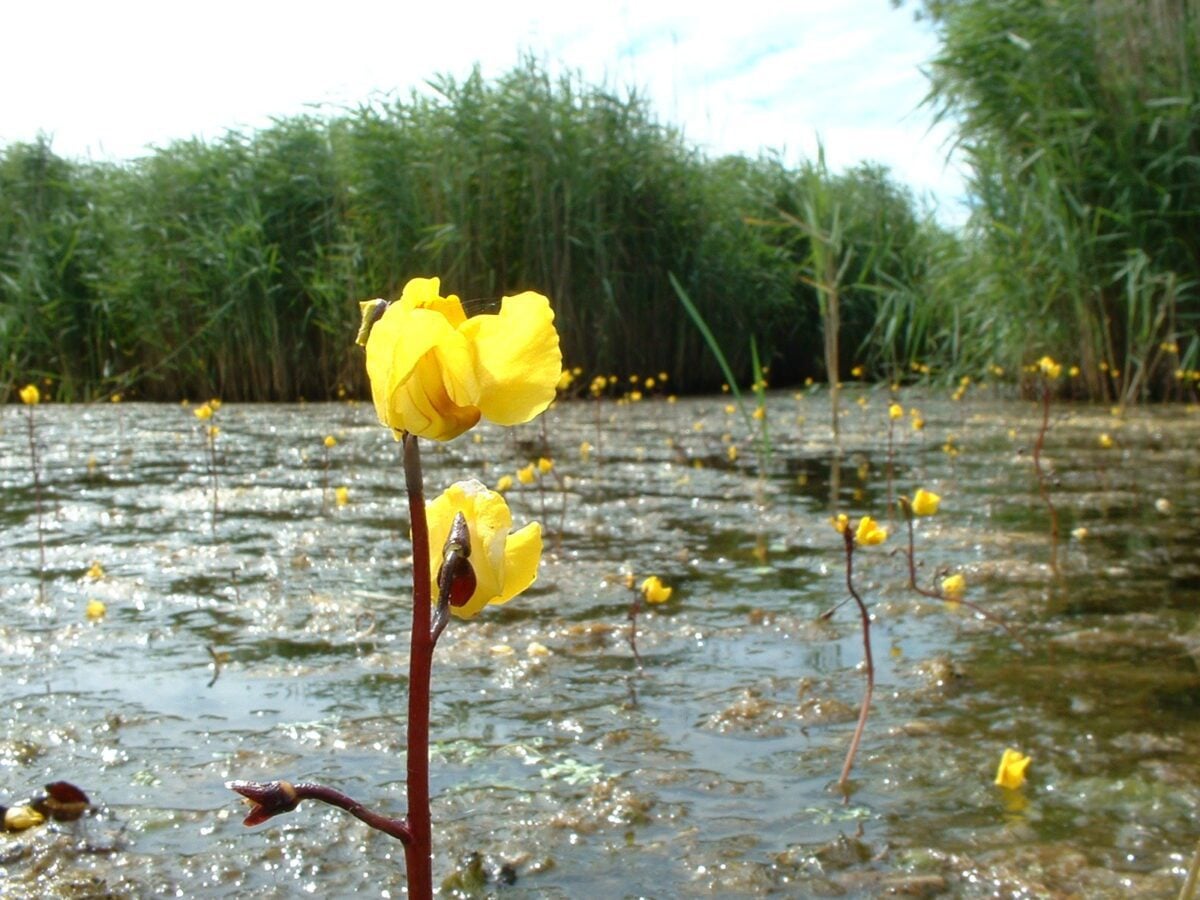
Insectivorous Bladderwort is a carnivorous plant found in ditches here, that produces a stunning golden flower. They use underwater bladders to trap and suffocate Water Fleas and other tiny invertebrates.
Rare moths
Nationally rare moth caterpillars, including Reed Dagger and Flame Wainscot, feed on the reeds itself.
Standing tall
Common Reed can grow up to four metres tall!