Overview
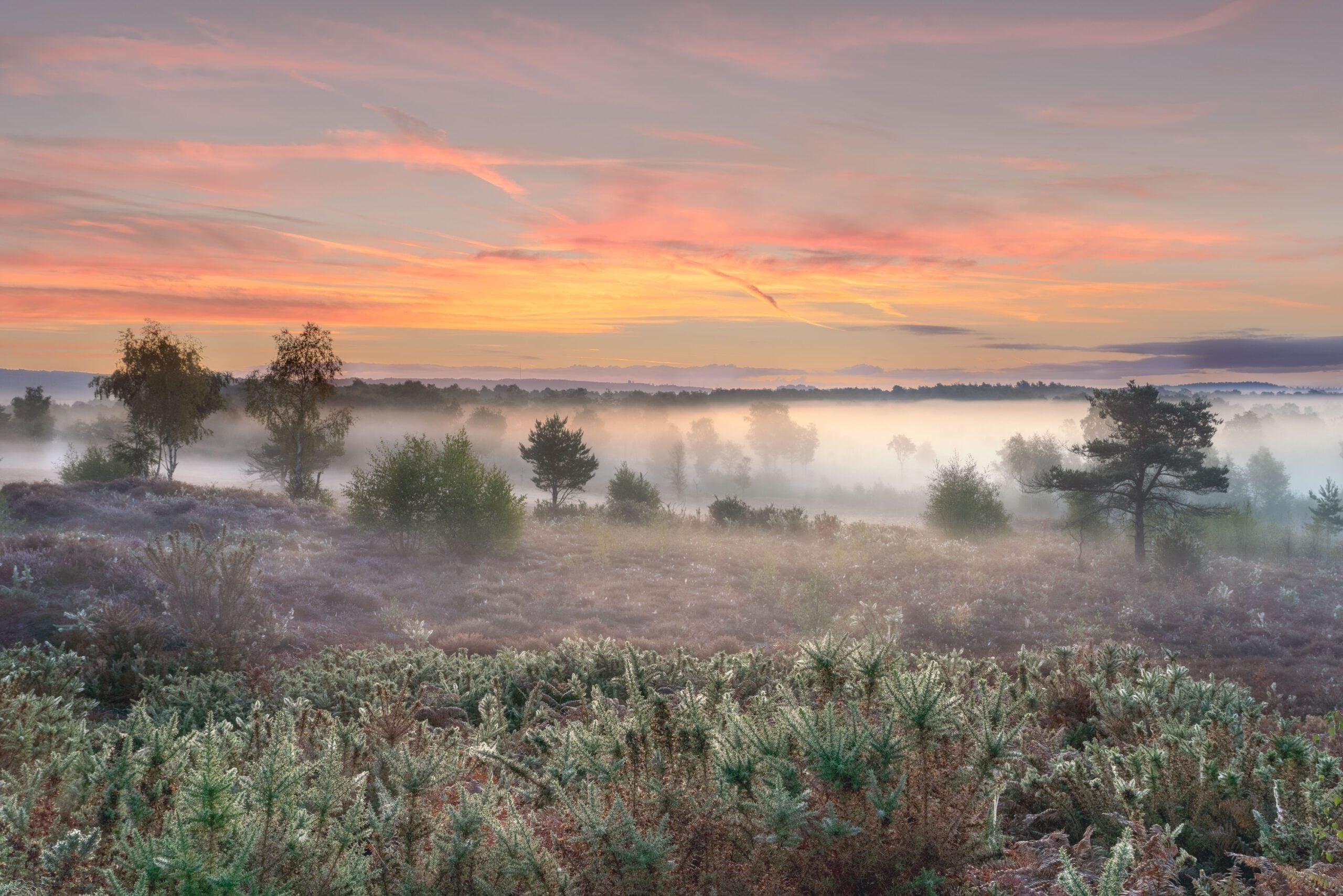
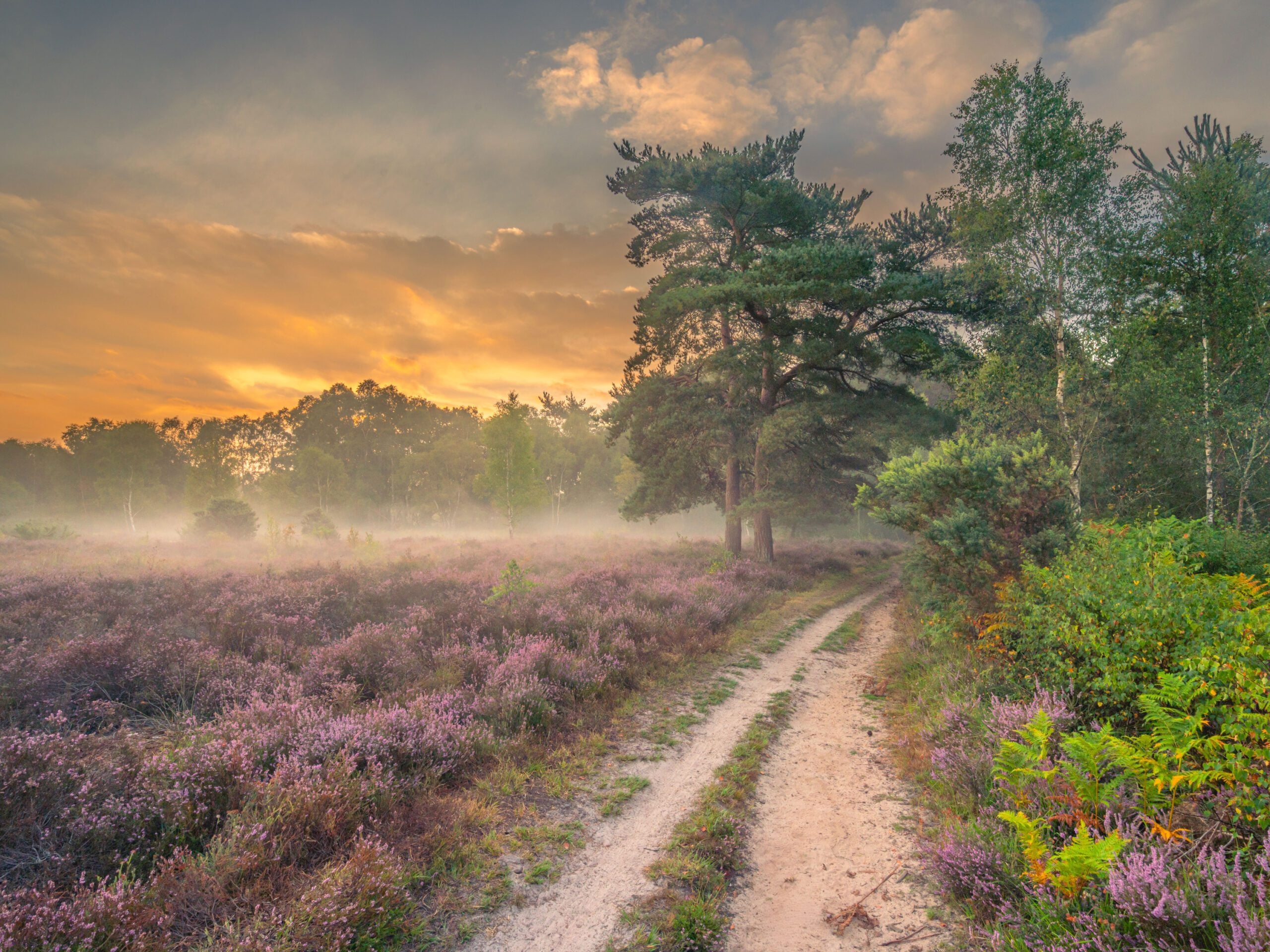
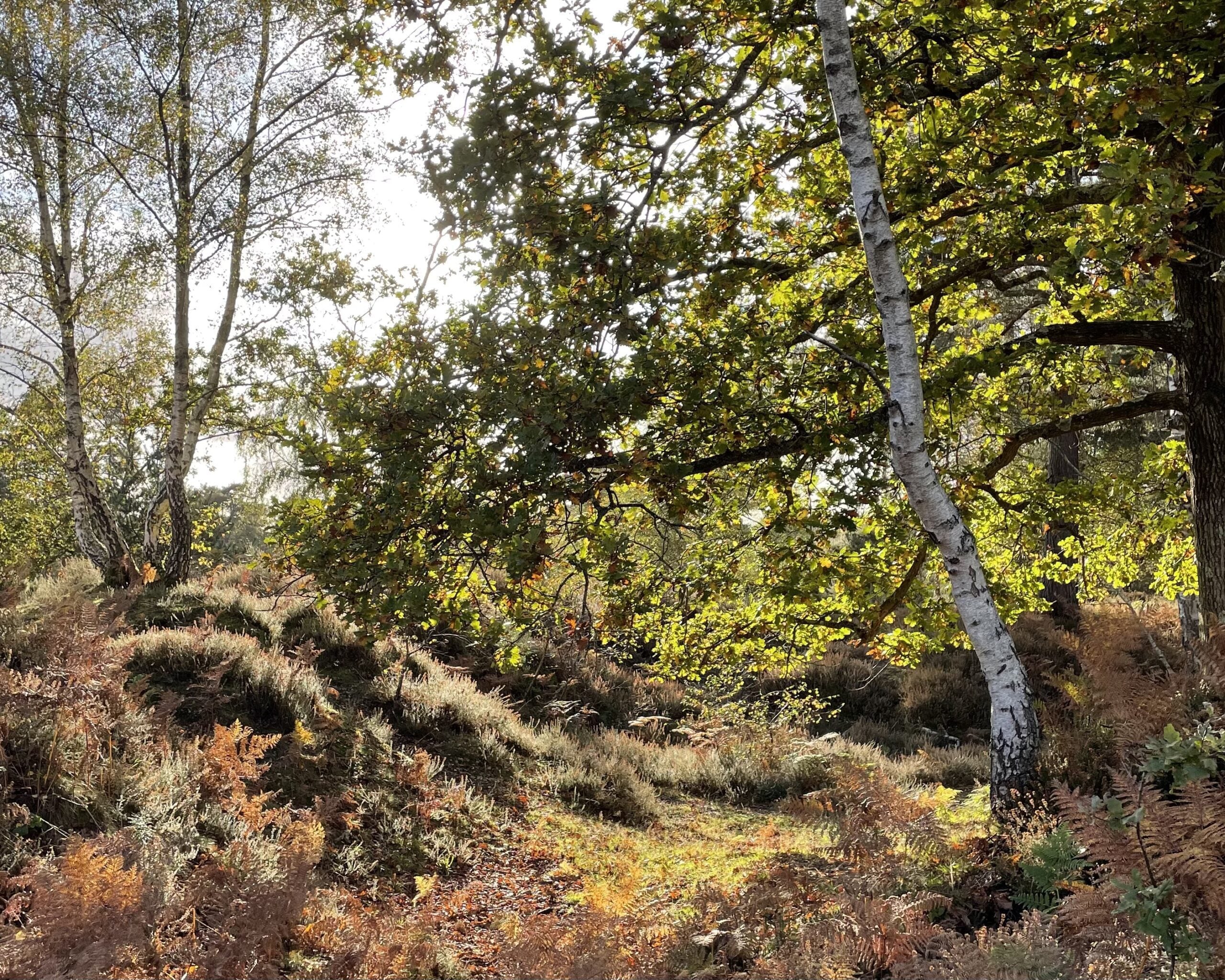
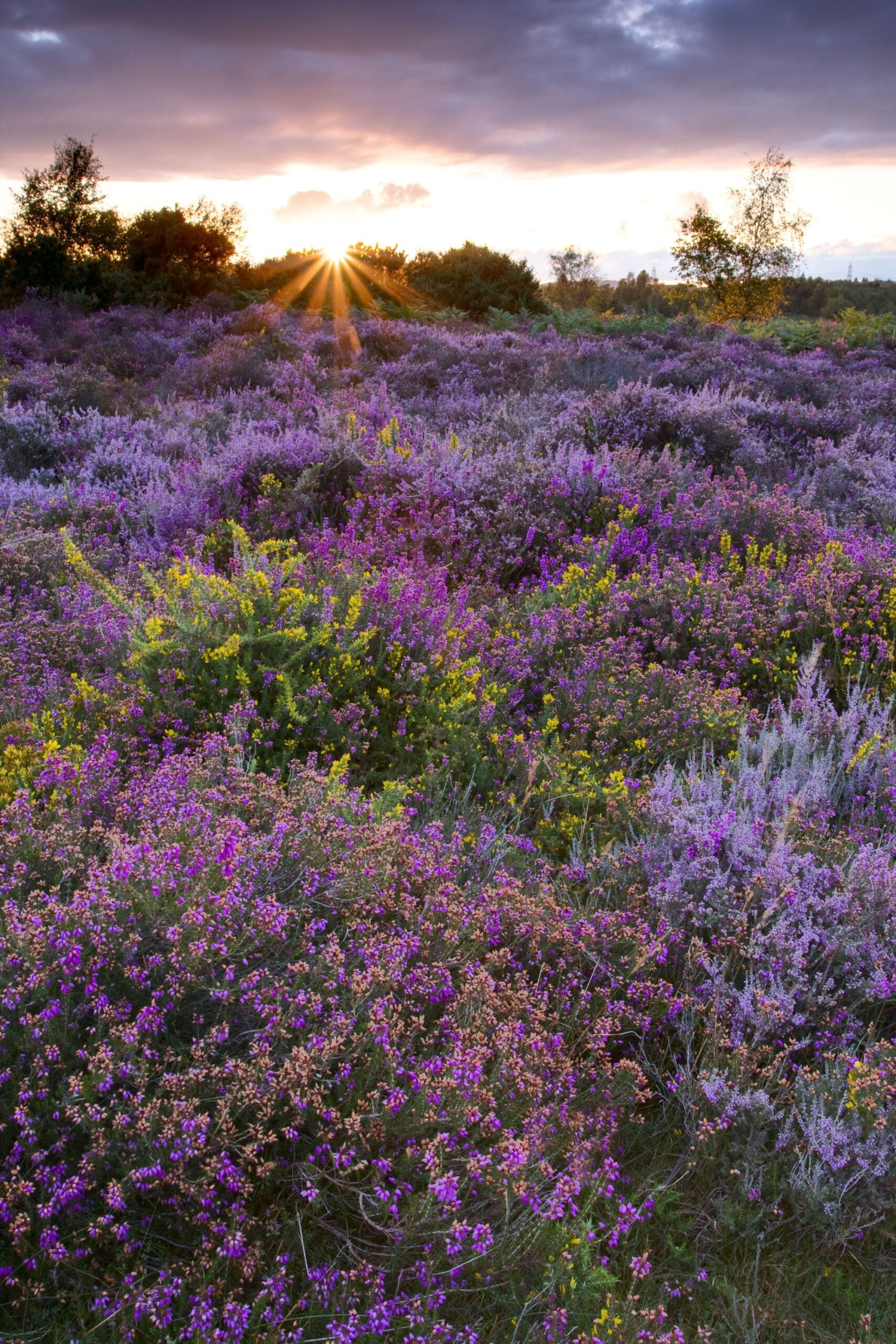
Iping and Stedham Commons are among the richest examples of lowland heath habitat in Sussex. They lie just west of the market town of Midhurst, ‘the Heart of the South Downs National Park’. Characterised by thin, sandy heathland soils, Iping and Stedham have a web of paths and bridleways to immerse oneself in the colourful sights of yellow Gorse flowers, and pinky-purples of Ling and Bell Heather. Snaking along the paths, you can hear Stonechats, Woodlarks, and the scratchy, chattery call of the Dartford Warbler.
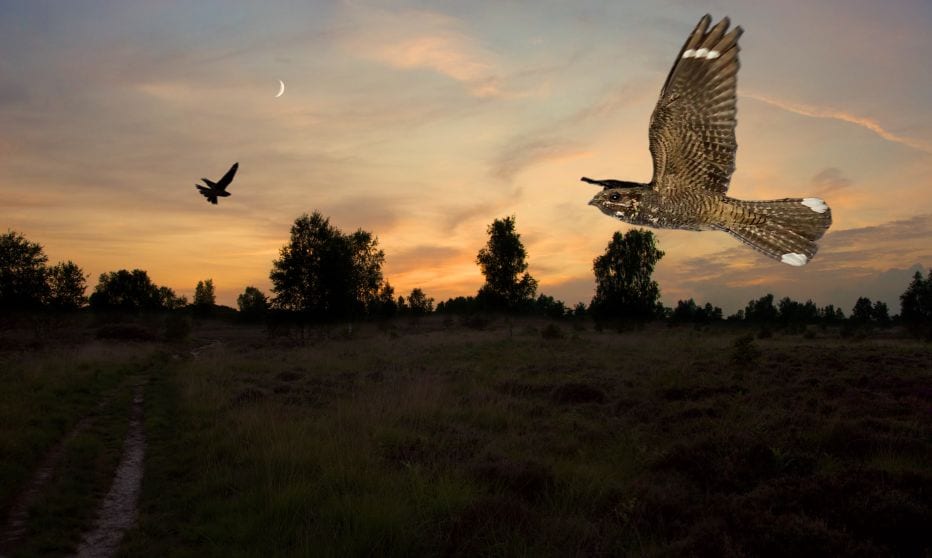
As dusk begins to fall, Iping and Stedham Commons take on a bewitching atmosphere as Tawny Owls call to each other along the wooded edges, and ground-nesting Nightjars churr in the open heath.



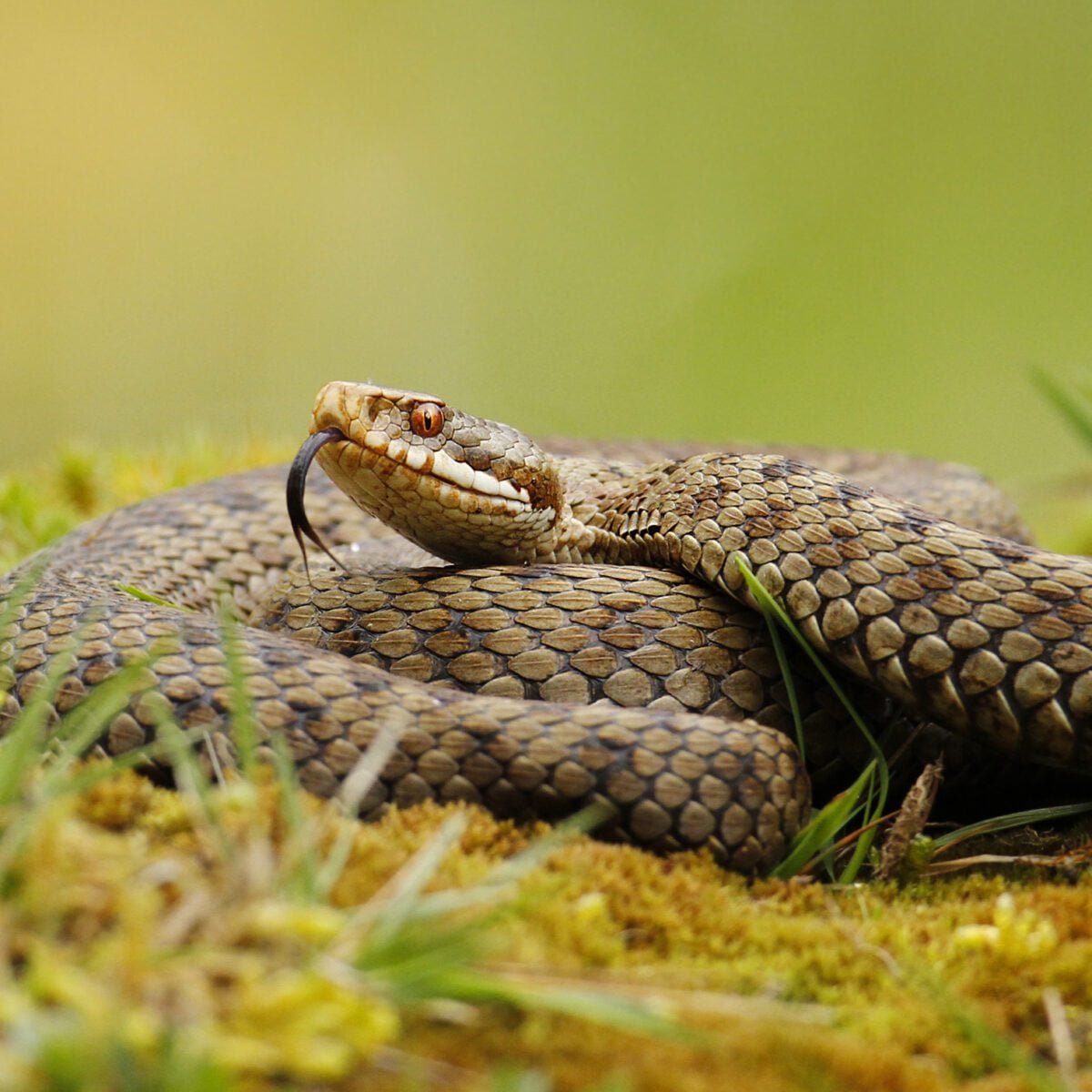
Dav Bridger RangerI recommend visiting Iping and Stedham on a sunny morning, treading lightly on the sandy tracks and keeping your eyes peeled for Adders basking. Alternatively, visit after dusk from May to August to hear Nightjars churring, and males performing aerial displays to assert their territories and find a mate
Know before you go
Opening times
The reserve is open at all times
Free to visit
All our open reserves our free to visit, but if you enjoy your visit please consider donating to Sussex Wildlife Trust to help us manage these special places
Reserve size – 125 hectares
How to get here
Postcode: GU29 0PB
Iping and Stedham Commons are very accessible, with two car parks on Iping Common. Both can be accessed by bus, with stops along the A272 that runs along the northern edge of the reserves.
The Iping Common car park has a height barrier.
Getting around
There are many bridle gates around the reserves for access, with an opening of 1800mm. The paths and tracks around Iping are sandier, whereas Stedham just across the Fitzhall road is more wooded, less sandy, and of firmer ground. There is an information board and map of Iping & Stedham Commons in the main (surfaced with asphalt) car park on Iping.
Dogs welcome on leads
Dogs must be kept on short leads at all times of the year, especially around sheep grazing areas.
Toilets
Toilets are available nearby in Midhurst and Petersfield.
Check Toilet Map for a range of options.
Dos and don’ts
- Keep your dog on a lead
- Don’t pick flowers or forage
- No camping
- Take your litter home
- Tell us what nature you’ve seen via iRecord
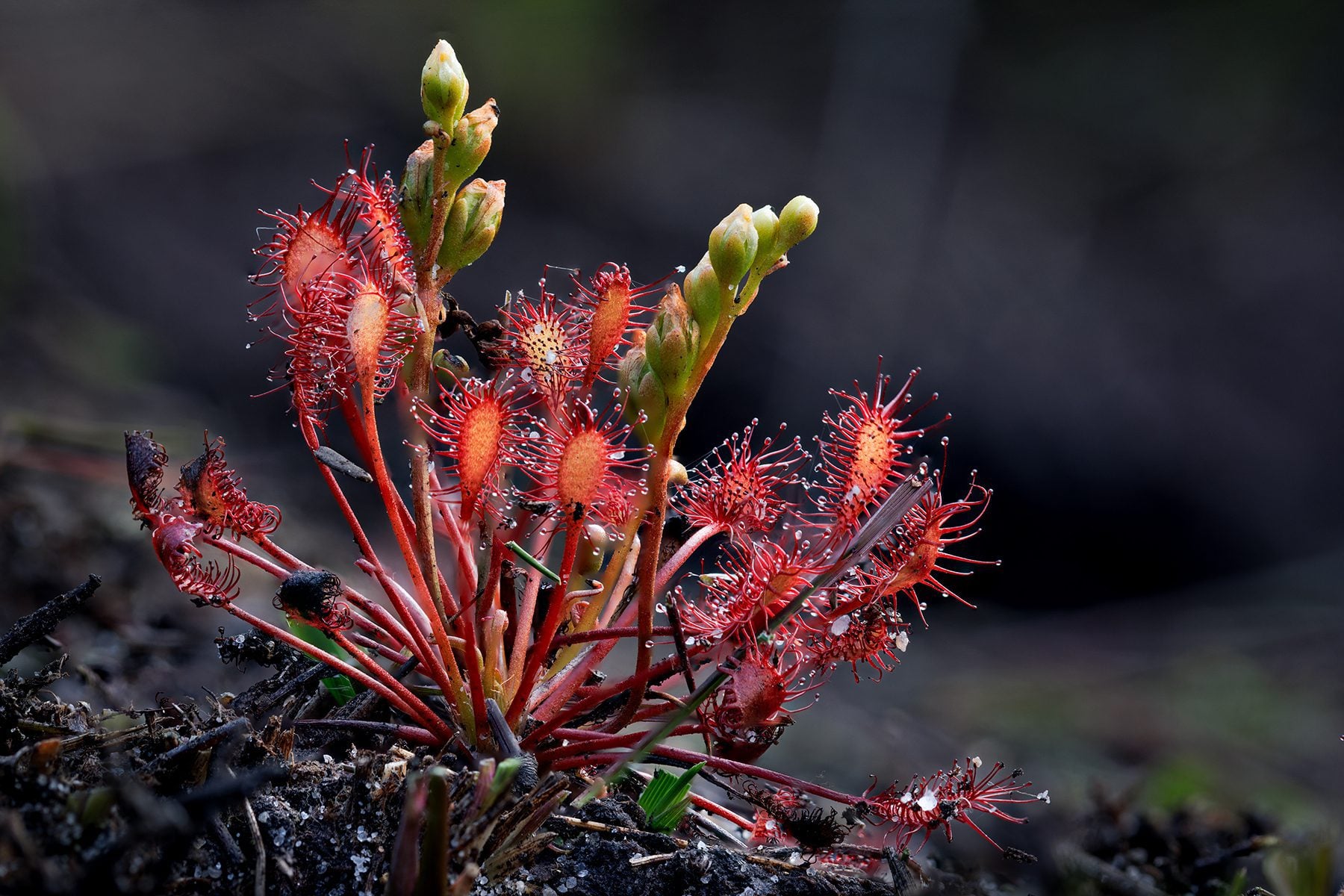
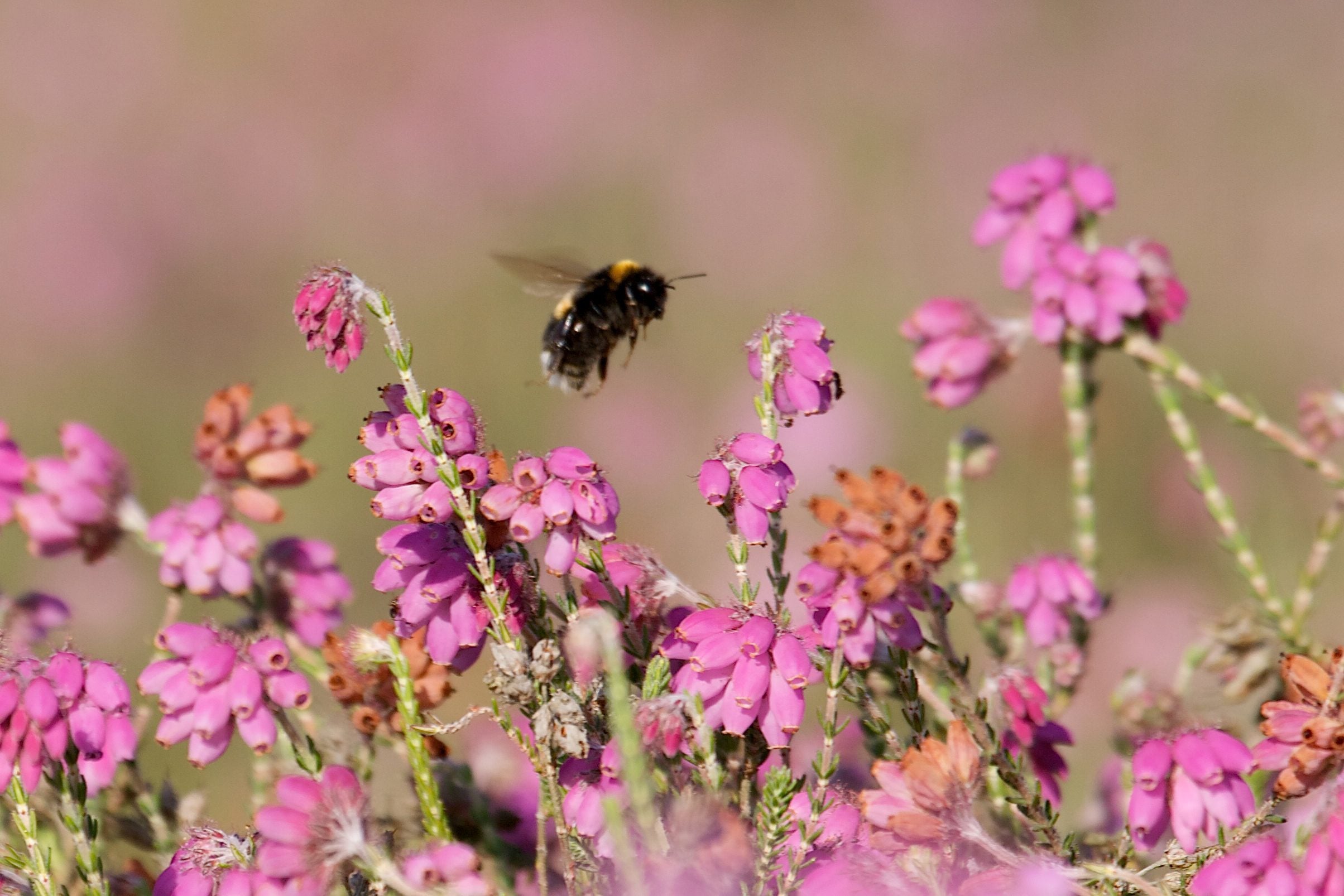
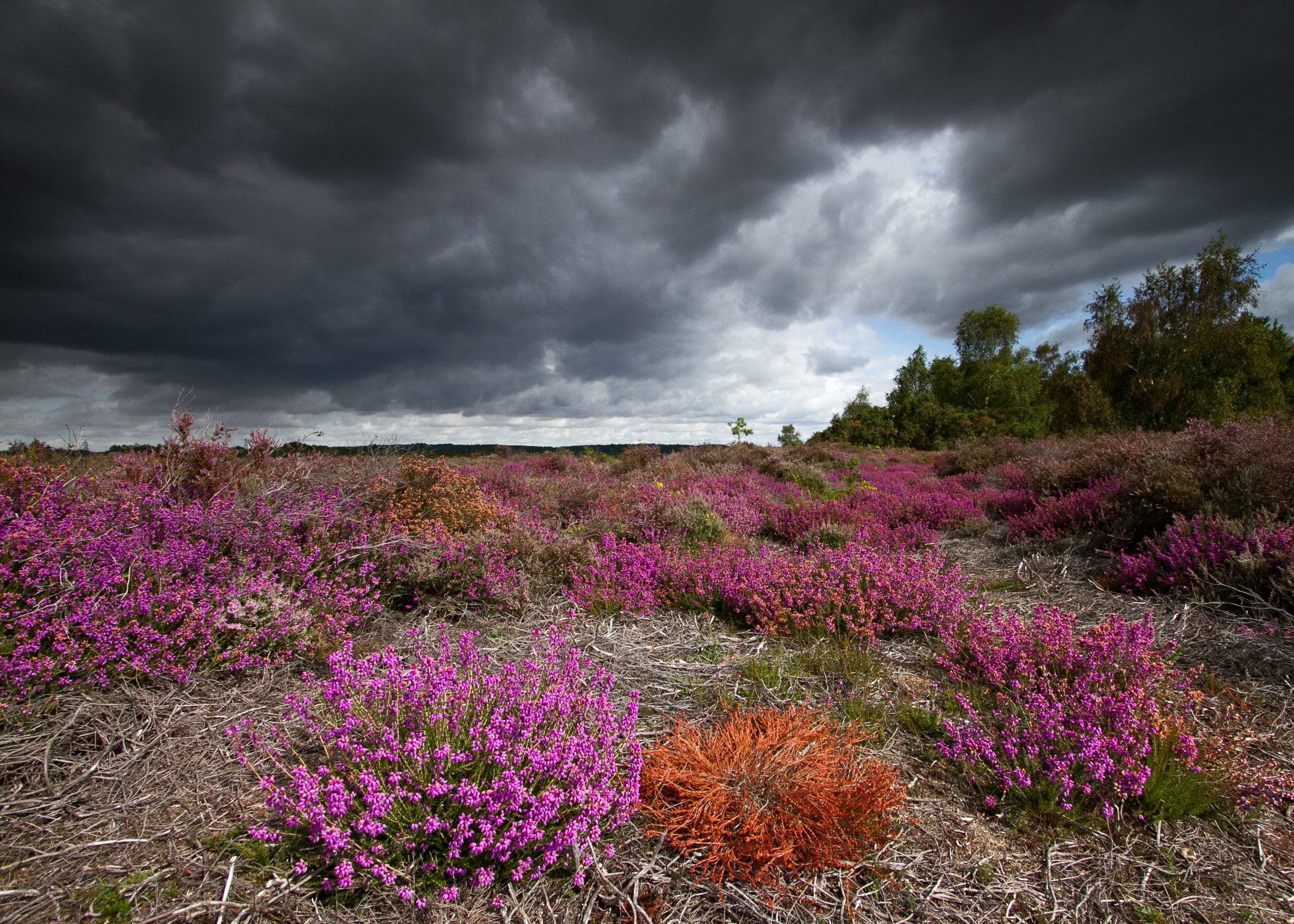
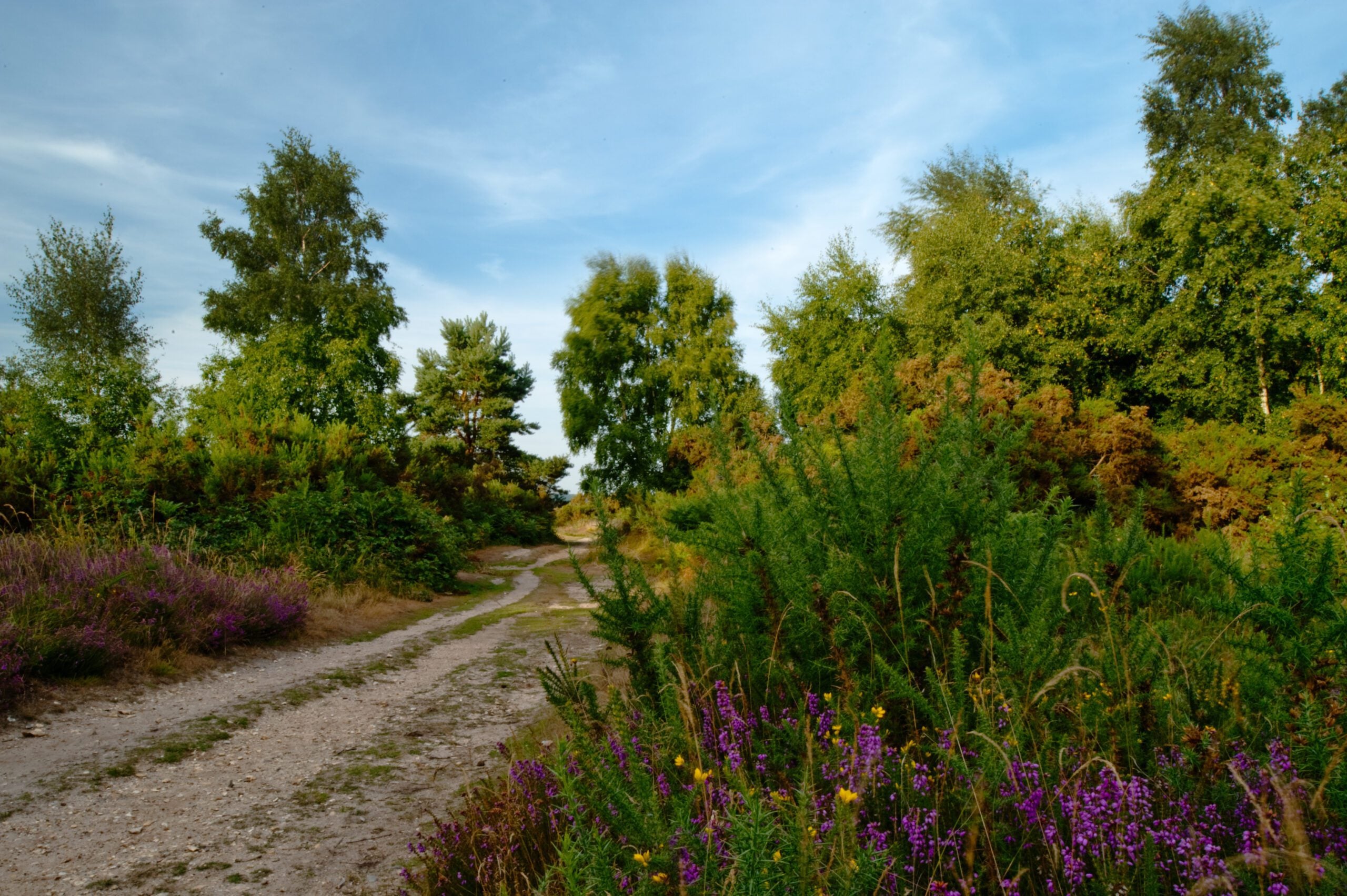
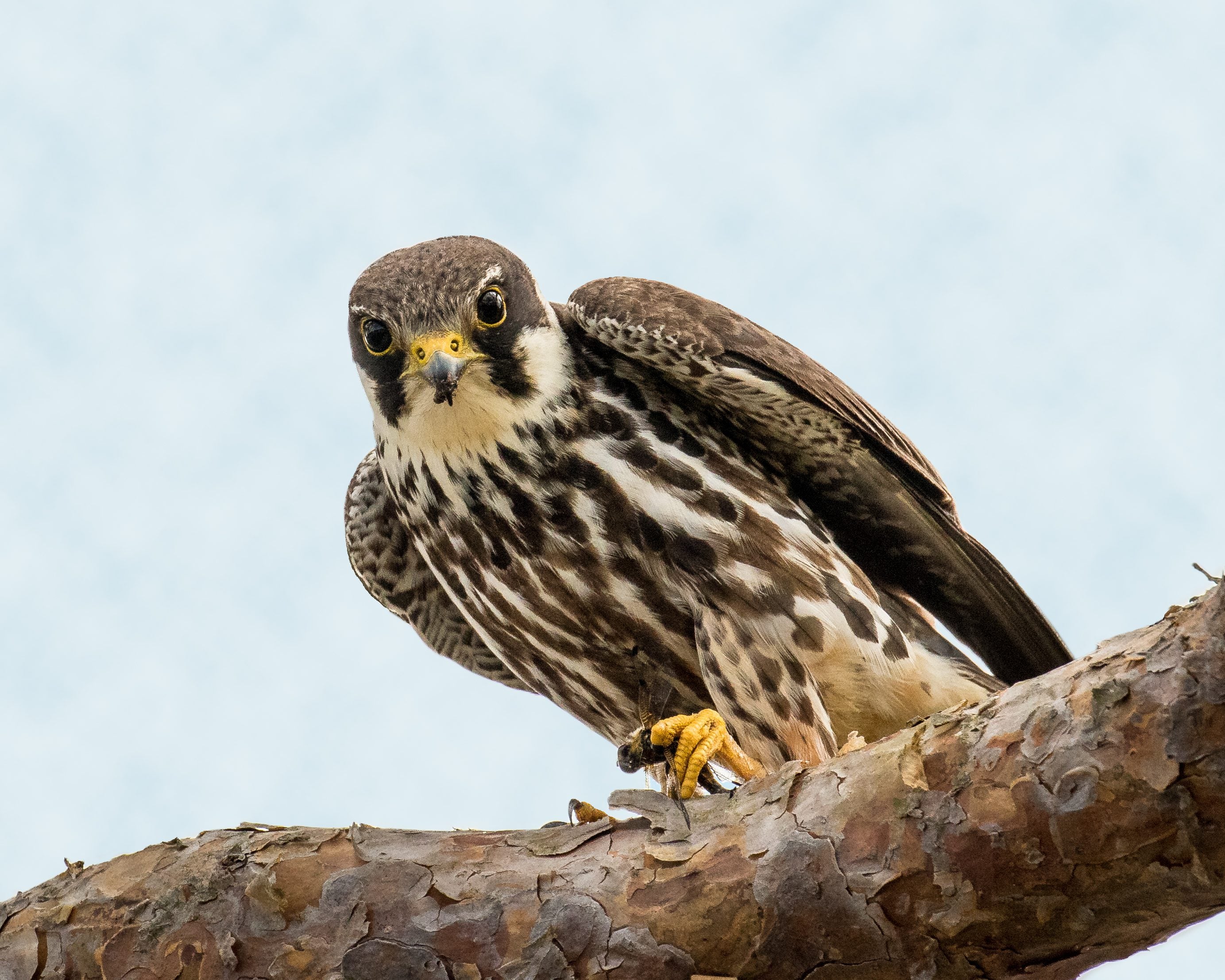
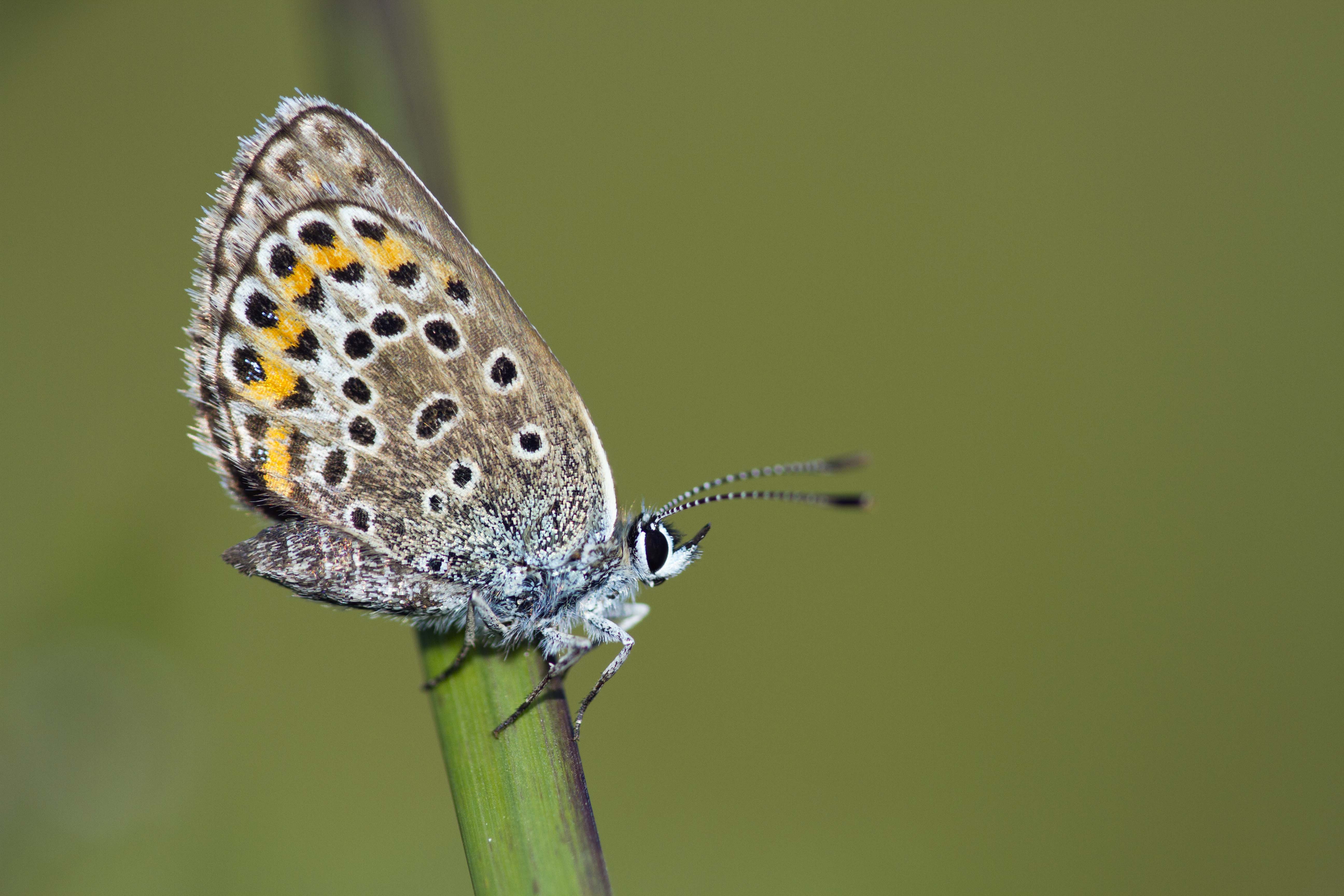
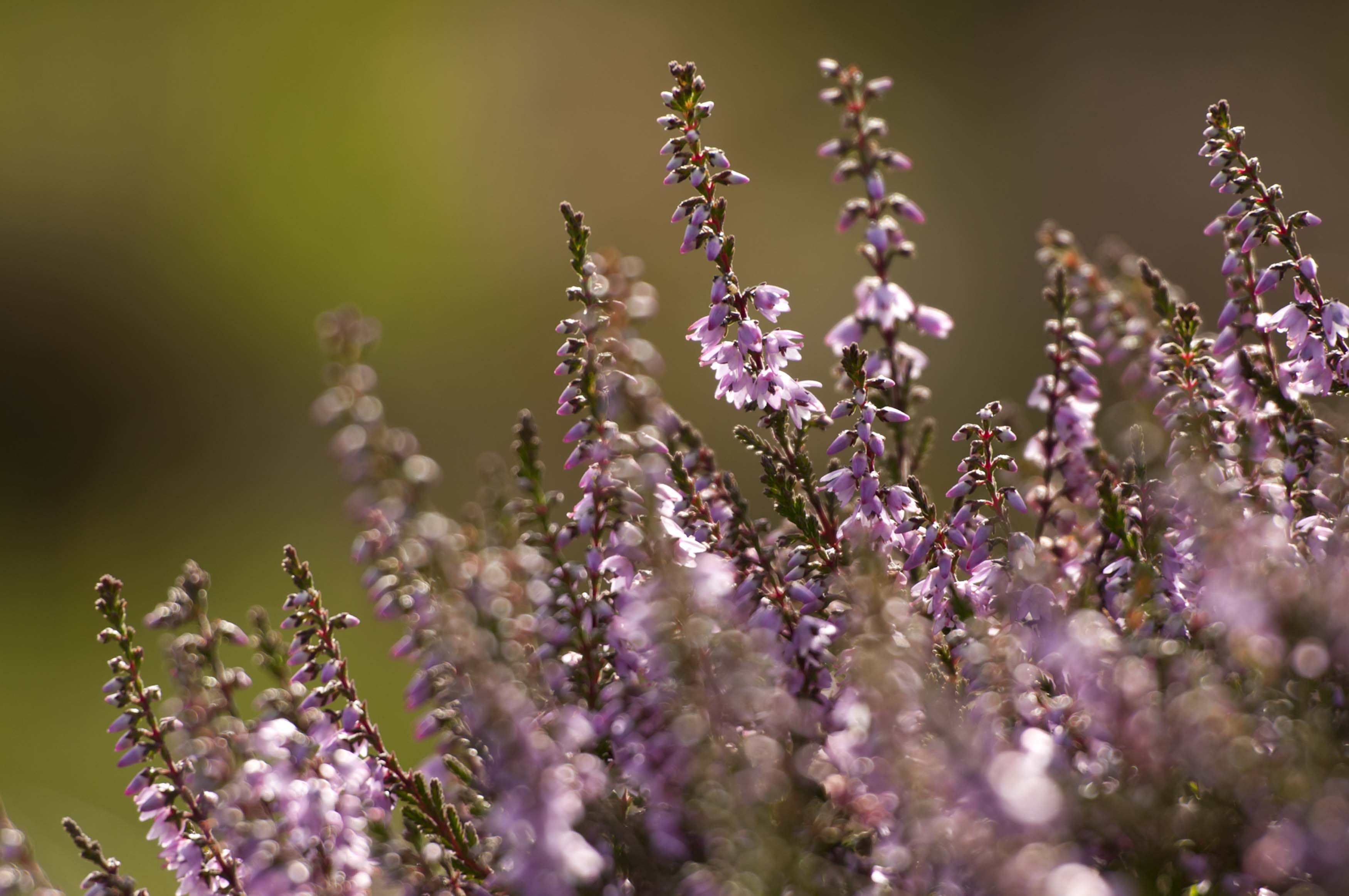
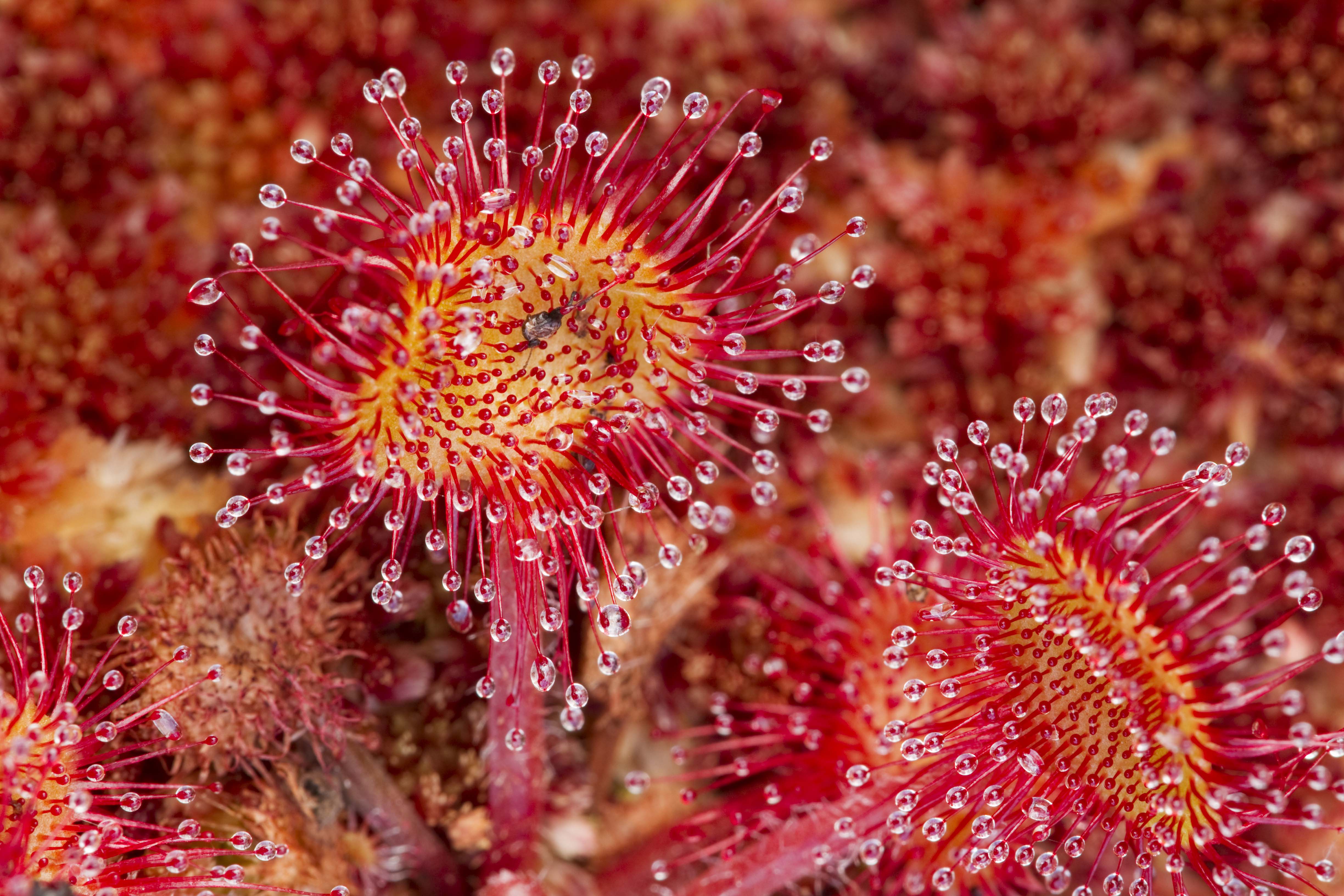
 © Simon Smith
The story of the reserve
The commons here form part of one of the largest heathland areas in Sussex. The Stedham side was pine plantation, and is now being brought back to wooded heath, while Iping is more open heathland.
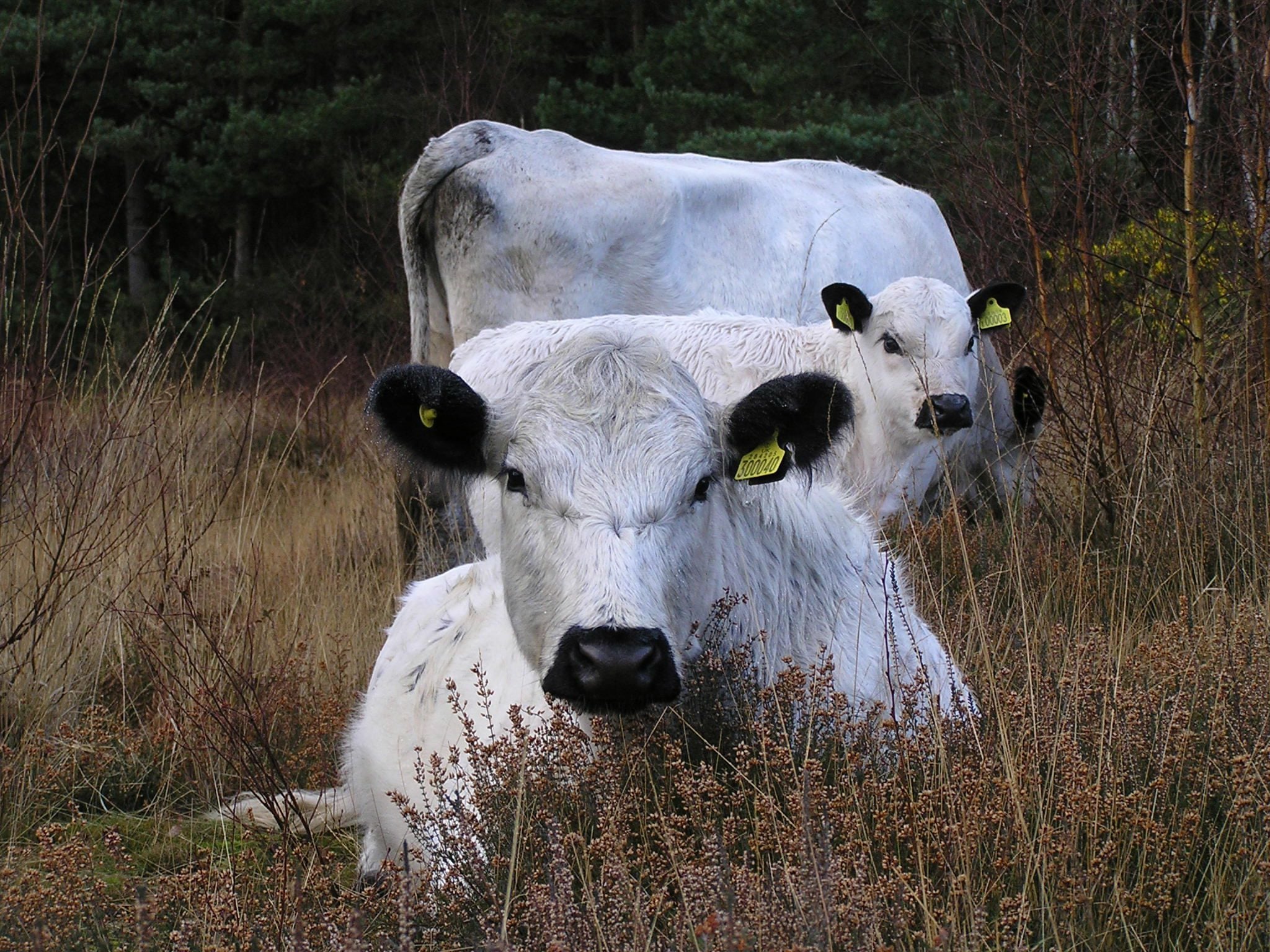
Scrub has been removed, the heather has been rejuvenated by mowing, controlled burning and litter scraping, and in many places the pine has been cut down and is steadily being replaced by heather. The real key though is the return of grazing to the common, which helps to keep the mixture of heathland habitats.
Connectivity and size are important to recovering these habitats, so working to restore heathland and create corridors through the wider landscape is crucial to the future of the wildlife here.
Did you know?
Stallion meadows
Stedham was named ‘the water meadow where stallions graze’, from old Norse, Stedda (steed) and Hamm (water meadow).
Trail blazers
The 160km long Serpent Trail, which links up Greensand Ridge sites, crosses the Commons.
Roman road
The Romans had a posting station at Iping, and a Roman road crosses the Common.
Dragonfly art
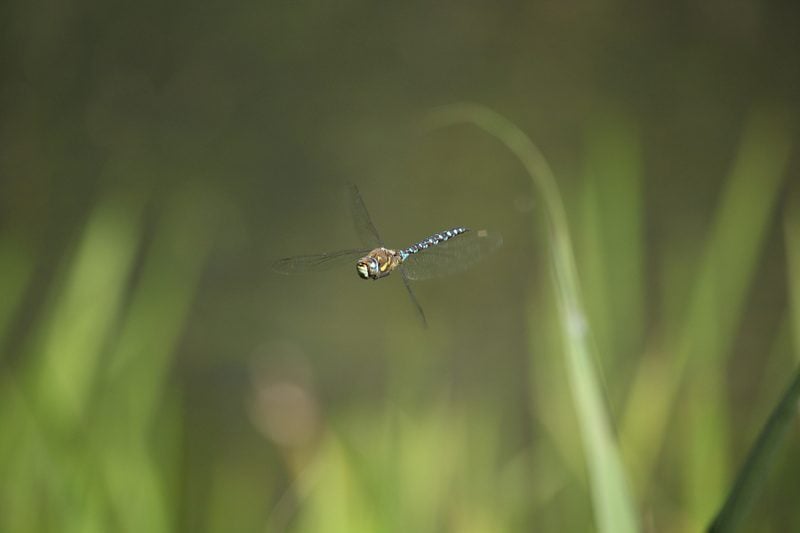
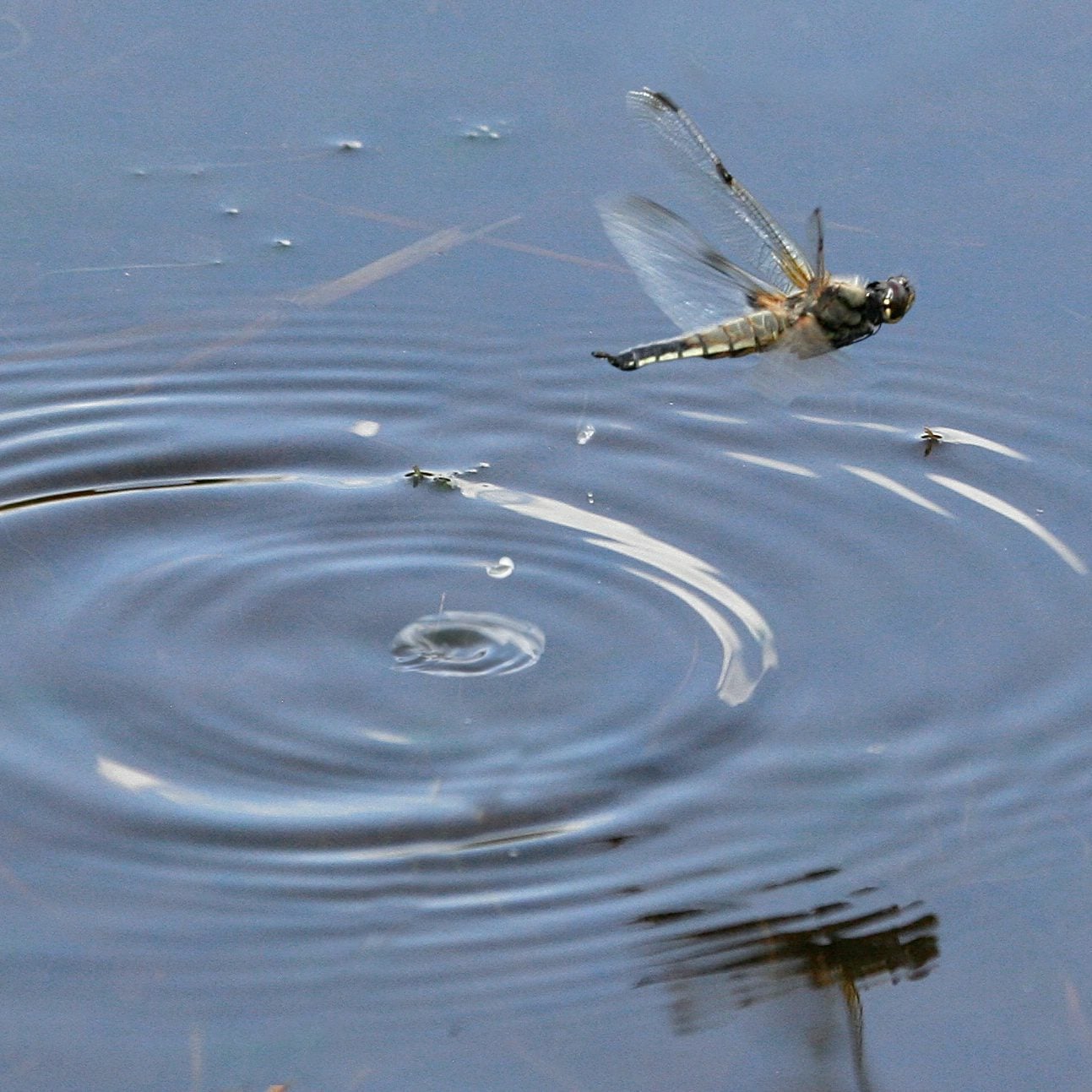
Lovers of art can find Graeme Mitcheson’s ‘Dragonfly’s Rest’ on Stedham Common, inspired by the presence of all five heathland dragonfly species you can spot here.