
Overview
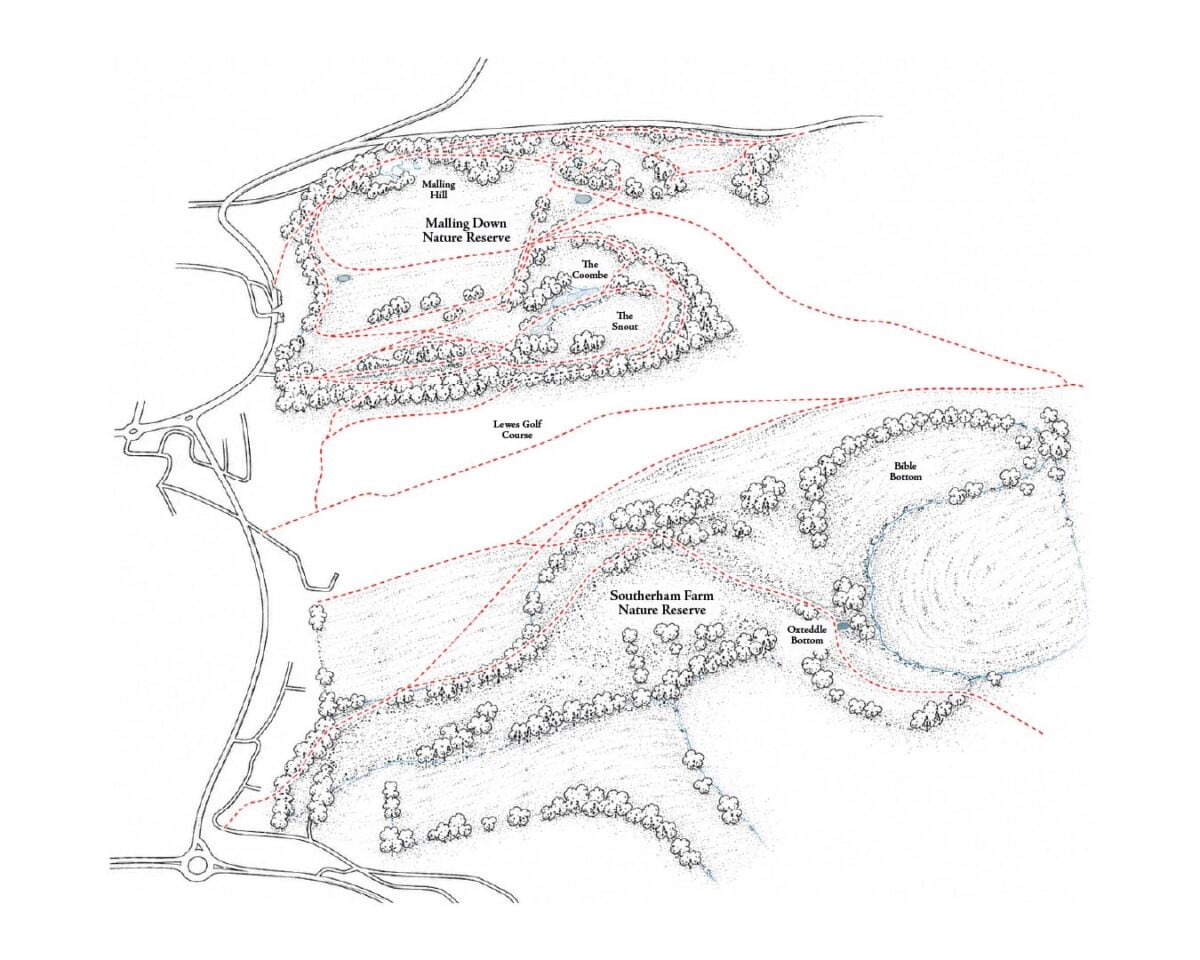
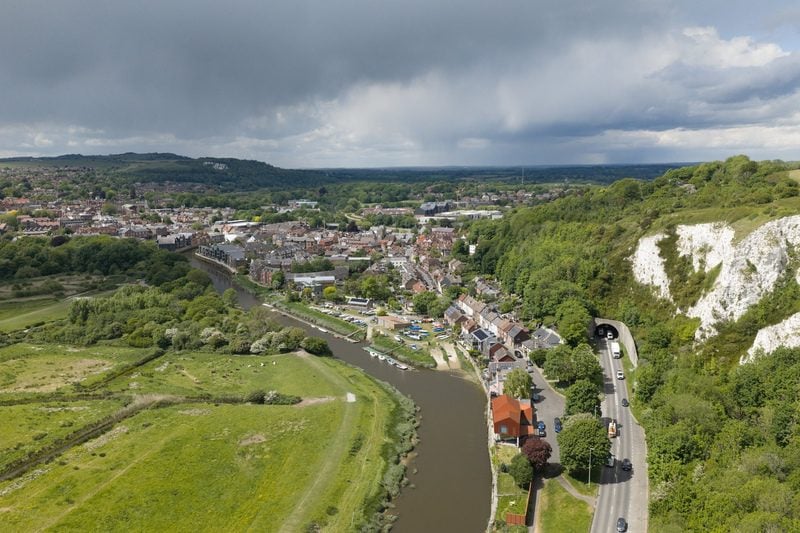
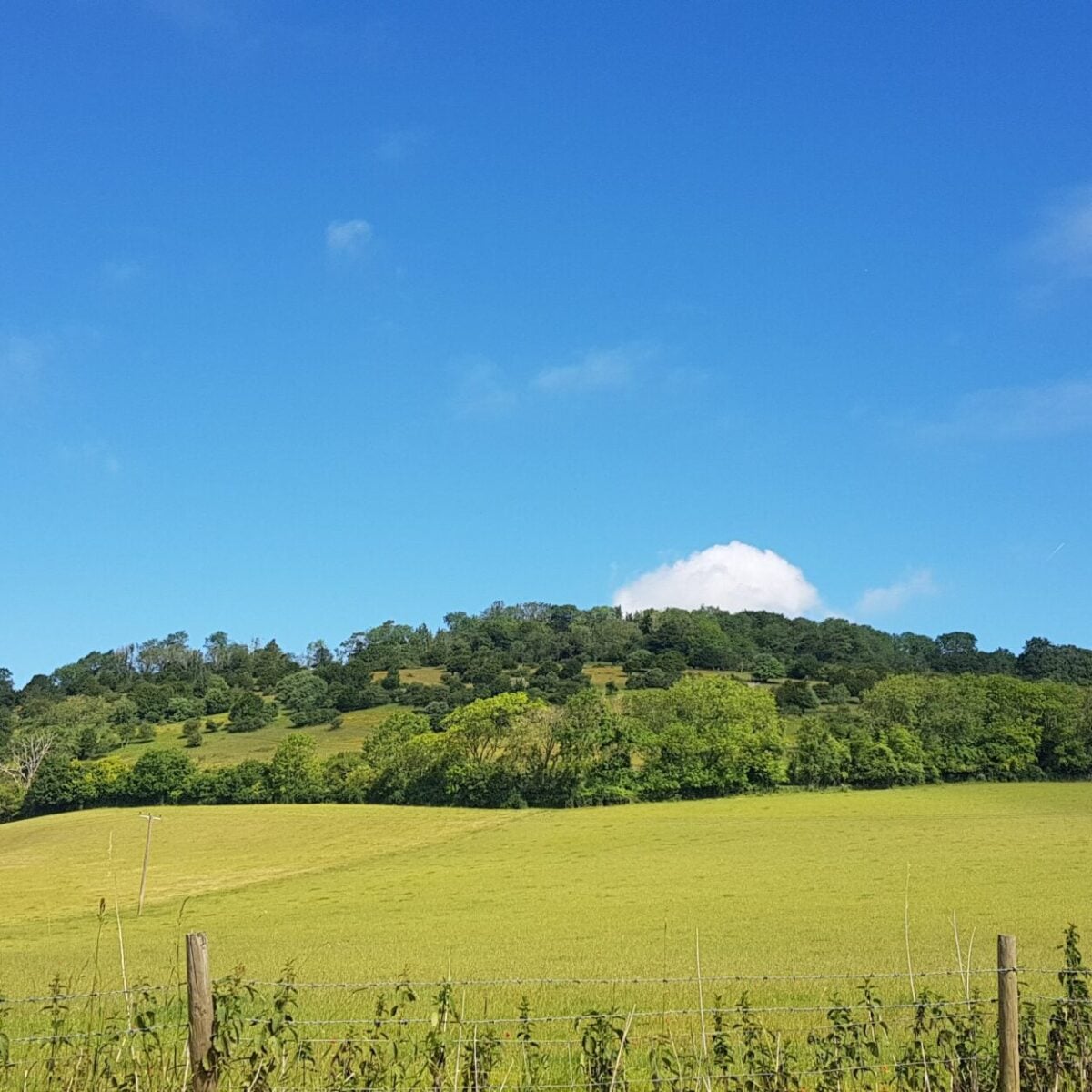
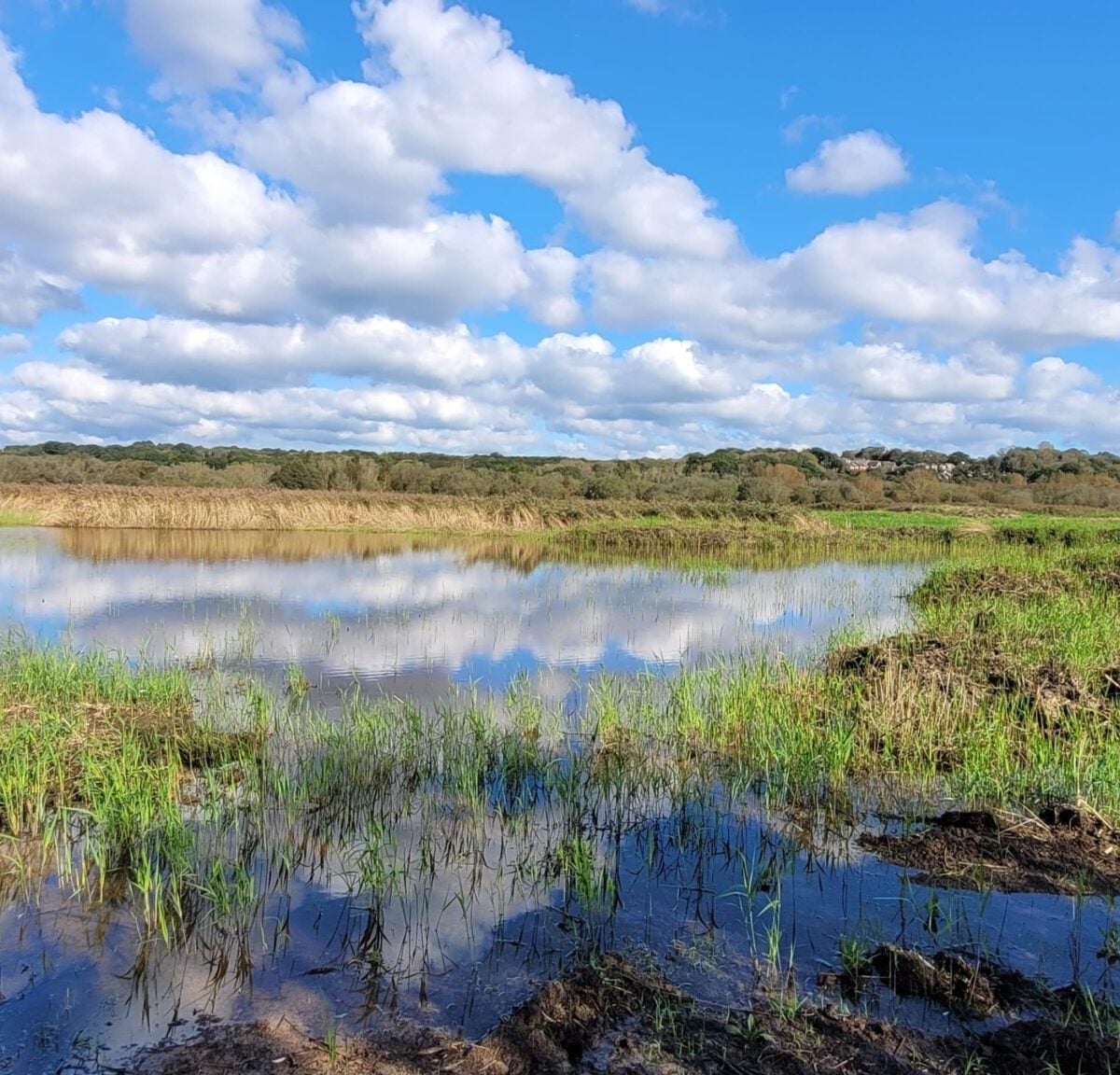
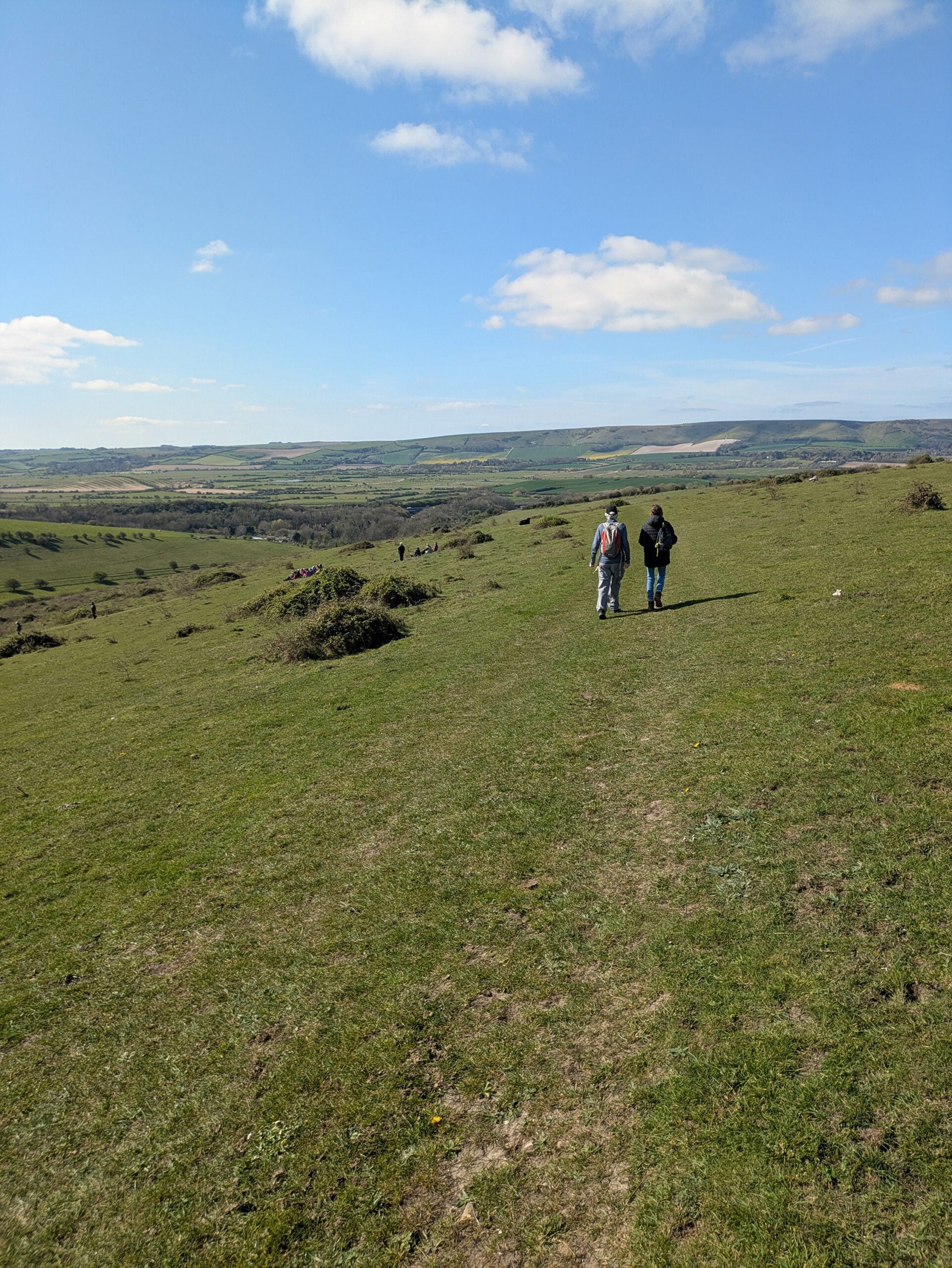
This is a reserve that you can walk to from Lewes, the pretty county town of East Sussex. Expect a steep walk up Chapel Hill to get to the reserve entrance gate next to Lewes golf club, then a green, rolling landscape with astonishing, panoramic views over to Mount Caburn and beyond.
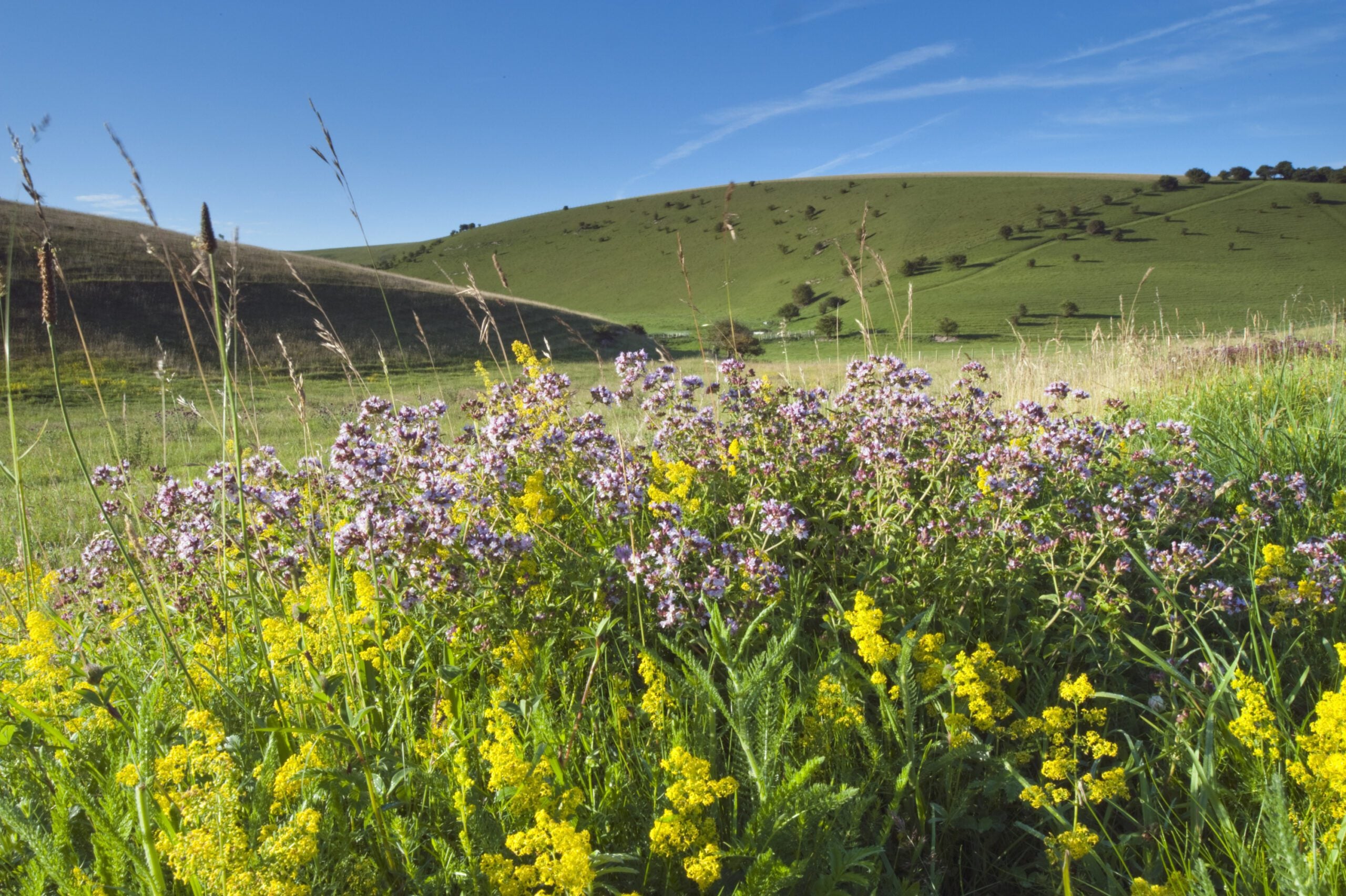
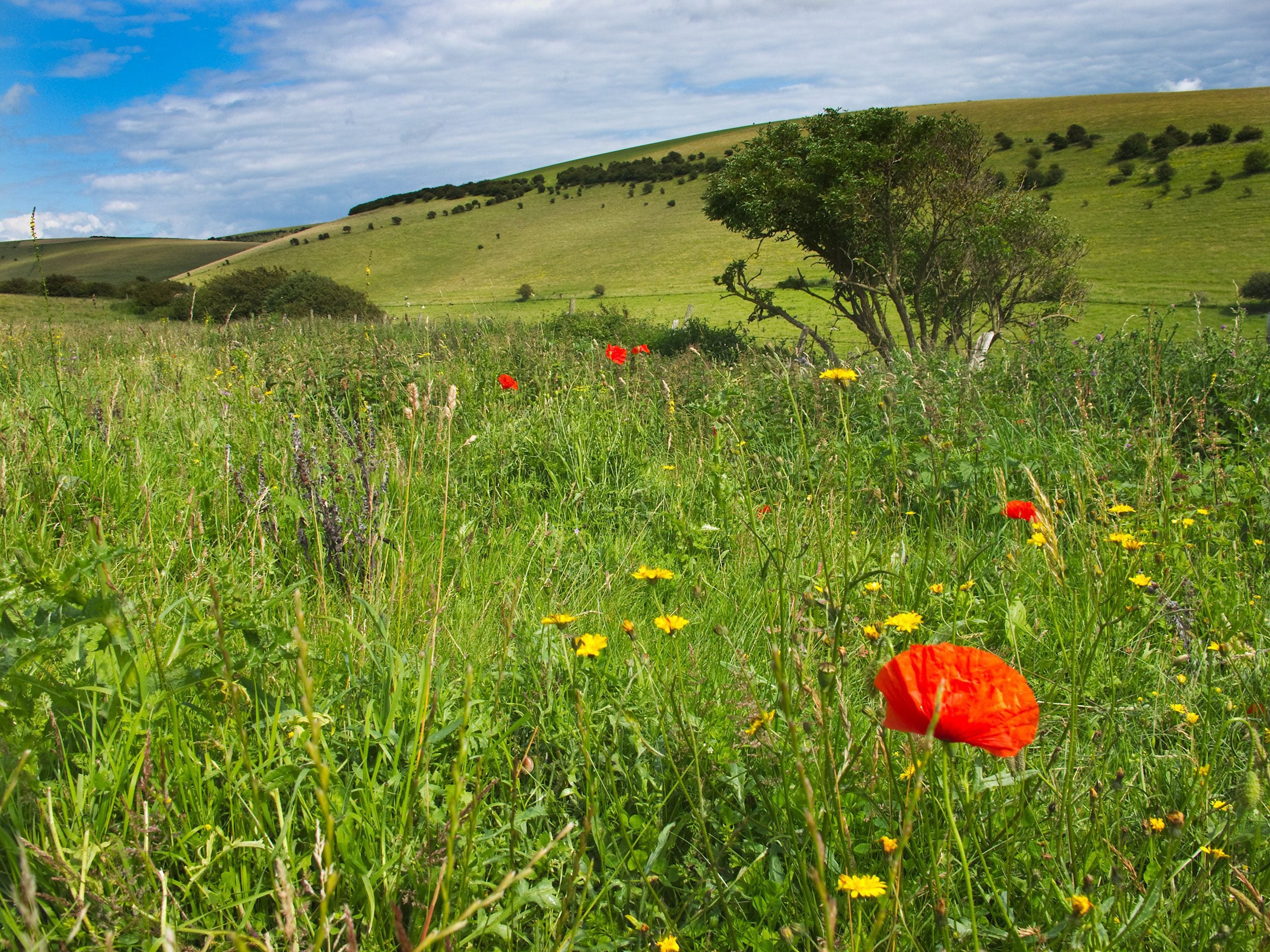
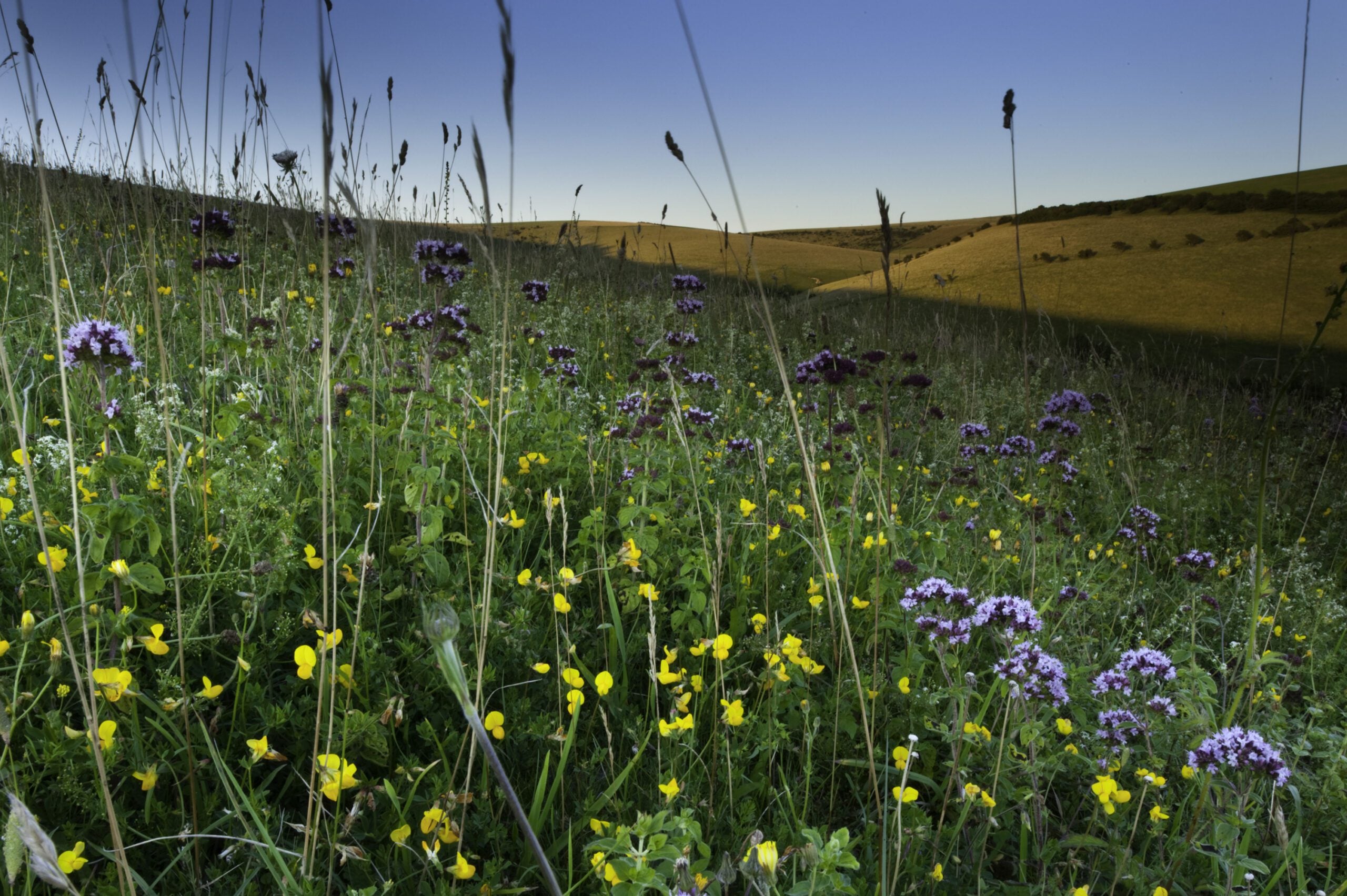
Specialist butterflies, orchids and wildflowers can be found here. The chalky downland slopes of Southerham Farm Nature Reserve border the eastern side of Lewes. This reserve is part of the South Downs National Park.


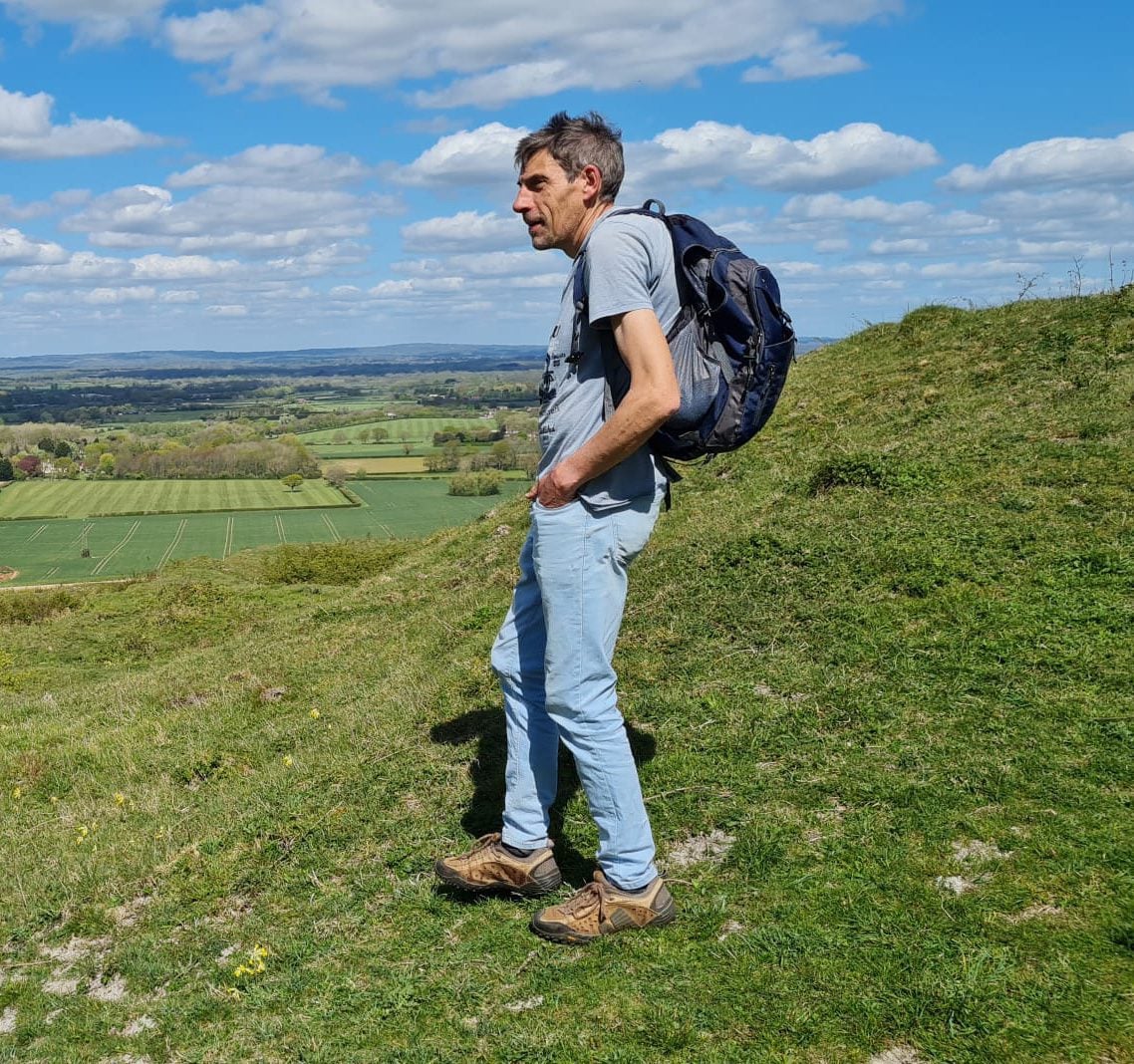
Crispin Holloway Butterfly RecorderI come here when I feel I want to escape from the world. The views from the top of Southerham Farm Nature Reserve are simply breathtaking and the sight and song of the Skylarks never fails to cheer me up
Know before you go
Opening times
The reserve is open at all times
Free to visit
All our open reserves our free to visit, but if you enjoy your visit please consider donating to Sussex Wildlife Trust to help us manage these special places
Reserve size – 131 hectares
How to get here
Postcode: BN8 6ST
Travel to Lewes by car, bicycle or public transport and walk up Chapel Hill at the end of Cliffe High Street. The footpath between Lewes and Glynde crosses part of the reserve. It can be picked up from Lewes Golf Club car park (BN7 2BB, club parking only), or 350m north of Glynde railway station.
Getting around
Due to the steep walk up to the entrance, this is not a very accessible reserve. The footpath between Lewes and Glynde crosses part of the reserve. It can be picked up next to Lewes Golf Club car park (BN7 2BB, club parking only), or 350m north of Glynde railway station
Dogs welcome on leads
Dogs must be kept on short leads at all times of the year, especially around sheep grazing areas.
Dos and don’ts
- Enjoy the view
- Keep your dog on a lead
- No fires or barbecues
- Take your litter home
- Don’t pick flowers or forage
- No camping
- Tell us what nature you’ve seen via iRecord
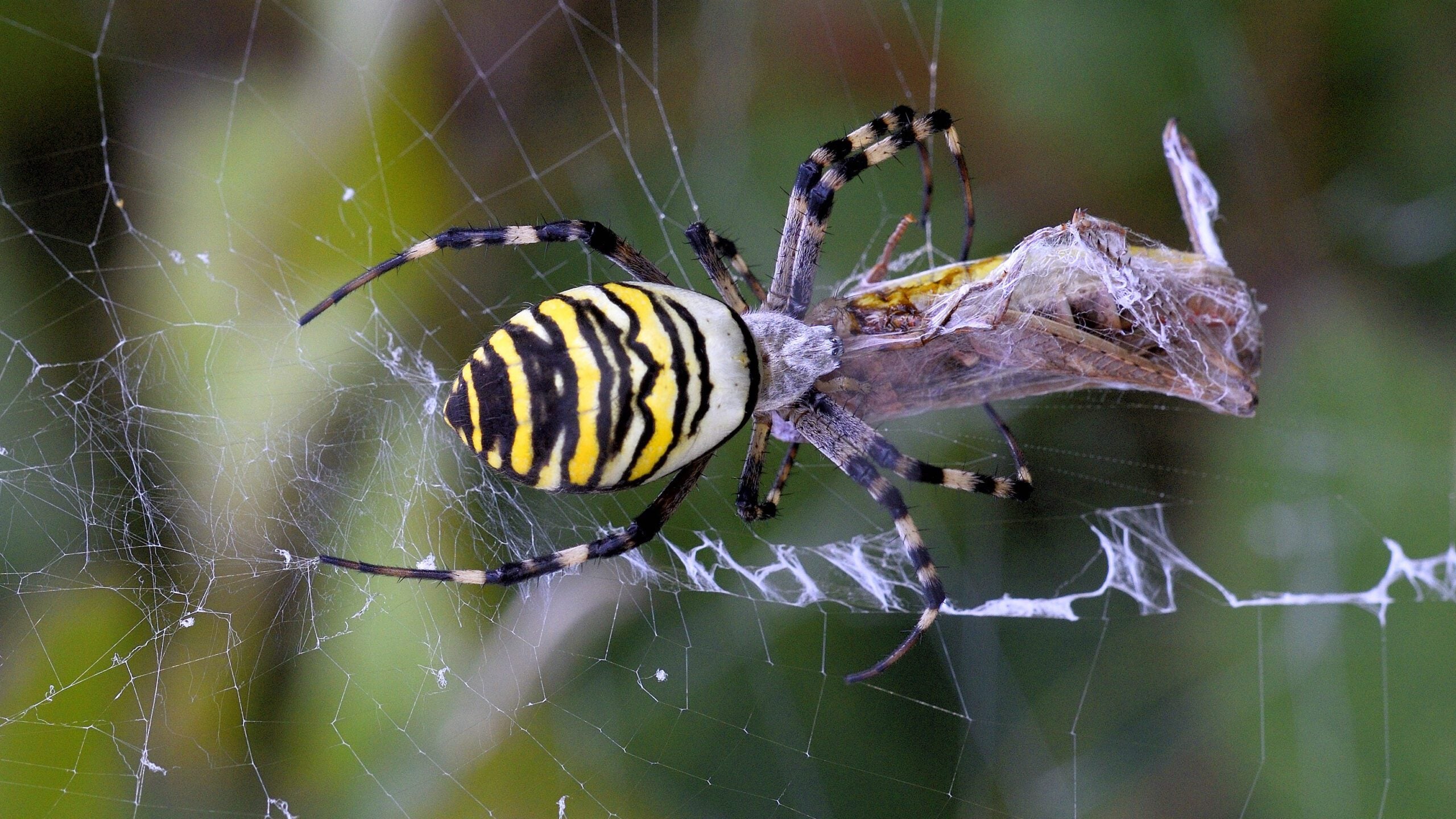
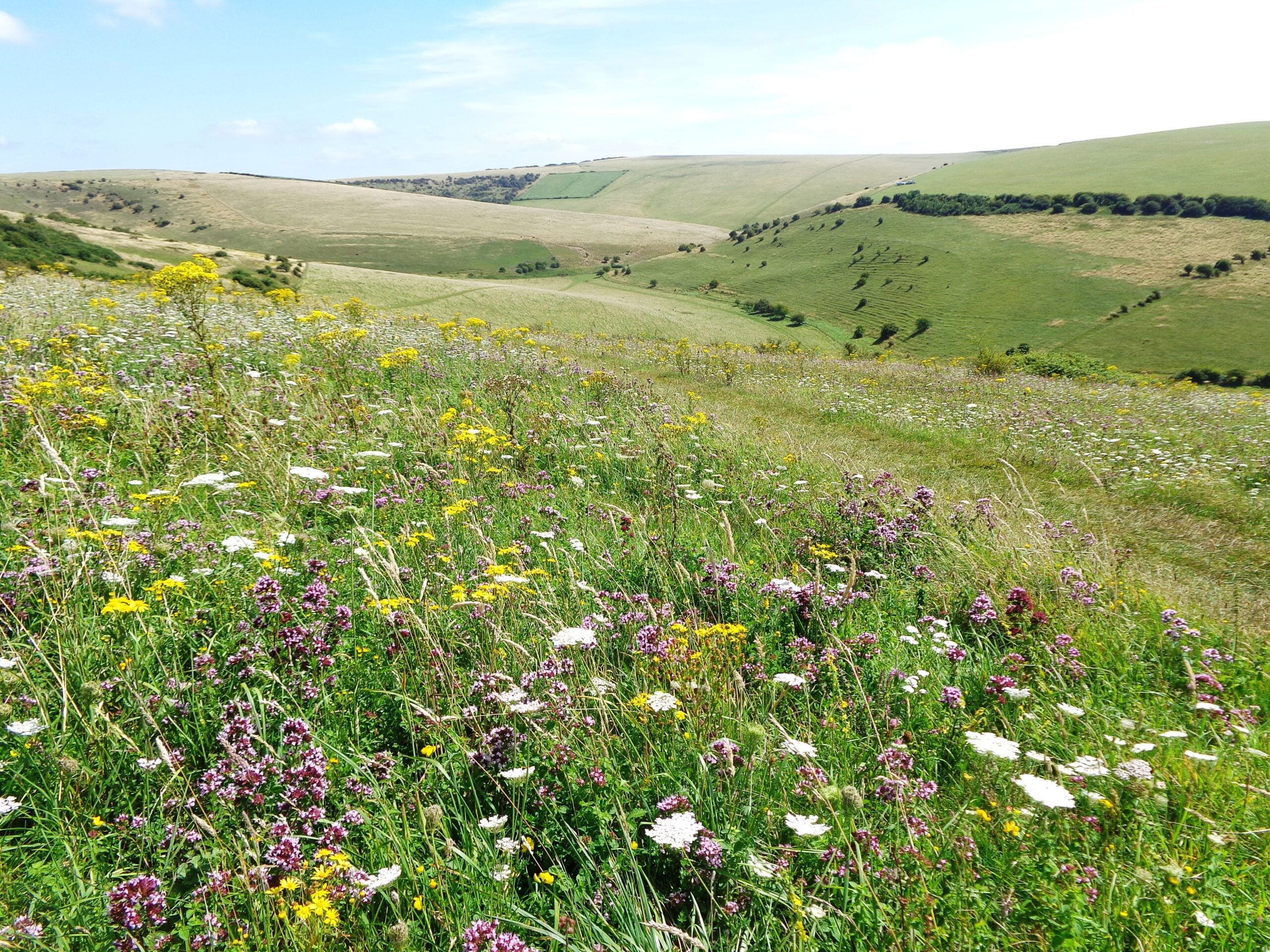
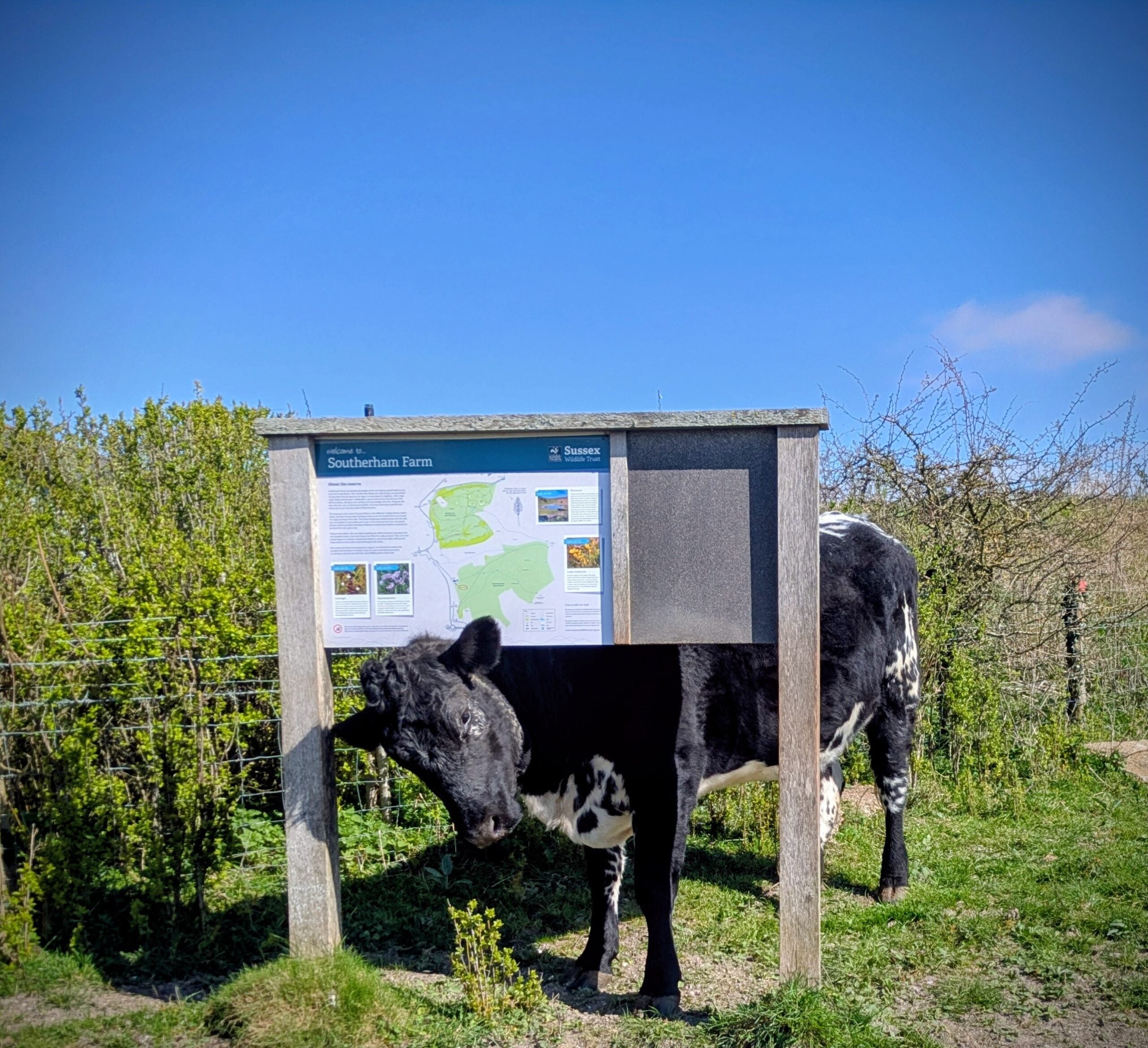
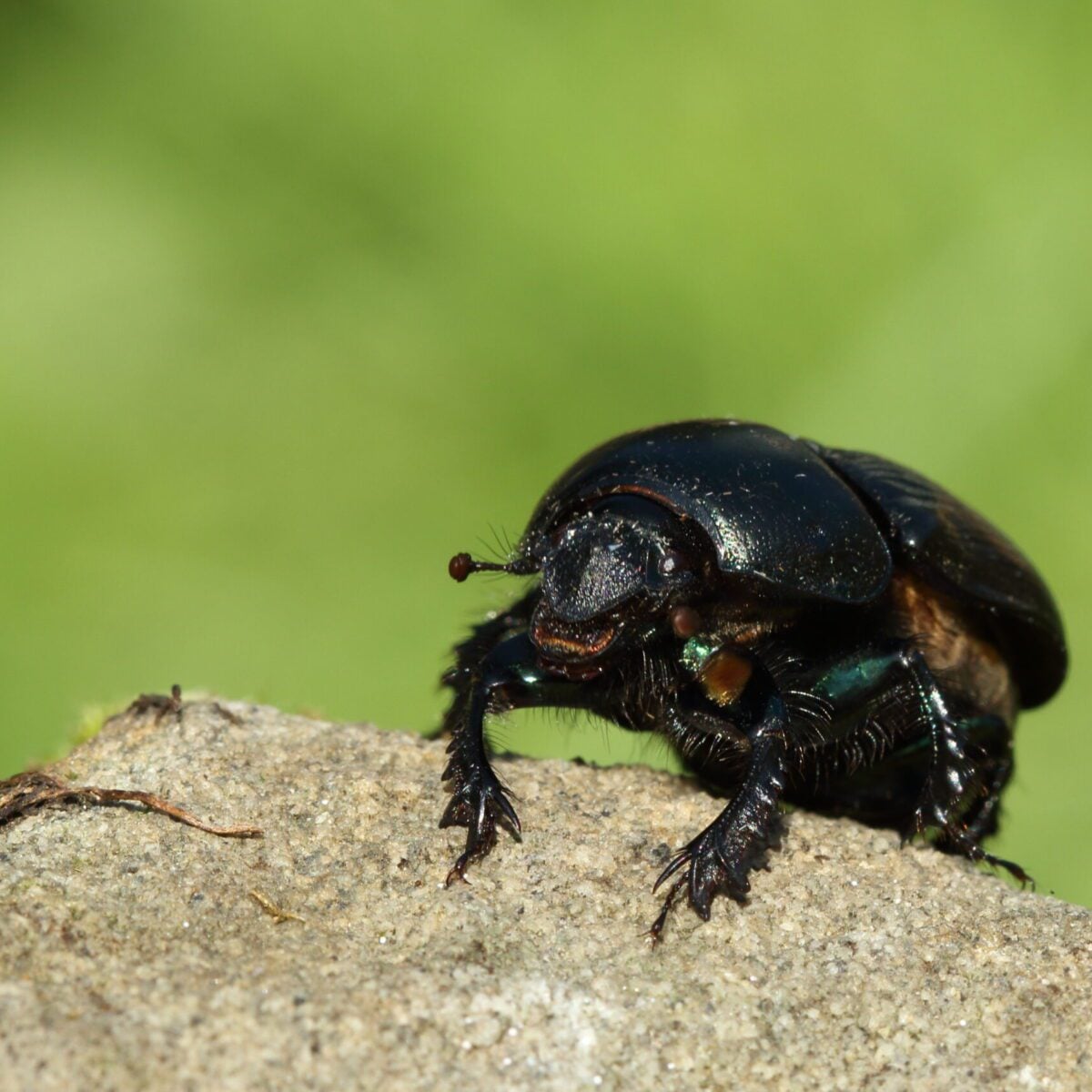

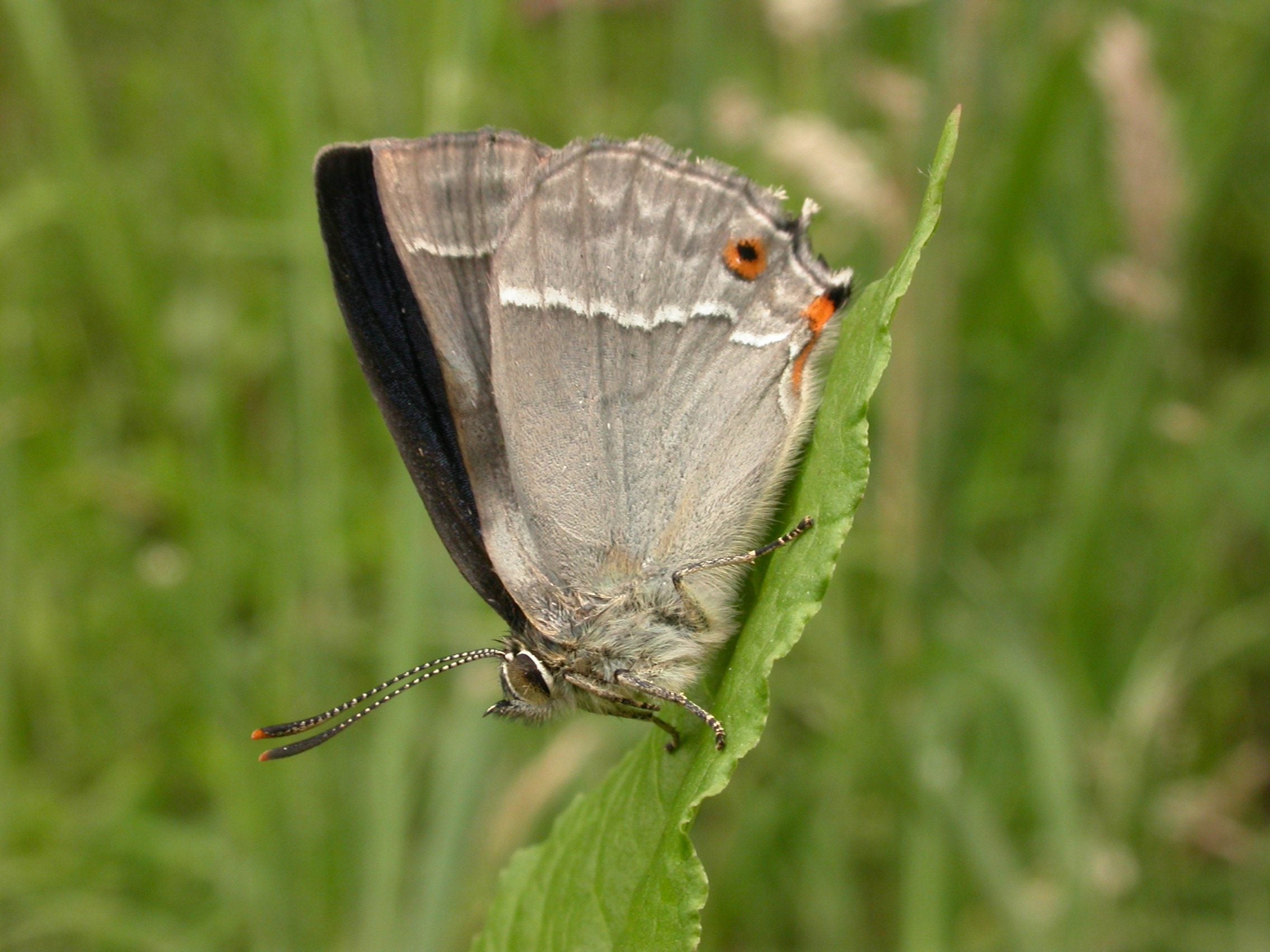
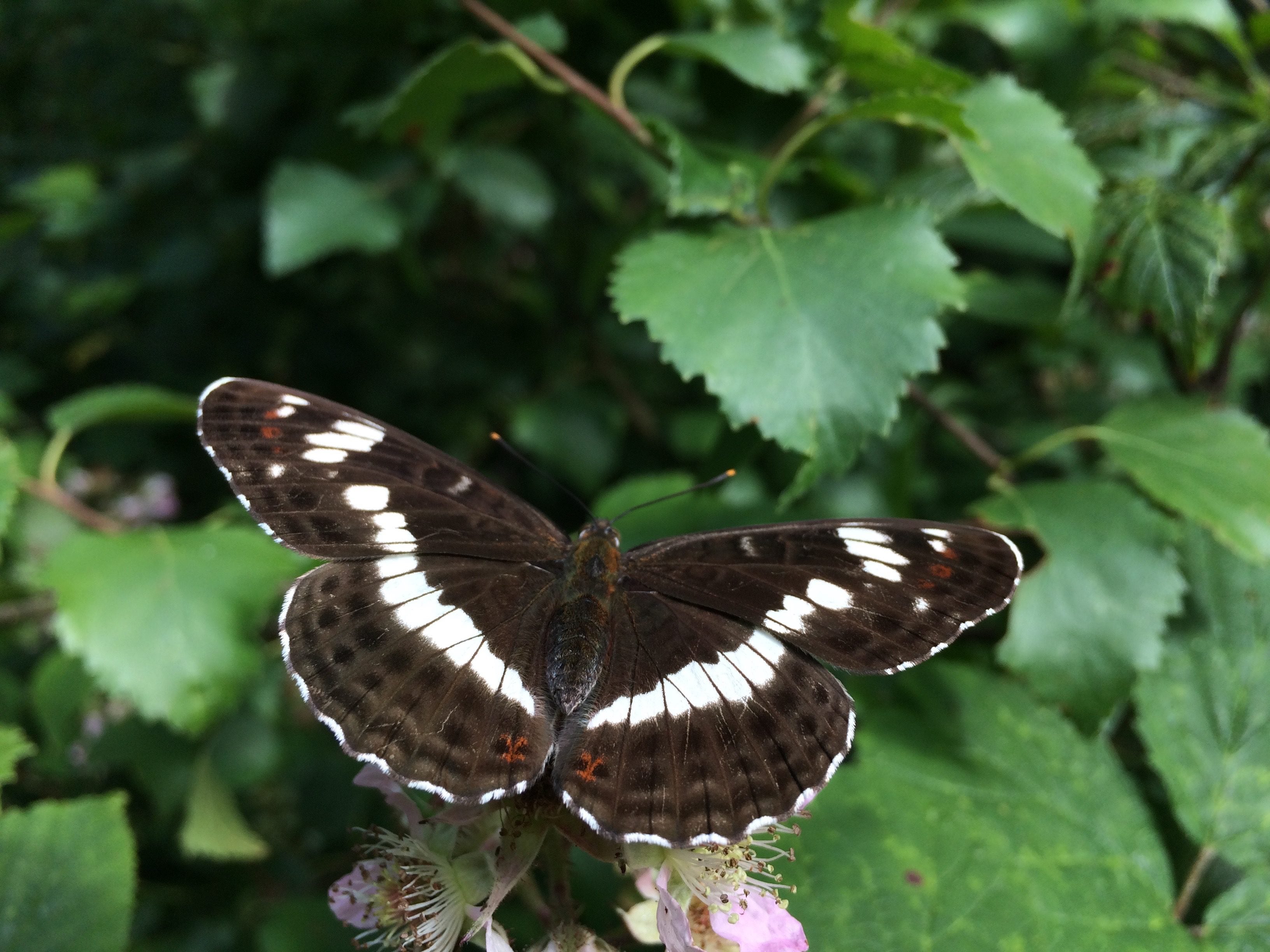
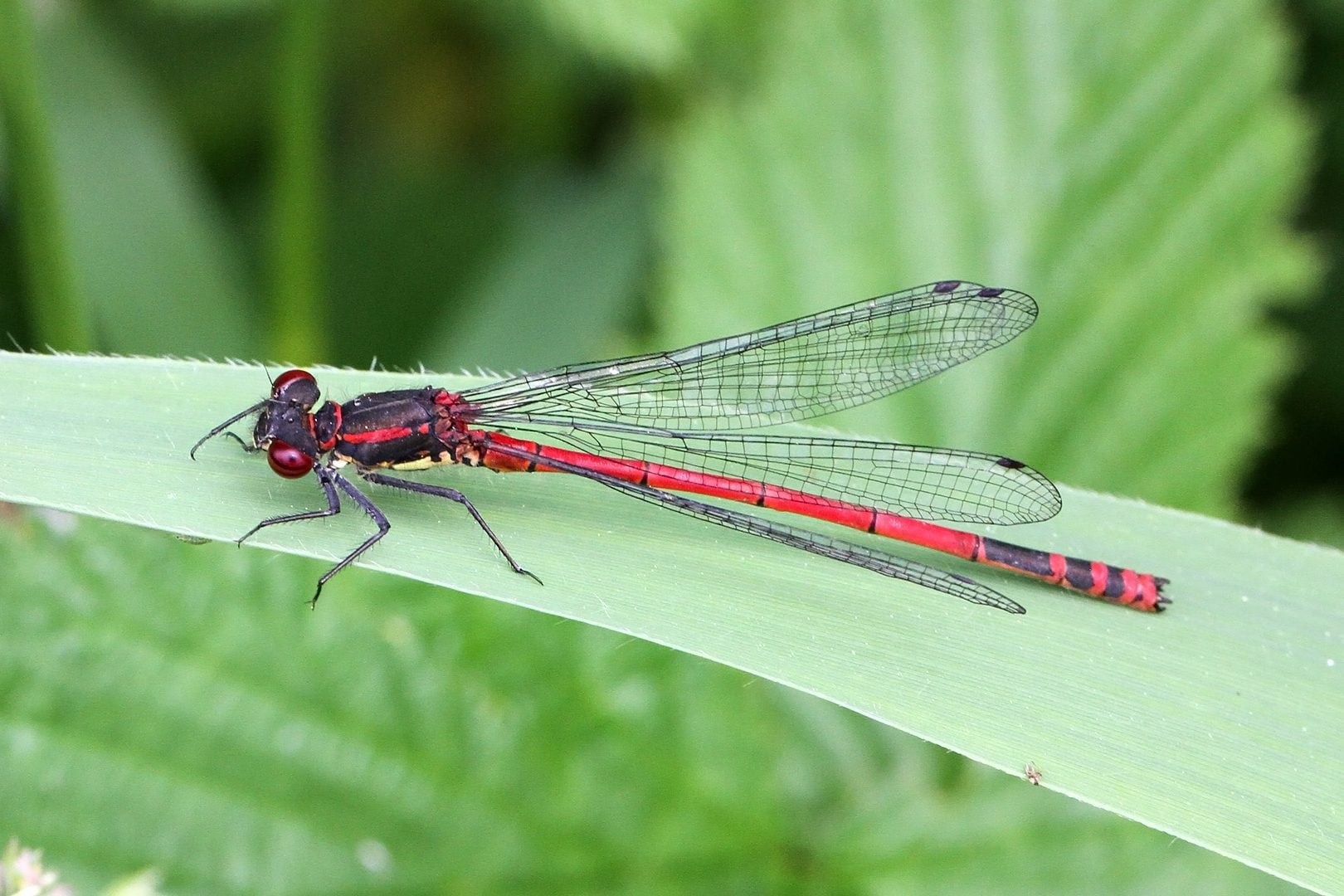
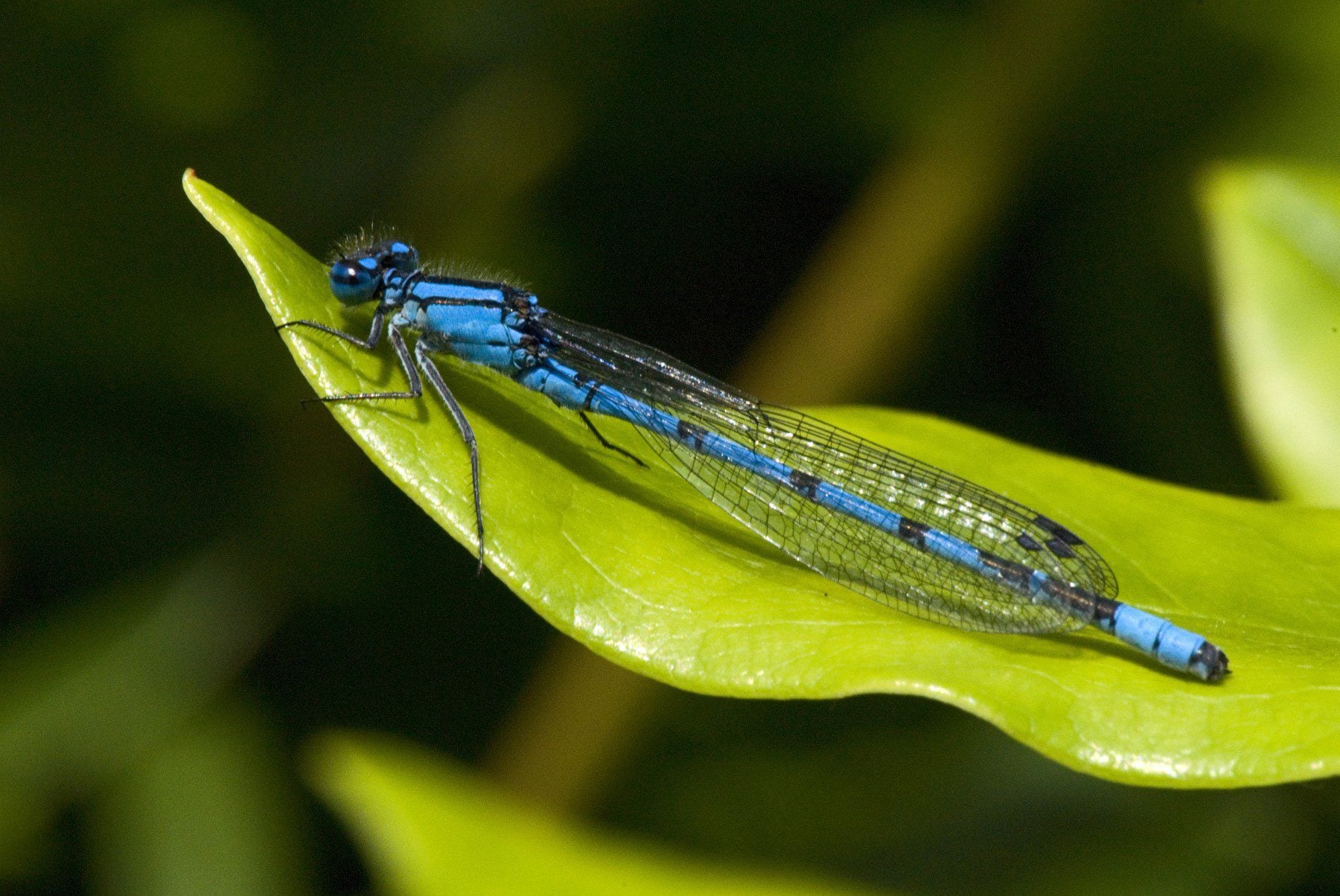
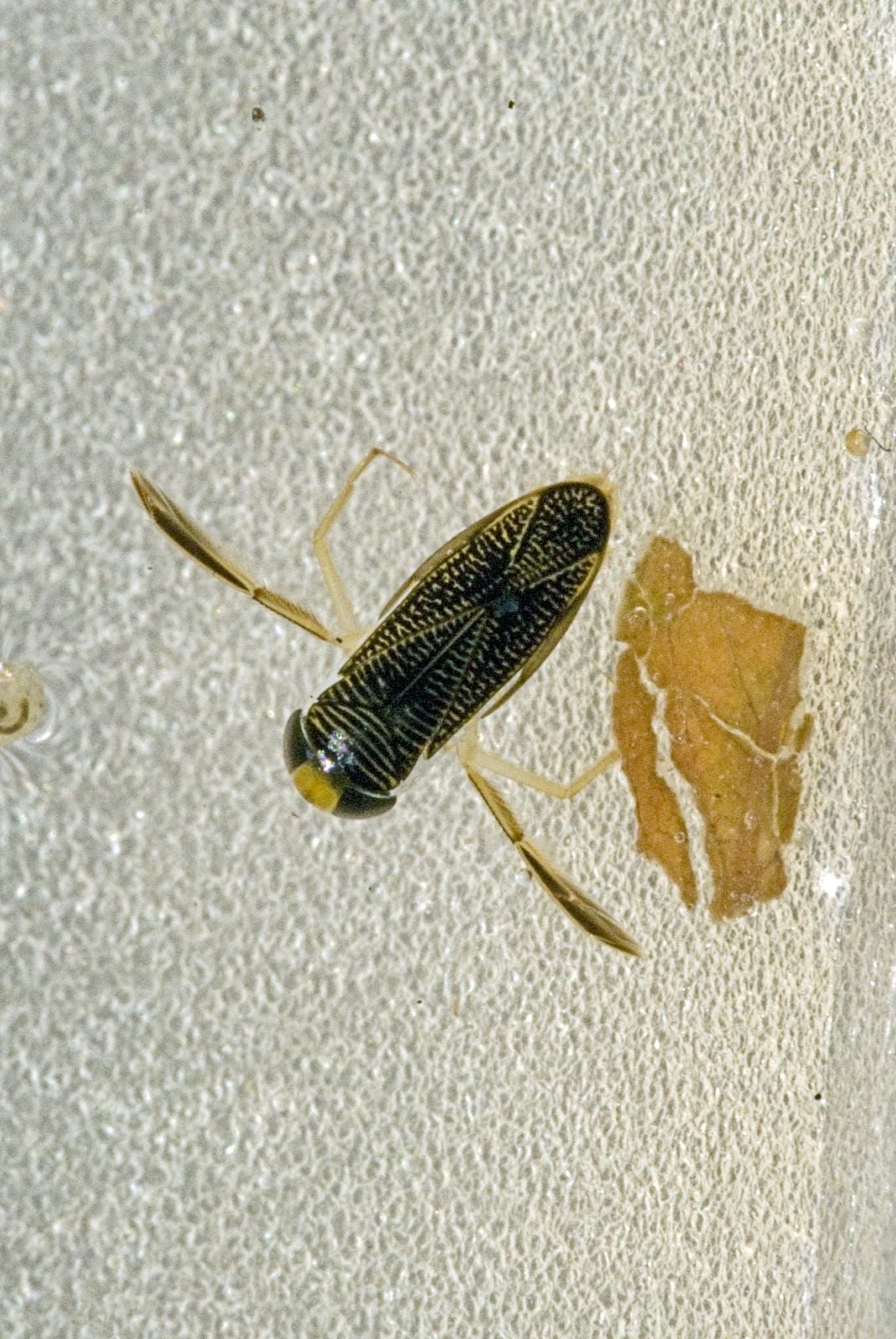
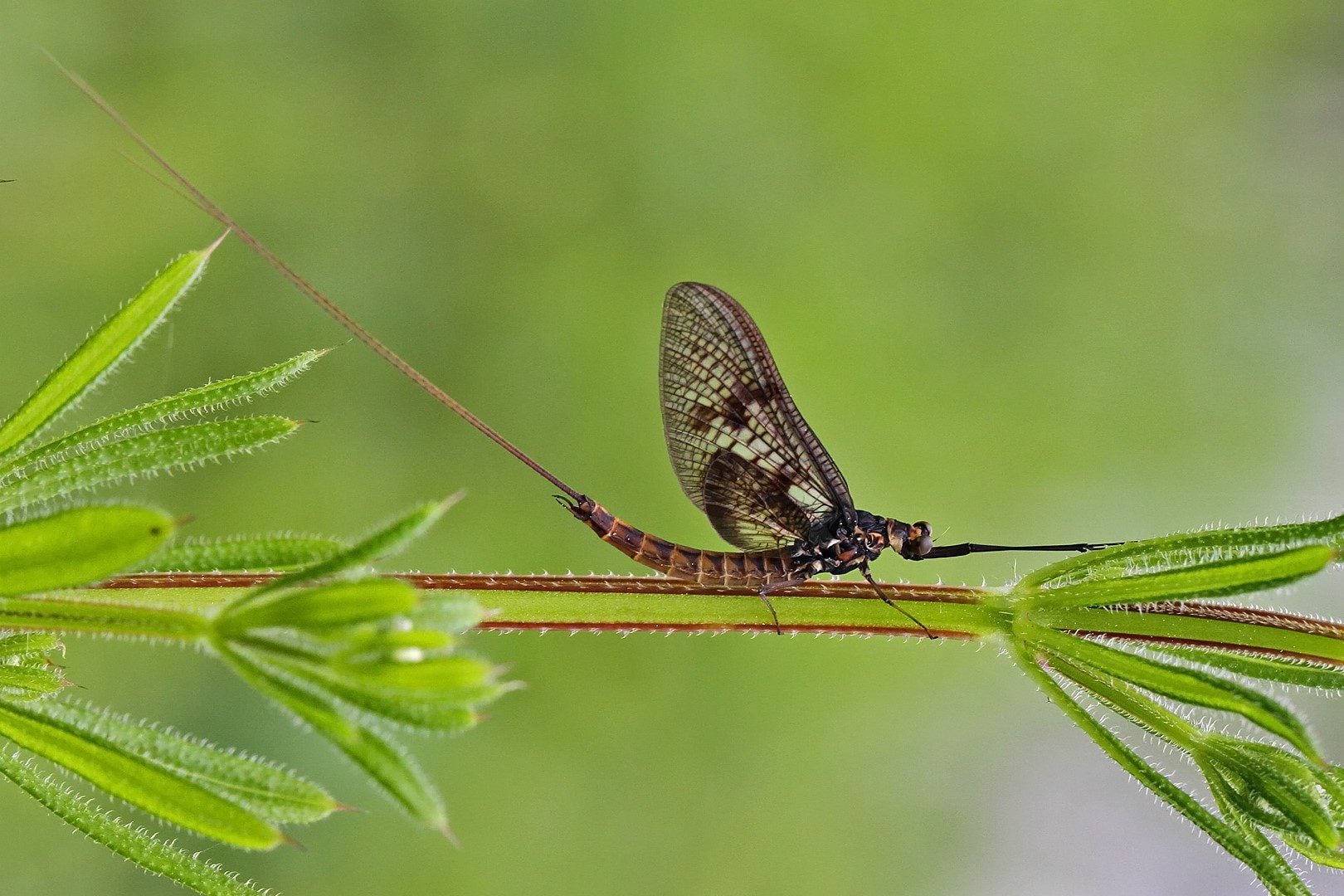
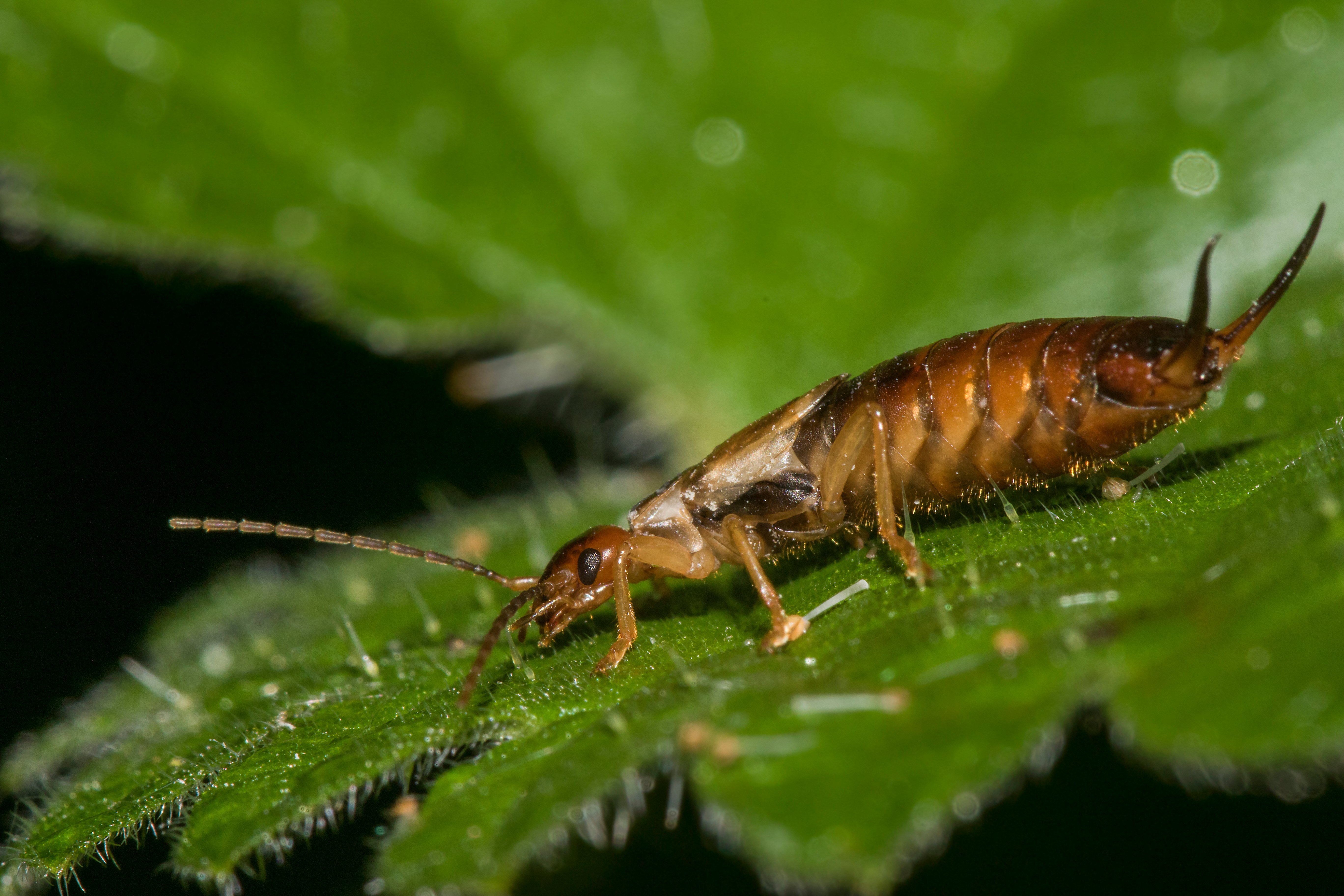
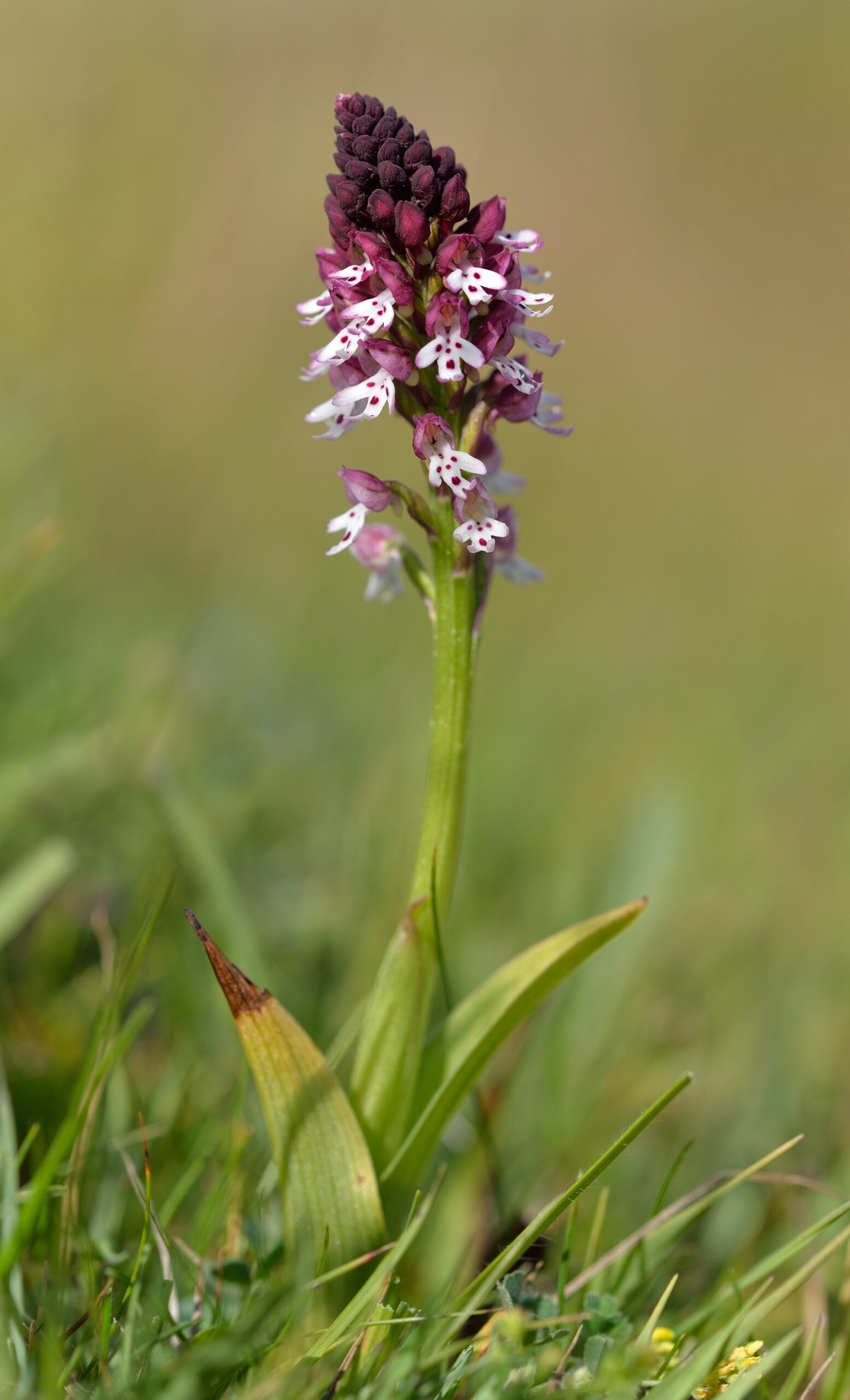 Burnt orchid © Bob Eade
The story of the reserve
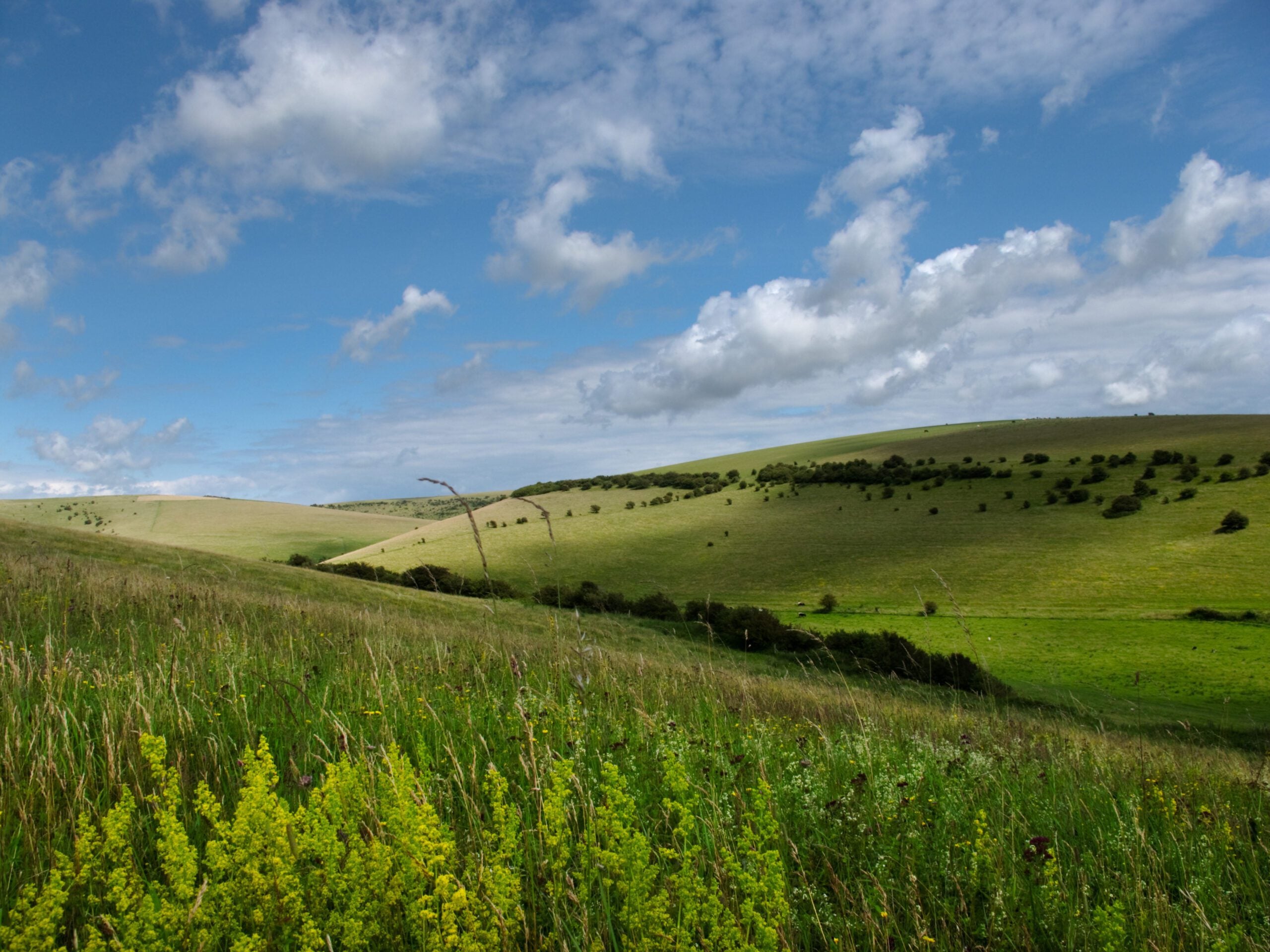
Malling Down and Southerham Farm are exceptional examples of the rare chalk grassland habitat found across the South Downs. In serious decline, these endangered meadows are one of the country’s richest habitats floristically. Thin, infertile soils sitting over chalk produce amazing flower-rich grassland.
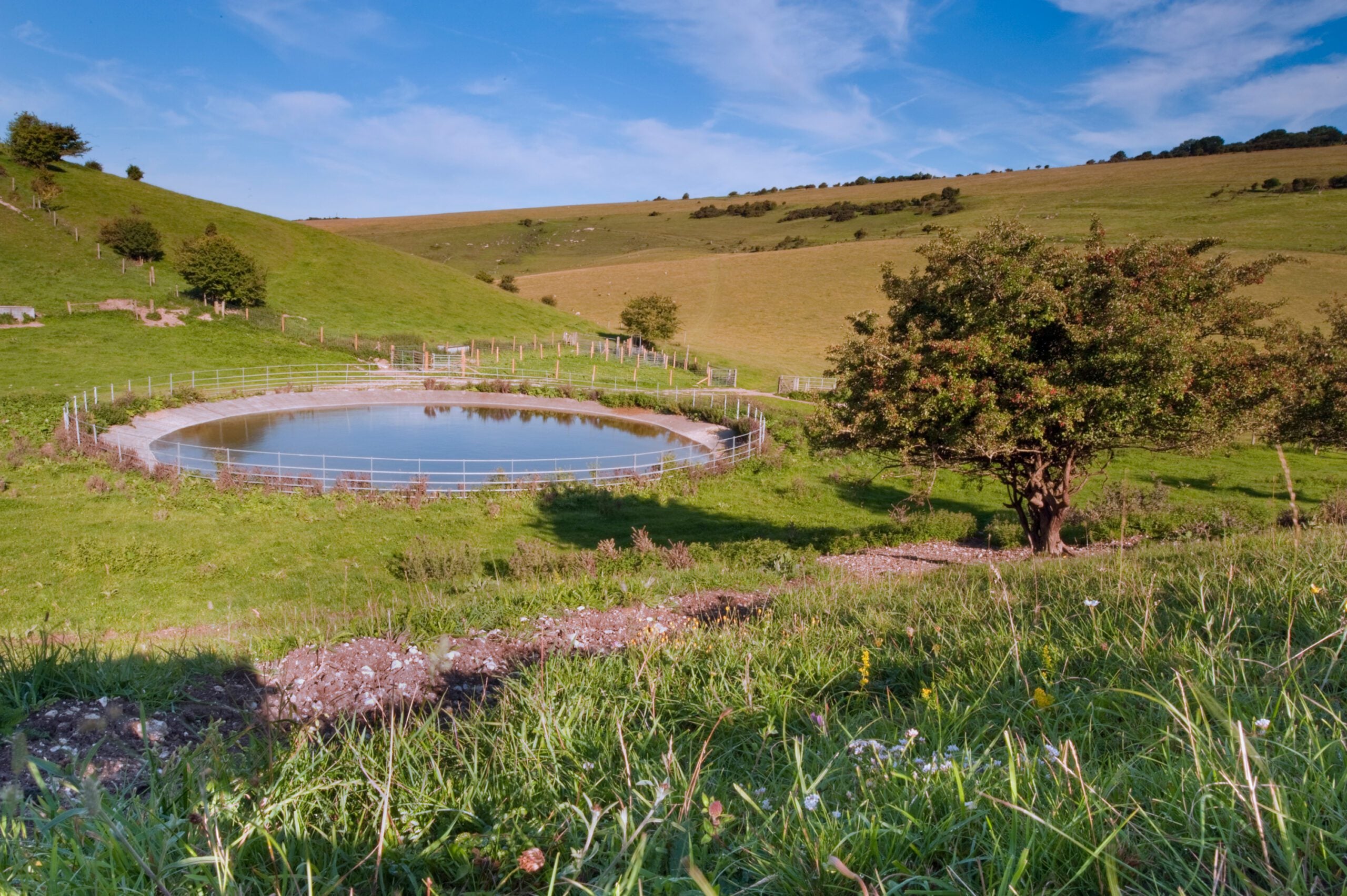
People have been farming this downland since the first settlers cleared the scrub and let their animals graze. It is sheep that made this landscape and sheep that have kept it. When grazing declined in the mid-20th century, the South Downs lost 95% of its chalk grassland to scrub and trees in a matter of decades. At Southerham Farm, we have continued the tradition, grazing with our own livestock year-round and spending hundreds of volunteer hours clearing scrub to restore what was lost. The result is some of the finest chalk grassland remaining in Sussex, and a living connection to thousands of years of farming history.
Did you know?
Sussex by the sea
Rudyard Kipling described the South Downs as “Our blunt, bow-headed whale-backed Downs” and you get a strong sense of that here.
Crowded turf
A single square metre of chalk turf can hold up to fifty different plant species.
Rarest resident
The tiny Bastard-toadflax plant here hosts a shield bug, Canthophorus impressus, currently found nowhere else in Sussex.
Hillfort
The ancient hillfort of Mount Caburn overlooks the reserve from the south-east, often with paragliders drifting above its earthworks.