
Overview
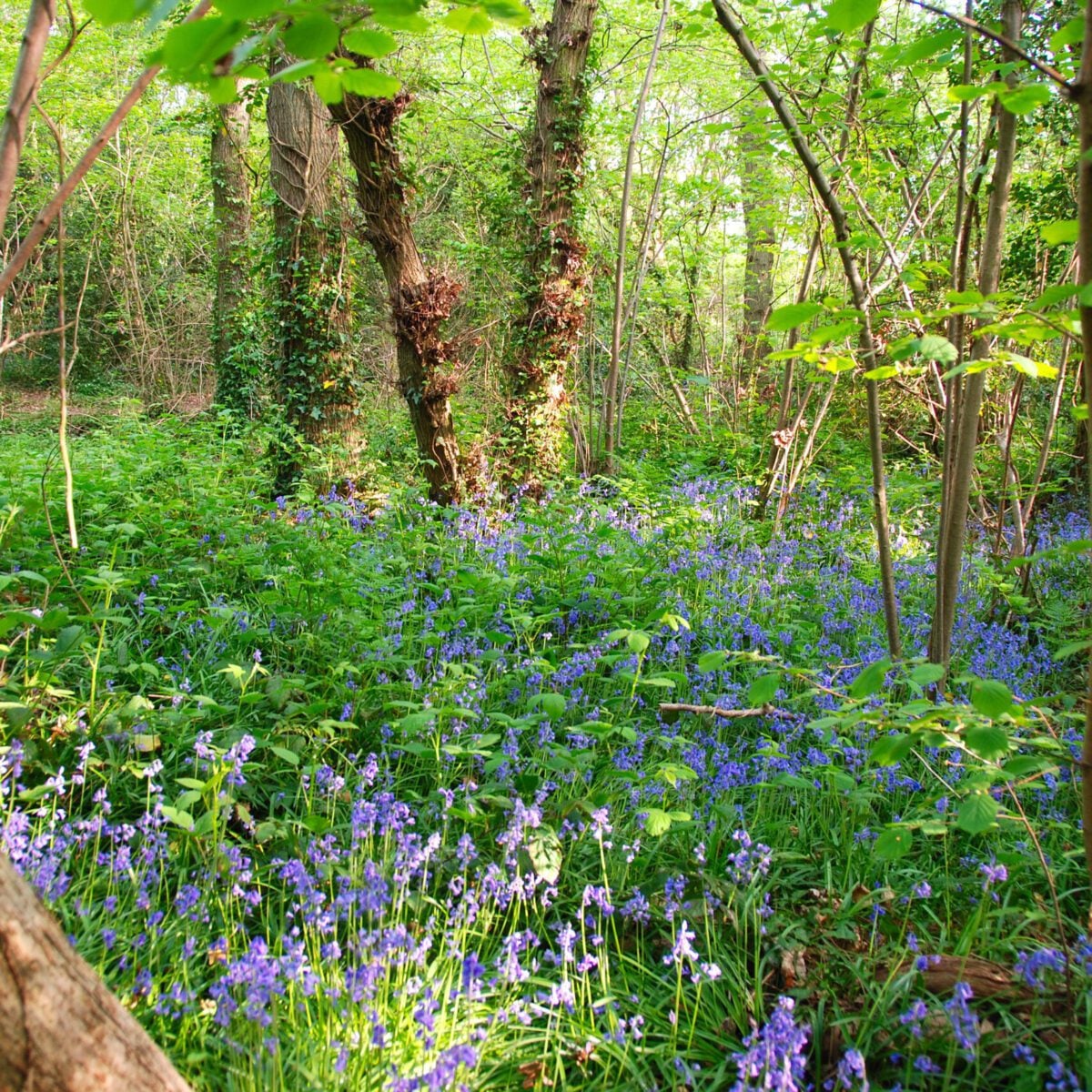
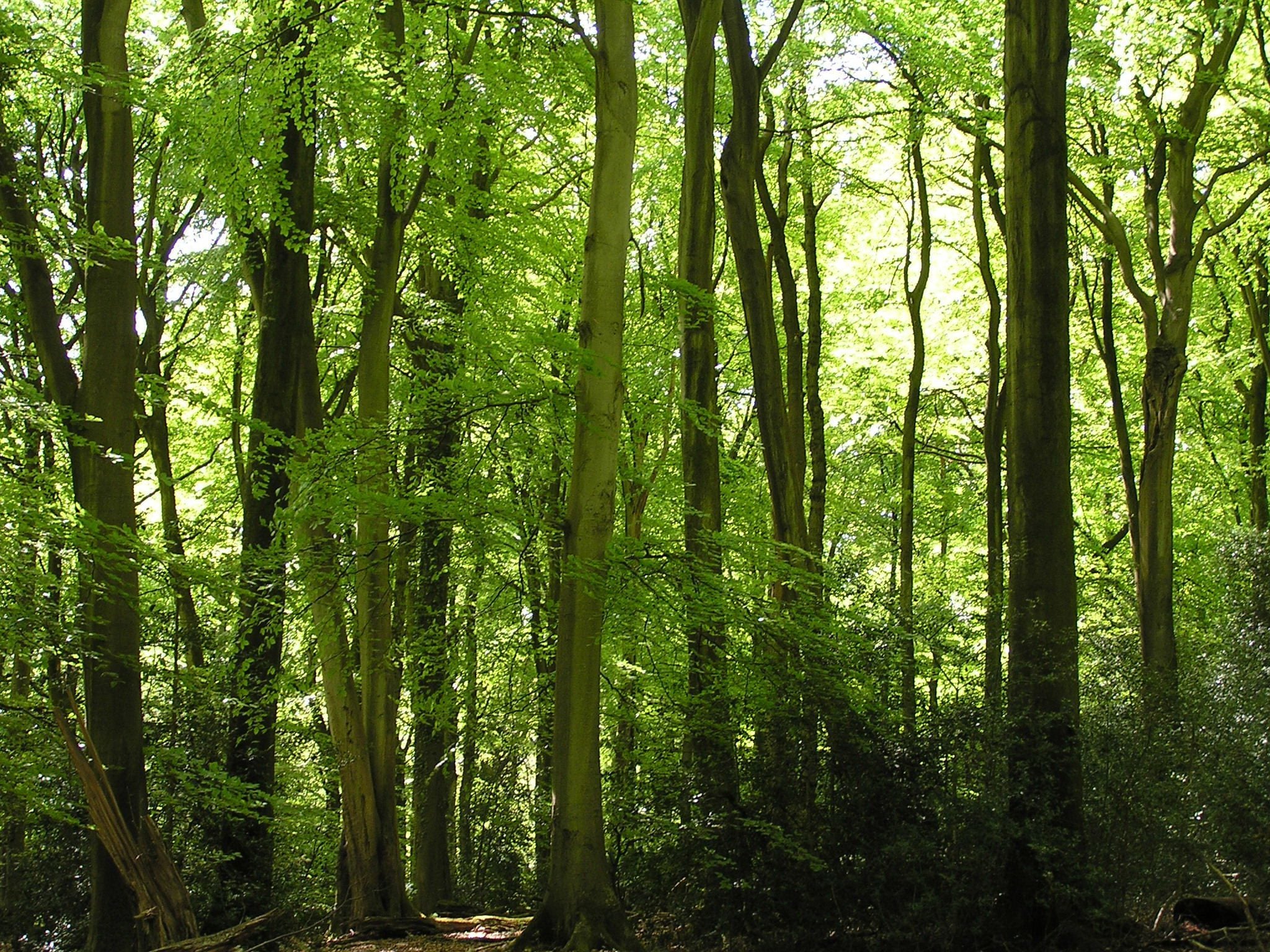
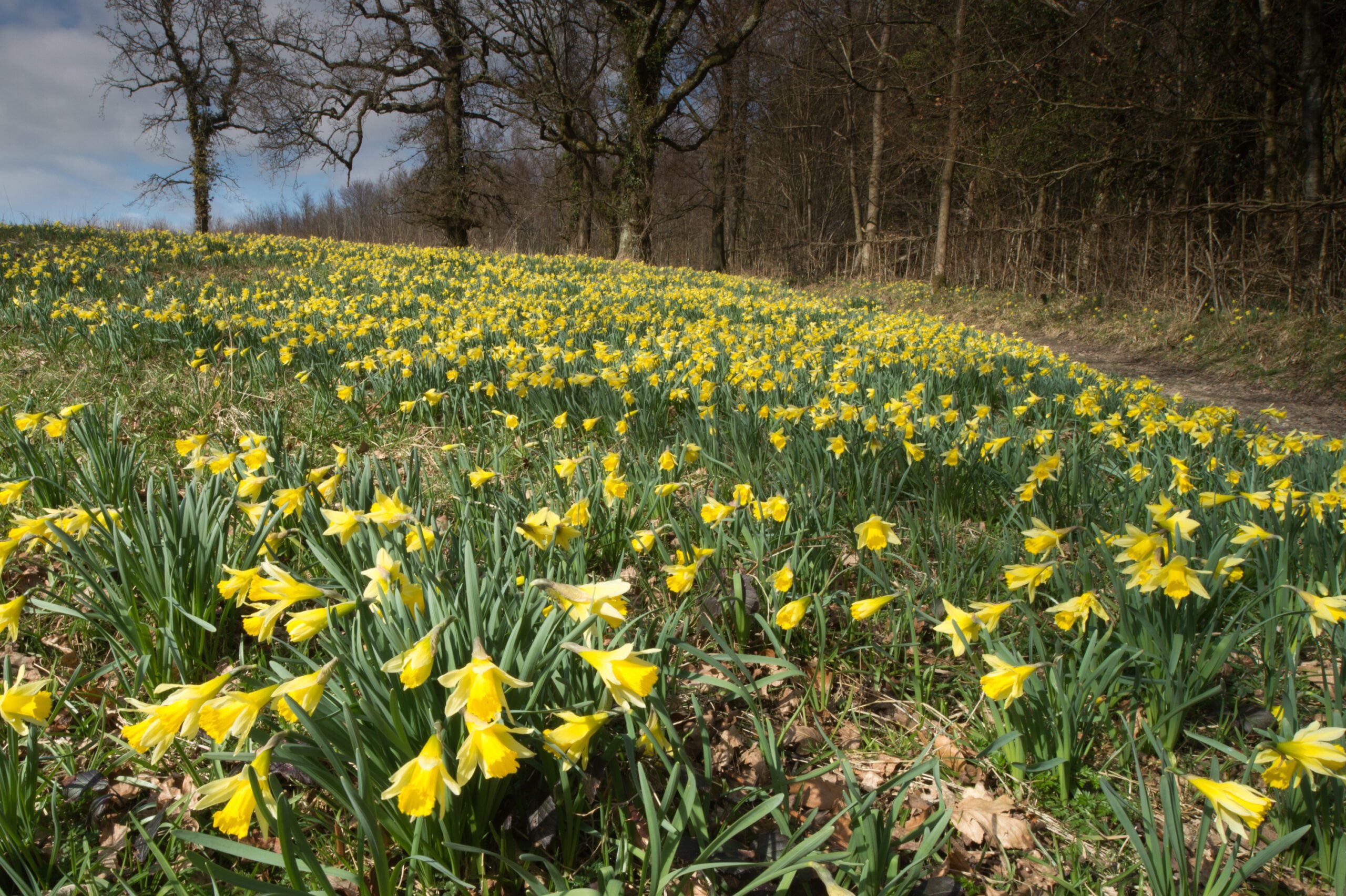
An ancient Hazel coppice sits beneath a canopy of Oak standards in this working woodland. In early spring, the woodland floor is transformed into a sea of Wild Daffodils, stretching as far as you can see. West Dean Woods is one of the few places where centuries of traditional woodland craft and management are still practised.
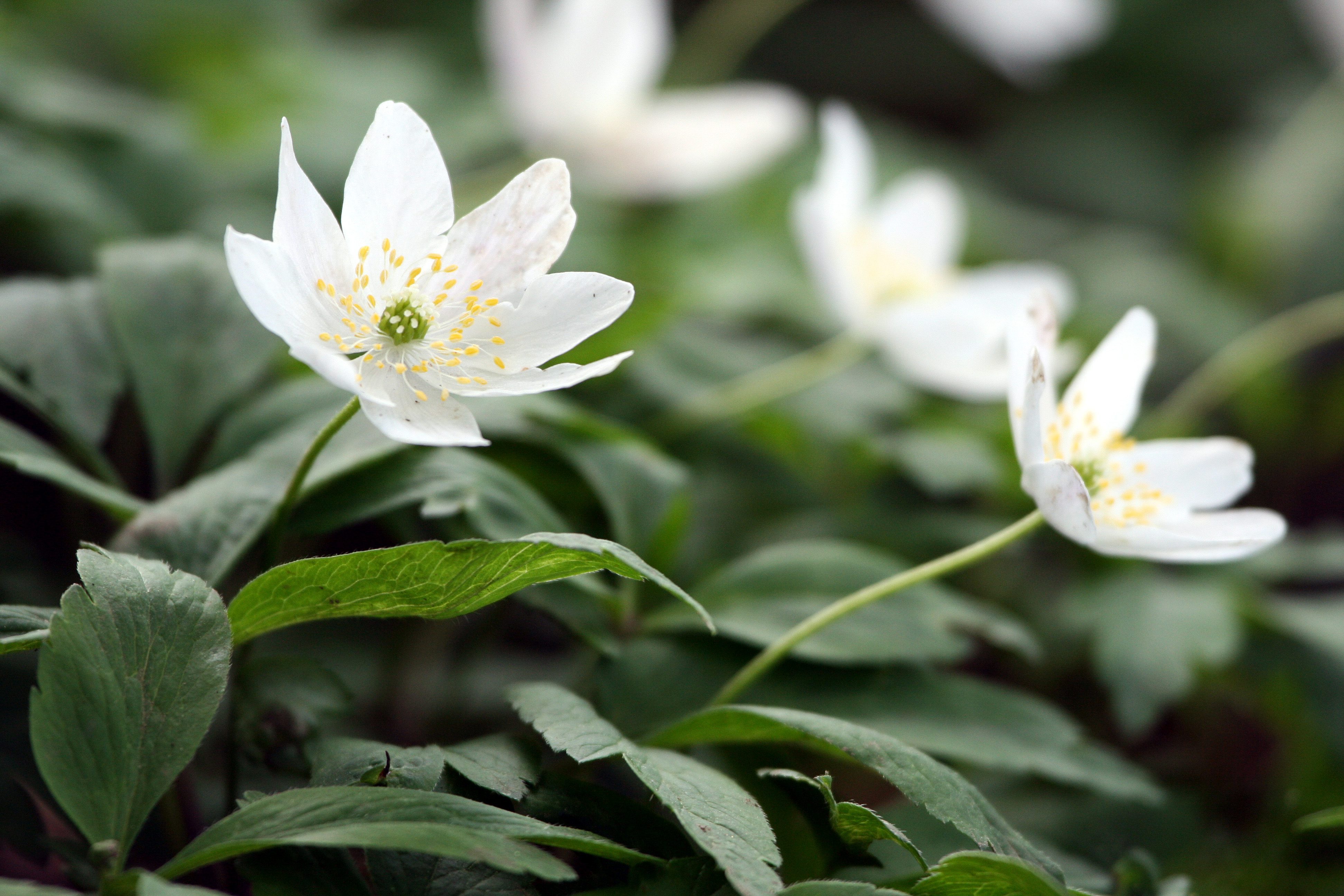
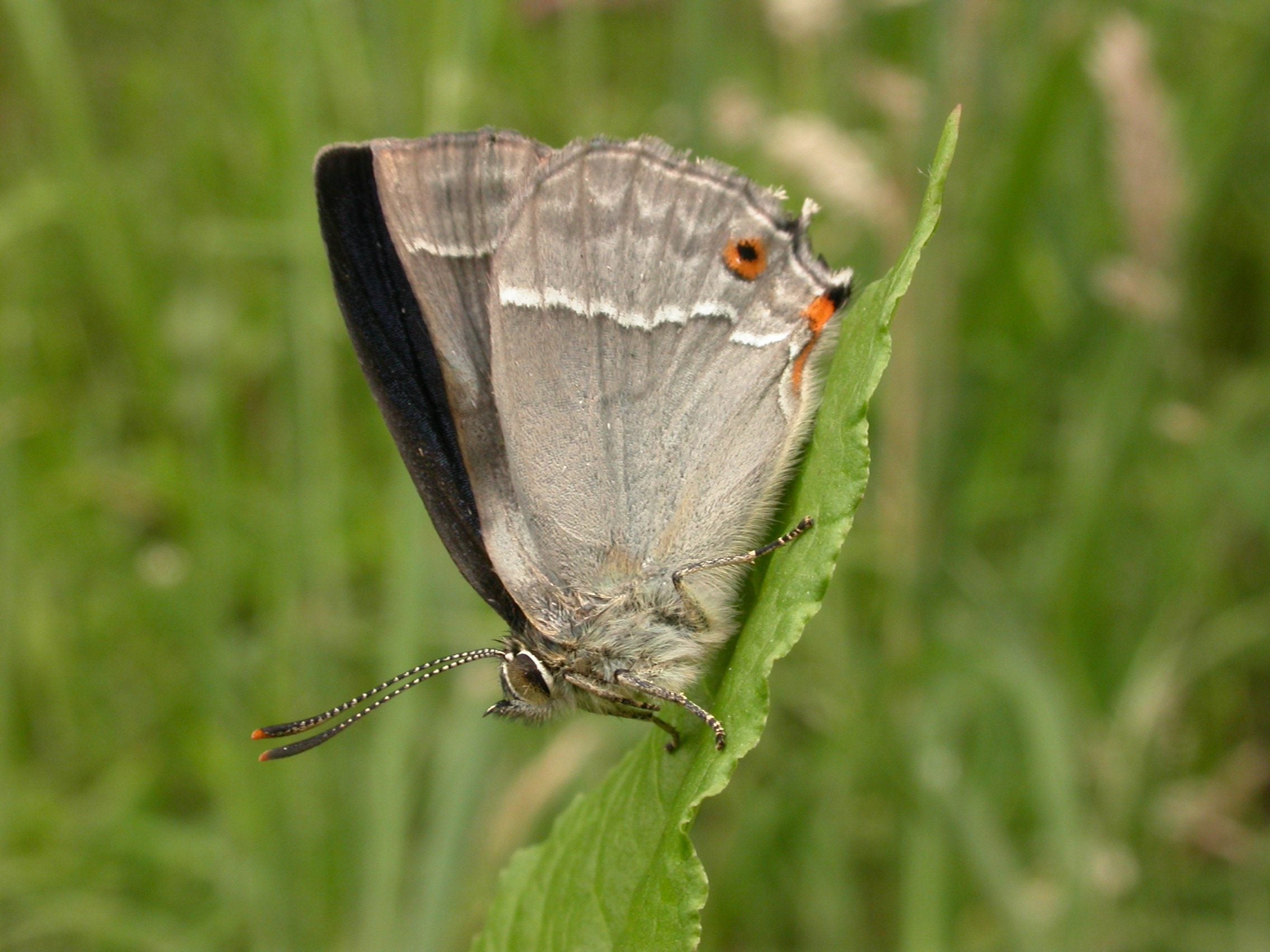
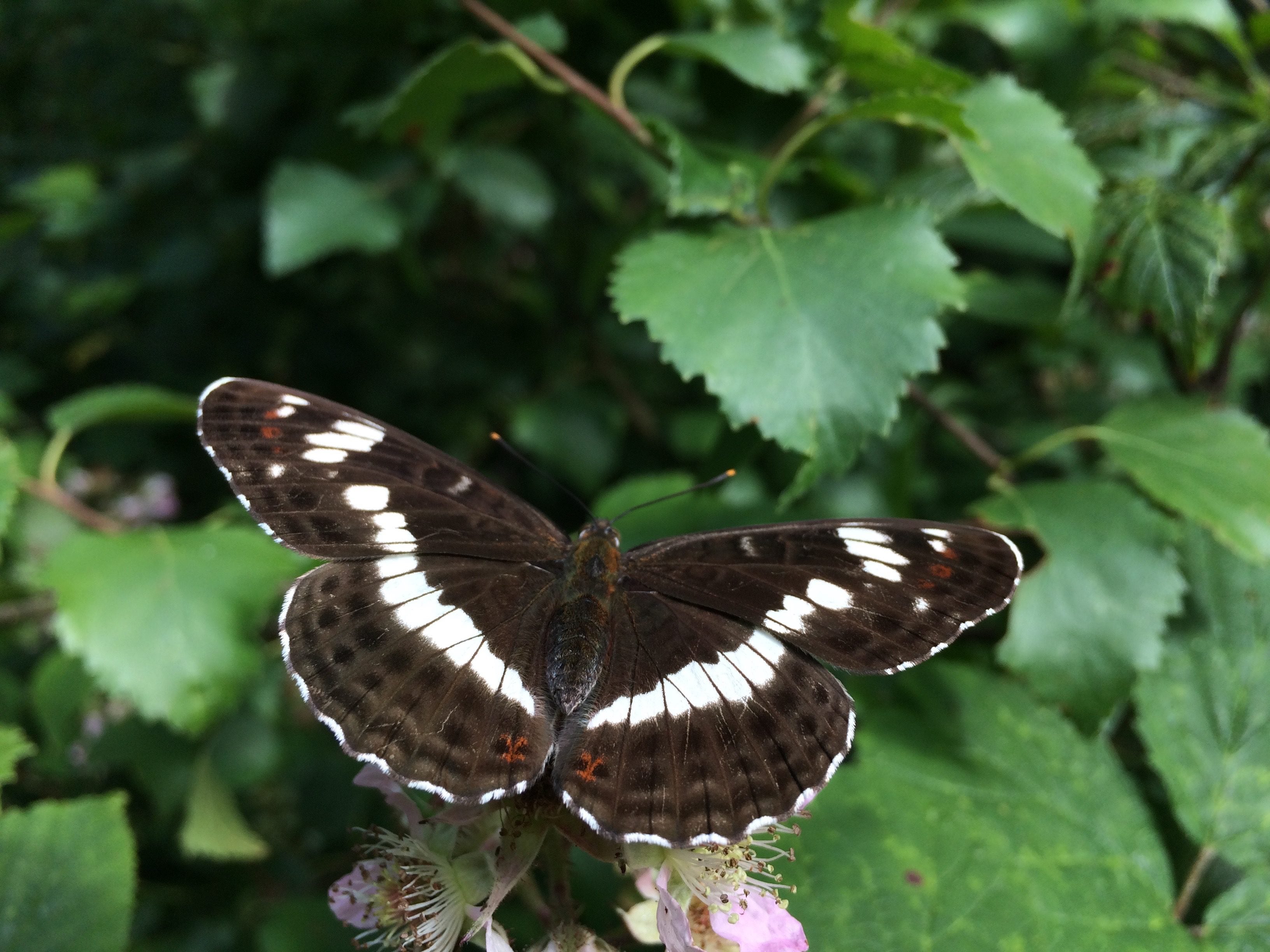
Two million Wild Daffodils bloom here every spring, followed by carpets of Bluebells, Wood Anemones and orchids. Woodland butterflies drift through the rides in summer, Dormice nestle in the thickening Hazel, and birdsong fills the air year-round. Though access is restricted, as the reserve sits within a working private estate, a public bridleway runs along its western edge, offering good views of the Daffodil display.


Charles Ashe Volunteer Reserve ManagerWest Dean Woods is a remnant of the woodland that once covered areas of the South Downs. As a working wood it is important in maintaining traditional coppice skills and markets, and is a practical example of what can be achieved in a once neglected coppice site.
Know before you go
Opening times
The reserve itself is not open to the public. The public bridleway along the western edge is accessible at all times.
Reserve size
17 hectares
How to get here
Postcode: PO18 0RU
Located two miles north-east of West Dean village. Parking lay-by nearby on the minor road.
Getting around
Public bridleway along the western edge.
Toilets
Toilets are available in nearby villages and Chichester.
Check Toilet Map for a range of options.
Dos and don’ts
- Please keep to the bridleway – the reserve is not open to the public.
- Enjoy the Wild Daffodils and woodland views from the bridleway.


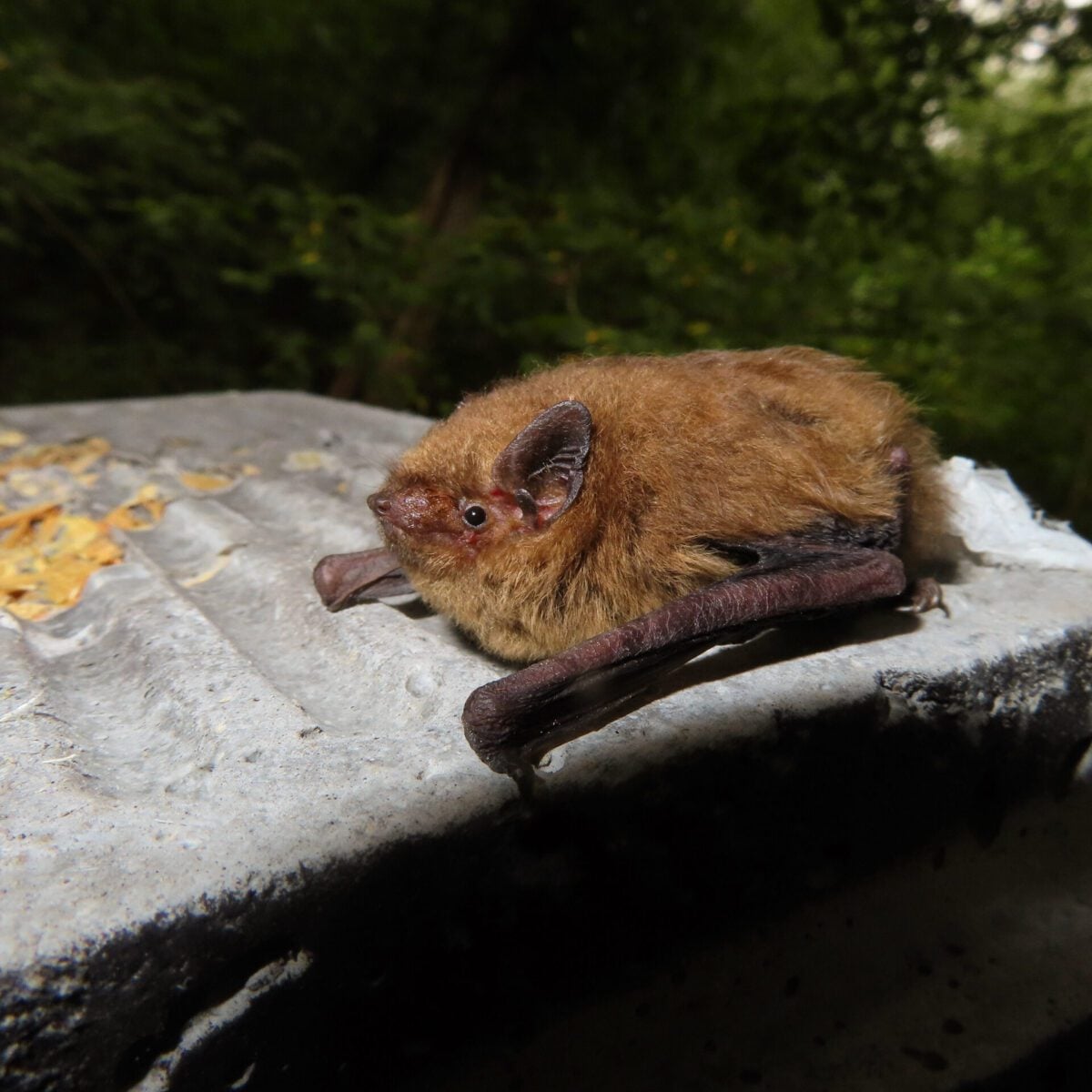
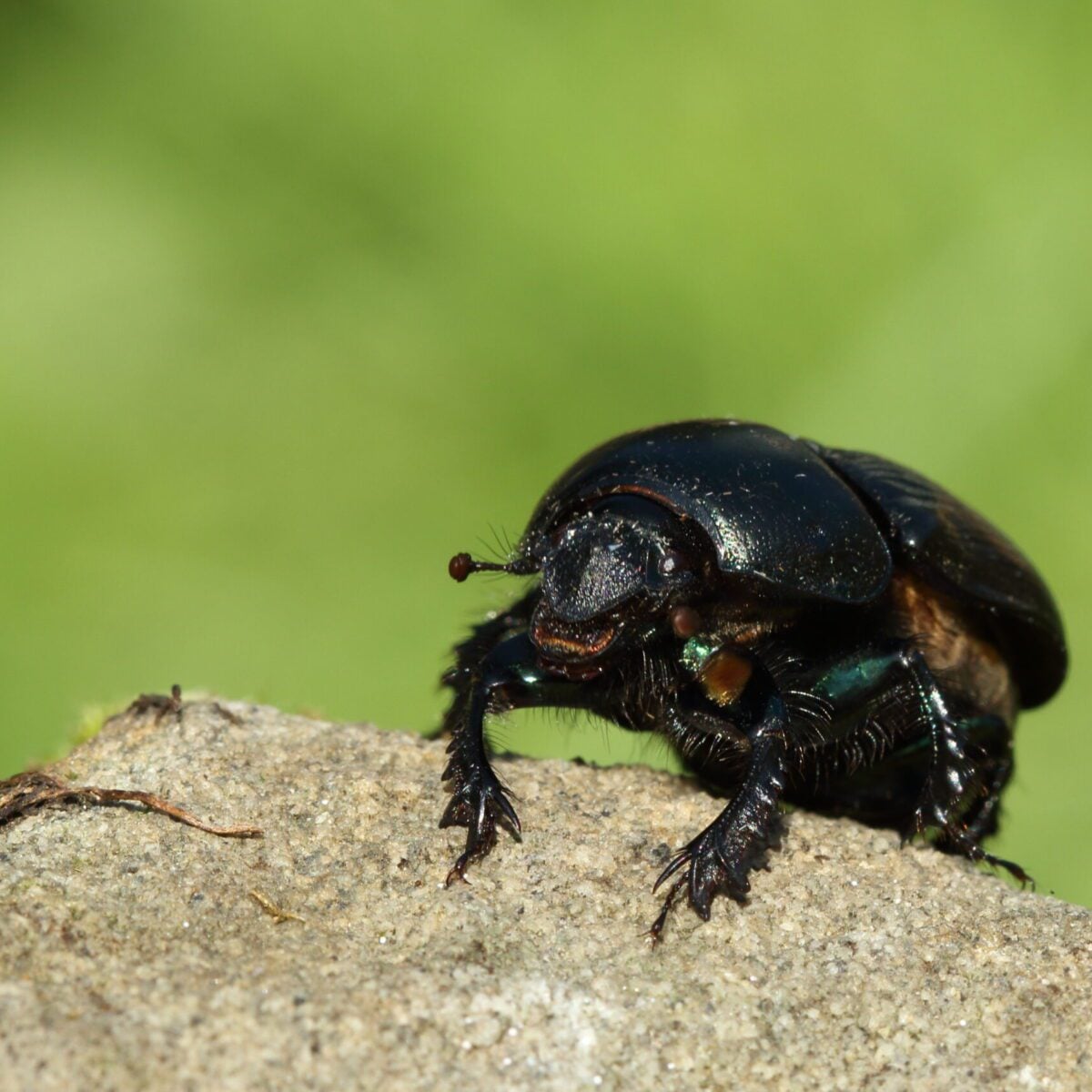
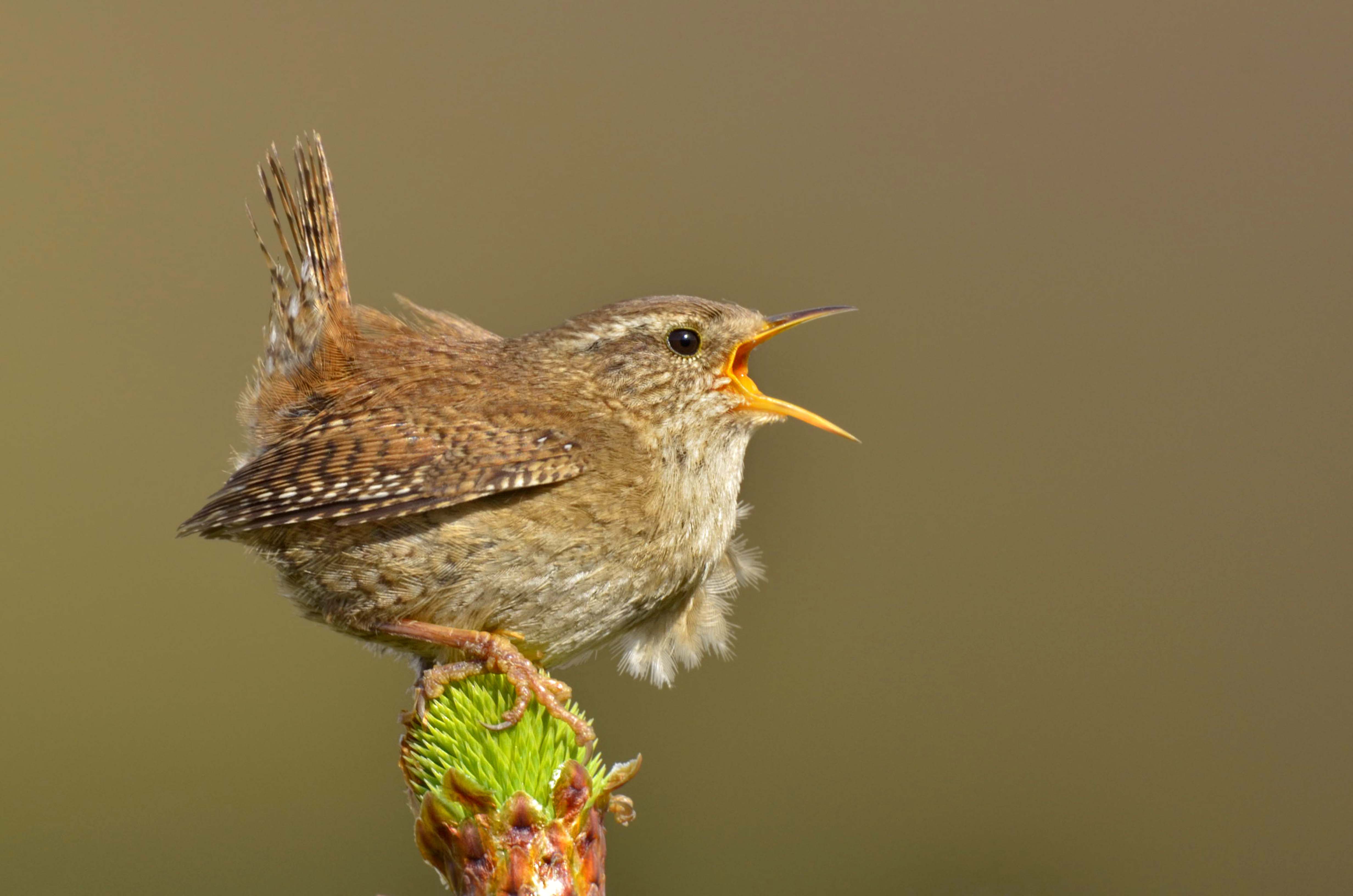
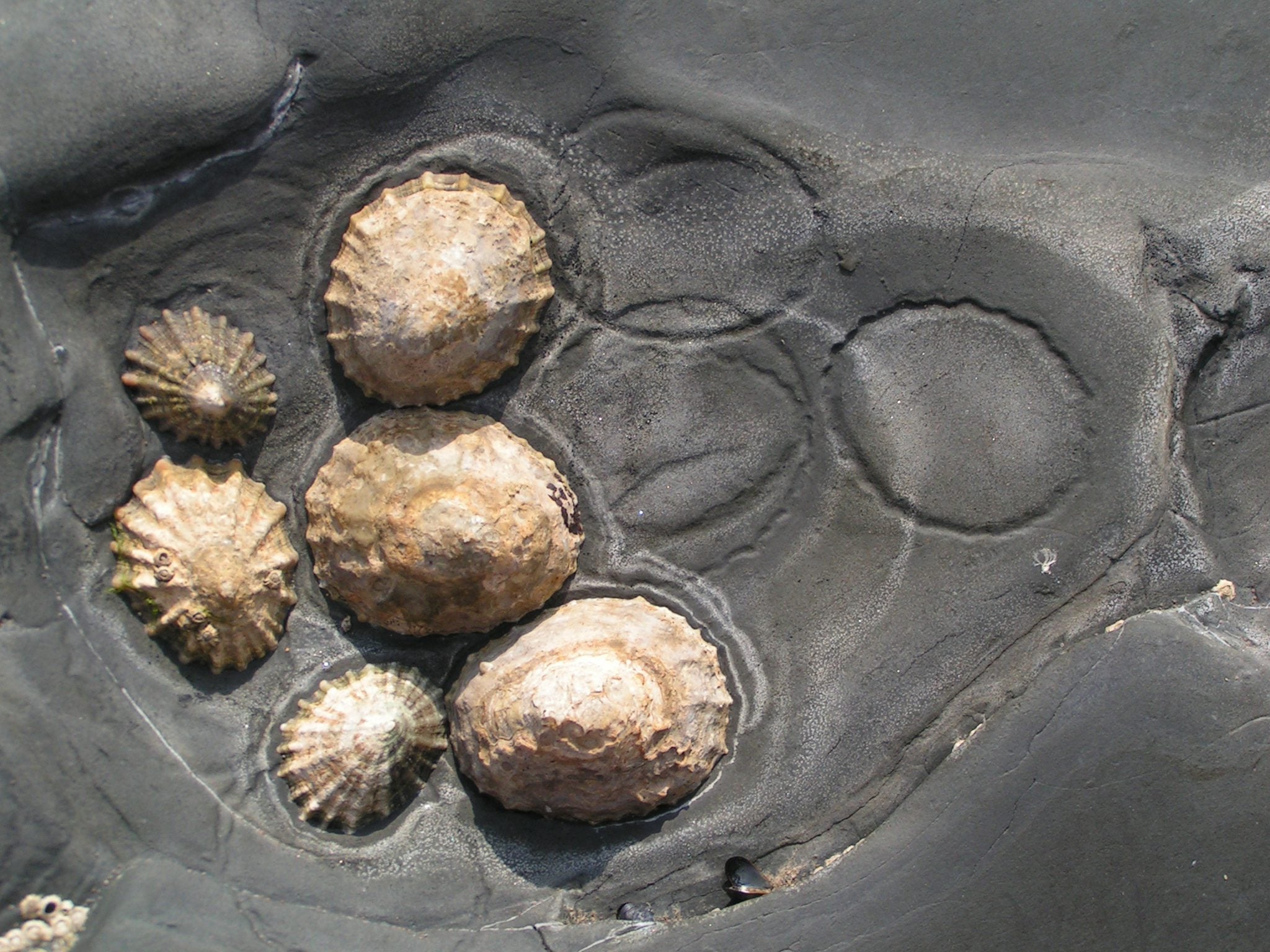
 © Julia Hoare
The story of the reserve
Hazel has been cut here for centuries, by the 1600s this woodland was already marked on maps as coppice, and the tradition has never stopped. Today a dedicated team of volunteers carries on exactly that work, cutting on a seven-year cycle and turning every stem into something useful, such as fencing stakes, hurdles, planters or firewood.
This woodland management benefits wildlife too. Letting light flood the woodland floor and cutting on rotation, creates a shifting mosaic of habitats as the trees regrow. This in turn supports wildflowers, butterflies, beetles and much more. It’s living proof that this ancient craft still works.
Did you know?
A host, of golden daffodils
There are around two million Wild Daffodils on the reserve.
Hazel's parasite
Toothwort cannot photosynthesise at all; it acquires all the nutrients it needs from Hazel roots.
Scarce moth
West Dean Woods is the best site in Sussex for the scarce Drab Looper moth, which feeds only on Wood Spurge.
Ancient craft
The Hazel here has been coppiced continuously for at least 400 years, it is recorded as a ‘copse’ on 17th century maps.