

Take action
Become a member
Memberships build our community and give us a predictable income, which lets us plan and sustain longer projects that can have a greater impact. The more members we have, the more we can do to protect the Sussex countryside and coast.
Make a donation
Membership builds our community and gives us a predictable income, which lets us plan and sustain longer projects that can have a greater impact. The more members we have, the more we can do to protect the Sussex countryside and coast.
Overview
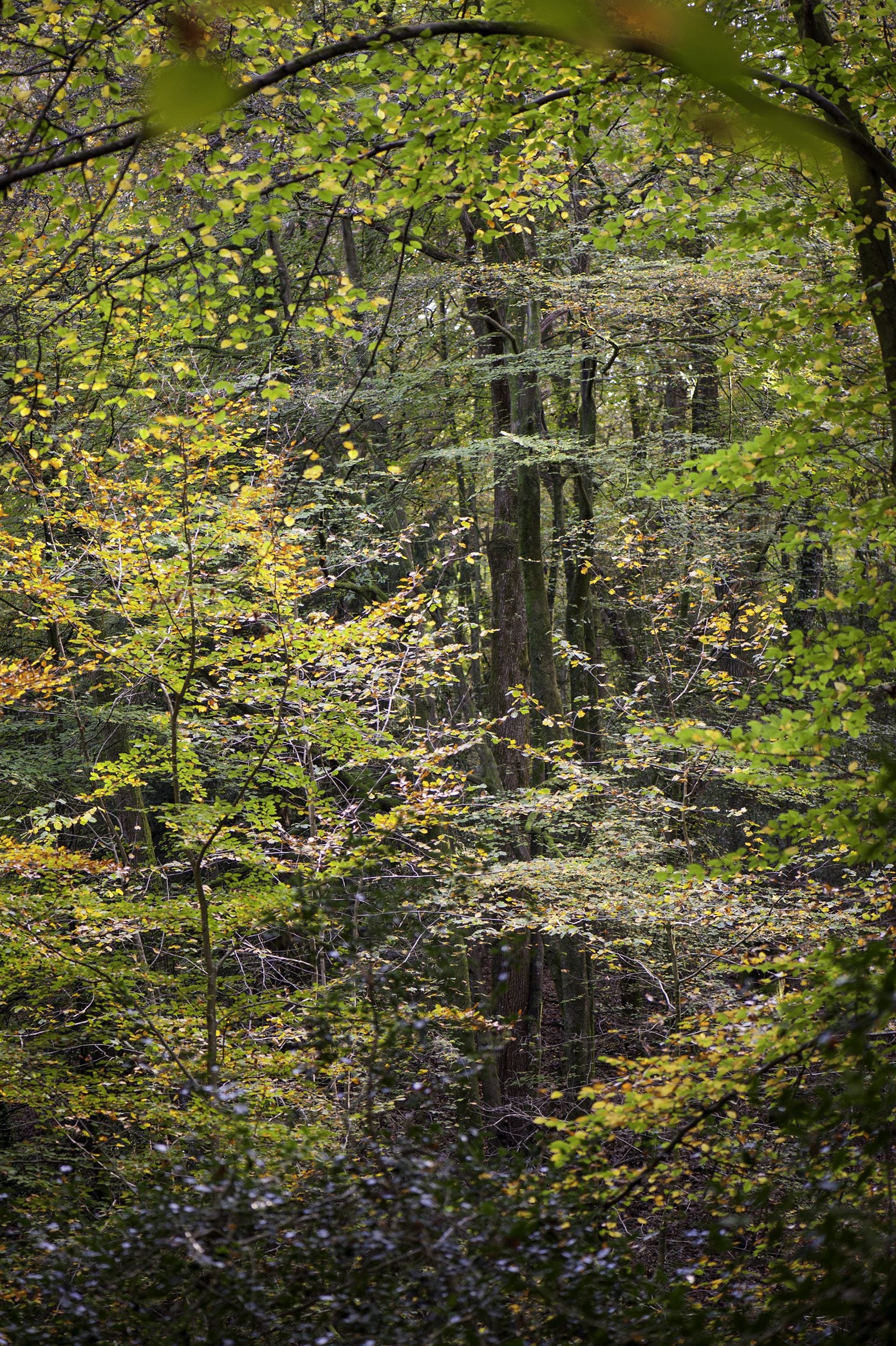
The Wood Anemone is a pretty spring flower of ancient woodlands, and is also planted in graveyards, parks and gardens. Its white flowers bloom between March and May, before the canopy becomes too dense, but its seeds are mostly infertile and it spreads slowly through the growth of its roots.
Key Facts
- The Wood Anemone is a low-growing plant, with six to seven large, white or purple-streaked ‘petals’ (which are actually its sepals), surrounding a cluster of distinctive yellow anthers. Its leaves are deeply lobed and it has a thin, red stem.
- The Wood Anemone is named after the Greek wind god, Anemos, who sent his namesakes, the anemones, in early spring to herald his coming. This legend gives the flower its other common name of ‘Windflower’.
- Height: up to 25cm
Status
Common.

Seasonality
March to May