Take action
Become a member
Memberships builds our community and gives us a predictable income, which lets us plan and sustain longer projects that can have a greater impact. The more members we have, the more we can do to protect the Sussex countryside and coast.
Make a donation
Membership builds our community and gives us a predictable income, which lets us plan and sustain longer projects that can have a greater impact. The more members we have, the more we can do to protect the Sussex countryside and coast.
Overview
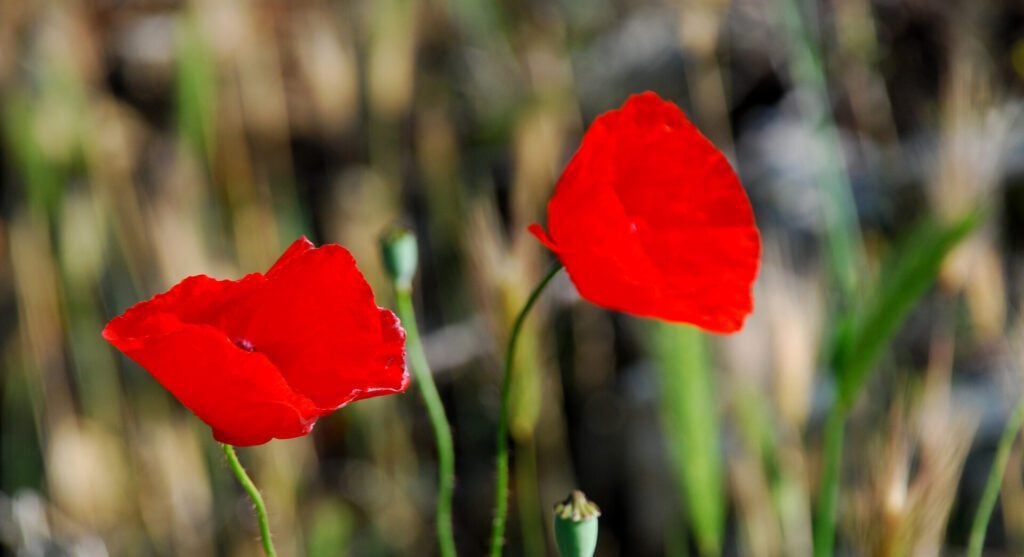
This familiar, showy flower is now most likely to occur as part of intentional wildflower seeding, or as the result of the disturbance of soil containing old seed banks.
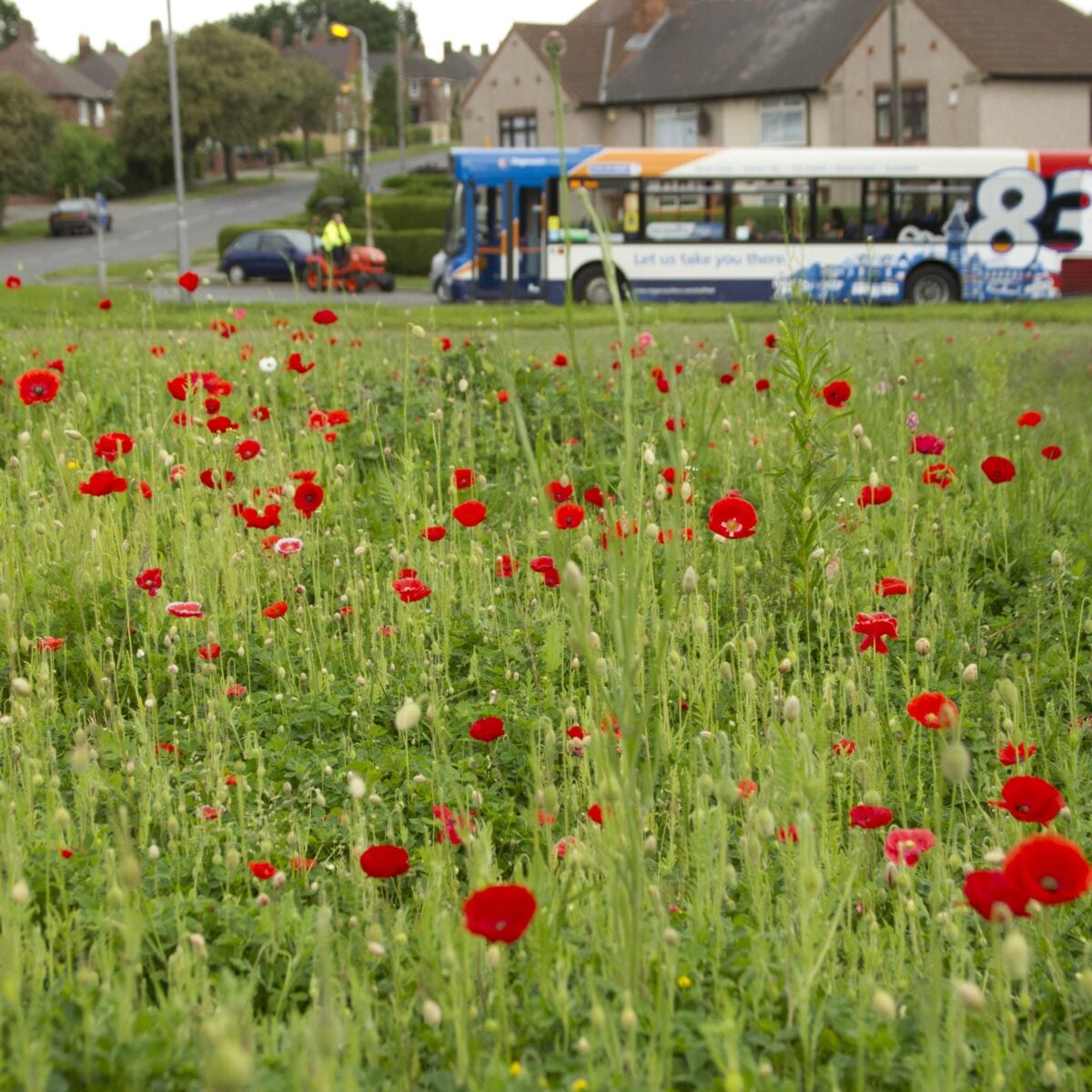
Common Poppy strongholds remain on roadside verges, scrub, waste ground and farmland. They flower from June to August, often alongside other cornfield flowers such as Corn Chamomile and Corncockle.
Key Facts
- With their big, saucer-shaped, scarlet blooms, Common Poppies are one of the most familiar of all our wild flowers. There are other similar species, which can be hard to tell apart.
- Immortalised in poetry, the Common Poppy famously turned the battlefields of the Somme into a place of remembrance: the blood-red of the poppies mirroring the atrocities of war. But its association with blood and new life harks back to the Egyptians and Romans who made garlands of common poppies to celebrate the gods and ensure the fertility of their crops.
- Height: up to 80cm
Status
Common.
Seasonality
June to August