Take action
Become a member
Memberships build our community and give us a predictable income, which lets us plan and sustain longer projects that can have a greater impact. The more members we have, the more we can do to protect the Sussex countryside and coast.
Make a donation
Membership builds our community and gives us a predictable income, which lets us plan and sustain longer projects that can have a greater impact. The more members we have, the more we can do to protect the Sussex countryside and coast.
Overview
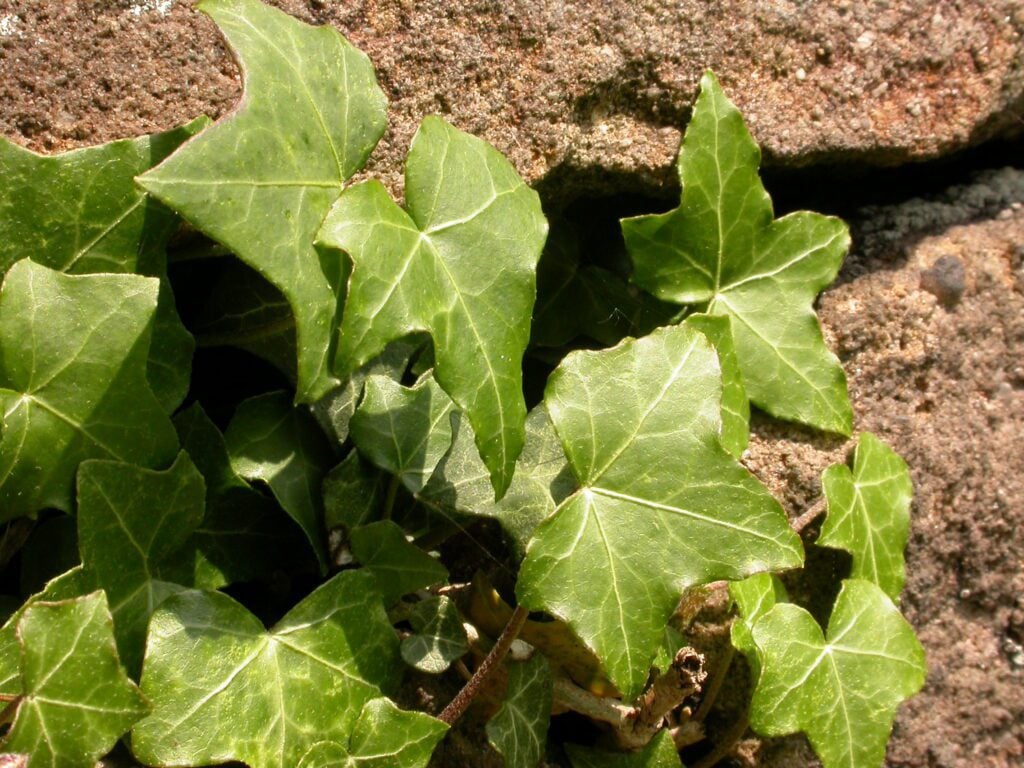
The climbing stems, glossy leaves and round clusters of berries of Ivy are a familiar sight across town and country. Growing up trees and old walls, carpeting the ground, and forming thick bushes, this creeping plant is not actually a parasite, as many might think, but only gets support from its host.
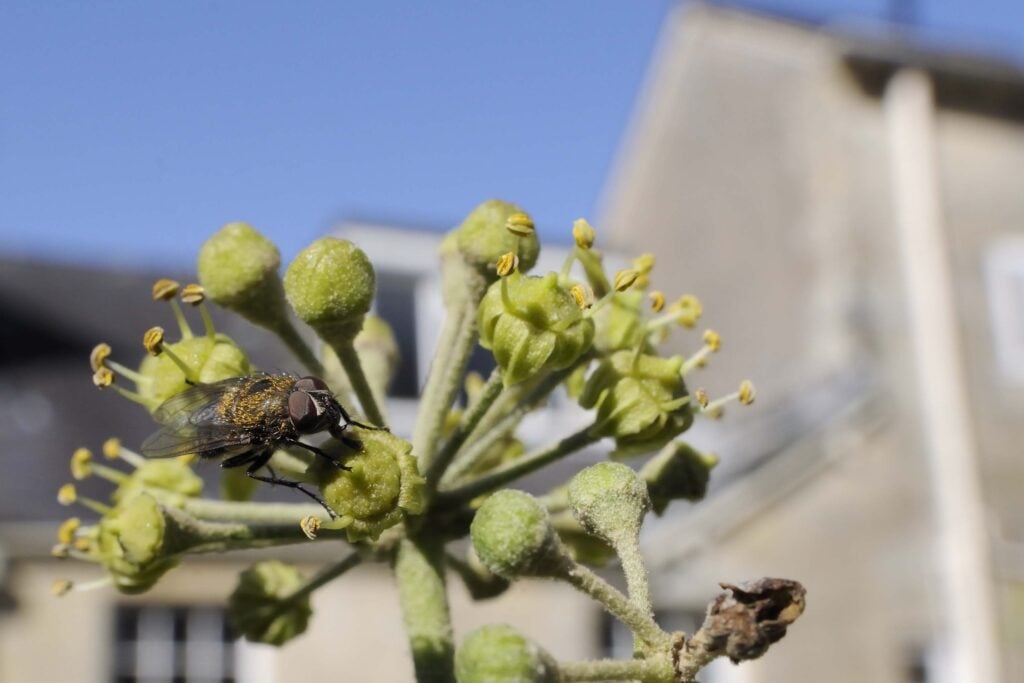
This host might be a house, shed or a tree in woodland, but none of them will suffer for it. The yellow-green flowers of Ivy are a great source of nectar for autumn insects, such as European Hornets, Honeybees and Red Admiral butterflies. Ivy also provides roosting sites for bats and birds, and a home for hibernating insects.
Key Facts
- Ivy is an evergreen and its glossy, oval leaves, with pale veins, can be seen throughout the year. Between September and November, look out for the yellow-green flowers that grow in rounded clusters; these are followed by black berries.
- Ivy’s evergreen nature made it an especially powerful symbol during the dark winter months of times past; indeed, sprigs of Ivy and Holly were brought into houses to keep evil spirits at bay.
- Height: up to 20m
Status
Common.

Seasonality
All year round