Take action
Become a member
Memberships builds our community and gives us a predictable income, which lets us plan and sustain longer projects that can have a greater impact. The more members we have, the more we can do to protect the Sussex countryside and coast.
Make a donation
Membership builds our community and gives us a predictable income, which lets us plan and sustain longer projects that can have a greater impact. The more members we have, the more we can do to protect the Sussex countryside and coast.
Overview
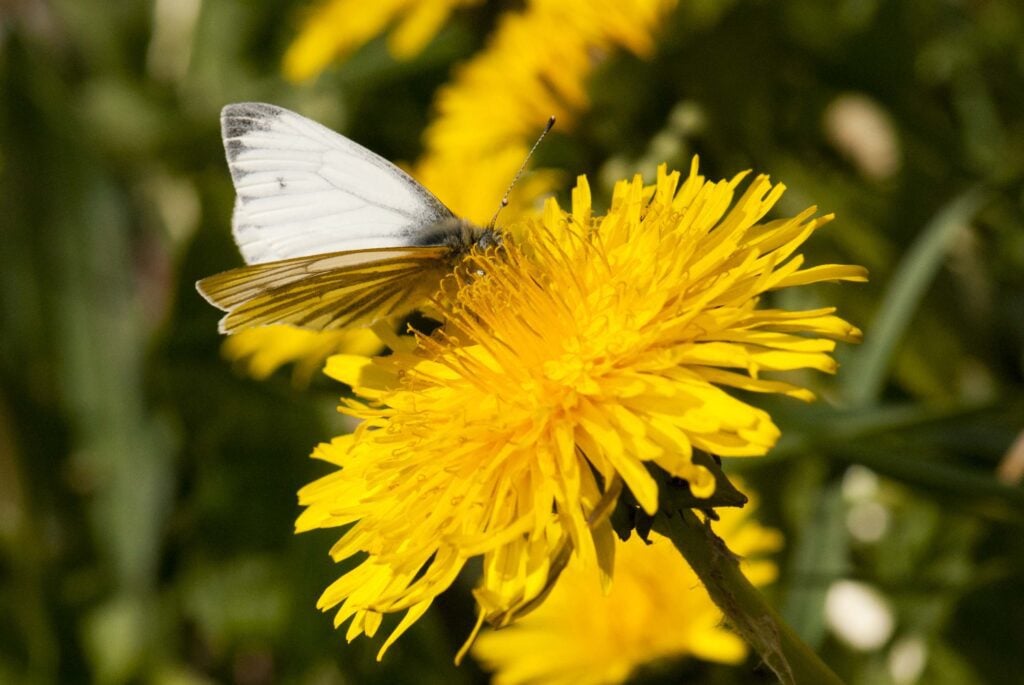
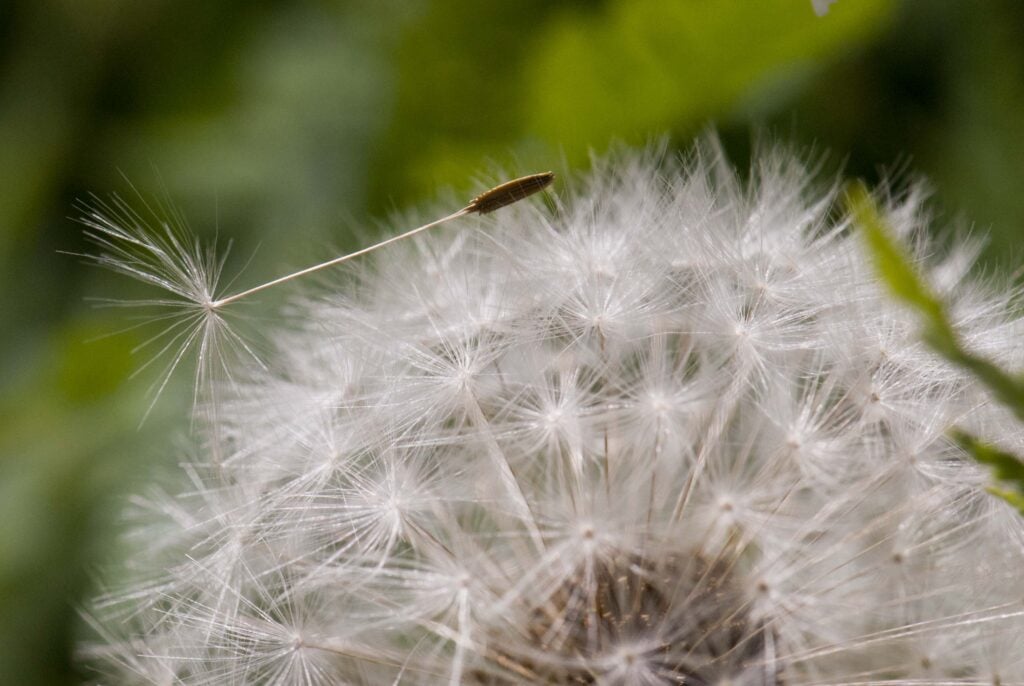
The seed ‘clocks’ of the Common Dandelion can carpet a grassland in fluffy, white pillows straight after the bright yellow, gaudy flowers have coloured it gold.
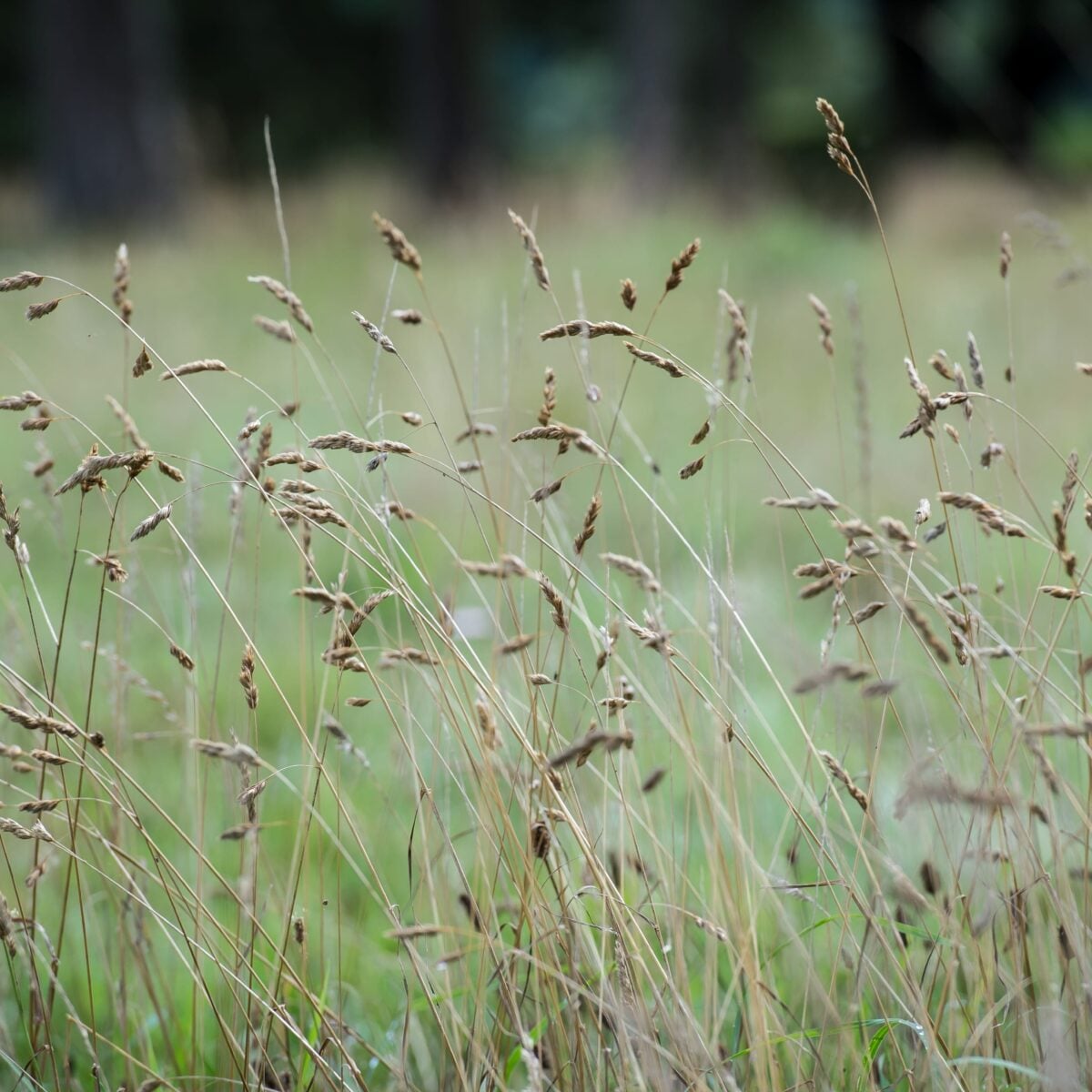
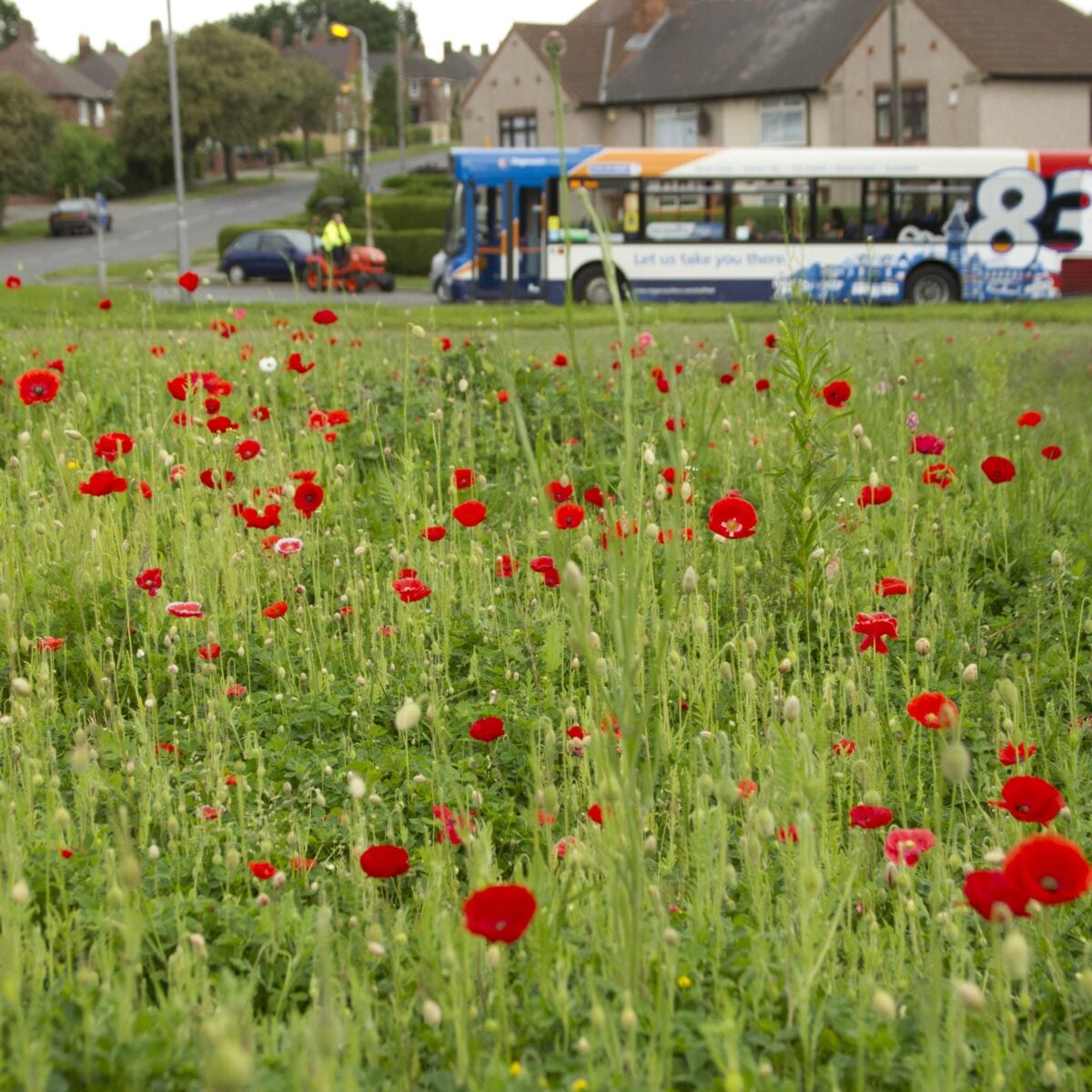
Common Dandelions grow in all kinds of grasslands from lawns to roadside verges, pastures to traditional meadows.
Key Facts
- The Common Dandelion is actually a variety of forms or ‘microspecies’ and there are also a number of other dandelion species, so identification can be tricky. Nevertheless, look for the familiar yellow flower heads displaying closely packed florets (tiny flowers). The leaves of the Common Dandelion are lobed and spoon-shaped, and the stem exudes a milky white sap if it is broken. When it fruits, the seeds appear with their downy, white parachutes, and form a globular, packed seed head.
- The Common Dandelion is the subject of many myths and games, one of which suggests that if you pick it, or even just touch it, you will wet the bed – an idea that forms many of the local common names, including ‘Wet-the-bed’ and ‘Tiddle-beds’.
- Height: up to 35cm
Status
Common.
Seasonality
All year round