Take action
Become a member
Memberships builds our community and gives us a predictable income, which lets us plan and sustain longer projects that can have a greater impact. The more members we have, the more we can do to protect the Sussex countryside and coast.
Make a donation
Membership builds our community and gives us a predictable income, which lets us plan and sustain longer projects that can have a greater impact. The more members we have, the more we can do to protect the Sussex countryside and coast.
Overview
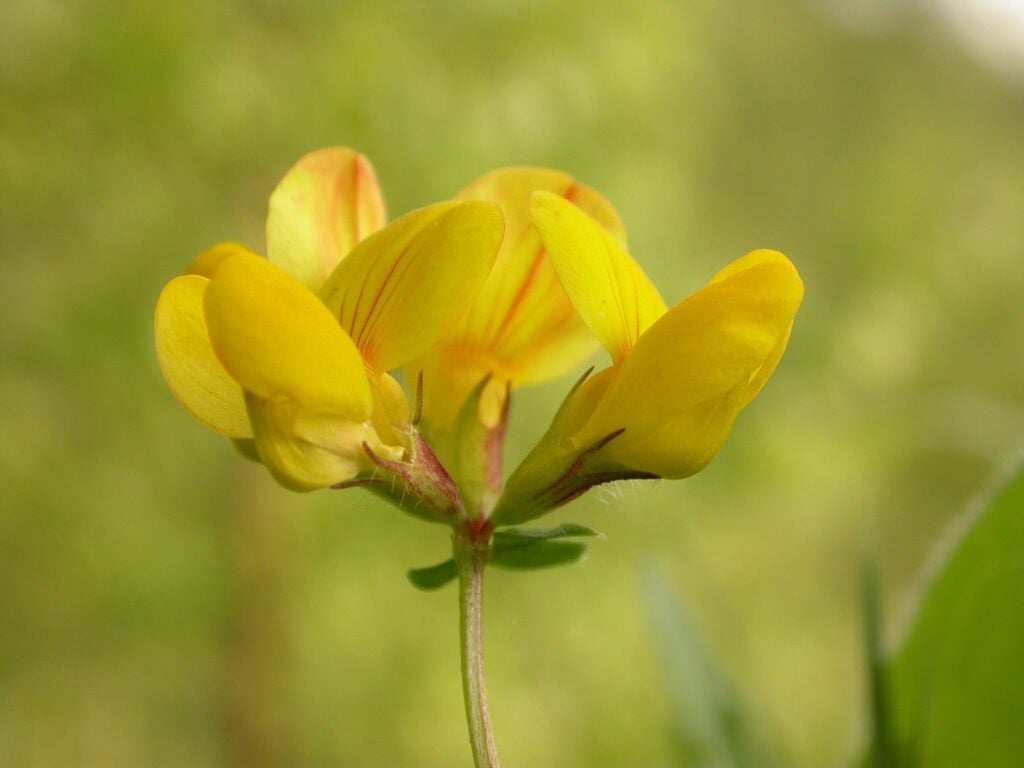
One of the more evocative names for Common Bird’s-foot Trefoil is ‘Granny’s toenails’, which gives an instant, and perhaps not-so-pleasant, impression of the claw-like seed pods of this abundant and sprawling species.
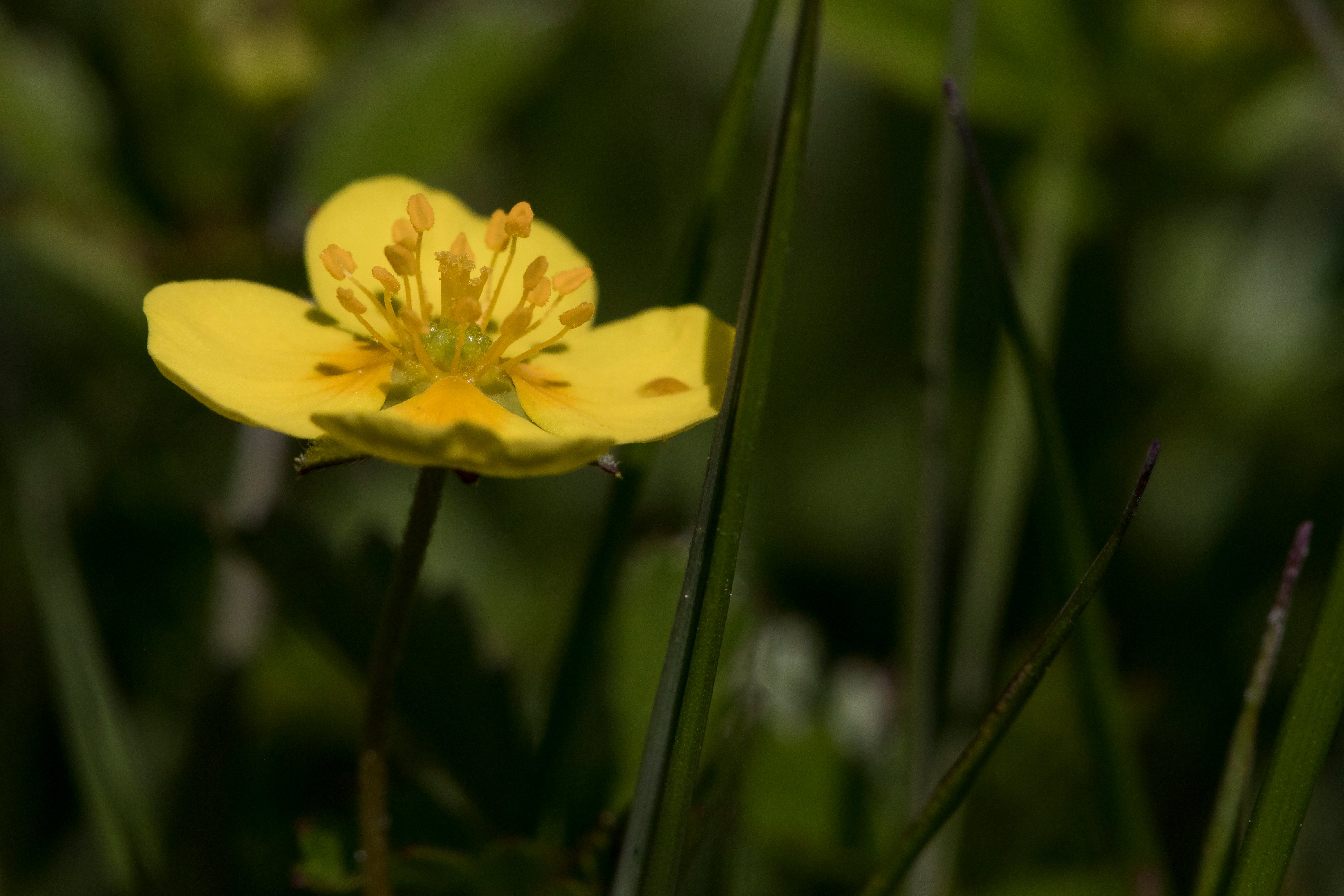
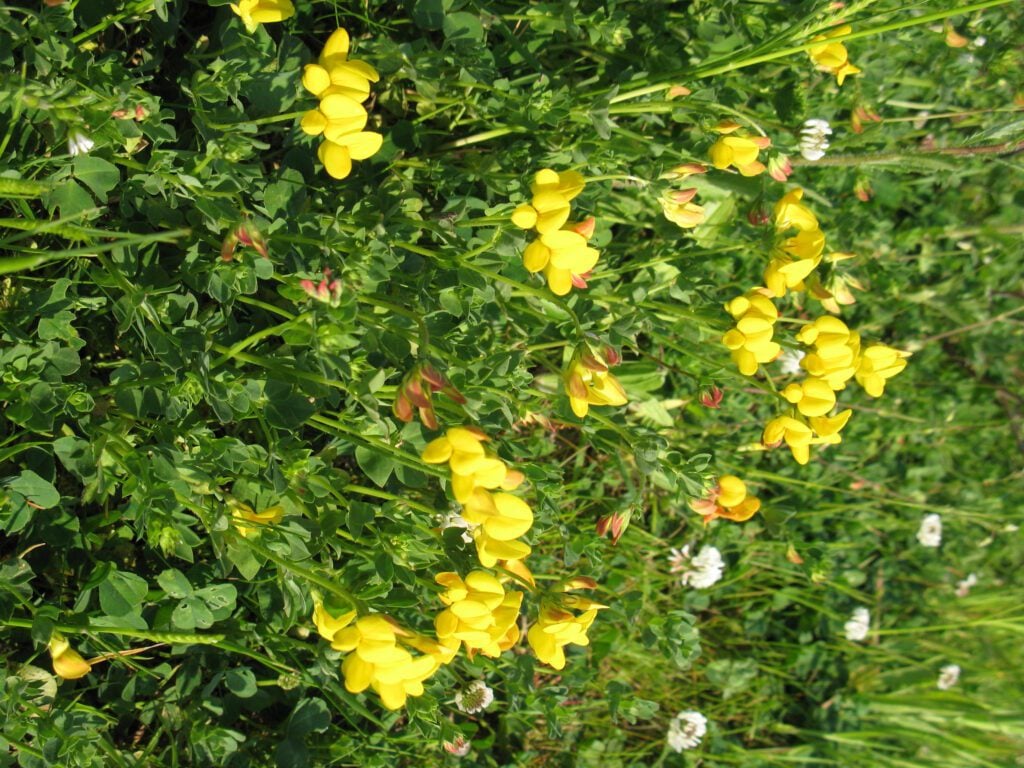
Other common names include ‘butter and eggs’, eggs and bacon’, and ‘hen and chickens’, which all refer to the egg-yolk yellow flowers and reddish buds. Widespread and found in all kinds of grassy places, from lawns to downlands, roadside verges to heathlands, Common Bird’s-foot Trefoil can be seen flowering from May to September.
Key Facts
- Common Bird’s-foot Trefoil is a member of the pea family. Its yellow flowers look like little slippers and appear in small clusters. They are followed by seed pods that look distinctly like bird’s feet or claws, hence the common name. A low-growing plant, its leaves have five leaflets and are downy.
- Common Bird’s-foot Trefoil is an important foodplant for the caterpillars of the Common Blue, Silver-studded Blue and Wood White butterflies; the latter two species are both classified as Priority Species under the UK Post-2010 Biodiversity Framework. Its flowers are a good nectar source for bees.
- Height: up to 35cm
Status
Common.

Seasonality
May to September