Overview
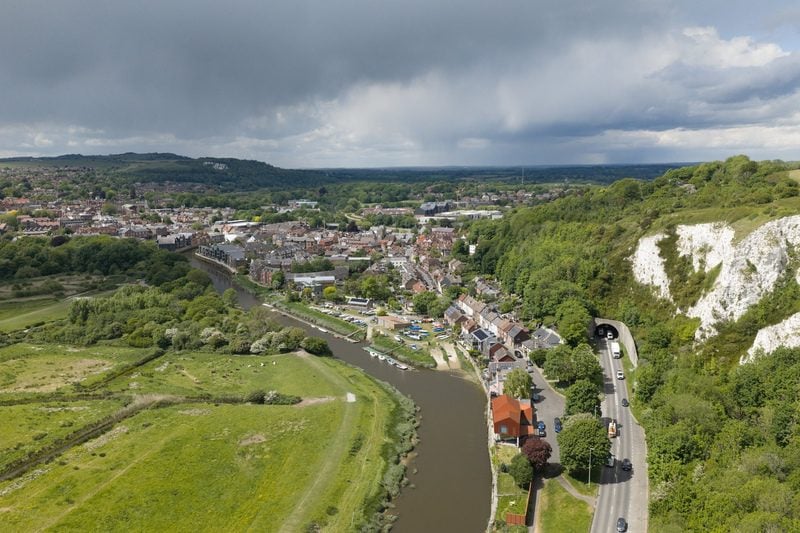
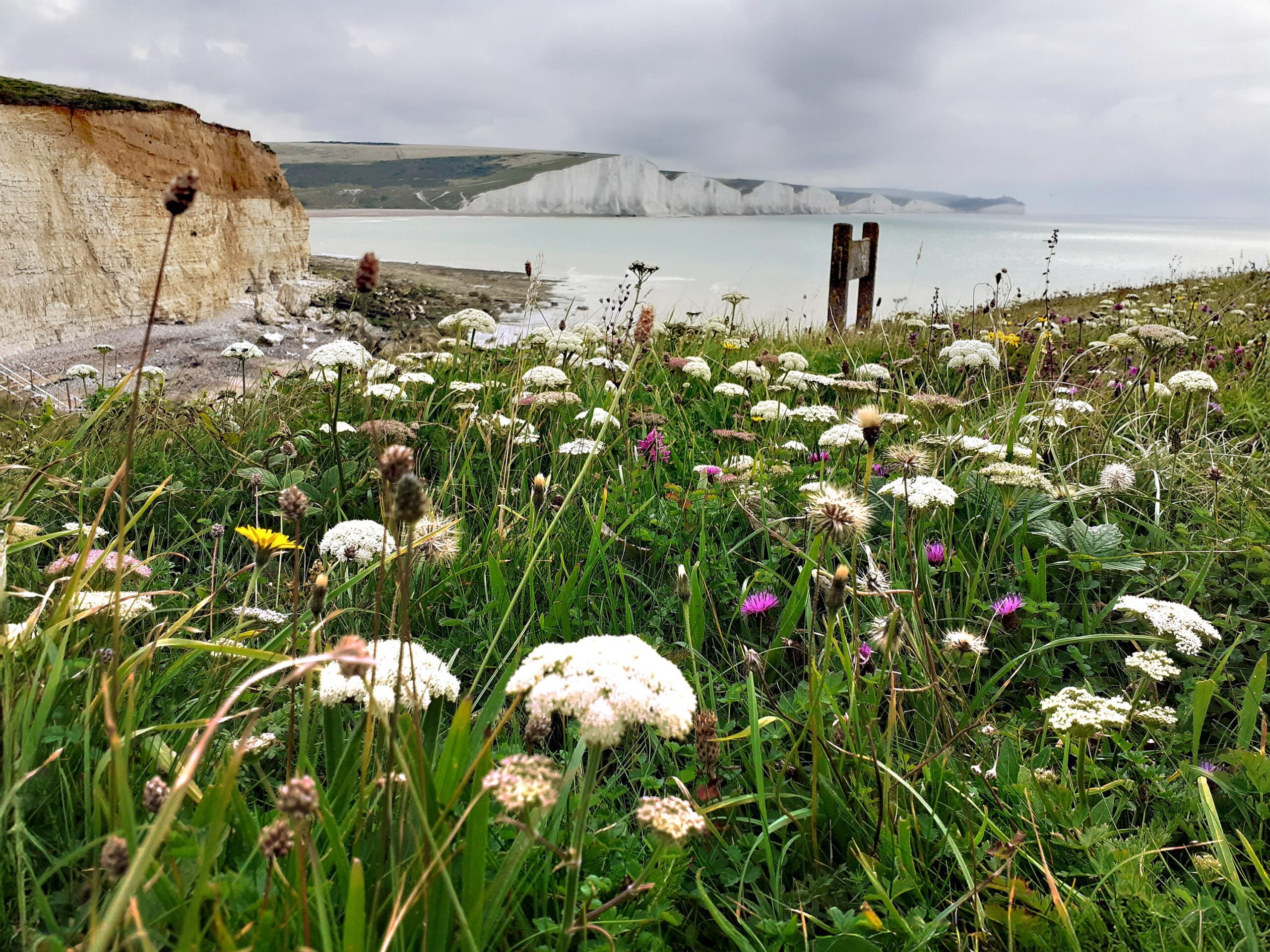
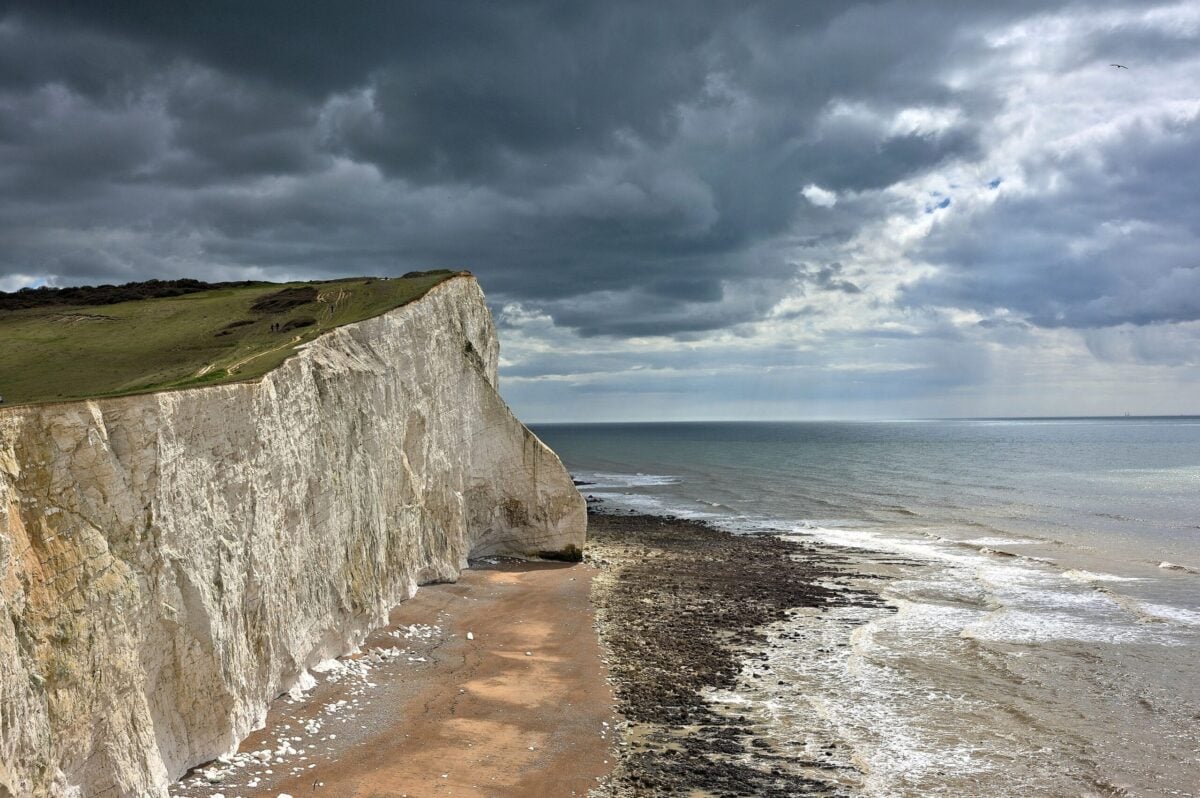
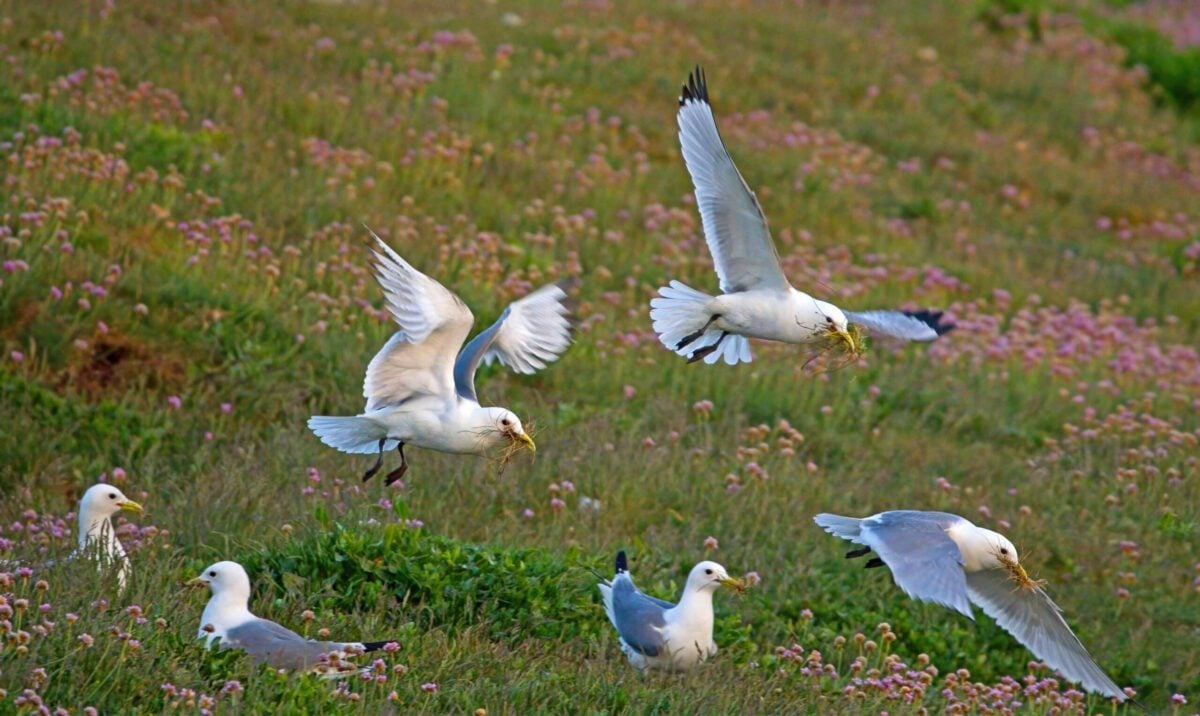
From Seaford Head Nature Reserve, you get what is arguably the most iconic view in East Sussex – the white chalk cliffs of the Seven Sisters and Cuckmere Valley. This reserve is an important stopping off point for migrating birds, such as Wheatears, Whinchats and Yellow Wagtails.
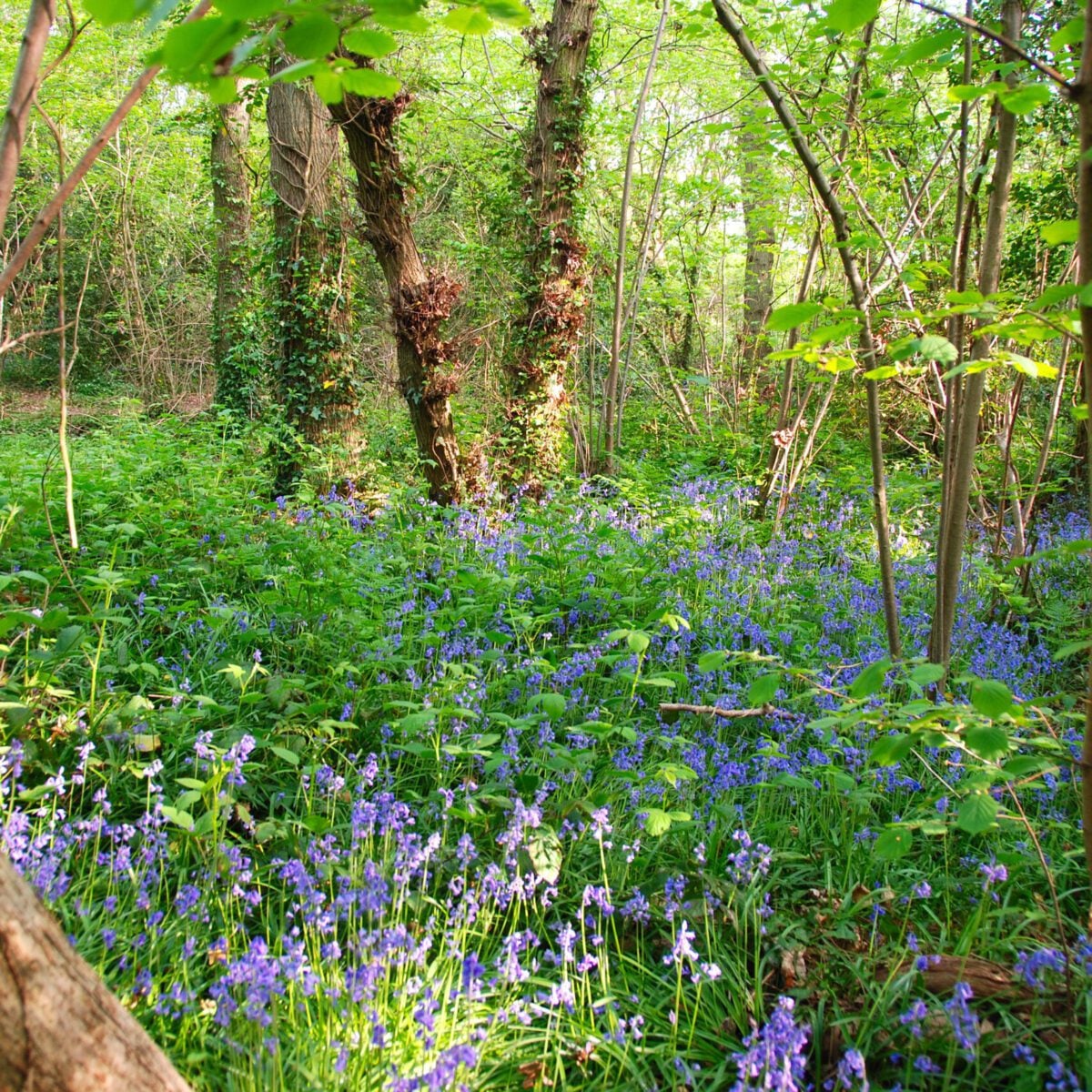
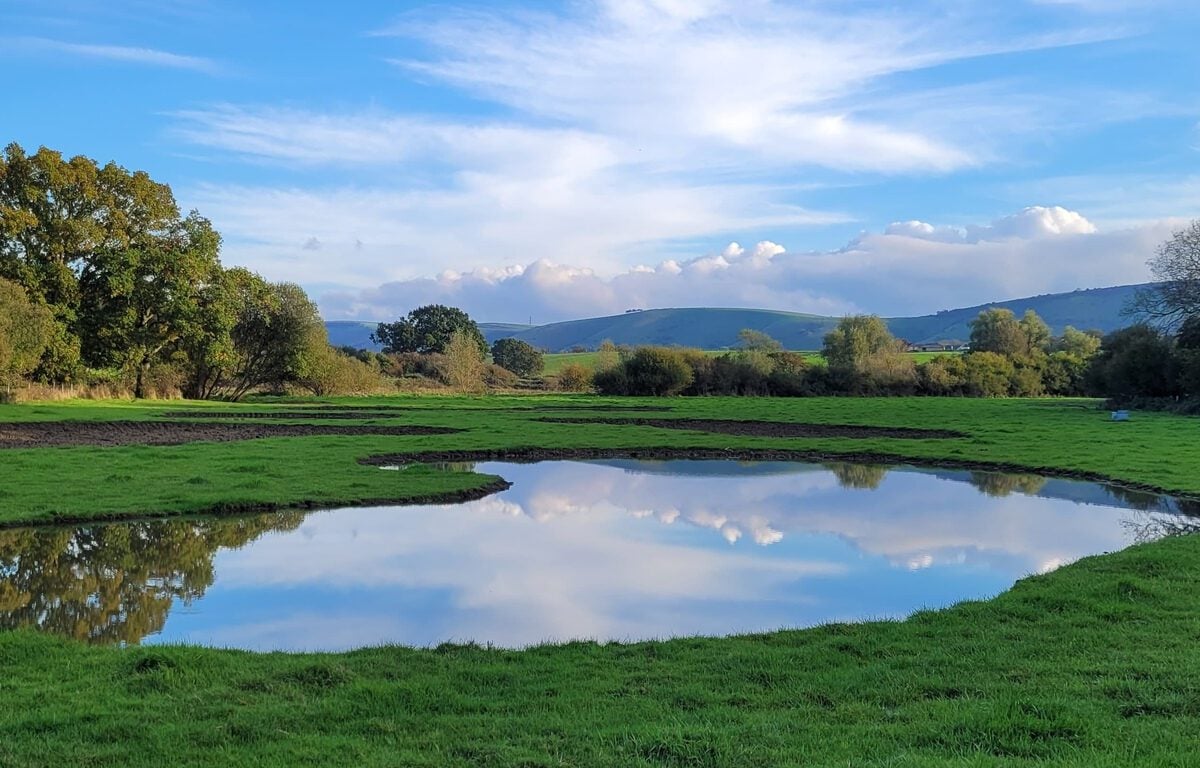
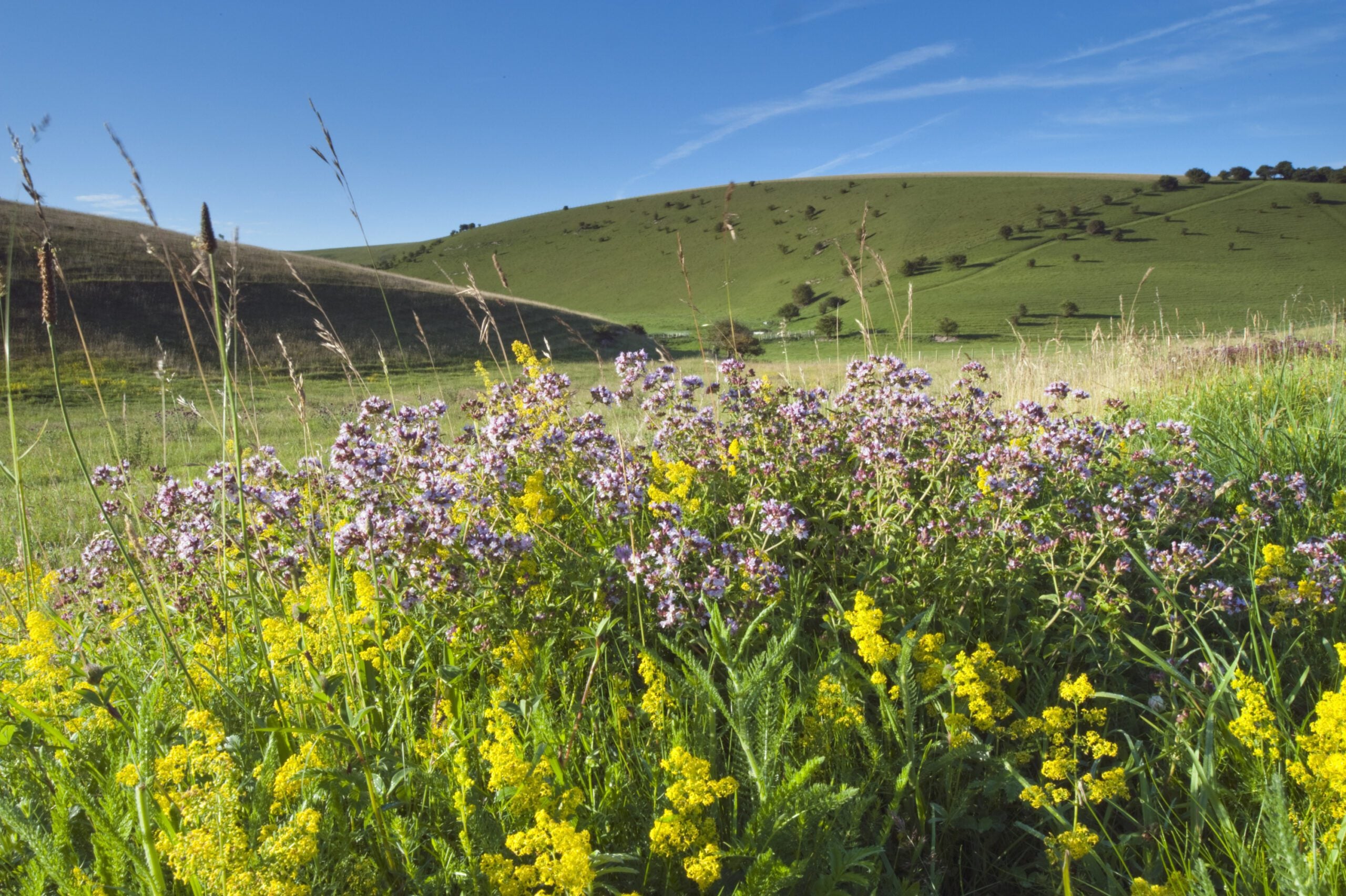
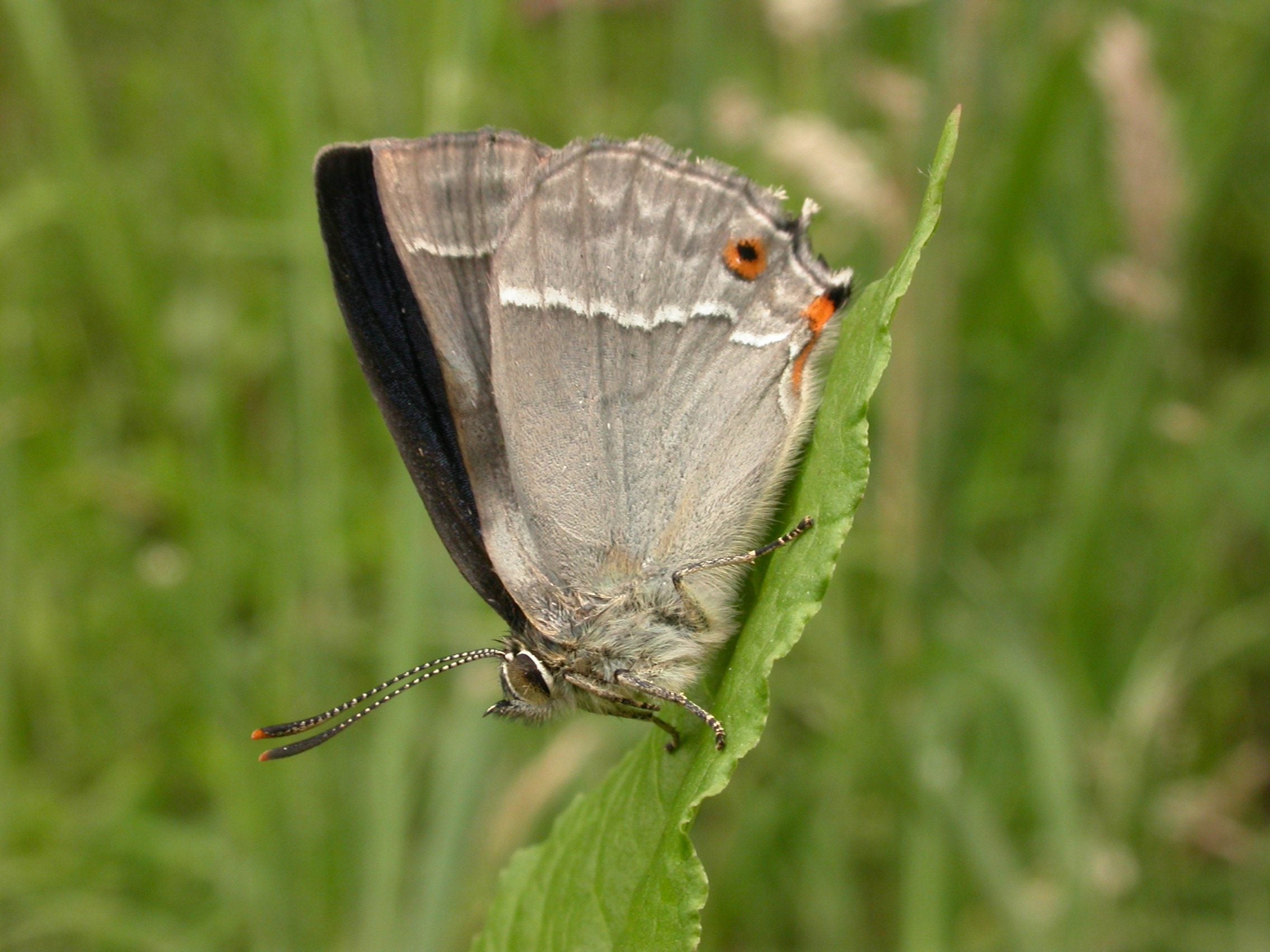
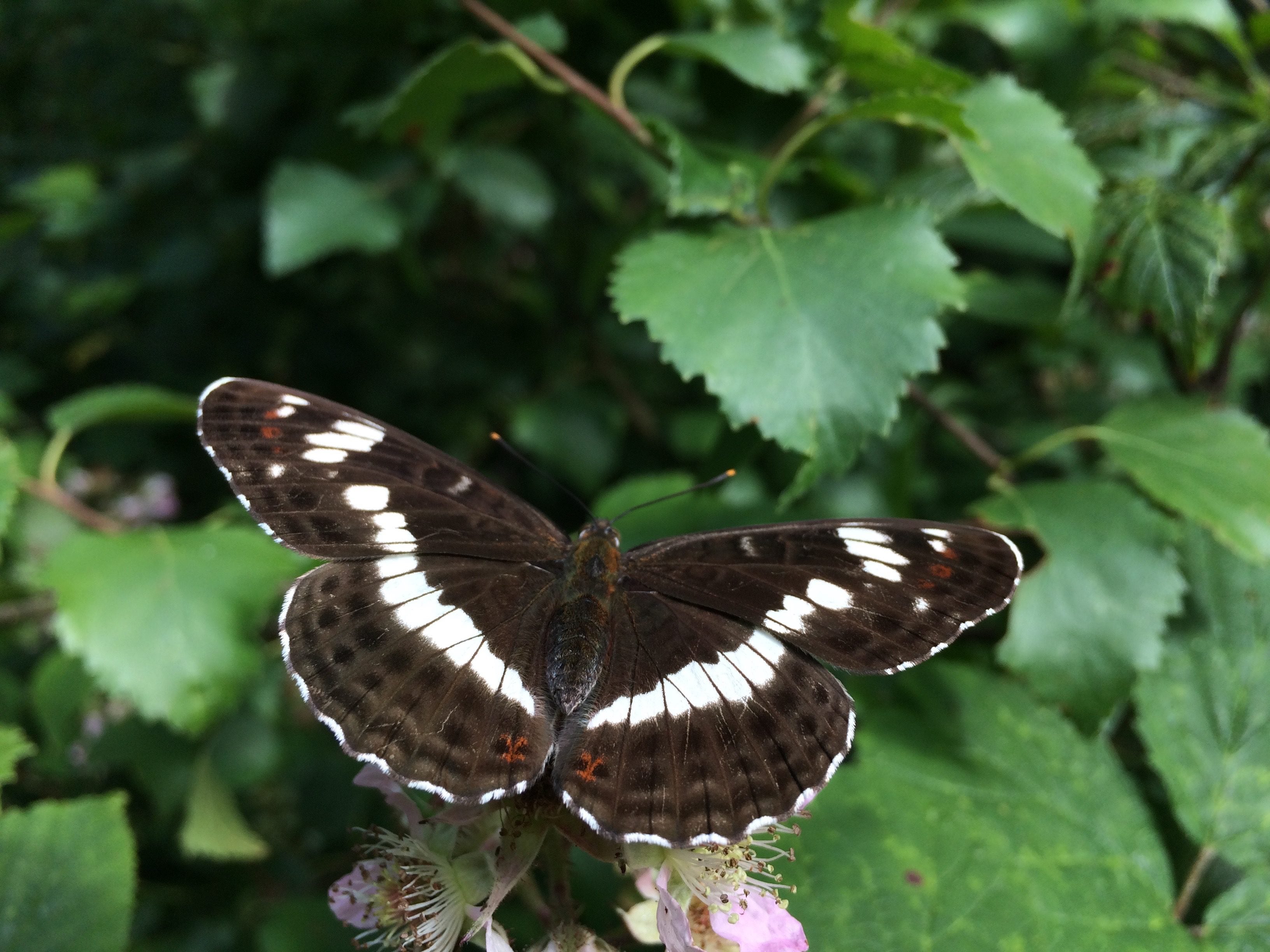
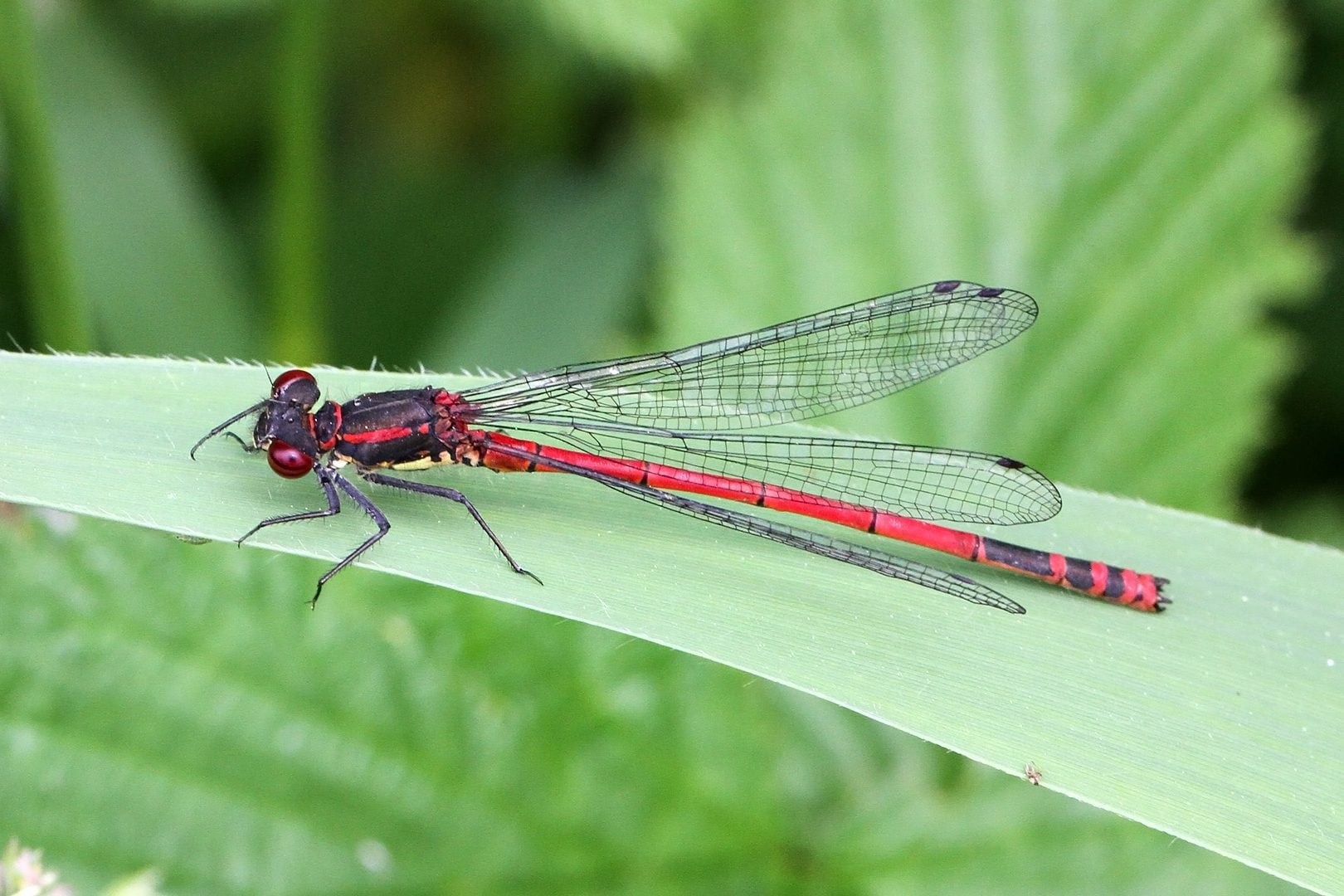
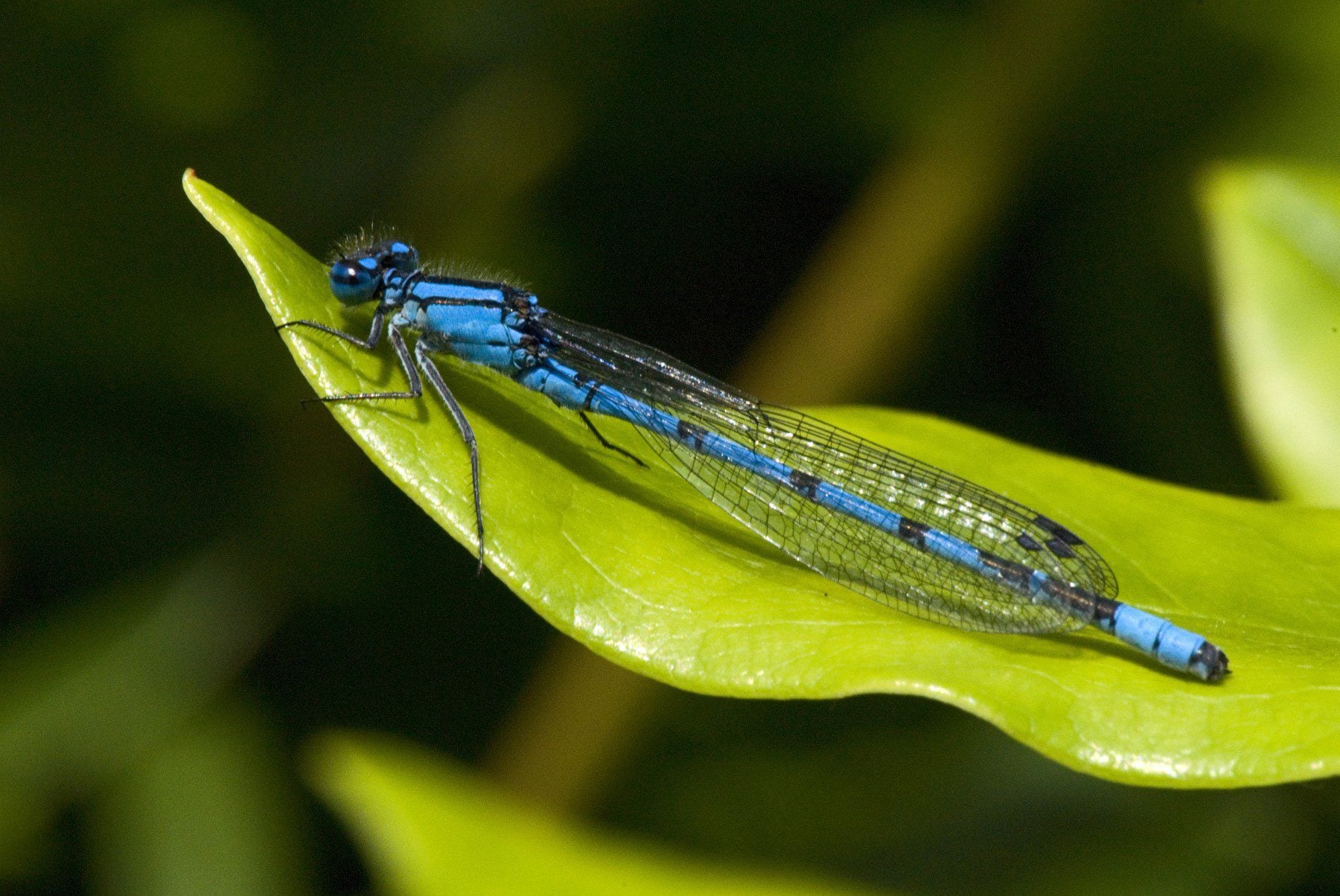
The reserve is now part of Seven Sisters National Nature Reserve, which covers 1,500 hectares, and includes precious wildlife habitats, including chalk grassland, rare chalk heath, woodland, saltmarsh, scrubland, flood plains, an estuary and underwater chalk reefs.

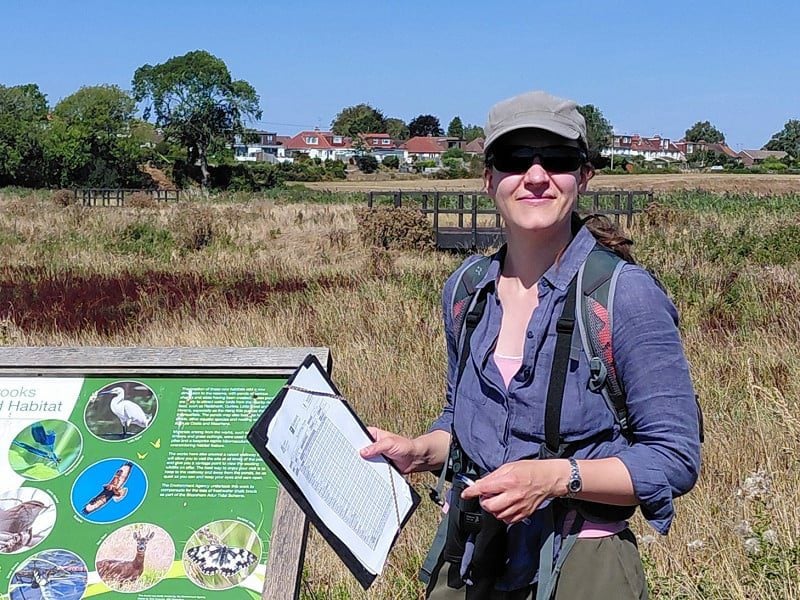
Sarah QuantrillHope Gap is my favourite place. I love seeing the changing view in different weather conditions, especially when I’m the only one there! I’m so proud of the work all the volunteers have achieved over the years. Especially with the rare Moon Carrot.
Know before you go
Opening times
The reserve is open at all times
Free to visit
All our open reserves our free to visit, but if you enjoy your visit please consider donating to Sussex Wildlife Trust to help us manage these special places
How to get here
Postcode: BN25 4JQ
Grid ref: TV504980
It can be accessed by the private road which runs south from the eastern end of Chyngton Way, with pay parking at South Hill Barn, Seaford, BN25 4JQ.
Access is also possible from the footpath which runs along the west side of the river (from the Cuckmere Inn), parking for a fee available at the Seven Sisters Country Park, BN25 4AD. The reserve can also be accessed from along the coastal path from Seaford Esplanade.
Meeting your needs
The reserve is not easily wheelchair accessible, due to the slopes.
The chalk cliffs are extremely fragile and rock falls are very common here. Keep away from the cliff edge and the base of cliffs when on the beach.
Dogs welcome on leads
Dogs are welcome, but so that they do not affect other people and our wildlife, please keep them under close control and clean up after your dog.
Grazing animals can be present, please follow on-site signage.
Toilets
Compost toilets are available at South Hill Barn. Flushing toilets are at Seaford seafront.
Check Toilet Map for a range of options.
Dos and don’ts
- Do enjoy the view
- Keep your dog on a lead around grazing animals
- No fires or barbecues
- No picking of flowers or foraging
- Take your litter home
- No camping
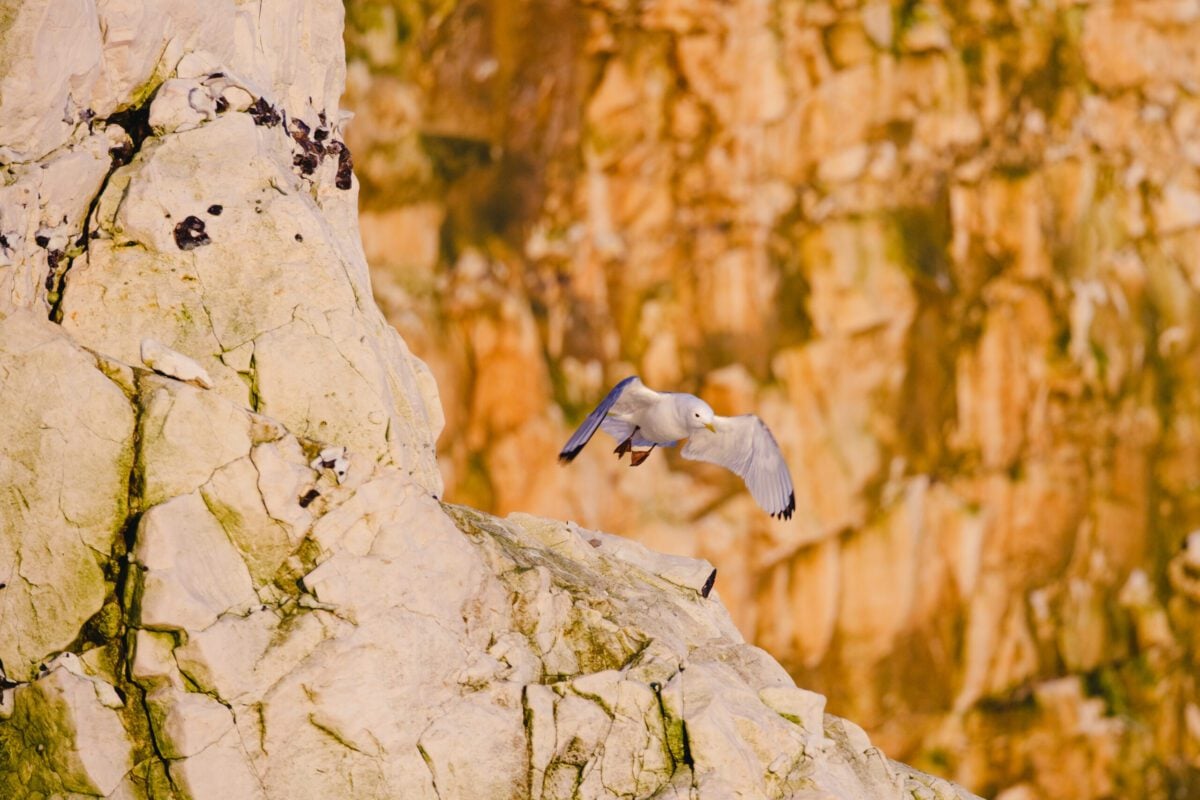
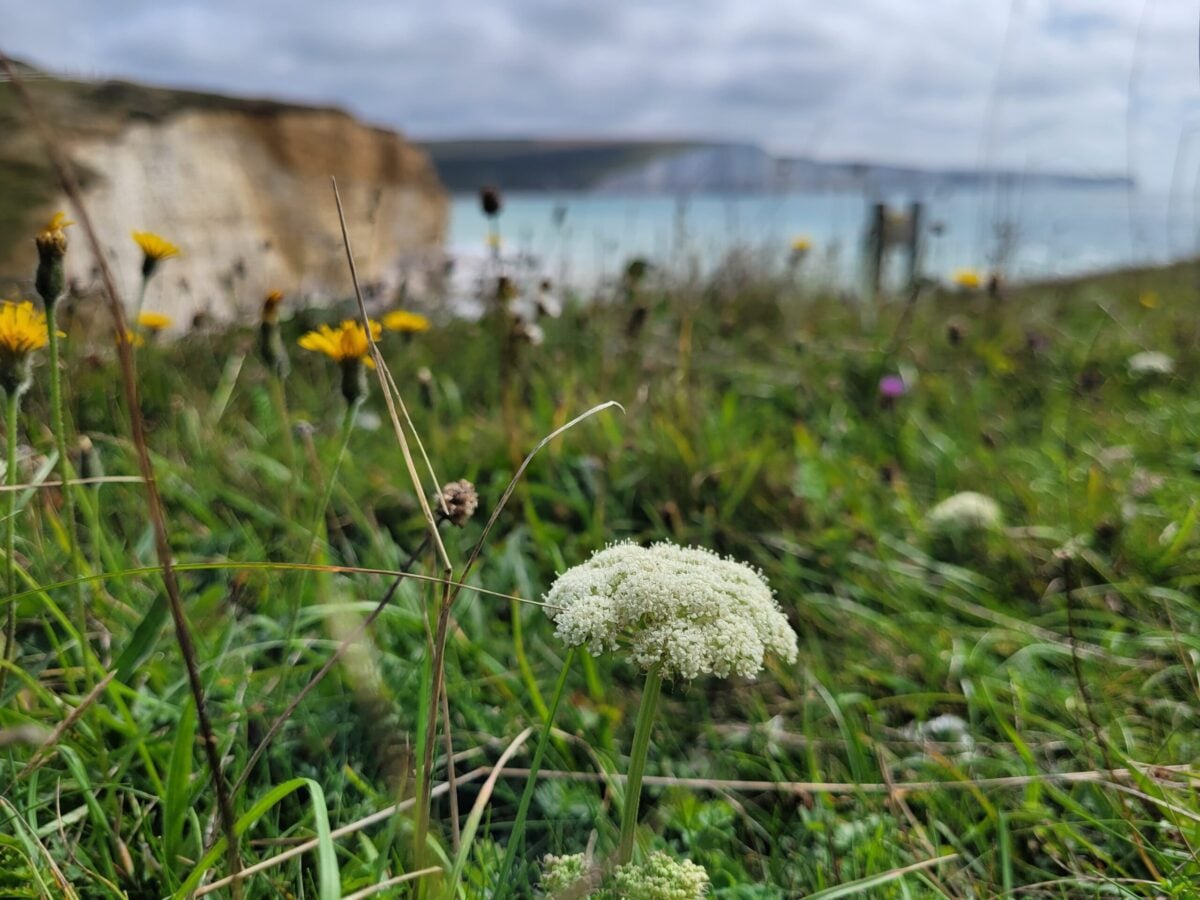
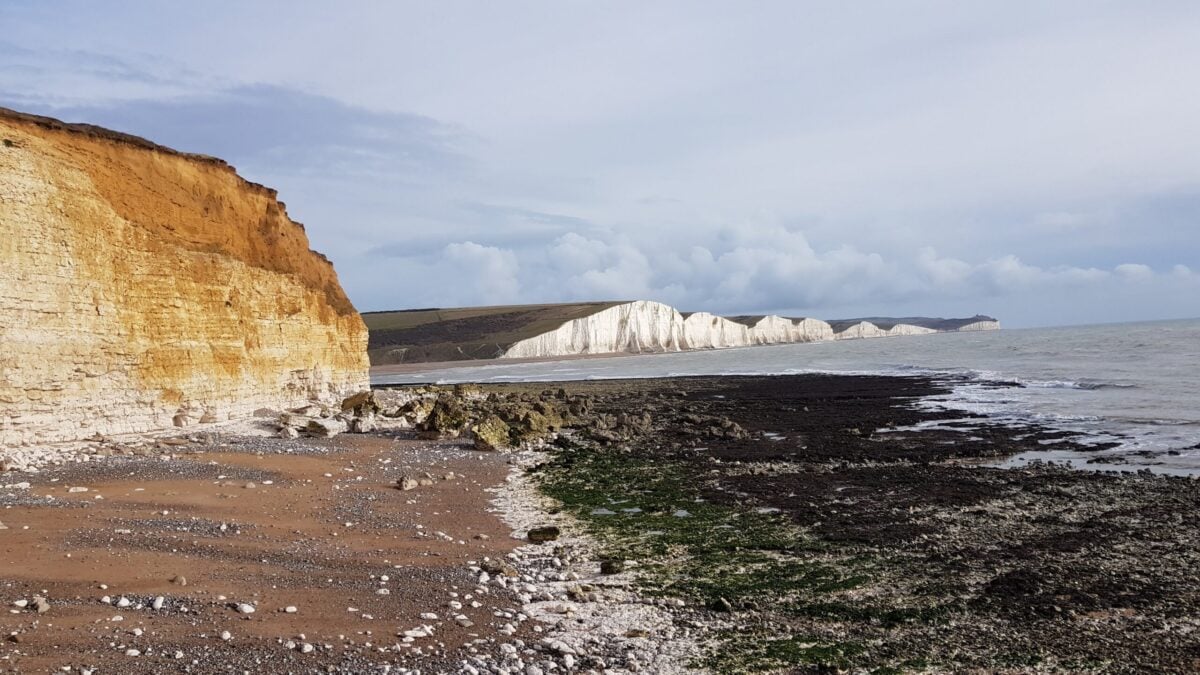
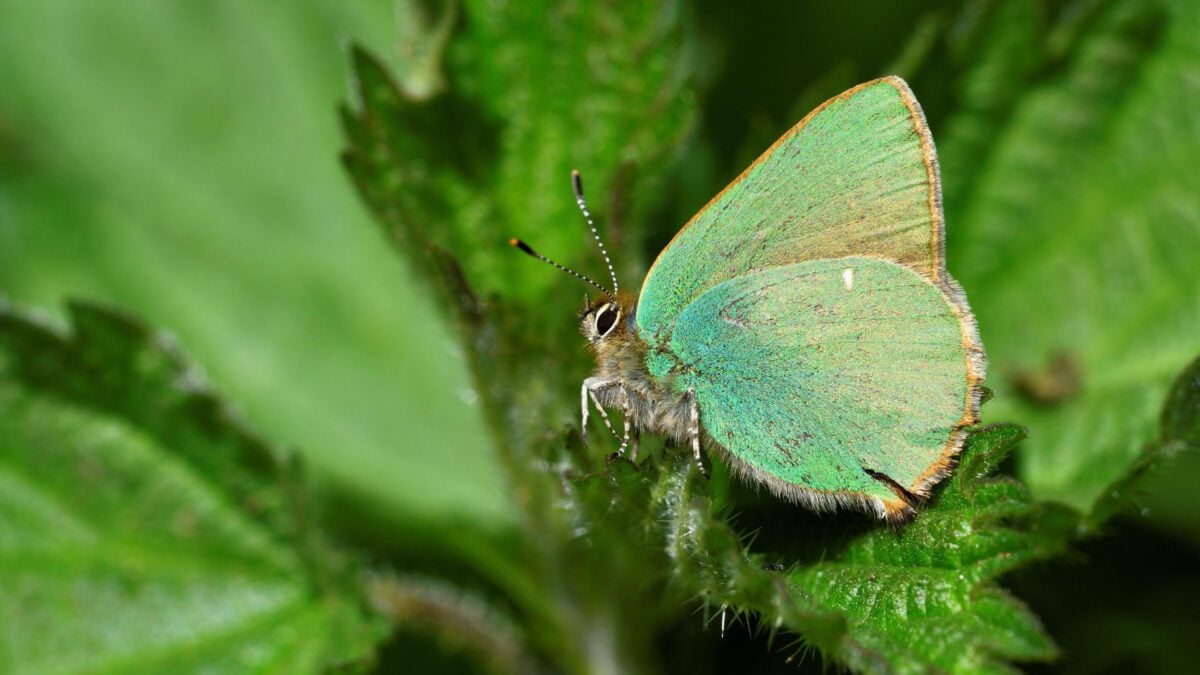
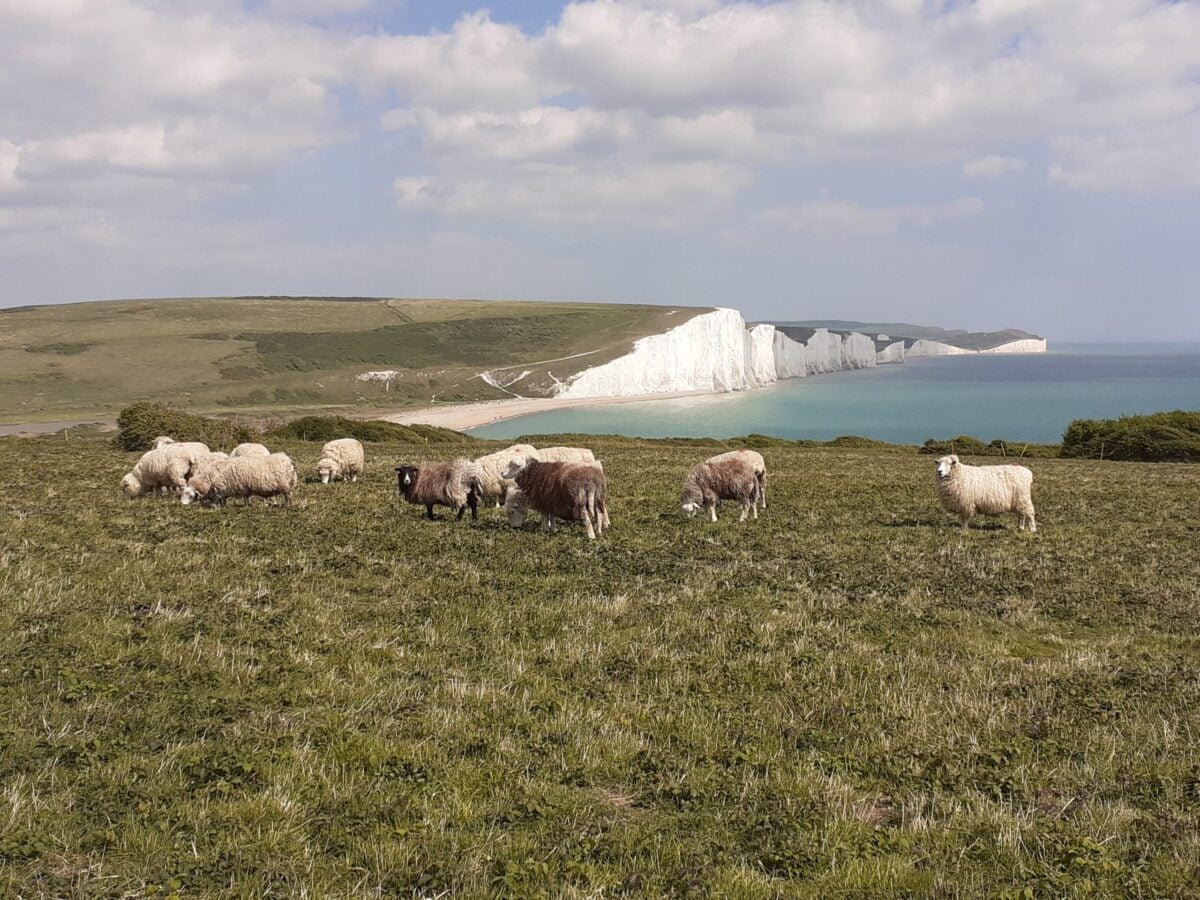
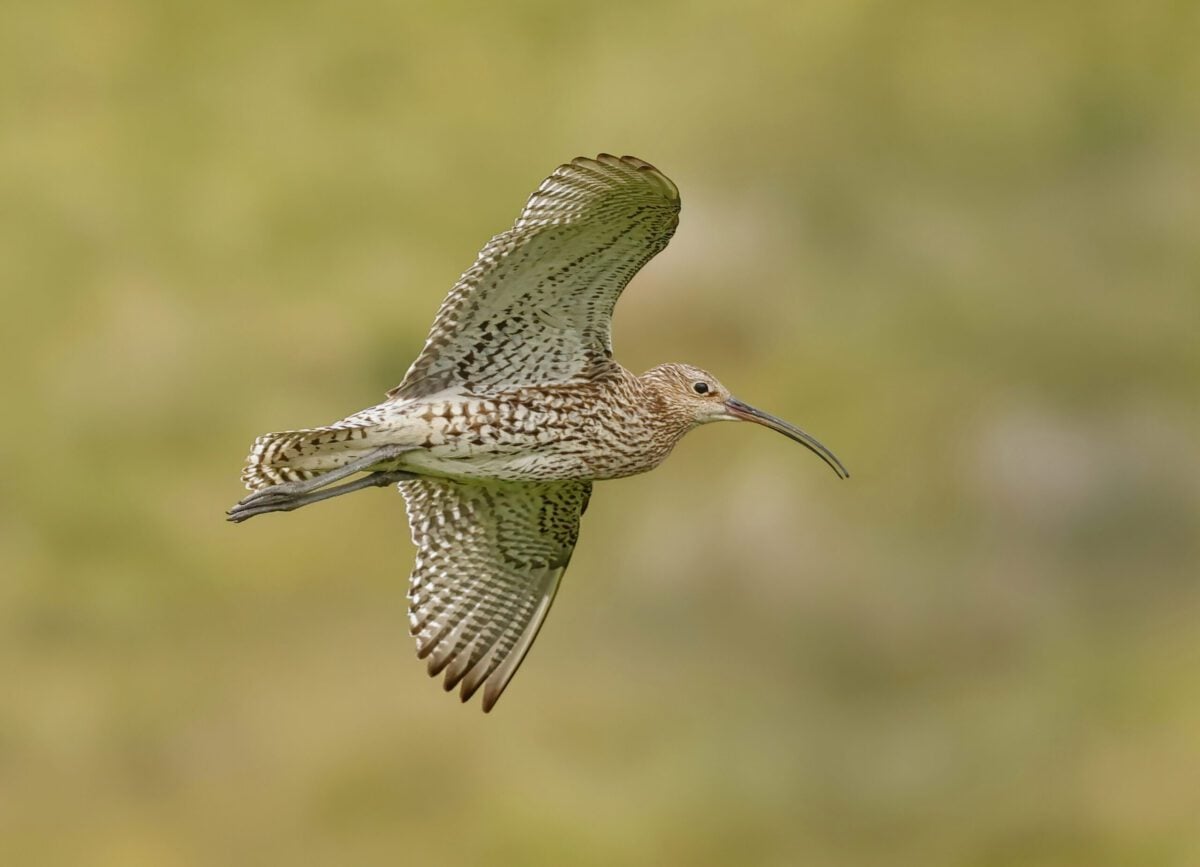
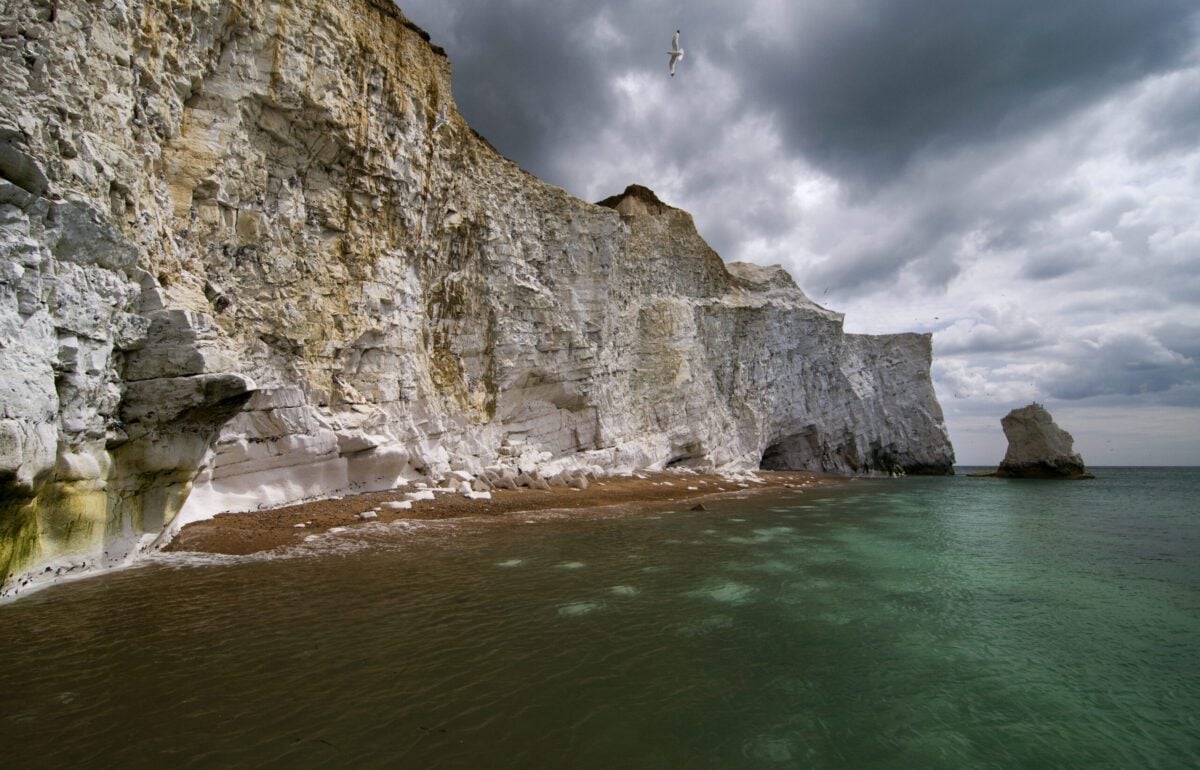
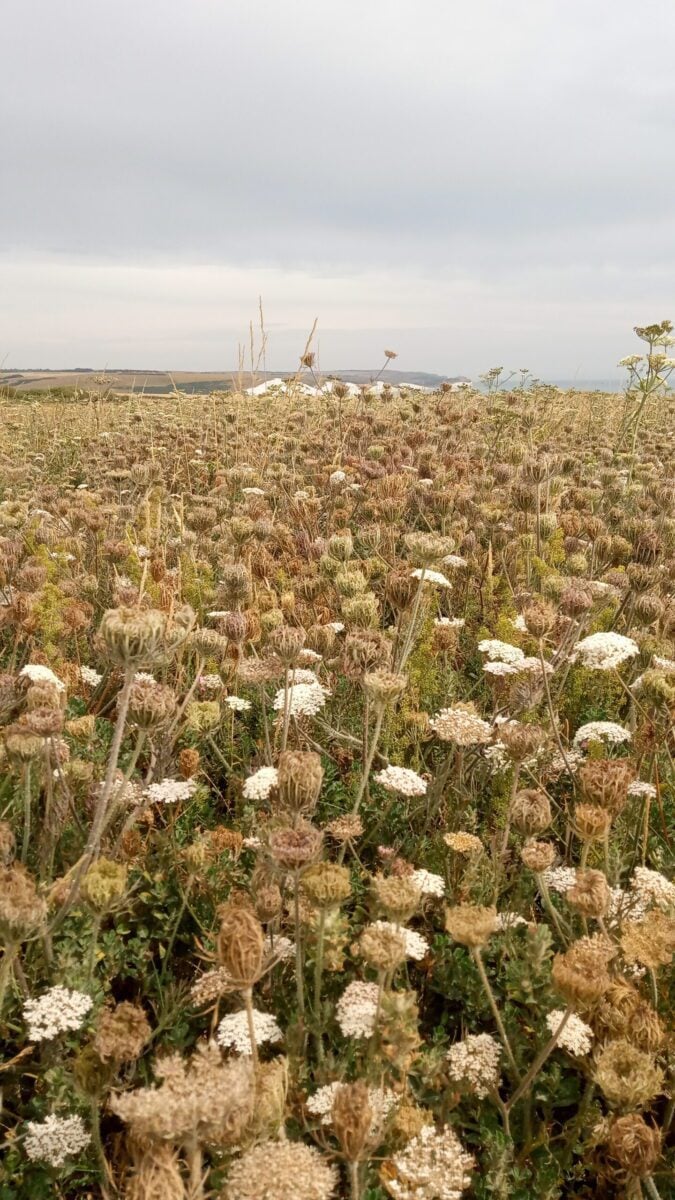
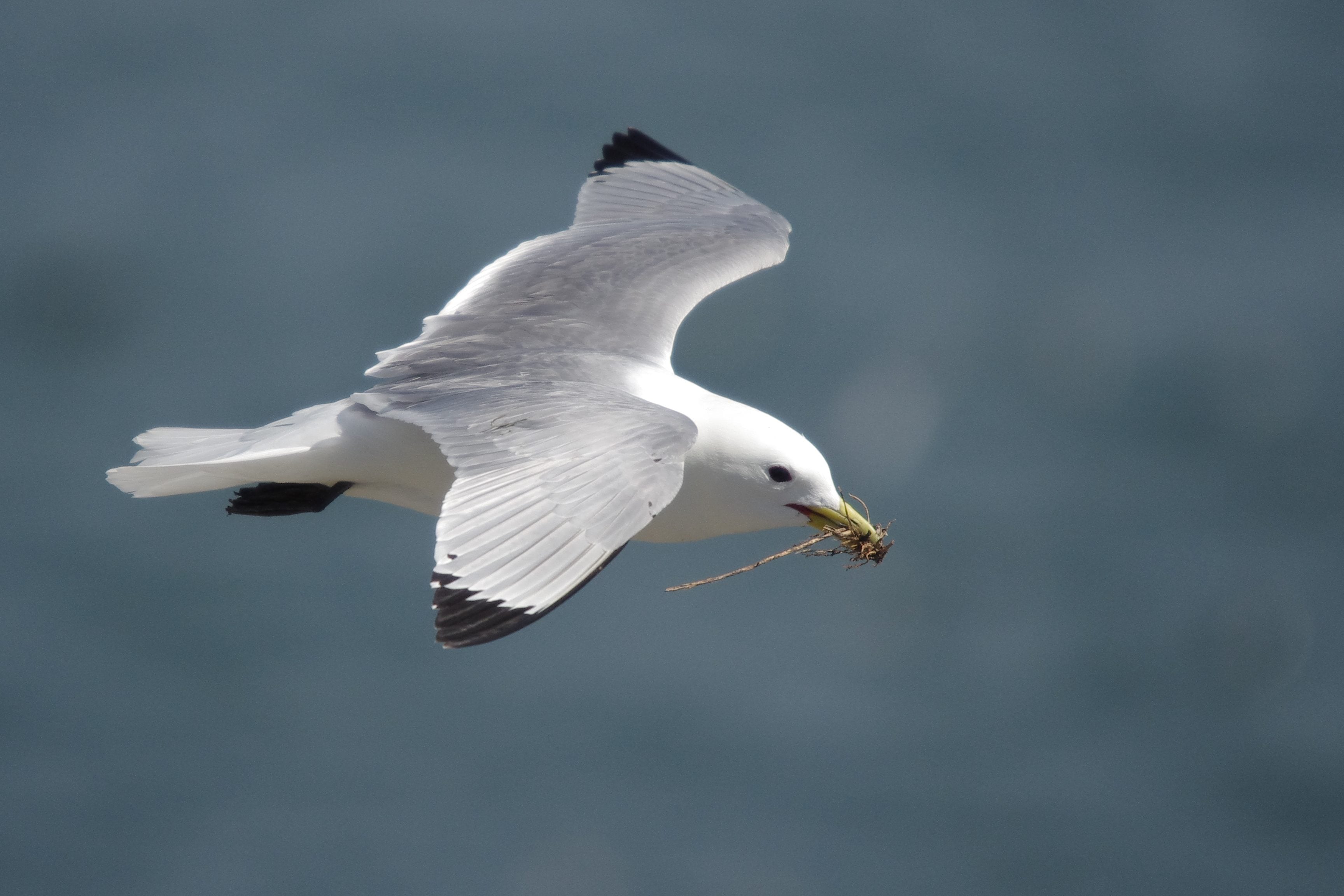
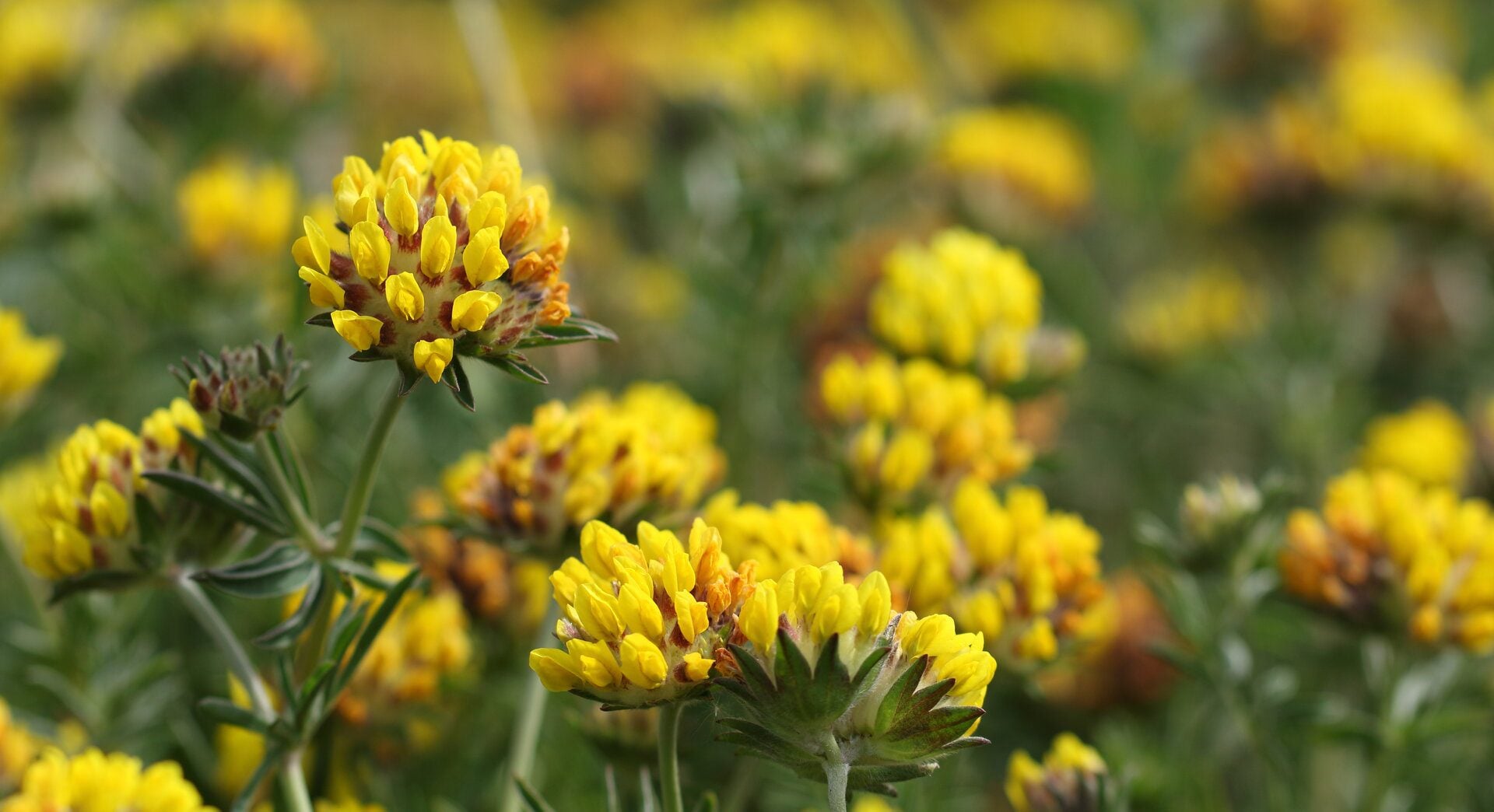
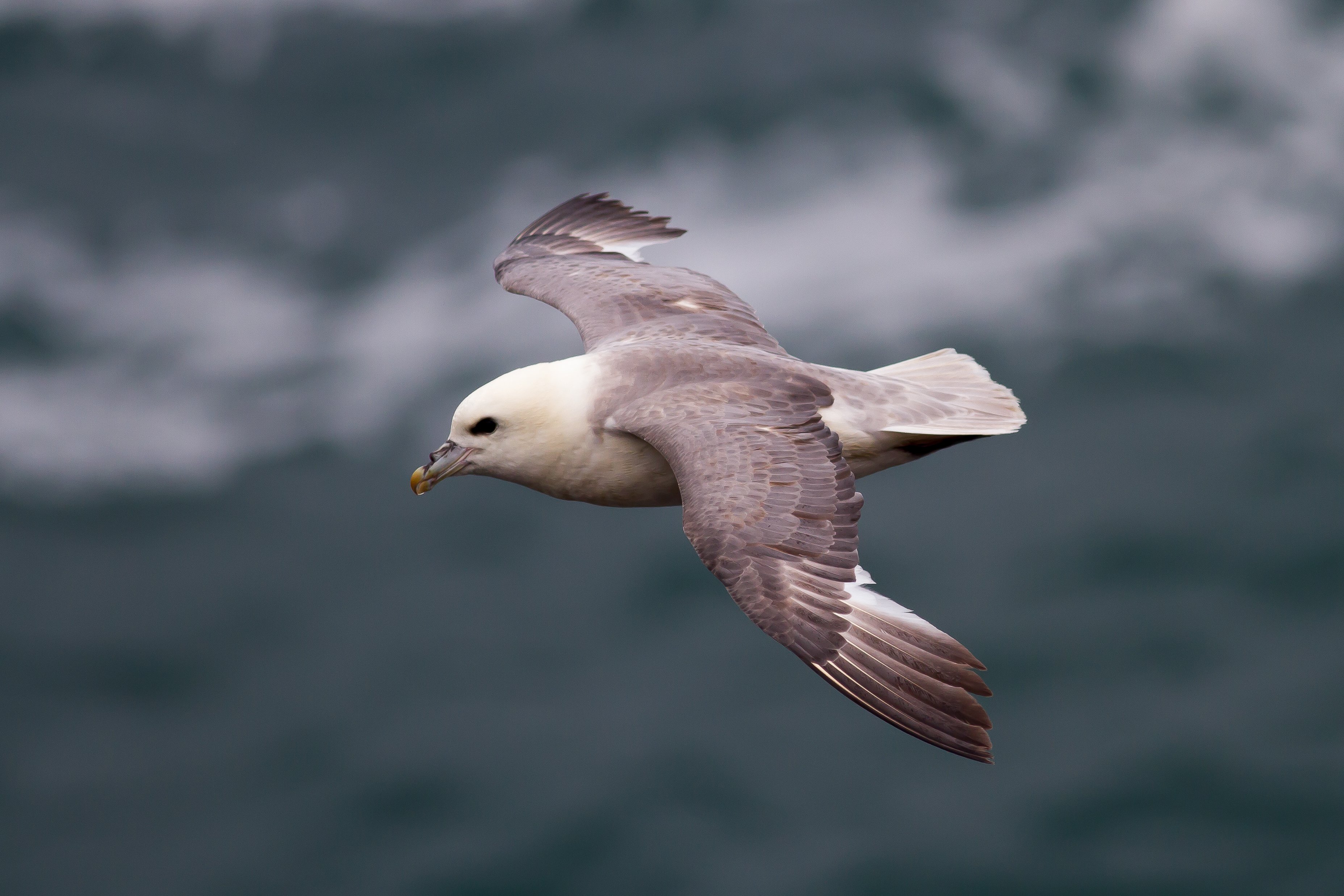
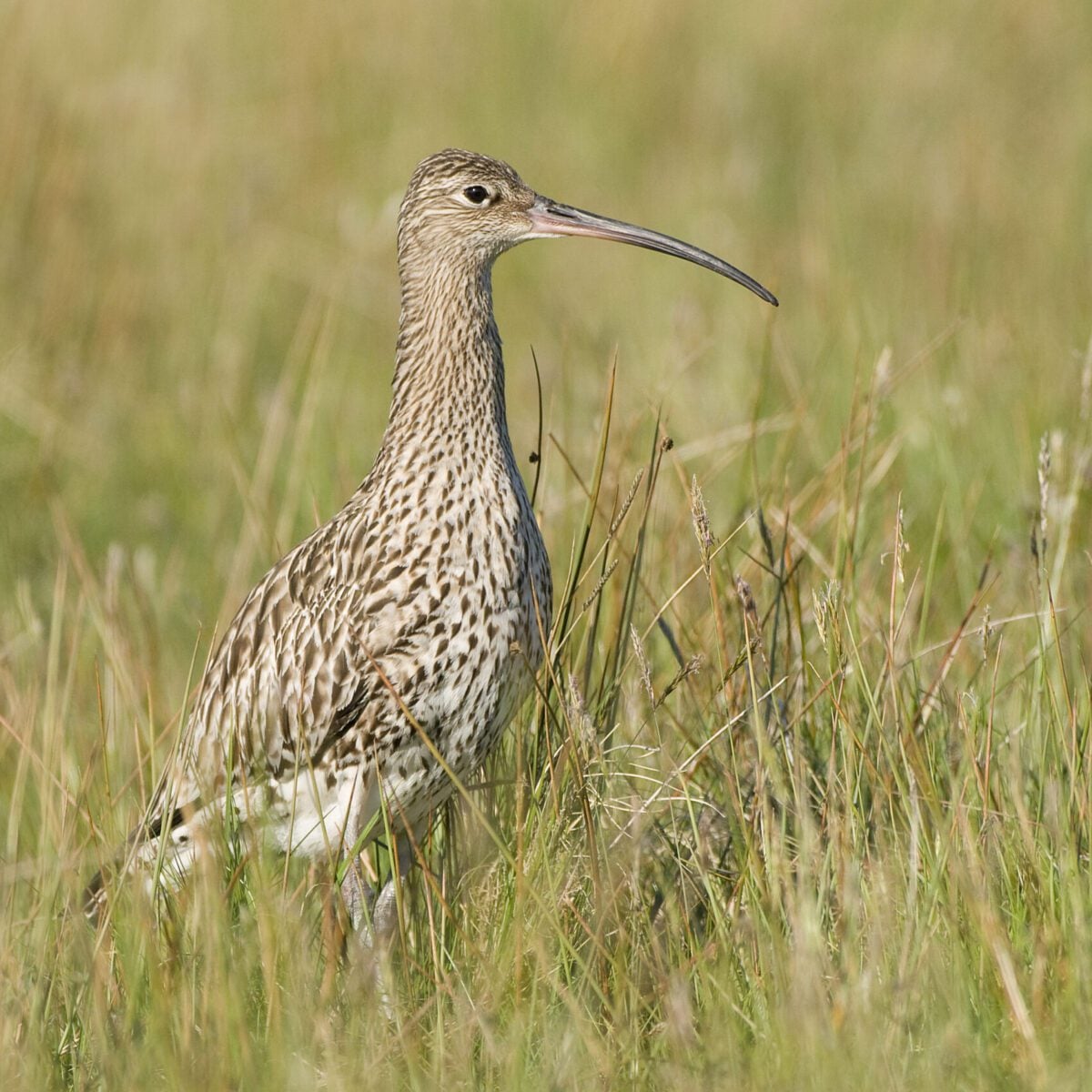
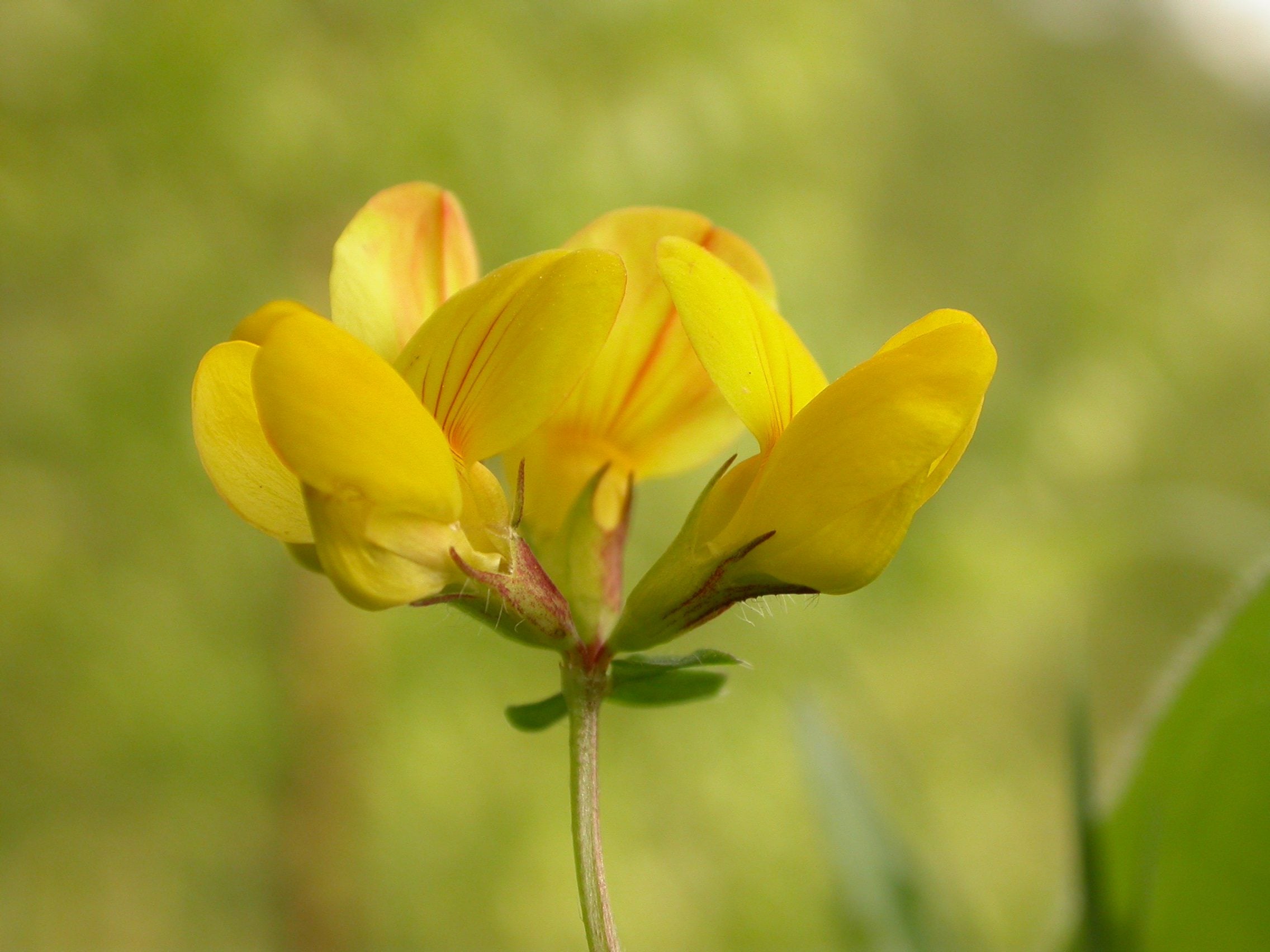
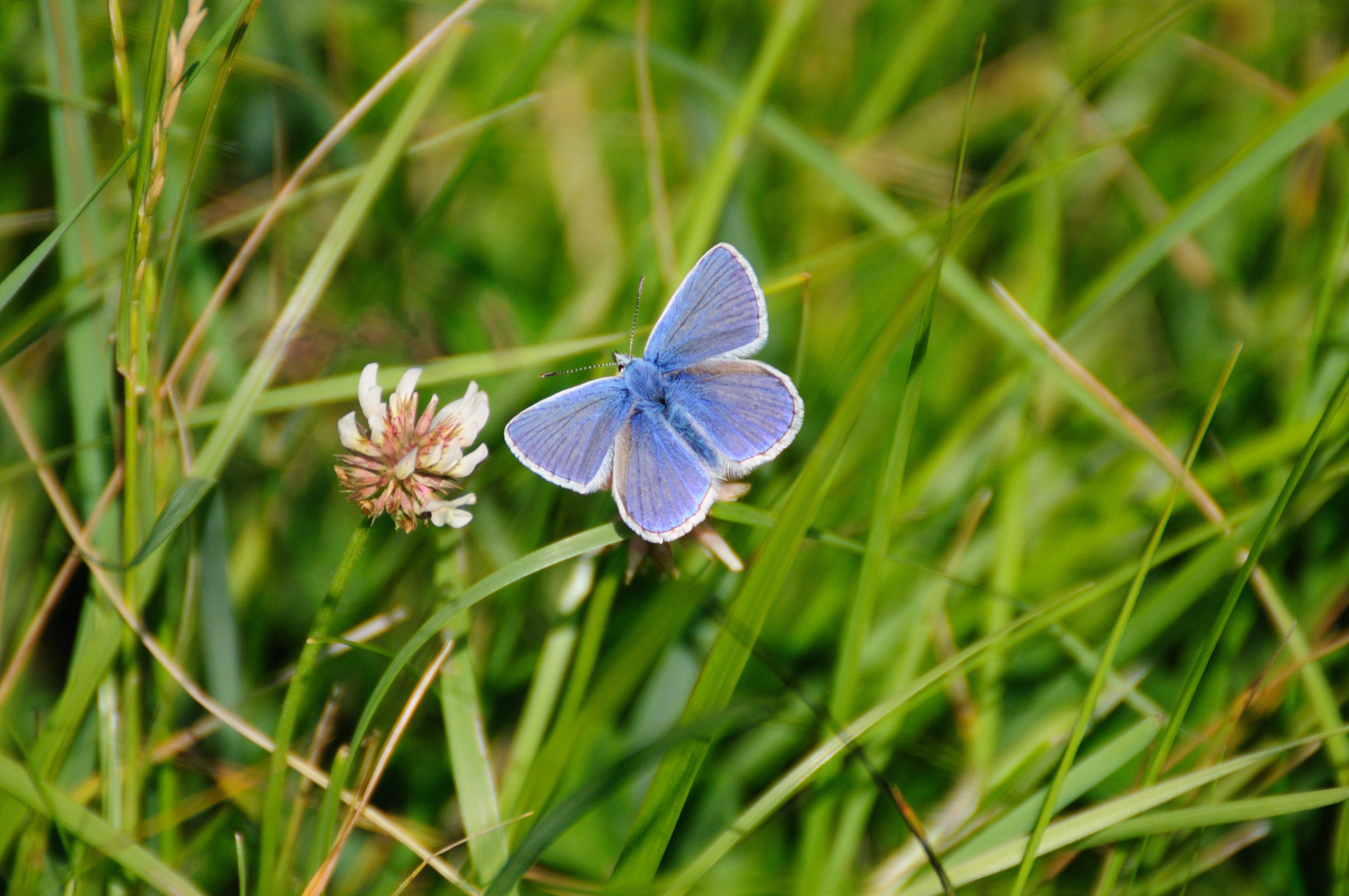

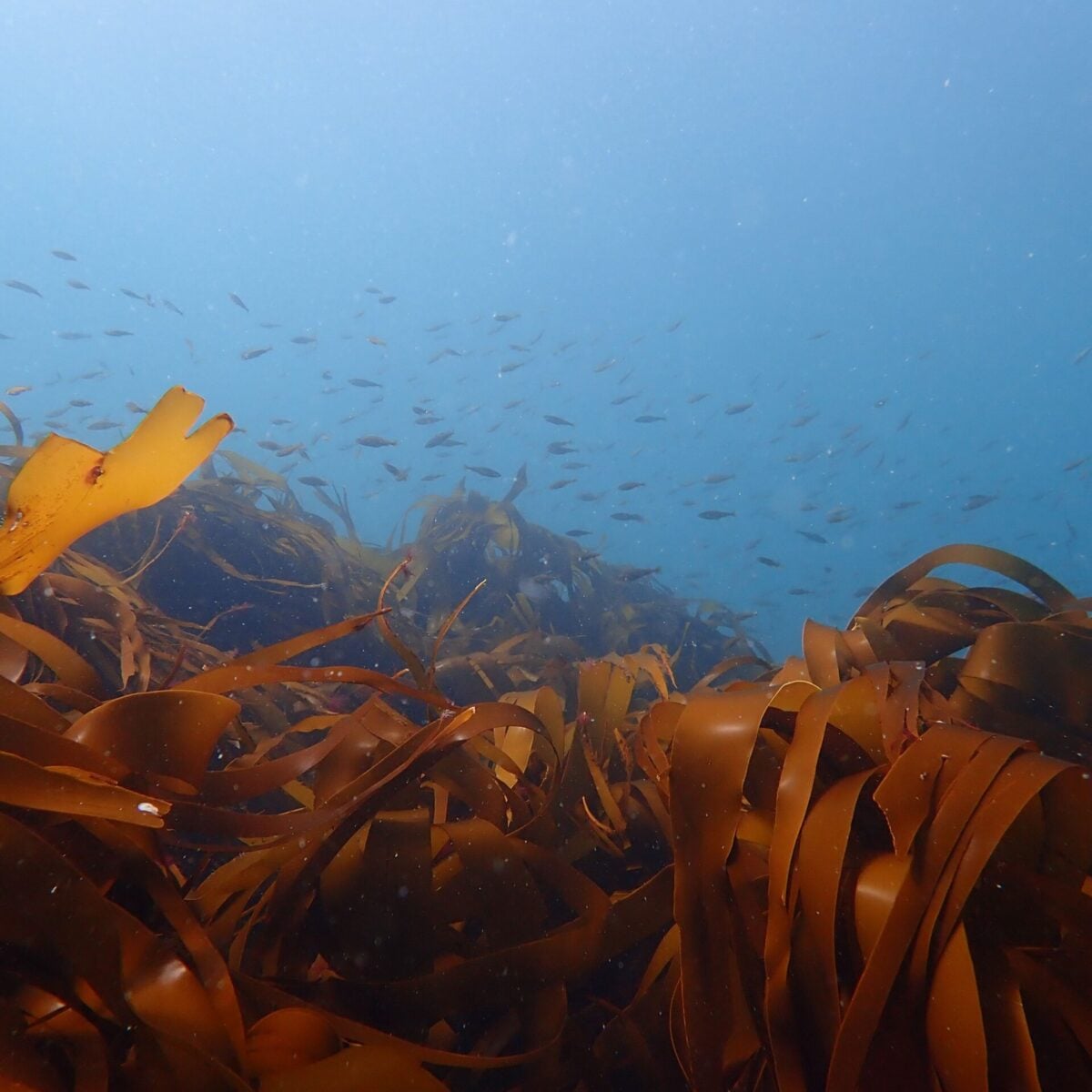
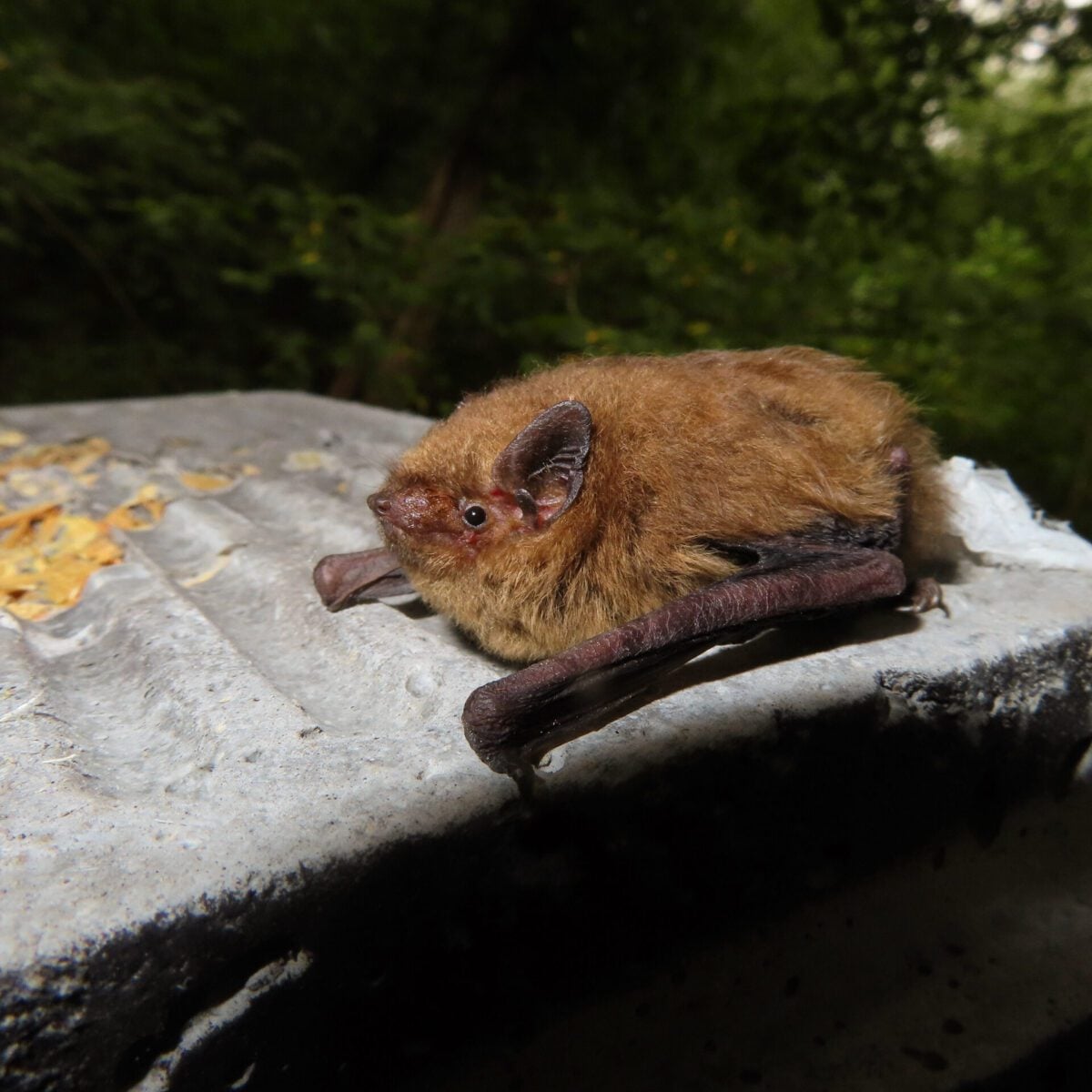
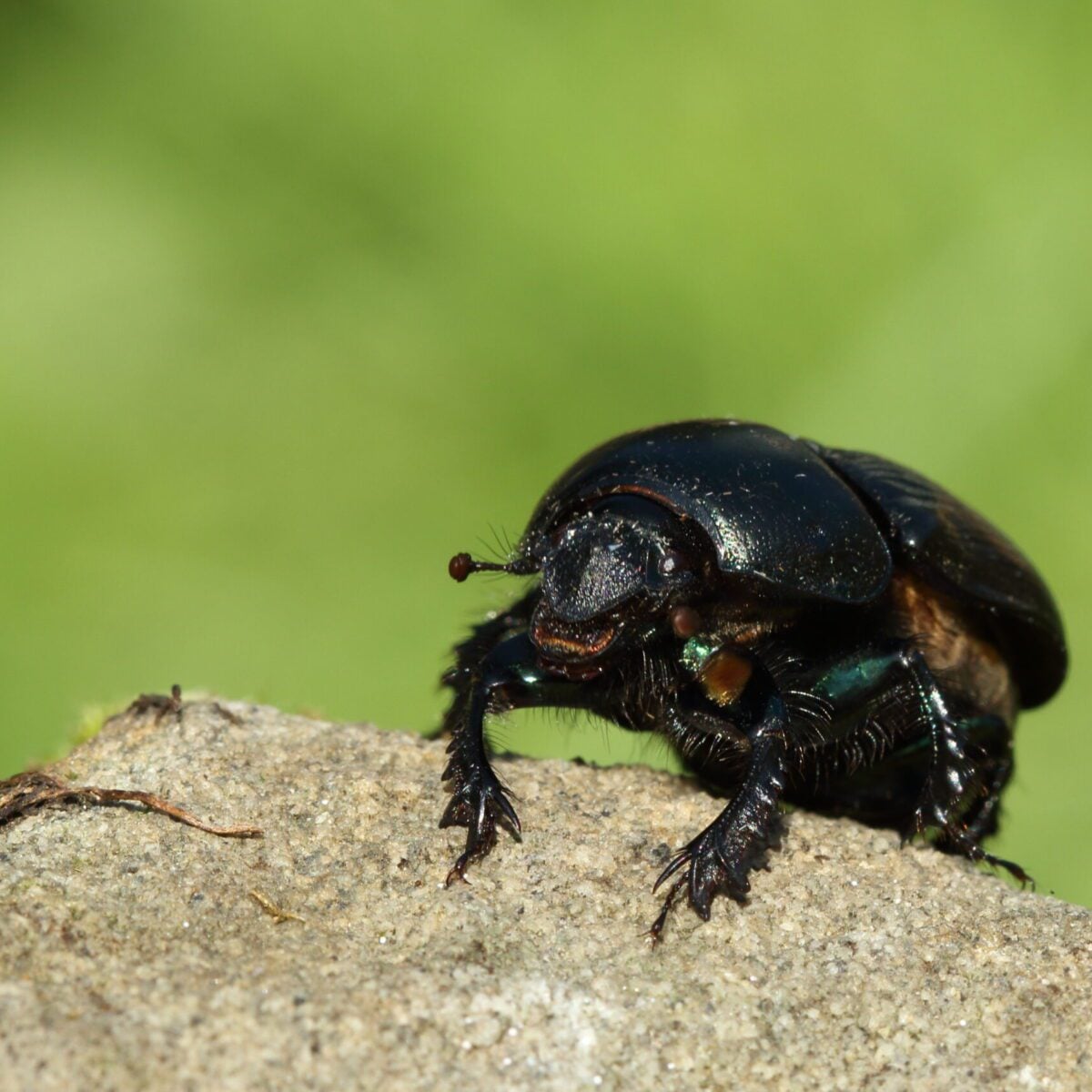
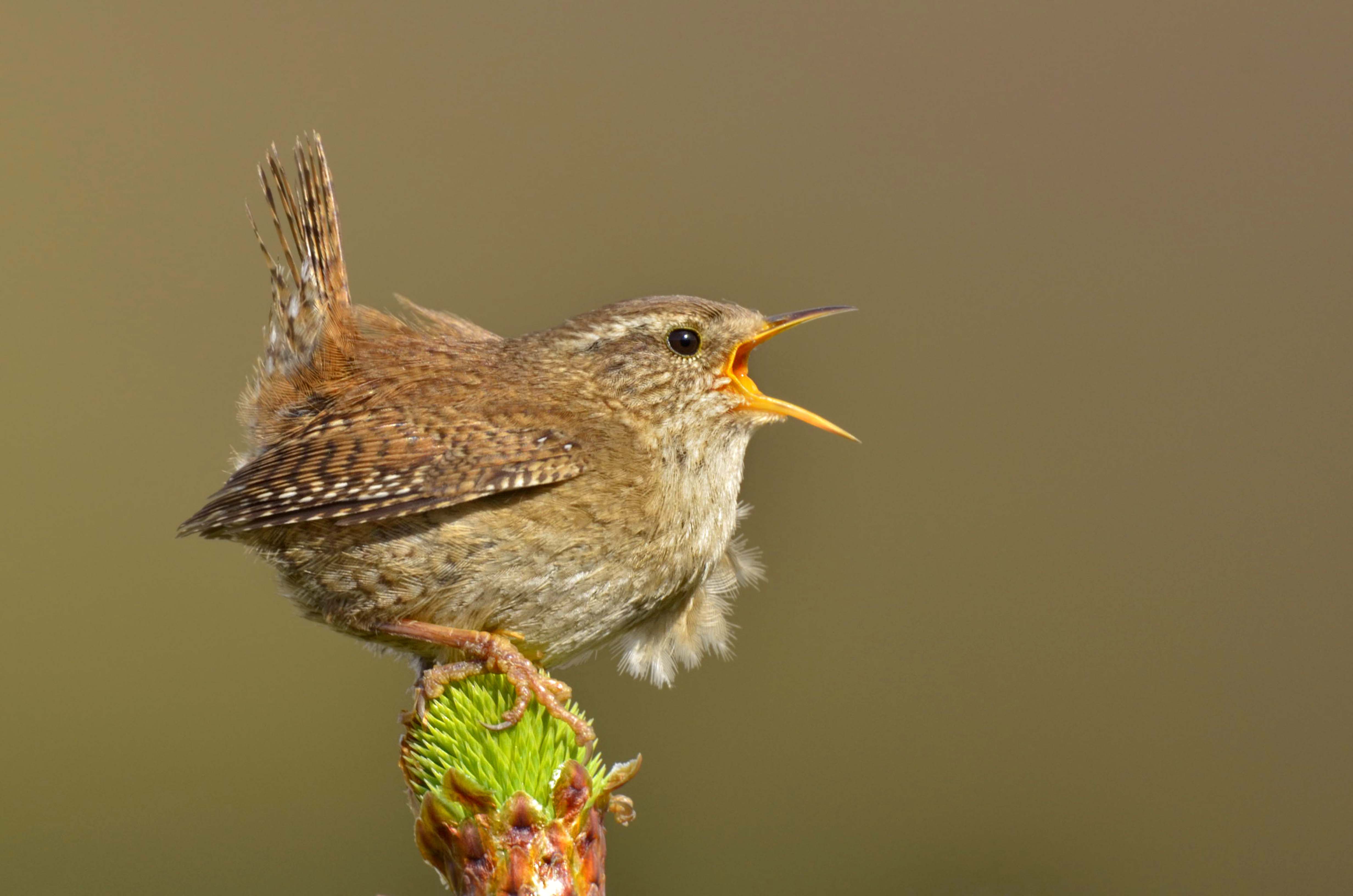
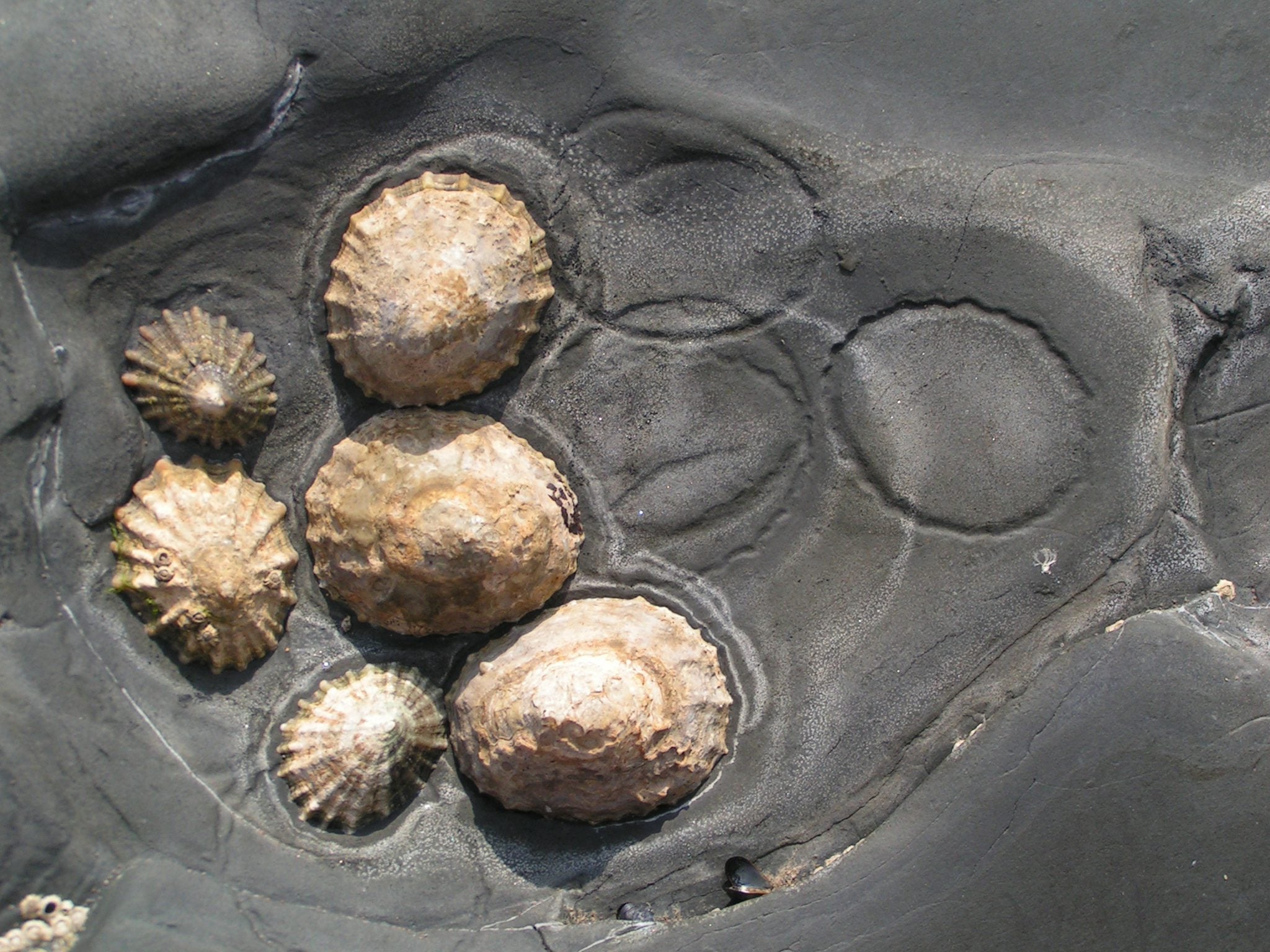
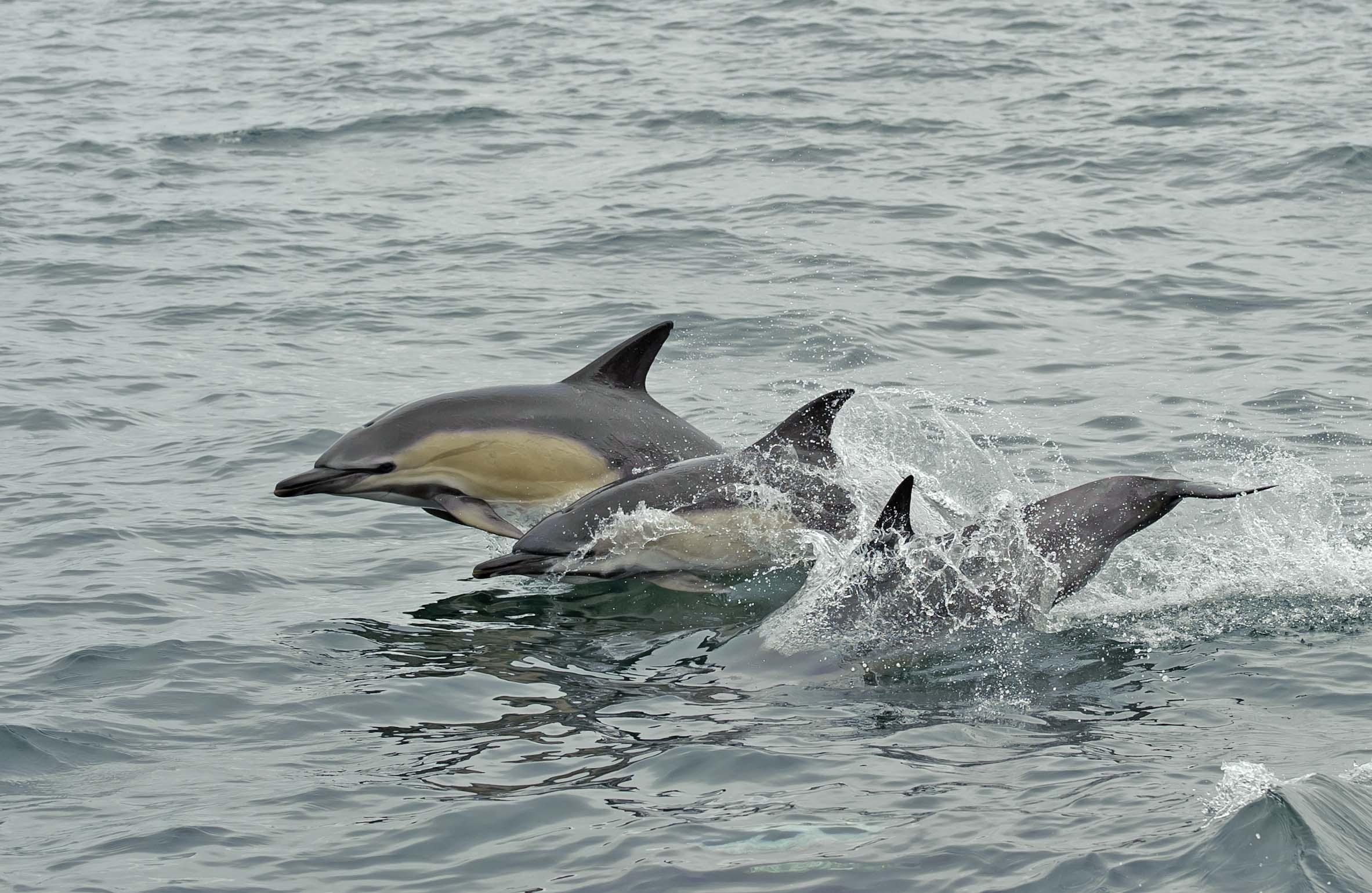
 © Mathew Frith
The story of the reserve
The cliffs are formed of chalk laid down between 65 and 100 million years ago, when Britain was closer to the equator and covered in a warm, shallow sea.
This area is now part of Seven Sisters National Nature Reserve, created to protect drinking water, which filters through the chalk landscape of the South Downs.
Seaford Head Local Nature Reserve (LNR) covers an area from Seaford Head Golf Course eastwards to the Cuckmere Valley and north to Exceat Bridge. Over 50% of the LNR is owned by Seaford Town Council and has been managed by Sussex Wildlife Trust since 2013. The rest is owned by the National Trust and East Sussex County Council.
Lying within the South Downs National Park it is part of the Sussex Heritage Coast and home to many nationally rare and significant species of plants, birds and insects. Due to its outstanding biological and geological features it is part of the Seaford Head to Beachy Head Site of Special Scientific Interest and falls within the Beachy Head West Marine Conservation Zone.
Curious facts
Lunar bloom
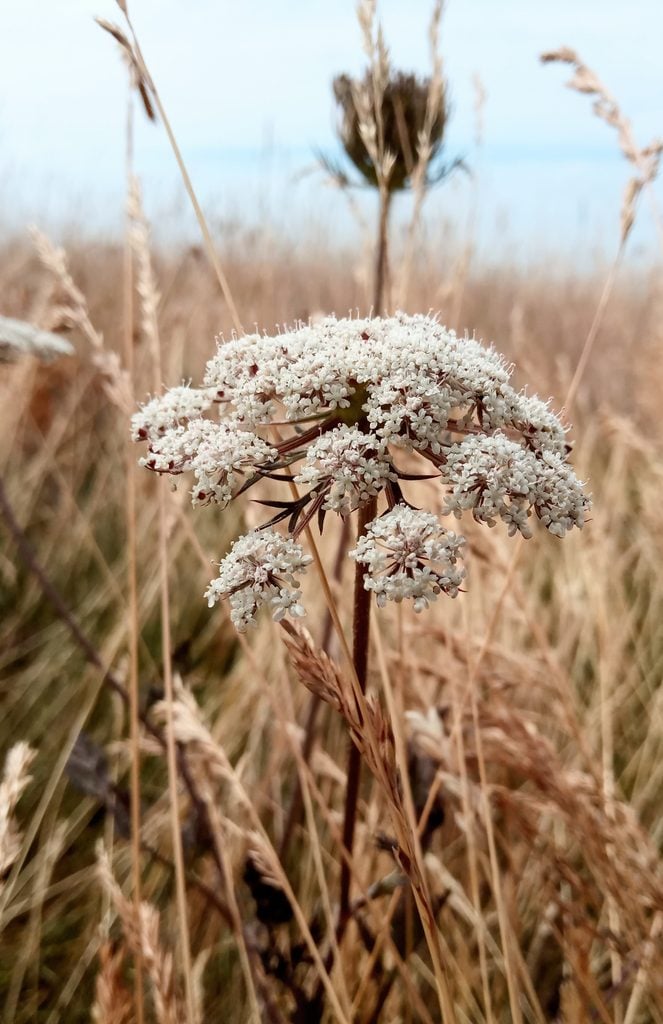
Moon Carrot is very rare, found only in six places, including Seaford Head. It is said to glow in the moonlight
Hilltop history
If you approach from Seaford seafront, you pass the site of an Iron Age hillfort
Wildlife on Par
Part of the reserve lies within the boundary of Seaford golf course. We work with the Greenkeeper to support wildlife in this section.