account arrow-down-select arrow-down arrow-left arrow-right arrow-small bluesky book calendar close email eventbriteexternalfacebook instagram linkedin locationphone pinterest plus quote search tiktok time twitter video-icon

Common Blue

(Polyommatus icarus)

The Common Blue butterfly lives up to its name – it's bright blue and found in all kinds of sunny, grassy habitats throughout the UK! Look out for them in your garden, too.

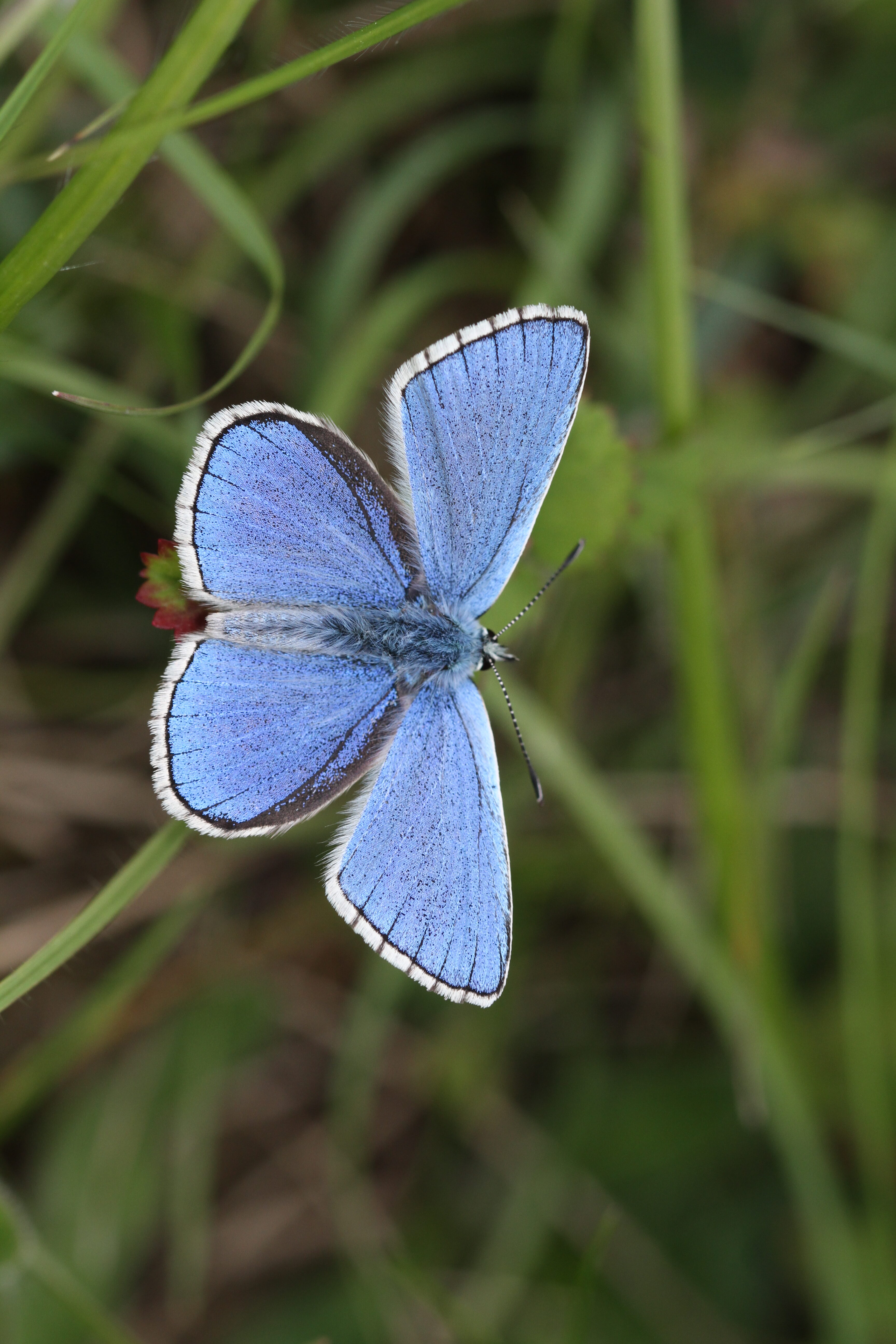
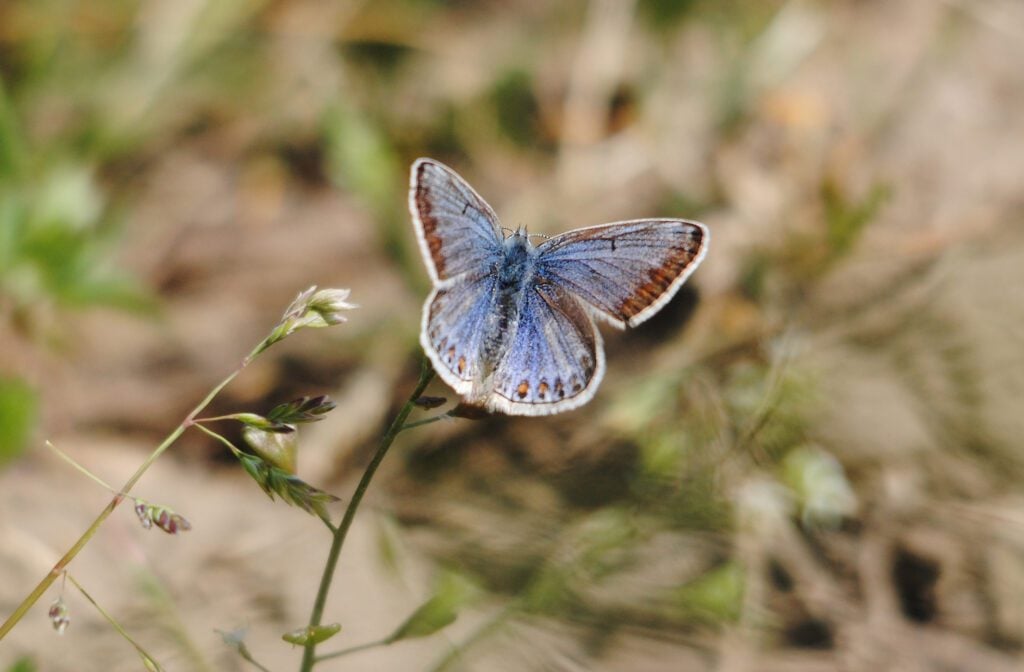
Male Common Blue ©Zsuzsanna Bird
Common Blue butterfly (male)
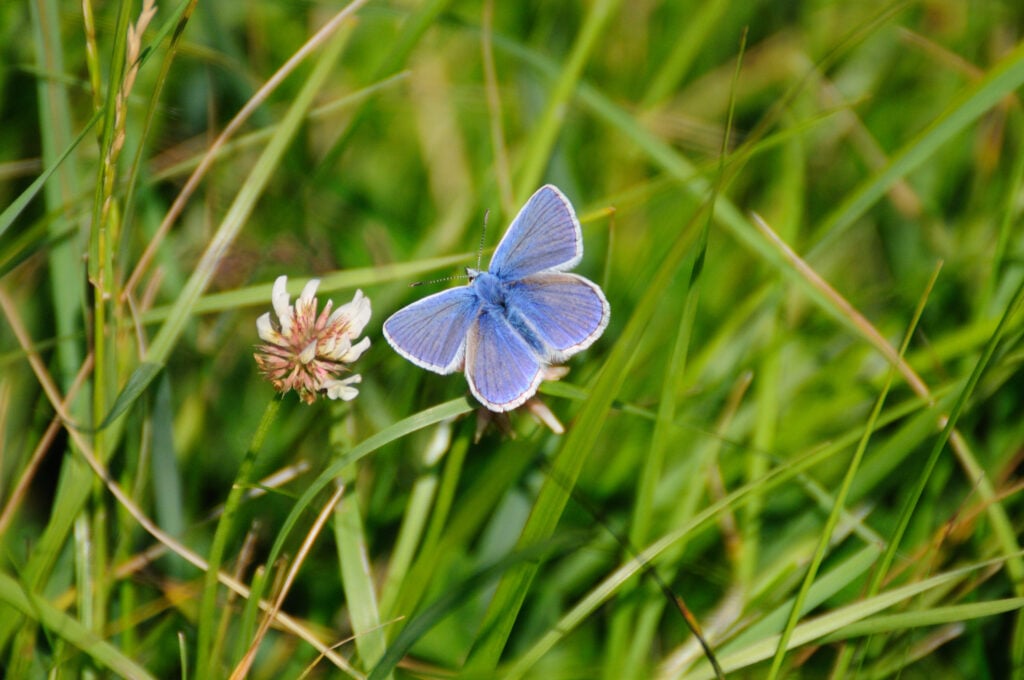
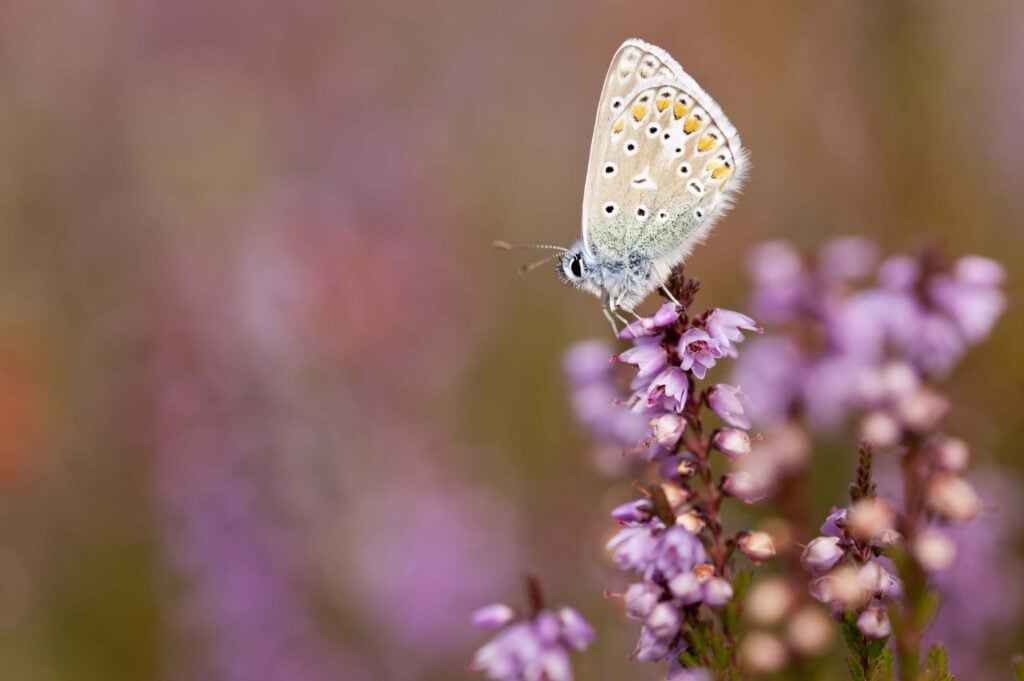
Common Blue ©Ross Hoddinott/2020VISION
Common Blue butterfly
Female Common Blue ©Amy Lewis
Common Blue butterfly (female)

Take action

Become a member

Memberships builds our community and gives us a predictable income, which lets us plan and sustain longer projects that can have a greater impact. The more members we have, the more we can do to protect the Sussex countryside and coast.

Make a donation

Membership builds our community and gives us a predictable income, which lets us plan and sustain longer projects that can have a greater impact. The more members we have, the more we can do to protect the Sussex countryside and coast.

Overview

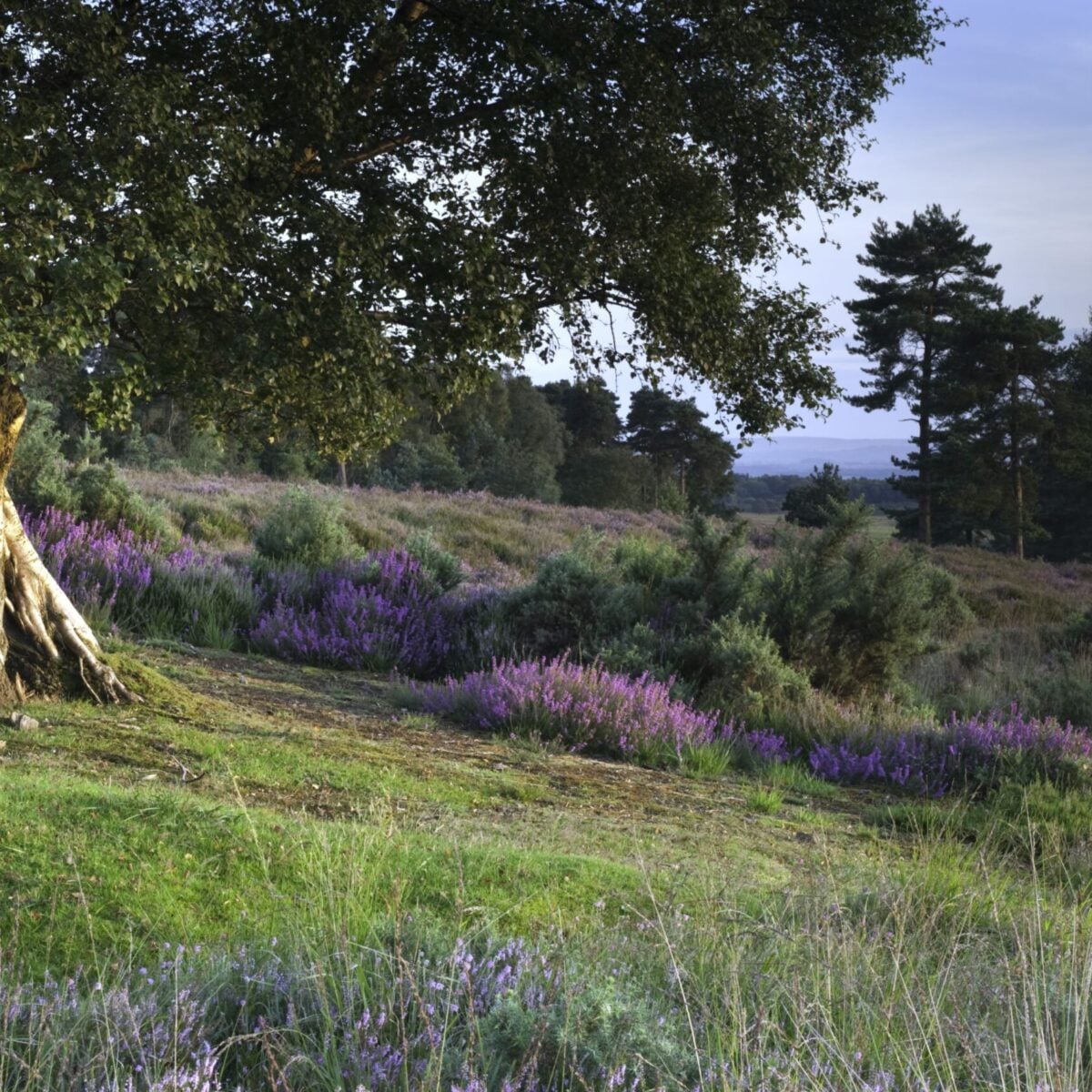
The most widespread of the blue butterflies, Common Blues are found in a variety of habitats, including heathland, woodland rides, grassy meadows, parks, large gardens and waste ground. Caterpillars feed on clovers, Restharrow, Common Bird’s-foot trefoil and related plants.

Key Facts

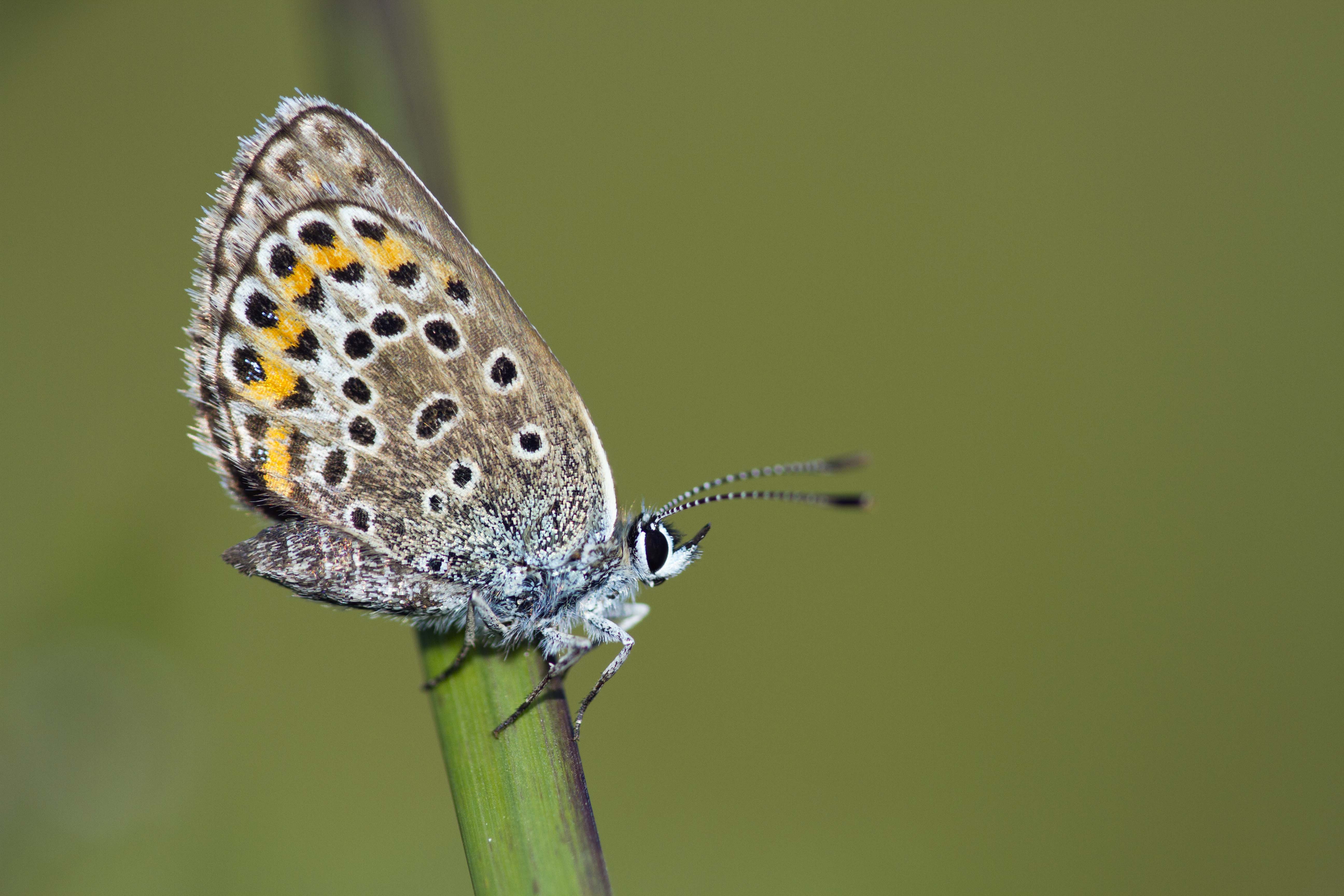
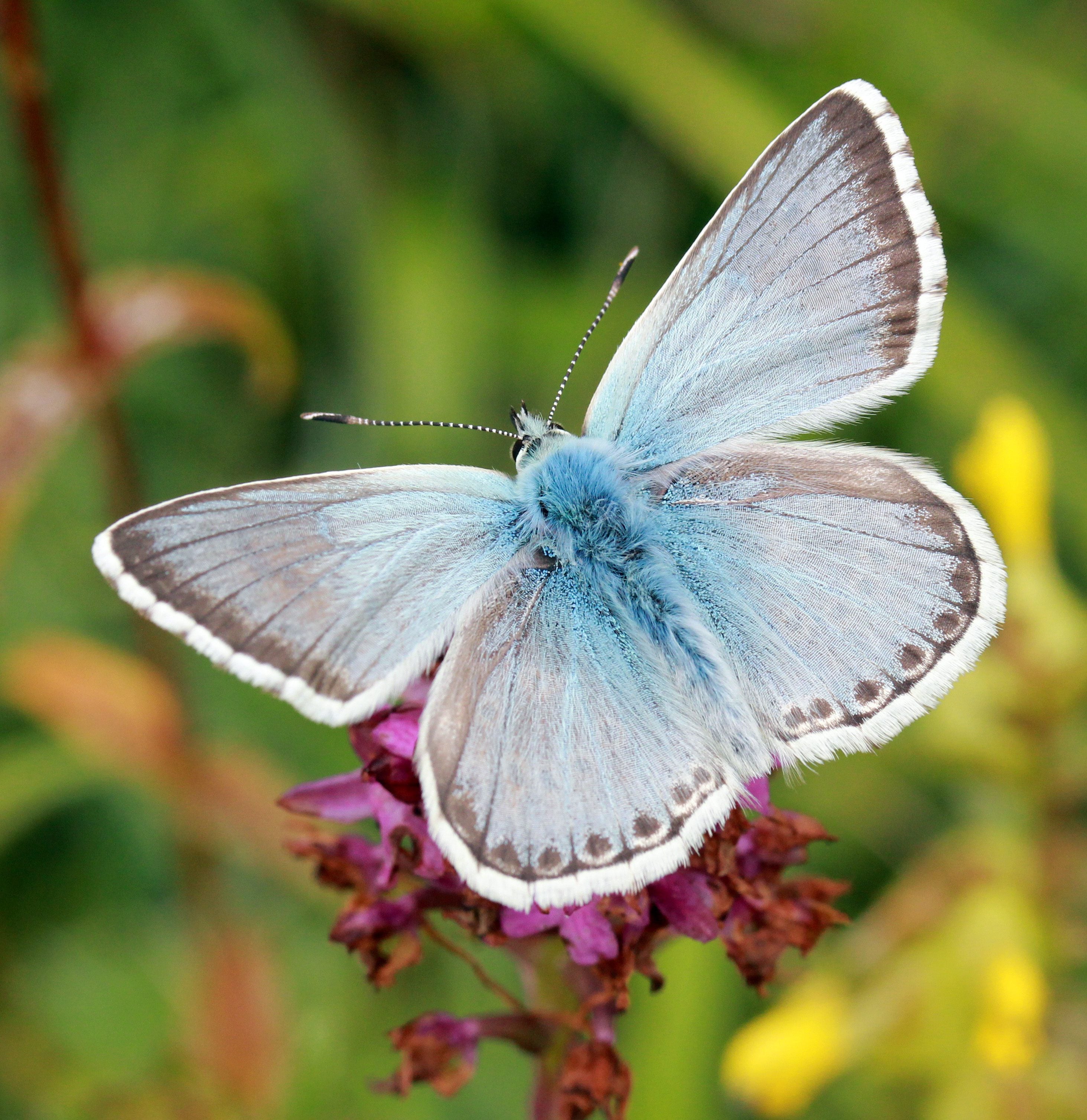
  • The male Common Blue has bright blue wings with a brown border and white fringe. The female is brown with a blue ‘dusting’ near the body. It has orange spots on the underside of its hindwings, whereas the similar Holly Blue has black spots. It is larger than the small and silver-studded blues, smaller than the rare Large Blue, brighter than the Chalkhill Blue, and lacks the black and white chequered pattern along the edge of the wings of the Adonis Blue.
  • There are typically two generations of Common Blues in a year, but if the weather is warm, there can be up to three broods over the spring and summer.
  • Wingspan: 2.9-3.6cm

Status

Common.
Seasonality

May to October
Video

Common Blue video

Common Blue butterfly on bird's-foot trefoil

Discover species that call Sussex home

More than 10,000 species of plants, animals, birds, insects and invertebrates call our nature reserves home. From bats to beetles, orchids to oaks, and butterflies to birds of prey, there’s an impressive diversity of life to discover and experience across the habitats of Sussex.

Join the Sussex Wildlife Trust community

Become a member today to protect nature for tomorrow

As a member, you get access to free guided nature walks, magazines about local wildlife, discounts on courses and events, and a guide to our reserves.

Not quite ready to join but want to help?

Donate to help create a wilder future for nature in Sussex

Choose to give money to a specific cause, or to our work to manage local reserves, defend nature, and create wonderfully wild spaces on land and beneath the waves.