Overview
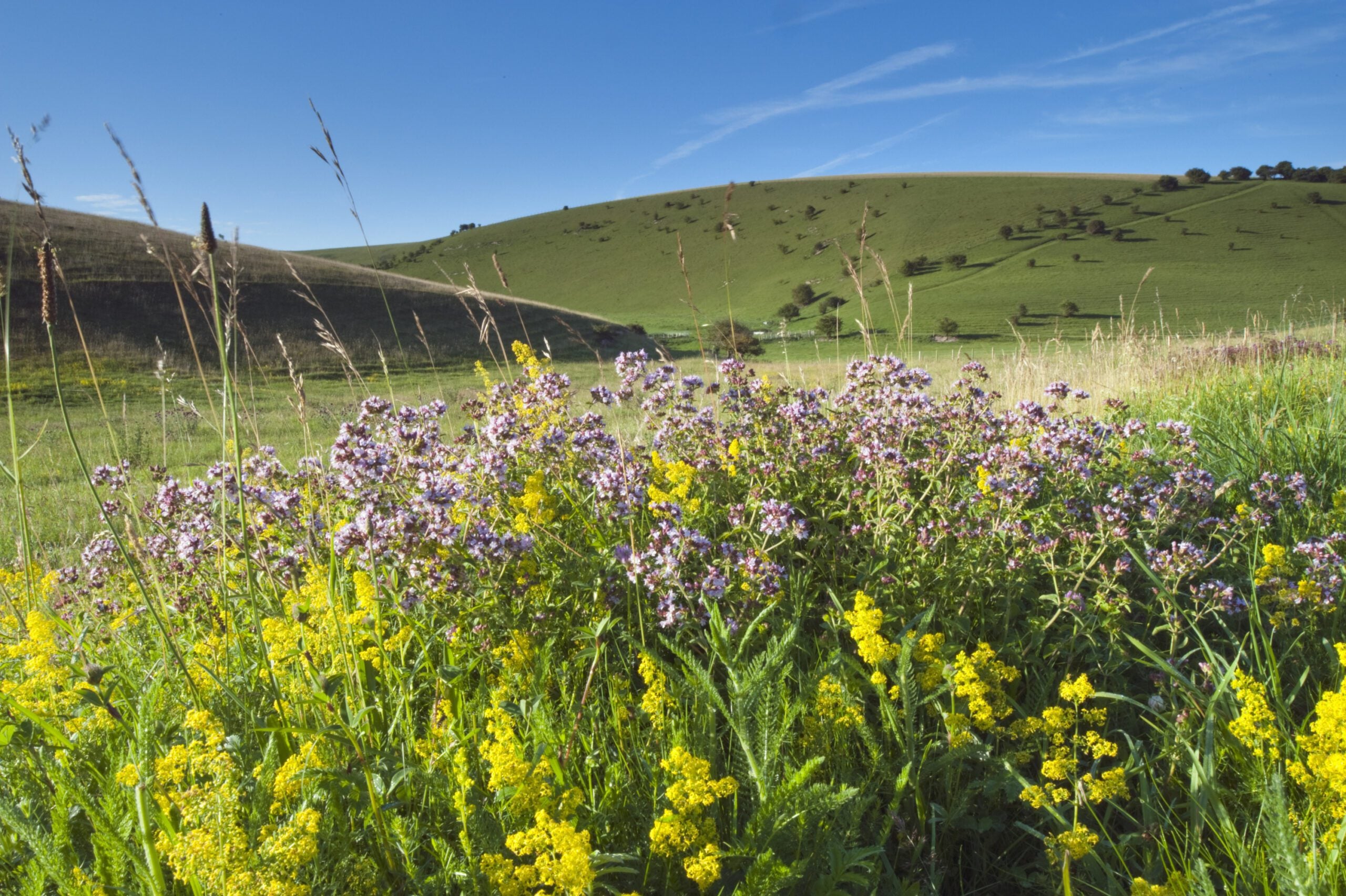
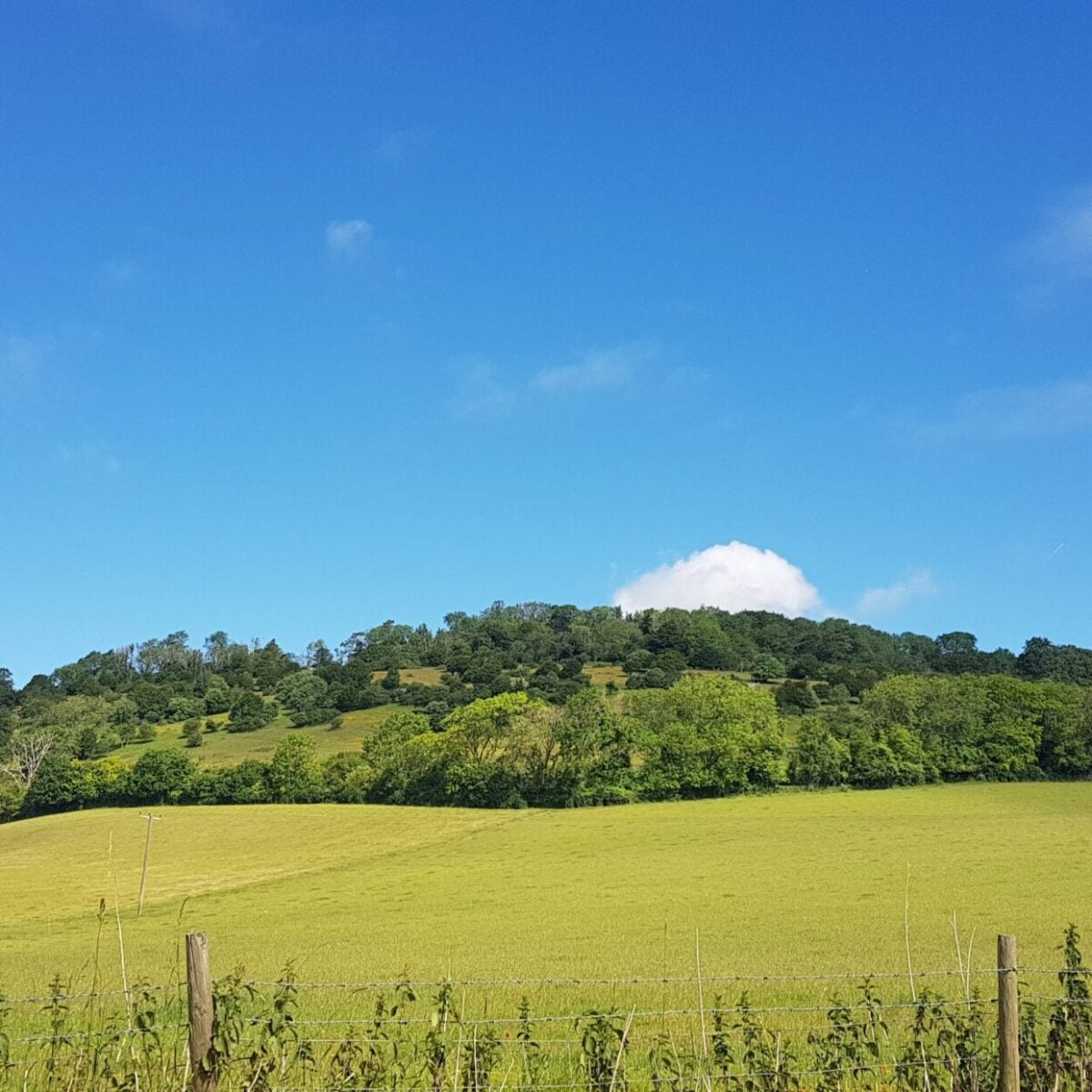
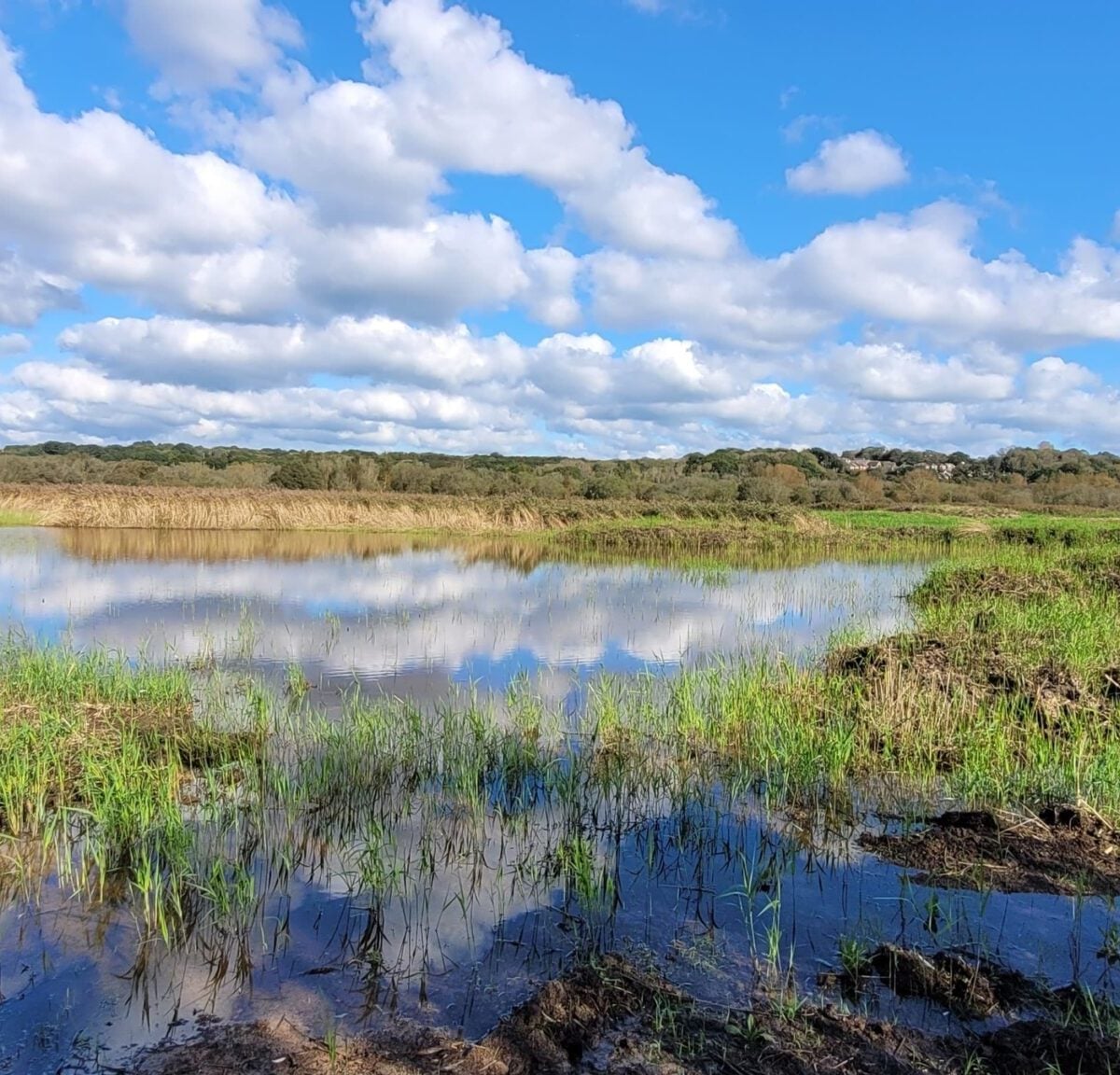
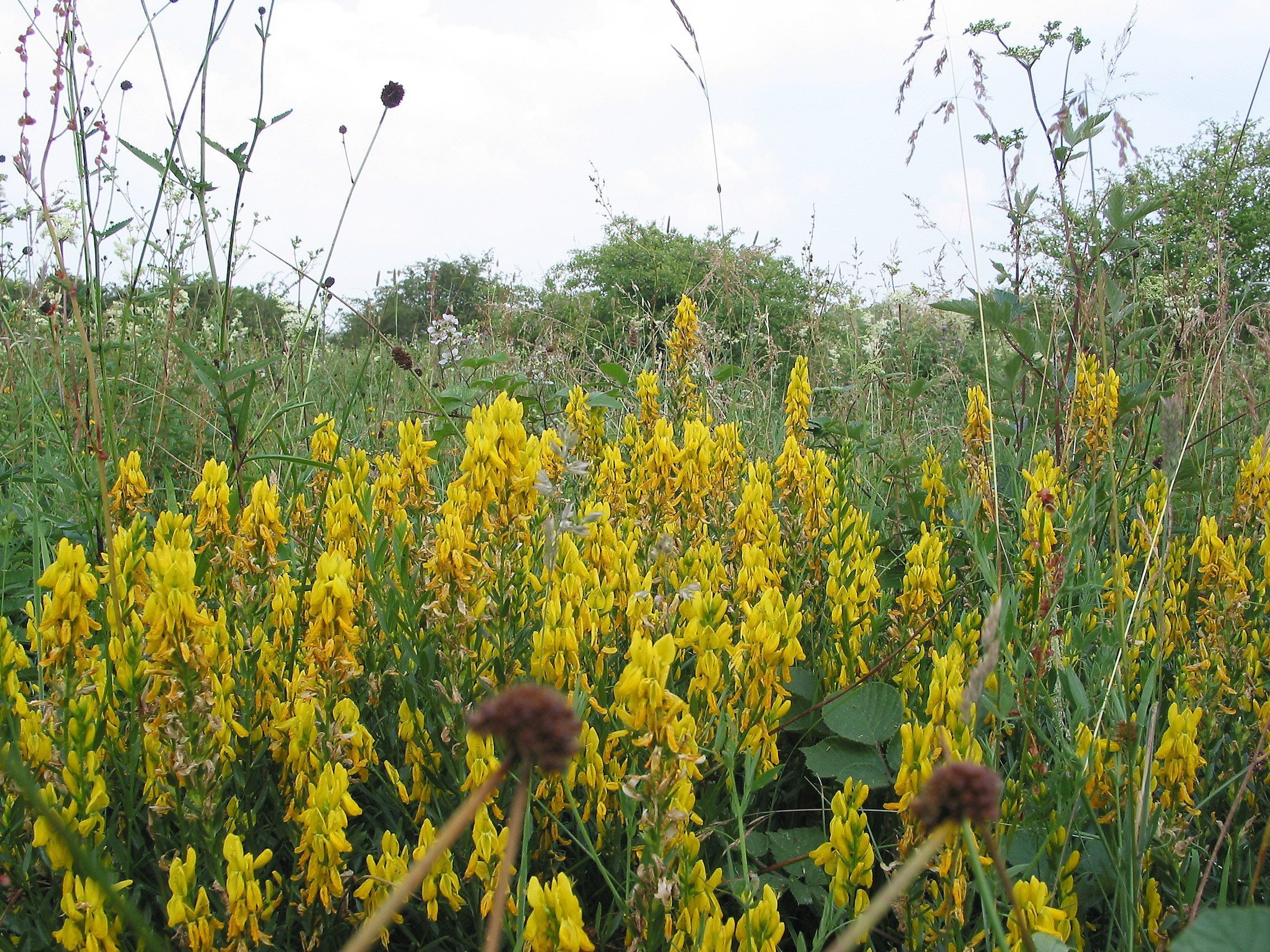
Step into a meadow that time forgot. Brickfield Meadow, on the edge of the Ashdown Forest, is a riot of wildflowers, buzzing insects and birdsong. This place reminds you what the Sussex countryside used to look like.
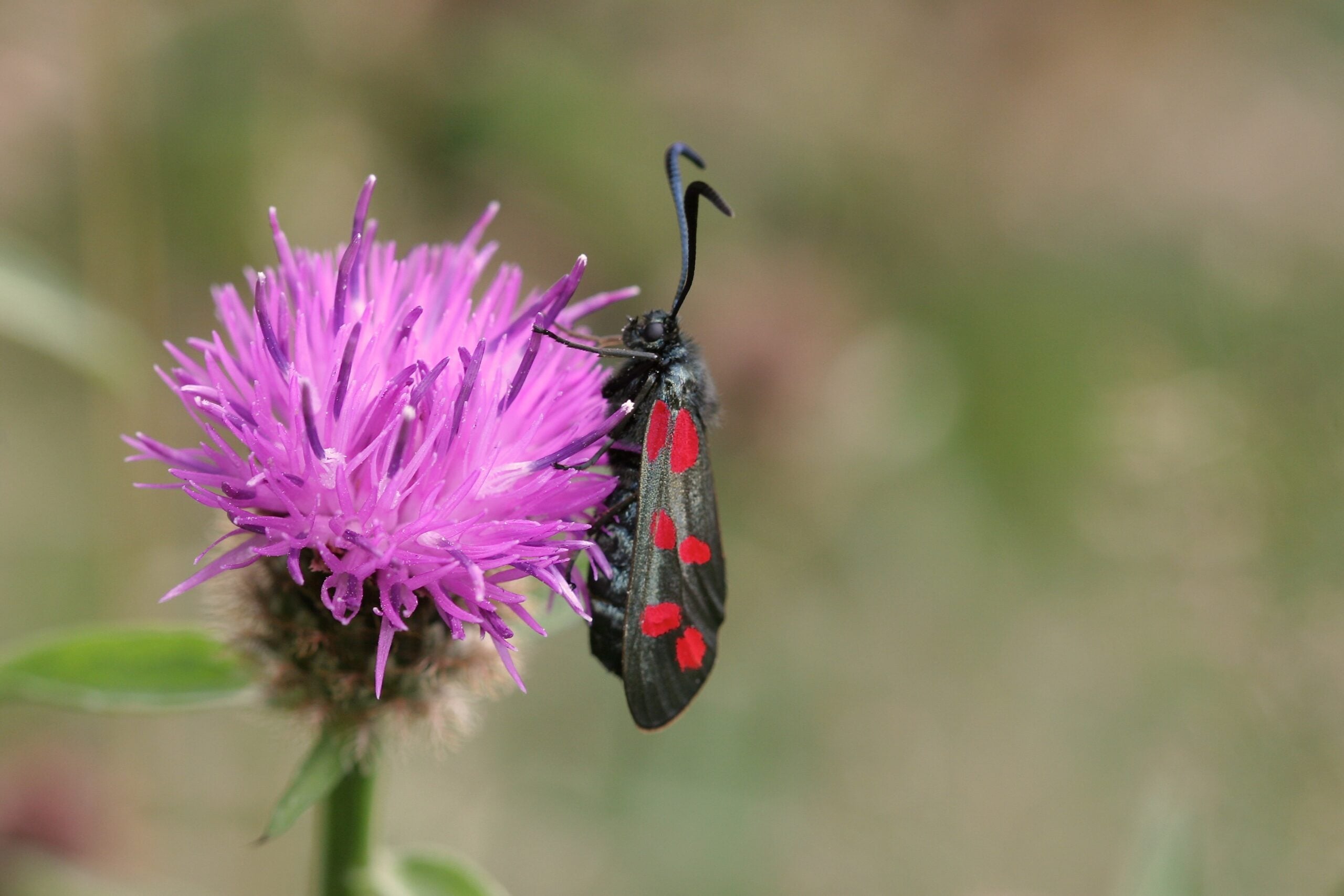
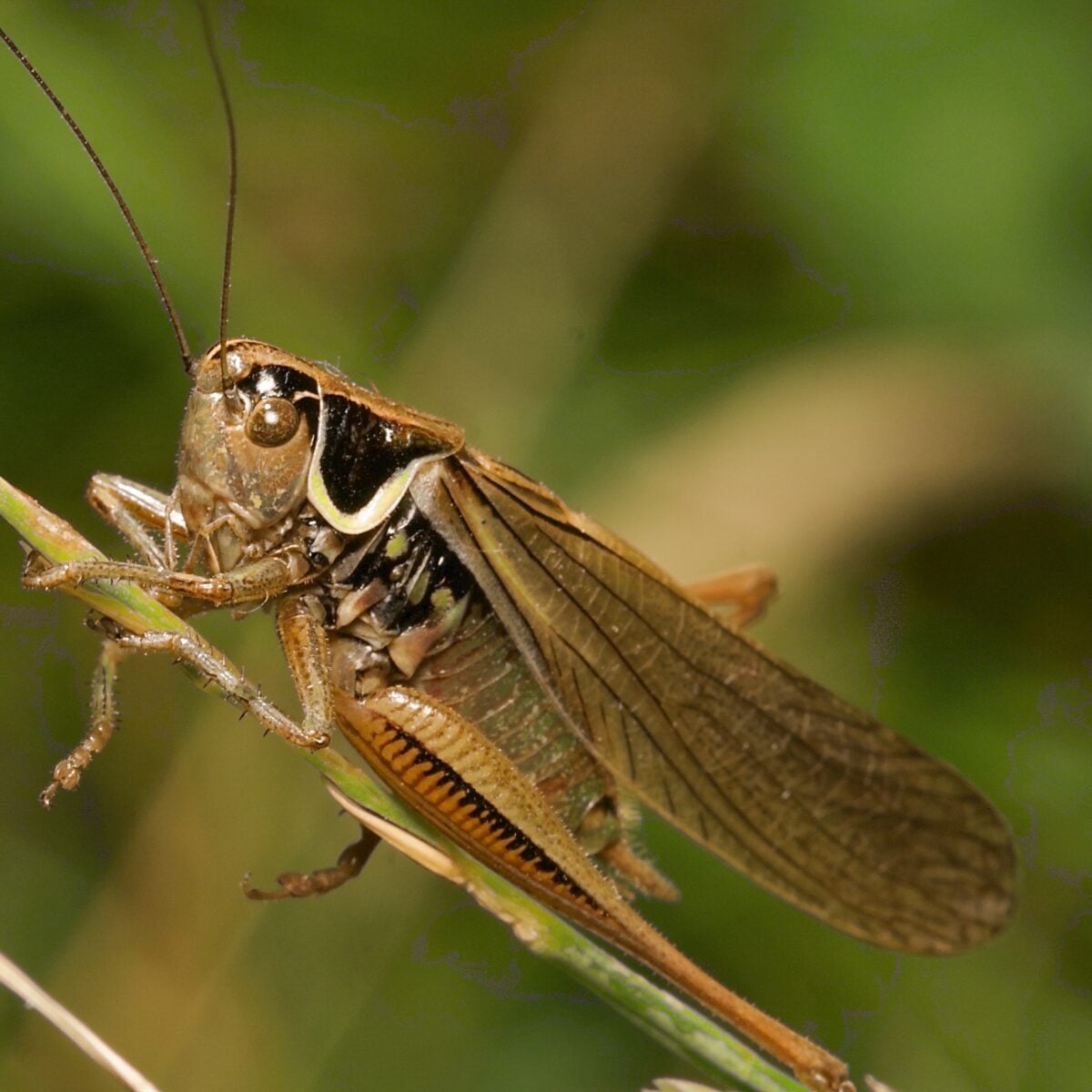
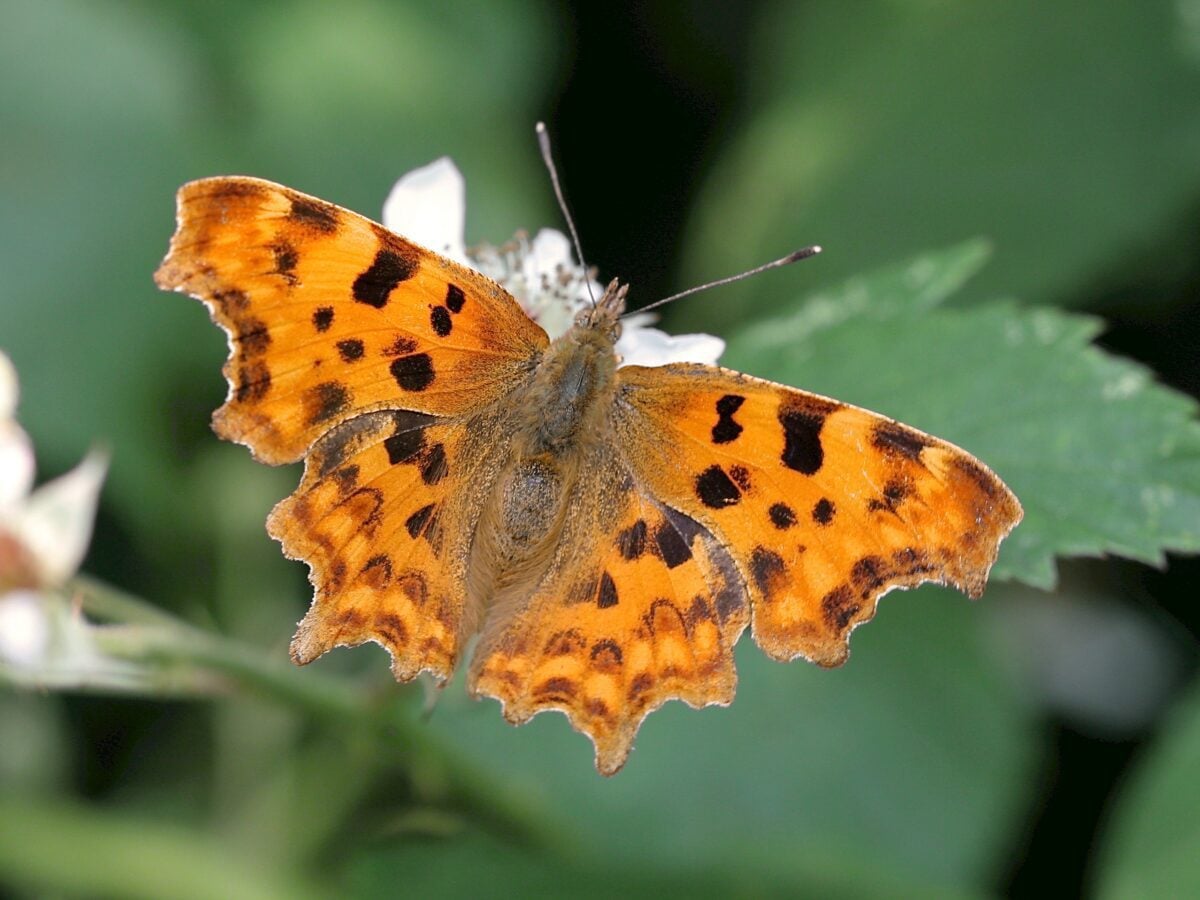
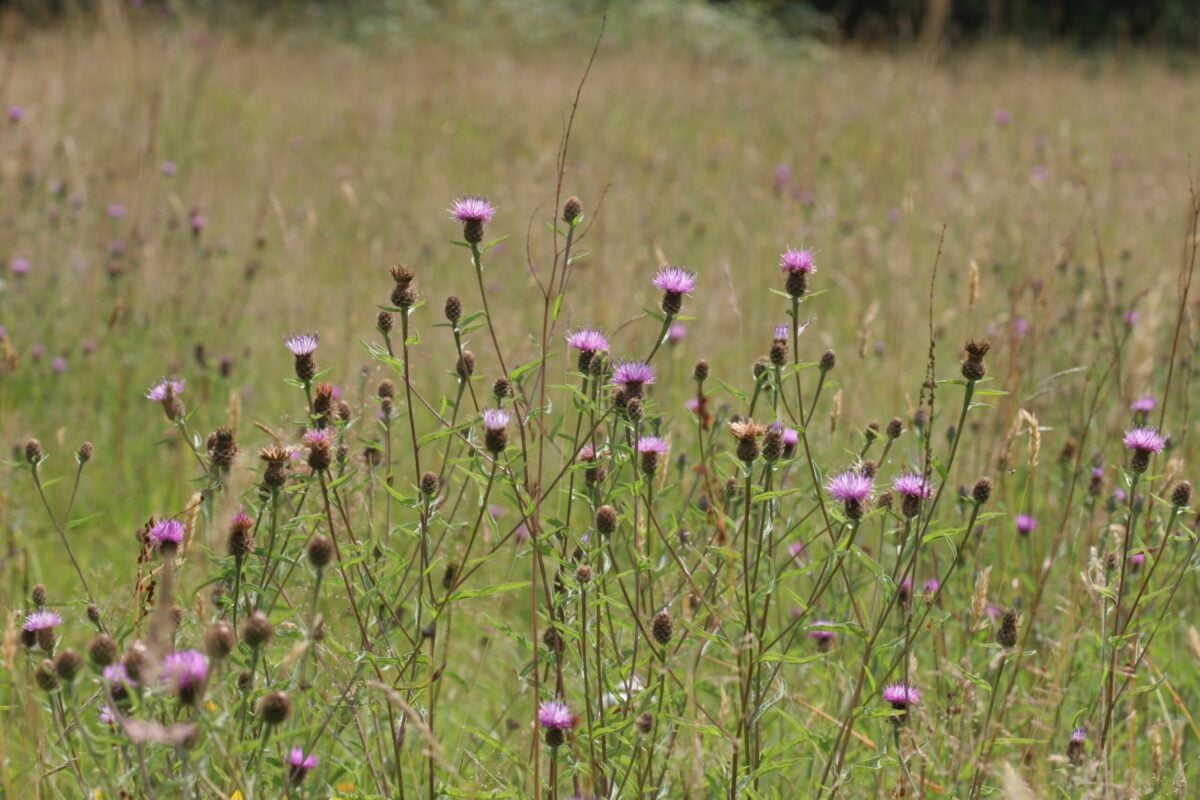
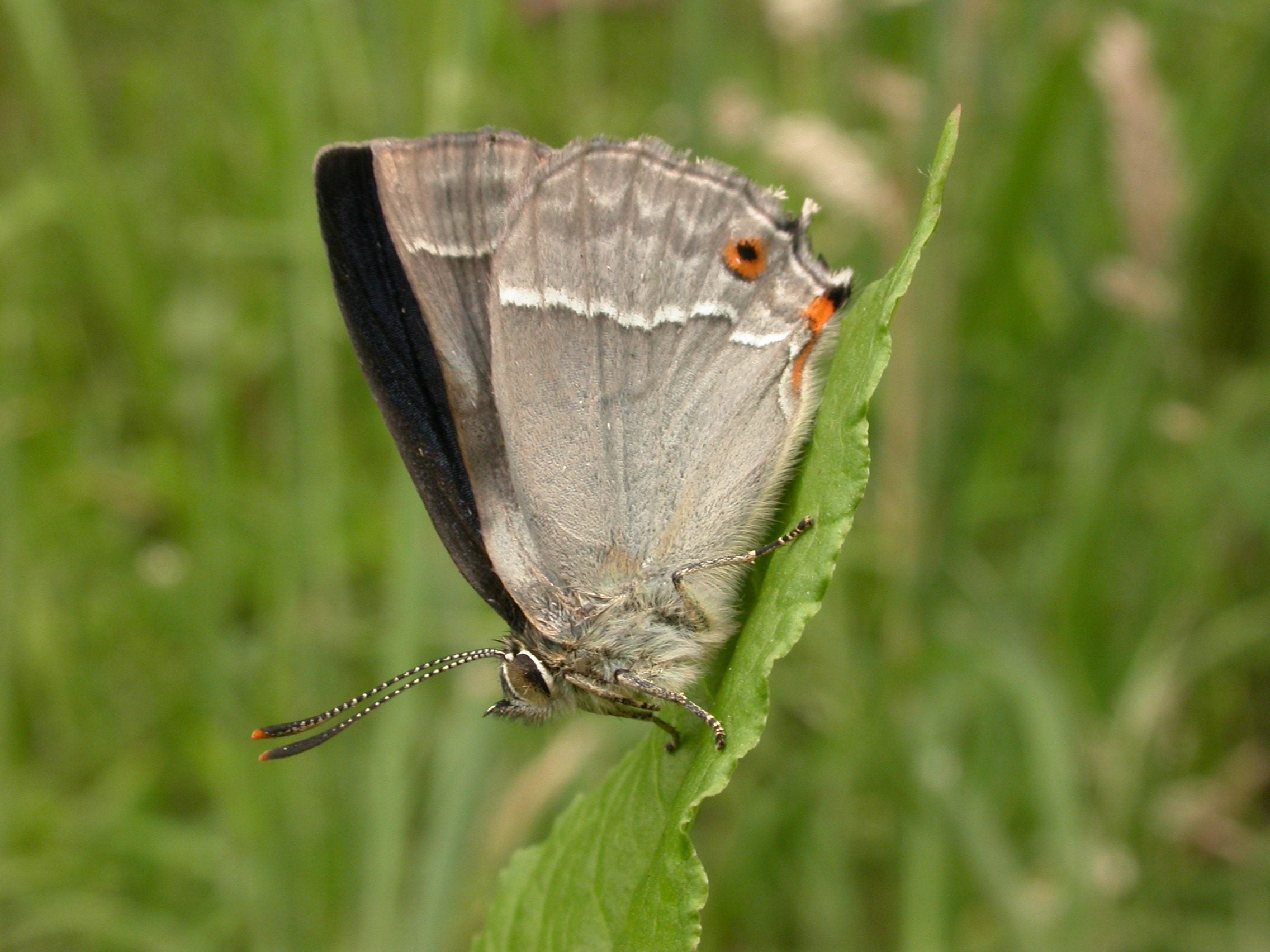
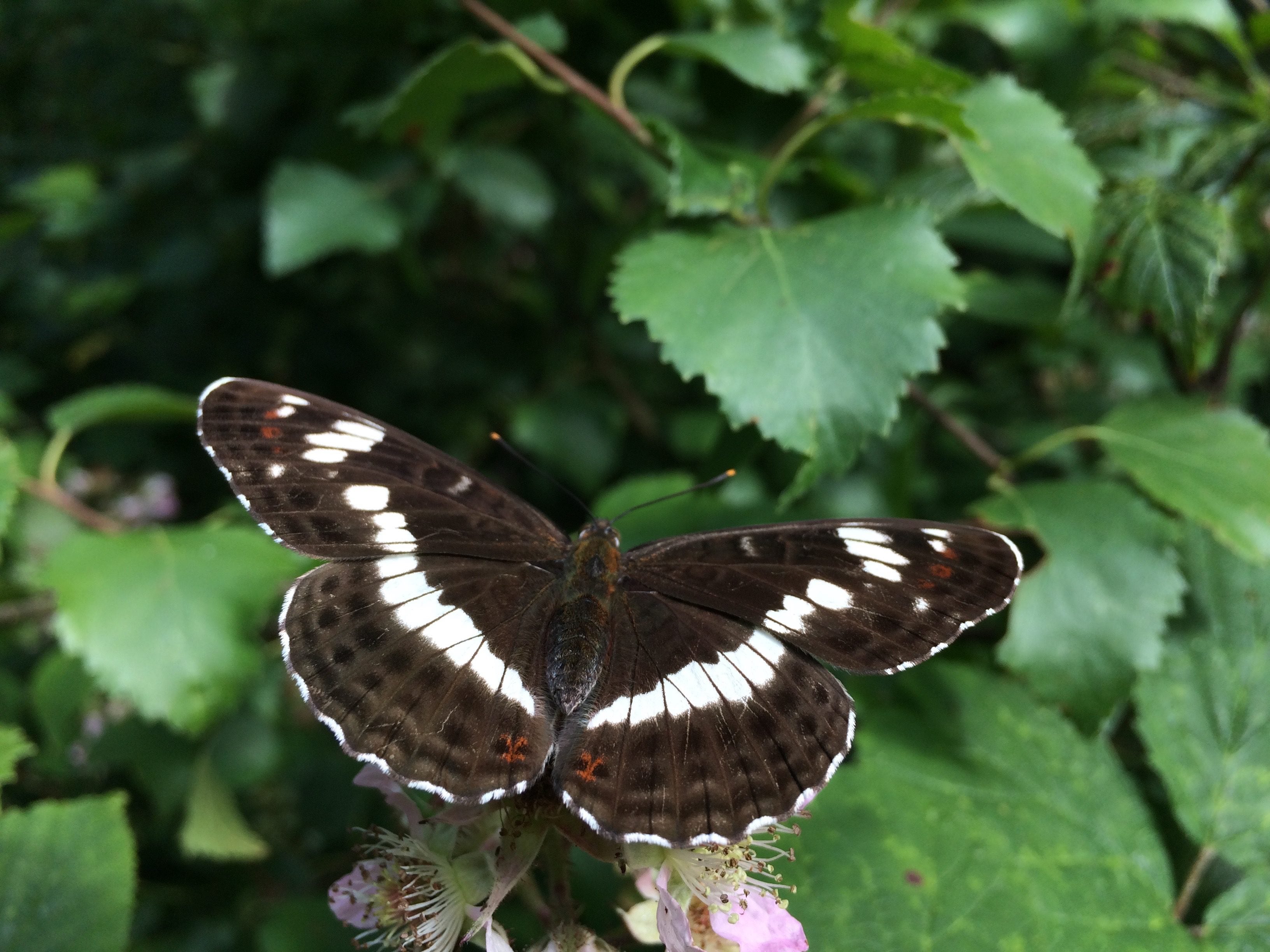
Visit in June or July and you’ll find the meadow thick with grasses and flowers, and alive with insects. Butterflies, bees, beetles and hoverflies work the nectar sources all summer long.
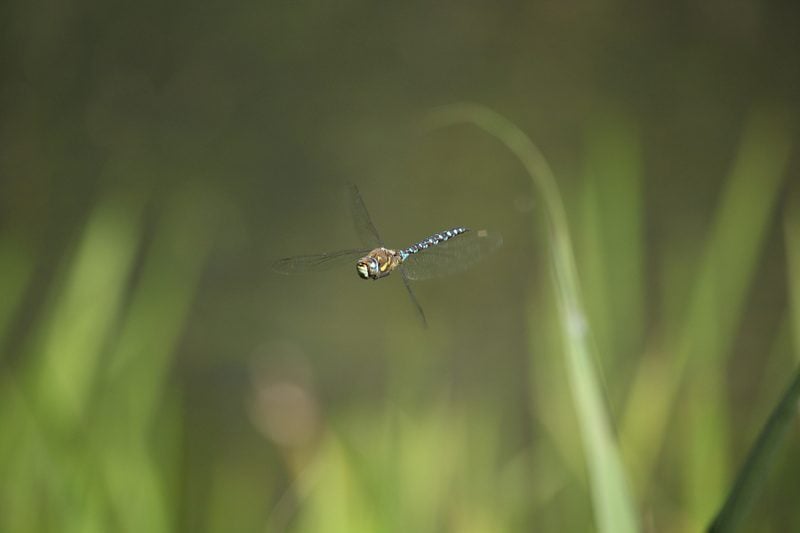
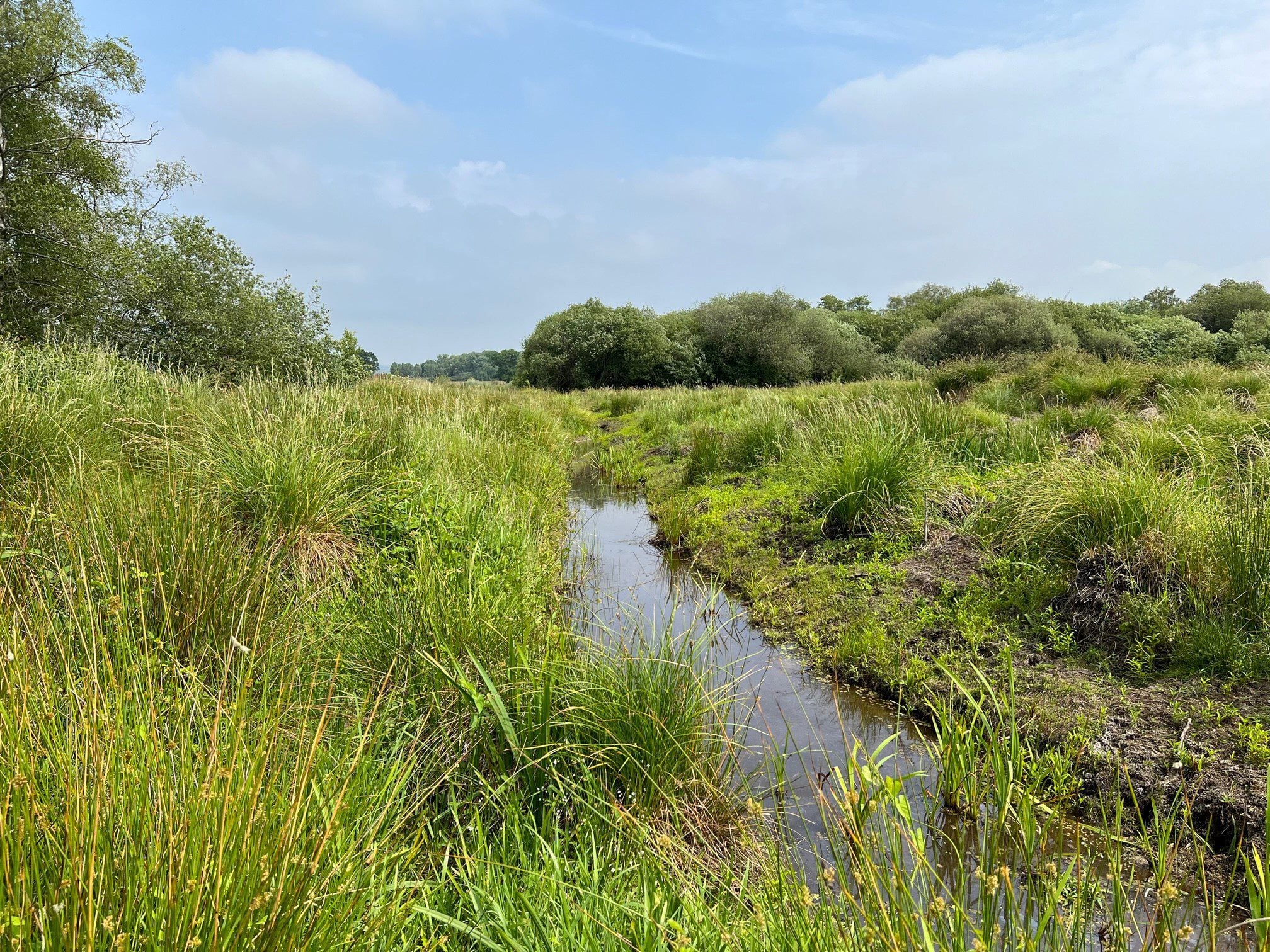
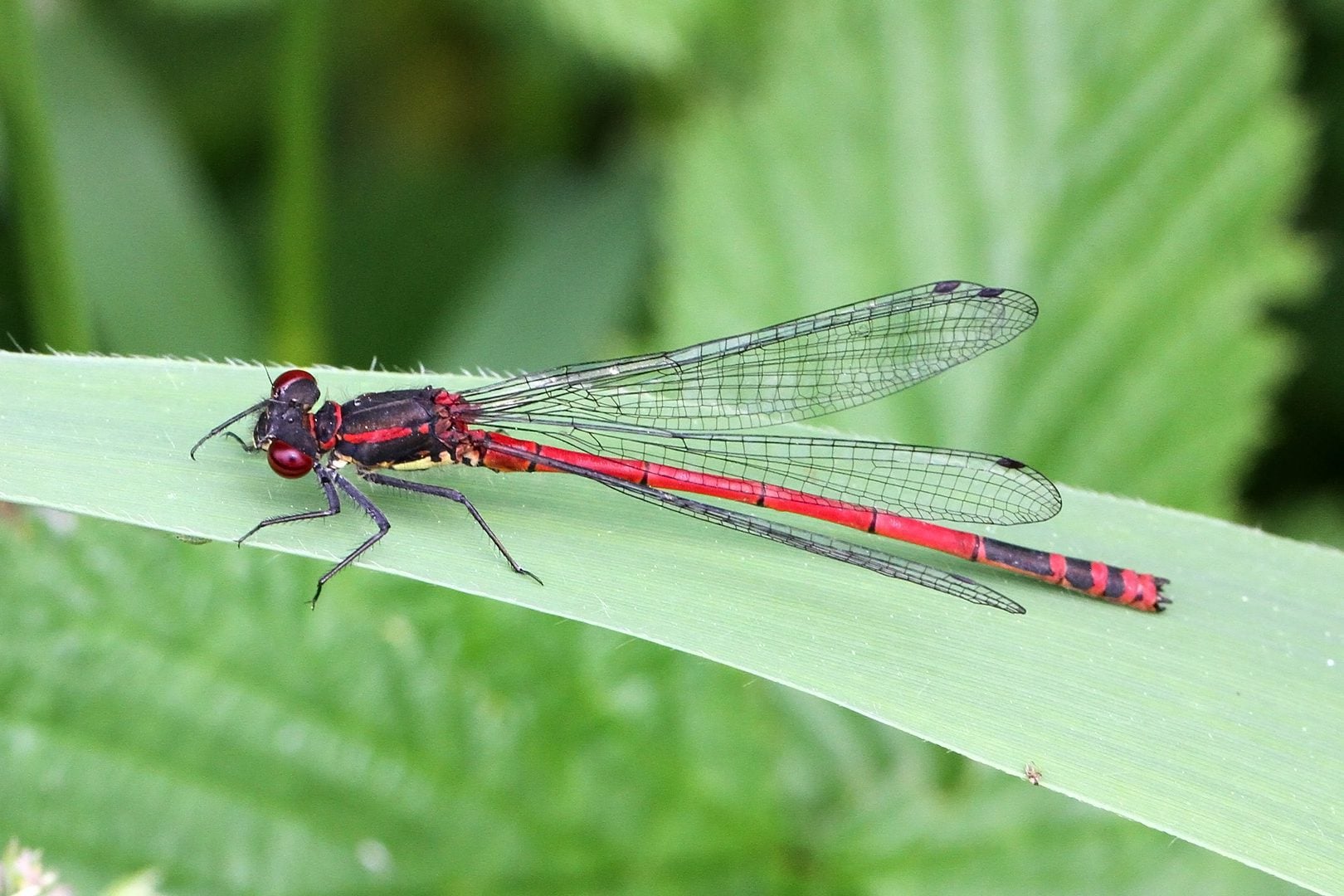
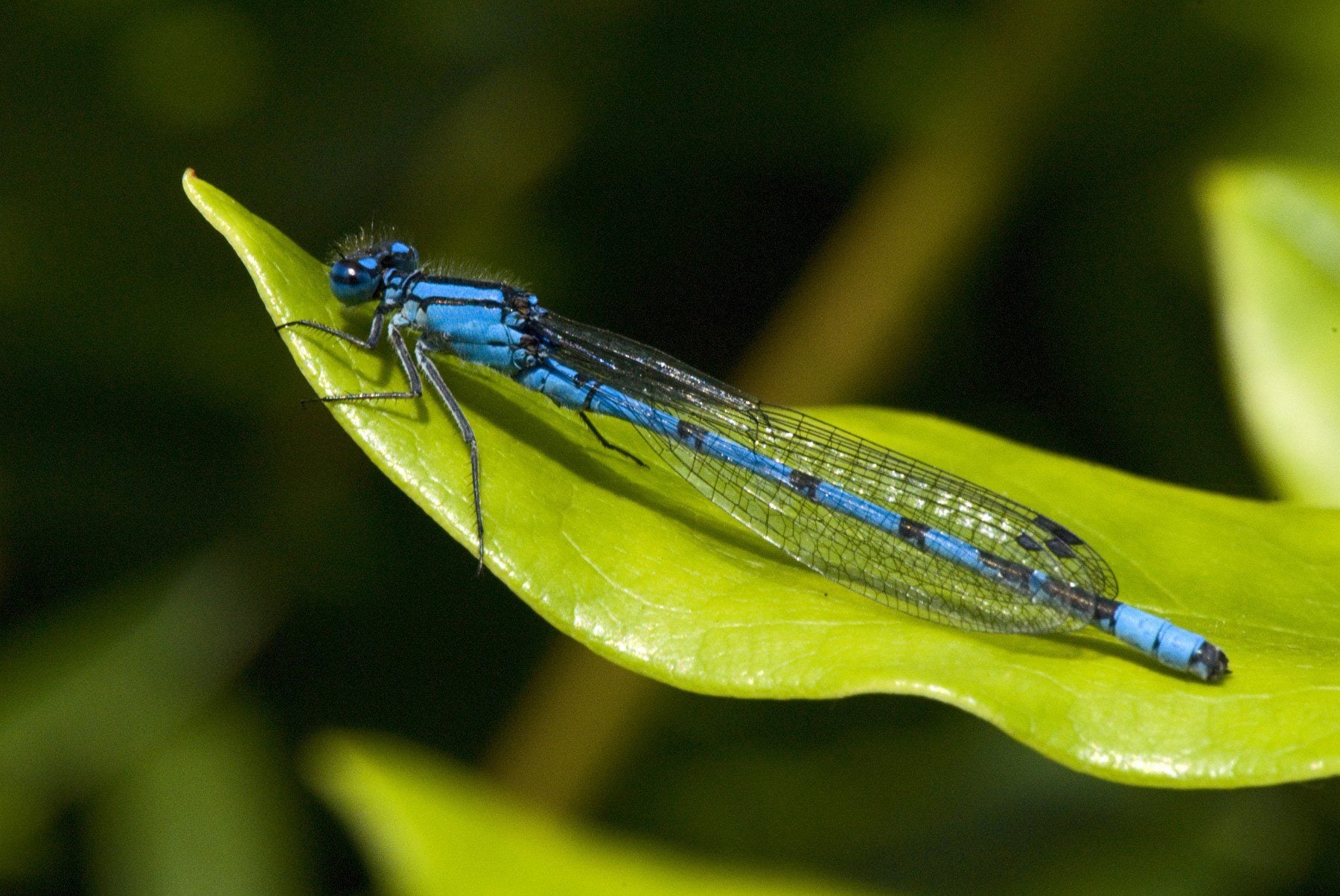
Mature hedgerows surrounding the meadow, shelter breeding birds. A small stream cuts through one corner of the site, drawing in dragonflies on warm afternoons.



Richard Cobden Head of CommunicationsOn a hot summer’s day, this ancient meadow is buzzing. Alive with a flurry of butterflies, beetles and hoverflies
Know before you go
Opening times
The reserve is open at all times
Free to visit
All our open reserves our free to visit, but if you enjoy your visit please consider donating to Sussex Wildlife Trust to help us manage these special places
Reserve size – 1.4 hectare
How to get here
Postcode: TN22 3BT
Grid ref: TQ472265
Brickfield Meadow is in Fairwarp, just over 3 miles north of Uckfield, off the B2026.
From the village, walk down Oldlands Hill and take the track south as you leave the village. This leads directly into the meadow.
Please park considerately in the village
Getting around
The Wealdway long-distance footpath crosses the reserve, with gates at each end.
Dogs welcome on leads
Dogs are welcome, but so that they do not affect other people and our wildlife, please keep them under close control and clean up after your dog.
The meadow is grazed most years with our own cattle or sheep, usually after the summer hay has been cut. Signs on the gates will let you know when livestock are on site.
Toilets
Toilets are available at the Ashdown Forest Centre.
Check Toilet Map for a range of options.
Dos and don’ts
- Keep your dog on a lead around grazing animals
- No fires or barbecues
- Take your litter home
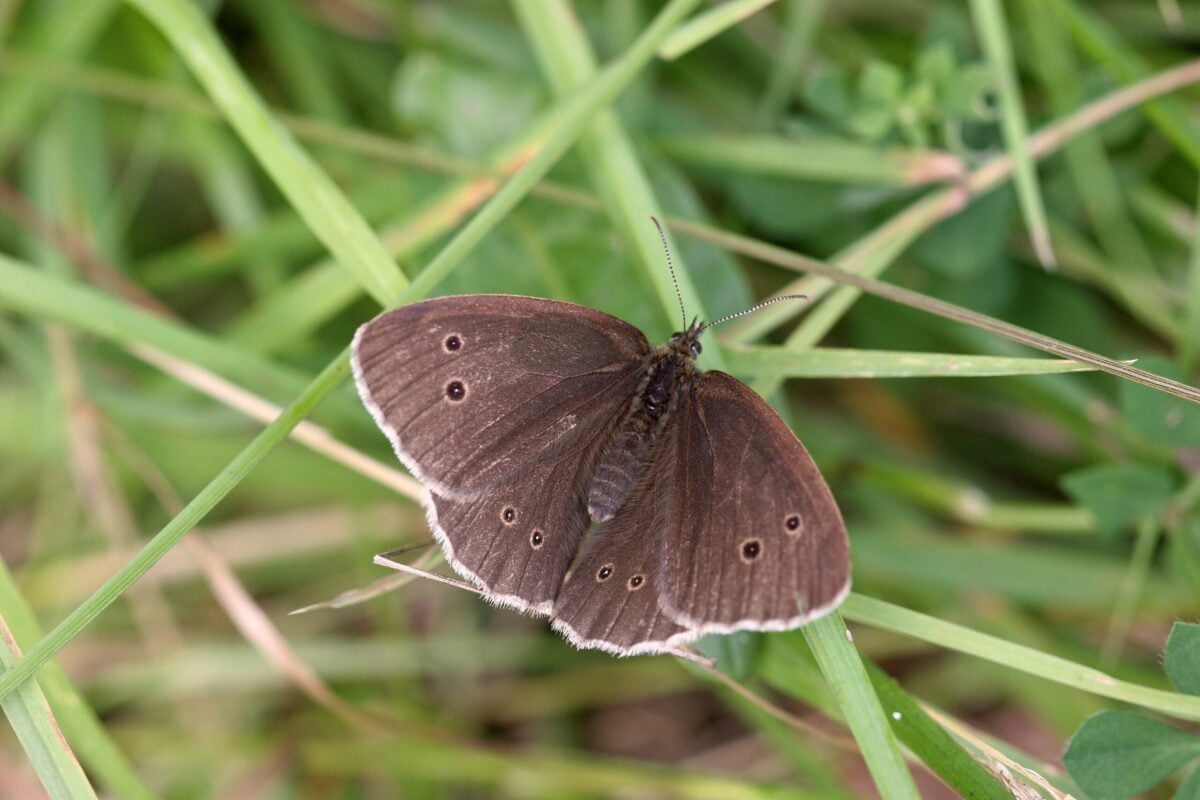

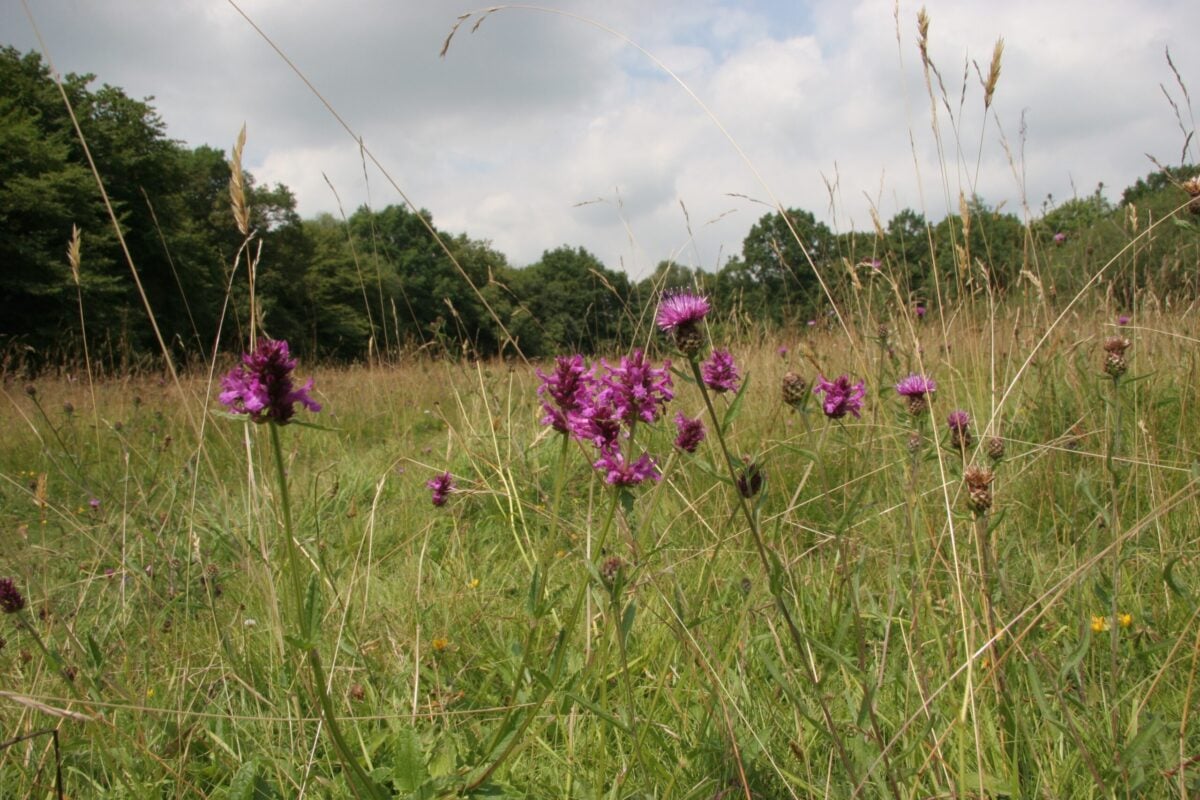
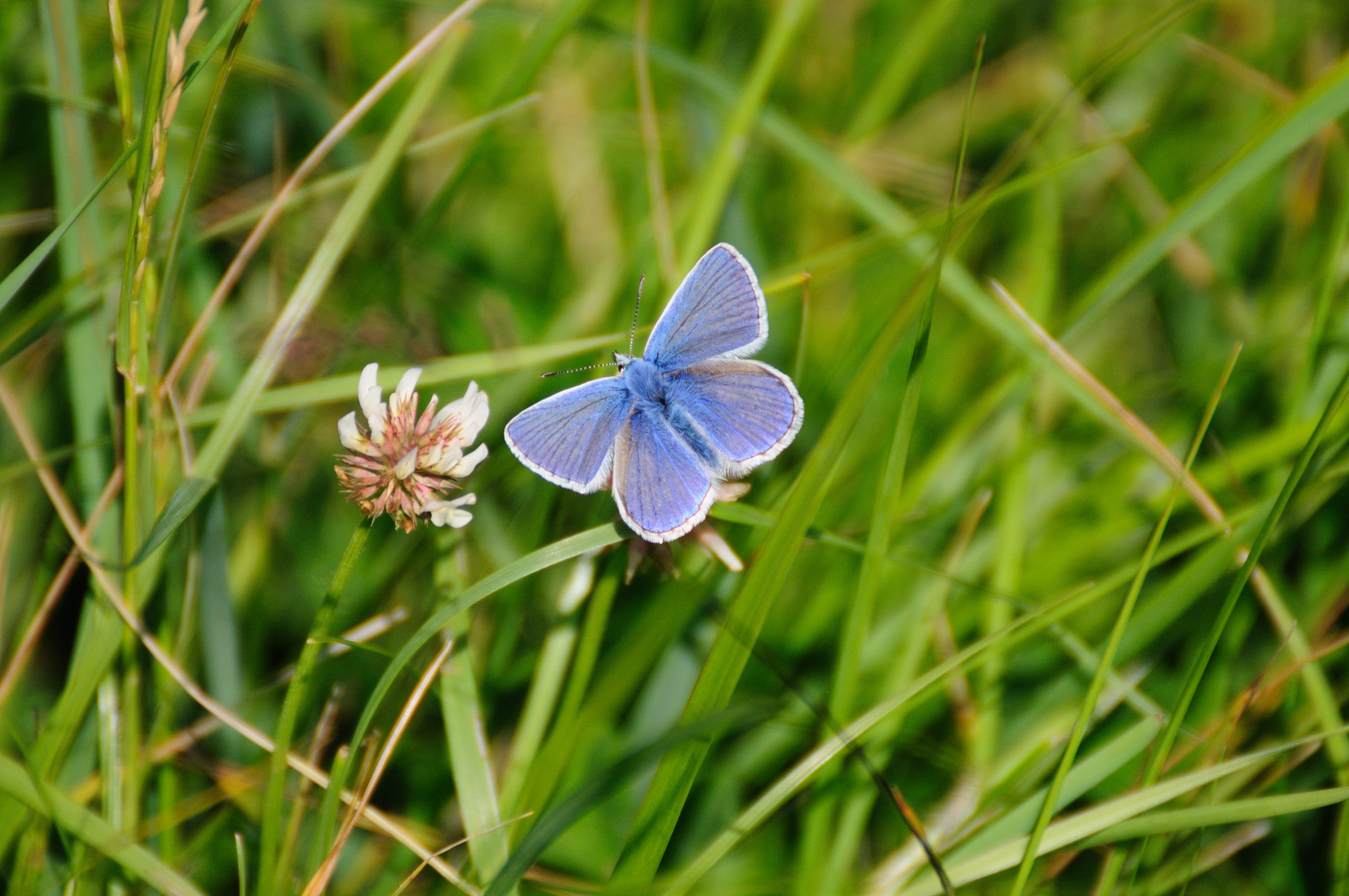
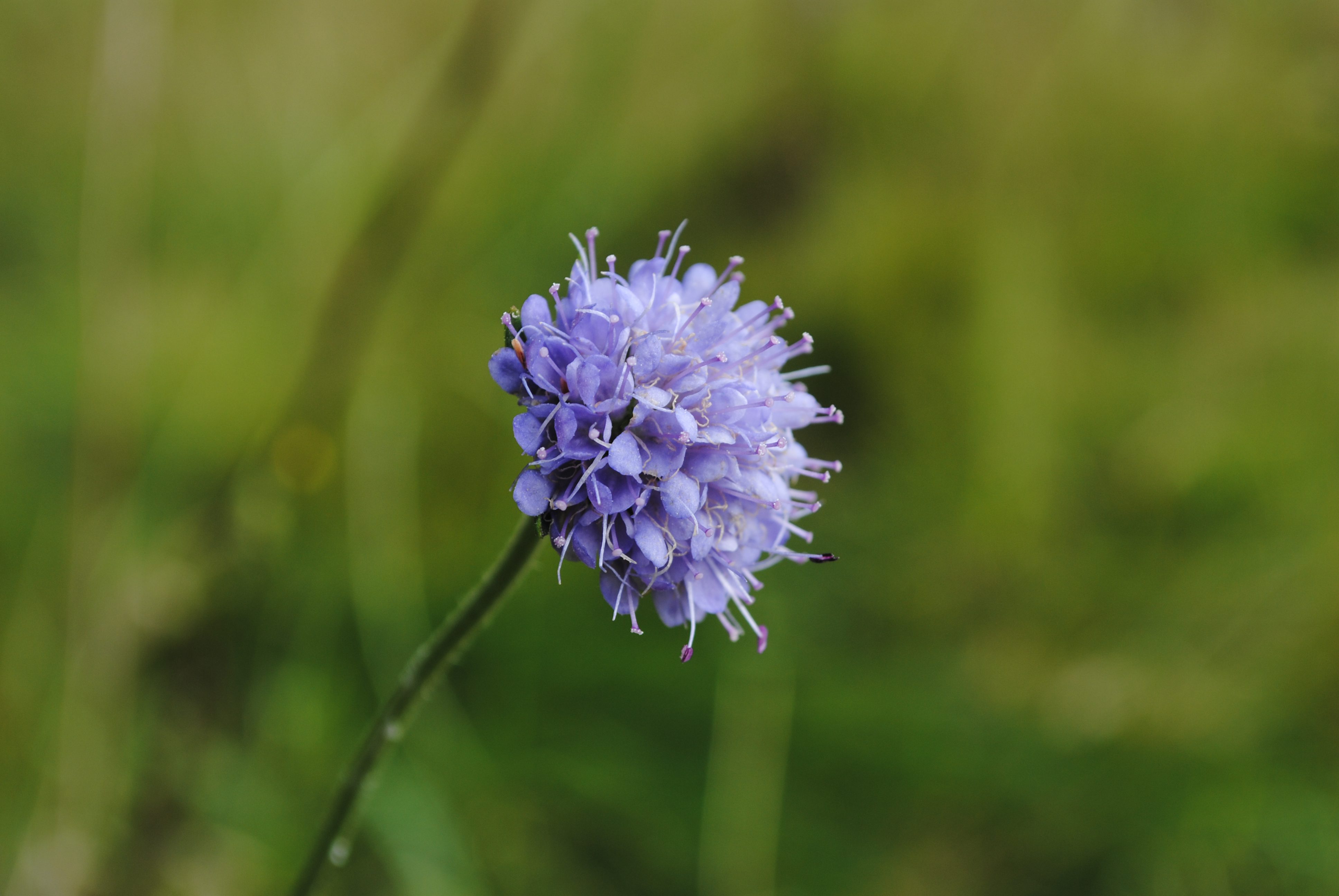

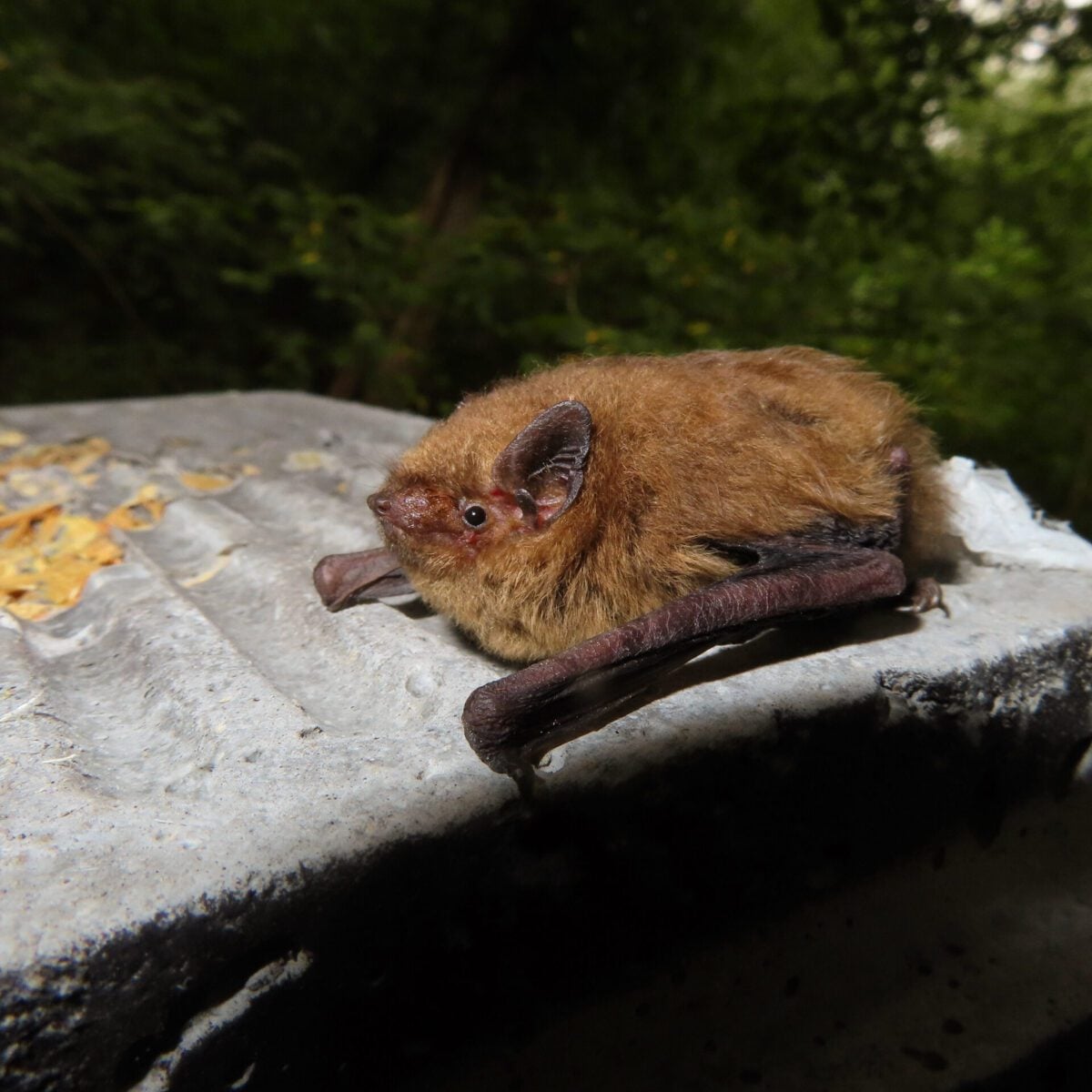
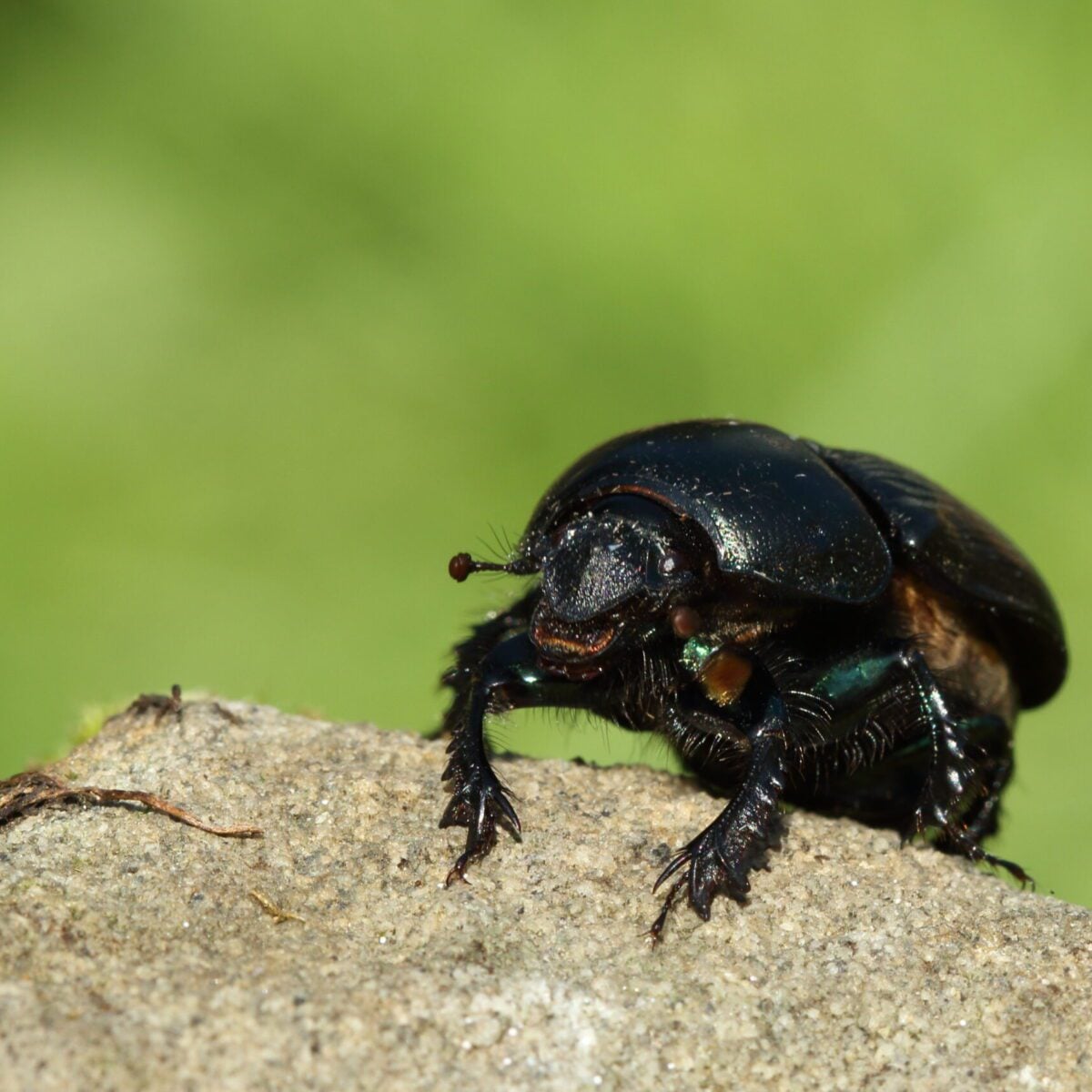
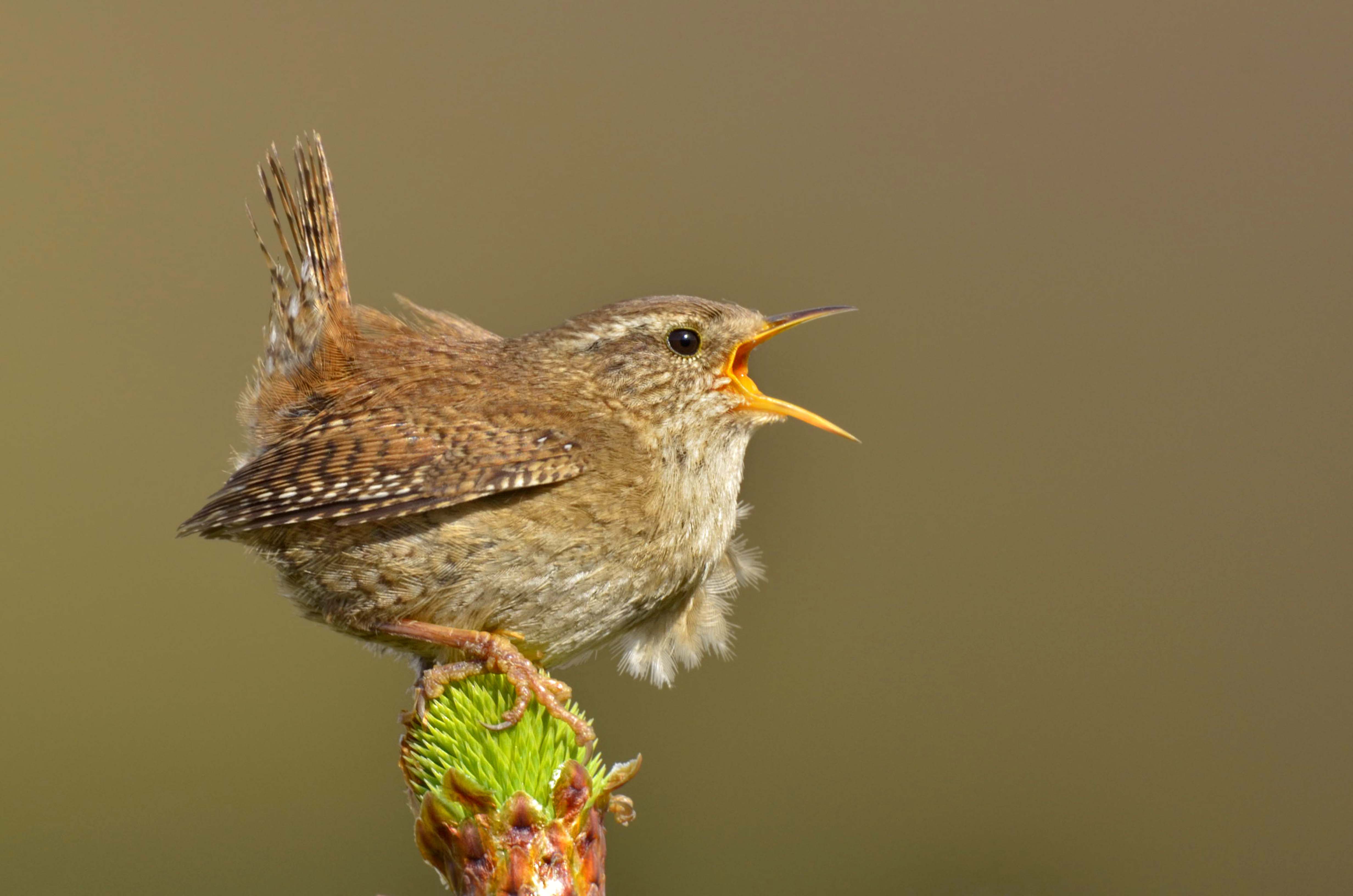

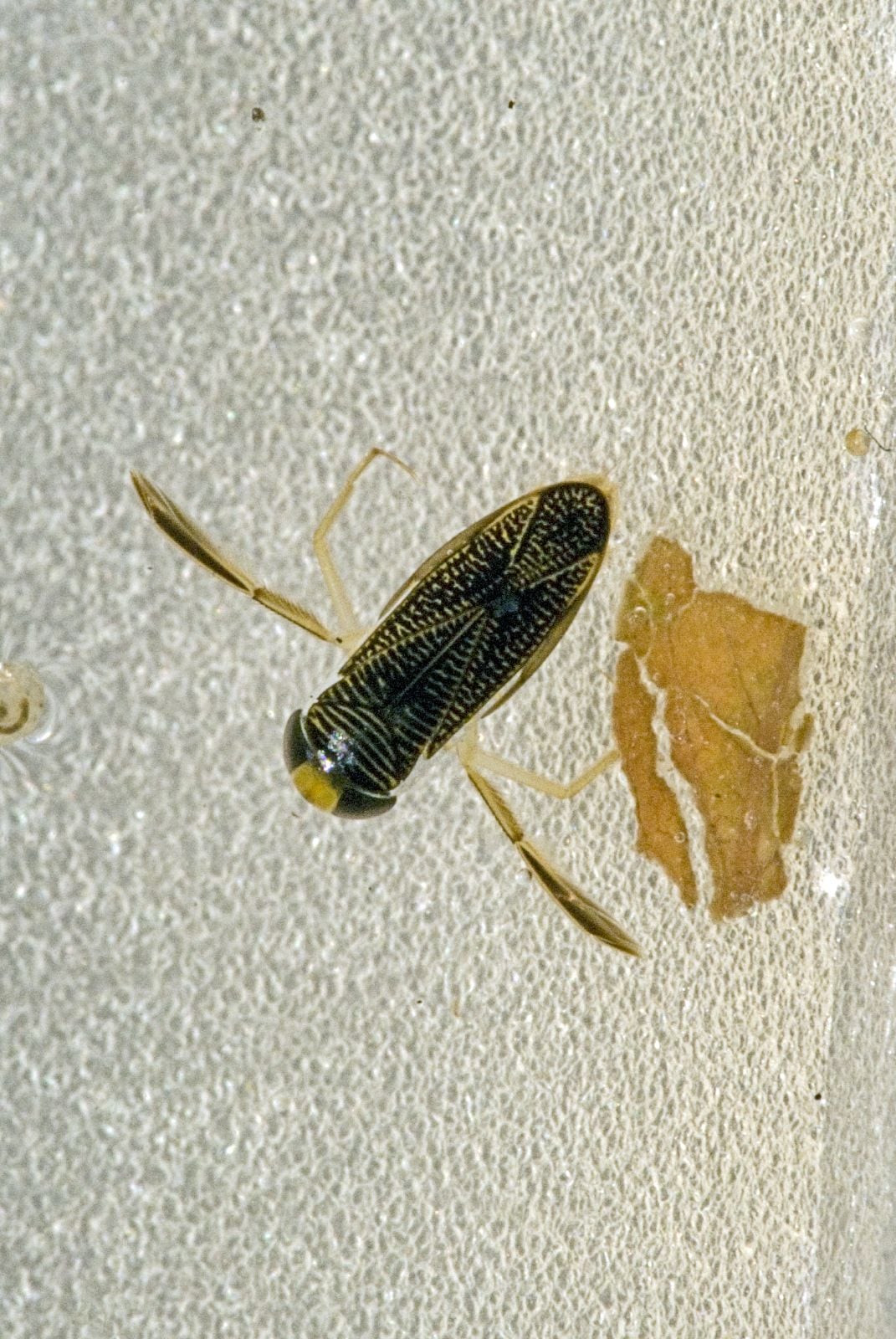
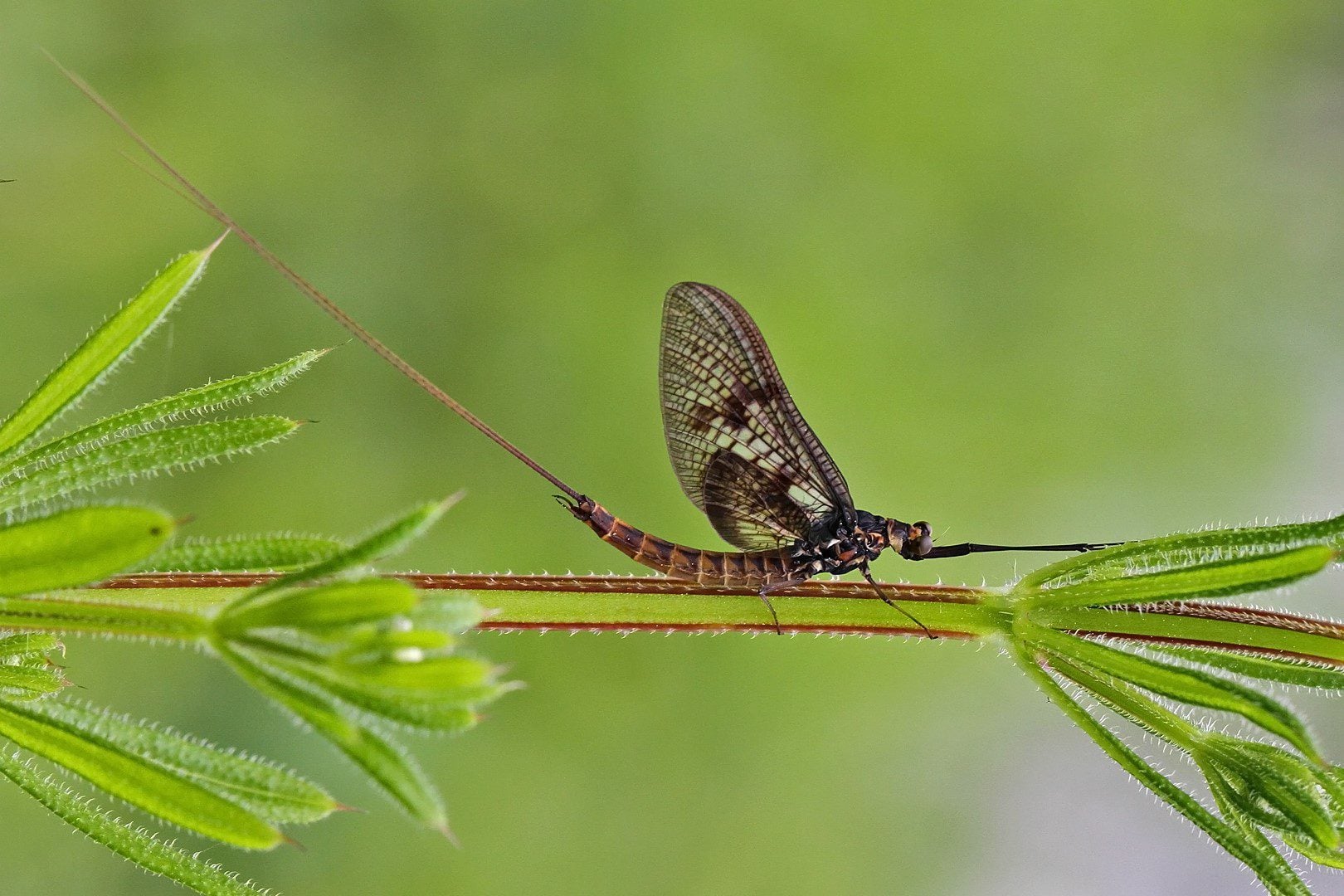
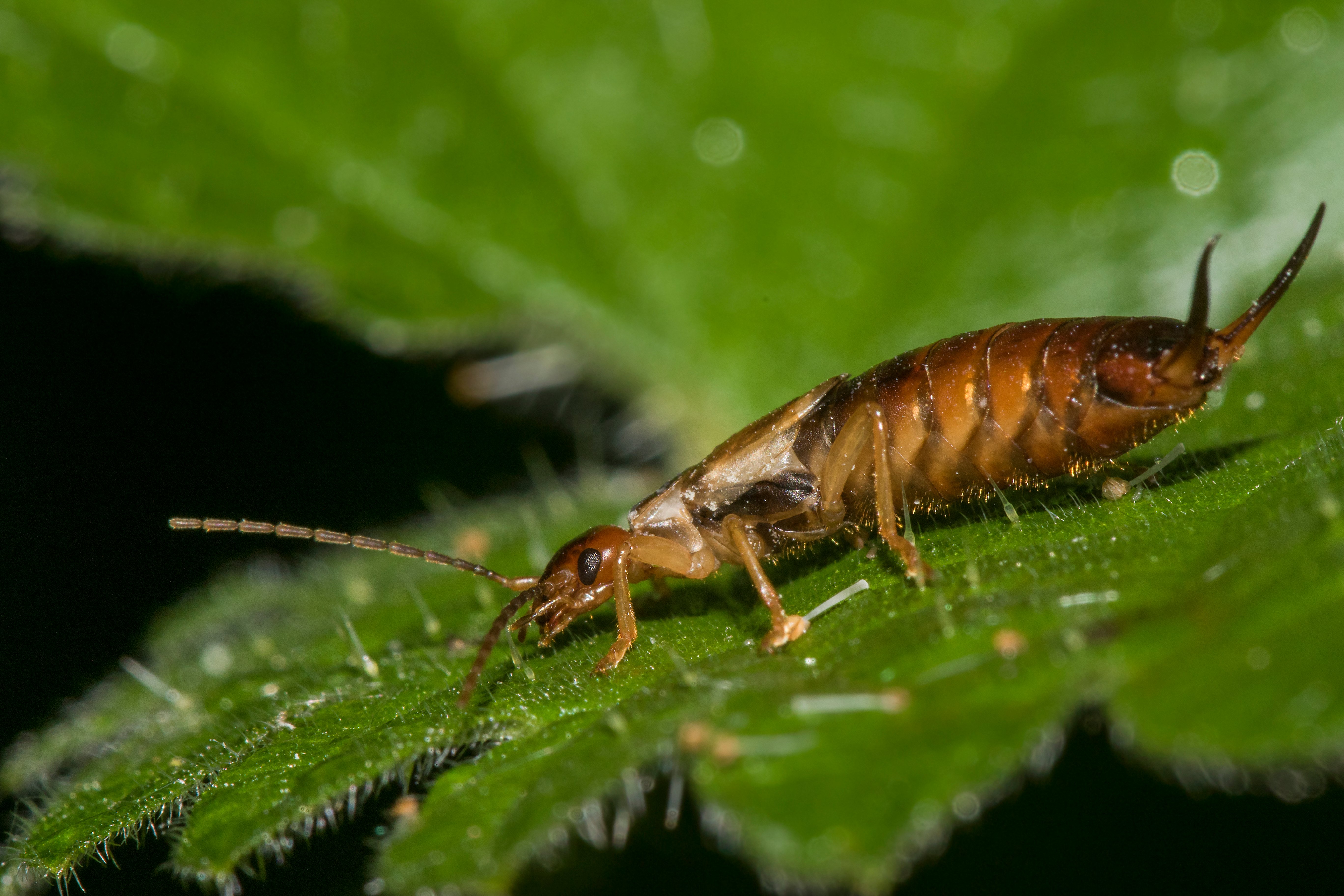
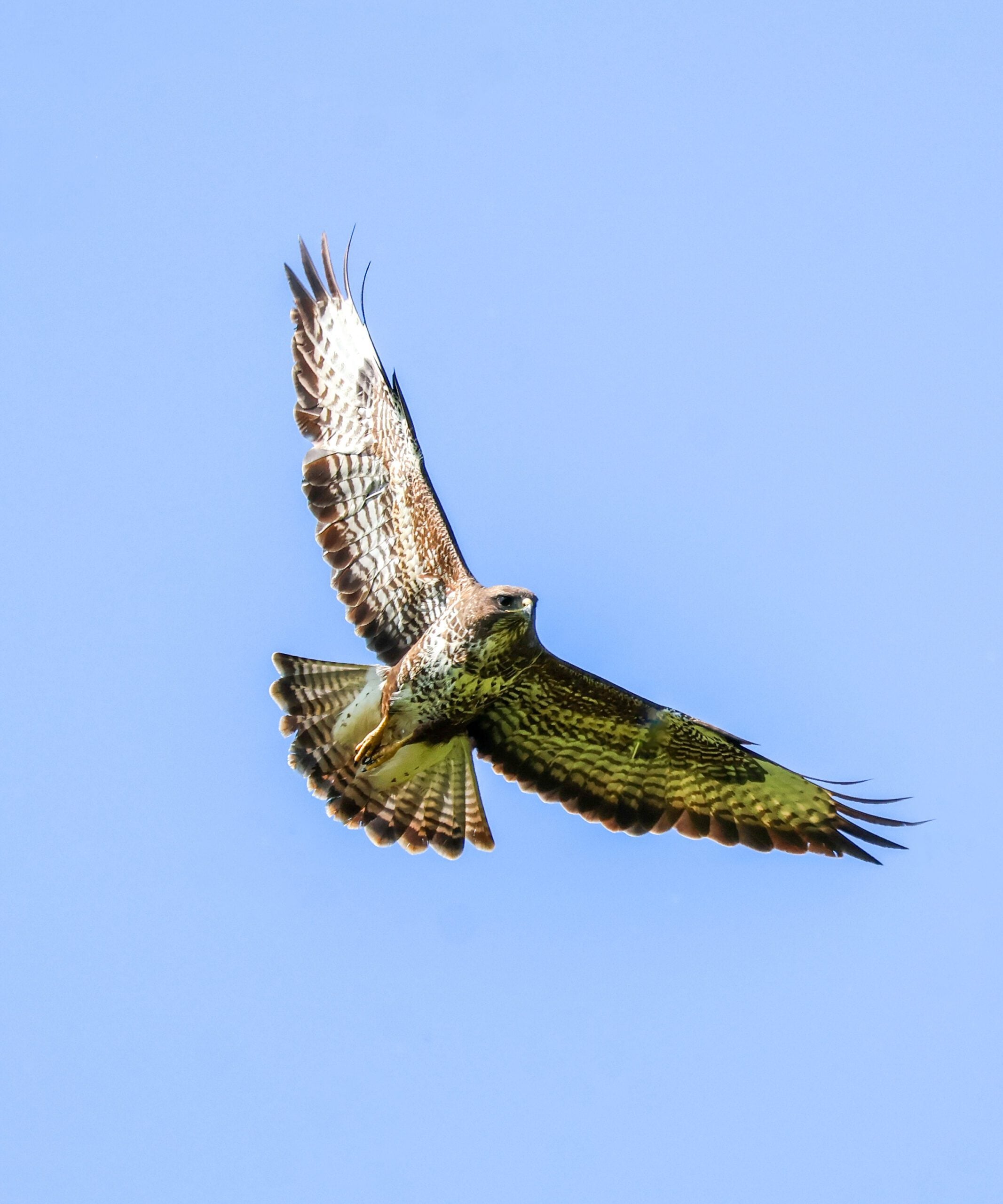 Buzzard © Kai Hilton
The story of the reserve
Brickfield Meadow has been farmed in the same way for generations: cut for hay in summer, then grazed lightly by cattle and sheep. While nearly all Britain’s wildflower meadows were lost during the 20th century, this one survived.
Sussex Wildlife Trust now manages the site using those same traditional methods, and the meadow is formally recognised as a Local Wildlife Site for the quality of its plant communities. It is managed with our own cattle and sheep, and a small area is left uncut each year so invertebrates can complete their life cycles.
Did you know?
Disappearing meadows
Over 97% of Britain’s wildflower meadows have been lost in the past 70 years.
Soot sprite
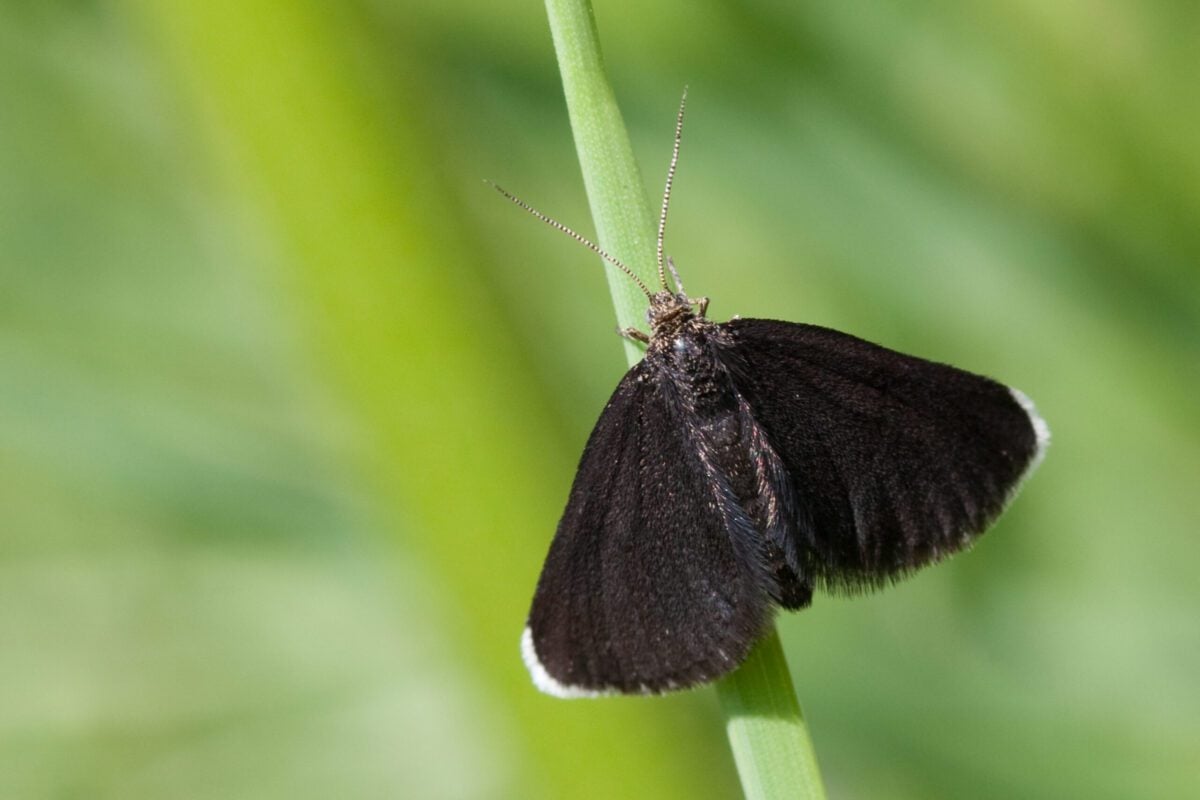
The sooty-black Chimney Sweeper moth is a day-flying moth
Rollercoasting raptors
In spring, male Buzzards undertake some spectacular aerobatics, aka ‘the rollercoaster’, as they seek to impress the females.
Ancient foliage
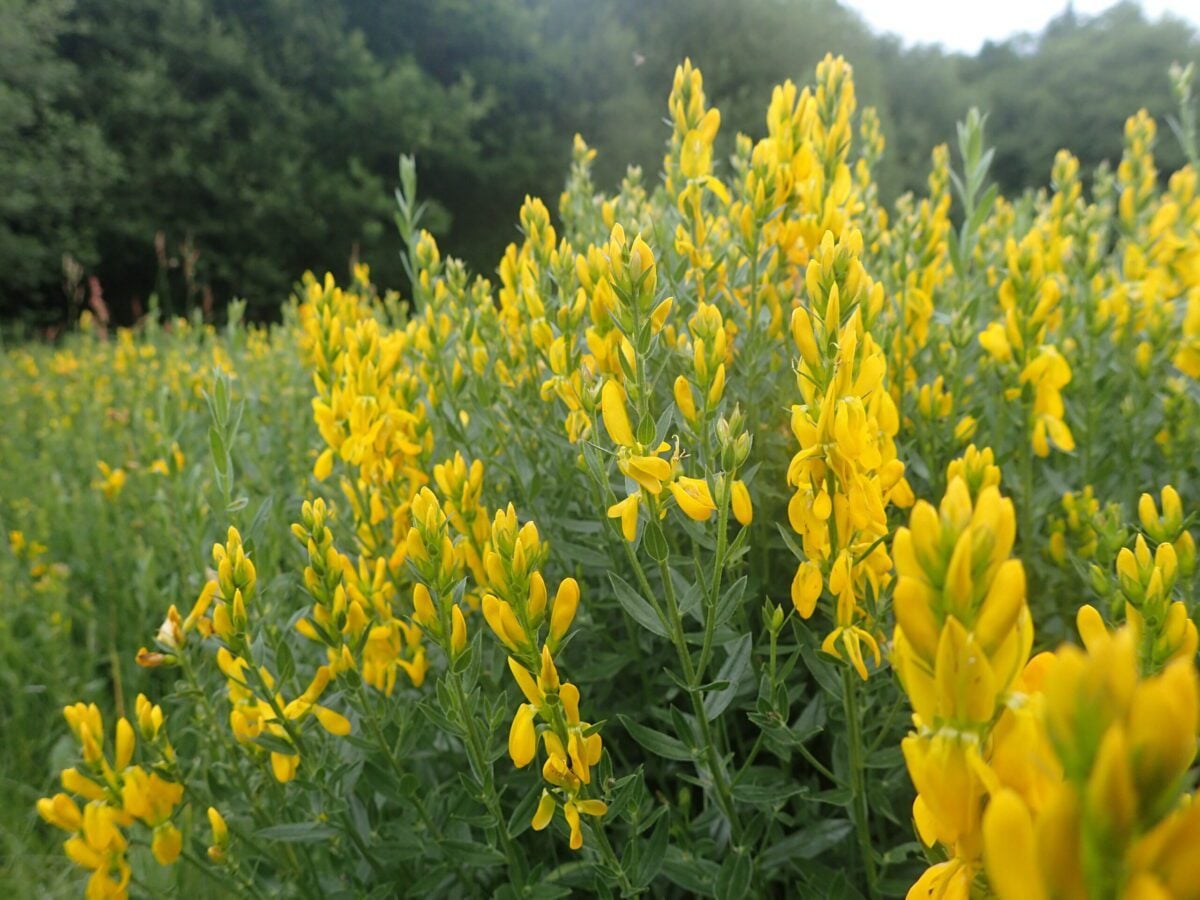
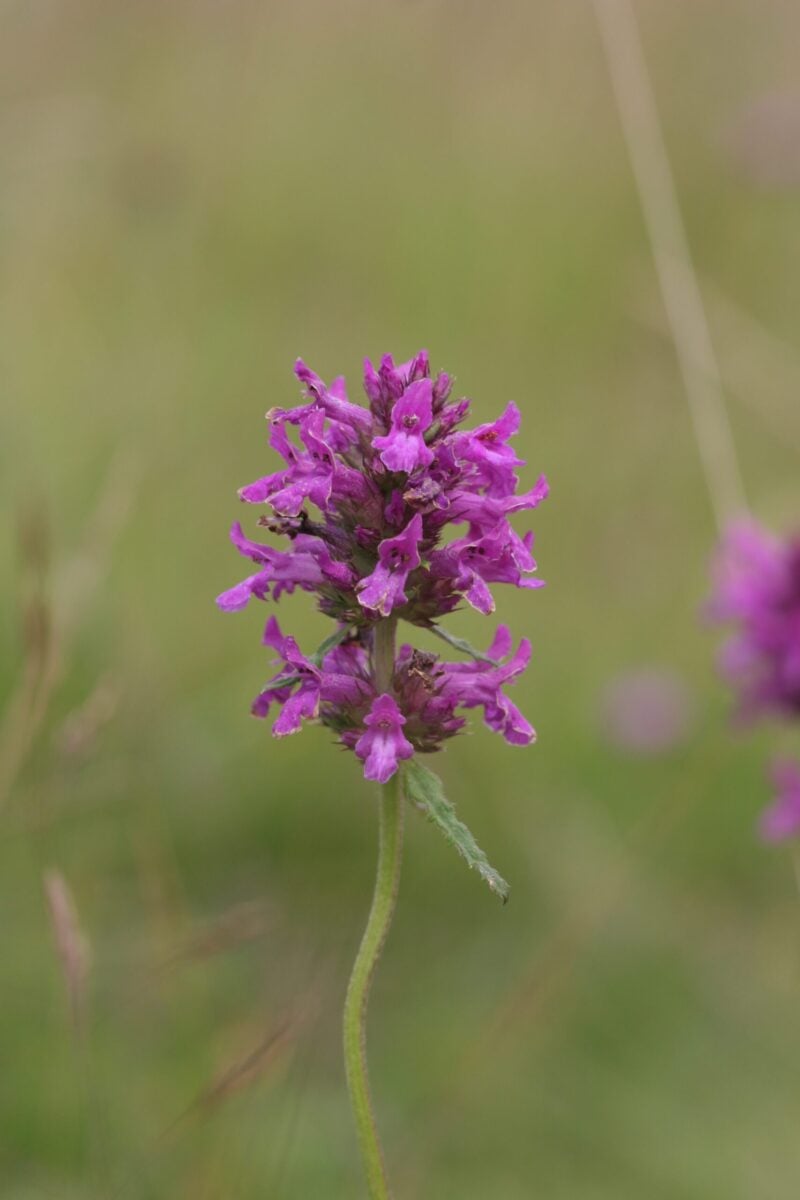
Zigzag Clover, Bitter-vetch and Dyer’s Greenweed grow here, all indicators of ancient, undisturbed grassland.