
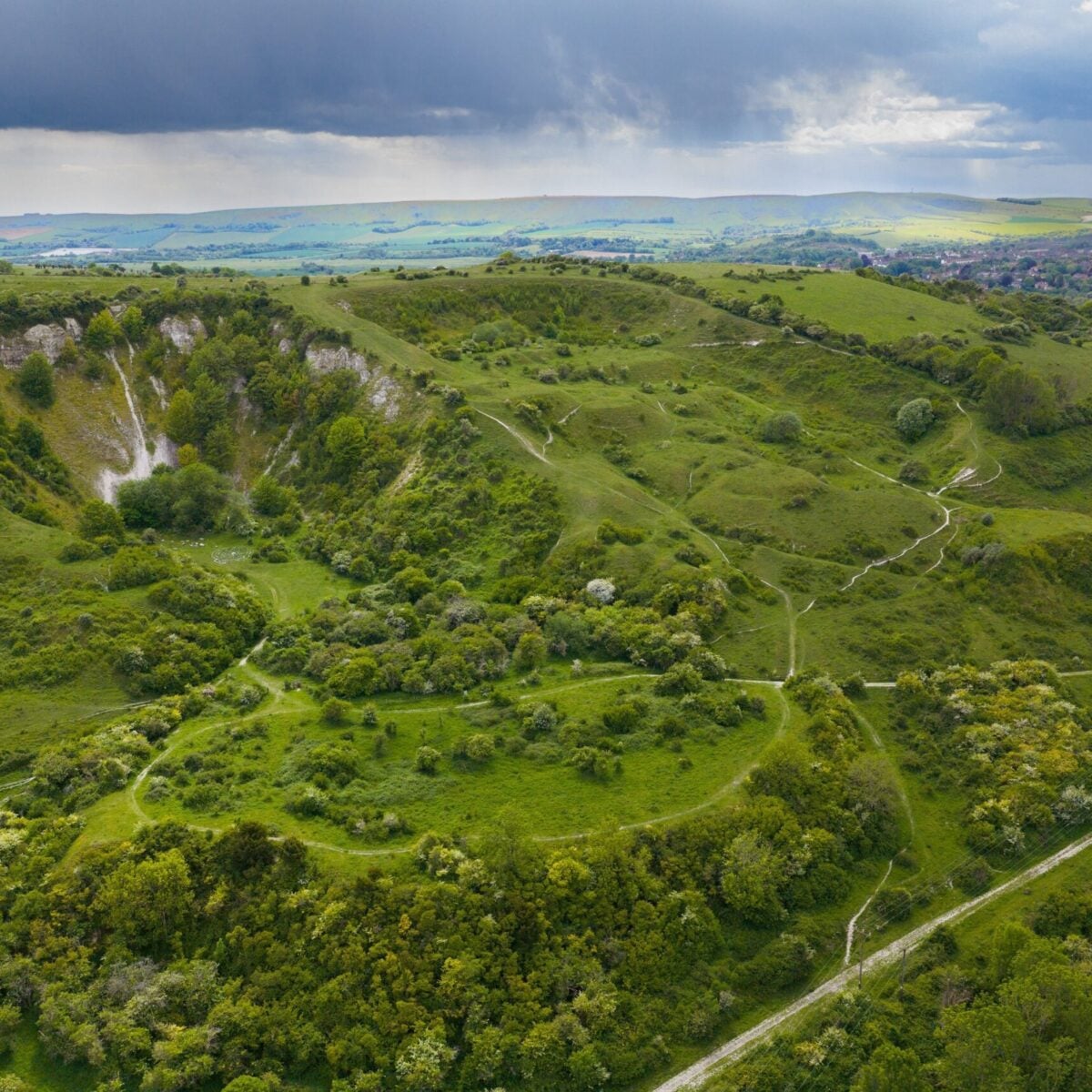
Part of the Lewes Downs, these reserves hold nationally important chalk grassland, one of the UK’s most wildlife-rich habitats. In good condition, it supports an extraordinary variety of plants in a very small area, alongside butterflies, bees, crickets and other invertebrates.
Why clear scrub?
Some scrub is valuable. Hawthorn and Blackthorn provide shelter, nesting sites and food, so we will keep scattered shrubs, important patches and valuable individual trees. But without management, scrub spreads, shading the ground and crowding out chalk-loving wildflowers. When grazing declined during the twentieth century, the South Downs lost an estimated 95% of its chalk grassland.
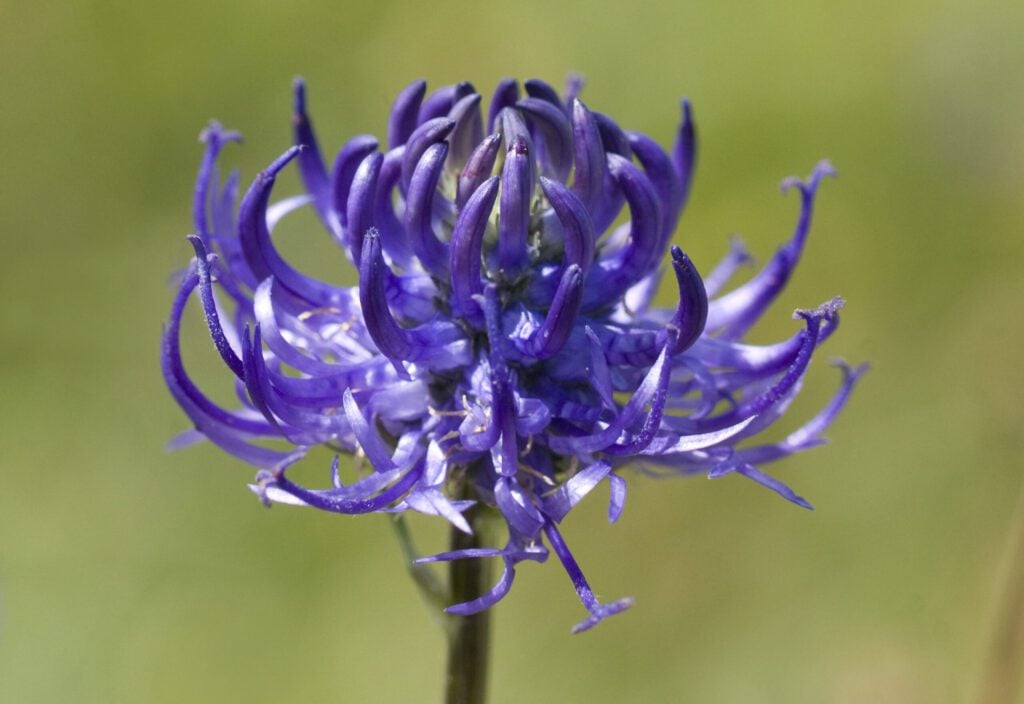
Working in winter avoids the bird-nesting season and the peak time for flowers and insects. With more light and warmth reaching the soil, plants such as Horseshoe Vetch, Common Rock-rose, Harebell and Round-headed Rampion can spread. Chalk grassland may look natural and timeless, but its future depends on continued management.
Helping the Adonis Blue
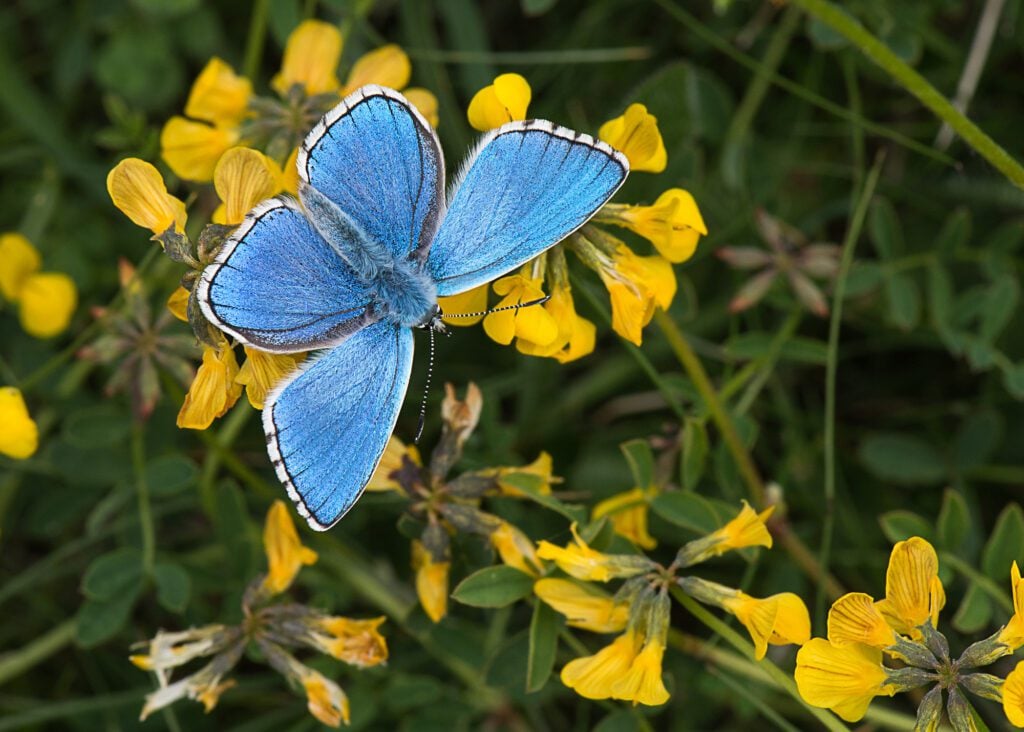
Malling Down is known for its Adonis Blue butterflies, whose caterpillars feed on Horseshoe Vetch and are tended by ants. They need short, warm turf and small patches of bare ground. Clearance, followed by carefully managed grazing, will create a varied mosaic of short turf, flowers, taller vegetation and sheltered edges, rather than a uniform lawn.
Why new fencing matters
The new fencing will replace existing fence lines, with no change to grazing compartments or gate locations. It lets staff control where, when and for how long livestock graze. Different areas require different grazing intensities and timings. For example: harder, more intense autumn grazing to reduce coarse grasses, targeted grazing on cleared ground to stop scrub returning and lighter grazing in flower-rich areas so plants can set seed. Sheep, cattle, ponies and goats each graze differently, so the right animals can be used in the right places.
What you may notice
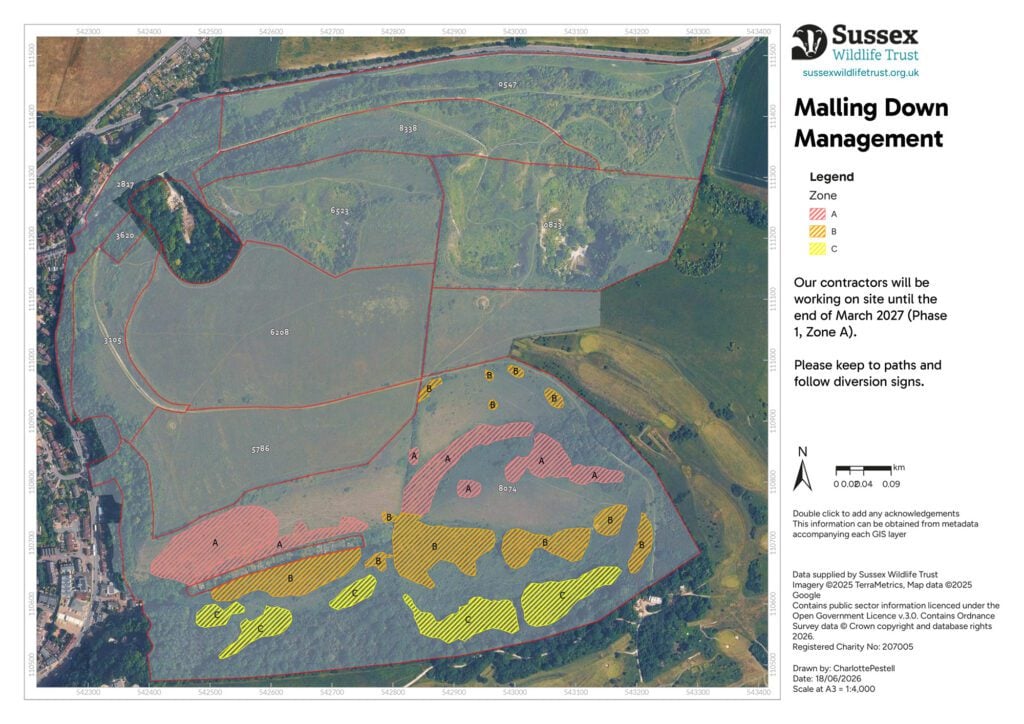
Expect to see contractors, machinery and temporary signs this winter, and some paths may close briefly for safety. Cleared areas may look bare or untidy, with stumps and disturbed soil, but this is a normal part of recovery, and bare ground is valuable for insects and germinating seeds.
By spring 2027, you should see more open, sunlit grassland and better views across the Downs.
Leave a Reply