Overview
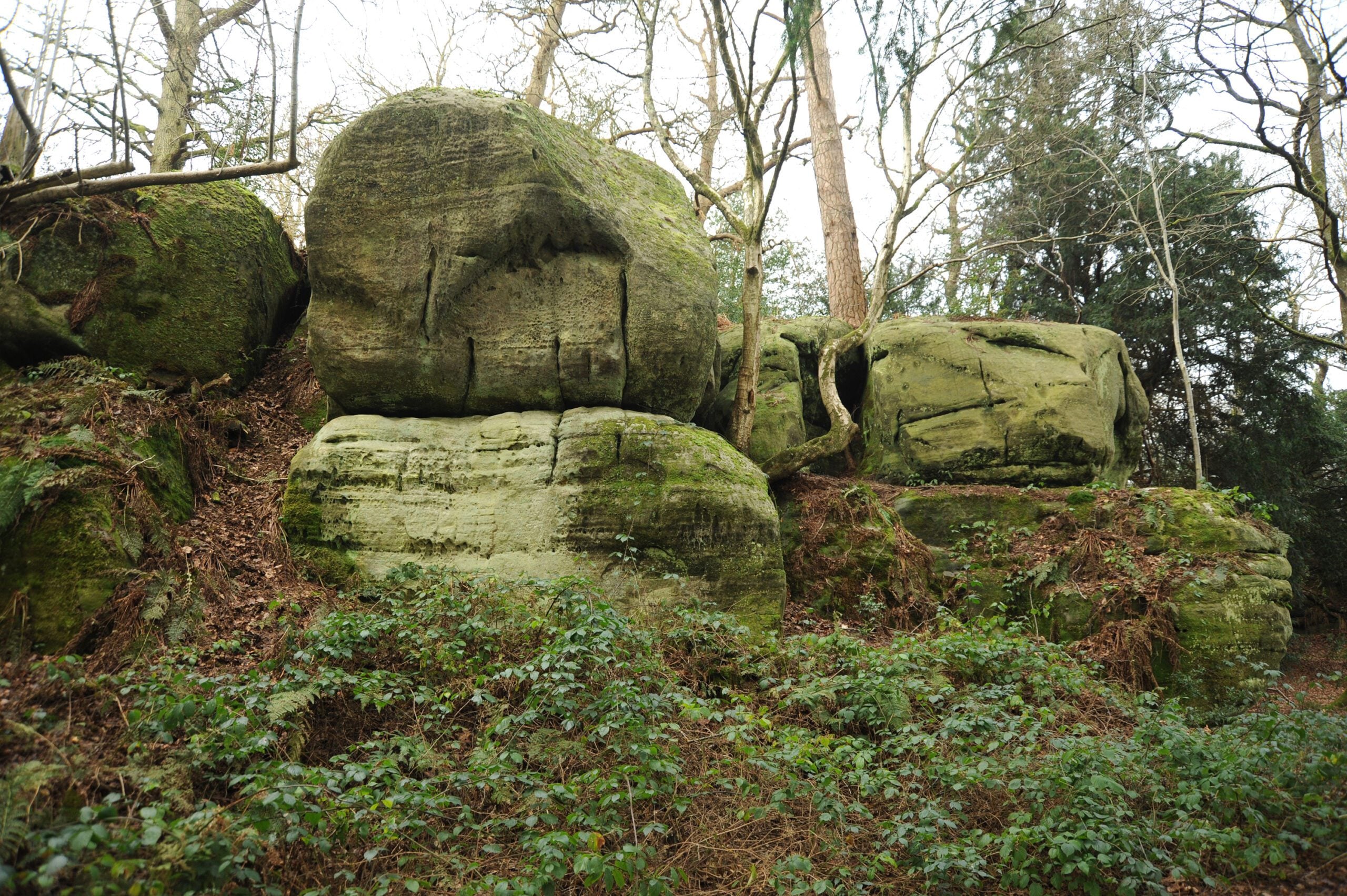
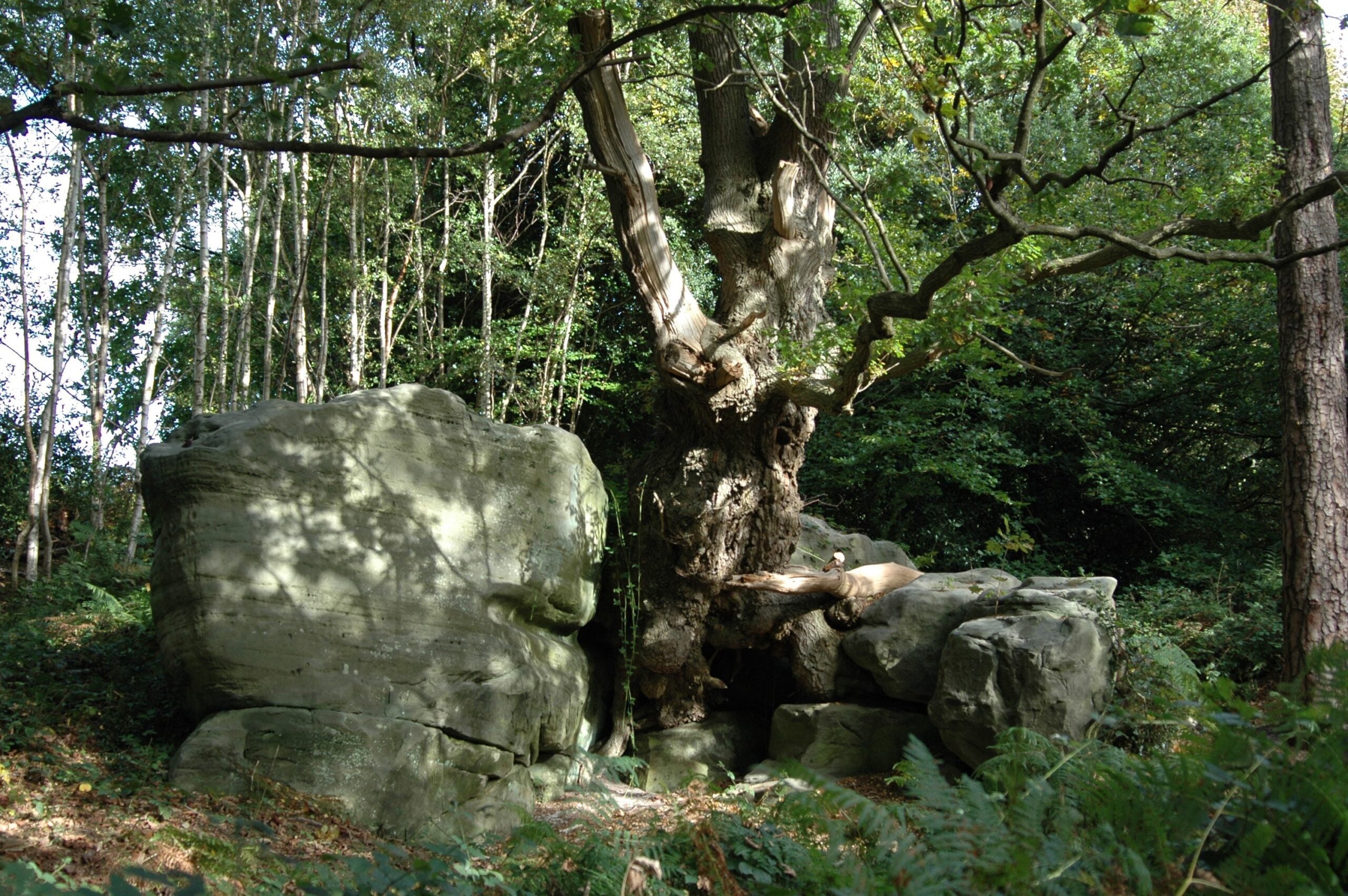
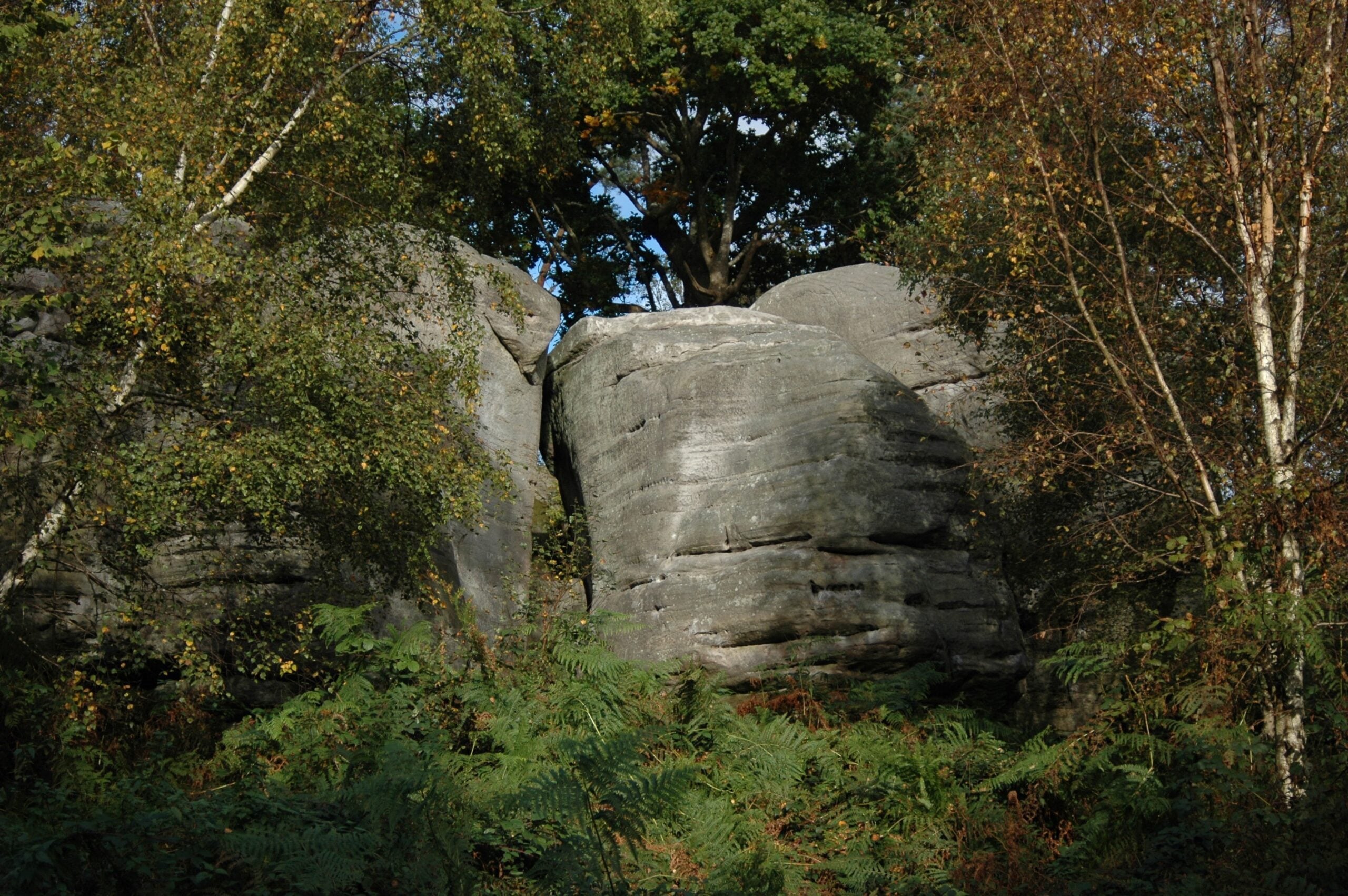
Eridge Rocks Nature Reserve is extraordinary, and, by a considerable distance, the weirdest looking of all our reserves. It’s almost like a film set (Picnic at Hanging Rock!).
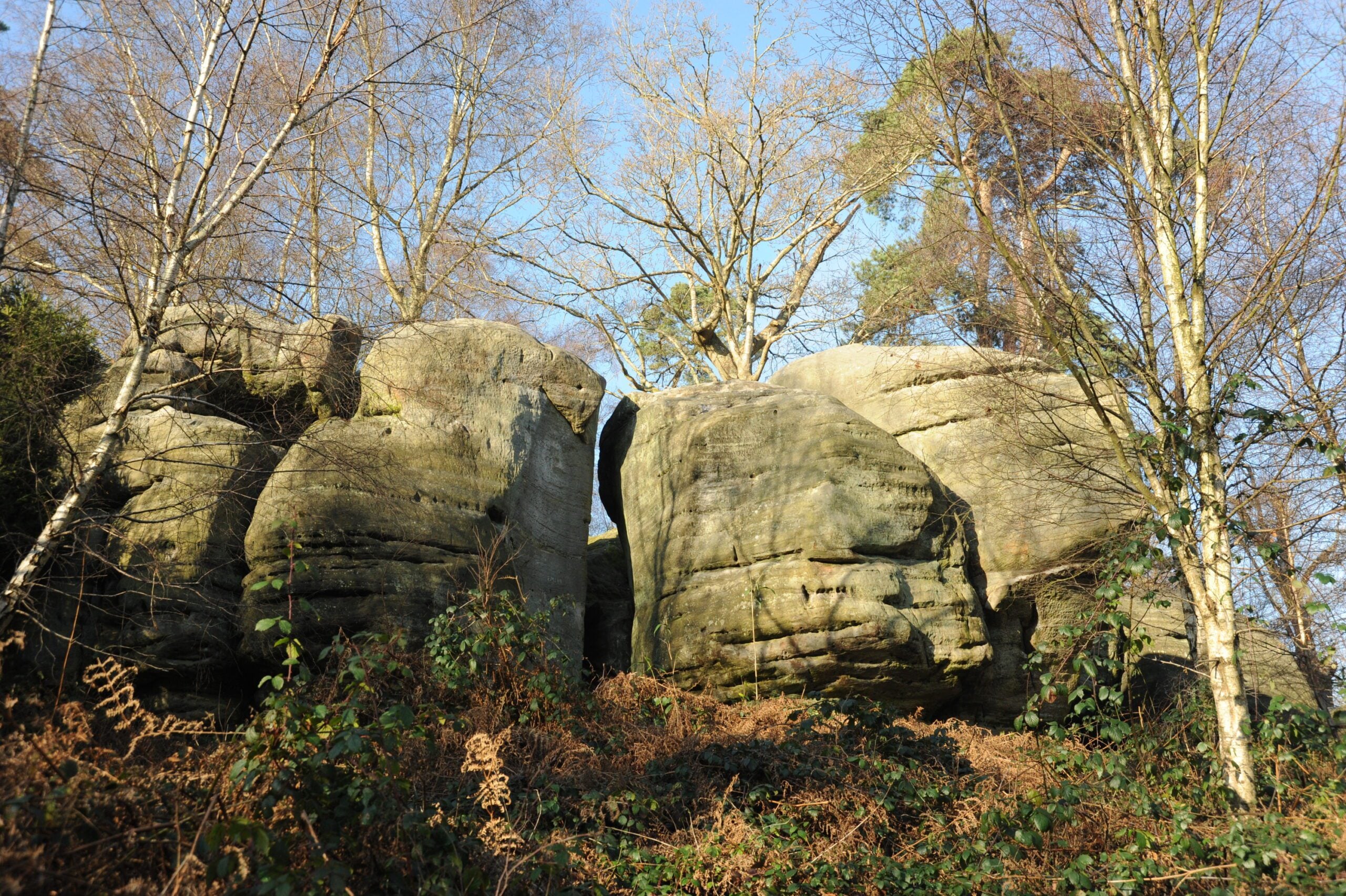
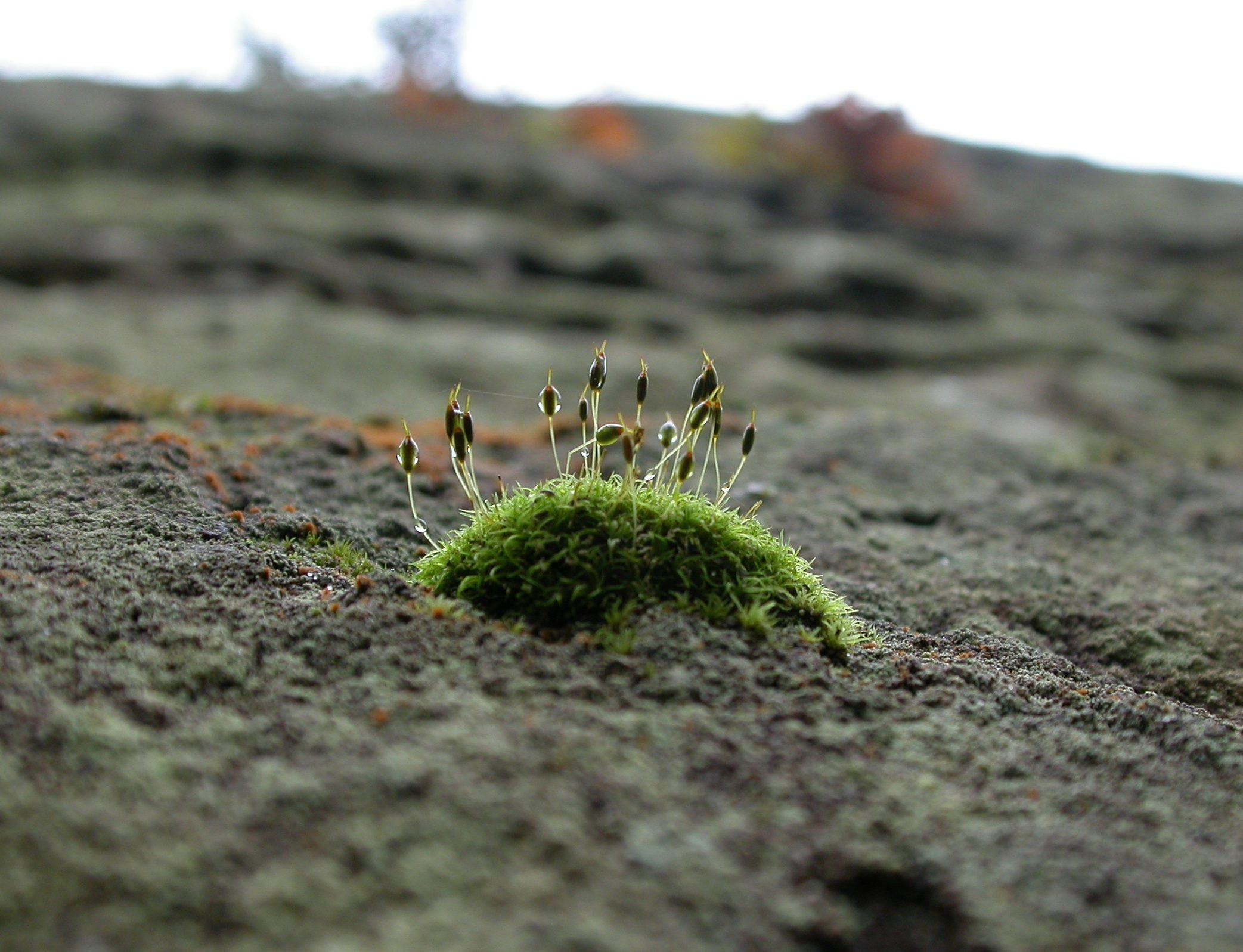
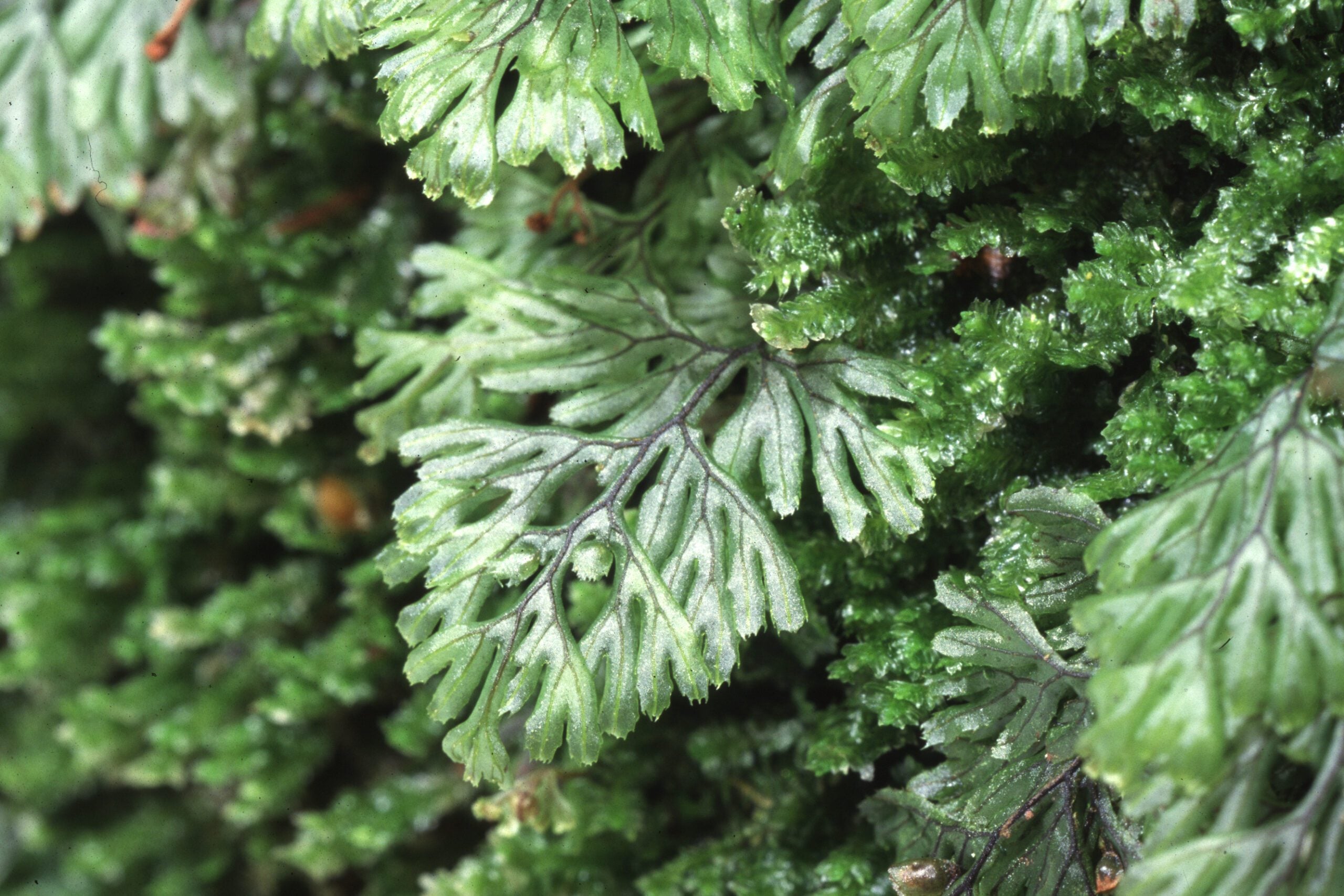
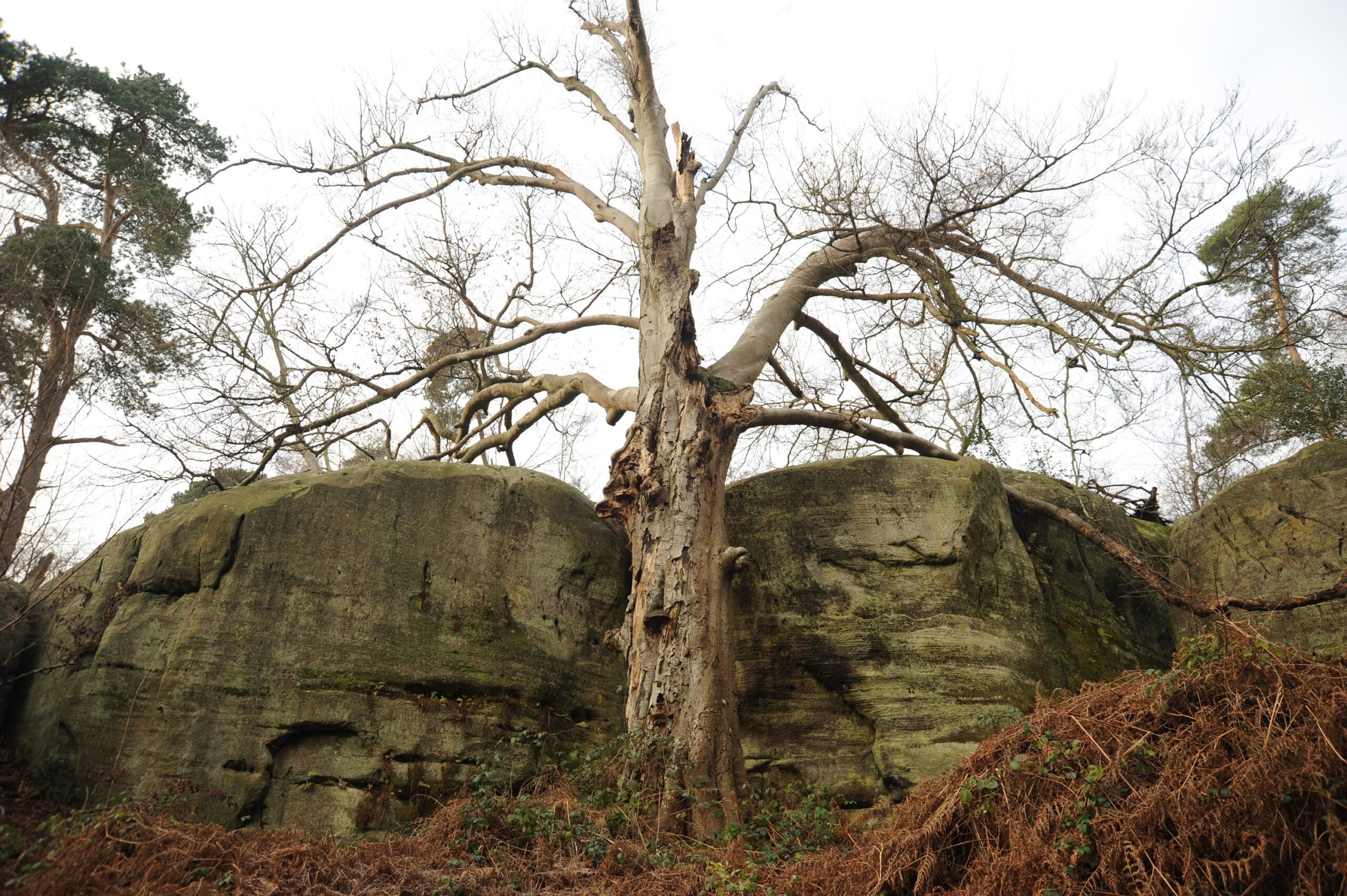
As you walk in, you’ll find a remarkable landscape of huge, rugged, oddly-shaped sandstone blocks. The rocks are home to many rare mosses, liverworts and lichens – some of which are oceanic. They manage to grow here because the rocks create an unusually mild, damp and semi-shaded habitat. The sandstone blocks are covered with a crust, which protects them from erosion. Underneath, you can see rocky overhangs and shelters.
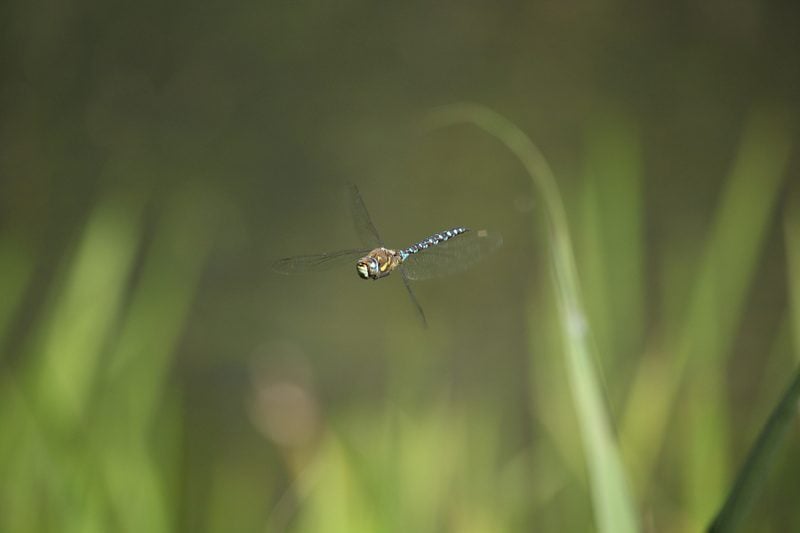
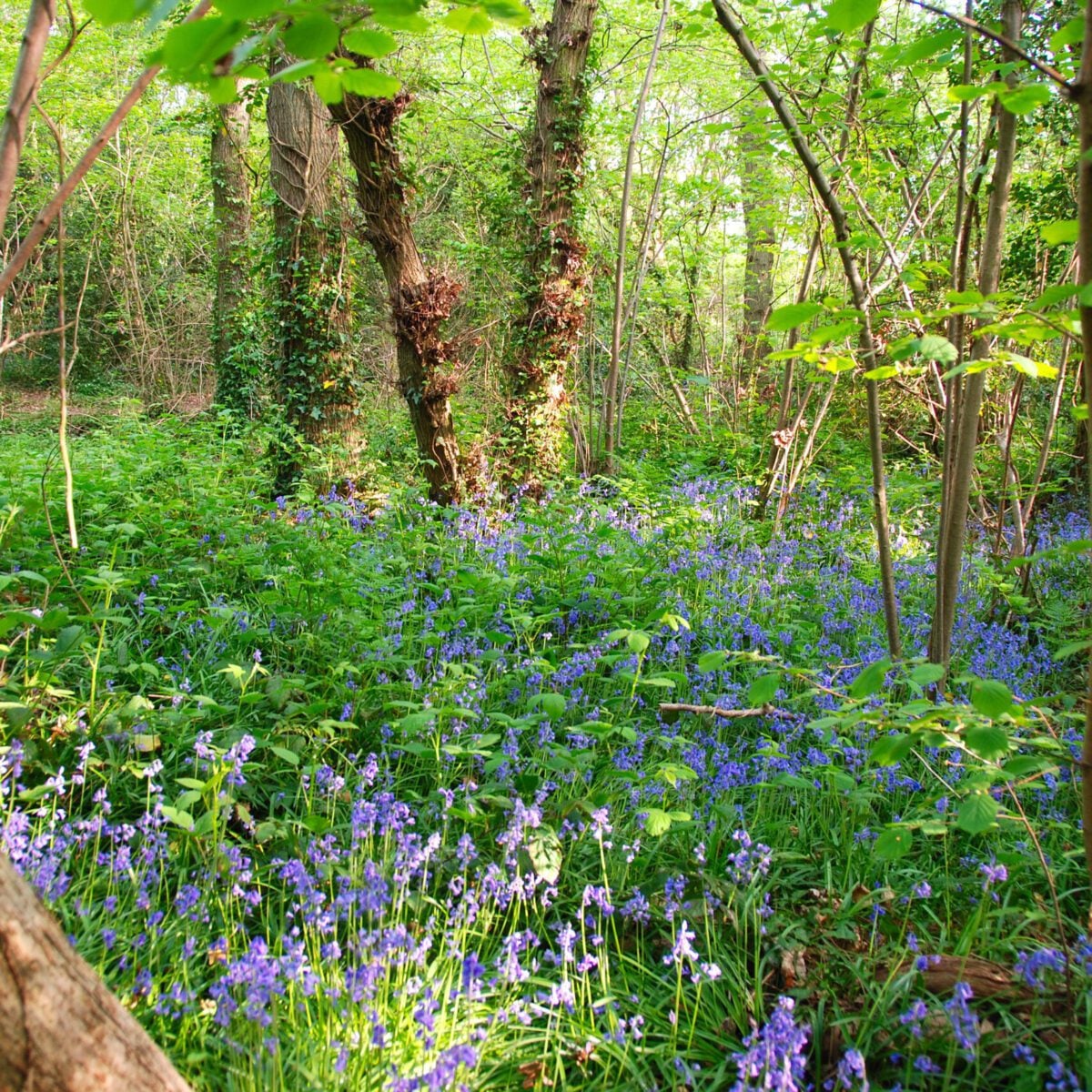
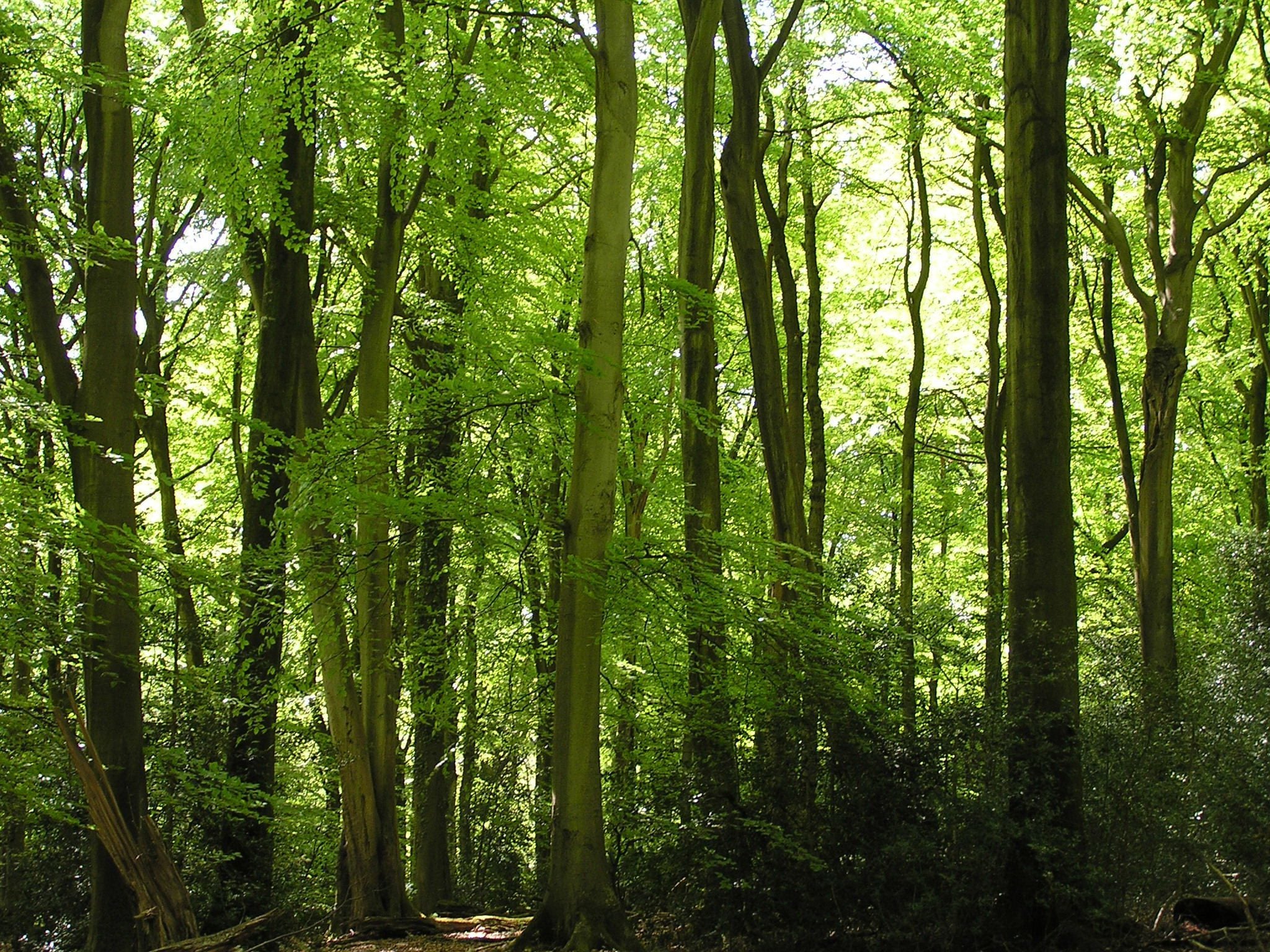
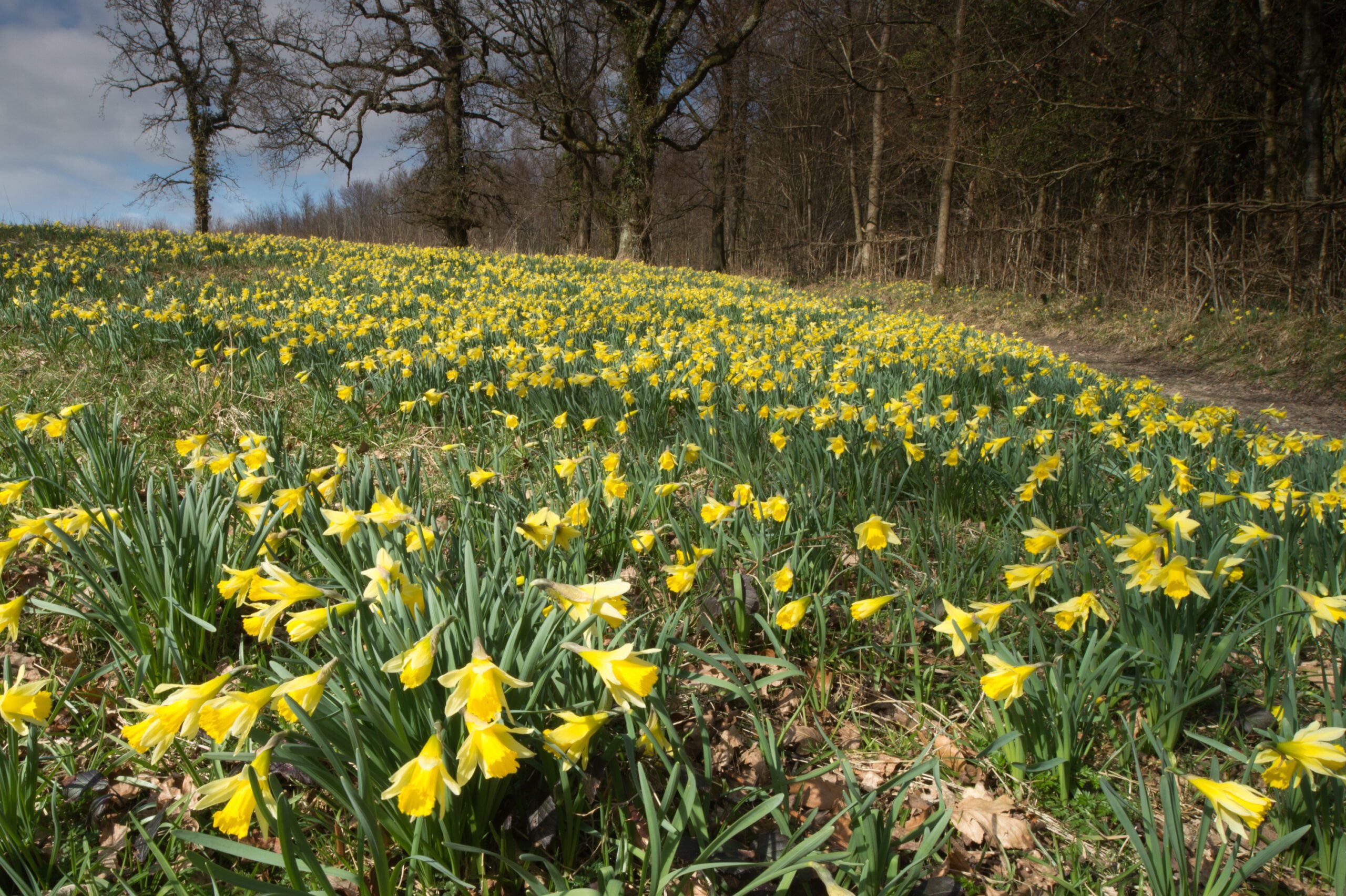
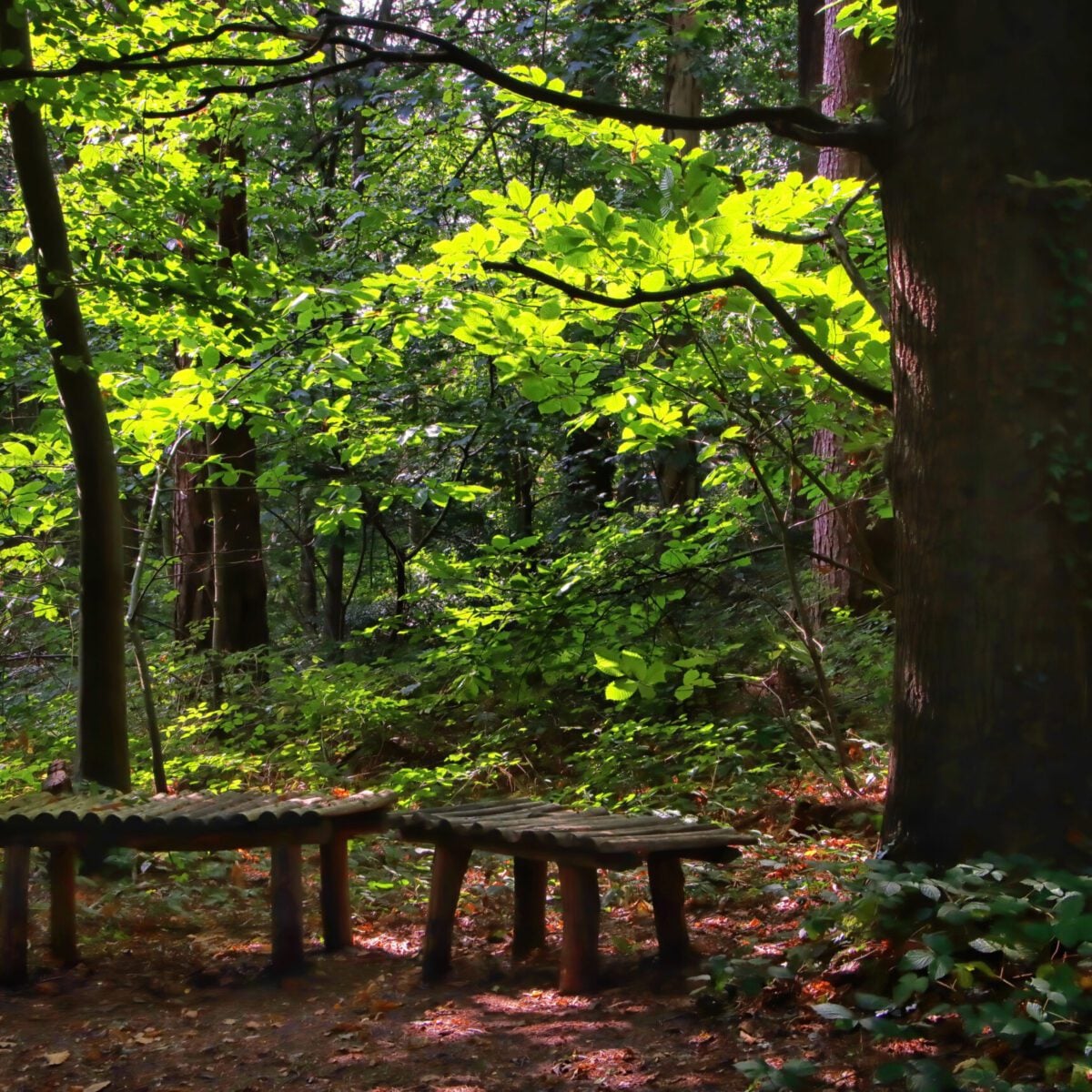
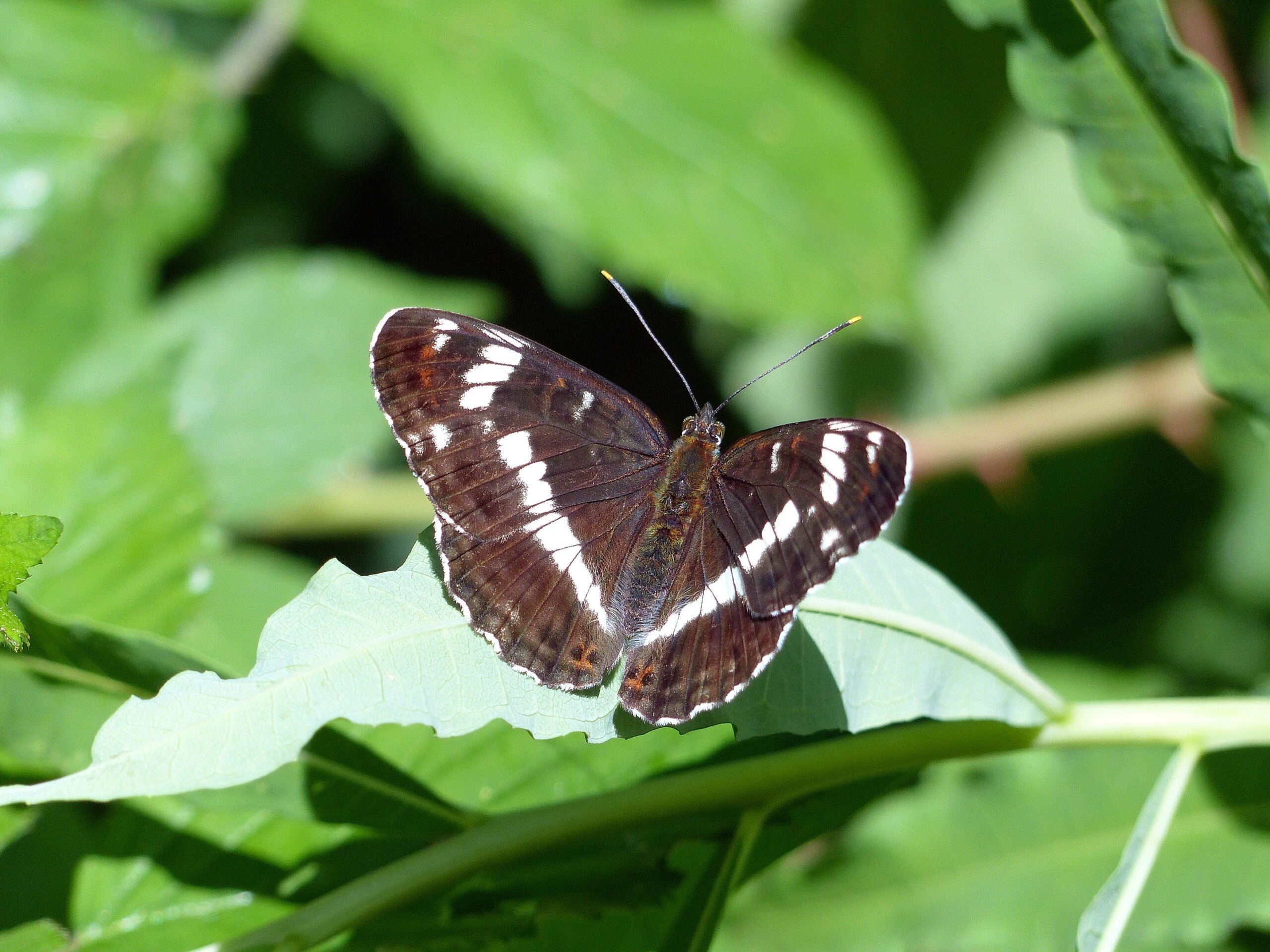
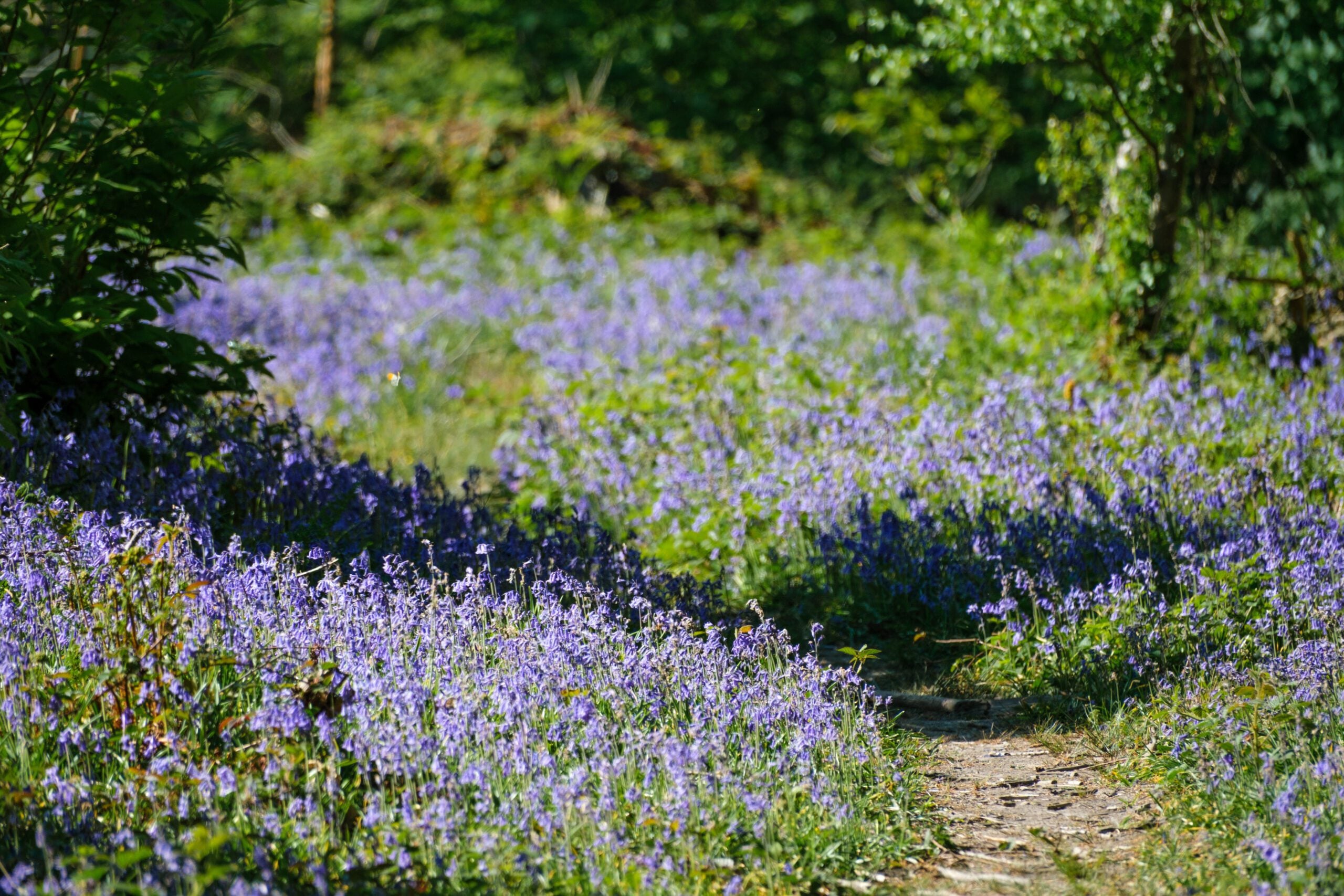
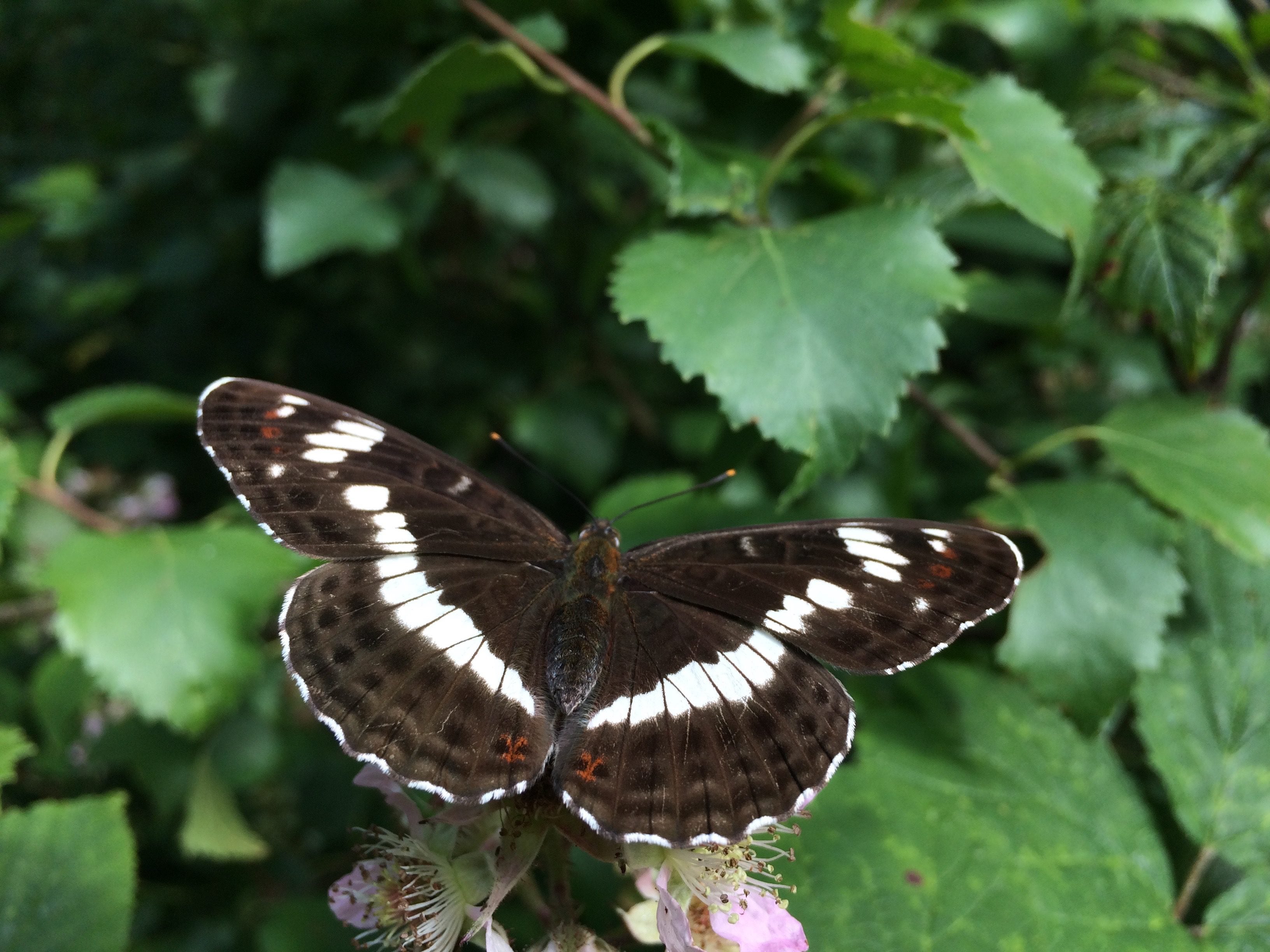
The rocks are located in a wider area of ancient woodland, including Sweet Chestnut, Birch and Hazel, alongside veteran Oak and Beech. The sunny rides allow butterflies and beetles to flourish.



Jane Poole Sussex Geodiversity Partnership.This sand rock of the High Weald is pretty special because there aren’t many other inland natural rock outcrops across Southern England at all.
Know before you go
Opening times
The reserve is open at all times
Free to visit
All our open reserves our free to visit, but if you enjoy your visit please consider donating to Sussex Wildlife Trust to help us manage these special places
Reserve size – 44 hectares
How to get here
Postcode: TN3 9JW
Located in Eridge Green, along Warren Farm Lane, near a small church. There is a bus stop near the entrance of the lane. There is only a small amount of car parking. Please be considerate.
Getting around
There is good access to all 44 hectares of the nature reserve including the rocks, and the going is generally flat with no stiles or gates. The paths can be muddy in the winter.
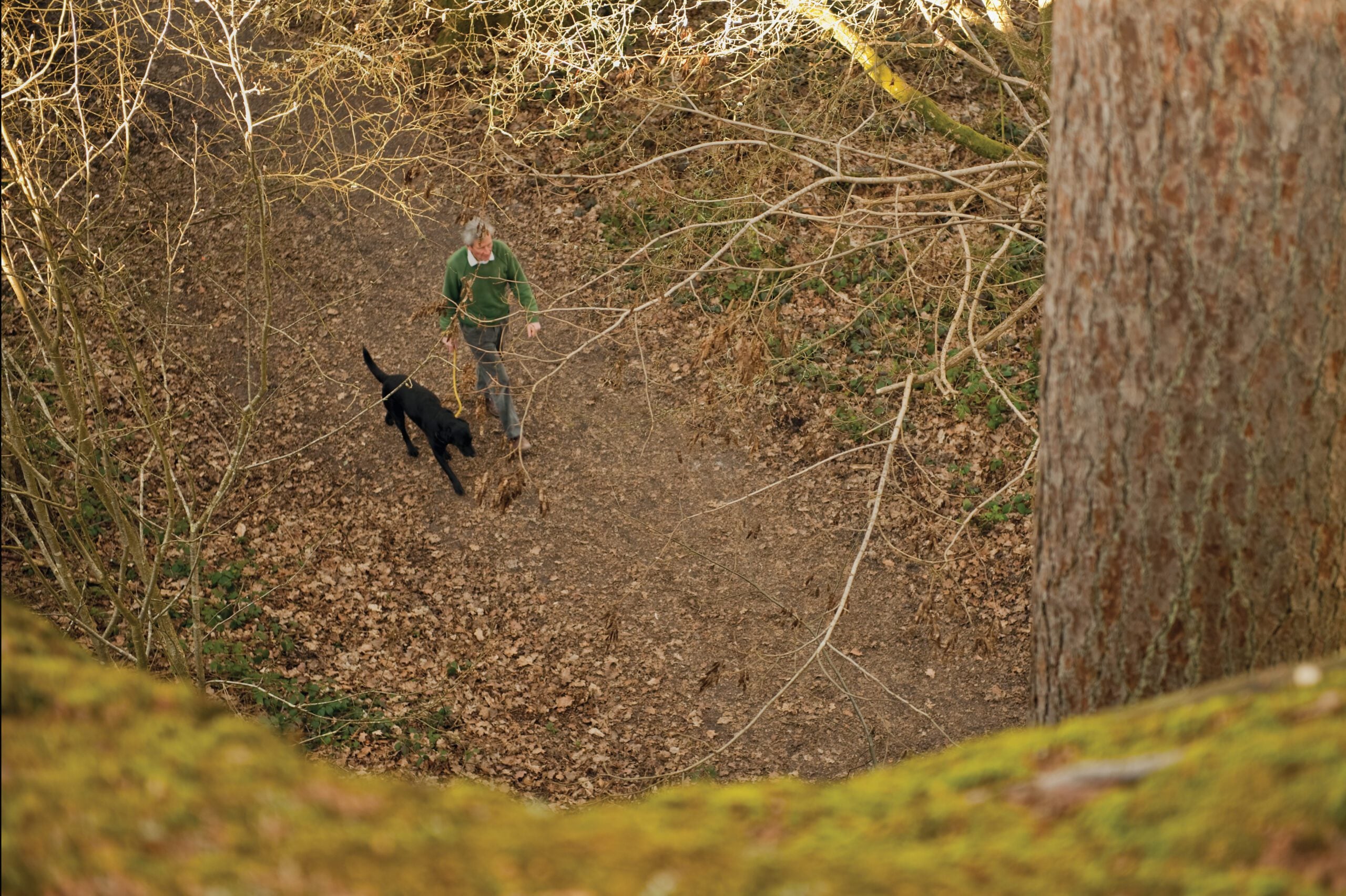
Dogs welcome on leads
Dogs are welcome, but please keep your dog under close control and clean up after them.
Toilets
Toilets are available nearby at Harrison Rocks car park and in Tunbridge Wells and Crowborough.
Check Toilet Map for a range of options.
Dos and don’ts
- No climbing allowed except in strictly permitted areas
- Don’t pick flowers or forage
- No camping
- Take your litter home
- Tell us what nature you’ve seen via iRecord
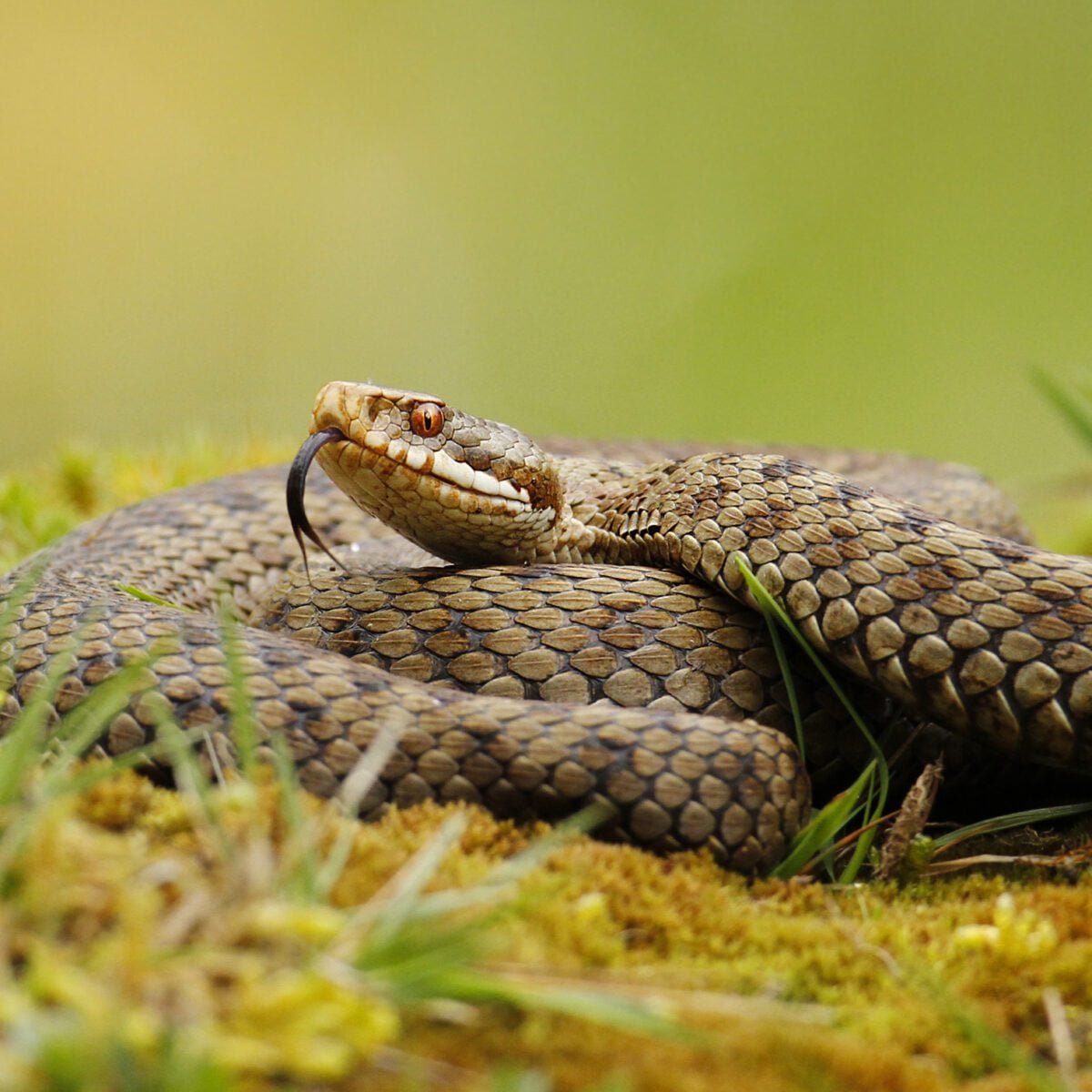
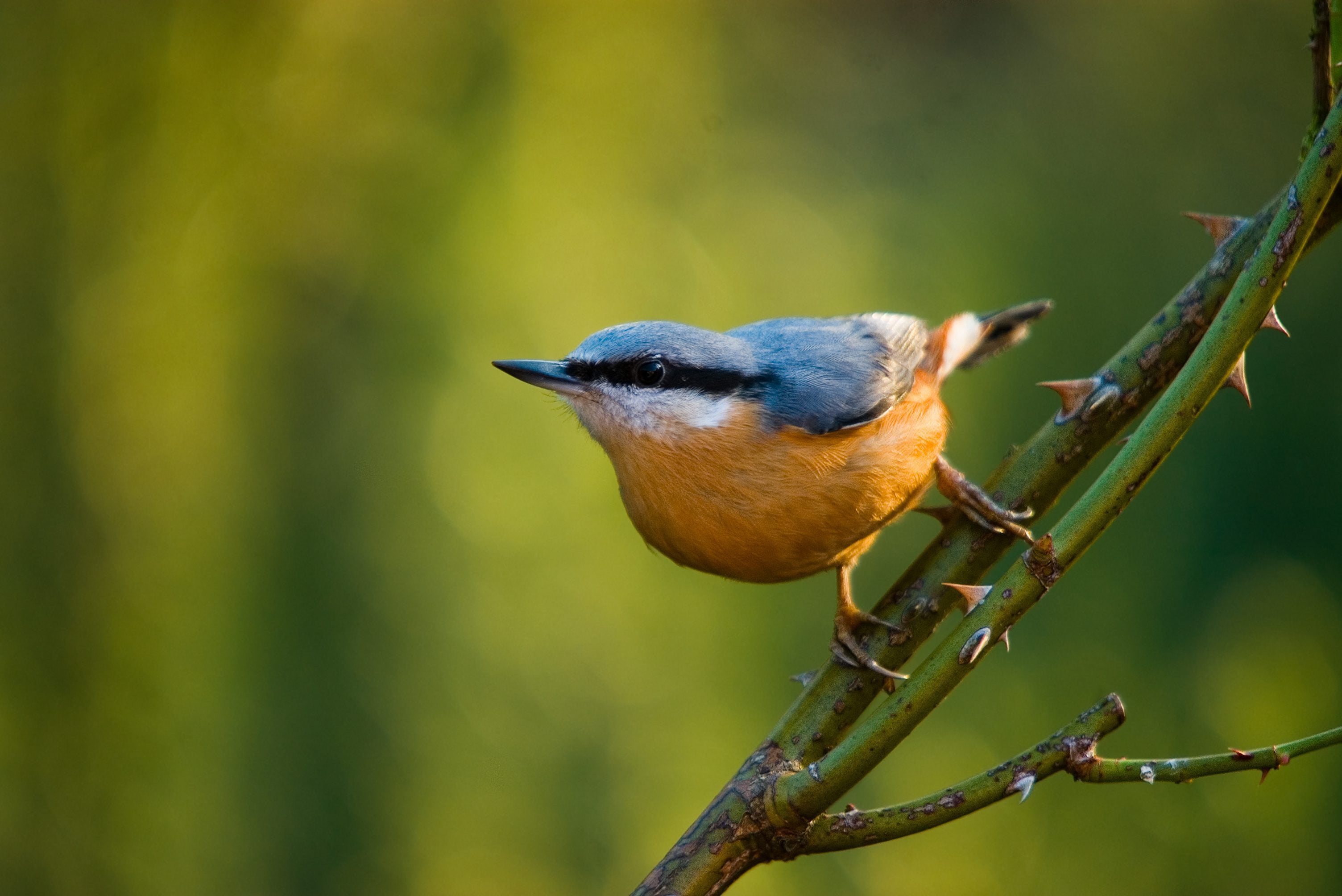
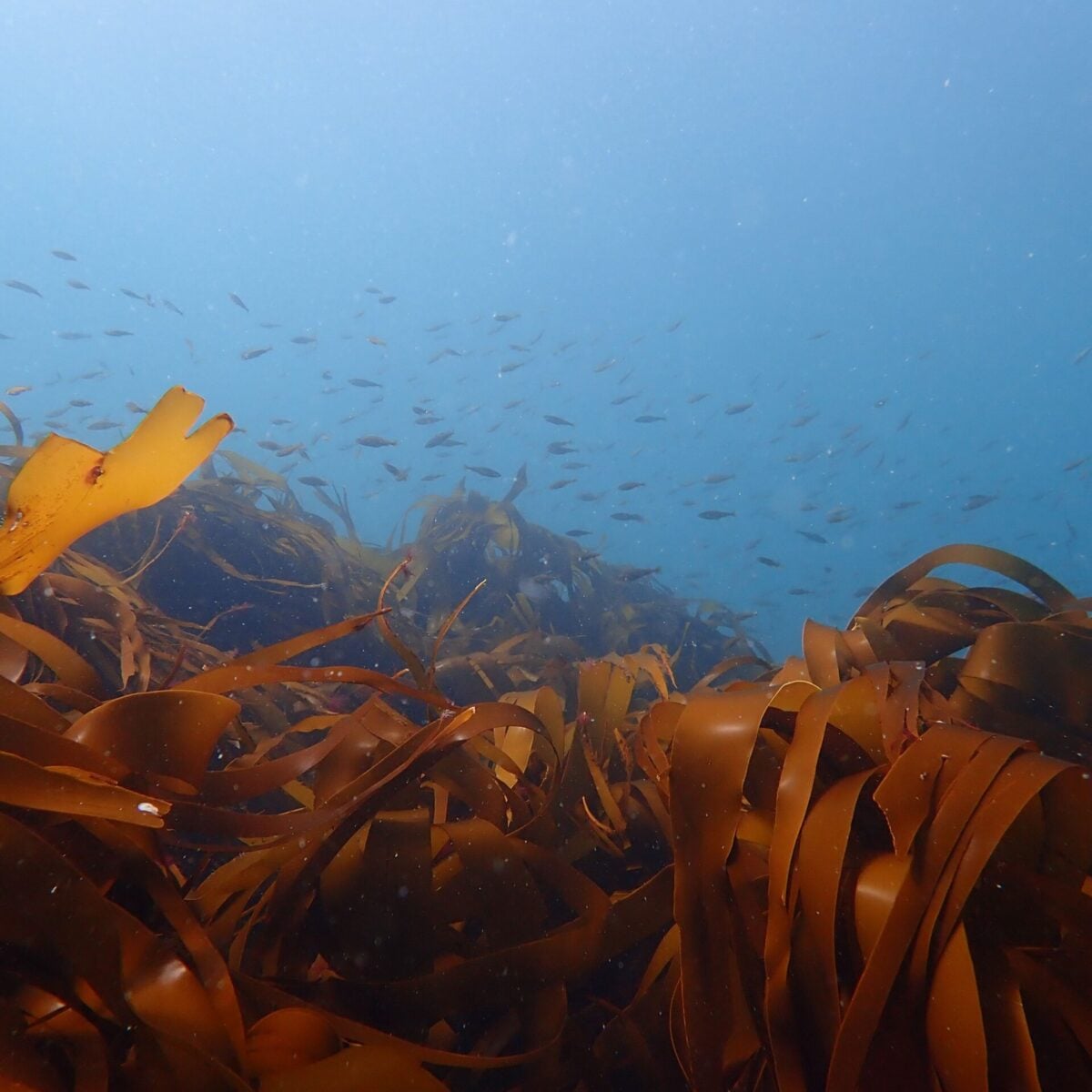
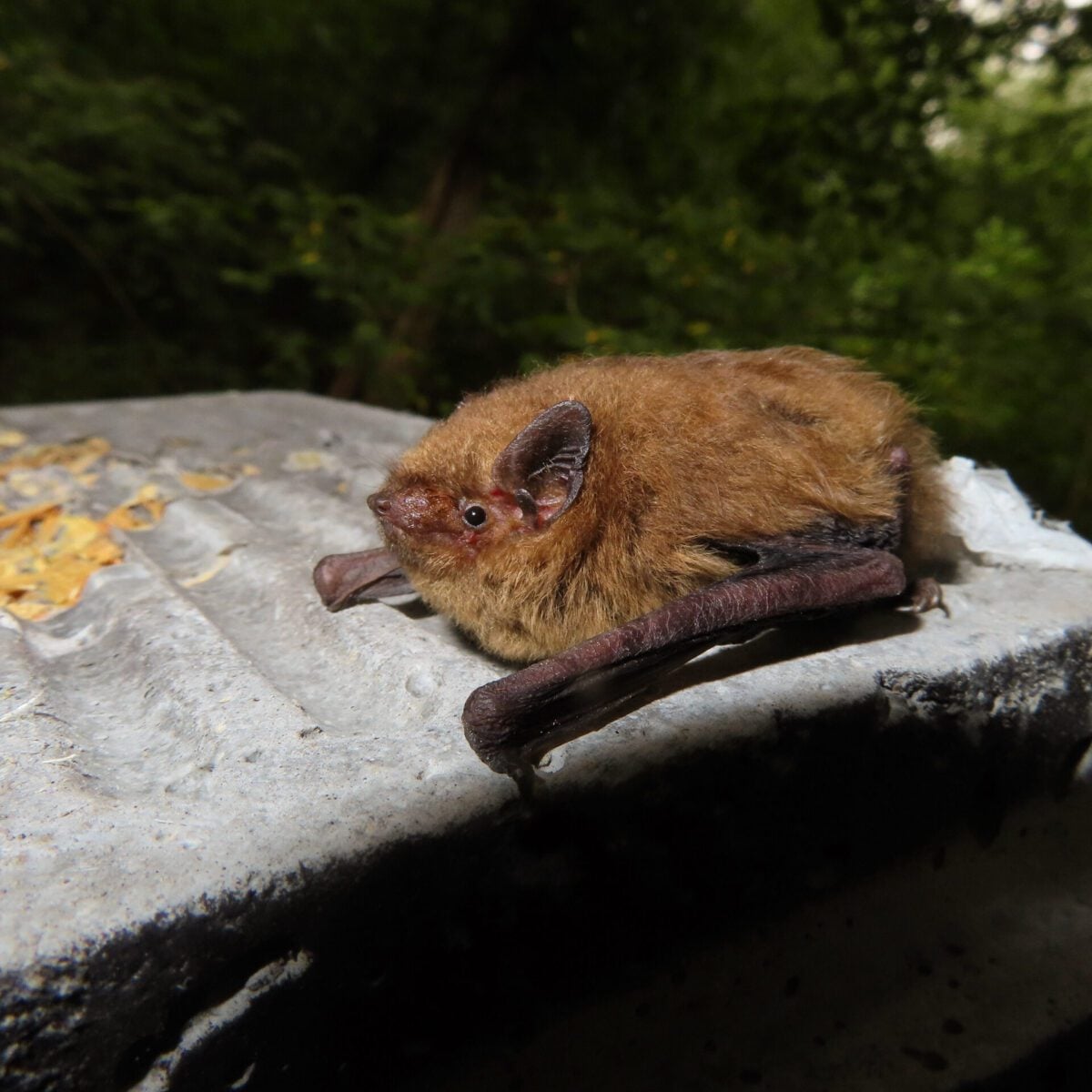
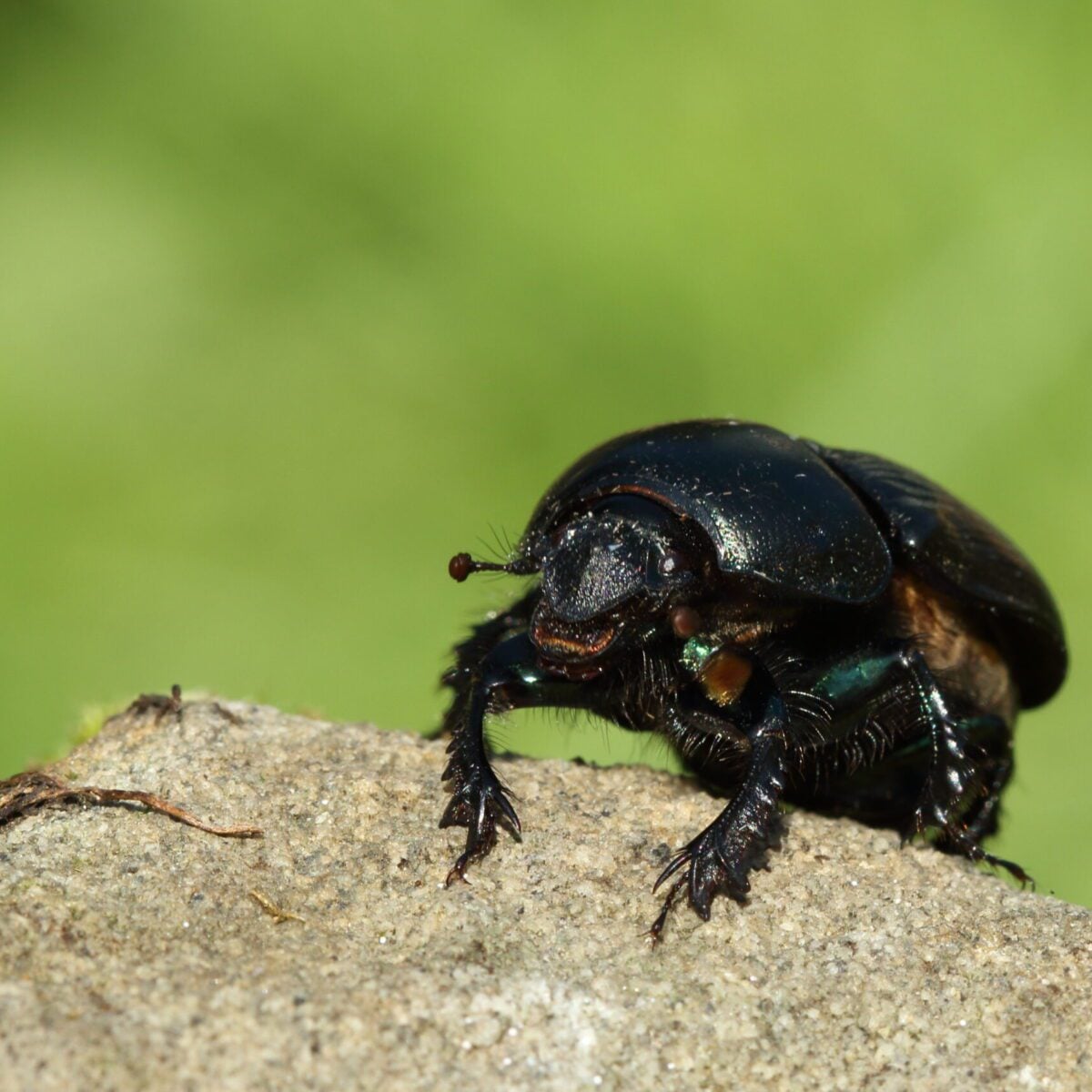
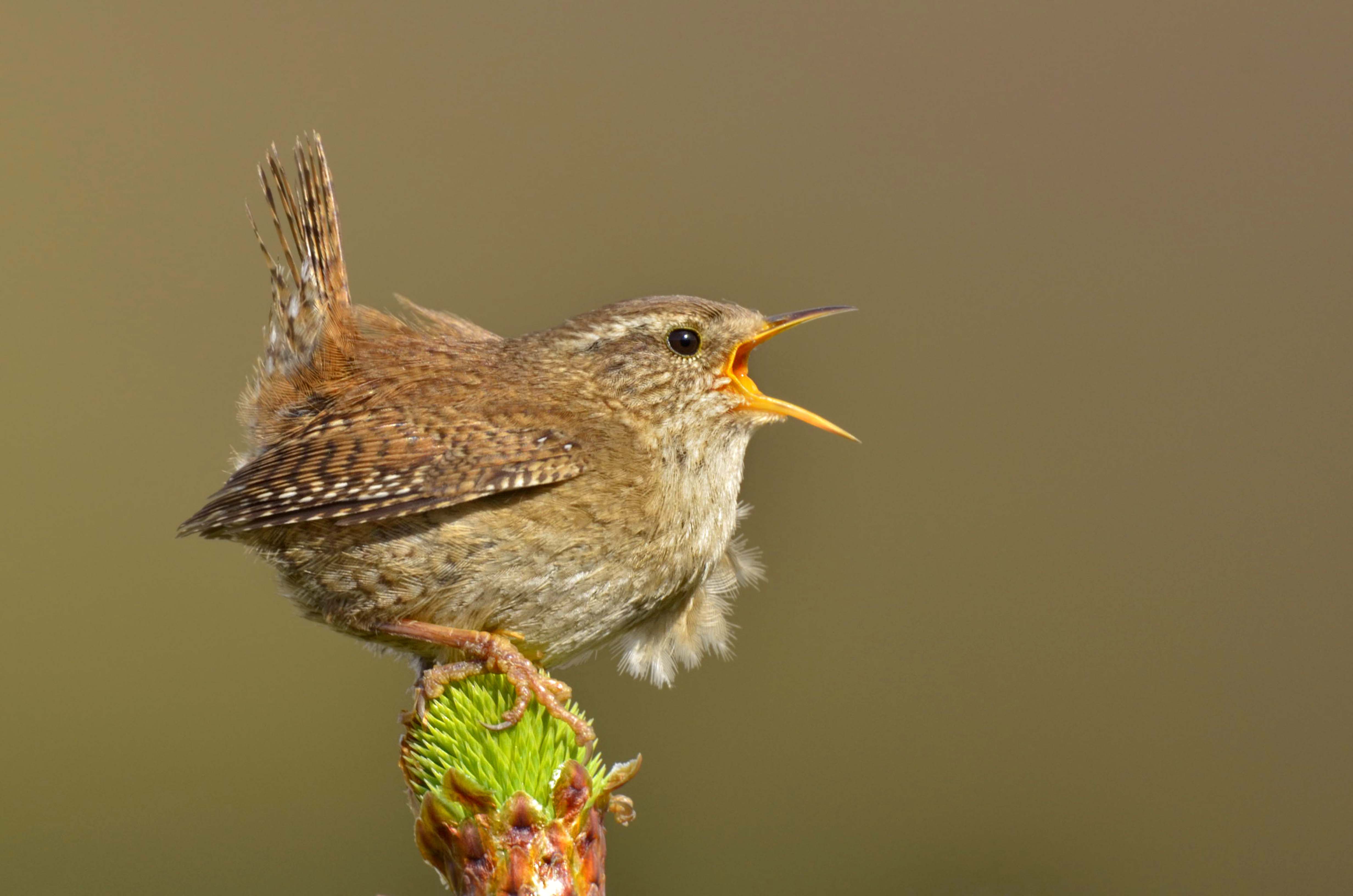
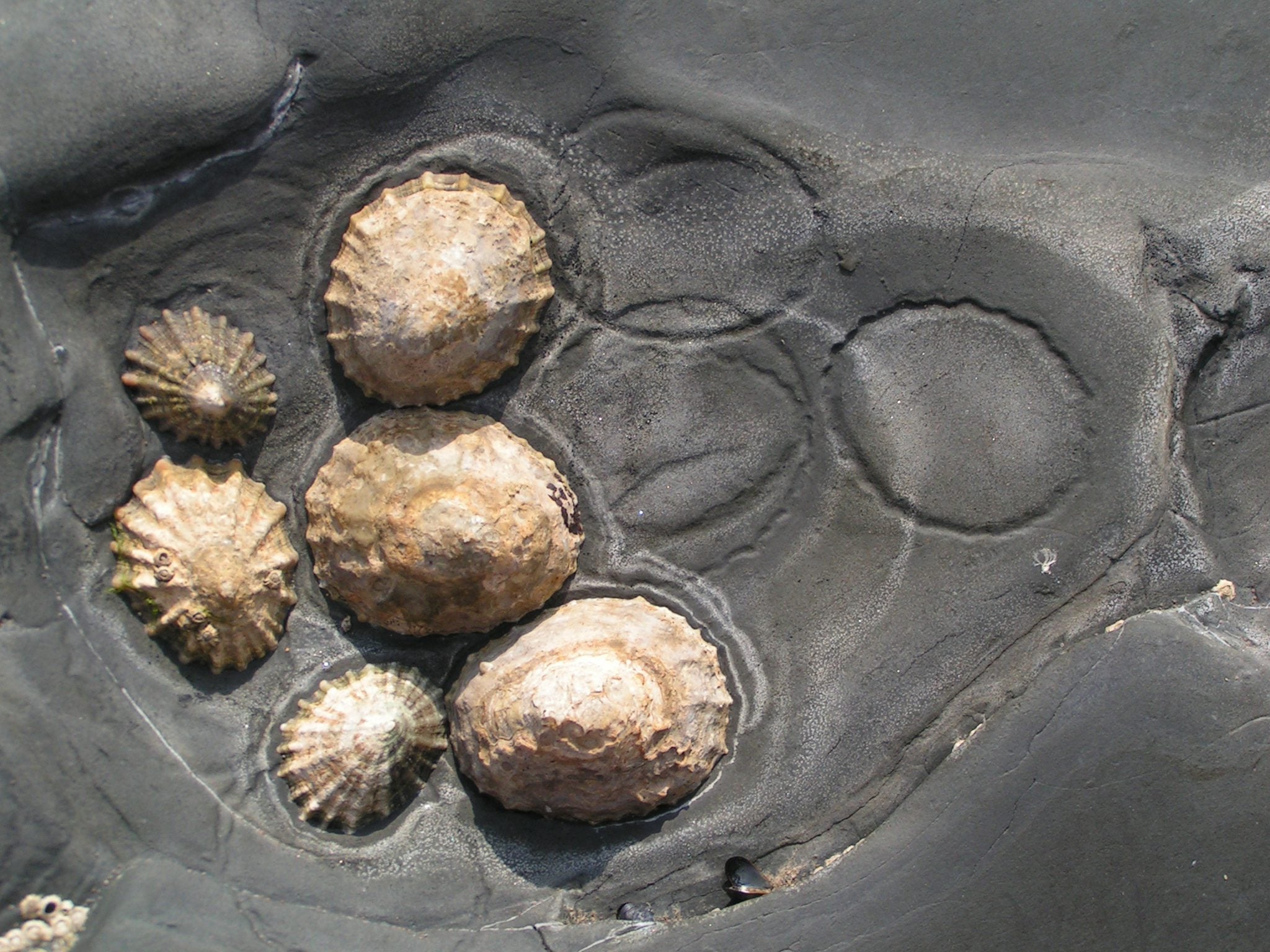
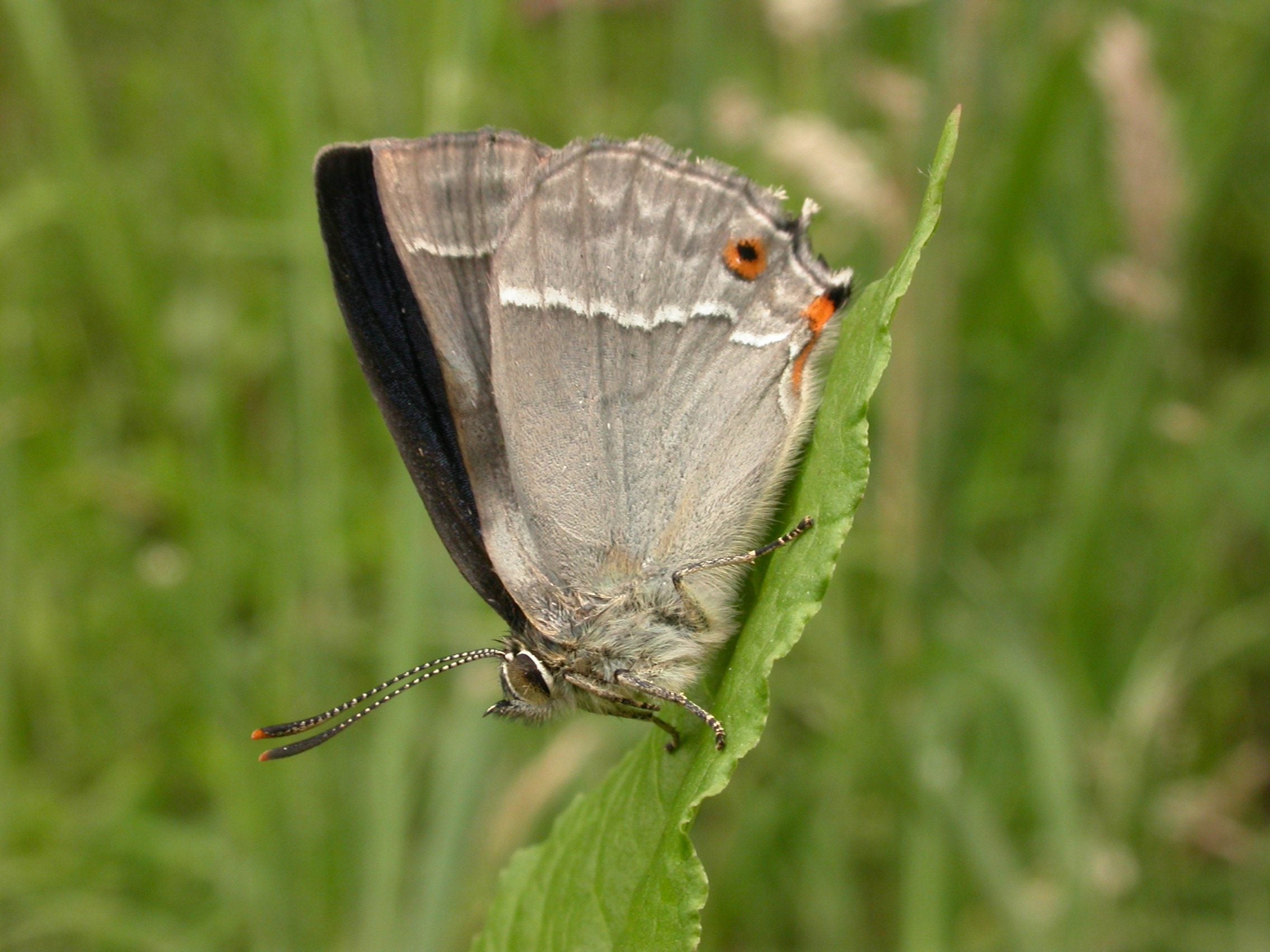
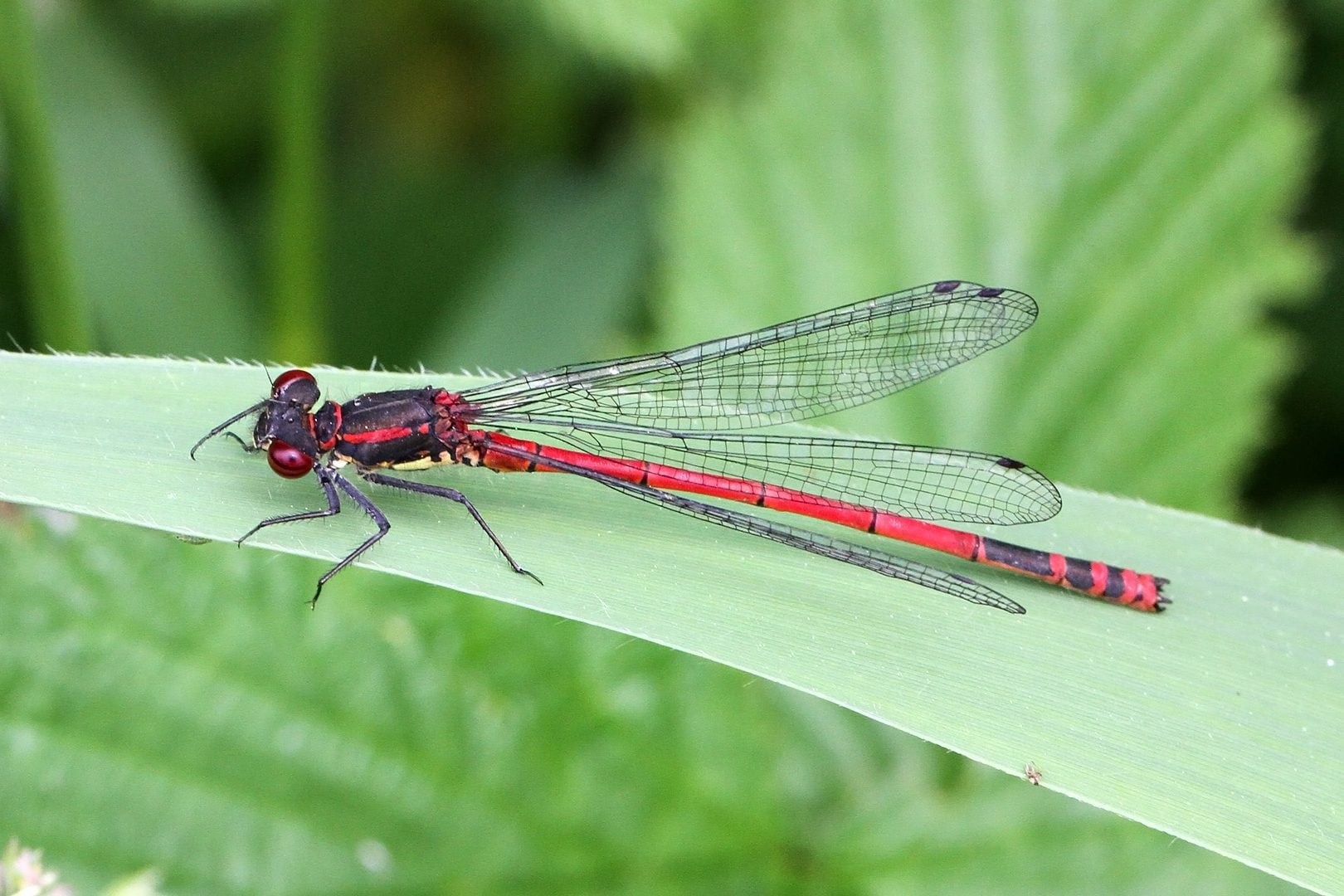
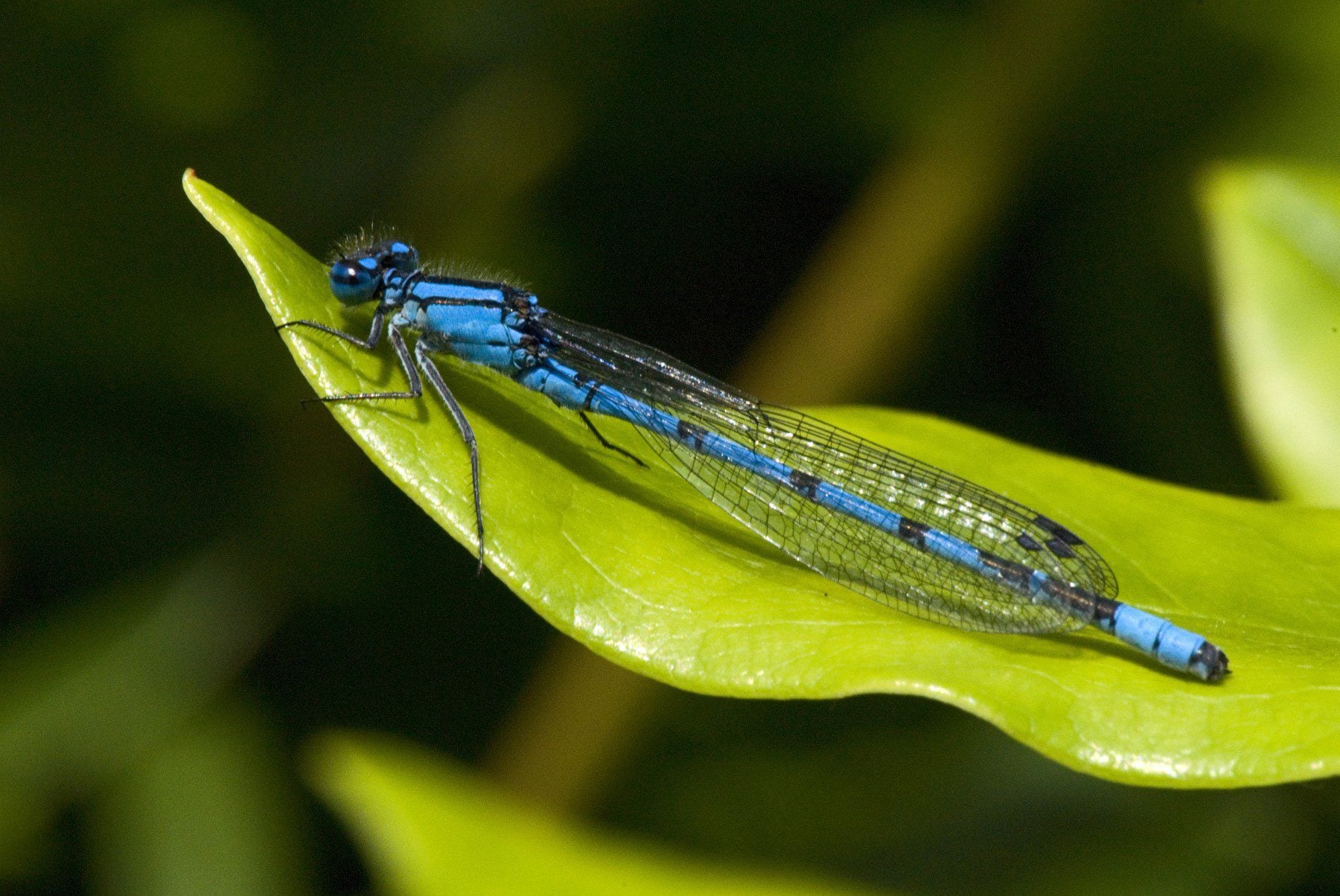
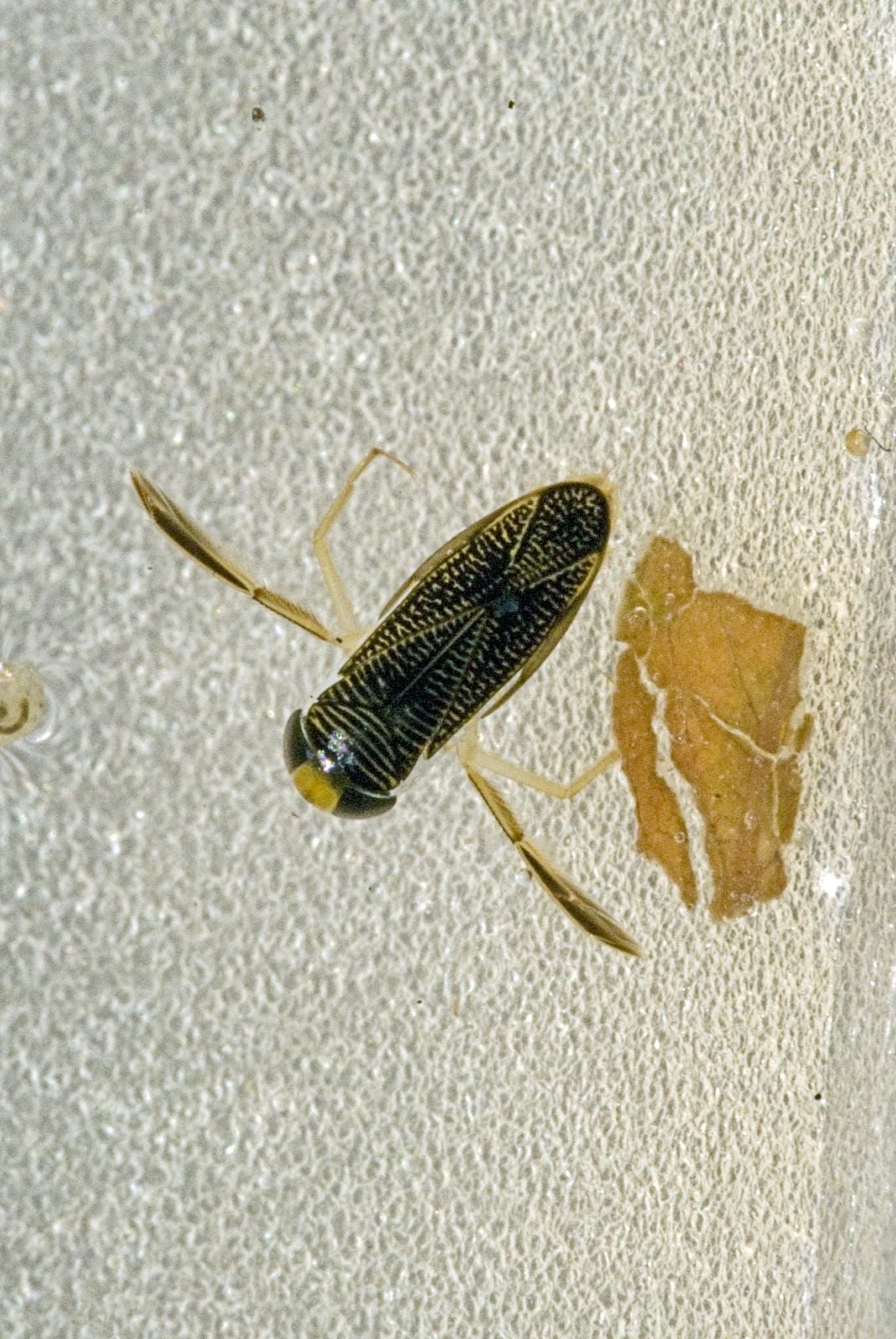
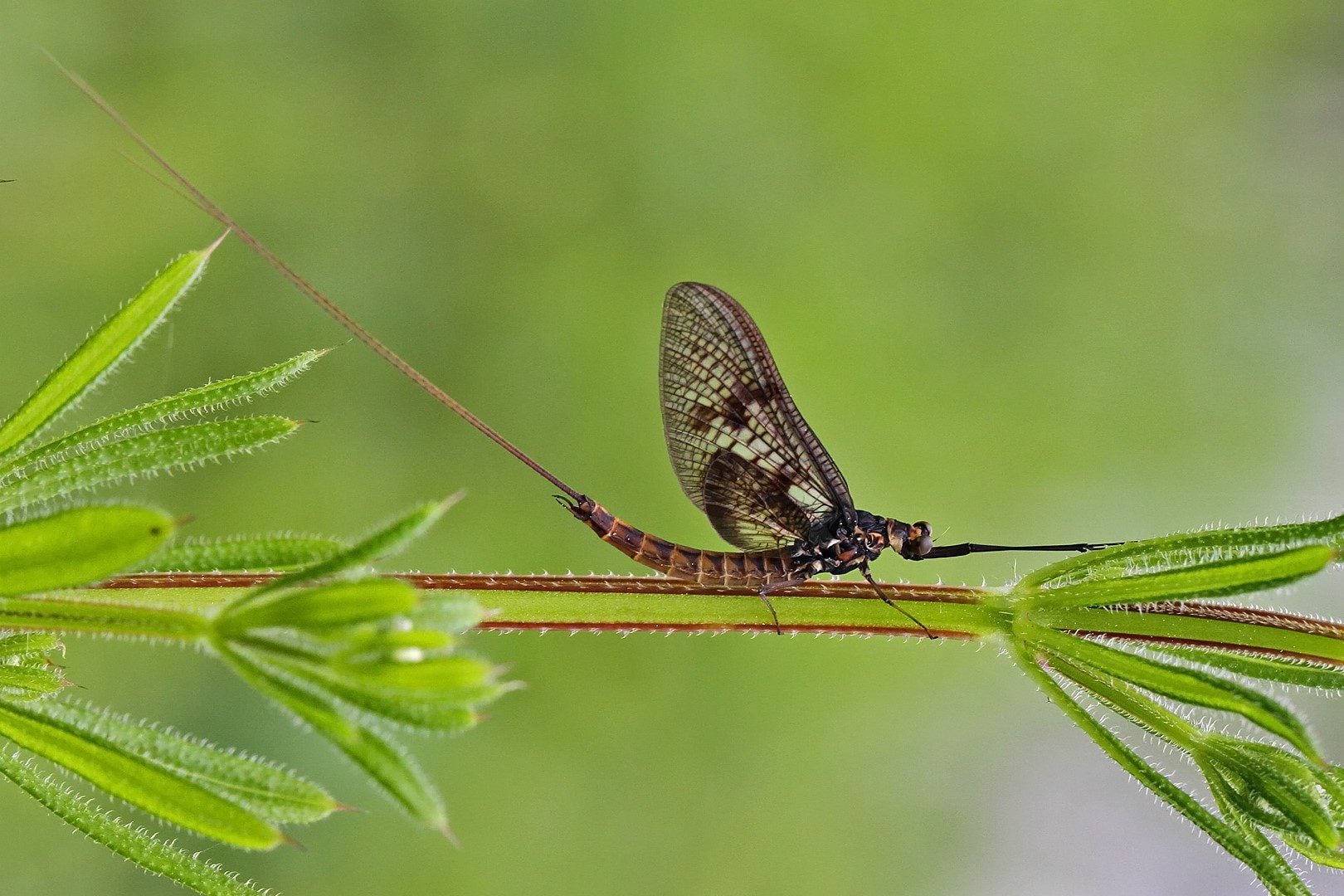
 © Sam Roberts
The story of the reserve
Eridge Rocks is a designated Site of Special Scientific Interest (SSSI). Sussex Wildlife Trust bought the reserve in the late 1990s and had to clear masses of Rhododendron that were obscuring the rocks.
The sandstone rocks were formed during the Ice Age, 20 to 50,000 years ago, though the sand would have been deposited in a river system during the Cretaceous Period, about 138 million years ago. Fossils found here range from freshwater gastropods and fish to reptiles and dinosaurs!
Did you know?
Dinner venue
The Victorians loved this place and would put on fancy dinner parties at the foot of the rocks.
See gulls
Vertical gaps between the sandstone blocks are known as gulls.
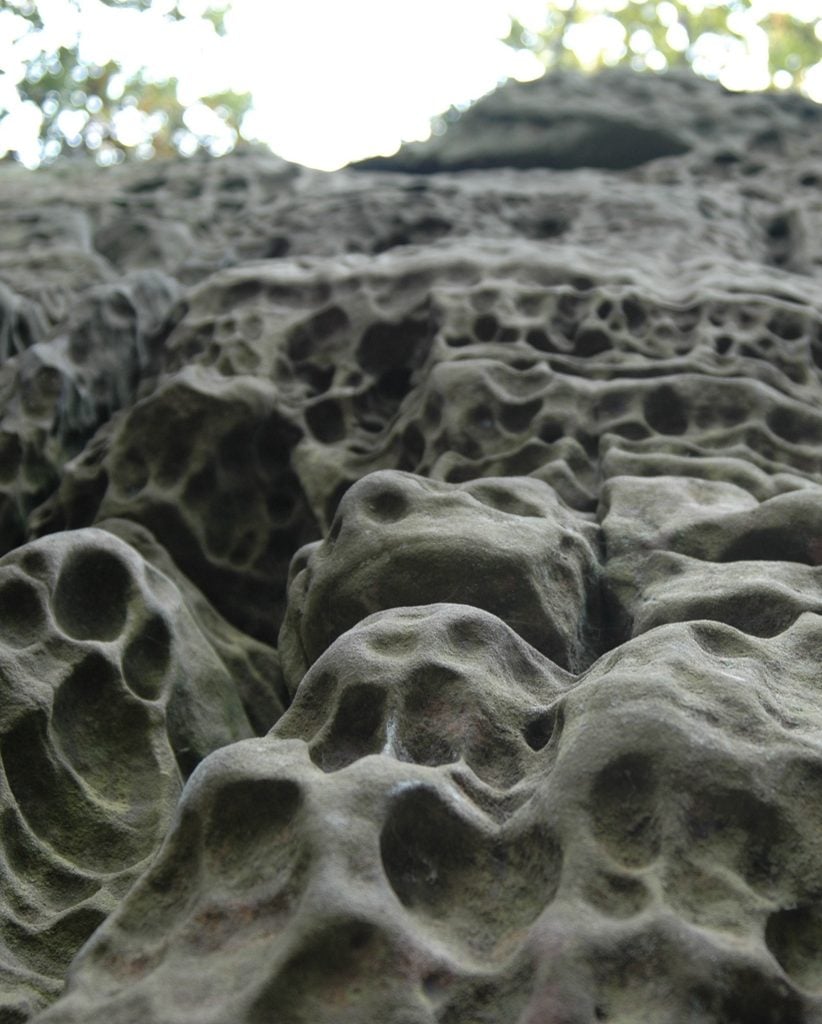
Honeycomb patterns
The honeycomb-shaped weathering you can see in some places probably happened during the Pleistocene period. Salt water percolated through the sandstone, evaporated near the surface, then formed salt crystals. These grew and broke the rock to form small pits.