Take action
Become a member
Memberships build our community and give us a predictable income, which lets us plan and sustain longer projects that can have a greater impact. The more members we have, the more we can do to protect the Sussex countryside and coast.
Make a donation
Nature in Sussex is struggling right now. Every pound counts when it comes to the critical work needed to help nature recover. No matter how big or small, your donation will help us make a difference together.
Overview
Despite a fearsome reputation, the Adder is in fact a secretive and retiring species, its cryptic markings typically helping it to go unnoticed. A species in significant decline, the Adder is in urgent need of protection.
Key Facts
- Like all reptiles, Adders are not truly cold blooded, but ‘ectothermic’. This means their blood is the same temperature as the surrounding environment which they rely on to regulate their own body temperature.
- Adders give birth to live young. Incubated internally, a female will give birth to around 6-20 young in late summer/early autumn.
- Adders are great dancers! The ‘dance of the Adders’ was once thought to be a courtship display but is actually a form of aggressive behaviour that occurs between males before and during the breeding season. Two snakes will hiss and lunge, then may raise themselves from the ground, coil around each other and try to pin each other down.
- They produce a potent type of venom. However, there have been only 14 recorded human fatalities from Adder bites since 1876, the last being in 1975.
- Adders are a timid snake and will strike only as a last resort in self-defence, either when scared, handled or stepped on. If you see one on a path, simply stop and walk carefully around them.
- Whilst the likelihood is extremely low, some people and pets are bitten each year. In the majority of cases, bites are unpleasant but easily treated. However, bites can be potentially serious, and medical help should always be sought immediately. It’s always worth wearing sturdy footwear and avoiding walking in the longer grasses where Adders may be present.
Status
Adders are found across Britain, though not in Ireland. Sussex and southern England see some of their highest abundance, though overall their distribution is patchy, and they’ve declined significantly since the mid twentieth century. They are already thought to have gone extinct from several central English counties in the last thirty years.
There are a multitude of threats facing Adders, the loss, modification and fragmentation of habitat being a significant factor in their decline. Unsympathetic management of sites through intensive agriculture, recreation and forestry all play their part and conservation measures for other species may not always benefit Adders.
Despite some changes in attitude, Adders also continue to be deliberately killed, though this is illegal as they’re protected under the Wildlife and Countryside Act 1981. Introduction of non-native predators also effect populations, particularly those such as the Pheasant.
Seasonality
Hibernating during winter, you’re unlikely to find an Adder out and about between late autumn and early spring, though it is temperature dependent. If the weather is particularly mild, they may be spotted sun basking, having emerged as early as January. This can last for several weeks before the males shed their skin. It’s a vital time for them and particularly important they remain undisturbed.
Sussex snakes
Our three native snakes can be told apart using a combination of markings and habitat preference.
- Grass Snakes are typically olive-green to brown with rows of black spots and a diagnostic black bordered yellow collar behind the head. They have a round pupil. They may on occasion be melanistic (darkly coloured).
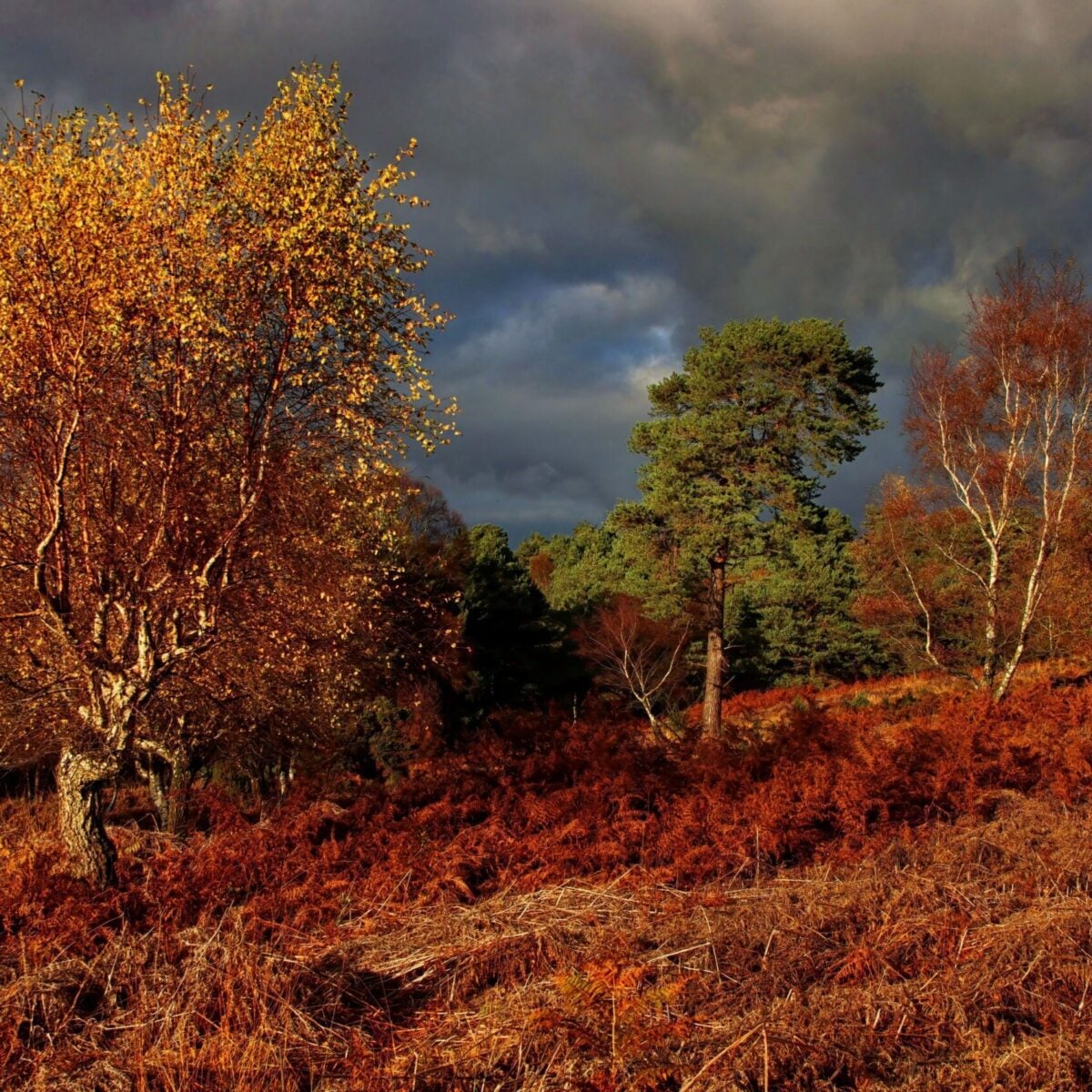
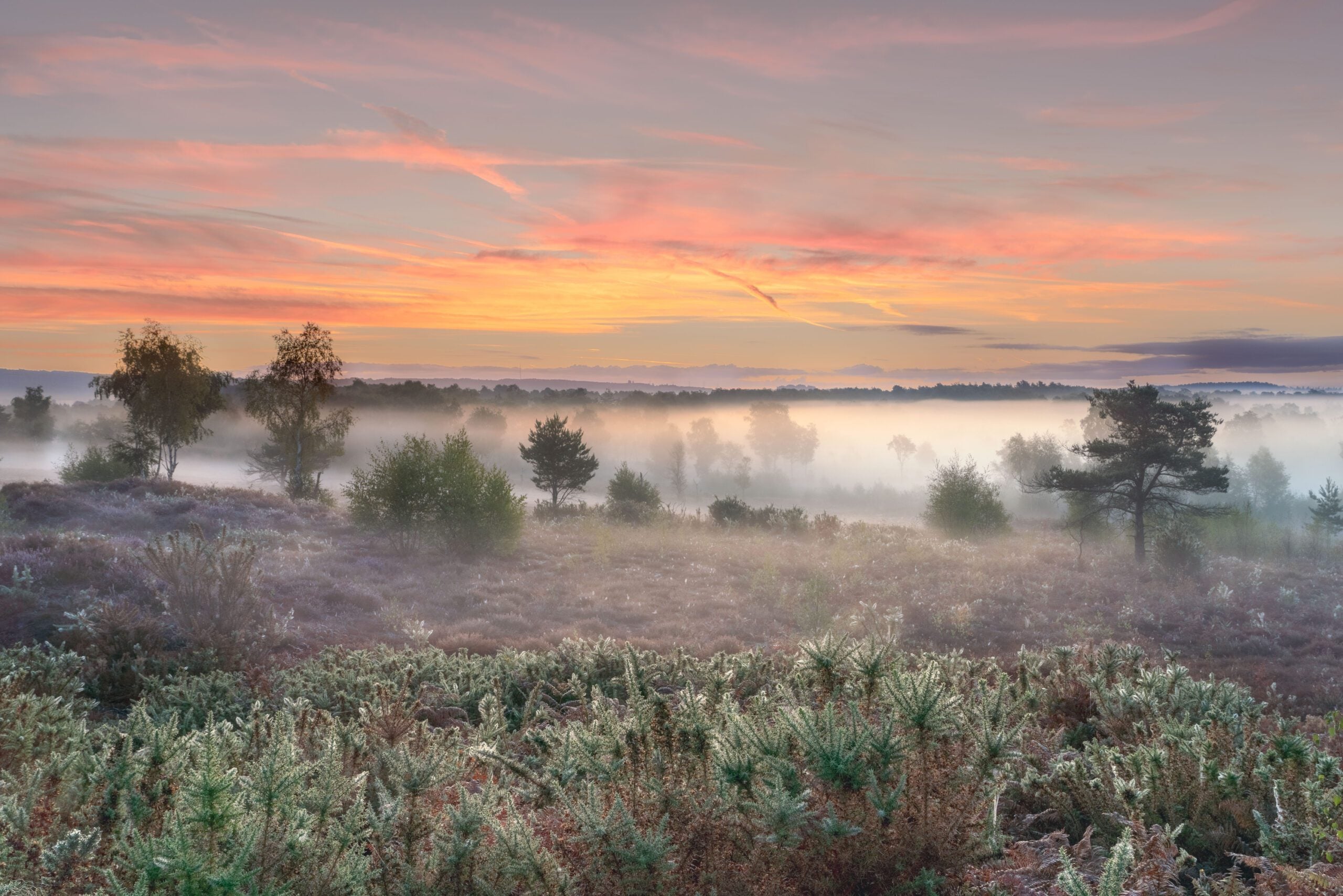
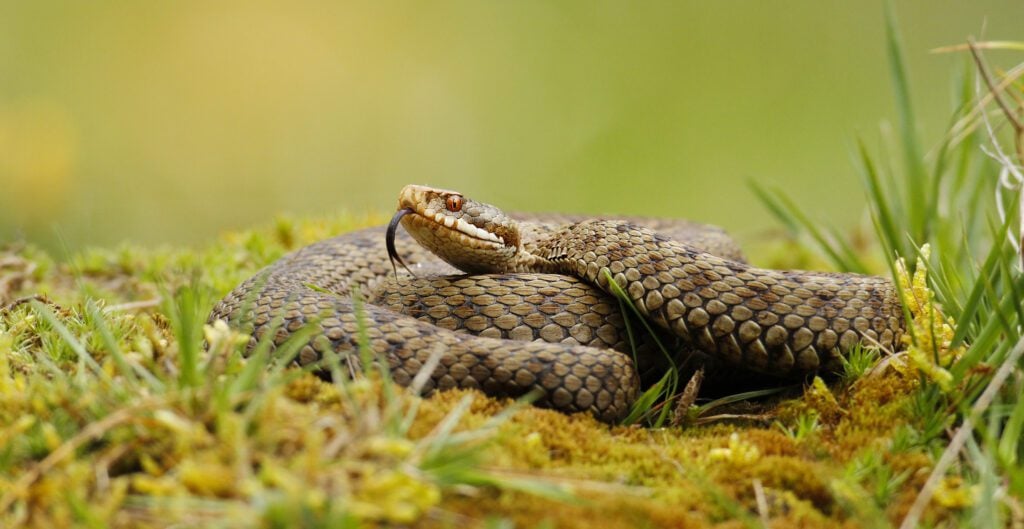
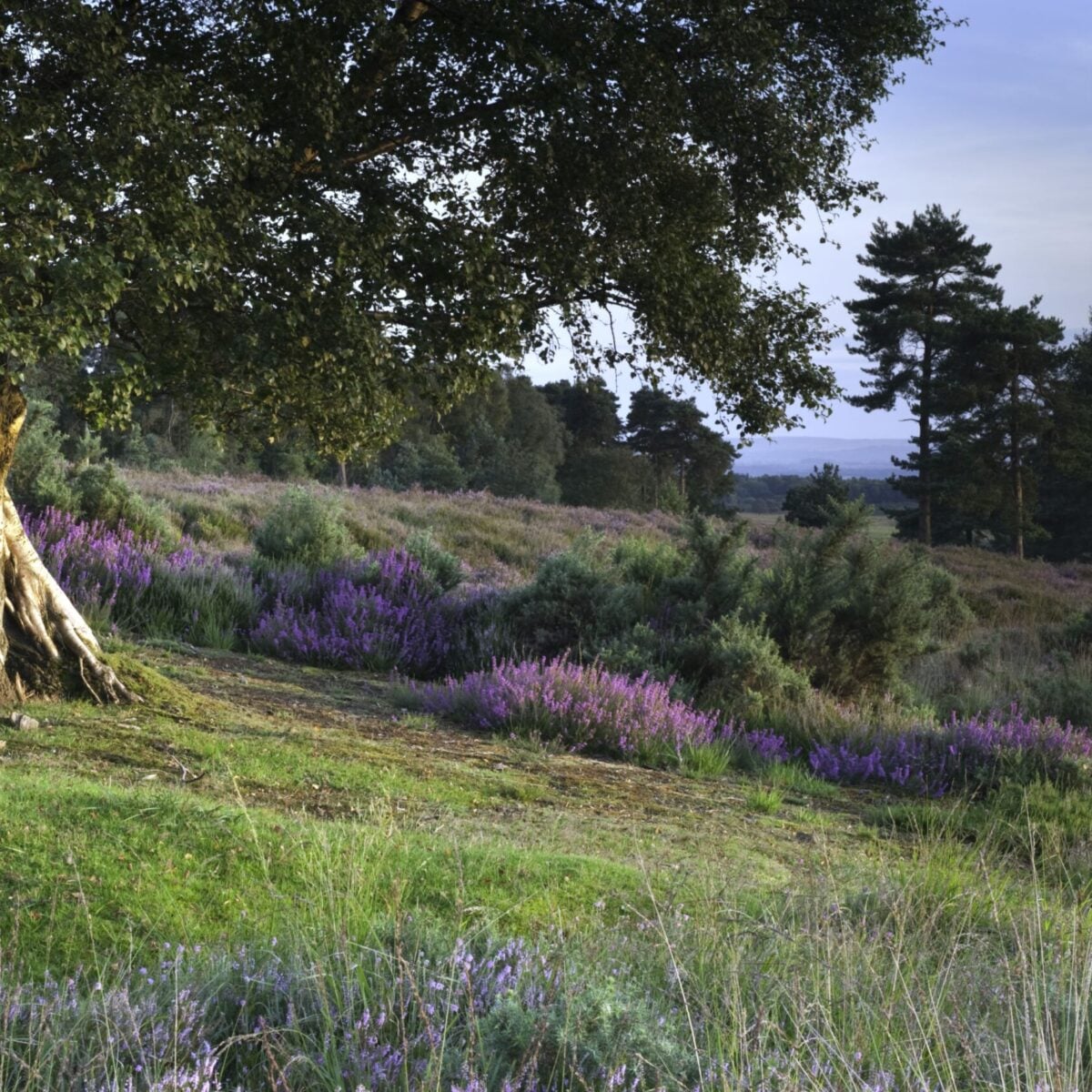
- Adders are bulkier with distinctive dark zigzags along their back and a dark stripe along the face, continuing as dots along their side. They can also be melanistic. Unlike the Grass Snake, they have a reddish eye and pupil with a vertical slit and show a strong preference for humid but dry habitats – heathland, forest clearings and hedgerows.
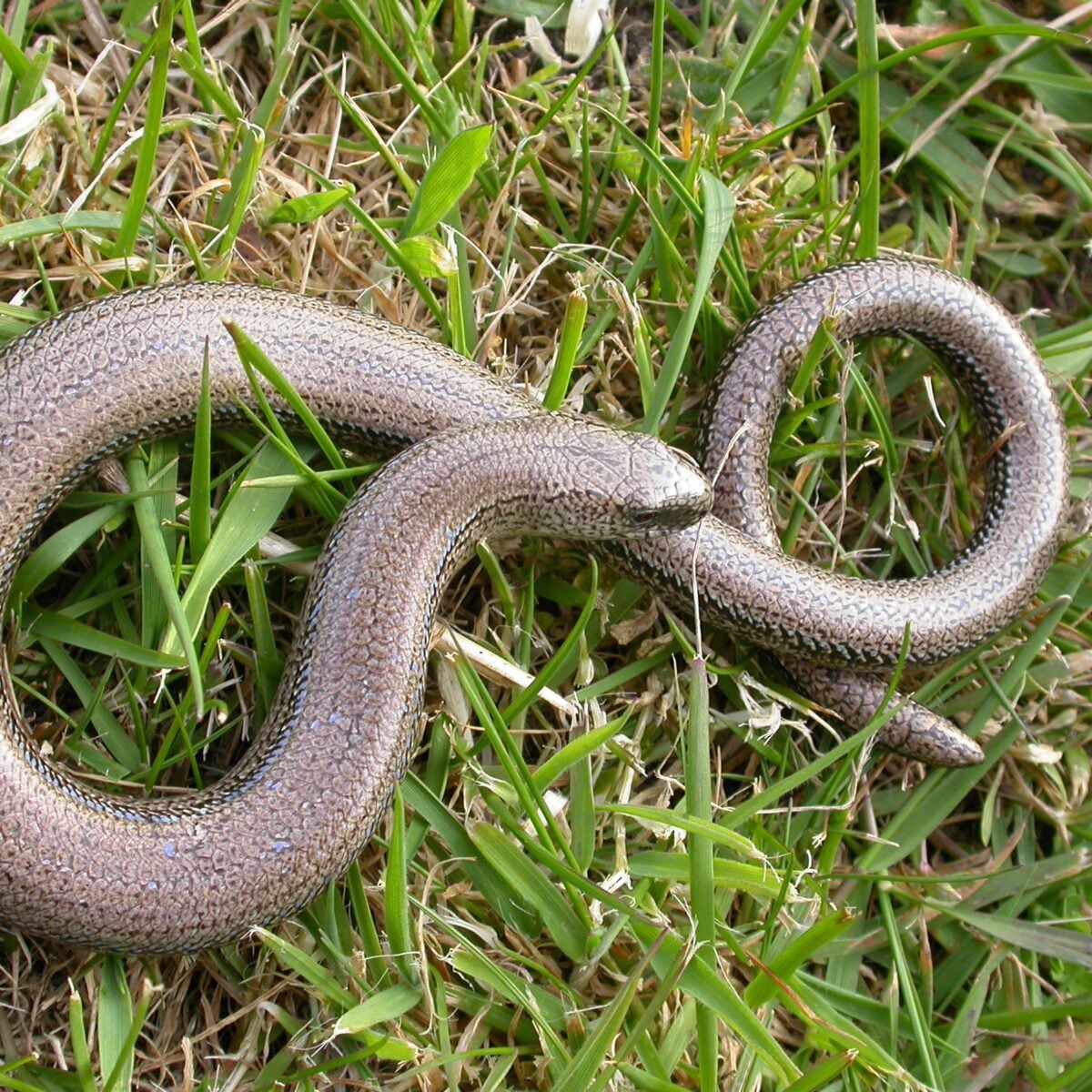
- Smooth Snakes are also grey-brown, but more slender, with a round pupil and less defined pattern along their back. A rare snake, they can only be found in the south on sandy heathland habitats.
How we can help Adders
- With Adders not typically found in gardens, it can be hard to put in practical conservation measures outside of nature reserves. However, reducing disturbance is a big factor, so be mindful when visiting during critical times
- Reducing the risk of fires on heathland and moorland sites – leave the BBQ at home!
- Increase appreciation of Adders and raise awareness of this often maligned species