Take action
Become a member
Memberships build our community and give us a predictable income, which lets us plan and sustain longer projects that can have a greater impact. The more members we have, the more we can do to protect the Sussex countryside and coast.
Make a donation
Nature in Sussex is struggling right now. Every pound counts when it comes to the critical work needed to help nature recover. No matter how big or small, your donation will help us make a difference together.
Overview
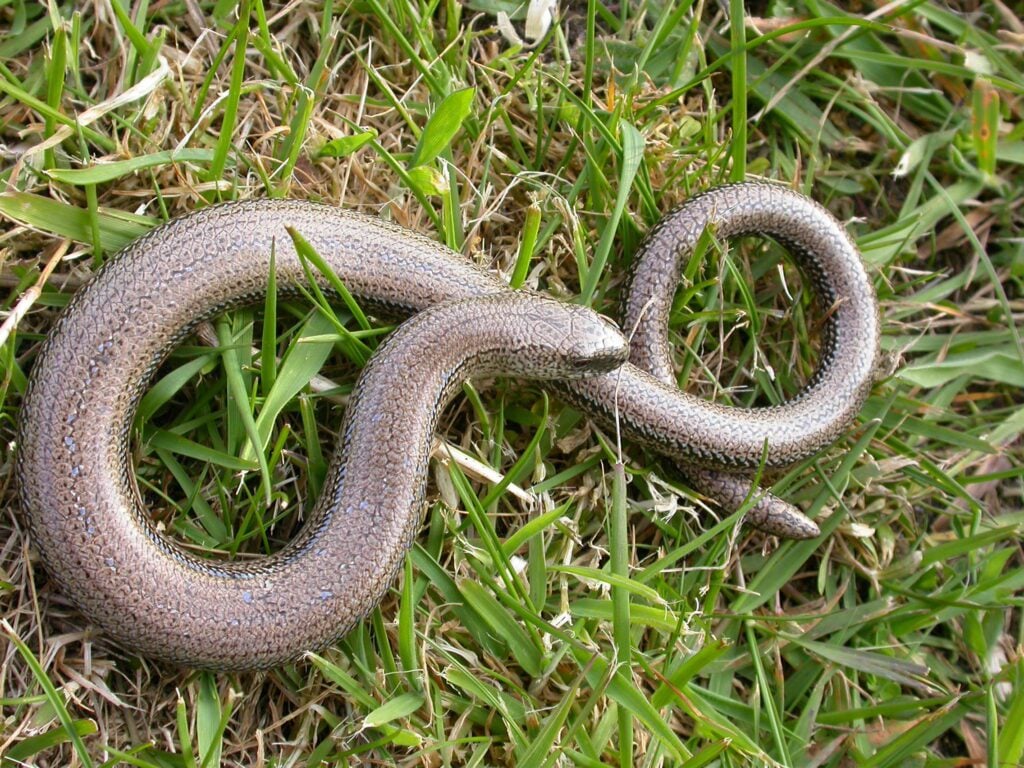
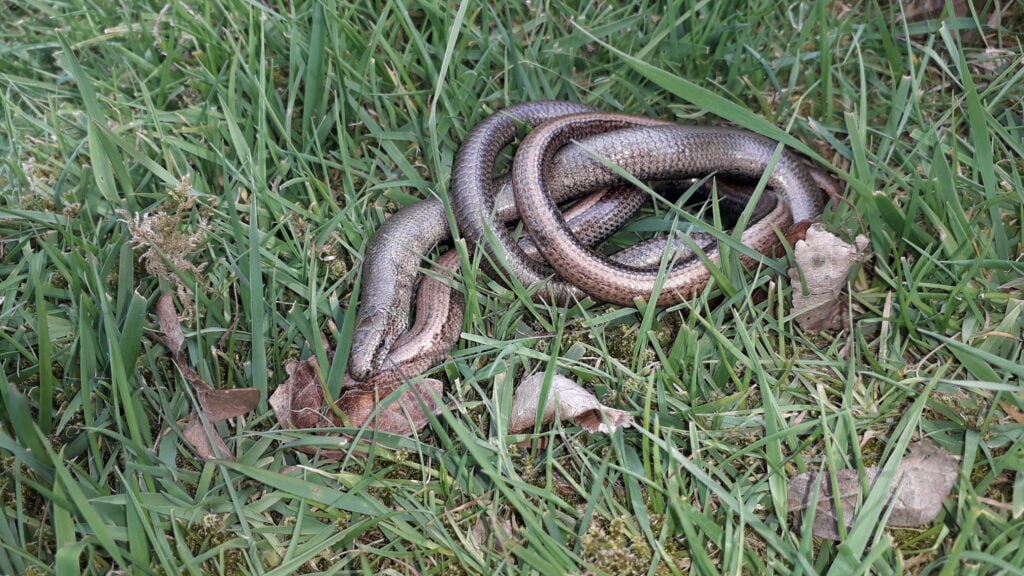
Looking superficially like a snake, the harmless Slow-worm is the most frequently seen reptile in Britain. One of three British lizard species, the long-lived Slow-worm may grow to around half a meter and can thrive in our parks, gardens and allotments.
Key Facts
Slow-worms are great indicators of a healthy environment, and they play a crucial role in maintaining biodiversity through natural pest control.
- Unfortunately for the Slow-worm, they’re on the menu for many predators – mammals, birds and other reptiles.
- With all those dangers to content with, they’ve evolved various defences. Sometimes they freeze, sometimes they flee. They may also defecate, which truly stinks and may work as a deterrent.
- The most remarkable defence is autotomy – the ability to shed their tail. The detached tail will continue to wiggle for a while, distracting any would-be predator. A new tail may grow in time, but will be likely be stumpier than the original.
- While harmless to humans, Slow-worms can be surprisingly fierce with each other. In the breeding season, males may wrestle furiously and bite each other. They may also bite and hold a female’s head when mating.
- To grow, a Slow-worm must shed its skin. They tend to do this in patches, rather than all in one go – so if you find fragments of reptile skin, they’ve likely come from a slow-worm, not a snake.
- Bridging the gap between egg-laying (oviparous) and live-young-bearing (viviparous) creatures, the slow-worm is ovoviviparous. The young hatch inside the body, feed on the yolk and are born in just a thin egg membrane that soon ruptures.
Status
Slow-worms are still widely distributed across Sussex, but their numbers have greatly declined due to changes in land use, reduction and fragmentation of habitat, a lack of suitable habitat management and the introduction of non-native predatory species.
They’re protected under the Wildlife and Countryside Act 1981 and listed as a priority species under the post 2010 Biodiversity Action Framework as well as a species of principal importance under Section 41 of the Natural Environment and Rural Communities (NERC) Act 2006.
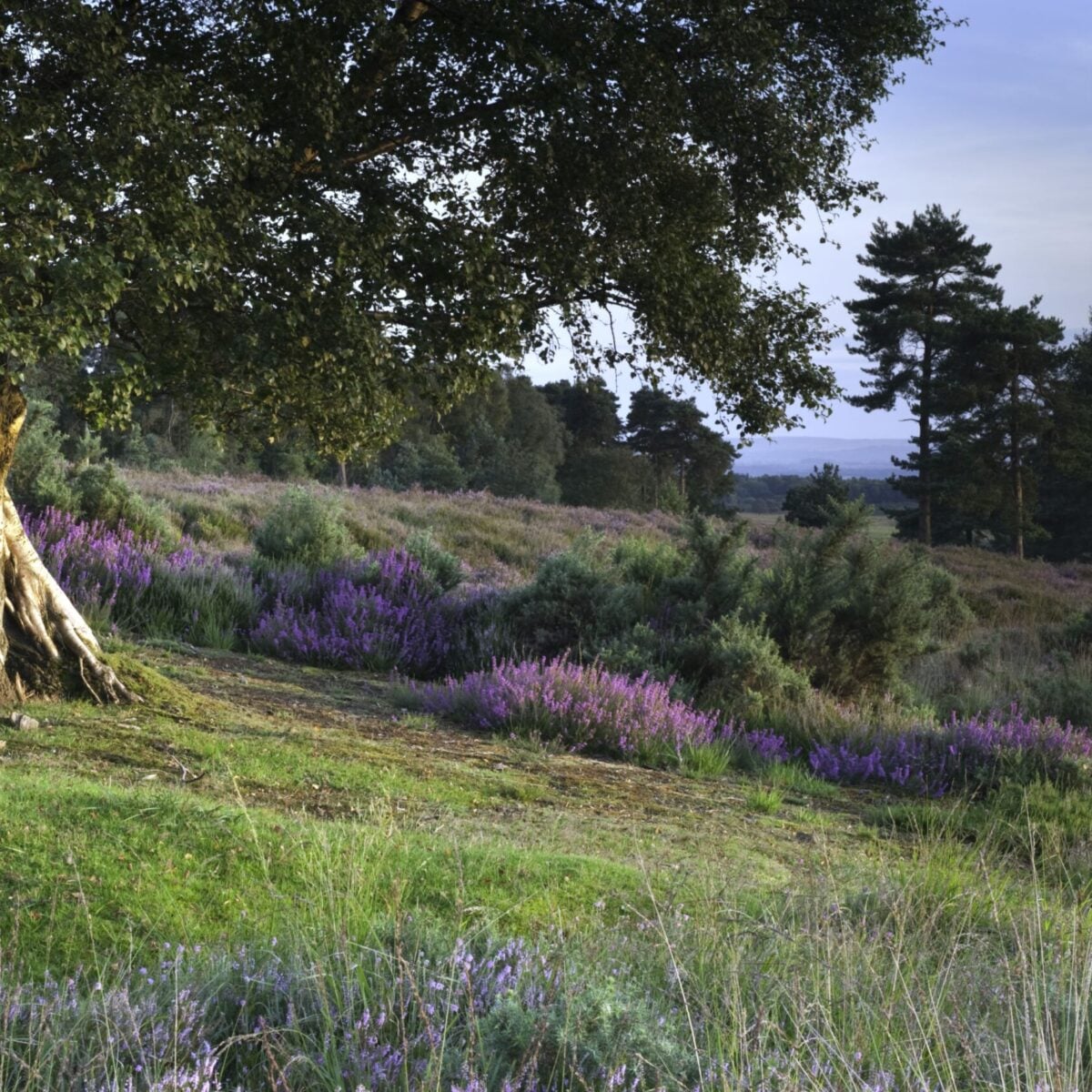
Seasonality
During late February or early March, they begin to leave their winter refuges, which they return to in around October. Your best chances of spotting one is after emergence or when females are due to give birth during July and August.
Not a snake!
The Slow-worm can be readily identified from the UK’s three snake species. If you spot something slithering in your garden, there are a few ways to tell that it’s a Slow-worm
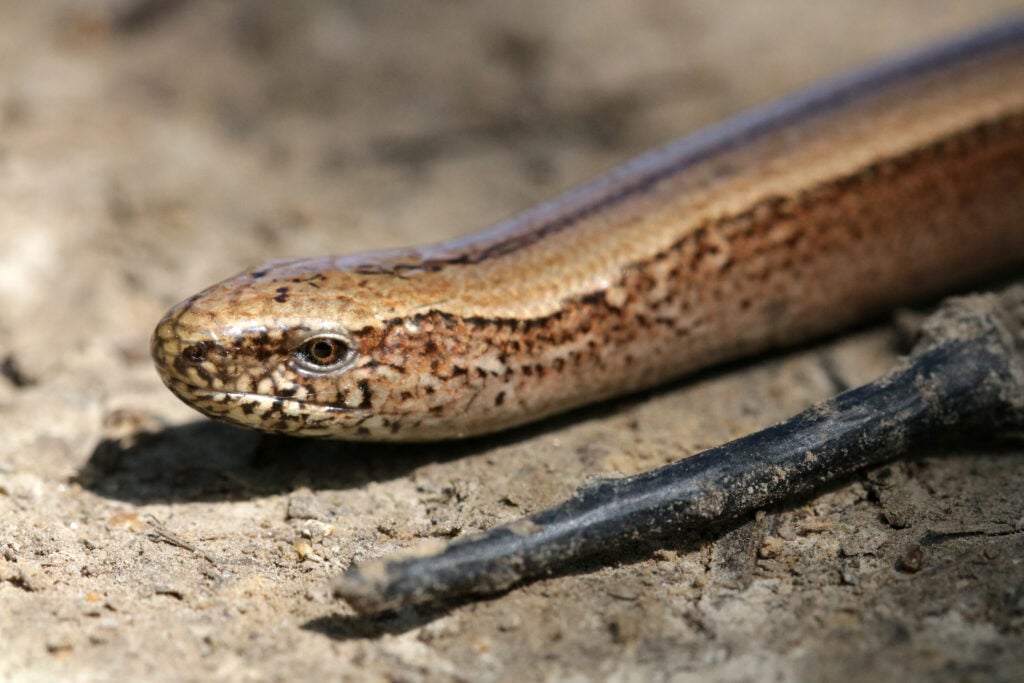
- BlinkingTherefore they have eyelids, wholly different from the unblinking stare of a snake.
- A wide, fat tongueA Slow-worm needs to open its mouth to flick its tongue and taste the air, as unlike a snake it has no indentation in its upper jaw.
- No obvious neckWhereas snakes typically show a clear separation between head and neck, the body doesn’t seem distinct on a Slow-worm.
- ColourBrown-grey in colour, with males typically rather uniform. Some may be made quite beautiful by the presence of blue spots. Females are usually chocolate brown underneath, darker on the sides and pale brown on top, sometimes with a thin dark stripe down the back. They lack the zig-zag markings typical of our snakes.
How we can help Slow-worms
- Set aside an area of your garden, letting the grass grow longer and providing areas of refuge or habitat piles. Compost heaps, rock, stone and log piles – these all provide a great hideout for them. It’s also worth popping down some old carpet or a metal tray – these provide heat traps, inaccessible to most predators.
- Be careful not to stress out a Slow-worm when you find one. You don’t want to cause a slow-worm to shed its tail as that will lose it a future escape strategy. Don’t pick them up unless absolutely necessary.
- Avoid the use of any pesticides in your garden. Slow-worms are truly a gardener’s friend as they happily munch on a variety of pest species. The use of any toxins in the garden will damage the invertebrates that form the base of the Slow worm’s food chain.
- Take care when cutting grass. Walk through areas of long grass first to give them time to escape. Try to cut on a warm day when they’re more active.
- With poor dispersal abilities, the reconnection of fragmented habitats is vitally important, as is a reduction in the ongoing impact of urban development and improvements in effective mitigation.
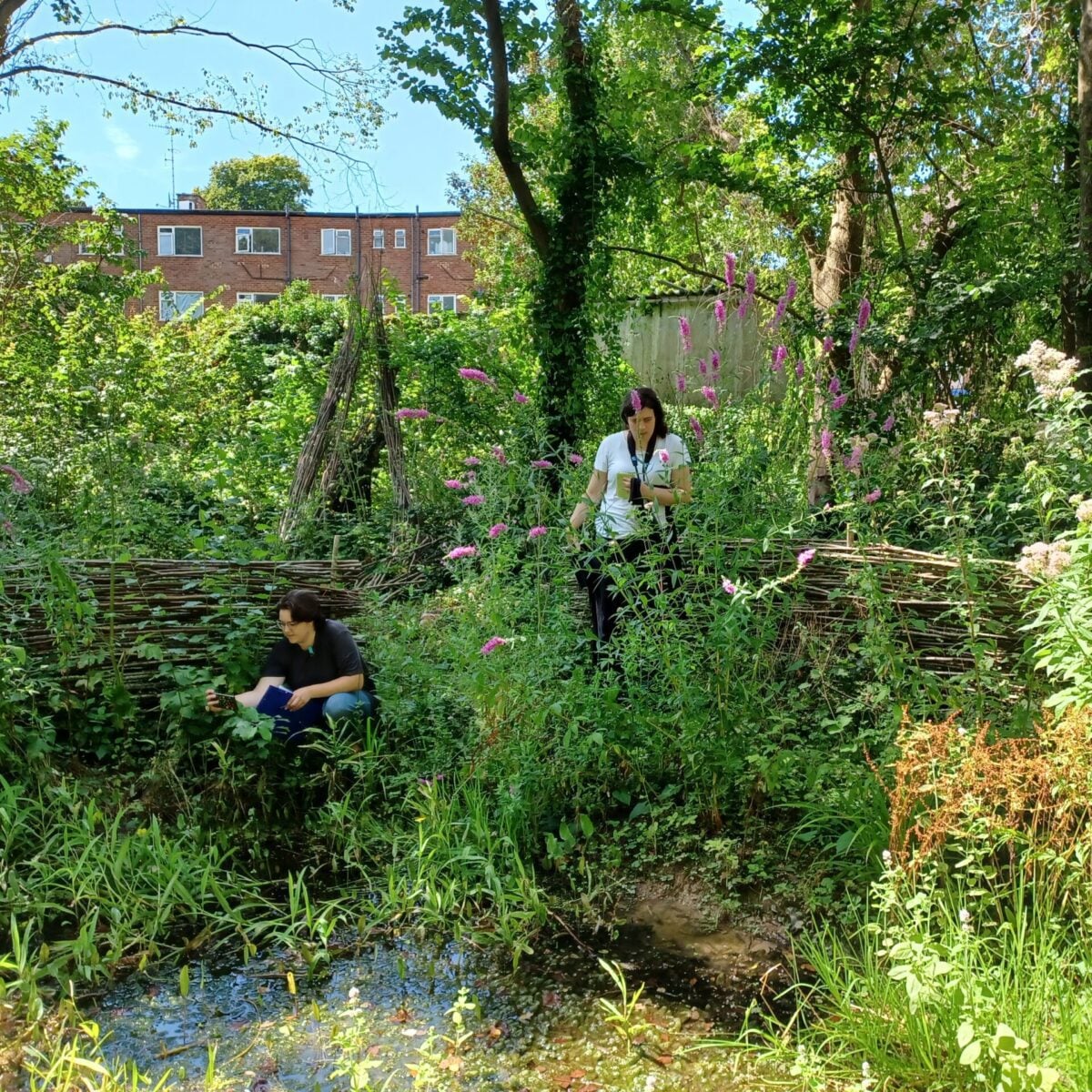
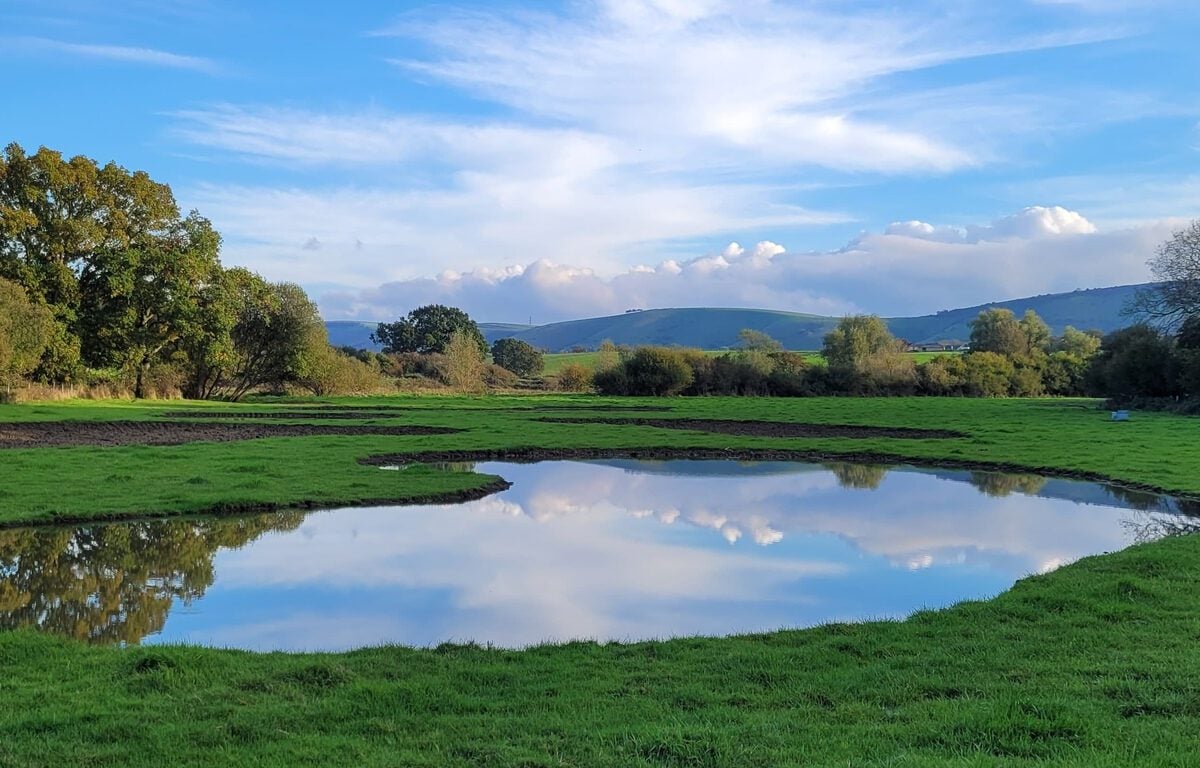
Slow-worms can be seen at most, if not all, Sussex Wildlife Trust reserves. They’ll largely be lurking toward the edge of habitats, rather than in open direct sun, but if there’s thick vegetation and plenty of places to hide, the chances are they’re there. Keep your eyes peeled within the longer grasses and areas with shelter. They often hang out in groups, so where there’s one there may be more.
With a strong connection to our gardens, you stand a great chance of finding one on your doorstep (or at least, in the compost bin).