WHAT you need
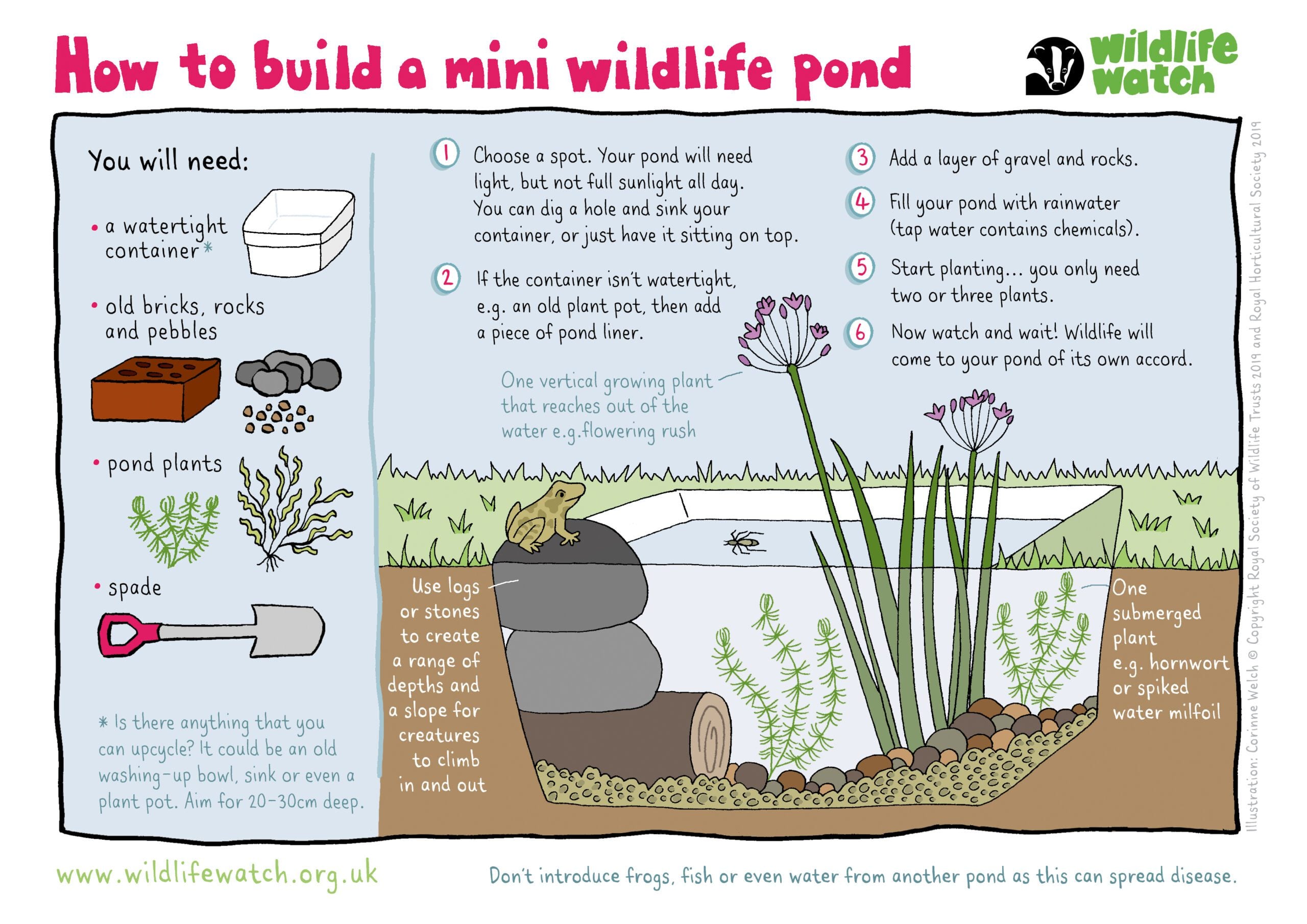
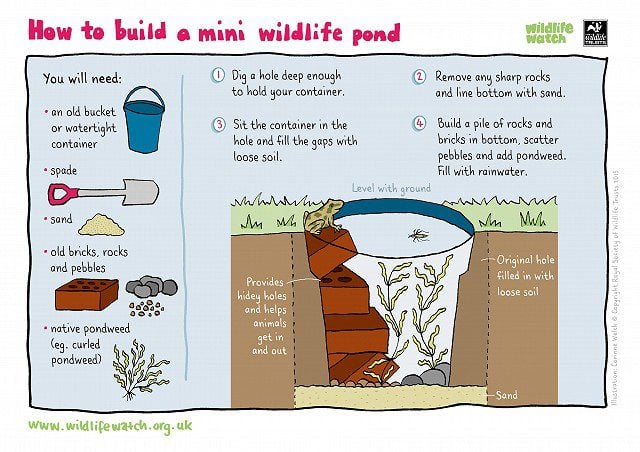
- Any old watertight container, like a bucket, tub or plastic basin
- Some old bricks, rocks and pebbles
- Sand
- A native pond plant
- A spade
WHERE to build it
Choose a spot that:
- Isn’t in the full sun all day
- Gets around six to eight hours of sun a day
- Isn’t under a tree that loses its leaves in autumn
- Is fairly level
- Is easy to dig a hole in!
Important TIPS
- Make sure there’s an easy way for animals to climb out of the container — like a piece of wood or a rock that leans against the rim of the container
- Always keen an eye on toddlers or small children around any container of water
Plants to help your mini pond thrive
To keep the water in your mini pond healthy, you can add a plant that will release oxygen into the water and absorb extra nutrients from it. These oxygenators grow mostly under the water. They’re not essential for a mini pond though. It’s also good if you can have a plant that sticks out of the water so insects can crawl up it. Great plants for small ponds are:
- Miniature Waterlily (Nymphaea Pygmaea Helvola)
- Lesser Spearwort
- Water Starwort
- Flowering Rush
It’s really important to choose a plant that’s native to Britain. There are some non-indigenous species that will quickly take over your pond.
 Lesser Spearwort © Dave Kilbey
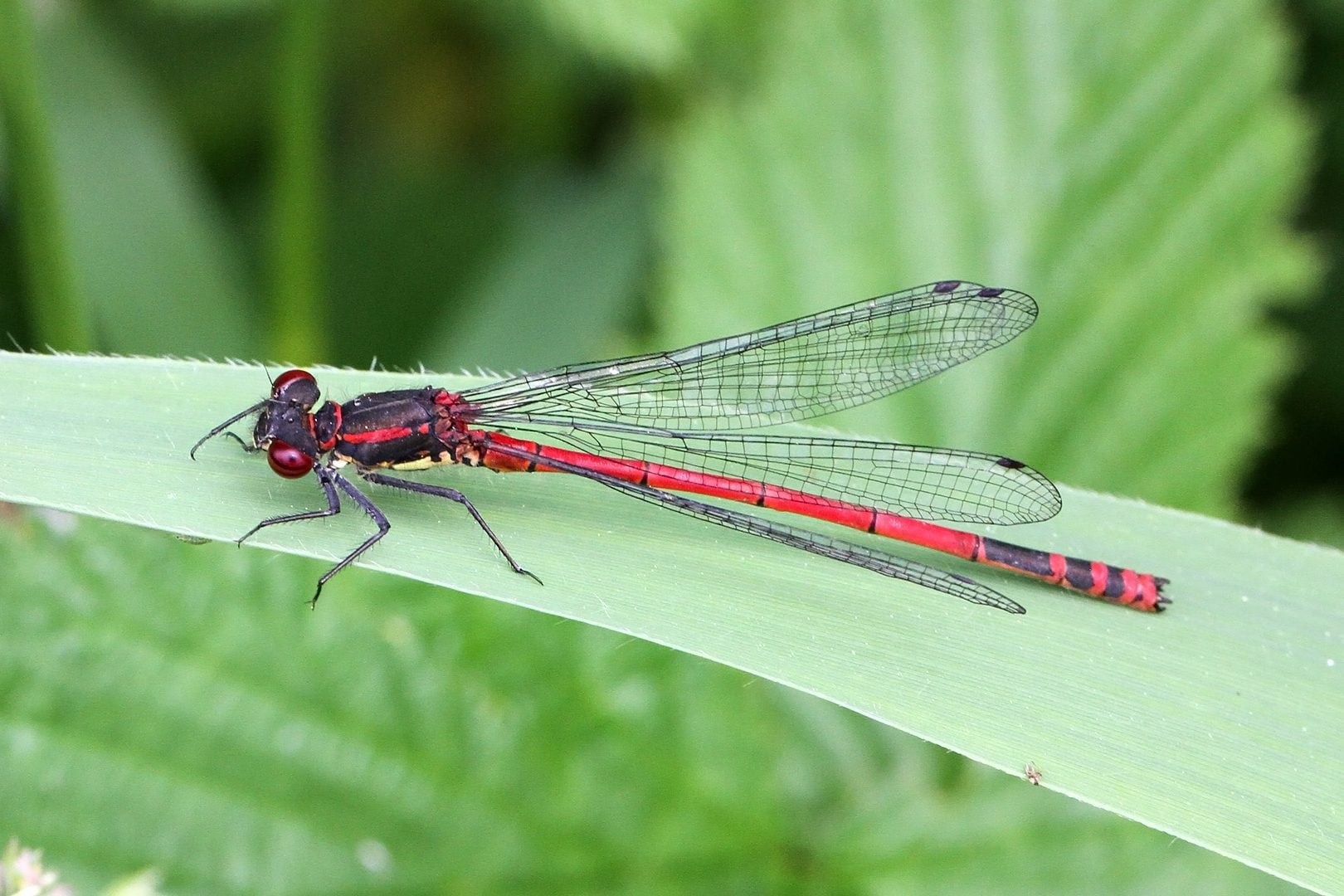
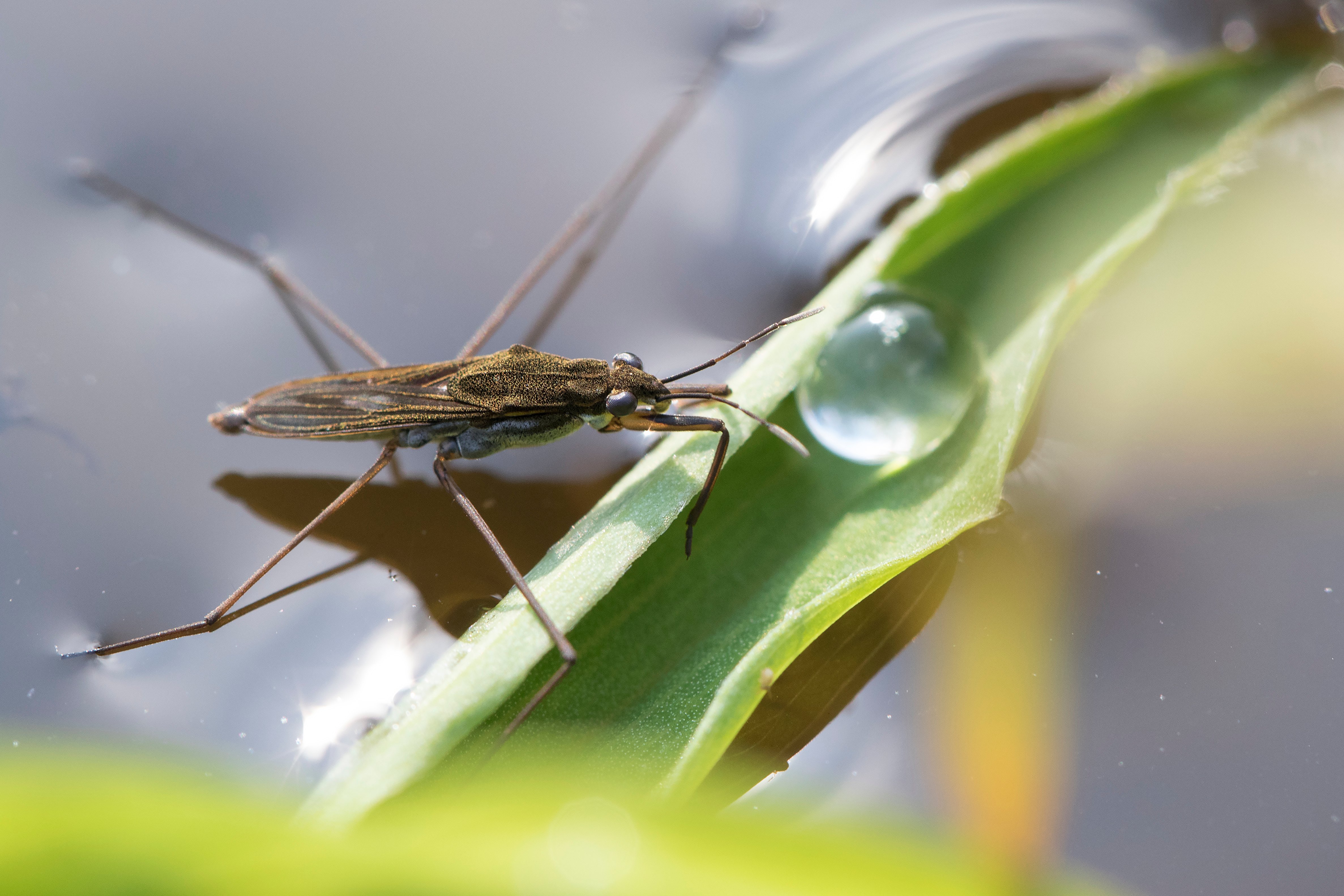
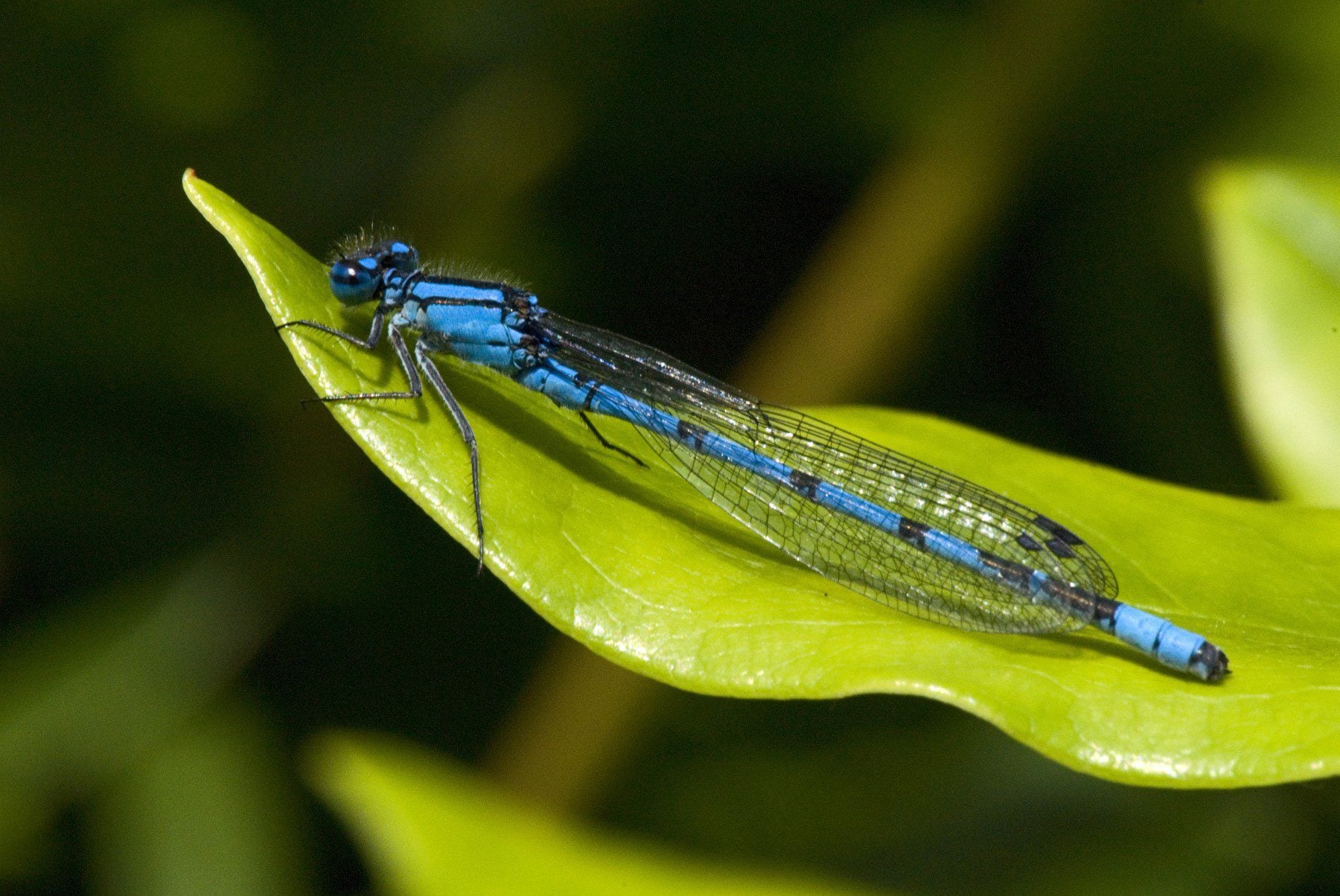
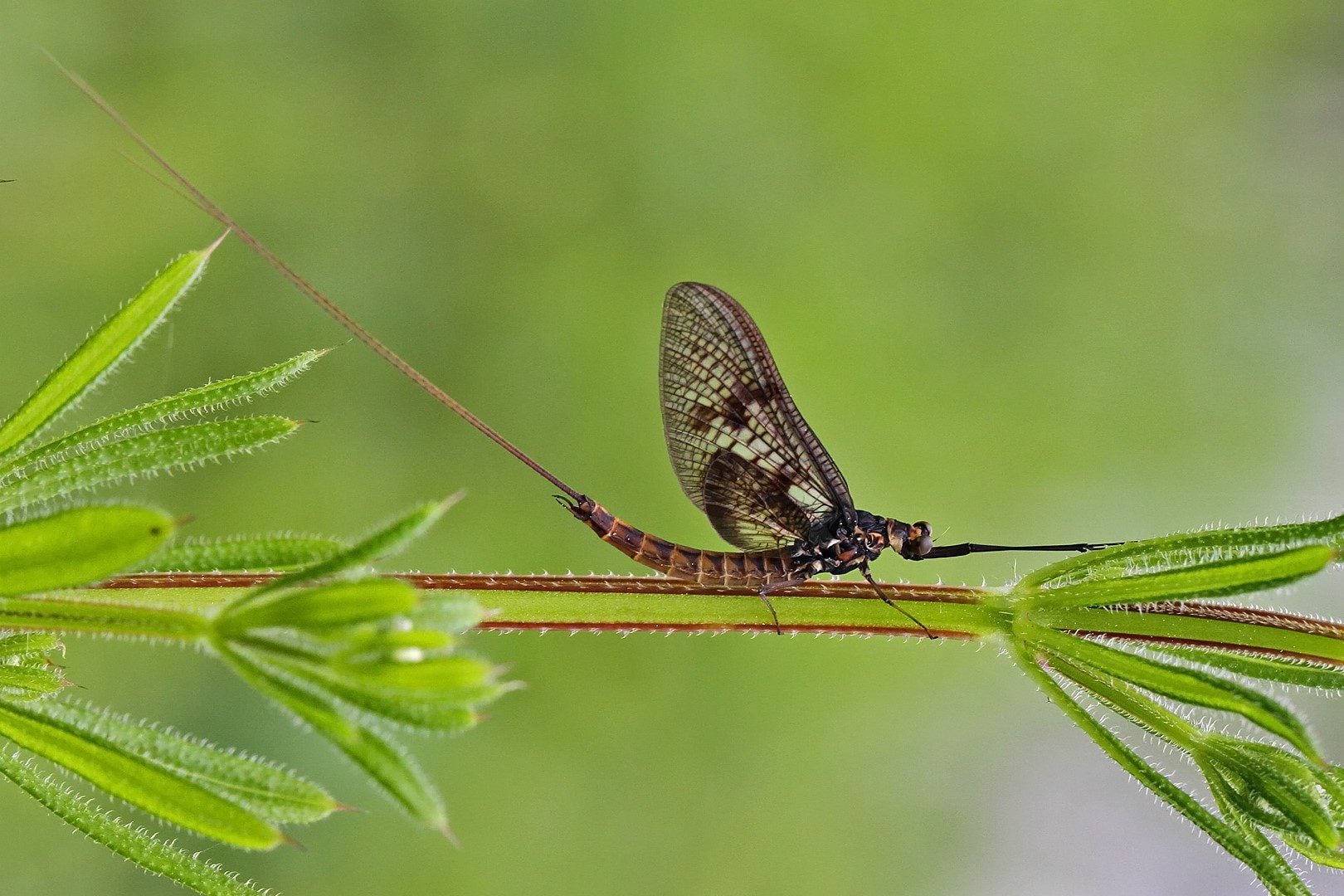


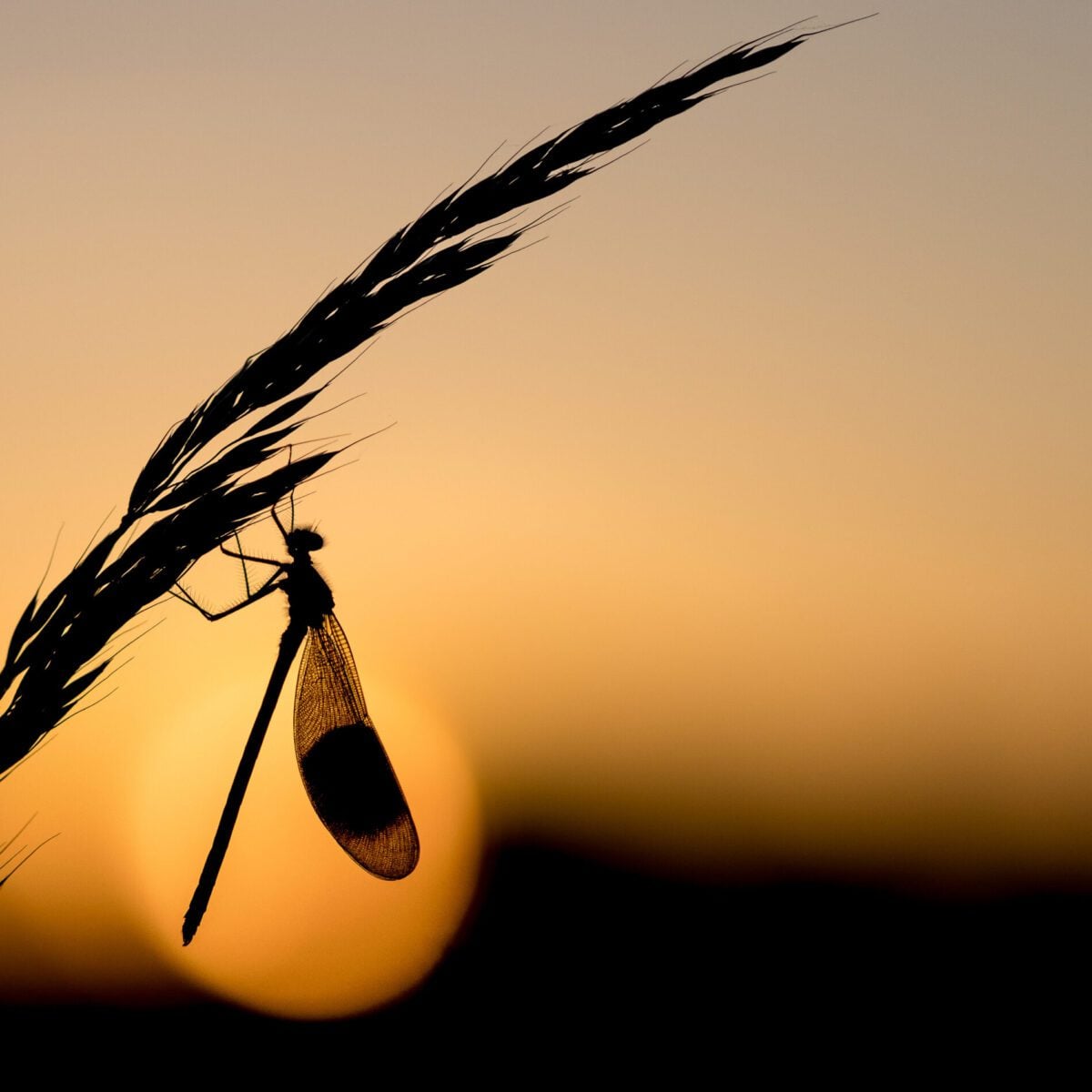
 broad-bodied-chaser-paul-lindley-w800h600
How to create your mini pond
Owls are also birds of prey, but look quite different to other raptors with their flat faces and large eyes. Your best chance of seeing an owl in flight is close to dawn or dusk. There are 5 owl species that call Sussex home:
- Dig a hole deep enough for your container.
- Take any sharp rocks out the hole and line the bottom of the hole with sand.
- Put the container in the hole and fill the gaps with soil.
- Scatter pebbles in your container and build a steady pile of rocks and bricks on one side.
- Add your pond plant.
- Fill the container with rainwater.
- Wait for your first pond visitors!