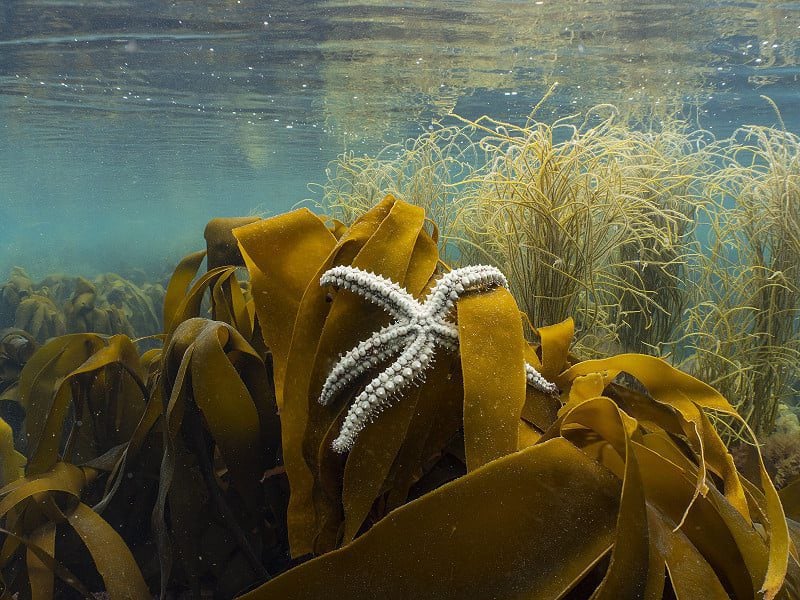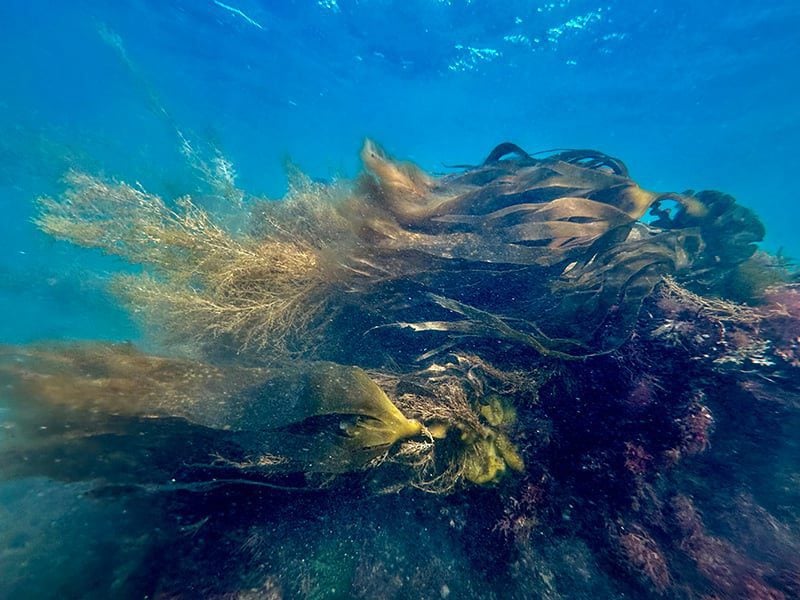
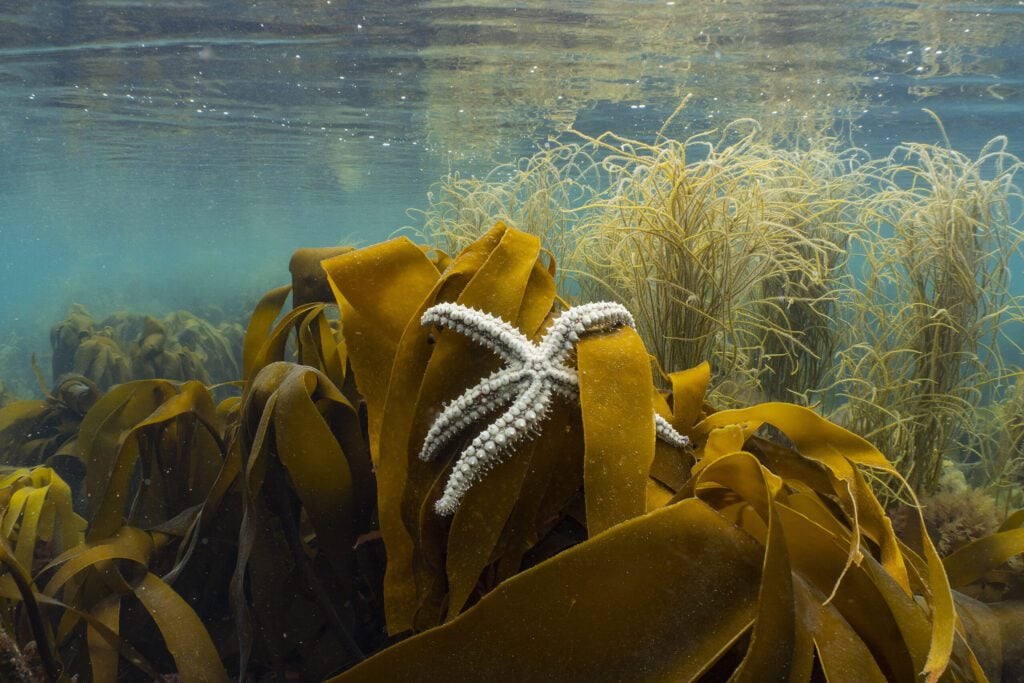
 Spiny Starfish up on kelp © Paul Naylor
Why rewild?
Letting nature flow
Almost all land and sea in Sussex is deeply influenced by human activity. People find ways to harness every kind of habitat, for food, shelter, business or recreation. We forget that we are a species which is a part of a natural system – and the responsibility of guardianship that comes with this. We often damage or disconnect entire natural systems that underpin our survival and that of thousands of habitats and species.
Rewilding recognises that nature knows best when it comes to creating thriving natural spaces. It also tries to restore, expand and connect vibrant natural spaces.
Sussex Wildlife Trust uses rewilding techniques, such as mixed grazing and making leaky dams, as part of a range of conservation actions, and we lead on some of the UK’s most fascinating ‘hands-off’ rewilding projects, at land and sea.
Background
What is rewilding?
From connecting habitats and reintroducing crucial species to ‘rewiggling’ waterways and stepping back from active management, rewilding encompasses many kinds of action, big and small.
What they all have in common is their purpose: to help revitalise natural processes and kickstart biodiversity, towards the point where nature can function properly and regenerate itself.
Rewilding is teaching us just how important it is to aim for connections and complexity – getting ‘more, bigger, better and joined up’ to restore nature at scale.
 butcherlands1
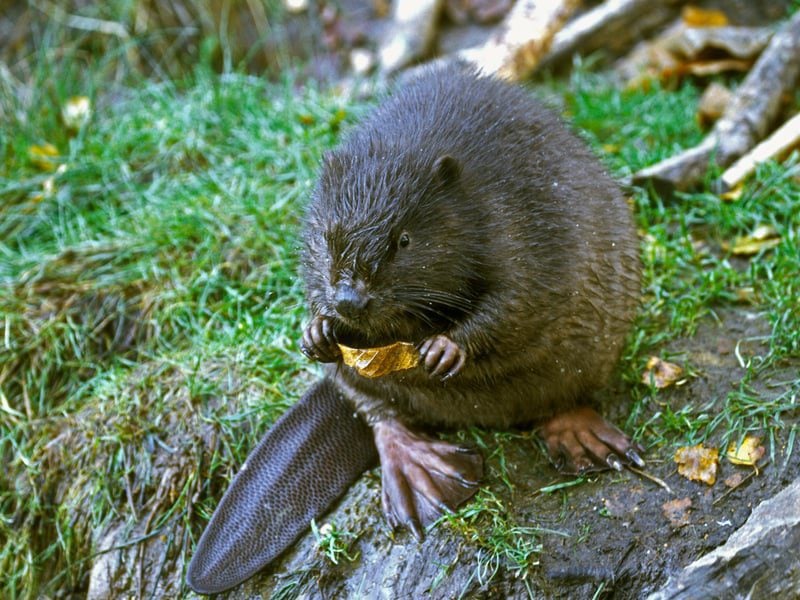
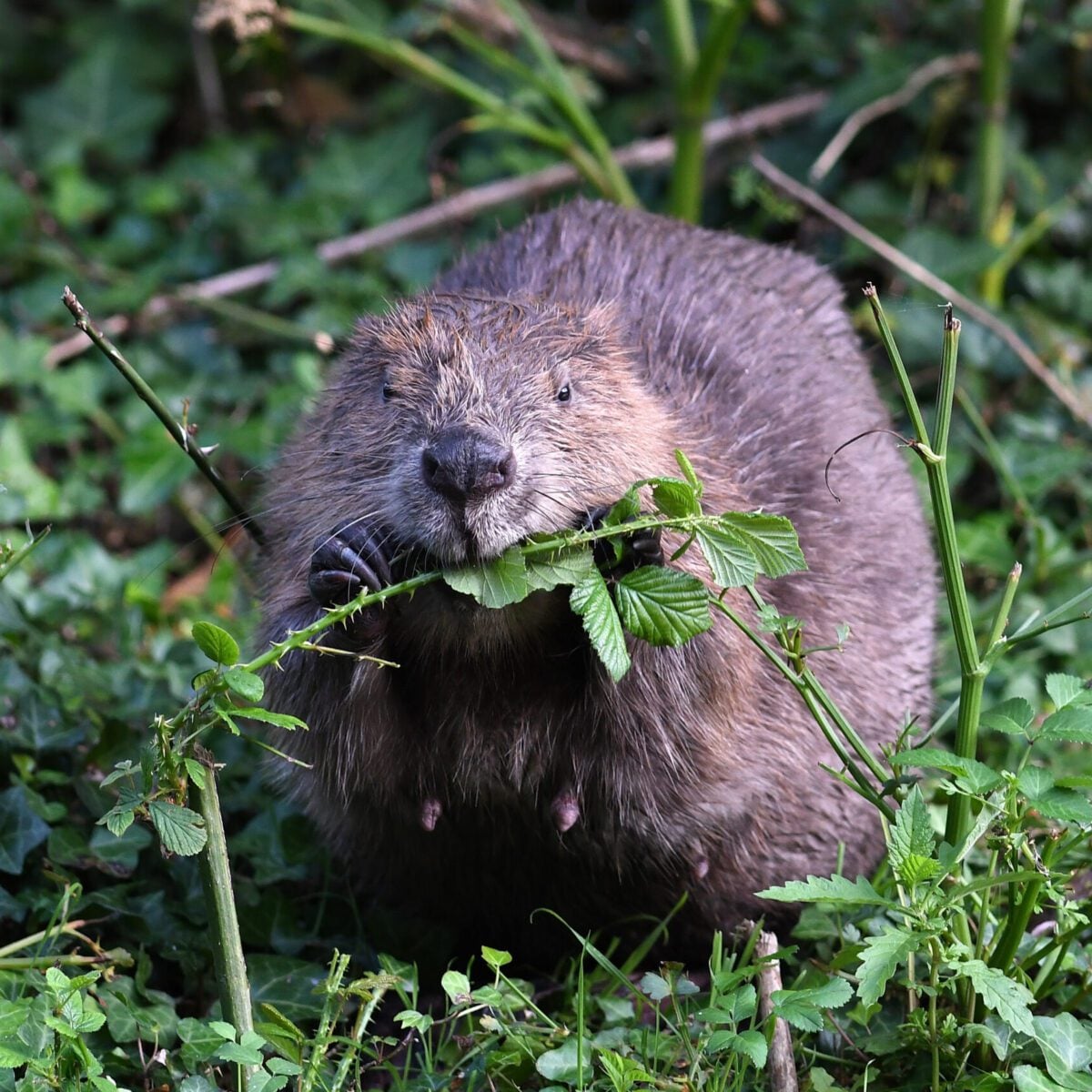
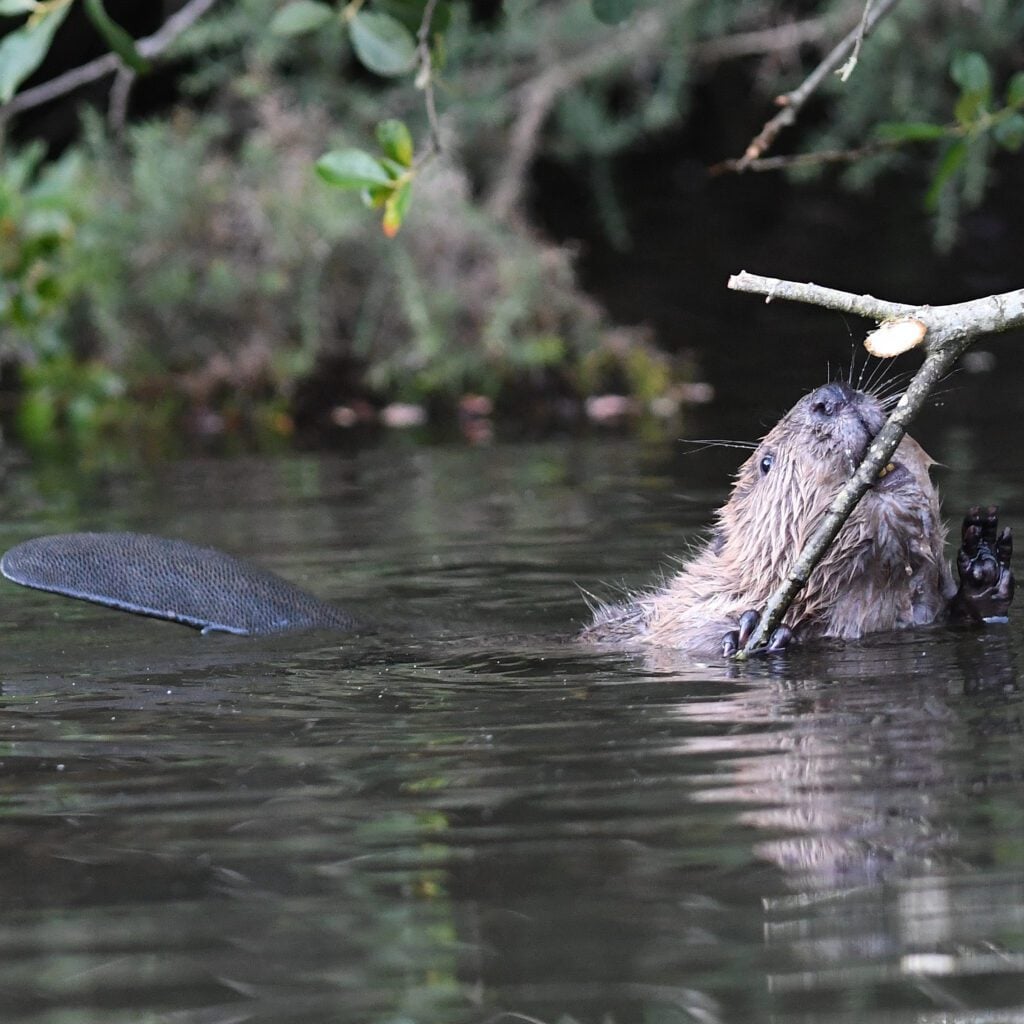 Beaver gnawing twig © David Parkyn and Cornwall Wildlife Trust.
Rewilding hotspots
Where are we rewilding?
Rewilding-inspired actions form part of the management for many of our reserves and in our activities with partners. On some sites, they form the main approach.
The Sussex Kelp Recovery Project is the largest marine rewilding scheme in the UK, dedicated to understanding how the seabed recovers when damaging fishing practices have been stopped. Already it is witnessing the return of Blue Mussel beds and Black Sea Bream to our inshore waters.
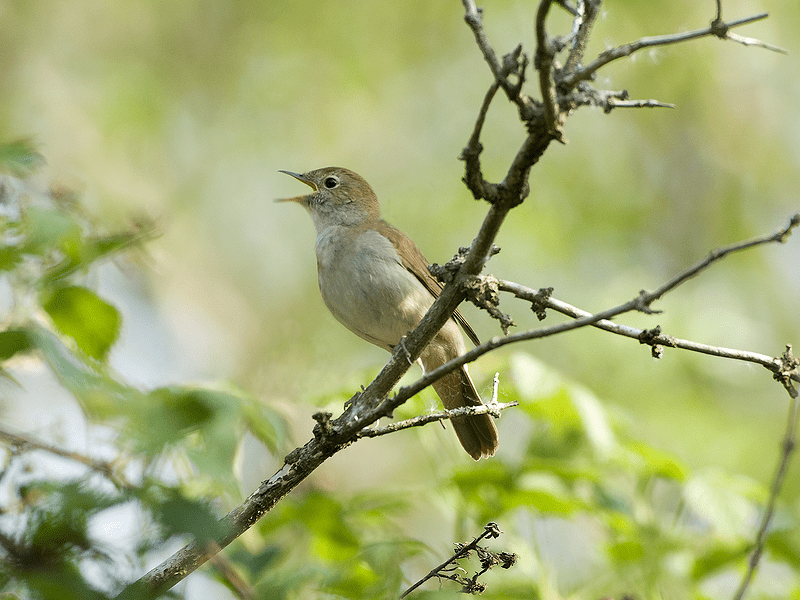
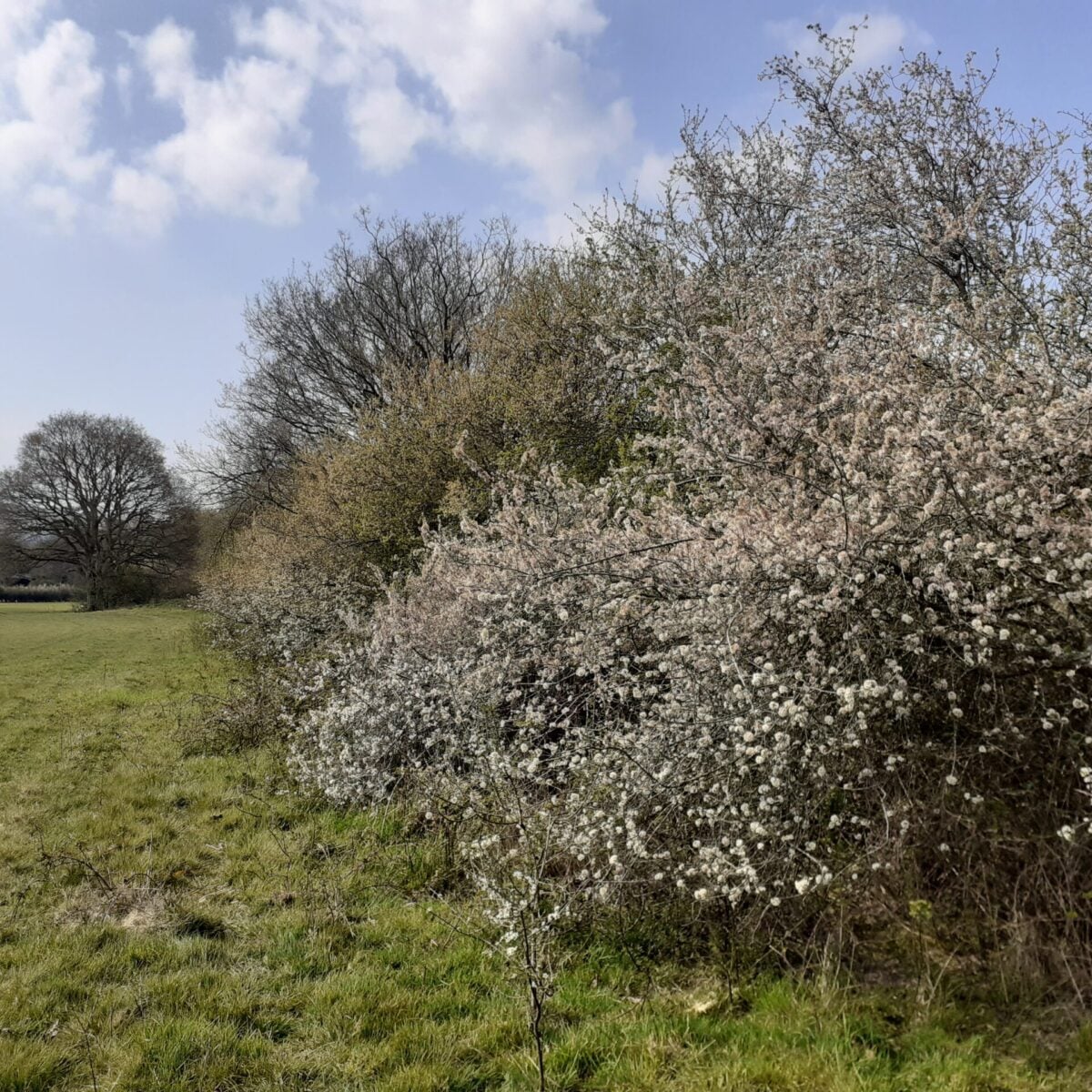
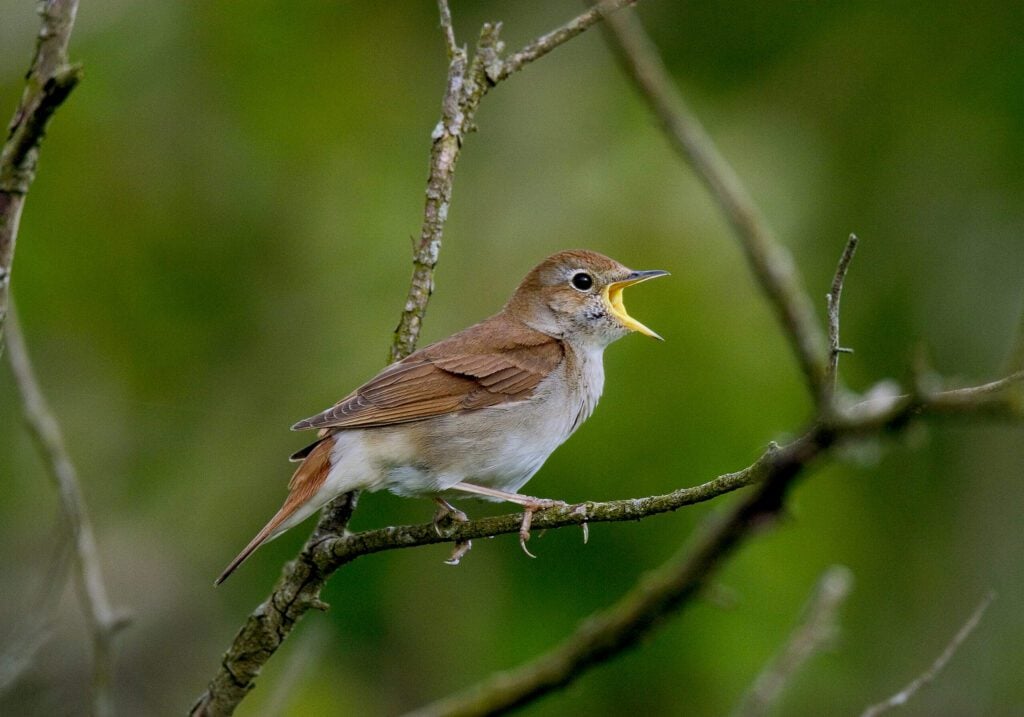
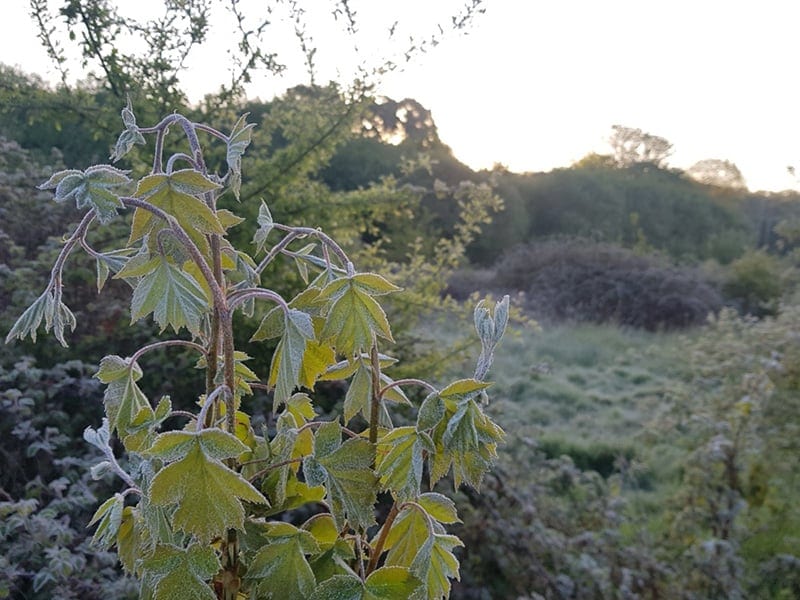
On land, the Butcherlands area of Ebernoe Wildlands Nature Reserve is one the UK’s longest-running rewilding projects, where former arable fields have been allowed to grow into exuberant scrubland. The site now hosts many species of warbler and one of the densest populations of Nightingales in the UK. Youngs Oaks, naturally planted by Jays, grow in the protection of thorny bushes, and may someday become the mature trees in a ‘wood pasture’.
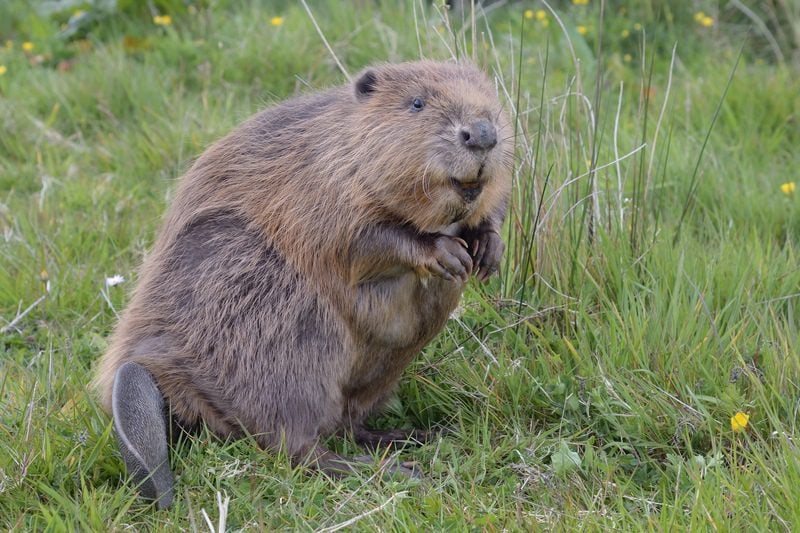
Meanwhile we are championing the return of Beavers to Sussex. Previously extinct, we are now helping Beavers to rewild our wetland landscapes, providing nature and people with essential natural services like flood and drought resilience.
When to rewild
How does rewilding fit with other conservation approaches?
Rewilding is a suite of approaches, with some better suited to certain situations than others.
Knepp Wildland in West Sussex is a shining example of a kind of rewilding on former farmland. It has shown how assembling a host of different, free-moving, grazing animals can support remarkable gains for wildlife on land that previously had low value for nature and farming.
Contrastingly, chalk grassland meadows on the South Downs are astoundingly biodiverse and have co-evolved over centuries with family farming. More traditional grazing and conservation measures are vital to restoring this rare and vulnerable habitat.
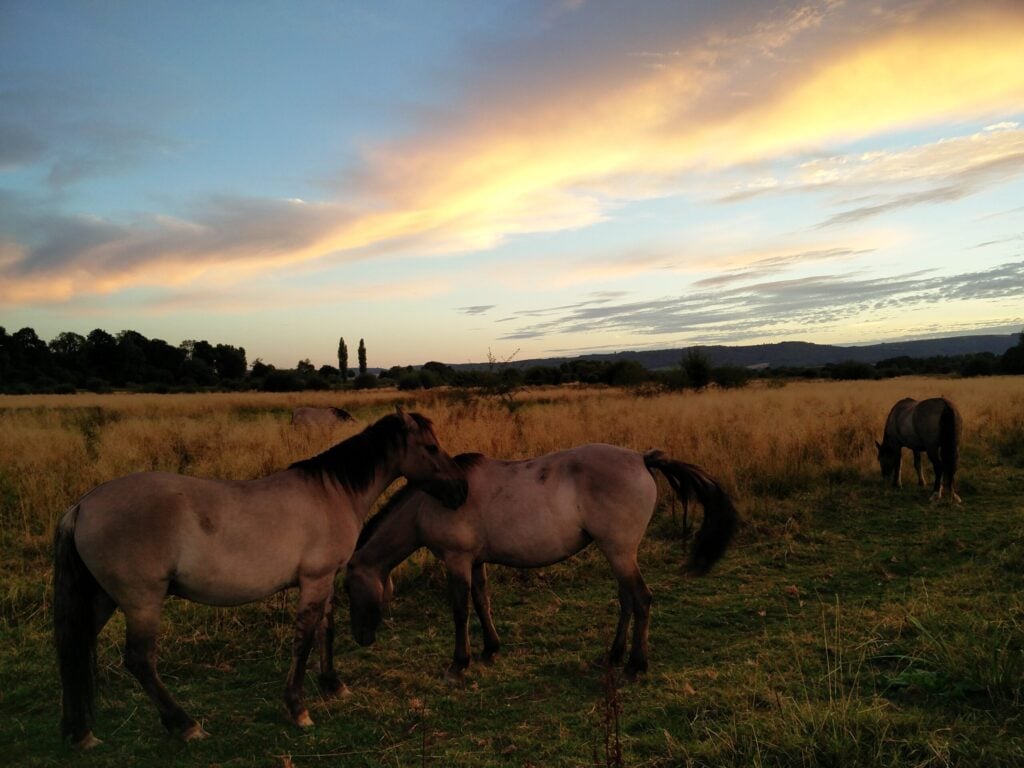 konik ponies at sunset, Waltham Brooks
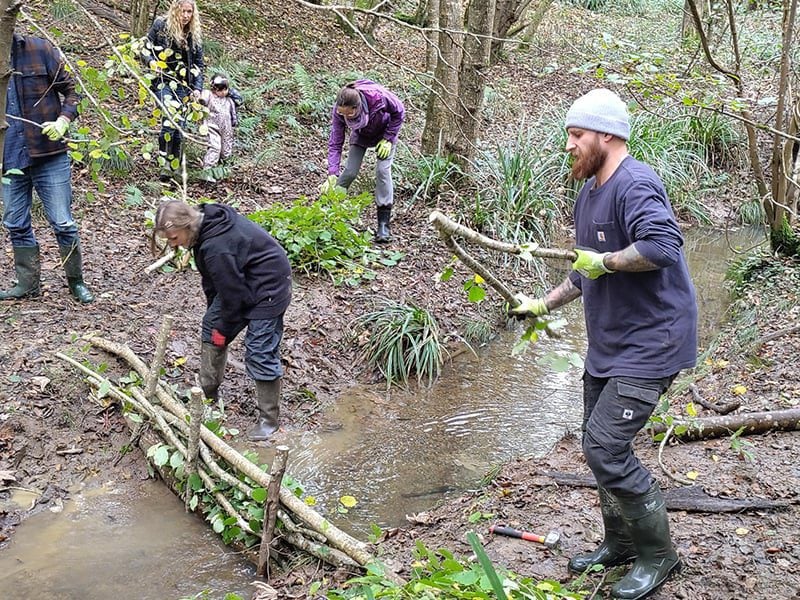 leaky-dams-jane-wigan-w800h600
Rewilding actions
Building leaky dams
Beavers make amazing structures that slow the flow of streams and create a mosaic of wetland habitats. In their absence, human-made leaky woody dams can have some of the same impact.
Mixed grazing
Different animals eat in different ways. Hosting a mix of wild and domestic animals – including deer, ponies, goats, cattle and pigs – can help habitats become more varied and create rich new niches for nature.
Removing damaging practices
Sometimes wildlife is mostly being held back by destructive human activities. By taking away the pressure – for instance, with the ban on bottom-towed trawling in Sussex inshore waters – we give nature a chance to find a way back.
Veteranising trees
Almost all our woodland has been harvested and replanted by humans over centuries. In many places this has resulted in sites with few very old trees, and many of a similar age. Veteranisation involves ‘aging’ trees to create more of the deadwood, nesting holes and crevices that woodland wildlife needs.
Remeandering waterways
Most of our streams and rivers have been straightened out and simplified. This shortens them and reduces the range of riverside and underwater habitats that they can support. Remeandering (or ‘rewiggling’) of waterways – putting the bends back in – reverses this process.
Reintroducing species
Putting ‘ecosystem engineer’ species back into landscapes where they have been lost can be a powerful ways to kickstart natural process.