
Butcherlands is situated on the Wealden Clay and comprises just under 60ha of land which, until the year 2000, was farmed as an arable rotation.
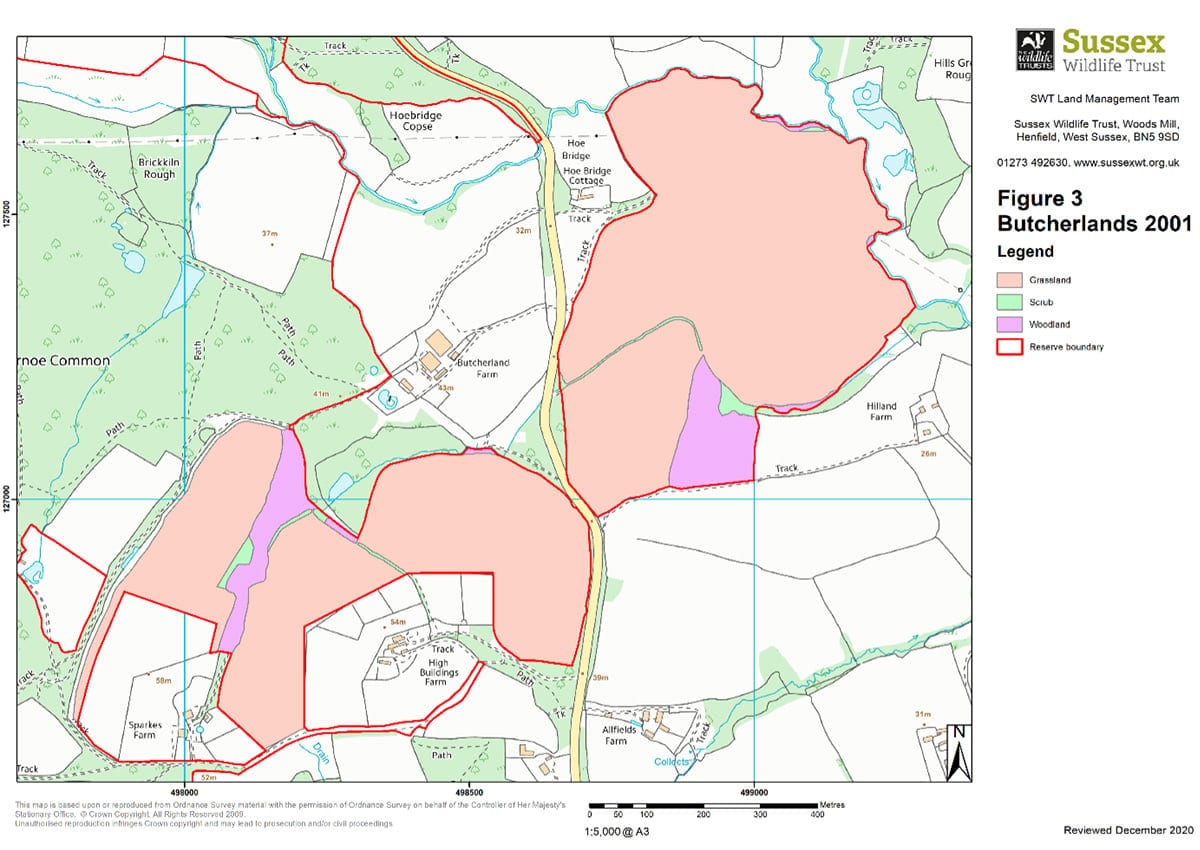
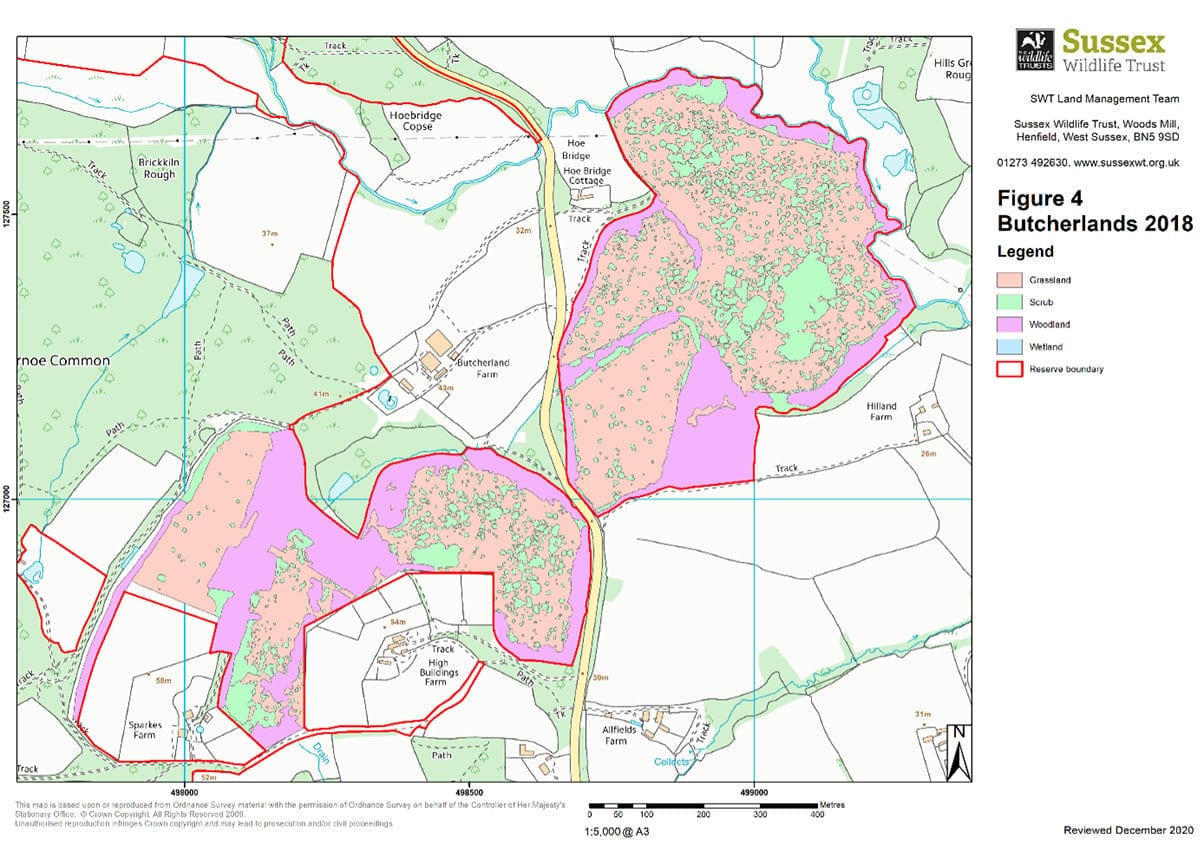
The site was purchased by Sussex Wildlife Trust in 2001 after the land had been left fallow following a final harvest in 2000. Since that time the site has reverted to a rich mosaic of grassland and scrub.
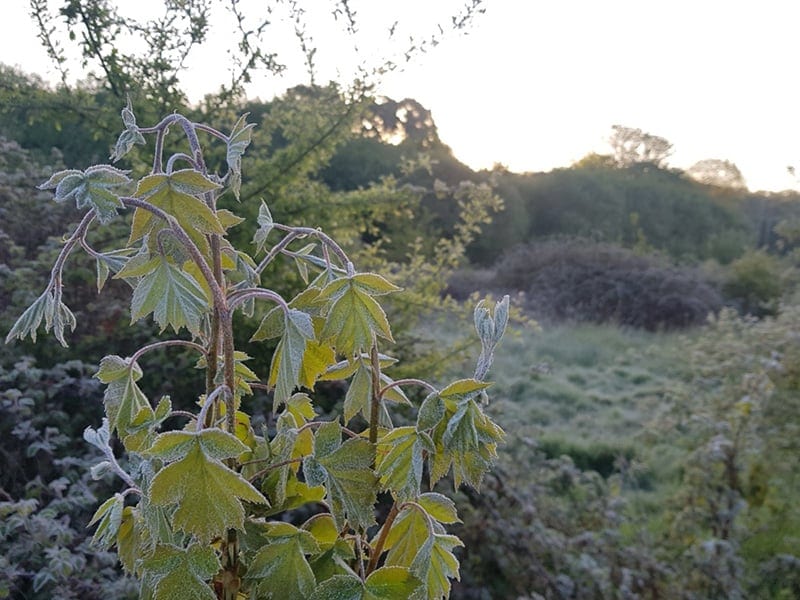
The structure is diverse, ranging from flower-rich short grassland with abundant leguminous species (highly important for pollinating insects) through to more tussocky grass dominated areas. This then grades into low scrub and dense blocks of Bramble, which act as ‘nurseries’ for tree species such as Pedunculate Oak Quercus robur and Wild Service Tree Sorbus torminalis.
Where many high-profile rewilding sites use year-round naturalistic grazing, at Butcherlands we employ a ‘pulse grazing’ approach, whereby the sward is grazed for a period of time before being allowed to rest and recover.
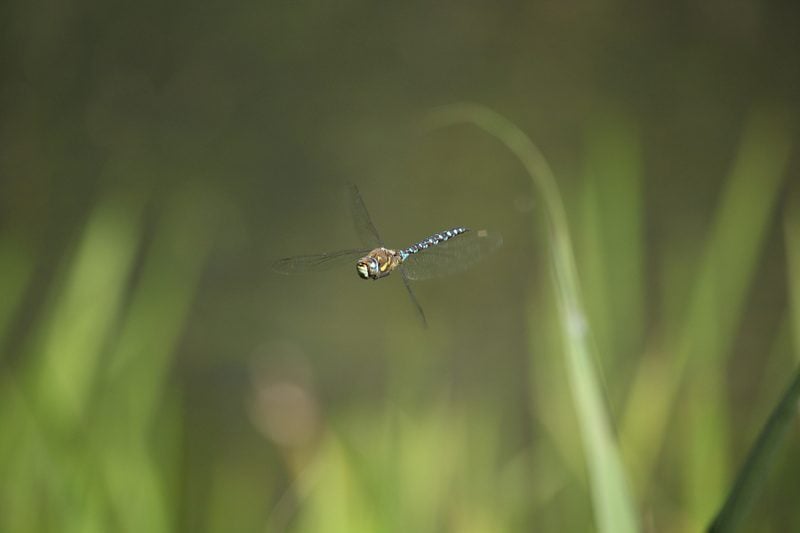
The site has a rich invertebrate fauna, including several Nationally Scarce and Nationally Rare species, as well as the endangered Wood White Leptidea sinapis butterfly. The proximity to Ebernoe Common also makes the site important for nectaring saproxylic invertebrates (invertebrates that are dependant on dead or decaying wood) that may have limited foraging opportunities in some areas of the more established wood pasture.
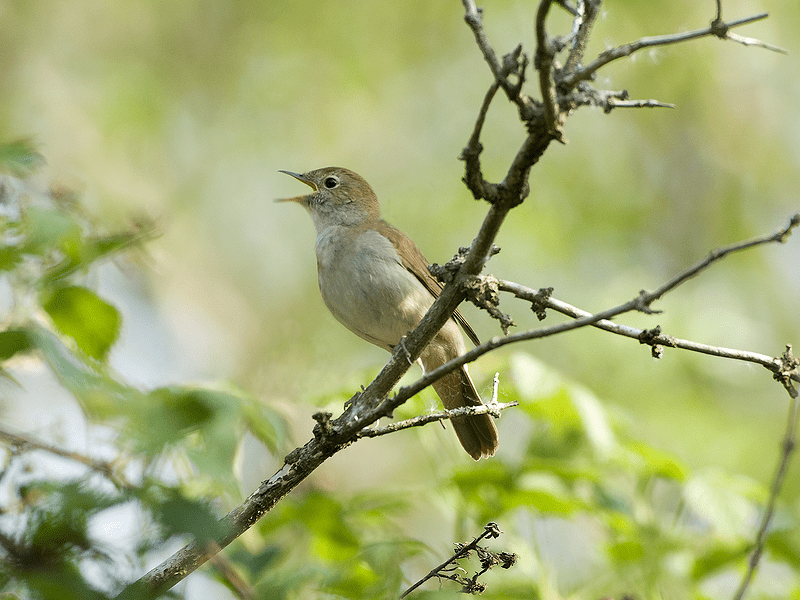
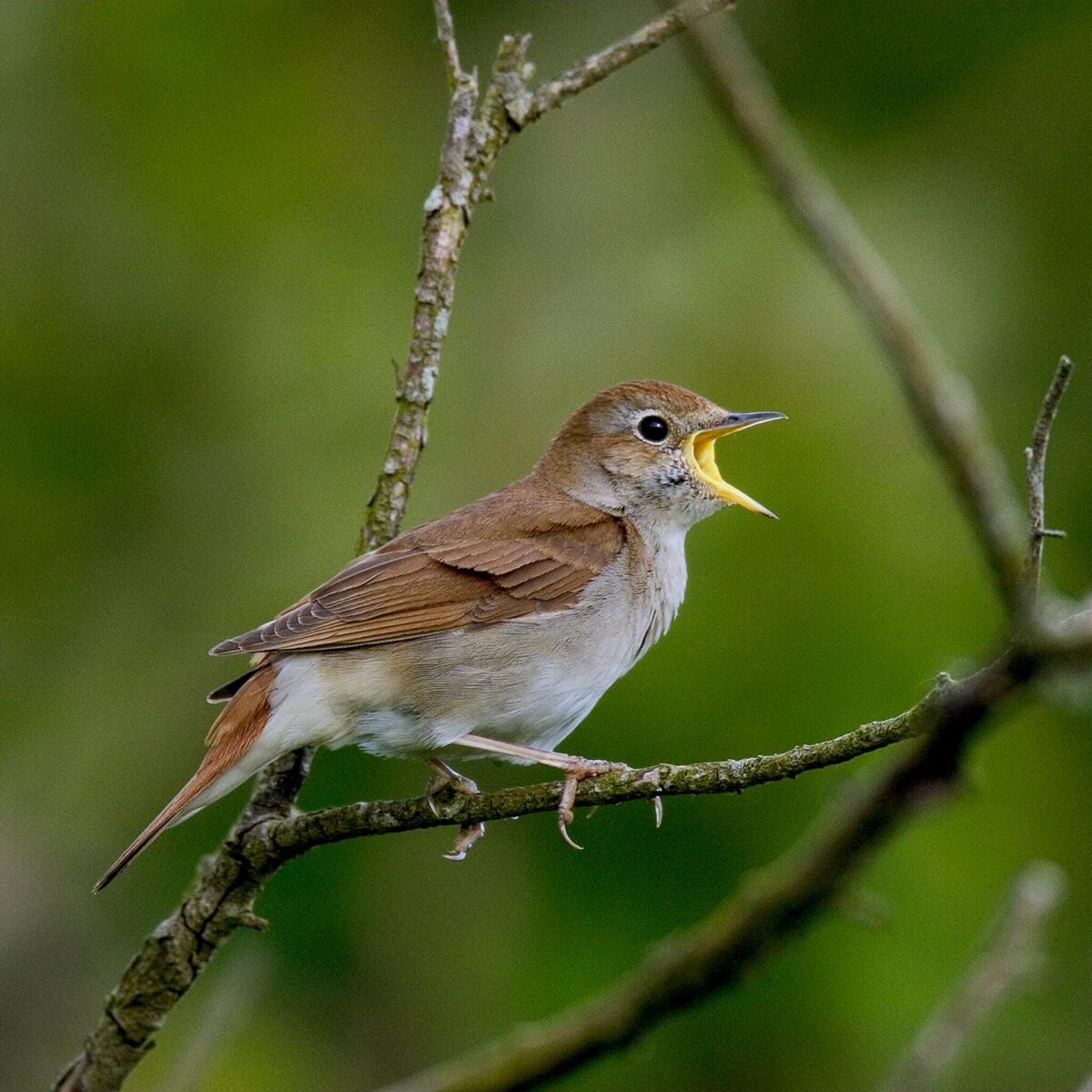
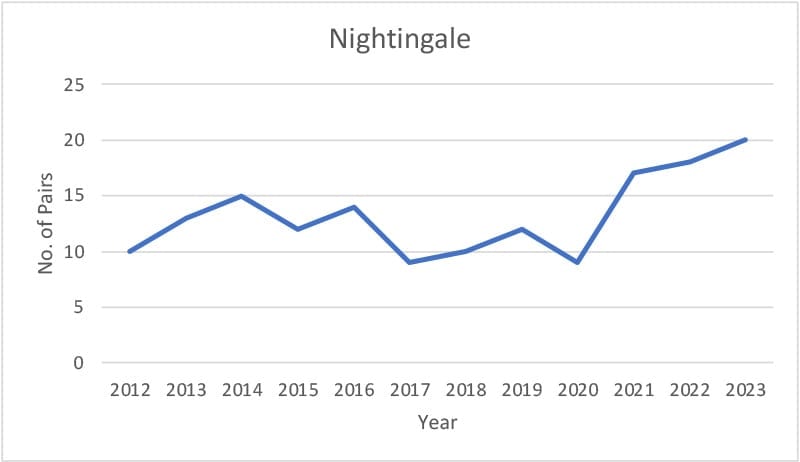
The number of bird species has also become very rich and the site is surveyed every year. Nightingale territories reached their highest level of 20 in 2023, the second most abundant on site after Whitethroat with 30. Additionally, a pair of Dartford Warblers, a species more often associated with scrub on heathland, have been holding territory here since 2019.
Although the soil health here has not been studied extensively, many years of annual ploughing will have reduced soil organic matter and carbon levels (although this will have been mitigated somewhat by the clay soils which hold onto organic matter more efficiently than soils comprising a higher sand and silt content). Since ploughing has stopped, it is thought likely that the soil on site is likely to have increased organic matter (and therefore organic carbon) considerably. The scrub and tree development on site will also have sequestered substantial carbon.
Changes at Butcherlands 2001 vs 2018
Written by Alex Worsley
This article was first published in March 2024, with minor updates in June 2026.

Leave a Reply