 water-voles-47-4-edit
Why?
Missing species
Nature is in trouble. We have lost so much, and many species that have called Sussex home for thousands of years are either only just surviving or no longer present at all. With a little help from us, some of these species could come back and lead the recovery of whole ecosystems.
Background
Our lost neighbours
More than half of all species in the UK are in decline, with a 19% loss in species abundance since the 1970s. The UK sits in the bottom worst 10% of countries globally in terms of overall biodiversity loss. Climate change poses a huge threat to what remains.
We may never know how much biodiversity has been lost from Sussex – but we know it is a great deal. Our missing neighbours include keystone species that create and sustain whole ecosystems for many other forms of life. Their absence leaves a gaping hole in the health of our landscapes.
Species decline is largely caused by human activity. Our work can play an important role in restoring species that have a right to exist, and restoring ecosystem health through species recovery.
Many declining or extinct species are specialists, are locally, nationally or internationally rare, or struggle to spread into new areas. As a result, many rare, endangered or extinct species are only likely to find and recolonise suitable sites if we help them.
 fbshrike2img-20240710-wa0003-w800h600
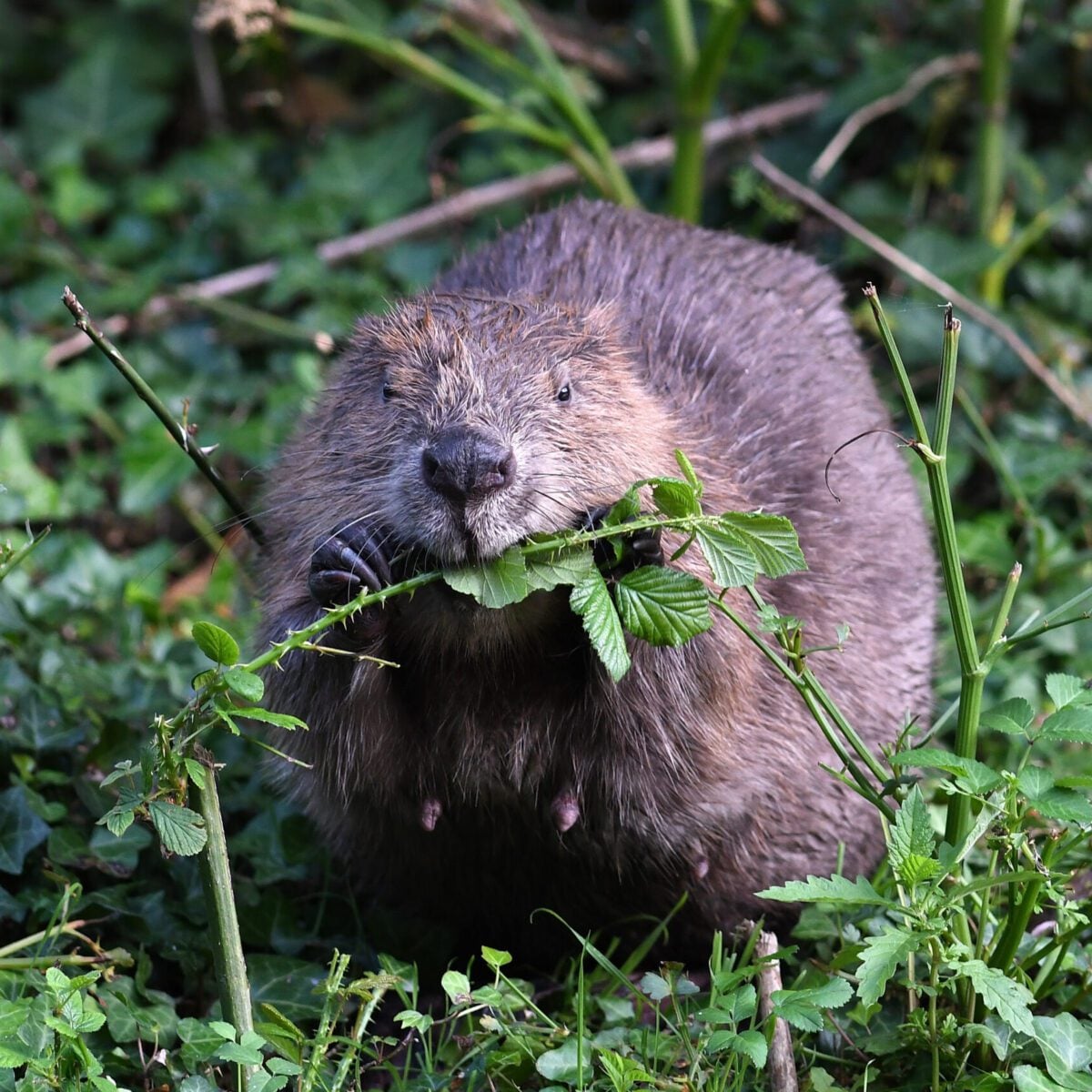
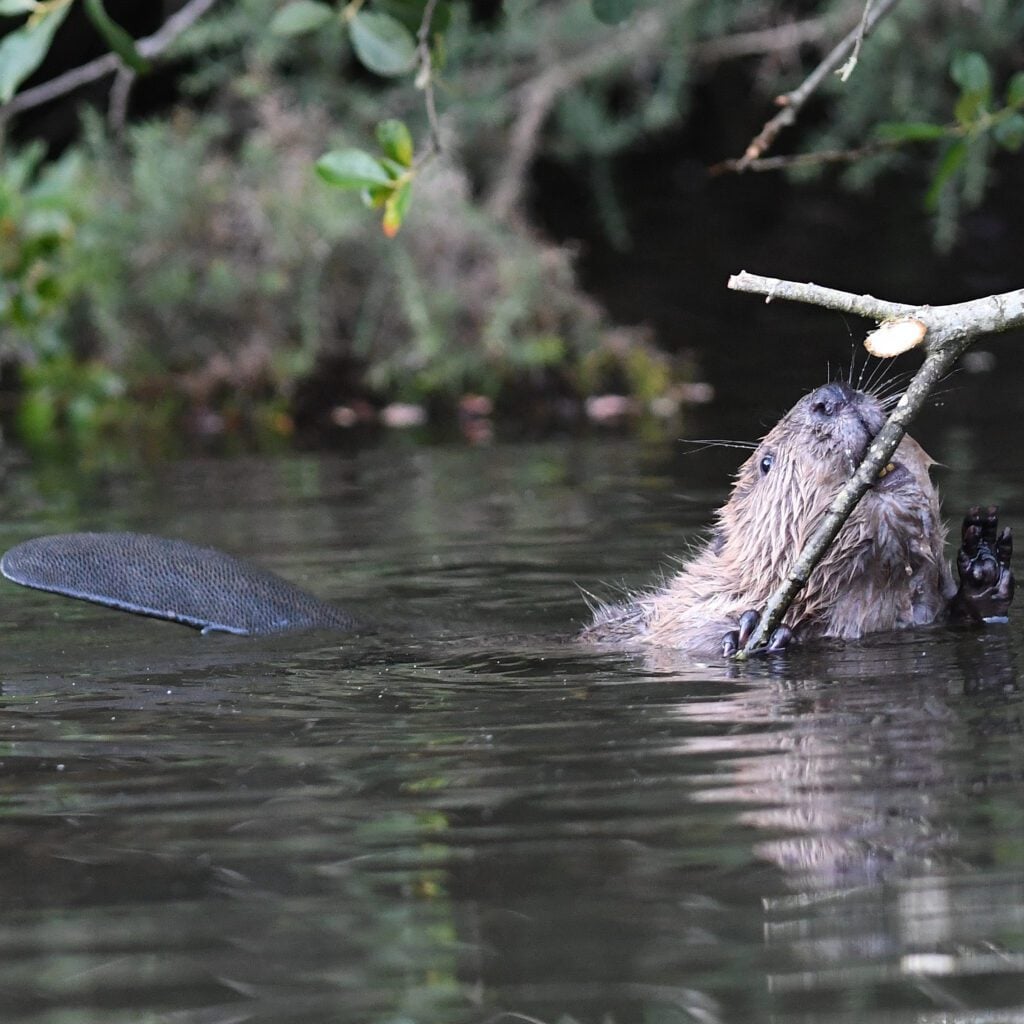 Beaver gnawing twig © David Parkyn and Cornwall Wildlife Trust.
Who’s missing?
Keystone species
Like the keystone in an archway, some species are vital to the health of a whole system. They have profound impacts on the places they inhabit, creating mosaics of habitat with knock-on benefits to other species. Just by existing they bring landscapes back to life.
The impact of keystone species is often disproportionate to their numbers. In many cases, just a few individuals can create huge positive change, such as a single family of beavers that can help restore a kaleidoscope of life to a wetland.
How we intervene
Which species?
We support the appropriate re-introduction of native species, where there is a conservation need. In many cases, restoring a lost native species to an ecosystem can deliver greater benefits for nature recovery than other conservation approaches, and may succeed where previous interventions have failed. However, any reintroduction must follow all relevant legal requirements and approved processes.
Species recovery is complex, and we commit to using the best available information to inform decisions we make on behalf of species, and the communities that live alongside them.
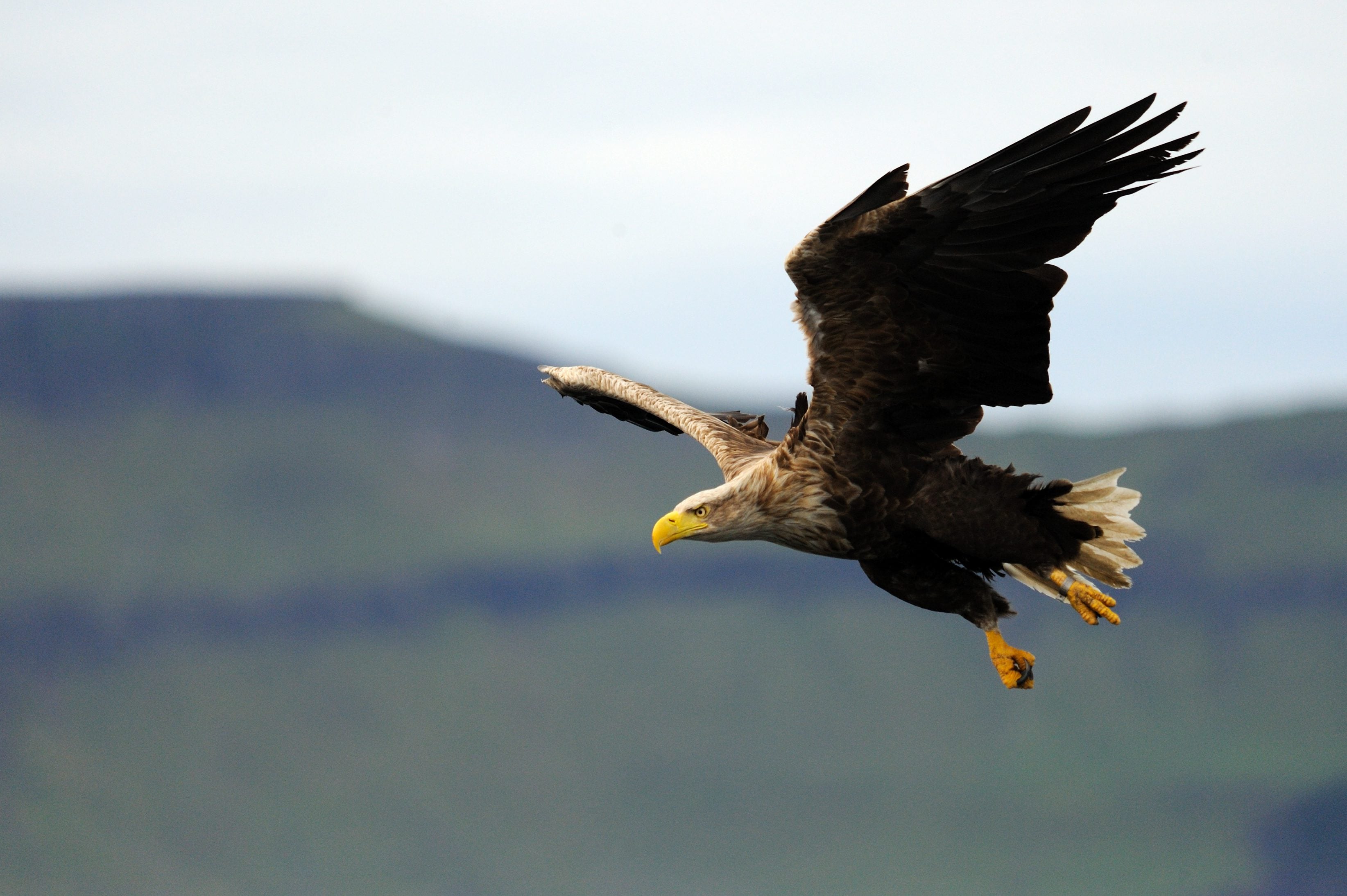
 © Terry Whittaker / 2020VISION