
Take action
Become a member
Memberships build our community and give us a predictable income, which lets us plan and sustain longer projects that can have a greater impact. The more members we have, the more we can do to protect the Sussex countryside and coast.
Make a donation
Membership builds our community and gives us a predictable income, which lets us plan and sustain longer projects that can have a greater impact. The more members we have, the more we can do to protect the Sussex countryside and coast.
Overview
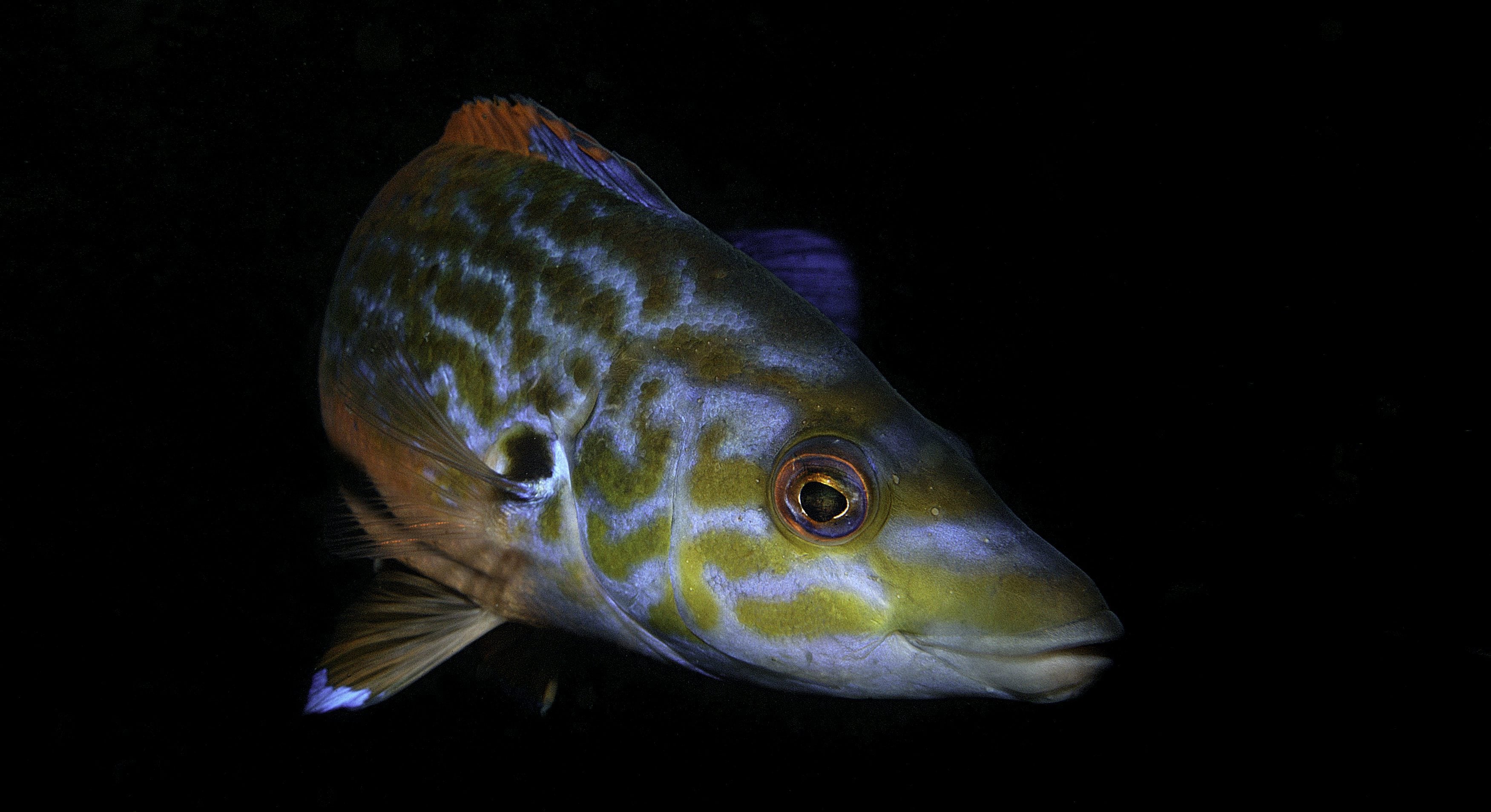
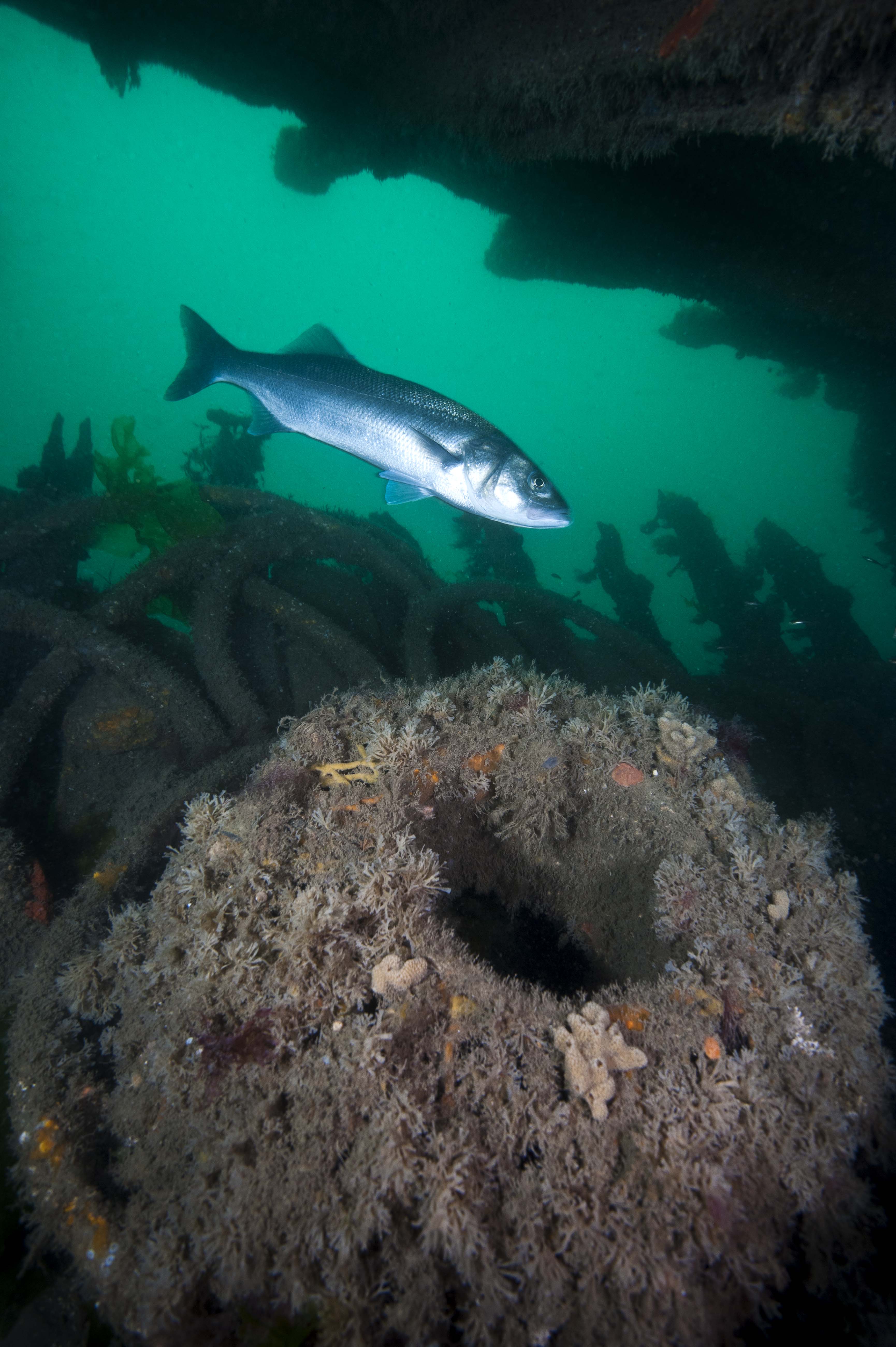
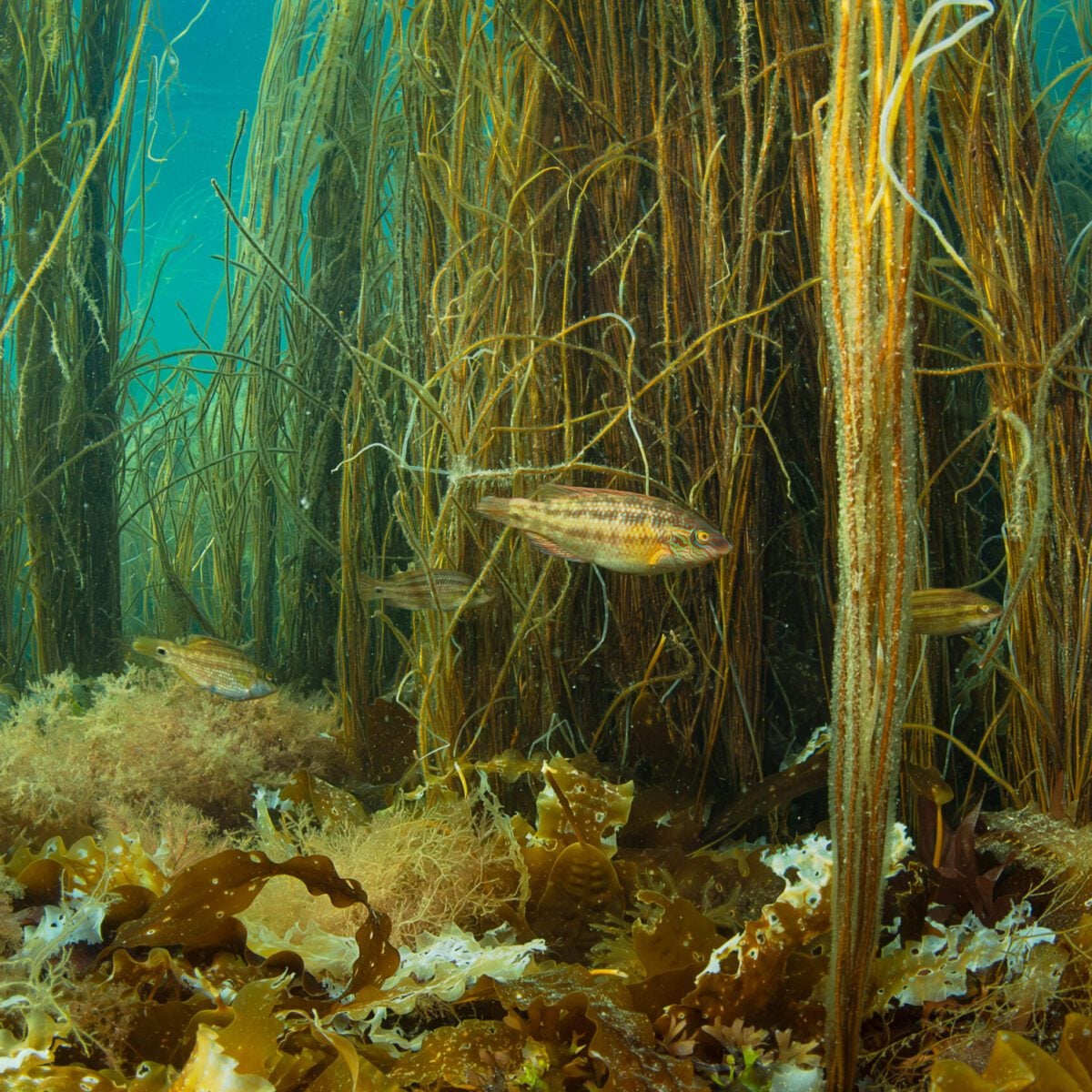
The Black Sea Bream is a large silvery fish mainly found on the south and west coasts of the UK, swimming to Sussex seas to breed in spring.
Key Facts
- Nesting habitsMales will excavate a shallow scrape on the sea floor as a nest for a female to lay her eggs on. Once the eggs are fertilised, the male remains with them. He will fan them with his tail to keep them clear of sand and debris and ward off hungry predators, including smaller bream, crabs and whelks.
- Sex changingBlack Sea Bream are ‘protogynous hermaphrodites’ – all are born female, but are able to change sex when they mature. Those that grow larger than around 40cm are all male.
- Ageing with colour Black Sea Bream change colour through their life stages. Young ones generally have broken yellow stripes running along their body, while nesting males are nearly completely black, except for some white bars. Females develop a horizontal white stripe on their body when ready to lay eggs.
- Special protection Kingmere Marine Conservation Zone, south of Littlehampton and Worthing, is designated in part to help protect Black Sea Bream. Seasonal restrictions on catching the species mean that bream can use the area to breed without risk from fishers.
Status
Considered of Least Concern on the IUCN Red List of species, but locally they are vulnerable to exploitation, particularly during the breeding season.
Black Sea Bream are at the northerly extent of their range in Sussex – the world’s population stretches from the Black Sea though the Mediterranean and into the East Atlantic.
Seasonality
Black Sea Bream are present across the wider English Channel year-round, but are most often in Sussex during their breeding season in the spring (April – June)
How we can help Black Sea Bream
- Avoid catching or eating Black Sea Bream during the breeding season
- If you are a diver, avoid disturbing active nests
- Support campaigns to protect Sussex waters from overfishing and practices that damage the seabed