Take action
Become a member
Memberships build our community and give us a predictable income, which lets us plan and sustain longer projects that can have a greater impact. The more members we have, the more we can do to protect the Sussex countryside and coast.
Make a donation
Membership builds our community and gives us a predictable income, which lets us plan and sustain longer projects that can have a greater impact. The more members we have, the more we can do to protect the Sussex countryside and coast.
Overview
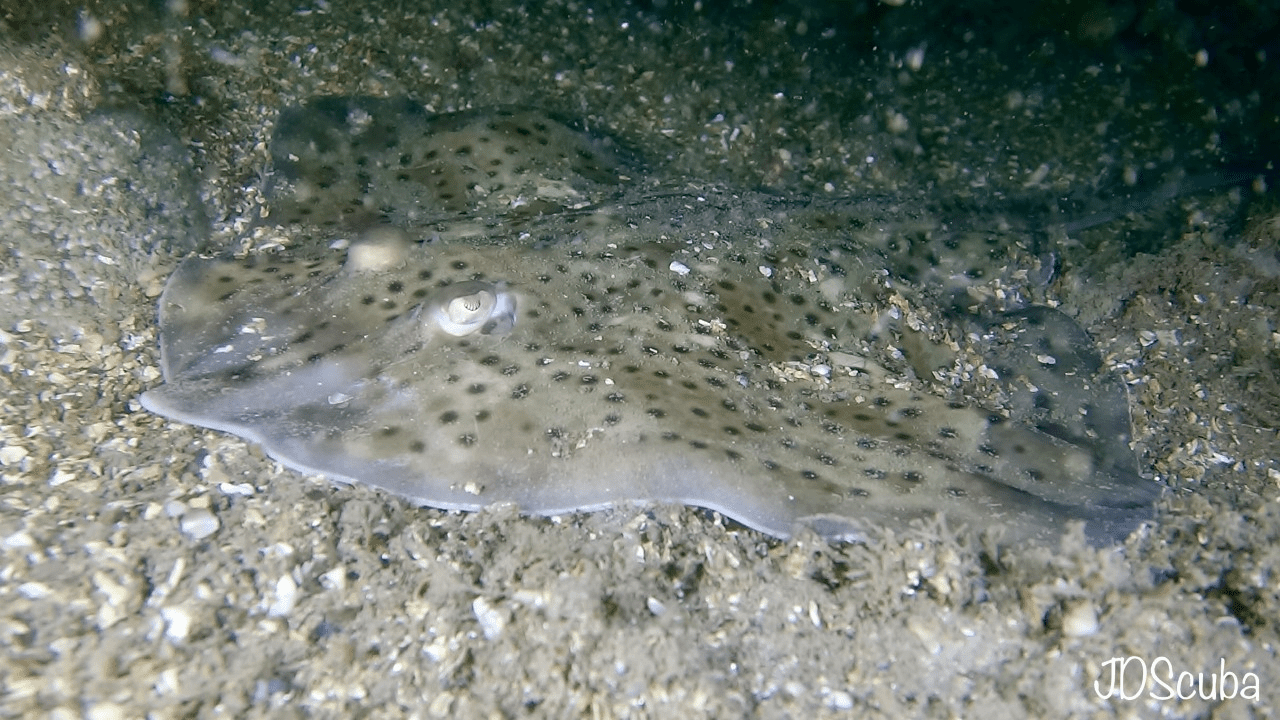
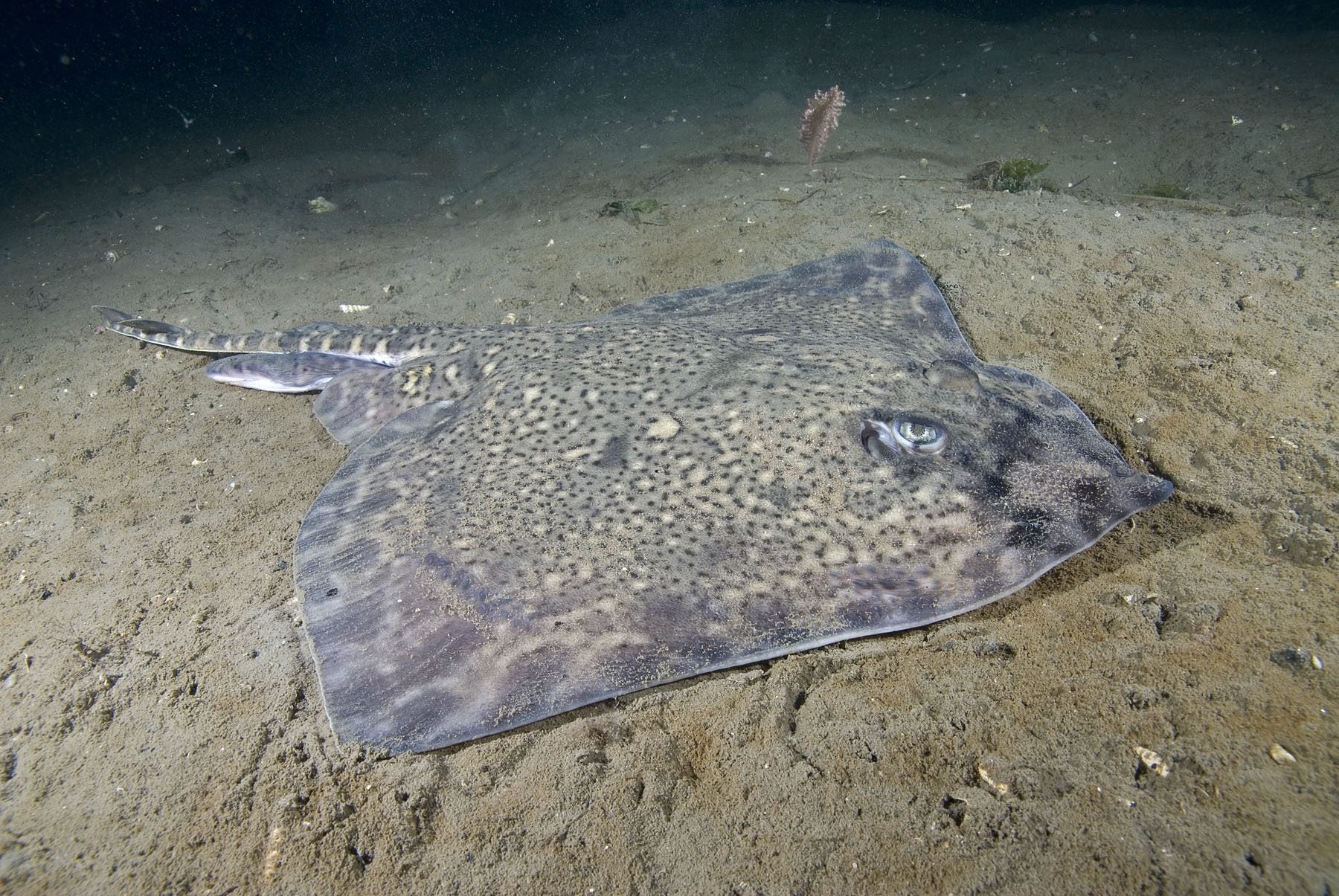
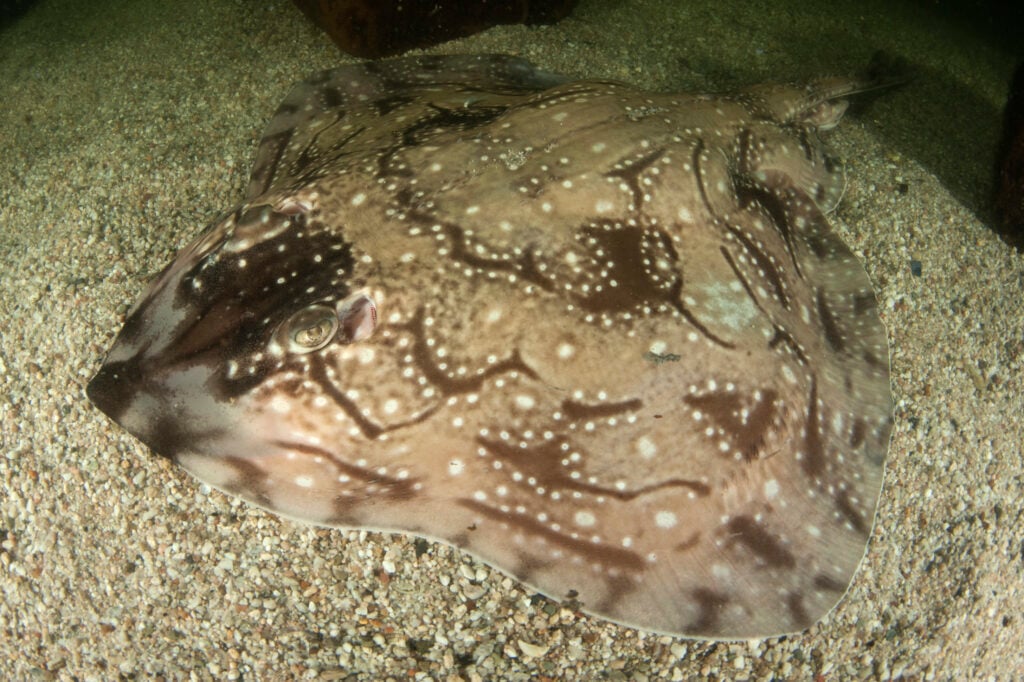
Undulate Rays live on soft seabeds like sand and mud where they can bury themselves underneath the sediment. Instead of teeth, they have crushing plates which help them to feed on their diet of crustaceans.
Despite their name, Undulate Rays are actually a species of skate (sometimes known as the Undulate Skate). Skates and rays are closely related and look similar, but you can spot the difference by looking at the tail. Skates have a short tail with small fins and no stinging capabilities, whereas rays have a long whip-like tail.
Key Facts
- The Undulate Ray is easily recognisable thanks to the dark wavy pattern on its back. Small spines run down the centre of the animal and along the whole tail.
- The Undulate Ray lays eggs commonly called ‘mermaid’s purses’, which are made of keratin. You can sometimes find empty egg cases along the shore that have been brought in by the tide.
- Length: Up to 90 cm Weight: Up to 10kg Average Lifespan: Can live for more than 20 years
Status
The Undulate Ray is listed as Endangered by the IUCN Red List and is a Priority Species under the UK Post-2010 Biodiversity Framework.
Seasonality
All year round