Take action
Become a member
Memberships build our community and give us a predictable income, which lets us plan and sustain longer projects that can have a greater impact. The more members we have, the more we can do to protect the Sussex countryside and coast.
Make a donation
Nature in Sussex is struggling right now. Every pound counts when it comes to the critical work needed to help nature recover. No matter how big or small, your donation will help us make a difference together.
Overview
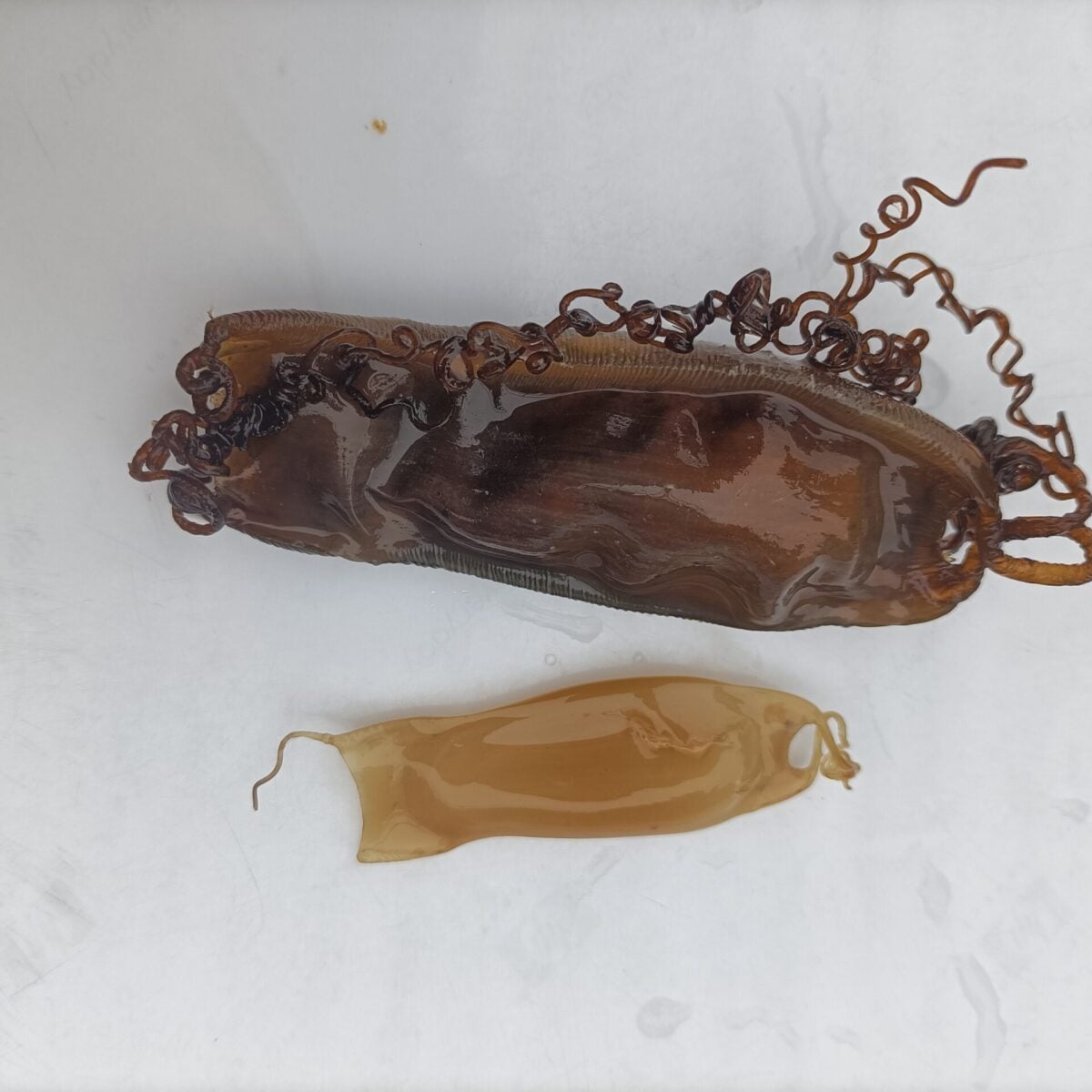
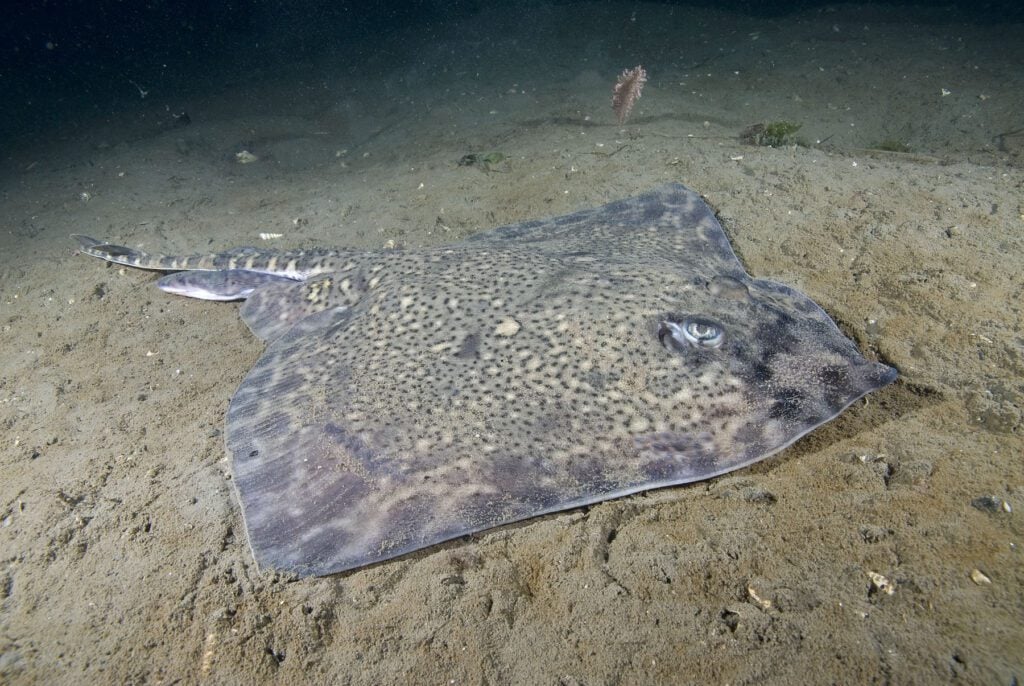
Thornback Rays are found around all British coasts and feed mainly on crustaceans -although they are not above taking any fish that swims a little too close! The Thornback Ray buries itself in sediment during the day and comes out at dusk to hunt.
Closely related to sharks, rays also have a soft cartilage skeleton. Their oversized pectoral fins give them their distinct diamond shape and act a bit like underwater wings.
Key Facts
- With a distinctive kite shaped body, Thornback Rays can also be recognised by their blotchy brown or grey back and collection of ‘thorns’ on their back and tail. Some other ray species also have thorns, but the Thornback Ray has the biggest.
- Although their jaws are small they are extremely powerful, allowing them to crush through the shells of crabs and other crustaceans with ease.
- Length: Up to 139cm Weight: Up to 18kg Average Lifespan: Can live for around 15 years
Status
The Thornback Ray is listed as Near Threatened on the IUCN Red List
Seasonality
All year round